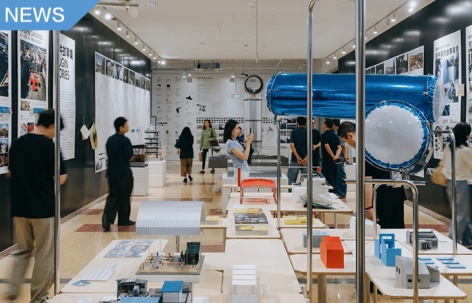
感谢 HALF半场STAGE(联系邮箱:banchang_halfstage@163.com) 对gooood分享以下内容。更多关于:HALF STAGE on gooood
Appreciation towards HALF STAGE (contact: banchang_halfstage@163.com) for providing the following description:
2026年7月25日下午,由北京建筑大学建筑与城市规划学院主办的“半场”系列展览《格物新议:工业物的用与在》在西城校区启幕。本次展览由同济大学建筑与城市规划学院预聘副教授莫万莉策展,建筑事务所“众建筑”与“旭可建筑”联合参展。展览以现代建筑运动中的工业生产体系为阅读大地的切口,通过探讨工业物的“用”与“在”,深入呈现人、物与空间相互构成的共生关系。
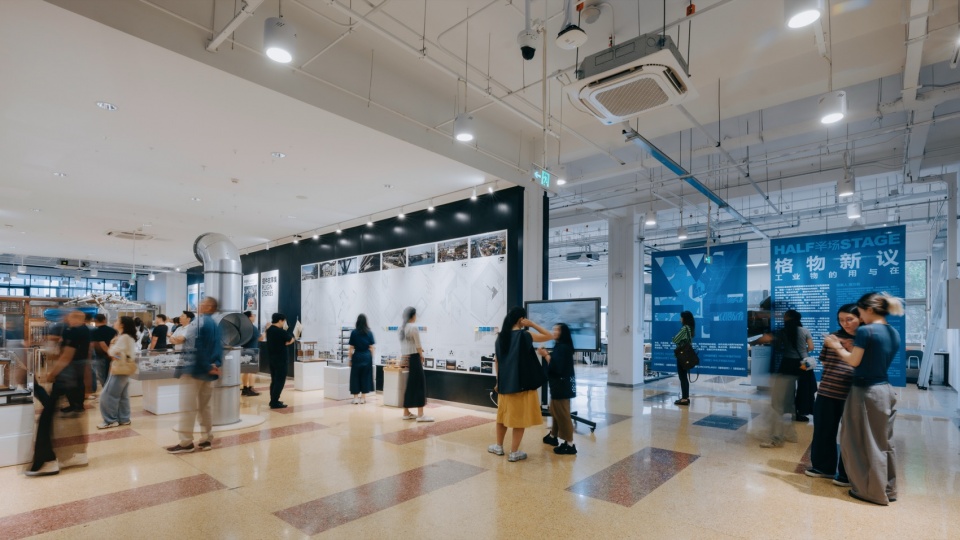
On the afternoon of July 25, 2026, Investigate Things Anew: The Use and Being of Industrial Objects, part of the “HALF STAGE” exhibition series organized by the School of Architecture and Urban Planning at Beijing University of Civil Engineering and Architecture, opened at the university’s Xicheng Campus. Curated by MO Wanli, Assistant Professor at the College of Architecture and Urban Planning, Tongji University, the exhibition brings together People’s Architecture Office and Atelier XÜK. Taking the industrial production system of the modern architectural movement as an entry point for reading the earth, the exhibition examines the “use” and “being” of industrial objects and presents the symbiotic relationship in which people, things, and space mutually constitute one another.
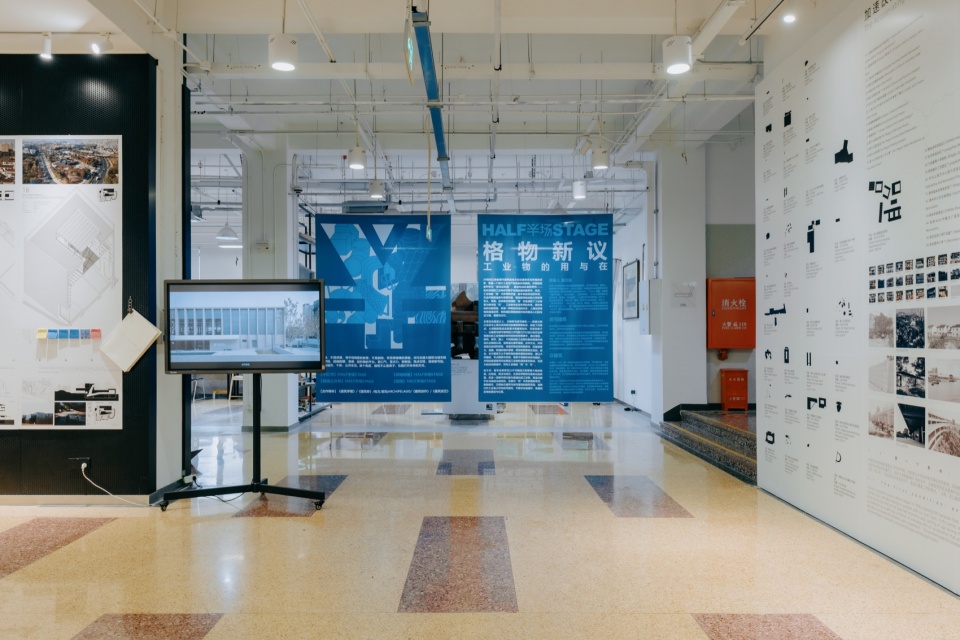
▼展览空间,Exhibition view © 朱雨蒙
开幕式上,北京建筑大学建筑与城市规划学院执行院长穆钧代表主办方致辞。随后,《半场》发起人金秋野及《建筑技艺》执行主编吴春花就《建筑技艺》半场专辑的出版及学术成果的总结进行发言。同济大学建筑与城市规划学院预聘副教授莫万莉作为策展人致辞。
At the opening ceremony, MU Jun, Executive Dean of the School of Architecture and Urban Planning at Beijing University of Civil Engineering and Architecture, delivered remarks on behalf of the organizer. JIN Qiuye, co-initiator of “HALF STAGE,” and WU Chunhua, Executive Editor-in-Chief of Architecture Technique, then spoke about the publication of Architecture Technique’s special issue on “HALF STAGE” and reviewed the initiative’s academic outcomes. MO Wanli, Assistant Professor at the College of Architecture and Urban Planning, Tongji University, delivered remarks as curator.
▼建筑与城市规划学院执行院长穆钧致辞,Remarks by MU Jun, Executive Dean of the School of Architecture and Urban Planning © 王子瑶
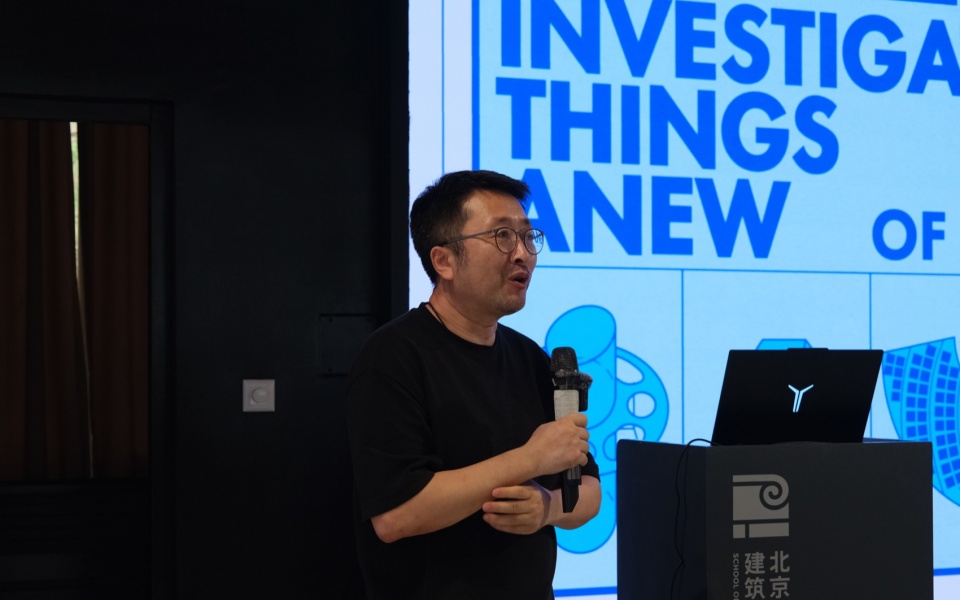
▼《半场》发起人金秋野致辞,Remarks by JIN Qiuye, co-initiator of “HALF STAGE” © 王子瑶
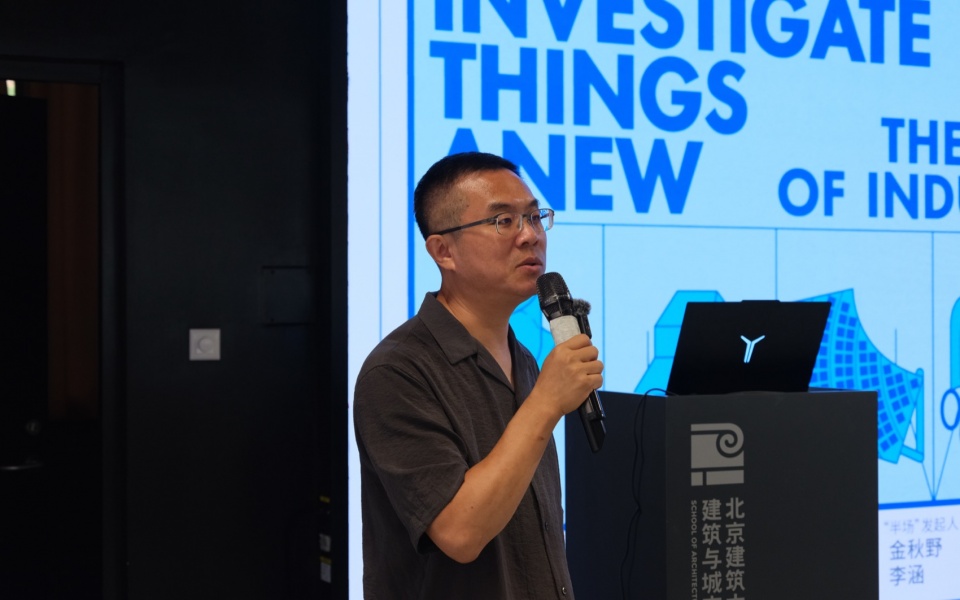
▼《建筑技艺》执行主编吴春花致辞,Remarks by WU Chunhua, Executive Editor-in-Chief of Architecture Technique © 王子瑶
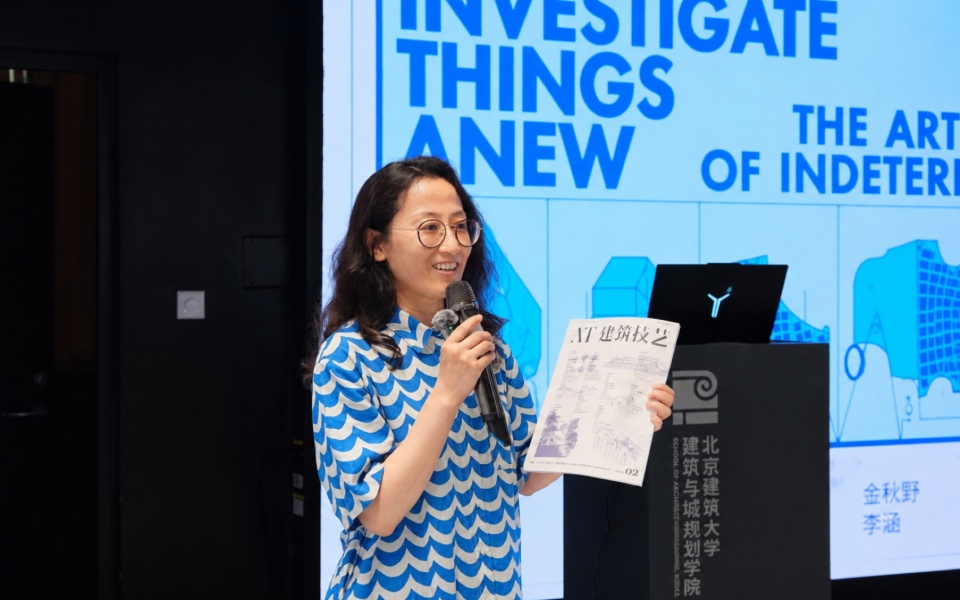
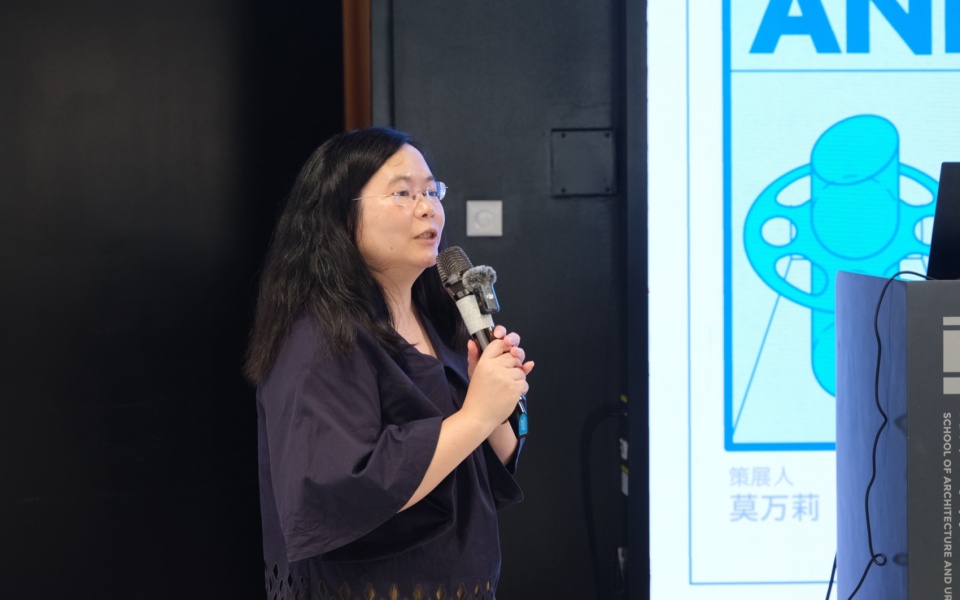
▼策展人莫万莉致辞,Remarks by curator MO Wanli © 王子瑶
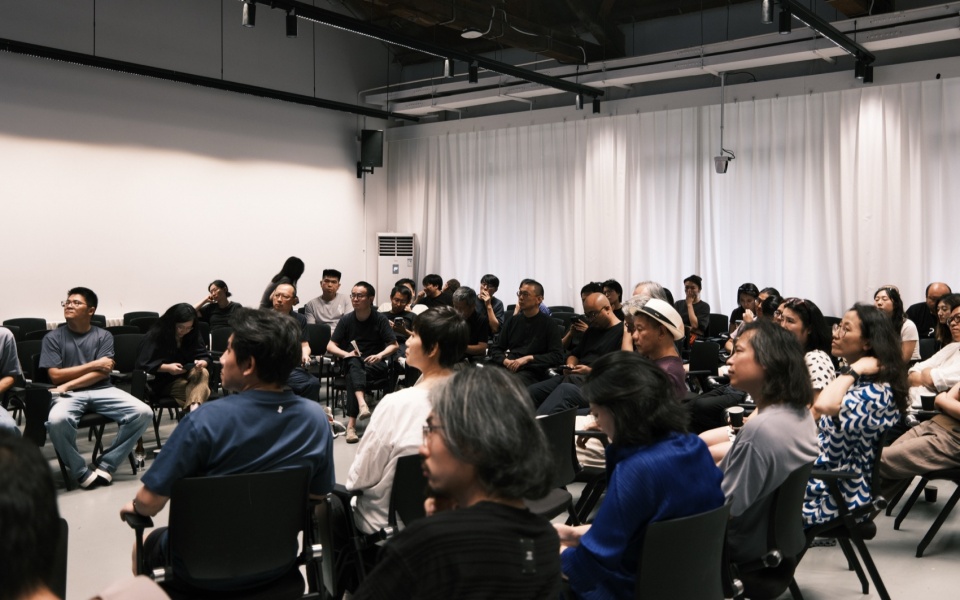
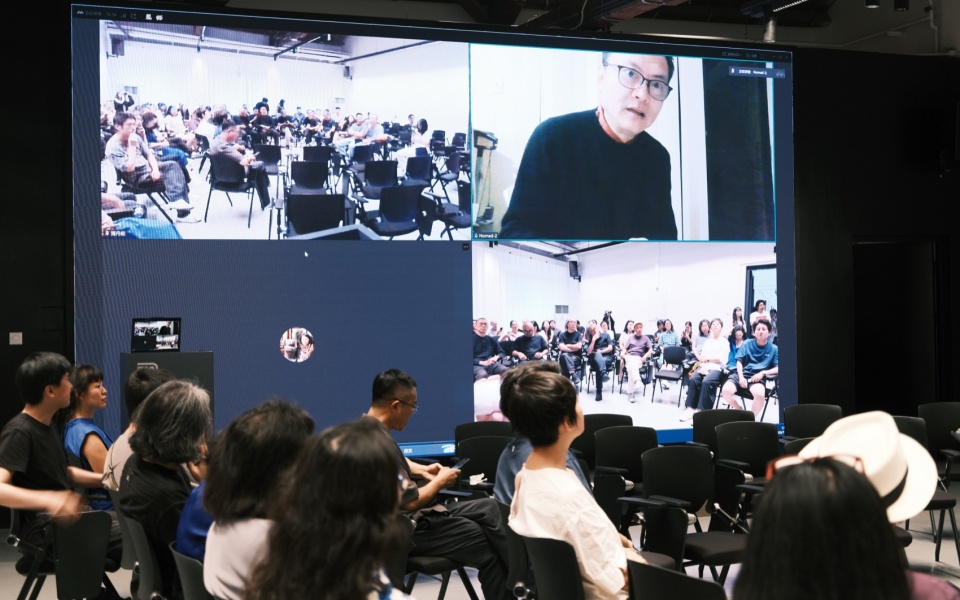
参展事务所分别结合各自多年的设计实践,分享了关于普遍化工业物编织与空间情境塑造的思考。活动最后,冯仕达、张路峰、王辉、韩涛、贾莲娜、陆翔、刘宇光、贾蓉、罗宇杰、王子耕等嘉宾与策展人及参展建筑师就设计精度、建筑师的时代特征、工业物和自然物、材料和色彩、物的主客体性、作者性等话题展开了深度学术探讨。
Drawing on years of design practice, the participating firms shared their reflections on weaving widely available industrial objects into spatial contexts and on shaping those contexts. To conclude the event, guests Stanislaus FUNG, ZHANG Lufeng, WANG Hui, HAN Tao, JIA Lianna, LU Xiang, LIU Yuguang, JIA Rong, LUO Yujie, WANG Zigeng, and others joined the curator and participating architects for an in-depth academic discussion on design precision, the characteristics of architects in relation to their times, industrial and natural objects, materials and color, the subjecthood and objecthood of things, authorship, and related topics.
▼参展事务所众建筑分享,Presentation by People’s Architecture Office © 王子瑶
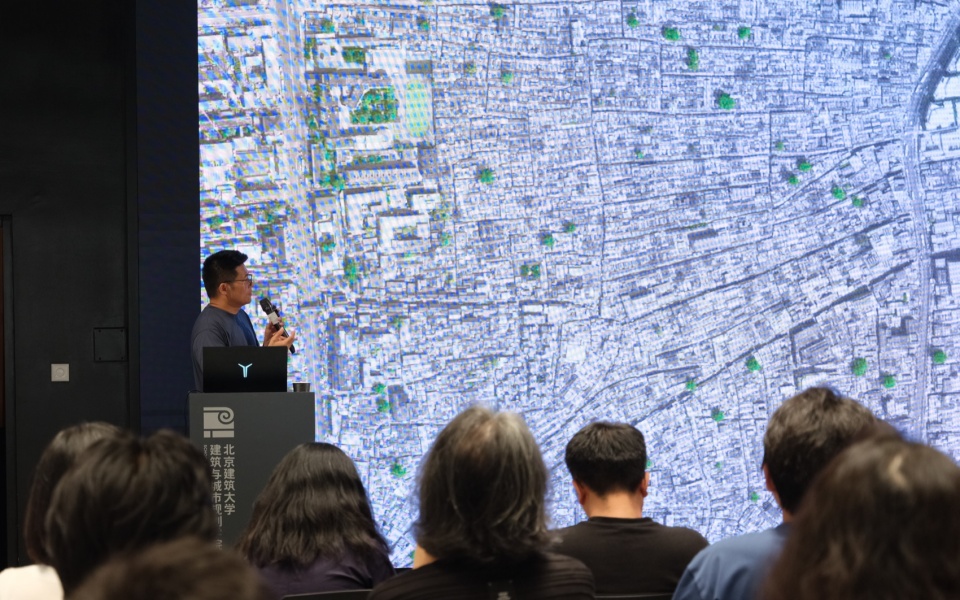
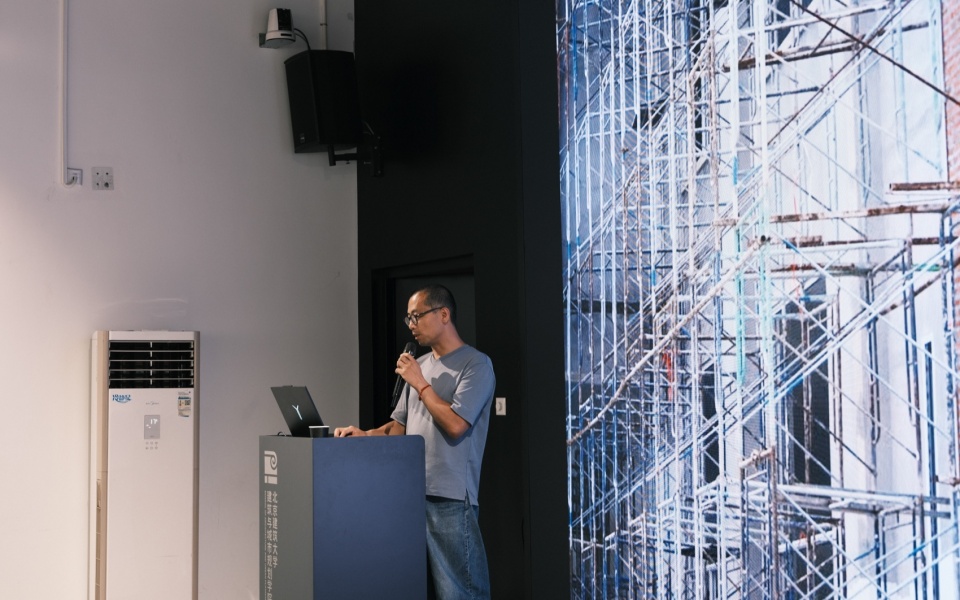
▼参展事务所旭可建筑分享,Presentation by Atelier XÜK © 王子瑶
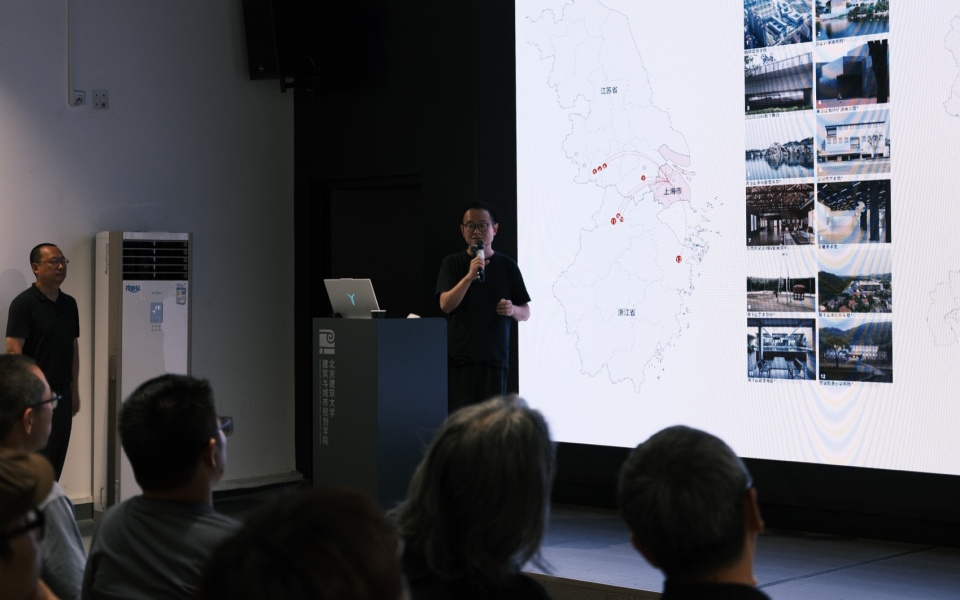
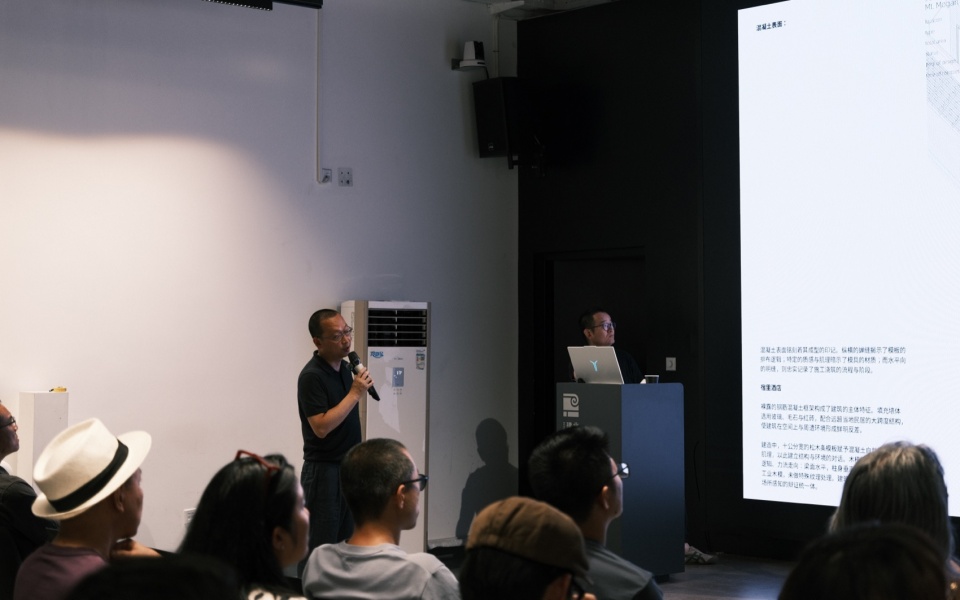
▼对谈现场,Panel discussion © 王子瑶
《格物新议:工业物的用与在》映射着现代建筑运动庞大工业生产体系下的空间缩影,亦是在数字化的浪潮中对“物”本身的重新思考。两家参展事务所通过预制的现成品到基本的建筑材料等多种媒介,在数字化秩序与物性逻辑的思考中,展开一场关于工业物之存在可能性的对谈。
Investigate Things Anew: The Use and Being of Industrial Objects constitutes a spatial microcosm of the vast industrial production system underpinning the modern architectural movement, while also reconsidering the “thing” itself amid the wave of digitalization. Working through media ranging from prefabricated off-the-shelf products to basic building materials, the two participating firms stage a dialogue on the possible modes of existence of industrial objects through reflections on digital order and material logic.
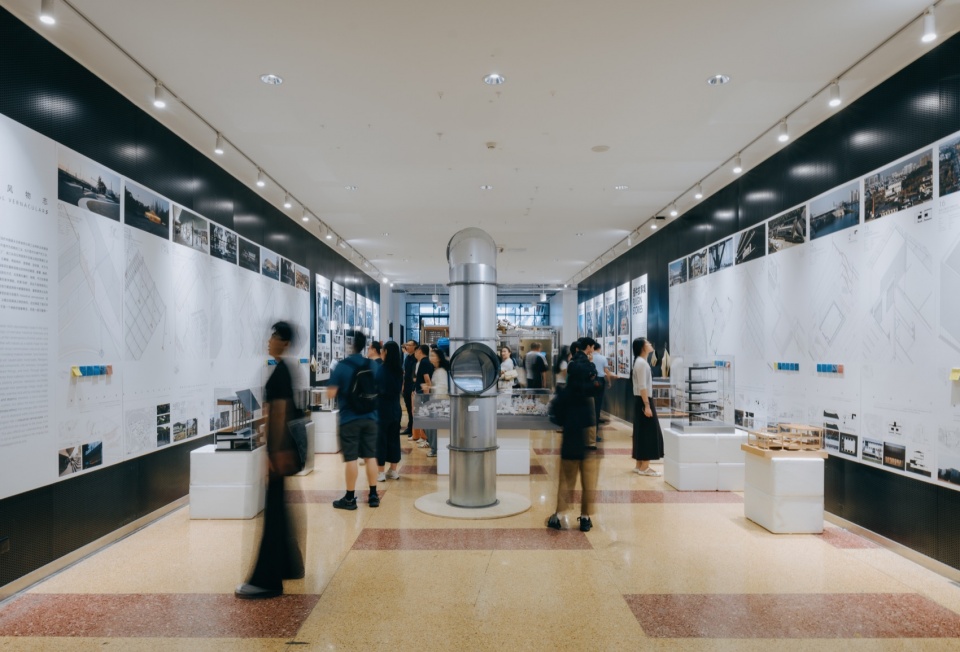
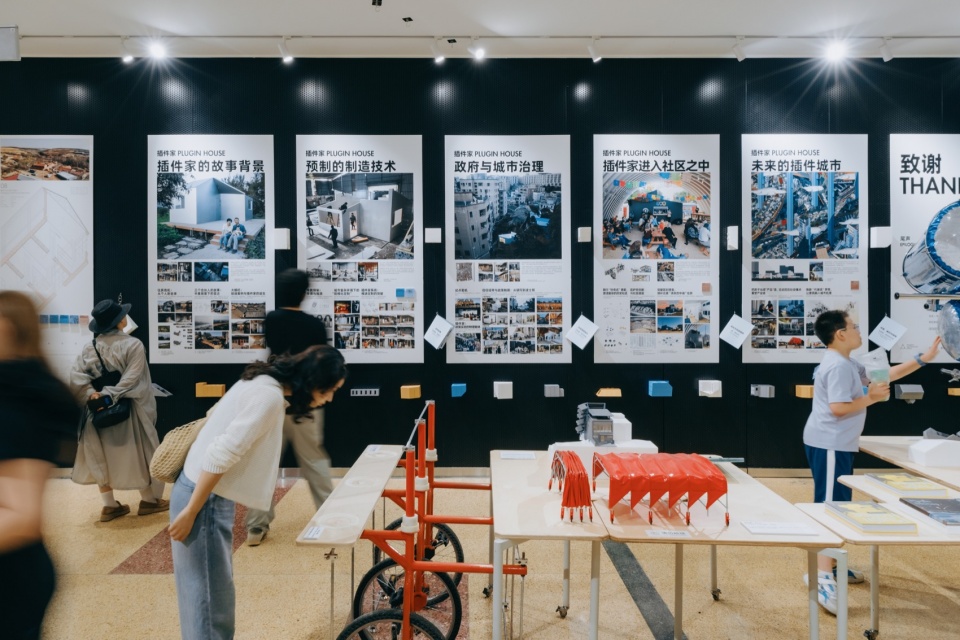
▼展览空间,Exhibition view © 朱雨蒙
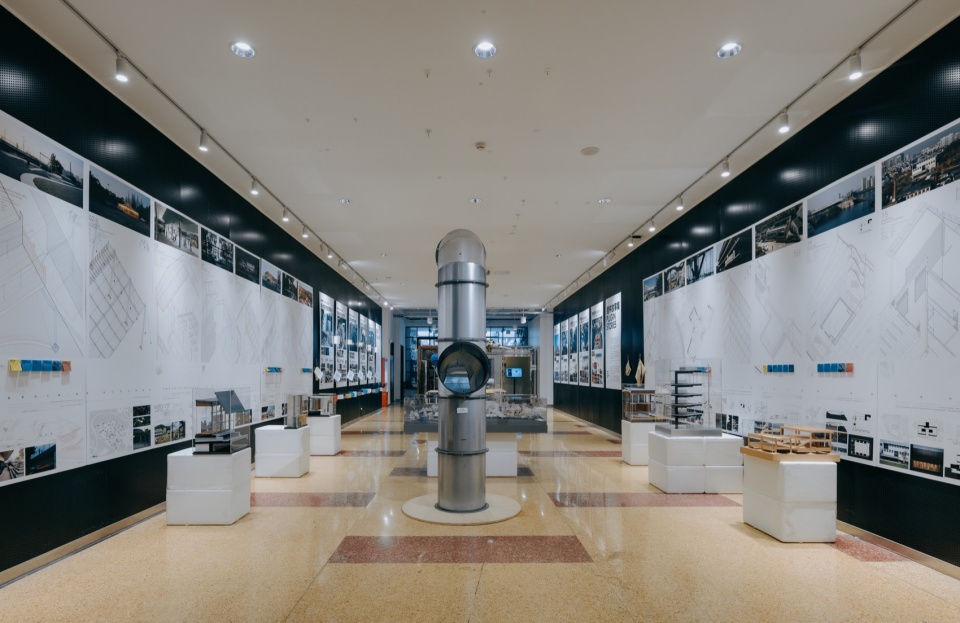
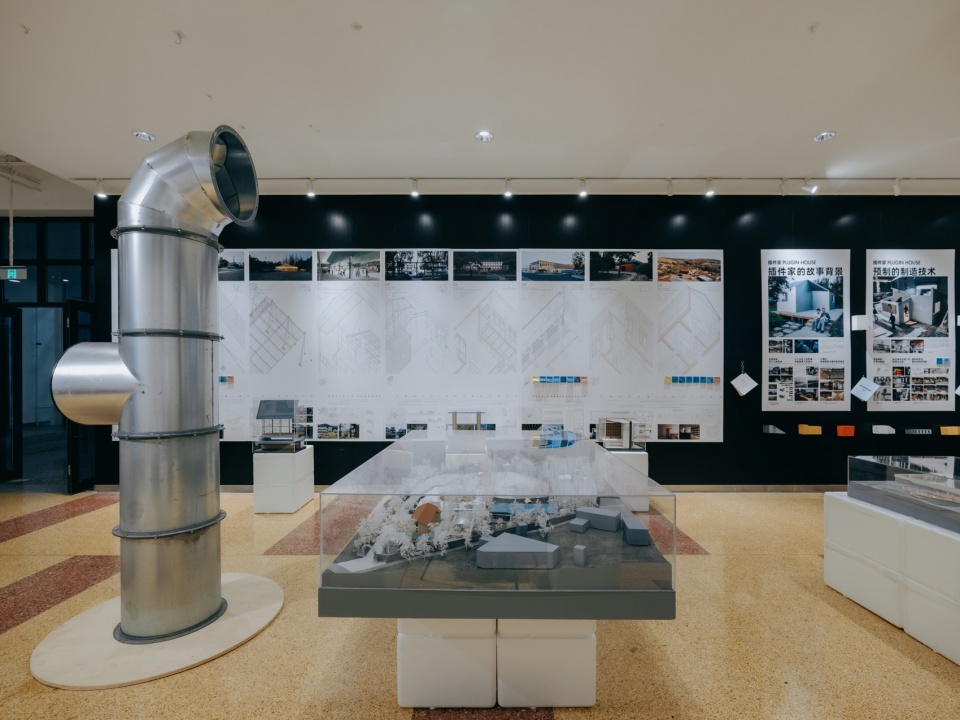
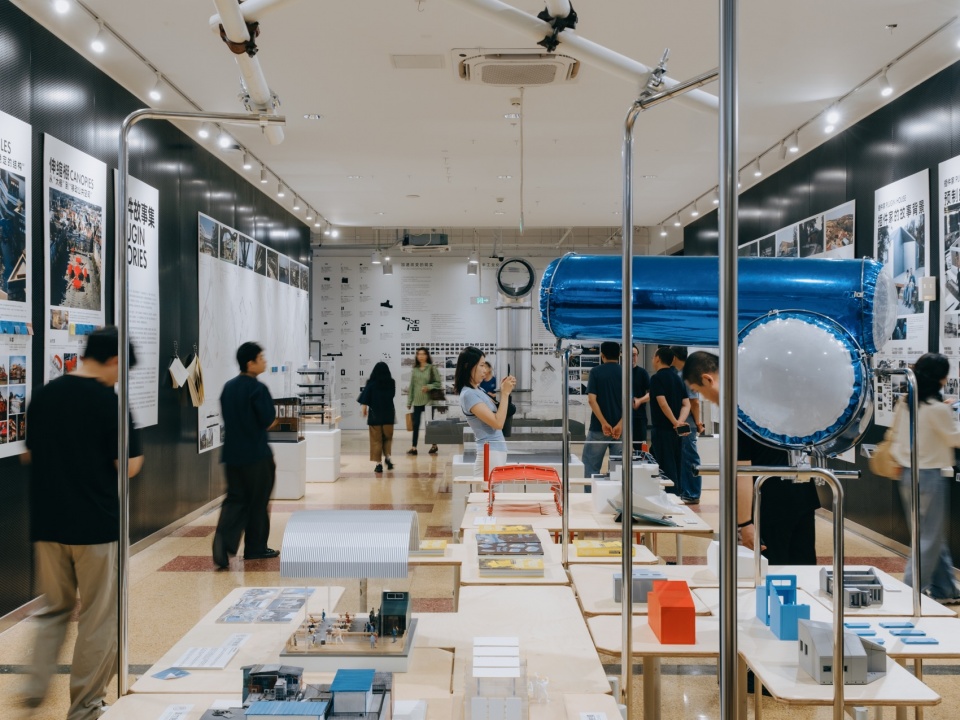
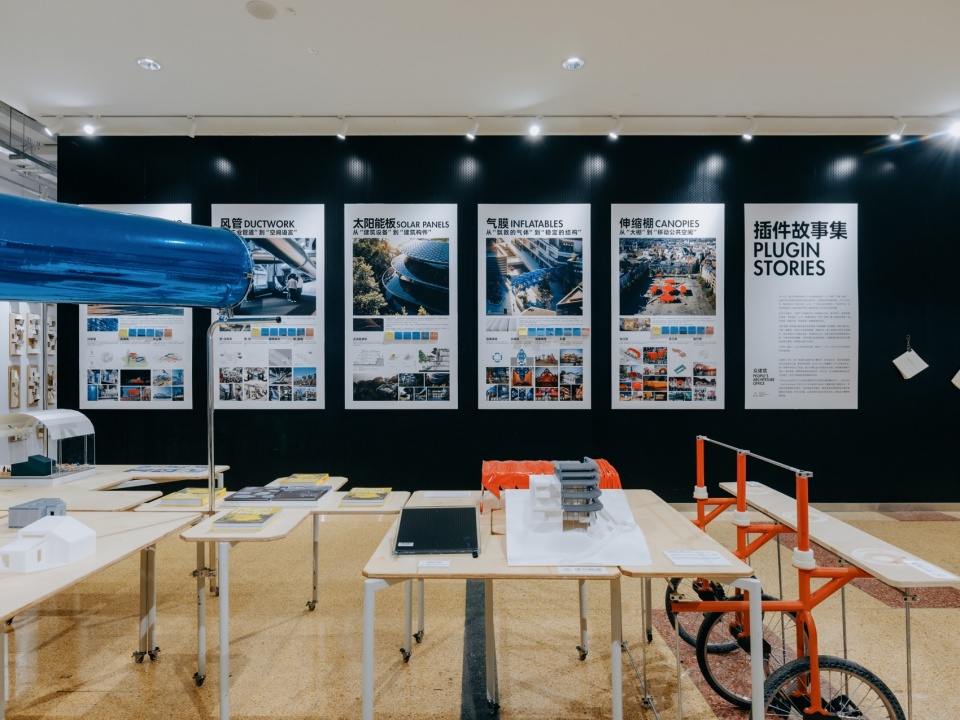
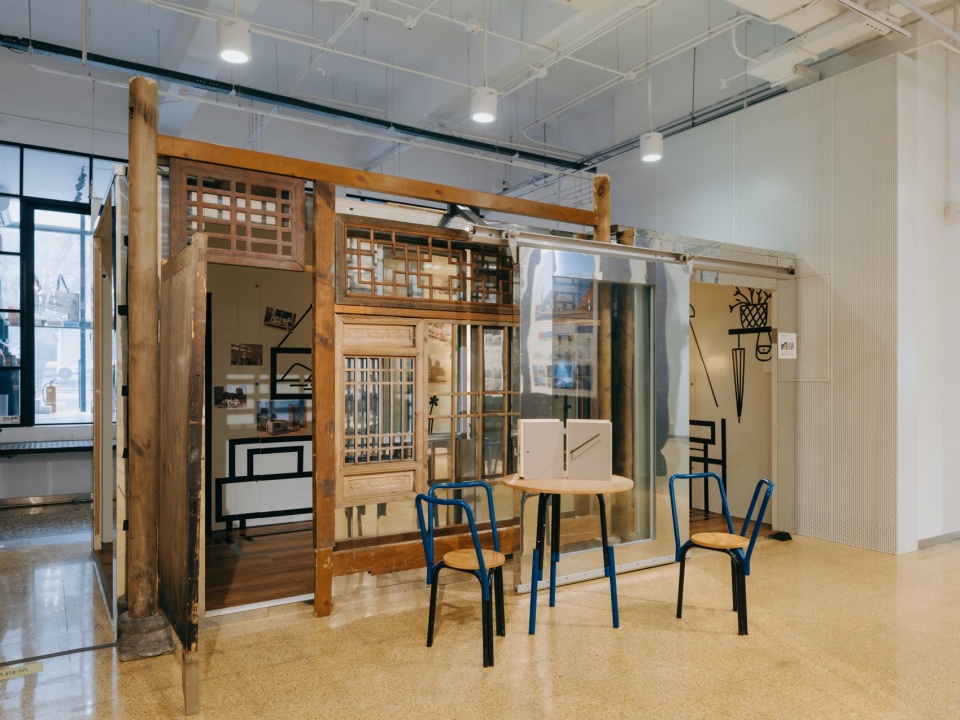
展览空间由旭可建筑的“工业风物志”与众建筑的“插件故事集”共同定义,旭可建筑关注建材市场与日常使用的普通工业之物,发掘其被日常使用所遮蔽的美学潜能;众建筑则通过“插件”作为视角与方法,以临时、小巧、轻便的物置入原来的系统,局部作用并调整整体状态。观众沿展区游渡,在空间意图与材料演进谱系的交汇中,完成一场关于工业物的“用”与“在”、日常建造与存在之思的深度对谈。
The exhibition space is jointly defined by Atelier XÜK’s “A Gazetteer of Industrial Objects” and People’s Architecture Office’s “Plugin Stories.” Atelier XÜK focuses on ordinary industrial objects found in building-material markets and everyday use, uncovering aesthetic potential obscured by habitual use. People’s Architecture Office, meanwhile, treats the “plugin” as both a perspective and a method, inserting temporary, compact, lightweight objects into existing systems so as to act locally while recalibrating overall conditions. As visitors traverse the exhibition, they encounter the convergence of spatial intentions and genealogies of material evolution, completing an in-depth dialogue on the “use” and “being” of industrial objects, everyday construction, and reflections on existence.
▼展览空间,Exhibition view © 朱雨蒙
“半场”是由金秋野和李涵发起的,建筑师自发形成的,集展览、活动和出版于一体的综合文化平台,是建筑师思想的交汇地。通过观点的交锋,激发新的可能。“半场”推动建筑事务所两两组合举办展览和学术活动,通过建筑师的空间塑造能力和两家事务所间的思维碰撞,来体现建筑职业的丰富性、多样性和广泛的社会、文化关怀。
“HALF STAGE” is a comprehensive cultural platform initiated by JIN Qiuye and LI Han and independently formed by architects, integrating exhibitions, events, and publishing. It serves as a meeting ground for architectural thought, where the clash of viewpoints sparks new possibilities. “HALF STAGE” brings architectural practices together in pairs to organize exhibitions and academic events. Through architects’ capacity to shape space and the intellectual exchange between two firms, it demonstrates the richness and diversity of the profession and its broad social and cultural concerns.
▼展览空间,Exhibition view © 朱雨蒙
策展人
CURATOR
莫万莉,同济大学建筑与城市规划学院预聘副教授
MO Wanli, Assistant Professor, College of Architecture and Urban Planning, Tongji University
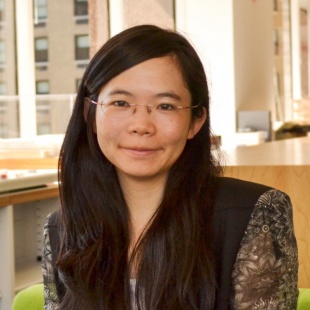
莫万莉,同济大学建筑与城市规划学院预聘副教授,青年建筑学者、策展人,国际建筑评论家委员会(CICA)委员,中国建筑学会建筑评论学术委员会理事,英文建筑期刊《Architecture China》编辑。她曾在《建筑学报》、《时代建筑》、《美术观察》、Domus等刊物多次发表文章。曾策划“甜蜜的家”(上海当代艺术博物馆,2017)、苏州国际设计周“姑苏·亭”单元(苏州平江历史街区,2021)、“自然作为文化”(设计上海,2023)等展览,并担任上海城市空间艺术季(2017)、第16届威尼斯国际建筑双年展中国国家馆(2018)等展览助理策展人。她分别于同济大学和耶鲁大学获得博士和硕士学位。
MO Wanli is an Assistant Professor at the College of Architecture and Urban Planning, Tongji University, a young scholar of architecture and curator, a member of the International Committee of Architectural Critics (CICA), a council member of the Architectural Criticism Academic Committee of the Architectural Society of China, and an editor of the English-language architecture journal Architecture China. Her writings have appeared in Architectural Journal, Time + Architecture, Art Observation, Domus, and other publications. She has curated exhibitions including Home Sweet Home (Power Station of Art, Shanghai, 2017), the “Gusu · Pavilion” section of Suzhou Design Week (Pingjiang Historic District, Suzhou, 2021), and Nature as Culture (Design Shanghai, 2023), and served as assistant curator for the 2017 Shanghai Urban Space Art Season and the China Pavilion at the 16th International Architecture Exhibition of La Biennale di Venezia (2018), among others. She received her doctoral degree from Tongji University and her master’s degree from Yale University.
参展事务所
PARTICIPATING PRACTICES
旭可建筑工作室/Atelier XÜK
Atelier XÜK
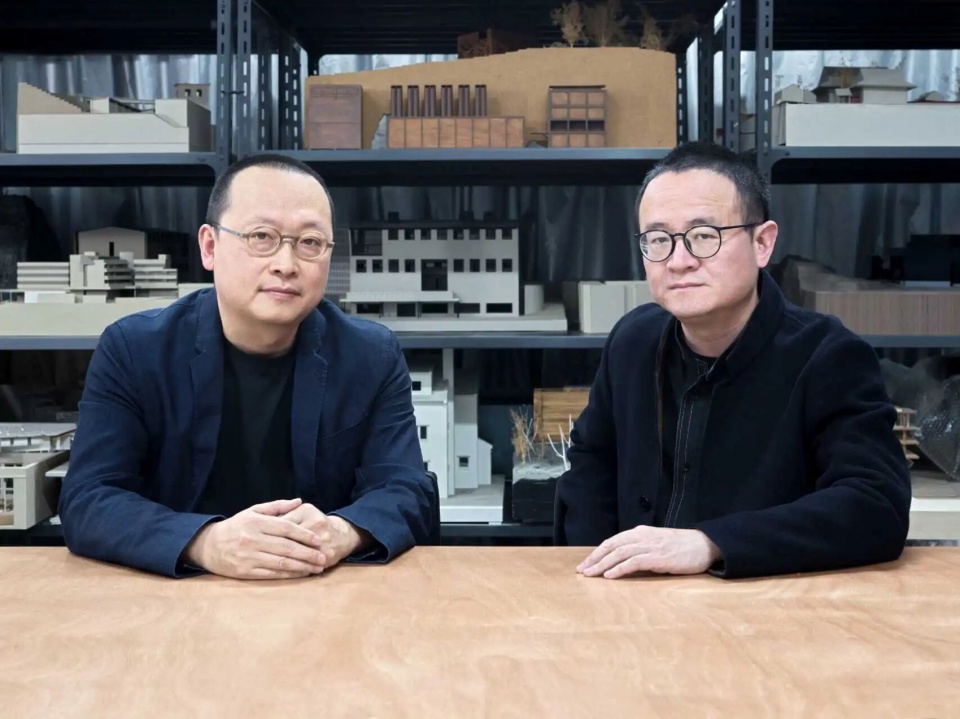
旭可建筑工作室由刘可南和张旭于2010年在上海成立。2024年,林晓丹成为学术合伙人。工作室致力于将具体建造活动纳入当代乡镇城市化进程的语境中讨论,在具体项目中通过对于“建造体系”类型的选择和组合,强化“场地特征”,构建“场所”。在设计实践中着力于中小尺度建造,已完成多个新建或改建的建筑室内一体化设计。
Atelier XÜK was founded in Shanghai in 2010 by LIU Kenan and ZHANG Xu. In 2024, LIN Xiaodan joined as academic partner. The studio situates specific construction activities within discussions of the contemporary urbanization of towns and townships. In individual projects, it selects and combines types of “construction systems” to reinforce “site characteristics” and create “place.” Its practice focuses on small- and medium-scale building, and it has completed a number of integrated architectural and interior design projects, both new-build and renovation.
旭可建筑于2020年获得首届“自然建造·Architecture China Award”青年探索奖;作品多次发表于《建筑学报》《时代建筑》《建筑师》《UED》等专业刊物,并被瑞士BRAUN、澳大利亚Images等出版机构收录。事务所多次受邀参加国际国内重要展览,包括威尼斯国际建筑双年展、上海城市空间艺术季、中欧建筑邀请展、CADE建筑设计博览会及韩国釜山双年展等。主持建筑师曾受邀于哈佛大学设计研究生院(GSD)、米兰理工大学、塞维利亚大学、同济大学、香港大学等国内外知名学术机构演讲。
In 2020, Atelier XÜK received the Prospect Award for Youth at the inaugural Building with Nature · Architecture China Award. Its work has been published repeatedly in professional journals including Architectural Journal, Time + Architecture, The Architect, and UED, and featured in publications by Switzerland’s BRAUN and Australia’s Images Publishing Group. The studio has been invited to major exhibitions in China and abroad, including the Venice Architecture Biennale, Shanghai Urban Space Art Season, the Sino-European Architecture Invitational Exhibition, the CADE Architectural Design Expo, and the Busan Biennale in South Korea. Its principal architects have been invited to lecture at leading academic institutions including the Harvard University Graduate School of Design (GSD), Politecnico di Milano, the University of Seville, Tongji University, and the University of Hong Kong.
众建筑/PEOPLE’S ARCHITECTURE OFFICE
People’s Architecture Office
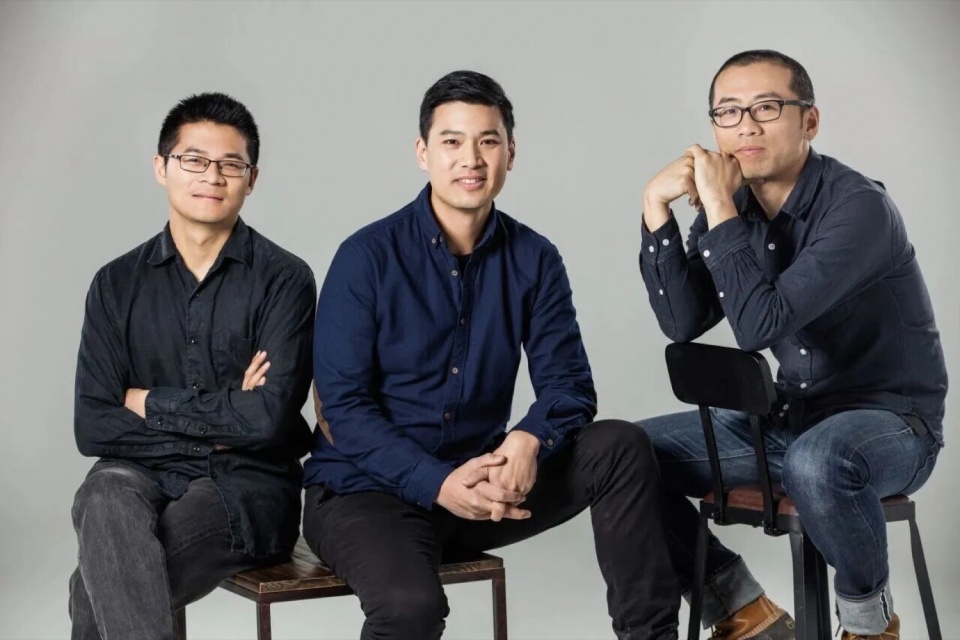
众建筑(PAO)是一家国际化建筑设计事务所,在中国北京、深圳及美国洛杉矶均设有办公室。事务所由何哲、James SHEN和臧峰于2010 年联合创立,是 一所跨学科设计工作室,致力于通过设计创造社会价值。业务重点聚焦于居住、城乡更新、教育等领域的空间设计。2020年,位于美国的插件家公司正式成立,专注于研发低成本装配式住宅。《Domus》杂志在2019年将众建筑评为全球顶尖建筑事务所之一;《快公司》(Fast Company)则于2018年评选其为全球十大最具创新力建筑企业。 作品多次获得国内外奖项,也在国际多地展出,曾参加威尼斯建筑双年展的美国馆与中国馆、米兰三年展,以及哈佛大学设计研究生院、伦敦设计博物馆展览等。
People’s Architecture Office (PAO) is an international architecture practice with offices in Beijing and Shenzhen, China, and Los Angeles, United States. Founded in 2010 by HE Zhe, James SHEN, and ZANG Feng, it is an interdisciplinary design studio committed to creating social value through design. Its work centers on spatial design in housing, urban and rural regeneration, education, and related fields. In 2020, the U.S.-based Plugin House Company was formally established to develop low-cost prefabricated housing. Domus named PAO one of the world’s best architecture firms in 2019, while Fast Company listed it among the world’s ten most innovative architecture companies in 2018. Its work has received numerous awards in China and abroad and has been exhibited internationally, including at the U.S. and China Pavilions of the Venice Architecture Biennale, Triennale Milano, the Harvard University Graduate School of Design, and the Design Museum in London.
展览信息
EXHIBITION INFORMATION
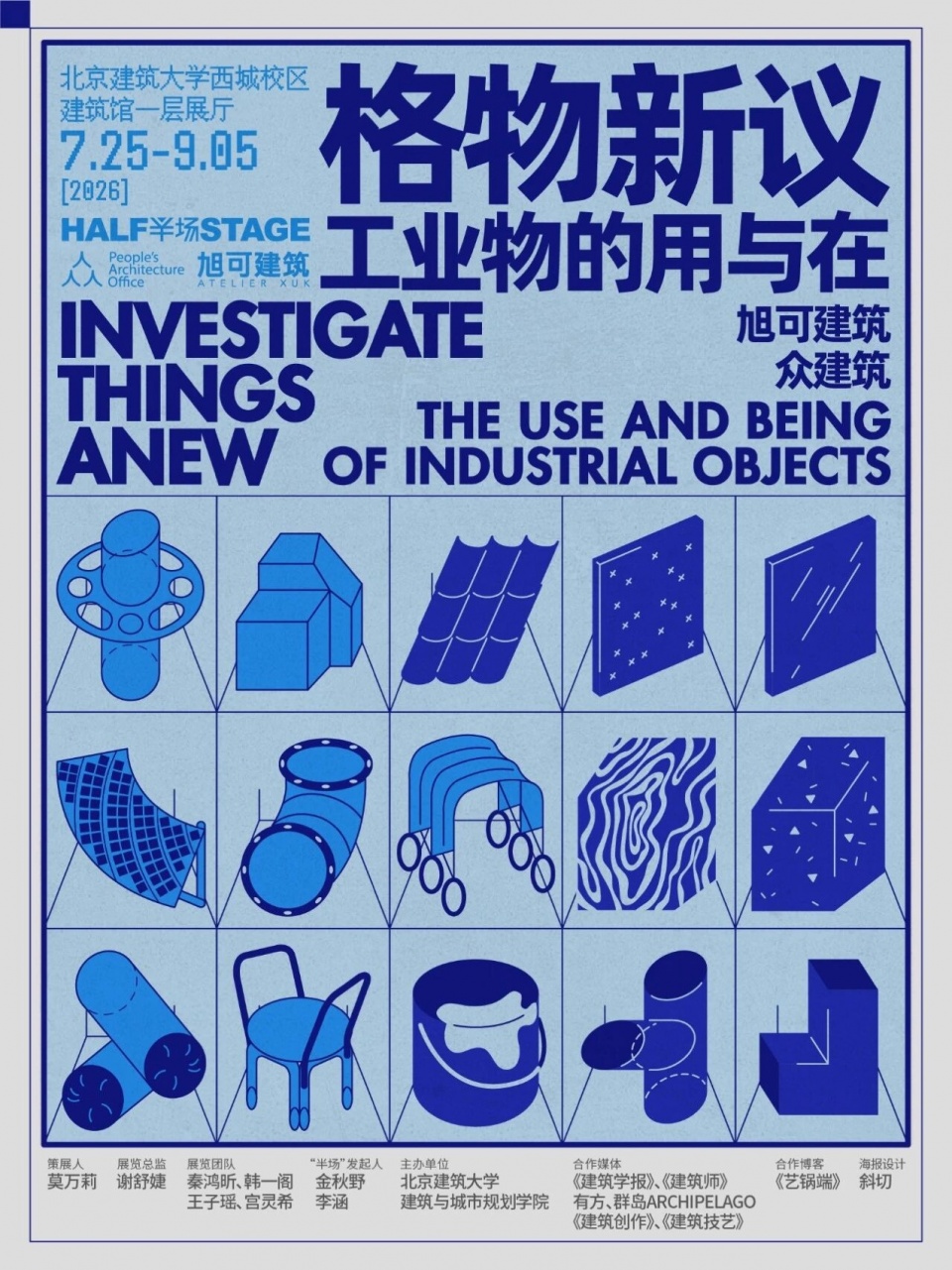
展期:2026年7月25日-9月5日
Exhibition Dates: July 25–September 5, 2026
展览地点:北京建筑大学(西城校区)建筑馆一层展厅
Venue: Ground-Floor Exhibition Hall, Architecture Building, Beijing University of Civil Engineering and Architecture (Xicheng Campus)
策展人:莫万莉
Curator: MO Wanli
参展事务所:旭可建筑、众建筑
Participating Practices: Atelier XÜK; People’s Architecture Office
展览总监:谢舒婕
Exhibition Director: XIE Shujie
展览团队:秦鸿昕、韩一阁、王子瑶、宫灵希
Exhibition Team: QIN Hongxin, HAN Yige, WANG Ziyao, GONG Lingxi
“半场”发起人:金秋野、李涵
“HALF STAGE” Initiators: JIN Qiuye, LI Han
主办单位:北京建筑大学建筑与城市规划学院
Organizer: School of Architecture and Urban Planning, Beijing University of Civil Engineering and Architecture
合作媒体:《建筑学报》、《建筑师》、有方、群岛ARCHIPELAGO、《建筑创作》、《建筑技艺》
Media Partners: Architectural Journal; The Architect; POSITION; ARCHIPELAGO; ArchiCreation; Architecture Technique
合作播客:《艺锅端》
Podcast Partner: ArtHub Podcast
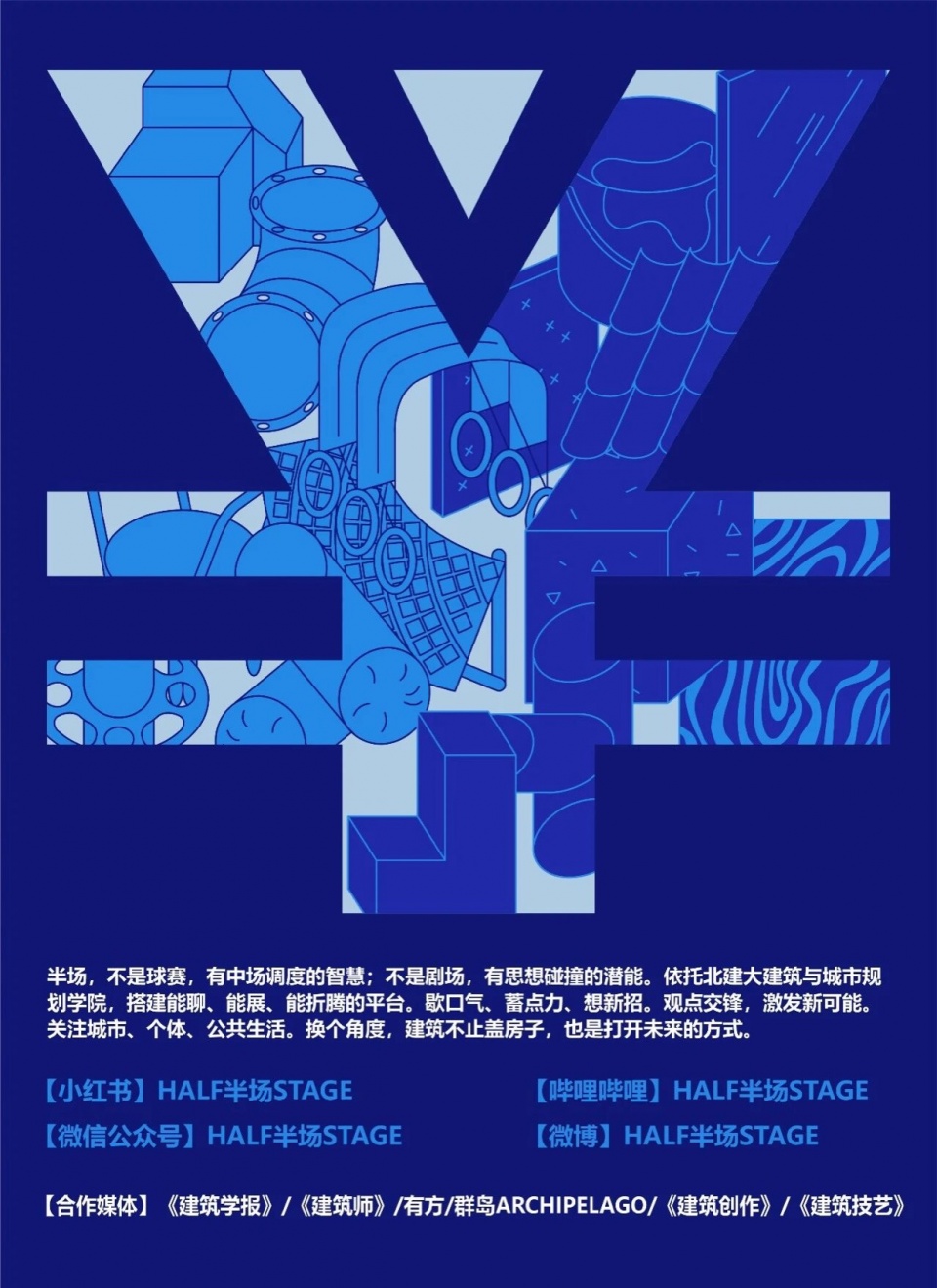
海报设计:斜切
Poster Design: Xieqie
策展人前言
CURATOR’S FOREWORD
格物新议:工业物的用与在
Investigate Things Anew: The Use and Being of Industrial Objects
20世纪以来的现代建筑运动不仅仅是形式与风格的变革,更是一个庞大工业生产体系的空间缩影。尽管建筑被声称为“居住的机器”,那些构成机器的零件——各式各样的工业物却沉默于空间意图的服务中。往往,工业物因“用”才获得其价值:脚手架因其支撑作用,五金件因其连接与紧固功能,管道因其输送能力而获得意义。然而,这种看似透明的“用”恰恰遮蔽了工业物更为根本的“在”。工业物与生活世界的关系,绝非单向的功能供给,而是一种相互构成的共生:人通过使用物而塑造世界,物则通过其物质持存反向塑造人们的生活习惯、情感与记忆。
正是在这层意义上,众建筑与旭可建筑——两家分别以北京与上海为实践原点的建筑师事务所,具有了共同点。从预制的现成品到基本的建筑材料,尽管对象不一,众建筑与旭可建筑的工作均致力于以设计的方法将普遍化的工业物编织到特定的空间情境中。通过观察、研究、调节、置入,不同类别的工业物在新的情境中或滋长出新的认知,或显露出美学潜能。这种方法,并非浪漫化的材料拼贴,或是恋物式的风格展演,而是使受力、连接、构造的组织逻辑,同空间意图相互显影。由此,本次展览不止于建筑物的整体图纸或模型,更以大样图纸、节点模型与实物,聚焦于局部的连接与组织,并同时呈现其所对应典型工业物的演进谱系脉络,在更大的历史脉络中,叩问工业物的“用”与“在”。
在今天,数字化秩序正以不可阻挡之势接替大地的秩序。比特流、算法与词元,正将世界转译为信息化的界面。在这一语境中探讨最为普遍化的工业物,既是对数字化与信息化的回应,也是对“物”本身的重新思考。格物新议,正借由众建筑与旭可建筑的建筑实践,重新打开工业物之存在的可能性,于数字化浪潮中,发掘其应有的重量与位置。
Since the twentieth century, the modern architectural movement has been not only a transformation of form and style, but also a spatial microcosm of a vast industrial production system. Although architecture has been proclaimed “a machine for living in,” the components that make up that machine—the many kinds of industrial objects—have remained silent in the service of spatial intentions. Industrial objects often acquire value through their “use”: scaffolding through its supporting role, hardware through its connecting and fastening functions, and pipes through their capacity to convey. Yet this seemingly transparent “use” is precisely what obscures the more fundamental “being” of industrial objects. The relationship between industrial objects and the lifeworld is by no means a one-way provision of function, but a mutually constitutive symbiosis: people shape the world through using objects, while objects, through their material persistence, in turn shape people’s habits, emotions, and memories.
It is in this sense that People’s Architecture Office and Atelier XÜK—two architectural practices whose respective points of departure are Beijing and Shanghai—find common ground. From prefabricated off-the-shelf products to basic building materials, and despite their different objects of focus, both practices use design to weave widely available industrial objects into specific spatial contexts. Through observation, research, adjustment, and insertion, different categories of industrial objects either give rise to new understandings or reveal aesthetic potential in new settings. This approach is neither a romanticized collage of materials nor a fetishistic performance of style. Rather, it makes the organizational logic of load-bearing, connection, and construction mutually legible with spatial intention. Accordingly, the exhibition extends beyond overall building drawings and models to focus, through detail drawings, joint models, and physical objects, on localized connections and organizations. At the same time, it presents the evolutionary genealogies of the corresponding typical industrial objects, asking, within a broader historical context, about their “use” and “being.”
Today, digital order is replacing the order of the earth with unstoppable force. Bitstreams, algorithms, and tokens are translating the world into informational interfaces. To examine the most widely available industrial objects in this context is both a response to digitalization and informatization and a renewed reflection on the “thing” itself. Through the architectural practices of People’s Architecture Office and Atelier XÜK, Investigate Things Anew reopens the possible modes of existence of industrial objects, recovering their rightful weight and position amid the digital wave.
半场开篇语
“HALF STAGE”: OPENING STATEMENT
《半场》是本土青年建筑师共同发起的系列文化活动,同时也是对职业生涯半程的回顾与展望。主要形式包括多家事务所两两组合举办的系列展览,以及与之相关的讲座、对谈、播客、视频、发表和出版活动。
建筑师们希望冲破职业藩篱,重新与城市和大众建立关联;也期望以空间为纸笔,关注身边世界的点滴,用职业素养服务于真实的社会生活。
与建筑工作高强度、高投入、高专业性的一面相比,我们更想展现建筑师工作有趣、有想法、有活力的一面。在图纸和模型之外,借助各种各样的媒介,展示不同的思考模式和行动方式,表达差异和多样性,以个体而非群体身份,投身于瞬息万变的现实之流。
《半场》因此成为调整蓄力的契机,与建筑一起破圈,在AI时代彰显“人”的价值。它也是个机会,向人们证明建筑不只是盖房子,更是打开未来的方式。
——《半场》发起人 金秋野、李涵
“HALF STAGE” is a series of cultural events jointly initiated by young local architects, as well as a reflection on and outlook from the midpoint of their professional careers. Its principal formats include a series of exhibitions pairing multiple practices two at a time, together with related lectures, conversations, podcasts, videos, articles, and publishing activities.
The architects hope to break through professional barriers and reconnect with the city and the public. They also seek to take space as their paper and pen, attend to the details of the world around them, and apply their professional expertise in service of real social life.
Compared with the intensity, high level of investment, and specialized nature of architectural work, we are more interested in presenting the side of architects’ work that is engaging, imaginative, and energetic. Beyond drawings and models, we use a wide range of media to present different modes of thought and action, express difference and diversity, and enter the rapidly changing currents of reality as individuals rather than as a collective.
“HALF STAGE” therefore becomes an opportunity to recalibrate and gather momentum, to break beyond conventional boundaries together with architecture, and to affirm the value of the “human” in the age of AI. It is also an opportunity to demonstrate that architecture is not merely about constructing buildings, but a way of opening up the future.
— JIN Qiuye and LI Han, Initiators of “HALF STAGE”
More: HALF STAGE (contact: banchang_halfstage@163.com)。更多关于:HALF STAGE on gooood




发表评论
你需要先 才能发表评论
社交登录