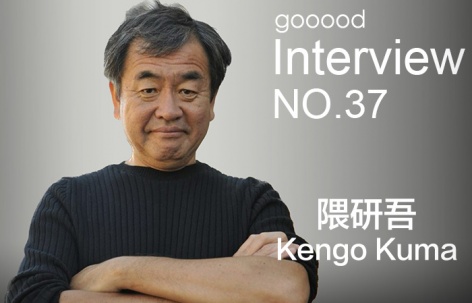
gooood团队采访世界各地的有趣创意人,欢迎您的推荐和建议。第37期为您奉上的是 隈研吾建筑都市设计事务所 创始人 隈研吾 的访谈,更多关于他,请至:Kengo Kuma and Associates on gooood
gooood team interviews creative from all over the world. Your recommendations and suggestions are welcomed! gooood Interview NO.37 features Kengo Kuma , founder of Kengo Kuma and Associates. More: Kengo Kuma and Associates on gooood
出品人:向玲 | Producer: Xiang Ling
合作编辑:胡佳林 | Coorporate Editor: Hu Jialin
编辑团队:武晨曦,石安 | Editor: Wu Chenxi, Shi An
Interview
gooood x Kengo Kuma
▼视频,Video
– 有传闻说,您每天只睡3个小时…
I heard that you only sleep 3 hours a day…– 没有,我会睡5个小时左右。
Kuma: No, I sleep around 5 hours.
______________
回顾 · 事务所的转折点
Review · Turning points of the practice
1.
您在10岁时下定决心要成一名建筑师,用建筑来感动大家。成为建筑师后,您设计了许多公共建筑,给许多人带来了感动。对您来说,建筑带给人们感动的是一种什么样的力量呢?
You made up your mind at the age of 10 to become an architect and to get people moved with your architecture. For you, what kind of power does architecture bring to move people?
我希望我的建筑能让从小朋友到成年人都能受到感动。大学里的建筑教育,往往是教育学生们去建造能让建筑师同行们觉得很酷的建筑,不是吗?而我自己是在小时候便看到了打动我的建筑,所以我一直希望自己能建造出让小朋友看到也能感叹“真棒”的建筑。
I want my buildings to make everyone moved. Architecture education in universities is often about making buildings that are cool to the fellows. I myself was touched by architecture when I saw it as a child, so I’ve always wanted to build buildings that children could see and say, “That’s cool”.
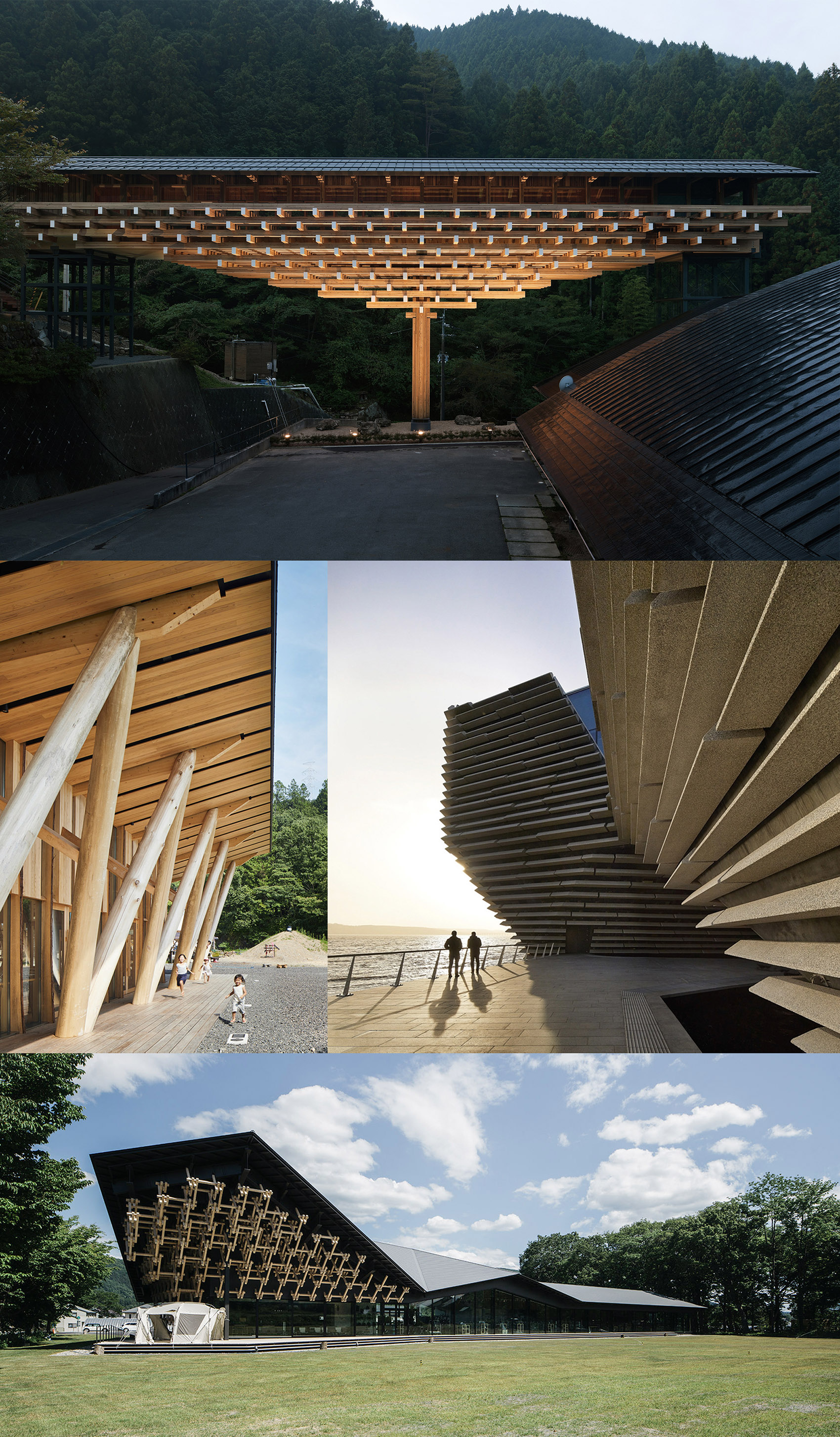
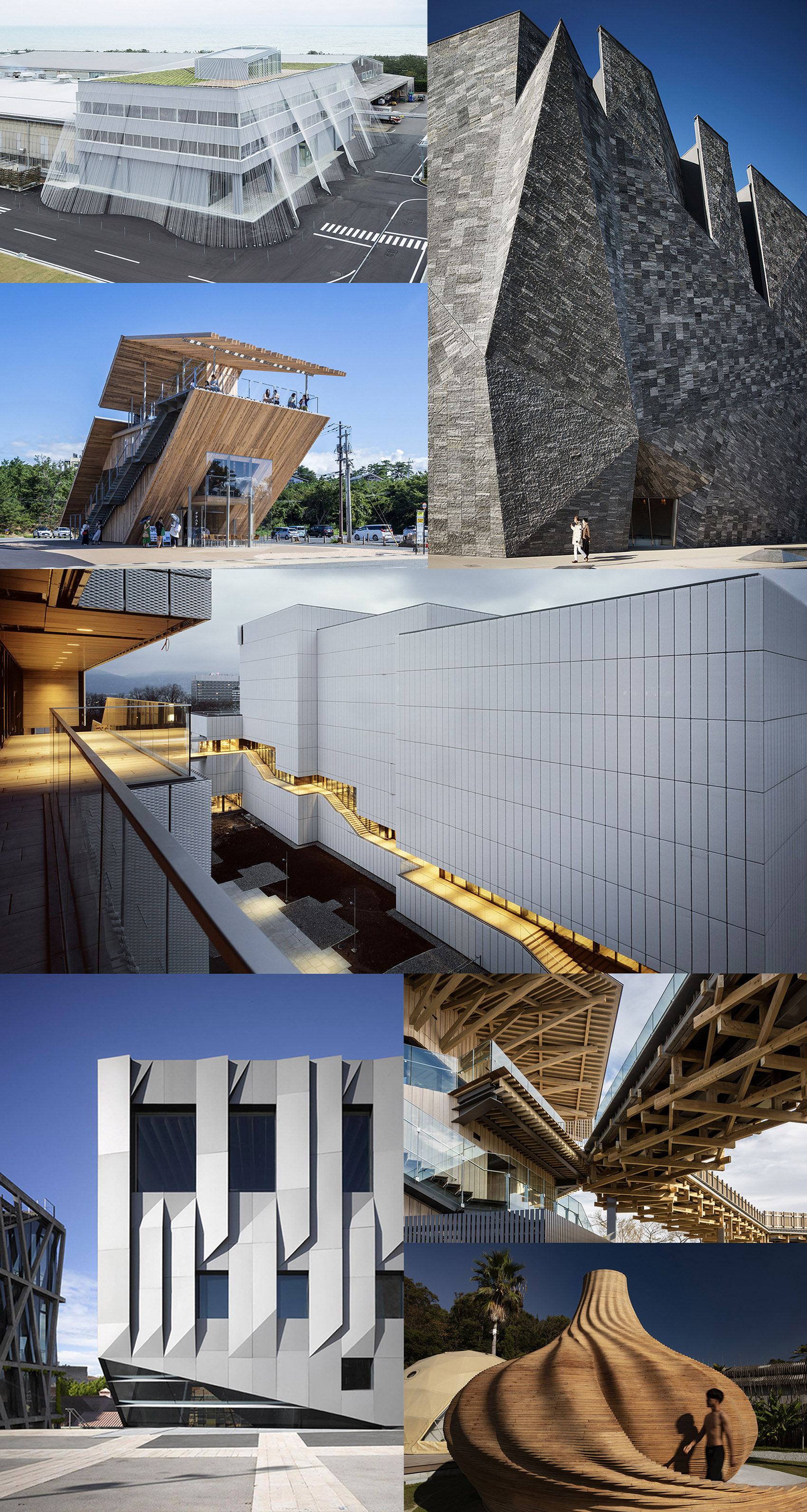
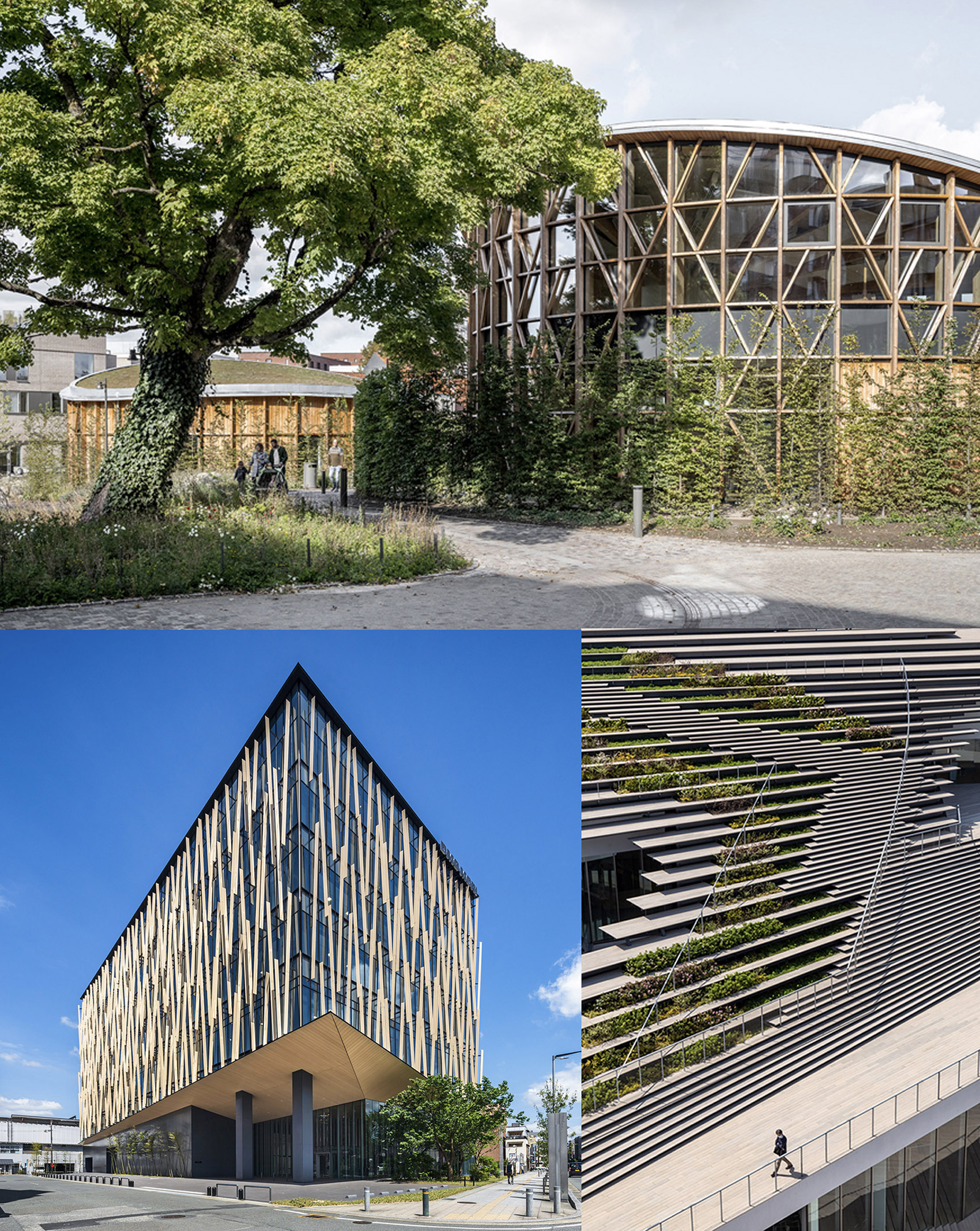
▼隈研吾事务所部分项目一览
Selected architectural projects by Kengo Kuma and Associates
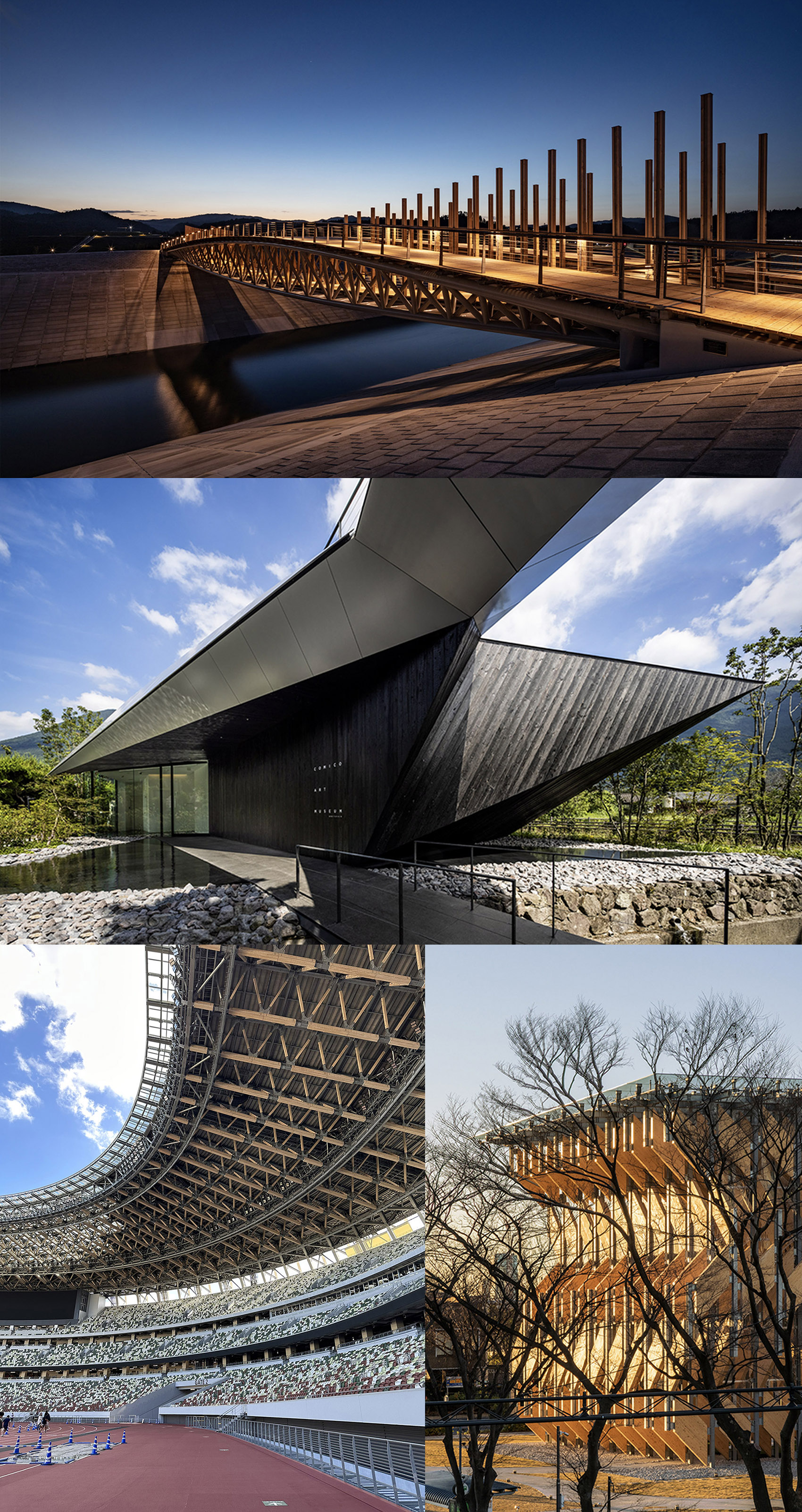
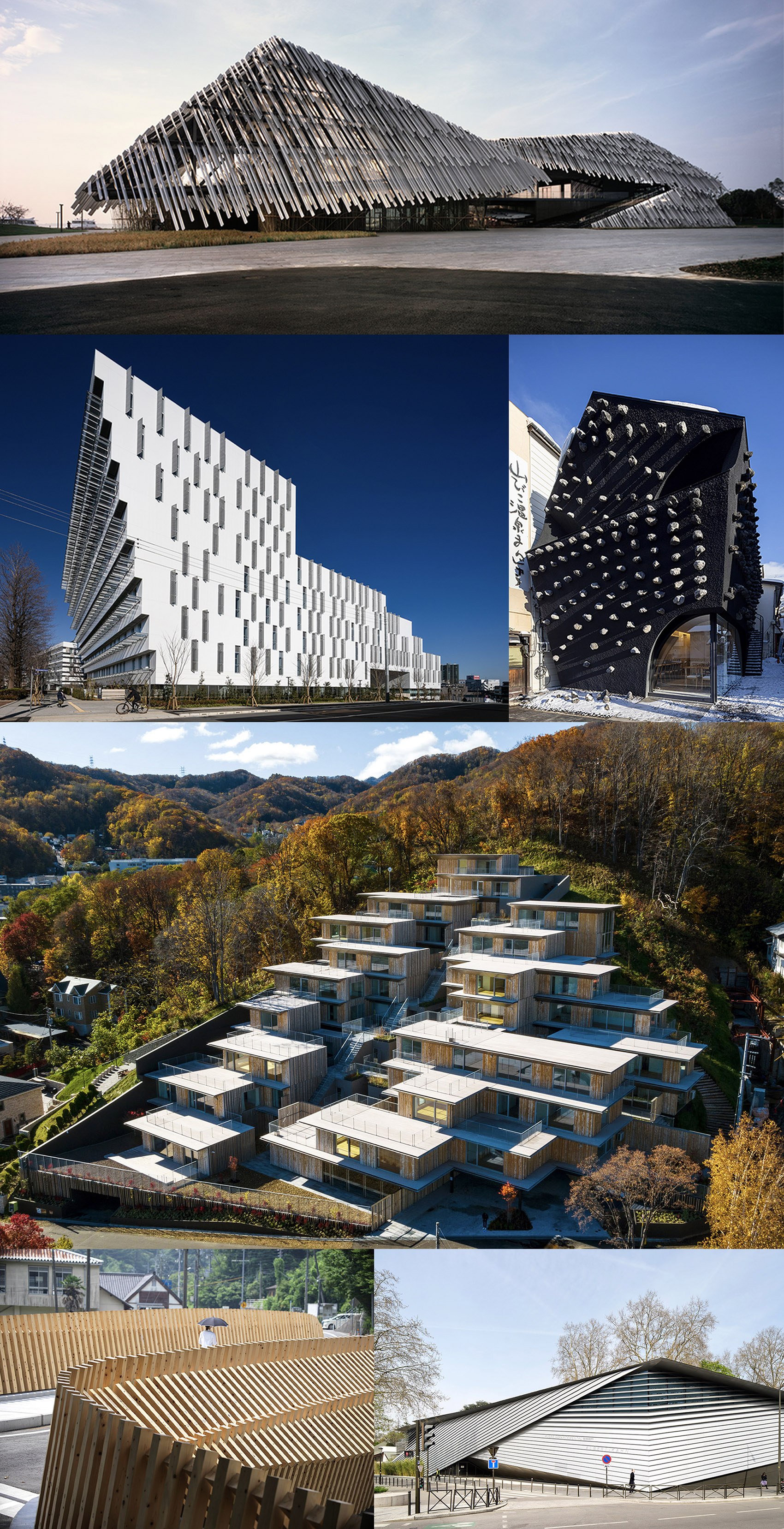
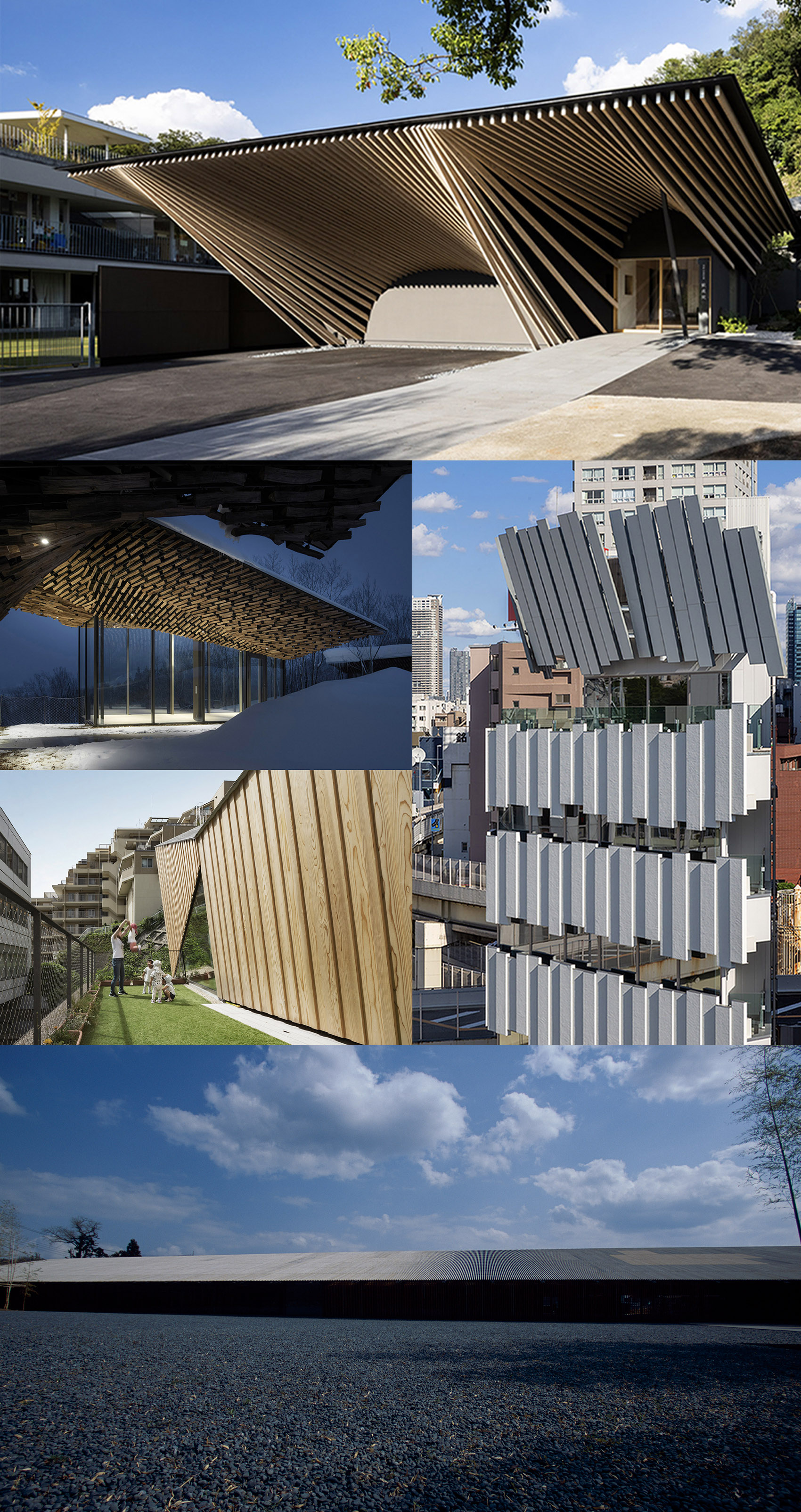
2.
回顾这些年,您的建筑生涯经历过哪几个阶段?各自有什么样的特点?
What are the stages of your architectural career? What are the characteristics of each?
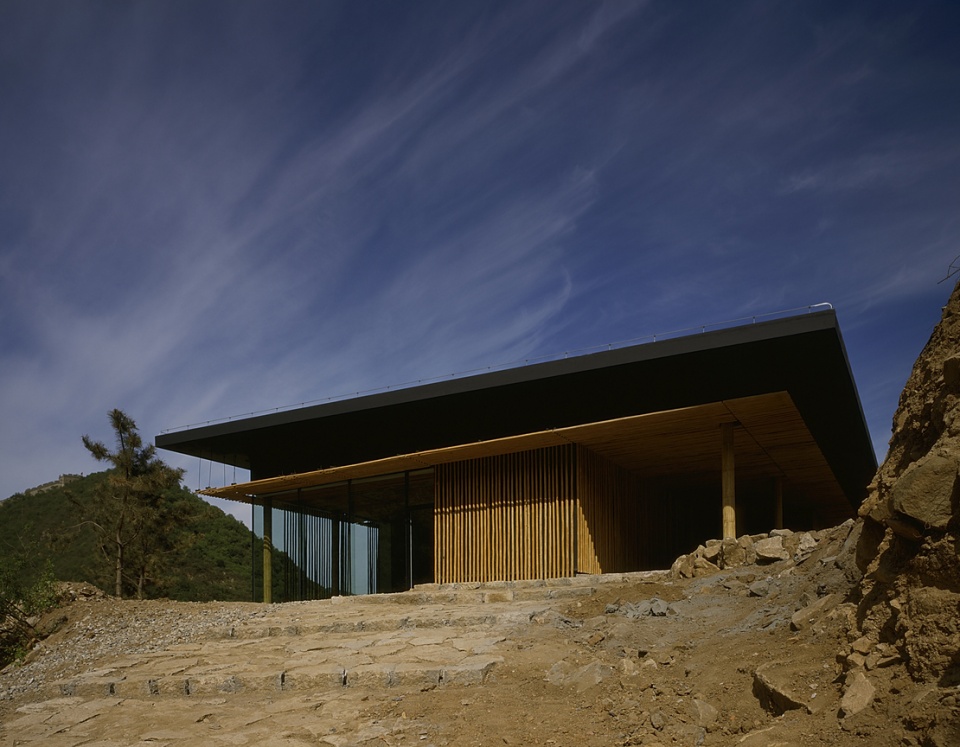
我的第一个转折点是日本的经济泡沫时期。当时本来繁荣的经济突然间出现了衰退,所有在东京的项目都被取消了,那是1991年前后。由于东京的项目都被取消了,于是我前往地方城市和乡村,与当地的木匠一起工作了十年,度过了整个90年代,这是我职业生涯的第一个转折点。第二个转折点是我在中国建造“竹屋”的时候,“竹屋”不仅在中国,还在世界范围内受到了关注。我也因此作为一个使用木材和竹子的建筑师,我的名字第一次在世界舞台上被许多人知晓。这是在2002年前后,是我的第二个转折点。
I think the first turning point happened during the economic bubble in Japan, which was around 1991. There was a sudden recession in what had been a booming economy and all, my projects in Tokyo were cancelled. After that I traveled to suburban and rural areas and worked with local carpenters for ten years through the 1990s. The second turning point was when I was building the Bamboo House in China. After the completion of this project, it gained attention not only in China, but also worldwide, and I became known to many as an architect who works with wood and bamboo. This was around 2002.
▼位于长城脚下的竹屋,Great (Bamboo) Wall, China © Satoshi Asakawa
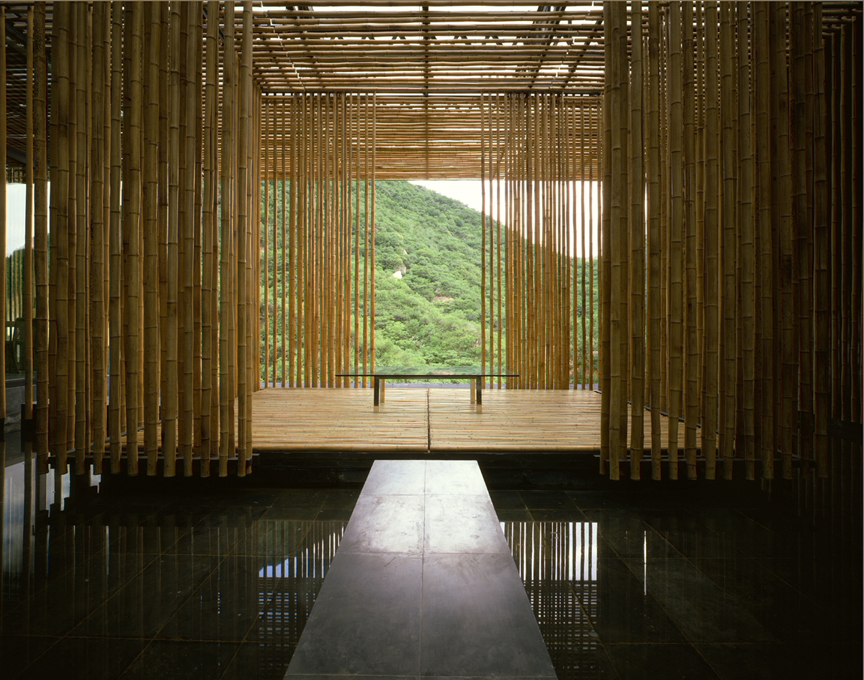
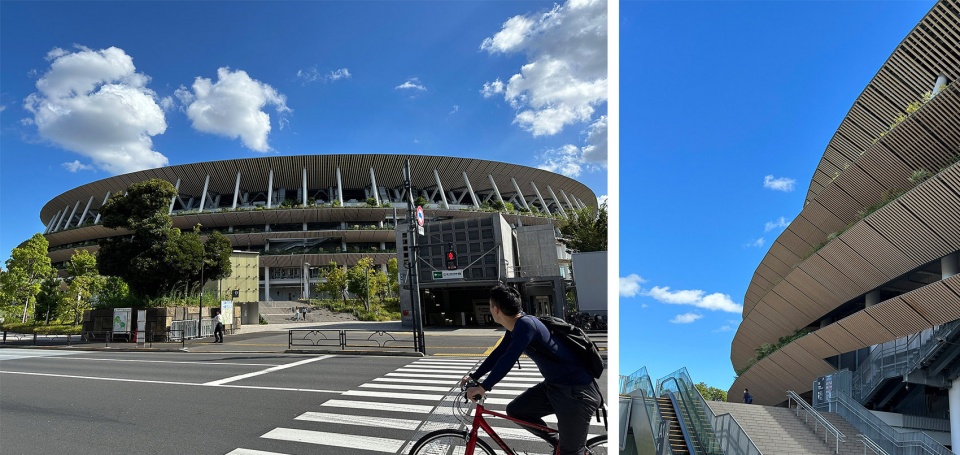
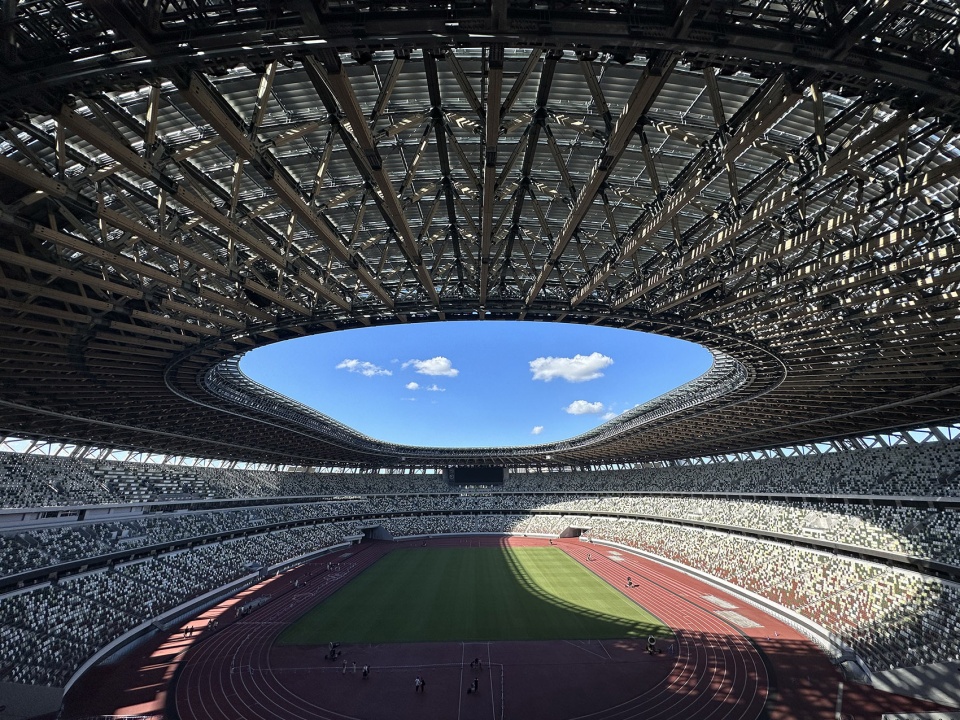
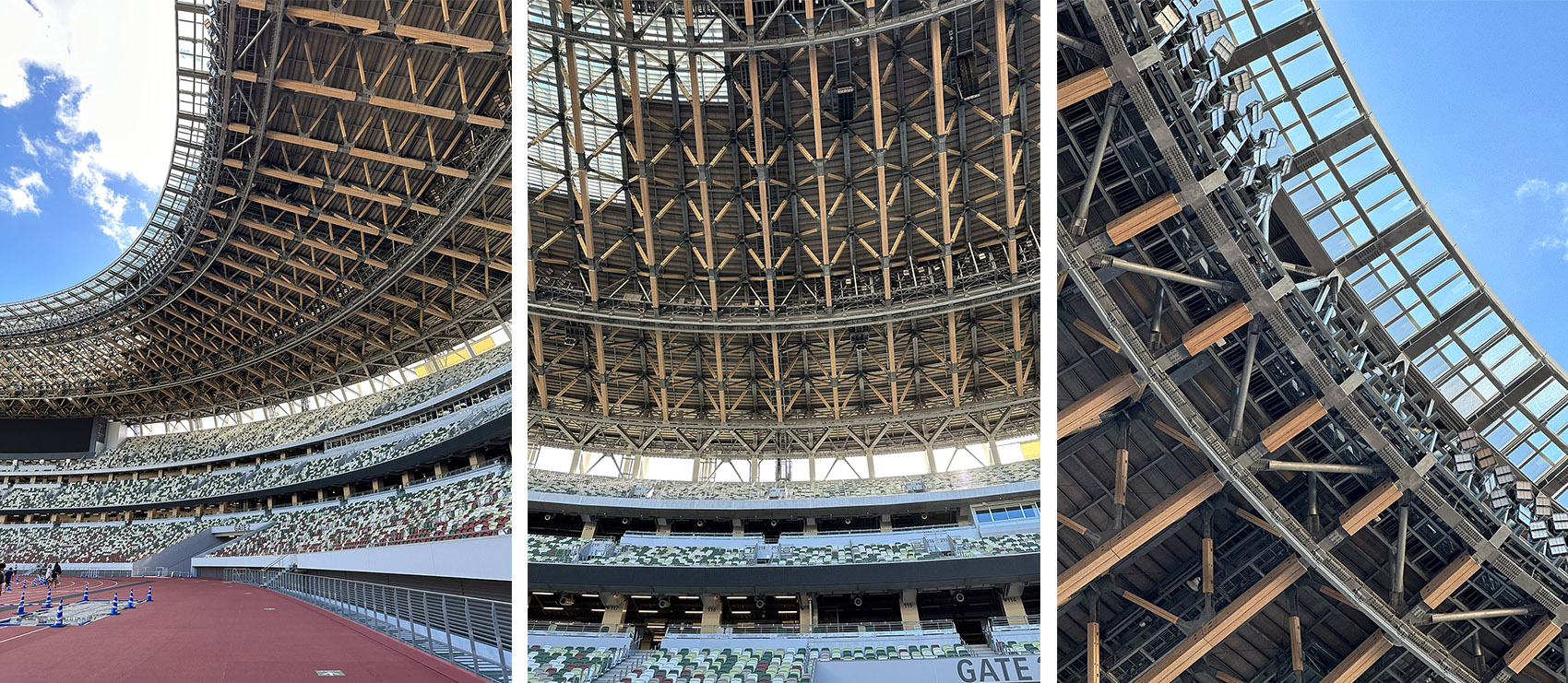
假如要说有第三个转折点,那肯定是在2015年,我参与了东京奥运会的建筑项目,那时大家认可我是一个能够运用新的木材技术建造大型建筑的人,从那之后我也开始从世界各地接到大型项目。我想职业生涯一共有这三个重要转折点。
If there was a third turning point, I think it was definitely in 2015, when I was involved in the Tokyo Olympics. At that time I was recognized as someone who was able to create large scale buildings using new wood techniques, and since then I’ve started to be commissioned for different kinds of large projects from all over the world. These were the three major turning points in my career.
▼国立竞技场,是2020年东京奥运会开幕式和闭幕式举办地,The new National Arena, where the opening and closing ceremonies of the 2020 Tokyo Olympics had been held © 谷德设计网
____________
木材的无限可能性
The infinite possibilities of wood
3.
木材仍然是您在建筑中最经常使用的材料,包括烧杉板和一些新型木材等,事务所在木材的使用方面有哪些实验和新的探索?随着建筑技术的发展,未来木材还有哪些新的可能性?
Wood is still the material you use most often in architecture, including burnt fir panels and some new types of timber. Are there any new experiments and explorations in your approach for using wood? What do you think about the new possibilities for wood in the future as building technology develops?
现在为止我比较多使用的是木质型材,也就是使用机器切割的、横平竖直的木材,最近一段时间慢慢开始较多使用能直接看到树木形状的原生态木材。像是这样,我尝试着保留树木的更为自然的形态,例如最近在熊本县的一栋神社建筑,就是直接用这么粗的树干做立柱,在运用木材这方面,它与从前的建筑完全不同。首先在结构上,以前从来没有把这么粗大的木材用于建筑结构中,所以结构师们一开始都不知道该怎么进行计算,但我想这也给建筑结构带来了新的可能性。还有比如木材和钢铁的组合结构,这方面也会有许多新的可能性。
For many of my projects I have been mainly using more wood profiles, which is wood that has been cut with a machine and has orthogonal shapes. Recently I have gradually started to use more raw wood elements from which we can see the shape of the tree directly. In such cases I try to preserve the more natural form of the tree itself, such as in a recent shrine building in Kumamoto Prefecture, where I used thick tree trunks as columns. In terms of the use of wood, this project is completely different from my previous buildings. There are differences. First of all, structurally, never before has such a thick timber been used in a building structure, so the structural engineers didn’t know how to do the calculations at first, but I think this also opens up new possibilities for building structures. And also, for example, the combination of wood and steel, there will be many new possibilities in this aspect as well.
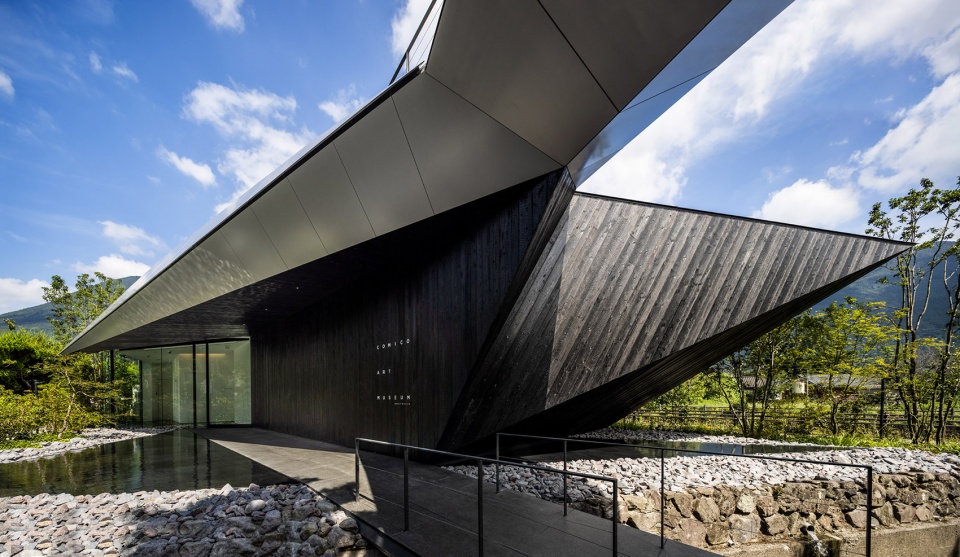
▼Comico美术馆由布院新馆,主体建筑的设计从里山村落中汲取灵感,其外墙由烧杉木打造,Comico Art Museum Yufuin Annex: exterior walls made of charred cedar ©︎ Kawasumi-Kobayashi Kenji Photograph Office
点击这里查看更多,Click HERE for details
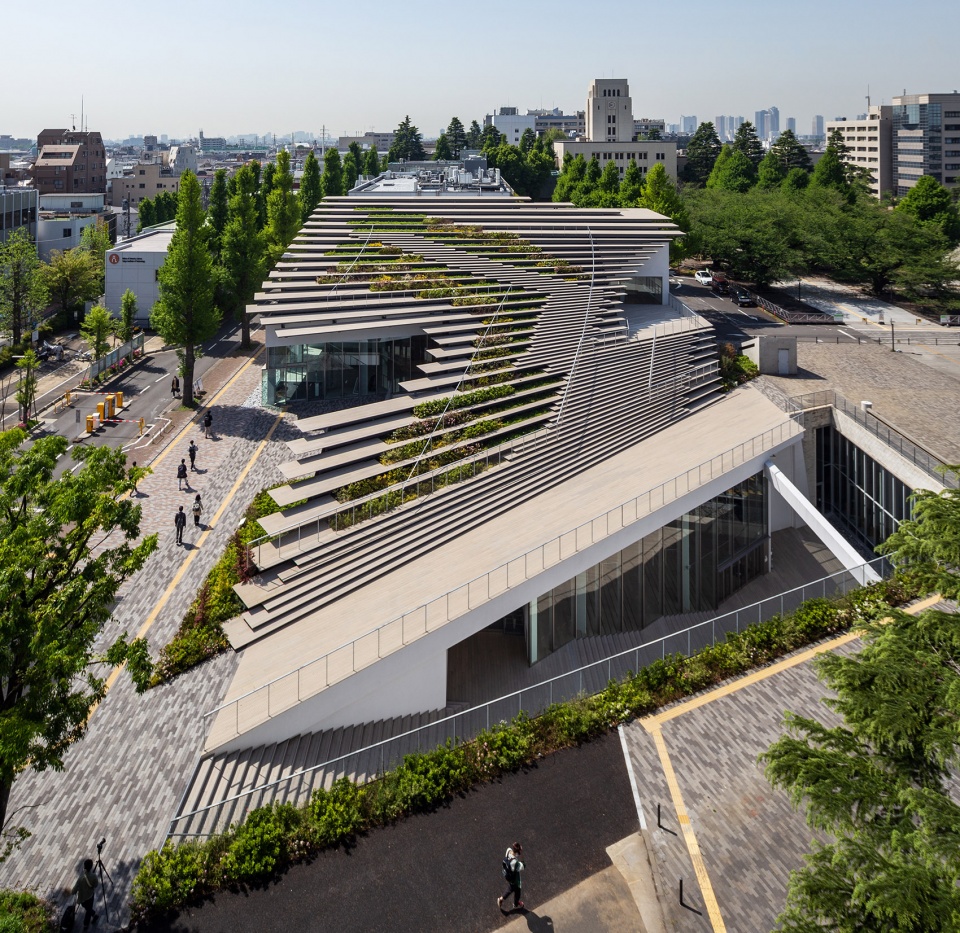
▼东京工业大学Hisao & Hiroko Taki广场,支撑屋顶的结构暴露在空间中,扭曲的形态为室内空间赋予了流动性,Tokyo Tech Hisao & Hiroko Taki Plaza: By exposing the twisted structure that supports the roof, the interior space yields a certain fluidity © Kawasumi・Kobayashi Kenji Photograph Office
点击这里查看更多,Click HERE for details
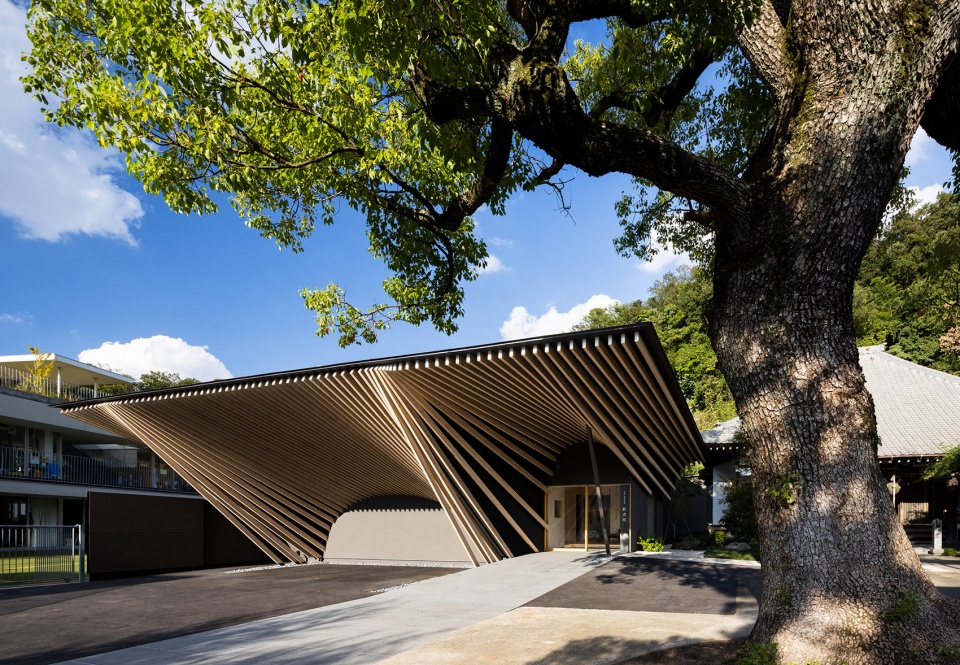
▼横滨大仓山欢成院,设计通过胶合板的格栅结构实现了进深7米的檐下空间,Kanjoin Temple: a lattice structure made of plywood is able to support a 7-meter-deep space under the eaves ©︎ Masaki Hamada / Kkpo
点击这里查看更多,Click HERE for details
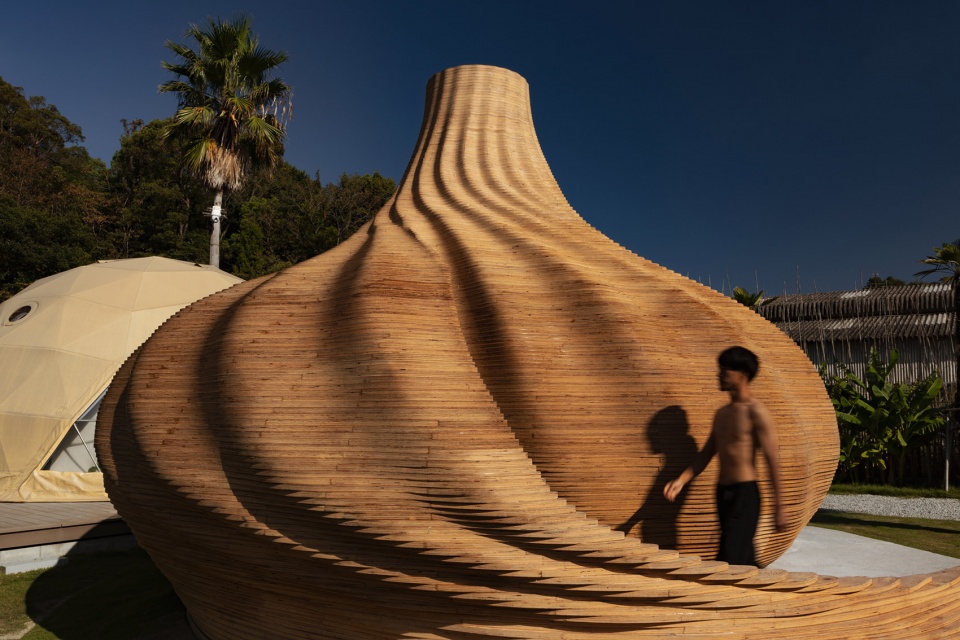
▼SAZAE桑拿房,由150层CNC加工的28毫米厚胶合板堆叠而成,Sana Mane Sauna Sazae, made by stacking 150 layers of CNC-processed 28 mm thick plywood ©︎ Keishin Horikoshi/SS
点击这里查看更多,Click HERE for details
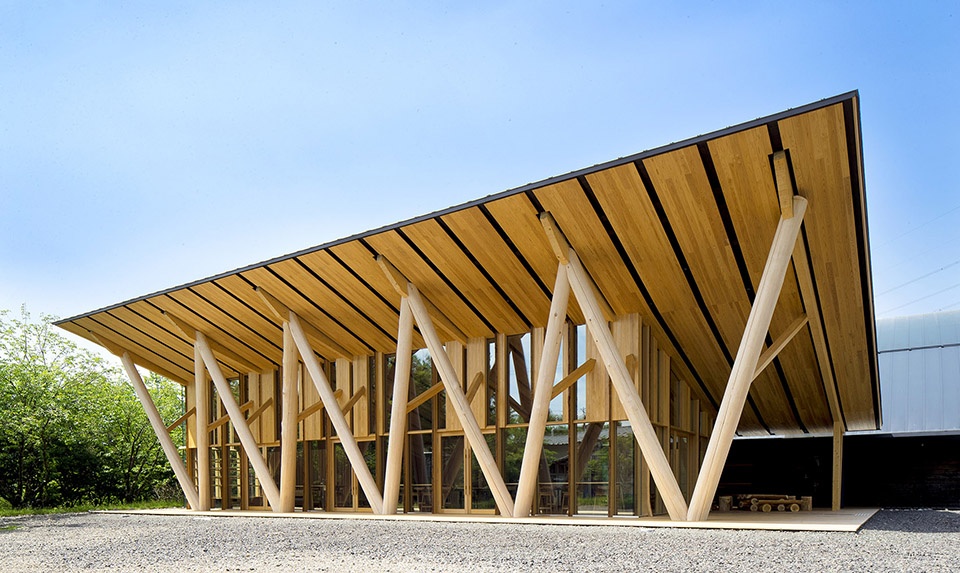
▼日本岐阜morinos教学展亭,大面积的斜屋顶由从森林中砍伐的V形原木支撑,morinos: the lean-to roof is supported by logs cut down from the forest in a V-shaped configuration © Studio Any Ltd Matsushima
点击这里查看更多,Click HERE for details
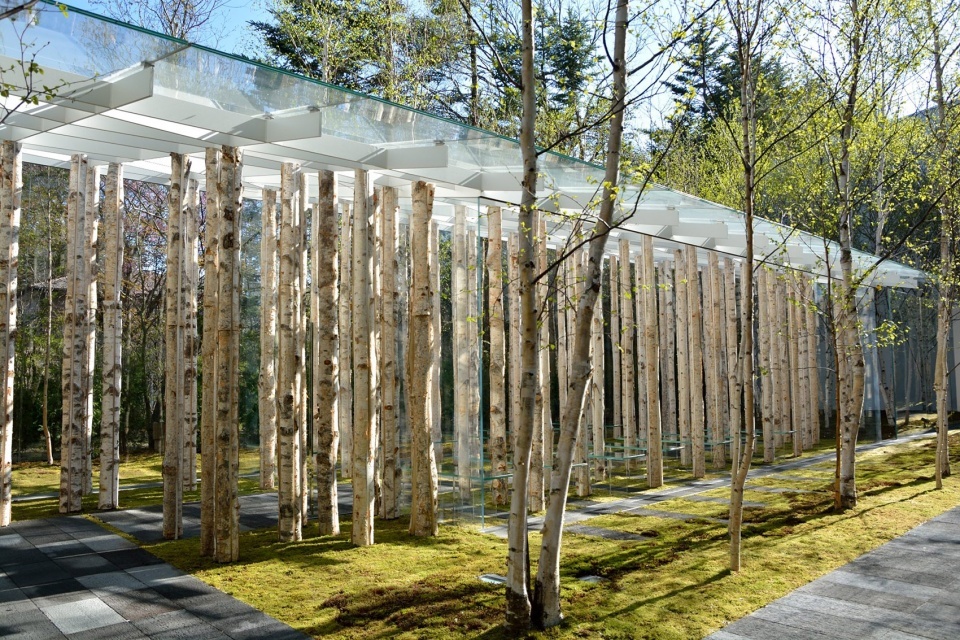
▼轻井泽桦树苔藓教堂,将小教堂化作轻井泽的一片白桦林,Birch Moss Chapel: the design obliterated the small chapel into Karuizawa’s white birches
点击这里查看更多,Click HERE for details
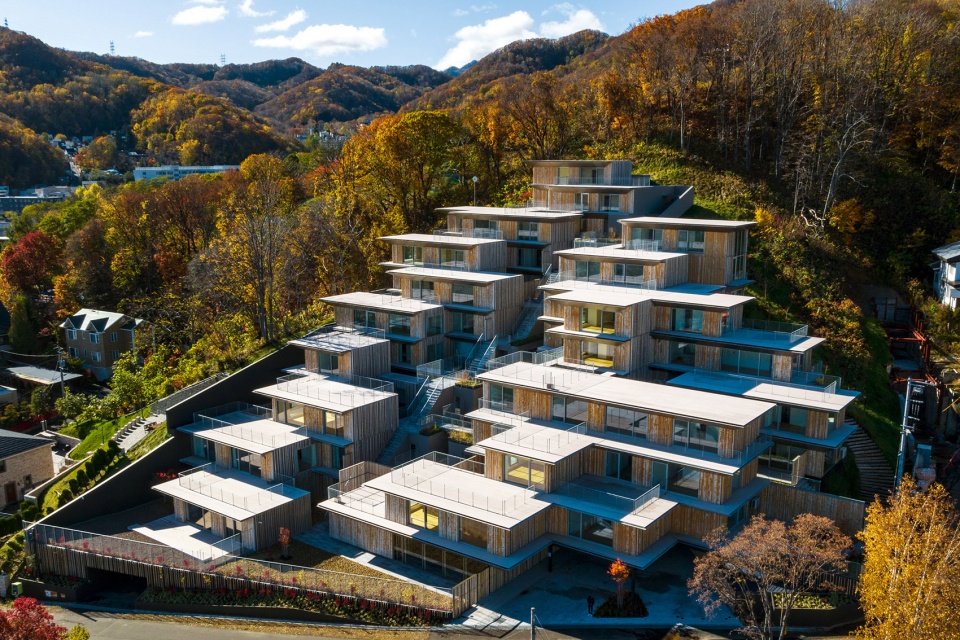
▼Prostyle 札幌宫之森,建筑物的外墙和斜坡上的挡土墙都用当地小径原木材覆盖,Prostyle Sapporo Miyanomori: Locally sourced logs cover the exterior and retaining walls © Kawasumi-Kobayashi Kenji Photograph Office
点击这里查看更多,Click HERE for details
4.
您在海外进行建筑工作并使用木材时,应该与在日本的工作方式有所区别?
When you do construction work and use wood overseas, I assume there is a difference in the way you work in Japan.
在日本,某种程度上来说,拥有大量经验丰富的木匠。所以在其他国家用到木材时,去寻找有这方面经验的人是挺困难的。为了缓解全球变暖,最近全世界都在逐渐增加木材的使用,但即便有了将树木制成建材或进行切割的工厂,世界上还是普遍缺少木匠,要找到这方面的专业人员真的很困难。
In Japan, to some extent, there are a large number of experienced carpenters. So when wood is used in other countries, it is quite difficult to find people with experience in this field. Recently, the world has been gradually increasing the use of wood to reduce global warming, but even with factories that make or cut trees into building materials, there is still a general shortage of carpenters and woodworkers globally, which is really a problem.
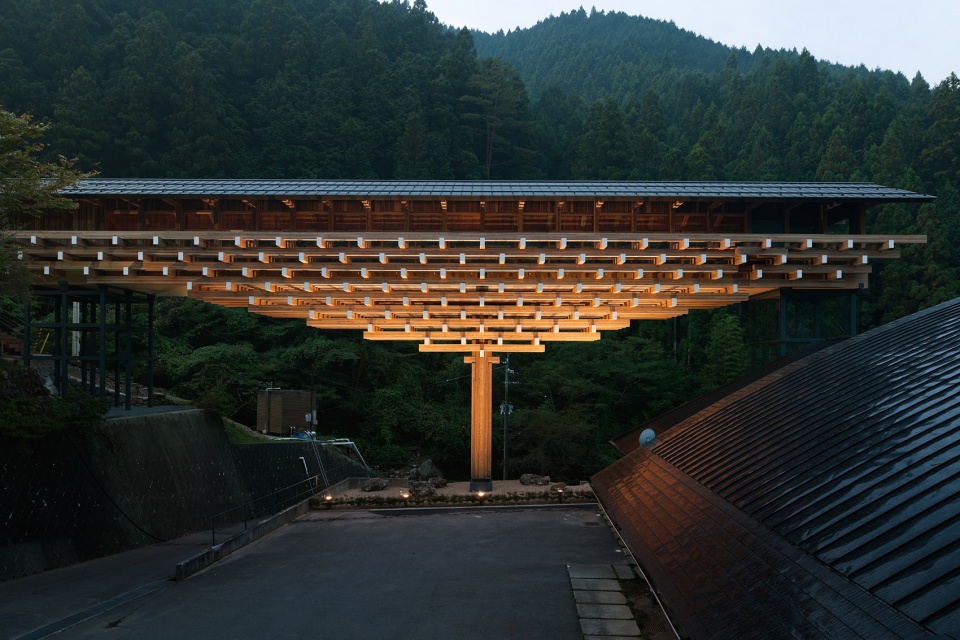
▼梼原木桥博物馆,设计实现了大悬挑,却没有使用任何大型构件,Yusuhara Wooden Bridge Museum: a great example of sustainable design, which achieved a big cantilever even without large- sized materials ©︎ Takumi Ota
点击这里查看更多,Click HERE for details
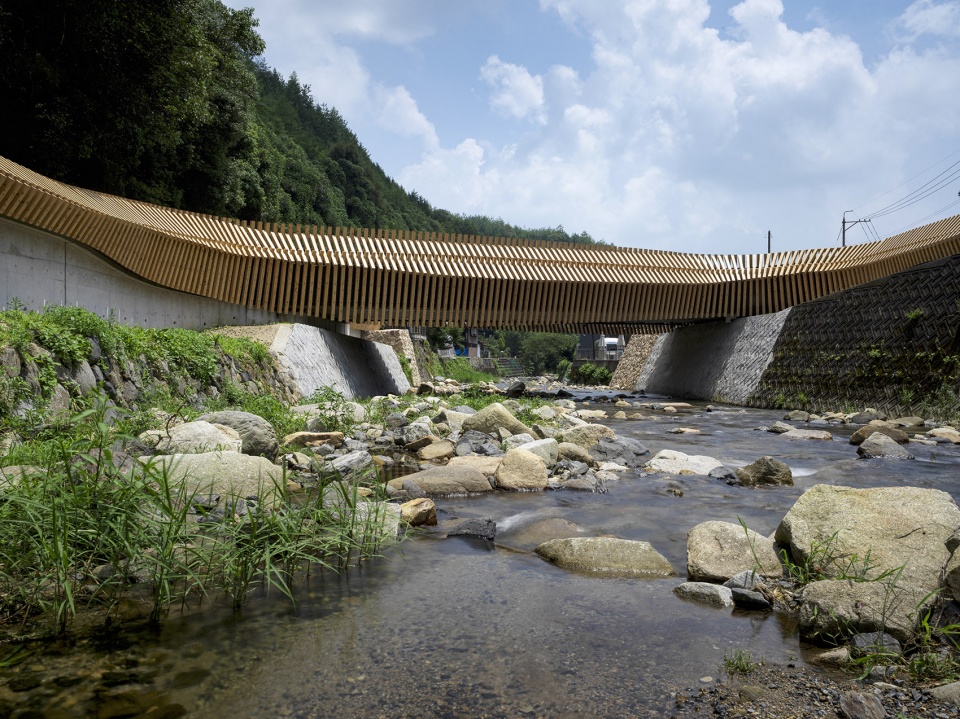
▼中桥,透镜般的桁架结构支撑桥梁80米长的跨度,Nakabashi: a lenticular truss structure (shaped like a lens) spans the 80m length of the bridge ©︎ Keishin Horikoshi · Kosuke Nakao / SS Tokyo
点击这里查看更多,Click HERE for details
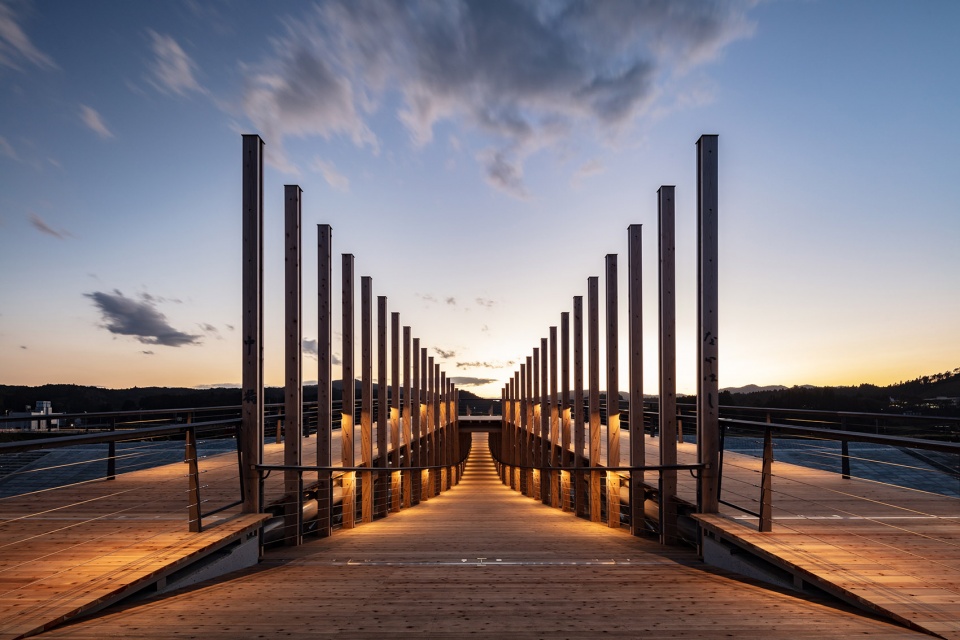
▼山口县久杉桥,钢筋混凝土框架与柏木材质的护栏结合在一起,Kusugibashi: a RC frame was combined with 105-square cypress balustrades ©︎ Katsumasa Tanaka
点击这里查看更多,Click HERE for details
_________
在中国的经验
Experiences in China
5.
您也有参与过中国的一些建筑项目,可否向我们介绍您在中国的有趣项目?有哪些让您印象深刻的经历?
Can you introduce us to some of your projects in China? What are some of the experiences that have impressed you?
我在北京和上海有设计事务所,疫情爆发之前每个月都会来一次中国,现在距疫情爆发已经过去3年,我又开始每个月来一次中国了,但还是有很多地方我没有去过。中国真是幅员辽阔。说到有趣的地方,比如说之前去过大理,就是大理石的大理,那里的湖周围有非常有趣的古镇。中国有非常多从古代留存下来的东西,我想如果能和中国的那些历史悠久的东西,还有工匠等一起工作的话,一定会非常有意思。
我发现无论哪个我在中国参与的项目,中国的客户,包括政府和民间的客户,决策都非常迅速。而日本就很保守,这导致很少能做出大胆的建筑,但中国就能做出决策上大胆的创新建筑,这一点非常有趣。
说到现在正在施工的项目,有个紫砂美术馆的项目,日语里写做紫泥,即紫色的泥土,是一种陶瓷制品。这个项目在中国南部,距离上海不远,在那个制造紫砂器的地方。建筑是用紫砂来建造,美术馆里面陈设的也是紫砂器,别有一番风味,大家可以去看看。
I have offices in Beijing and Shanghai, and I used to come to China once a month before the pandemic. Now that it’s been three years since the outbreak, I’m back to coming to China every month, but there’s still a lot of places I haven’t been to. China is really vast. When it comes to interesting places, for example, I’ve been to Dali, whose name indicates to marble, where there are very interesting old towns around the lake. There are numerous relics in China that have survived from ancient times, and I think it would be very interesting to work with those historical stuff in China, as well as with craftsmen and so on.
The projects that I’ve been involved with in China, whichever one, I’ve found that Chinese clients, both government and private, are very quick to make decisions. Japan, on the other hand, is very conservative, which leads to very few bold buildings, but China is able to make innovative buildings that are bold in decision-making, which is very interesting.
Speaking of projects that are currently under construction, there’s a project for a purple sand museum, which is written in Japanese as purple clay (紫泥). It’s a kind of ceramic product. This project is in the south of China, not far from Shanghai, in the place where the purple clay ware is made. The building is made of purple clay, and the exhibits are also purple clay wares. So, it will be a unique experience. I hope you get to visit one day.
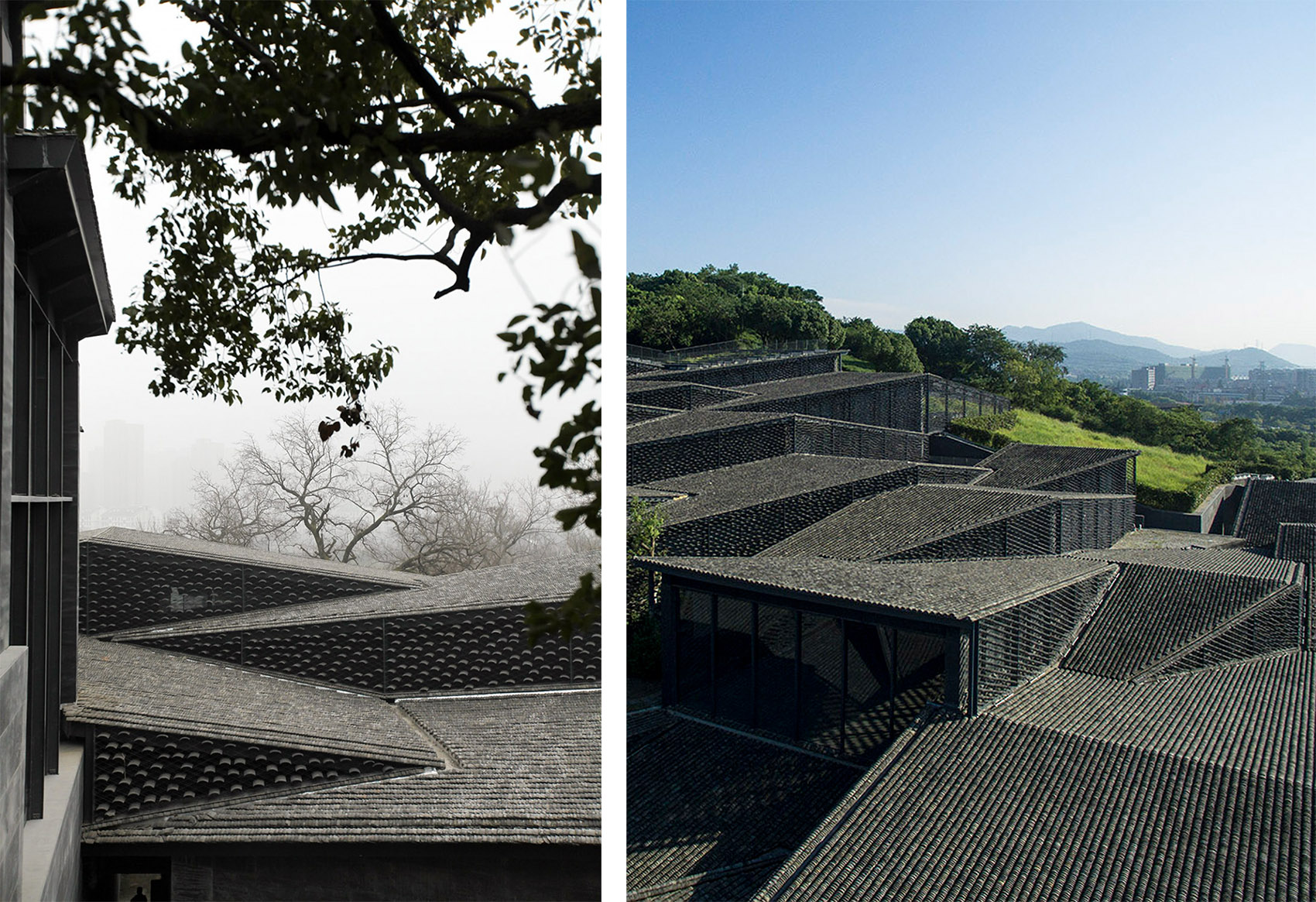
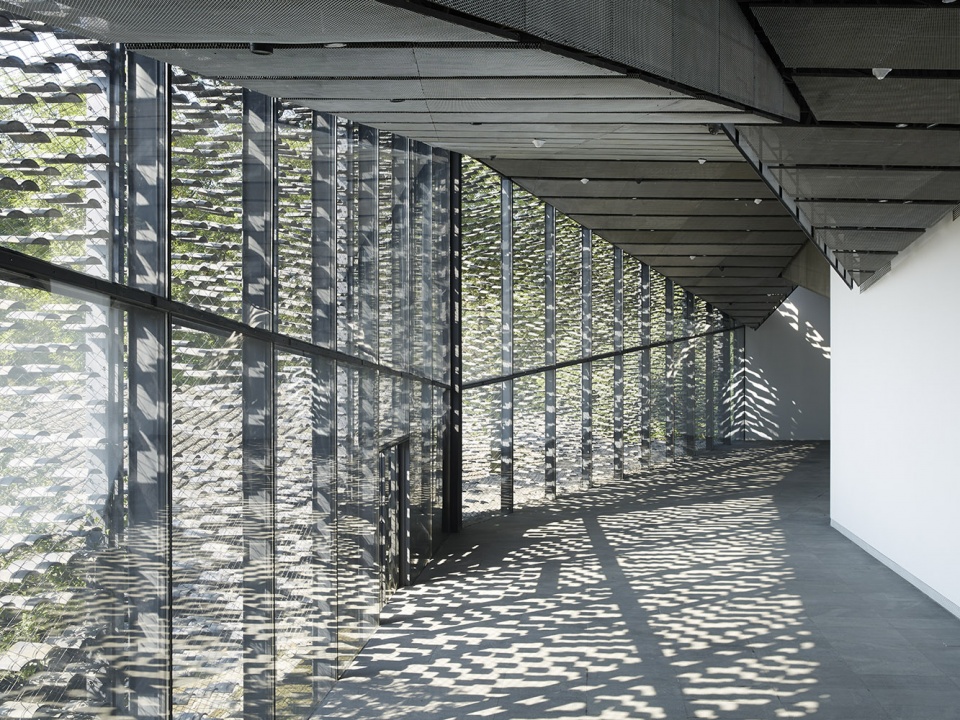
▼中国美术学院民俗艺术博物馆,一片片由不锈钢索铆固着的瓦片构成了外墙的表皮,China Academy of Arts’ Folk Art Museum: the outer wall is covered with a screen of tiles hung up by stainless wires
点击这里查看更多,Click HERE for details
▼上海虹桥展汇,Portmix Shanghai © Eiichi Kano
点击这里查看更多,Click HERE for details
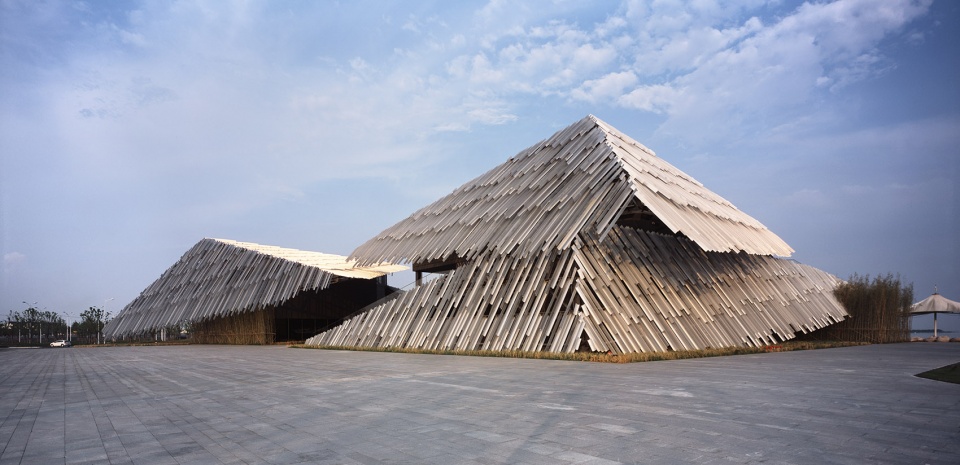
▼苏州阳澄湖游客集散中心,由挤压铝材构建的形似山丘的结构,Xiangcheng Yangcheng Lake Tourist Transportation Center © Erieta Attali
点击这里查看更多,Click HERE for details
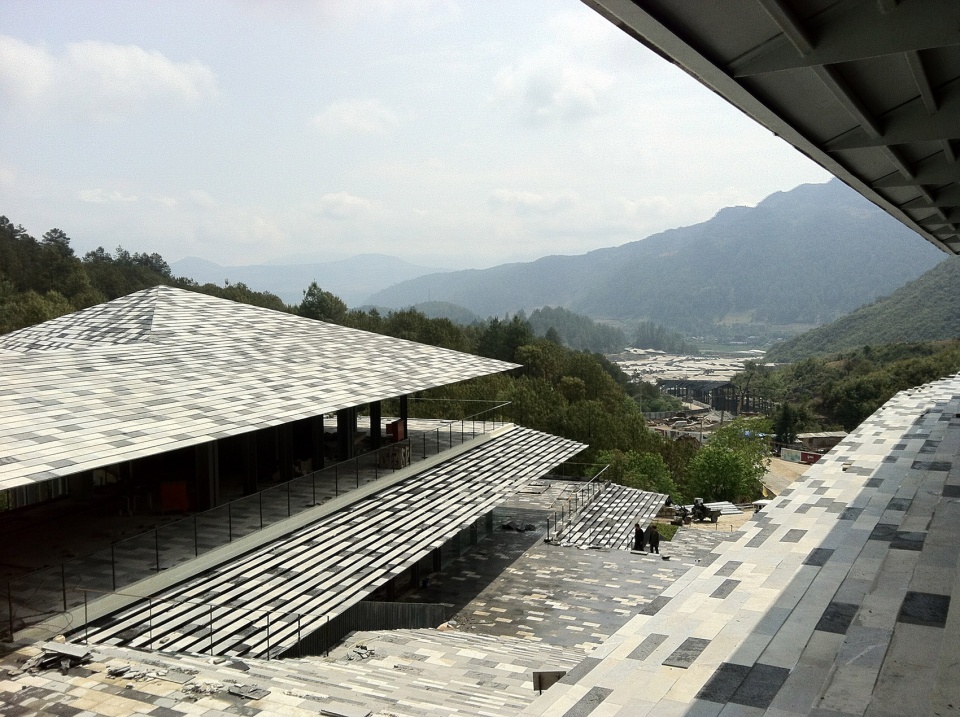
▼腾冲云峰山温泉度假村,Yunfeng Spa Resort
点击这里查看更多,Click HERE for details
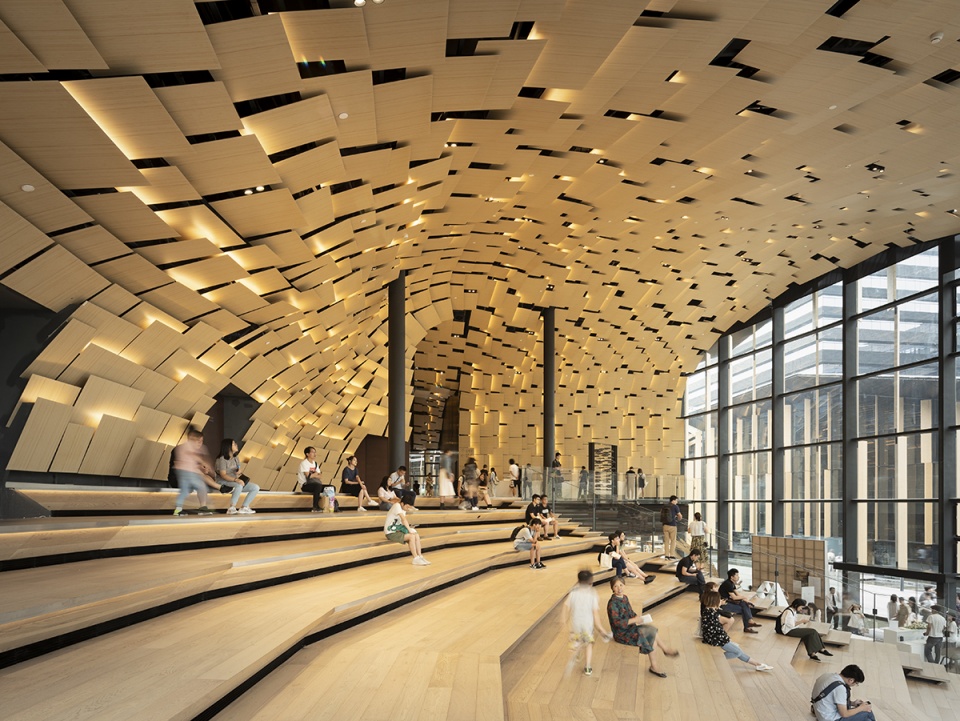
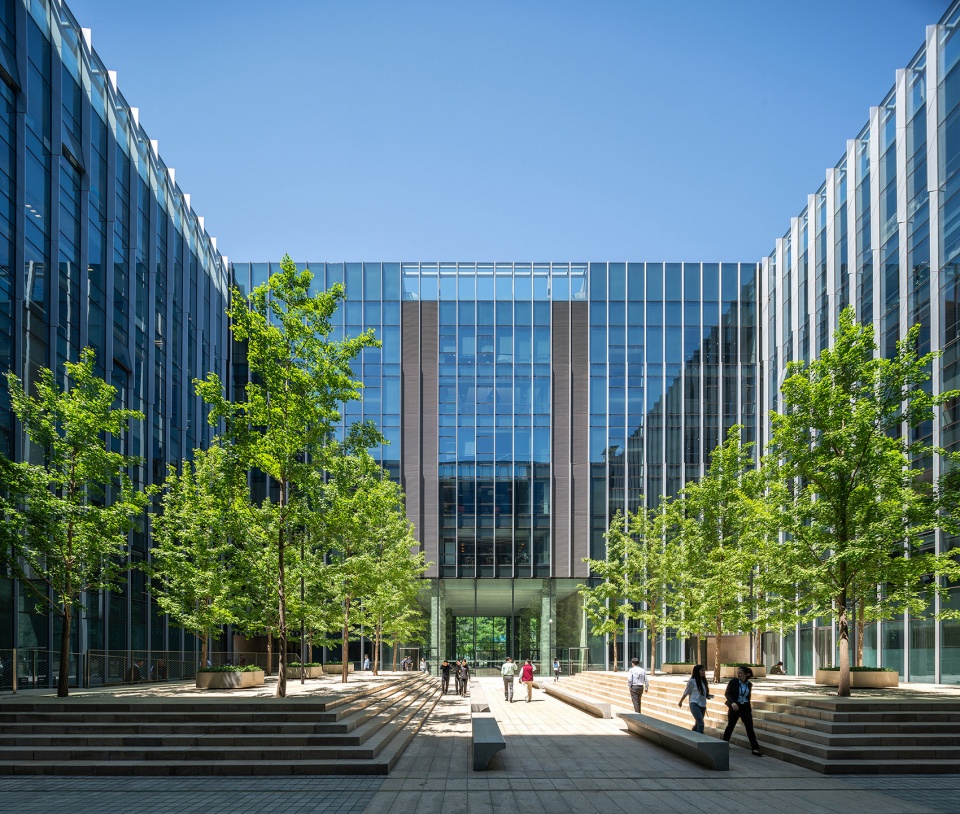
▼北京利星行中心,以城市森林公园为核心的国际甲级写字楼及五星级酒店综合体,Beijing LSH Center: a complex of grade-A office and 5-star hotel, which core idea is to create an urban forest
点击这里查看更多,Click HERE for details
_______
“粒子”建筑
The concept of “particles”
6.
在您的诸多著作中都提到了“粒子”建筑的概念。这么多年过去了,科技快速发展,人工智能也被广泛的被社会所接受,在这种背景下,你认为“粒子化”建筑的概念有没有得到进一步的扩宽?
The concept of “particles” is involved in many of your written works. With the rapid development of technology and the widespread acceptance of artificial intelligence over the years, how has your philosophy of “particles” been further expanded in this context?
我开始关注粒子化,是因为混凝土建筑都会是非常大的体块,我想否定这种大的体块给人带来的强大和坚硬的感觉,所以才开始考虑“粒子化”这个概念。我尝试使用木材作为建材以代替混凝土,由于木材本身相较来说就是比较细、短的材料,将它们组合而成,自然而然就成了粒子化建筑。某种意义上来说,这也算是自己通过木材建筑实验了一下粒子化手法。
I started focusing on the concept of “particles”, stemming from my desire to negate this monolithic feeling that comes with like huge concrete volumes. The combination of thin and short wood instead of concrete as a building material naturally results in a “particulate building”. In a sense, I have experimented with particles by building with timber and wood.
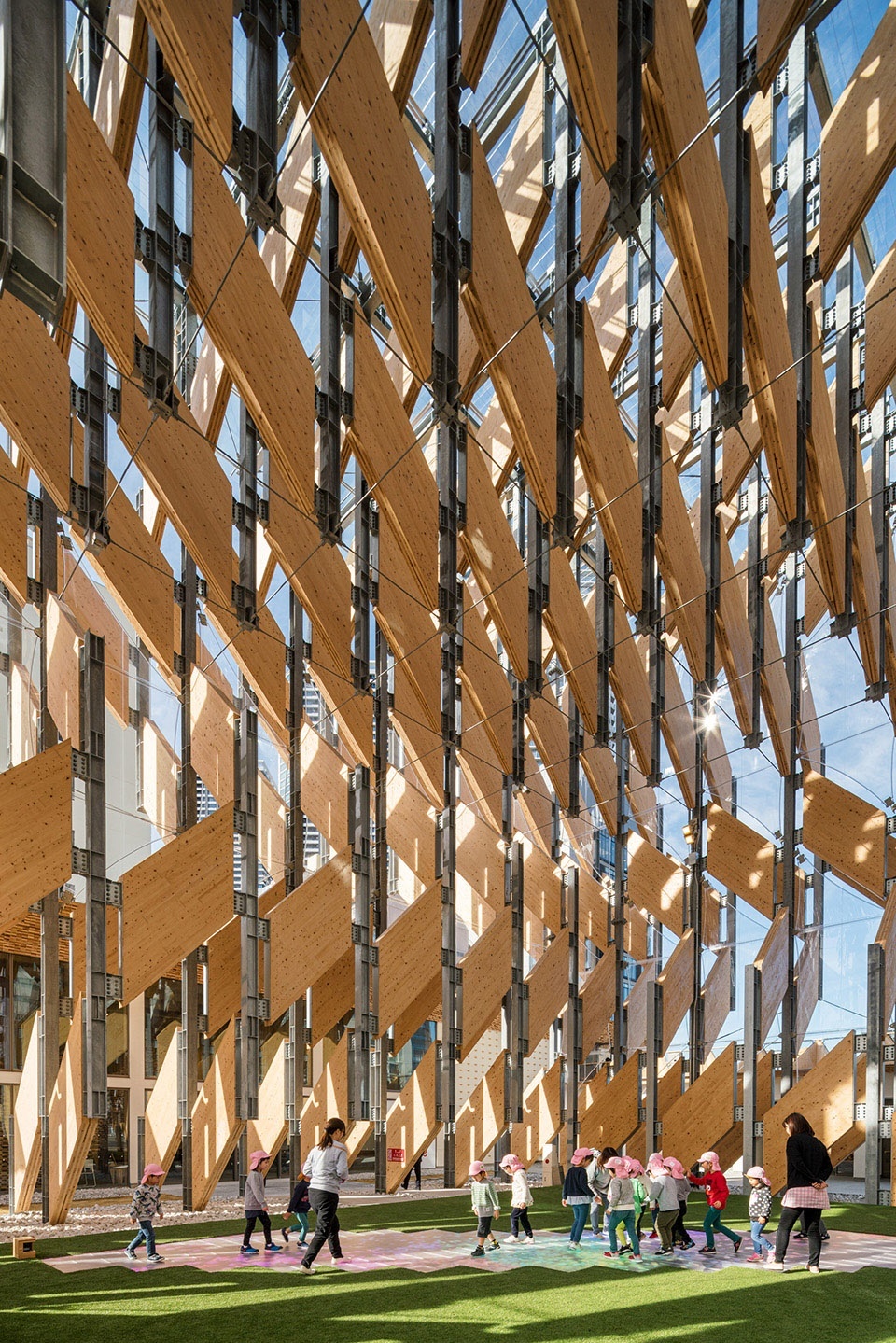
▼东京晴海公园临时展亭,一系列木质墙板呈螺旋状上升,犹如飞向天空的树叶,CLT Park Harumi: a semi-outdoor space with the image of leaves made of CLT flying up toward the sky in a spiral shape © Kawasumi · Kobayashi Kenji Photograph Office
点击这里查看更多,Click HERE for details
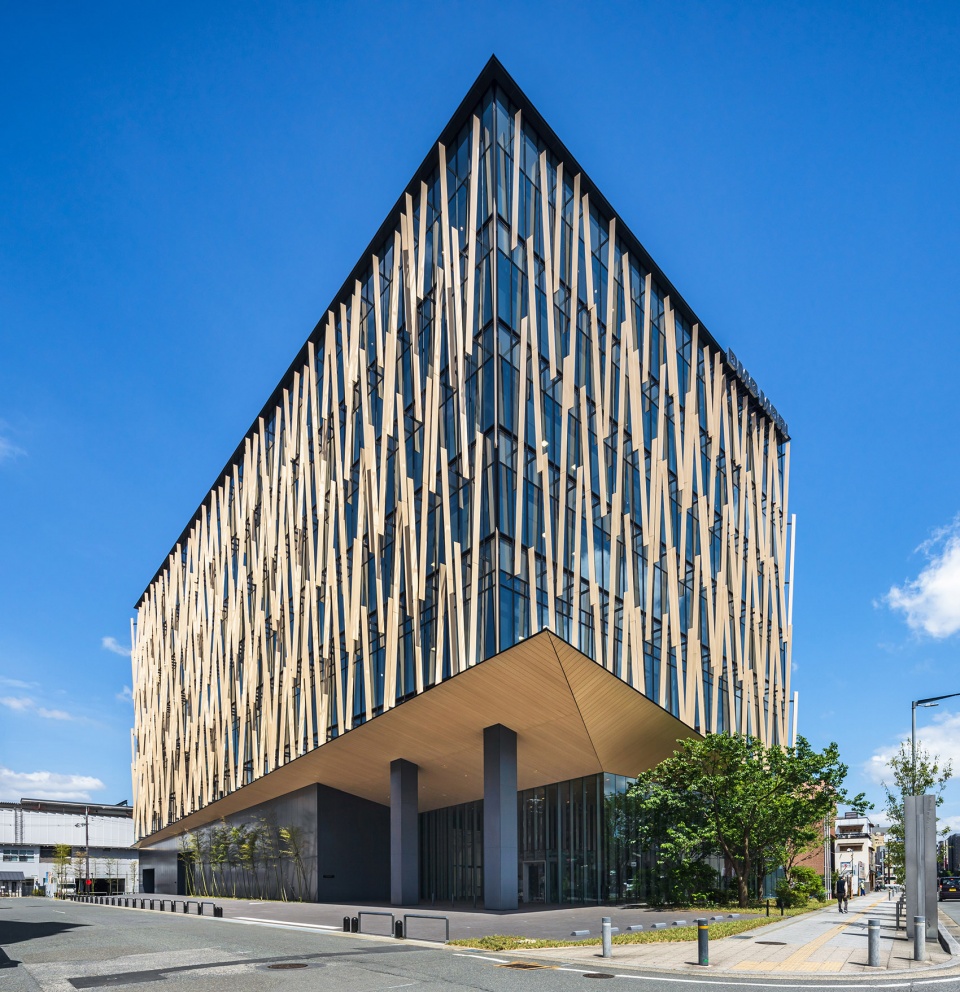
▼DMG森精机 奈良商品开发中心,立体的木纹铝格栅模仿森林中枝叶重叠的深度感和丰富的阴影,DMG Mori Nara Product Development Center ©︎ Kawasumi-Kobayashi Kenji Photograph Office
点击这里查看更多,Click HERE for details
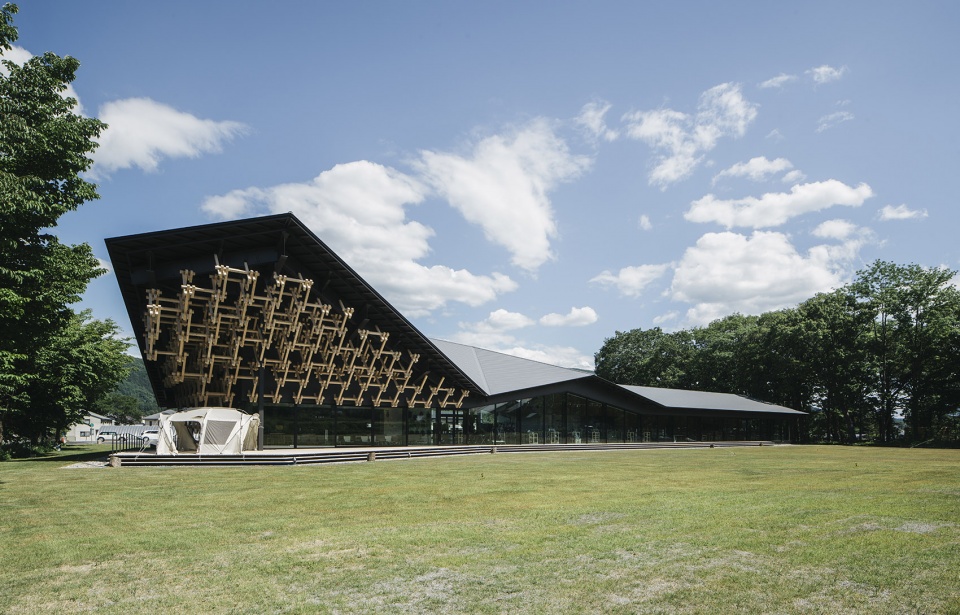
▼白马Snowpeak陆地站,屋顶下由小尺度木材组成的木制框架体现了交错的树枝和雪花晶体的意象,Snowpeak Landstation Hakuba: a wooden framework using small-diameter pieces of wood was designed based on an image of tree branches and snow crystals © KATSU TANAKA
点击这里查看更多,Click HERE for details
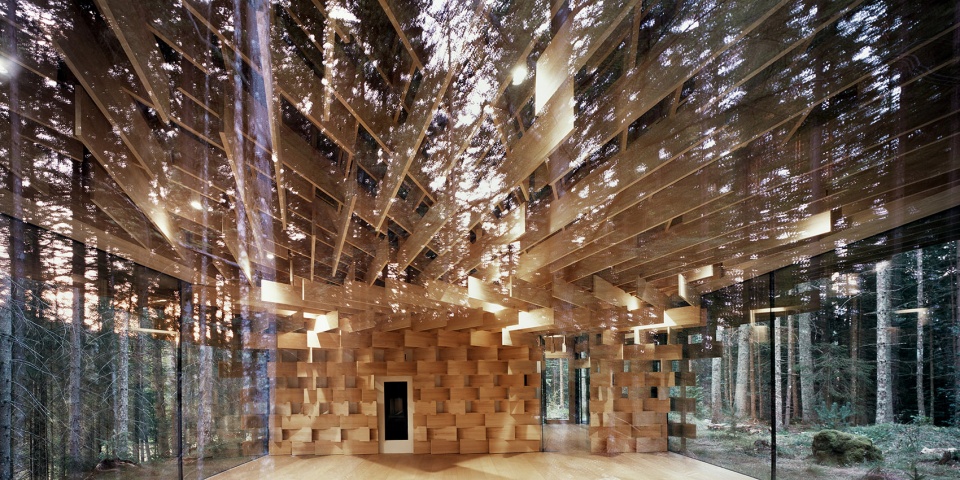
▼德国WOOD / PILE冥想小屋,建筑充当了使人融入森林的媒介,WOOD / PILE: a medium through which humans can be integrated into the forest
点击这里查看更多,Click HERE for details
▼斯里兰卡KITHUL-AMI纪念亭,采用了一种常见于斯里兰卡传统手工艺中的本地藤本植物Kithul作为材料,KITHUL-AMI Pavilion, using a local vine called Kithul, often used in Sri Lankan traditional craft © 守谷僚泰/Akihiro Moriya
点击这里查看更多,Click HERE for details
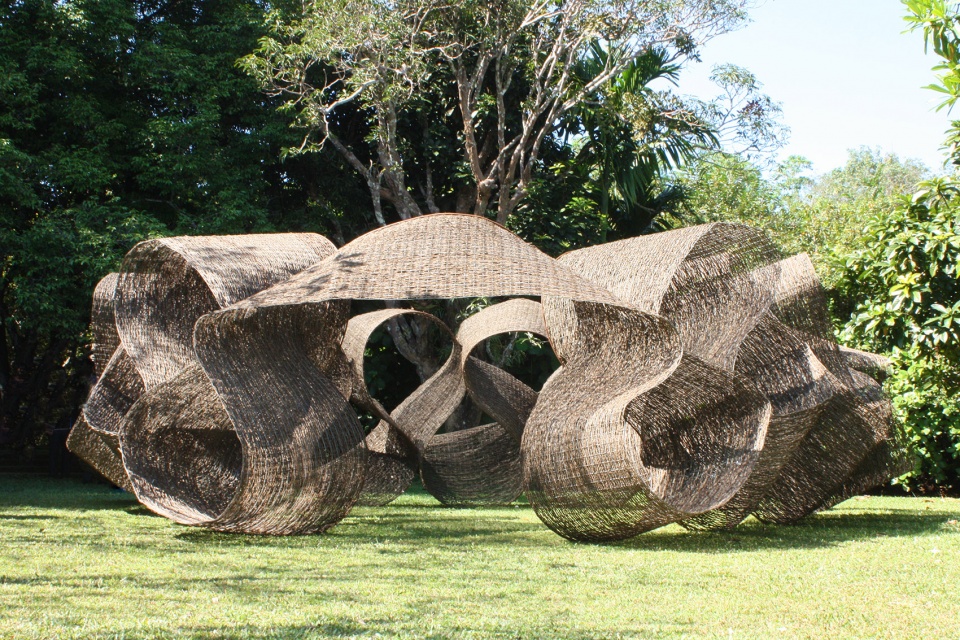
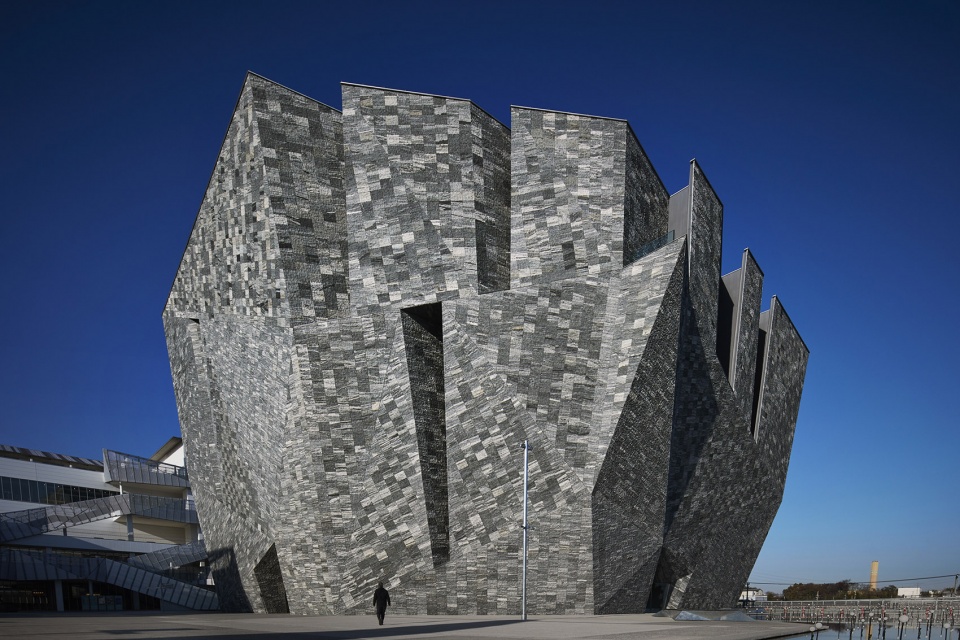
此外除了木材,我也尝试过用石材建造角川的博物馆,从而意识到现代建筑师曾经使用的材料,如石材、钢铁和铝,其实都可以实现粒子化,因此我现在的粒子化手法也拓展到了木材以外的方面,已经成为我经手的所有建筑中的一种重要手法。
I also experimented with stone in the construction of the Kadokawa Culture Museum , which led to the realization that materials once used by modern architects, such as stone, steel and aluminium, could in fact be used to realize the idea of particles. As a result, my approach to particles has now expanded beyond the use of wood and has become an important approach in all the buildings I work on.
▼角川武藏野博物馆,应用两万块70mm厚的黑白花岗岩板,Kadokawa Culture Museum: twenty thousand 70mm thick black and white granite slabs were used to build the museum © 丹青社
点击这里查看更多,Click HERE for details
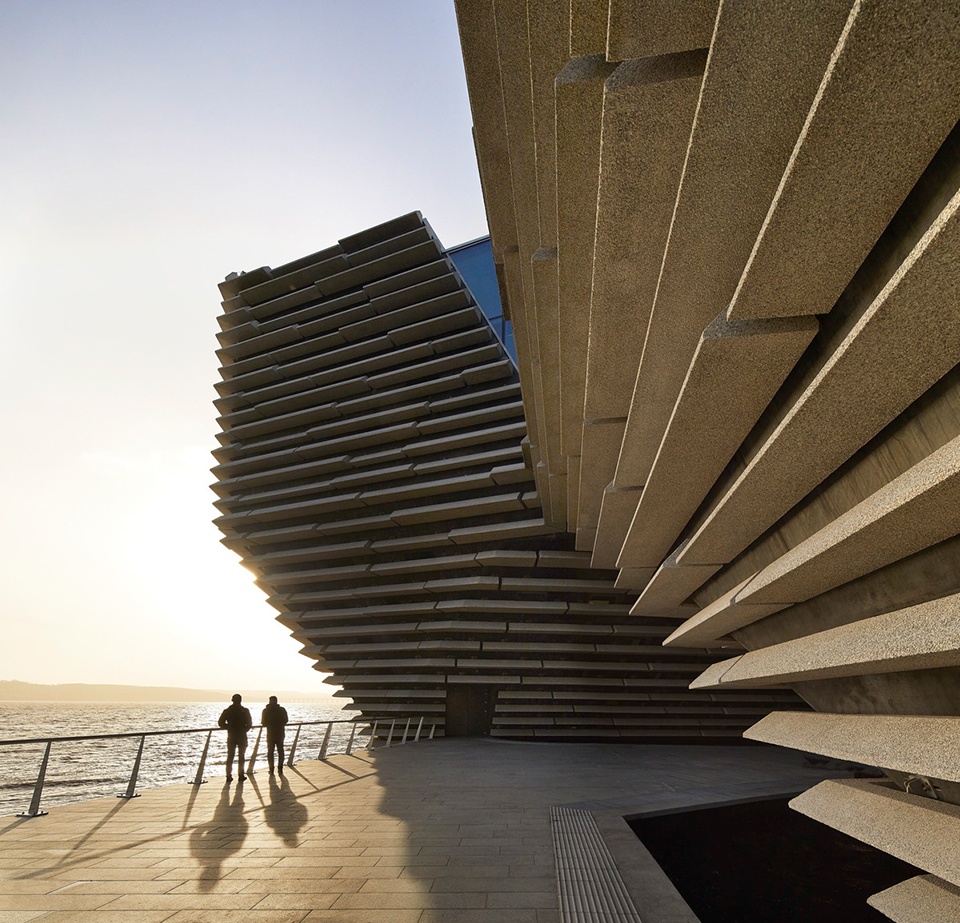
▼苏格兰V&A Dundee博物馆,外表皮的材质是预制混凝土,V&A Dundee: lines of pre-cast concrete run horizontally around the curving concrete walls
点击这里查看更多,Click HERE for details
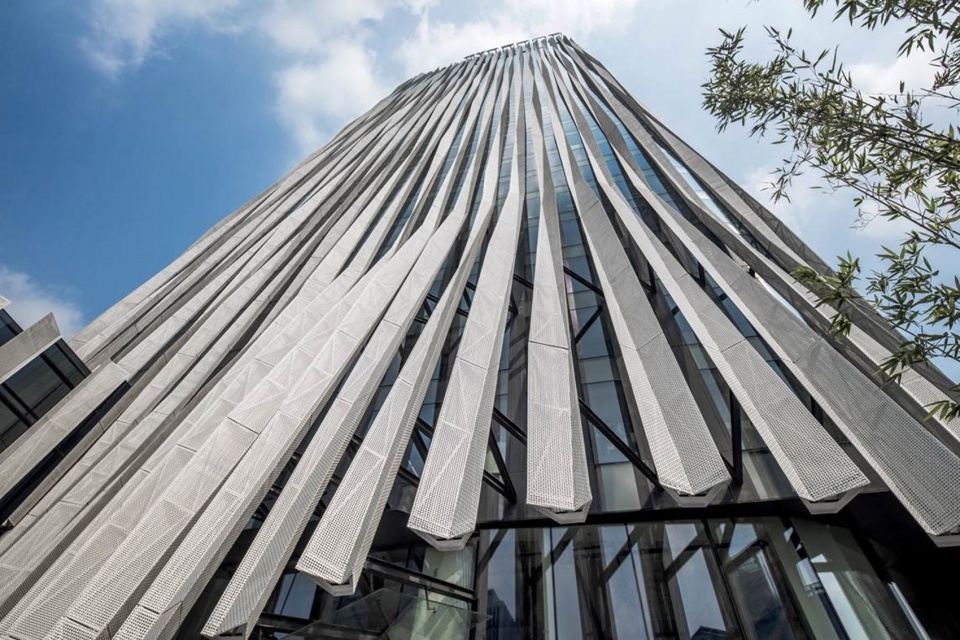
▼上海虹口SOHO,立面上18mm宽的铝条组成了褶皱型的分隔,HongKou SOHO: the façade is made of aluminum mesh in 18mm width
点击这里查看更多,Click HERE for details
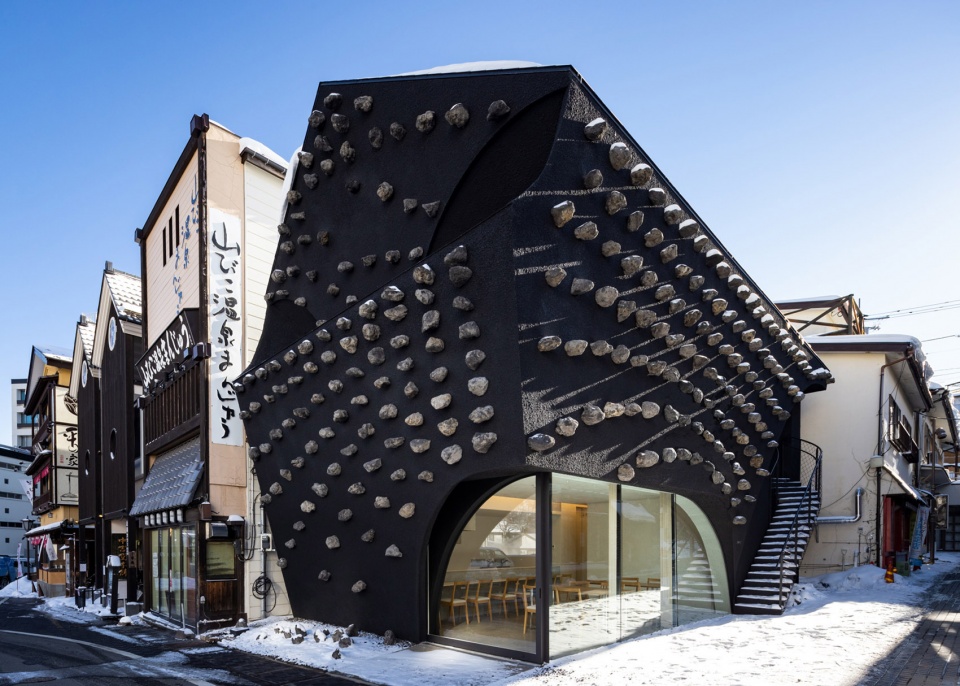
▼草津温泉旅馆,外墙上镶嵌来自温泉的Asama石,Kusatsu Kimuraya, using Asama stone found in hot springs on the exterior walls ©Kawasumi-Kobayashi Kenji Photograph Office
点击这里查看更多,Click HERE for details
_________
谈未来的建筑
The future of architecture
7.
您今后想要挑战什么样的建筑呢?您认为未来建筑发展的主题可能是什么?
Looking to the future, what type/characteristic of architecture would you like to challenge to inspire people? What do you think might be the theme of the future of architecture?
我今后想要去研究各种材料,因为以后应该还会涌现许多新的建筑材料。新的建材,比如说碳纤维这样有着十倍于金属的强度、还非常轻的材料,我想像是这样的材料会带来一个让建筑造型有巨大改变的时代,新材料的时代如今才刚刚开始,我今后也想尽可能挑战这个领域。
I would like to study various materials in the future because there will be a lot of new building materials in the future. New building materials such as carbon fibre, which is ten times stronger than metal and also very light, will bring about an era in which architectural shapes will change dramatically, and since the era of new materials has just begun, I want to take on this field as much as I can in the future.
▼创新抗震博物馆:建筑师创造性地利用碳素纤维材料加固了刚性框架混凝土结构的建筑,增强其抗震能力,Komatsu Seiren Fabric Laboratory Fa-Bo: a renovation of an office building in rigid-frame RC structure to strengthen its quake resistance using carbon fiber © Takumi Ota
点击这里查看更多,Click HERE for details
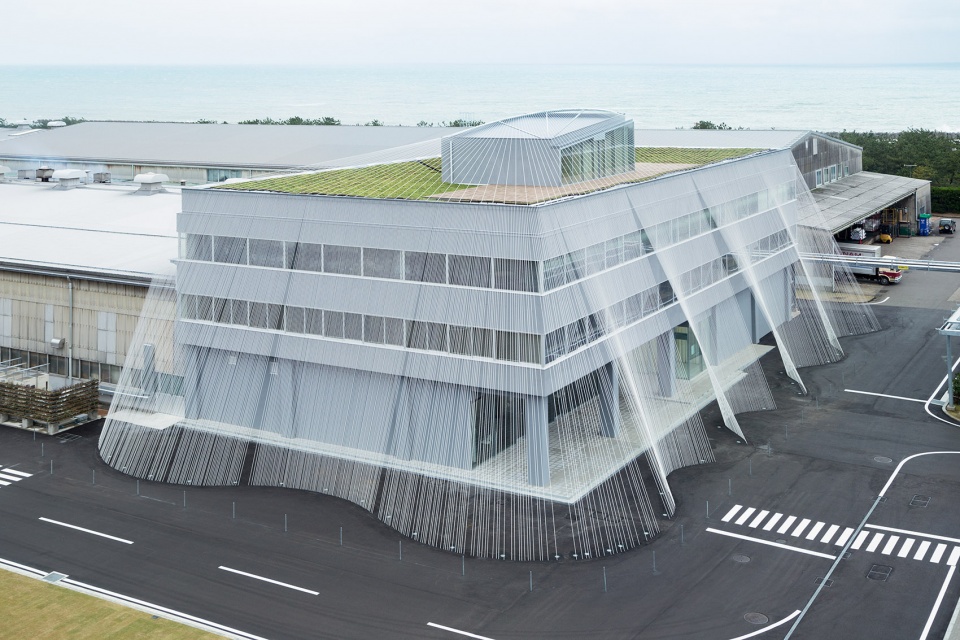
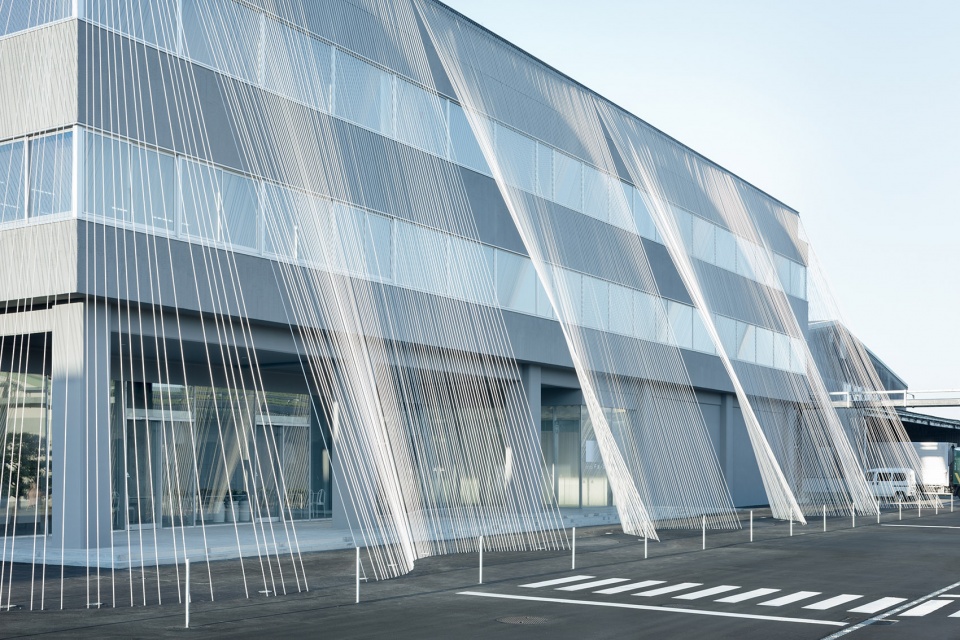
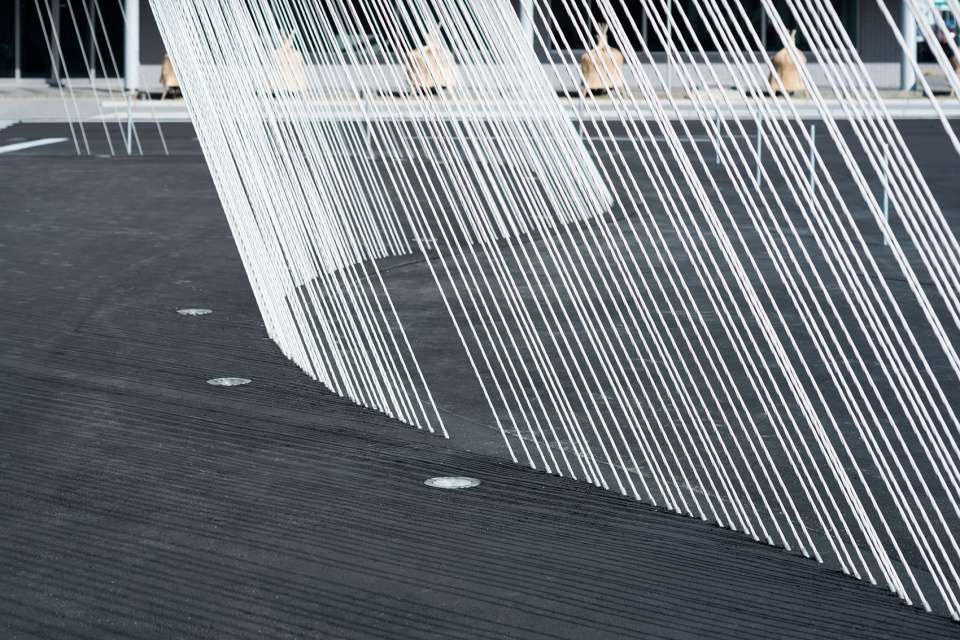
▼福冈“碳屋”,碳纤维绳上方覆盖着ETFE(四氟乙烯)材质的透明且柔软的“帽子,Carbon Hut: The braided carbon fiber strings were covered by transparent and soft “hats” made of ETFE ©︎ Kawasumi-Kobayashi Kenji Photograph Office
点击这里查看更多,Click HERE for details
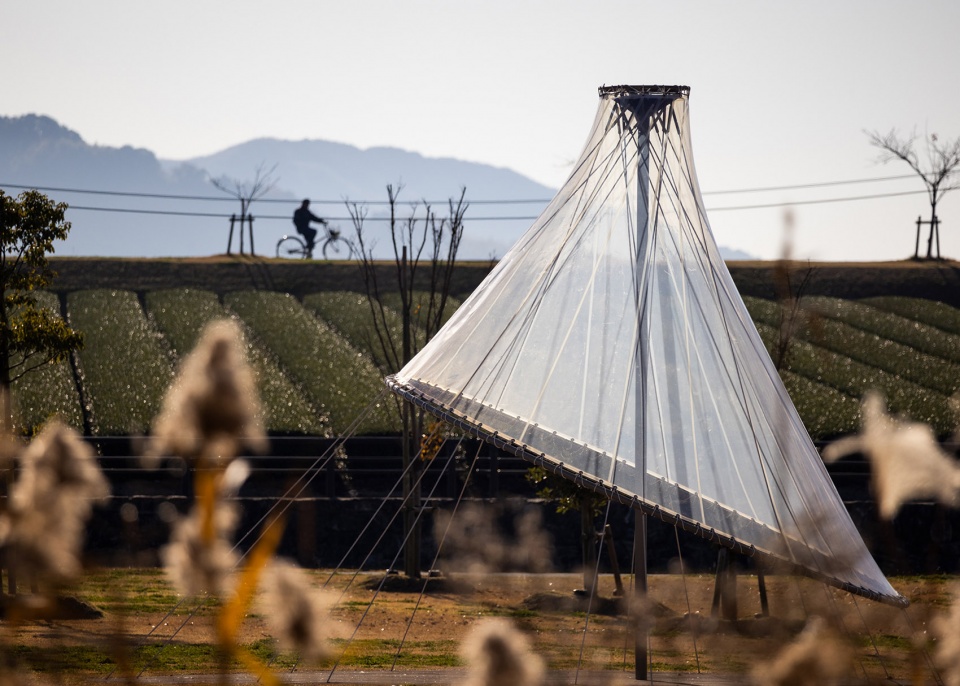
▼MURASAKI PENGUIN公共设施,裸露的碳纤维屋顶是结构的一部分,MURASAKI PENGUIN PROJECT TOTSUKA: The exposed carbon fibers on the roof©︎ Keishin Horikoshi/SS
点击这里查看更多,Click HERE for details
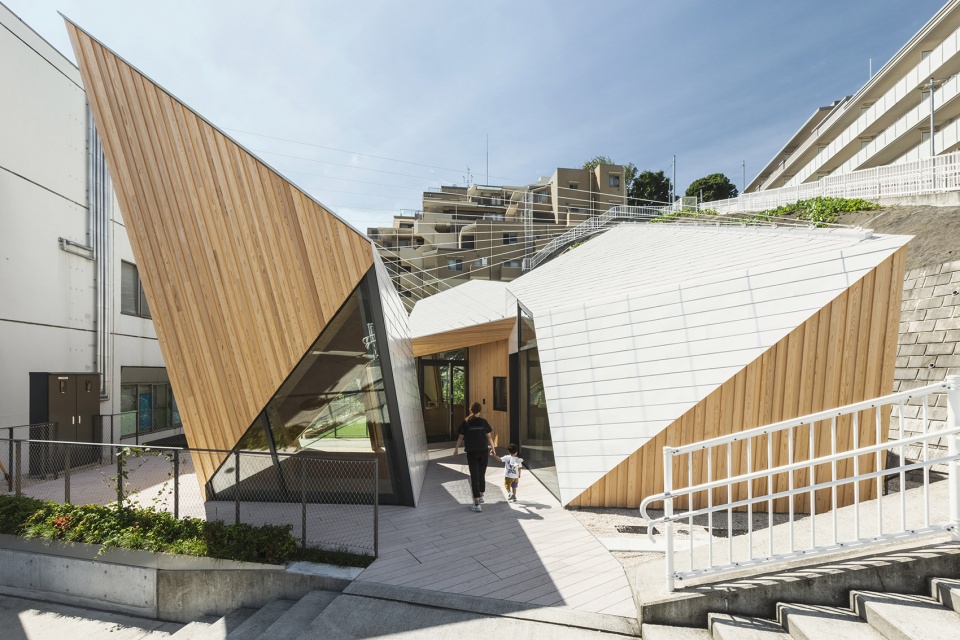
▼东京MAXPLAN AZABU 10项目,外表皮采用了一种名为ALC的轻质蜂窝混凝土板作为饰面,MAXPLAN AZABU 10, using an industrial product called ALC (Autoclaved Lightweight Concrete) panels © Kawasumi・Kobayashi Kenji Photograph Office
点击这里查看更多,Click HERE for details
比起建筑的外形,人的身体和建筑有着何种关系;在设计建筑时,如何思考和身体的关系;我认为建筑中的人体尺度将来会变得越来越重要。虽然数字技术有其优点,但以后随着它的逐渐发展,人类本身会被渐渐遗忘。为了重新回忆起人类的身体,建筑是不可或缺的。我觉得在将来,我们必须为此在建筑本身中加入对身体性的考量。
I think the human scale in architecture will become more and more important in the future than the shape of the building, including how the human body relates to the building and how it interacts with the building. Although digital technology has its advantages, in the future, as it gradually develops, human beings themselves will be gradually forgotten. Architecture is indispensable for recalling the nature of human body. I think in the future, we’ll have to add a consideration of physicality to architecture itself for that reason.
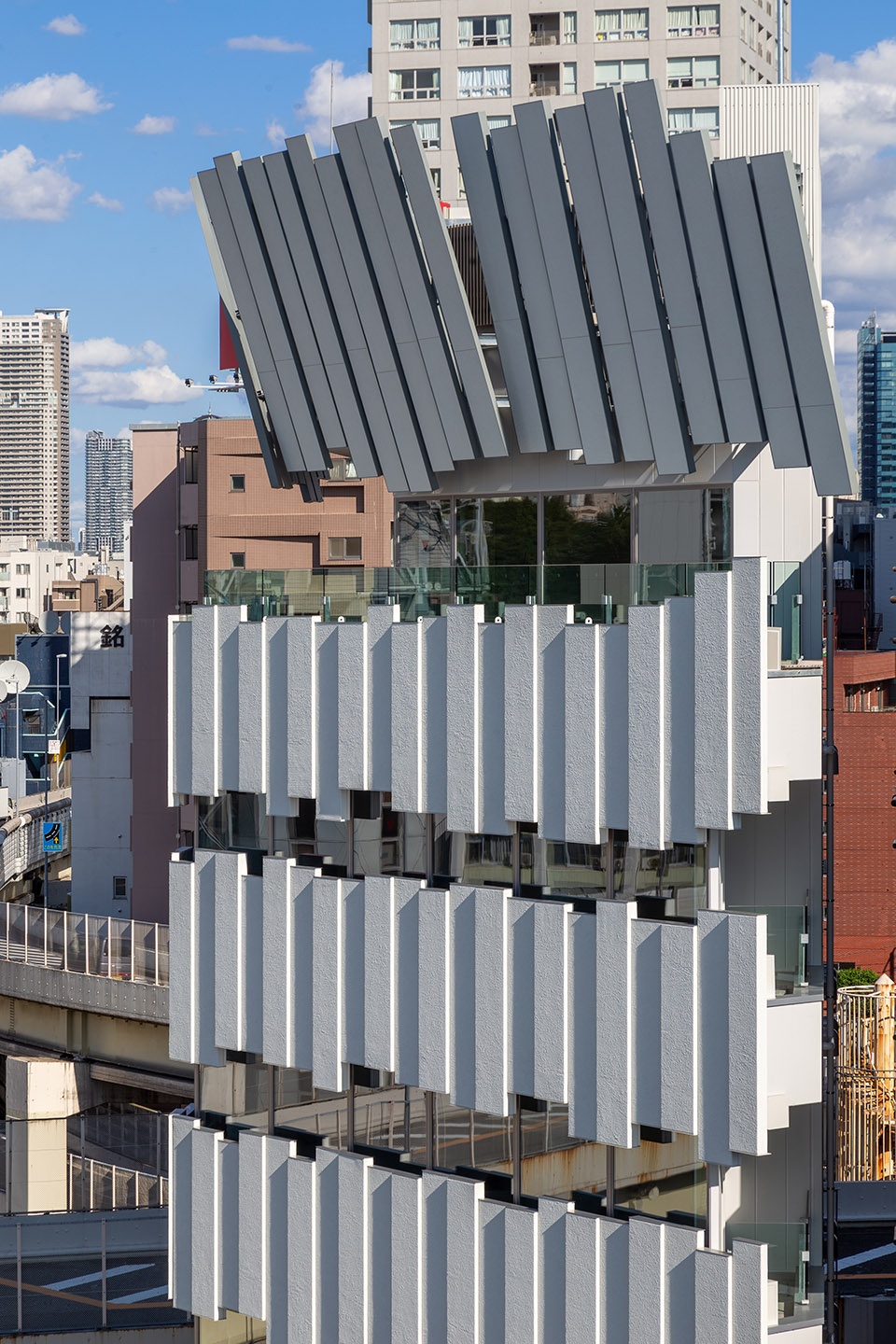
▼石垣市政厅,一排排房屋交汇于十字路口,形成了不同的村落,Ishigaki City Hall: villages formed at the crossroads where rows of houses intersected ©︎ Kawasumi-Kobayashi Kenji Photograph Office
点击这里查看更多,Click HERE for details
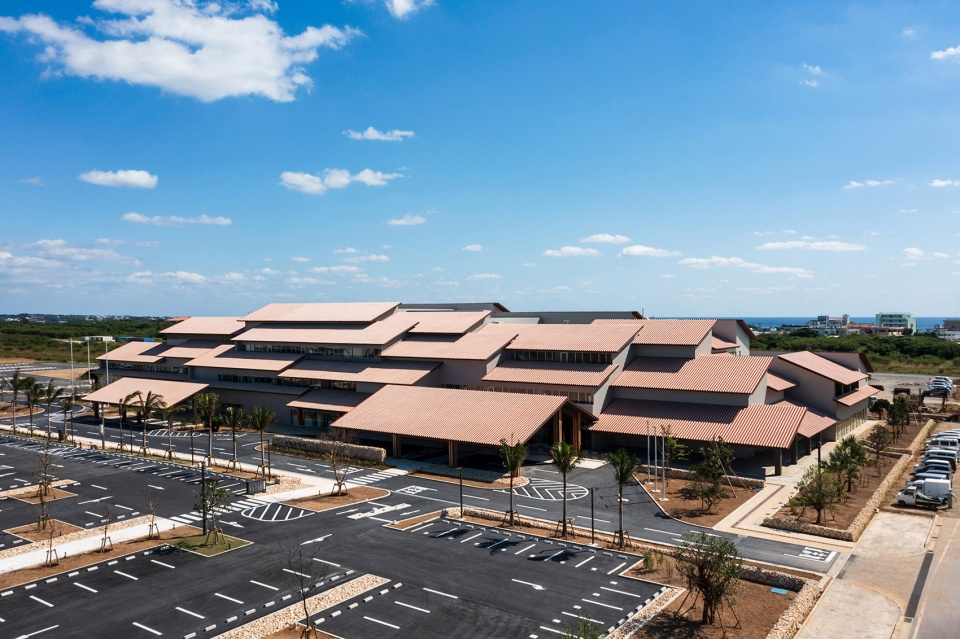
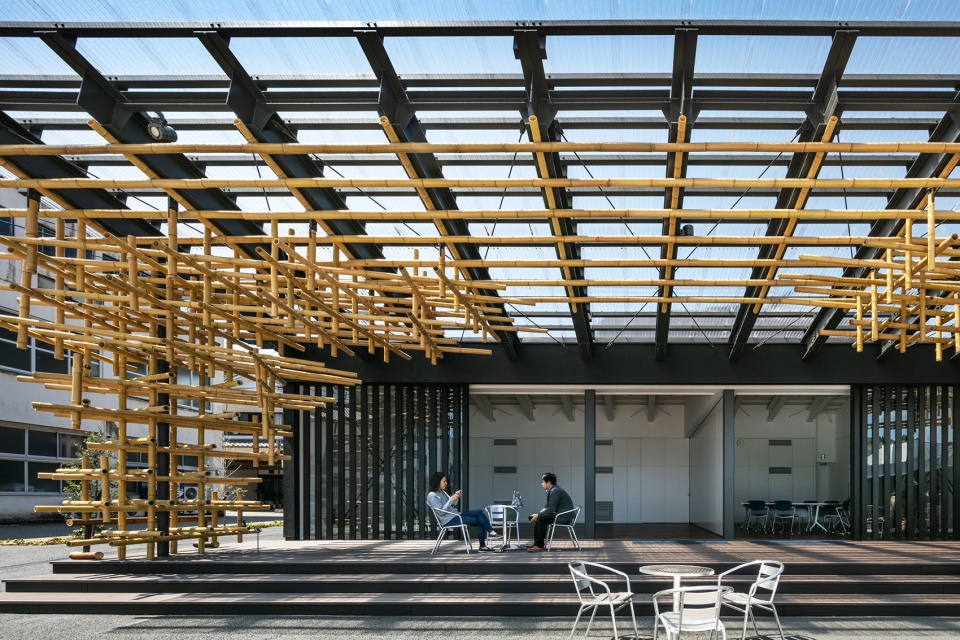
▼竹田市城下町交流广场,竹子搭建的三维构造构成了舞台的前景,Taketa Castle Town Plaza: The proscenium is a three-dimensional assembly of bamboo © Kawasumi・Kobayashi Kenji Photograph Office
点击这里查看更多,Click HERE for details
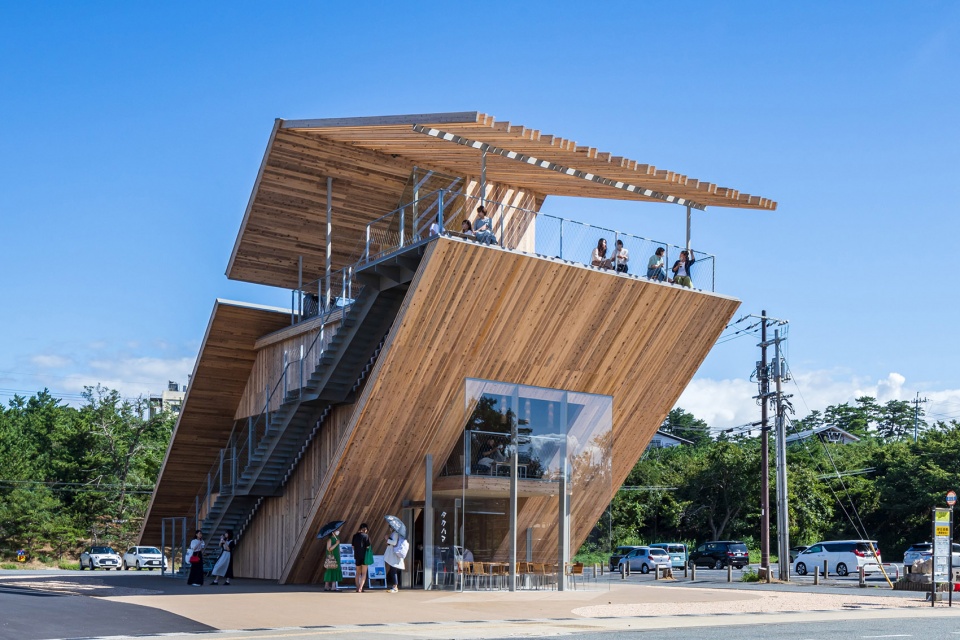
▼鸟取沙丘咖啡厅,项目采用了交叉层压木材与钢筋混凝土构成的混合结构,Takahama Cafe, using wood abundantly in a hybrid structure of cross-laminated timber and reinforced concrete ©︎ kkaa
点击这里查看更多,Click HERE for details
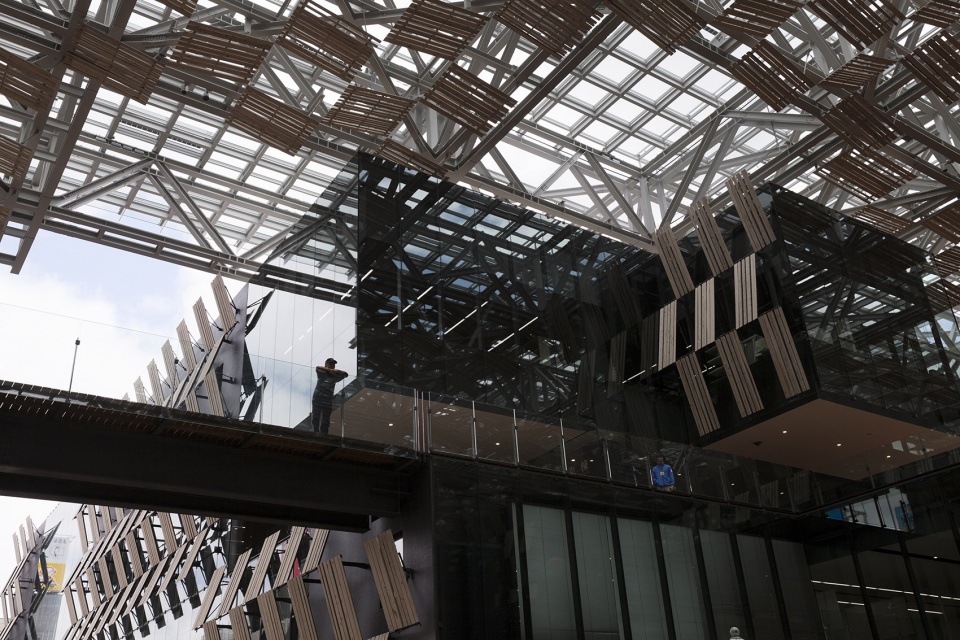
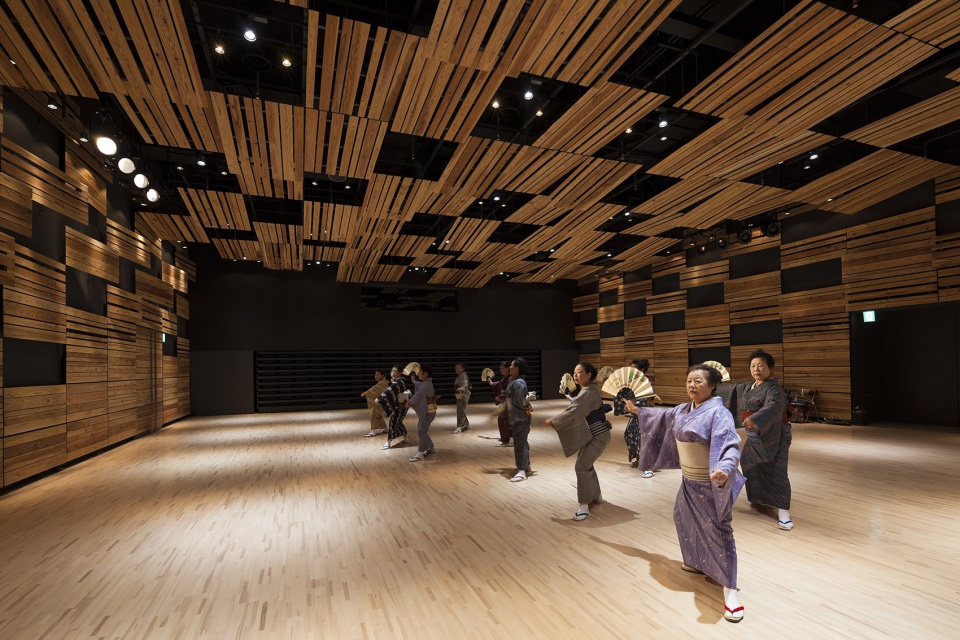
▼长冈市政厅,Nagaoka City Hall © Mitsumasa Fujitsuka
___________
关于隈研吾事务所
About kkaa
8.
现在您的事务所雇员超过300人,项目遍及全球。和过去相比,现在您本人会具体参与到项目的哪个阶段,以及如何把控每个项目的进展?
Your firm has a team of over 300 people and has projects all over the world. At what stage of the project are you now more personally involved than in the past, and how do you control the progress of each project?
(目前事务所的成员)在全世界范围内有350人以上。因为自己有兴趣,任何项目我都想自己亲身参与。像选择材料的时候,还有敲定细节的时候,我自己开会的时候会参与到所有的项目中去,可能正是因为这样,才反而更容易掌控全局吧。而且不存在任何我没有兴趣、扔在一边的项目。这样一来,我一参与进来,就能很快地完成所有决定,所有项目的人都会来找我商量,这样反而让信息流通更加顺畅。一般的设计事务所的话,所长只对一部分的项目感兴趣,在他不感兴趣的项目上,沟通就容易出现问题。而我对于所有项目都感兴趣,所以沟通非常顺利。当然手机和电脑也给了我很大的帮助。我会让大家把所有问题都通过手机发给我,我收到后会在一旁对所有人作出回复,这就是我的管理方式。
We now have over 350 people from all over the world. I have an interest and I want to be personally involved in any project and at any stage. This includes the selection of materials, finalization of details and various meetings. Maybe that’s why it’s easier to take control of the whole picture instead. And there will never be any projects that I have no interest in and toss aside. That way, all decisions can be made quickly. All the people involved in a project come to me for advice, and that makes the exchange much smoother. In a normal design office, the director may be only interested in some of the projects, and communication problems can easily arise on these ignored projects. I’m always putting myself into all the projects. Of course, mobile phones and laptops also helped me a lot. I would ask people to send all their questions to me via their cell phones, and I would reply to all of them when I received them, and this is how I manage the teamwork.
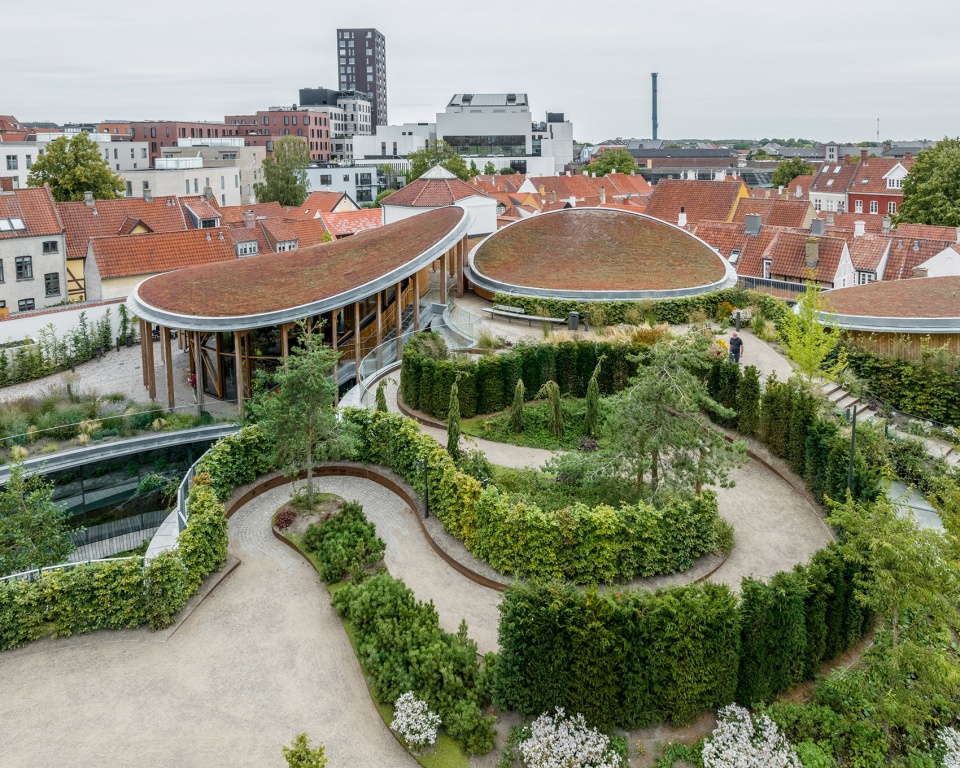
▼丹麦H.C.安徒生博物馆,与MASU Planning合作设计,H.C. Andersen museum in Denmark, designed in cooperation with MASU Planning © Rasmus Hjortshøj / COAST
点击这里查看更多,Click HERE for details
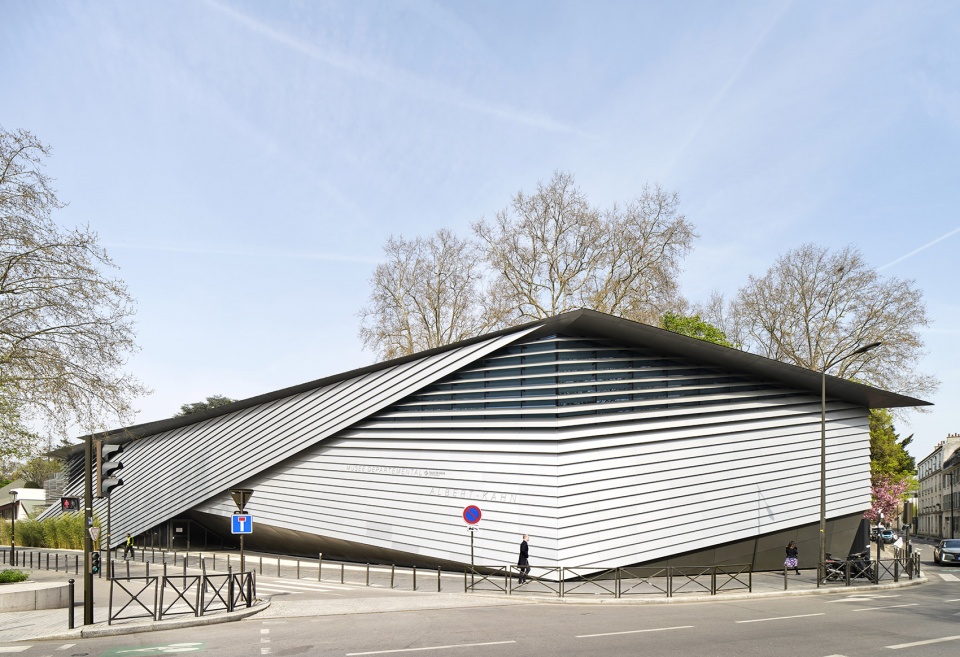
▼巴黎阿尔伯特·卡恩博物馆,Albert Kahn Museum, Paris ©︎ Michel Denance
点击这里查看更多,Click HERE for details
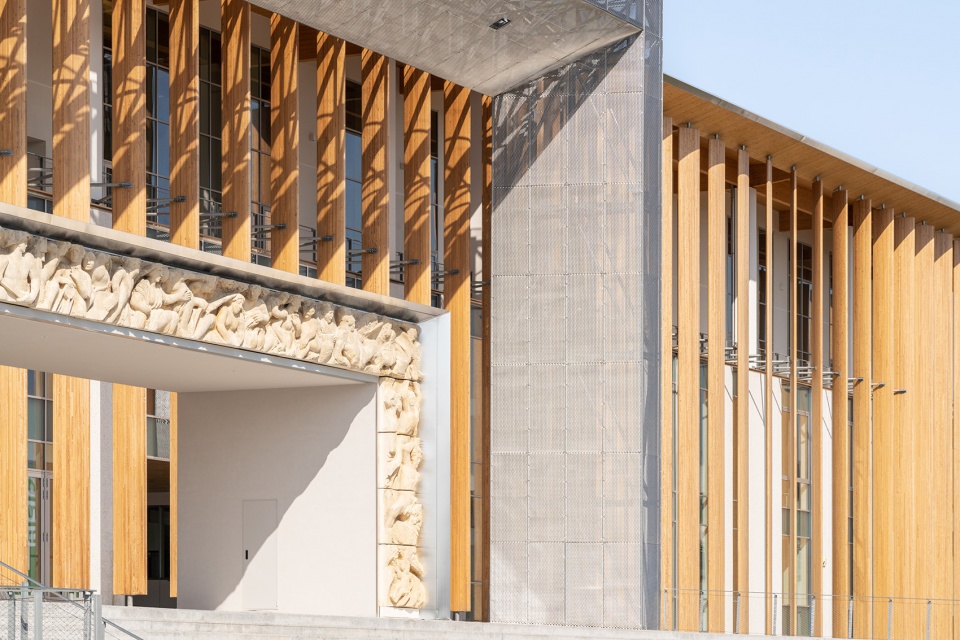
▼意大利帕多瓦会展中心,Padova Congress Centre, Italy ©︎kkaa
点击这里查看更多,Click HERE for details
9.
您认为现在事务所面临的最大挑战是什么?
What are the biggest challenges facing the practice today?
挑战的话,应该还是如何去管控越来越多的项目吧,特别是项目数量增多之后,我还接触到了自己至今为止都没有去过的国家的项目。比如现在已经开始了的南美洲厄瓜多尔的一个项目,好几个这样的项目已经开始了,比如哥斯达黎加等等,我很难亲自到这些地方去。如何去管理这些项目应该是今后的课题。
I guess the challenge is how to manage and balance the increasing number of projects. I’ve been working on projects in countries I’ve never been to before. Now we have an ongoing project in Ecuador, South America, and there are quite a few projects like that, including those in Costa Rica and other countries. It is not easy for me to go to all these places myself. So, how to manage these projects should be a topic for the future.
▼艾克斯音乐学院,法国,Aix en Provence Conservatory of Music, France
点击这里查看更多,Click HERE for details
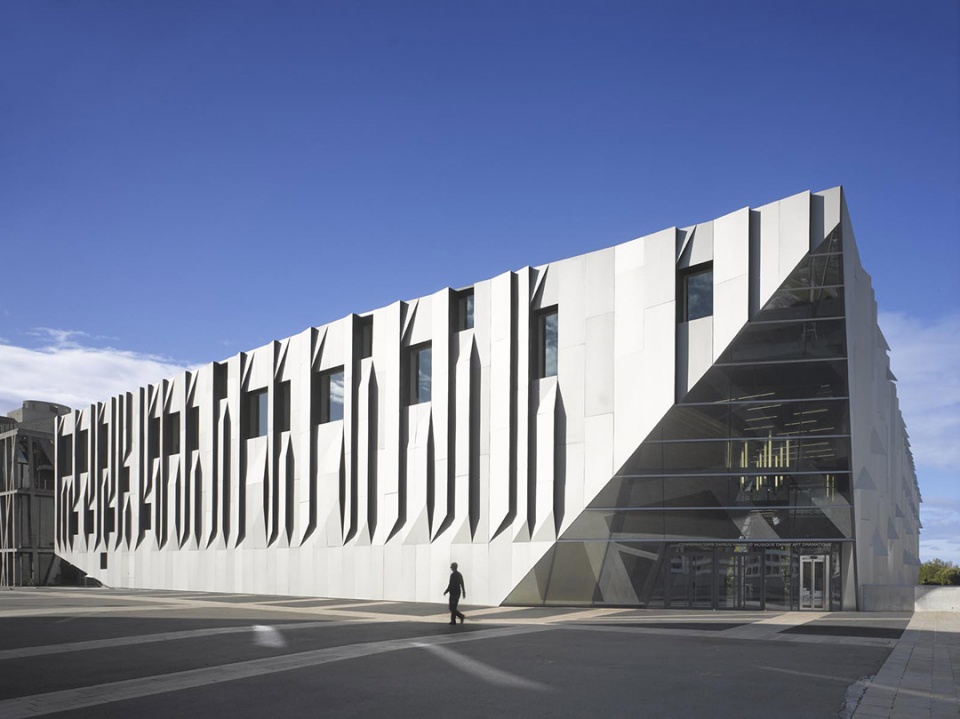
▼日内瓦Grand Morillon学生宿舍,Student Dormitory Grand Morillon, Geneva © Erieta Attali
点击这里查看更多,Click HERE for details
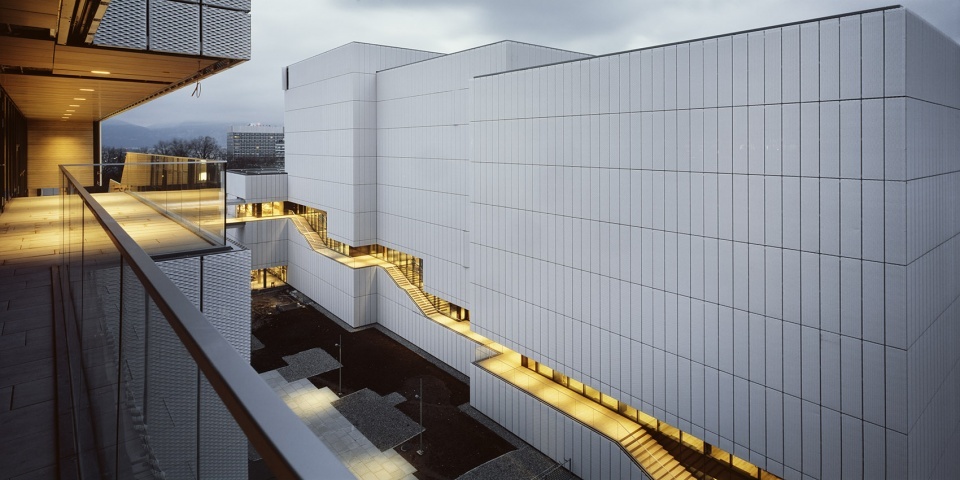
▼早稻田大学村上春树图书馆,The Haruki Murakami Library © Kawasumi・Kobayashi Kenji Photograph Office
点击这里查看更多,Click HERE for details
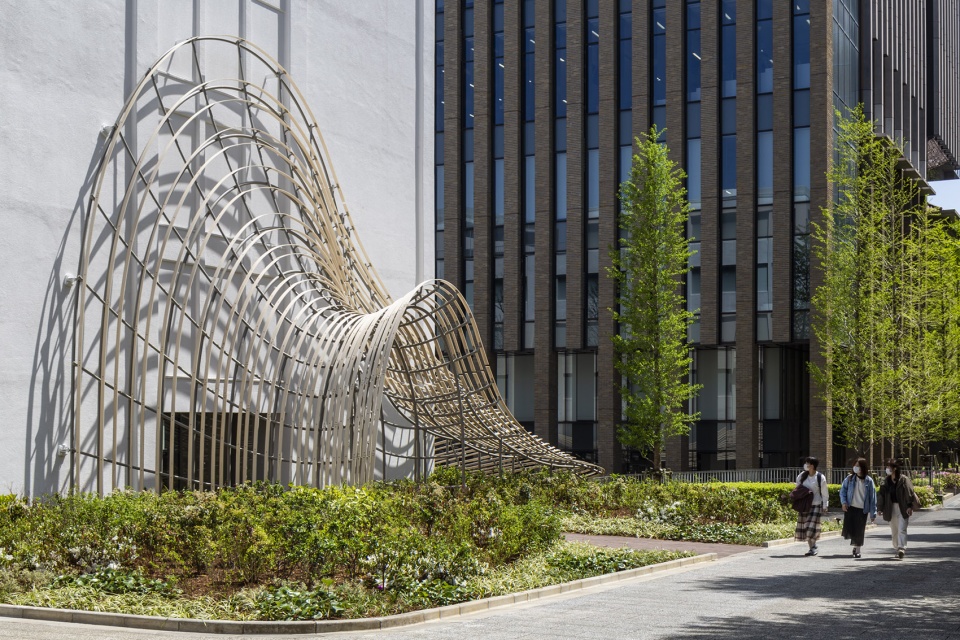
▼宫城县登米懐古館,TOYOMA KAIKOKAN © Forward Stroke Inc.
点击这里查看更多,Click HERE for details
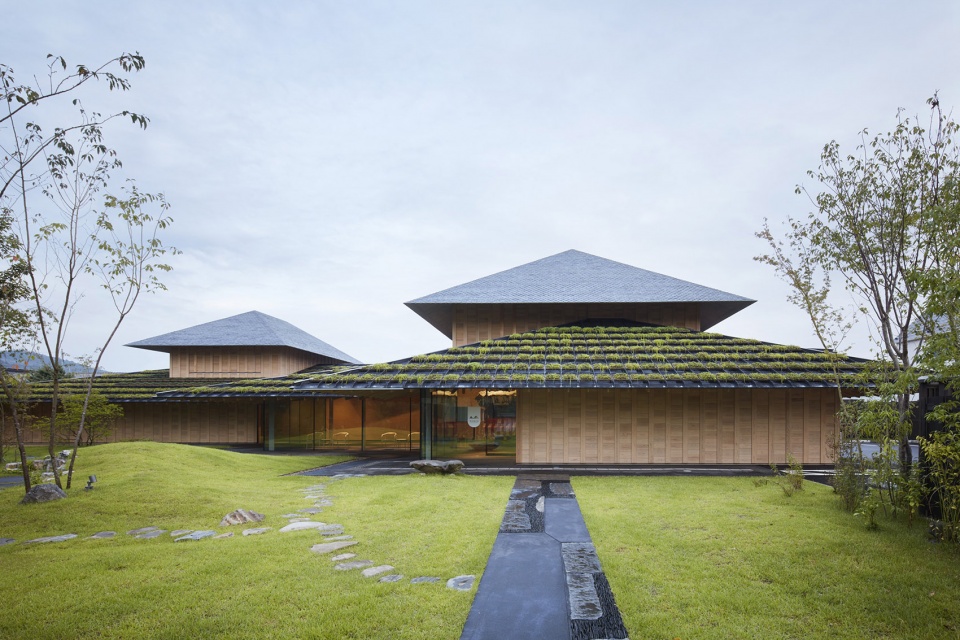
▼那珂川町马头广重美术馆,Nakagawa-machi Bato Hiroshige Museum of Art (Batoh) ©Mitsumasa Fujitsuka
10.
在未来,您期望您的事务所成为一个什么样的公司?
What kind of organization do you want your firm to be in the future?
目前来说我公司里的外国人实际上比日本人多。在350人中,大概有250人都是外国人,日本人只有100人左右。这种事务所的氛围是非常好的,大家能够愉快地和各个国家的人们交流。我想让这种氛围变得更加浓厚。
There are actually more international members than Japanese in the office at the moment. Out of 350 people, about 250 are from outside Japan, and there are only about 100 Japanese. The atmosphere in the office is quite good, and everyone is able to communicate and interact with people from different countries in a happy and relaxed manner. I want to make this atmosphere even stronger.
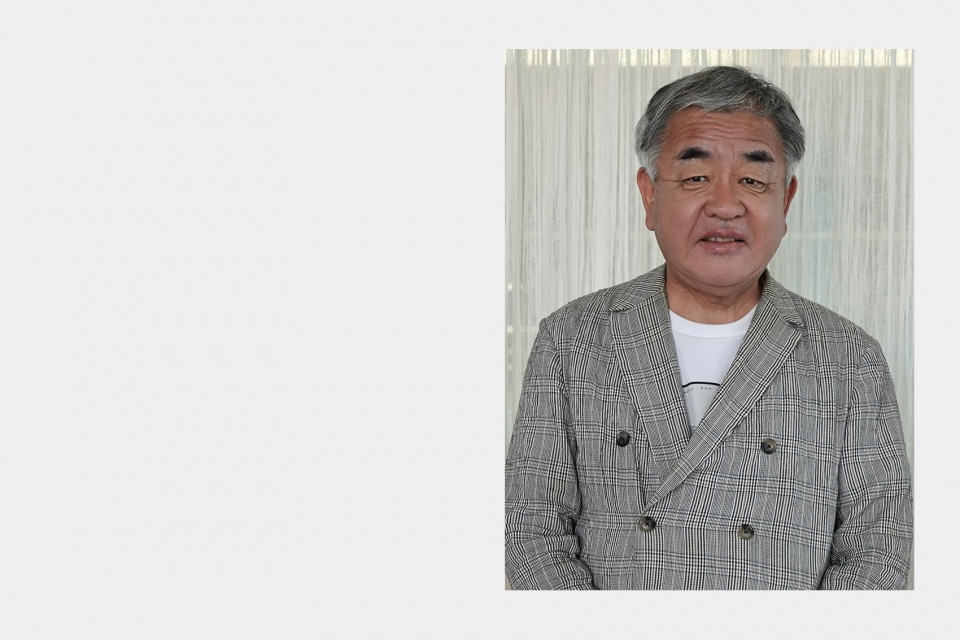
▼隈研吾,Kengo Kuma © 谷德设计网
More:Kengo Kuma and Associates;Kengo Kuma and Associates on gooood




https://mp.weixin.qq.com/s/TDYQY3iYugbiL36S7SgBPA
人人都学我 人人都骂我
评论区抄袭成性的中国建筑师们,竟然集体高潮批判起来了,真是强国!
木架子仙人
古德是会搞流量的 前有俞挺后有隈研吾
谁能帮我解答一下,这里面的公共建筑,如何做到天花板是木质材料的呢。消防规范有这方面的特殊规避么。谢谢!
这也可能是木纹铝板啥的,或者其它防火材料仿木纹而已
真人版pinterest案例库
运用大量的与功能不搭界的材料造房子 其实你更适合去做一个雕塑家 而不适合做建筑 建筑的装饰要么是文化要么是功能 你的材料只能是哗众取宠多
为什么建筑没有用材料装饰的权力?
日本的一个吊毛建筑师,人品跟作品差不多。
风评这么差?个人觉得还是不错的
在建筑表皮做文章的“建筑师”,商业目的大于建筑本身。大型建筑表皮装置吧。
与其叫建筑,不如叫做装置艺术
评论区不错
风评之差,哈哈哈
+1 怀疑这老头有一半的作品都是自己都没看过一眼图纸吧 圈钱太厉害,也是国内太迷信月亮
你砍下的木头就已经死亡,不用搞返璞归真那一套,你的负建筑理论就是个皮囊。里面包裹着的还是老物件。
他应该是为数不多 全方面被喷的体无完肤的 “建筑师”吧
一个只会堆叠的设计师。青岛还是某个沿海地区的方案,一堆形式砼堆砌成一座山就完事,简直是来搞笑的。怕不是在日本海边看到波防护堤石就直接抄了,形式主义的集大成者。桥亭场景感可以,但还是在装饰占主导,两边依旧要靠钢结构支撑。 就他这样靠虚张声势的材料掩饰来做建筑,一辈子都不可能感动人,唬人还行。
人品不咋地!
为啥
联合日本当地多名建筑师抵制扎哈在日本的体育场项目。各种圈钱不着调。
300多人的公司每个项目都把控,令人窒息
做主要决策就好了 又不用下场画图
前段时间看了隈老师成都宽窄巷子的个展,还是蛮不错的
俺搞的,谢谢哦~
怀疑这老头有一半的作品都是自己都没看过一眼图纸吧。
作品是喜欢的,人品是讨厌的
非常讨厌的建筑师,我没有资格评价他,只是表达不喜欢,也在因为他的第三个项目成就了他大尺度的挑战但是杀死了Zaha
扎哈那个乌龟王八盖子放明治神宫边上怪的没边
对这种言论感到纳闷,建筑界也流行饭圈吗
什么建筑异能格斗世界观啊(*/ω\*)。。。本子奥运床都用纸箱了,可能给zaha折腾么,在自己公司都人亡政息了唉(*/ω\*)