非常感谢Studio Swine将项目介绍和项目图片授权gooood发行。更多请至:Studio Swine on gooood
Appreciation towards Studio Swine for providing the following description:
地球表面四分之三的“蓝色领土”—-海洋,一望无际,波澜壮阔。
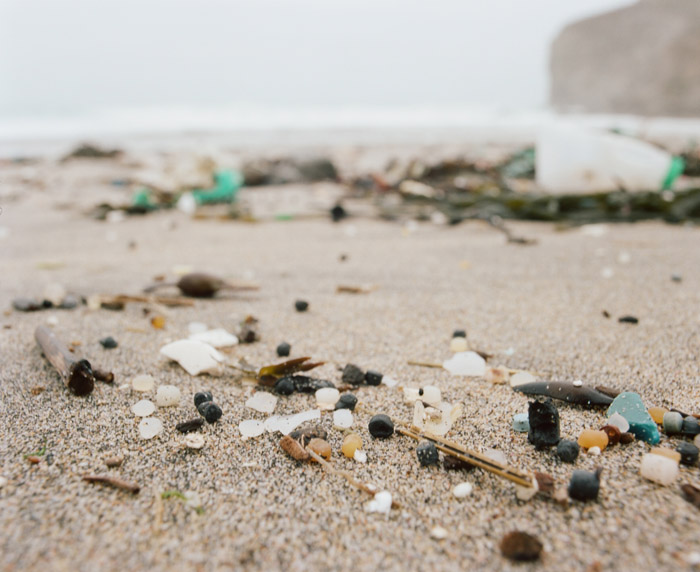
人类科技发展至今,出现许多新生事物,也能更多的探索海洋,比如发现海洋上有着巨大的垃圾带,当然垃圾是由人类产生(主要是塑料),经过海浪冲刷细化,变成小颗粒,随着洋流而聚集在一起。仅仅在太平洋上的海洋垃圾带,面积就有两个美国那么大。随后人类又发现印度洋垃圾带等其它面积庞大的垃圾带!这些垃圾带打破了海洋生态系统。也许减少不必要的消费行为是实在的拯救地球之举。当然回收海洋中的垃圾,使其变废为宝也是一个值得提倡的举措。
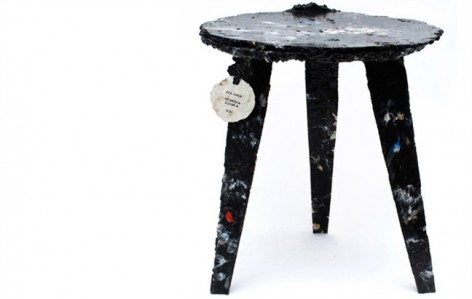
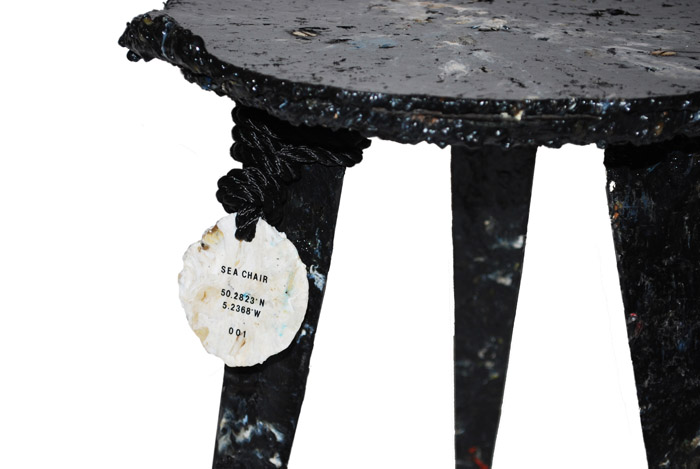
工作室Swine就从海洋上回收塑料垃圾制成椅子。这款来自海洋的椅子于2012年首现于米兰设计周,曲折的重返了人类世界。
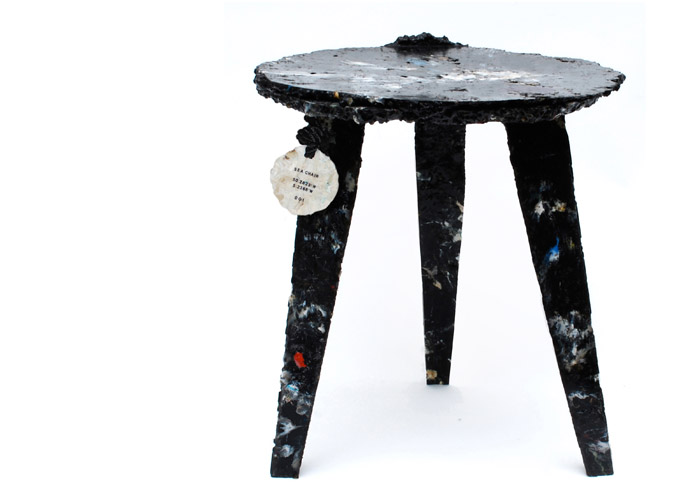
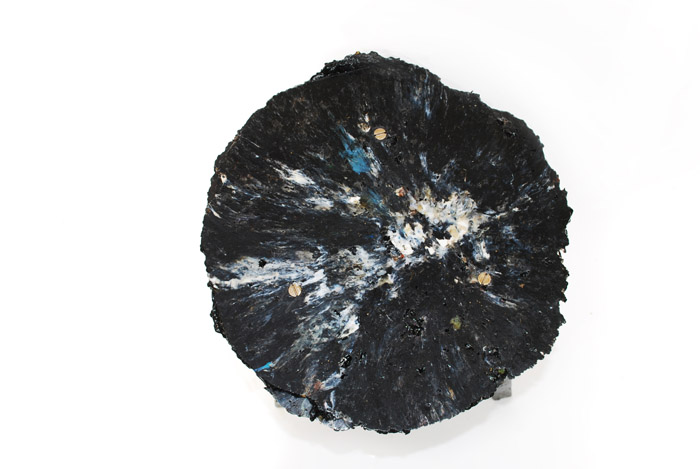
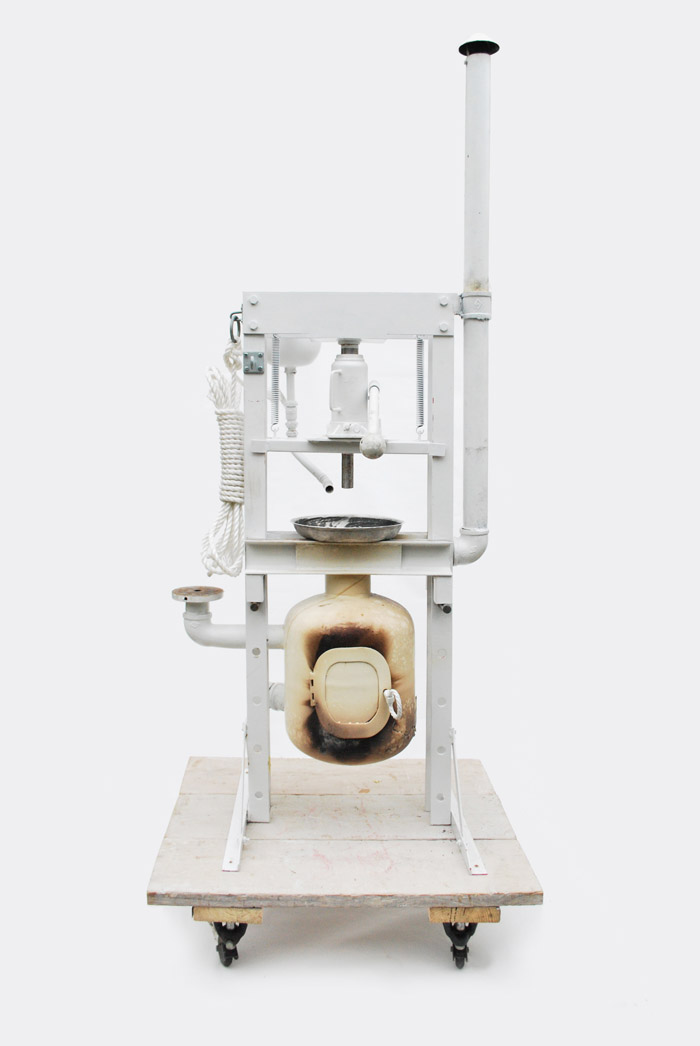
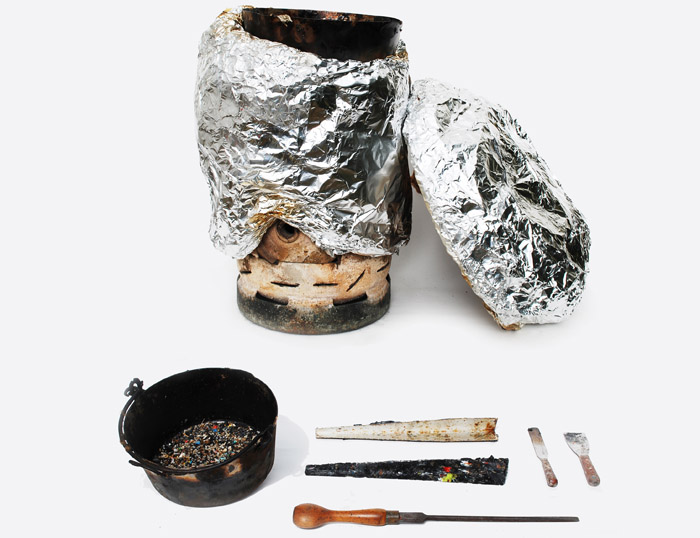
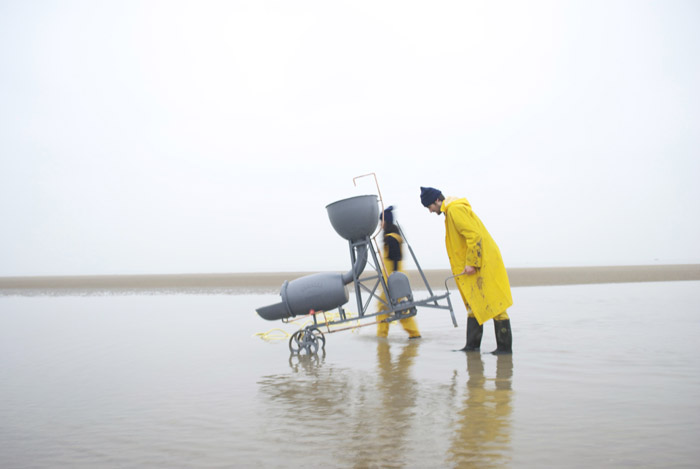
The ‘Sea Chair’ is made entirely from plastic recovered from our oceans. Together, Studio Swine and Kieren Jones have created devices to collect and process marine debris into a series of stools.
The United Nation estimates the world’s oceans to contain some 100 million tons of plastic. As our society’s consumption grows, the concentration of plastic increases. Harvesting this plastic we have made the first Sea Chair which has been launched at Milan Furniture Fair 2012.
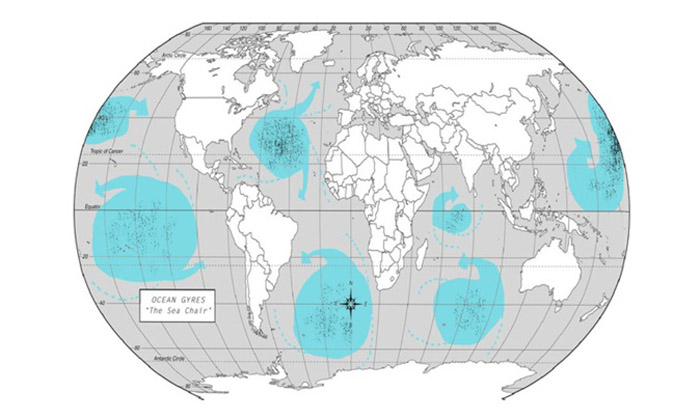
环流形成的海洋垃圾带 THE GYRE
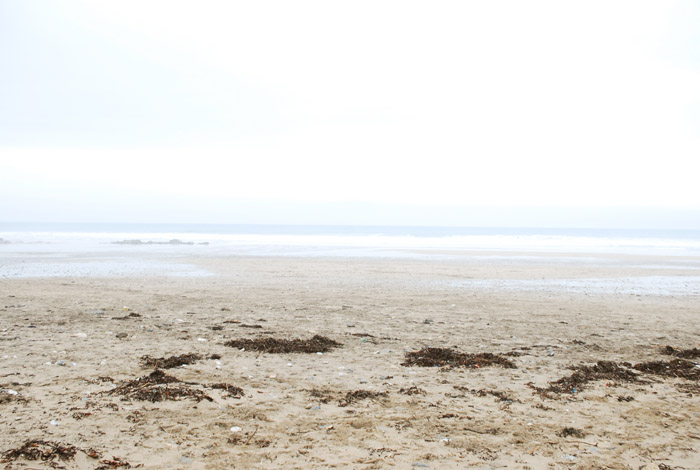
The Great Pacific Garbage Patch is a vast mass of marine litter trapped in the swirling vortex of currents of the North Pacific Gyre. More of a ‘plastic soup’ than a tangible mass, the spread and density of which is growing at an alarming rate.
The plastic waste takes thousands of years to degrade, remaining in the environment to be broken up by UV light into ever smaller fragments until the plastic polymer chains become single molecules, forever irretrievable and infinitely more ubiquitous.
The concentration of this plastic soup continues to increase, recent studies estimating an average of 46,000 pieces of plastic per square kilometre of the world’s oceans. The number of plastic pieces in the Pacific Ocean has tripled in the last ten years to what the UN estimates amounts to 100 million tons worldwide, current trajectories predict this figure to double in the next ten years.
MORE: Studio Swine,更多请至:Studio Swine on gooood









发表评论
你需要先 才能发表评论
社交登录