感谢 MVRDV 予gooood分享以下内容 。更多关于他们: MVRDV on gooood
Appreciation towards MVRDV for providing the following description:
本周一,鲁瑟达尔市议会正式通过了由MVRDV牵头制定的城市未来战略愿景“RSD40”。该愿景也被称为“马赛克计划”(The Mosaic),是在深入的公众参与过程中与当地社区共同制定而成,最终提出的方案充分契合了现有居民的期望。这一战略愿景从整体到局部各个层面展开,既涉及全市范围的土地利用调整,也涵盖了40多个旨在激活特定场地潜力的项目建议。该战略通过七份相互关联的文件形式发布,旨在为鲁瑟达尔带来所需的“品质跃升”,以实现韧性增长、提升福祉并强化其独特特质。
On Monday, The Municipality of Roosendaal approved RSD40, the strategic vision for the future of Roosendaal created by a team led by MVRDV. The vision, also referred to by the name “The Mosaic”, was created through an in-depth process in participation with the local community, resulting in a proposal in tune with the desires of the municipality’s existing residents. The vision provides insight at all scales, from land-use adjustments across the entire municipality to over 40 possible projects to maximise the potential of specific locations. Published as a series of seven interconnected documents, the vision aims to provide Roosendaal with the “quality leap” needed to accommodate resilient growth, improve wellbeing, and enhance its unique characteristics.
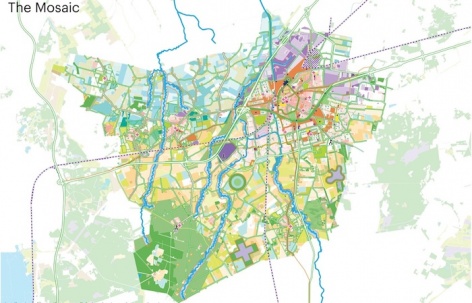
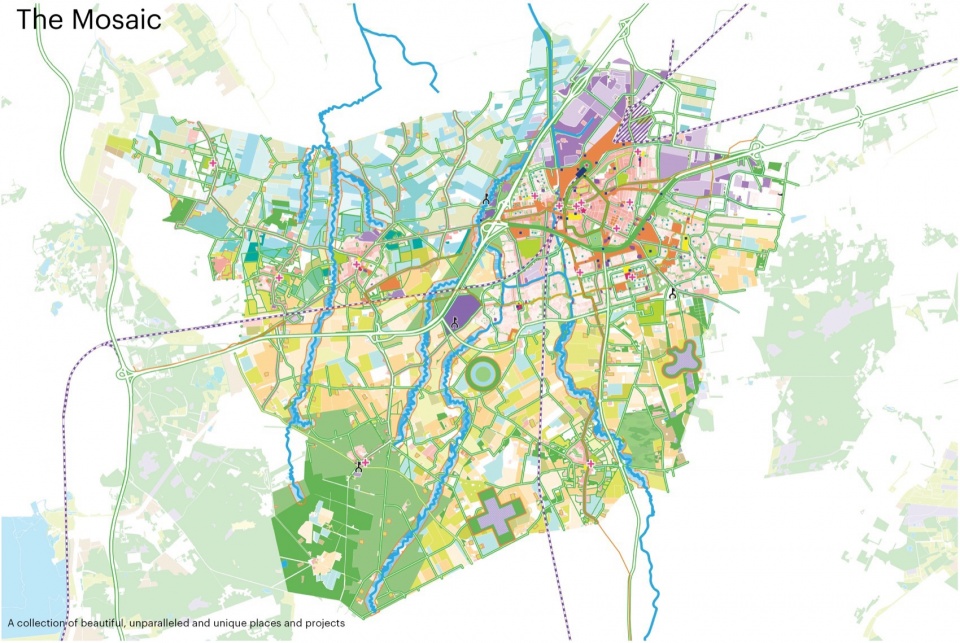
▼“马赛克计划”总览,The Mosaic © MVRDV
▼区位分析,Regional position © MVRDV
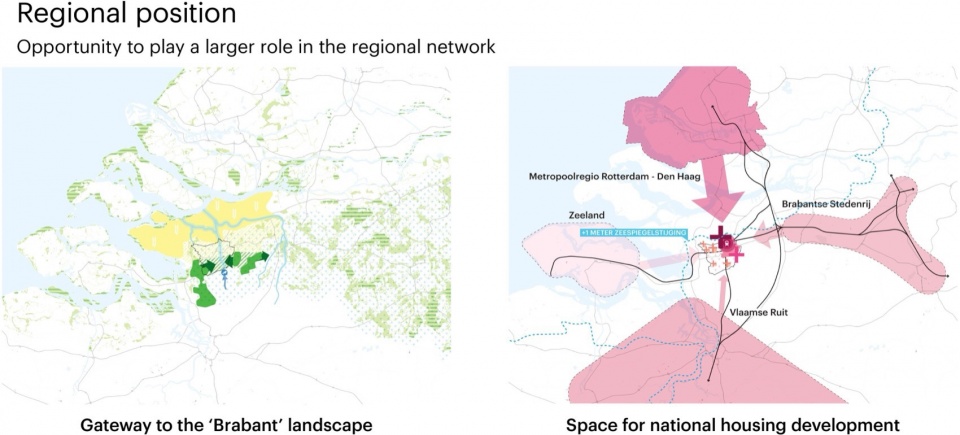
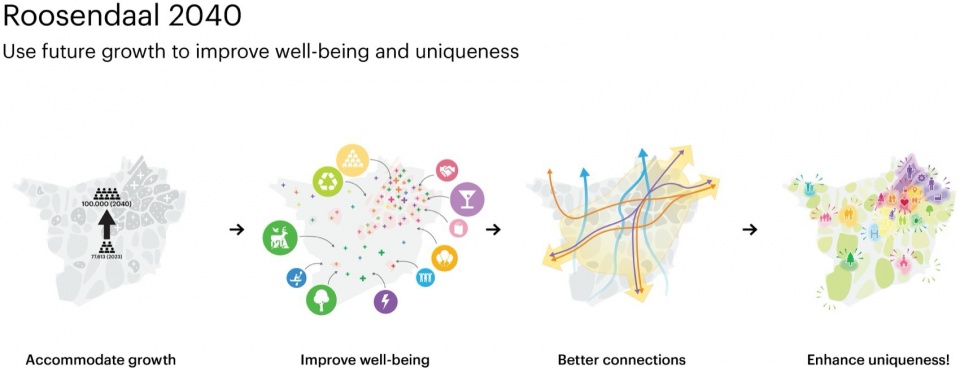
鲁瑟达尔地处荷兰西南部的战略位置,位于兰斯塔德城市群、弗兰德地区、北布拉班特省主要城市和泽兰省之间,涵盖鲁瑟达尔本城及其周边若干村镇。其地理优势和低密度的城市格局,使其成为城市集约化发展和区域亟需住房建设的理想之地。市政府也希望鲁瑟达尔实现人口增长:将人口提升至约10万的非正式目标被认为有助于推动本地文化与休闲产业发展,并吸引更多投资。然而,尽管具备诸多优势,该市人口总量在过去十年中始终停滞在7.7万人左右,尤其是年轻人流失严重,导致人口老龄化问题加剧。该市应如何扭转这一局面?
Situated between the Randstad, Flanders, the major cities of Noord-Brabant,and Zeeland, the municipality of Roosendaal- comprising the city itself along with a number of neighbouring villages and their surroundings – is in an ideal location to be an important hub in the southwest of the Netherlands. This location, along with its low density, make it an ideal place for urban densification and the construction of much-needed housing in the region. City officials also have the ambition for Roosendaal to grow: an increase in population to around100,000 has become an unofficial goal that they believe would help the city to support more culture and leisure opportunities and attract more investment. Despite all of this, the total population has remained stagnant at around 77,000 for a decade, with young people especially moving elsewhere, leaving an ageing population behind them. How can the municipality turn this situation around?
▼Monastery公园,Monastery garden © MVRDV
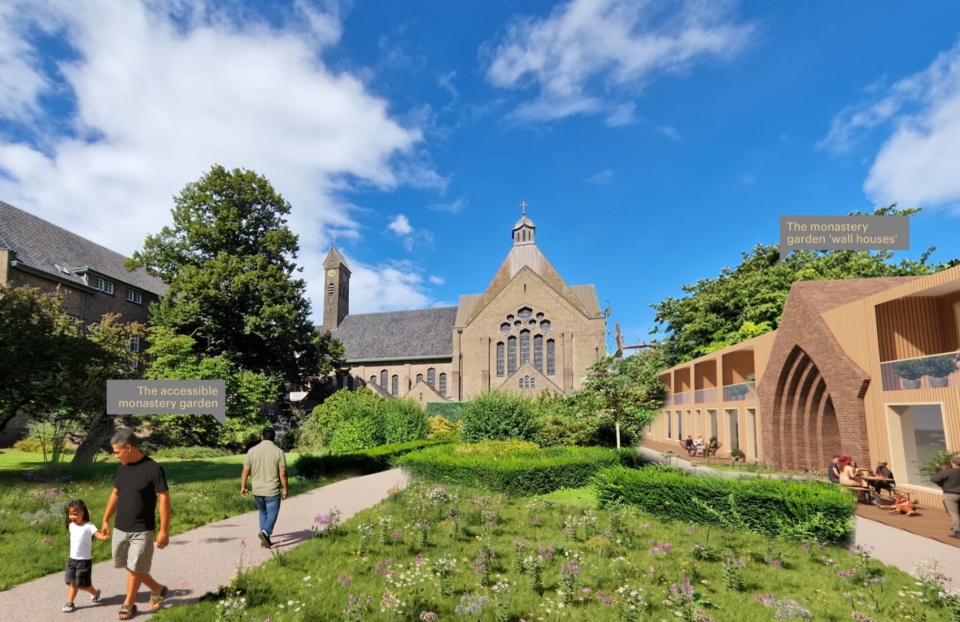
▼Paterskerk的设计,Paterskerk © MVRDV
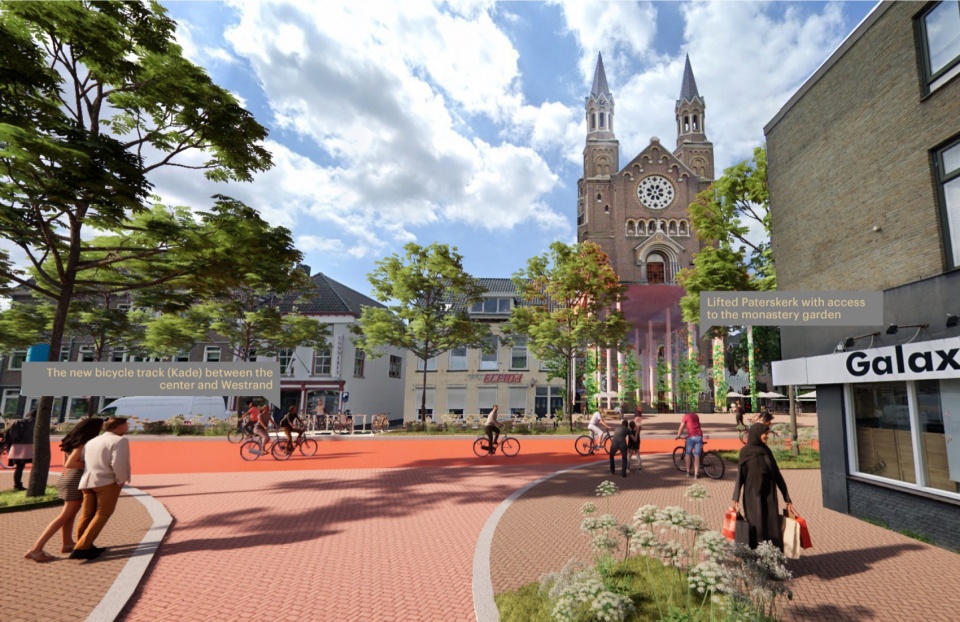
▼Sint Gertrudis教堂,Sint Gertrudis Church © MVRDV
早在2021年,鲁瑟达尔市政府便聘请MVRDV担任城市发展顾问。在最初合作中,MVRDV发现该市亟需一套更具系统性的总体战略。最终,MVRDV创始合伙人维尼·马斯(Winy Maas)被任命为城市规划顾问,MVRDV团队与Rebel Group和Transitiefocus等机构共同组建了多元化专家团队。在过去两年中,MVRDV与市政府进行了密集会谈,全面梳理并整合此前各自为政的各类规划项目,将其纳入统一的战略框架之中。团队还通过线下活动与互动式数字工具相结合的方式,征集了超过3000位鲁瑟达尔居民的意见和建议。因此,该战略愿景在顶层设计与民众参与之间取得了平衡,明确了一座更宜居、更有活力城市的共同发展目标。
▼概念分析,Concept © MVRDV
In 2021, the Municipality of Roosendaal began working with MVRDV as an urban development consultant. This work highlighted the need for a more comprehensive overall strategy; MVRDV founding partner Winy Maas was ultimately selected as urban advisor, and the team led by MVRDV was joined by Rebel Group and Transitiefocus, among others, to form a diverse group of experts. Over the past two years, MVRDV has conducted extensive meetings with the municipality to gain an overview of all the projects that were already being worked on, in a piecemeal fashion, in order to incorporate them into the strategic vision. They also sought the input of over 3,000 Roosendaal residents through a combination of in-person events and interactive digital tools. The vision is therefore a balanced mix of bottom-up and top-down planning, finding common goals for a more liveable, more lively city.
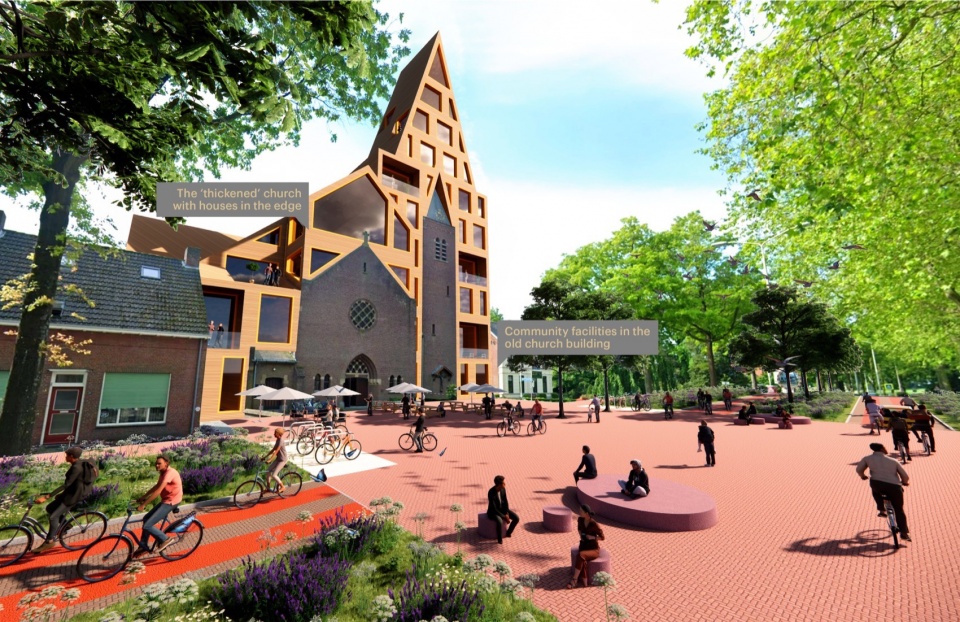
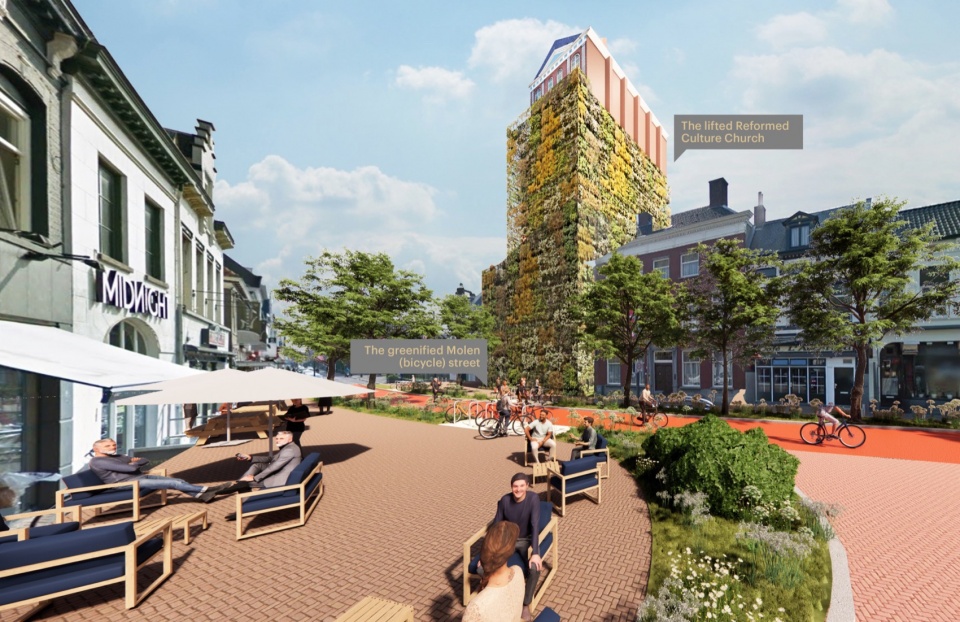
▼重塑教堂文化,Reformed Culture Church © MVRDV
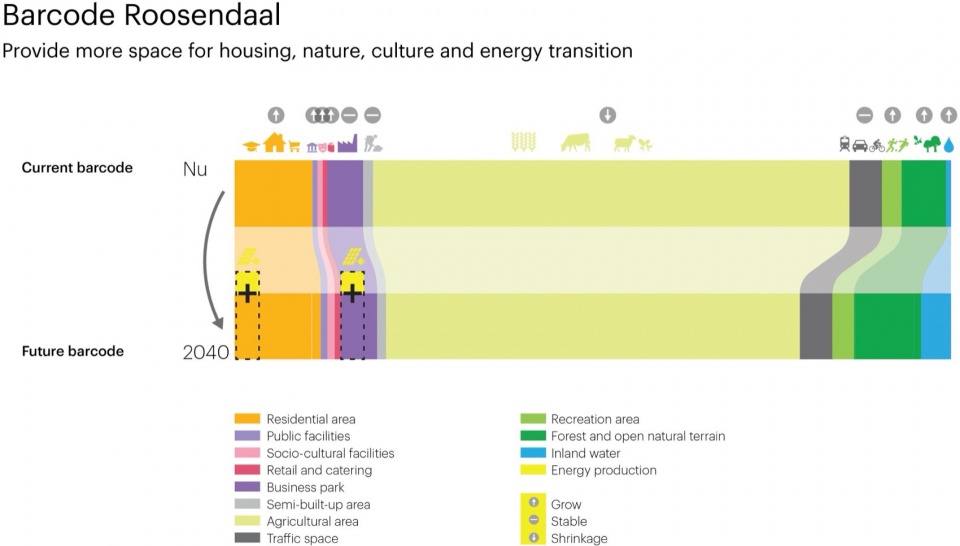
该计划首先重新定义了鲁瑟达尔的土地利用模式,以“条形码”图示表达不同功能比重的动态变化。通过功能叠加和对城市中各类边角地的有效利用,计划为住房、文化、自然、水资源与可再生能源留出更多空间。这一城市集约化策略同时设定了基础设施用地“零增长”的目标:新增基础设施必须通过其他区域的缩减予以抵消。为了实现步行和骑行友好的未来,计划打通现有道路、人行道与堤坝,构建起未来的主要通行网络。
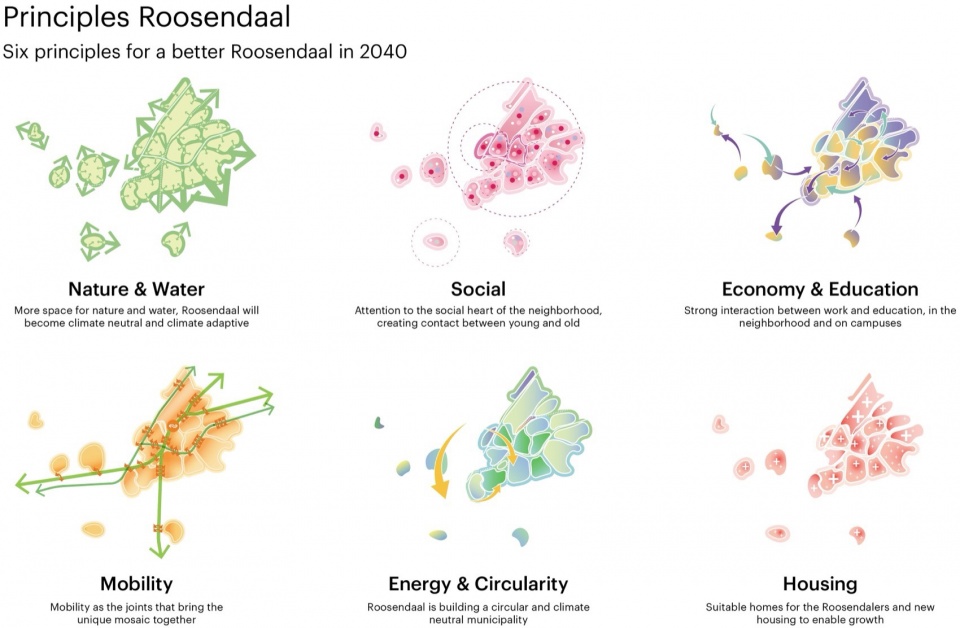
▼设计原则,Principles © MVRDV
The resulting plan starts with a redefinition of Roosendaal’s patterns of land use, expressed in the form of a “barcode” with changing percentages. The plan gives much more space to housing, culture, nature, water, and renewable energy production, by layering functions and by making use of the many leftover spaces found all over the city. This urban intensification is paired with the goal of no net increase in the area designated to infrastructure; new infrastructure should be compensated by a reduction in scale elsewhere. To make a
walkable and cyclable future for Roosendaal, the plan pieces together a network of existing roadways, footpaths, and dikes to serve as key routes for the future.
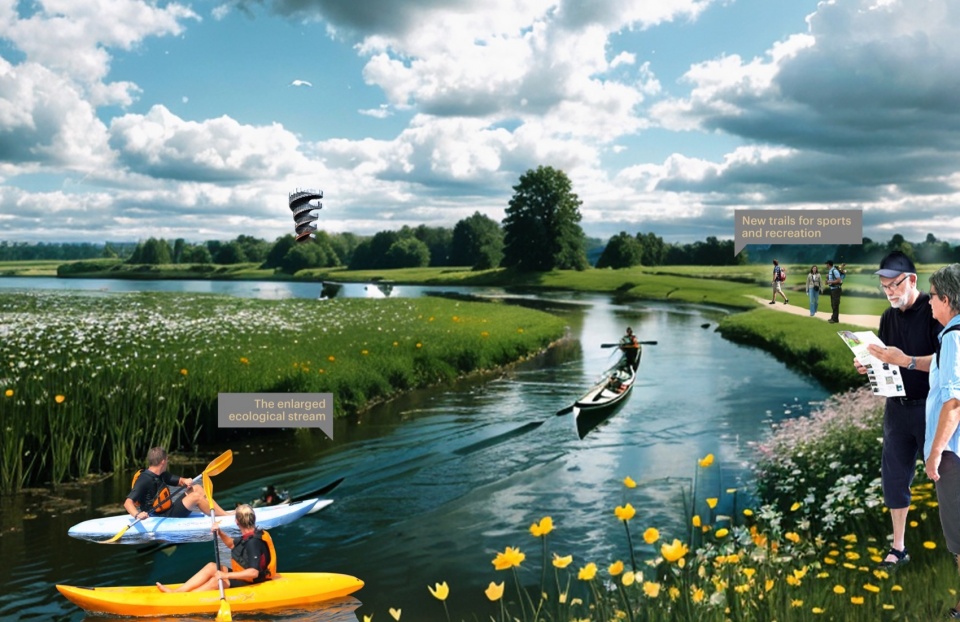
▼生态溪流,Ecological stream © MVRDV
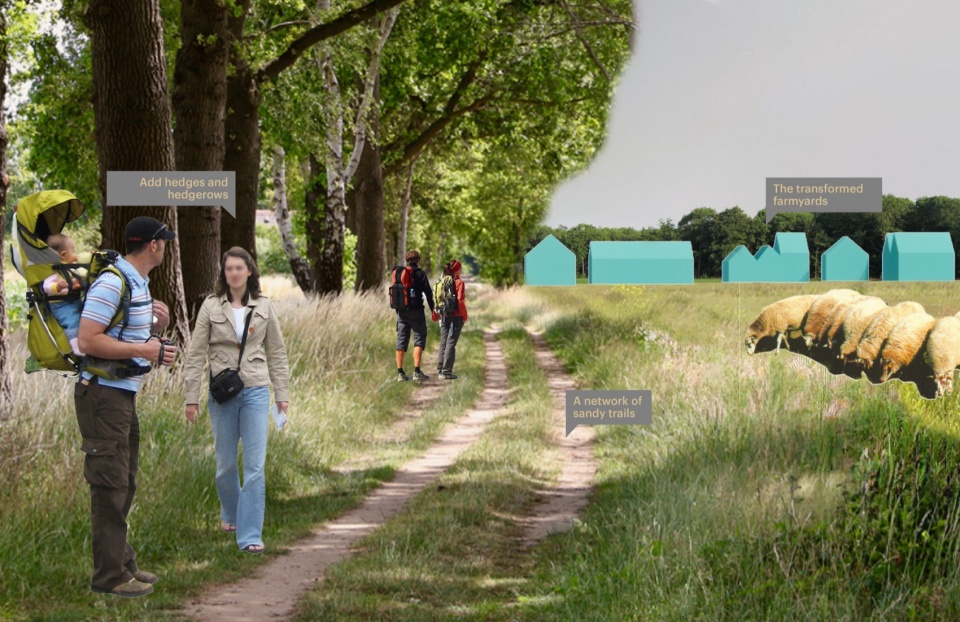
▼新型农场,New collective farmyard © MVRDV
为了应对人口增长并吸引年轻人,愿景指出鲁瑟达尔不仅需要更多住房,更需要多样化住房,以扭转当前以独栋住宅为主的结构性单一局面。同时,住房增长应与休闲、文化和教育资源的提升同步进行,打造对各年龄层都具吸引力的宜居城市。
▼规划远景,Vision books © MVRDV
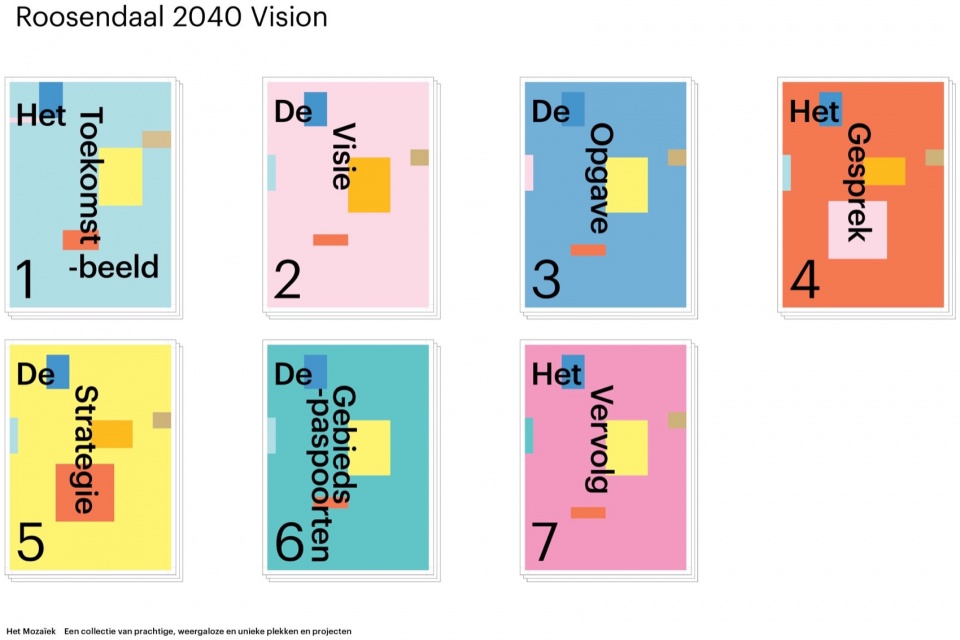
In order to accommodate the population growth and attract younger people, the vision makes clear that what Roosendaal needs is not just more homes, but a greater variety of homes, moving away from its current overabundance of single-family homes. Furthermore, the increase in housing should be combined with an increase in leisure, culture, and education to make Roosendaal attractive to people in all stages of life.
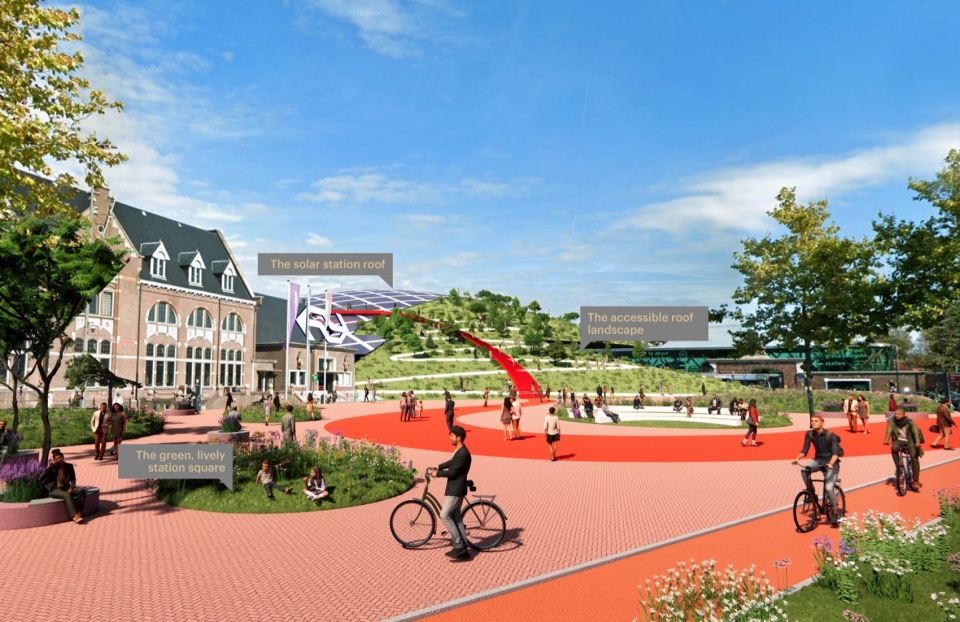
▼社区广场,Station Square © MVRDV
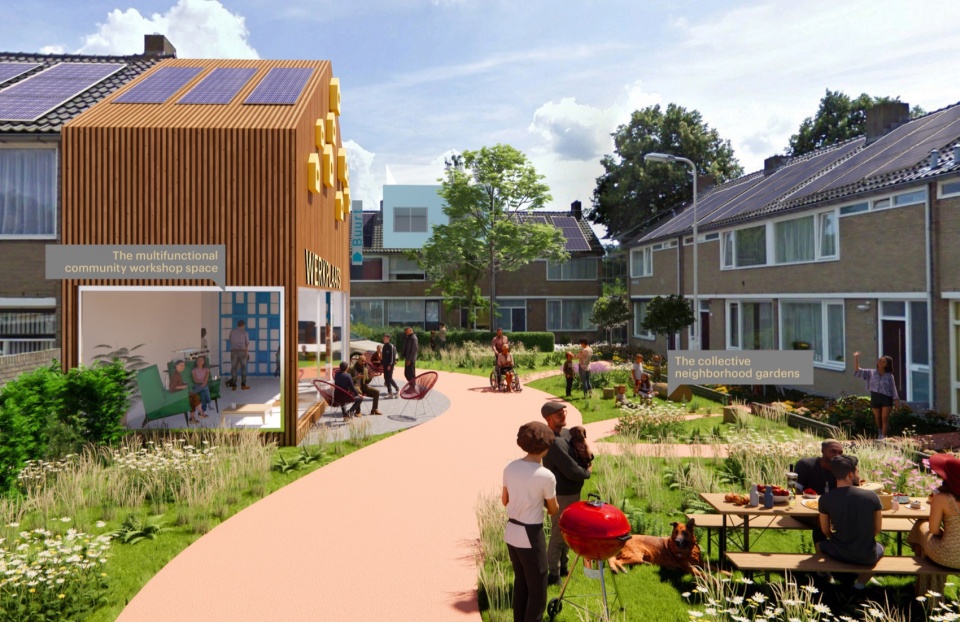
▼社区花园,Neighborhood Gardens © MVRDV
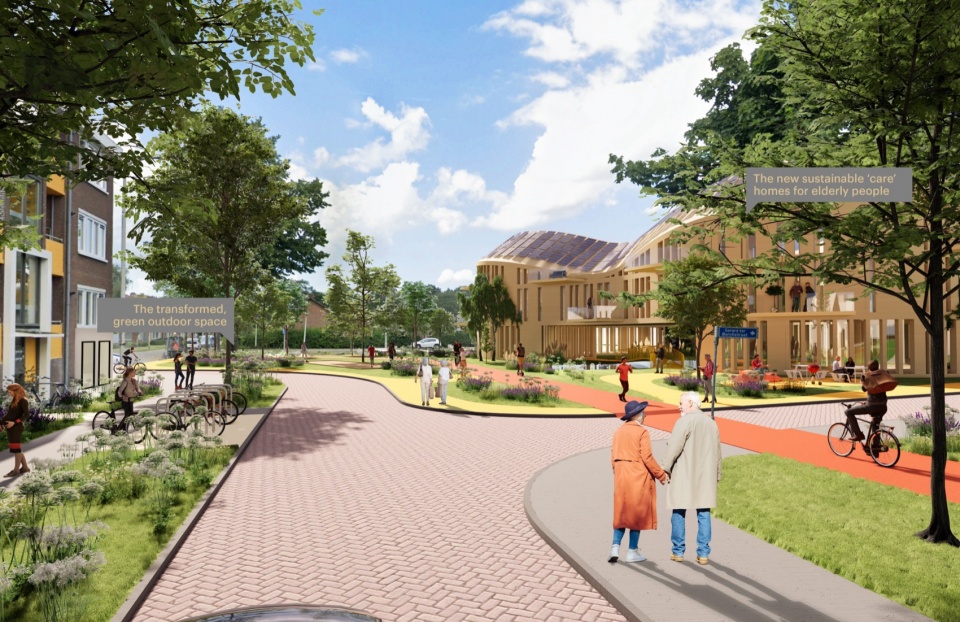
▼健康关怀设施和养老住宅,Healthcare facilities and elderly housing © MVRDV
该愿景也尊重鲁瑟达尔独特的城市格局——由多个拥有各自特色的街区构成,而非以单一历史核心主导。每个街区因此拥有一份“街区护照”,明确其在整体战略中的角色定位,并规划出其应有的关键变化路径。
The vision acknowledges Roosendaal’s distinct character, defined by multiple neighbourhoods with individual identities rather than a dominant historic core.Each neighbourhood therefore has a “neighbourhood passport”, which outlines what role it plays in the larger vision and maps out the key changes that should take place there.
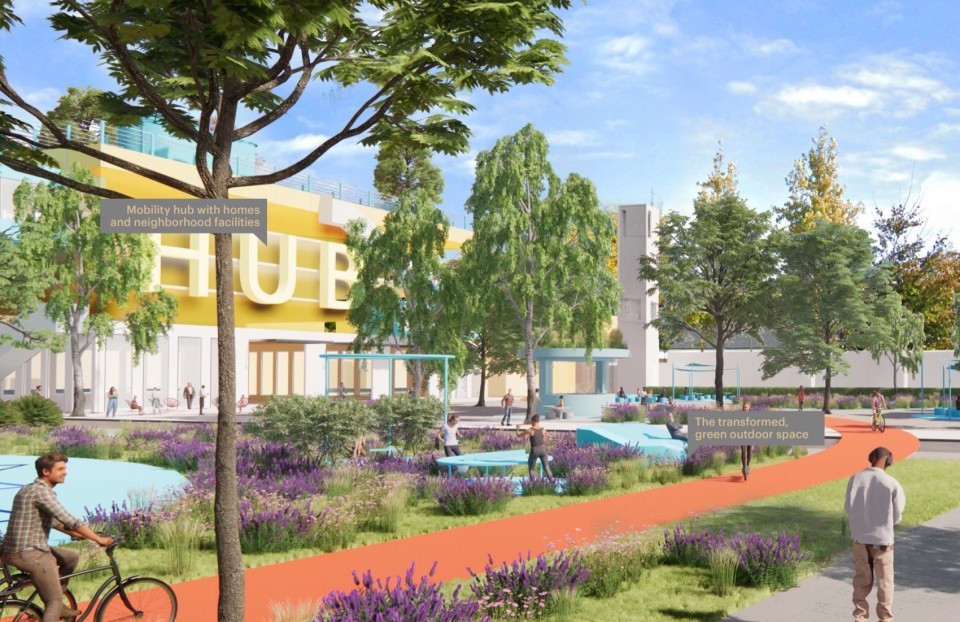
▼活动中心,Mobility Hub © MVRDV
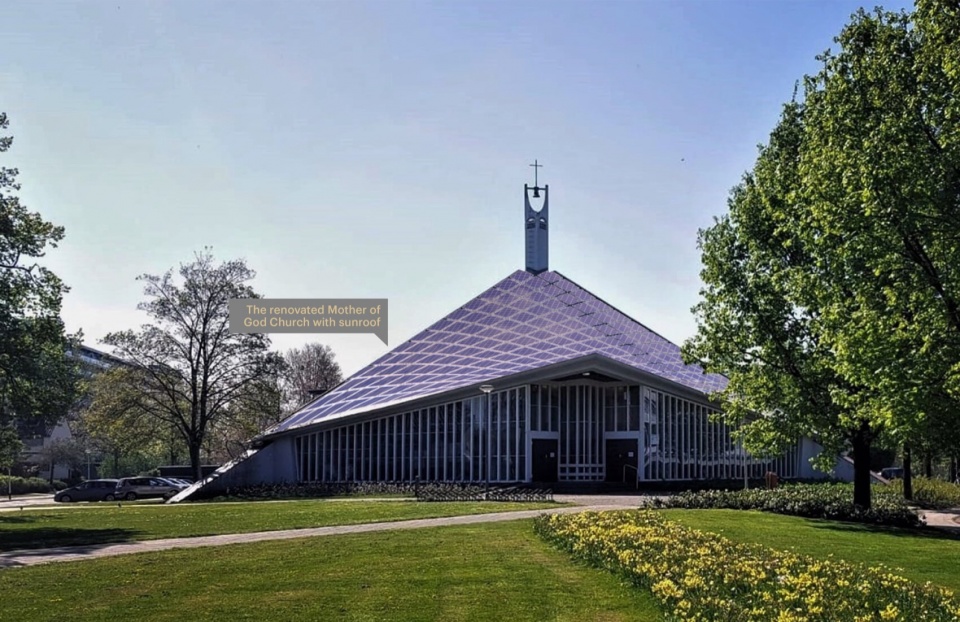
▼教堂,Mother of God Church © MVRDV
“鲁瑟达尔确实是一座杂糅之城,但这同样蕴含机遇。”维尼·马斯表示,“我的家乡鹿特丹正是凭借这种特质转化为一座富有活力的城市,鲁瑟达尔同样拥有这样的潜力。‘马赛克计划’不仅是一次探索整座城市身份的契机,也是在呼唤各个街区个性的绽放。我们还希望发掘各类‘夹缝空间’的可能性。在与当地居民的交流中,我们深刻感受到他们对于提升城市标准、树立归属感、建设真正美丽建筑的强烈愿望,而非只是堆砌盒子般的住宅。”
“Roosendaal is quite a hodgepodge, but that also offers opportunities”, says Winy Maas. “In my hometown of Rotterdam, that same character has become a strength, and the same can be true here. The Mosaic is a call to uncover the identity of Roosendaal as a whole and also the individual identities of the neighbourhoods. It is a call to find the possibilities we can bring to the in-between spaces. In our discussions with Roosendaalers we found a great desire to set a higher standard, have some pride in the city, and to build beautiful buildings, not just boxes.”
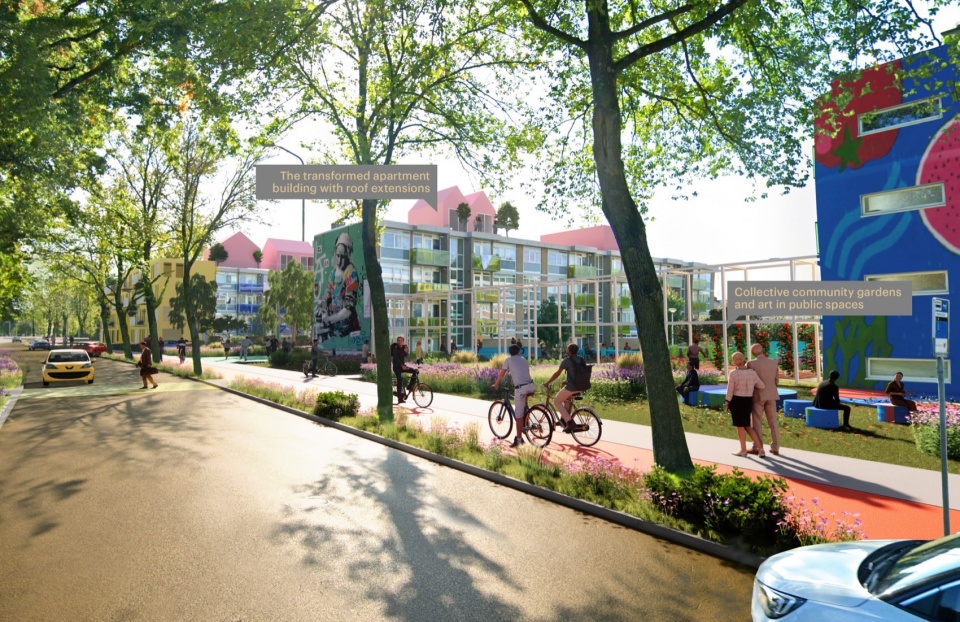
▼Portiek2.0公寓,PortiekFlat 2.0 © MVRDV
▼新建市场,New Market © MVRDV
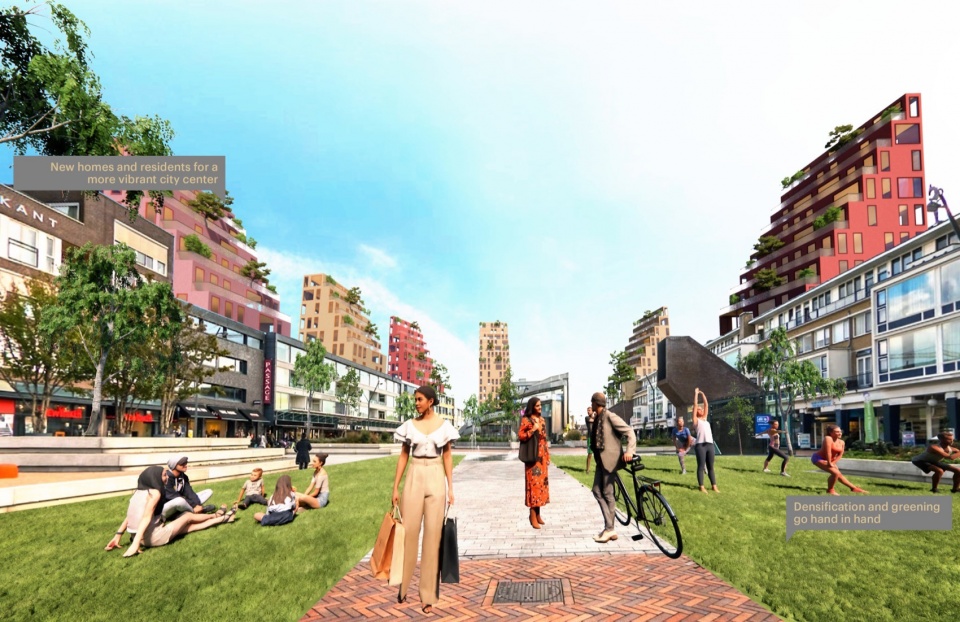
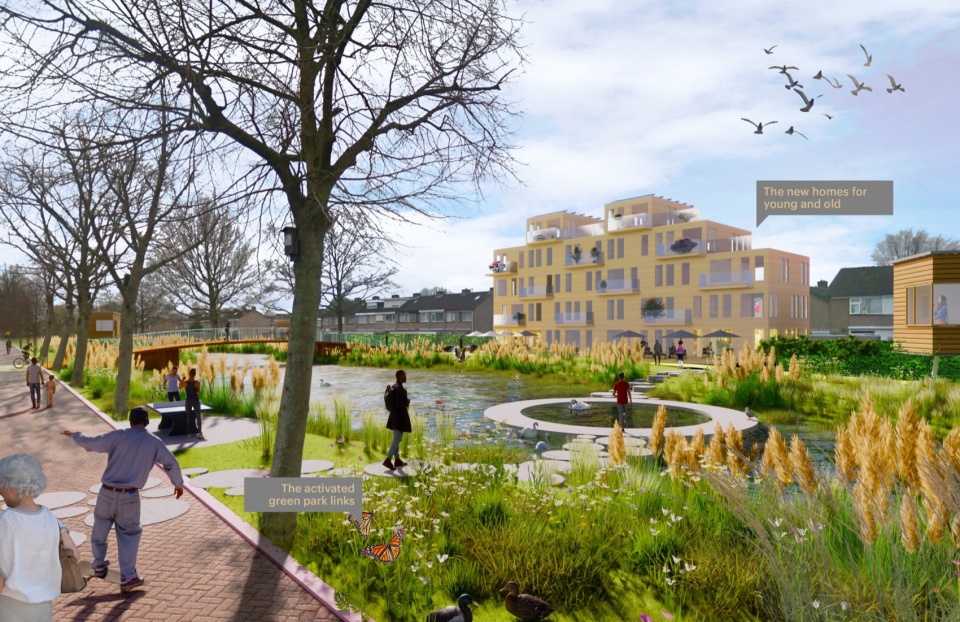
实现鲁瑟达尔城市性格和城市自豪感的最具象路径,是分布全市的40多个战略项目,这些项目为城市提升吸引力与功能性提供了灵感方案。例如:将车站区域转型为集职业教育学校、住宅与商业于一体的多功能街区;覆盖A58高速公路部分路段,建设一座线性公园及周边住宅和体育设施;在Nieuwe Markt广场周边增加高层建筑,突出广场地标属性;修缮玛丽亚修道院花园,在修道院墙体中嵌入住房并向公众开放花园;拓宽溪流,打造休闲滨水区域;以及将闲置教堂改造为住宅、社区中心、工坊或文化场所等。即便只实施其中一部分,这些项目也将显著改善市民生活质量,让鲁瑟达尔迈向崛起之城。
The most tangible approach to developing Roosendaal’s character and pride are over 40 strategic projects throughout the area that offer inspirational ideas for how the city could improve both attractiveness and function. These suggestions include the transformation of the station zone into a dynamic mixed-use district including a school for vocational education; covering a section of the A58 motorway to create a linear park with housing development and sports facilities; densifying the area around Nieuwe Markt with tall buildings that make a focal point of the square; renovating the monastery garden of the Mariadal with housing incorporated into the monastery wall and opening the garden to the public; widening streams to provide recreational areas; and repurposing vacant churches to provide homes, community centres,workshops, or cultural buildings. Just a selection of these projects, if taken forwards, will improve the quality of life of existing residents and make Roosendaal a city on the rise.
▼城市新界面,New urban fronts© MVRDV
RSD40战略愿景由MVRDV、鲁瑟达尔市政府、Rebel Group与TransitieFocus共同主导制定,并获得Joost van Faassen城市战略与咨询、Goudappel、SpringCo、Merosch与Wing等机构的专业支持。
The RSD40 strategic vision was produced by a team comprising MVRDV, Gemeente Roosendaal, Rebel Group, and TransitieFocus, with input from Joost van Faassen Stedelijke Strategie & Advies, Goudappel, SpringCo, Merosch, and Wing.
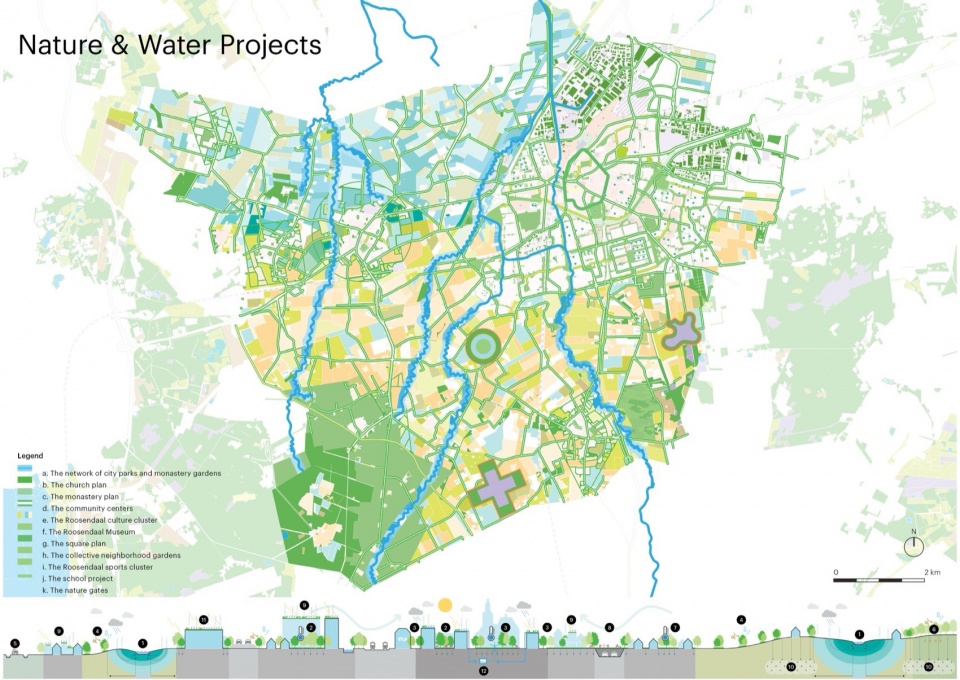
▼文化水系总图,Nature & water projects © MVRDV
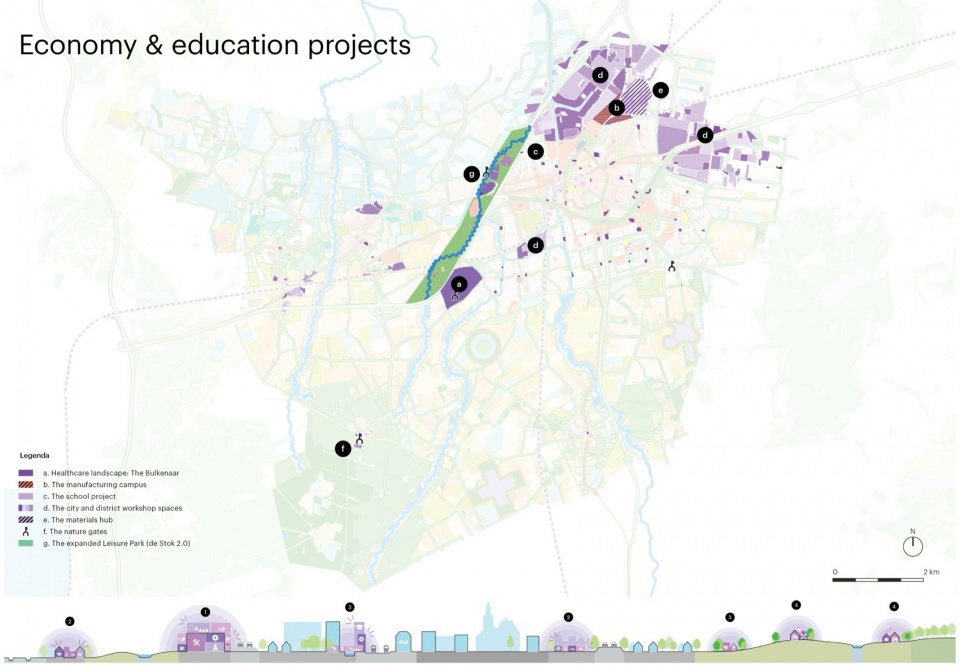
▼经济与教育,Economy & education projects © MVRDV
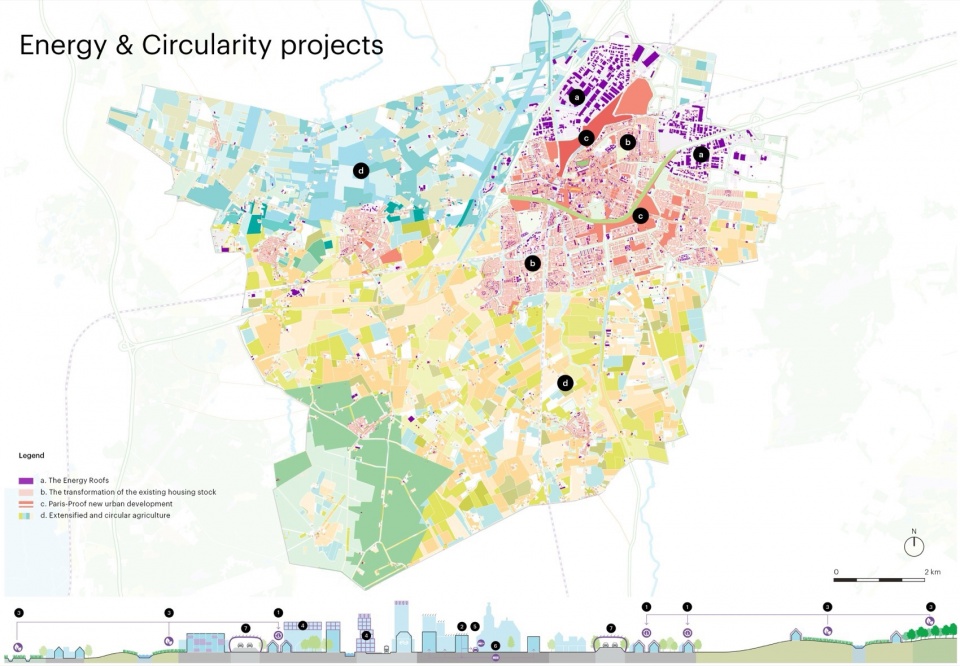
▼能源循环,Energy & circularity projects © MVRDV
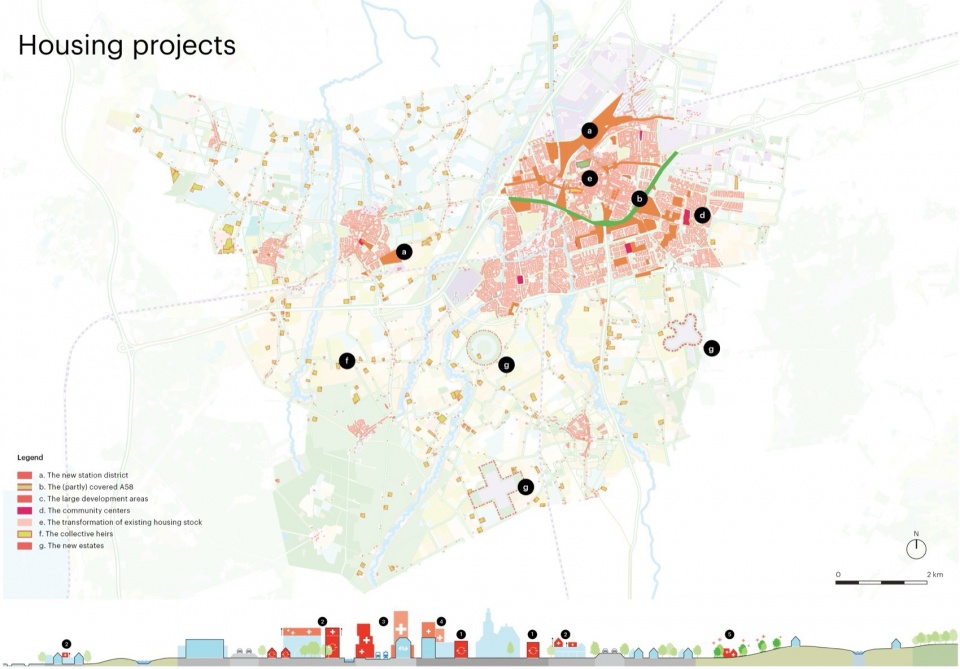
▼住房,Housing projects © MVRDV
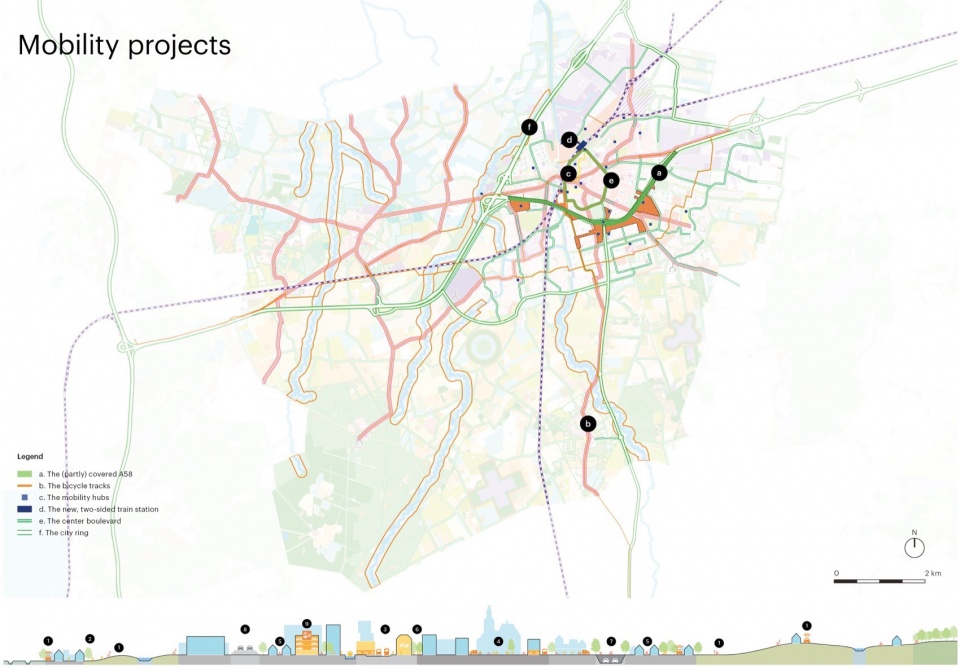
▼交通分析,Mobility projects © MVRDV
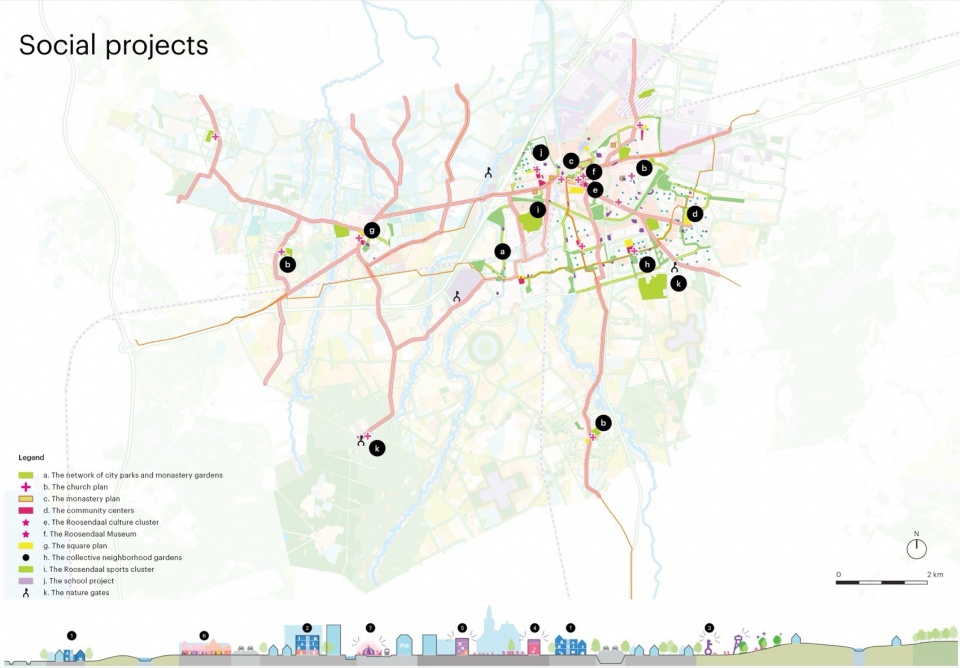
▼社交项目,Social projects © MVRDV
Facts
Project Name: The Mosaic-Roosendaal2040
Location: Roosendaal, Netherlands
Year:2023-2025
Client: Municipality of Roosendaal
Size and Programme:107.2 km², strategic vision: nature, water, social, economy, education, mobility, energy, circularity, housing
Credits
Architect: MVRDV
Founding Partner in charge:Winy Maas Partner: Fokke Moerel
Design Team: Stephan Boon, Olivier Sobels, Chun Hoi Hui, Dirco Kok,Margaux Caboche, Kima Boudouaya, Teresa Papachristou,Neja Stojnic
Copyright: MVRDV Winy Maas, Jacob van Rijs, Nathalie de Vries
Collaborators
Consultants:REBEL Group, TransitieFocus, Joost van Faassen Stedelijke Strategie & Advies, Goudappel, SpringCo,Merosch,Wing
More: MVRDV。更多关于他们: MVRDV on gooood

lumina
DK
还在多元化
搞出来再看