来自Schmidt Hammer Lassen Architects对gooood的分享。更多请至:Schmidt Hammer Lassen Architects on gooood
Appreciation towards Schmidt Hammer Lassen Architects for providing the following description:
视频 video (建议点选下方HD,选择720像素)
Shenzhen East Wast-to-Energy Plant_SHL_GPA from SHL architects on Vimeo.
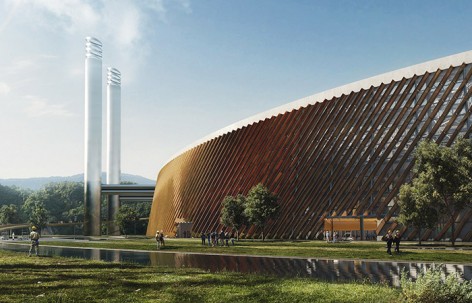
丹麦建筑事务所SHL和Gottlieb Paludan Architects联手赢得了位于中国深圳的世界上最大垃圾焚烧发电厂项目设计权。这个巨大的能源工厂位于深圳郊区的山区,建成后每天能焚烧5000吨垃圾,能处理深圳2000万居民一年产生垃圾总量的三分之一。发电站不仅采用最先进的技术焚烧发电,还同时作为教育基地科普市民对垃圾与垃圾发展的知识。
The team of Schmidt Hammer Lassen Architects and Gottlieb Paludan Architects has won an international competition to design the largest waste-to-energy plant in the world. Located on the mountainous outskirts of Shenzhen the new Shenzhen East Waste-to-Energy Plant will incinerate 5,000 tonnes of waste per day – equalling one third of the waste generated by Shenzhen’s 20 million inhabitants every year. The plant will utilize the most advanced technology in waste incineration and power generation, whilst at the same time act as a source of education for the citizens of Shenzhen.
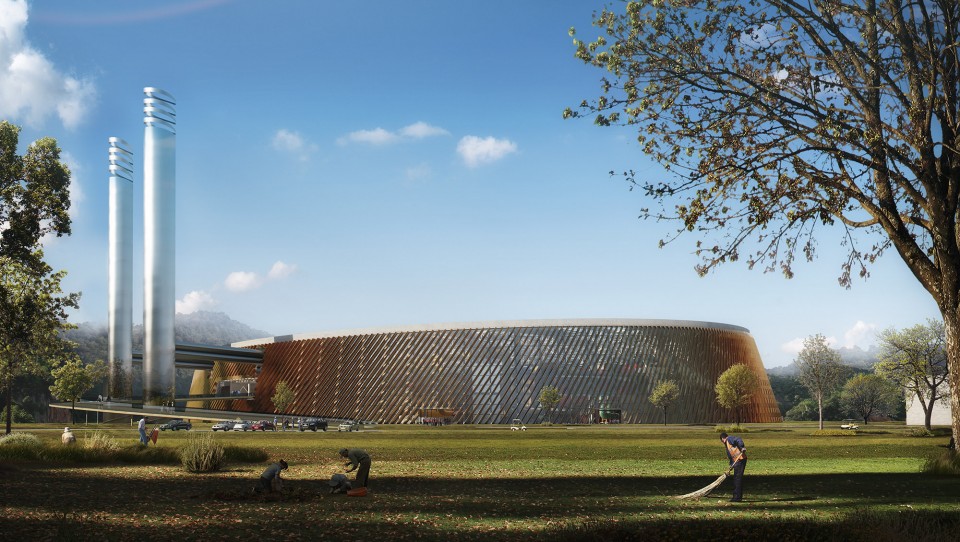
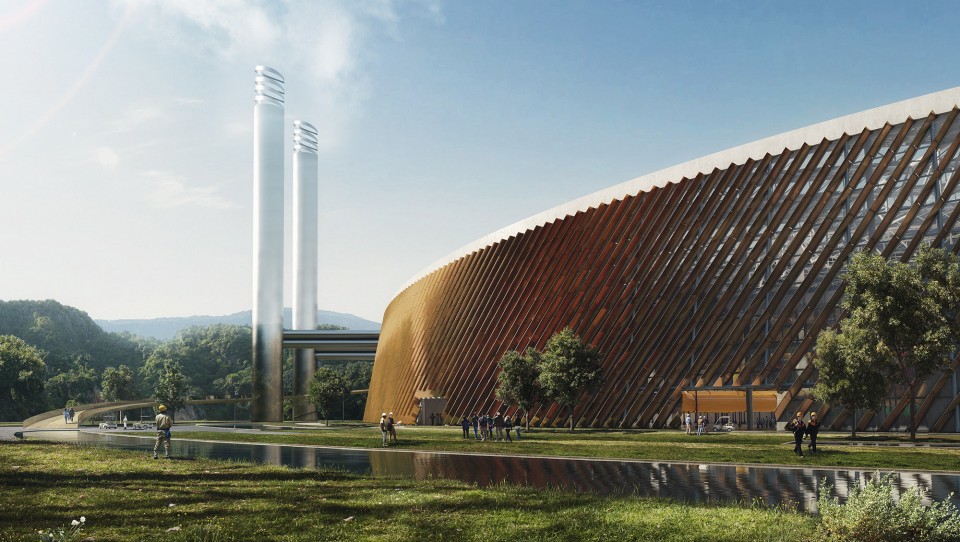
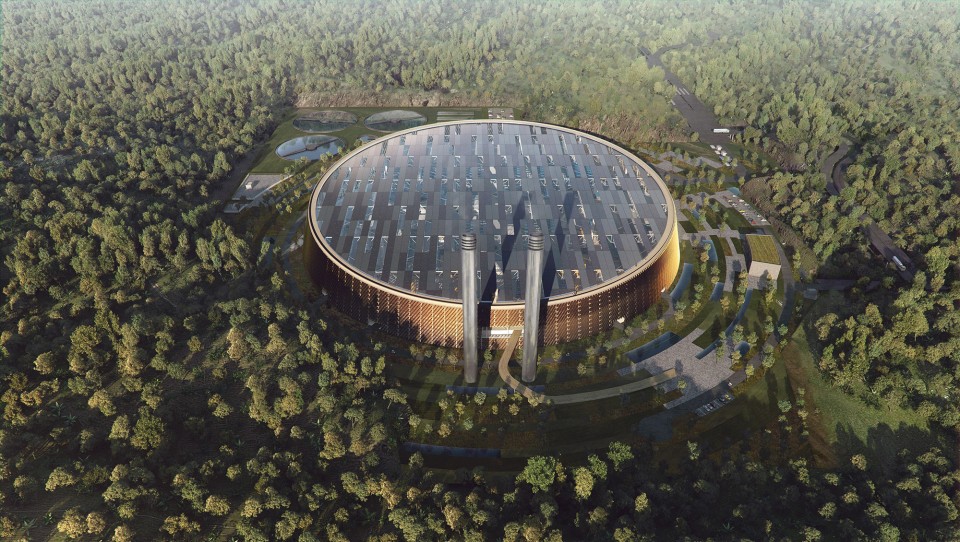
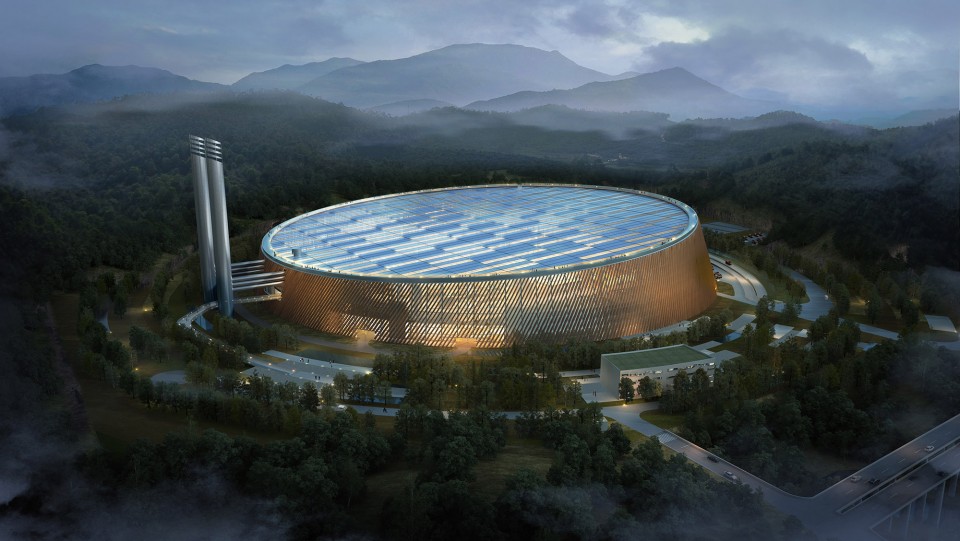
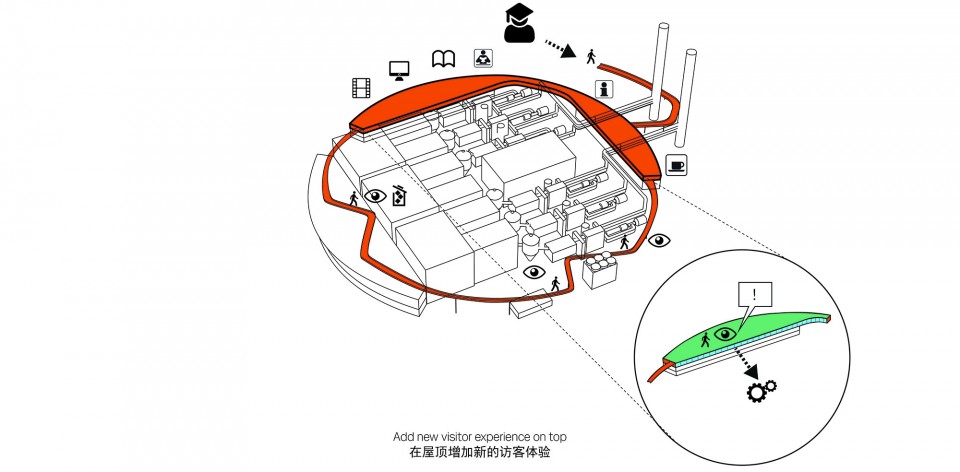
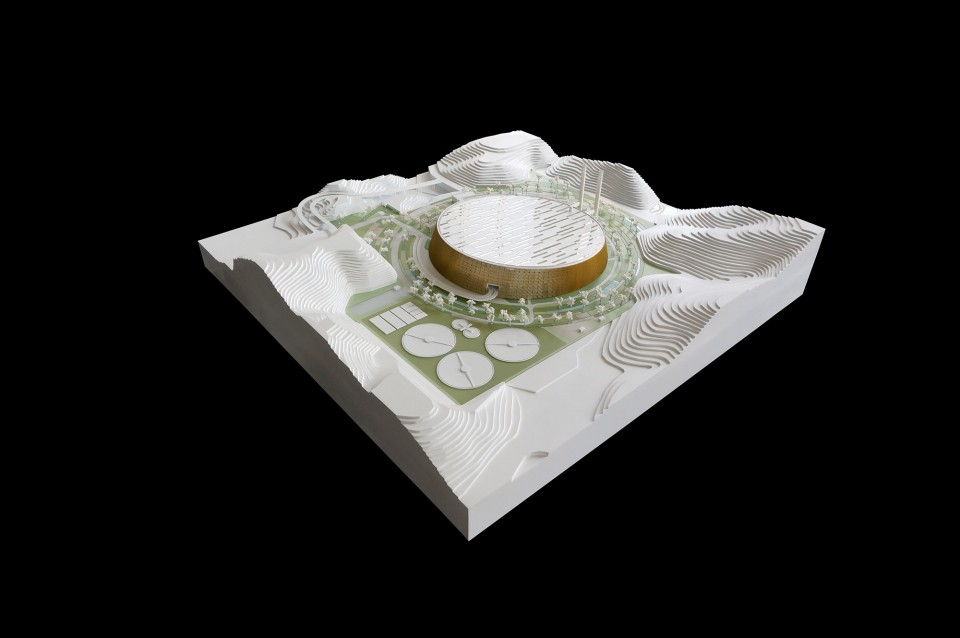
中标设计方案打造了一个不同于传统方形垃圾场的圆形建筑。建筑内部还设有一条1.5公里长的公共场馆通道。此外圆形建筑的屋顶开放,让市民可以上到屋顶观赏深圳的景观。面积6.6万平米的屋顶上覆盖了4.4万平米太阳能光伏板,使得垃圾场用更清洁的方式处理城市垃圾的同时,还能够为城市提供可再生能源。
此外该垃圾发电站还向人们展示了面对不断增长的垃圾问题如何用更高效与环保的方式处理垃圾,也教育人们不要浪费资源,减少产生垃圾。
2016年年初开始该项目的详细设计工作,预计2020年垃圾发电站可投入运行。
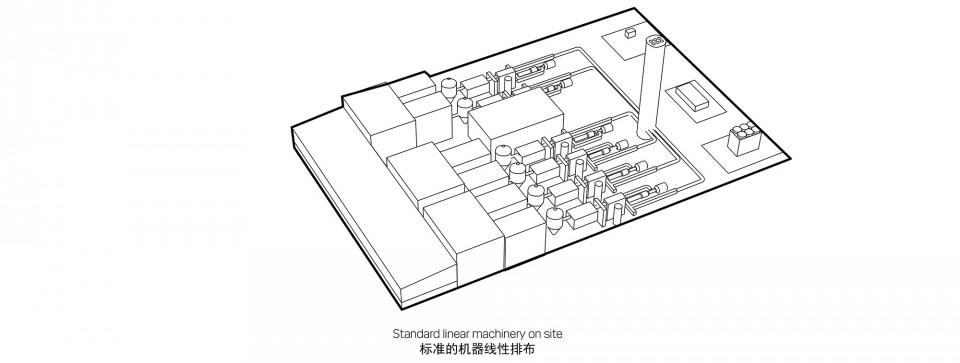
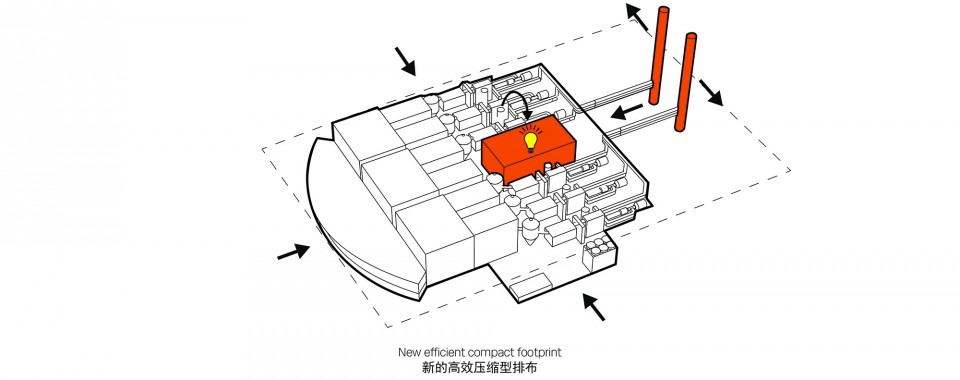
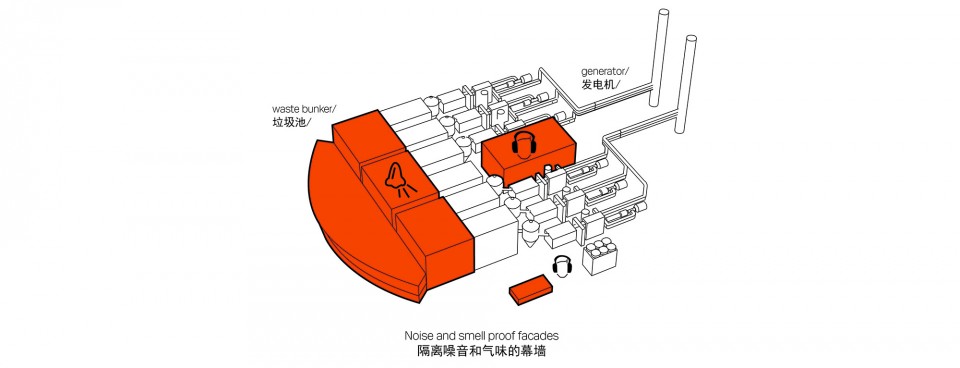
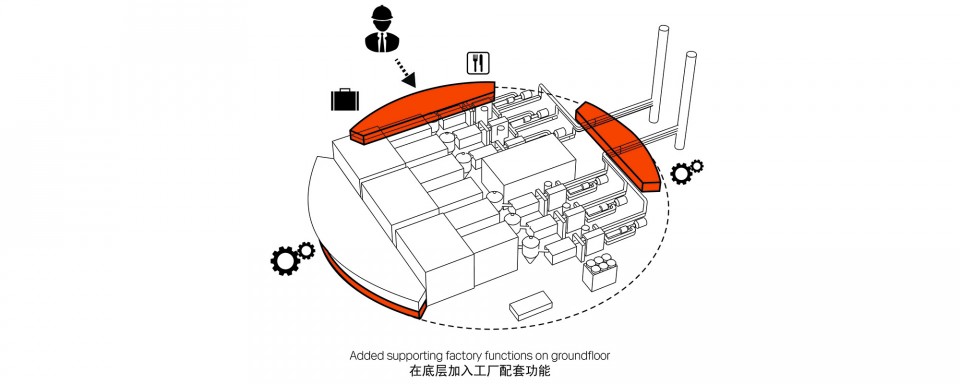
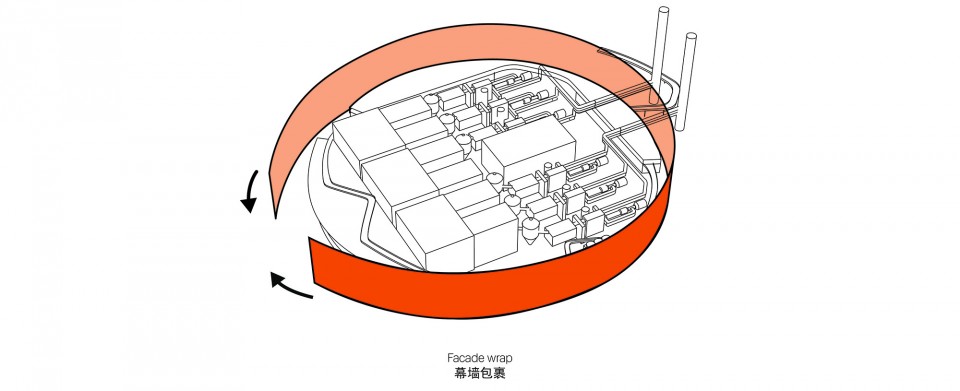
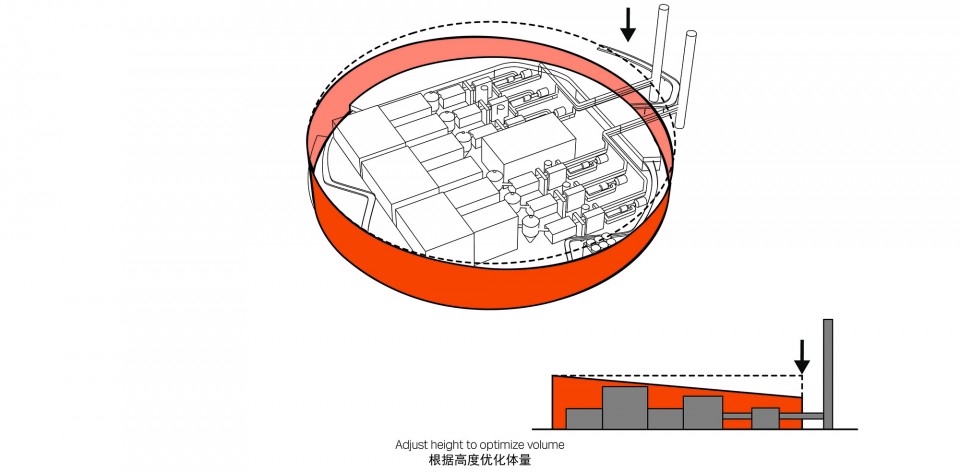
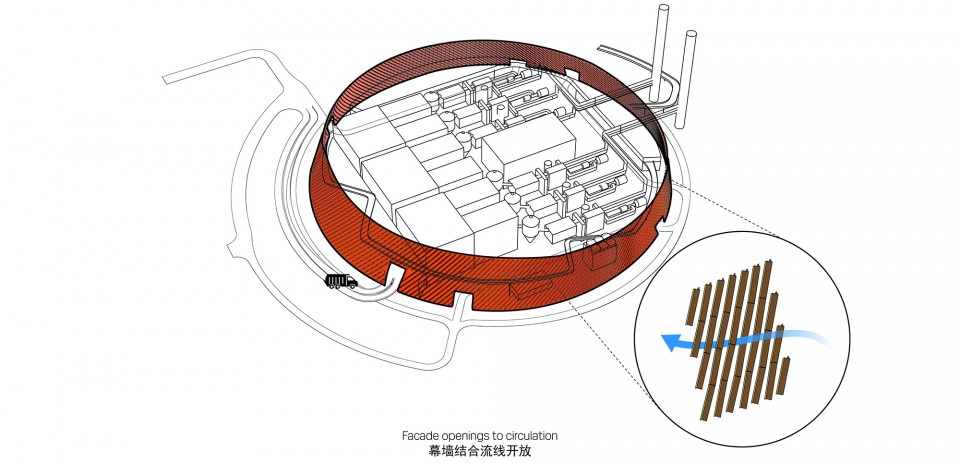
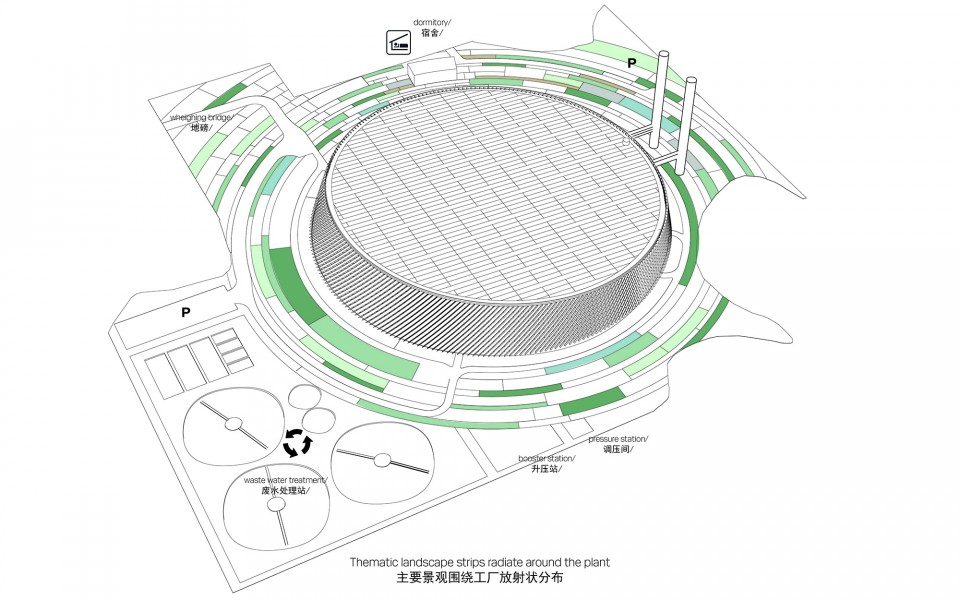
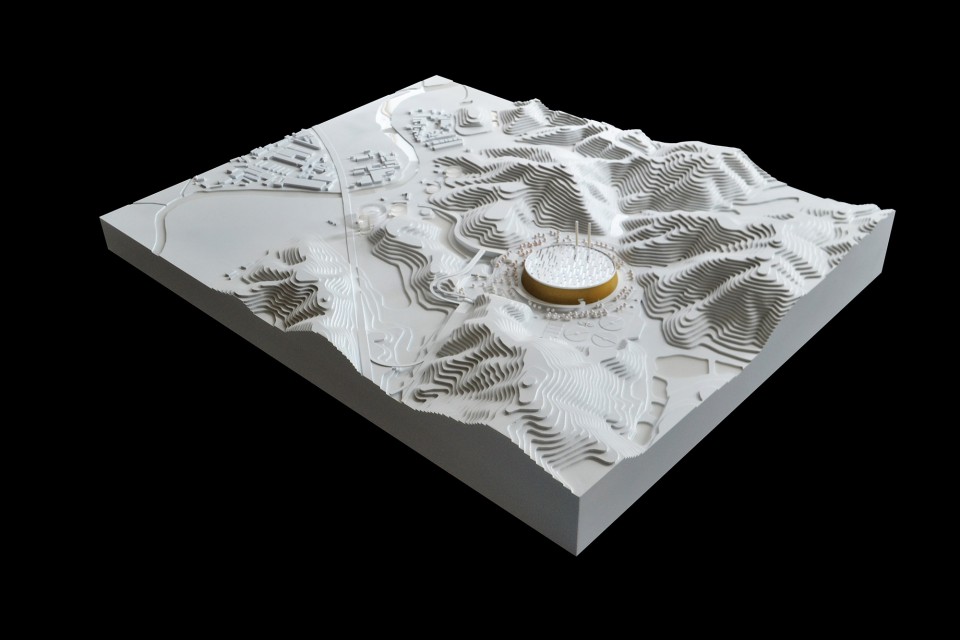
The winning design organizes the entire plant, including auxiliary buildings, into one circular building – breaking with the traditional rectangular layout of industrial facilities. By proposing a clear circular form, the footprint of the plant is minimised and it reduces the amount of excavation required to build on the site.
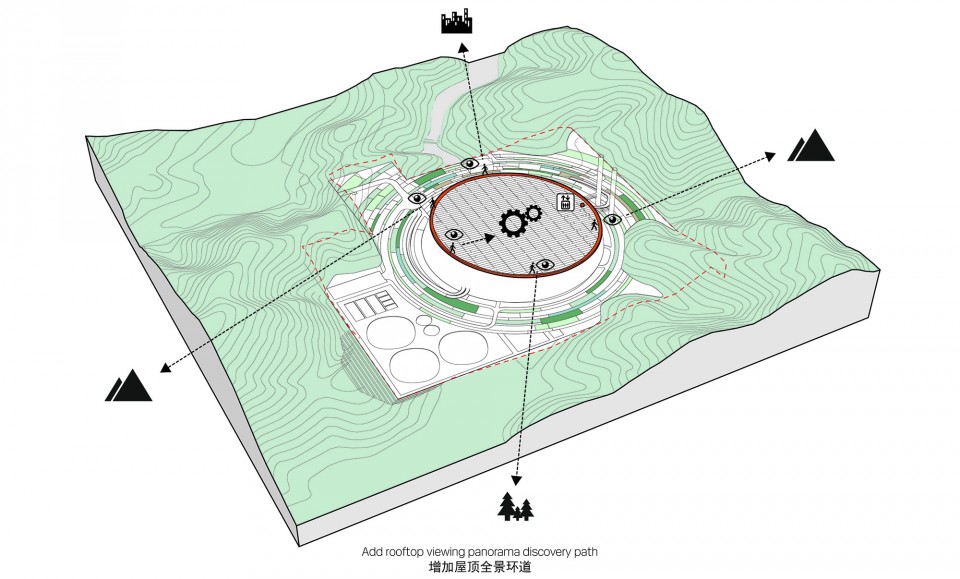
Public visitors are invited into the plant through a landscaped park, via an entrance bridge that rises between the stacks to an entrance lobby and visitor centre overlooking the plant machinery. An internal circular path and walkway circle the plant explaining each process, before leading up to a 1.5km panoramic public walkway on the roof overlooking the surrounding landscape and the city of Shenzhen.
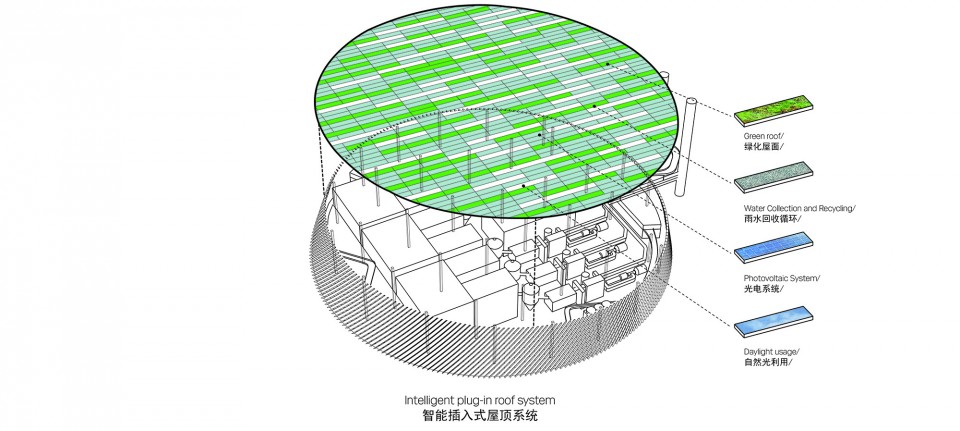
The 66,000m2 roof is designed to be covered by up to 44,000m2 of photovoltaic panels providing the opportunity for the plant to not only provide a cleaner way to deal with the city’s waste but also contribute to the renewable energy provision for the city.
The plant is intended to showcase the Waste-to-Energy production as an important technical process that is geared to deal with the issues of growing waste, as well as the issue of finding more environmentally friendly ways of generating electricity. At the same time visitors become informed on the challenge of the growing amounts of waste we produce every day and are also educated on initiatives on how to reduce their own amount of daily waste.
Detailed design work is due to begin in early 2016, and the plant is scheduled to start operating in 2020.
Watch a video presenting the winning proposal here
Facts/
Architects
Schmidt Hammer Lassen Architects
Gottlieb Paludan Architects
Structural Engineer: Schlaich Bergerman Partners
Client: Shenzhen Energy Environmental Engineering Ltd.
Area: 112,645m2
Competition: 2016, 1st prize, international competition
Visuals: Beauty & the Bit, Madrid and Ginsun, Shanghai
Model: JR Models, Shanghai
MORE: Schmidt Hammer Lassen Architects,更多请至:Schmidt Hammer Lassen Architects on gooood








关键还不知道建在哪
谷歌地图上可以看到 银湖山上!
不是银湖山,这个名字其实叫龙岗能源生态园,外皮没做
不知道咋回事,最近一看到日本人做的建筑就想起扎哈了……这个从外形上看也挺像
这不是日本人做的啊,是丹麦的公司诶
建成后每天能焚烧5000吨垃圾,能处理深圳2000万居民一年产生垃圾总量的三分之一
三天就烧完深圳一年的垃圾总量啊,那以后要去哪儿找那么多垃圾给它烧呢?哈哈哈
你的语文老师太不行了啊
世界上最大垃圾焚烧发电厂项目,感觉这项目很吓人,这种“最大”不知环境评估做够了吗
great
生态工厂的节奏吗,分析图倒是小清新啊。