非常感谢Fabrice Fouillet将以下内容授权gooood发行。更多请至:Fabrice Fouillet on gooood
Appreciation towards Fabrice Fouillet for providing the following description:
1974年出生的法国摄影师Fabrice Fouillet辗转各国,拍摄出世界上大型雕塑系列。大型雕塑永远让人叹为观止,因为其巨大的体量,首先形成极具压倒感的气势,加上以人物为主题的雕塑所选择的对象都是近乎“经典”的存在,于是其不仅成为一方标示物,更成为一种象征,它们中的大多将会穿越时间和世事,影响深远。
雕塑,是理想化的艺术。是政治,宗教的意识形态作品,其选择的对象大多是“神”般的永恒存在。其能够定以文化,并影响数代人民,成为社会中的象征。而当这些被赋予政治和宗教意义的雕像变得巨大时,他们的影响力会被更加放大。为此,摄影师Fabrice Fouillet开始“Colosses ”系列,旨在记录和研究那些“不朽”的雕塑景观。这些庞大的雕塑十分吸引人,让人兴奋,让人着迷。为什么人类要在大地上不惜代价建立如此巨大的雕塑呢?Fabrice Fouillet采用远景拍摄法拍摄雕塑,为大家提供一个带有周边环境对比的现代视角。人类的渺小与雕塑的巨大形成反差,这种不相称的比例仿佛才能抵御时间的冲刷。系列中的雕塑多建立在亚洲,目前世界上正在建设的最大雕塑在印度,是印度独立英雄萨达尔帕特尔的雕像,建成后的雕像将高达182米。
以下展示少量作品,完整的作品还请到Fabrice Fouillet的官网领略风采。另外他的Corpus Christi系列作品(内容是世界各地新祭祀场所)曾荣获2013年SONY摄影奖之建筑类别大奖。
▼Dai Kannon. Sendai, Japan, 100m (330 ft). Built in1991
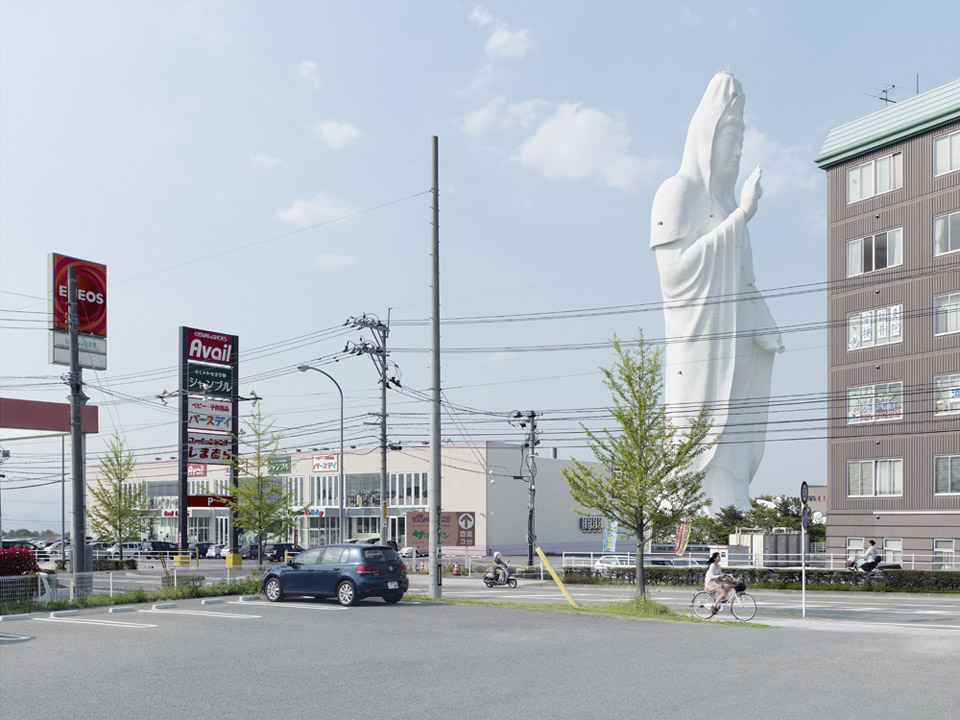
Statues are often idealized works of art, ideological, political or religious representations, and turn their subjects into fascinating, eternal figures. Once erected to keep alive the memory of a particular person or event, in a given culture, it lasts through many generations and establishes itself a symbol for the community.
Statues are even more influential when they are outstanding. An edifice can be said to be monumental when it is unusual, extraordinary. It has to beabnormal, as exceptional as the political or religious power itself, also inseparable from its symbolic aspects.
The series “Colosses” is a study of the landscapes embracing those monumental commemorative statues.
Although hugeness is appealing, exhilarating or even fascinating, I was first intrigued by the human need to build gigantic declarations. Then, I asked myself how such « works » could be connected to their surroundings. How can they fit in the landscapes, despite their excessive dimensions and their fundamental symbolic and traditional functions?
I chose to photograph the statues from a standpoint outside their formal surroundings (touristic or religious), and to favour a more detached view, watching them from the sidelines. This detachment enabled me to offer a wider view of the landscape and to place the monuments in a more contemporary dimension.
Human figures appear sporadically and confront their own insignificance to the greatness of symbols. The physical relationship to the statue’s surroundings explicitly recalls the spectator’s body and its integration in time. Thus, the characters are reduced to miniatures and emphasize the disproportion.
As a wave of « statuomania » swept over the world in the 1990s, many huge statues were built. Most of them are located in Asia and represent the Buddha.
The world’s highest statue is under construction in India. It will honour the independence hero Sardar Patel. Thanks to the millions of dollars invested in it, the statue will reach 182 meters.
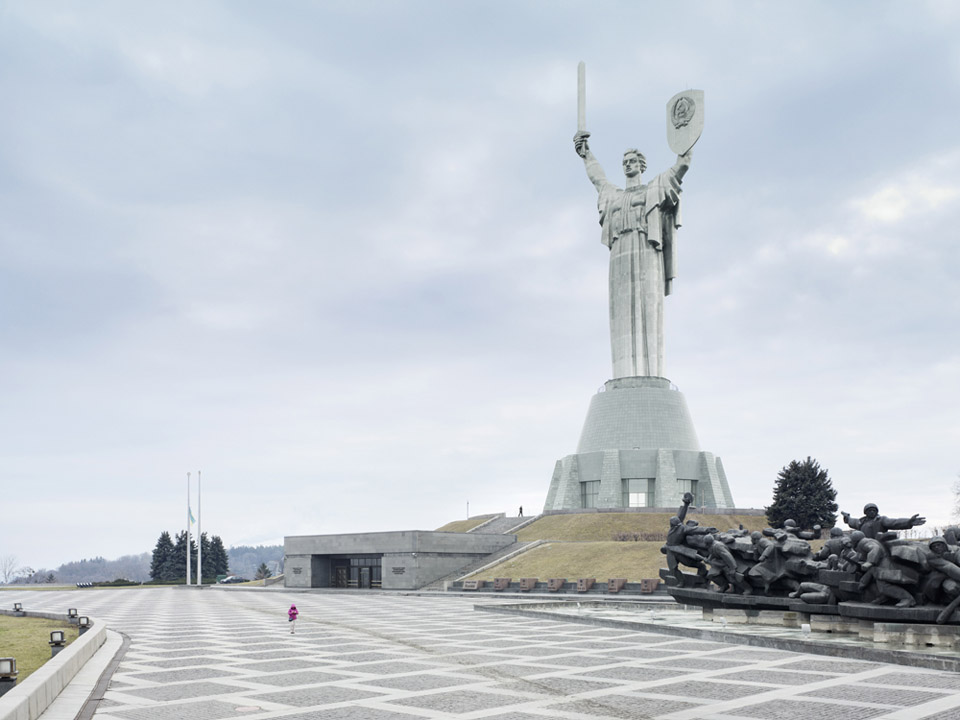
▼Mother of the Fatherland. Kiev, Ukraine, 62 m (203 ft). Built in1981
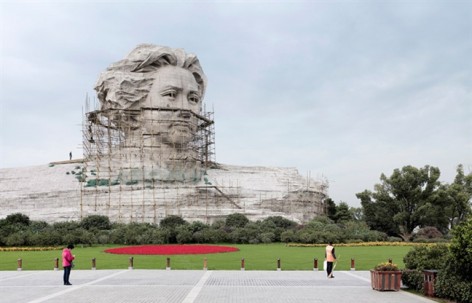
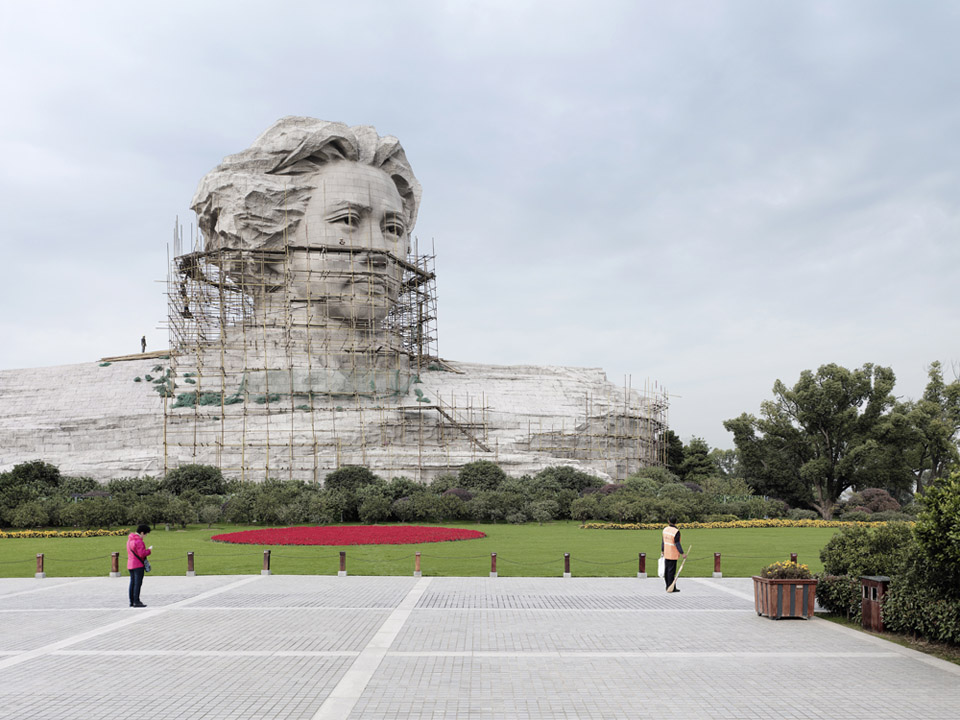
▼Mao Zedong. Changsha, China, 32 m (105 ft). Built in 2009
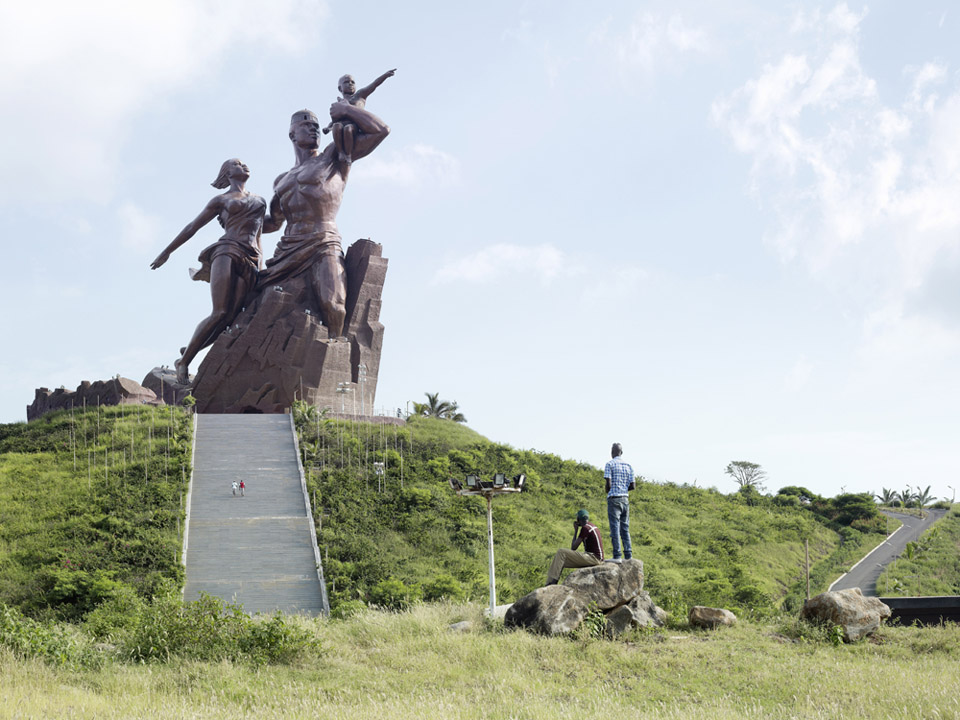
▼African Renaissance Monument. Dakar, Senegal, 49 m (161 ft). Built in 2010
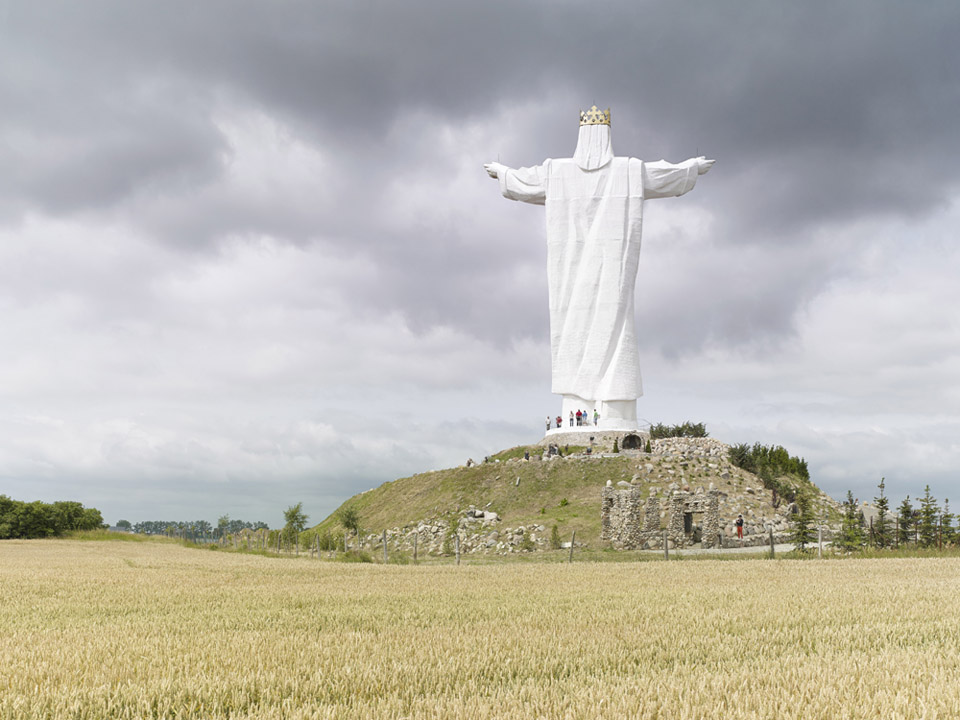
▼Christ the King. S_wiebodzin, Poland, 36 m (120 ft). Built in 2010
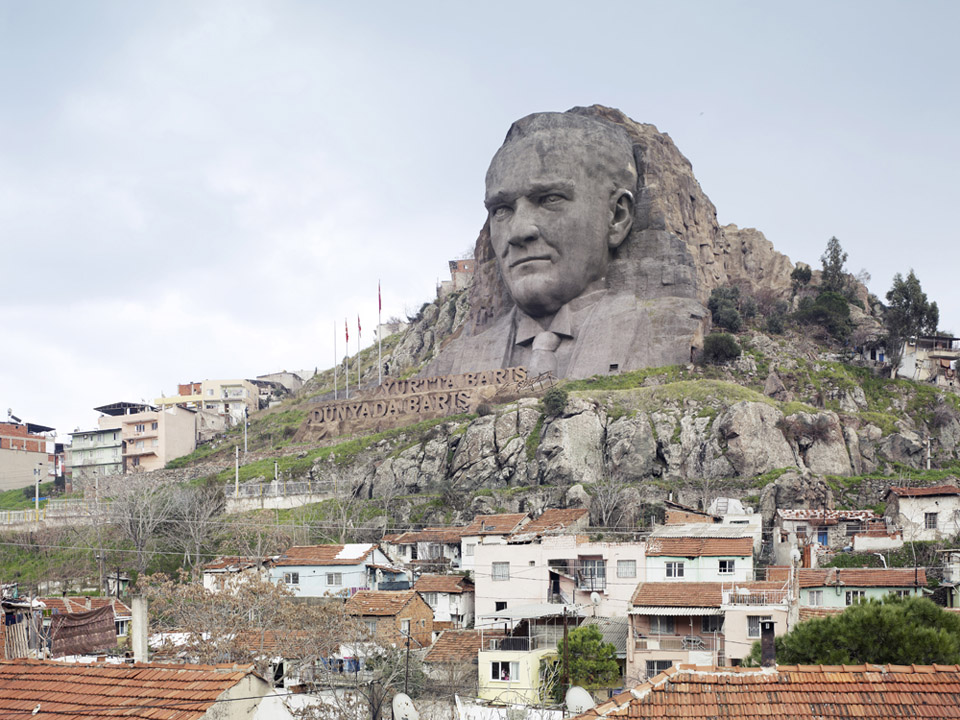
▼Ataturk Mask. Buca, Izmir, Turkey, 40 m (132 ft). Built in 2009
MORE: Fabrice Fouillet,更多请至:Fabrice Fouillet on gooood


巨型、静态、历史、物vs渺小、日常、当下、生的对比观看
大型雕塑带来的不安
不错
感觉非常舒服。。。。有一种内在的吸引力在让我再多看一眼,再多看一眼。。。。。。。。。。。
前景总是有「小东西」衬托,效果倍增。
妈蛋!我还以是贝多芬!竟然是毛爷爷!我去!
火影忍者即视感
一度认为第一张会是朝鲜的
上帝之城