
gooood团队采访世界各地 35岁以下的年轻创意人,他们有的是创业者,有的是业主,有的是普通职员。我们探访众生百相,记录这个时代年轻人的面貌和真实状态,欢迎您的推荐和建议。
第46期为您介绍的是作家 蒋方舟。2015年,蒋方舟曾经接受了gooood Everyone专辑的采访。过去五年间,她出版了新书《东京一年》和《和唯一知道星星为什么会发光的人一起散步》,并且作为建筑原案参与到了一些建筑项目的设计之中。这些经历,想必让她对于写作、建筑、生活等话题有了许多新的体悟。之前的采访请至:Everyone专辑No.1 蒋方舟gooood team interviews creative individuals under 35 years old from all over the world, some are pioneering founders, some are clients, some are ordinary practitioners. gooood is trying to record the authentic living and working states of this era. Your recommendations and suggestions are appreciated!
gooood Under 35 NO.46 introduces writer Jiang Fangzhou. We have interviewed her for our Everyone album in 2015. In the past five years, she published two new books, One year in Tokyo and Walking with the Only Man Who Knows Why the Stars Shine, and collaborated with architects in several architectural projects. We believe that she has gained some new perspectives on writing, architecture and life after these new experiences. Previous interview of Jiang Fangzhou in 2015 please see: Everyone No.1 Jiang Fangzhou
出品人:向玲 / Producer: Xiang Ling
编辑:陈诺嘉,武晨曦 / Editor: Chen Nuojia, Wu Chenxi
▼视频,video
________
与文字结缘
Getting involved with writing
“写作让我找到自己热爱并擅长的事情,有持续的来自外部的正向的反馈,有健康的情感支撑……作者要对自己的热情诚实,对一个题材失去热情了,就要换到下一个,写别的。”
“Writing helped me to find the thing I adore and can do best. It gives me continuous positive response from the outside world and healthy emotional support…An author should be honest with his or her authentic passion. When you lose your passion on a certain subject, you should better turn to another one and write something else.”
我写作的时间太长了,从7岁到32岁,大半个人生都在创作。这个过程中,我对于写作的态度也在变化。小时候多是出于一种希望自己与众不同的心态,一直到十几岁的时候,我开始给报纸写专栏,每天写一篇,有固定的收入,也有读者的反馈,意识到读者喜欢自己的作品,才发现写作的乐趣。现在挑战会更大,想的也会更多,比如写的东西够不够创新,够不够有意思,够不够反映这个时代,等等。
小时候我主要写的是身边鸡毛蒜皮的小事。14岁左右我在《南方都市报》和《新京报》上同时开专栏,写和历史相关的文章,这对我来说是一个拓展。成年之后我每一本书的题材都不太一样,有写自己对时代的观察,也有纯虚构的文学创作。这样做一方面是尝试挑战自己,另一方面是出于热情。之前我写过一本《东京一年》,写完之后我就意识到自己不会再写日记书了,因为那种新鲜劲和热情没有了。作者要对自己的热情诚实,对一个题材失去热情了,就要换到下一个,写别的。
I have been writing for quite a long time, from 7 to 32, which accounted for most of my life. My attitude towards writing has also changed in this process. When I was a child, I wrote because I wanted to be different. After becoming a teenager, I started to have columns in newspapers, one article per day, which provided me with regular income, as well as feedback from the readers. Since then, I truly realized the joy of writing because I got to know there were people who loved to read my pieces. For now, the challenge has become greater, which pushes me to consider more about my creating, such as whether my work is innovative and interesting, or whether it is able to reflect the reality of the era.
As a child I wrote mainly about small and trivial things happened in everyday life. Around the age of 14, I started my columns simultaneously for Southern Metropolis Daily and The Beijing News, in which I wrote articles about history, and it was a period of self-developing. After my teenage years, I have published some books, each of which has a different subject matter, from comments on current affairs to purely fictional creations. This is partly an attempt to challenge myself, and partly out of passion. Several years ago I finished a book called One Year in Tokyo, and after that I realized that I may never write another diary-style book, because I would not have the same feeling of freshness and enthusiasm any more. An author should be honest with his or her authentic passion, which means when you lose your passion on a certain subject, you should better turn to another one and write something else.
▼蒋方舟出版的作品,books written by Jiang Fangzhou
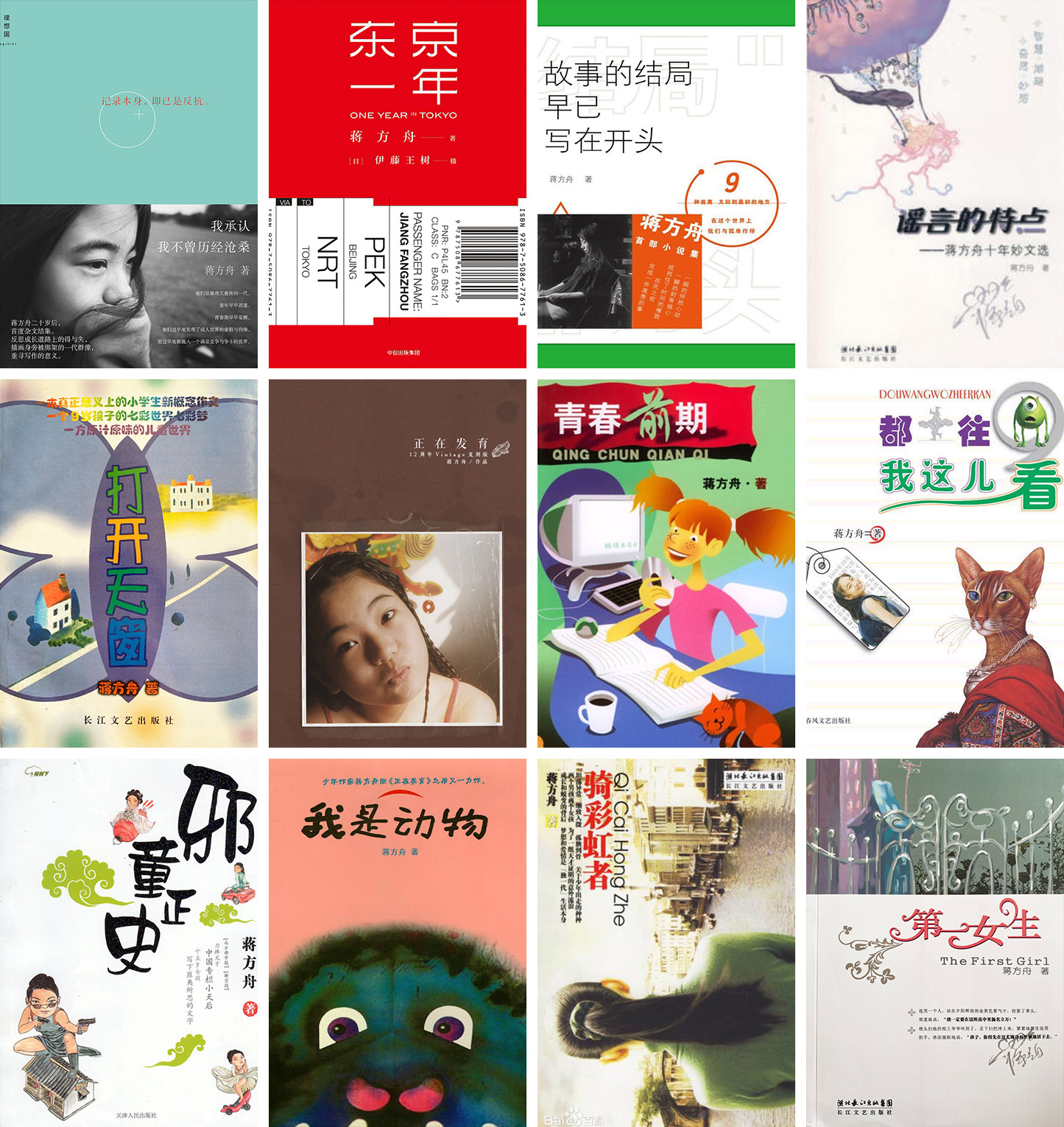
《和唯一知道星星为什么会发光的人一起散步》里80%的文字都是在2020年3月份之后写的。这一年大家大部分时间都是在家待着,而生活越是局限,你就越向往一个更广阔的宇宙。所以这本书跳脱现实,涉及了很多跟宇宙相关的内容。另一方面,我一直对于时间的主题很感兴趣,因为小说本质上是时间的艺术。作者决定时间快的时候,一晃时间过去了;作者决定时间慢的时候,一秒钟可以被延展出几分钟。而且在小说当中时间可以不是线性的,可以在过去和未来之间穿梭。这种时间上的魔术是小说最美妙的地方。综上,我在这本书中涉及了很多跟时间、空间、记忆相关的大主题。
80% of the book “Walking with the Only Man Who Knows Why the Stars Shine”(和唯一知道星星为什么会发光的人一起散步)was finished after March 2020. It was a year when everyone was locked down and spent most of their time at home. However, the more confined life becomes, the more you yearn for a border universe, which was also the reason why this book jumped out of reality and involved a large part discussing on the universe. On the other hand, I have always been interested in the theme of time, since a novel itself is essentially an art of time. The time span in a novel can be flexibly changed, depending on the author’s subjective will. Meanwhile, time can also be non-linear. It is able to travel between the past and the future in the author’s narrative. This kind of temporal magic is the most wonderful part of writing a novel. To sum up, this book covers a lot of big themes related to time, space as well as the memories.
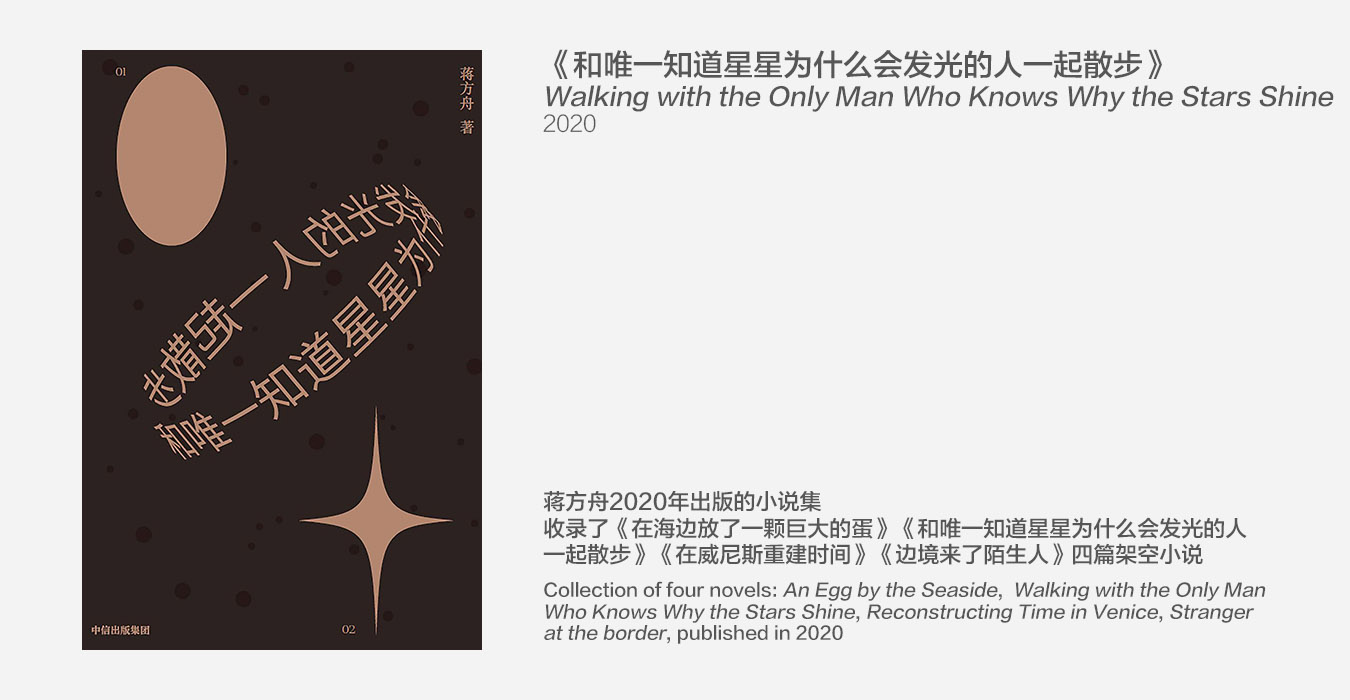
▼《和唯一知道星星为什么会发光的人一起散步》购买链接
Walking with the Only Man Who Knows Why the Stars Shine Purchase
________
小说与建筑
Novels and architecture
以小说家的身份参与建筑创作
Engaging with architecture as a novelist“我觉得建筑就是故事,空间其实是在用它的形态、它的材料讲述自己的故事。”
“I think a building is also a story that is told by the space using its form and materials.”
读大学的时候,我看了一部关于林璎的纪录片,讲到她设计越战纪念碑的过程,震撼于能在一栋建筑当中看到如此强烈的情感,这点跟小说其实很相像,对于我来说是一个启发。而当我对建筑越感兴趣,就越会发现其中精妙的美。从作家的视角来看,我觉得建筑就是故事,空间其实是在用它的形态、它的材料讲述自己的故事。
我最早产生小说和建筑结合的概念,是看到张永和老师(更多关于他,请至:Atelier FCJZ on gooood)创作的《第三个警察》,将爱尔兰作家弗兰·奥布莱恩的小说中的片段变成了一个特别有意思的装置。那是我第一次觉得文学原来可以用这样的方式表达出来。于是我也挺希望如果哪个建筑师对我的哪部小说感兴趣,我们可以一起把文字变成一个真实的、让人可以参观、可以进入其中、可以触摸的空间。
When I was in college, I watched a documentary on Maya Ying Lin about her designing the Vietnam Veterans Memorial. I was so shocked that such deep and intense emotions could be expressed in the form of a building. I think it is similar to a novel, which guides you to find inspiration, and the more you are attracted by it, the more you will discover the exquisite beauty of its content. From the perspective of a writer, I think a building is also a story that is told by the space using its form and materials.
The first time I came up with the concept of combining novels and architecture was when I saw “The Third Policeman”, an impressive installation by professor Yungho Chang (more about him, please see Atelier FCJZ on gooood), which reinterpreted the story in Irish writer Flann O’Brien’s novel of the same name. Until that time had I ever knew that literature could be achieved in such an innovative way, and it evoked my expectation for the opportunity to collaborate with an architect who was interested in any of my novels and thus we could together turn the words into a real space that people can walk in and touch the interior of it.
▼为《和唯一知道星星为什么会发光的人一起散步》中的四个故事构想的四个场景,four scenes conceived for the four stories in the book Walking with the Only Man Who Knows Why the Stars Shine
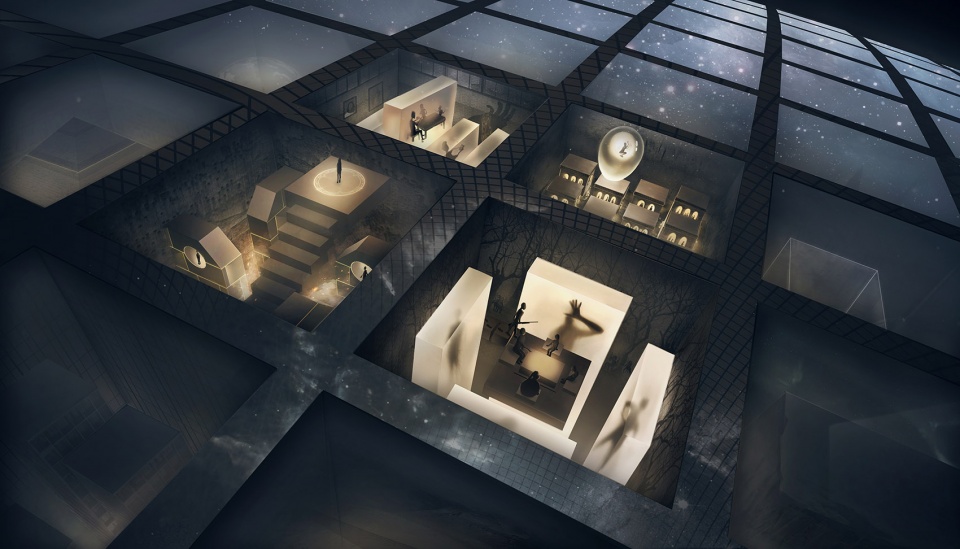
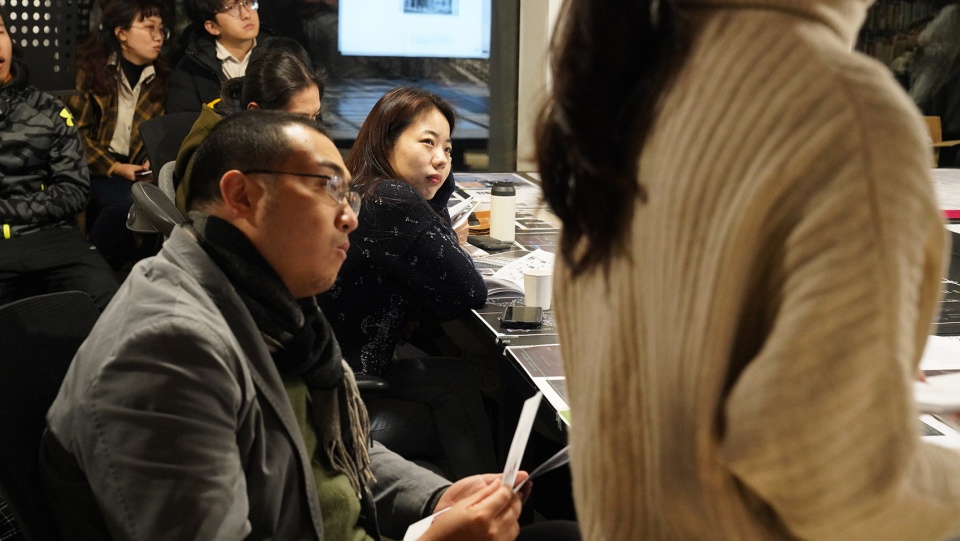
第一次与建筑师合作是和大学同学覃斯之一起参加一个建筑竞赛。他说建筑就是关于故事的,要我给建筑讲一个故事,于是便有了《和星星散步》一书中的第一个故事。后来我也跟建筑师王子耕老师(更多关于他,请至:Pills Architects on gooood) 合作了一个项目,他邀请我参加建筑评图。课程的主题类似后媒体时代的家庭关系,有点像是科幻小说创意展。有人想象所有人都生活在单个的公寓中,通过VR立面去接触真实的世界;也有人描述当媒体掌控了一切之后,生活会变成什么样子。这次经历让我发现建筑也是对未来人类生活的一种幻想,跟文学的关系其实蛮大的。
和建筑师的合作让我更在乎建筑的细节,会更多地关注它的墙壁、内外形态的区别、光影的变化等等。此外,我还会注意到建筑师如何把人与人连接起来的,比如一些不是特别明显的楼梯以及其他空间设置。我和覃斯之合作了一个文化空间,也是在考虑怎样把人重新组合起来,让你在想交流的时候有交流,不想交流的时候可以不被打扰。
The first time I collaborated with an architect was participating an architectural competition with Sizhi Qin, my classmate during college. He said that architecture is also about narrative, and asked me to write a story for an architecture, which later became the first one of the stories in the book Walking with the Only Man Who Knows Why the Stars Shine. After that, I cooperated with the architect Zigeng Wang (more about him, please see Pills Architects on gooood) on a new project, and I was asked to take part in the final review of the studio he led in university. The course of the studio managed to examine the family relationships in the post-media era, a bit like an exhibition of ideas for science fictions. Some of the students imagined a world where everyone lived in a single flat and use VR surfaces to access the real world, while others described what life would be like when media took control of everything. With this experience, I realized that architecture can be regarded as a fantasy about human’s life in the future, which is quite relevant to the essence of literature.
The cooperation with architects drew my eyes on the details of an architecture, including its walls, the difference between its internal and external forms, and the changes in light and shadow. Besides, I have learned to notice the way that architects build the connection among people, for example, by using staircases and spaces that are inconspicuous. The cultural space that Qin and I created was also considering how to regroup people, allowing them to freely choose when to communicate with others and when not to.
▼蒋方舟参加建筑评图,地点在Pills工作室,Jiang Fangzhou participated in architectural design review in Pills
《在海边放了一个巨大的蛋》:与宇宙的看与被看
An Egg by the Seaside: “Watch and being watched” with the universe“总有人执着地想要看得更远,我们的世界才变得更加广阔。”
“There are always some people who want to dig into the universe, and it is because of them that our world become broader.”
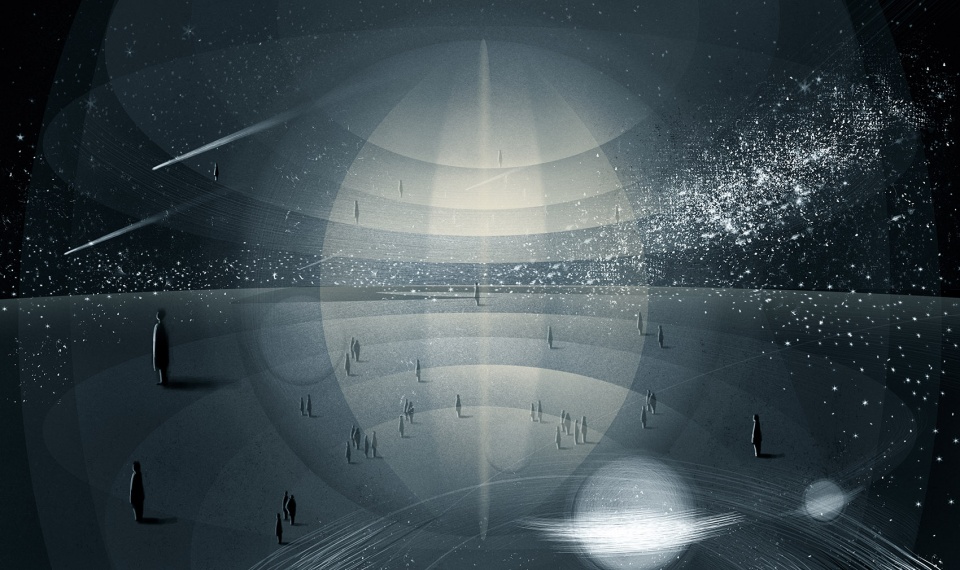
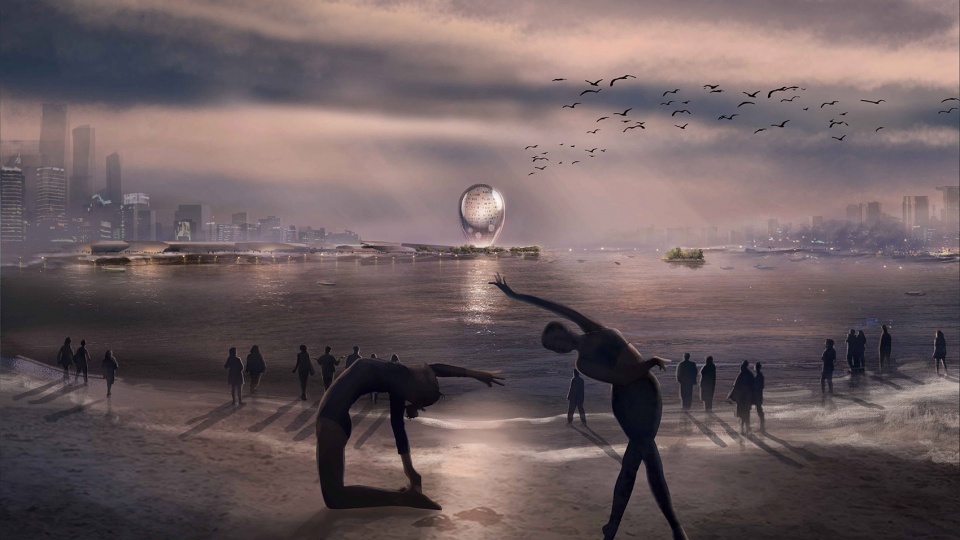
我非常迷恋普罗米修斯的故事,他是一个为人类带去火种的人。一方面他想到了别人不敢想的的部分,另外一方面他真的为之付出行动。在写这个故事的时候,我就创造了普修这样一个角色,当大家面对未知事物的时候,他有远见把它变成了一个既浪漫又实用的东西。我也很迷恋望远镜的概念。当然,并不是所有人都希望望得更远,但是在社会当中,总有人执着地想要看得更远,而正因为有这样的人,我们的世界才变得更加广阔。当时竞赛的主题是看与被看,要在一个地标性的位置上做一个建筑。我觉得仅仅是建筑以外的人看与被看,其实有点无聊,就想让它变成和宇宙文明之间看与被看的故事,于是有了后续的故事的发展。
故事完成后,我就不会再做过多干涉。自己的文字变成具象的事物,这对于每个文字创作者来说都挺兴奋的,你会看到别的行业的人给了这个故事新的生命力。这让我想到了捷克的卡夫卡博物馆,里面将卡夫卡的故事变成了不同的空间,用氛围感来展示。看着覃斯之他们把蛋的模型做出来,让它不倒,讨论外立面的材料和楼梯,对于我来说是一种很不一样的体验。
I have been fascinated by the story of Prometheus who brought fire to the mortals. On the one hand, he dared to think of what others not do, and on the other hand he was able to put his thinking into practice. When I was writing the story of An Egg by the Seaside, I created a hero called Protheu who was also a fore-thinker. When everyone was confused by the unknown, he had the foresight to turn it into something both romantic and practical. I have also been obsessed with the concept of a telescope. It is accepted by people that not everyone has the willing to see farther, but in society there are always some people who want to dig into the universe, and it is because of them that our world become broader. I remembered the competition at that time called for a proposal for building a structure on a prominent location and echoes the theme of “watch and being watched”. However, I thought it was a bit boring to make people see each other only outside the structure. I wanted it to become a narrative of “watch and being watched” that existed in a universe scale, and so there was a subsequent development of the story.
Once the story was finished, I would not interfere it more. I think it is exciting for every writer that your words turn to concrete things – people from other professions giving new life to the story of your own. This reminds me of the Franz Kafka Museum in Czech, which reinterprets Kafka’s stories into spaces in different atmospheres. It was a very unique experience for me to witness Qin and his team setting up the mock-up of the huge “egg”, making it steady and discussing on its facades, materials and stairs.
▼《在海边放了一个巨大的蛋》部分插图,一个执着想要看得更远的人
illustrations for the novel An Egg by the Seaside, showing a man who wants to dig into the universe

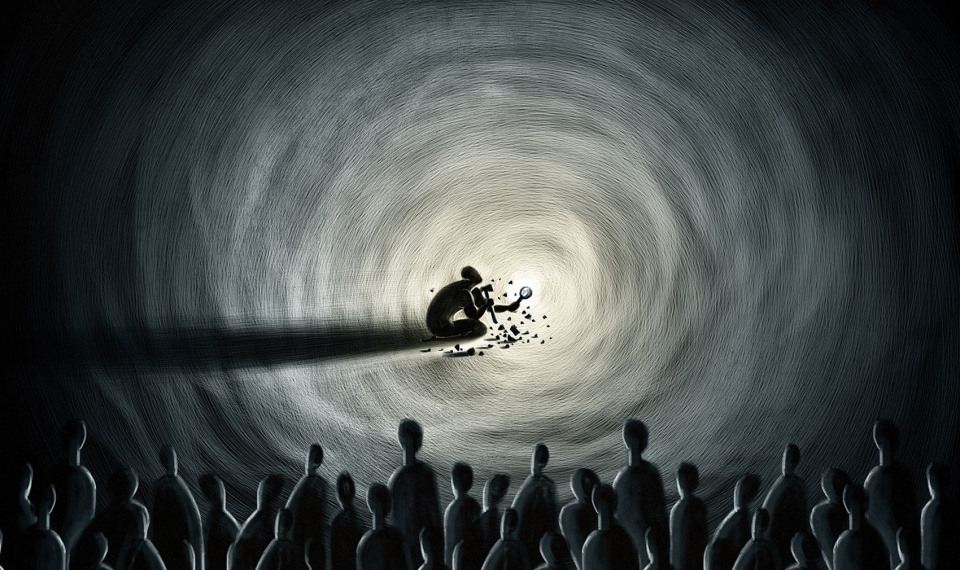
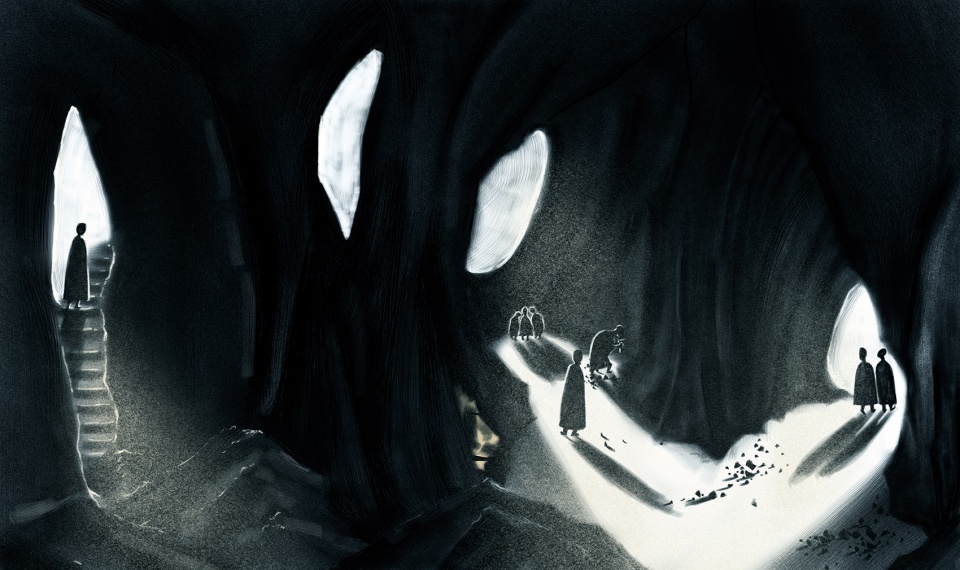
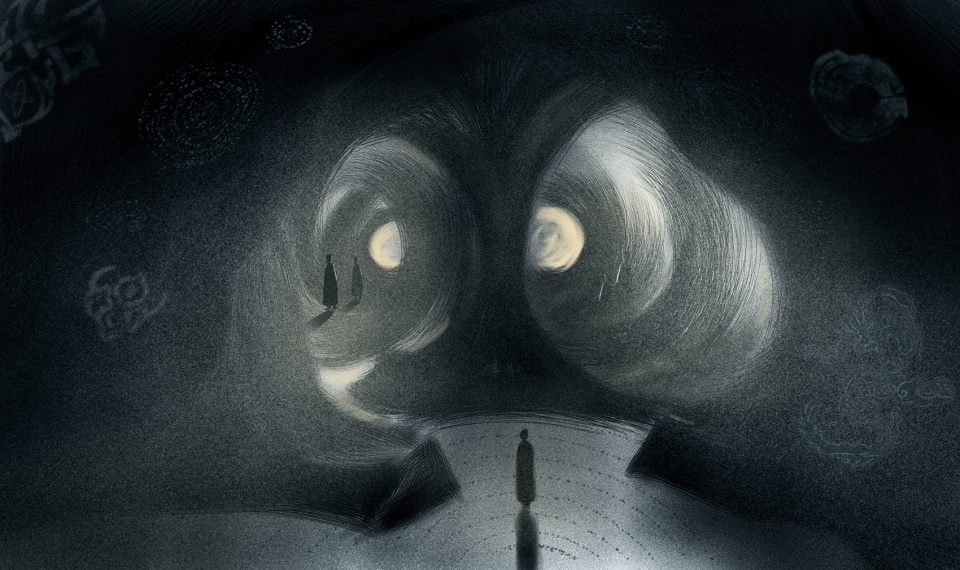
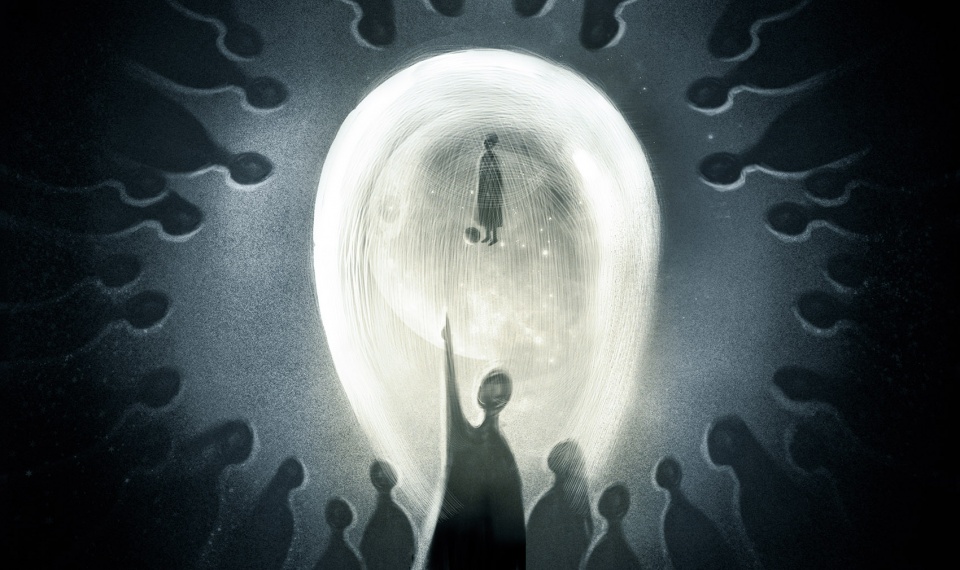
▼竞赛效果图,renderings for the competition
《和唯一知道星星为什么会发光的人一起散步》:重新建立人与人的连接
Walking with the Only Man Who Knows Why the Stars Shine: Re-build the connection between people“当一个人释放爱意,就点亮了另一个人,让他也随之放出光芒。”
“When one person delivers his love, it lights up another person and allows him to shine with it.”
这个故事一开始的设想特别简单,只是想写一个女生和一个男生在经历了多年的分隔之后重逢,就像宇宙之间的信息全部熄灭后,一颗心照亮了另外一颗心,于是星空又重新闪烁和璀璨。写着写着,我发现社会的模型和角色之间的关系变得越来越复杂,在加入了各种各样非常具象的推演后,就变成了一篇很长的小说。但是在创造建筑空间的时候,我们回到了最简单的情感因素,希望能做一个把人和人重新连接起来的地方。
项目在湖北,这里在疫情中经历了很多,人与人之间的关系需要修复,需要让大家能再次聚在一起,在一个空间下看书交谈。空间上方是一片知识的、大师的星空,里面则是人和人时间的相互连接。我觉得每一位大师都是一颗星,当他闪耀的时候,能够照亮别人的宇宙,就像黑泽明启发不同的导演,或是苏格拉底和柏拉图启发不同的作家。人和人之间的关系也是如此,当一个人释放爱意,就点亮了另一个人,让他也随之放出光芒。
This story started out as a simple idea, which is about a girl and a boy who reunited after years of separation. Like a heart lighting up another heart, when all messages in the universe had extinguished after the black-out, the stars shone brightly again. During the period of creating this story, I found the models of society and the relationships between the characters became more and more complicated, and with the addition of all sorts of figurative interpretations, it became a long novel. Oppositely, when building up the architectural space physically, we went back to the simplest emotional needs, trying to creating a place that could reconnect people with each other.
The project was located in Hubei and had been through a lot during the global pandemic, so there was a need for people to get together again, reading or talking in one space, to repair their relationships as before. Above this gathering space was a starry sky of knowledge and masters, and inside was the interconnection between people. Every master is a star, and each time the star glows, someone’s universe will be illuminated. The same is true for establishing the relationship between people, just like Akira Kurosawa to other directors, or Socrates and Plato to the numerous writers, when one person delivers his love, it lights up another person and allows him to shine with it.
▼空间概览,overall view of the space
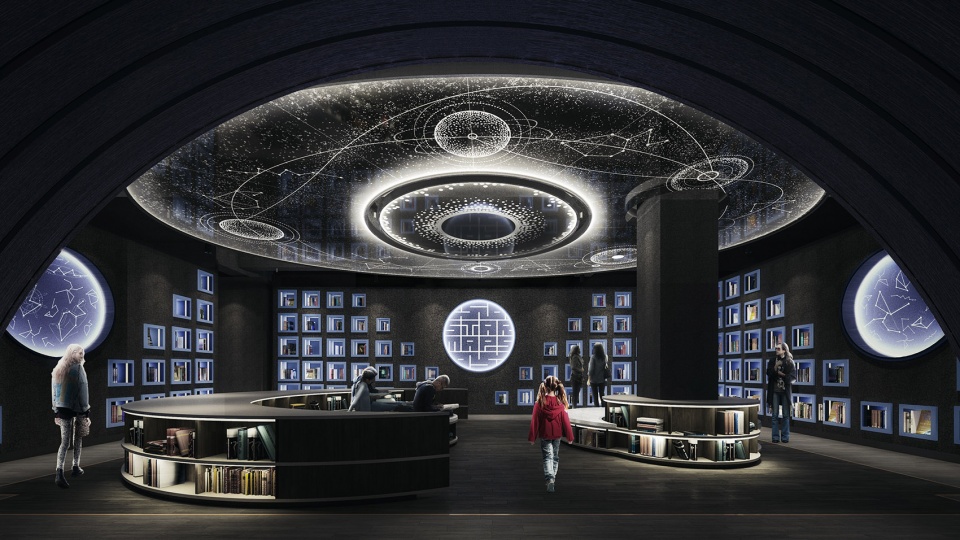
▼空间内部,头顶上方是大师的星空,下方是人与人的连接,interior of the space, above is the starry sky of masters, below is the connection between people

《在威尼斯重建时间》:在碎片化的时间里找到情感纽带
Reconstructing Time in Venice: To find emotional bond in fragmented time“时间是一种主观认知,在交错的时间点上,父与子达成了和解。”
“Time is a subjective perception. The father and the son reached a settlement in the staggered layers of time.”
这是首钢百年在威尼斯做的一个项目,初始命题是希望反映首钢百年的历史,但是我觉得里面动人的应该是情感的部分。回顾首钢历史,经常会发现一代代首钢人都在这个大企业的社群中工作,在这种命运的不断循环中会有矛盾产生,比如孩子不愿意去继承父亲的事业。我想讲述的是父辈与子辈之间的矛盾和理解,虽然他们的命运南辕北辙,但是在某一个时间点上,儿子会忽然发现自己和父亲并没有区别。故事的灵感来自意大利物理学家写的一本书,叫《时间的秩序》,书中提到时间只是一种主观认知、一种想象、一种对事物的编排,并不真实存在,给了我很大的启发。故事里父亲得了老年痴呆,在时间线上是混乱的,而儿子也是在交错的时间中不断跳跃。在这样的时间点上,他们达成了和解。
展览运用新媒体的方式呈现。故事的主人公发现时间是由人的意识决定的,于是他想改变人编排时间的能力,做一个能够穿越时间的人。他每次醒来都跳入了不同的时间线索当中,他的日记用投影的方式在展览中展出,哪怕是在同一天,当你在不同时间进入空间的时候,日记的内容也是不一样的,因为主人公已经跳到了另一个世界里。
This story had been presented as a project at Venice Biennale of architecture in 2018. The initial proposition of the project was to review the centennial history of Shougang industrial park in Beijing, but the most affecting part, in my opinion, was the emotional memories embedded in. Looking back on the renewal process of Shougang industrial park, it could be often found that there were generations of laborers who had devoted their lives to this large corporate community. In this continuous circle drawn by the wheel of destiny, there were conflicts that arise, such as the younger generation not willing to follow in their fathers’ footsteps. What I wanted to talk about in this story was the conflict and understanding between the fathers and the sons. They seemed to live totally different lives, but at some point in time, the sons would suddenly realize that they were actually no different from their fathers. The story was inspired by the book The Order of Time, authored by Italian physicist Carlo Rovelli, in which he argued that time is a subjective perception, an illusionary orchestration of events and does not really exist. It was really a great inspiration. In Reconstructing Time in Venice, I told a story of a father who suffered from Alzheimer’s: the timeline was chaotic, and the memories about the son also randomly flashed back in the staggered layers of time. In the end of the story, they reached a settlement at a specific point in time.
The exhibition was presented using new media. The protagonist of the story found that time was actually determined by human’s consciousness, so he wanted to change people’s ability to arrange the sequence of time and thereby become a “time traveler”. Every time he woke up, he found himself jumped into a new time clue. His diary was presented in the exhibition by projection, and even on the same day, its content would be different according to the time when the visitor entered the space, since the protagonist had jumped into another universe.
▼展厅模型、外观和轴测图,model, external view and axonometric of the exhibition pavilion
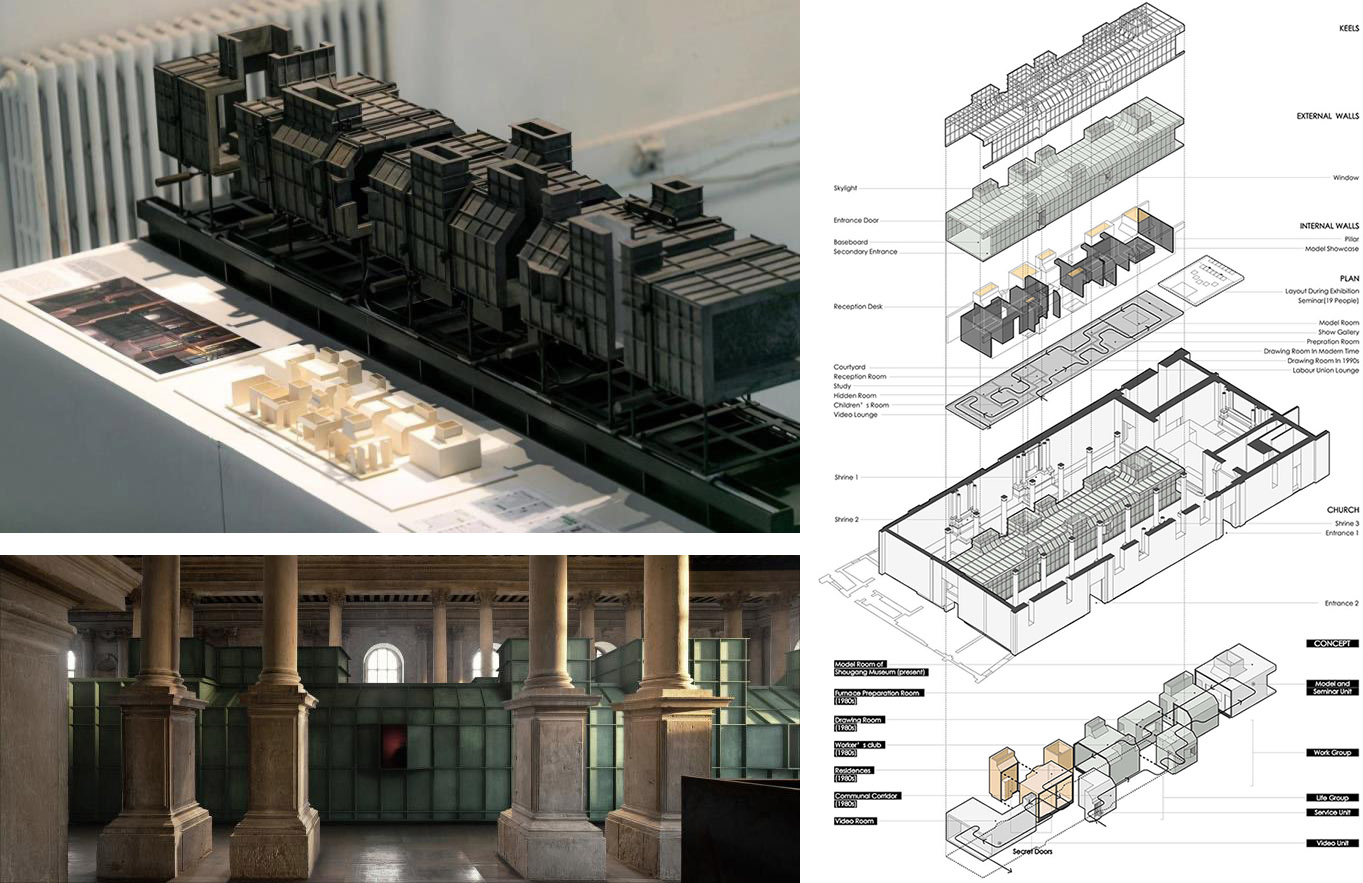
▼展览中的场景,scenes in the exhibition

建筑与小说的异同
Similarities and differences between architecture and novels“陌生感新奇感和对现实生活的跳脱在建筑与小说中十分相像。”
“The strangeness and freshness brought by architecture and novels are quite similar to the act of escaping from reality.”
建筑和小说在叙事性上最大的不同就是小说可以把时间延续到非常长。小说的时间是不受限的,可以讲100年的故事,也可以讲1000年或10000年的故事。相对来说,建筑体现的时间并没有小说这么漫长。二者相通的地方在于一种陌生感,当你进入到那种艺术性比较强的建筑空间,会有一种进入建筑师内心世界的感觉,其实很像是进入到一部小说之中,作者把读者带到了一个陌生的世界,切断了你跟现实世界的关联。建筑和小说中的这种陌生感、新奇感和对现实生活的跳脱十分相像。
The biggest difference between architecture and novels in terms of narrative is that the latter’s time span can be extended to very long. Novels are not limited in time and can tell a story spanning a hundred years, a thousand years or even ten thousand years, while architecture relatively does not embody such a long period of time. But the similarity lies in the sense of strangeness: when stepping into an architectural space with strong artistic quality, you often feel like entering the inner world of the architect. It is very much like entering a chapter of a novel, where the author guides the reader into a strange world and cuts you off from the real life. This kind of strangeness and freshness brought by architecture and novels are quite similar to the act of escaping from reality.
▼让人仿佛进入了另一个世界的建筑空间,architectural spaces as if connecting to another world ©蒋方舟
(左)米拉之家,巴塞罗那,(右)海与天的连接,2018巴黎Saison Enfance展览展品
(left) Casa Milà,Barcelona, (right) The connection between the sea and the sky, exhibited at 2018 Saison Enfance, Paris
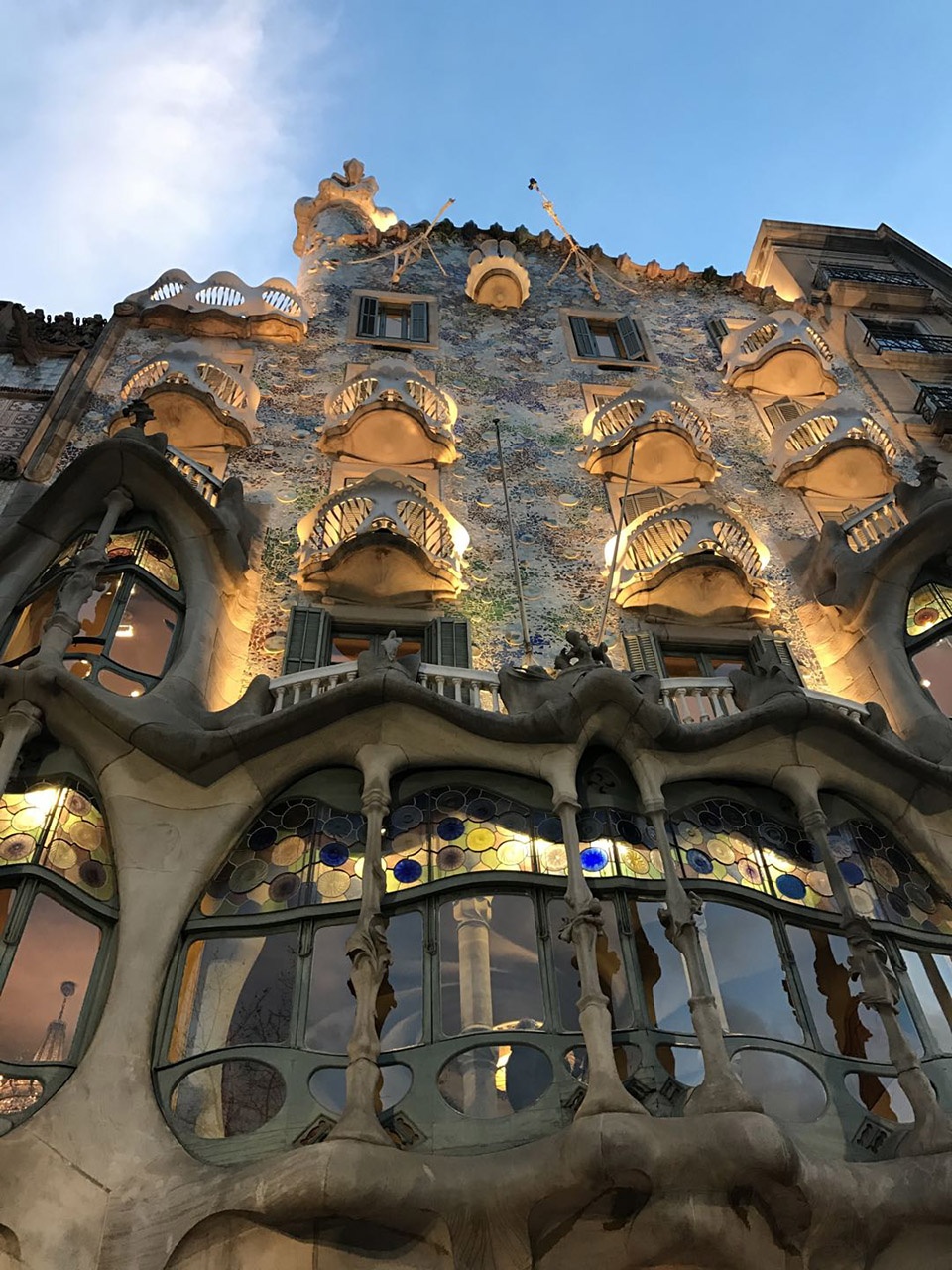
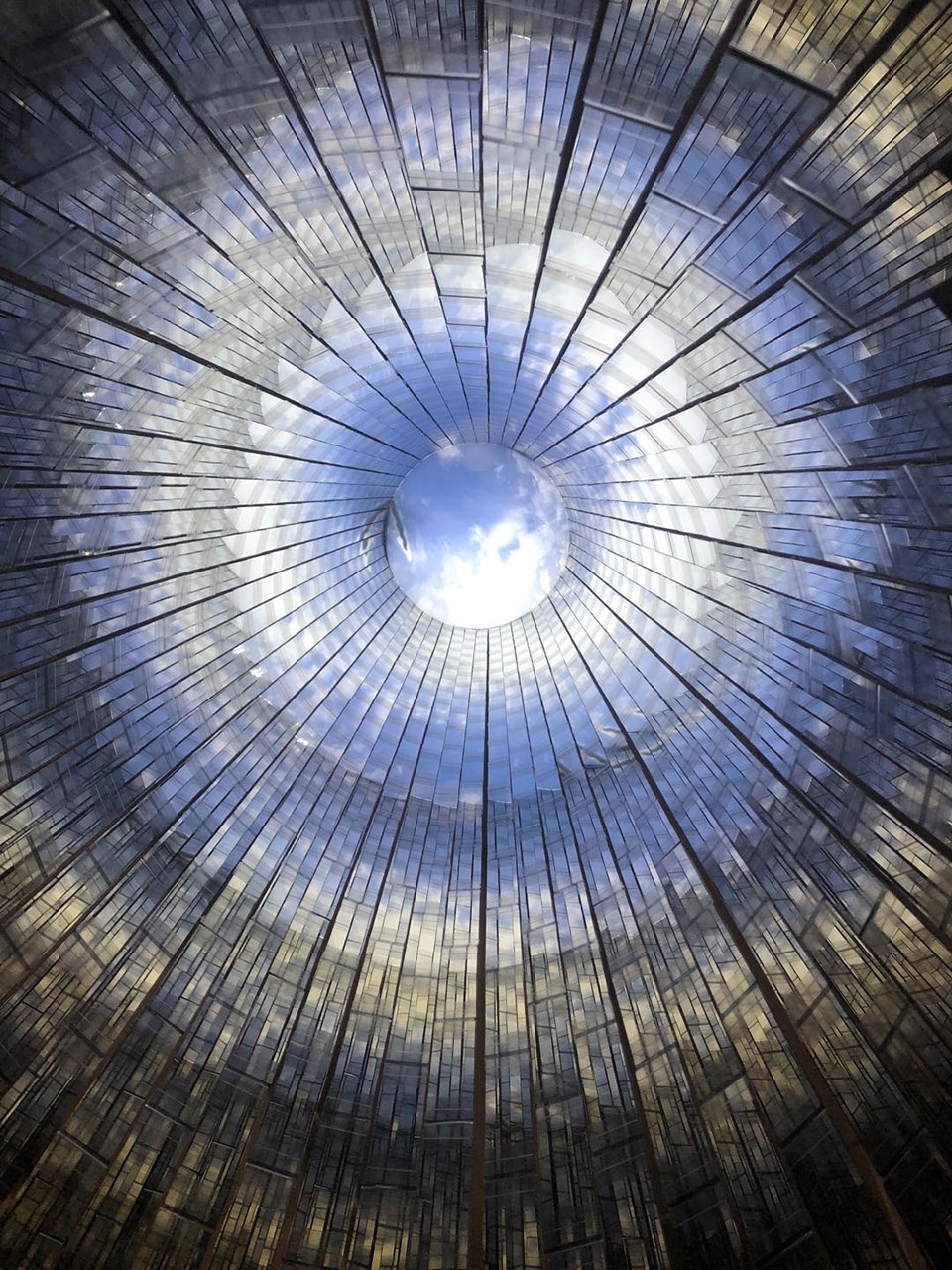
_________
关于文学创作
Perspective on literary creation
“理想的创作状态是每天规律地写作……没有新鲜世界观的输入,没有新的刺激,对我的创作过程来说是比较大的敌人……真正的专业人士就像上班一样,每天被截稿日期折磨,创作出还算不错的作品……文学擅长的也许是创造还没有发生的未来和未曾经历的过去……不是描述现实,但是能给现实中的人带来了巨大的启发、警醒和恐惧,这是我小小的野心。”
“The ideal writing status is to write regularly every day…Having no input of fresh ideas or new stimulations is the relatively enormous enemy for my writing process…A real professional writer is like a salary man, being tortured by the deadline and finally creates some relatively satisfying works…What literature is good at might be creating the future that has not happened and the past that was not experienced…I have a tiny aspiration that I want to enlighten, warn or terrify people living in the reality through my fictional writing.”
我心中理想的创作状态是每天规律地写作,从九点左右写到晚上六点,之后就不再写东西了,因为如果写得太晚的话,头脑就会兴奋,影响休息。我喜欢在狭窄的空间里写作,身边有人走动、讲话。酒店大堂就是这么一个地方,你的空间就是一张桌子和一把椅子,而桌子经常过矮,几乎要坐在地上,这种条件下我的创作效率很高。
创作中最大的困难是懒惰,此外是在同一个环境中待得太久会产生疲劳。我是一个喜欢旅游的人,每年都会去不同的国家旅游,看不同的展览、不同的建筑,去不同作家生活过的地方寻求灵感。旅行也可以带来生活节奏上的转换和变化,然而因为疫情原因,这一年我基本只能在家写作。生活状态没有变化,没有新鲜世界观的输入,没有新的刺激,对我的创作过程来说是比较大的敌人。
用电脑写作,在遇到写作障碍的时候,你会习惯性地打开一个网页,很快注意力就会被转移到他地方。所以每当这种时候,我会关上电脑手写。面对白纸,没有链接可以点开,也没有新闻可看,就能够强迫自己集中在创作上,顺利度过写作中的难关。相对来说,我没有什么灵感方面的问题。很多作家都有一个习惯,就是每有一个新的想法,就会记录在专门的文档中。可能是一个开头、一个故事框架,或者一个人物。随时记下日常生活中的小灵感和小火花,就不太容易缺乏真正意义上的灵感。
▼蒋方舟参观知名文人的故居和博物馆,visit the former residences of celebrated writers and museums ©蒋方舟
(左)普希金故居,(中)陀思妥耶夫斯基故居,(右)海牙埃舍尔博物馆
(left) former residence of Pushkin, (middle) former residence of Dostoyevsky, (right) Escher Museum, The Hague
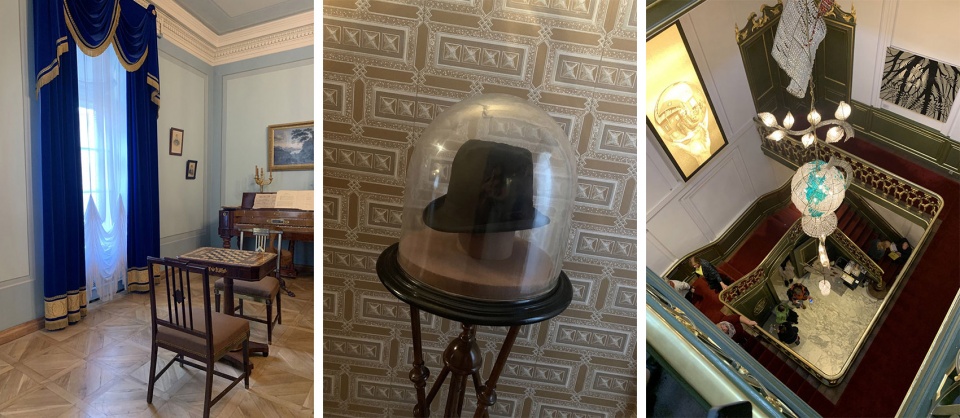
我觉得少年成名挺讨厌的,外界对你的天赋有不同的理解,于是天赋变成了一种负担,你会烦恼自己有没有好好地利用它,有没有满足外界对自己的期待。我和覃斯之谈起这件事后,他推荐我看了一套Netflix制作的名为《Abstract》的纪录片,片中介绍了八位设计师,每个设计师都是在很年轻的时候做出了厉害的作品,之后很大一部分动力都在于要么打破别人的期待,要么超乎预期地满足别人的需求、征服大家。这让我重新审视天赋,发现它在30岁之后就没有那么重要了,应该用更多的武器去进行未来的创作,比如你的经验、你的判断和你的积累。在一个人的创作生涯之中,真正的天才之作出现的概率很小。纪录片有一集讲的是纽约客封面插画师Christoph Niemann,他说自己的作品中只有30%是真正的好作品,剩下70%都是在别人做得很烂的时候找他来在很短的时间内救急。真正的专业人士就像上班一样,每天被截稿日期折磨,创作出还算不错的作品。越是焦虑,天赋和灵感越不会找到你。这时你所依赖的是经验,包括你的判断力以及审美,这些都不是天赋所能企及的。
▼蒋方舟记录写作灵感的笔记本,Jiang Fangzhou’s notes to record writing ideas
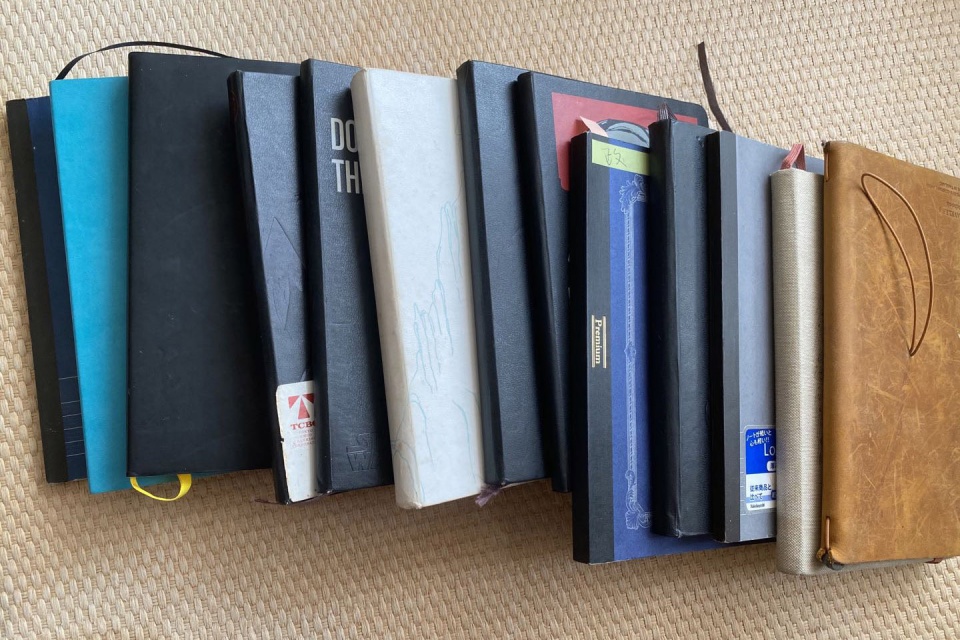
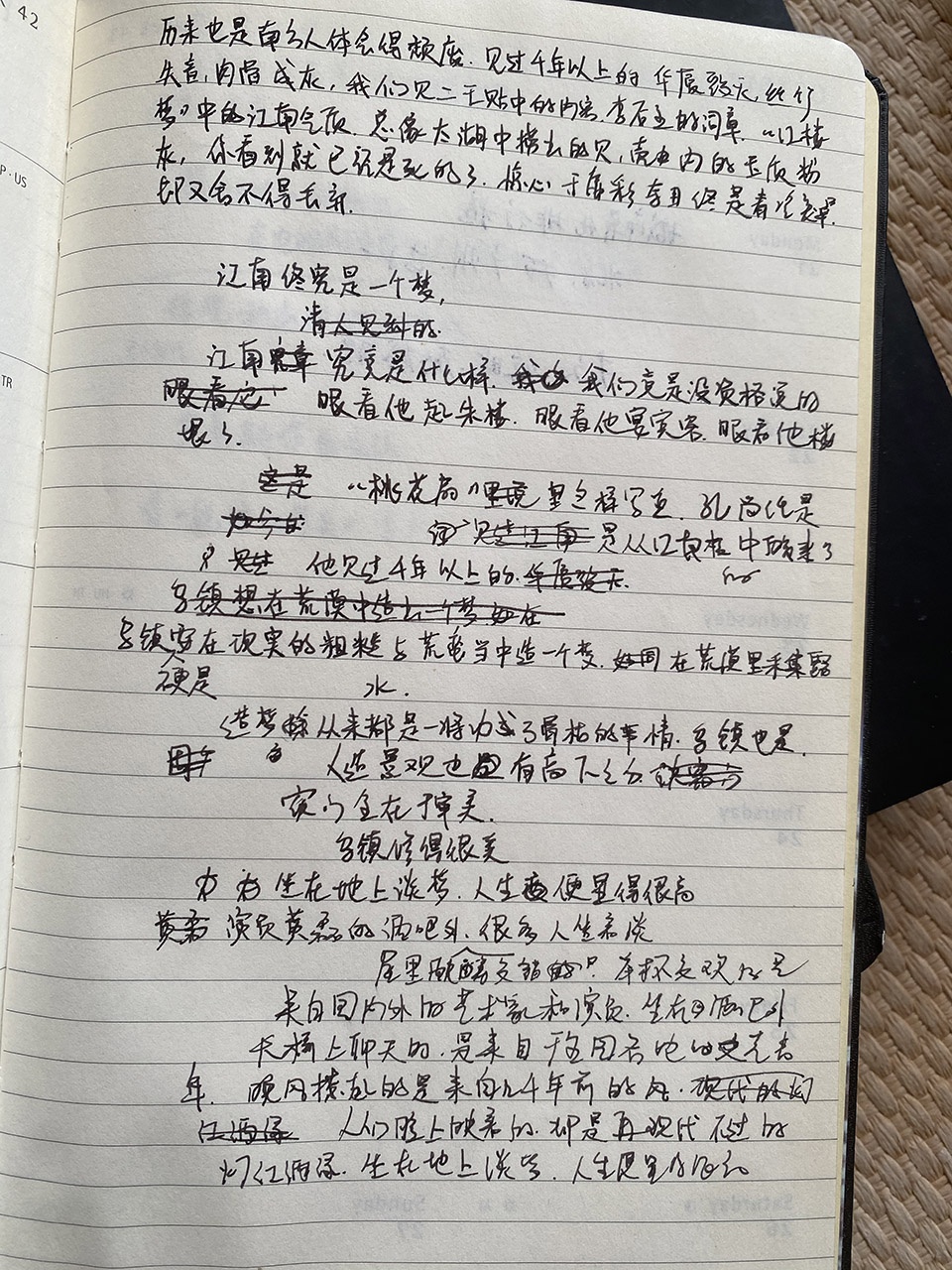
中国大部分年轻的文字创作者,写的还是跟现实有关的事情。我们熟悉的上一代作家也写现实题材,而且他们在文学技巧上的成熟程度,是年轻作家难以超越的。同样是写实,你写的没有上一代作家写的好,那你的出路在哪里?这是我自己的生活经验和写作技巧所不能触及的。其实,我是一个对历史、对神话感兴趣的人,把历史、神话和现实结合起来,也许是未来世界文学一个新的发展方向。上一个诺奖得主,小说家石黑一雄的作品之一就是把亚瑟王的故事用他的方式重新讲述了一遍。诺奖作为世界文学的风向标,也开始鼓励想象力强、有一定科幻色彩的作品。关于现实,我们可以通过短视频、电视剧、电影去快速捕捉。有一部叫《The Morning News》的美剧,它与现实几乎是同步的,对现实的反应速度和准确程度令人震惊。相较之下,文学擅长的也许是创造还没有发生的未来和未曾经历的过去。
写架空作品的一大优势在于限制很少,你可以通过构件一个世界的模型,让人们感触更深。那些经常被谈论的警世作品,其实都有一定的架空色彩。比如第一部科幻小说《弗兰肯斯坦》,写的是人造人的故事,在未来的200多年中,每一次有新的技术,人们都会重新提到《弗兰肯斯坦》给我们的启示:人类不能代替造物主来发明另一个人。《使女的故事》虽然是80年代写的,但是如今每次遇到新的关于女性处境的危机或议题,这本书就会被重新提起。它不是描述现实,但是它能给现实中的人带来了巨大的启发、警醒和恐惧,这是架空作品的魅力。我写类似的作品,也希望作品能有这样的生命力,在10年、20年之后,忽然发现一些场景在自己以前的作品中已经出现过了,这是我小小的野心。
我们这代人一直生活在全球化的轨道上,从小接受的事实就是世界会变得越来越开放,国家之间的交流会越来越频繁。后来发现也许并非如此,这对我有一种价值观上的冲击。但是你依然希望这个世界可以按照小时候所设想的轨道前行,这一点也会在我的作品当中传达。
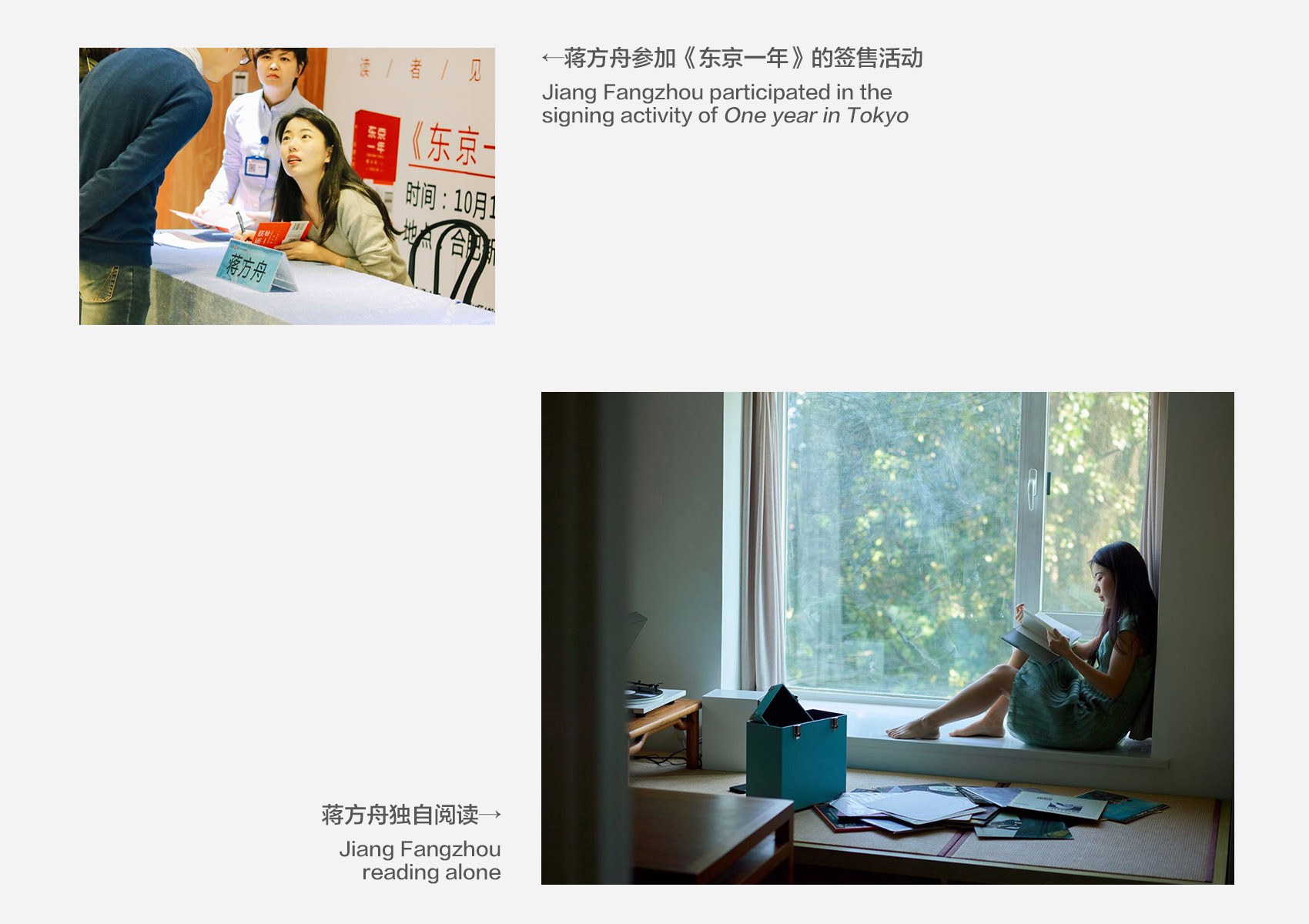
▼工作与生活,work and life
_______________
对当下社会的二三感悟
Insights into the current society
“孤独是一种纯粹的自我内观,是自己和自己相处,没有任何途径可以让你逃避自我审问和观察……在无所事事之中,我发现了很多有意思的事情,发现了很多创作的灵感,也发现了很多让人可以去思考的空余……焦虑和自我厌恶其实是挺好的朋友,它们能让你做出不错的成果。”
“Solitude is a purely internal view of the self, of being with yourself; there is no way to escape from self-interrogation and observation…When I was doing nothing, I recognized many interesting things, gained many writing inspirations and discovered a lot of spare time to think…In fact anxiety and self-loathing are good friends to me. They can help me to produce good results. ”
我觉得现代人特别缺乏两个权利,一个是不知情权,一个是孤独权。对于前者,我们经常会在并非主动的情况下知道很多莫名其妙的信息。孤独也是一样,虽然现代人老是抱怨自己孤独,但是他们一直都在跟外界发生交流,如发朋友圈、看社交网络、玩游戏等,只是这种交流未必是你真正想获得的。我认为孤独是一种纯粹的自我内观,是自己和自己相处,没有任何途径可以让你逃避自我审问和观察。我并不觉得孤独是一件需要逃避的事情,相反真正意义上的孤独在日常生活中太少了。我会通过与电子工具割裂的方式去获得这种权利;也会每天写日记,包括写作,也是纯粹地跟自己相处;而散步也是一个挺好的习惯,很多知名作家都喜欢散步,默默思考。我的书中的观星者也是,他在观星的时候,星星只会闪耀,不会跟他交流,所以他虽然是在看星星,但本质上是在跟星空投射的自我交流。
在东京生活了一年,我发现无所事事也可以,心境上获得了一种坦然。生活在北上广深的年轻人虽然讨厌996打工人的生活,但是对于自己掌握生活这件事还是缺乏一种安全感。我在大学毕业之后一直生活在北京,也觉得有个工作特别重要,不至于活得没有底气。在日本的一年没有人安排我一天做什么,大部分时间就是走走看看,写写东西。在无所事事之中,我发现了很多有意思的事情,发现了很多创作的灵感,也发现了很多让人可以去思考的空余。我可以自己决定每天的日子,有自己的兴趣去决定事业,这对我来说是一种比较大的心态上的转变。
我是一个很容易觉得快乐的人,当我看到我的文具,我就会感到快乐。有朋友觉得我的书还不错,也能让我快乐一整天。当写作变成一个任务的时候,我会感到焦虑,但是焦虑并不是一件坏事。在重压之下完成一件还不错的作品,它又转化成了快乐。现在我们对于负面情绪有点过于如临大敌了,一旦有了负面的情绪,就想用一切办法去消除它。但是我发现焦虑和自我厌恶其实是挺好的朋友,甚至难过伤心也是,它们能让你做出不错的成果。
___________
未来计划与展望
Plans and outlook for the future
“我希望自己是一个有着持续高产热情的创作者。”
“I want to be a writer with continuous enthusiasm for creating productively.”
今年我计划出版一本杂文集,以文学评论为主,顺利的话希望年后可以完成。写完之后,我打算玩玩游戏,看看动画片,在架空的世界里获得一些灵感,再创造一篇新的长篇小说。
对我来说,未来10年、20年能持续有热情写作就可以了。很多作家在进入创作中期之后,写作的速度会变慢,我特别害怕变成这样的作家。虽然很多人诟病村上春树现在写得不够好,但他确实保持了持续的高产,这就意味着要有持续的创作热情。我很难设想自己将来在写作上能达到怎样的高度,因为很多时候它取决于外界对你的作品的认可。但是我自己能够掌控的是保持高产的热情和规律的创作状态。我不希望自己变成一个几年磨一剑的作家,我希望自己是一个有着持续高产热情的创作者。
This year I’m planning to publish an anthology, mainly of literary criticism, which I hope to have finished by the end of the year if things go well. After that I’m going to take a break, playing games or watching some animations, getting some inspiration from the fictional world to prepare for my new full-length novel.
I think it is sufficient for me to keep writing with enthusiasm for the next 10 to 20 years. Many writers are likely to slow down after they reach the mid-stage of their creative process, which is the situation that I really dread to be trapped in. Although many people criticize Haruki Murakami’s recent work for not as good as before, they still have to admit the fact that Murakami has maintained a high level of productivity, which means he has a consistent passion for writing. It is hard for me to envisage the level that I could reach in writing in the future, because it often depends on how well your work is received by the outside world. However, I can still control myself on keeping the productive enthusiasm and a steady mind for writing. I don’t want to become a writer who spends ten years for sharpening a sword. What I want to be is a writer with continuous enthusiasm for creating productively.
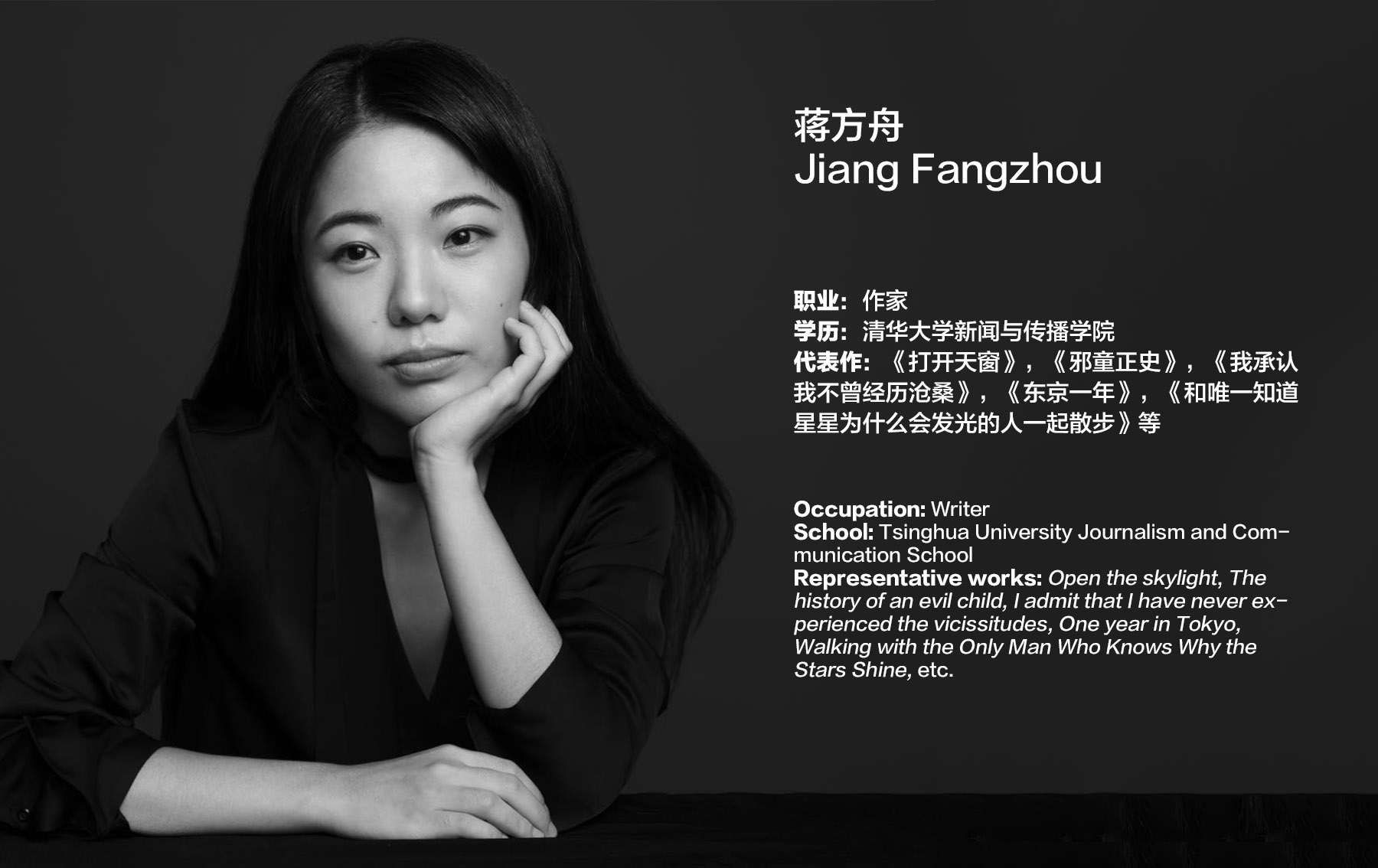
More: 蒋方舟,更多关于她:Jiang Fangzhou on gooood








什么垃圾玩意儿
谷德里实在太多肝图肝到神经错乱的设计师,以至于当别人因为热爱建筑而讨论诗与远方时,都忍不住表露出自己因平庸而吃了几十年大便的沮丧与焦虑……其实,设计这个职业的确是有分贵贱的,有些天赋型玩家天生的就比绝大部分人敏锐,在某个非常狭窄的领域做到很专。你管她是不是懂你所认为的“建筑”,这类人在社会里的话语权就比你高得多,因为别人的赛道选对了!!所以有些人在卖苦的同时,能不能反思下自己为啥只能坐电脑前画CAD?
套用老范的话 她蒋某什么的都在做建筑,她能做嘛?她做不了。
不知道GOOOOD想的啥?
就一收了丑国人钱的DOG
方舟长得算可以,有才气加成,挺有吸引力。
装B扯货
人们最缺少的就是孤独!
今天不聊屁股,就聊凉粉
县长!硬!
师爷!高!
黄老爷!又高又硬!
一边大谈对外行人要包容,一边和同行长篇大论的争执,我实名制的欣赏这些人
没毛病啊,不包容哪来的人和你争执?这叫欲擒故纵,以退为进么。。。
大家要记得政治老师说的一句话:透过现象看本质。
一种就是,你以这个工作为谋生手段,或者就是喜欢干这个,且能保持内心本质对这个事情的热情;
第二种就是,你想要成为大师,你目标明确,你还会想各种办法去接近目标;
第三种就是,机会有时候,只会青睐小部分的人甚至是不如你专业的人甚至是非专业的人,他们有时间有资源、有跨界的成本(不包括专业素养)有时候,专业在机会面前只能屈后,这个就是现实,接受现实就又回到第一点和第二点。
当然,公示出来的,就要受到大众言论的洗礼,这个没法子,毕竟再很多人都不知道画图到底是啥意思,以为真的只是拿只笔画图的前提下……建筑设计工作者,当然会揭竿而起。
公示?皇军官方认证?
送你上去
我也是特地过来看看的
设计院实习生们急眼了哈哈哈哈哈
评论区戾气也太重了吧。他也没说自己是建筑师啊 就说是原案参与了作品啊。这不是很正常吗,我们上学的时候大课也经常各专业混一起做项目啊,我还做过服装的项目呢。我感觉性质一样啊。 更何况这种竞赛项目允许多种包容性,也未必需要每个人都是所谓的八年苦读吧,毕竟每个人分工不同。叙事性建筑也是一种发展方向,至少从蒋的文字我看见他确实有思考了。
你这第一句就不太站得住脚,既然对蒋的投机行为这么包容,为何不对“戾气”有所理解呢?
+1
说实话也是个没什么壁垒的行业,不然工资也不会这么让大家抱怨
把兴趣变为对外传播的平台,哪怕不是专业的,也很值得我学习
还好吧,看完感觉就是纯粹的建筑外行,对建筑感兴趣而已。起码没有“装”大师,如江某某。
评论区戾气好重哦,对比一下,35岁以下创意人NO.39的古市,兼具作家身份,那期的评论区显得平和好多。引用一下那期里的话——“这其中当然有很多困难,也会有一些质疑的声音。特别是来自传统研究者的批判,他们认为研究者就应该待在学术的世界里,这样才是正确的。”,大概也是同等道理!?
哈哈哈哈哈说得好
非常同意EREK的看法
“读过古典文学就一定有思想吗
学过十年表演就演的一定好吗
没得过奖的作品一定就不好吗
我不懂嘻哈 就不能唱吗”
1.建筑学本科加硕士需要8年寒窗苦读,到博士甚至要十几年,这仅是学科内容的要求,年限的长短并不和流弊与否挂钩,只能和你所在领域的熟练度挂钩;
2.当今社会建筑师累死累活加班都默默无闻。没错,这是不公平,但这是现阶段社会发展的问题,这不是眼红别人行业出名或跨领域突出的理由;
3.建筑设计从来就不是理性的堆砌,那些严格、繁琐、量化的数据仅是建筑需要实体化的最后一步。而“设计”才是这个世界最缺失的,并不是每一个人都能被赋予设计的天赋,先不说她是否能做出真正的设计,但是能做出真正设计的人,真的不一定仅存在建筑学子之中。
堂而皇之的胡说八道,道理不在道上就是扯。你说美不拘一格我没意见,但是你对着一坨屎说就是扯。建筑从来就不是理性的堆砌,但是建筑是要讲逻辑的!美是结果不是目的,好的建筑一定美,但是美的建筑不一定是好建筑。建筑师用数年的时间学习,目的在于懂得什么才是设计,一个有天赋的人当然不必读死书,但是他得有天赋才行,不是吗?这一堆乱七八糟的是什么?注册个帐号就为这一个评论?哪来的水回哪去
还是有必要跟你们这些戾气重的人说一下,自己不看看现在评论区是什么状态
我写的每个字,都是回应整个评论区的状态
我最终想表达的,是让你们换个角度,用包容的态度去看待事情,明白吗?
戾气真重,设计体系包罗万象,应该以包容的心态接受多样得思想。
借歌词表达想法:
读过古典文学就一定有思想吗
学过十年表演就演的一定好吗
没得过奖的作品一定就不好吗
我不懂嘻哈 就不能唱吗
少搁这偷换概念了 你这话说得我评价一个冰箱我得先会制冷似的
文中此人连敲门砖的作品、入门槛的经历都没有 如此摆上台面必然接受批评质疑的结果
而且 你也不需要呼吁 摆在面前就是显然的结果
我只是呼吁,你做不到包容我也不能说什么,你有你的立场,大家都是做设计的,我几乎每天都在加班,我想我也有发言权评论吧?建筑是为人使用的,每个人都可以为建筑本身发表看法,从各自的专业角度提出想法,怎么不能吗?她是从事建筑行业了吗?人家不过是合作参与而已,你就这么激动呀?我建议你还是平静一下内心,想想怎么才能让自己的设计变得更好,更有价值。
赞扬也好,批评也罢,都是共存的。但你觉得那些批评批到点子上了吗?
所以你也别装B了,都没看懂我说的什么意思
我觉得你说的没错,支持你
既不是文学圈最懂建筑,也不是建筑圈最懂文学。
诶,这里评论那么多;居然找不到谷德常驻评论家的身影
评论区这么可怕?你的维护建筑神圣的意图又被冒犯到了?大家抱团对外保持高傲,可看看我们的设计环境。可能这种空间叙事来的更纯粹。算了,兴许是一群水军。
只是作为同行不理解为什么大家整齐划一,都生这么大气。可能确实大家在网上都易怒吧。好吧有空给自己起个网名。手动狗头保命
附议
建筑圈要是只是讲故事应该很多人都混的不错了
插画倒是让我想到了祝耕夫的漫画
+1
没想到评论区会是这番景象[笑哭]
设计的很烂,但是设计也绝不是设计师的专利
唉。。。。。。
因为圆桌派爱上这个女生的观点
这种新的创作形式很赞啊👍👍👍
除了看过几期有她的锵锵,对她毫无了解。不过,封面设计真是一言难尽
建筑既不是玄学也不是脱离物质以及工程的纯艺术创作,所以文学和建筑结合的契机是什么呢?为设计杜撰故事么,玄学么?至少这偏文章里,读不到什么实际的信息。
非常赞同,请让建筑理性起来,不要为了故事而设计
说得好,建筑本身就不应该是以讲故事为主体的玄学艺术,这样下去建筑学只会越来越飘,越来越缺少脚踏实地的精神。
建筑的本质很大程度上在于对空间与形式的塑造。如果文学与建筑联姻的产物是文章配图里所呈现的空间与形式,那么这种联姻是否有必要和有意义,是值得怀疑的。更进一步讲,作为一个文学家,如果在审美的判断上有比较严重的缺陷,那恐怕也意味着其作为文学工作者的素质与能力是有待商榷的。
我认为你多虑了,建筑设计是一个多人协作工作,她这种天赋的人,大可以负责空间的价值传播板块,没人要求一个设计师是全才。传统建筑学把空间笼统为功能与形式,但那是在自媒体不发达时提出的,早已过时。当下所有空间设计都会分为“问题解决”与“价值传播”,形式感仅仅是价值体现的其中一方面,更关键的还是是否能在茫茫作品里得到大众的共鸣。为作品寻找合适的议题与传播渠道,也是设计的其中一个重点。要不然,你以为“超级文和友”这类店为何能出圈?你以为就是花钱请人排队就会有人buy??公众也很聪明,如果不是产生了某种共鸣,是不可能成功的。
感觉你文章都没看懂
欢迎交流。如果只是妄猜他人没看懂的话,那可能你也没看懂我的评论了。
欢迎交流。如果只是妄猜他人没看懂的话,那可能你也没看懂我的评论了。