非常感谢 SWEETS hotel 对gooood的分享。
Appreciation towards SWEETS hotel for providing the following description:
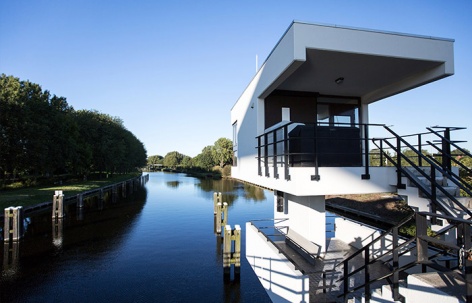
SWEETS是阿姆斯特丹一家拥有28间独立桥梁房屋的新锐酒店。这些桥屋始建于1673到2009年间,风格迥异但都沿着阿姆斯特丹市内的运河而建。受桥梁控制集中化的影响,桥屋不再作为当地桥梁管理员的工作空间。于是,SWEETS集团便将它们改造为具有独特内饰和多种建筑历史风格的独立酒店套间。
SWEETS hotel is a new hotel that is dotted across Amsterdam in 28 different bridge houses, built along and on Amsterdam’s canals between 1673 and 2009, each one designed in the architectural style of its building period. Due to the centralization of bridge control, the bridge houses lost their original purpose of working space for Amsterdam’s bridge keepers. SWEETS hotel reuses this industrial heritage by transforming the bridge houses into stand-alone hotel suites with unique interiors, designed with the architectural history of the tiny building in mind.
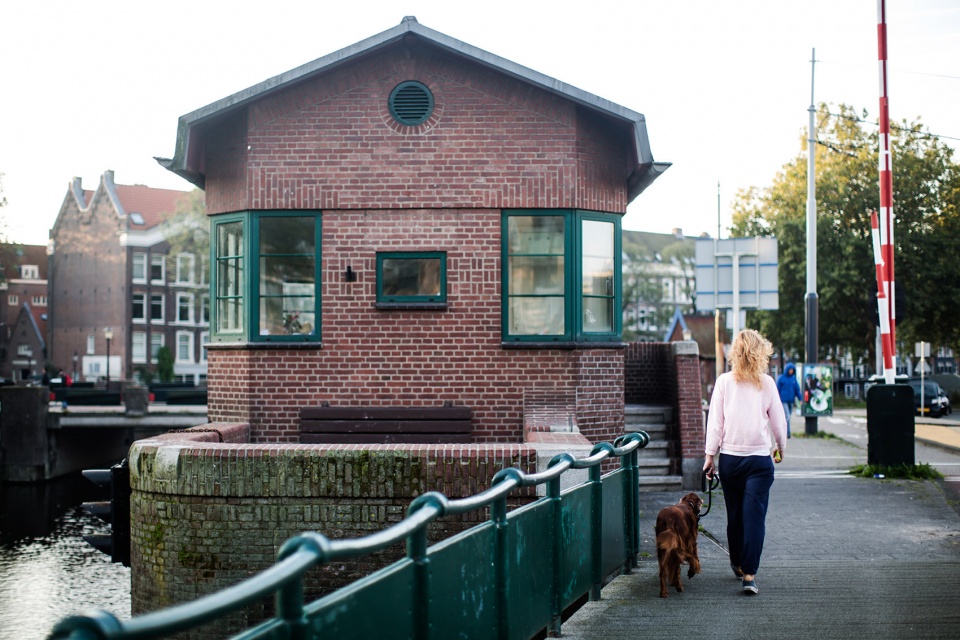
▼建于运河之上的桥梁房屋,the bridge houses built over canals © SWEETS hotel
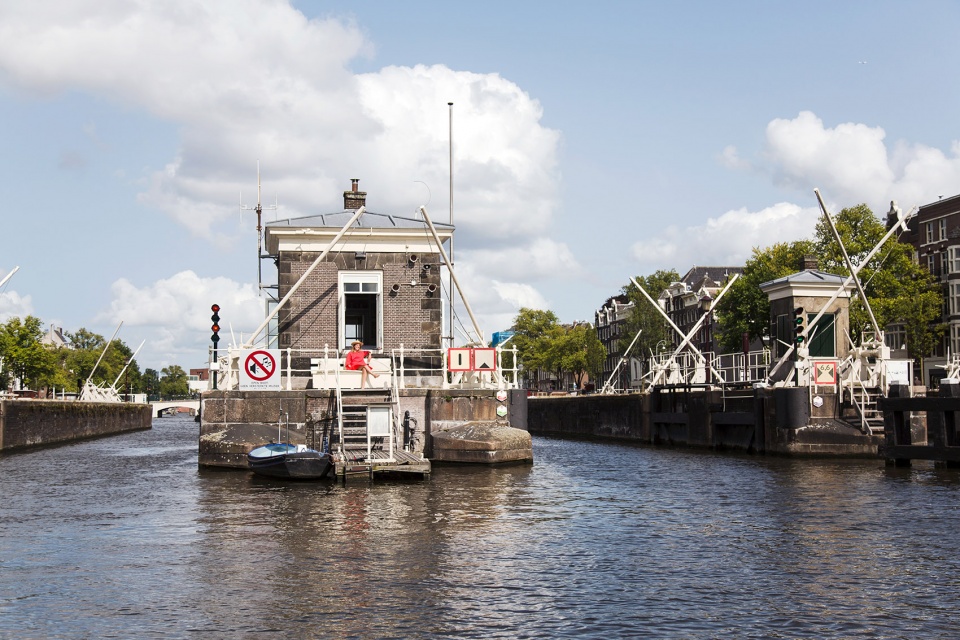
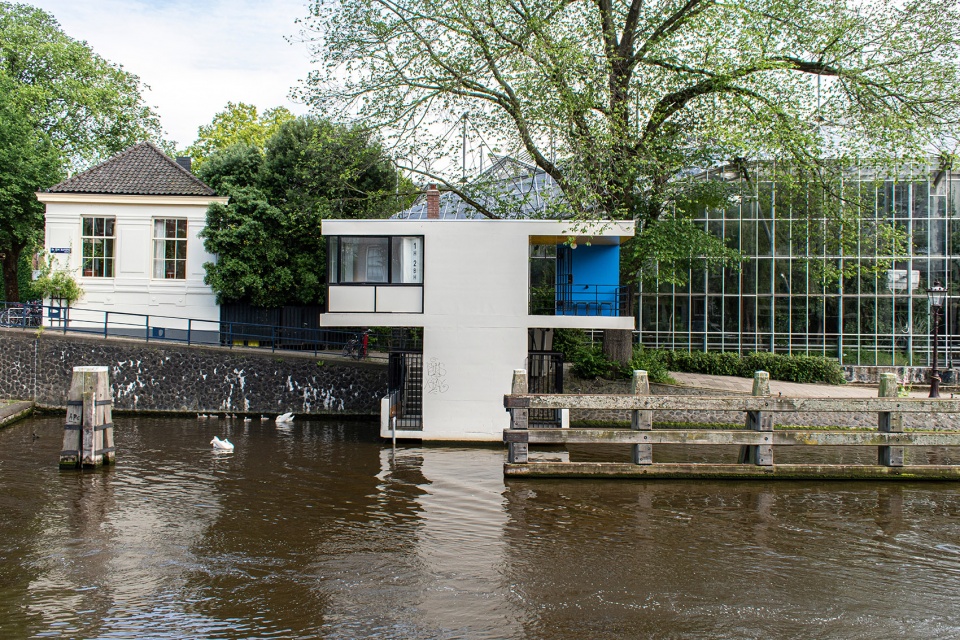
▼桥梁房屋形态各异,bridge houses vary in shape © SWEETS hotel
阿姆斯特丹的桥梁房屋
Amsterdam’s bridge houses
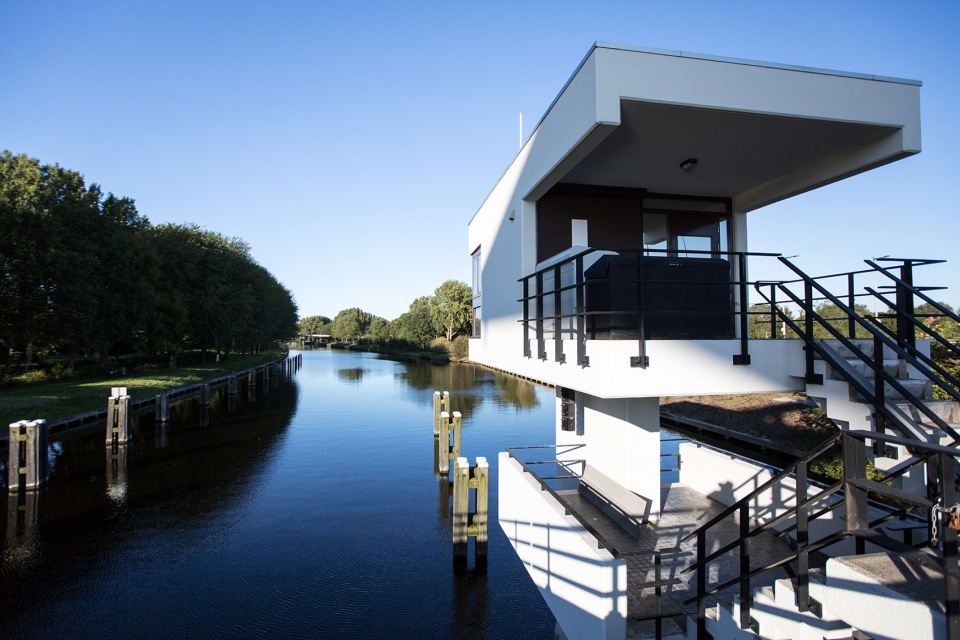
几个世纪以来,阿姆斯特丹的桥屋容纳了大量通过开放桥梁来控制水运的城市桥梁管理员。这些有着悠久历史和不同建筑风格的房屋,既展示了城市的发展变化,也反映出当时的人们对城市发展的看法。许多桥梁和桥屋更是由Hendrik Petrus Berlage和Pieter Lodewijk Kramer等著名的荷兰建筑师亲手设计。
For centuries, the bridge houses of Amsterdam accommodated the city’s bridge keepers, who are responsible for opening the bridges for passing water traffic. With building dates between 1673 and 2009, the bridge houses carry an extensive history. Their various architectural styles show how the city developed and grew when new quarters were built and how people thought about city development at that time. Many bridges and bridge houses are designed by renowned Dutch architects, such as Hendrik Petrus Berlage and Pieter Lodewijk Kramer.
▼拥有悠久历史和不同建筑风格的桥屋,bridge houses with a long history and different architectural styles © SWEETS hotel
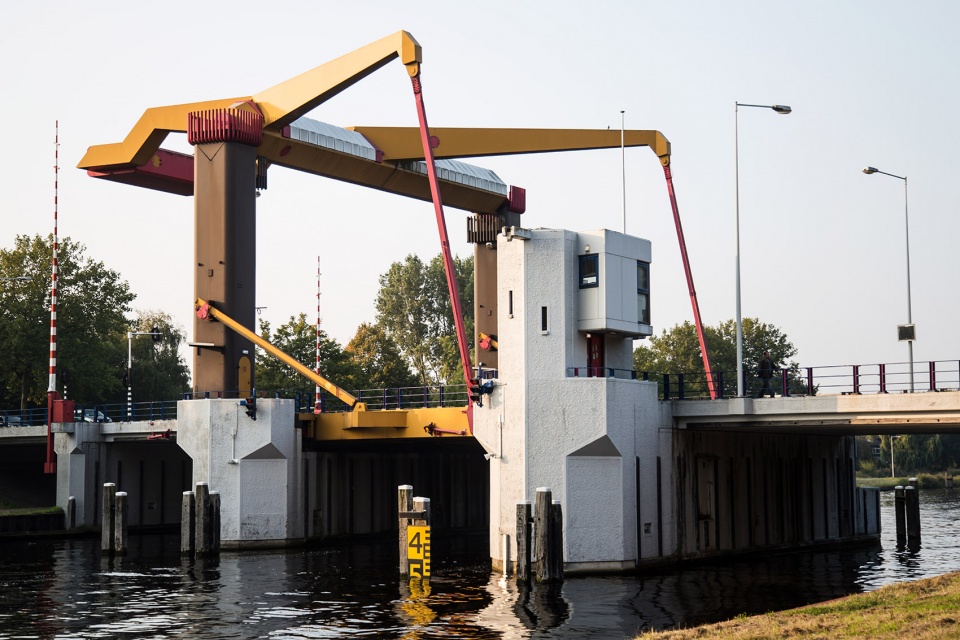
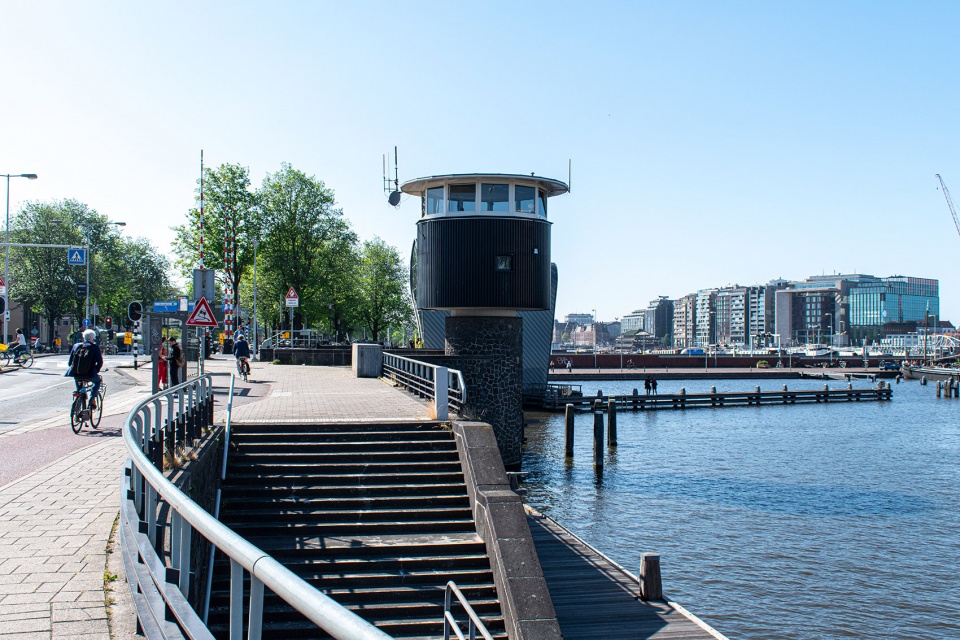
▼桥屋附近,行人和车辆来来往往,near the bridge house, pedestrians and vehicles come and go © SWEETS hotel
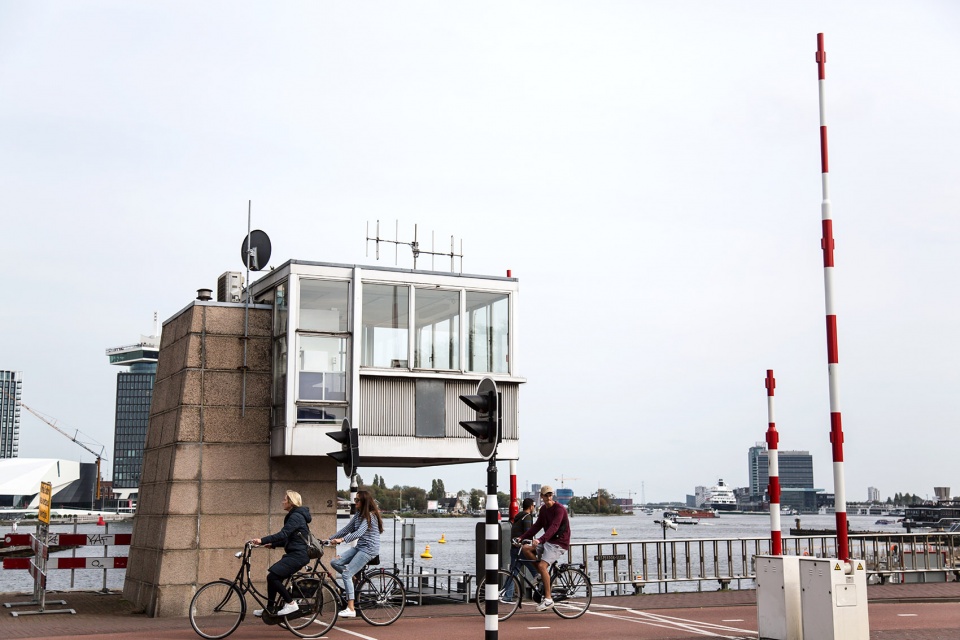
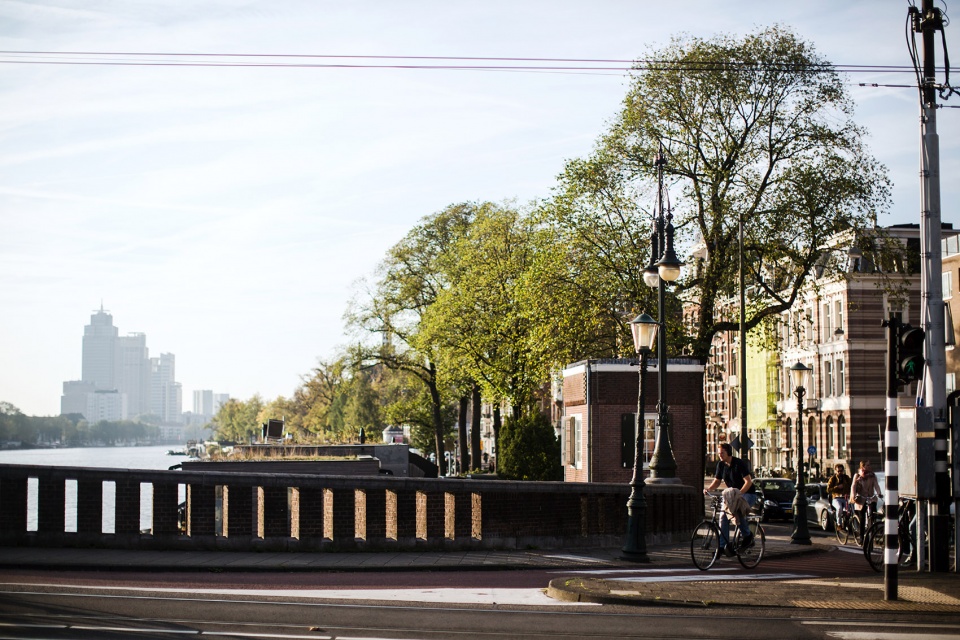
工业遗址的再利用
Reusing industrial heritage
2012年阿姆斯特丹市政当局将桥梁收回并集中控制的决定,使得桥屋失去了最初的用途。SWEETS酒店的出现,恰好为这一工业遗址注入了新的活力。这些10平米左右的房屋虽然最初并非是为了人们在此沐浴和过夜而打造的,但经过改造后的双人套房都统一配备了淋浴、卫生间和食品柜,两桥连屋的套间更是配有厨房。28座桥屋之前所具备的功能以及所处的特殊位置,让所有入住的游客均可观赏到阿姆斯特丹运河的绝美全貌。
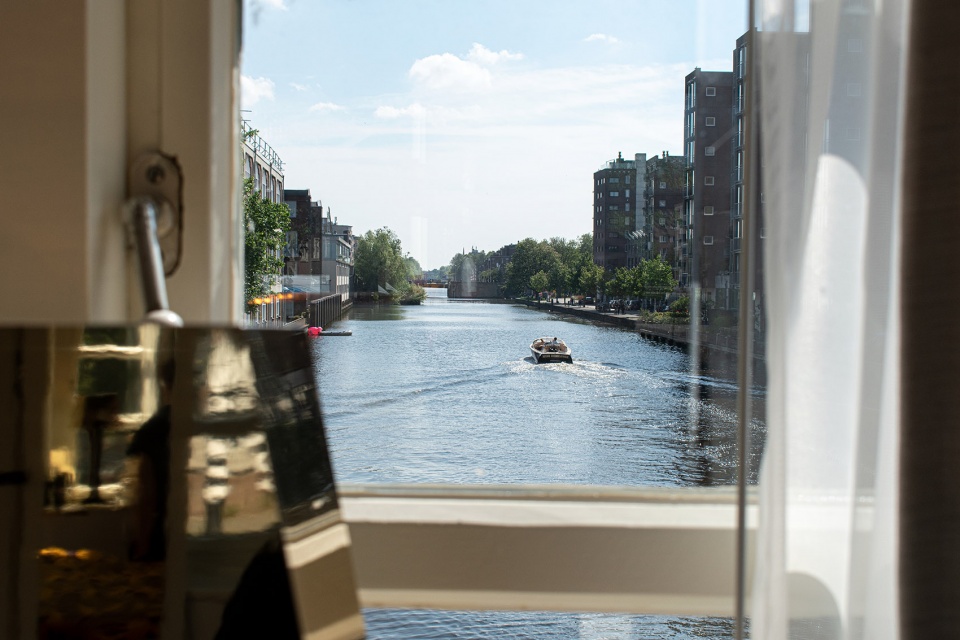
In 2012, the municipality of Amsterdam decided to centralize bridge control, which made the bridge houses – often registered monuments – lose their original purpose. SWEETS hotel gives new life to this industrial heritage. Although the tiny houses – some with a floor size as small as 10,5m² – were not designed for people to sleep and shower in, the 2-person hotel suites are now all equipped with a shower, toilet and pantry. Two bridge houses are furnished with a kitchen. Because of their former function and particular locations, all 28 bridge houses have a panoramic and far-reaching view across the canals of Amsterdam.
▼桥屋外貌,exterior views of the project © SWEETS hotel
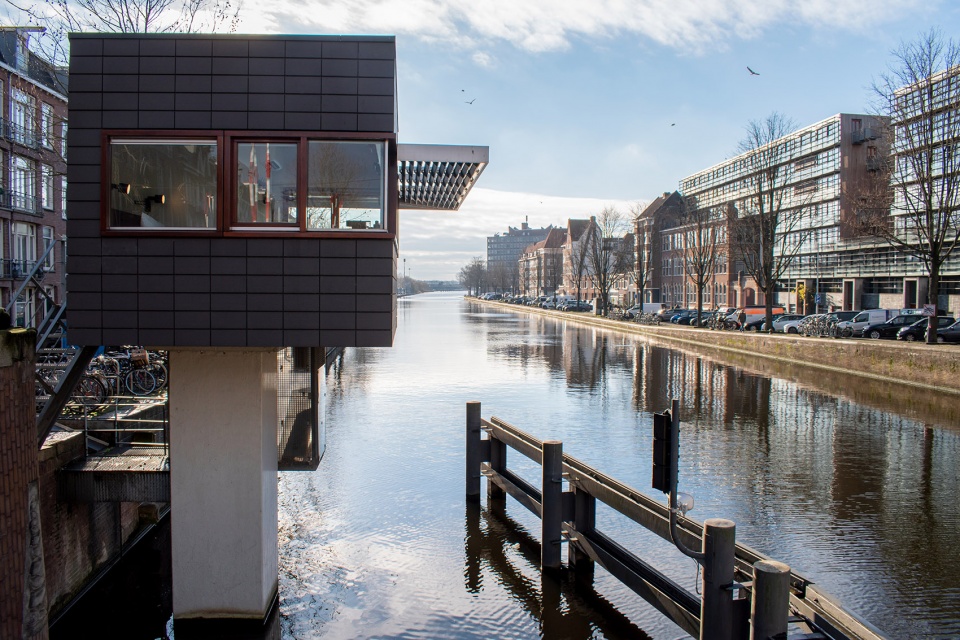
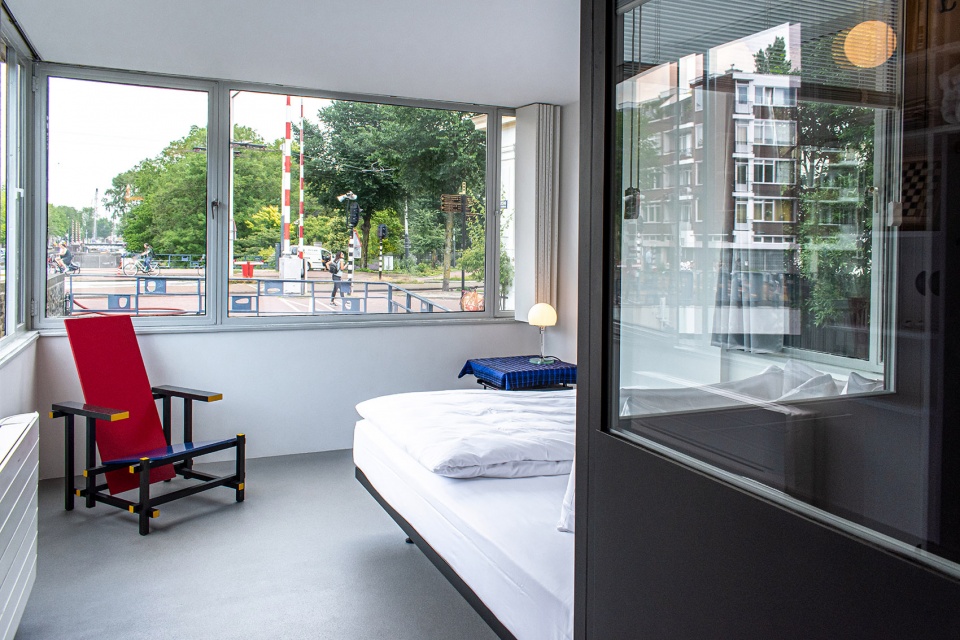
▼拥有绝佳景观的房间,the room with a great view © SWEETS hotel
▼河景全貌,full view of the river © SWEETS hotel
设计“圆桌会”
Design Picnics
SWEETS酒店的室内设计团队在尊重原始建筑的基础上,对每间独立桥屋的建筑历史都进行了研究。在所谓的“设计圆桌会”中,团队与所有相关的合作伙伴一起,通过讨论来决定保留或改变哪些设计元素。例如,在对始建于1673年的桥屋Amstelschutsluis进行改造的过程中,设计团队发现并保留了建筑中一些珍贵的历史遗迹。此外,研究小组还特别留意了17世纪荷兰建筑的传统、材料以及配色,以使酒店的设计达相对平衡。而桥屋“Hortusbrug”则是一间“De Stijl”(风格派)风格的标志性建筑。其室内设计的灵感源自著名的荷兰建筑师和设计师Gerrit Rietveld,设计团队在尊重大师原迹的同时,也对一些典型的Rietveld元素进行了创新。
With respect for the original architects, the interior design team of SWEETS hotel researches and reacts to the architectural history of each individual bridge house. During so-called ‘design picnics’ on location, together with all the involved partners, the team chooses which elements to preserve and which to play with. For example, some historical remnants were found during the renovation process of bridge house ‘Amstelschutsluis’ (built in 1673). SWEETS hotel’s design team kept these remnants intact as much as possible. Moreover, the team researched the 17th-century Dutch traditions and the use of materials and colours, of which the results were balanced out with contemporary elements. For the interior of bridge house ‘Hortusbrug’, a tiny architectural icon in the style of ‘De Stijl’, the design team took their inspiration from famous Dutch architect and designer Gerrit Rietveld, playing with typical Rietveld-elements while respecting his legacy.
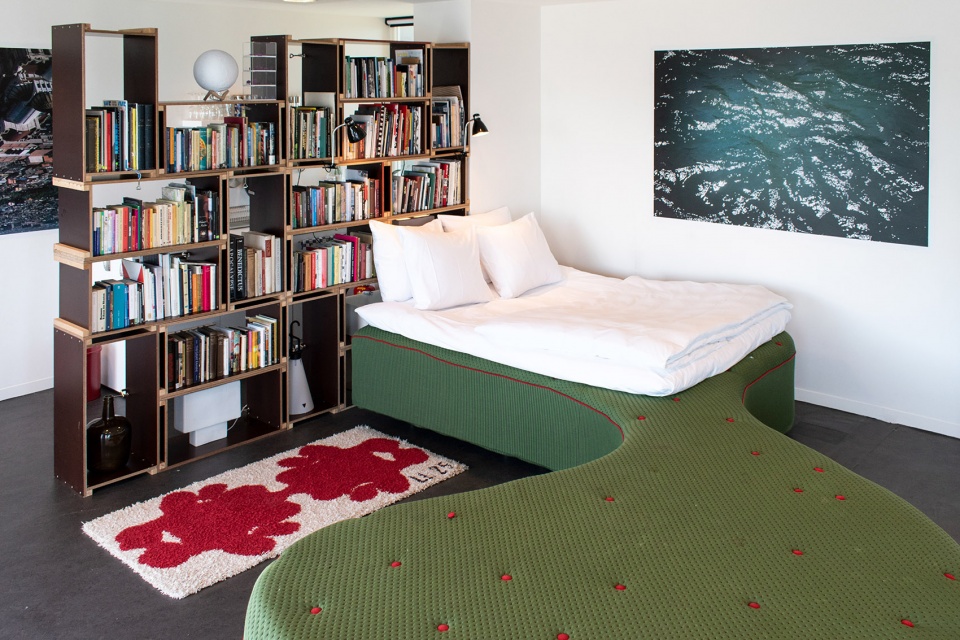
▼拥有独特设计风格的室内空间,interior space with unique design style © SWEETS hotel
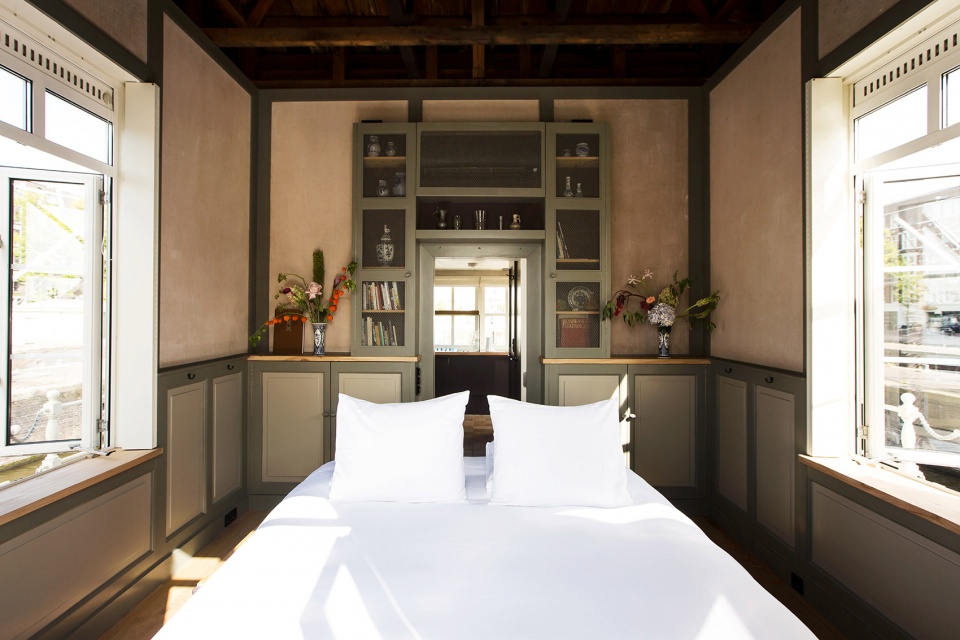
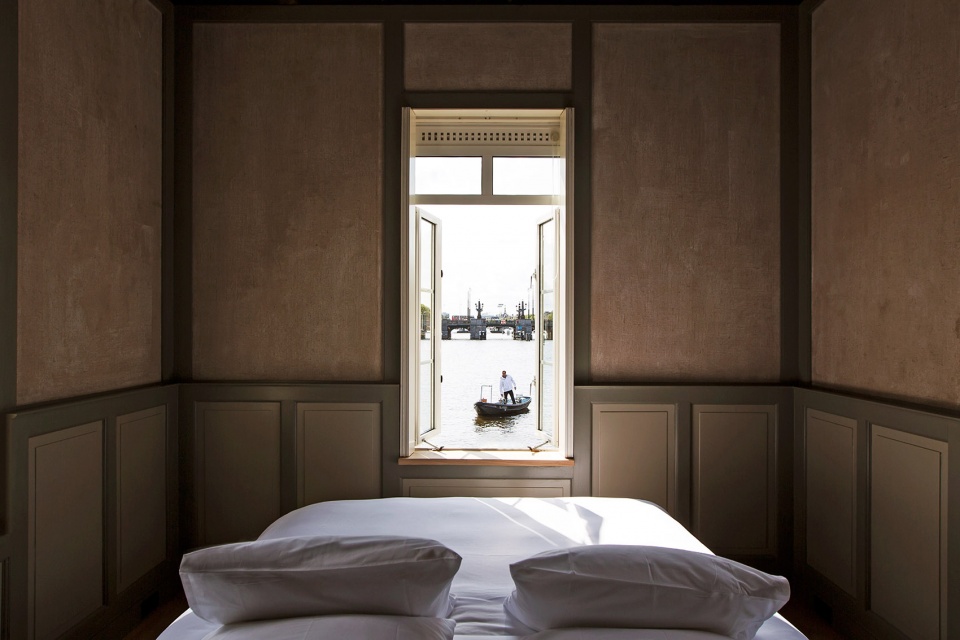
▼以翠绿为色彩基调的内饰空间,interior space with emerald green as the fundamental color © SWEETS hotel
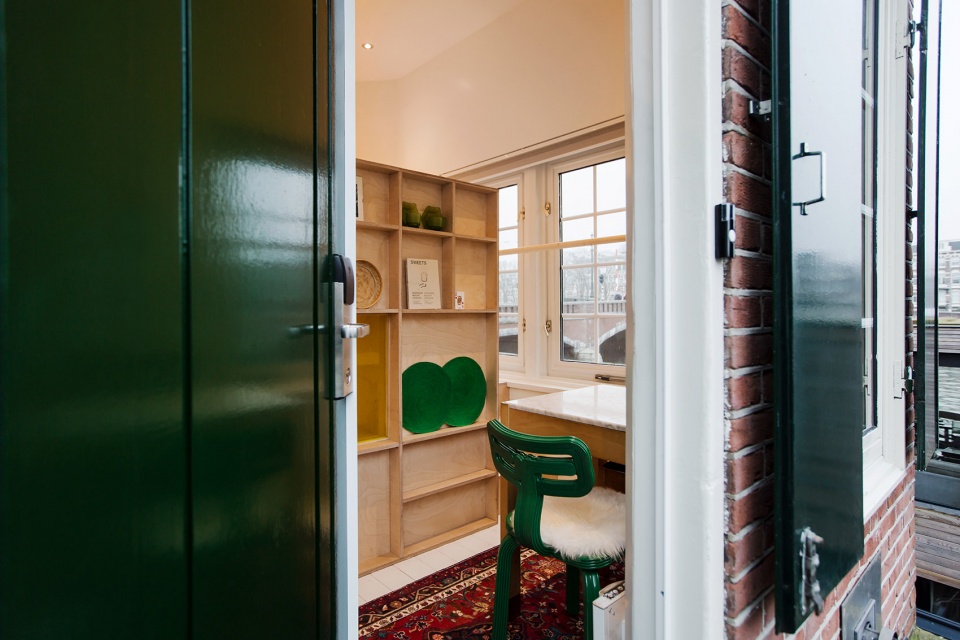
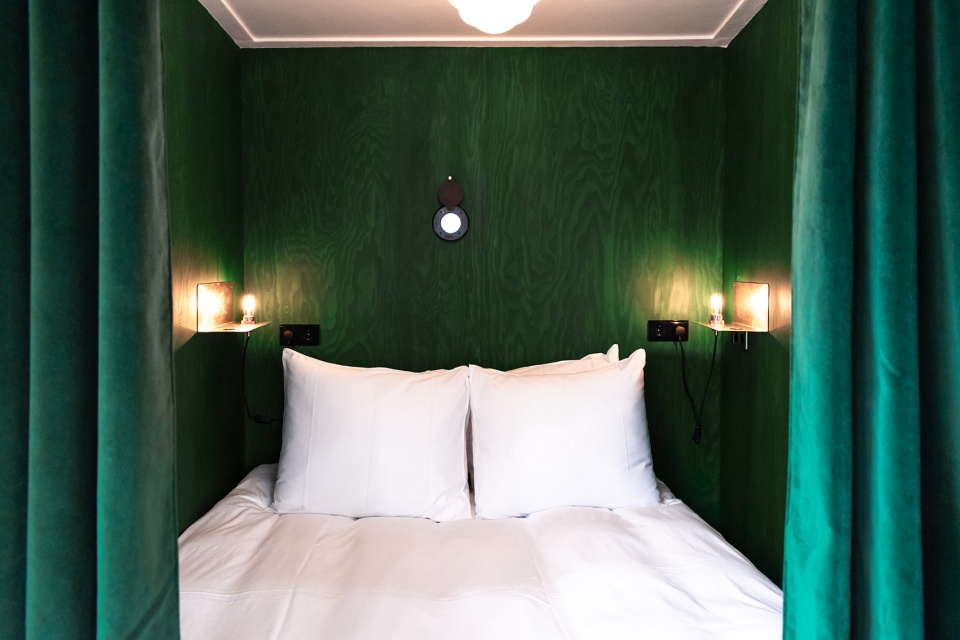
▼中世纪荷兰传统与现代设计元素相融的居住空间,a living space where medieval Dutch tradition and modern design elements blend © SWEETS hotel
探寻别样的邻里环境
Exploring different neighbourhoods
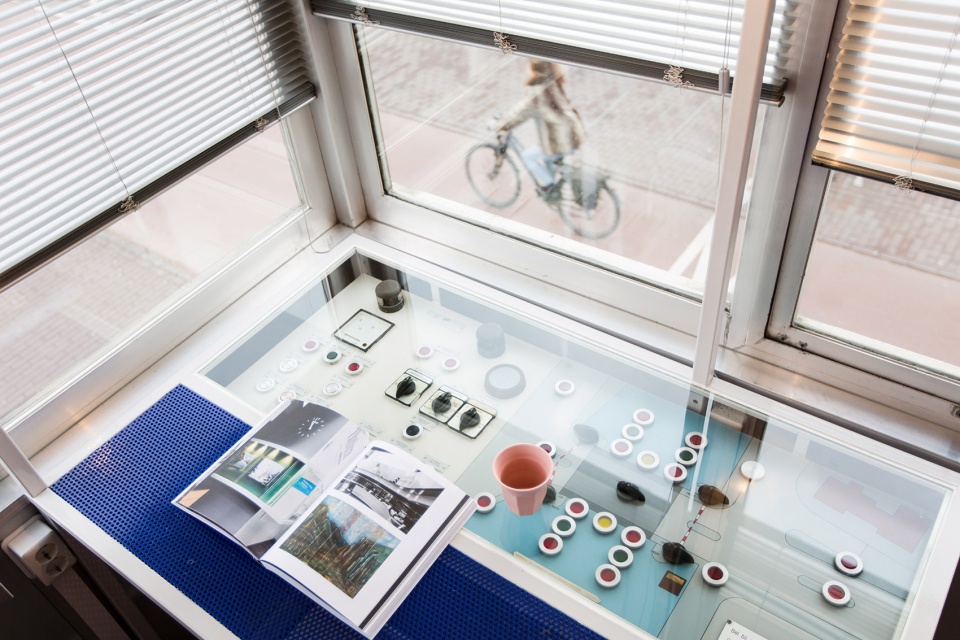
阿姆斯特丹市就像SWEETS酒店的大堂:在每间桥屋的电子屏上都有自制的邻里指南。SWEETS酒店鼓励客人们去探索周围的环境、发现拥挤人潮之外的城市另一面。在导览的指引下, SWEETS酒店刺激了当地多个地区的商业活动,带动了经济的繁荣发展。
The city of Amsterdam is SWEETS hotel’s lobby: with the self-composed Neighbourhood Guide on the electronic tablet in every bridge house, SWEETS hotel encourages guests to explore the neighbourhood and discover different sides of Amsterdam, mostly outside the crowded city centre. With the guide, SWEETS hotel stimulates local businesses in many different areas of the city.
▼从室内看向窗外,view to the outside © SWEETS hotel
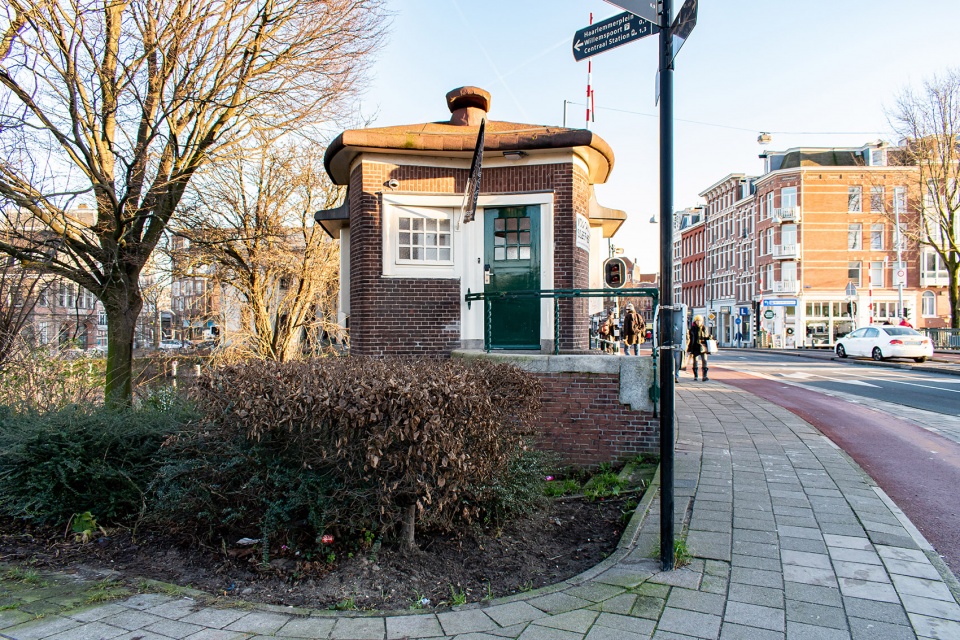
▼周边环境,the surroundings © SWEETS hotel
More: SWEETS hotel







就这路边河边,不会很吵吗?这个概念确实很新颖。
概念非常吸引人,但是总觉得改造不够精彩……不知道这是不是保留历史遗迹的代价?
改造前的建筑底子就非常棒,而且都有着类型建筑的鲜明特点。所以建筑改造首要目的是尽可能释放这些桥屋原本的美感。
蛮不错,小而有趣