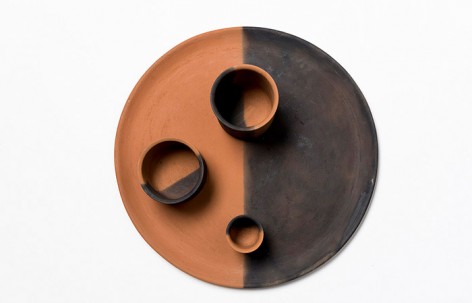
来自Liliana Ovalle对gooood的分享。更多请至:Liliana Ovalle on gooood
伦敦设计师Liliana Ovalle联手墨西哥瓦哈卡一个致力于设计师与工匠合作的高品质陶瓷平台:Colectivo 1050º,共同打造了这系列“明火陶瓷”。
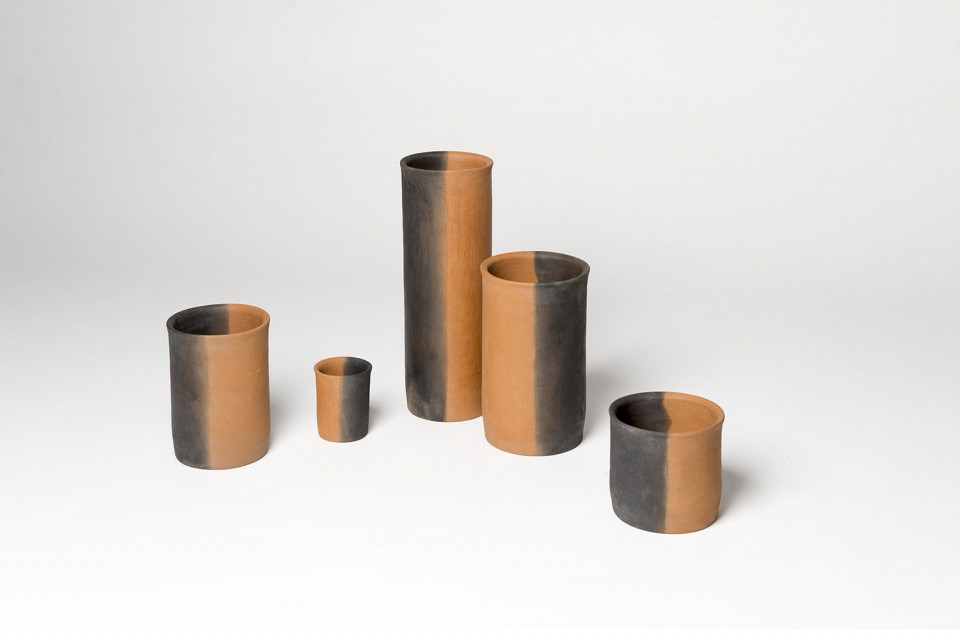
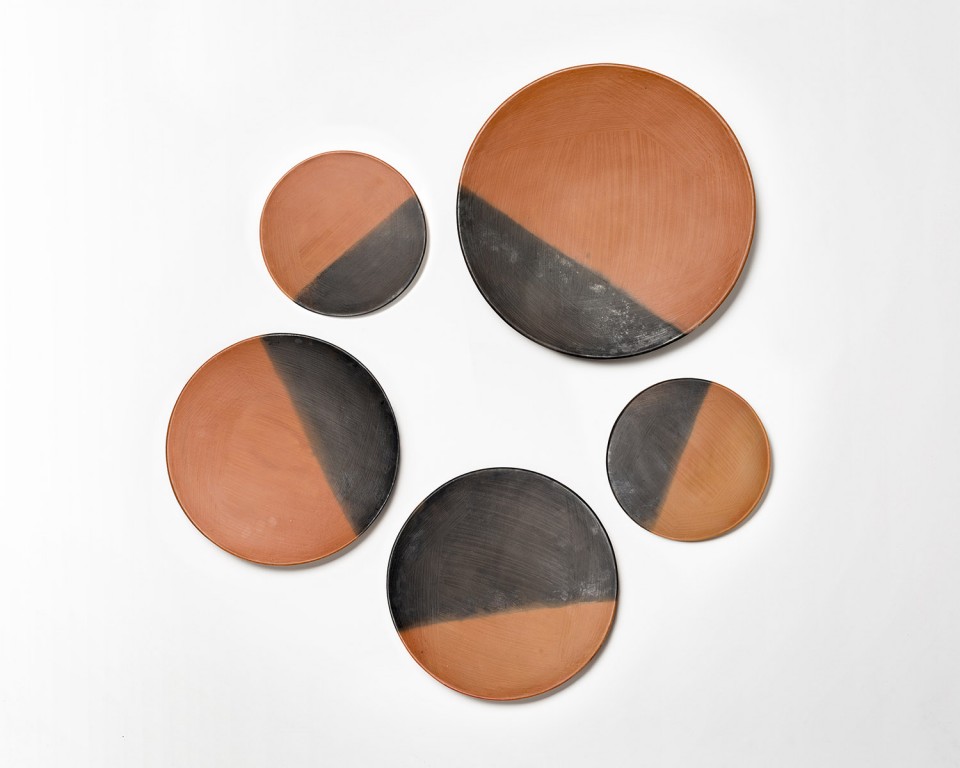
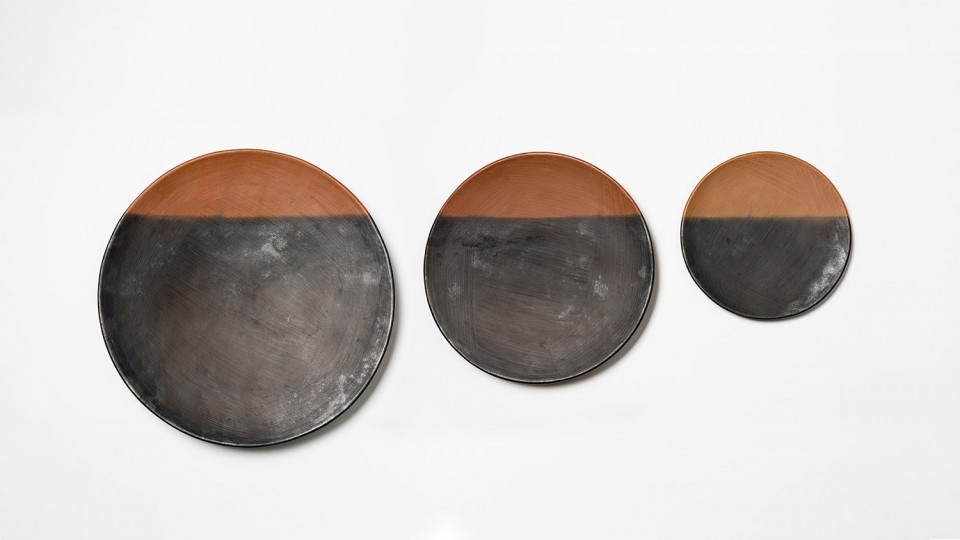
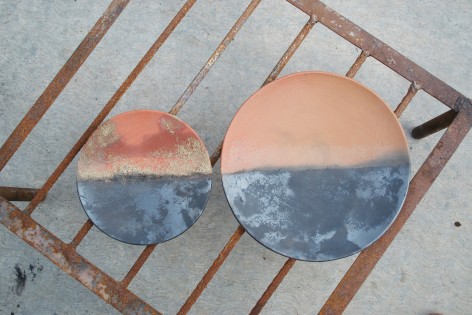
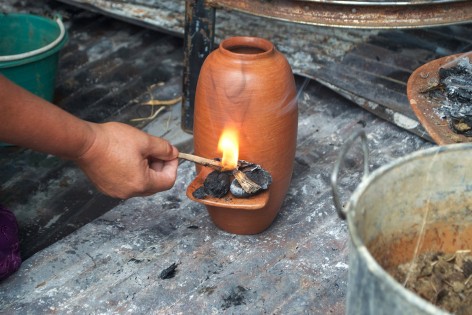
Liliana Ovalle将烧制好的红色黏土陶瓷一部分用沙土掩盖保护,另一部分则暴露并放上燃烧的物料,最后暴露的部分被留上永久的黑色印记,而被保护的部分依旧红色如艳。
所有的材料来自本地,也在当地制作完成。
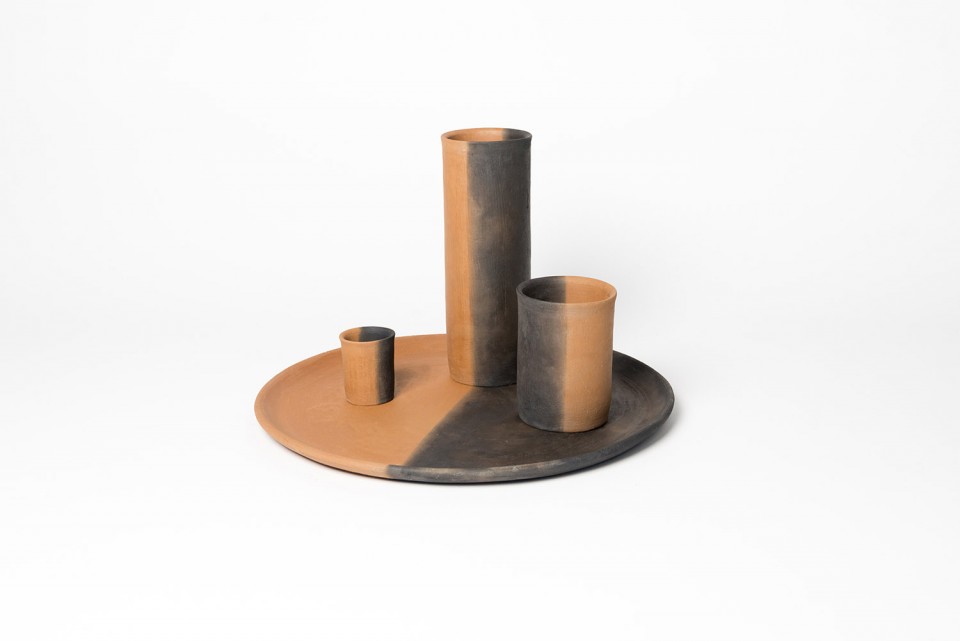
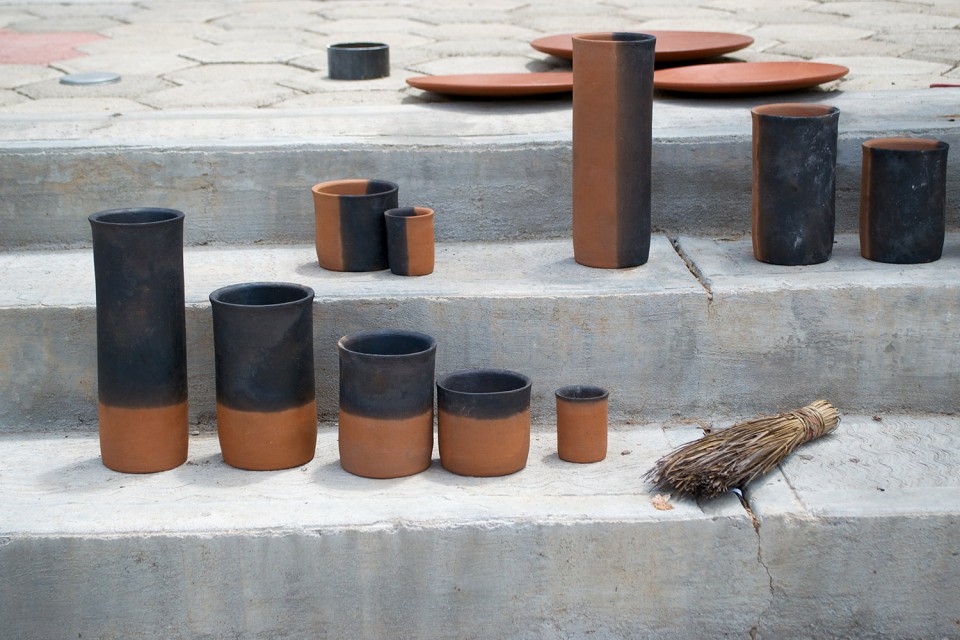
Open Fires features the latest explorations by Liliana Ovalle and Colectivo 1050¼ around the firing process used in vernacular ceramics in Oaxaca. The project comprises a variety of exercises where clay pieces are fired in particular geometric setups created with sand, dung and agave leaves. Each composition acquires black traces of smoke and coal, a permanent imprint of the fire they were exposed to.
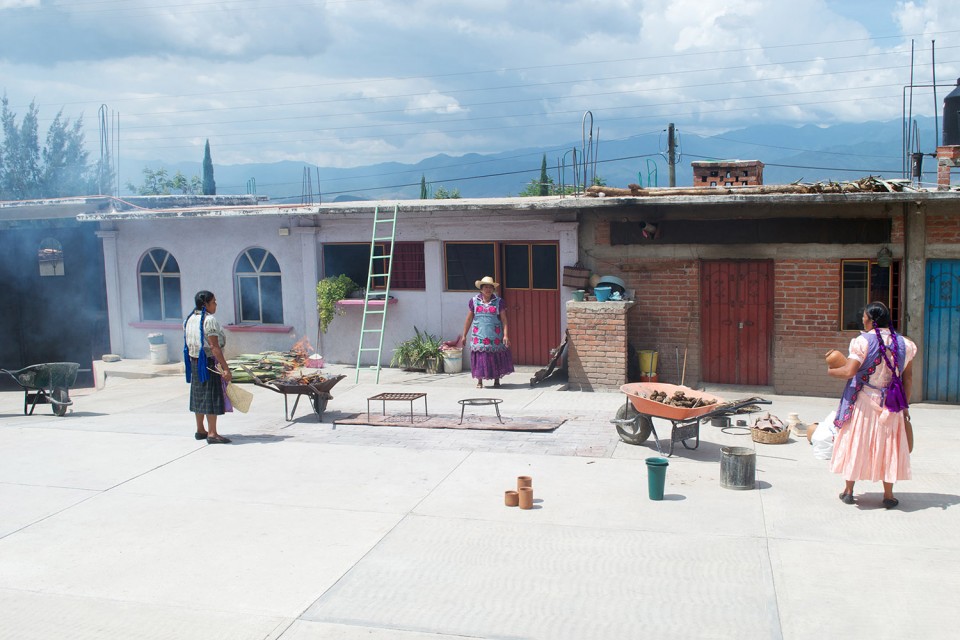
The clay pieces were formed by the artisans Mujeres del Barro Rojo, a family of female ceramist in Tlapazola who inherited ancestral local techniques for utilitarian red clay pottery, a craft that is nowadays struggling to endure. All the ceramics are shaped by hand using a combined technique of coils that are stretched into shape with a corncob. The pieces subsequently go through two different firing processes. An initial open fire, traditionally used in the region, hardens the pieces and makes them stable. In the second stage Ovalle worked closely with the artisans creating different setups for individual contained fires to imprint a black smoked finishing. All the materials used in the clay and the firing process are sourced locally by the artisans.
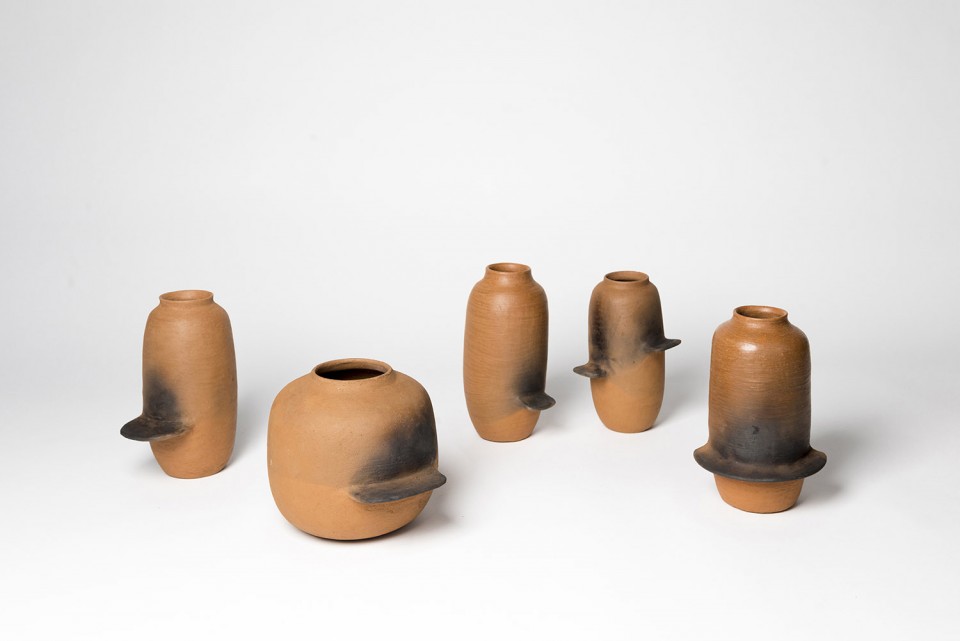
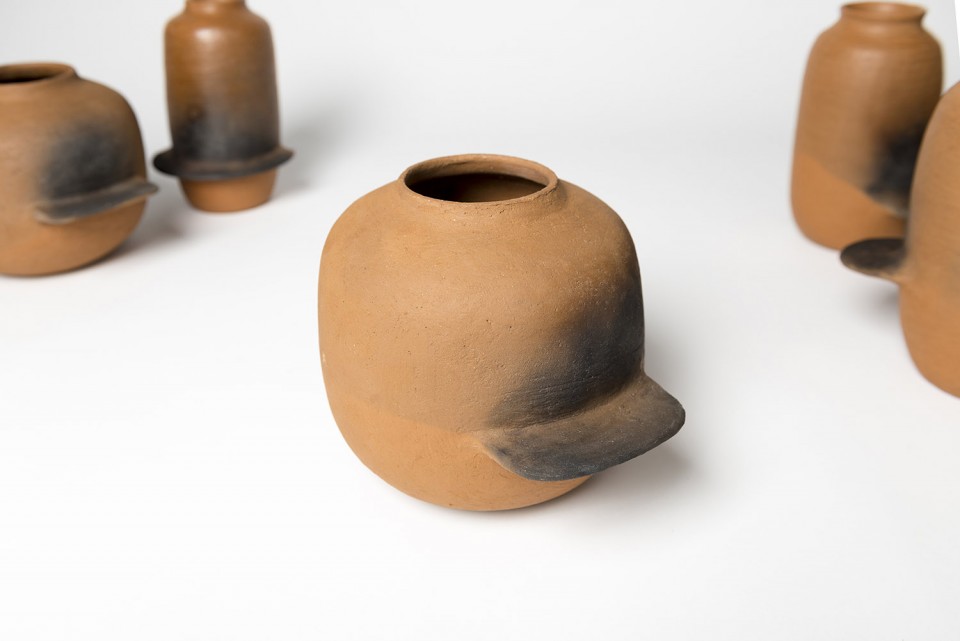
Exercise No. 1 – Vases
The vases are designed with flat extensions that are used to place dung and other combustible materials to create a small contained fire. The imprinted black traces remain as an indication of the intensity and direction of the flames.
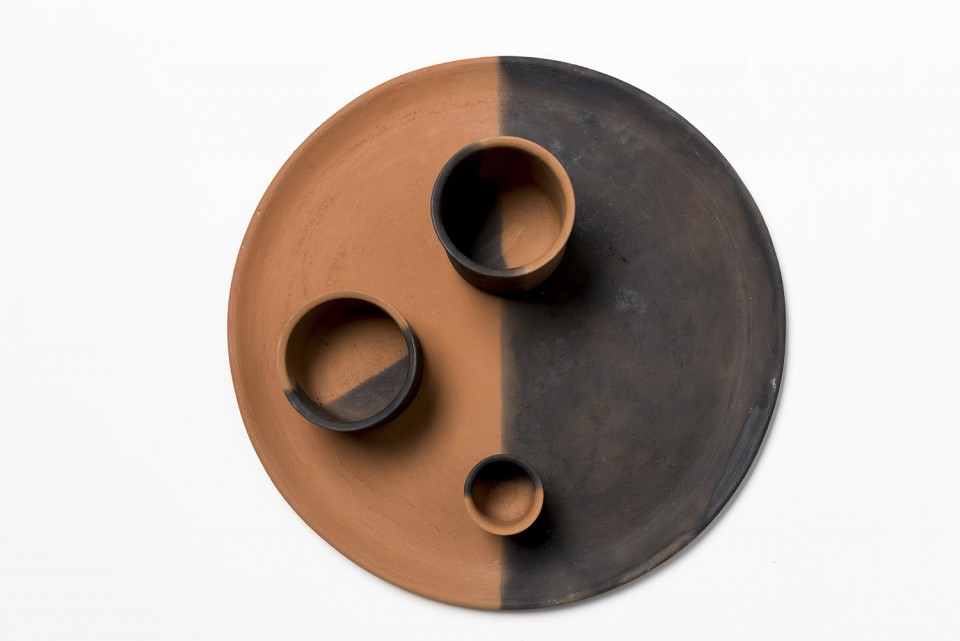
Exercise No. 2 – Plates (Comales)
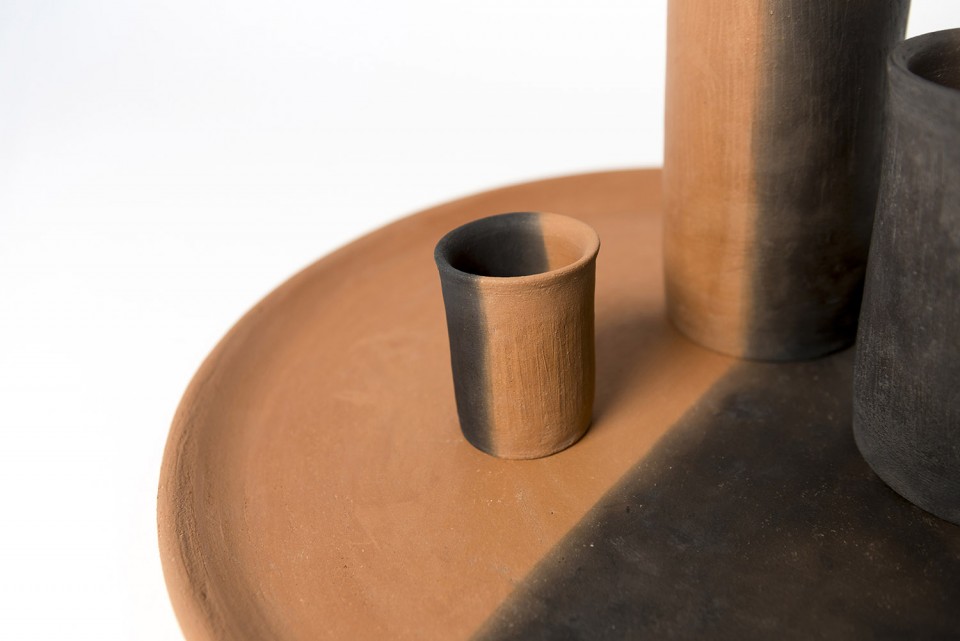
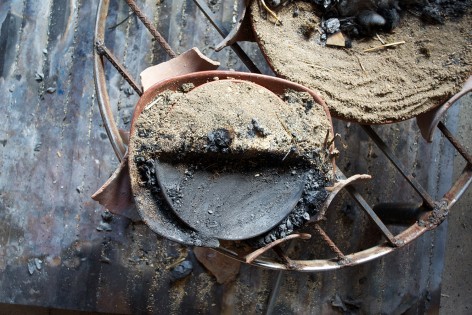
The plates, based on the traditional cooking plate comal, are partially masked with sand. The remaining area is covered with dung and agave leaves that combust into an open fire. The resulting pieces display a contrast between intense black smoked tones and bare red clay.
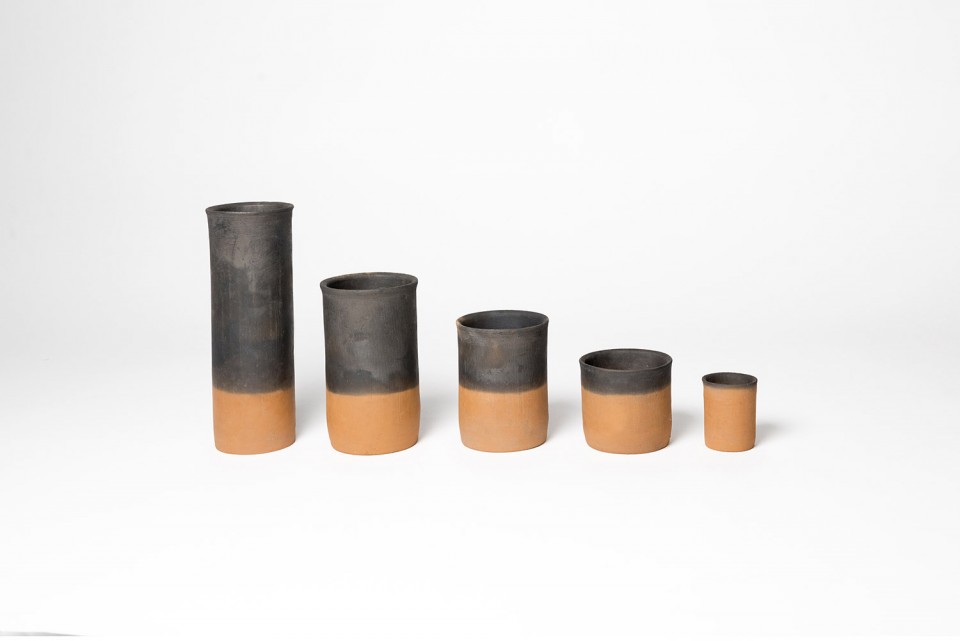
Exercise No. 3 – Cylinders
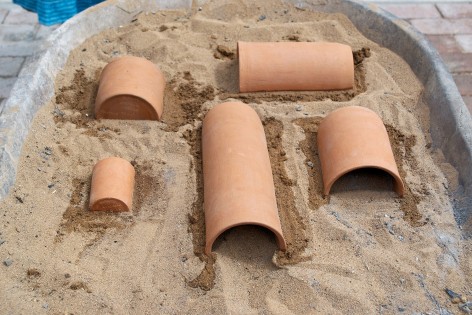
In a similar process to the plates, the cylinders are partially dug into a pile of sand in vertical and horizontal position. The final pieces are marked with a defined line along the interior and exterior of the shapes, depending on the position they where set up for the fire.
All images © Liliana Ovalle 2015
MORE: Liliana Ovalle , Colectivo 1050º,更多请至:Liliana Ovalle on gooood







想起安徽老家的土灶台,锅底用的黄泥巴涂抹的,已经被烧得黑黢黢了,映着火光,看着比这个更带感。下次回家得记着仔细看看,拍个照片。
会掉色吗