非常感谢Noumenon将项目介绍和项目图片授权gooood发行。更多请至:Noumenon on gooood
Appreciation towards Noumenon for providing the following description:
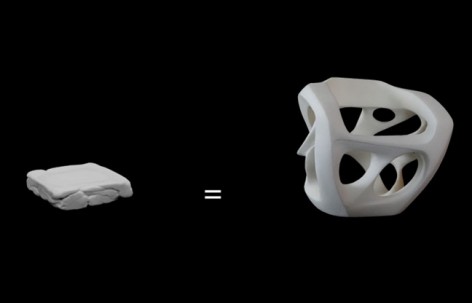
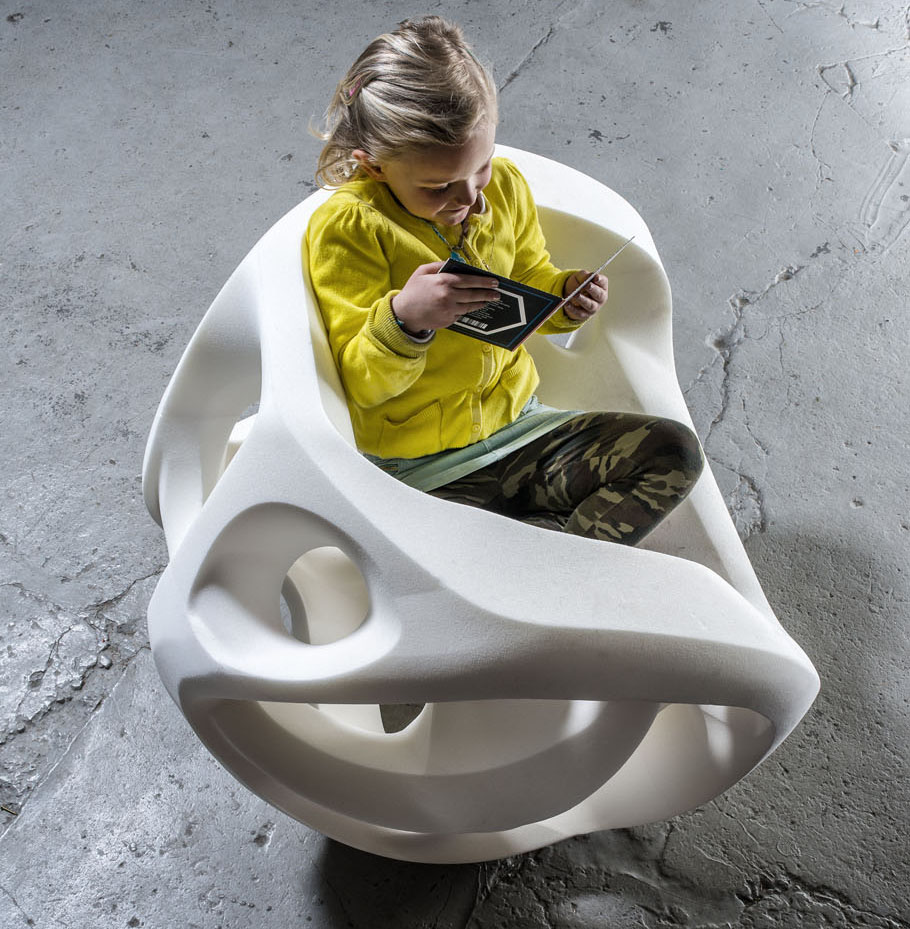
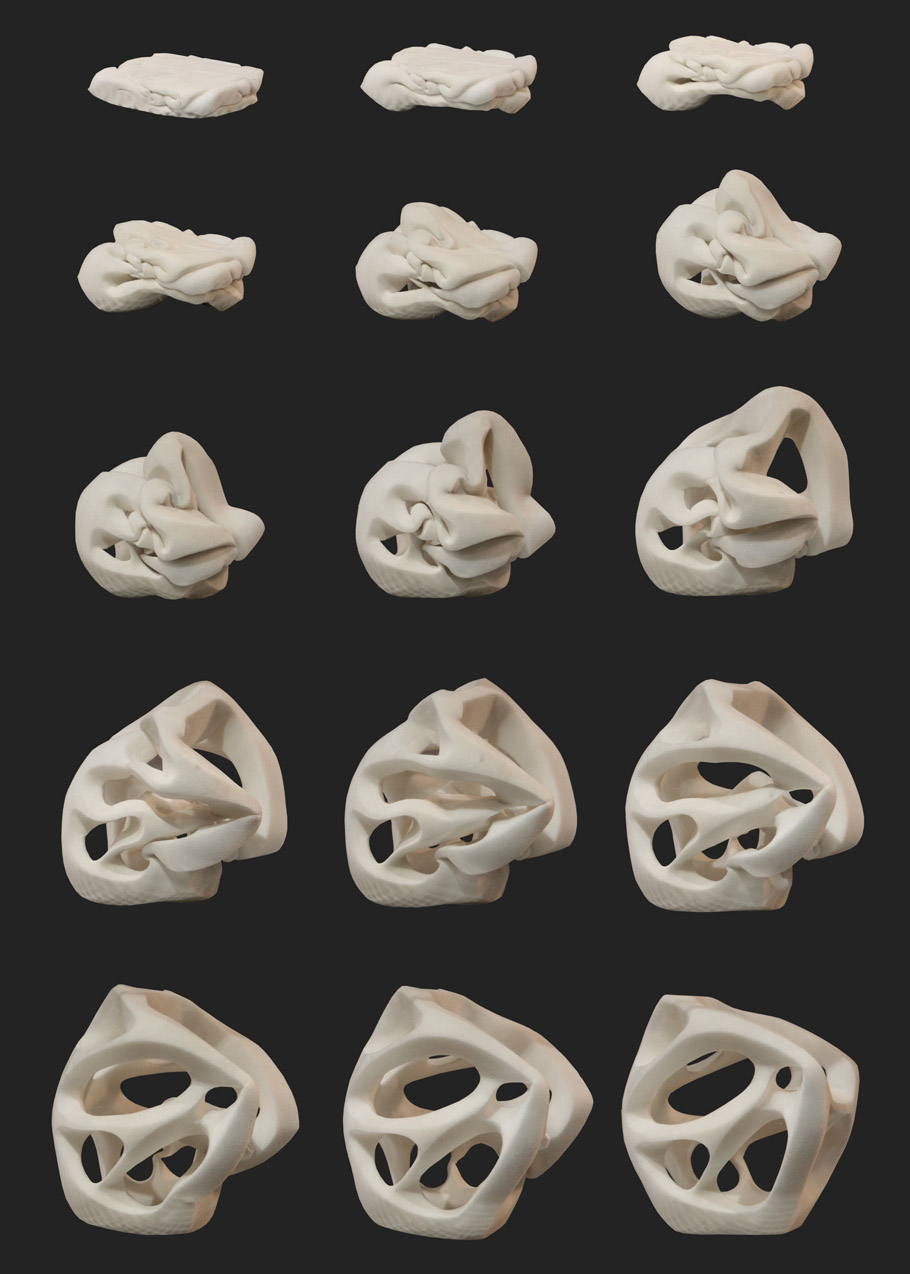
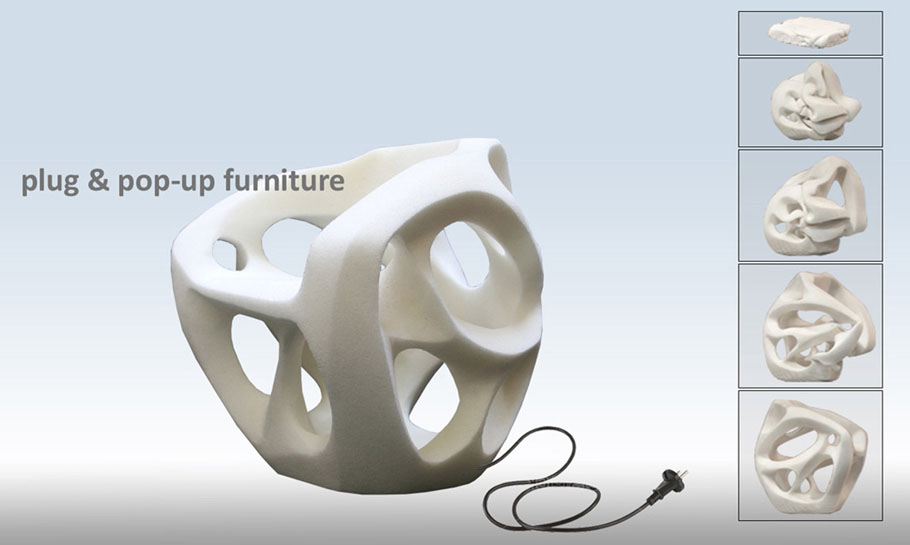
记忆家具是由具备记忆功能的聚氨酯聚合物制成。制作好的家具由特殊的压缩机器压缩成原有体积五分之一,然后用户在家通过通电加热让家具恢复原状,结实的原状。此外还有另外一个设计理念,既是让用户参与到造型设计上。设计师是Noumenon的Carl de Smet。有社论认为这样的家具成功推向市场后可以对宜家的平板运输自组装家具形成冲击,随着现代3D打印技术和其它技术的发展,家具行业的未来有可能会有不小的波动。
‘Memories of the future’ is an research project initiated by noumenon that reflects onto the landscape of new possibilities. This is not about a future hovering in the far distance, but rather about points of transition. New materials inform us about what is possible, providing the change of every aspect of design and producing ideas to come.
点击下方视频▼查看更多
In recent history, a number of design concepts around self-‐ build furniture emerged, from the classic ‘flat pack’ over ‘blow-‐up furniture’ to the ‘open source activity of 3D printing’, holding much promising avenues. But emergent design ideas can build further on the advances of new material with specific designed properties.
These so called ‘smart materials’ – shape memory polyurethane-‐ are programmed materials which can change shape, having the ability to return from a temporary shape to its original form by heating. Shape shifting, or changing the configuration of an artifact is the most challenging design, on all levels. The shape literally forms parameters and boundaries where designers and engineers work and define the visual language. When the shape shifting adaptability is fully embedded within the materiality of the product, new functionalities and a wider set of values may arise, going beyond the physical artifact and style.
The challenge here is to design the business model as much as to design the furniture that are traded in it. A well-‐designed mechanism changes the ways products are organized, distributed and used. It embraces the overall process of a product and shapes the mind into new ideas.
noumenon is currently researching promising avenues that will permit design to evoke multifunctional attributes, the stacking of one function onto another in one class of material. This research implies developing prototypes destined to become mass-‐
produced Items in the near future. An example is the small cube that changes to its programmed shape when plugged into the electricity grid. The cube will then metamorphose into a seat.
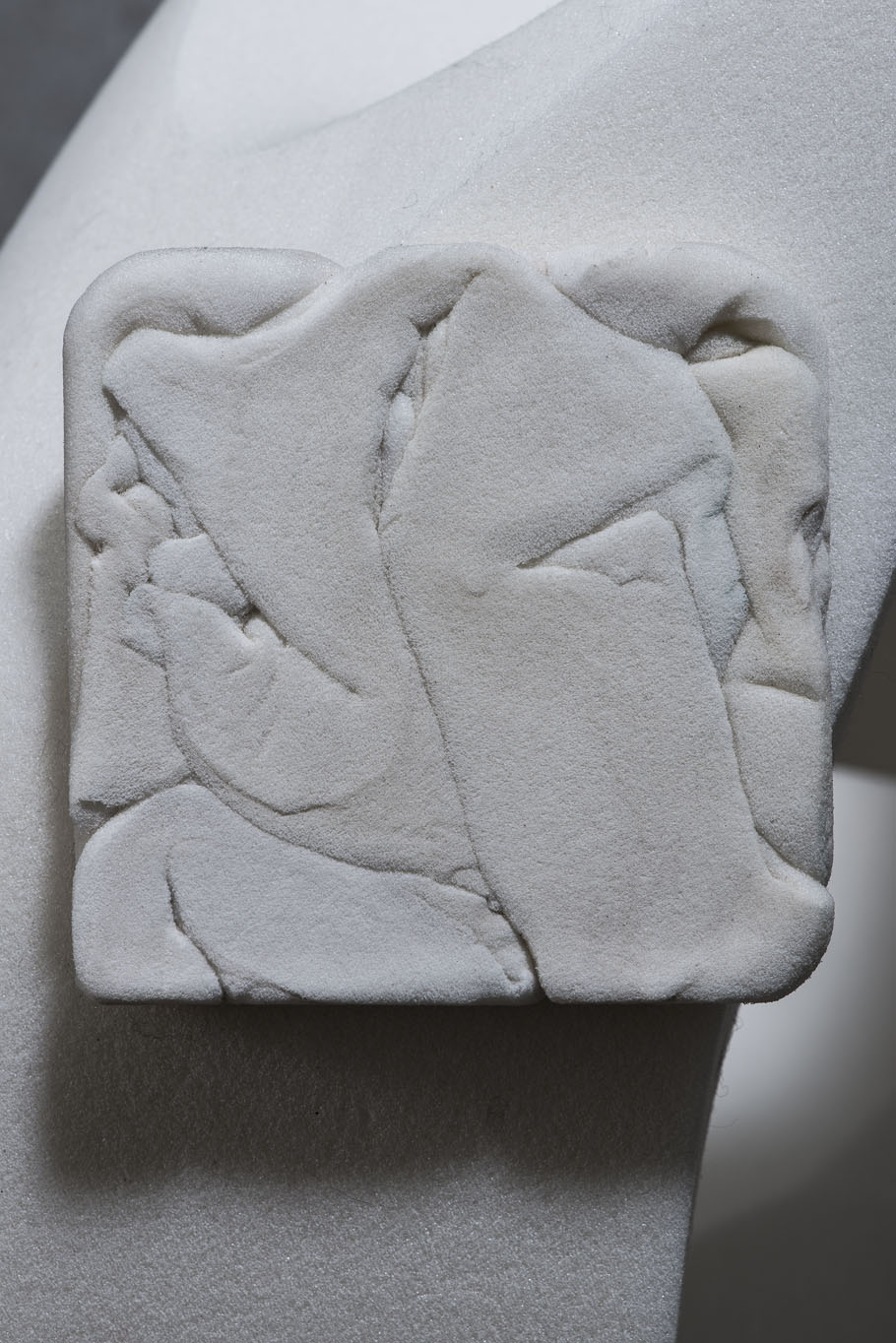
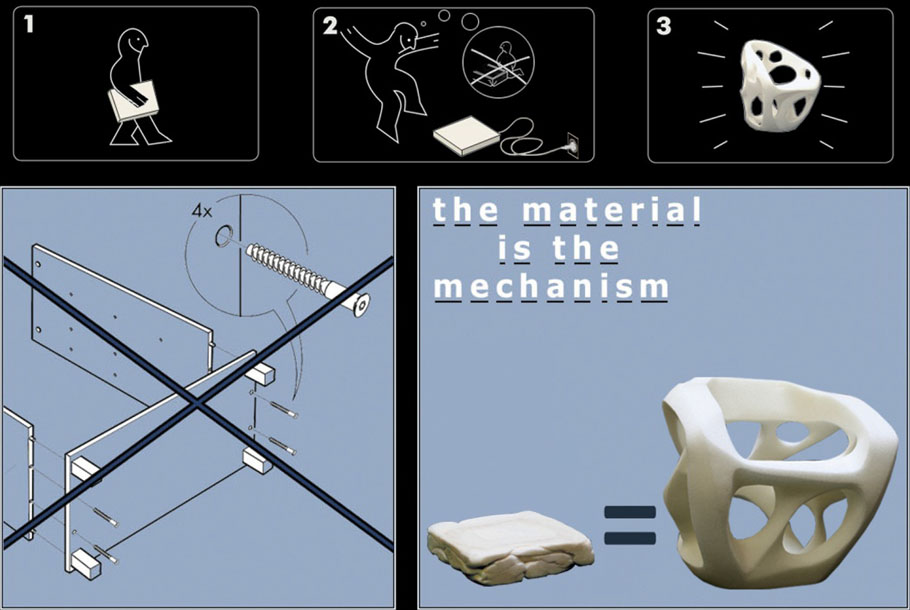
The prototype of that small cube that change itself into a armchair demonstrates the possibilities. In this concept the end product is stored in the shape memory effect of the material. In other words, the packaging and the end product are one and the same material, -‐‘the same object’. The packaging doesn’t exit; it’s only temporally imprinted , as a frozen compressed shape. The self-‐transformation, or shape changing, create another end for self build furniture. Accessories and components which were previously made to work by the self-‐assembly customer will be replaced by the potentiality of material (to reshape itself). The special assembling key (that everyone knows from Ikea) is substituted by producing knock-‐down furniture with self-‐transformation properties. The self-‐ transformation into the ‘assembled’ object is the hallmark of the new self-‐assembly furniture.
Visual representation of the characteristics of this new self-‐build furniture -‐ Link:
http://vimeo.com/52145368
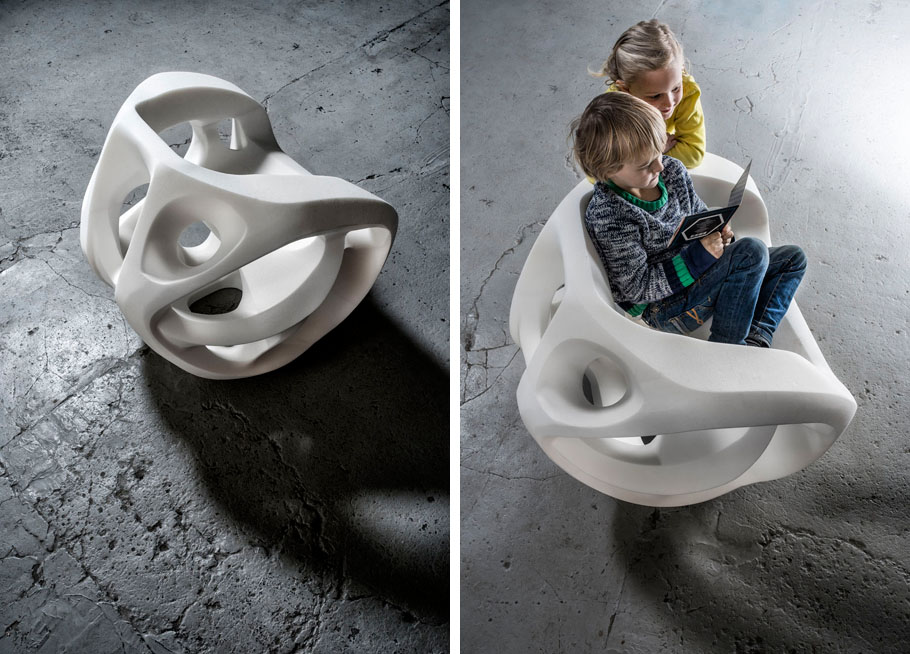
Another prototype is designed to accommodate changes in product shape. It holds the creative abilities of the end user to reshape the form at will. In this design concept the end-‐ user can remodel the shape into something else, into a new design, allowing playfulness and creative engagement from the user and having the potential to bring a long-‐lasting sense of delight by being adaptable to personal reference and needs. The design intention shits from developing a resolved product to developing e resolved
concept, allowing the final form of the product to emerge in the hands of the user.
Study of shape variations in which the end product can be reshapes. A: packaging shape(s), B:end product, the semi S-‐Shaped design has the abilities for reshaping,
C: shows two examples of possible self-‐ creations.
For the exhibition: salone internazionale del mobile 2013,Milano, noumenon developed prototypes that demonstrate how such concepts can beadapted to different uses and anticipate new design functionalities. For the first time noumenon will show a prototype of the armchair (1:1) that transform itself from packaging shape into its final product by plugging it into the electricity grid. furthermore, other prototypes will facilitate new outlines for the innovate markets.
MORE: Noumenon,更多请至:Noumenon on gooood







这个有意思。
以后家都可以随身携带了~~
帅……
不错。
问题是如果把想把它重新叠成团怎么操作?
赞
不错有钱弄一个