非常感谢设计方SUPPOSE DESIGN OFFICE + Schemata Architects 将介绍和项目图片授权gooood发行。更多请至:SUPPOSE DESIGN OFFICE on gooood + Schemata Architects on gooood。
Appreciation towards SUPPOSE DESIGN OFFICE + Schemata Architects for providing the following description:
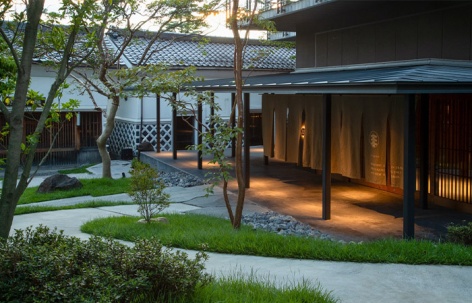
作为Design Hotels的最新成员,Matsumoto Jujo坐落于前旅馆的旧址之上,是一处以文学为灵感的度假之所,正为浅间温泉这座温泉小镇带来新的复兴能量。该酒店由两家同样引人注目却风格迥异的酒店组成——位于原有结构中的松本本箱,以及适合家庭入住的 Koyanagi——共38间客房,同时还设有书店、生活方式商店与面包房,以及一座江户时代的浴场。
A literary-inspired escape on the site of a former ryokan, Design Hotels’ newest member Matsumoto Jujo is bringing a new revitalizing energy to the hot springs town of Asama Onsen. Comprising two equally striking yet different hotels—Matsumoto Honbako in the original structure and family-friendly Koyanagi—the 38-room property also features a bookshop, lifestyle store and bakery, and an Edo-period bathhouse.
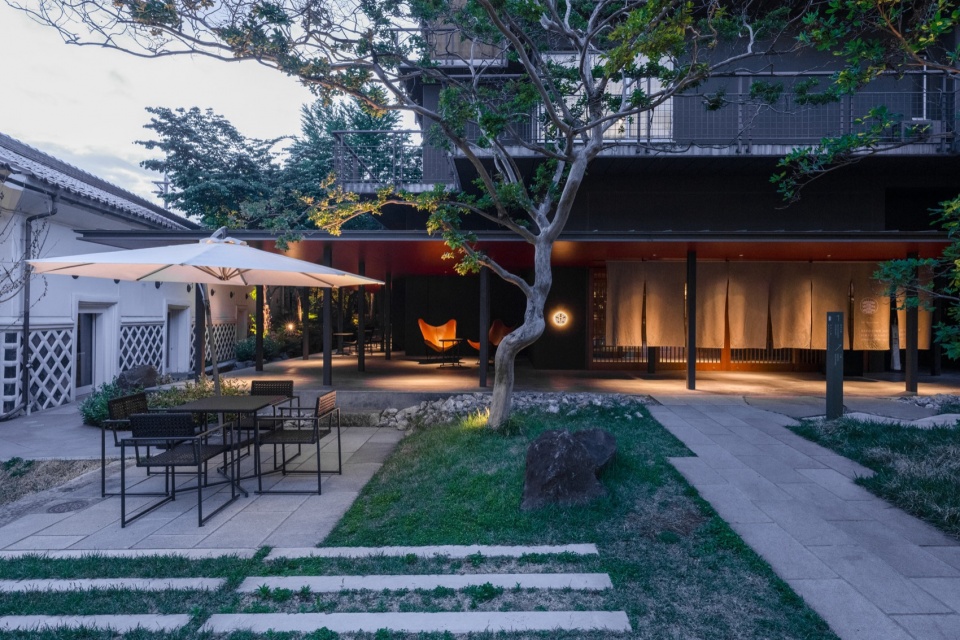
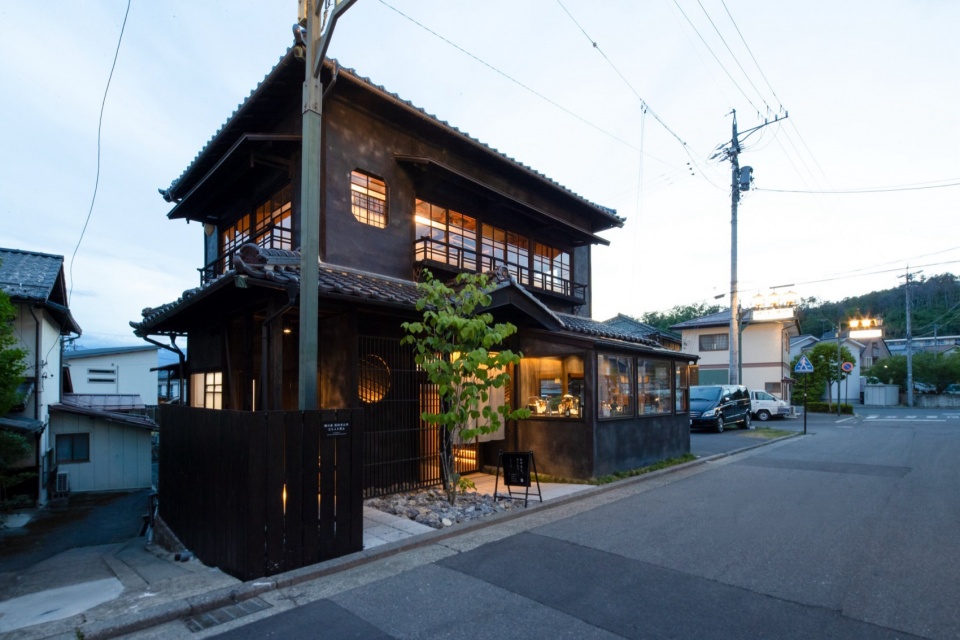
▼酒店外观,Exterior view © Design Hotels
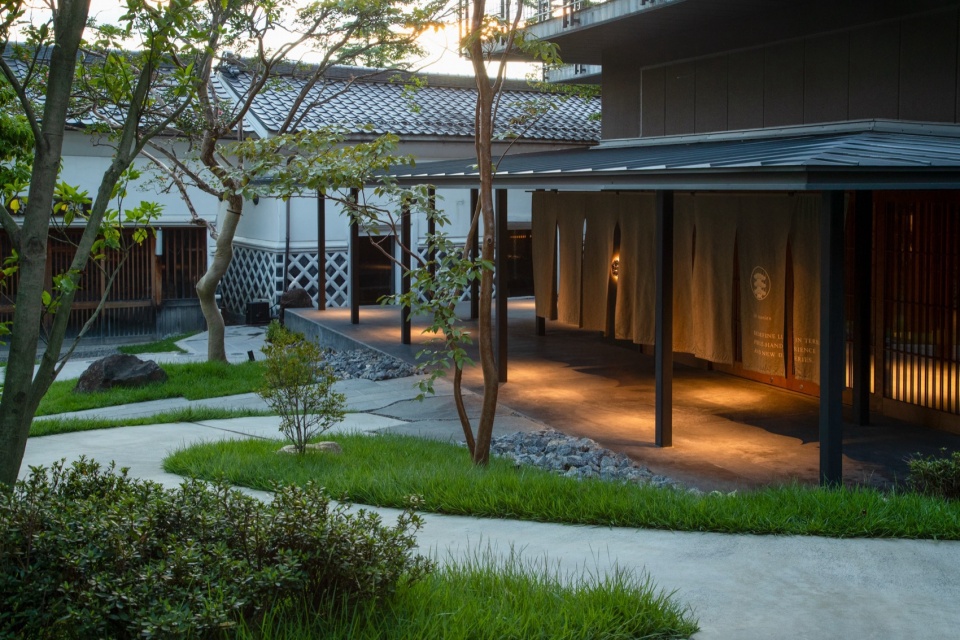
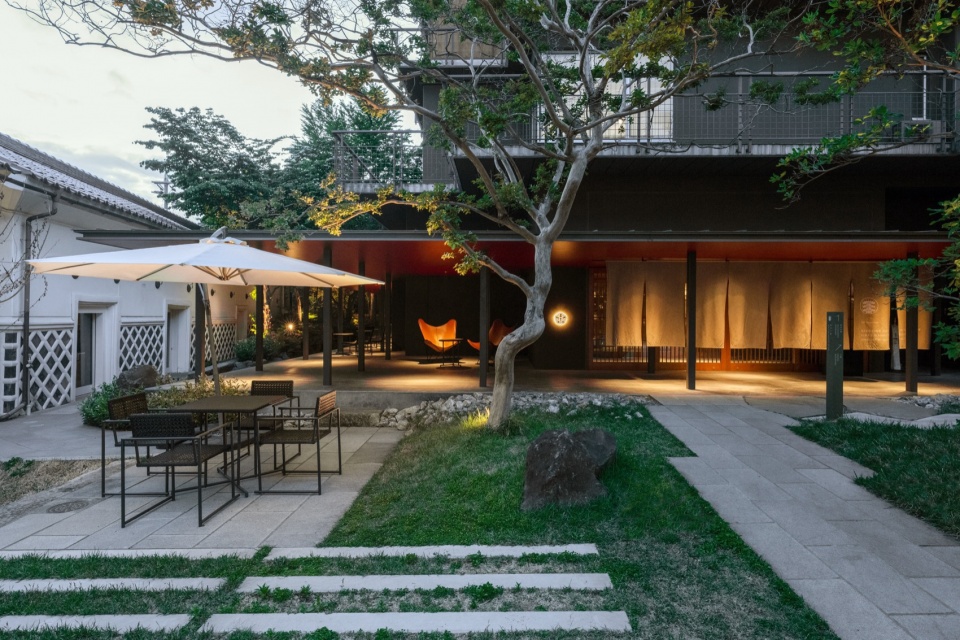
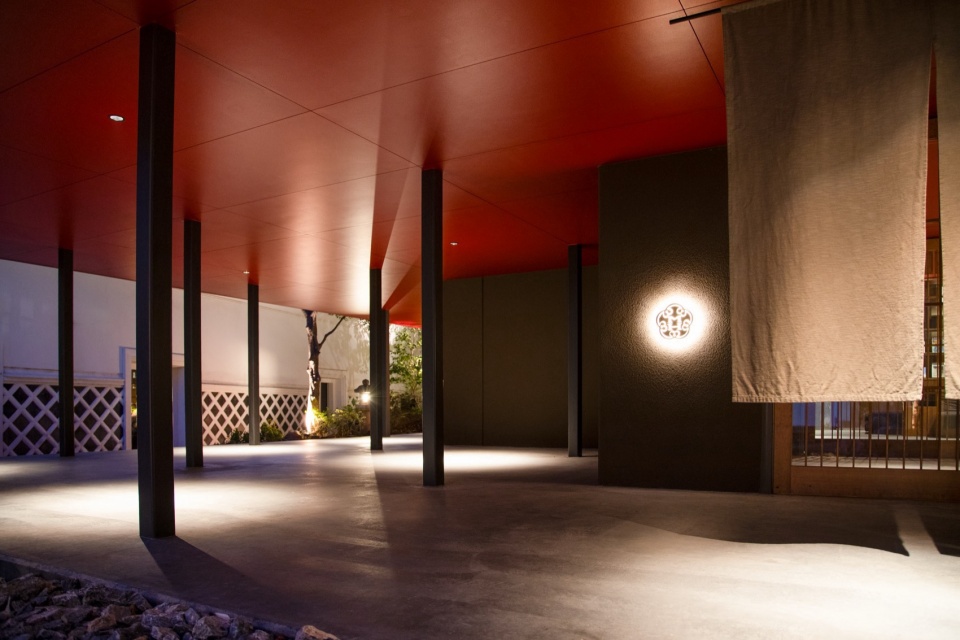
▼酒店入口,Hotel entrance © Design Hotels
▼酒店庭院夜景,Hotel courtyard at night © Design Hotels
沿着山坡步行不远,便可抵达一处俯瞰飞驒山脉的观景台,环境如田园诗般优美。然而近年来,该地区许多商店和餐厅相继歇业,空置建筑日益增多,游客数量持续下降。Matsumoto Jujo创始人岩佐十良正试图扭转这一趋势,打造一个充满活力的社交中心,将游客与当地居民重新吸引回这片区域,其中包括向公众开放的书店与生活方式商店。
With a scenic viewpoint overlooking the Northern Alps a short walk up the hillside, the setting is idyllic. Yet in recent years, many of the area’s shops and restaurants have closed, leaving a growing number of vacant buildings and contributing to a decline in visitor numbers. Matsumoto Jujo founder Toru Iwasa is seeking to reverse this trend, creating a vibrant social hub that draws both guests and local residents back to the area, with spaces including the bookshop and lifestyle store open to the wider public.
▼远眺飞驒山脉,View toward the Northern Alps © Design Hotels
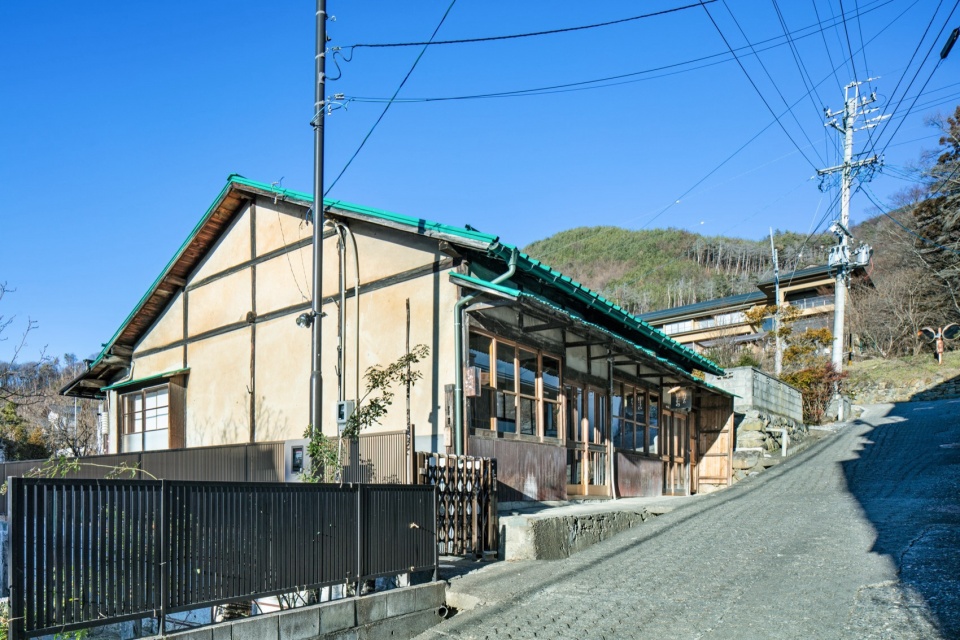
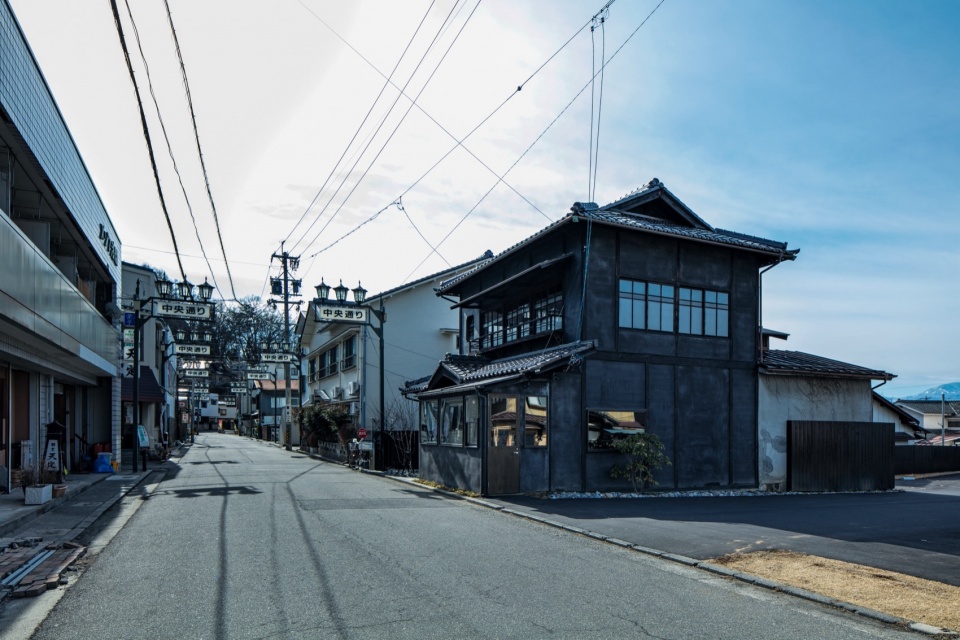
▼浅间温泉小镇街景,Streetscape of Asama Onsen town © Design Hotels
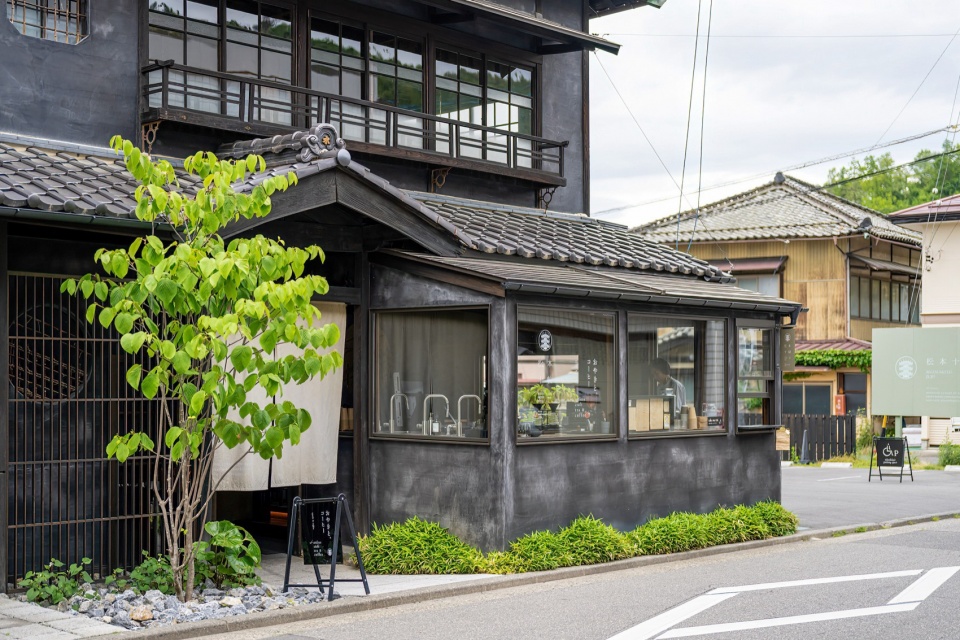
作为生活方式公司自游人(Jiyujin Inc)的灵魂人物,岩佐十良以编辑的身份工作,重新策展一个地方固有的魅力,并将新旧融合。12年前,他在新潟县开设了自己的第一家酒店——里山十帖。酒店坐落于一栋拥有150年历史的建筑中,并附有现代扩建部分,很快便因屡获殊荣的设计、米其林星级农场到餐桌料理,以及面向卷机山的露天温泉而声名鹊起。此后,2018年,他又在关西地区京都邻镇大津开设了 Hotel Koo Otsu Hyakucho——这里曾是东海道线上的重要驿站。酒店分布于七栋经过修复的町屋之中,室内为斯堪的纳维亚风格,并作为振兴街区使命的一部分,将部分收入捐赠给当地店铺与手工艺人。
The brains behind lifestyle company Jiyujin Inc, Toru works as an editor, re-curating a place’s inherent charm and fusing old and new. He opened his first hotel, Satoyama Jujo, 12 years ago in Niigata Prefecture. Housed in a 150-year-old building with a modern extension, it quickly garnered a reputation for award-winning design, Michelin-starred farm-to-table food, and an open-air spa bath that faces Mt. Makihata. This was followed, in 2018, by Hotel Koo Otsu Hyakucho in Otsu, a town neighboring Kyoto in the Kansai region that was once a key stop on the Tokaido route. It is spread across seven restored machiya houses with Scandinavian interiors and, as part of the mission to rejuvenate the neighborhood, donates part of its revenue to shops and artisans.
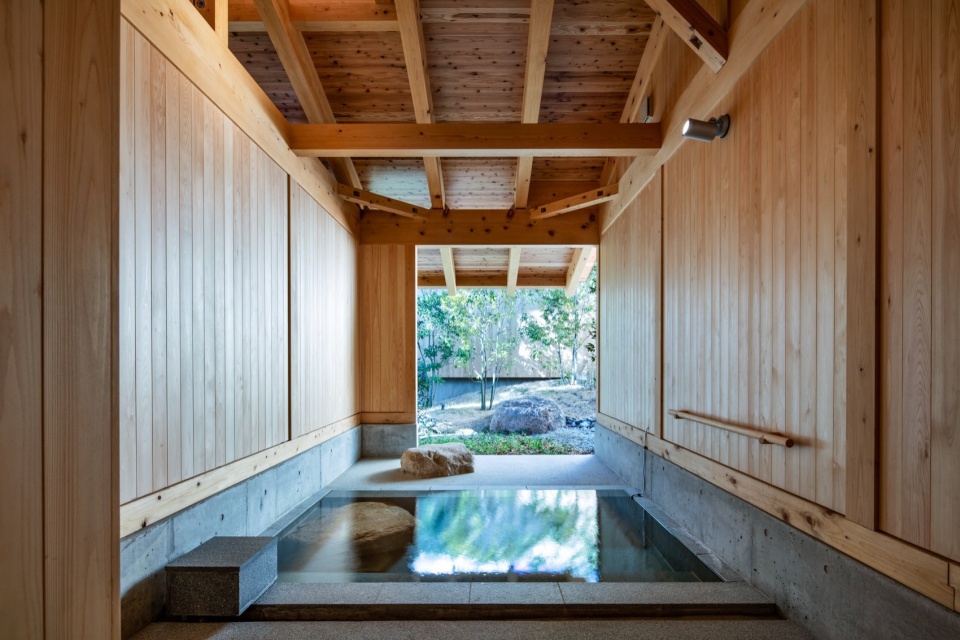
▼温泉澡堂,Hot spring bathhouse © Design Hotels
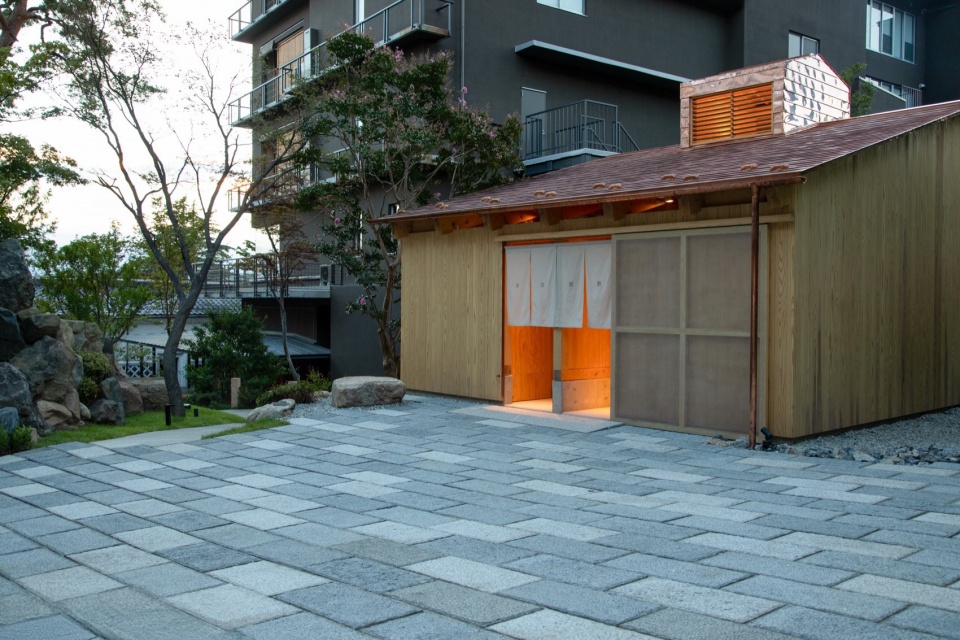
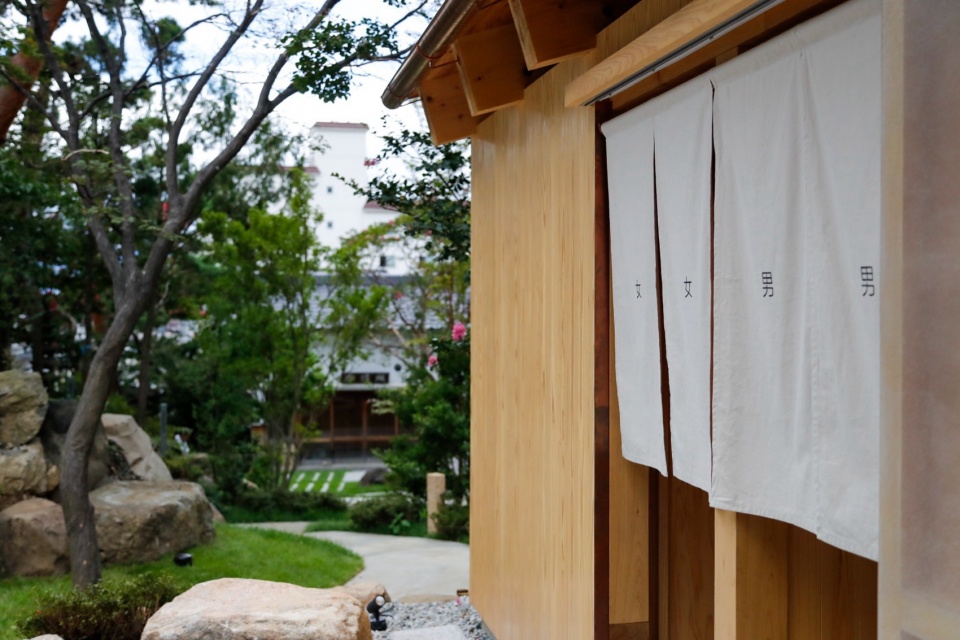
▼温泉澡堂,Hot spring bathhouse © Design Hotels
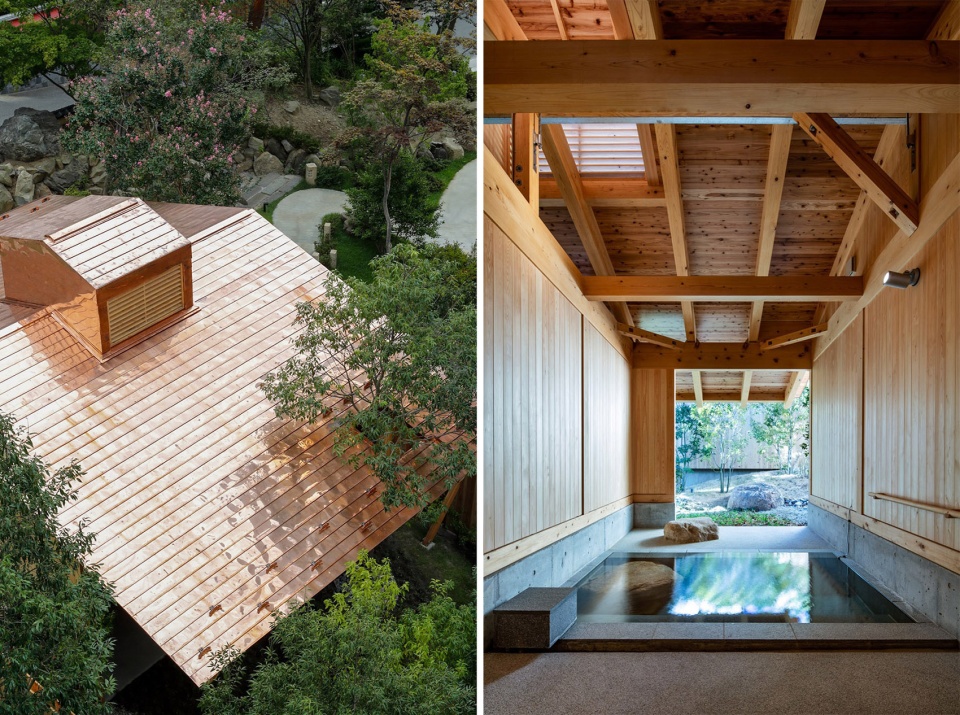
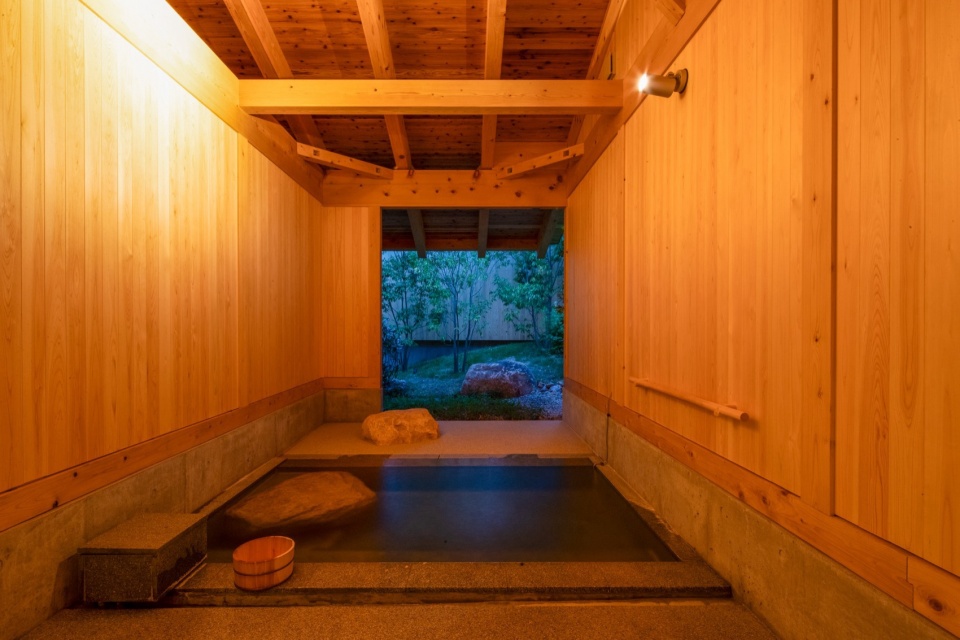
▼温泉澡堂夜景,Hot spring bathhouse at night © Design Hotels
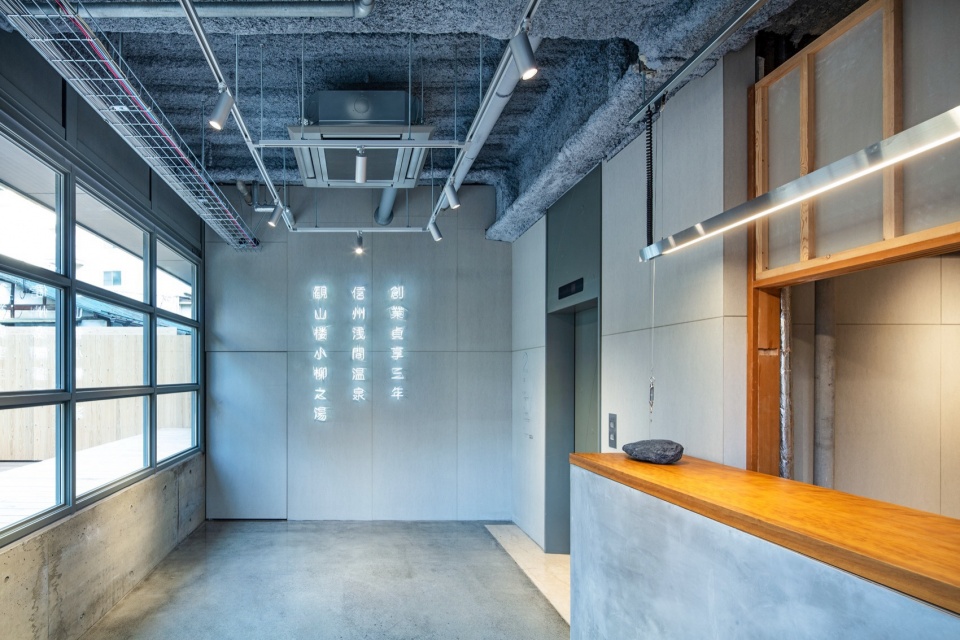
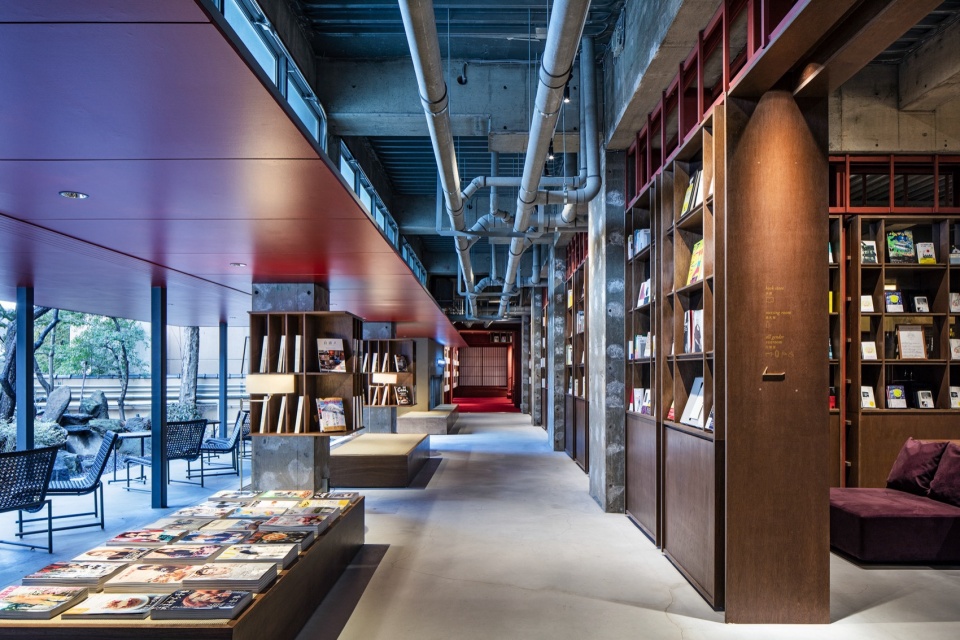
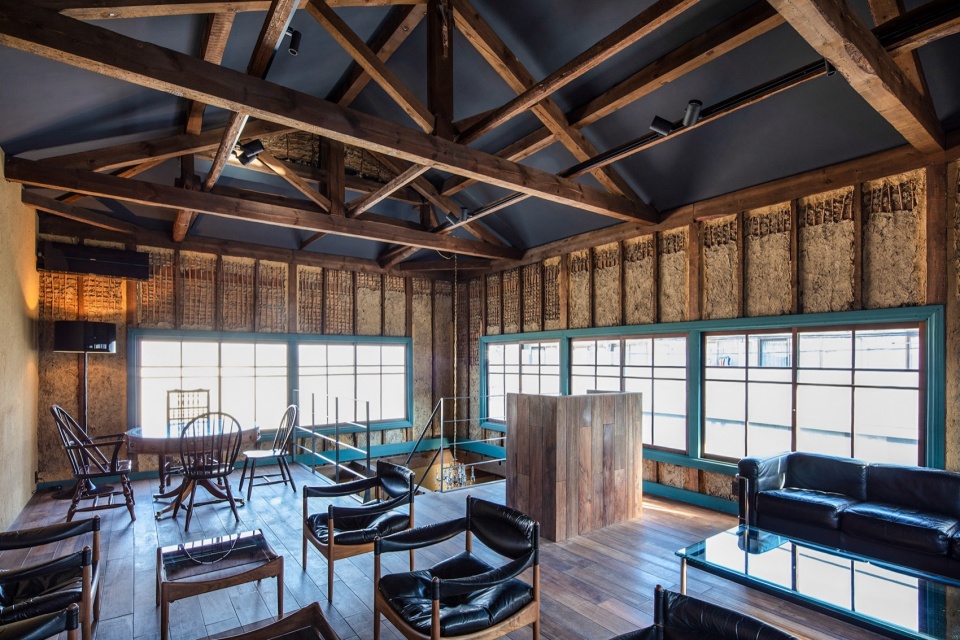
在Matsumoto Jujo,挑战不仅在于翻新现有的混凝土旅馆,还在于恢复这处温泉旅馆的遗产氛围——其根源可追溯至1686年(建筑师Suppose Design Office与Schemata的设计概念为“连接记忆”)。物业中的松本本箱部分拥有裸露的混凝土墙,以书籍为主题,这些书意在供人取阅(若客人喜欢,也可购买)。室内克制而富有戏剧性,灰色、深色木材与剑麻地毯构成背景,衬托出阿尔瓦·阿尔托、阿恩·雅各布森和野口勇等设计师的家具。
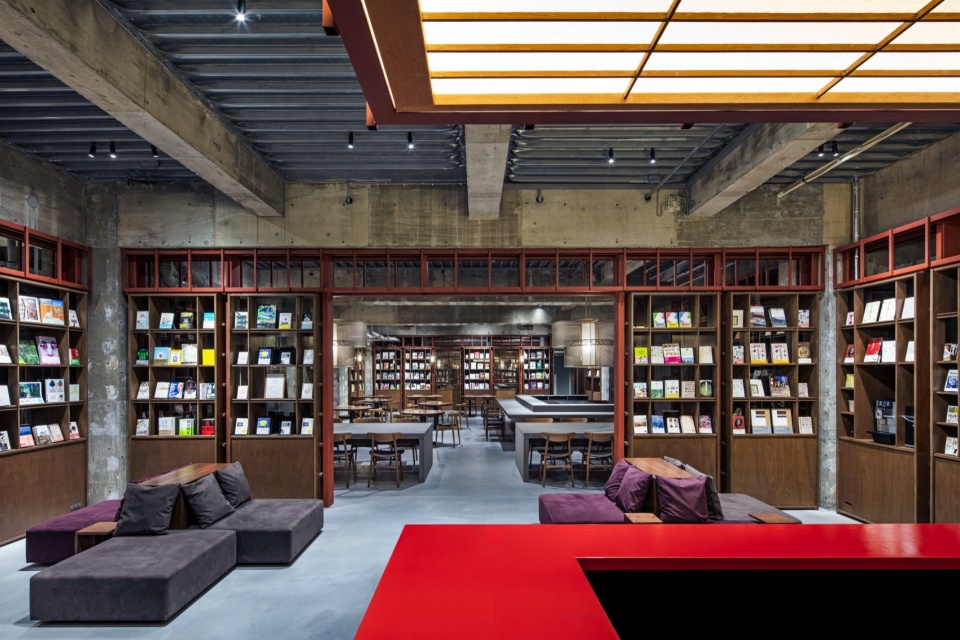
At Matsumoto Jujo, the challenge was not only to renovate the existing concrete ryokan but reinstate the heritage atmosphere of the hot spring inn, whose roots date back to 1686 (the design concept for architects Suppose Design Office and Schemata was ‘connecting memories’). The Matsumoto Honbako part of the property has exposed concrete walls and is themed around books that are meant to be picked up and read (and, if guests like them, purchased too). Interiors are underdressed and dramatic, with grays, dark wood, and sisal carpets forming the backdrop for designer furniture by the likes of Alvar Aalto, Arne Jacobsen, and Isamu Noguchi.
▼酒店大堂,Matsumoto Honbako lobby © Design Hotels
▼大堂书墙与阅读区,Lobby book wall and reading area © Design Hotels
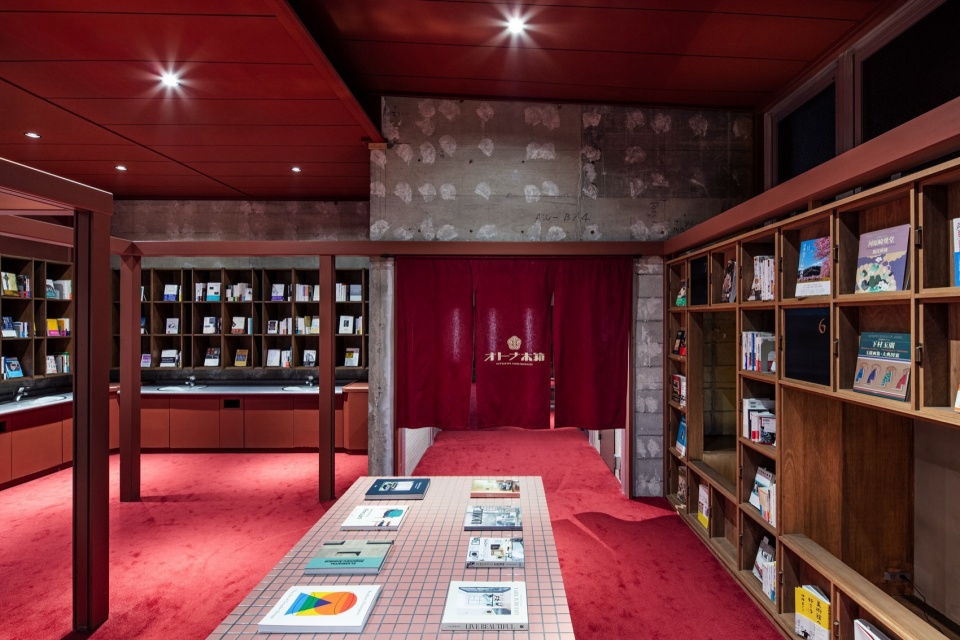
▼大堂书墙与阅读区,Lobby book wall and reading area © Design Hotels
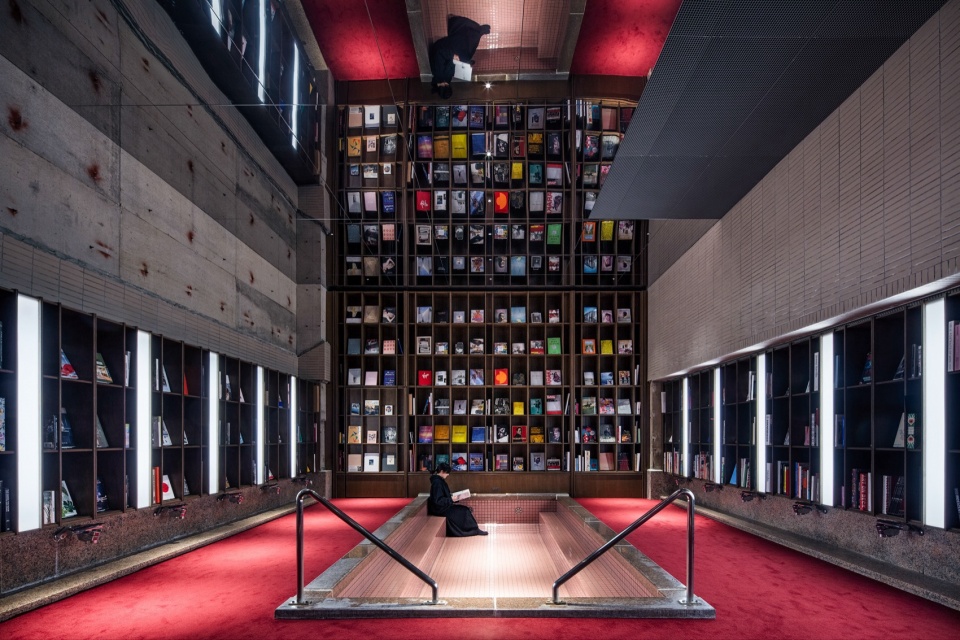
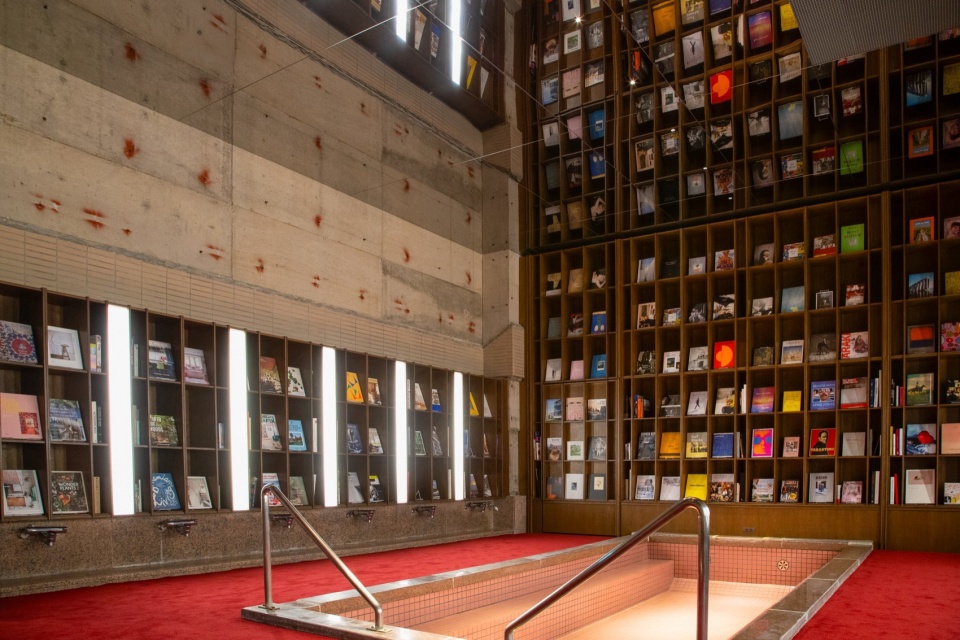
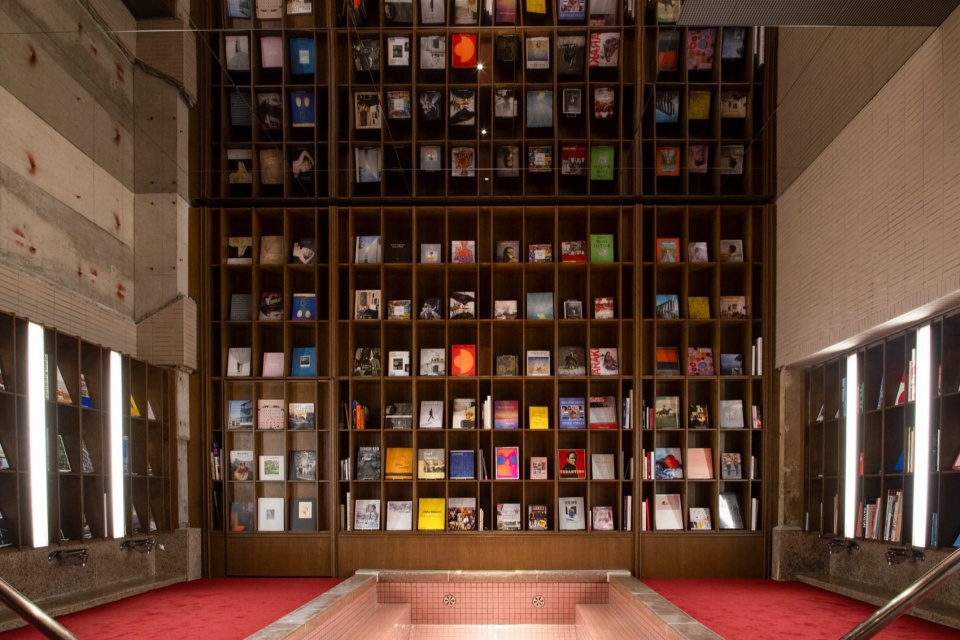
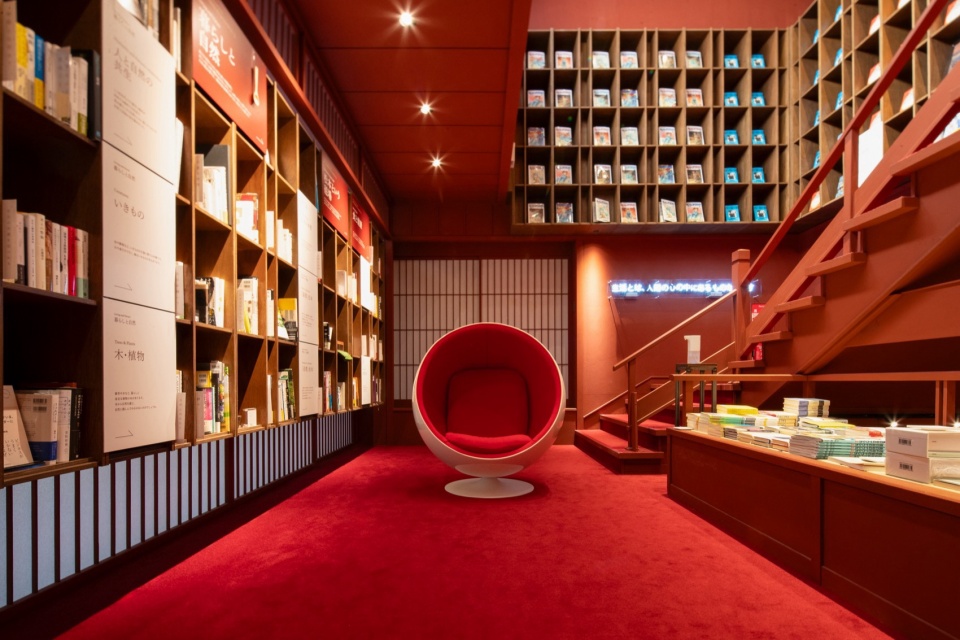
▼裸露混凝土墙与深色木家具,Exposed concrete walls and dark wood furniture © Design Hotels
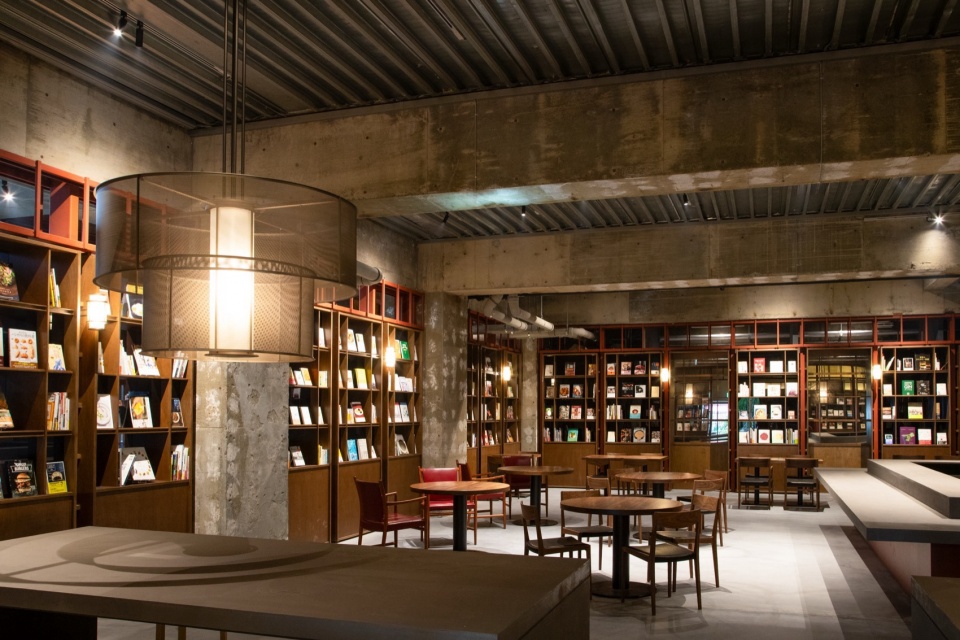
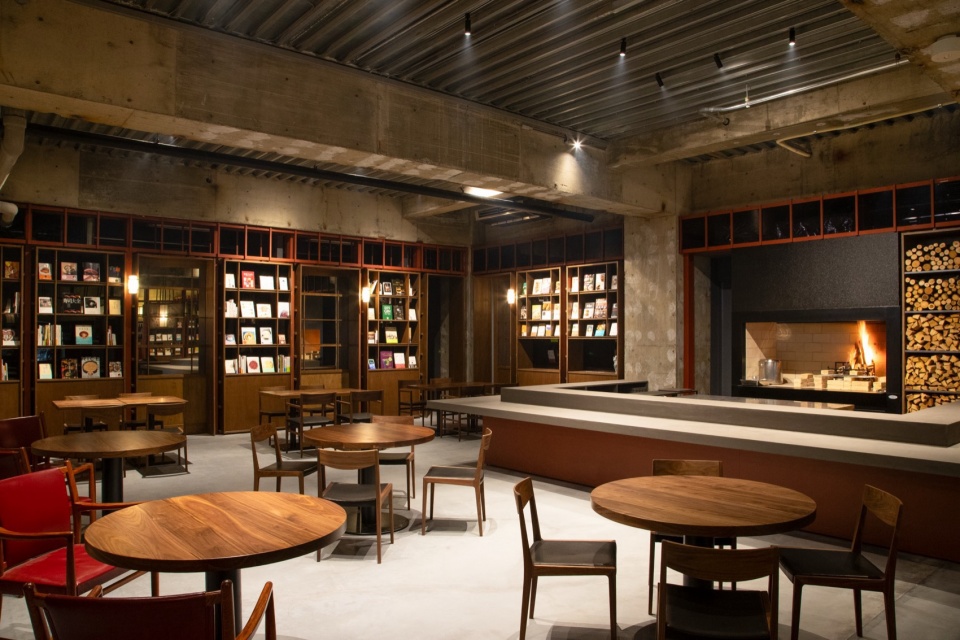
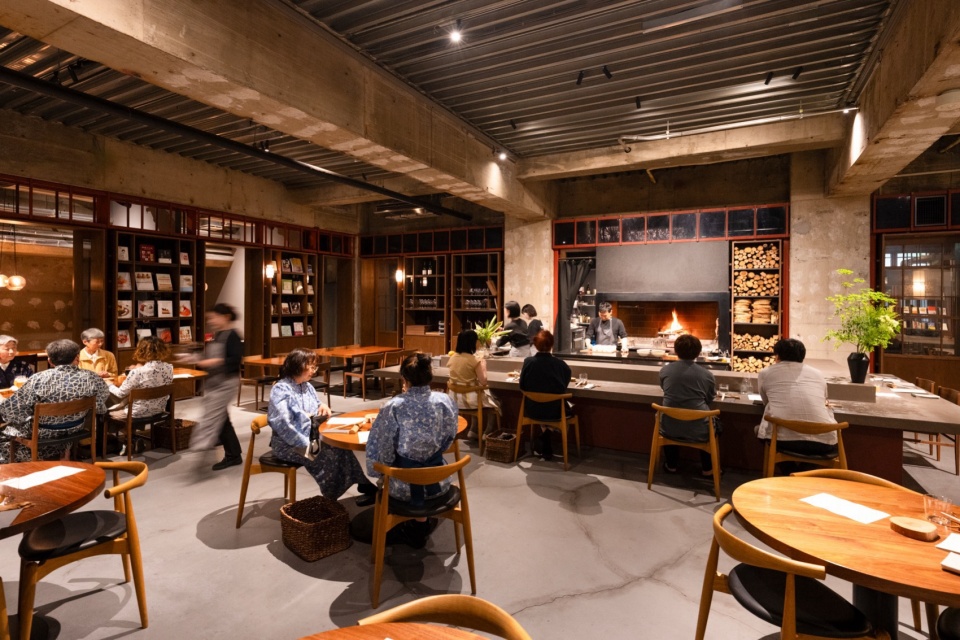
▼吧台与用餐区,Bar counter and seating area © Design Hotels
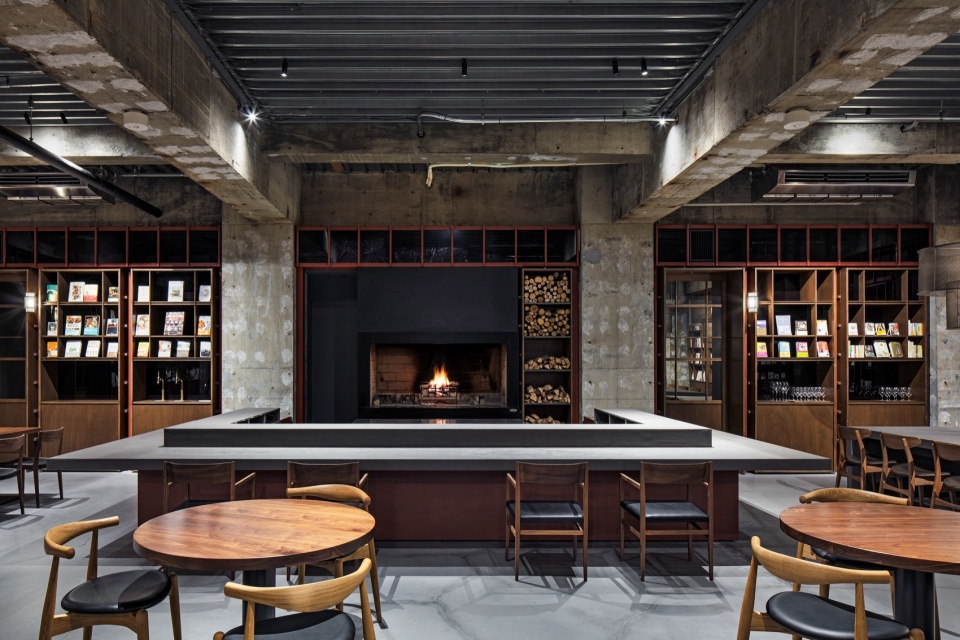
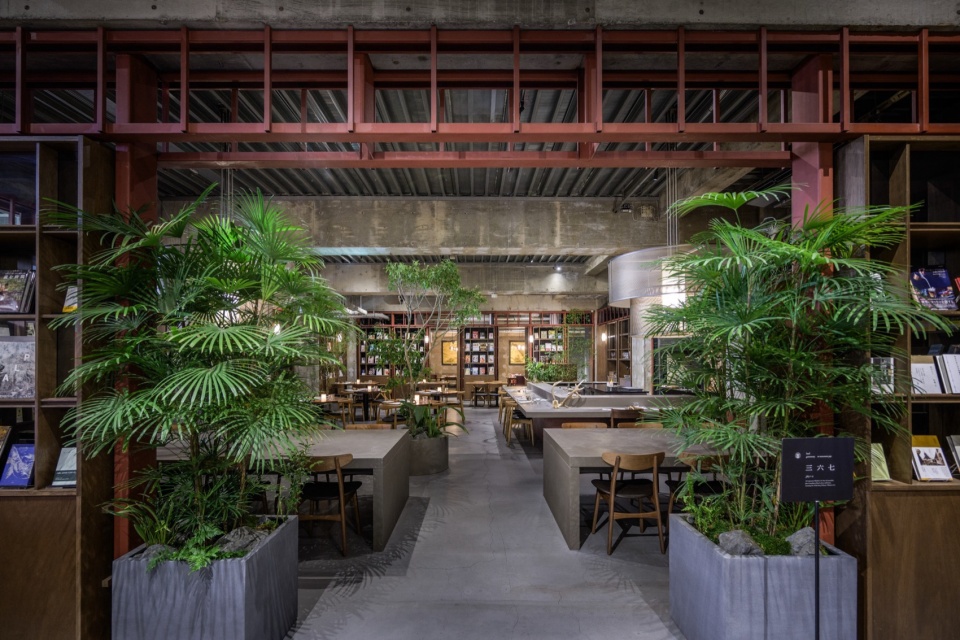
▼展示区与沿窗座位区,Display area and seatings facing exterior © Design Hotels
▼儿童阅读区与游乐区,Children’s Reading Area and Play Area © Design Hotels
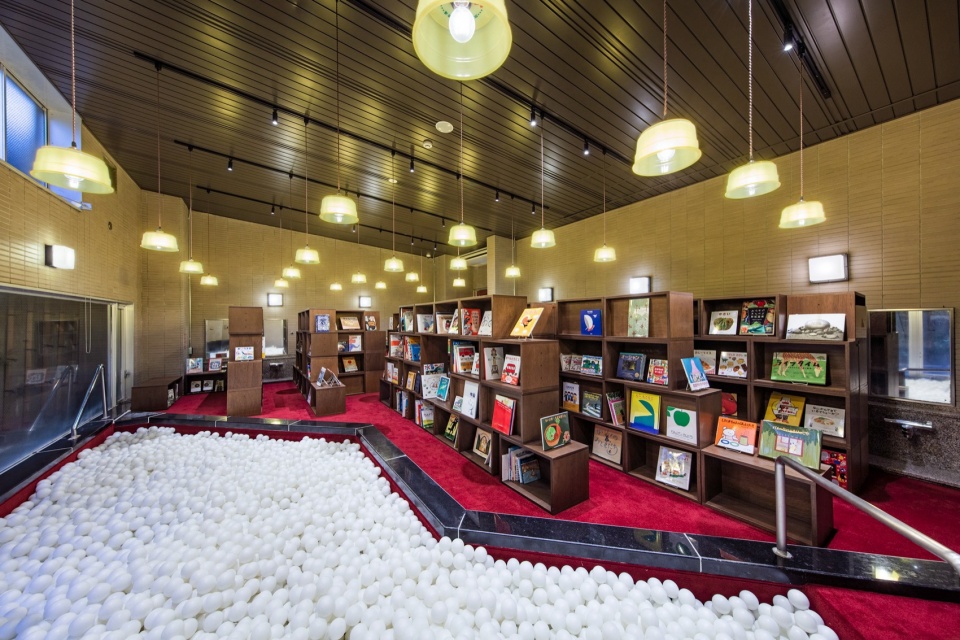
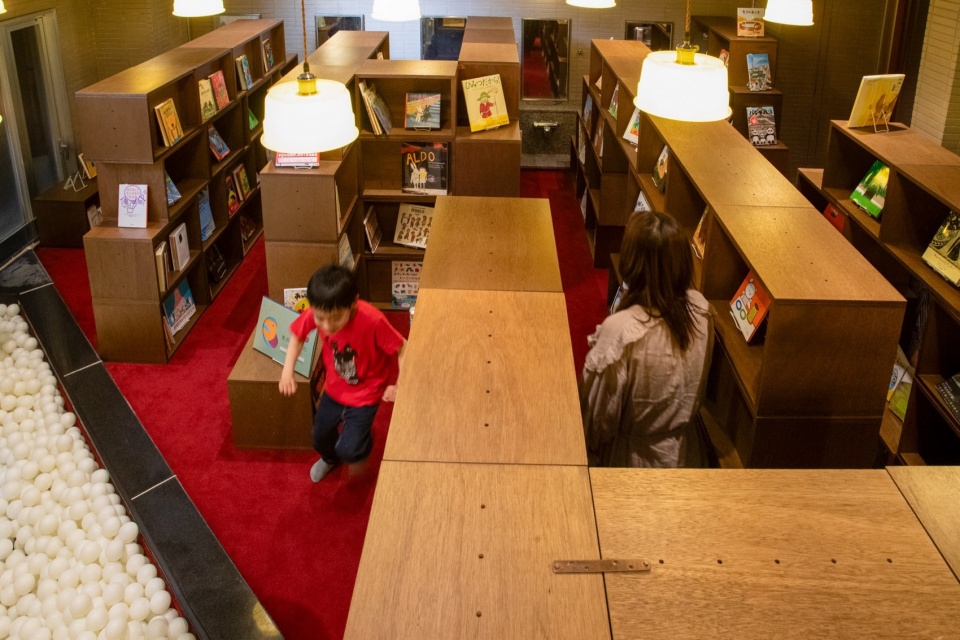
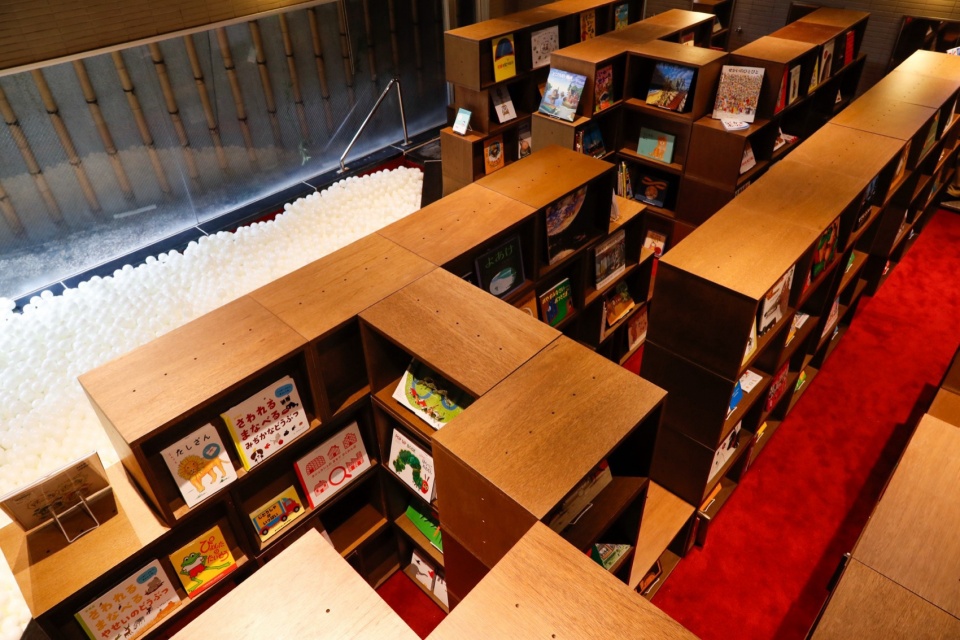
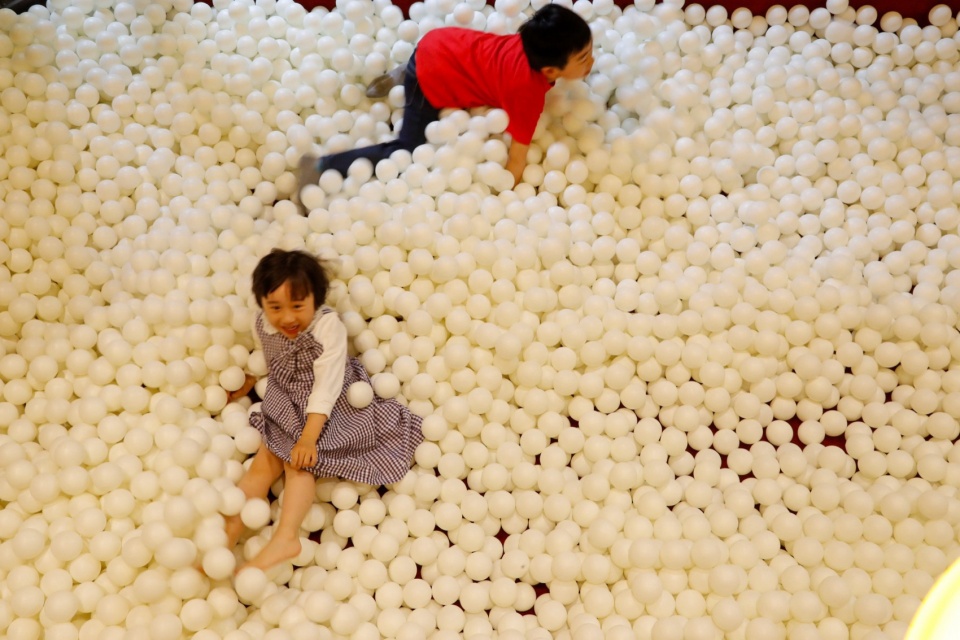
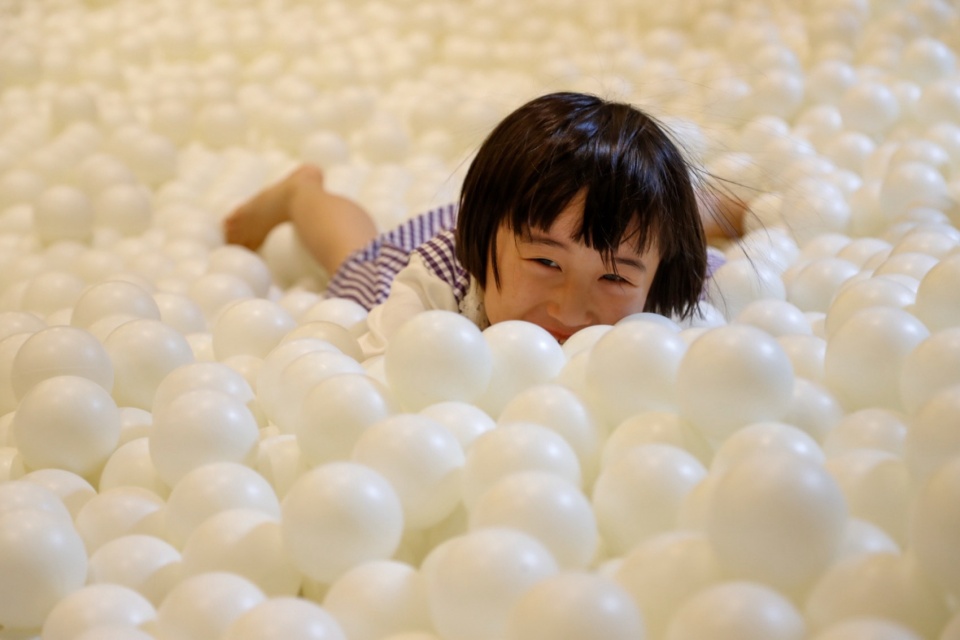
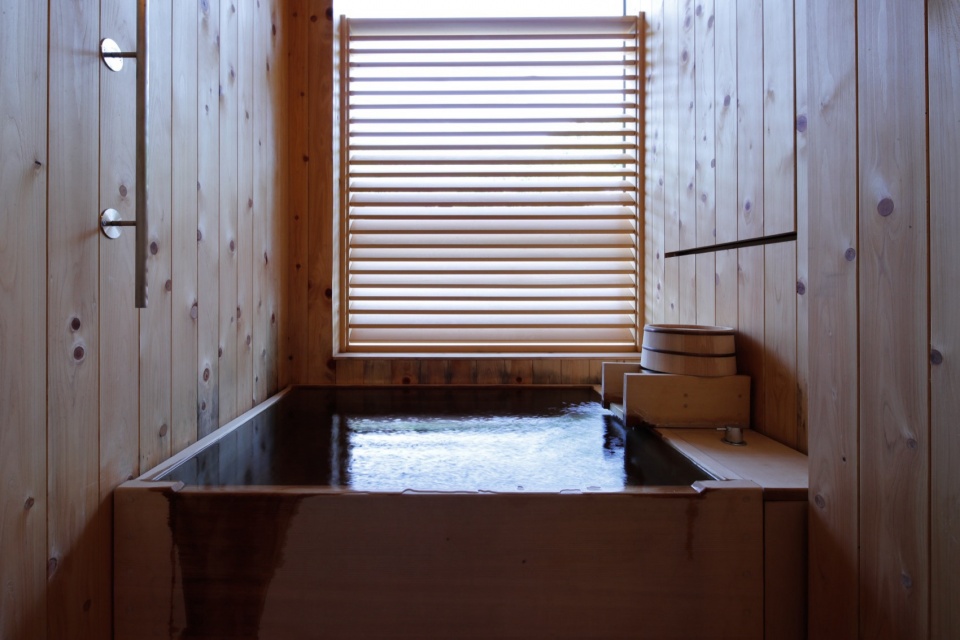
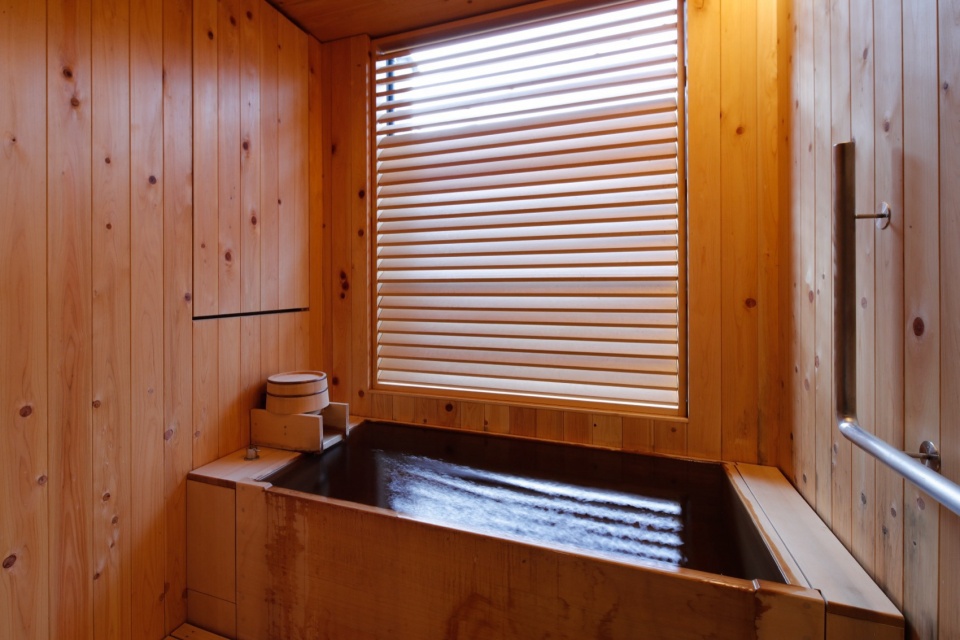
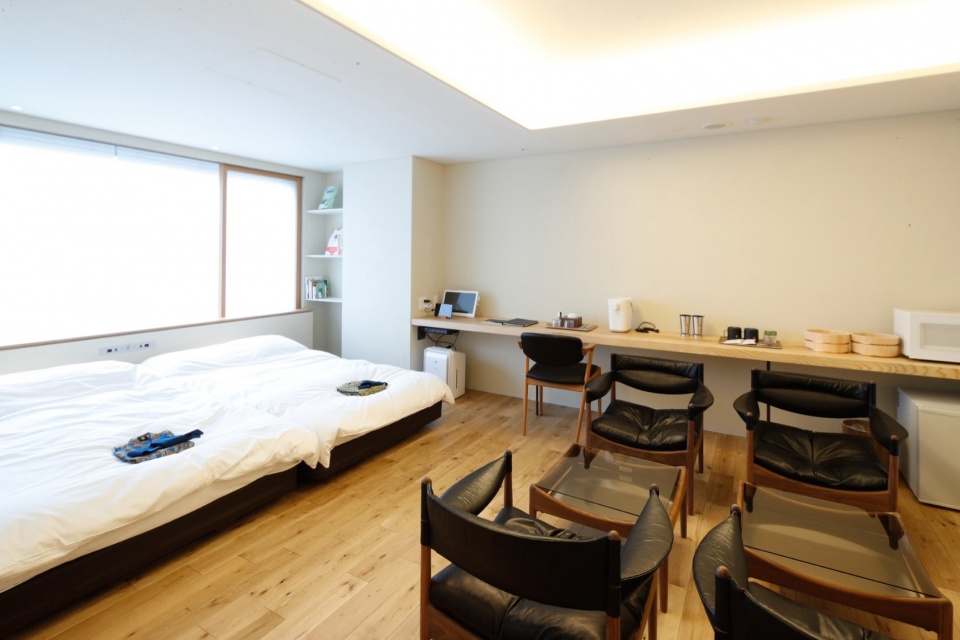
在 Koyanagi 新建部分,客房同样简约,铺设榻榻米或实木地板,并陈列着柚木沙弥郎、麻生三郎等艺术家的民间艺术作品。每间客房都设有露天温泉浴池。建筑面向一座日式庭园,园中设有 Koyanagi-no-Yu——一处受传统江户时代浴场启发的露天浴池。
In the Koyanagi new construction, rooms are also pared back, with tatami flooring or solid wooden floors, and folk art by artists such as Samiro Yunoki and Umetaro Azechi. Every room has an open-air hot spring bath. The building faces a Japanese-style garden, which features Koyanagi-no-Yu, an open-air bath inspired by traditional Edo-period bathhouses.
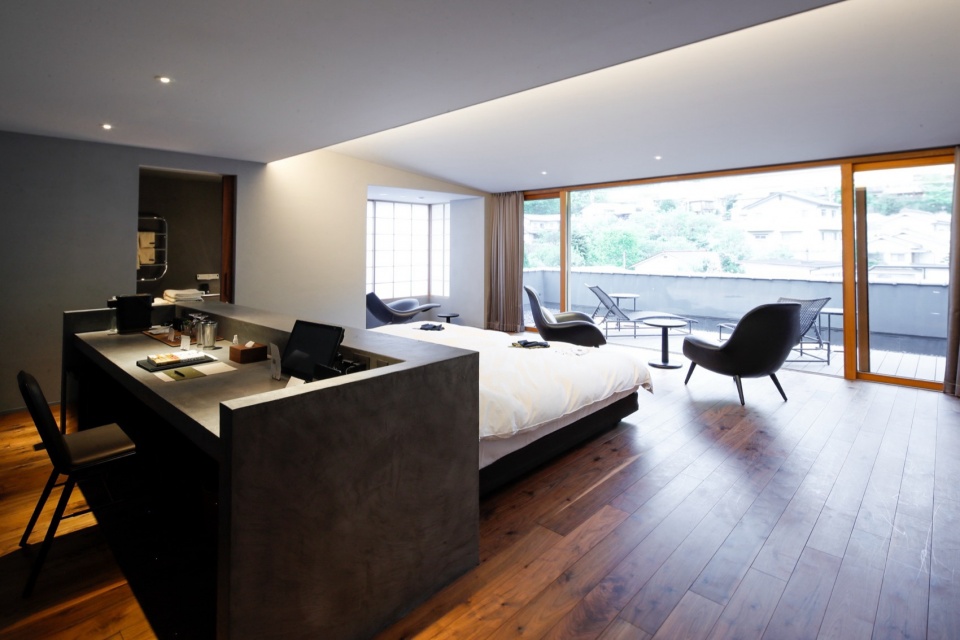
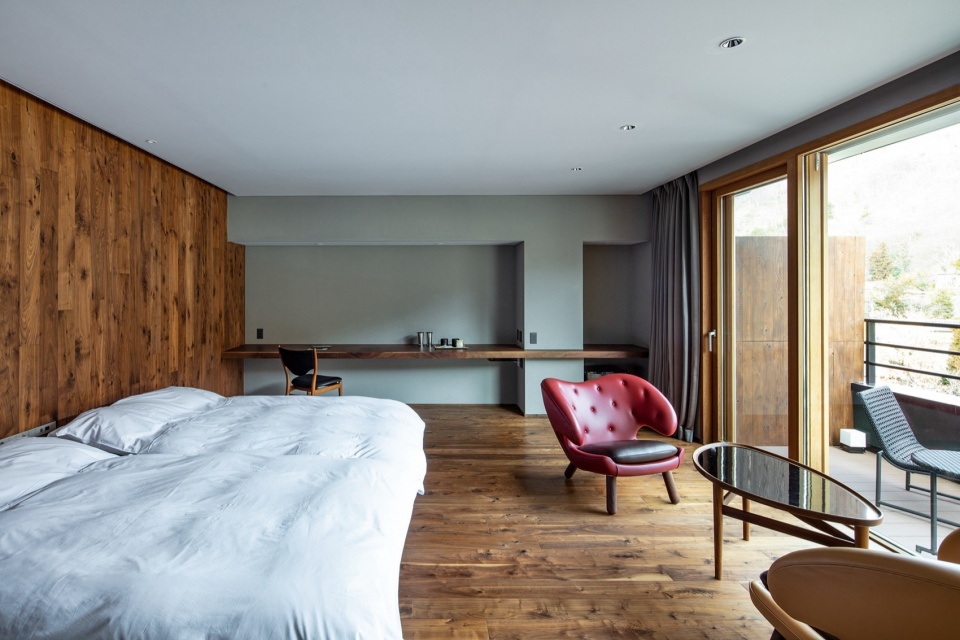
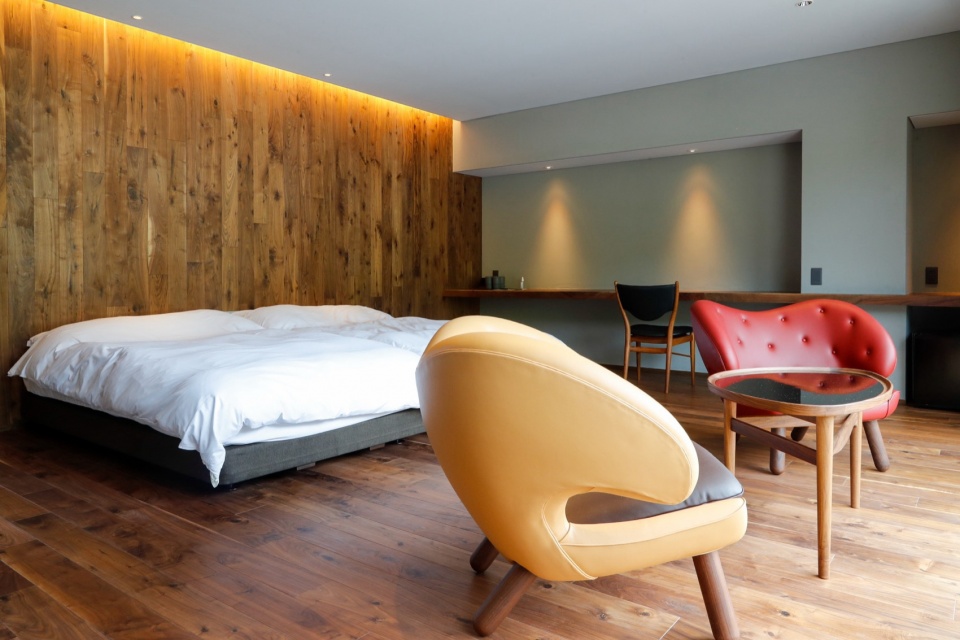
▼标准客房,Matsumoto Honbako standard room © Design Hotels
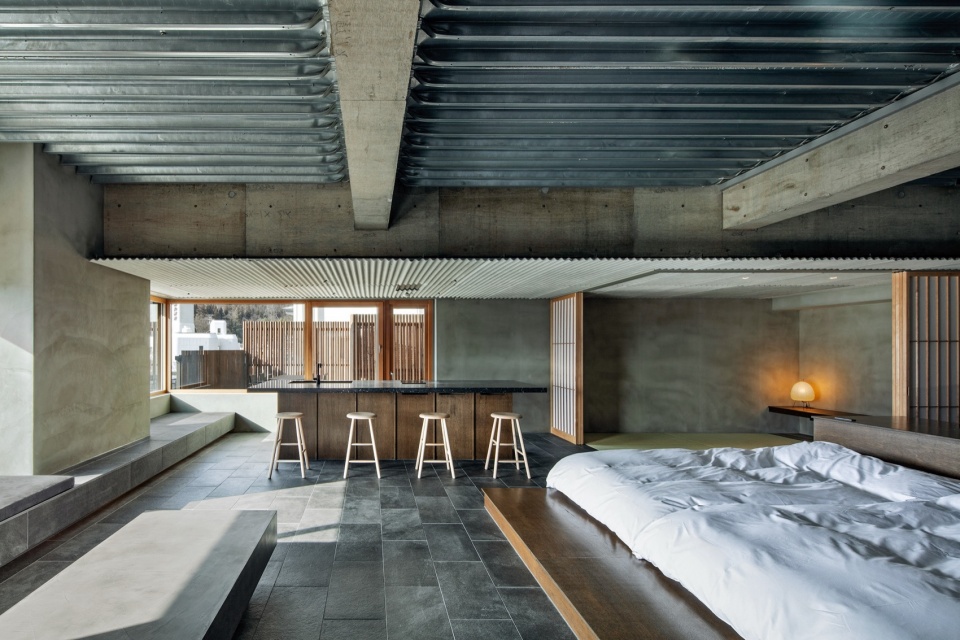
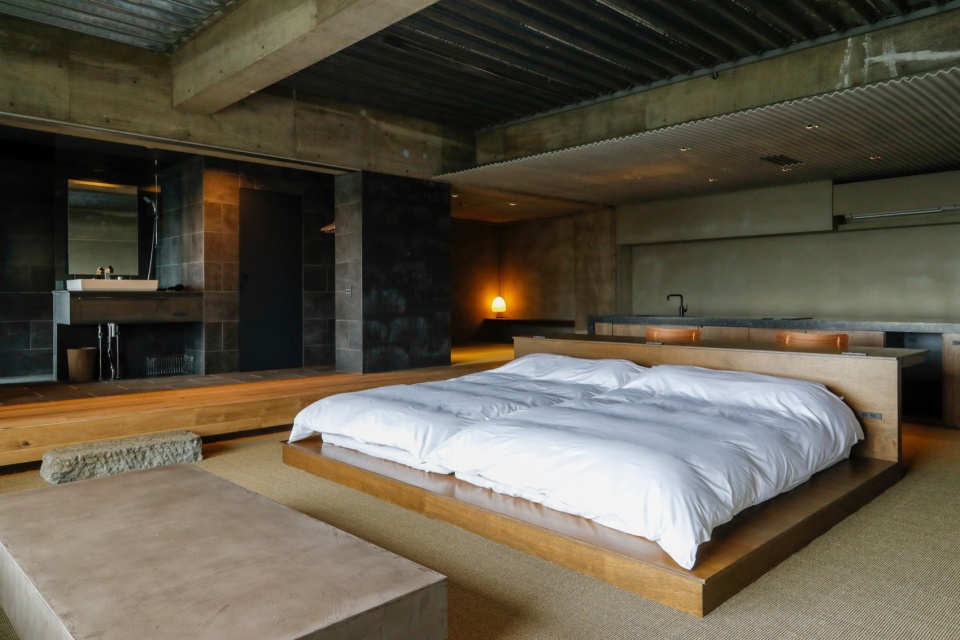
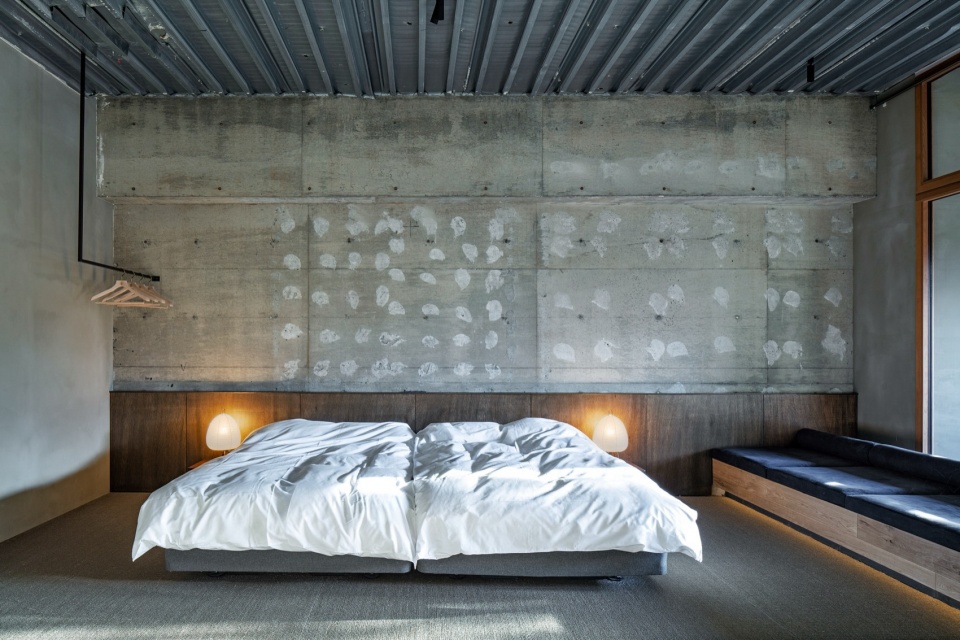
▼本箱套房,Matsumoto Honbako suite © Design Hotels
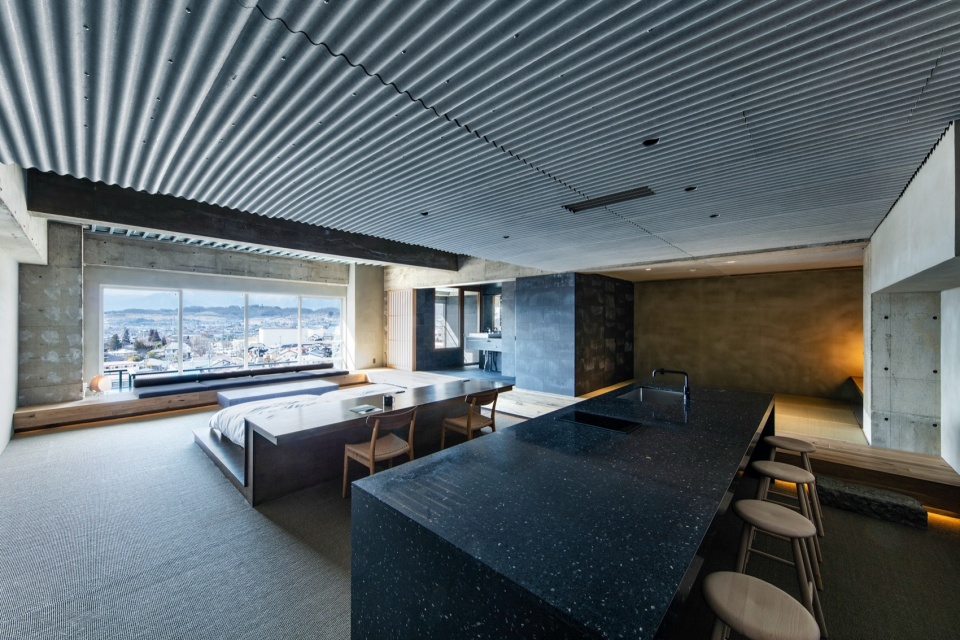
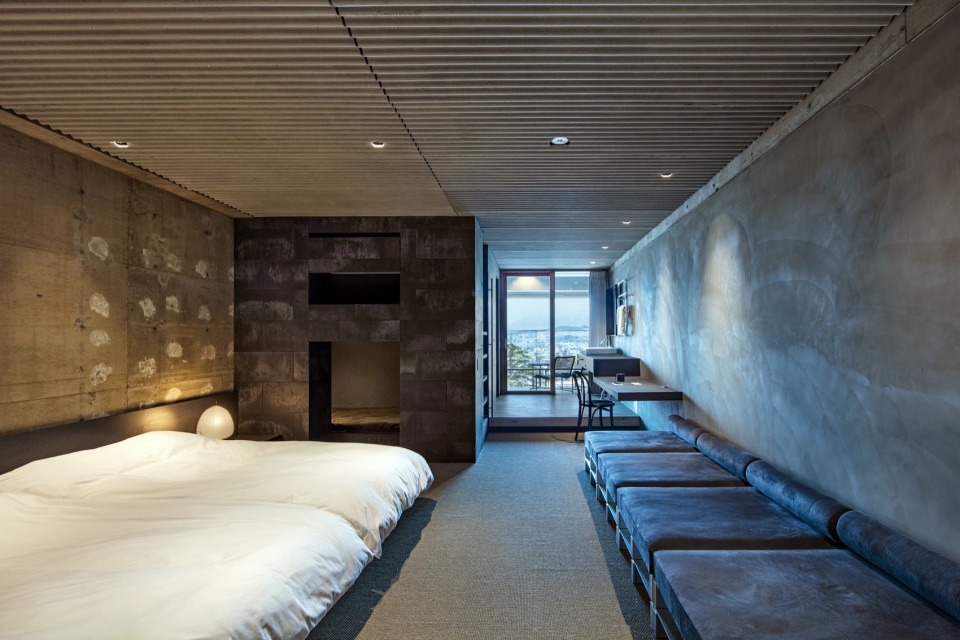
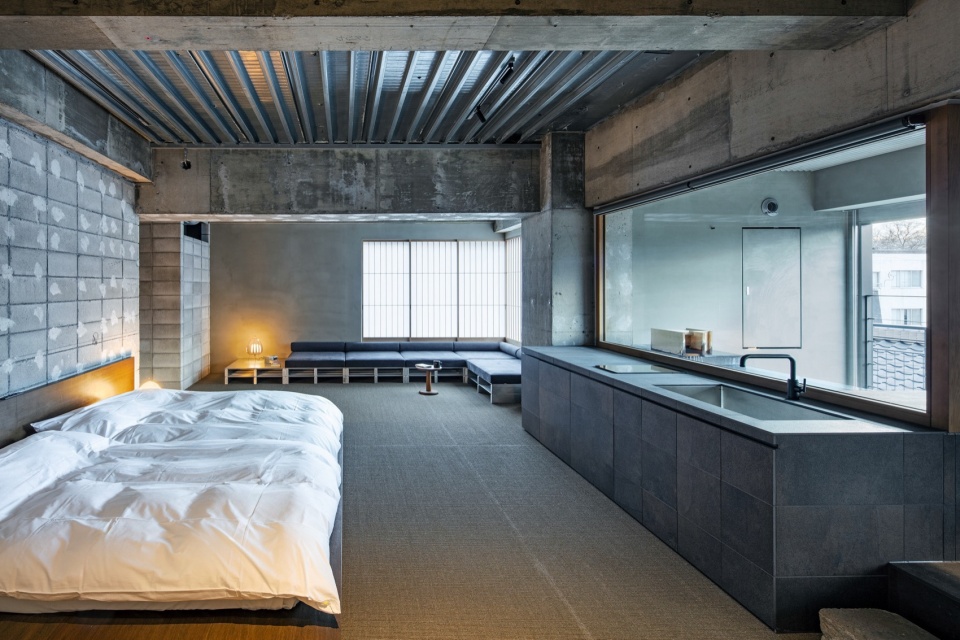
▼套房起居空间,Suite living space © Design Hotels
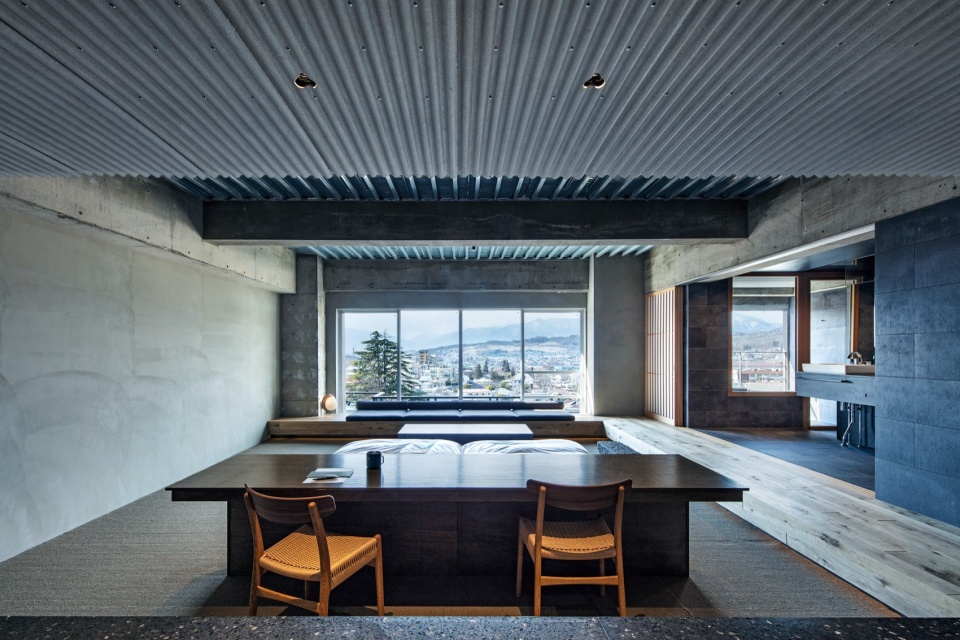
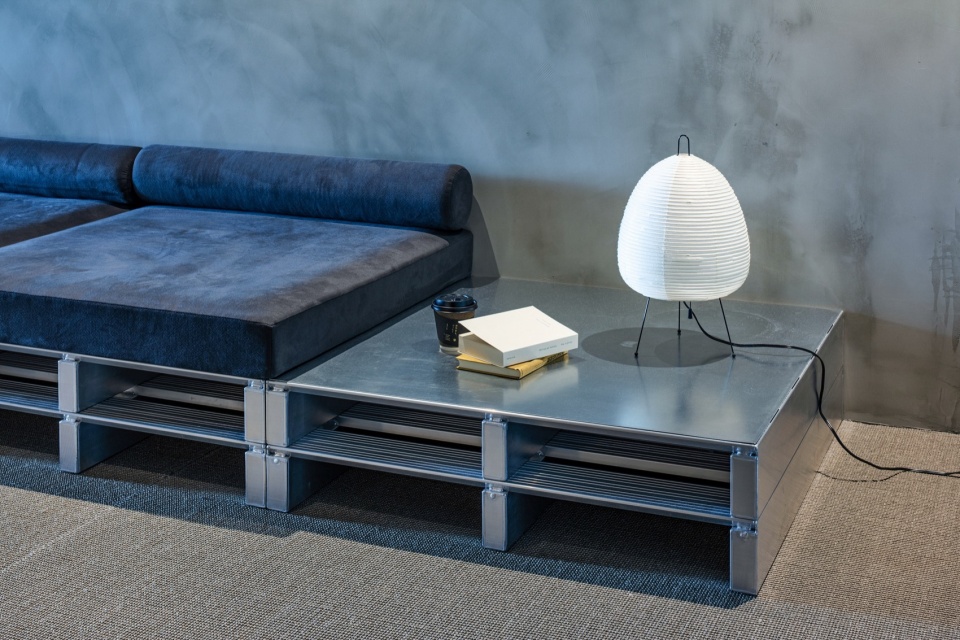
▼客房阅读角落,Reading corner in guest room © Design Hotels
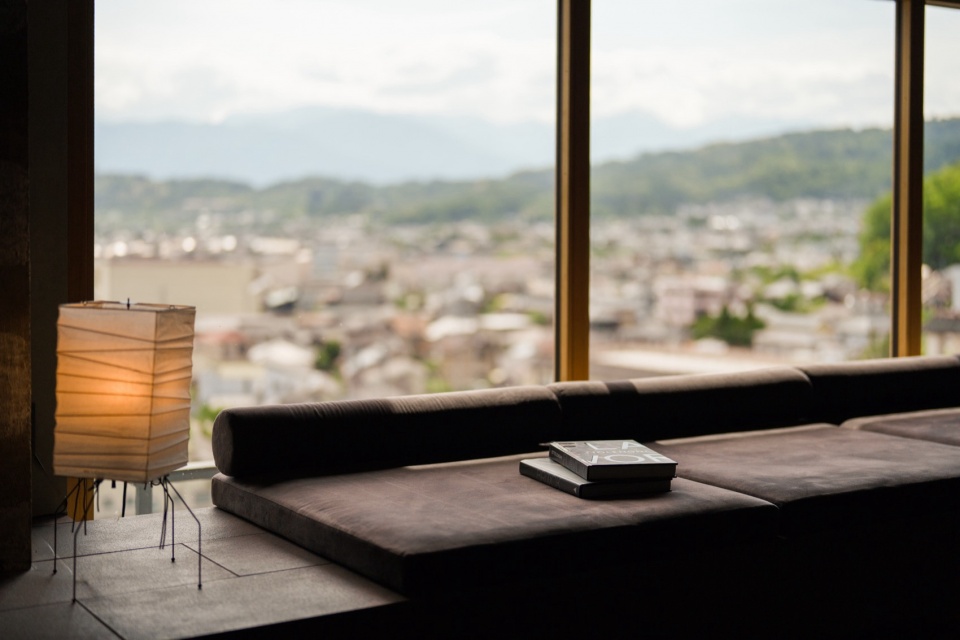
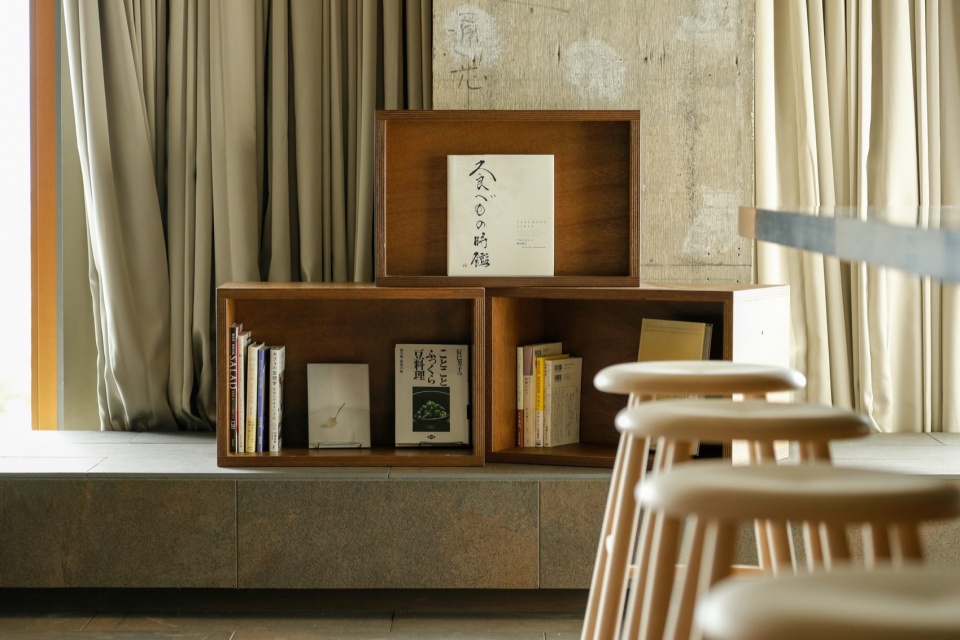
▼客房窗景与私汤,Guest room window view and hot-spring area © Design Hotels
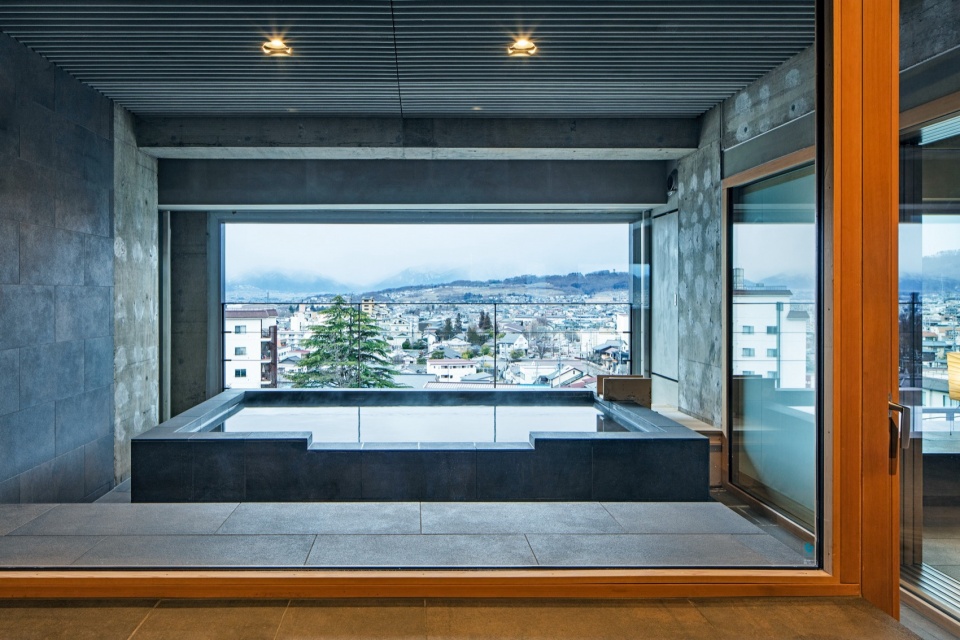
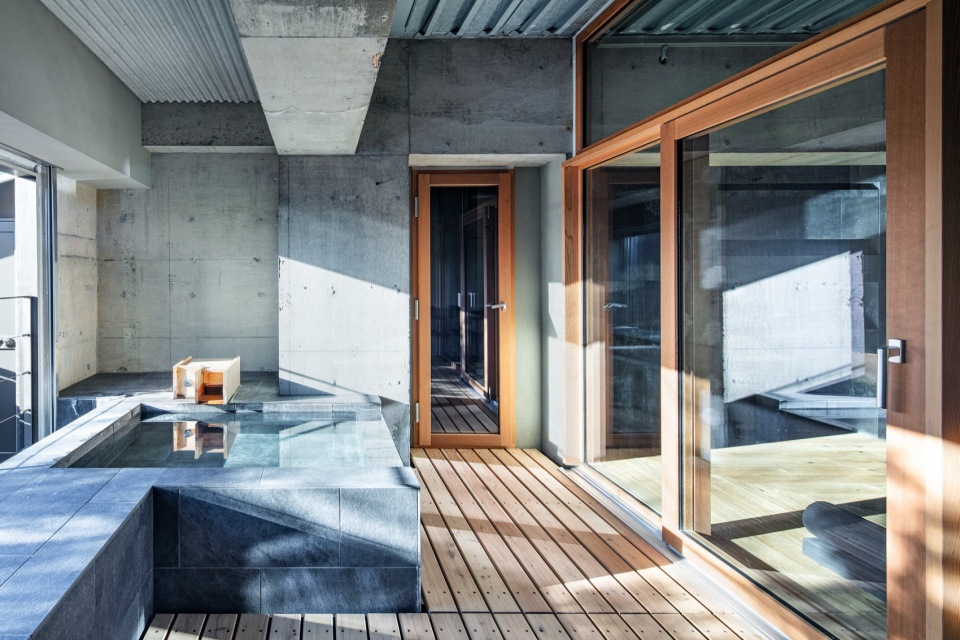
▼客房私汤,Guest room hot-spring area © Design Hotels
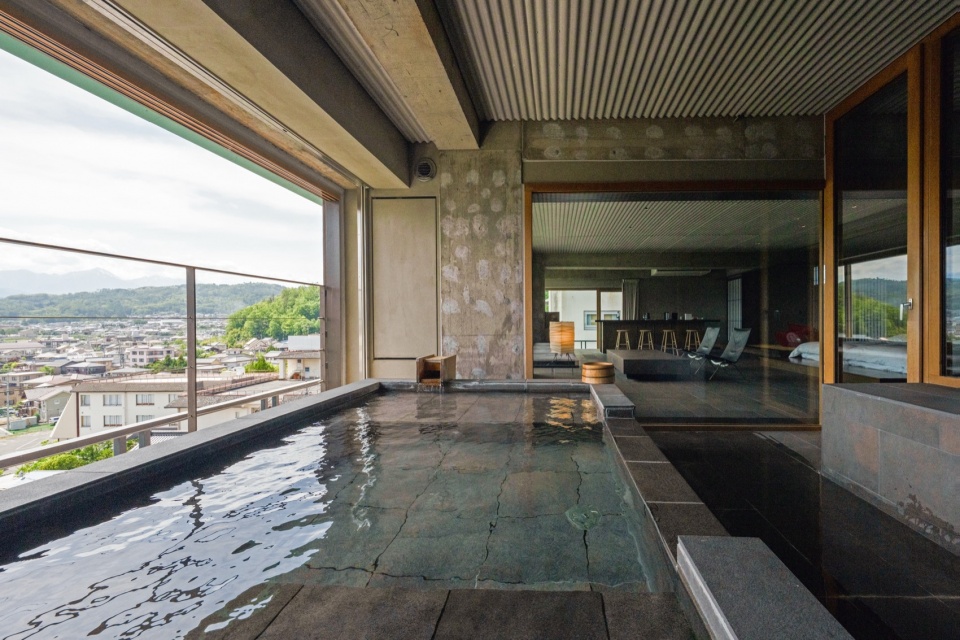
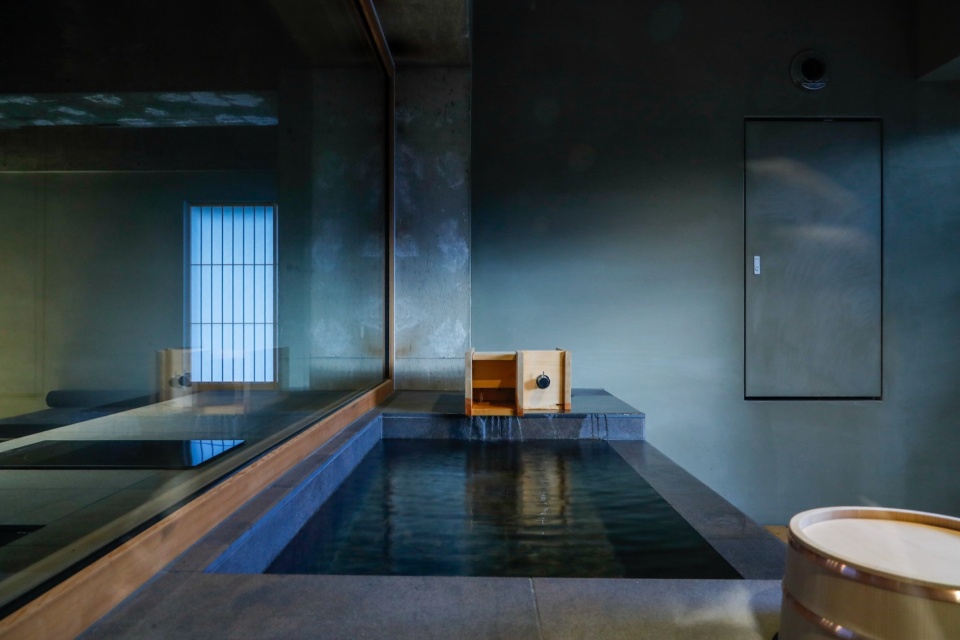
▼Koyanagi客房,Koyanagi guest room © Design Hotels
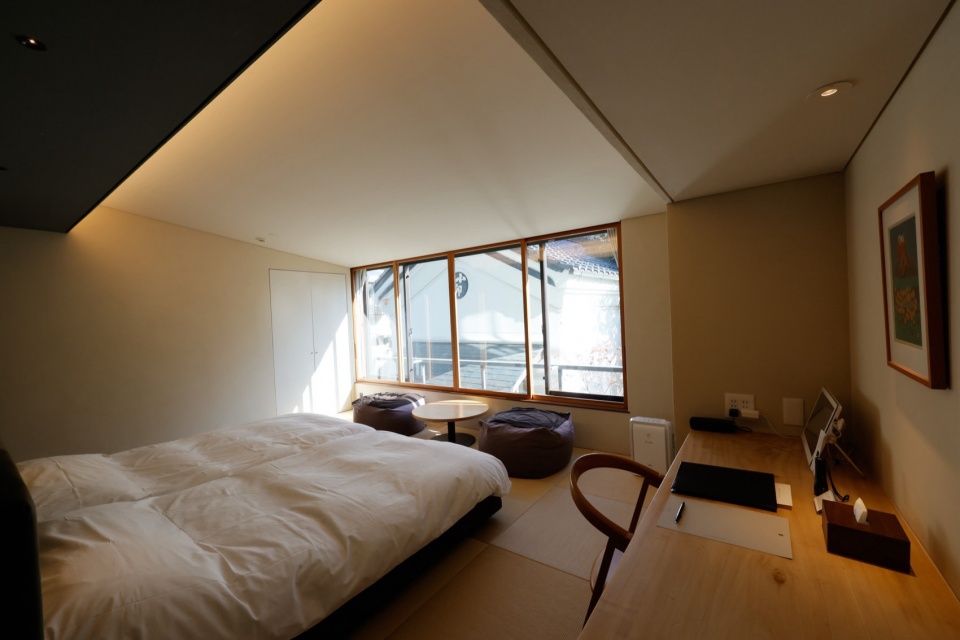
▼榻榻米客房与民间艺术作品,Tatami guest room with folk art © Design Hotels
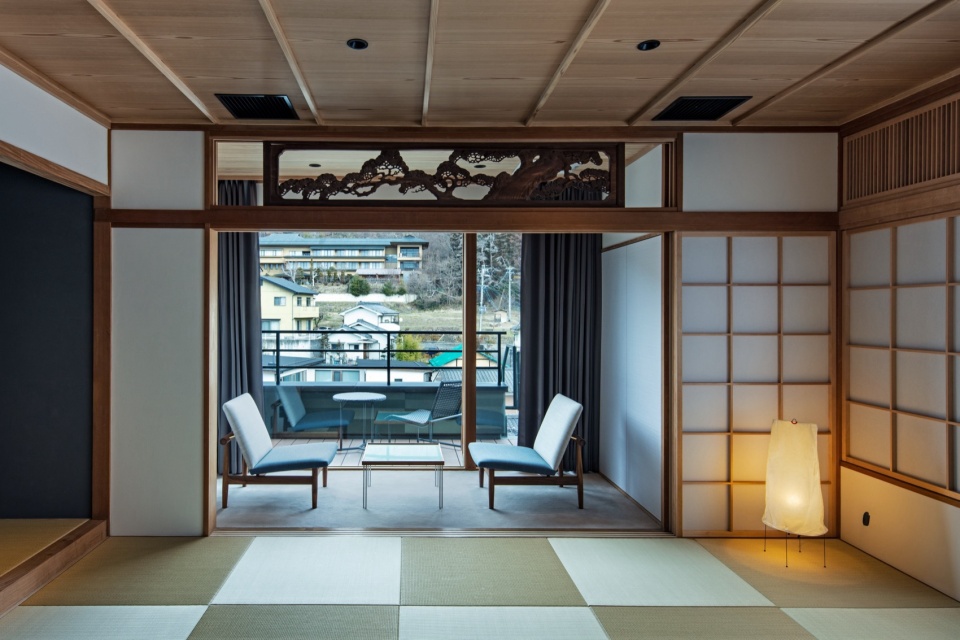
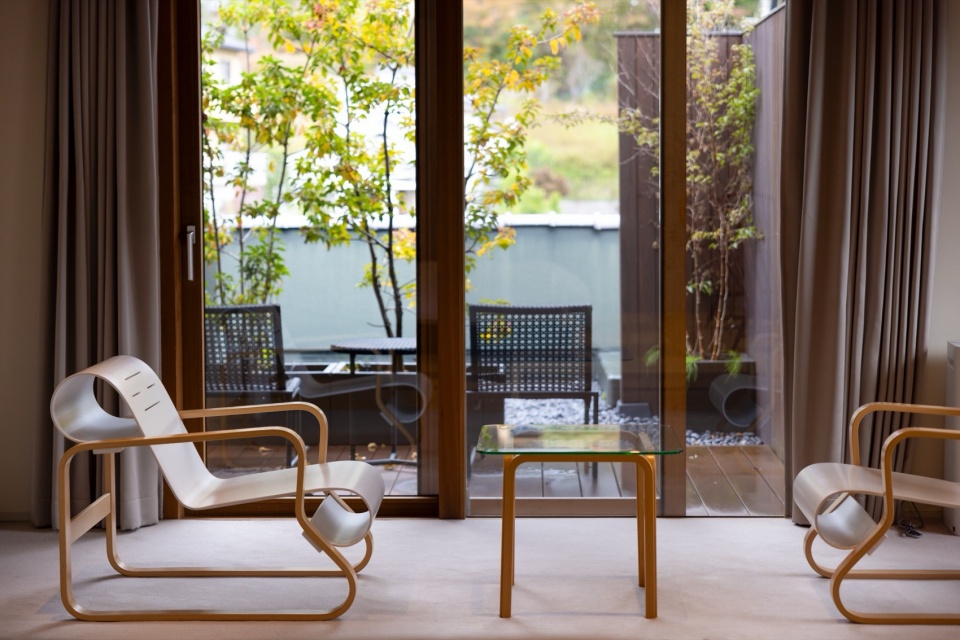
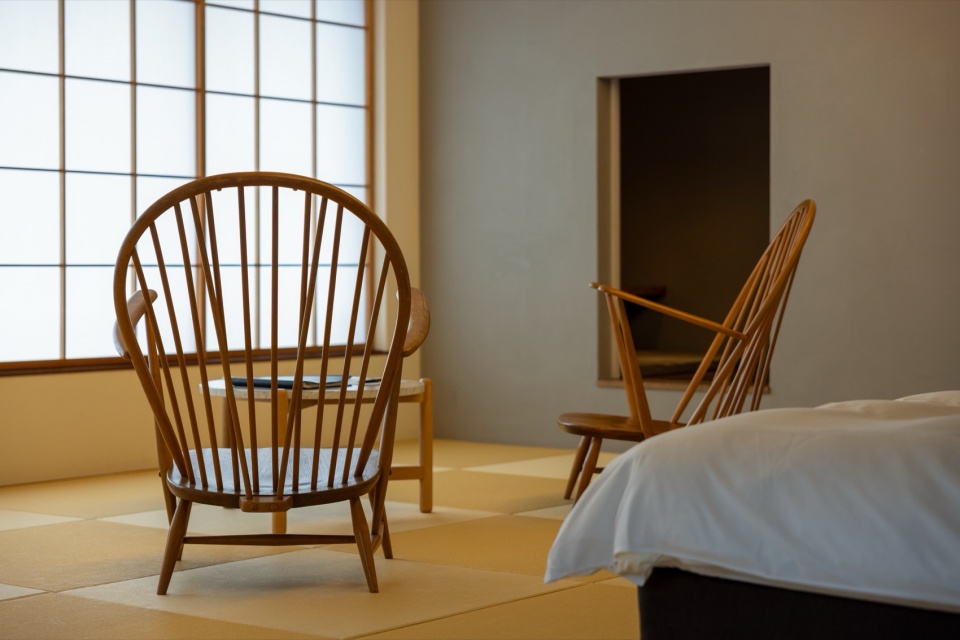
▼客房专属温泉浴池,Private hot spring bath © Design Hotels
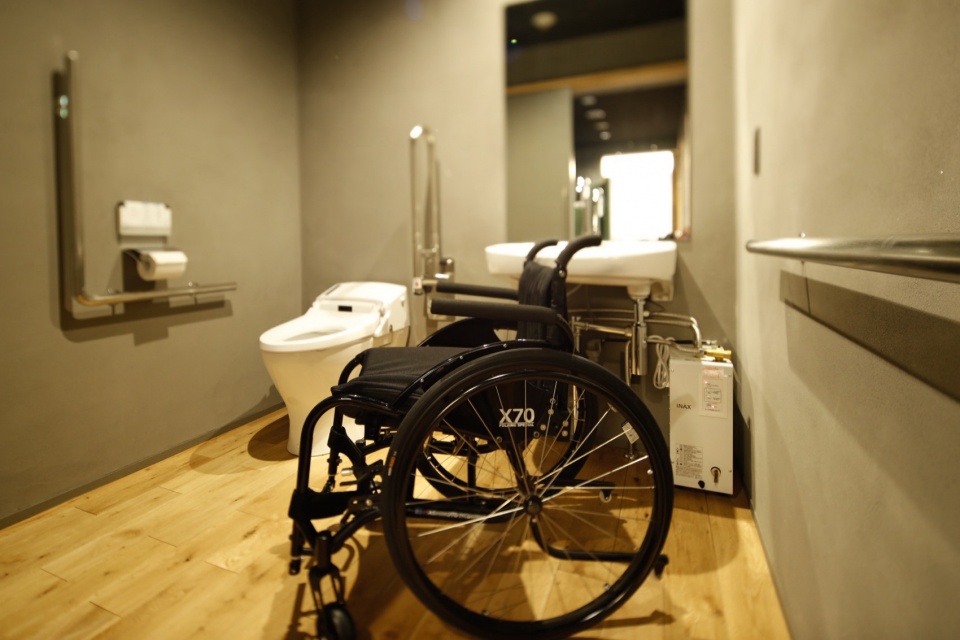
▼客房无障碍设计,Guest room accessibility design © Design Hotels
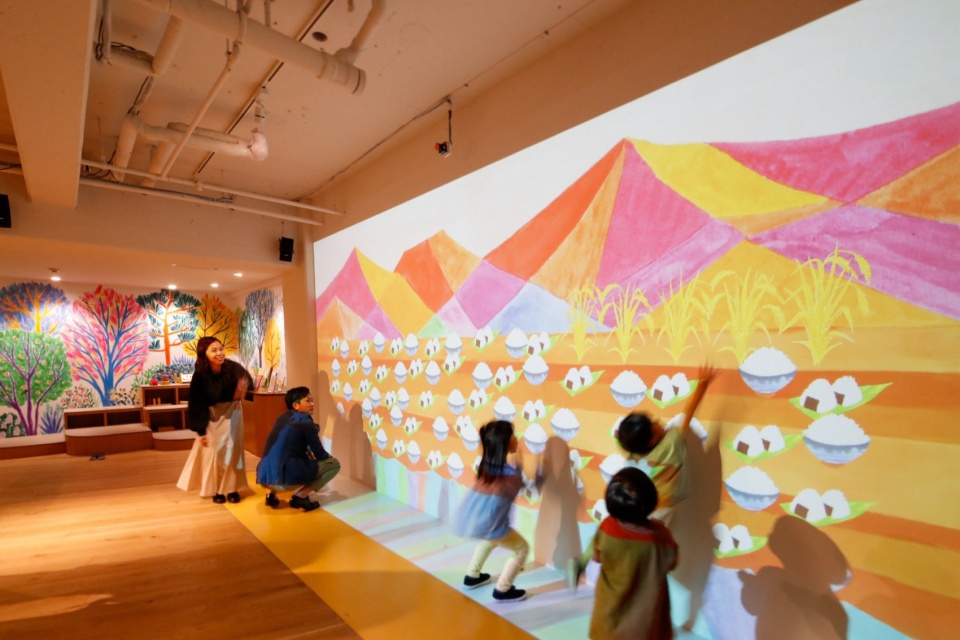
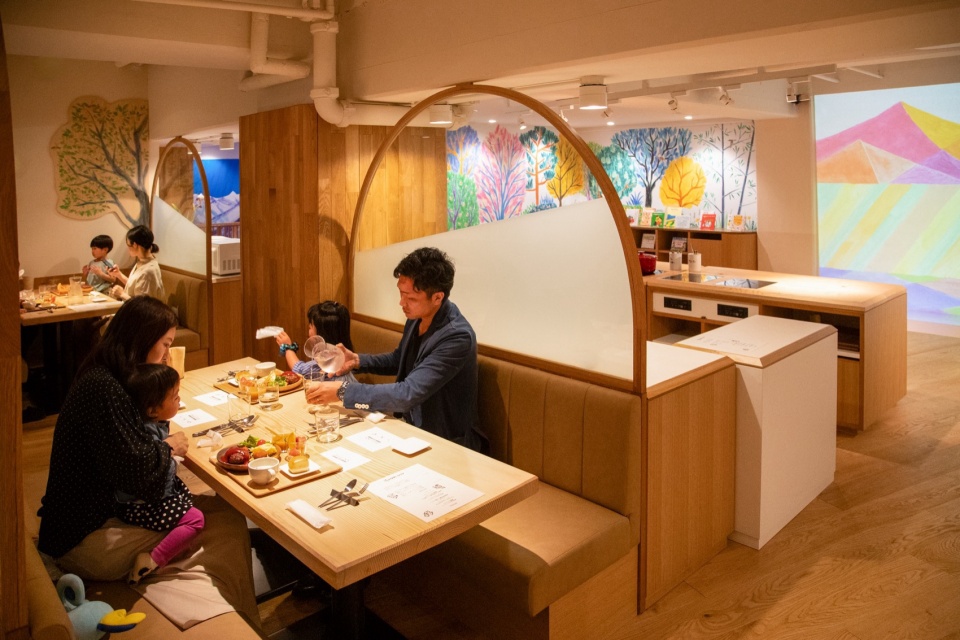
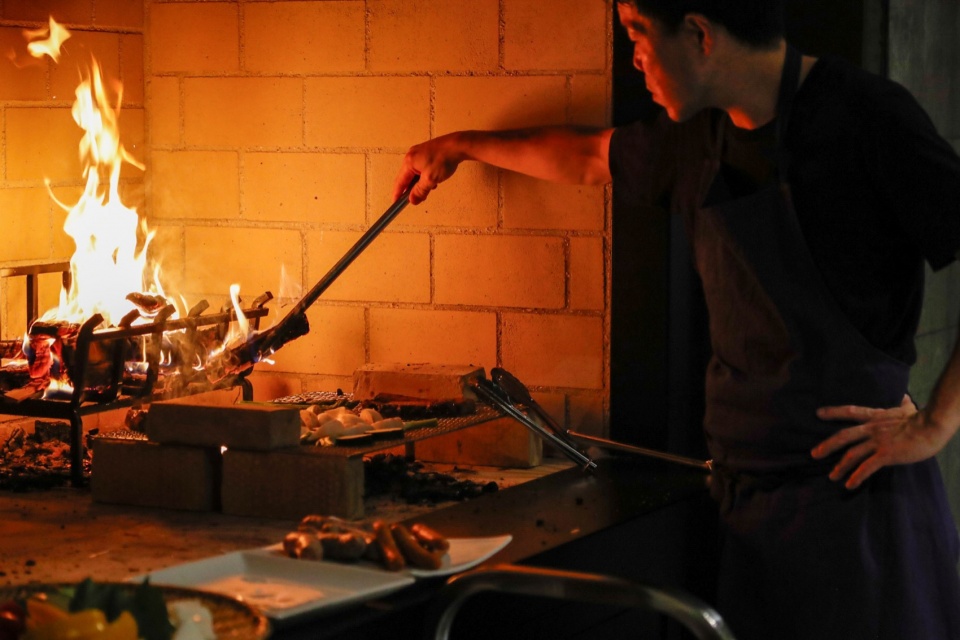
酒店内设两家餐厅,致敬当地食材:Dining 367 是一处精致的活火木炭料理体验,日式融合菜单讲述信州地区的故事;Italian Alps Table 则适合携幼儿的家庭。接待处同时兼作 Okyaki & Coffee——一家供应手冲咖啡与 oyaki(长野备受喜爱的当地特产)的咖啡馆。此外还设有大堂酒吧,以及步行几分钟即可抵达的两家由旧屋改造的咖啡馆,鼓励客人探索浅间温泉的文化(每日导览徒步亦如此)。健康理所当然地成为体验的核心:该地区具有疗愈功效的温泉,曾专为武士保留,邀请客人放慢脚步、放松身心。
Two on-site restaurants celebrate local ingredients: Dining 367, a refined, live wood-fire experience with a Japanese fusion menu that tells the story of the Shinshu region, and Italian Alps Table for families with young children. Reception doubles as Okyaki & Coffee, a café serving hand-drip coffee alongside oyaki, Nagano’s beloved local specialty. There’s a lobby bar, plus two cafés a few minutes’ walk away in repurposed houses which encourage guests to discover the culture of Asama Onsen (as does a daily guided walking tour). Wellness, unsurprisingly, is intrinsic to the experience: the area’s restorative hot springs, once reserved for samurai, invite guests to slow down and unwind.
▼咖啡馆,Cafe © Design Hotels
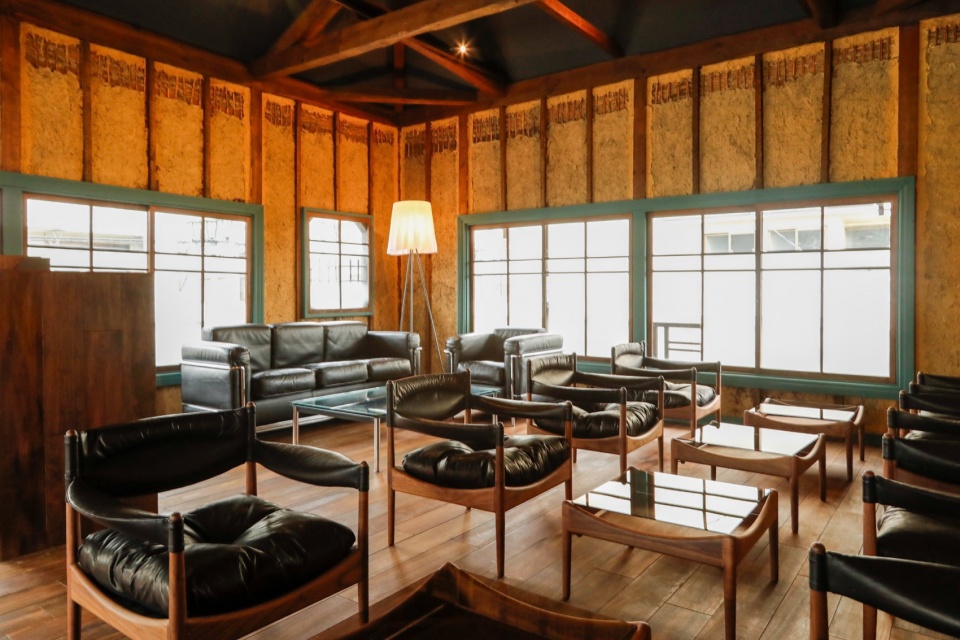
▼亲子餐厅,Restaurant © Design Hotels
▼Dining 367活火木炭料理,Live wood-fire cuisine at Dining 367 © Design Hotels
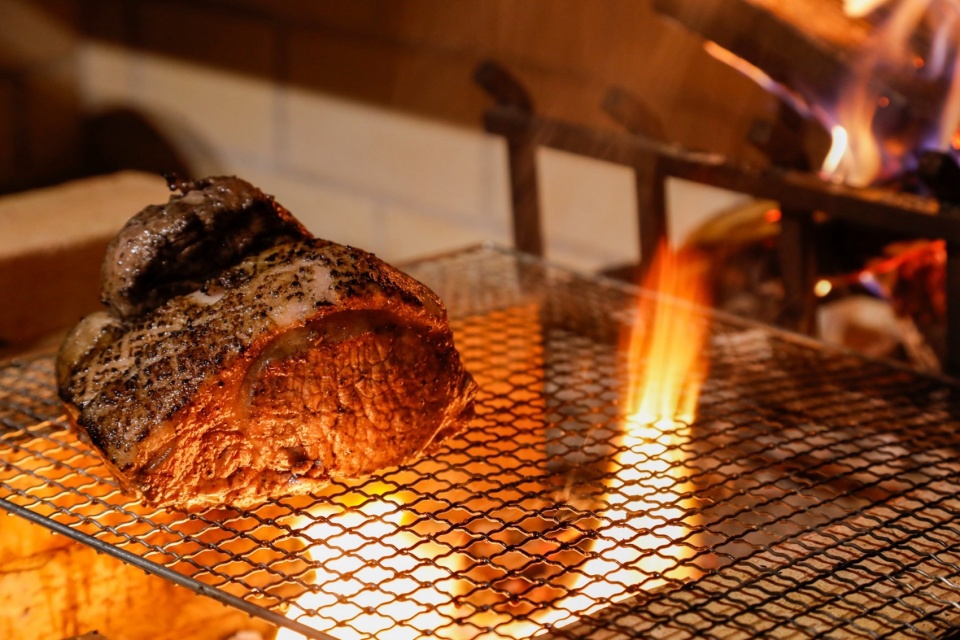
▼Italian Alps Table餐厅,Italian Alps Table © Design Hotels
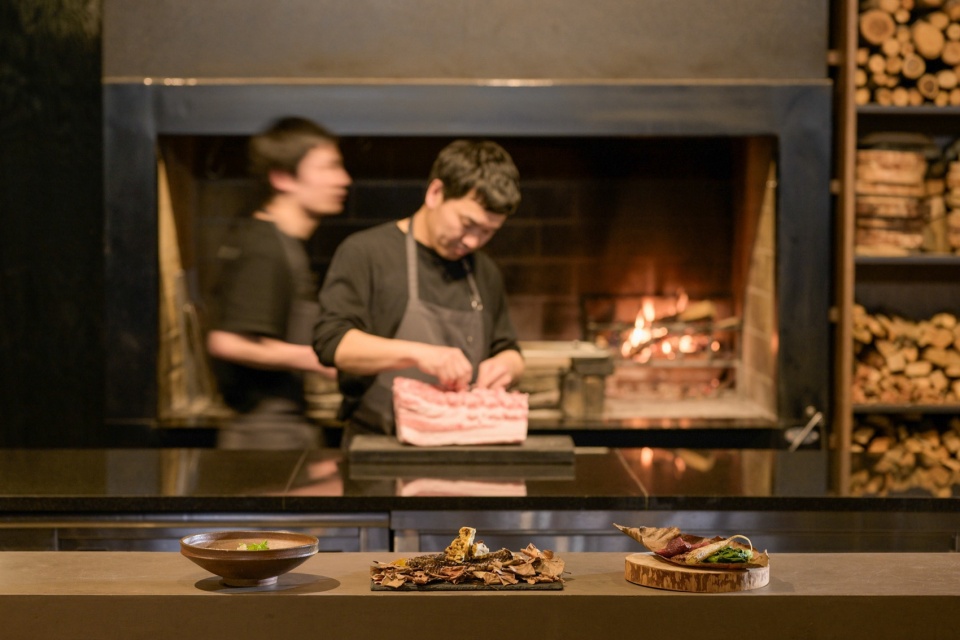
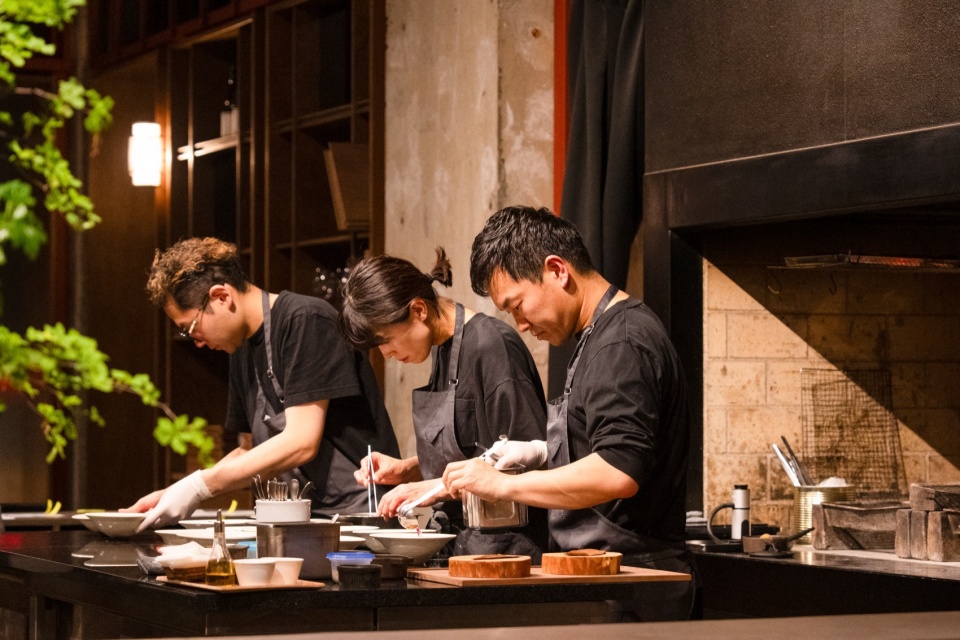
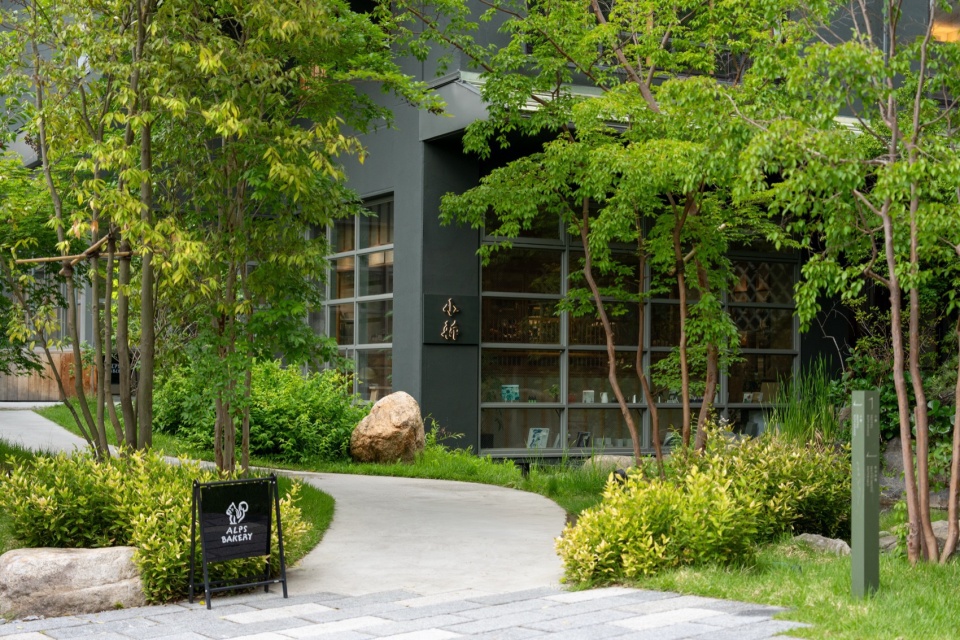
▼书店与生活方式商店,Bookshop and lifestyle store © Design Hotels
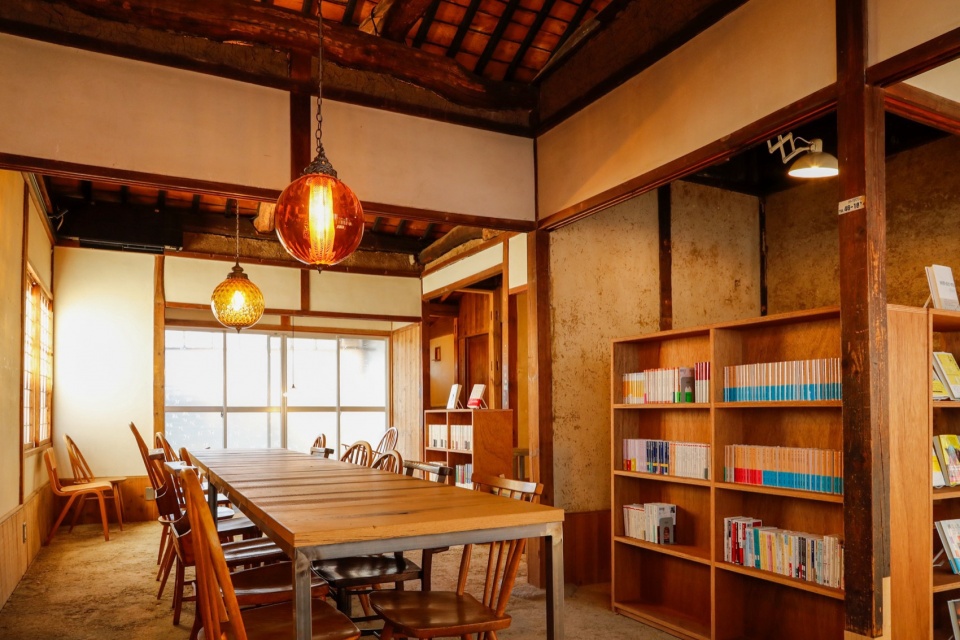
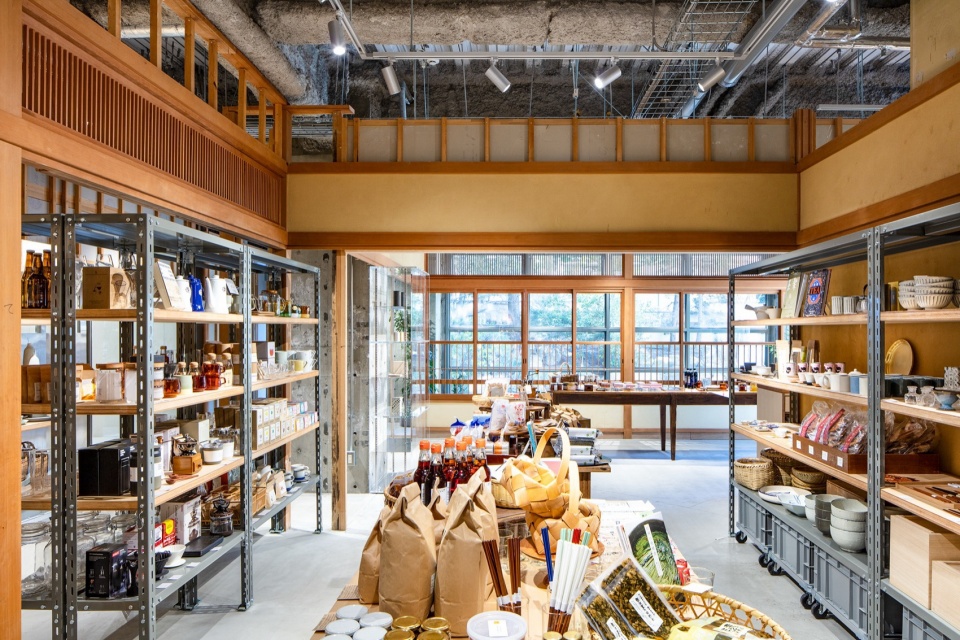
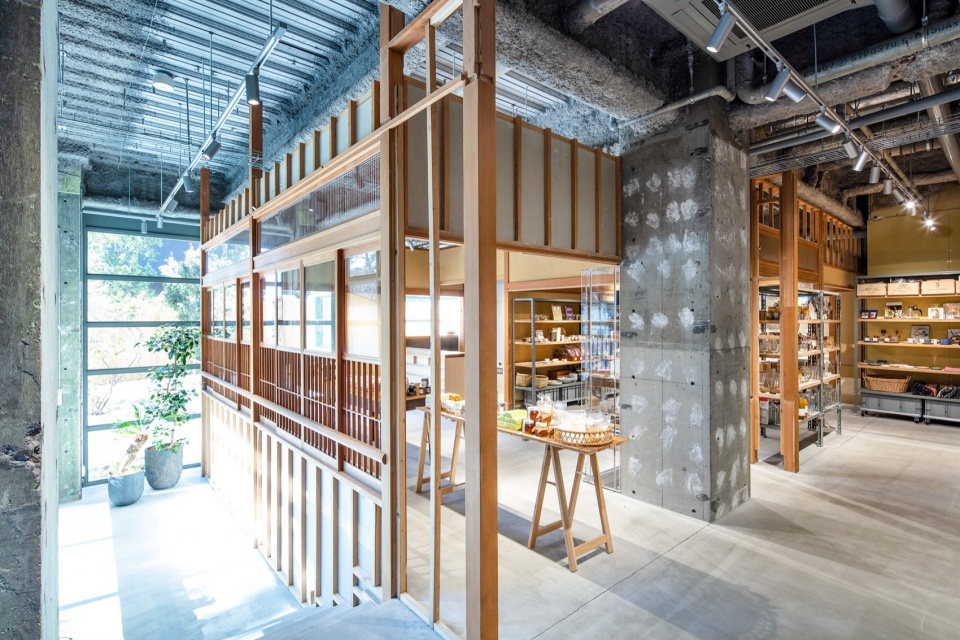
▼旧屋改造的酒吧,bar in a repurposed house © Design Hotels
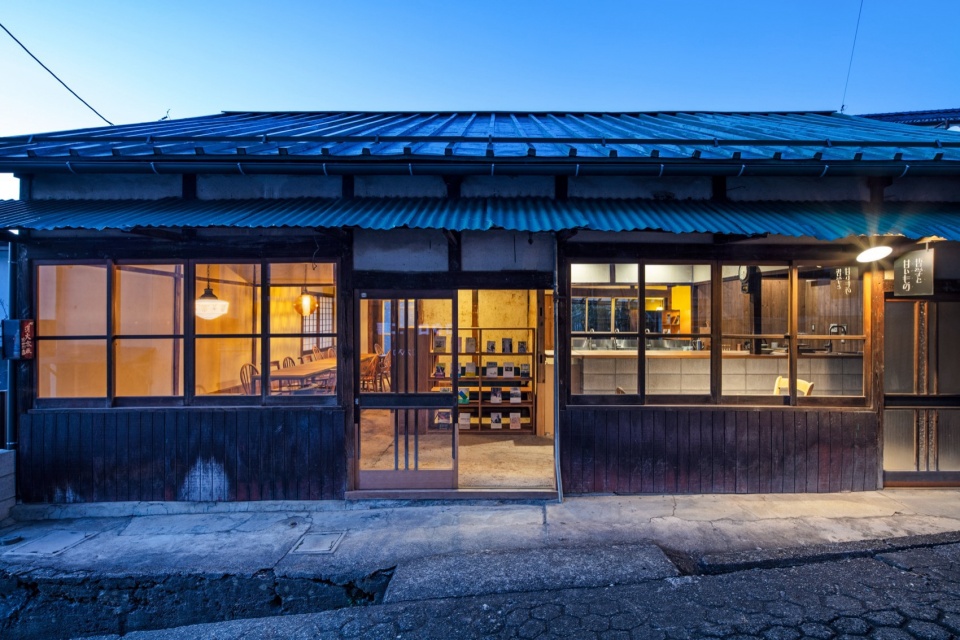
▼酒吧,Bar © Design Hotels
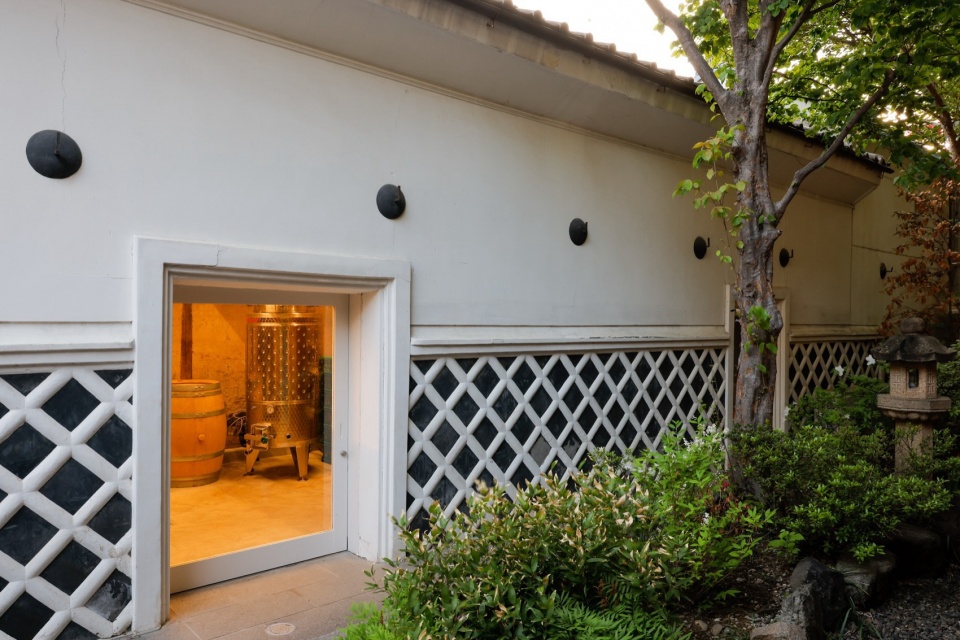
Project Name: Matsumoto Jujo
Location: Asama Onsen, Matsumoto, Nagano, Japan
Owner/Founder: Toru Iwasa (Jiyujin Inc.)
Number of Rooms: 38
Composition: Matsumoto Honbako (original structure), Koyanagi (new construction)
Facilities: Bookshop, lifestyle store, bakery, Edo-period bathhouse, two restaurants, cafés, lobby bar
Architects: Suppose Design Office, Schemata
Brand Affiliation: Design Hotels
MORE:SUPPOSE DESIGN OFFICE + Schemata Architects ,更多请至:SUPPOSE DESIGN OFFICE on gooood + Schemata Architects on gooood。







发表评论
你需要先 才能发表评论
社交登录