农业的要素也就是构成宇宙的要素:水、土、空气和阳光。 —— 瓦罗
The elements of agriculture are the elements of the universe: water, earth, air, and sun —— Marcus Terentius Varro
都市农业最早出现在1930年的日本《大阪府农会报》上,作为学术名词则最早出现在日本学者青鹿四郎1935年发表的《农业经济地理》一书中。20世纪50年代初,美国一些经济学家开始研究都市农业,直到1977年美国农业经济学家艾伦·尼斯撰写的《日本农业模式》一书明确提出“城市农业”一词。 [1]
作为农业的一部分,都市农业首先具有经济价值,充分利用城市的碎片化空间,为城市居民提供亲眼看到的安全食物。其次,它具有强大的景观价值,美化环境造福城市,优化都市排水系统。都市农业不仅能够增加人们与自然接触的机会,对人们的心理也起到积极的作用,适当的劳作能够慰藉人们的心灵,使人获得真实收获的满足感。都市农业还具有一定的教育意义,让孩子们能够从小接触到基本的农业知识,传承农耕文化,同时切身体会到食物得来的不易,从而避免出现食物浪费的陋习。
The concept “Urban agriculture” in Japanese “Osaka Prefecture Agricultural Association Daily” in 1930. And then, it officially used as an academic term in the book of “Agricultural Economic Geography” published by Japanese scholar Aoka Shiro in 1935. n the early 1950s, some economists in the United States began to study urban agriculture. It was not until 1977 that the word “urban agriculture” was clearly put forward in the book “Japanese Agricultural Model” written by American agricultural economist Alan Ness.
As a part of agriculture, urban agriculture has economic value in the first place, it makes full use of the fragmented space of cities and provides safe food for urban residents seen with their own eyes. Secondly, it has a strong landscape value, beautifying the environment for the benefit of the city, and optimizing the urban drainage system. Urban agriculture can not only increase people’s opportunities to contact with nature, but also play a positive role in people’s psychology. Appropriate agricultural work can comfort people’s hearts and make people get the satisfaction of real harvest. Urban agriculture also has a certain educational significance, which enables children to have access to basic agricultural knowledge and inherit farming culture from an early age. At the same time, they can have a personal experience of the difficulty of obtaining food, so as to avoid the bad habit of food waste.
1.
2015ASLA分析及规划类荣誉奖: Fayetteville 2030: Food City Scenario
2015ASLA: Fayetteville 2030: Food City Scenario
点击蓝色链接查看更多 Click on the blue link to see more
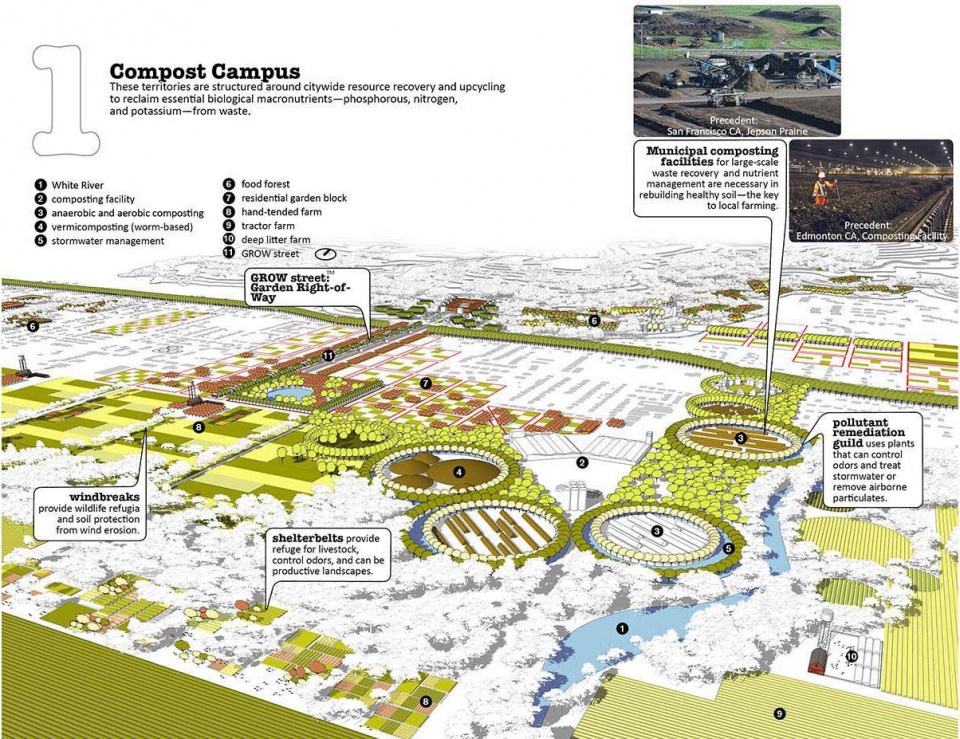
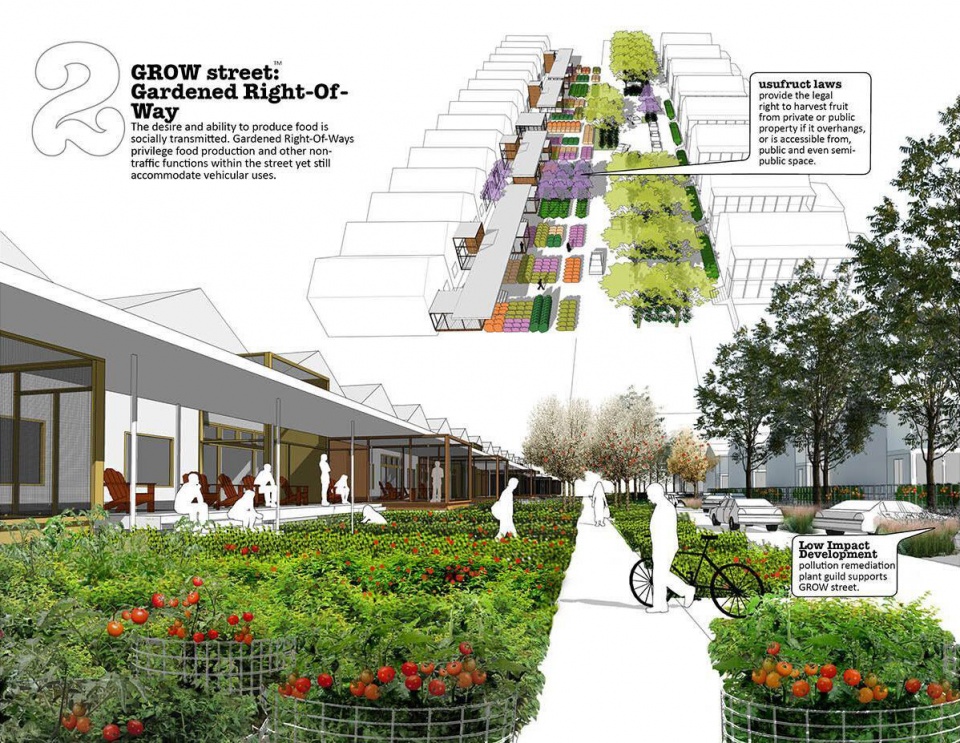
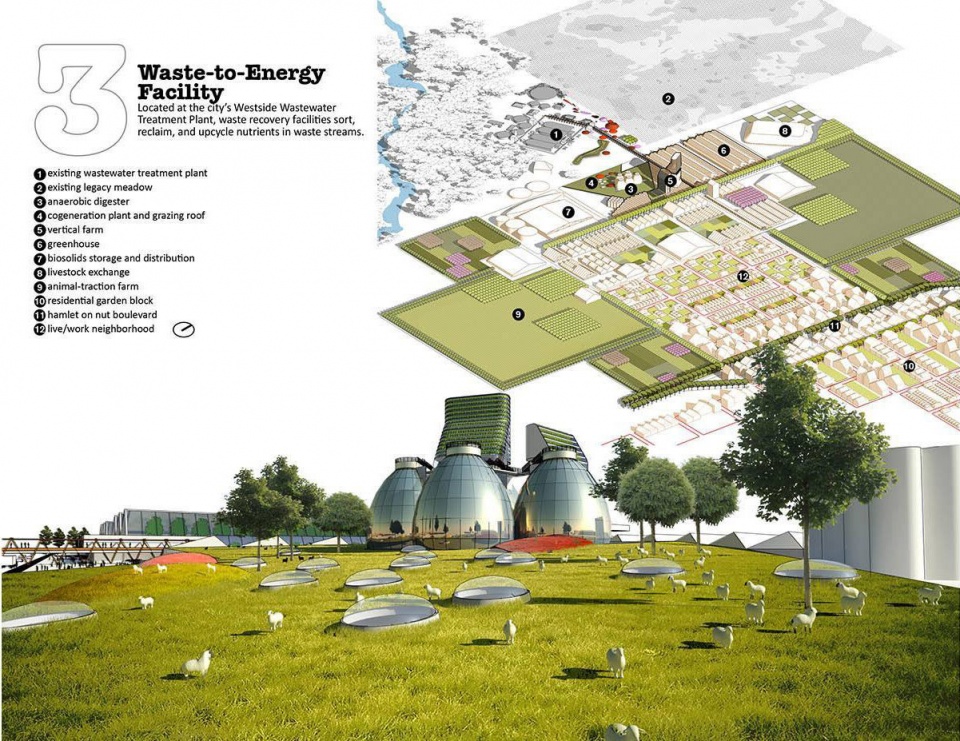
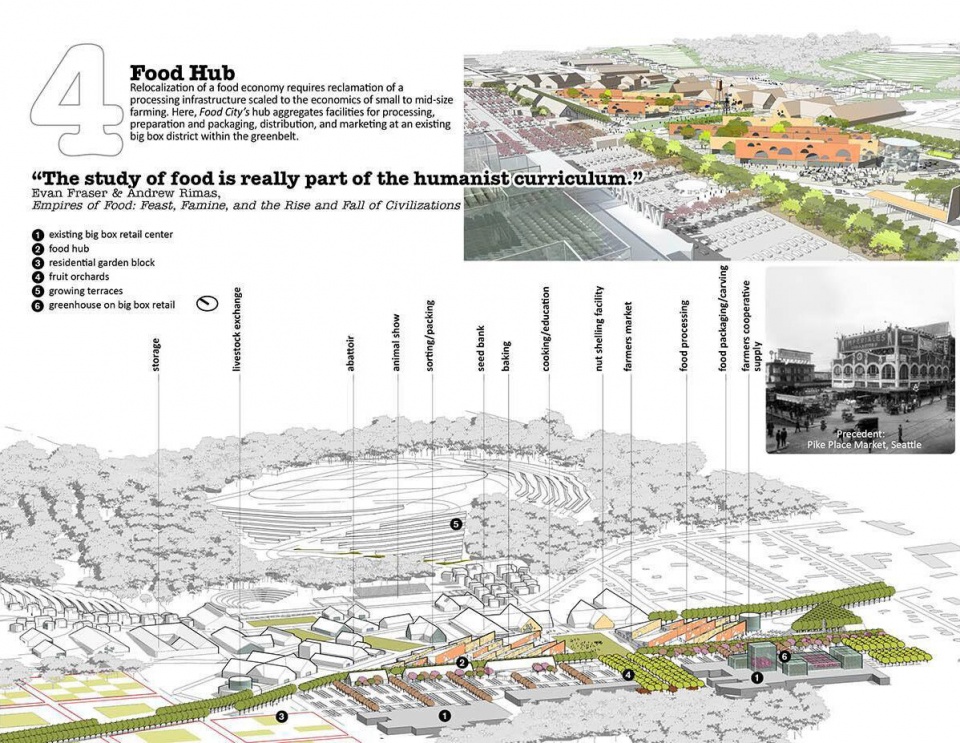
本项目探索了未来城市农业模式的可能,旨在利用新型农业生态模型填补现代城市农业结构中的空缺。“Food City”依照农业生态学,制定了5个具有相应功能的城市种植区:1. 由现有多年生林地演变而来的永续/食用景观 2. 需要密集养护的一年生农业景观 3. 由行道果树和庭院农业组成的街道农业 4. 保障城市农业环境安全的污染治理景观 5. 以及利用城市污染水源,变废为宝的集中型农业生产
This project explores the possibility of future urban agriculture model, aiming to fill the gap in modern urban agriculture structure with new agricultural ecological model. According to agroecology, “Food City” has formulated 5 urban planting areas with corresponding functions: 1. A sustainable/edible landscape evolved from existing perennial woodland 2. An annual agricultural landscape requiring intensive conservation 3. Street agriculture composed of street fruit trees and courtyard agriculture 4. Landscape of pollution control to ensure the safety of urban agricultural environment 5. And the use of urban water pollution, waste into concentrated agricultural production
2.
都市农场,泰国 / Integrated Field Co.,Ltd.
Coro Field / Integrated Field Co.,Ltd.
点击蓝色链接查看更多 Click on the blue link to see more
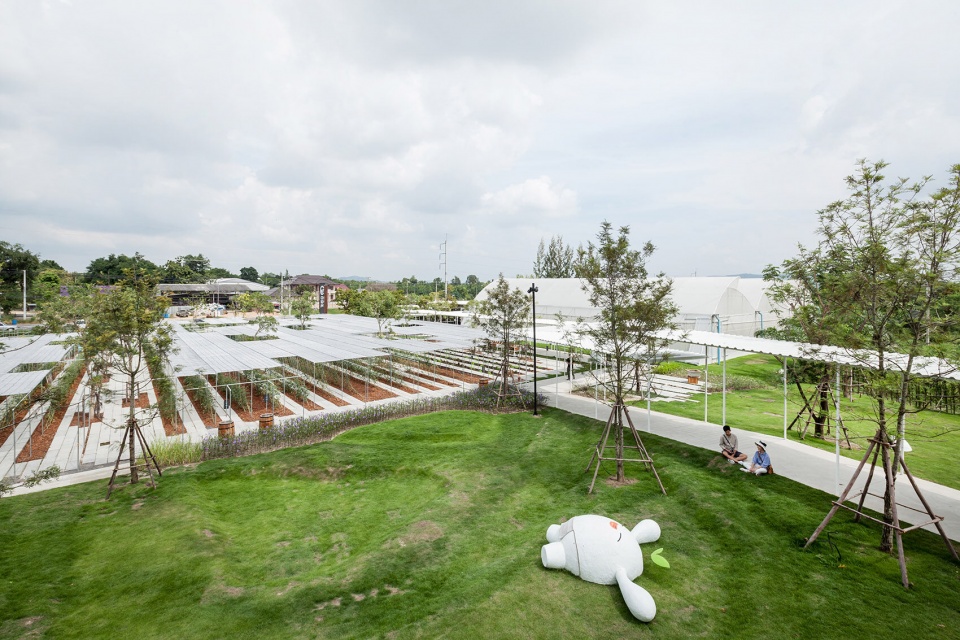
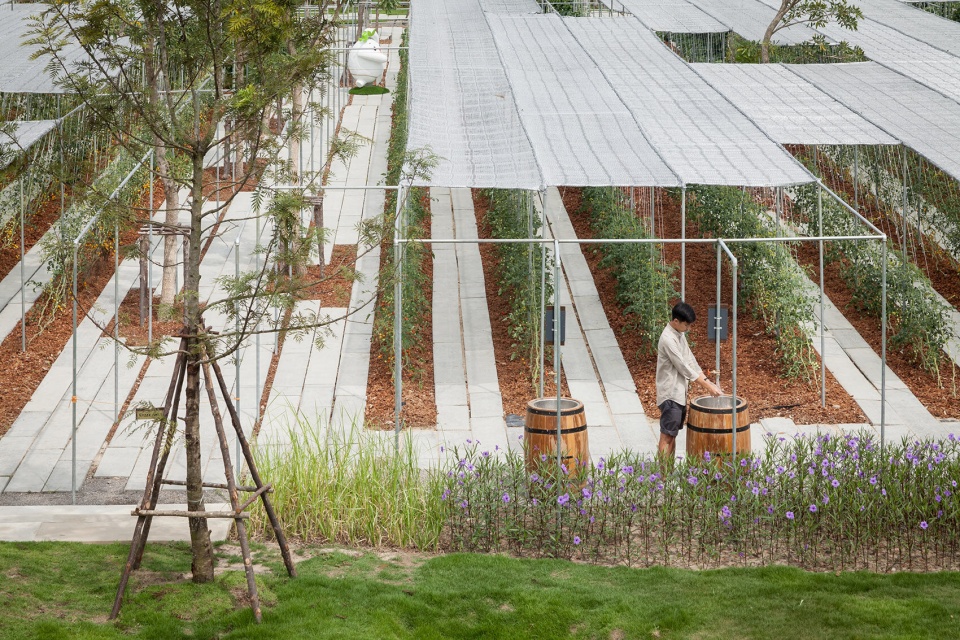
本项目利用了与城市接壤的边缘地带,将种类繁多的农产品和平静的田园生活引入城市。通过将餐厅与种植农场相结合的形式,展示着来自土地,自产自销的农产品,同时增强了社区与土地之间的联系。
The project takes advantage of the marginal area bordering the city. It intends to bring the farming products and farming lifestyle from the farm to the urbanites. By combining the restaurant with the growing farm, it displays the produce that comes from the land and sells itself, while strengthening the connection between the community and the land.
一般来讲,都市农业的类型重要分为:农业公园(农业与公园结合)、屋顶农园(充分运用利用顶楼空间)、市民农园(公有地开放市民承租,吸引市民直接参与)、观光农园(开放式的农园,使人民实际参观农产过程)、高科技农业园区(透过高科技生产和管理技术,提高生产效益)、休闲农场(休闲观光为主,吸引市民实际亲近自然、体验农村生活)、设施型农业(运用现代科技与先进的农艺技术,建立现代化的农业设施)、特色型农业(透过先进的科技,使农产品在国际市场上具有竞争力的特色农业) [2] 通过将大胆的设想与不断突破的技术相结合,建筑师则赋予了都市农业更多形式,例如,垂直式的都市农场、移动式的种植装置小品等,这些方案都为未来的都市农业发展创造出更多可能。
In general, the types of urban agriculture are mainly divided into: Agriculture park, roof garden (fully using the attic space), city farm (rentable public space which attend to attract citizen to participle the agriculture work), the sightseeing farm (that show the farming process to public), high-tech agriculture parks (through the high-tech production and management technology, Improve the production efficiency), the leisure farm (provide the actual close to nature, allow people to experience rural life), agriculture facilities (using the modern technology and advanced agricultural technology), Characteristic agriculture (through advanced science and technology, make the agricultural product more competitive in the international market). By combining bold ideas with breakthrough technologies, the architects have given more forms to urban agriculture, such as vertical urban farms, mobile planting devices, etc., all of which create more possibilities for the future development of urban agriculture.
屋顶农园
Roof garden
3.
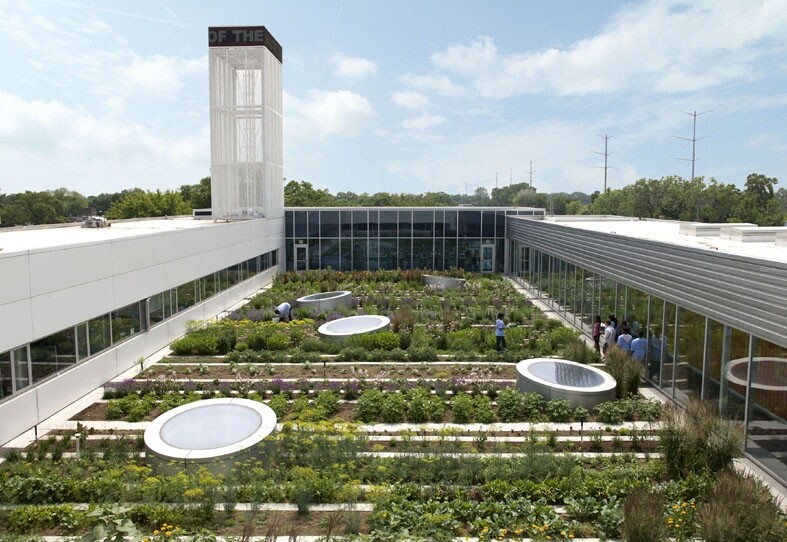
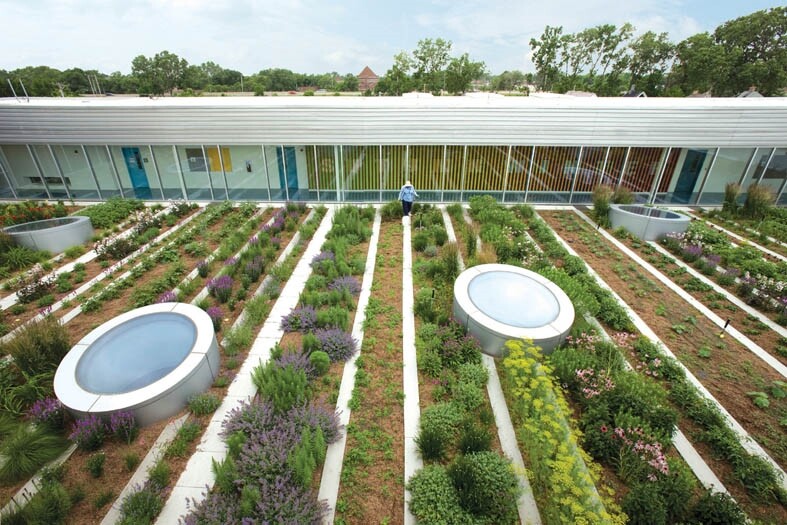
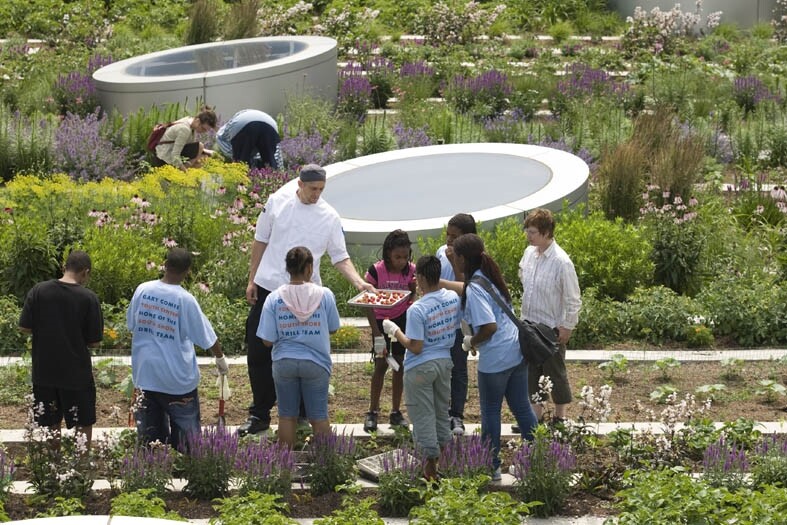
2010ASLA景观专业奖{10}通用设计荣誉奖:屋顶的城市农场
2010ASLA Rooftop Haven for Urban Agriculture by Hoerr Schaudt Landscape Architects
点击蓝色链接查看更多 Click on the blue link to see more
4.
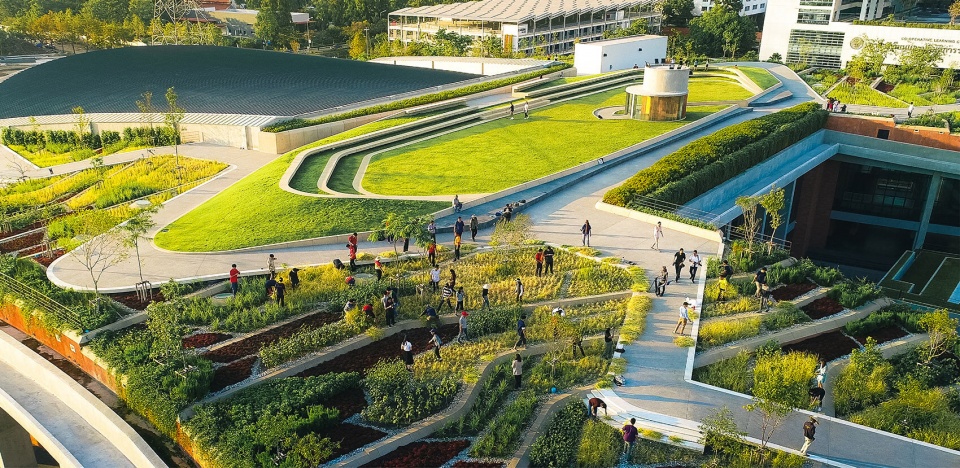
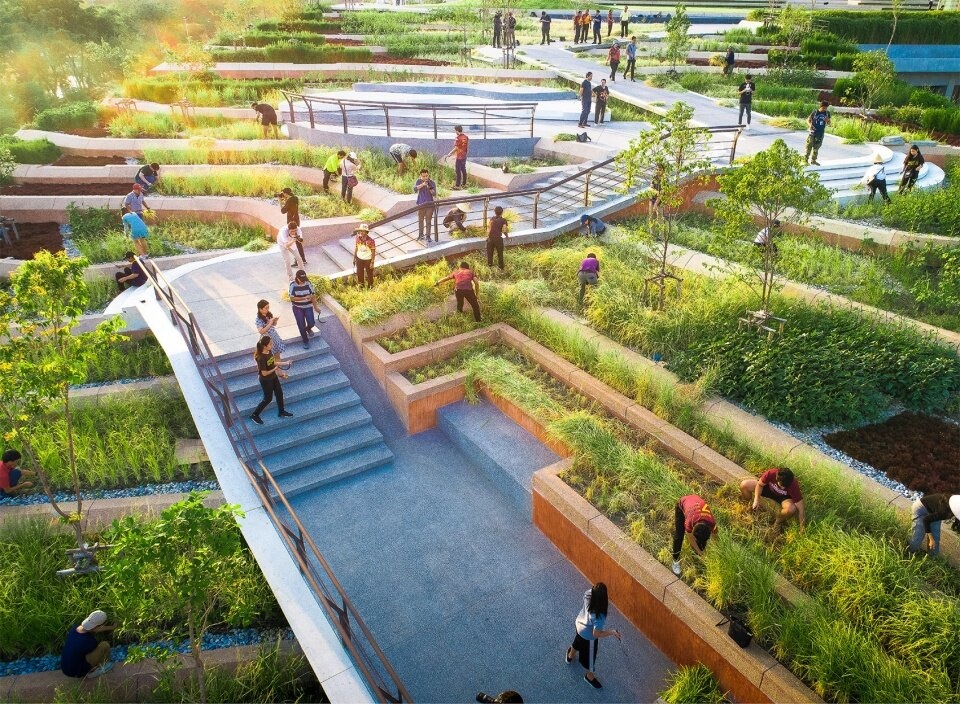
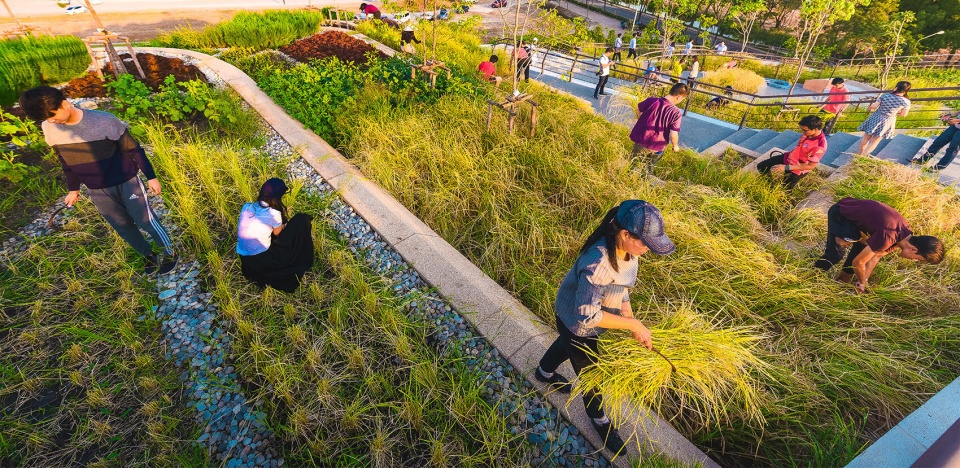
泰国国立法政大学屋顶有机农场,曼谷 / LANDPROCESS
Thammasat University Rooftop Farm by LANDPROCESS
点击蓝色链接查看更多 Click on the blue link to see more
5.
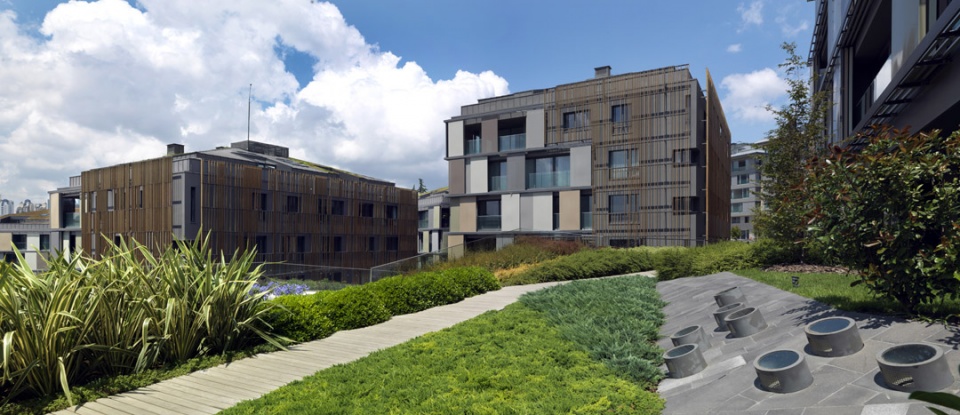
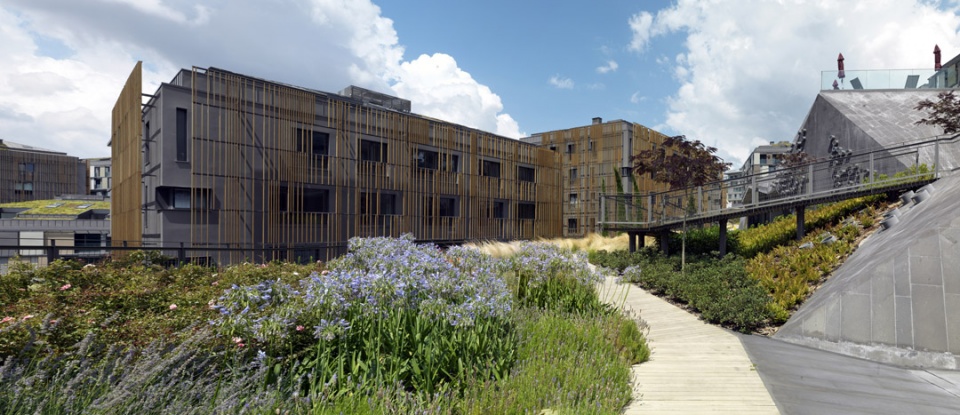
引入农业景观的社区屋顶花园,土耳其 / DS Architecture – Landscape
Ulus Savoy Housing by DS Architecture – Landscape
点击蓝色链接查看更多 Click on the blue link to see more
6.
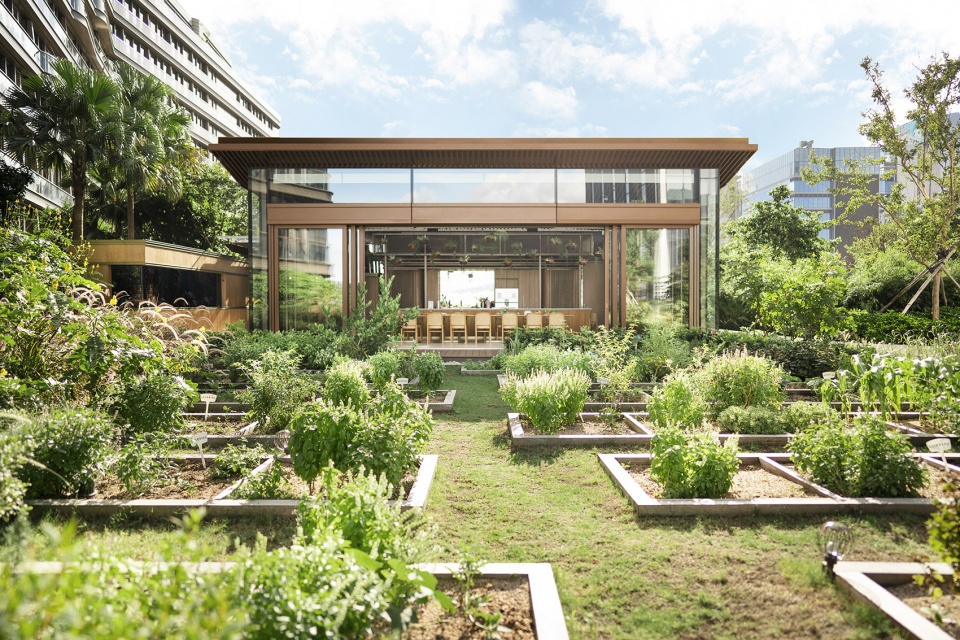
自然探索公园,香港 / LAAB Architects
Nature Discovery Park, Hong Kong, China by LAAB Architects
点击蓝色链接查看更多 Click on the blue link to see more
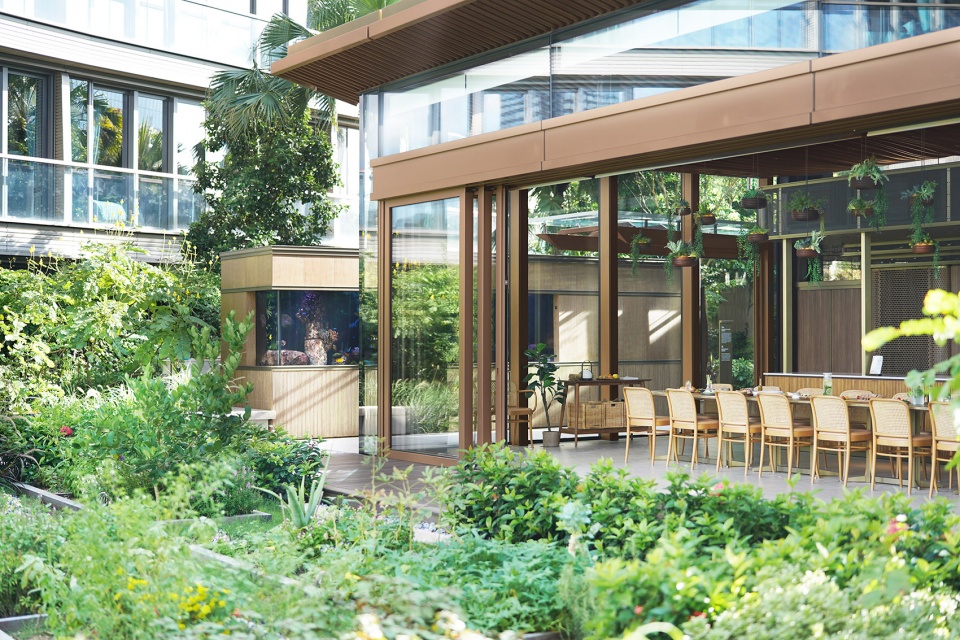
7.
Oasis Terraces社区中心和医院,新加坡 / Serie Architects + Multiply Architects
Oasis Terraces by Serie Architects + Multiply Architects
点击蓝色链接查看更多 Click on the blue link to see more
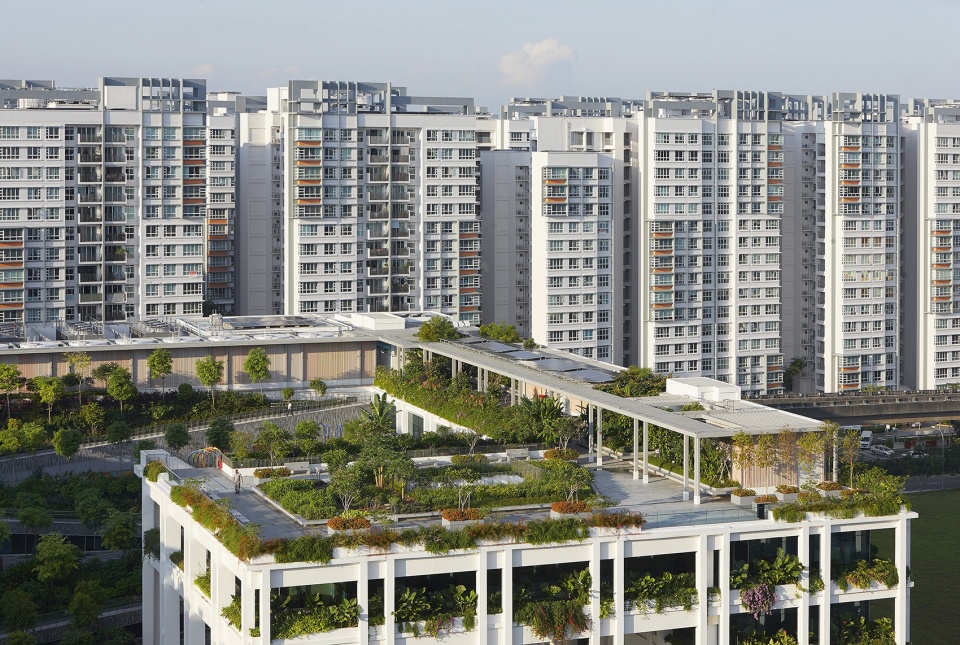
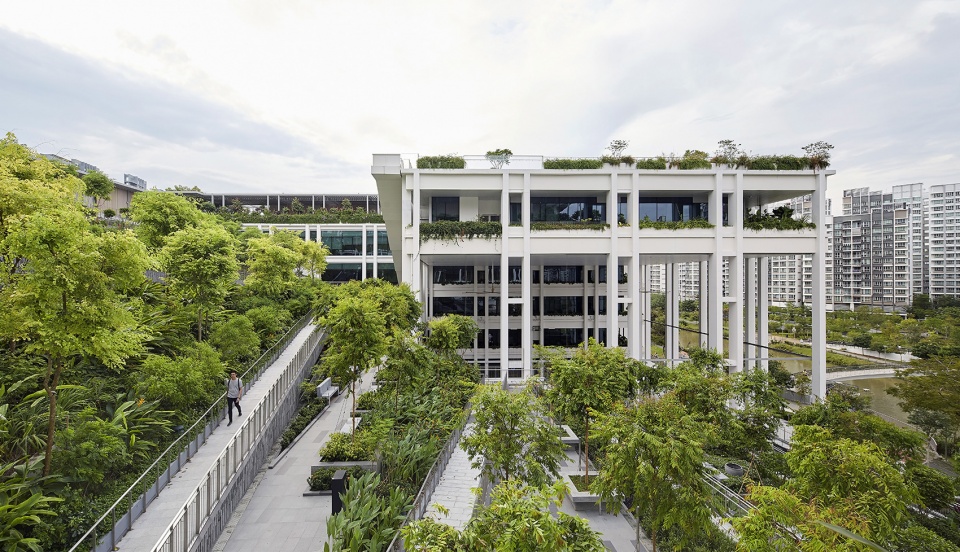
8.
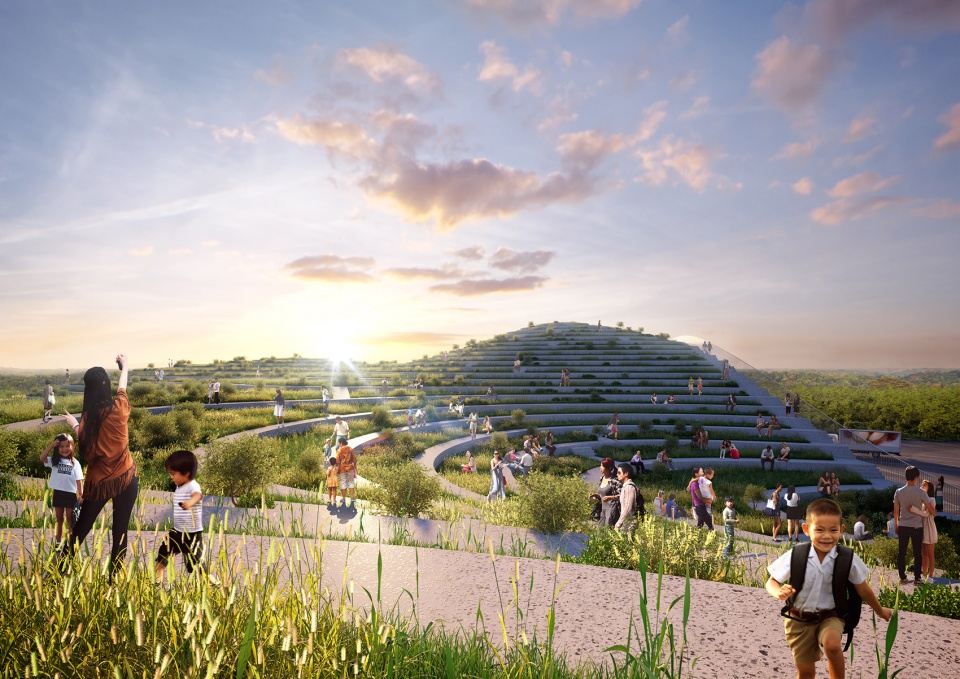
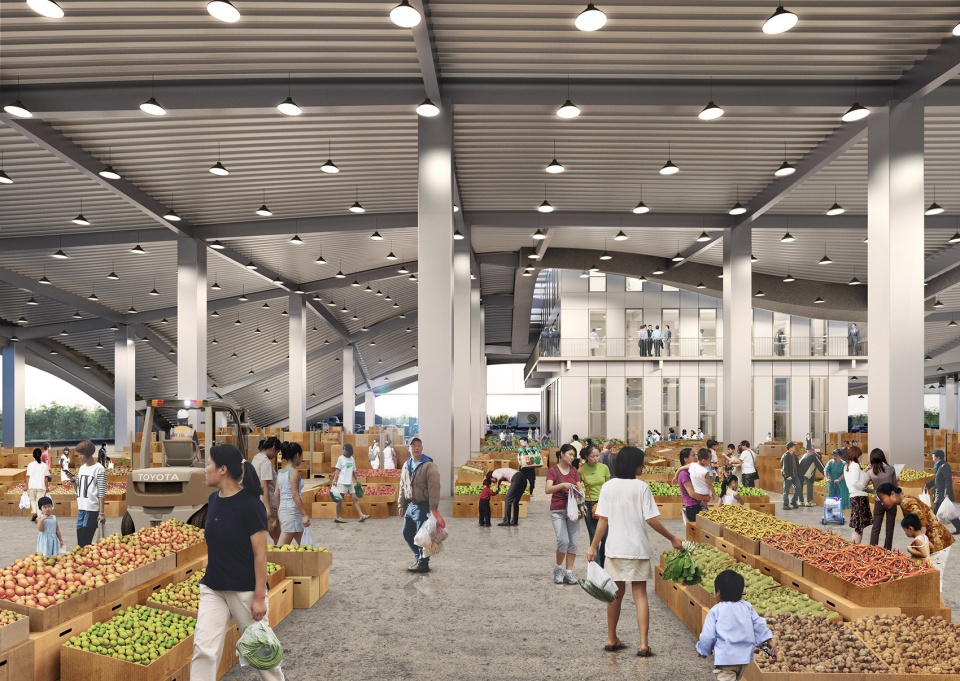
台南新华果蔬市场,台湾 / MVRDV
Tainan Xinhua Fruit And Vegetable Market, Taiwan by MVRDV
点击蓝色链接查看更多 Click on the blue link to see more
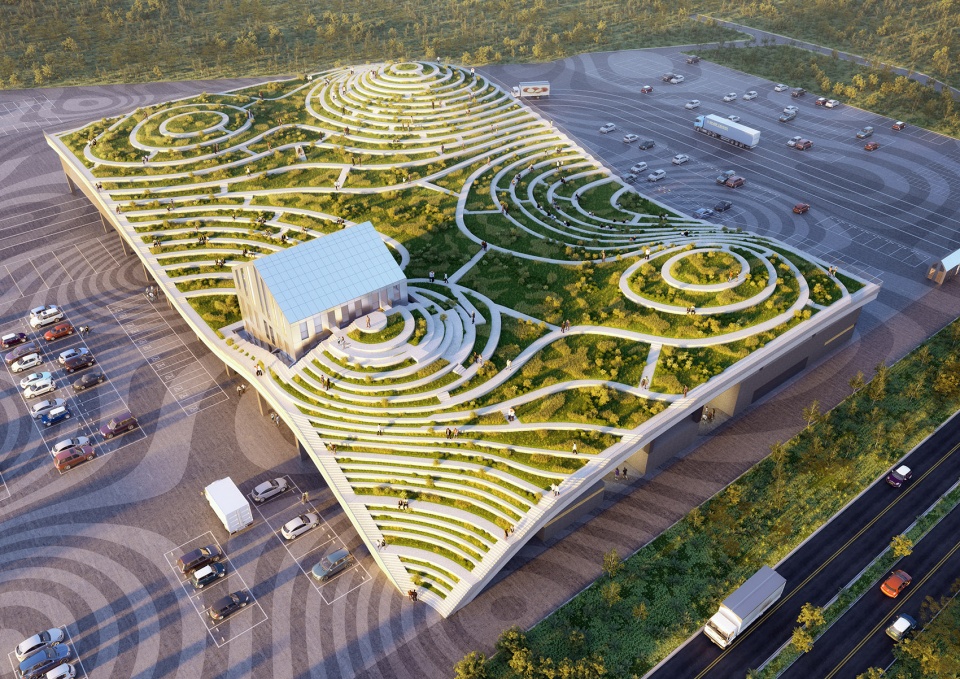
9.
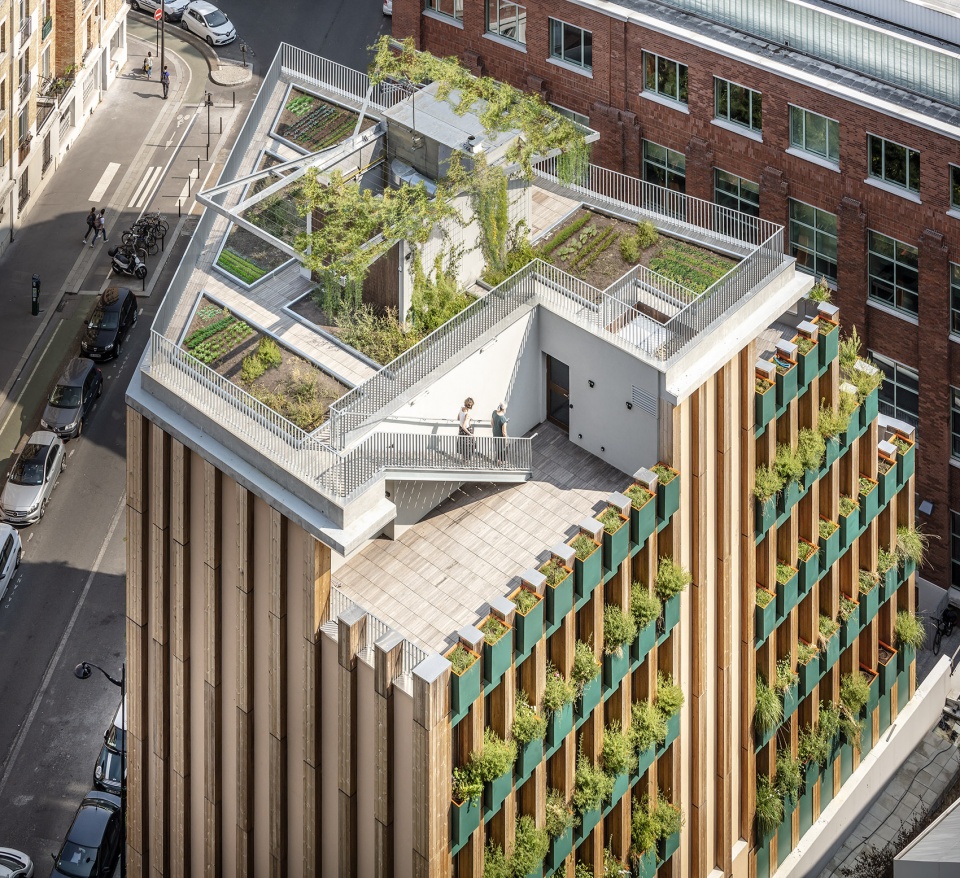
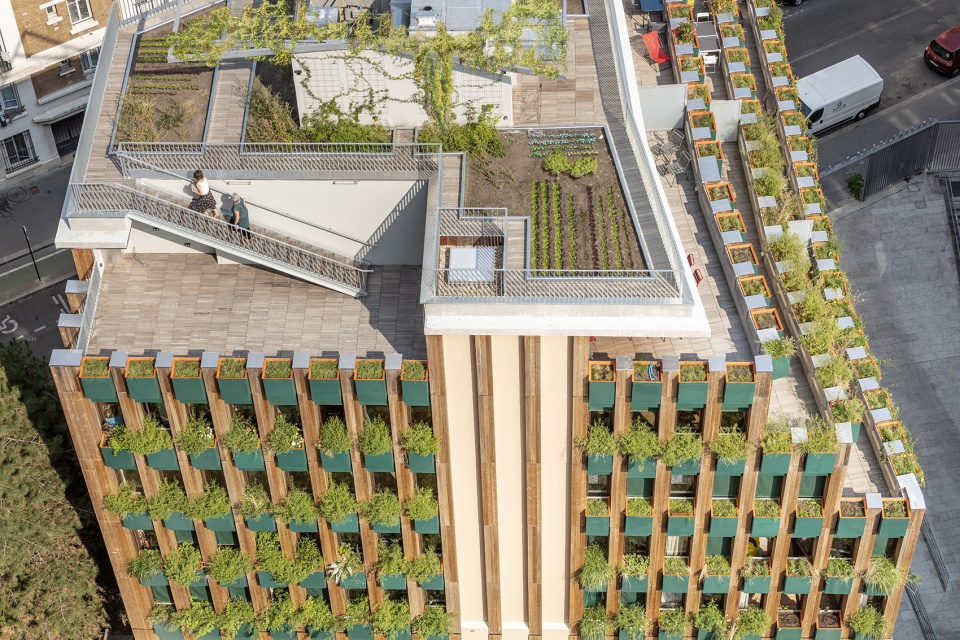
EDISON LITE公寓,巴黎 / Manuelle Gautrand
EDISON LITE by Manuelle Gautrand Architecture
点击蓝色链接查看更多 Click on the blue link to see more
10.
“红屋顶”住宅,越南 / TAA DESIGN
The Red Roof by TAA DESIGN
点击蓝色链接查看更多 Click on the blue link to see more
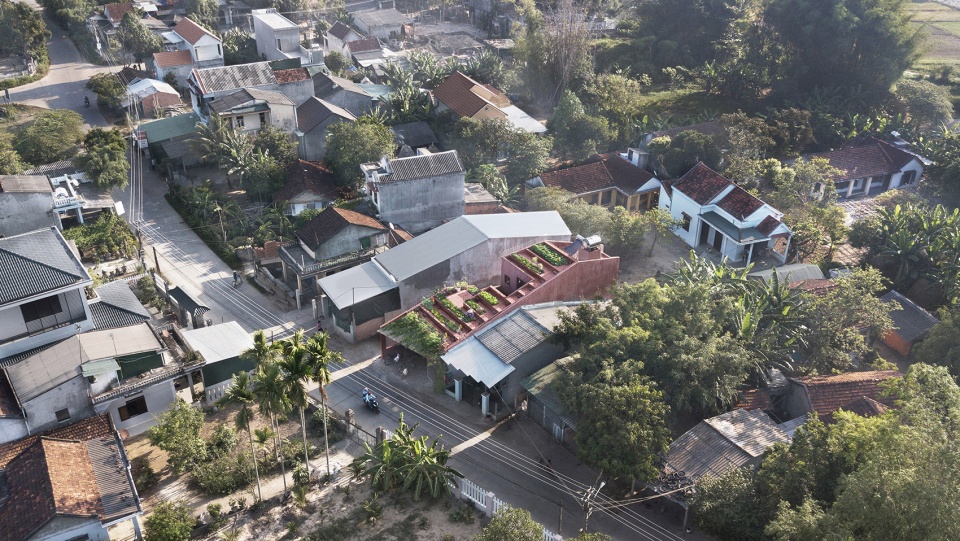
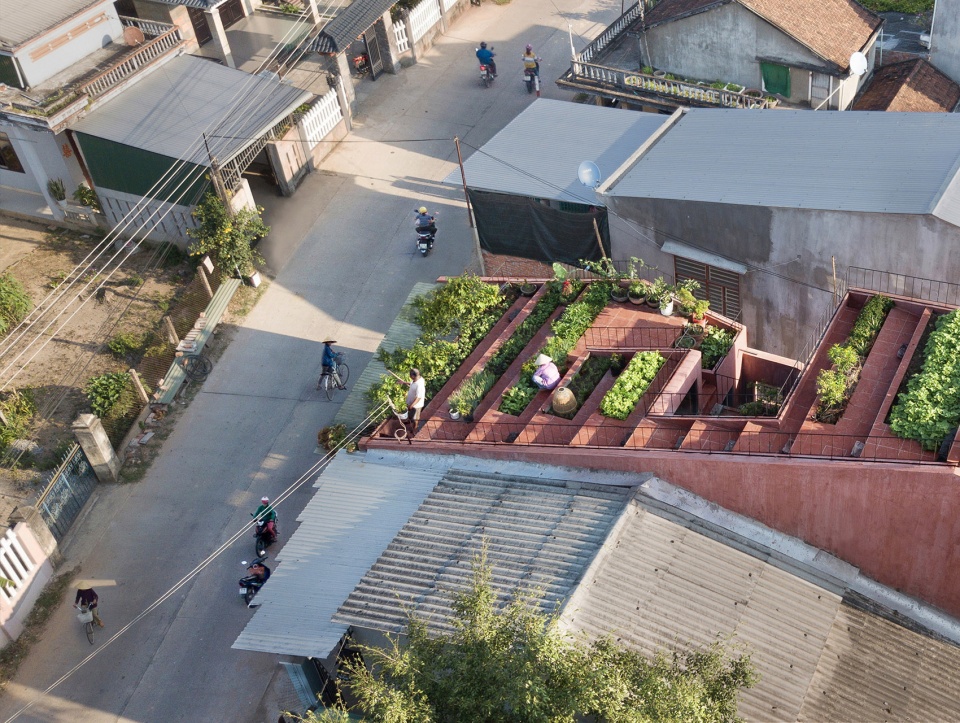
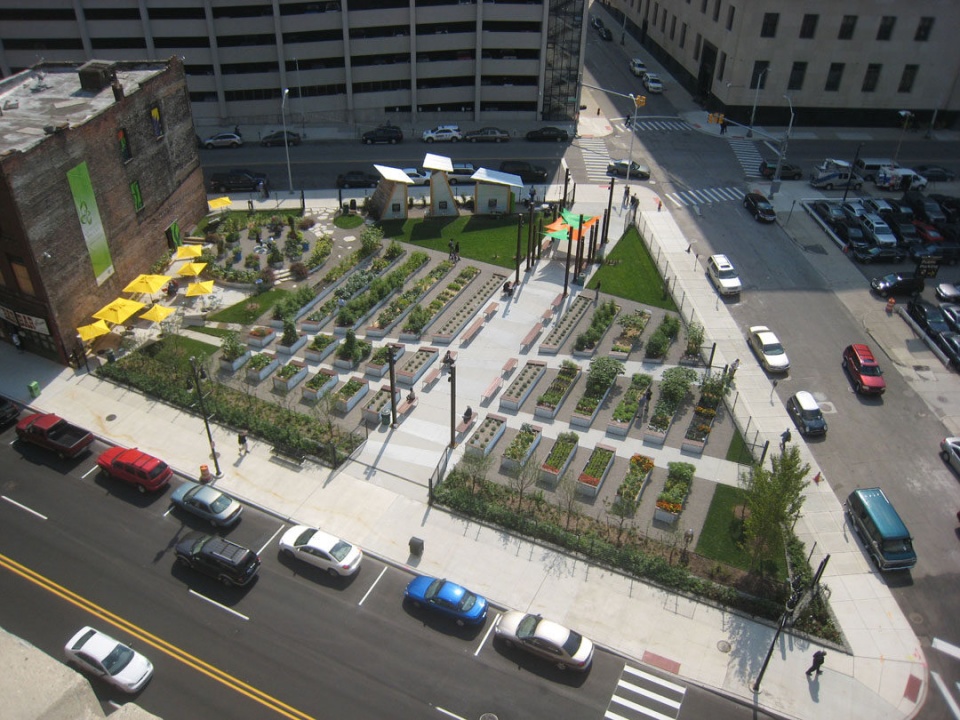
城市碎片空间中的市民农园
Citizen’s Garden in Urban Fragment Space
11.
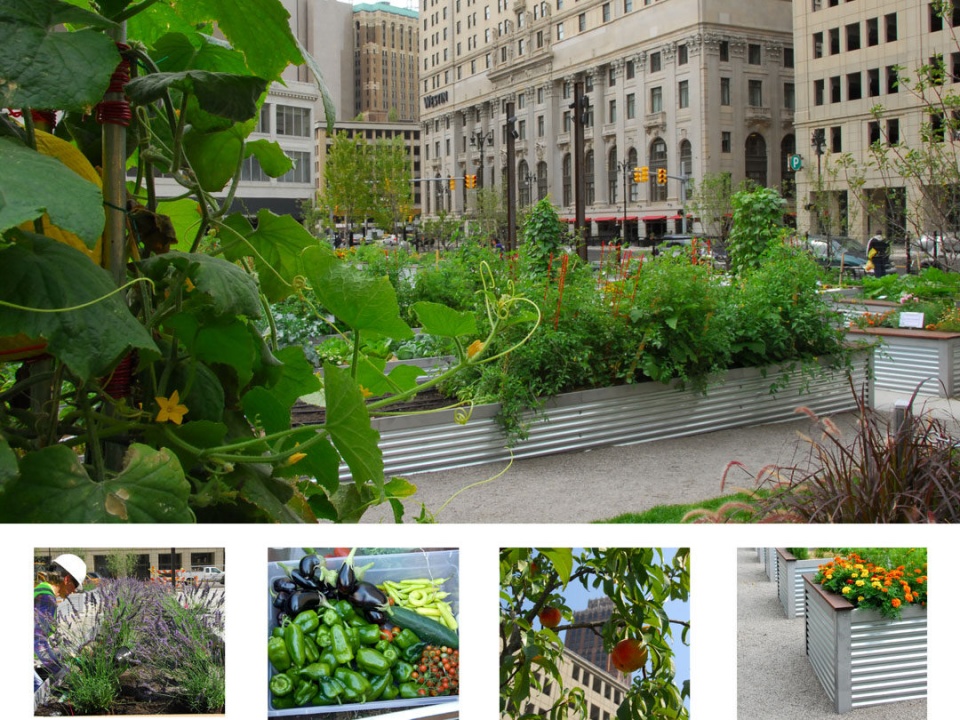
2012 ASLA专业奖 通用设计荣誉奖 都市农业
Kenneth Weikal Landscape Architecture, Farmington Hills, MI
点击蓝色链接查看更多 Click on the blue link to see more
12.
哈根顿空地改造,城市农场,韩国首尔 / KDDH
Haengchon vacant lot 3, Seoul, South Korea by KDDH
点击蓝色链接查看更多 Click on the blue link to see more
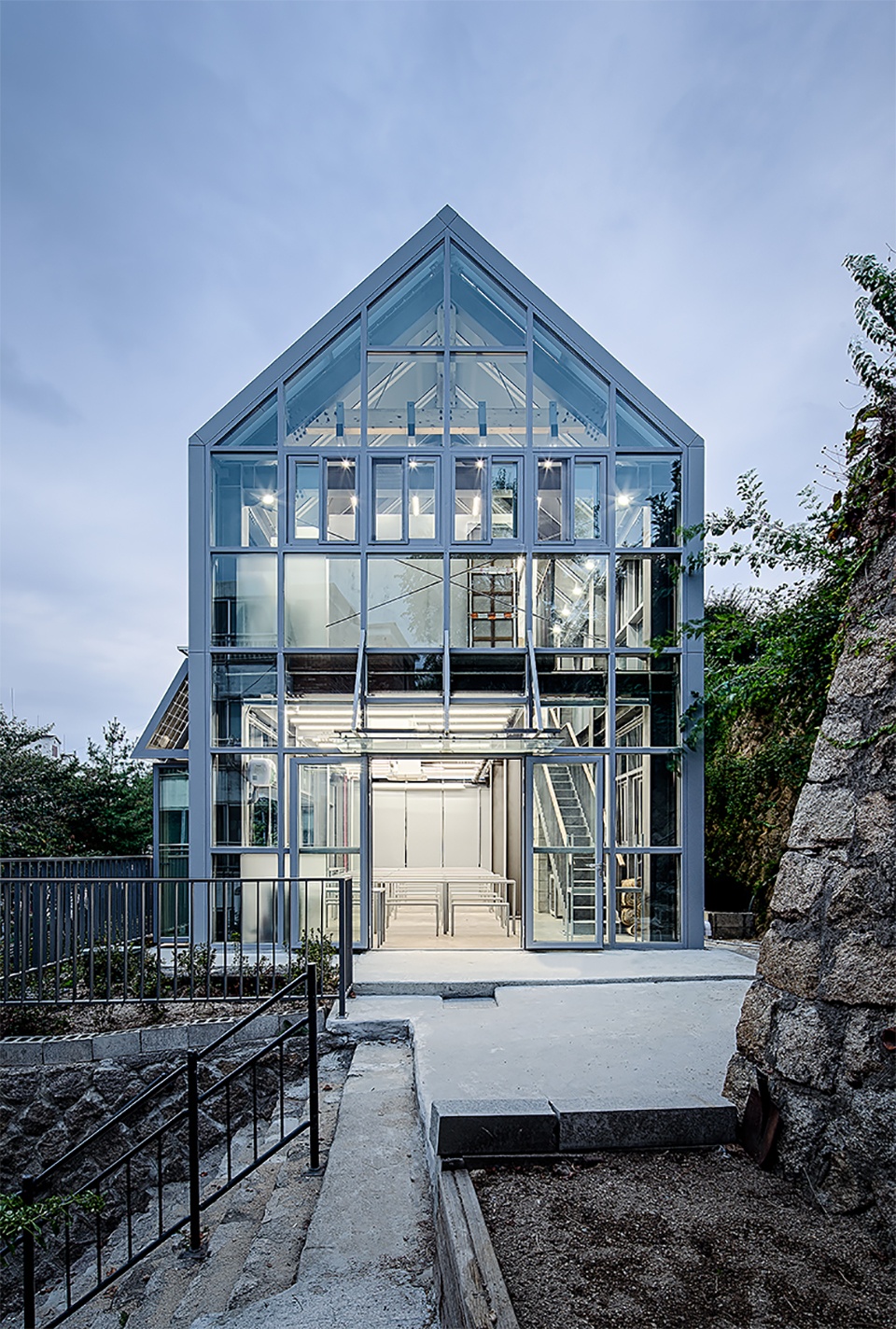
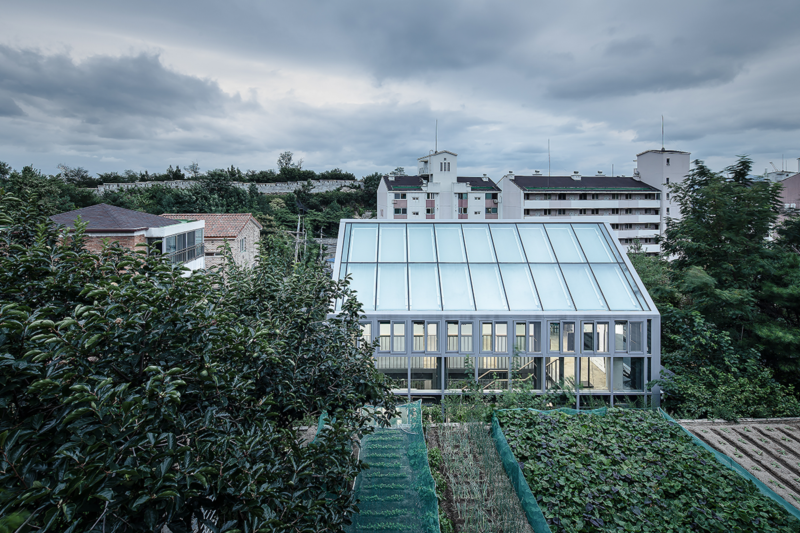
13.
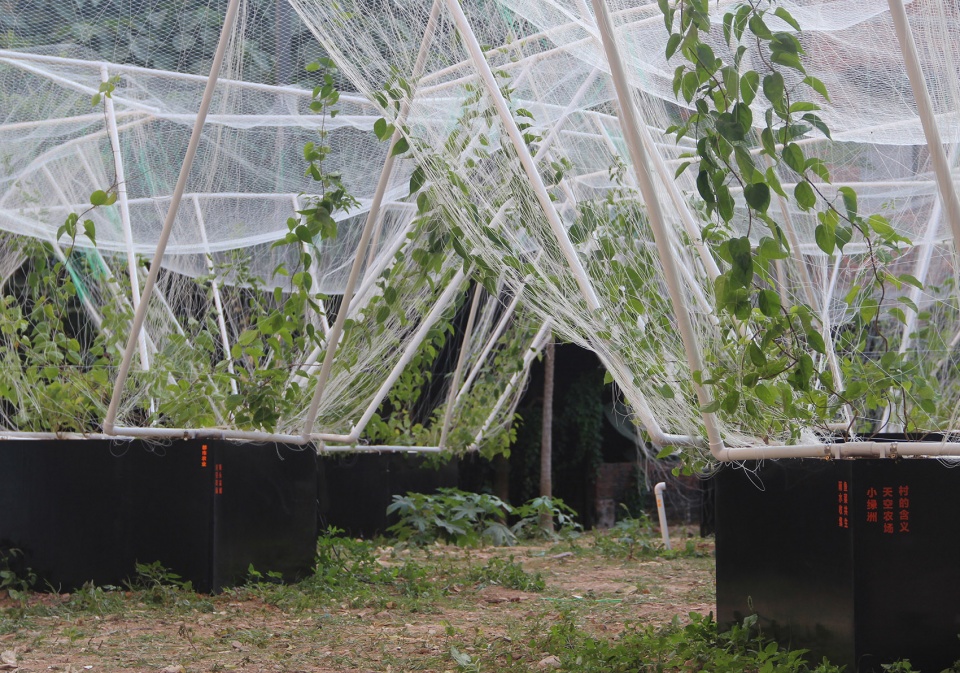
天空农场 / VRAP未来乡土实践与研究工作室
Sky Farm by VRAP
点击蓝色链接查看更多 Click on the blue link to see more
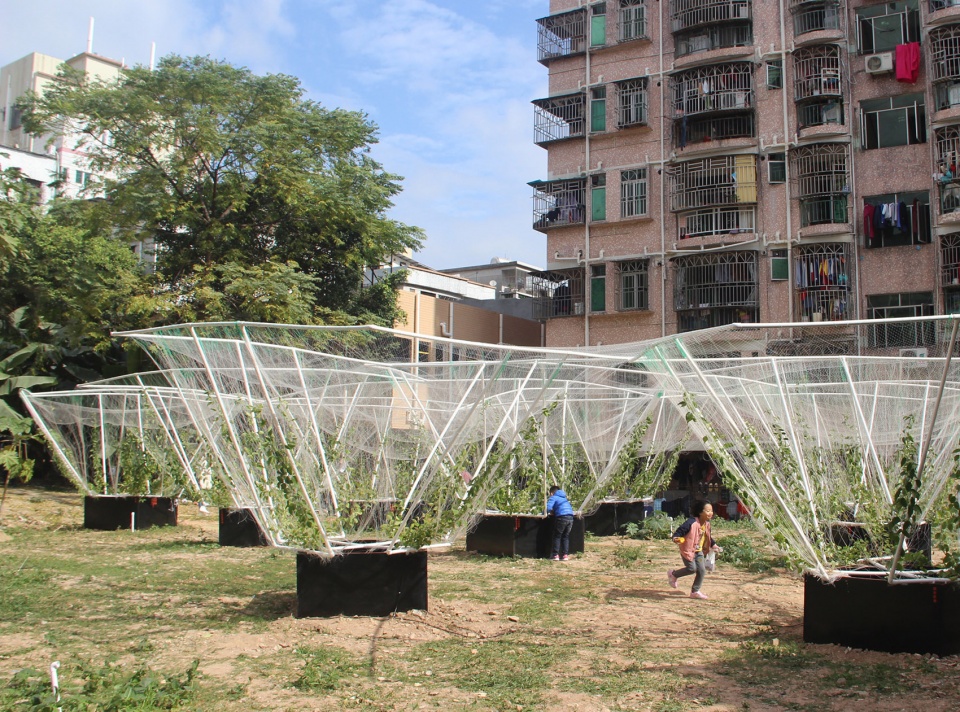
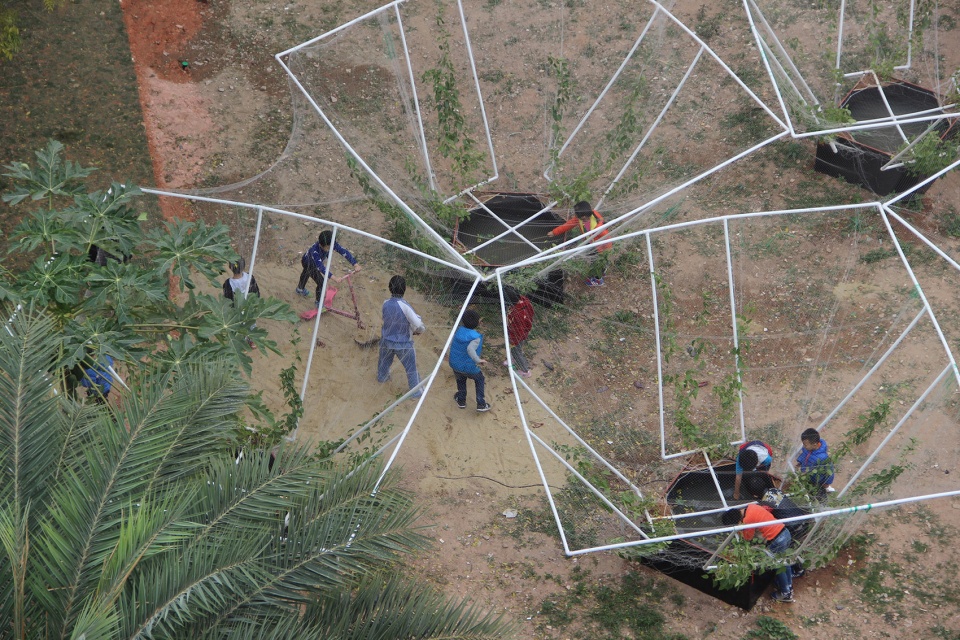
14.
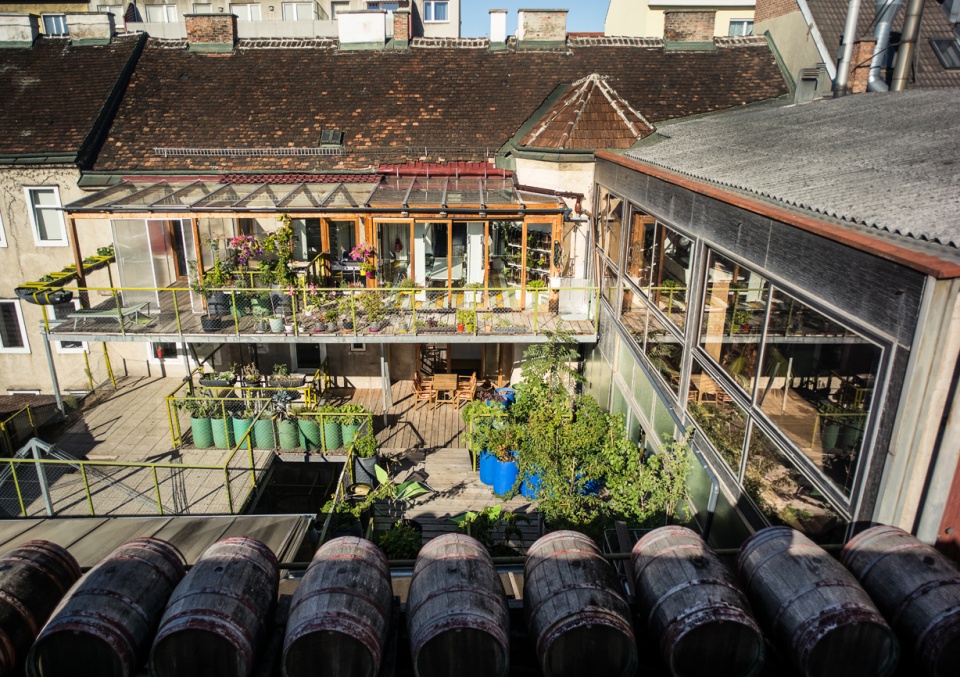
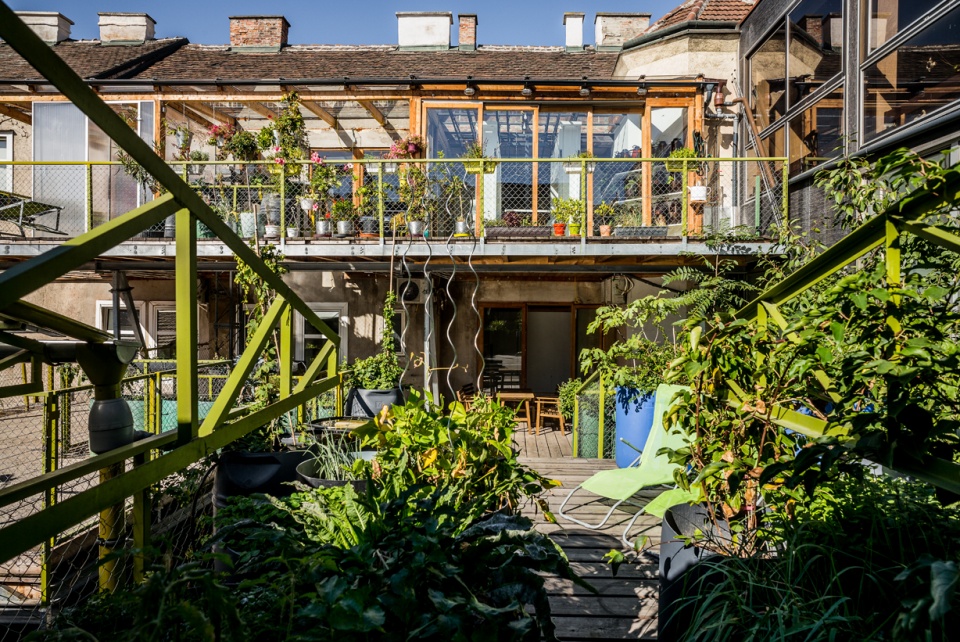
维也纳酿醋厂:庭院扩建与店铺设计 / heri&salli
Wiener Essig Brauerei – Viennese Courtyard Landscape and Noble Sour Store by heri&salli
点击蓝色链接查看更多 Click on the blue link to see more
15.
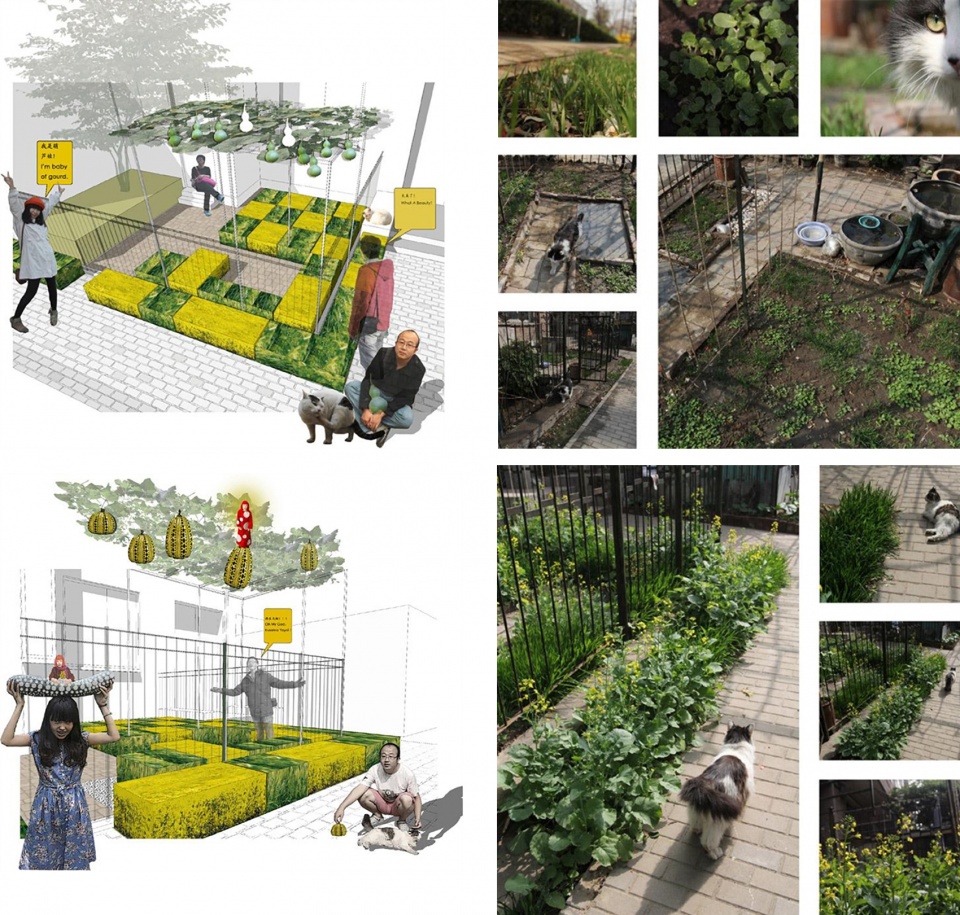
介质 – 二十平米的花园试验,中国北京 / 傅英斌 高洁 唐海培 蒋伟荣 董斌
Medium by Wugeren Design
点击蓝色链接查看更多 Click on the blue link to see more
垂直农场
Vertical farm
16.
社会技术城市,荷兰 / UNStudio
Socio-Technical City by UNStudio
点击蓝色链接查看更多 Click on the blue link to see more
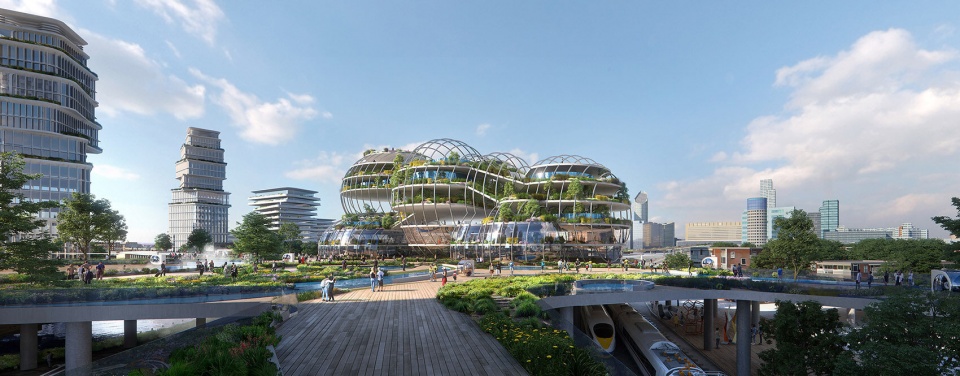
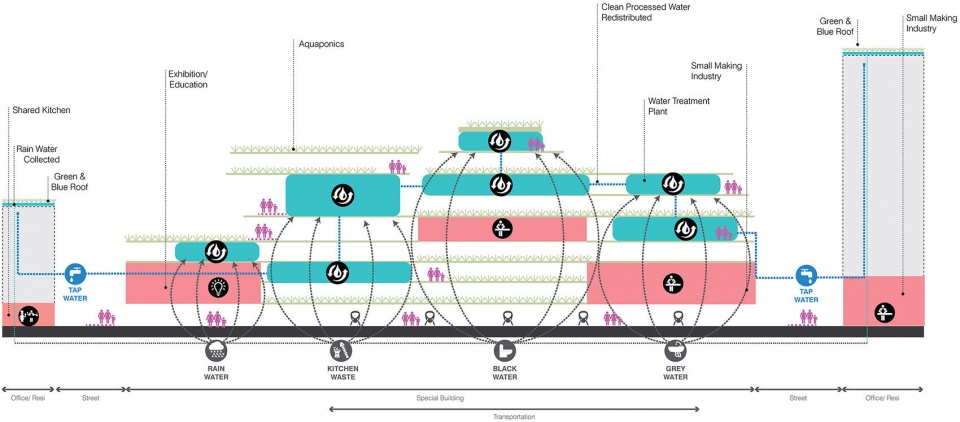
17.
城市中的垂直农场 / Studio Precut
The Farmhouse by Studio Precht
点击蓝色链接查看更多 Click on the blue link to see more
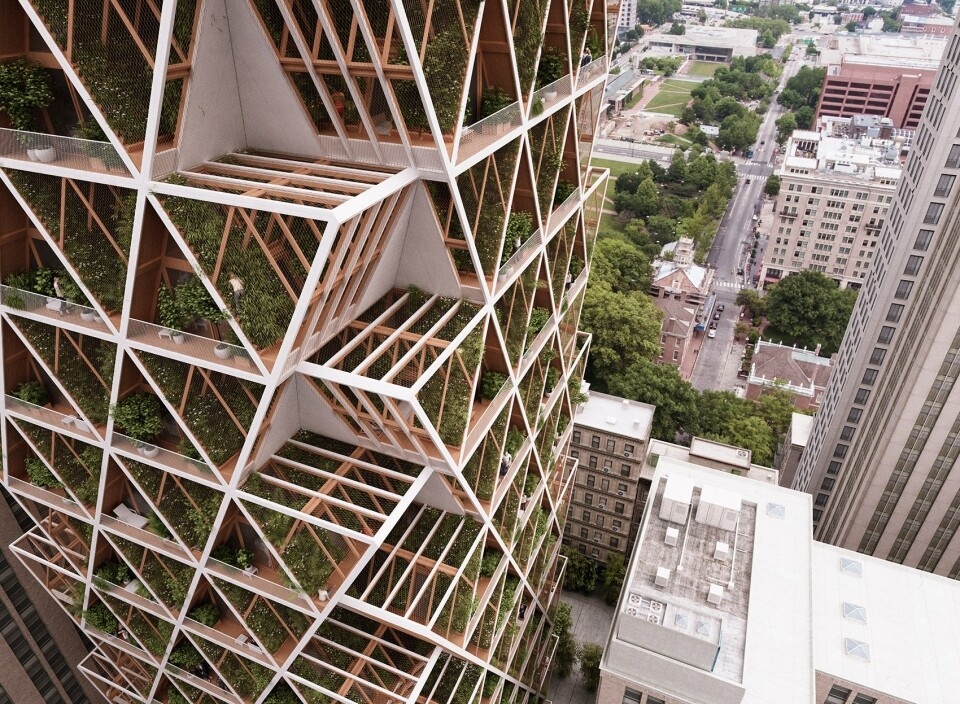
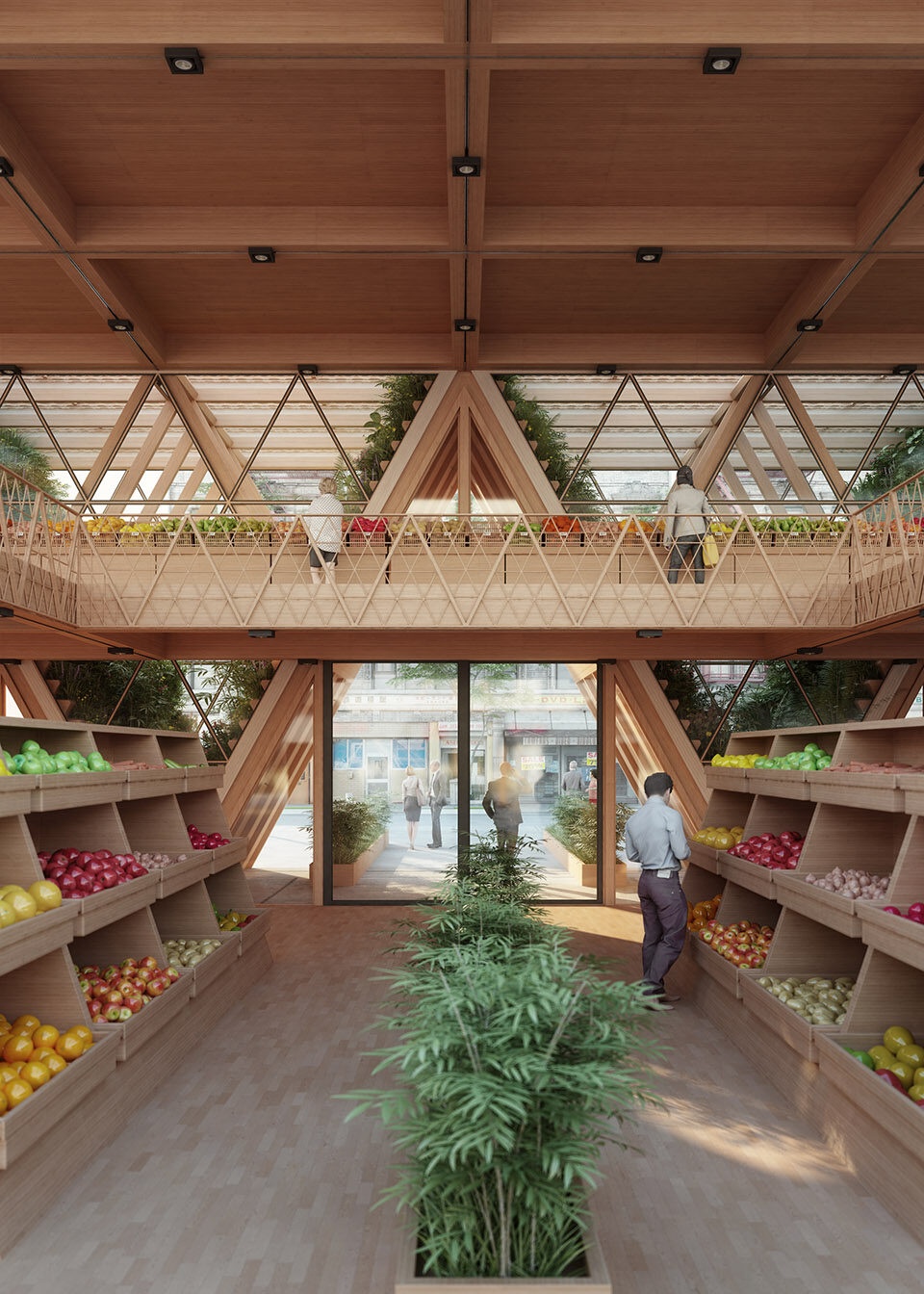
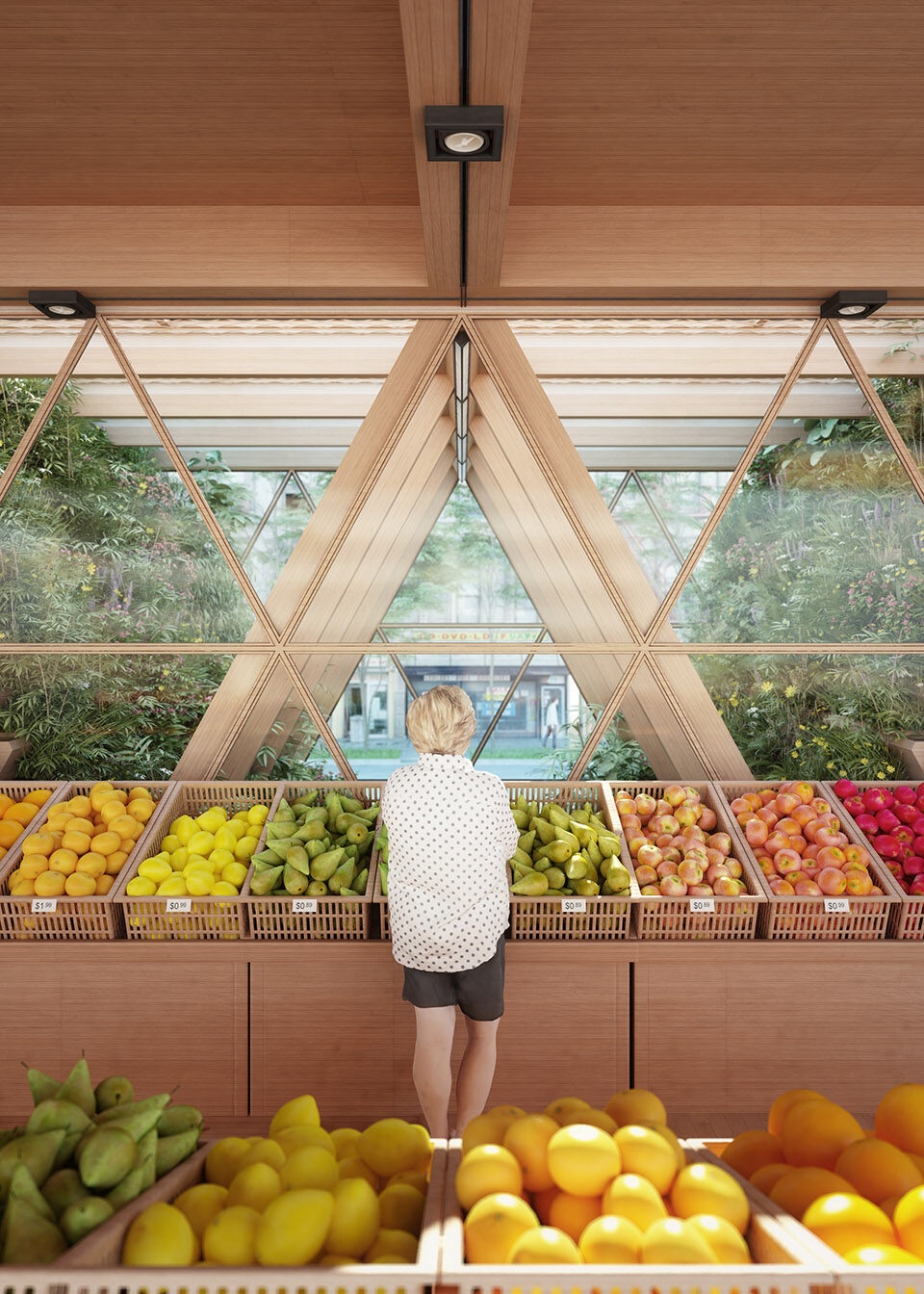
18.
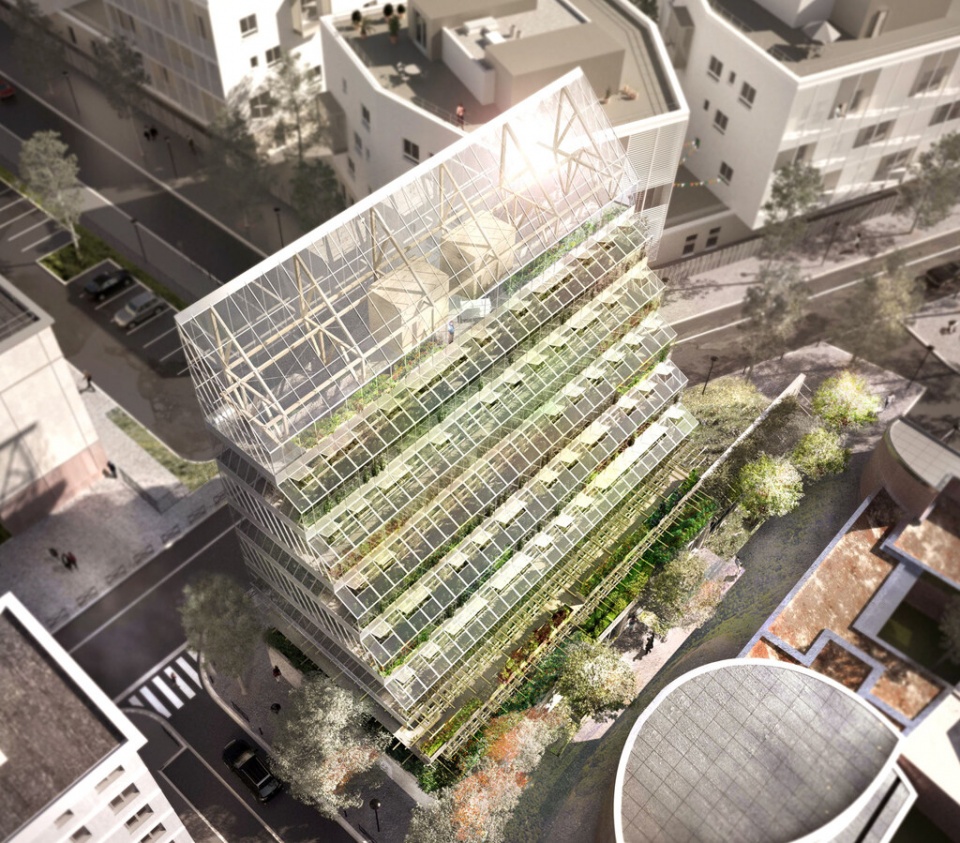
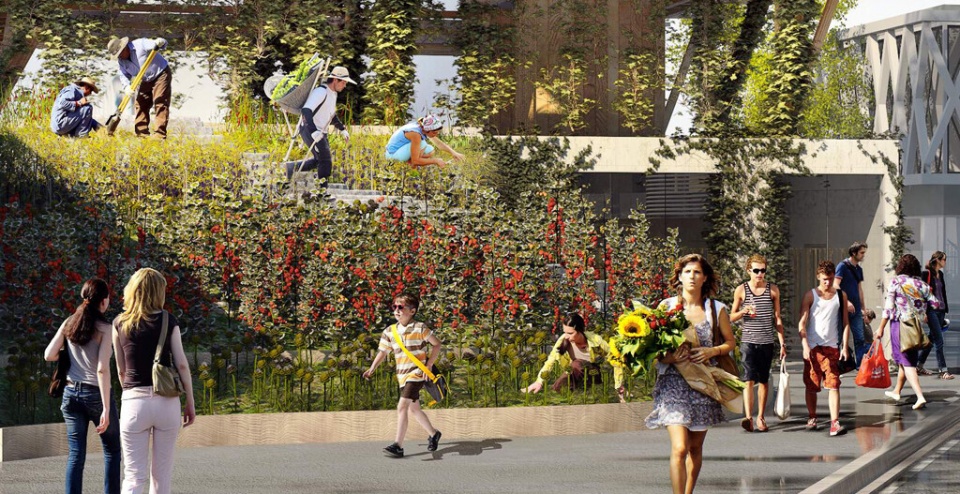
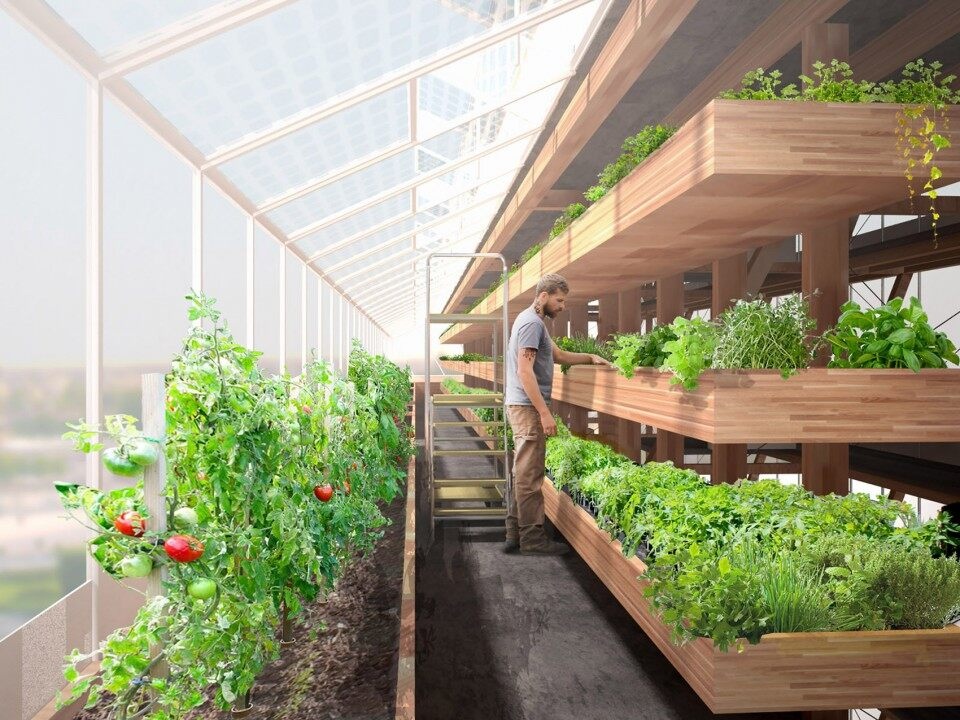
罗曼维尔农业塔楼,法国 / ABF- Lab
Agriculture-tower by ABF- Lab
点击蓝色链接查看更多 Click on the blue link to see more
自给自足式的小住宅
Small self-sufficient dwelling
18.
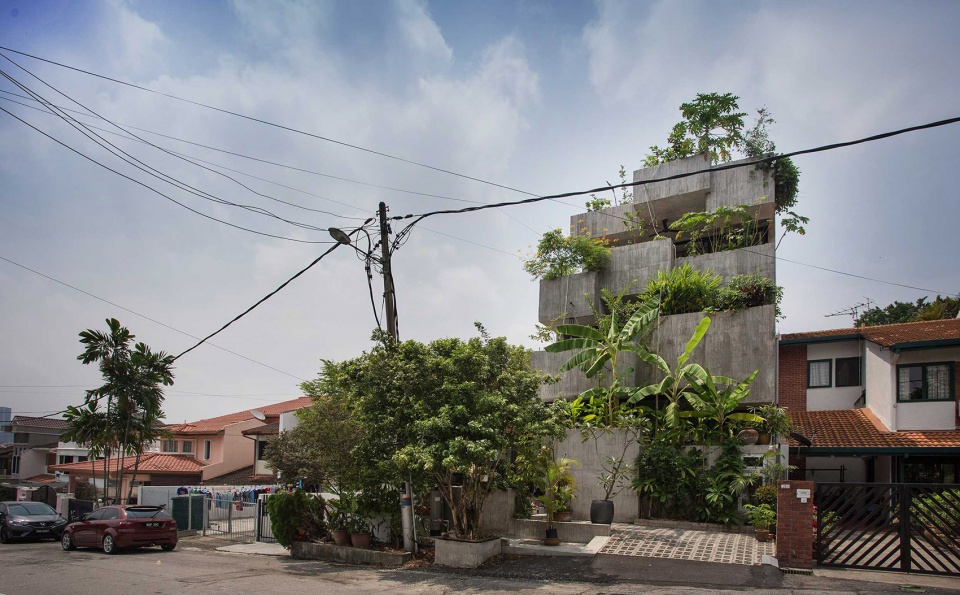
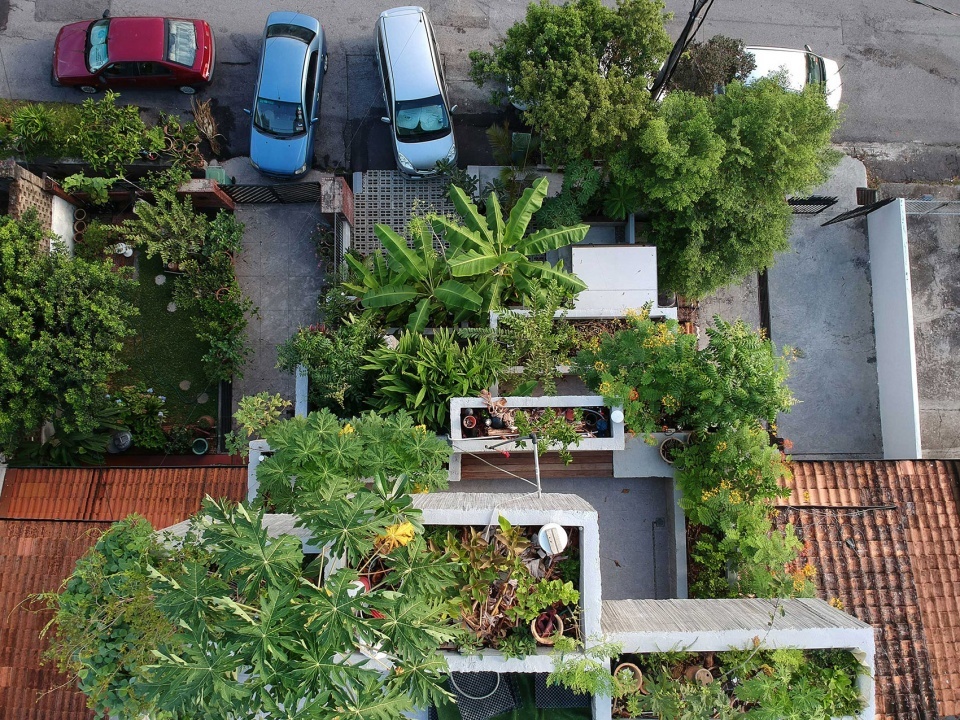
盆栽屋,吉隆坡 / Formzero
Planter Box House by Formzero
点击蓝色链接查看更多 Click on the blue link to see more
20.
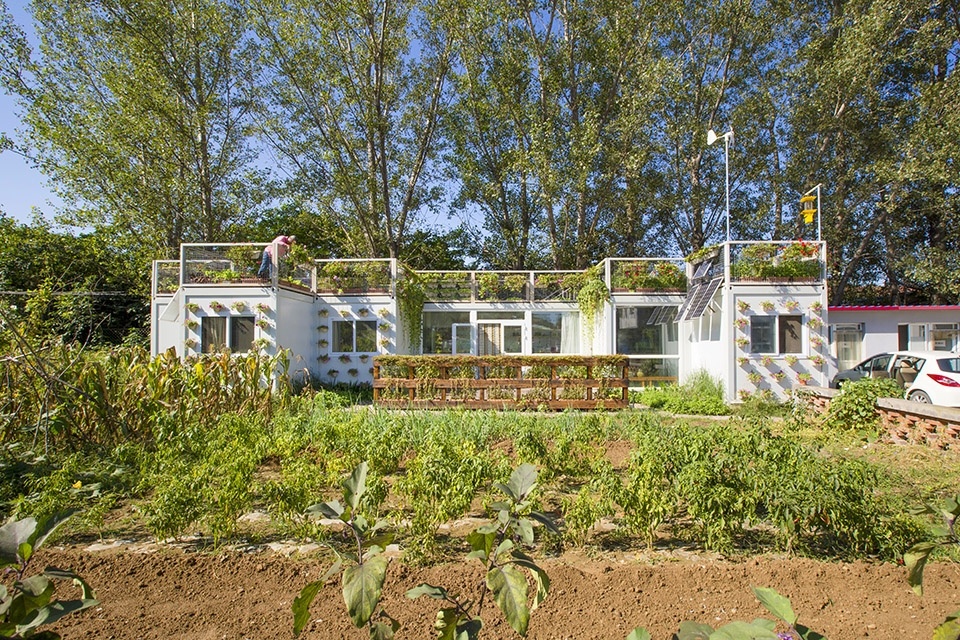
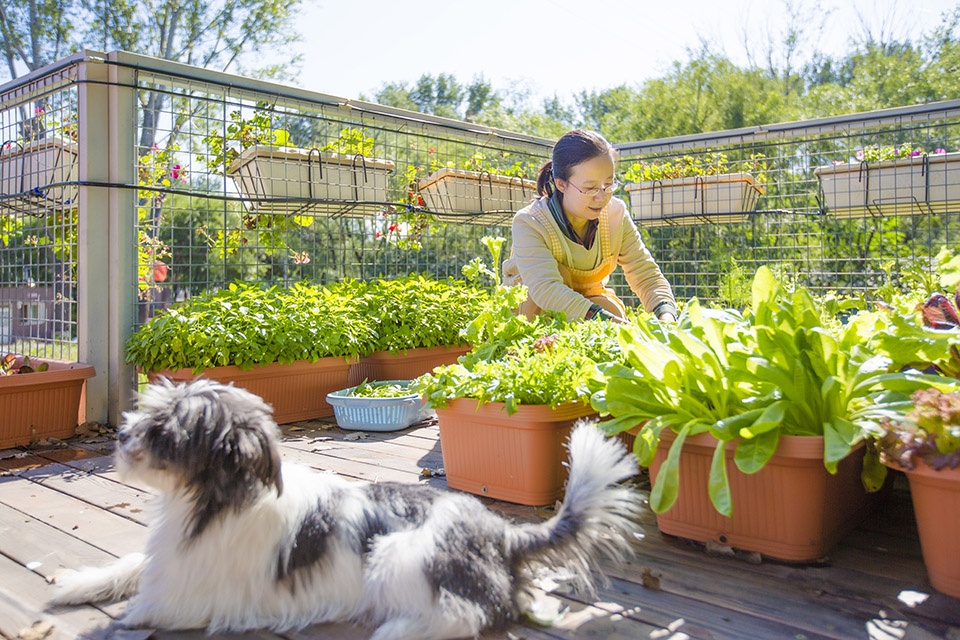
生菜屋 / 清华大学艺术与科学研究中心
Lettuce House. Sustainable Lifestyle Lab,Beijing, China / Tsinghua University and Participatory Community Development Center
点击蓝色链接查看更多 Click on the blue link to see more
21.
能“吃”的房子 / atelier gras
EATHOUSE by atelier gras
点击蓝色链接查看更多 Click on the blue link to see more
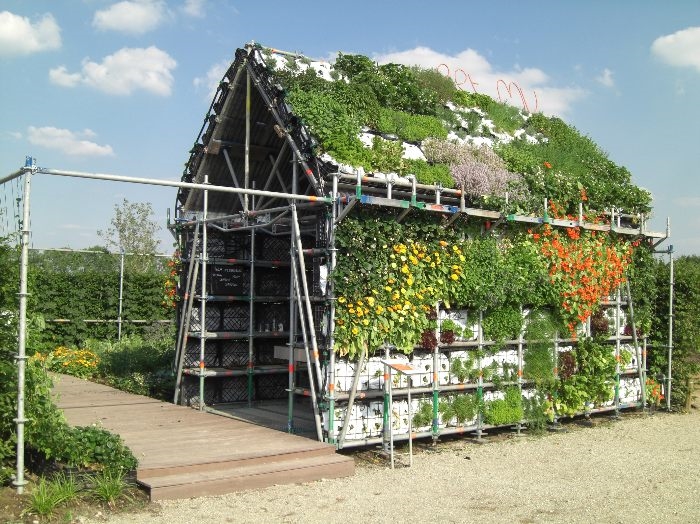
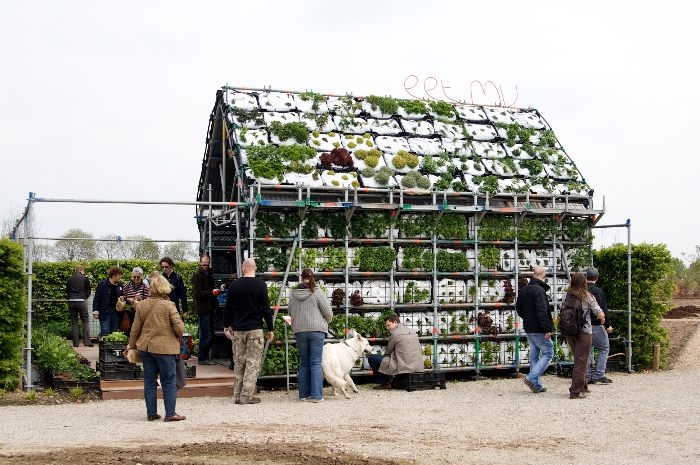
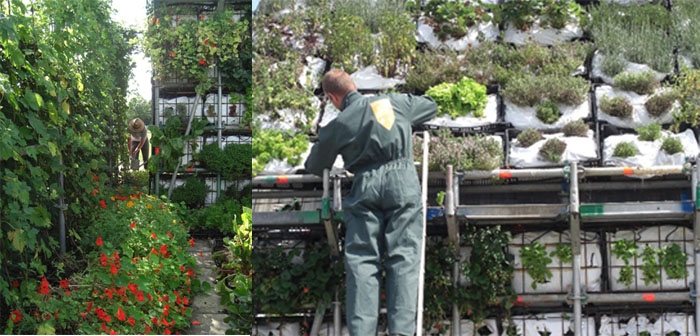
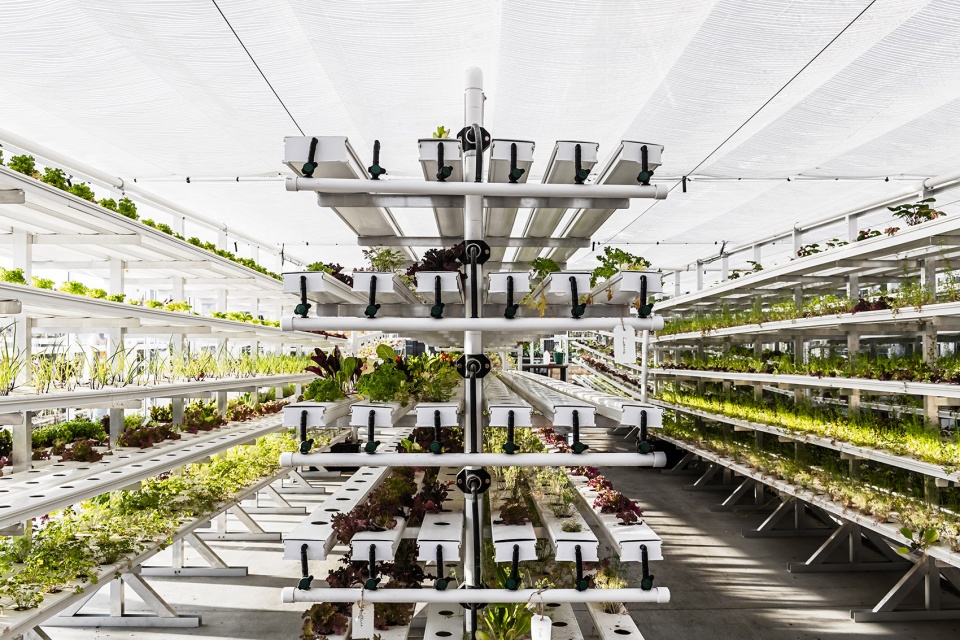
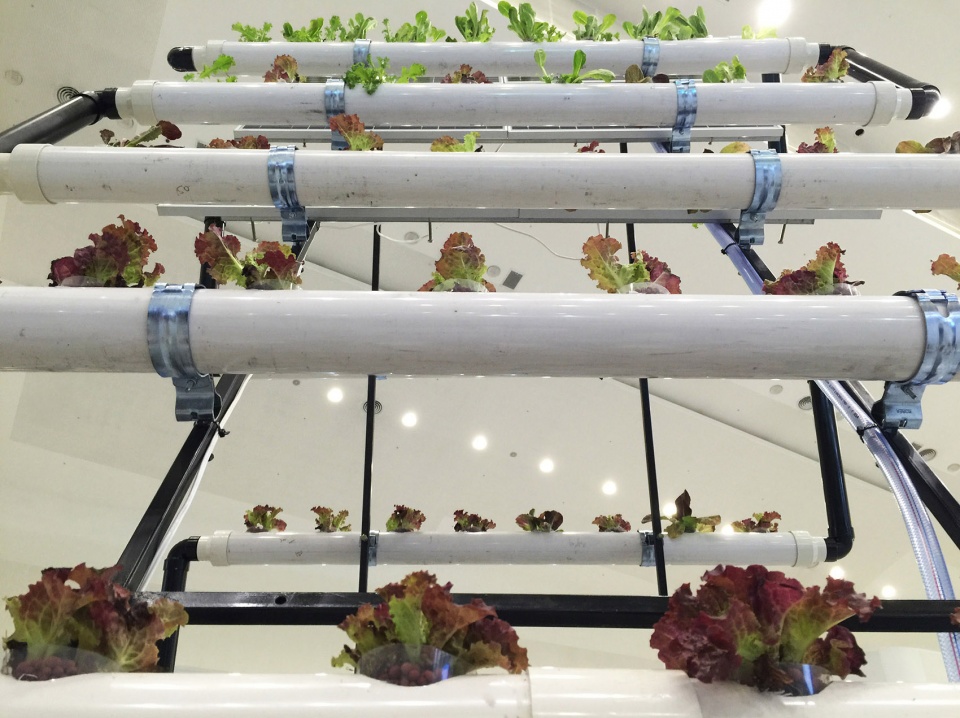
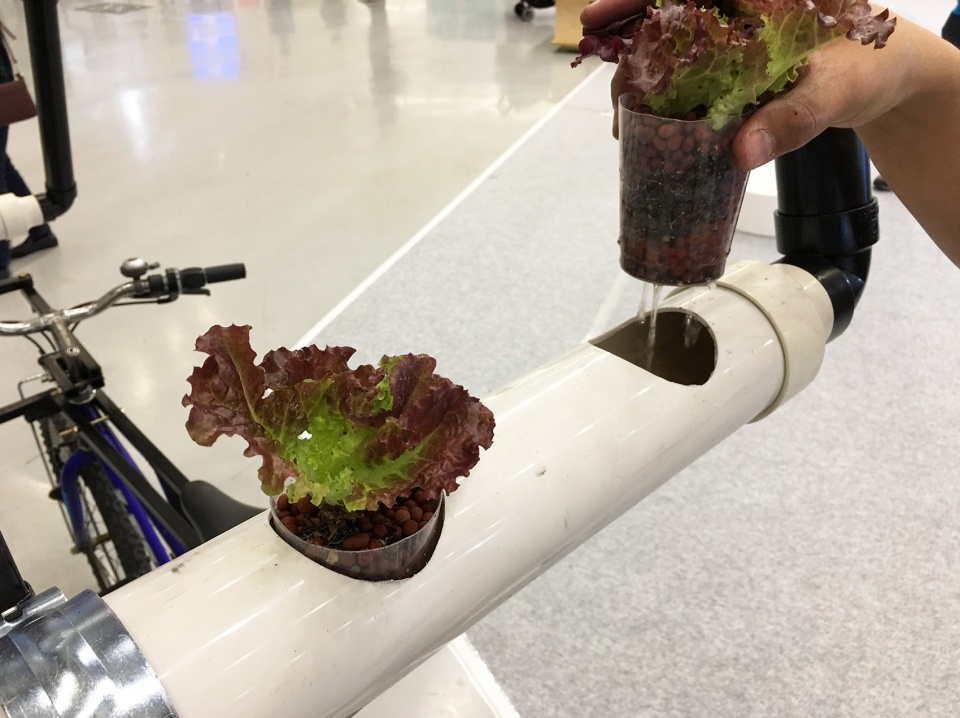
利用水培技术节约土地资源
Use hydroponics to save land resources
22.
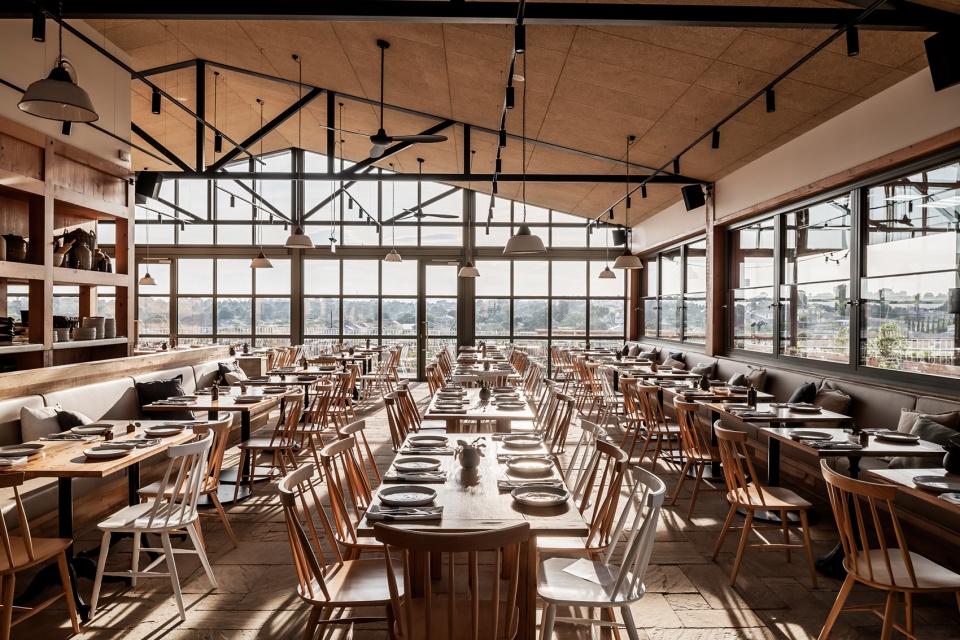
Acre餐厅,墨尔本 / ZWEI Interiors Architecture
Acre Eatery by ZWEI Interiors Architecture
点击蓝色链接查看更多 Click on the blue link to see more
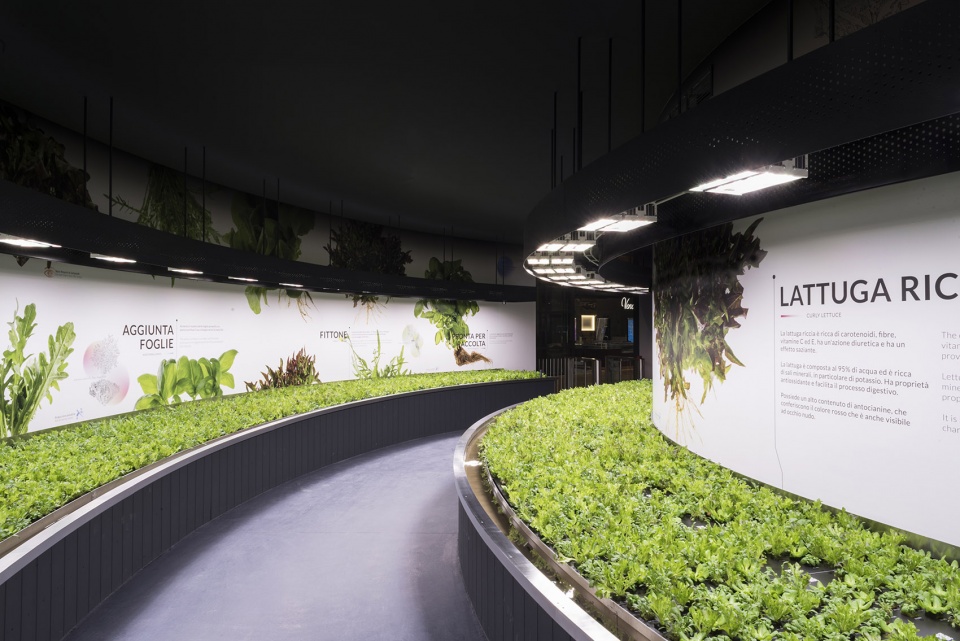
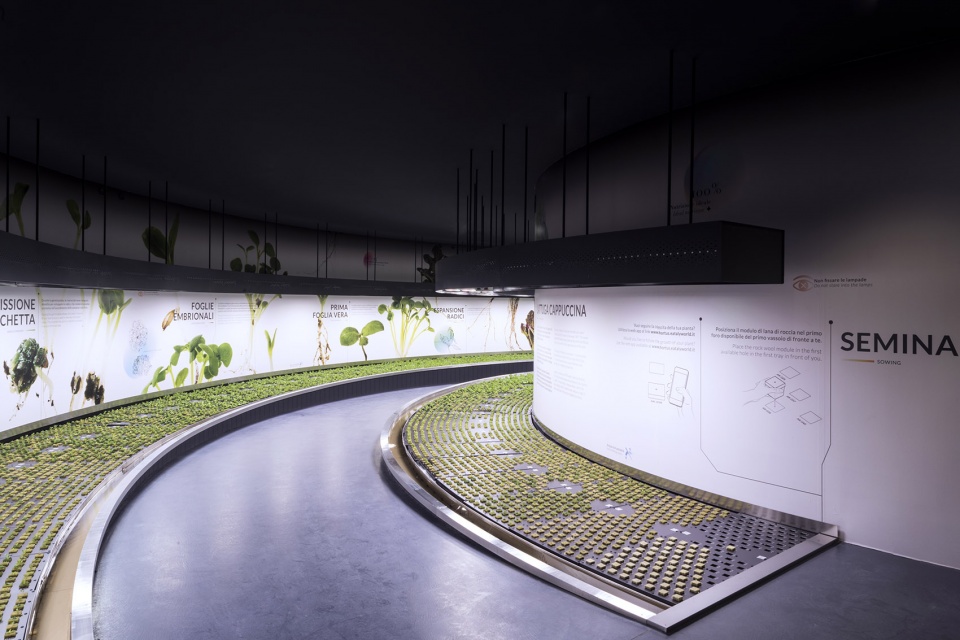
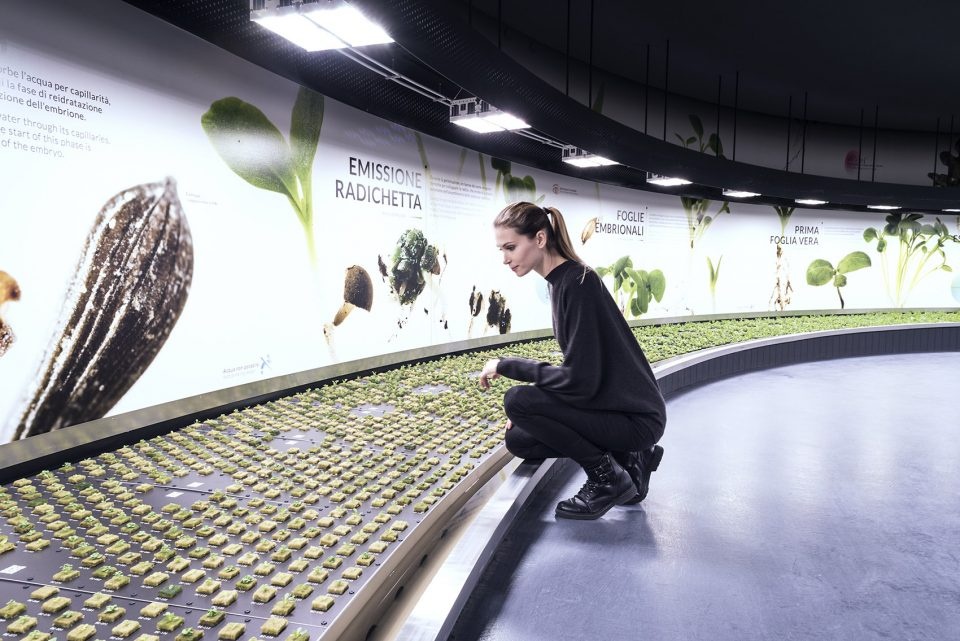
23.
“人与未来 – 花圃”,意大利 / Carlo Ratti Associati
“Man and The Future – Hortus” by Carlo Ratti Associati
点击蓝色链接查看更多 Click on the blue link to see more
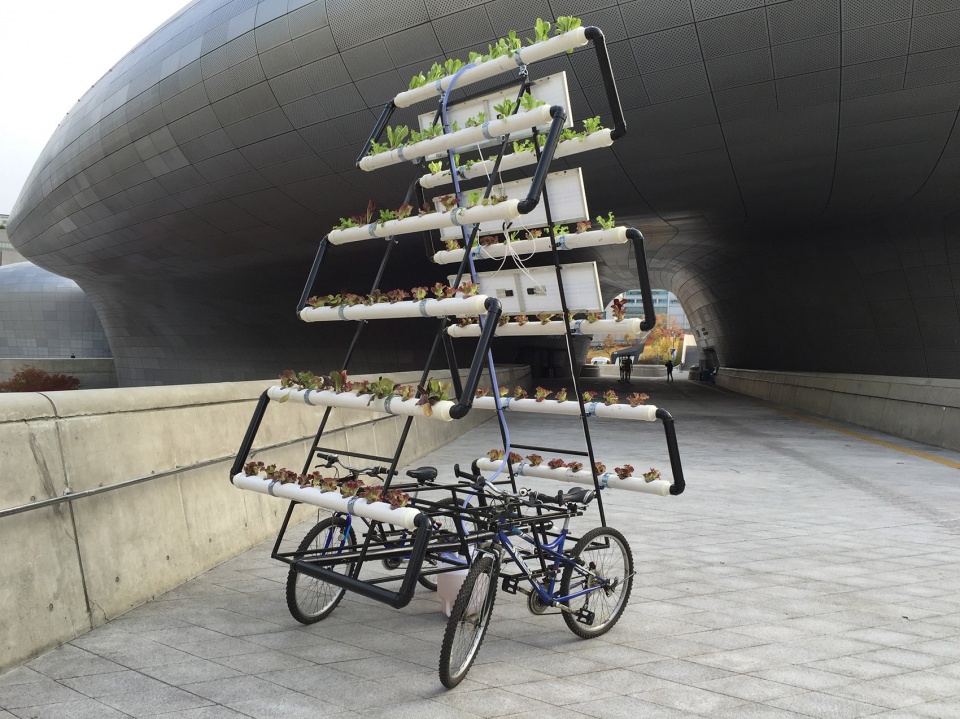
24.
众菜车,韩国 / 众建筑
Bike Share Farm By PAO
点击蓝色链接查看更多 Click on the blue link to see more
中国自古以农立国,如今也是世界上最重要的农业大国之一,对田园生活的向往已经深植在每一个中国人的心中,从李子柒、华农兄弟等博主的大火就可以看出,时间与地点都不能阻挡我们对田园生活的渴望。其实早在宋代,我国就已经出现“都市农业”,据《梦粱录·物产》中记载,当时的城市农产品种类也相当丰富:谷、丝、麻、茶、菜、果、竹、木、花、药、禽、兽、虫、鱼,应有尽有,除了观赏性与经济生产价值外,当时的都是农业还具有一定的政治性,如宋代四大皇家园苑玉津、瑞圣、宜春、琼林,均由主管农业的司农寺负责,其中玉津园仅麦子的种植面积就占据了园的一半面积。 [3] 由此可见都市农业并不局限于种植业,而是拥有更加广阔的发展方向与空间。
China is one of the most important agricultural countries in the world since ancient times. The yearning for rural life has been deeply rooted in the soul of every Chinese. The significant popularity of bloggers like Li Ziqi and Hua Nong Brothers shows that neither time nor place can stop us from longing for rural life. In fact, as early as the Song Dynasty, “urban agriculture” had already appeared in China. According to “Mengliang Lu · Product”, the types of urban agricultural products at that time were also quite rich: Grain, silk, hemp, tea, vegetables, fruit, bamboo, wood, flowers, medicine, poultry, animals, insects, fish, everything. In addition to ornamental and economic production value, agriculture at that time also had a certain political nature. For example, the four royal gardens of the Song Dynasty — Yujin, Ruisheng, Yichun and Qionglin — were all in charge of agriculture by the Si Nong Temple. For example, In Yujin Garden, the planting area of wheat has already occupied half of the garden. So that urban agriculture is not limited to planting industry, but has a broader development direction and space.
25.
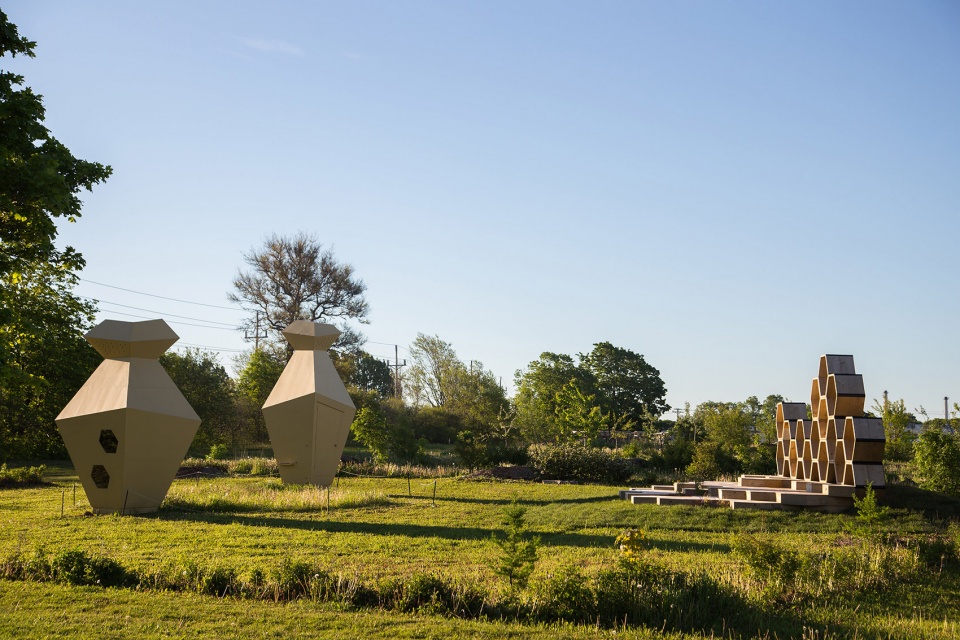
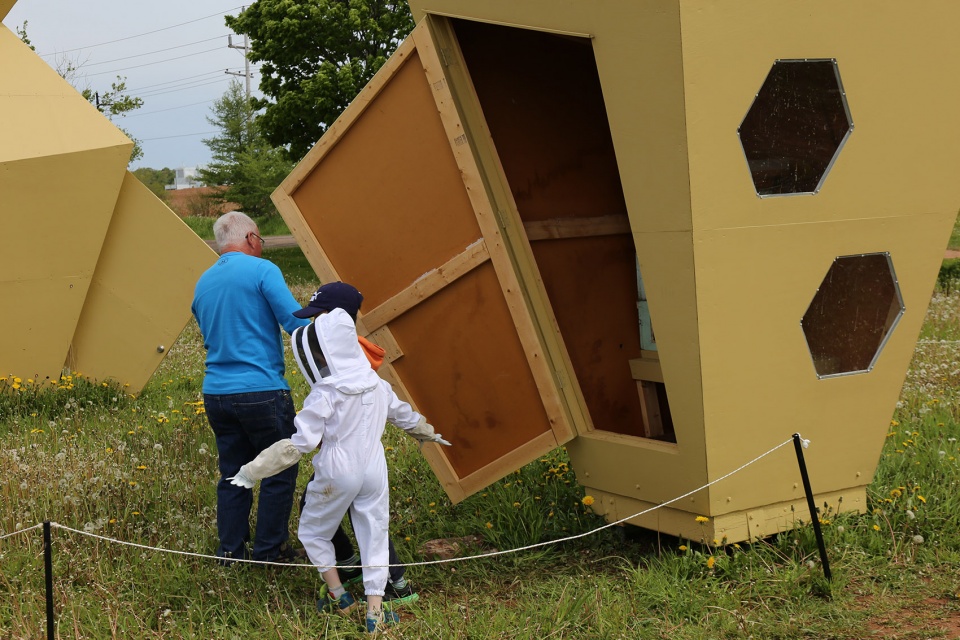
城市蜂巢,加拿大 / Nine Yards Studio
Urban Beehive Project by Nine Yards Studio
点击蓝色链接查看更多 Click on the blue link to see more
城市蜂巢项目中包含两个示范性的蜂箱,鼓励公众通过亲身实践去了解蜂蜜的生产过程,并学习有关授粉和养蜂的知识。该项目为当地社区带来了一个充满活力的多功能蜂场,它既是休闲设施,也是雕塑、花园和鼓励实践的学习工具,充分向人们展示出城市农业的教育意义。
The project features demonstration bee hives that encourage a hands-on-approach to bee education, allowing the public to see how honey is being produced and to learn about pollination and the industry of beekeeping. The Urban Beehive Project has created a dynamic and multi-functional apiary destination in Charlottetown. The project has become a play structure, a sculpture, a garden as well as a tool for hands-on learning. It fully shows the educational significance of urban agriculture to people.
26.
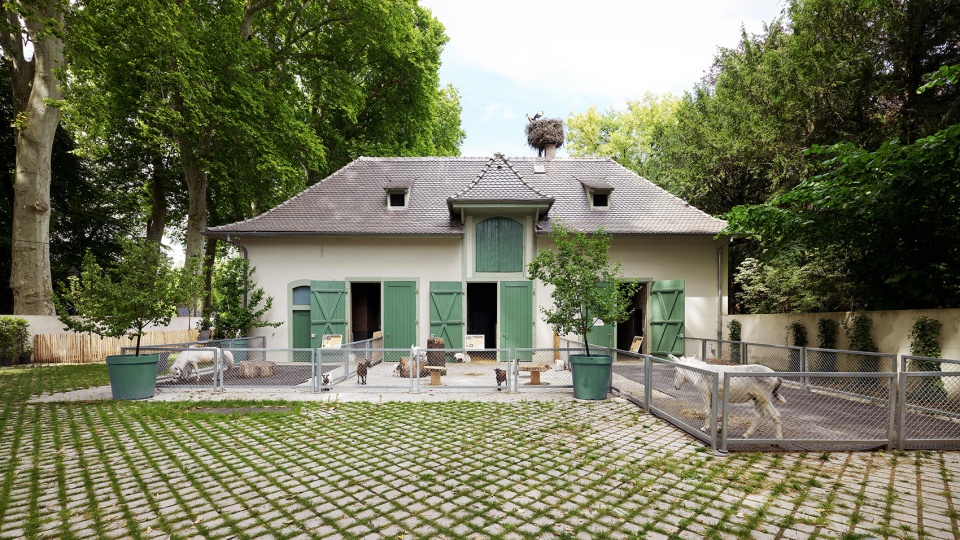
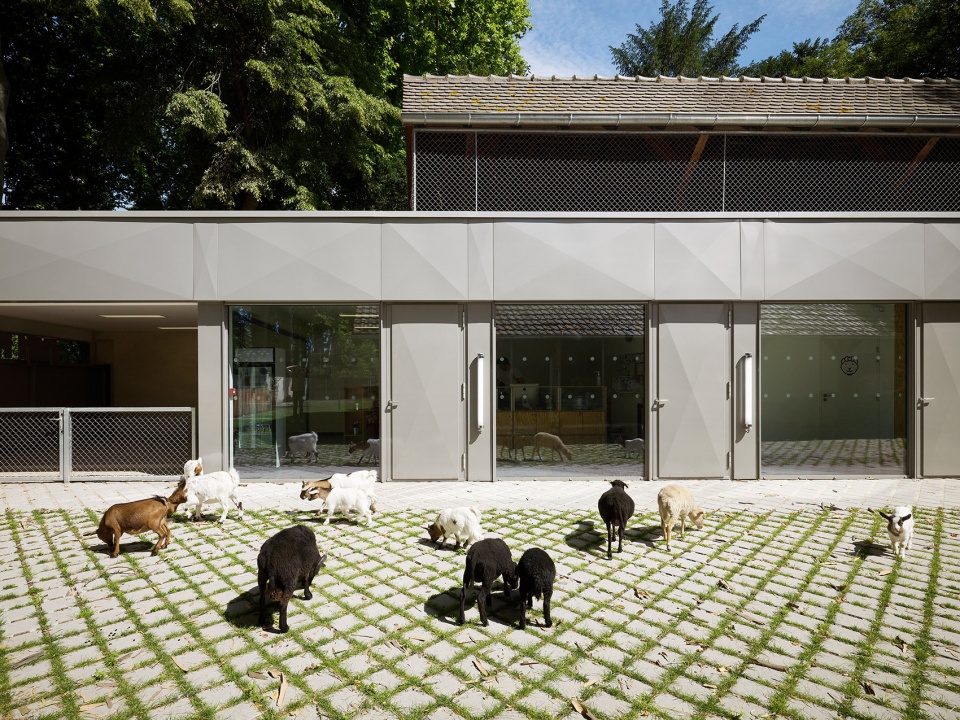
斯特拉斯堡动物园教学农场改造&游客中心,法国 / FREAKS
Refurbishment of the historical Strasbourg zoo’s pedagogical farm and new visitor center by FREAKS
点击蓝色链接查看更多 Click on the blue link to see more
27.
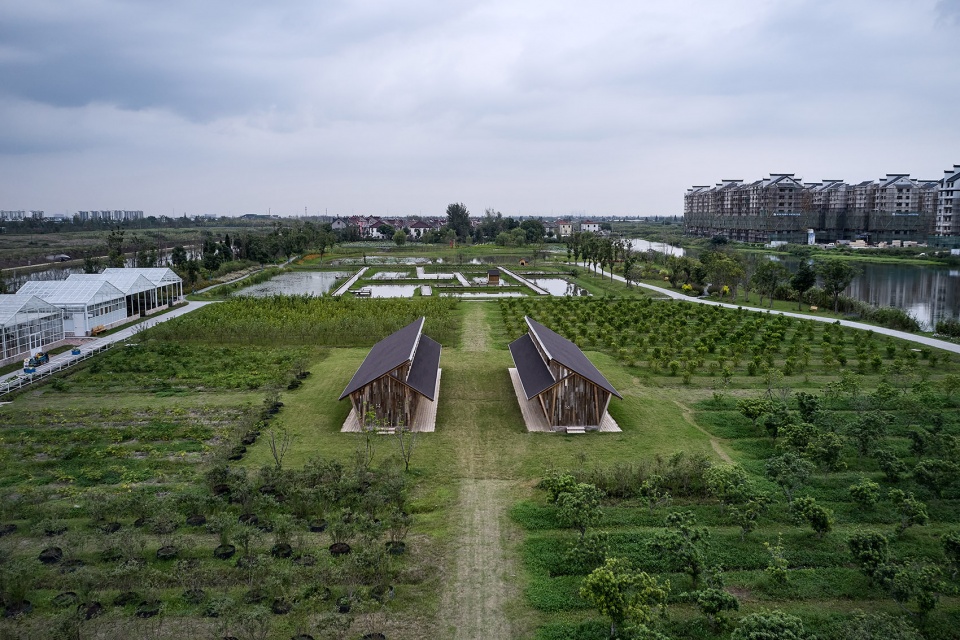
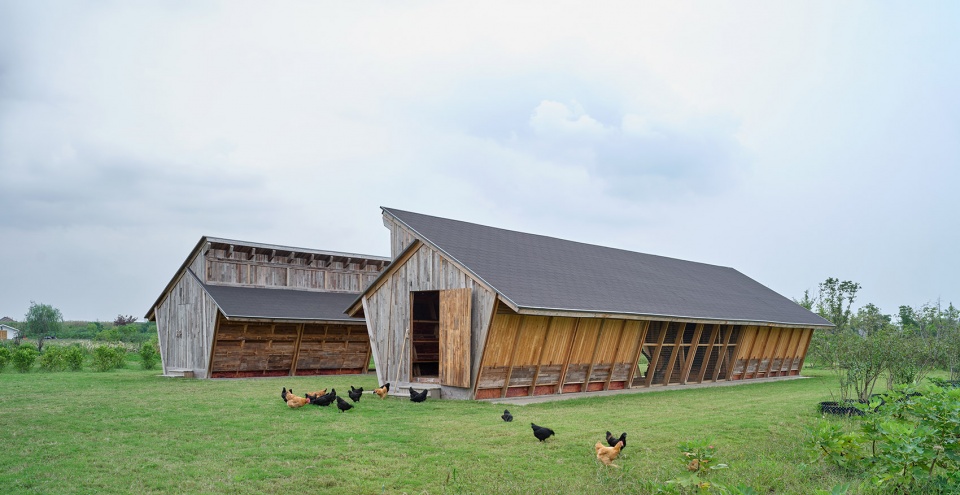
良壤鸡舍,嘉善 / 以靠建筑
Næra Hotel, Chicken Coop, China by Leeko Studio
点击蓝色链接查看更多 Click on the blue link to see more
随着手机买菜app的盛行和菜场的逐渐没落,钢筋水泥的都市中长大的孩子,能认识五谷杂粮,能知道鸡鸭鱼肉都是如何从农村,来到城市的菜场,再来到我们的餐桌的,逐渐变得越来越少。本项目作为参观体验的一部分,既能够为客人提供高品质的鸡蛋,又能把鸡粪作为生态有机肥,反哺给周围的果园菜地。
With the ever-increasing popularity of mobile grocery shopping apps and the gradual decline of the food market, fewer and fewer children brought up in the metropolis can identify different kinds of grains, let alone knowing how chickens and ducks, etc. came from rural area to the food market in downtown and then served on our tables. The chicken coop can not only supply high-quality eggs for guests but also provide ecological organic fertilizer to fruit gardens and vegetable fields around.
28.
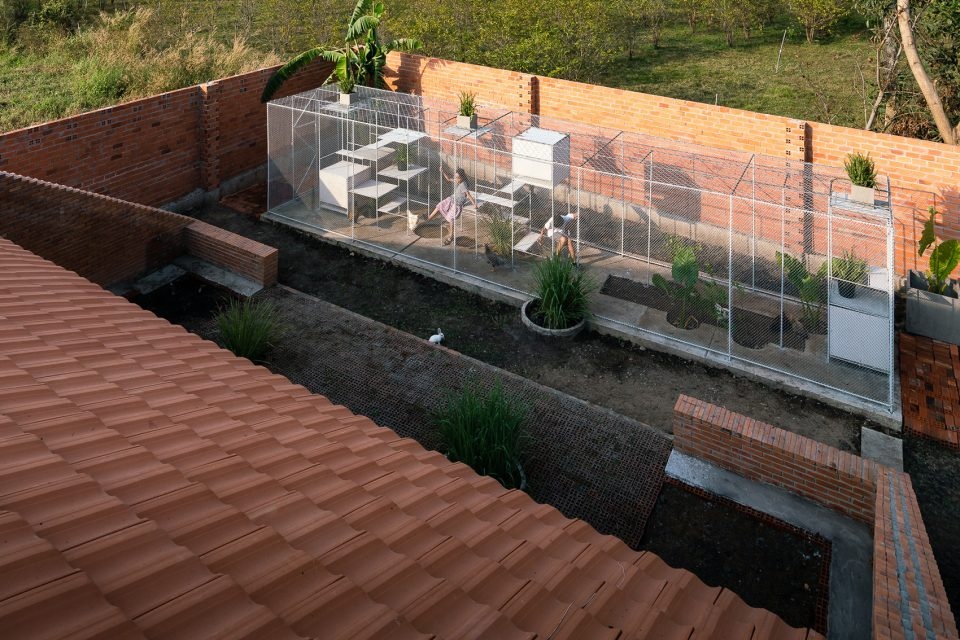
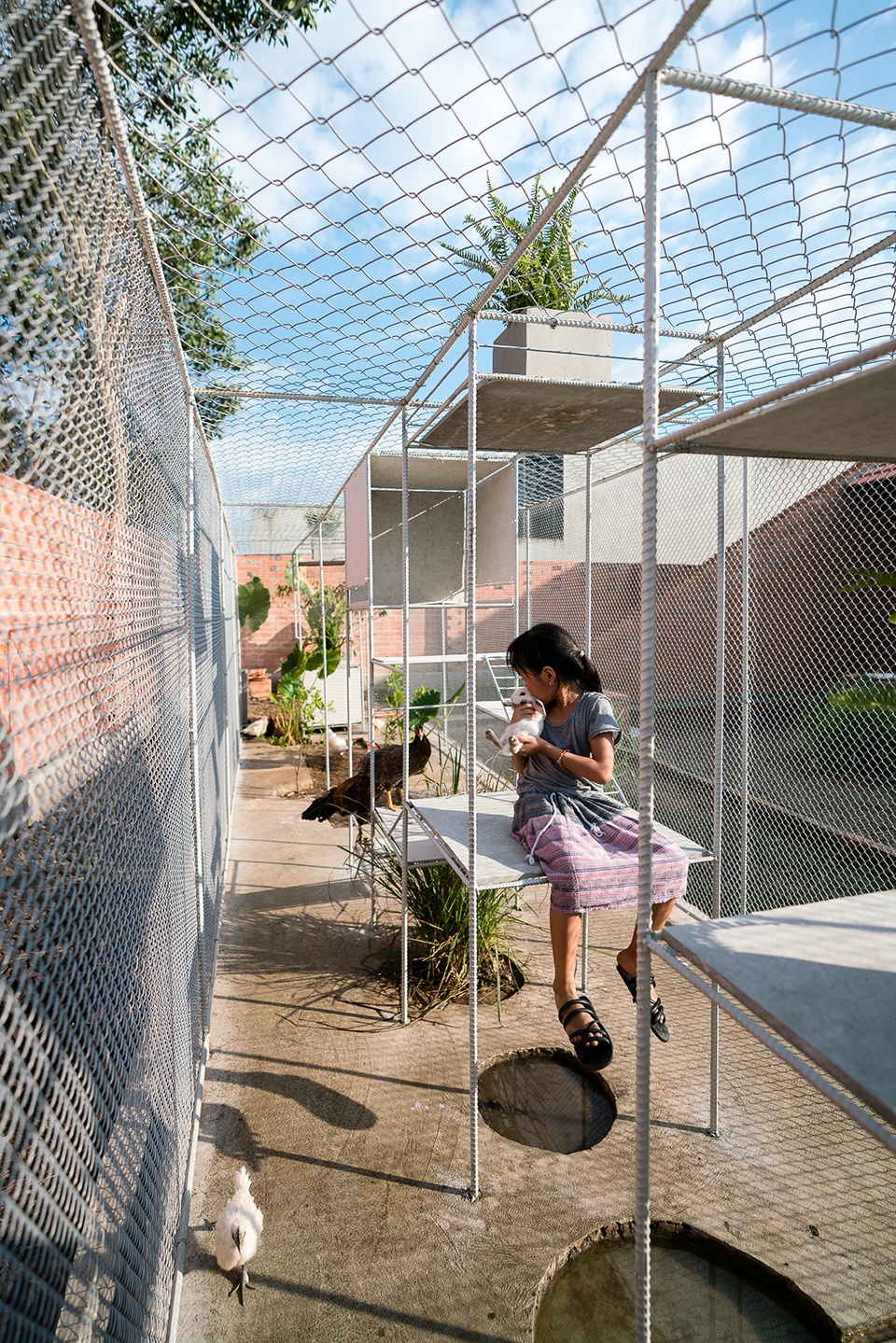
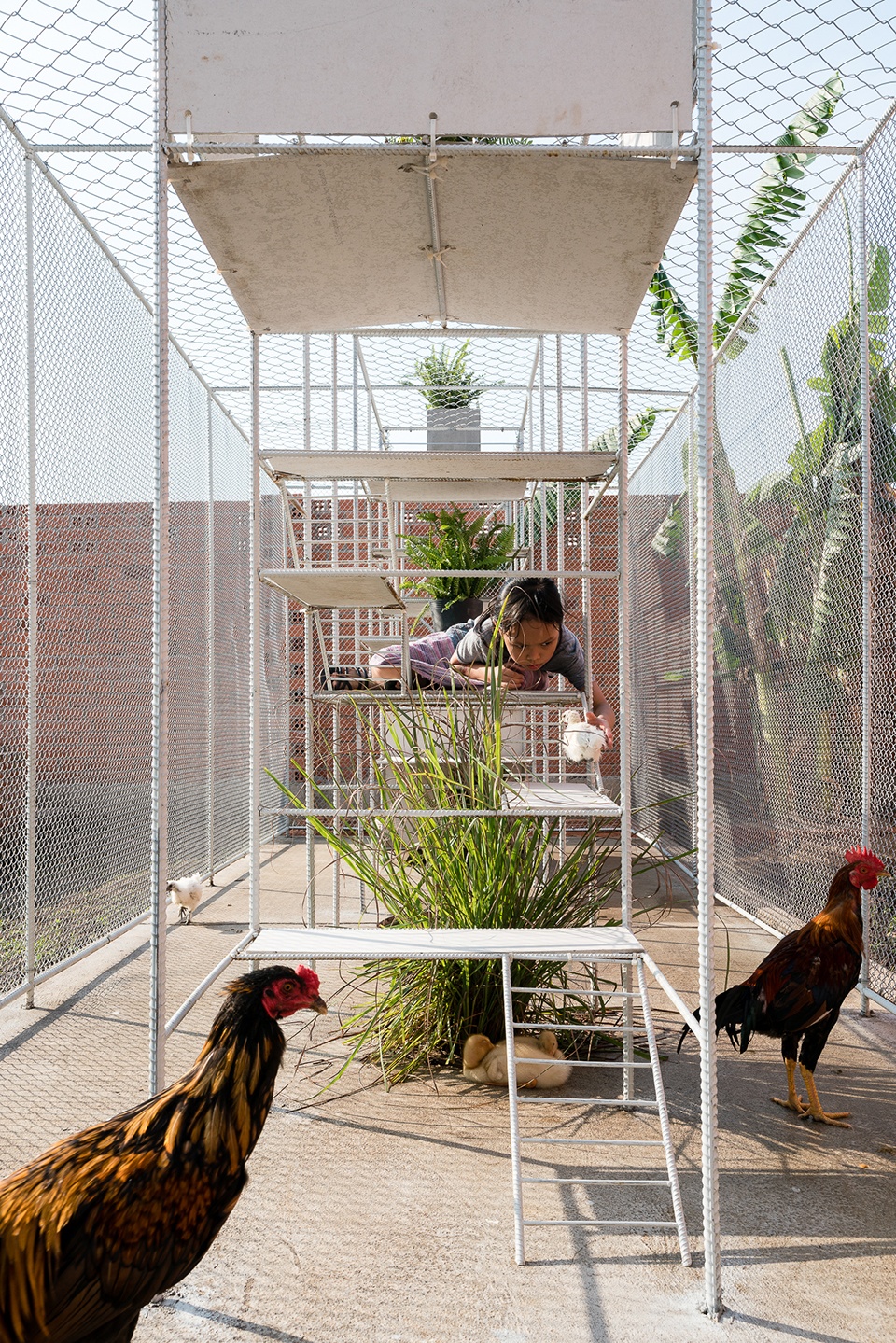
鸡舍,越南 / Tropical Space
Chicken House by Tropical Space
点击蓝色链接查看更多 Click on the blue link to see more
参考文献
[1] 刘奇. 都市農業:農業現代化的先頭勁旅. 中国发展观察杂志社.[2013-06-08]. (原始内容存档于2015-01-13)
[2] 维基百科,都市农业
[3] 曾雄生. 宋代的城市与农业. 中国科学院自然科学史所,北京,100010. 原载于宋史研究论丛,第六辑,河北大学出版社,2004年。
欢迎在评论区谈谈你对都市农业的看法,补充更多精彩案例!
Welcome to add more examples in the comments!
编辑:石安
发表评论
你需要先 才能发表评论
社交登录