非常感谢亚洲艺术中心将英文介绍和项目图片授权gooood发行。更多请至:Gao Xingjian on gooood
Appreciation towards Asia Art Center for providing the following description:
1940年出生在中国,1987年因为各种原因而离开中国的作家高行健,早在2000年得到了诺贝尔文学奖,代表作有<灵山>。(更多其它作品)高行健除了爱写作,也喜好画画,以下是他的一些绘画作品。
艺术家:高行健
展名:梦境边缘-高行健个展
地点:亚洲艺术中心台北II馆∣台湾台北市中山区乐群二路93号
展期:2013年6月29日 - 7月28日
记者会:2013年6月29日(六) 2 pm – 3pm
开放时间:週二~週日10:00-18:30(週一休馆)
Artist: Gao Xingjian
Exhibition: The Edge of Reality: Gao Xingjian Solo Exhibition
Venue: Asia Art Center Taipei II ∣No.93, Lequn 2nd Rd., Taipei 10462, Taiwan
Date: June 29 – July 28, 2013
Press Conference: June 29, 2013 (Sat) 2pm – 3pm
Gallery Hours: Tuesday – Sunday, 10:00am – 6:30pm (Closed on Monday)
闭上眼睛,你「看见」什麽?
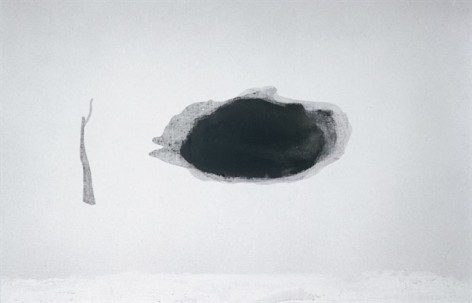
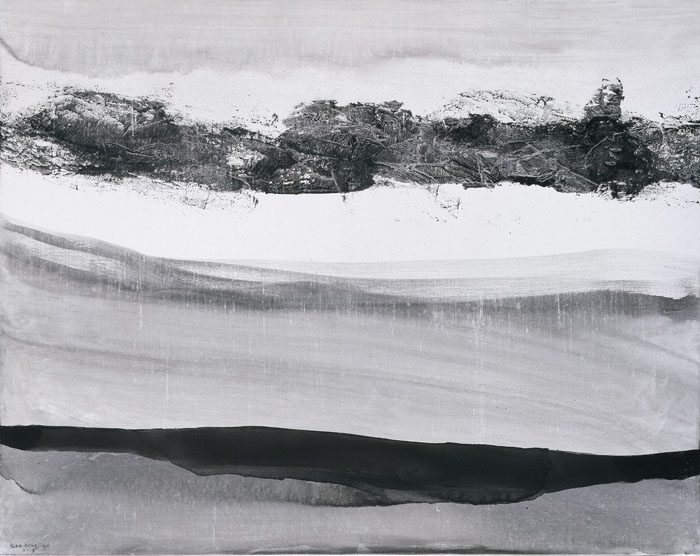
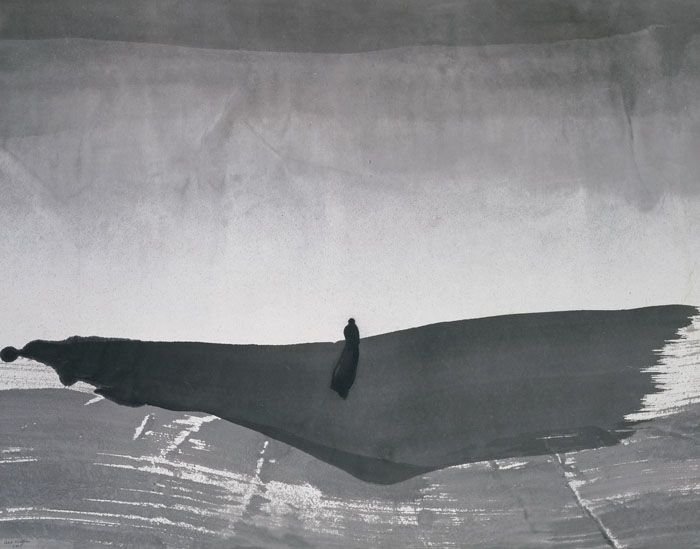
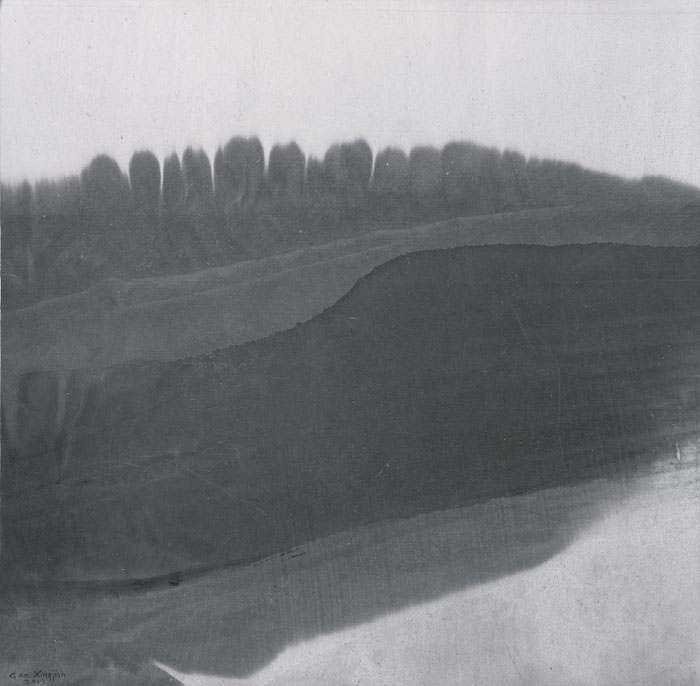
诺贝尔文学奖得主高行健将以「画家」身分来到台湾,亲自参加亚洲艺术中心举办的近作展《梦境边缘-高行健个展》(The Edge of Reality: Gao Xingjian Solo Exhibition)之记者会与开幕酒会,他用水墨创作告诉我们,他在黑暗中看到了什麽画面。6月29日-7月28日将展出十六件新作,短暂的停留时间中高行健安排举行密集的展演活动,将是今年台湾艺术界的盛事。开幕当日高老师将亲临会场,参与者将有机会与国际艺术大师互动。
高行健,1940年生于江西赣州,集小说家、剧作家、画家、摄影师、电影及戏剧导演之身分于一身。2000年获得百年以来第一次颁给华人作家的诺贝尔文学奖,华人世界为之喧腾。瑞典科学院对高行健作如下评价:「具普遍价值、刻骨铭心的洞察力和语言的丰富机智,为中文小说艺术和戏剧开闢了新的道路」。曾任中国社会科学院文学研究所所长、香港城市大学中国文化中心客座教授刘再复说「它揭示了中国文化鲜为人知的另一面」。
高行健在艺术上绝对是全才型的人物。文学光芒震烁之馀,其实他的绘画成就也非常高。在他尚未获诺贝尔奖肯定时,1996年,亚洲艺术中心李敦朗董事长在一次意外的机缘下看到高行健画作,觉得很不错,在两人其后的往来中了解到这位艺术家十分特殊,便决心与当时「知音很少,非常孤独」的高行健合作,亲赴法国将作品带回台湾推广。这位创作者有很强的感受性,藉由重複的书写、绘画等创作行为,表达个人的孤寂,尝试处理自身灵魂深处的问题。
What do you see when you close your eyes?
Gao Xingjian, the first Chinese Nobel laureate for literature, comes to Taiwan as a “painter” and will personally attend the press conference and the vernissage for his solo exhibition The Edge of Reality: Gao Xingjian Solo Exhibition. From his ink paintings, the artist reveals to us what he sees in the dark. From June 29th to July 28th, the exhibition will showcase his 16 most recent works. Gao Xingjian’s short stay in Taiwan is one of the major events in the art field this year. Despite his tight schedule, visitors who attend the opening will secure a chance to meet this internationally acclaimed master in art.
Gao Xingjian, born in 1940 in Ganzhou of the Jiangxi Province, is a writer, playwright, painter, photographer, and director of film and theatre. In the year 2000, he became the first Chinese Nobel laureate for literature, surprising not only the Chinese-reading public but also the rest of the world. The Swiss Royal College stated about his work: “for an œuvre of universal validity, bitter insights and linguistic ingenuity, which has opened new paths for the Chinese novel and drama.” Gao Xingjian was the director of the Institute of Literary Studies at the Chinese Academy of Social Sciences. Liu Zaifu, visiting professor of the Chinese Civilization Centre at the City University of Hong Kong, said, “It reveals Chinese culture that is little-known to the public.”
Gao Xingjian is undoubtedly a well-rounded artist. Besides his reputed literary oeuvre, he is also known for his paintings that epitomize the notion of individuality. Before Gao Xingjian was awarded the Nobel prize in 1996, the director of Asia Art Center, Lee Duenlang, made acquaintance with his paintings and was intrigued. The more he learned about the artist the more he felt that loneliness permeating from within. Lee decided right away to work with the artist who “gave a unique sense of loneliness because he was rarely understood,” and brought back works from France to Taiwan for more exposure. This artist is especially sensitive to personal spiritual experience; he attempts to explore inward and to articulate his solitude through repetitious writing and painting.
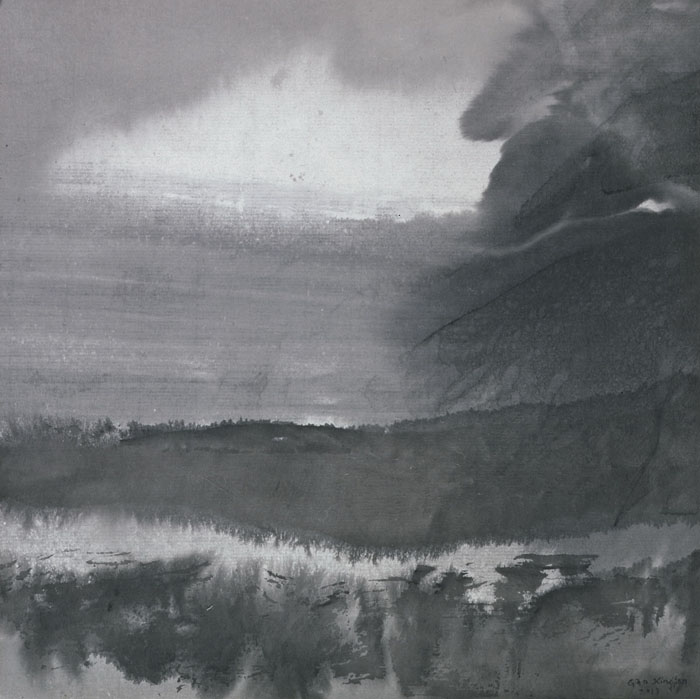
关于此次个展主题中文「梦境边缘」,和英文The Edge of Reality(现实边缘)的对照性,高行健自认为很有诗意:「正好说明了我的状态,游走在现实与梦境之间,两者重叠、模煳、没有明确的边界。」他曾说在作画前,会先放空自己,把一切束缚都放掉,有的时候也会静坐,闭上眼睛让自己安静下来,在一片黑暗中便总会有某些意象油然从深处涌现。这是一种「近乎迷狂的状态」,使他在画布或宣纸上挥洒自如,而达到水与墨相濡的亲暱。
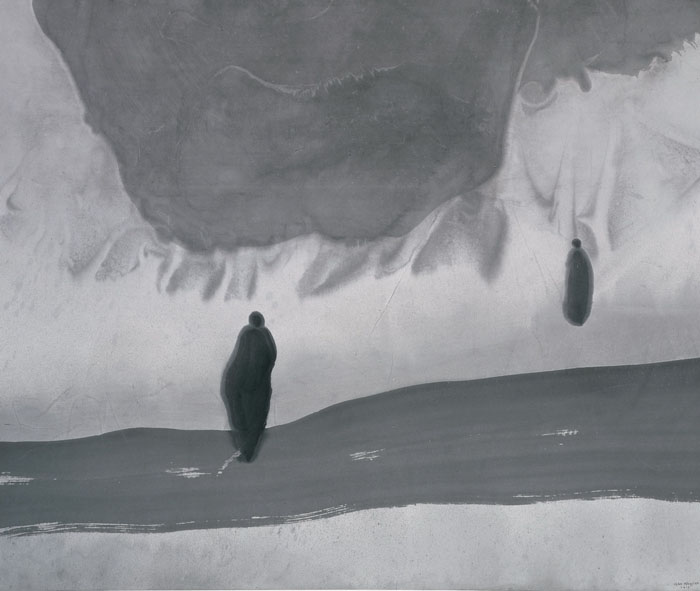
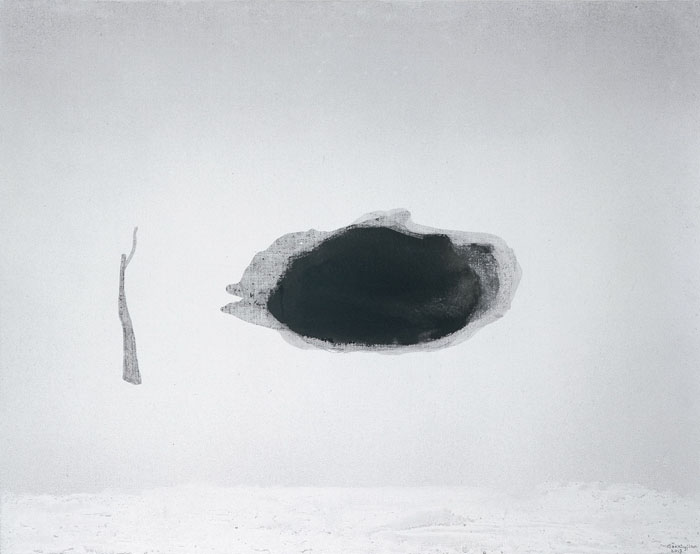
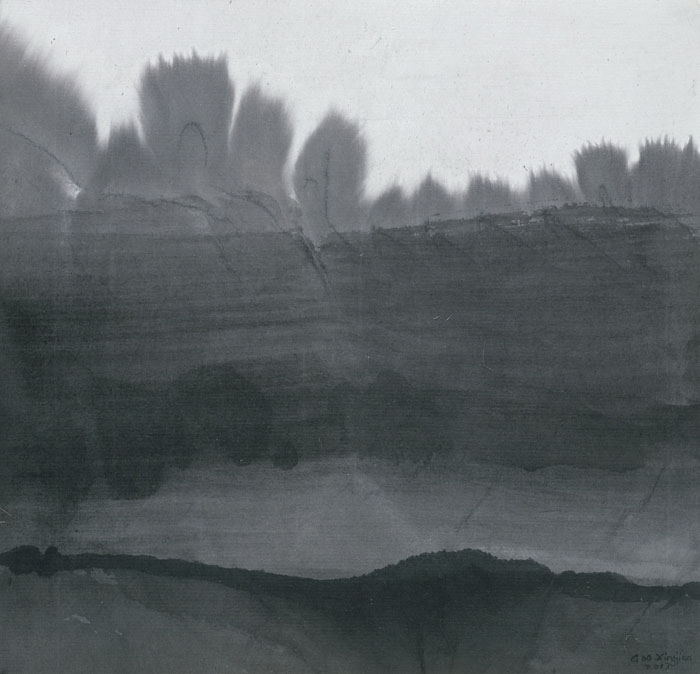
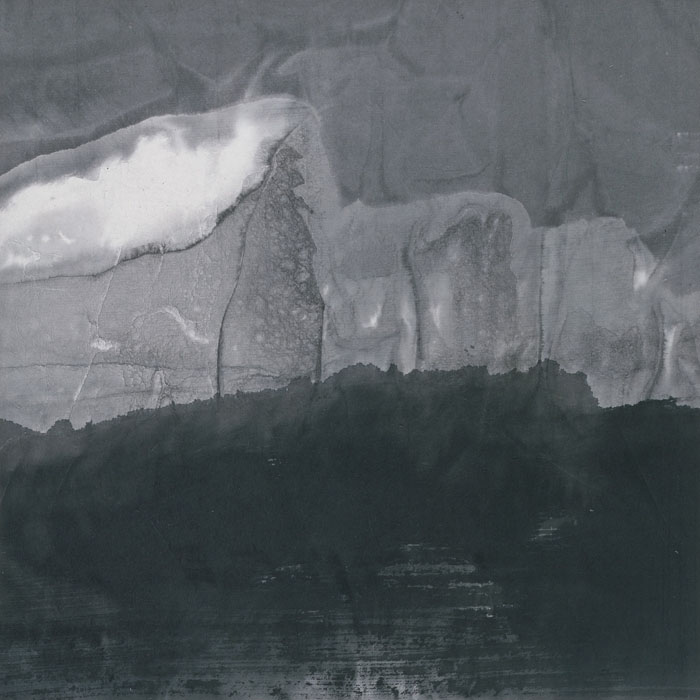
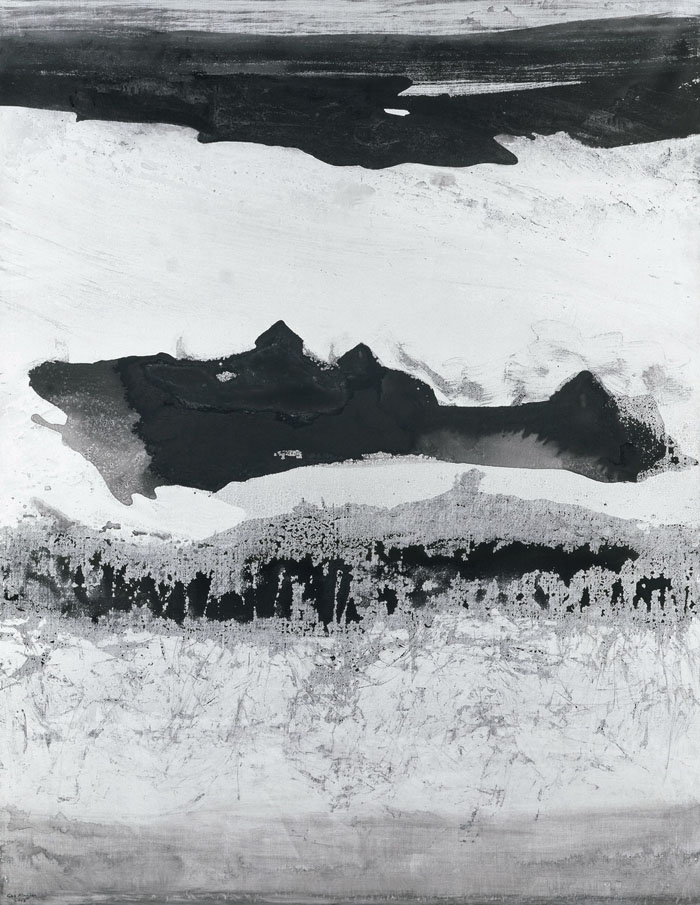
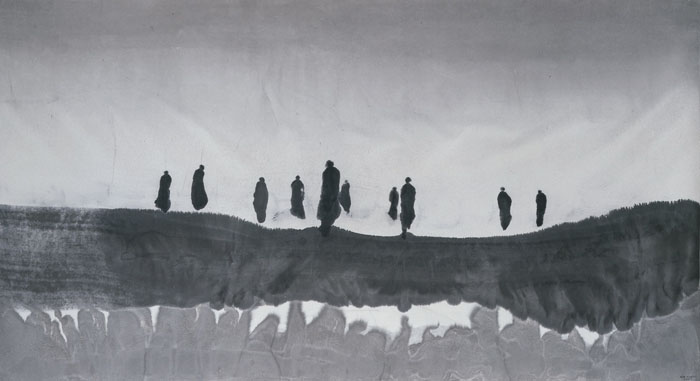
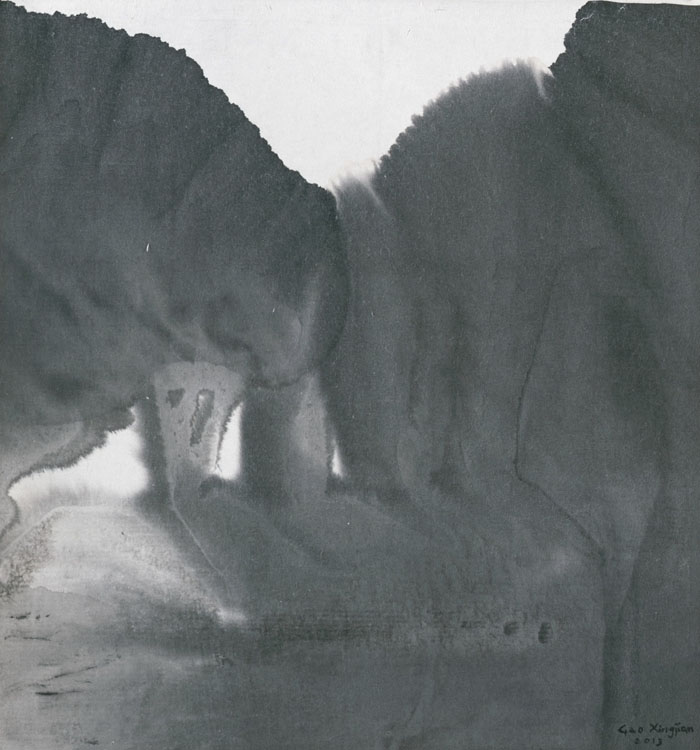
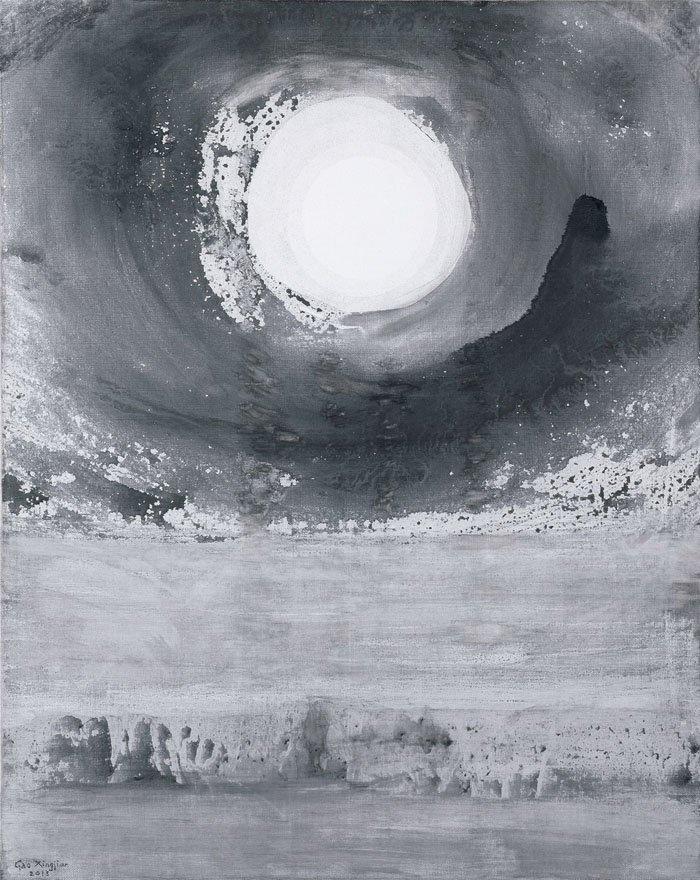
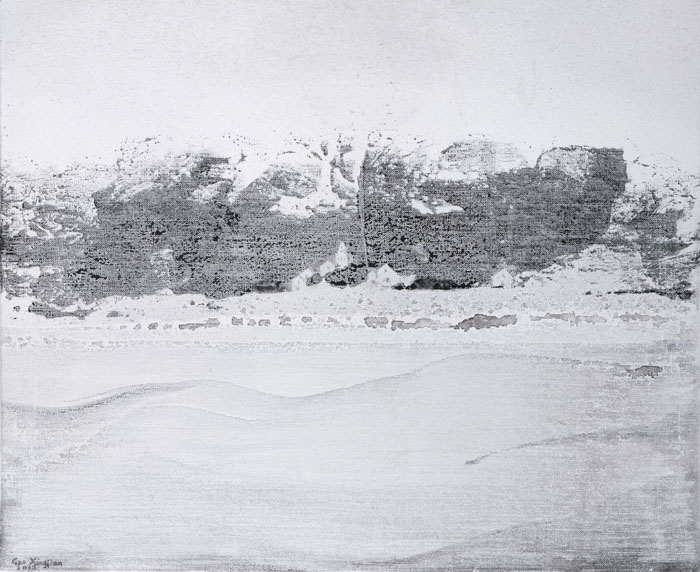
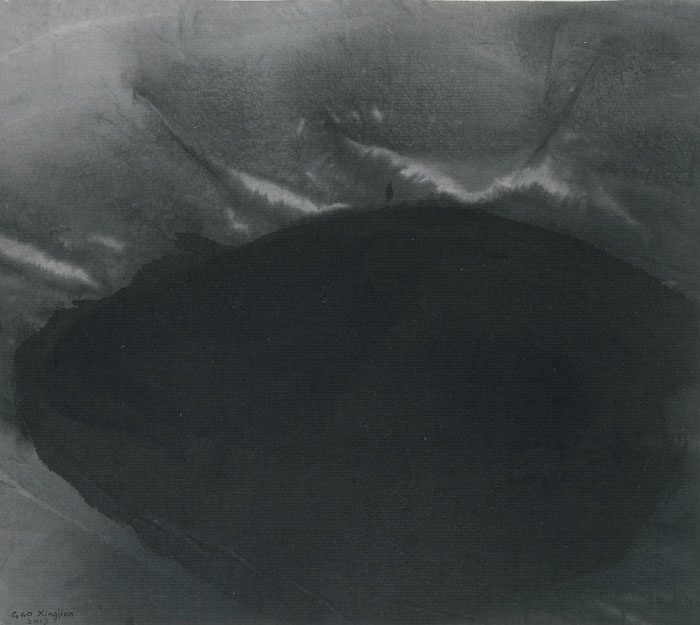
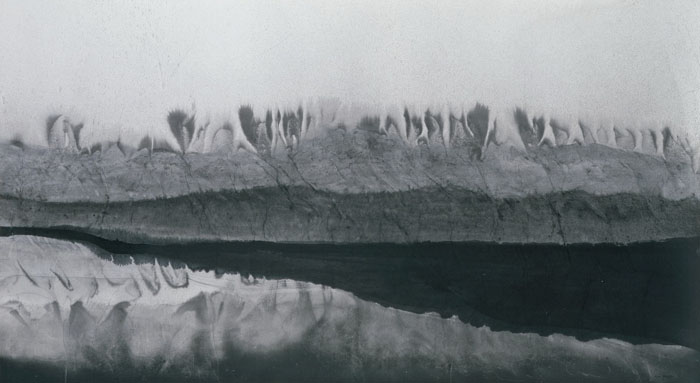
黑白的抽象画面,是脑海中的意念上升到空灵境界之后,「阖眼」才能「看」得到的,那是一片黑暗中的光与影、煞白与灰黑。惯用毛笔画画的高行健,最享受笔触的千姿百态。他认为水墨本身便有灵性,笔触与墨色正是水墨的神韵所在,所以他的作品不用工笔线条勾勒,意境高而耐看。而摄影也给了高行健一些启发,他结合类似「中焦距」的运用,在平面绘画中造成一种怪异朦胧的画面,不能以抽象/具象这样简单的二分去理解它。即使旅法将近三十年,他的思想仍多所融入佛的思想与禅意,达到没有任何主义流派可以捕捉的禅之境界,展现「新东方精神」──也就是传统水墨的当代风格。
The title of this exhibition, “The Edge of Reality,” works to complement its Chinese counterpart “The Edge of Dreams”, which symbolically represents his state of existence. “The title describes my current situation of wandering between reality and illusion, and the two realms are overlapped and blurry, without a clear boundary,” said the artist. “The title describes my current situation of wandering between reality and illusion, and the two realms are overlapped and blurry, without a clear boundary,” said the artist. Gao Xingjian also explained that before he began painting, he would close his eyes to clear his mind so that he could attain peacefulness through meditation. In the darkness, he said, there would always be some imagery that would emerge from the depths of his soul. He would envelop himself in an almost “ecstatic state” that helped him to draw freely on canvas or xuan paper, and to achieve mutual intimacy between water and ink.
In Gao Xingjian’s paintings, the abstract landscape of black and white represents the ethereal realm of the mind, where one closes one’s eyes to “see.” It is about the light and shadow in the darkness, and about the delicate nuances of style. Gao Xingjian, who is accustomed to using Chinese brushes to paint, particularly enjoys the different fascinating expressions that brush strokes create. He believes that the spirituality and charm of the ink lies in its various styles and colors. His paintings do not have fine brushwork and are profound and captivating. The artist is also inspired by photography; he incorporates the idea of a “focal length,” to create dream-like and hazy scenarios which cannot be understood through the simple dichotomy between abstract ideas and empirical reality. Despite having spent almost thirty years in France, we can still associate his works with Zen Buddhism, a style not defined by any genre. His art truly represents the “Spirit of the East”—a contemporary interpretation of traditional ink paintings.
MORE: 亚洲艺术中心 Asia Art Center,更多请至:Gao Xingjian on gooood

震撼人心。
有意境
分明看到了空间………………的诗学
一些手法而已
~~~~~~Gao Xingjian~~~解禁啦?~~~~~~goooooooooooooooooood
高行健? 现在这三个字不再是敏感词了么?话说回来,中国传统文人书画应该都是并行的。
意境。好画能看出精神层面。。
貌似在法国看过,这里的图片好像颜色偏浅了。BTW,卖的好贵~~~~~