
感谢 Zaha Hadid Architects 予gooood分享以下内容。更多关于他们:Zaha Hadid Architects on gooood.
Appreciation towards Zaha Hadid Architects for providing the following description:
当今世界上最伟大的女建筑师扎哈哈迪德在迈阿密因心脏病发作而逝世,享年65岁。以下信息来自扎哈官方对gooood的分享。
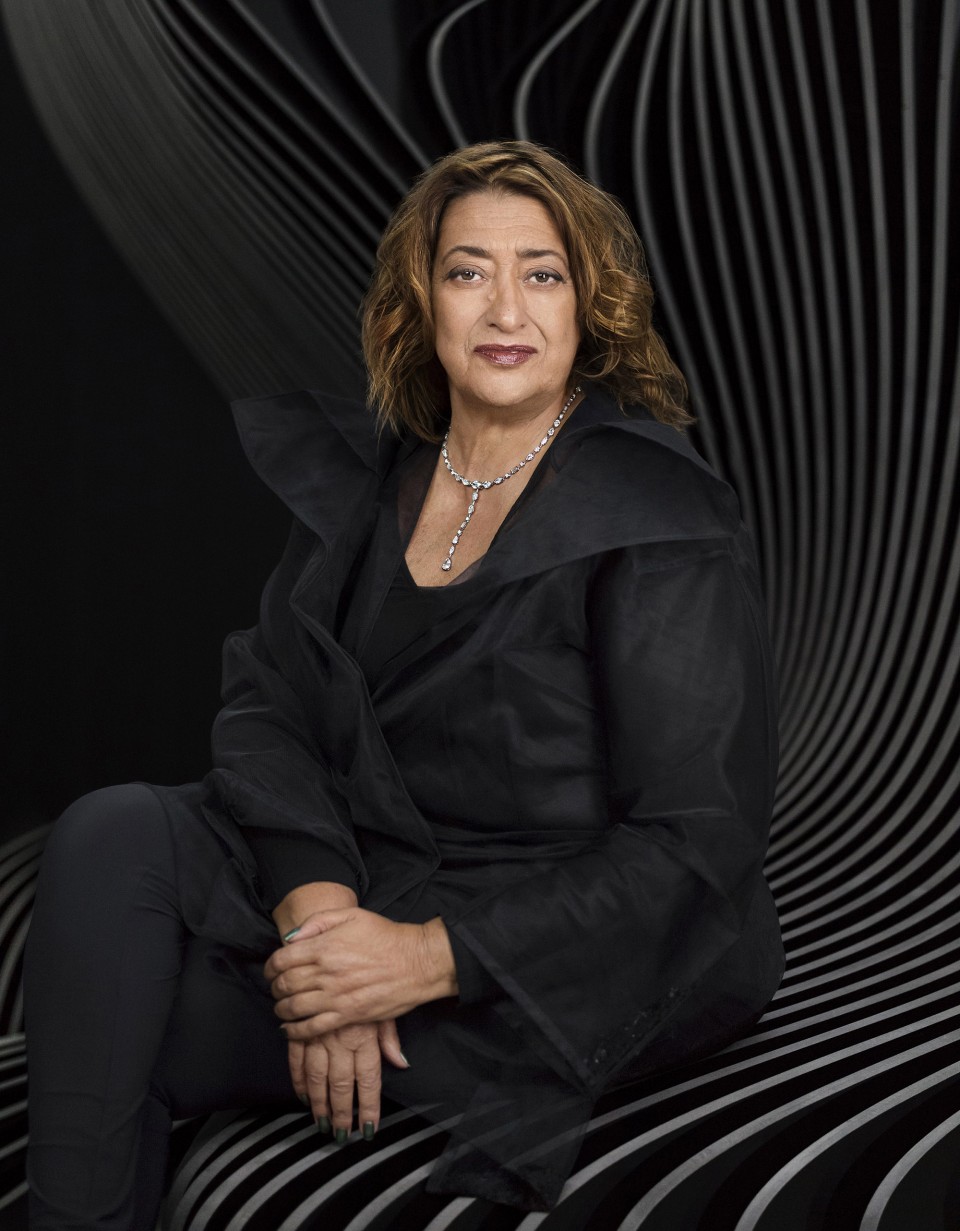
Photography © Mary Mccartney
扎哈·哈迪德建筑事务所怀着沉重的心情向世人证实女建筑师扎哈·哈迪德于3月31因突发心脏疾病在迈阿密一家医院去世。
扎哈·哈迪德1950年出生于巴格达,曾在黎巴嫩攻读数学学位,后于1972年进入英国建筑联盟AA学习建筑学。1979年扎哈创立了自己的事务所,并凭借其在香港、德国和威尔士国际竞赛中突破性的设计迅速获得了世界的关注。
扎哈·哈迪德无疑是建筑史上一个特殊的存在,她早期的作品便已流露出鲜明个的人色彩,参数化技术手段让建筑与景观和大地融为一体。她的作品标新立异,圆润的锐角、流畅的弧线和漂浮感呈现出的前所未有的视觉冲击力震惊了建筑界,连贯的空间在复杂的建筑中流淌,将人们带向一个科幻的未来世界。
从1993年德国维特拉消防站开始,她的设计如雨后春笋般在世界各地相继落成。在2004年,扎哈·哈迪德成为了首位获得普利兹克奖的女建筑师,紧随其后的是英国、法国、日本和美国建筑界各种奖项甚至英国皇室的爵位。2016年她再次创造历史,成为首位获得RIBA皇家金奖的女性建筑师。在从事繁忙建筑工作的同时,她也身兼欧美多所高校的教授职位。
尽管功勋卓著,扎哈的职业道路依然充满坎坷。被扼杀的卡迪夫歌剧院方案和第二次获得斯特林奖时来自其它建筑师的非议等等不公平的待遇让她只能以最刚强的一面对待世人。然而在办公室中人人敬畏的扎哈私底下其实亲近随和,和众多旧友都保持了良好的往来。
扎哈的天份是毋庸置疑的,她在罗马、因斯布鲁克、伦敦、威尼斯、马赛、北京和广州的作品中一次又一次地证明着自己,扎哈毫不吝啬得向世人展示着她的与众不同。或许是因为嫉妒,这种在其他行业中毫不突兀的张扬的自信让建筑师感到了不适。但是我们终须承认她的优秀,2016的RIBA皇家金奖完全可以颁给另一个低调而优秀的建筑师,但是最后的赢家还是扎哈,与众不同、胆大妄为的扎哈。
感谢上苍,让我们曾经拥有过扎哈。
It is with great sadness that Zaha Hadid Architects have confirmed that Dame Zaha Hadid, DBE died suddenly in Miami in the early hours of this morning. She had contracted bronchitis earlier this week and suffered a sudden heart attack while being treated in hospital.
Zaha Hadid was widely regarded to be the greatest female architect in the world today. Born in Baghdad in 1950, she studied mathematics at the American University of Beirut before starting her architectural journey in 1972 at the Architectural Association in London.
By 1979 she had established her own practice in London – Zaha Hadid Architects – garnering a reputation across the world for her ground-breaking theoretical works including The Peak in Hong Kong (1983), the Kurfürstendamm in Berlin (1986) and the Cardiff Bay Opera House in Wales (1994).
Working with office partner Patrik Schumacher, her interest was in the interface between architecture, landscape, and geology; which her practice integrates with the use of innovative technologies often resulting in unexpected and dynamic architectural forms.
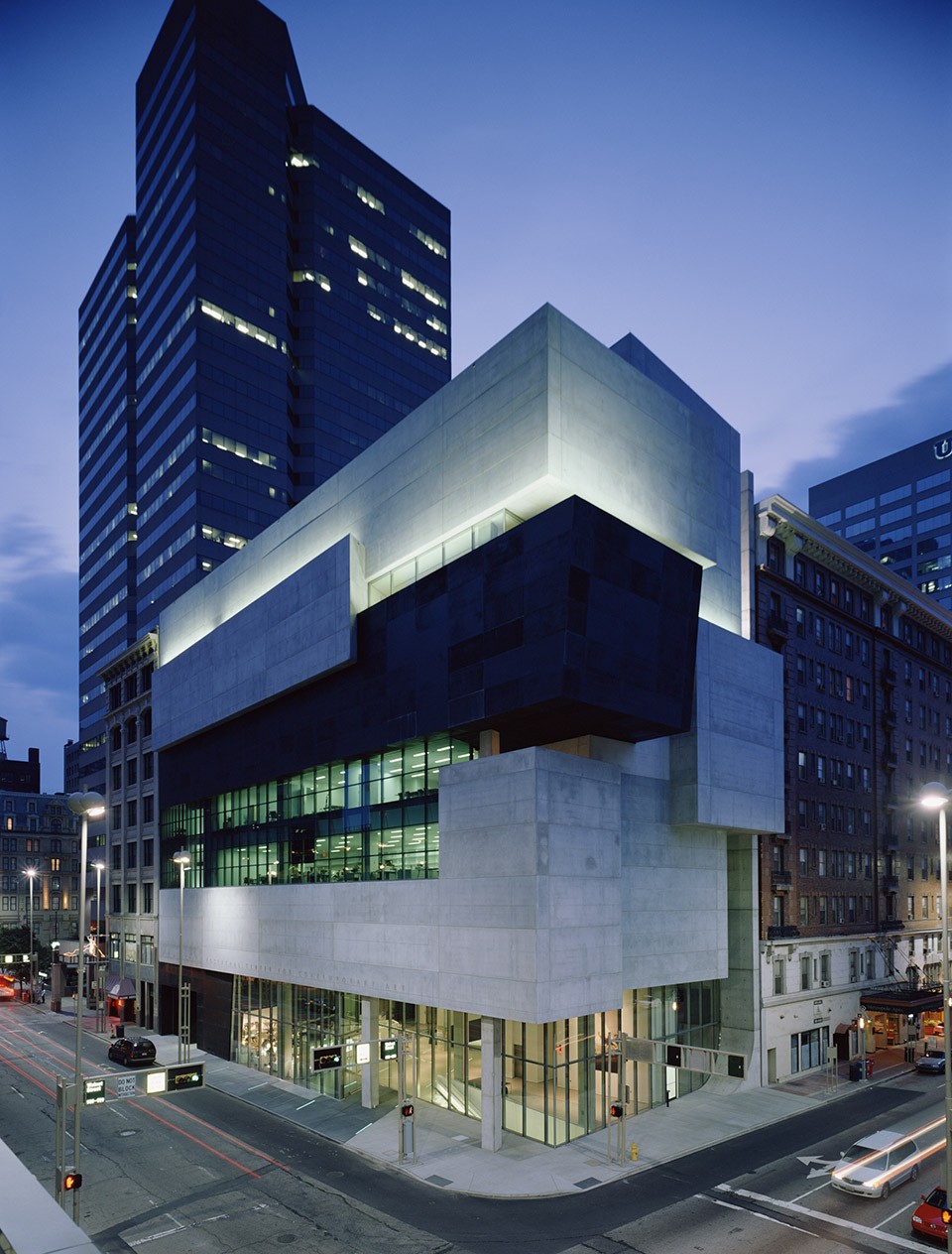
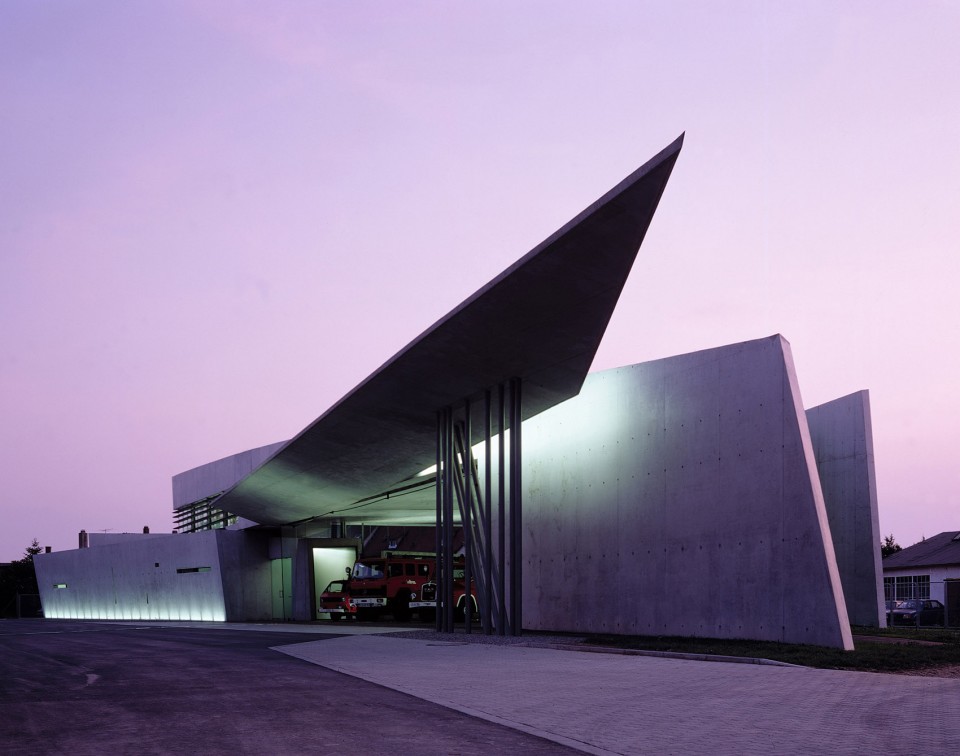
Zaha Hadid’s first major built commission, one that affirmed her international recognition, was the Vitra Fire Station in Weil Am Rhein, Germany (1993); subsequent notable projects including the MAXXI: Italian National Museum of 21st Century Arts in Rome (2009), the London Aquatics Centre for the 2012 Olympic Games (2011) and the Heydar Aliyev Centre in Baku (2013) illustrate her quest for complex, fluid space. Buildings such as the Rosenthal Center for Contemporary Art in Cincinnati (2003) and the Guangzhou Opera House in China (2010) have also been hailed as architecture that transforms our ideas of the future with visionary spatial concepts defined by advanced design, material and construction processes.
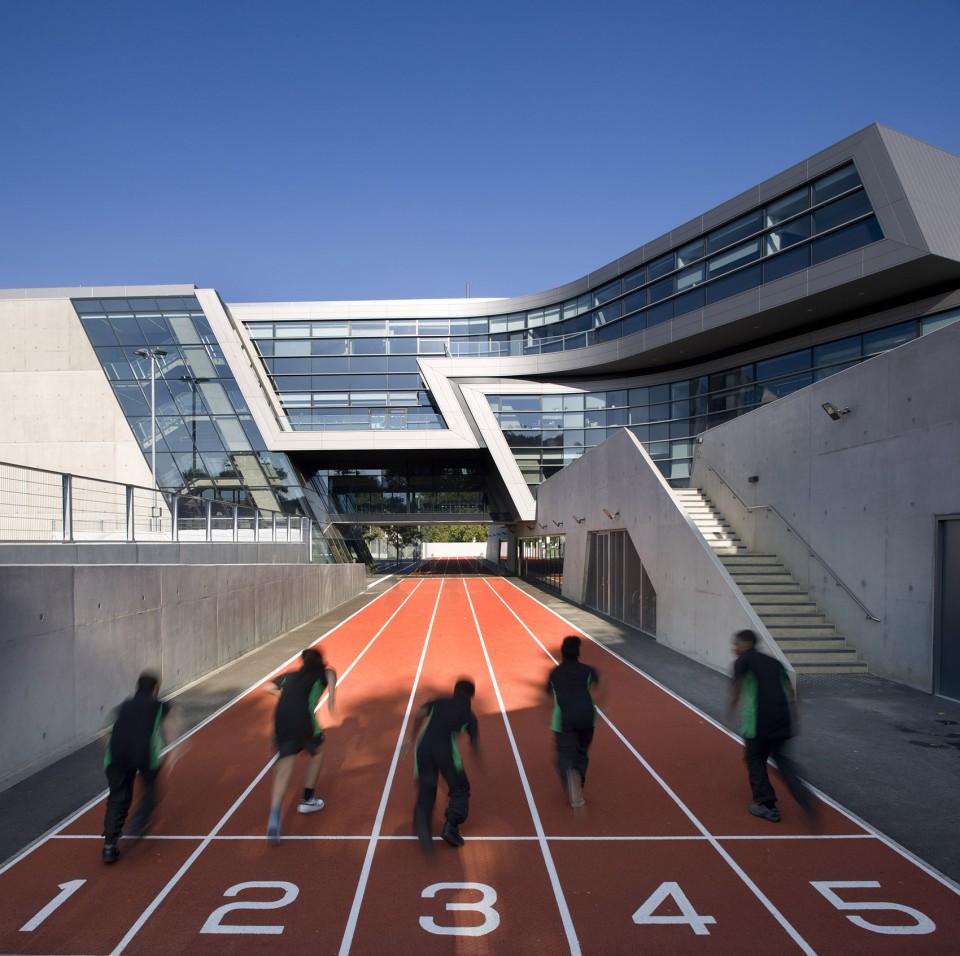
In 2004, Zaha Hadid became the first woman to be awarded the Pritzker Architecture Prize. She twice won the UK’s most prestigious architecture award, the RIBA Stirling Prize: in 2010 for the MAXXI Museum in Rome, a building for the staging of 21st century art, the distillation of years of experimentation, a mature piece of architecture conveying a calmness that belies the complexities of its form and organisation; and the Evelyn Grace Academy, a unique design, expertly inserted into an extremely tight site, that shows the students, staff and local residents they are valued and celebrates the school’s specialism throughout its fabric, with views of student participation at every turn.
Zaha Hadid’s other awards included the Republic of France’s Commandeur de l’Ordre des Arts et des Lettres, Japan’s Praemium Imperiale and in 2012, Zaha Hadid was made a Dame Commander of the Order of the British Empire. She was made Honorary Member of the American Academy of Arts and Letters and Fellow of the American Institute of Architecture.
She held various academic roles including the Kenzo Tange Chair at the Graduate School of Design, Harvard University; the Sullivan Chair at the University of Illinois, School of Architecture. Hadid also taught studios at Columbia University, Yale University and the University of Applied Arts in Vienna.
Zaha Hadid was recently awarded the RIBA’s 2016 Royal Gold Medal, the first woman to be awarded the prestigious honour in her own right. Sir Peter Cook wrote the following citation:
“In our current culture of ticking every box, surely Zaha Hadid succeeds, since (to quote the Royal Gold Medal criteria) she is someone “who has made a significant contribution to the theory or practice of architecture…. for a substantial body of work rather than for work which is currently fashionable.” Indeed her work, though full of form, style and unstoppable mannerism, possesses a quality that some of us might refer to as an impeccable ‘eye’: which we would claim is a fundamental in the consideration of special architecture and is rarely satisfied by mere ‘fashion’.
And surely her work is special. For three decades now, she has ventured where few would dare: if Paul Klee took a line for a walk, then Zaha took the surfaces that were driven by that line out for a virtual dance and then deftly folded them over and then took them out for a journey into space. In her earlier, ‘spiky’ period there was already a sense of vigour that she shared with her admired Russian Suprematists and Constructivists – attempting with them to capture that elusive dynamic of movement at the end of the machine age.
Necessarily having to disperse effort through a studio production, rather than being a lone artist, she cottoned–on to the potential of the computer to turn space upon itself. Indeed there is an Urban Myth that suggests that the very early Apple Mac ‘boxes’ were still crude enough to plot the mathematically unlikely – and so Zaha with her mathematics background seized upon this and made those flying machine projections of the Hong Kong Peak project and the like. Meanwhile, with paintings and special small drawings Zaha continued to lead from the front. She has also been smart enough to pull in some formidable computational talent without being phased by its ways.
Thus the evolution of the ‘flowing’ rather than spikey architecture crept up upon us in stages, as did the scale of her commissions, but in most cases, they remained clear in identity and control. When you entered the Fire Station at Vitra, you were conscious of being inside one of those early drawings and yes, it could be done. Yet at perhaps its highest, those of us lucky enough to see the Heydar Aliyev Center in Baku in the flesh, can surely never have been in such a dream-like space, with its totality, its enormous internal ramp and dart-like lights seeming to have come from a vocabulary that lies so far beyond the normal architecture that we assess or rationalize.
So we are presenting her with this Medal as a British Institution: and as a Dame Commander of the Order of the British Empire: thus she might seem to be a member of our British Establishment. Yet in reality, many of our chattering classes and not a few fellow architects have treated her with characteristic faint praise, and when she heroically won the Cardiff Opera House competition, blocking the scheme. Or when we awarded her the RIBA Stirling Prize for the school in South London – her second win in a row – we, the jury, were loudly derided by a number of distinguished architects. Of course, in our culture of circumspection and modesty her work is certainly not modest, and she herself is the opposite of modest. Indeed her vociferous criticism of poor work or stupidity recalls the line-side comments of the tennis player John McEnroe. Yet this is surely characteristic of the seriousness with which she takes the whole business: sloppiness and waywardness pain her and she cannot play the comfy British game of platitudinous waffle that is the preferred cushion adopted by many people of achievement or power. Her methods and perhaps much of her psychology remain Mesopotamian and not a little scary: but certainly clear.
As a result, it is perhaps a little lonely there up at the top, surrounded now by some very considerable talent in the office, but feared somewhat and distanced from the young. Yet in private Zaha is gossipy and amusing, genuinely interested in the work of talented colleagues who do very different architecture such as Steven Holl, and she was the first to bring to London talent such as Lebbeus Woods or Stanley Saiotowitz. She is exceptionally loyal to her old friends: many of whom came from the Alvin Boyarsky period of the Architectural Association: which seems to remain as her comfort zone and golden period of friendship. Encouraged and promoted at an early age by Boyarsky, she has rewarded the AA with an unremitting loyalty and fondness for it.
The history of the Gold Medal must surely include many major figures who commanded a big ship and one ponders upon the operation involved that gets such strong concepts as the MAXXI in Rome – in which the power of organization is so clear – or the Bergisel Ski Jump in Innsbruck where dynamic is at last captured – or the Aquatics Centre for the London Olympics where the lines diving boards were as fluid as the motion of the divers – made into reality. And she has done it time and time again in Vienna, Marseilles, Beijing and Guangzhou. Never has she been so prolific, so consistent. We realize that Kenzo Tange and Frank Lloyd Wright could not have drawn every line or checked every joint, yet Zaha shares with them the precious role of towering, distinctive and relentless influence upon all around her that sets the results apart from the norm. Such self-confidence is easily accepted in film-makers and football managers, but causes some architects to feel uncomfortable, maybe they’re secretly jealous of her unquestionable talent. Let’s face it, we might have awarded the medal to a worthy, comfortable character. We didn’t, we awarded it to Zaha: larger than life, bold as brass and certainly on the case.
Our Heroine.
How lucky we are to have her in London.
▽ 德国莱比锡BMW中央大楼,BMW Central Building, Leipzig, Germany
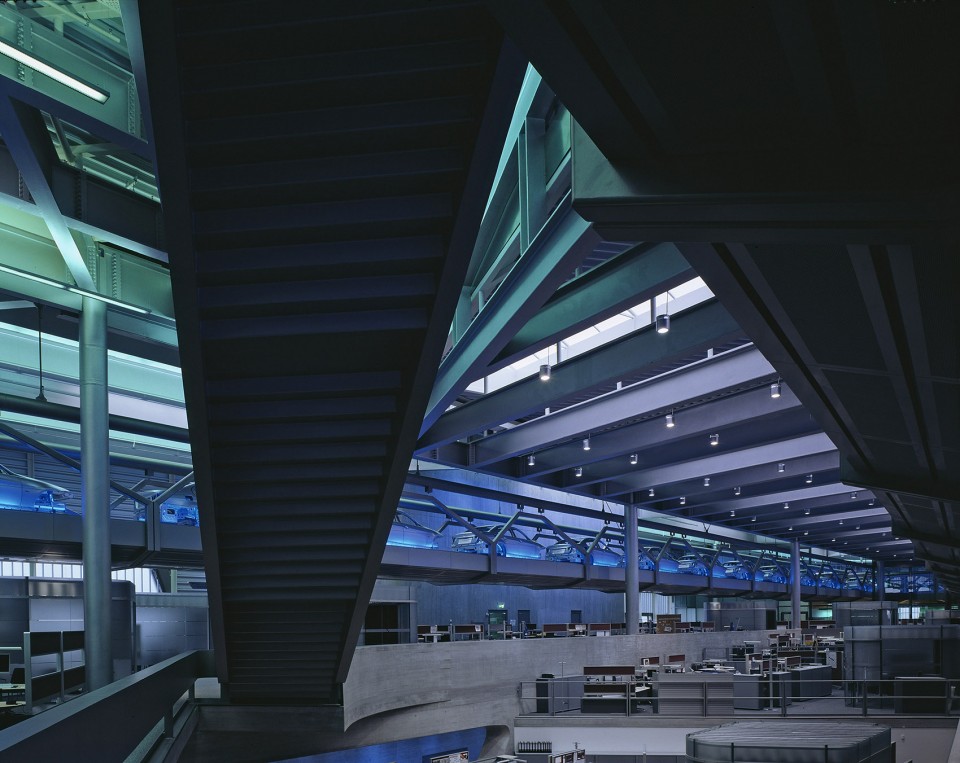
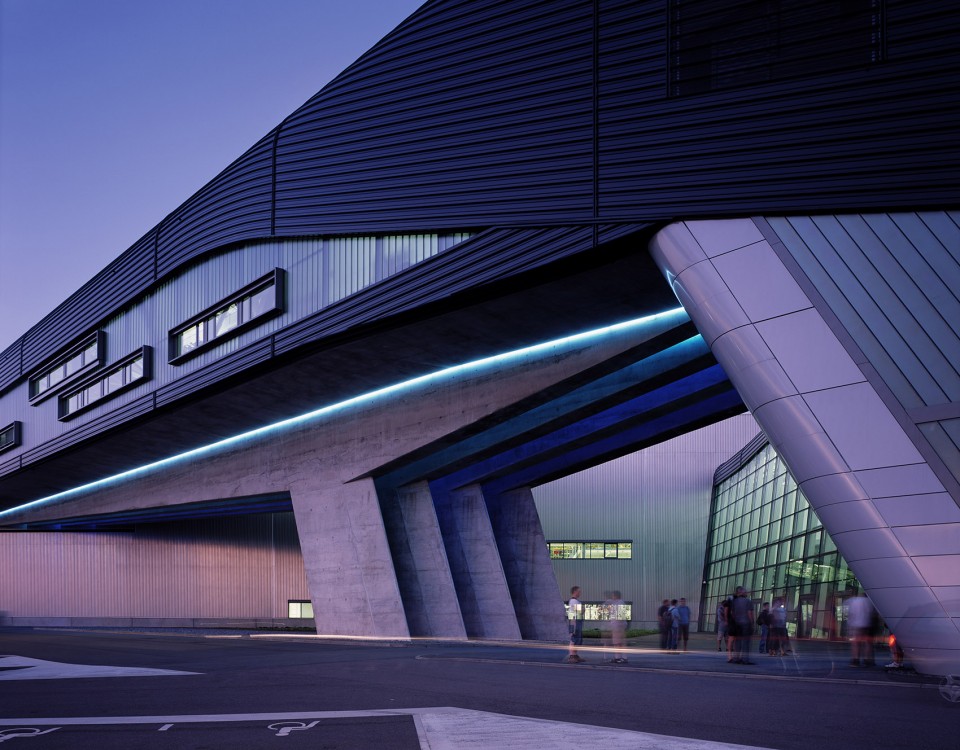
▽ 首尔东大门设计广场,Dongdaemun Design Plaza, Seoul
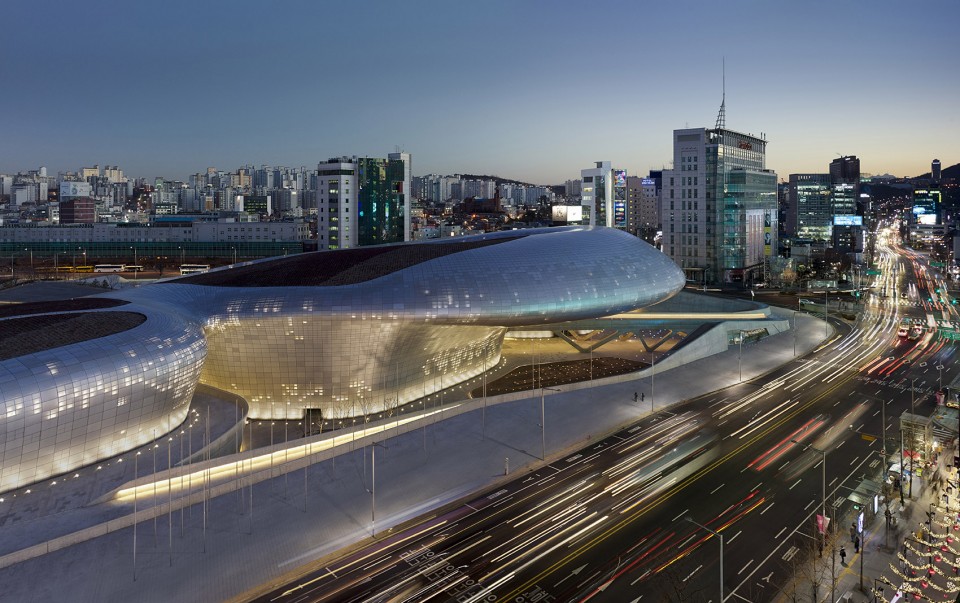
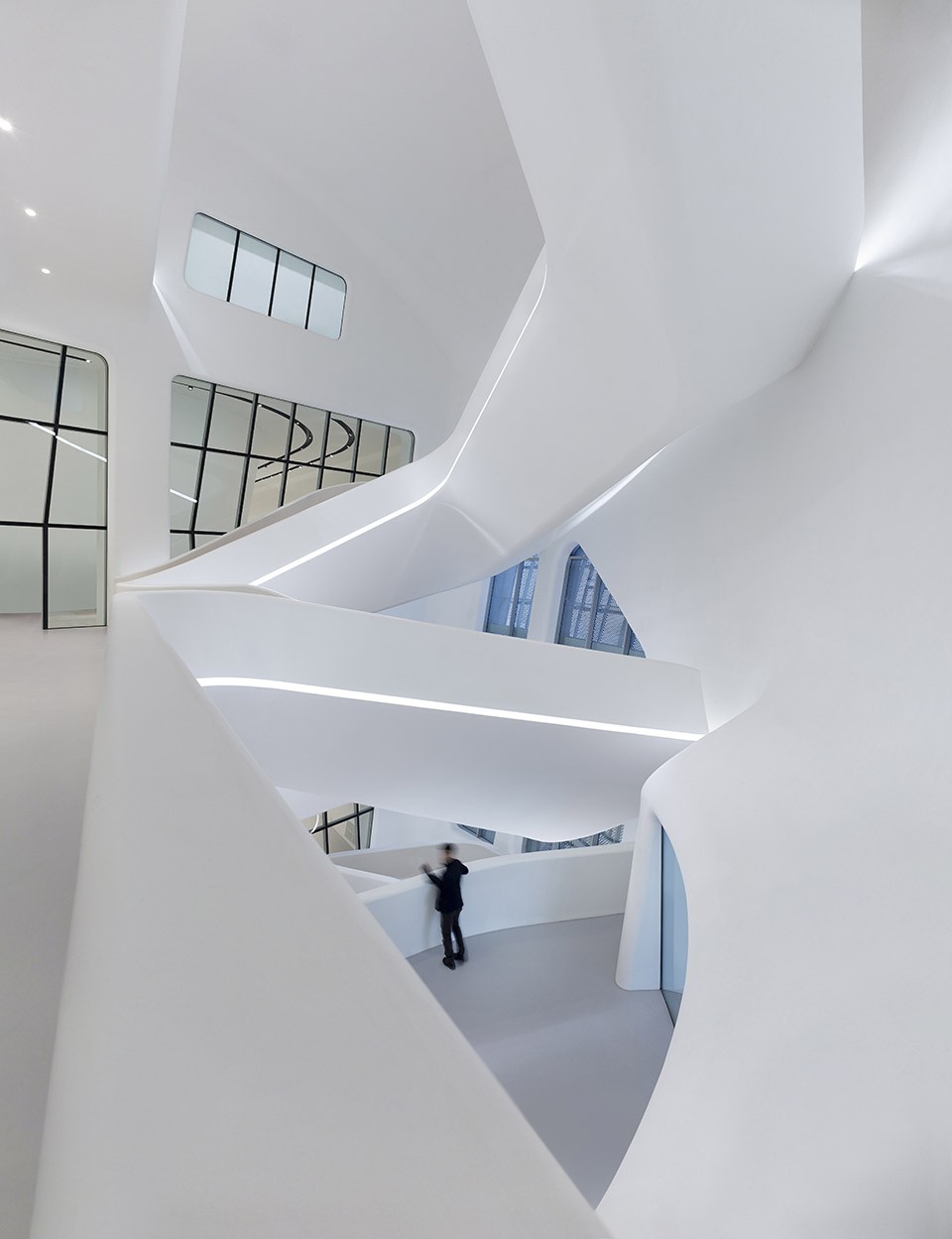
▽ 阿塞拜疆巴库Heydar Aliyev文化中心,Heydar Aliyev Center, Baku
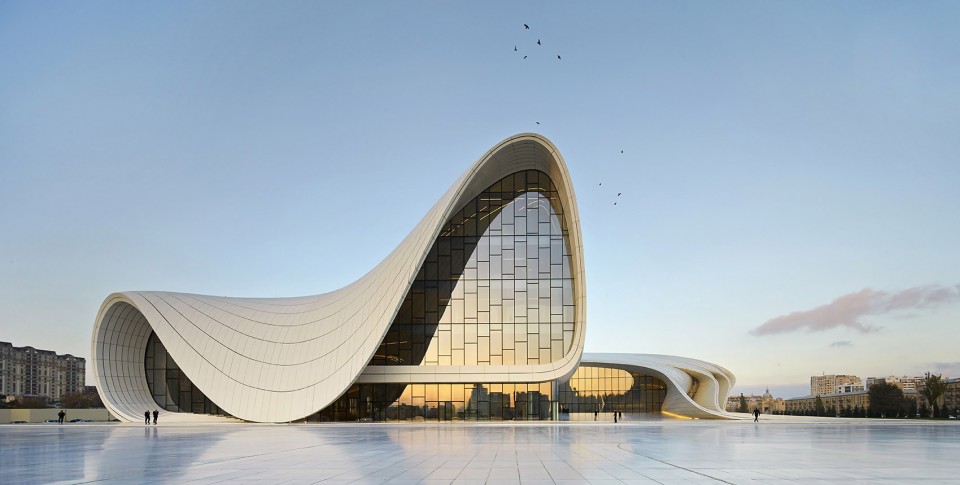
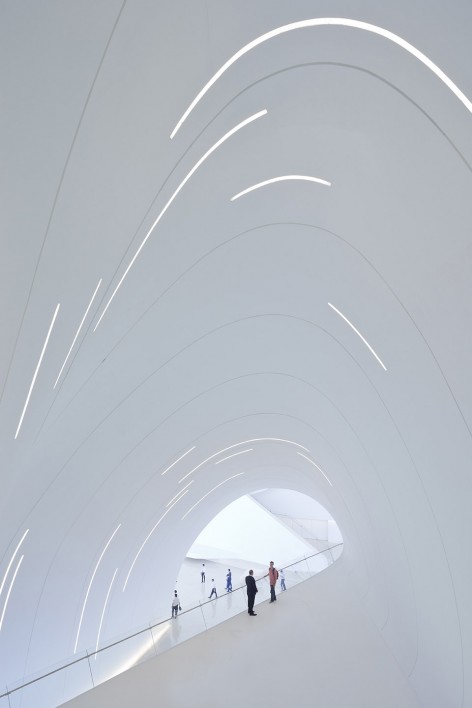
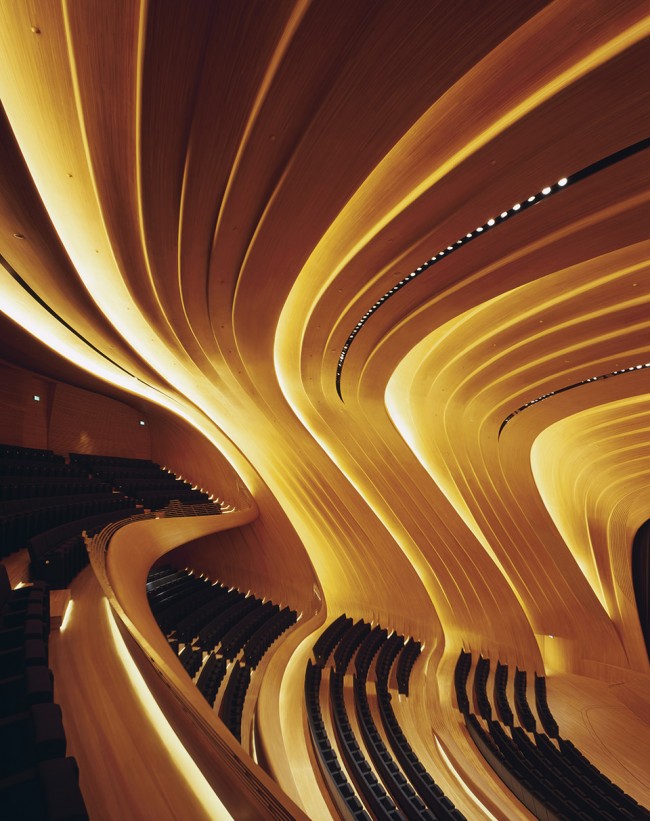
▽ 伦敦奥运会水上中心,London Aquatics Centre
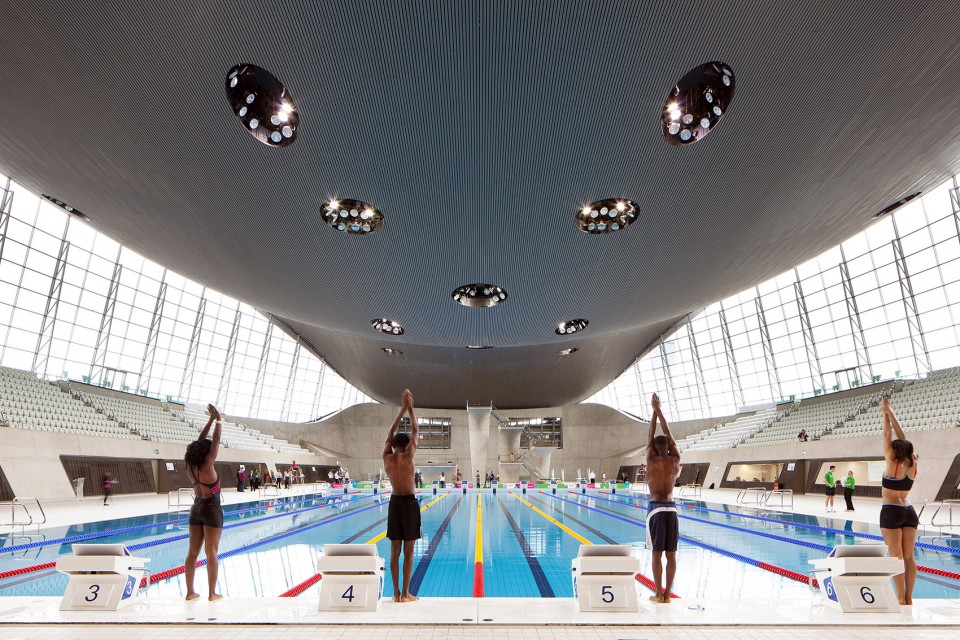
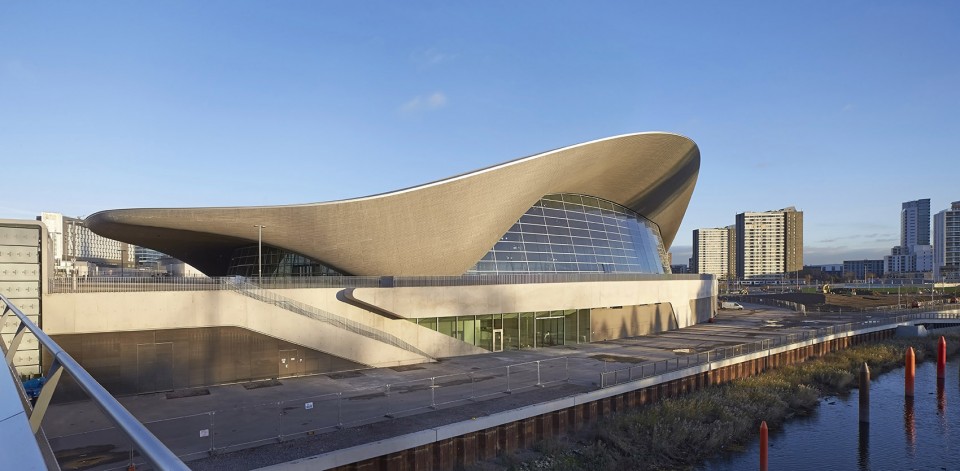
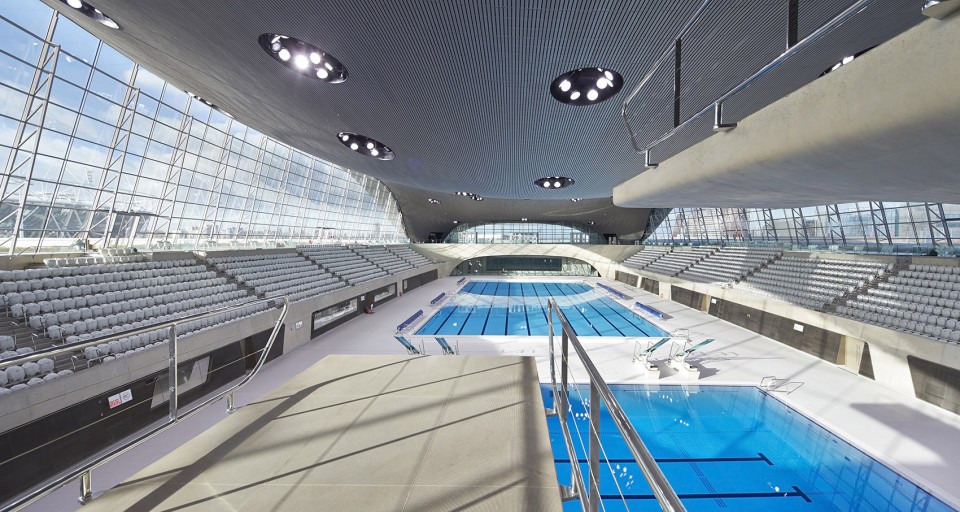
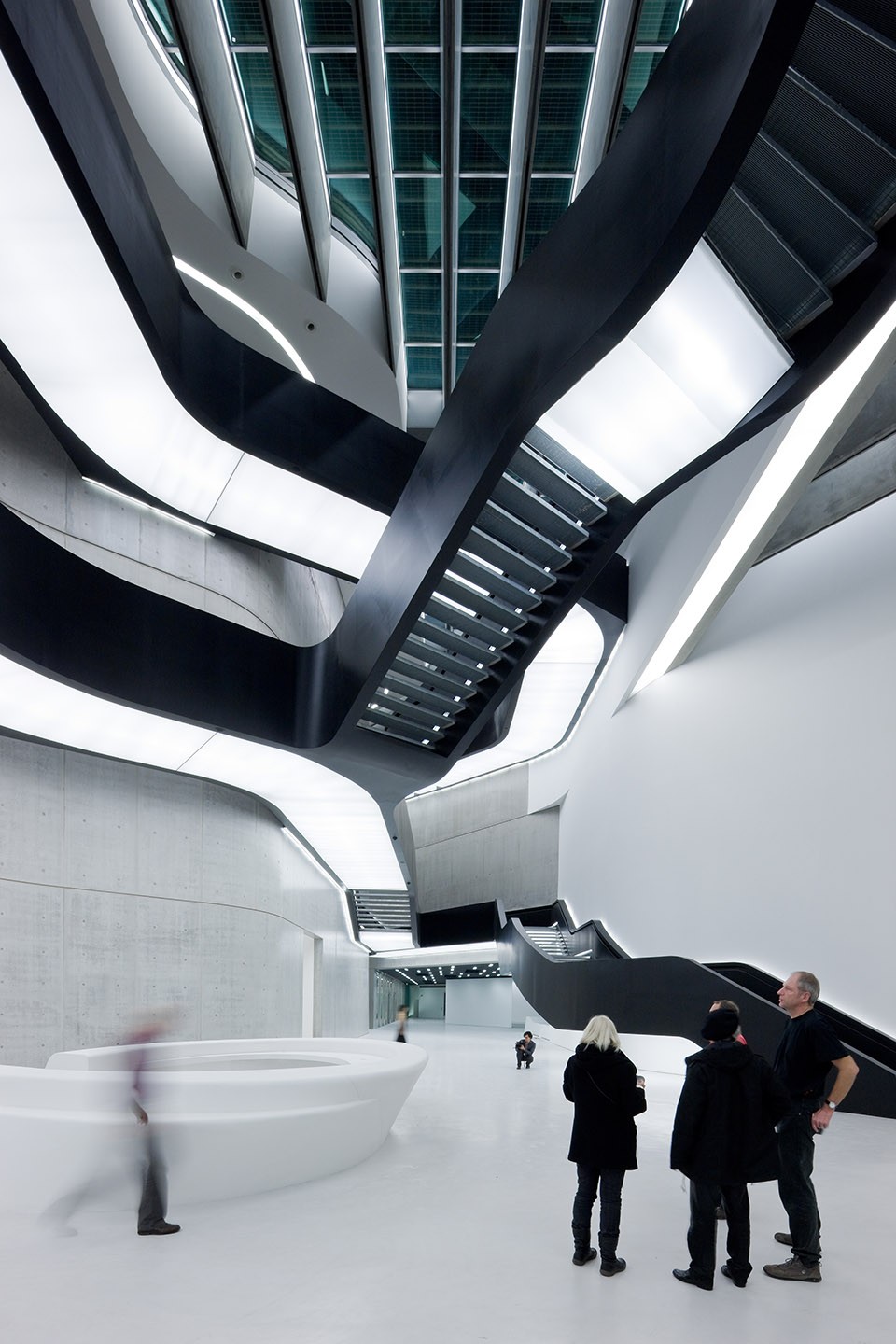
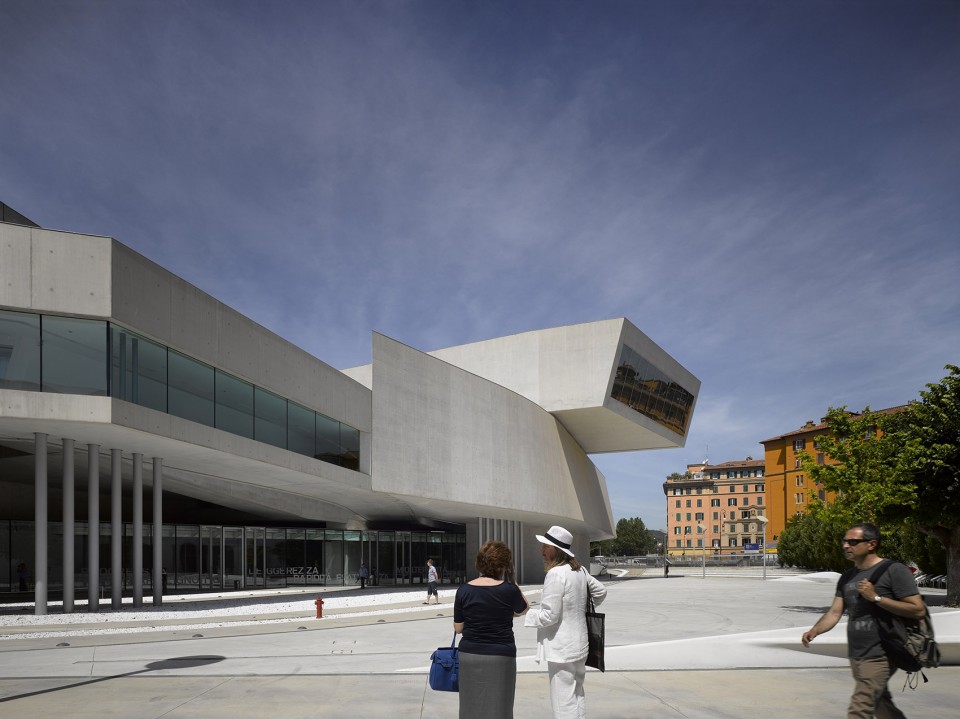
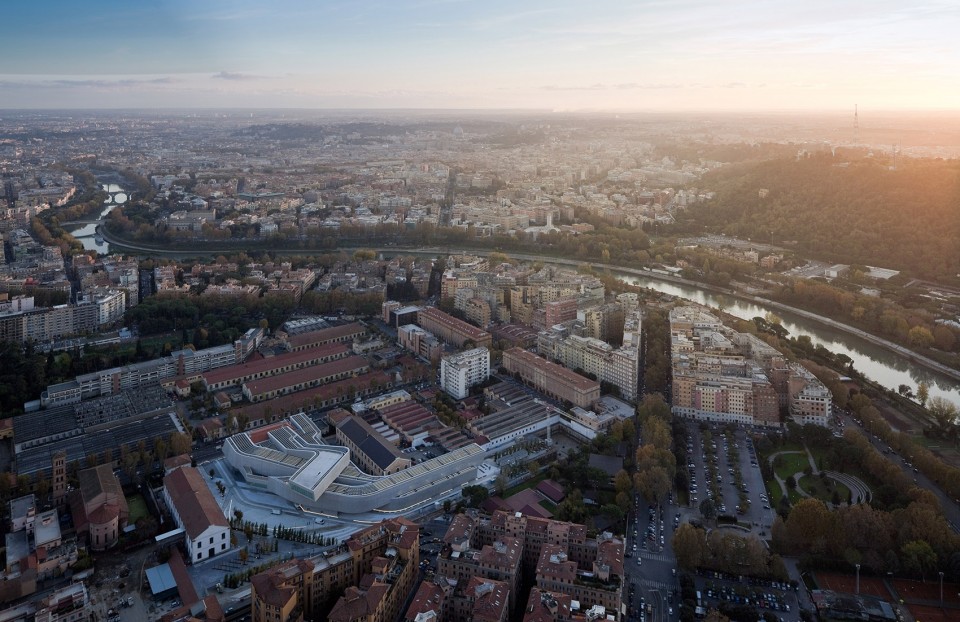
▽ 罗马MAXXI博物馆,MAXXI Museum of XXI Century Art, Rome
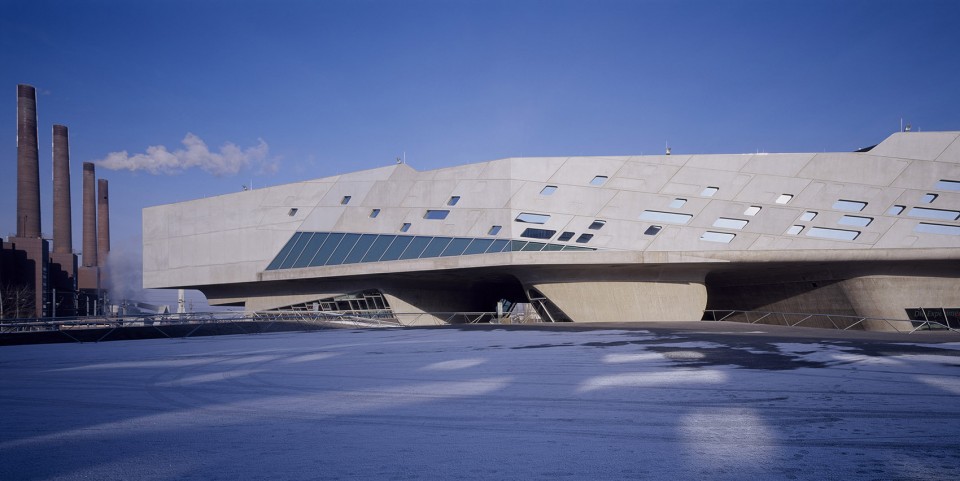
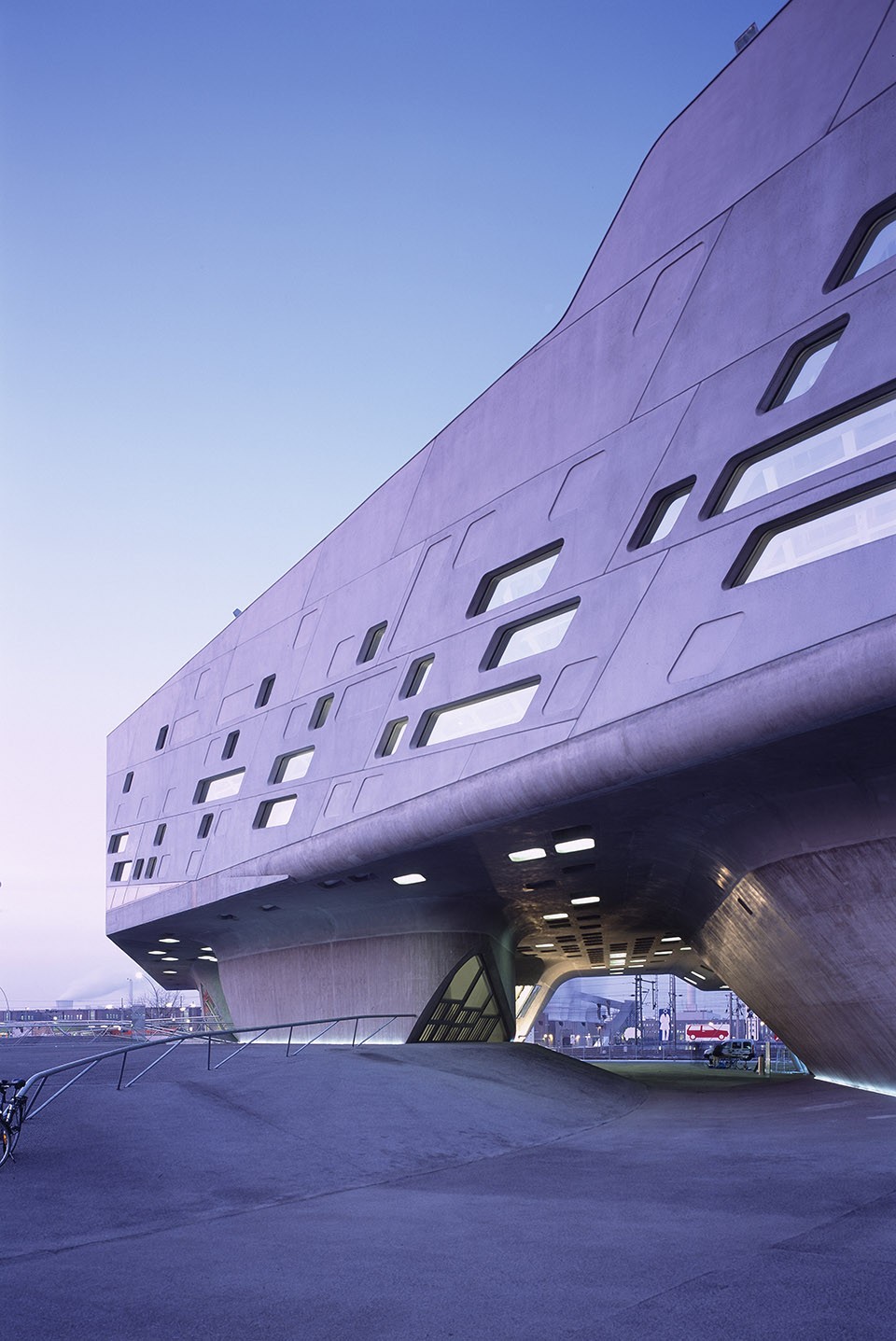
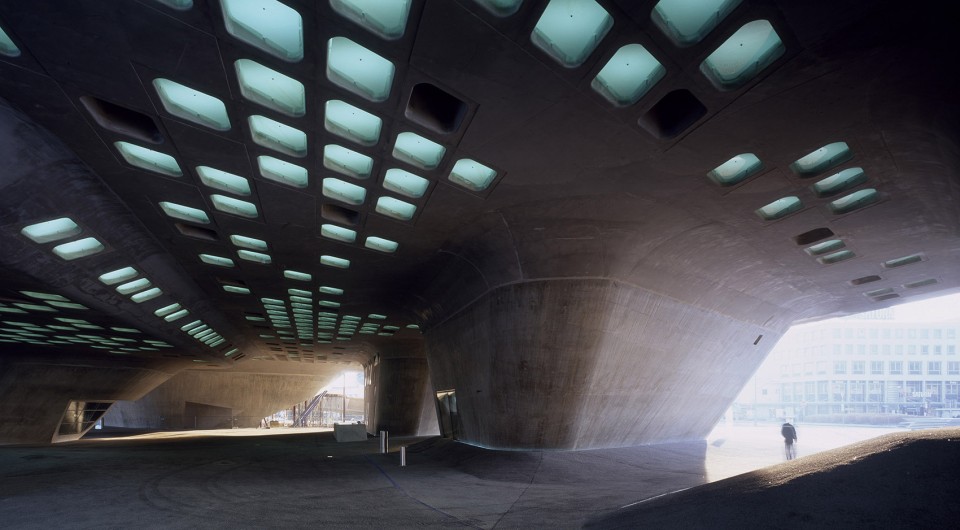
▽ 沃尔夫斯堡Phaeno科技中心,Phaeno Science Centre
▽ 辛辛那提当代艺术中心,Contemporary Arts Center, Cincinnati
▽ 伦敦Evelyn Grace学院,Evelyn Grace Academy, London
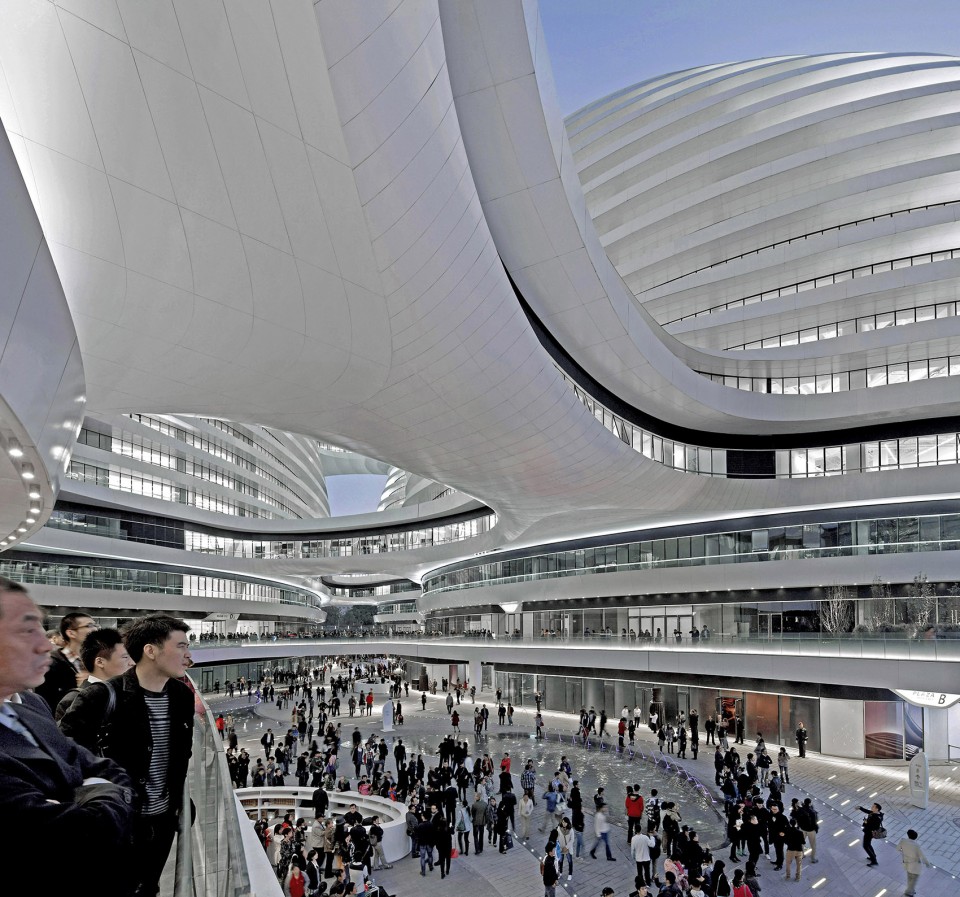
▽ 北京银河Soho,Galaxy Soho, Beijing
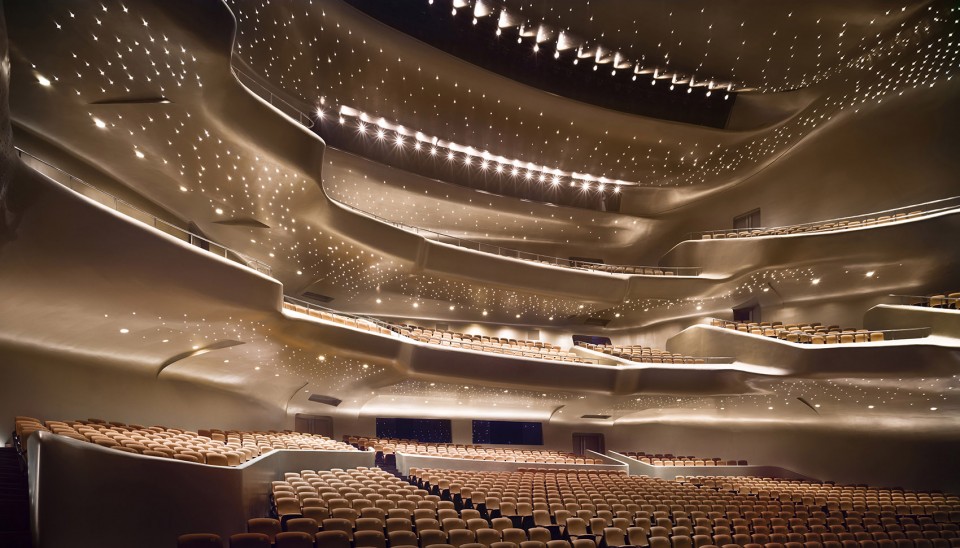
▽ 广州大剧院,Guangzhou Oprea House, Guangzhou
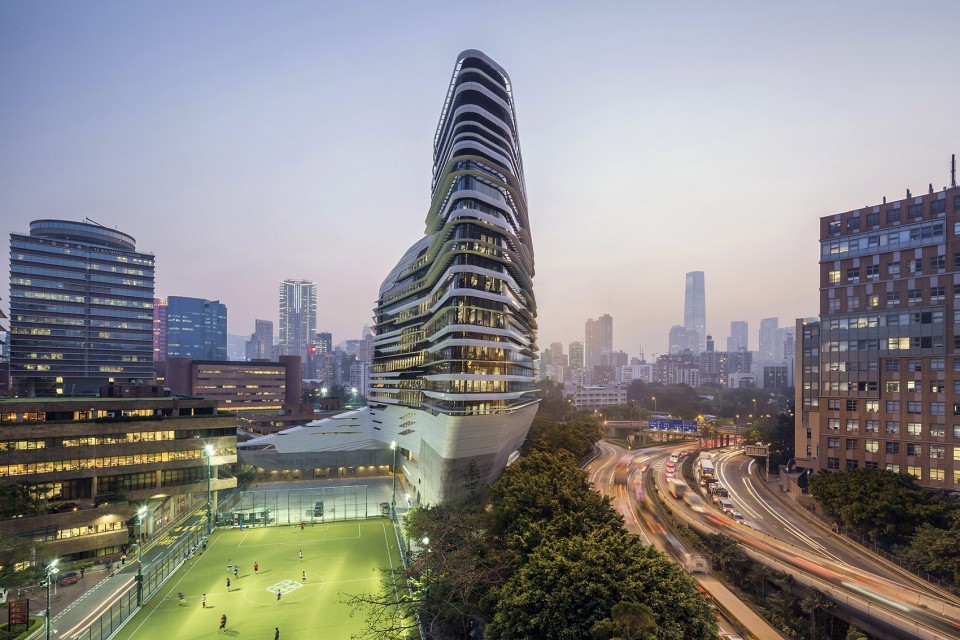
▽ 香港理工大学赛马会创新楼,Jockey Club Innovation Tower, at Hong Kong Polytechnic University
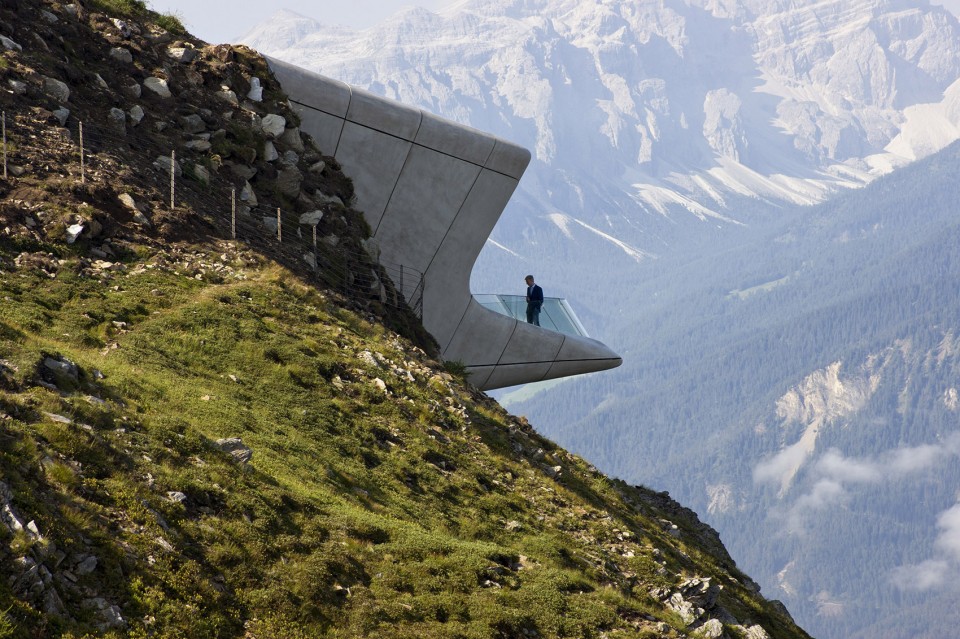
▽ 意大利梅斯纳尔山博物馆,Messner Mountain Museum Corones
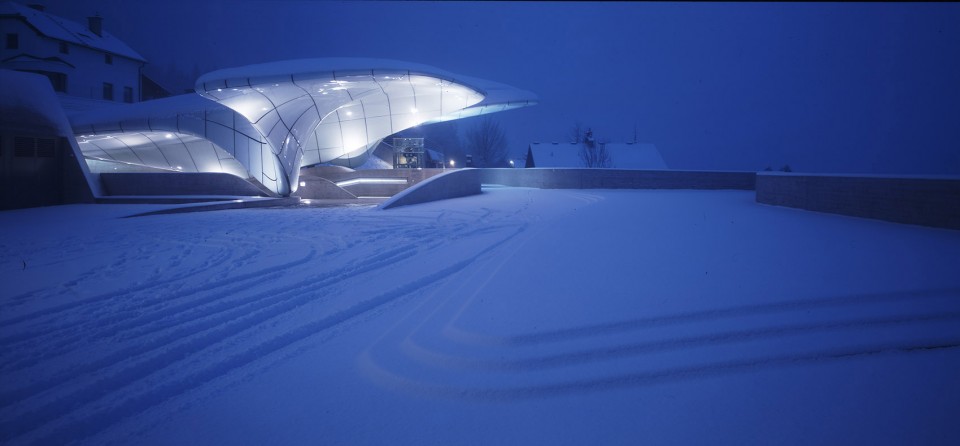
▽ 奥地利因斯布鲁克铁路站台,Nordpark Railway Stations (Hungerburg Station)
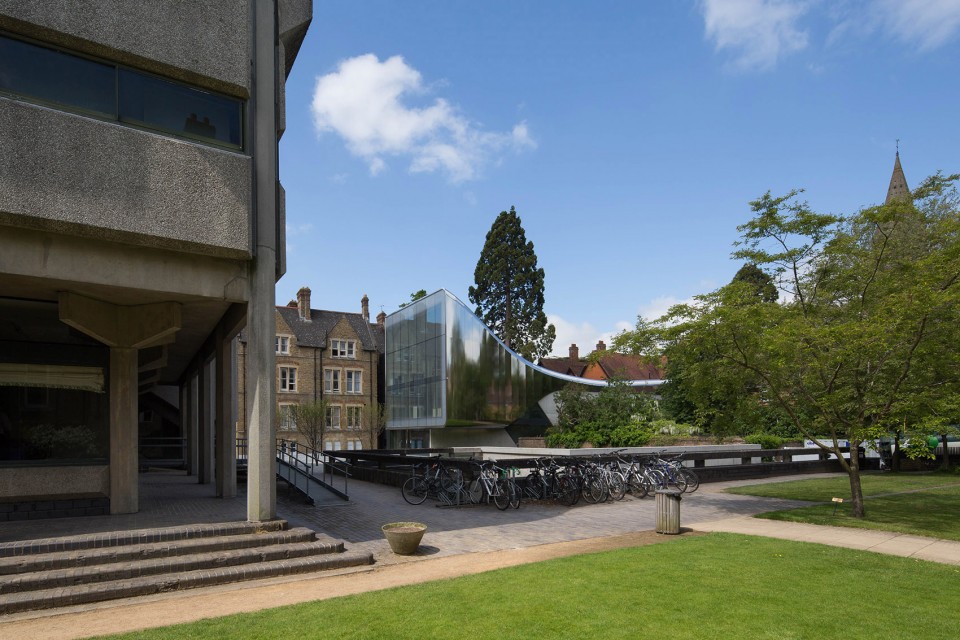
▽ 牛津大学圣安东尼学院中东中心,Oxford University Middle East Centre at St Antony’s College
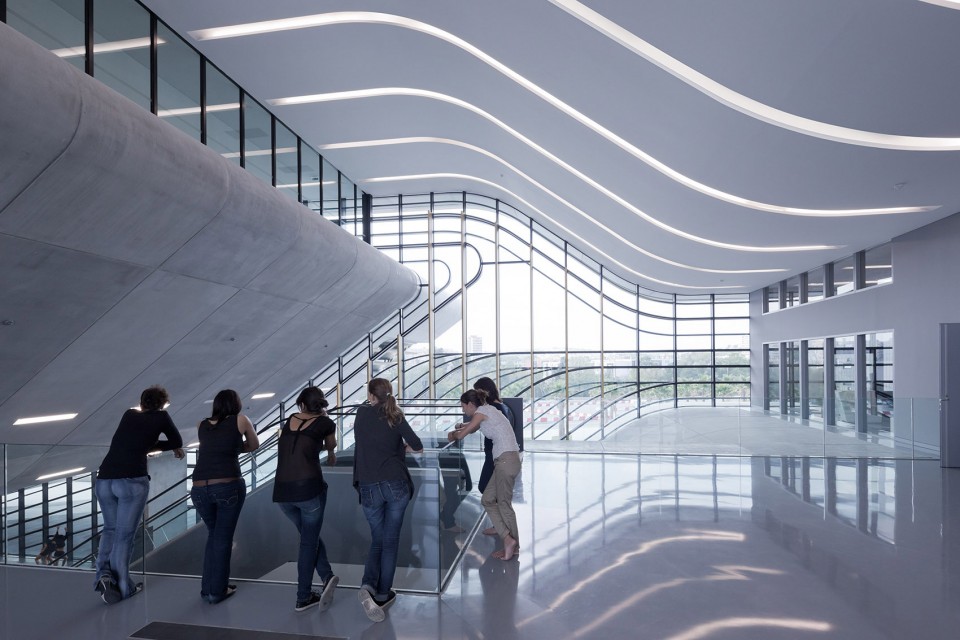
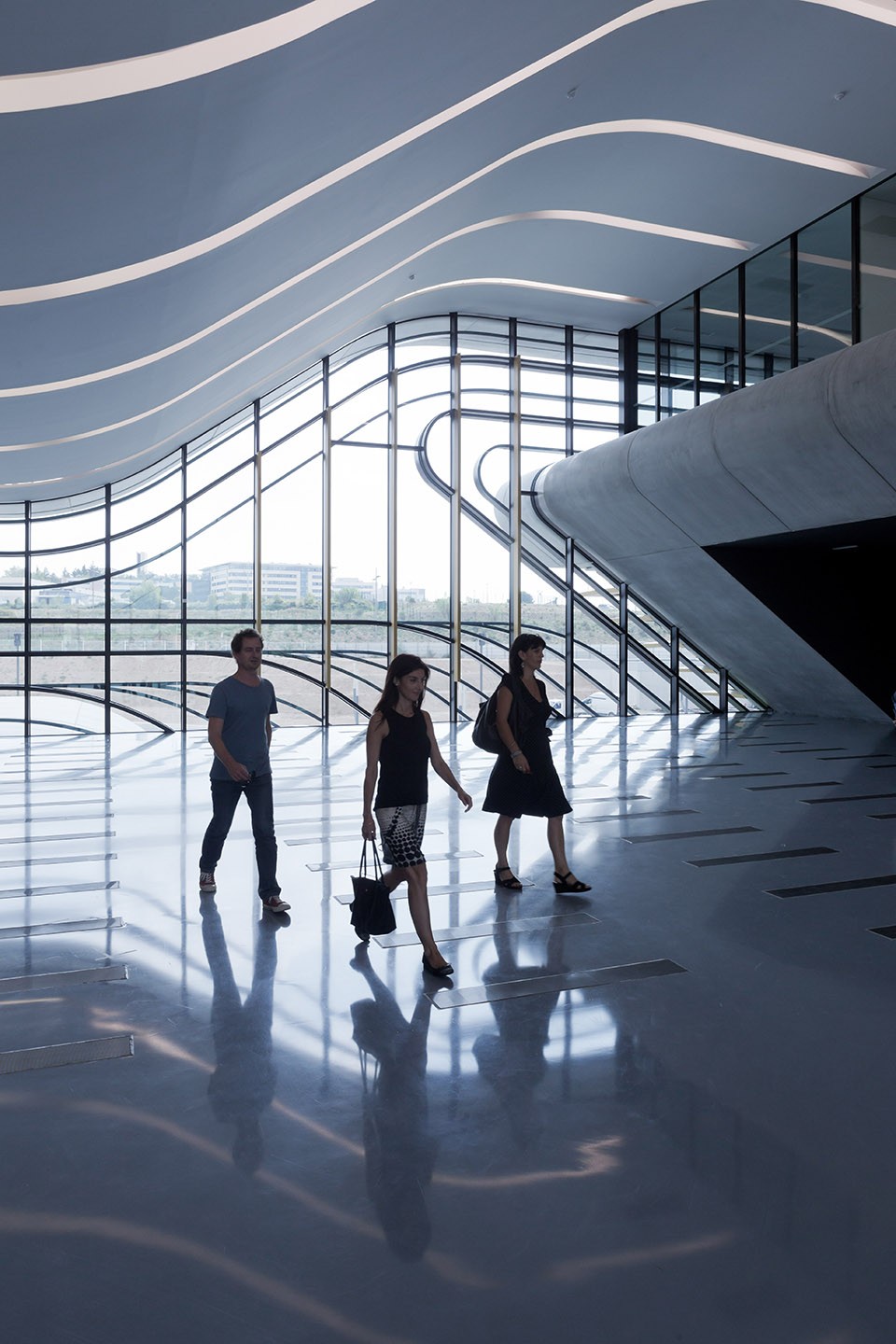
▽法国蒙彼利埃Pierresvives 大厦,Pierresvives
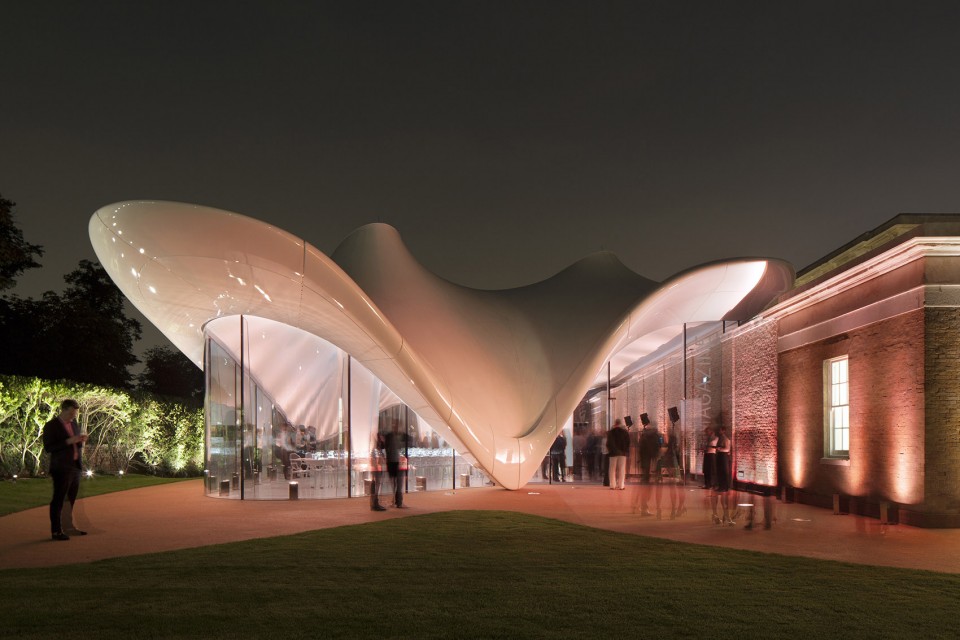
▽伦敦肯辛顿花园蛇形画廊,Serpentine Sackler Gallery, London
▽德国维特拉消防站,Vitra Fire Station, Weil am Rhein, Germany
More:Zaha Hadid Architects, 更多关于他们:Zaha Hadid Architects on gooood.








致敬
很可惜,在中国落地的几座建筑有些不甚人意。罗西和契里柯等等没有敲醒我,马列维奇同扎哈却如惊雷一般炸醒了我
看了很多最近国内新修的标新立异的 现代建筑,不乏结构主义 。回过头再来看扎哈,不行了我要爆粗了,这特么差了10个level 好么
审美从来都不是不动如山的!几年前我觉得刘雯丑炸了、这天底下怎么会有这么丑的模特!结果现在每次看到她的照片我都要舔屏三十秒!还有扎哈哈哈迪德、打破所有常规、然后结构重组、那建筑如何还会有刚正方直平稳如山的感觉?可一遍一遍翻他作品、却觉得所有曲线越发的巍峨…….
永远的标杆
缅怀,这样的形态美还会出现吗?
开启一个建筑界时代的人,下一个是什么时代呢?
Thank You My Teacher . It is so hard to say goodbye to yesterday !
虽然以前对这种炫技派呲之以鼻,这也是传统建筑教学比较反对的,但是真正看了扎哈的这么多作品,谁都会折服,每一个作品都很有美感,让人厌恶不起来。扎哈虽然炫技,但是人家炫出了水平,不像很多建筑师只为了炫技,做出来的东西丑的难以直视。扎哈让我们看到原来建筑还可以这样来做。总之世间再难出这样的建筑女魔头,致敬!
天妒英才啊
愚人节的那天看到有人发关于扎哈逝世的消息,原本以为只是个恶作剧,直到官网发布了消息后实在令人惋惜,扎哈的职业生涯饱受争议,曾一度被誉为纸上谈兵的设计师,屡获大奖却未能实施,然后世俗的一切并没有将她击垮,维特拉消防站迎来了她的转机,并一度以独树一帜的风格让人惊叹,有人说扎哈的作品形式大于功能,众说纷纭,不可否定的是她的每件作品都如艺术品一样,诠释了建筑新的含义,时至今天看到大师的作品时我们依旧热泪盈眶,想起建筑界的女魔头我们首先想到就是她,她的成功源于她的坚持和努力,向大师由衷的致敬。
扎哈.哈迪德-蝉联普利兹克奖,一路走好,疯狂的使者,某人在朝着普利兹克奖看齐。
永远的曲线女王,你将是曲线建筑的标杆,谢谢你给建筑赋予了新的含义,大师一路走好!还记得在清华聆听你的训导,感谢可以可以面对面的学习,谢谢~~~~
开启数字化孕育建筑大门的人
女神 走好
我并不相信这是真的…
一路走好
大师陨落,婶子一路走好
一路走好,我的女王
又一个大师离开了人世间,又少了一件件有灵魂的作品让我们晚辈学习欣赏了!
……RIP. 十
谁来传承如此的扎哈
真的不能熬夜,午夜看到朋友圈还以为是愚人节,555
大师走好
走好
痛心
珍惜生命
大师走好···祈祷···
建筑师们不要再辛苦熬夜了,身体没了就真的什么都没了。
大师走好,希望她的风格一直传承下去
大师走好,望后继有人
大师走好
r.i.p