非常感谢 华南理工大学建筑设计研究院 予gooood分享以下内容。更多关于他们:He Jingling and Architectural Design & Research Institute of SCUT on gooood .
Appreciations towards Architectural Design & Research Institute of SCUT for providing the following description:
▼ VIDEO,视频
见证之地
The Witness of Land
侵华日军第七三一部队始建于1933年,他们犯下了细菌战、人体实验等战争罪行。1945年8月,日本投降前夕,七三一部队败逃之际炸毁了大部分建筑,形成了现在遗址的整体格局。设计任务包含遗址场地设计和罪证陈列馆设计两大部分。
Unit 731 of the Japanese Imperial Army that invaded China was established in 1933, and committed crimes such as chemical and biological warfare and human experimentation. In August of 1945, on the eve of Japanese’s surrender, the 731 Unit bombed and destroyed a large portion of buildings before fleeing, forming the overall configuration of the current ruins. The site design of the ruins and the design of the Unit 731 Museum is the two main design tasks.
▼“倾覆”在地面之下的建筑,the main architecture is sinking under the ground
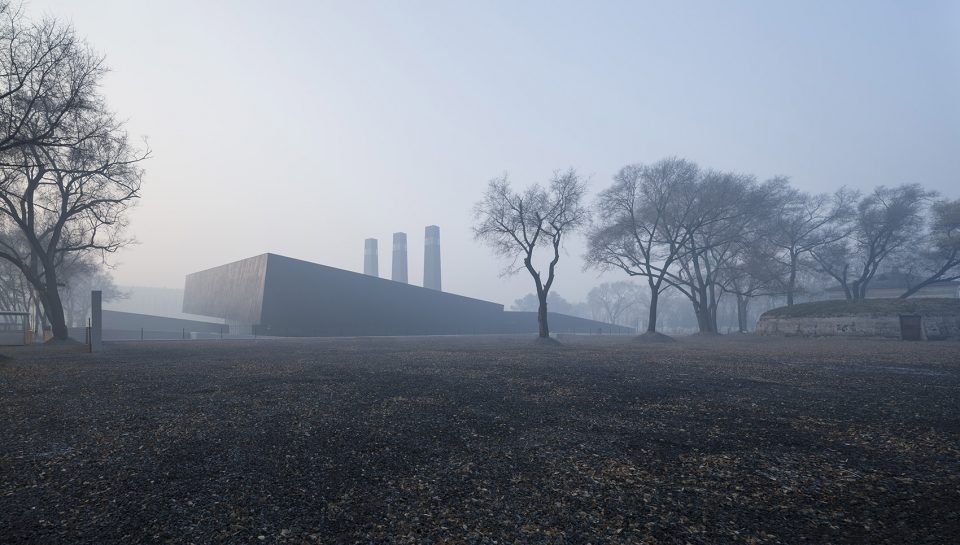
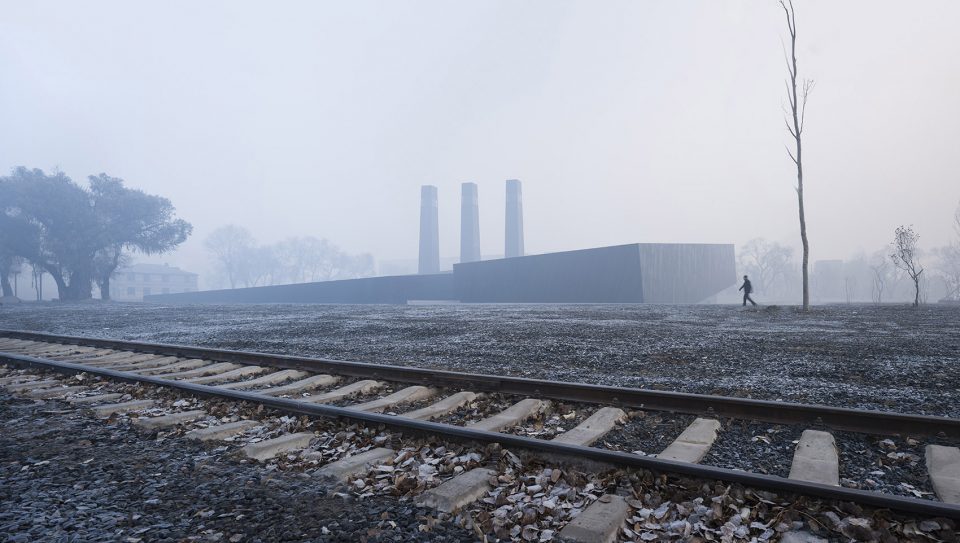
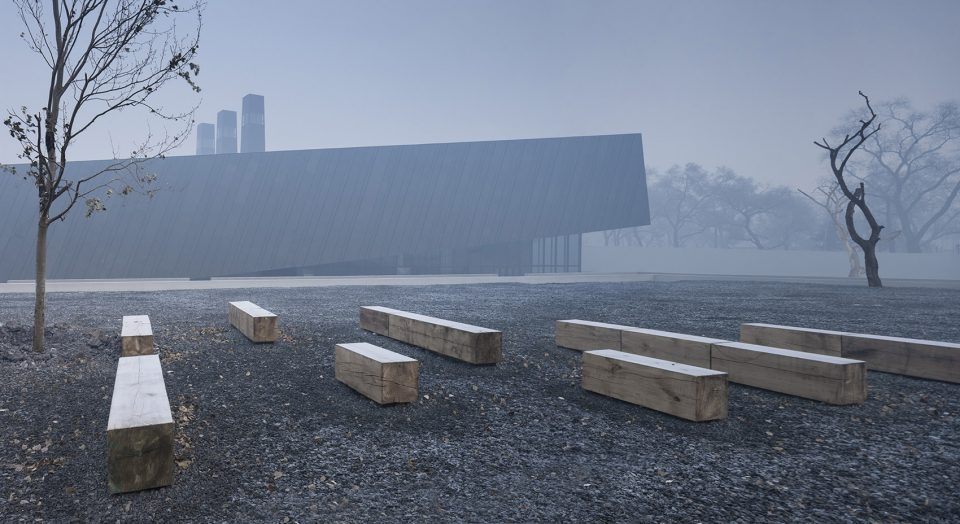
▼从东侧靠近建筑,approach to the building from east
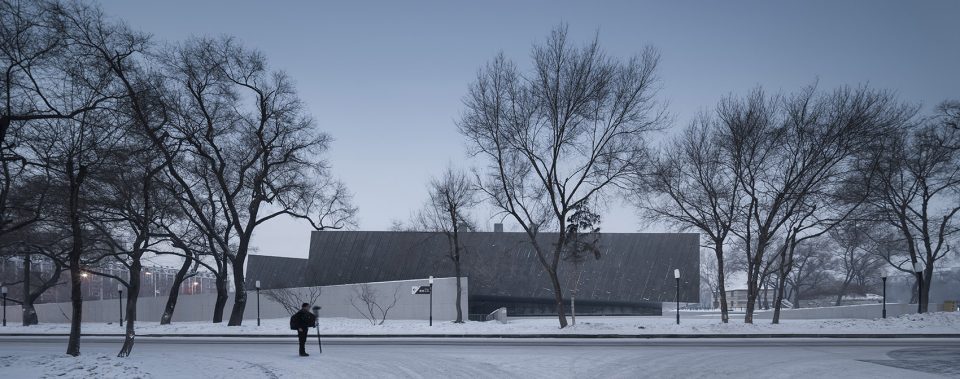
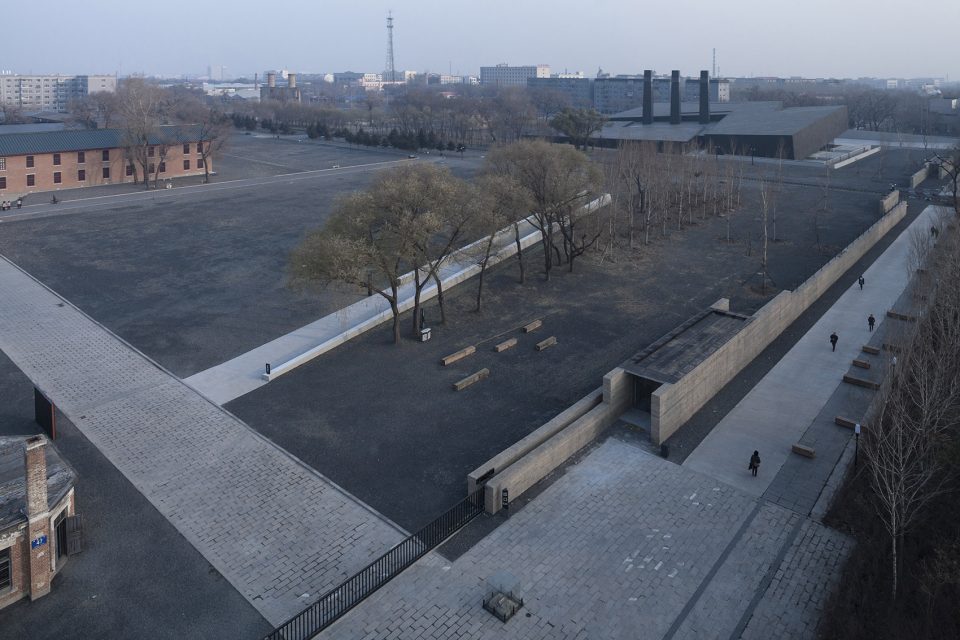
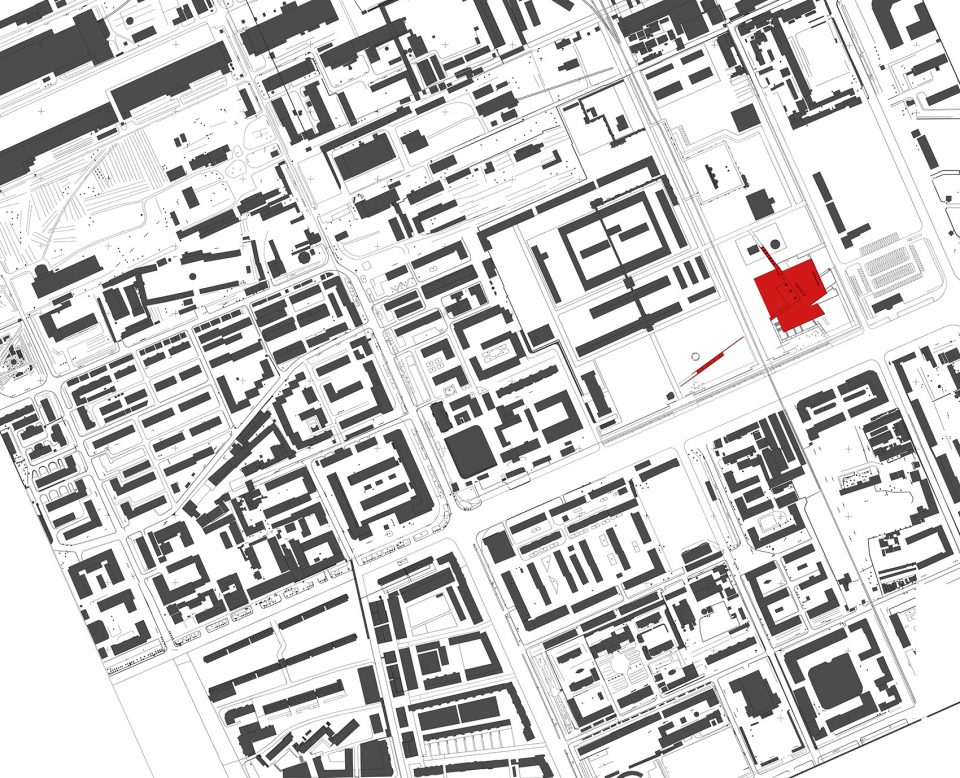
由于城市的快速发展,现在遗址周围已经是哈尔滨平房中心区域,如何界定陈列馆范围与城市的关系就成为我们要解决的主要问题。首先,我们用绿地公园将遗址与周边的城市分离,缩小周围的空间形态与其形成的巨大反差,以期形成良好的过渡环境。其次,在场地内以保护原有遗迹为原则,设计专用导游线路,同时恢复 731 部队时期原有路网及周边的围墙作为场地设计的记忆框架,有选择性的还原已有的历史场景。
Due to rapid urbanization, the surrounding area around the ruins have became a central region for houses, hence, defining the relationship between Museum and the city is the major issue we need to solve with. Firstly, we formed a better transition of the environment by separating the ruins and surrounding city context with the use of greenbelt park, reducing the contrast between the Museum and surrounding spatial condition. Secondly, we design guided route for the visitors to explore the ruin. Our principle is to preserve the ruin as is while restoring particular sections to recreate the historical scenes of the period.
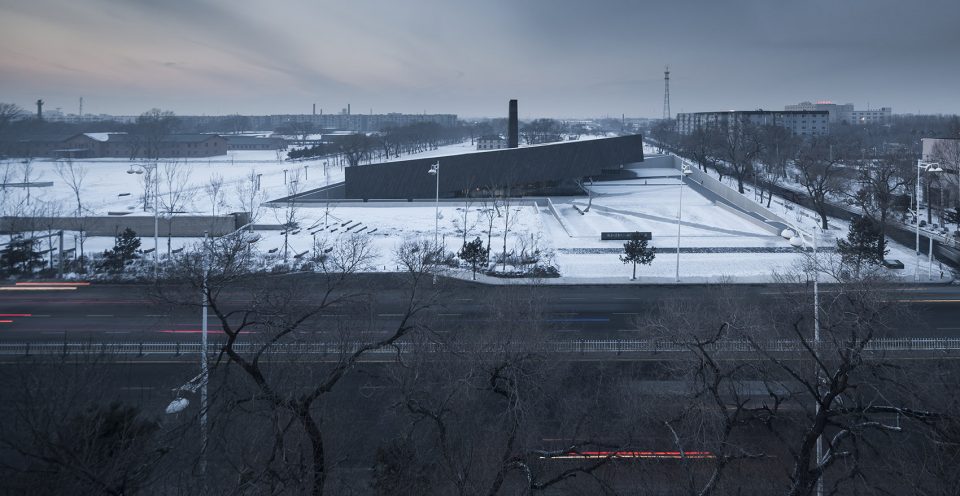
▼鸟瞰,bird’s eye view
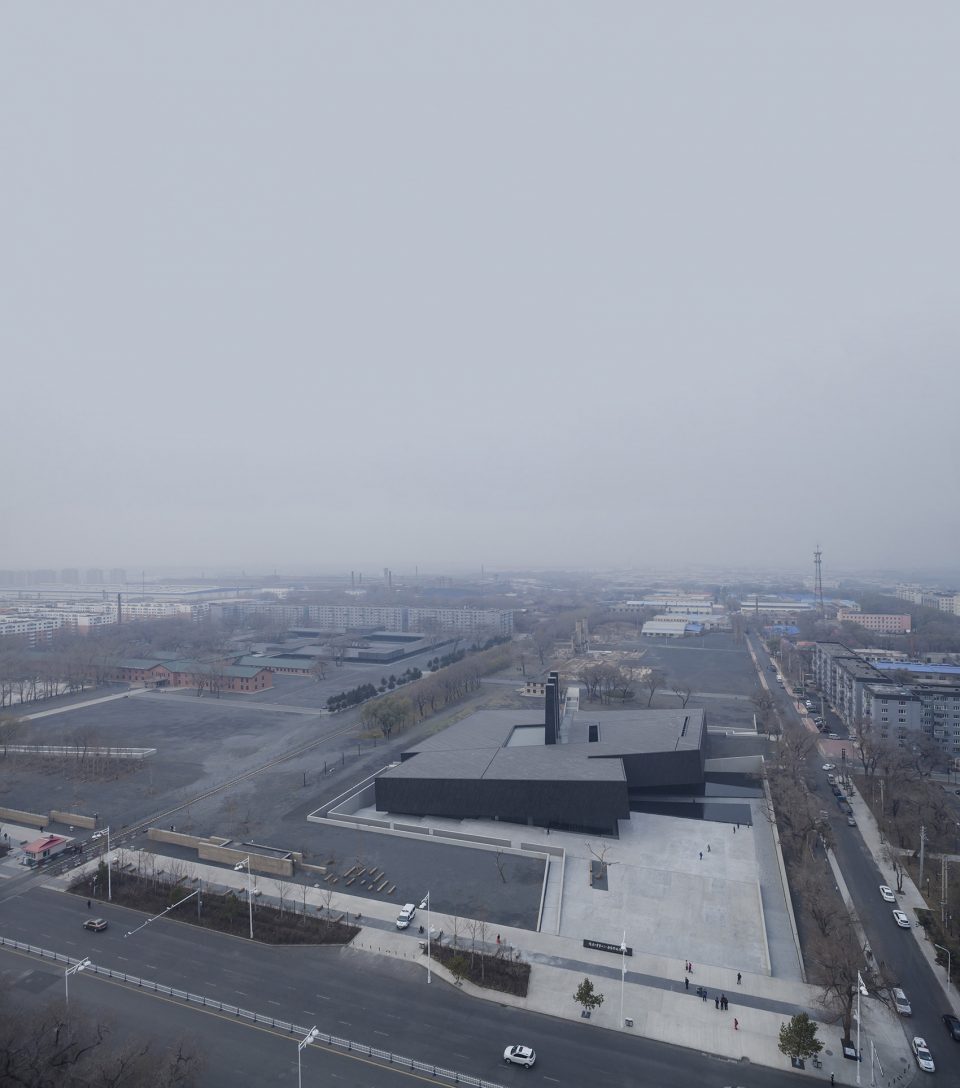
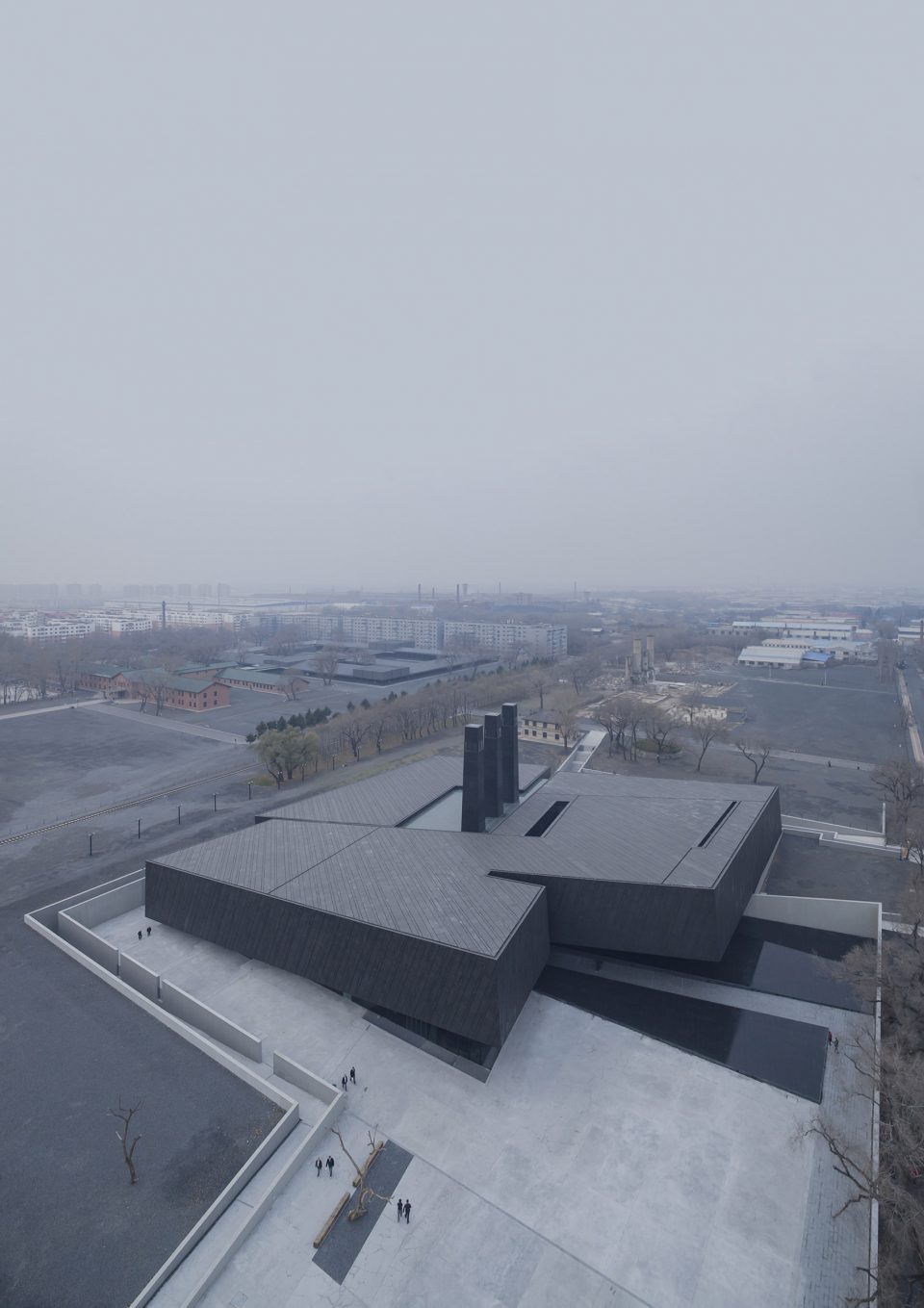
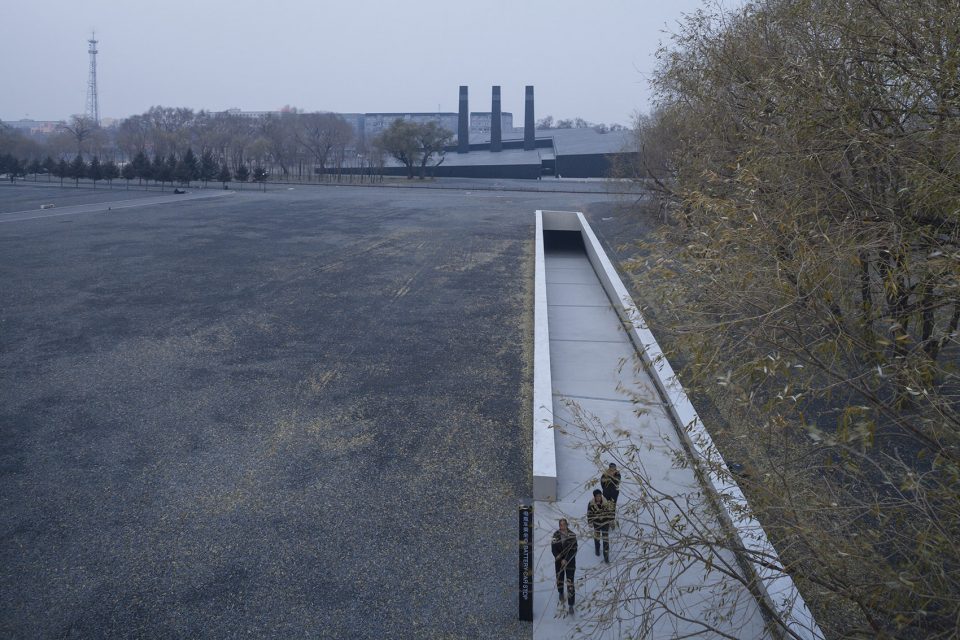
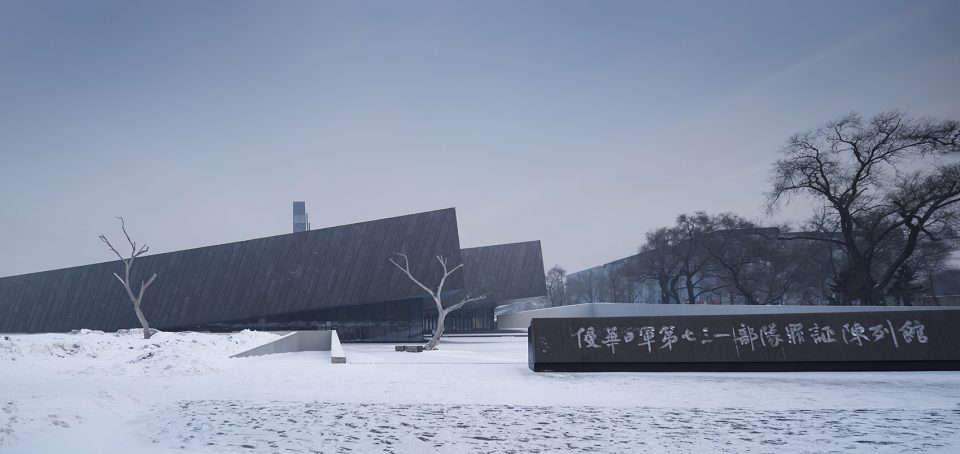
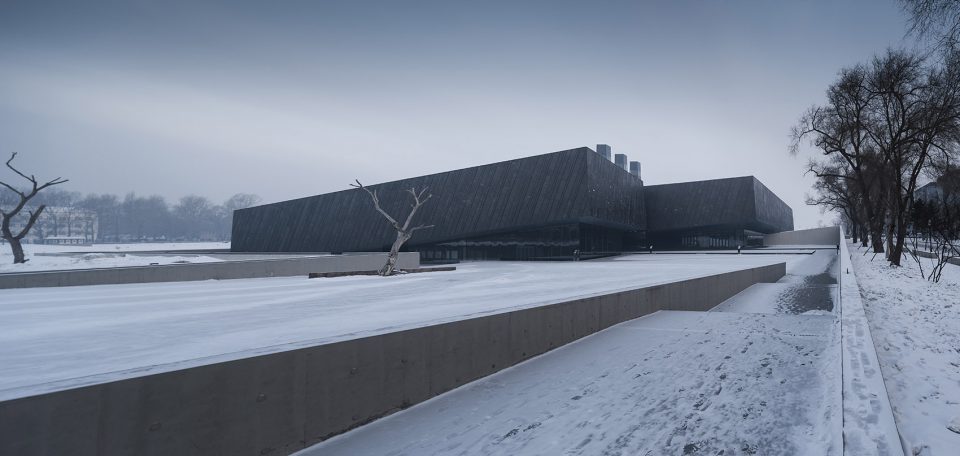
罪证陈列馆选址于现存日军本部大楼遗址东南,铁路专用线以东。为了降低其高度及减少体量感,我们把建筑体块斜插入基地之中。下沉的入口场地过滤了城市街道的影响,让广场成为一个可供集会的纪念性场地。
The Exhibition Hall is located at the south east of the Japanese Imperial Army Headquarter. In order to reduce its height and the sense of existence, we sink the main building into the ground with submerged entrance to filter out the city. With this move, the square becomes a memorial site for public to assemble.
▼从北侧的日军本部大楼遗址看向陈列馆,view from the heritage of Japanese Imperial Army Headquarter
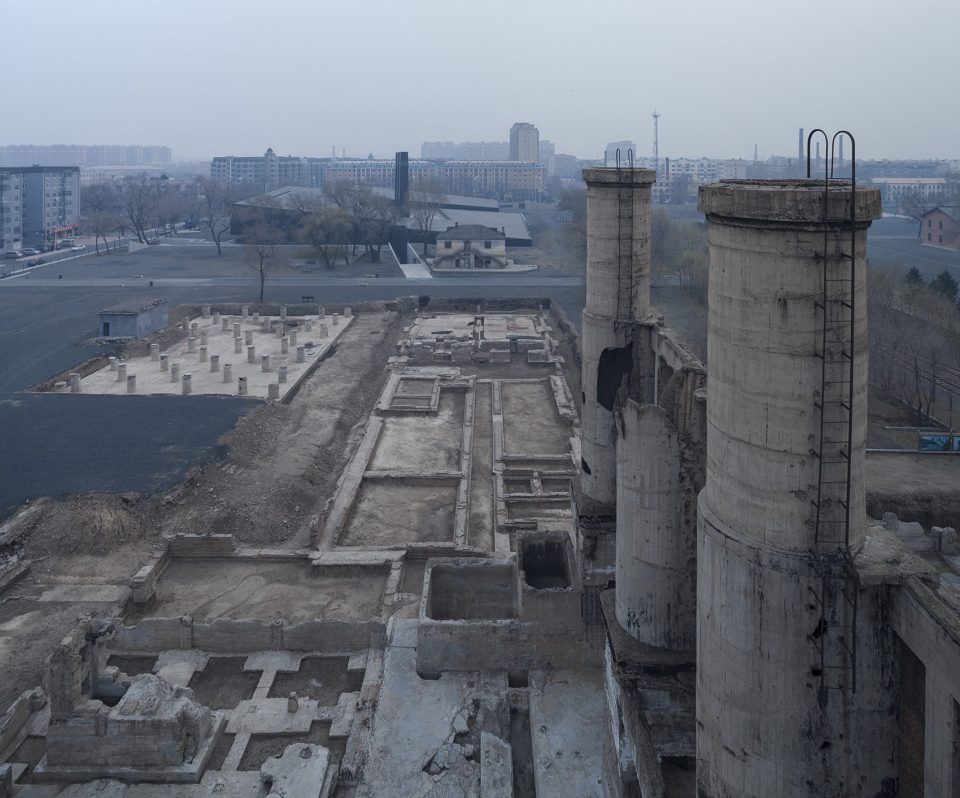
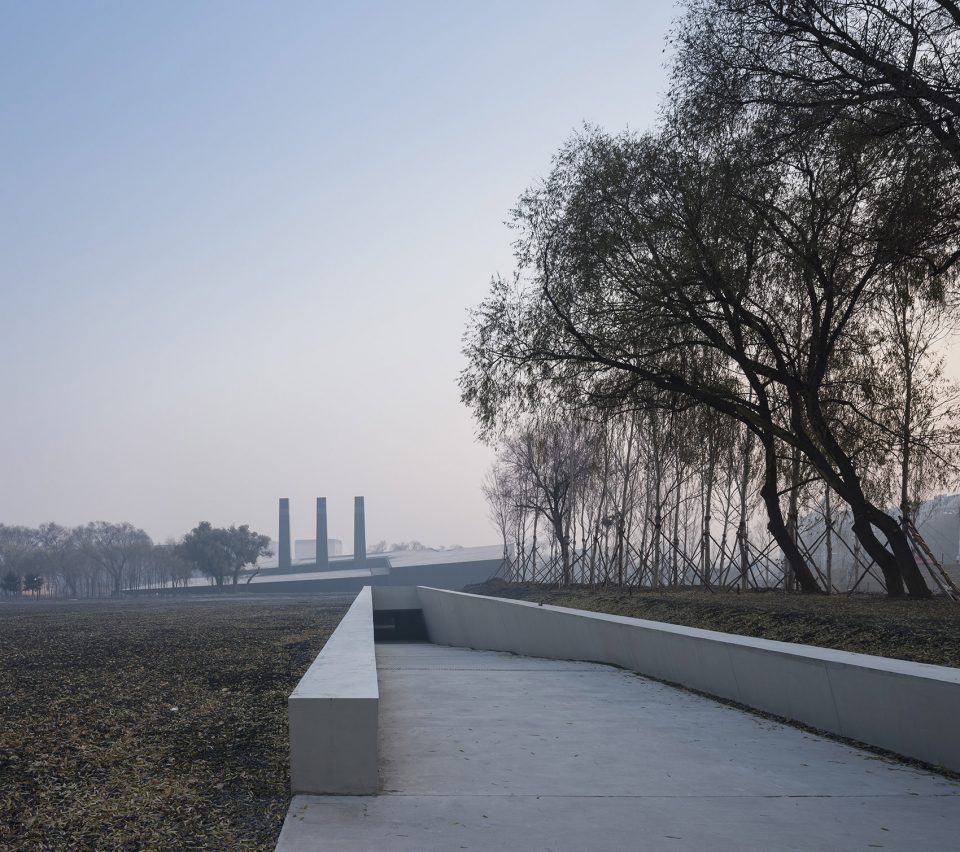
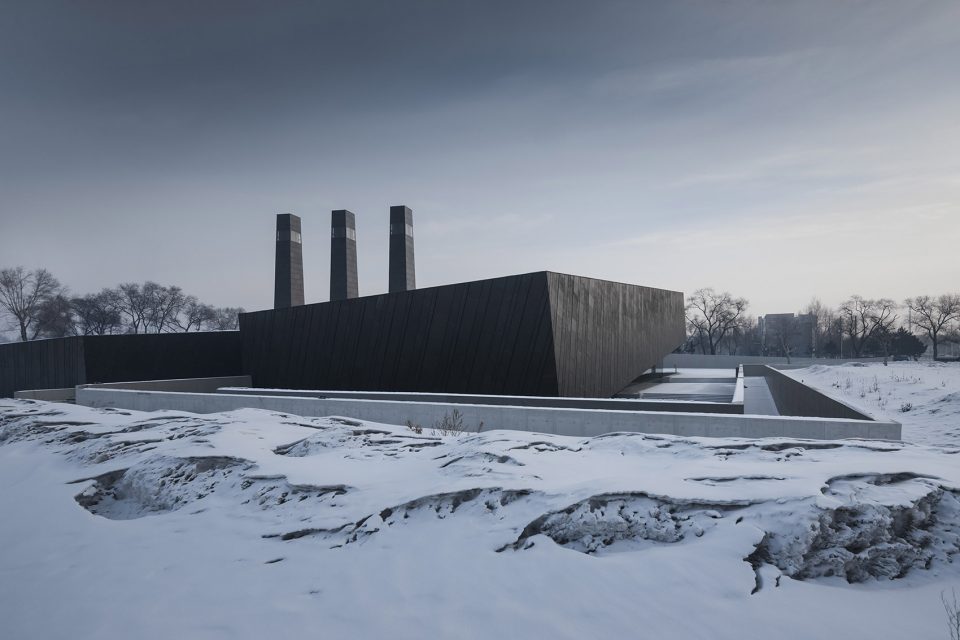
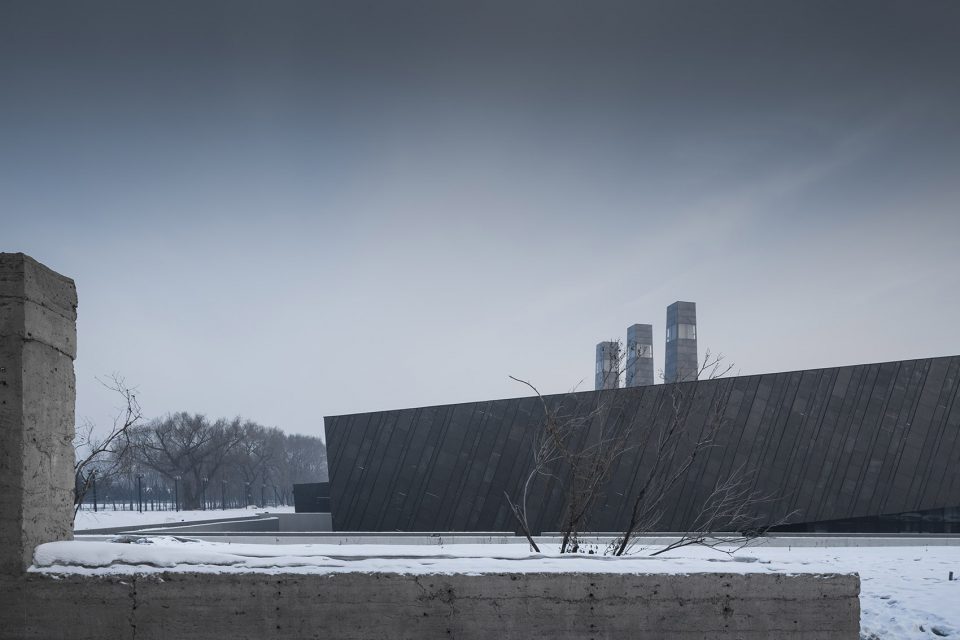
建筑以消隐、低调而有力的方式介入到场地之中,最终与场所及周边城市形成一个新的整体氛围,试图用一种平静的态度表达对这段反人类历史的反思。
The building intervenes with the site quietly yet powerfully, creating a new atmosphere with the city. It is expressing the history of humanity with a quiet attitude.
▼消隐在空间中的建筑,具有仪式性的入口,the submerged entrance with Genius Loci
▼从南侧庭院看到的建筑,view from South Courtyard
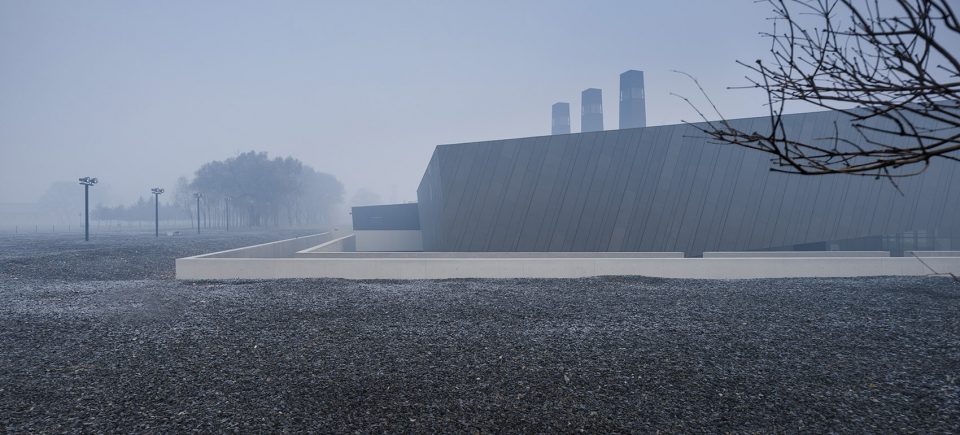
▼建筑主入口,Main Entrance
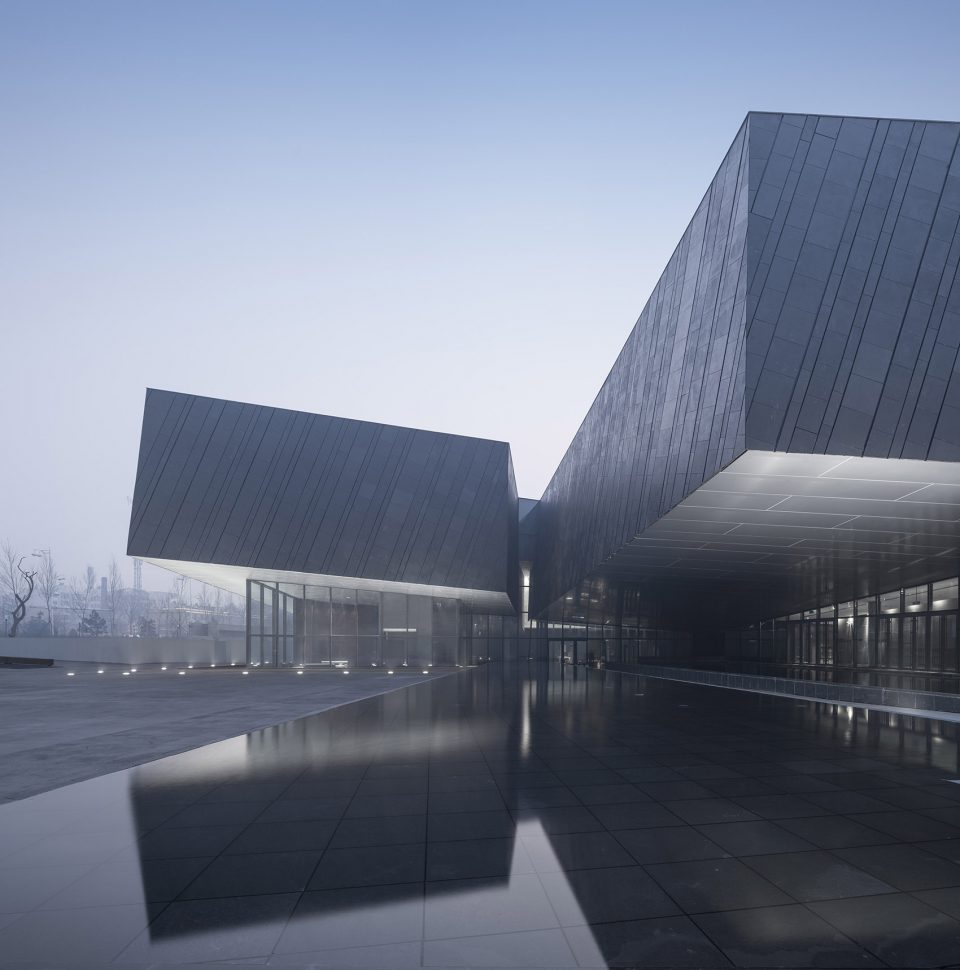
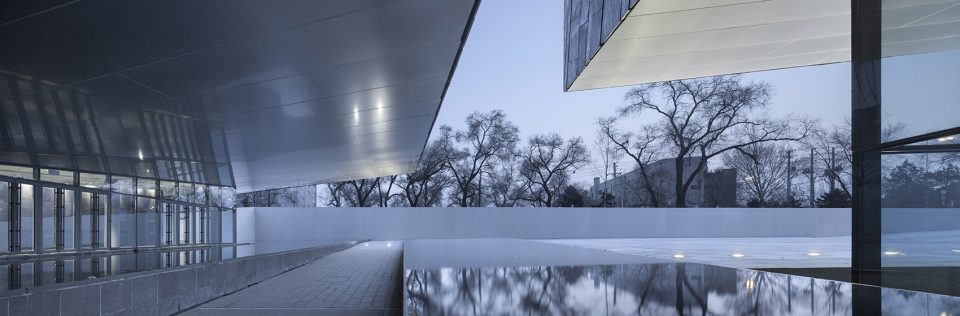
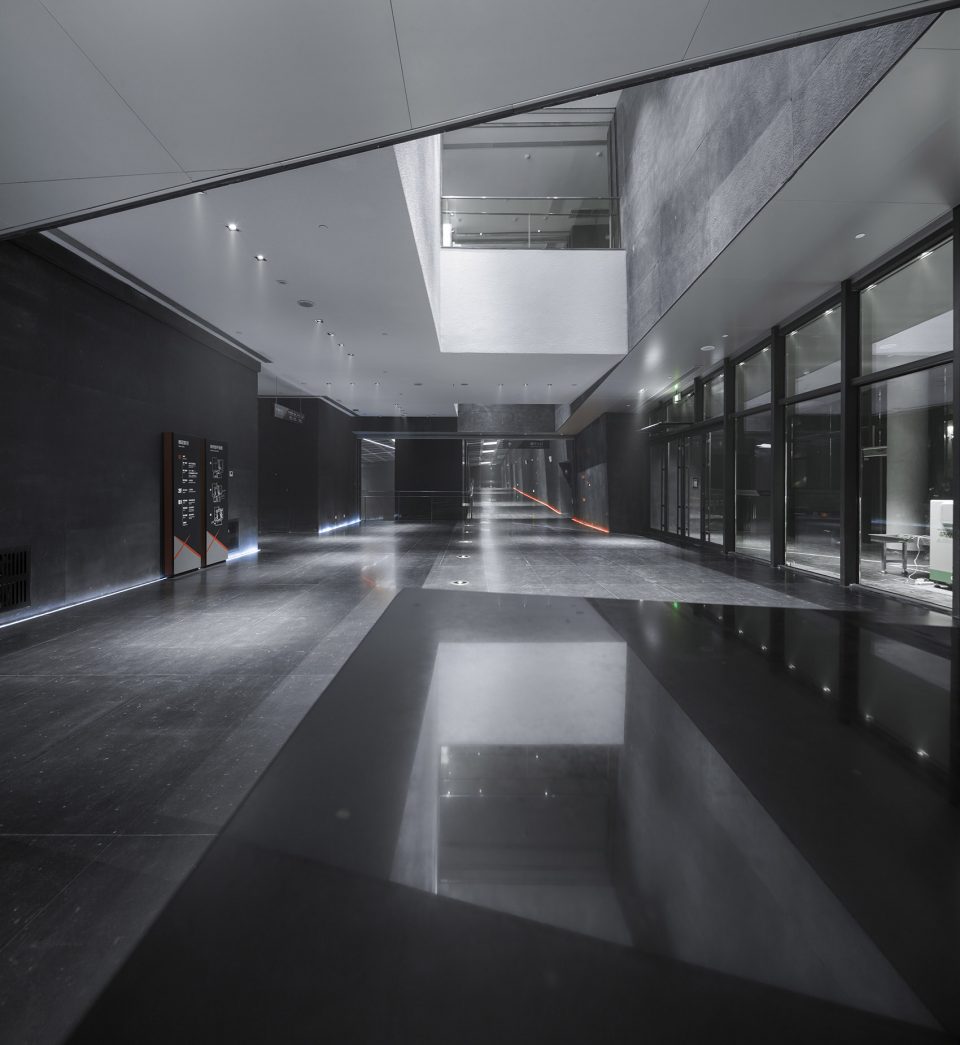
▼入口门厅,Entrance Lobby
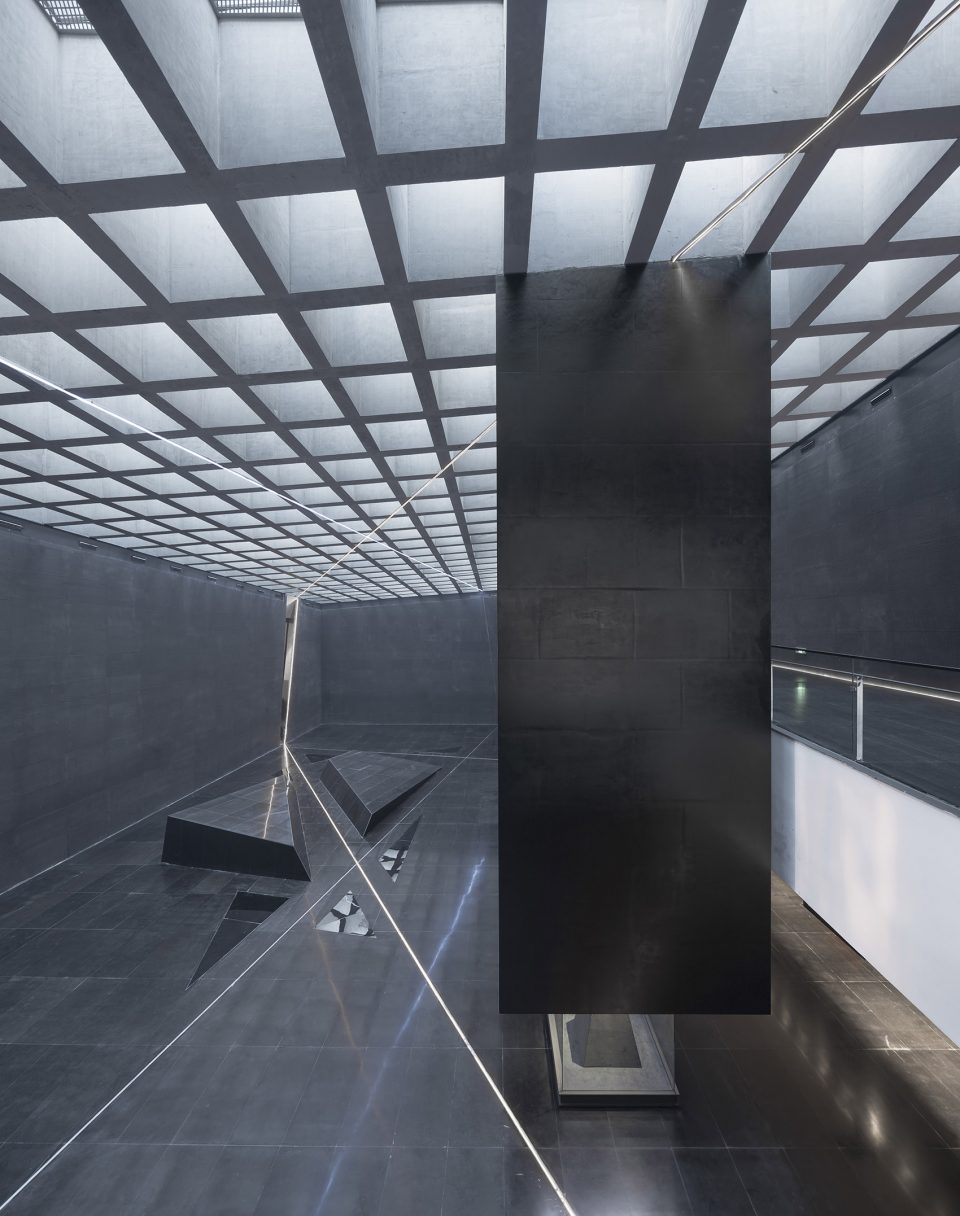
▼冥思厅,Atrium of Meditation
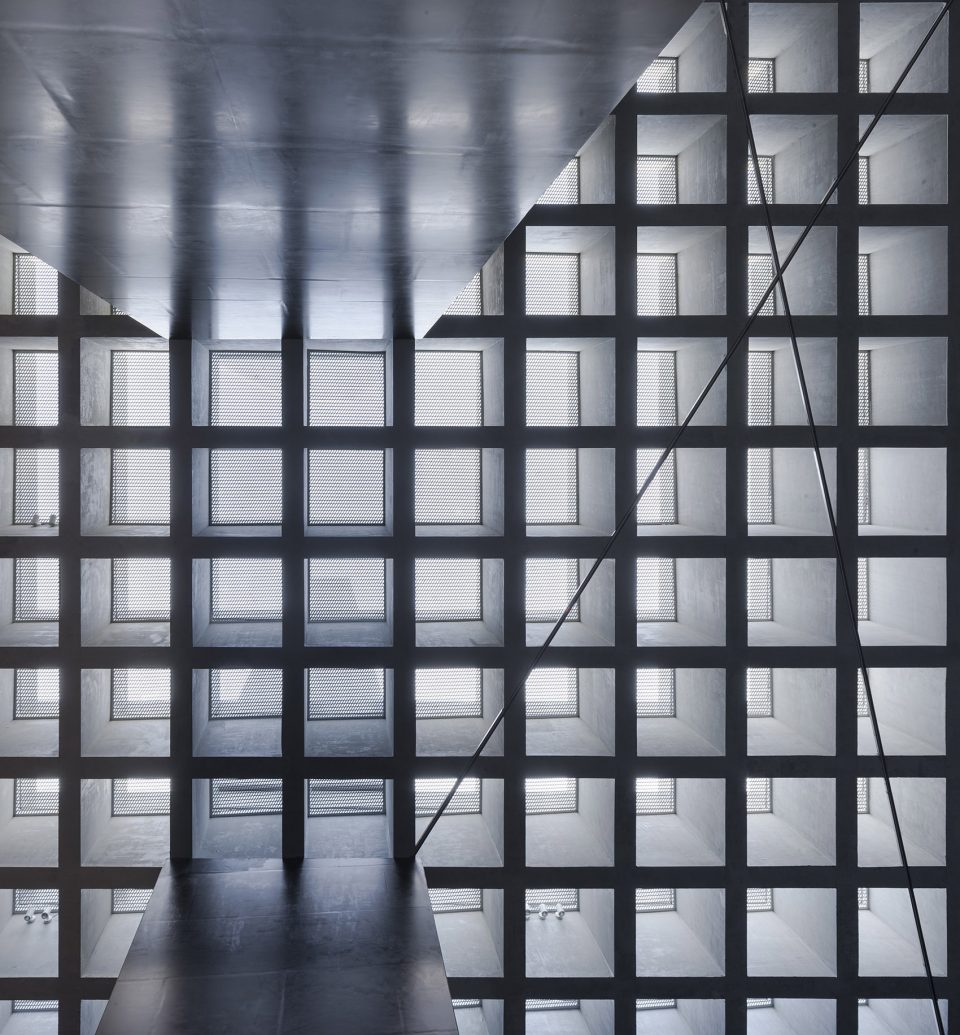
▼下沉庭院,Sunken Courtyard
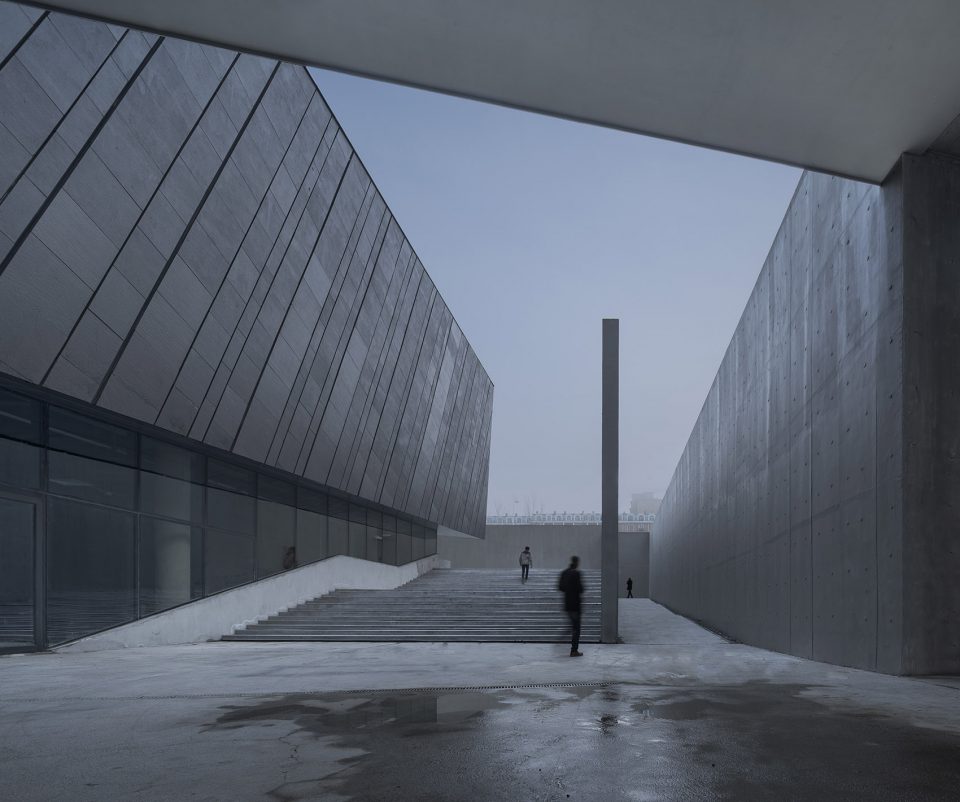
▼室内望向北面通道,North Passage View for Corridor End
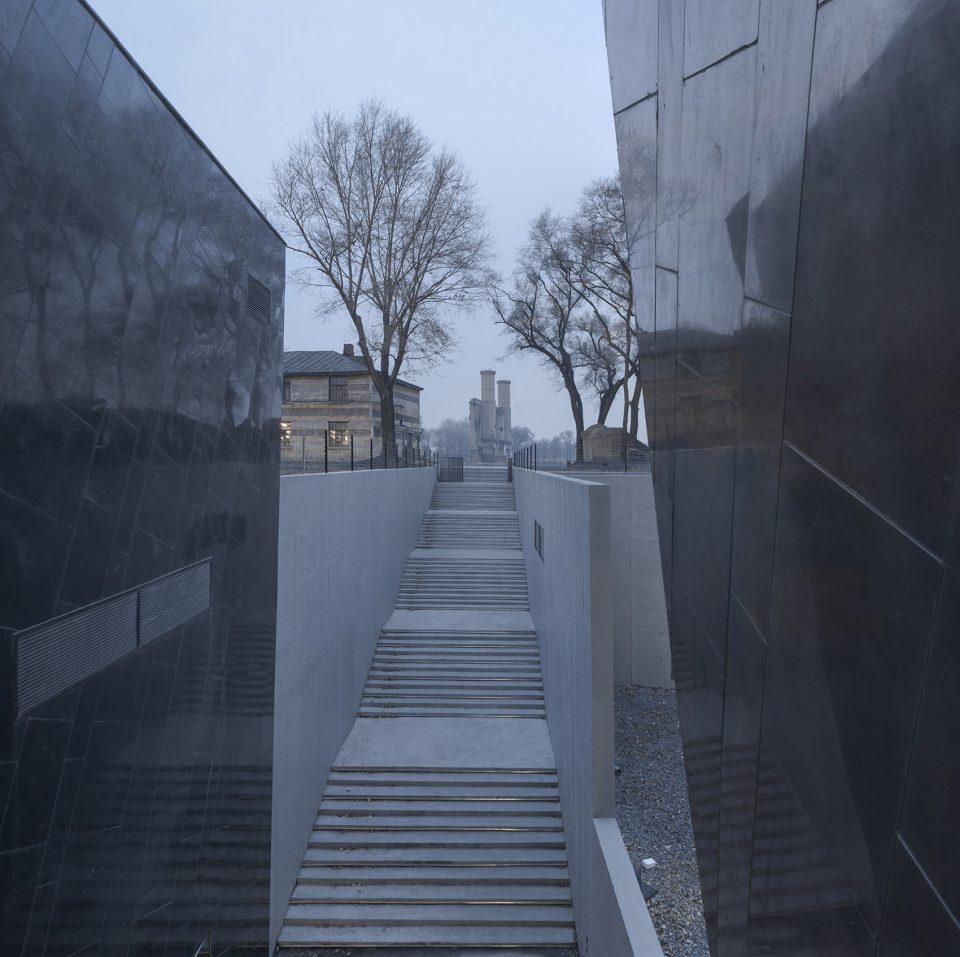
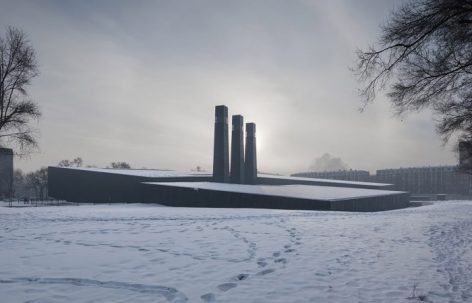
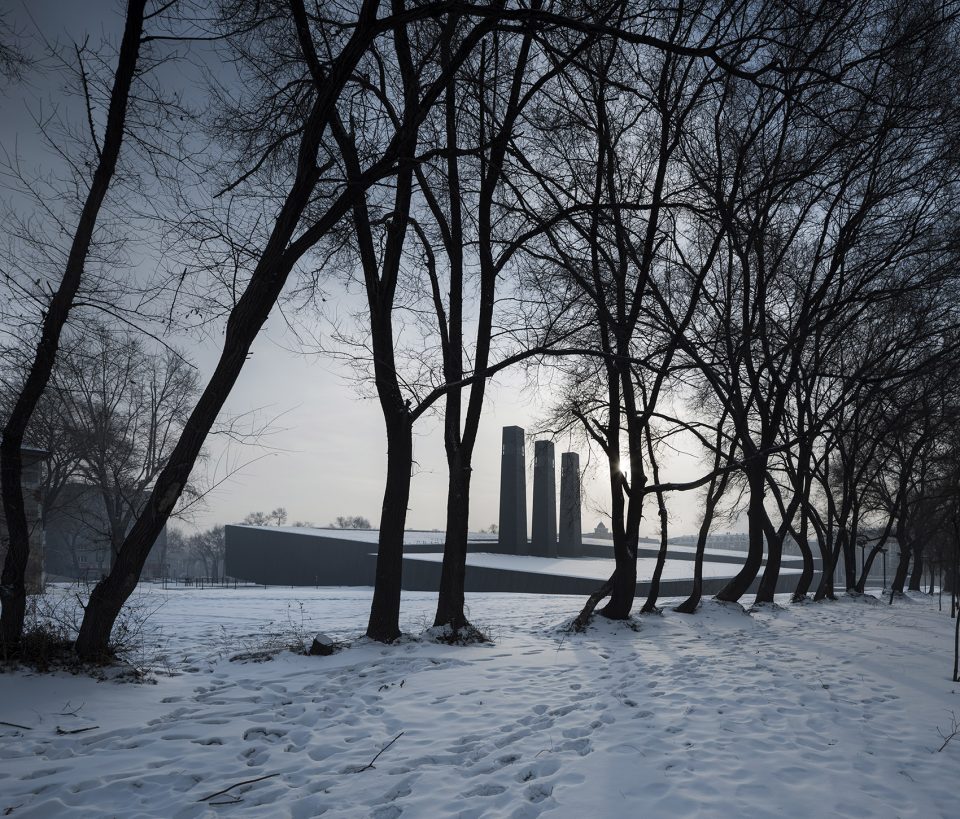
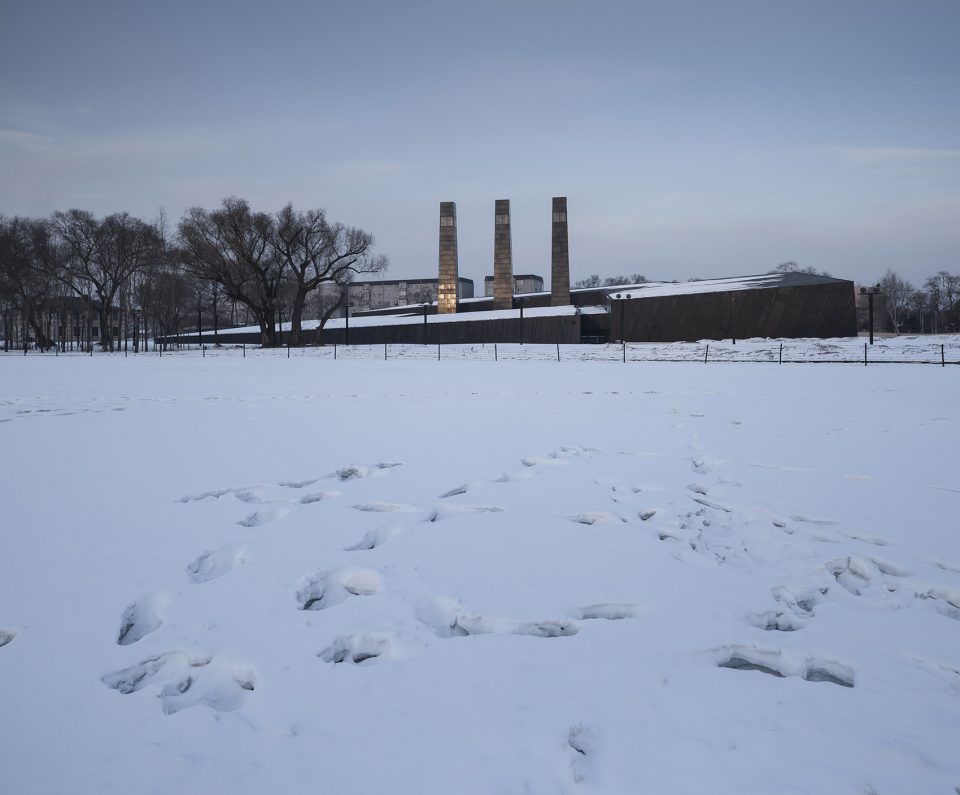
▼雪景中的陈列馆,The Exhibition Hall in Winterscape
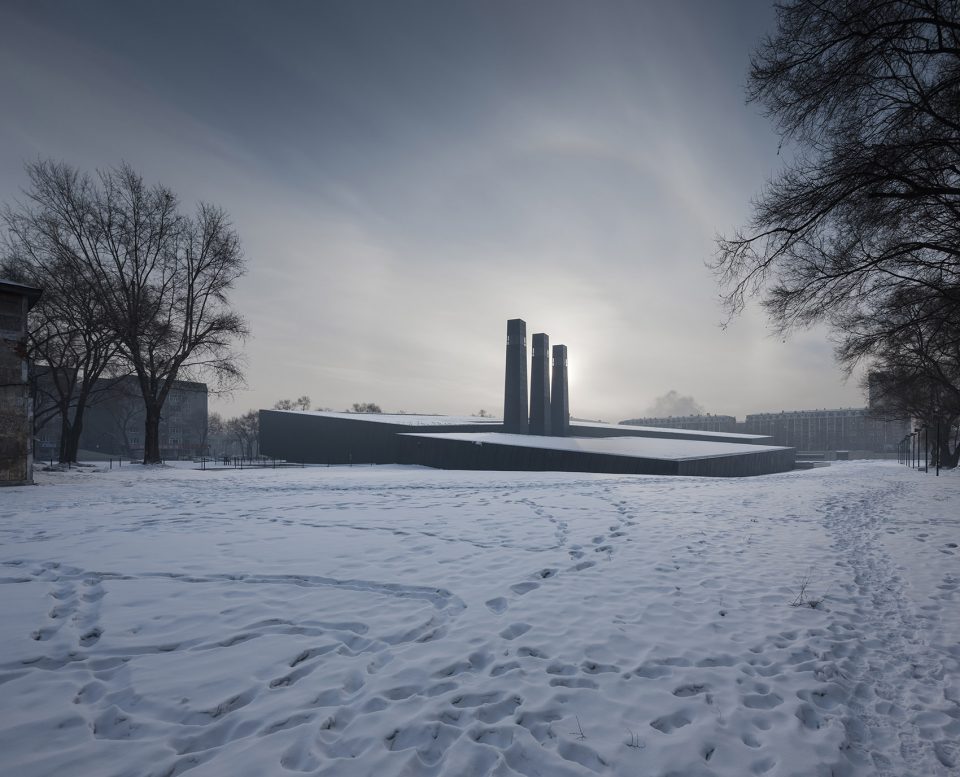
▼区位,Site
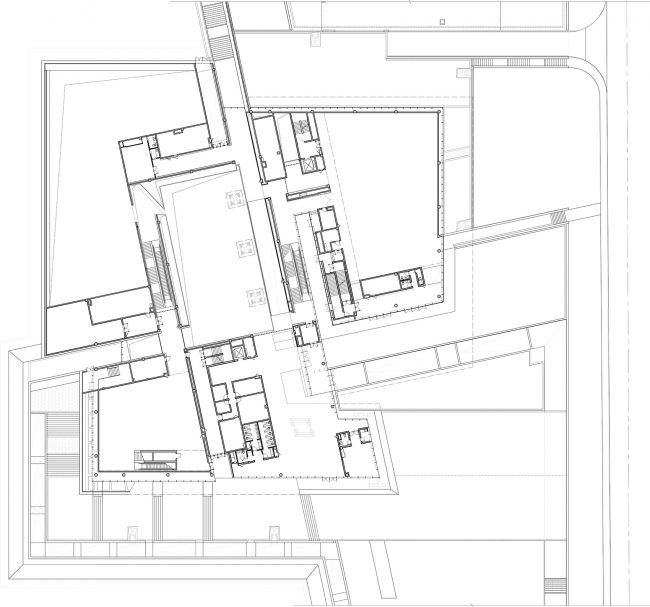
▼首层平面,Ground Floor Plan
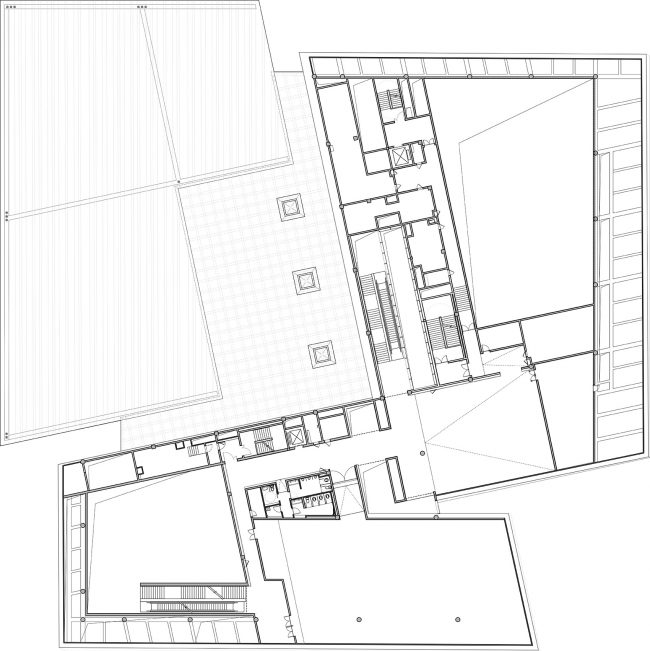
▼二层平面,Second Floor Plan
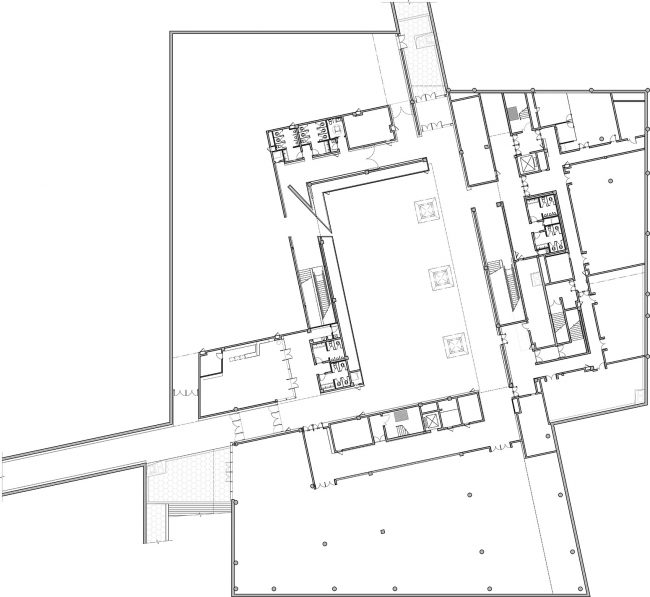
▼地下一层平面,Basement Plan
▼立面,Elevation


▼剖面,Section


项目地点:黑龙江哈尔滨市平房区
设计时间:2014.03 -2015.03
竣工时间:2015.08
建筑面积:9997m²
业 主:侵华日军第731部队罪证陈列馆
摄 影 师:姚力
设计团队:何镜堂、倪阳、何炽立、何小欣、刘涛、罗梦豪、骆婉君、卢志伟、苏皓、晏忠、伍朝晖、王明洁、朱元正、陈梦君
Project site: Pingfang District, Harbin, Heilongjiang Province, PRC
Design time: March, 2014- March, 2015
Complete time: August, 2015
Building Area: 9997m²
Client: The Exhibition Hall of Evidences of Crime committed by Unit 731 of the Japanese Imperial Army
Photographer: Yao li
Team Members: He Jingtang, Ni Yang, He Chili, He Xiaoxin, Liu Tao, Luo Menghao, Luo Wanjun, Lu Zhiwei, Su Hao, Yan Zhong, Wu Zhaohui, Wang Mingjie, Zhu Yuanzheng, Chen Mengjun
More: Architectural Design & Research Institute of SCUT,更多关于他们:He Jingling and Architectural Design & Research Institute of SCUT on gooood .




整个建筑给人的感觉就像被掀起的石棺,一步一景都是历史的厚重感,尤其是室内望向北面通道的景象,就像绝望的人们从夹缝中挣扎而出面对的却还是地狱一般。
被掀起的石棺有点不够准确,整体的感觉更像是把大地的皮肤整块撕起的感觉。
皑皑白雪中一个永远不会消失的污迹。历史永远不会被忘记。
有没有摄影师的联系方式
去过两次的人来了,陈列馆的墙我都摸了,就算是表面有光泽的材料其实也全部是磨砂,没有一块材料的圆润的。其他游客就在那里看我摸啊摸…尴尴尬尬。三个大烟囱一个烧正常的东西一个烧实验动物一个烧马路大,事物在部队撤退的时候被炸(销毁)得差不多了,而且食物距离挺远,陈列馆的烟囱应该是特意做的。这里没有说的地方就是叙事性很棒棒棒棒,一个展馆一个展馆的走下去感觉在看电影或者漫画,来谷德却发现评价不怎么高啊…大家来哈尔滨玩记得看看,免费。
有点像苏联时期的色调
喷的人可以看看上面视频,先了解了解各面都代表预示了什么,有些东西不是说喷就能随便喷的,
某些角度像高端会所
内部稍微花了一点,主要是石材运用吧,这种纪念性有点沉重的场所,我感觉内部用粗糙混凝土做出沧桑感更好,而且也可以和对面的军部遗址呼应。
一个老家哈尔滨,现在定居在南京的娃,今天才知道何老先生居然还在哈尔滨做过一个侵华的纪念馆。额,缘分啊。有机会回老家一定去膜拜
另外 第五立面的处理 很值得学习借鉴哈。。。。何老先生在这方面一直都很出色
恍惚中感觉和我大三的学生作品有点神似,对的,我是工大的~
干挂的光面石材幕墙过于精致,可能粗糙的混凝土墙面更好一点
国内 清水混凝土的 工艺在真的不咋地 粗糙那种。。做不好 就看着很low
这个倒确实是,但是材料表达感觉不对劲,石材机刨面也比光面好
外挂混凝土板感觉也比抛光石材好,内部用混凝土也好啊创造沧桑感。这种重点工程钱应该不会是问题,找好的施工团队还是能做好的。
是的,材料可以表达出建筑的情绪,进而影响参与者的解读
建筑外立面的石材贴面为什么做成斜的?
观察的好细致、、
也许是增强建筑不稳定感的做法,作者想给参观者施加一些紧张感的意图
建筑是矛盾的载体,个人认为,这座陈列馆做了比较好的处理。不谈黑盒的意向,整个体块可以说是低调的融入环境,然而裂缝、倾斜、烟囱又是如此突兀。就好比这段历史这段记忆,我们不愿提及,又不得不、又必须去提及。它始终突兀地在那里。
不知道你之前看没看过何镜堂 做得 侵华日军南京大屠杀遇难同胞纪念馆 很像。但是南京的这个 门口有个很有感染力和雕像,和这三个烟囱有异曲同工吧。也是把主展区放在地下,地上还铺了很多石子。去过一回,感受还是挺沉重的。就把这类纪念馆做出这么重的沉重感,我觉得就挺成功的
那个纪念馆是齐康院士做的,不是何镜堂的作品~
去过,还是特意赶去南京看的。正如你所说的,遇难同胞纪念馆入口的雕塑结合同样可以称为雕塑的建筑、与被划开的天际线,带给我足够重的震撼。
一期是齐康;二期也就是折断的军刀和三期都是何镜堂的作品
好像火葬场哦,那三个大烟囱是烧完人用来冒烟的,黑色也很耐脏哦,另外前两张很有su大雾的特效感
我喜欢这类带有象征性及严重的批判精神的建筑,因为它已经不单是作为一个装垃圾的框架子般存在。它可以不与周围世俗环境和谐,但肯定有办法能与自然环境和谐,它也间接印证了那份毕设提案所带来的一系列的初衷与态度。
这个评论笑死我了
我敢肯定他换个对话框就写不出原话来
你这样忽悠不了甲方的~
啥啥啥,请说人话~
学建筑学得语句不顺逻辑混乱也是一种本事
啥是批判精神哟~