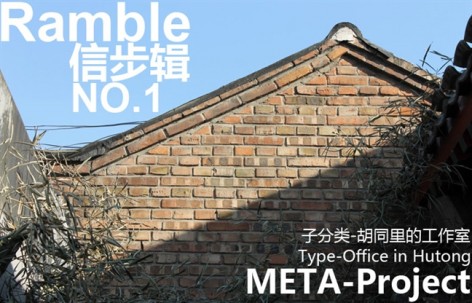
信步辑,闲庭信步看世界。
gooood新推信步辑,信步辑是一个可以拥有许多子分类的专辑。这里为大家展现的是其中一个子分类:胡同里的办公室。北京,是中国的首都,在快速的经济发展下,这个拥有两千万人口的十一朝古都逐渐面目模糊。北京所特有的胡同也所剩不多。
现在,这些弥足珍贵的胡同里有哪些工作室,它们的创意和生活又是怎样?
Ramble is album with several sub albums. Here is one: Office in Hutong.
Beijing, as the capital of China, has a long history, and currently is going through fast economical development.
Hutong, as the traditional urban typology of Beijing city, is slowly disappearing.
We try to find the offices in those Hutong, discover their ideas and life.
————————————
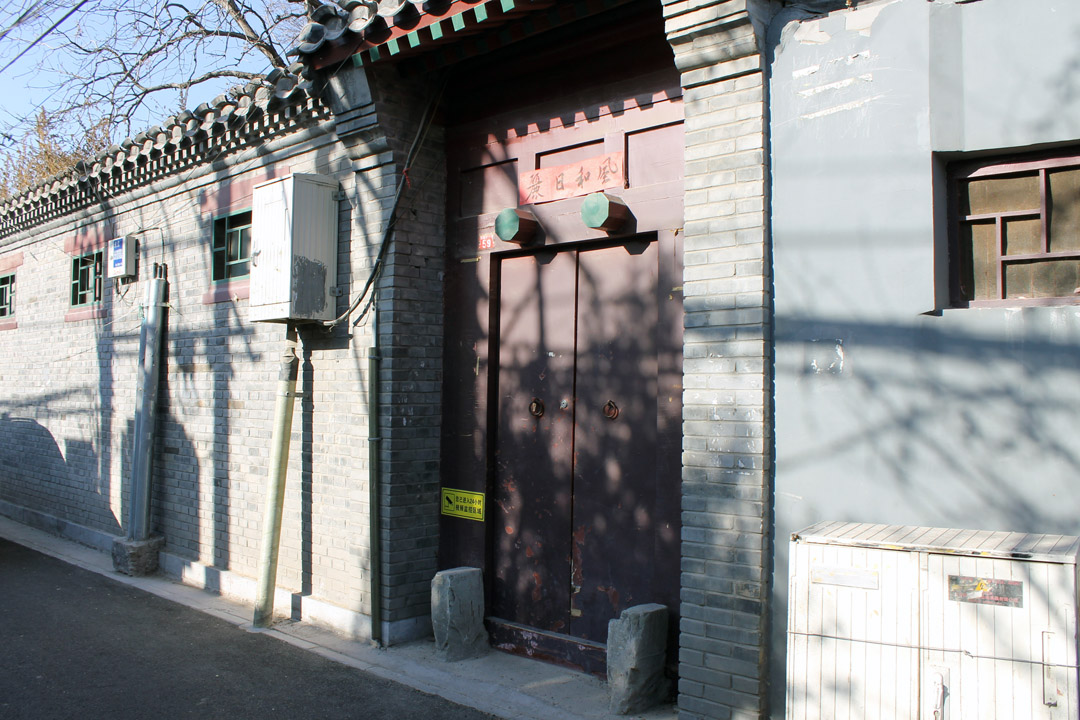
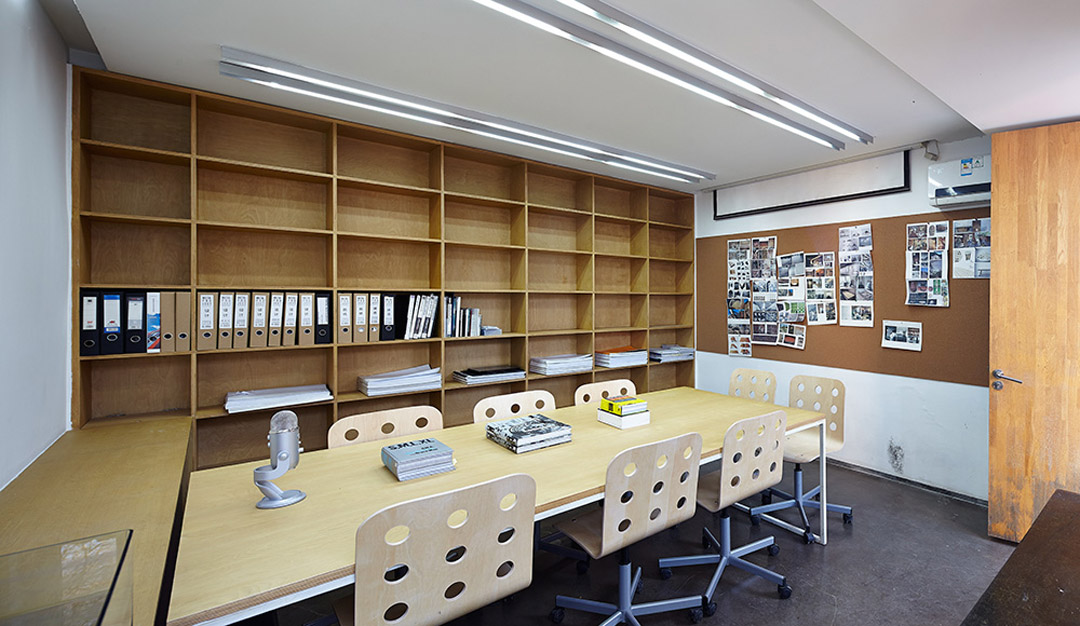
今次的目的地是北京市东城区东四十一条胡同的META-工作室。东四十一条胡同非常好找,就在平安大街路北,这条胡同要比东四其它胡同宽出不少。在平安大街修好之前,这条胡同可是北京的交通主干道之一。为什么呢?因为附近的南新仓是明清两代北京的皇家粮仓。粮食进到皇宫得从路上送过去,因此,东四十一条胡同成为了那条运粮的道路。
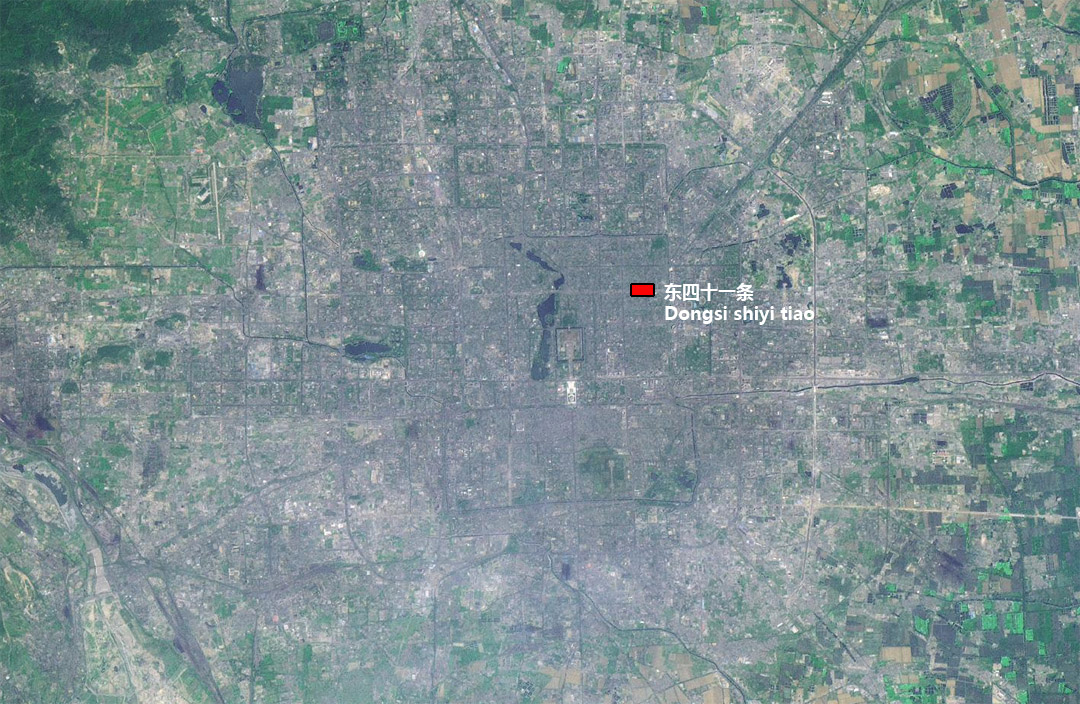
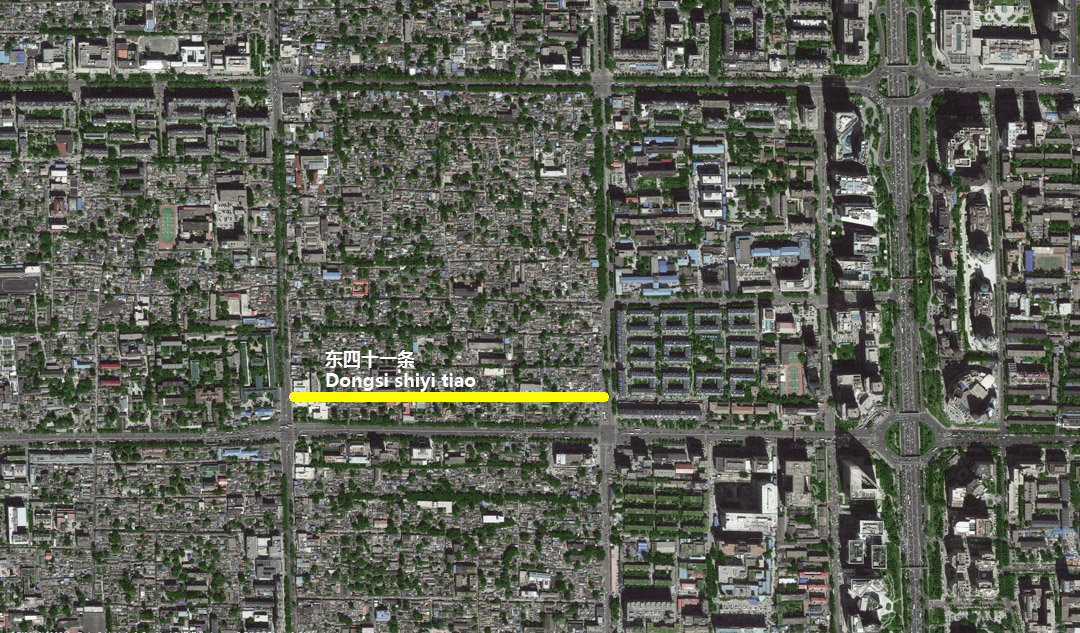
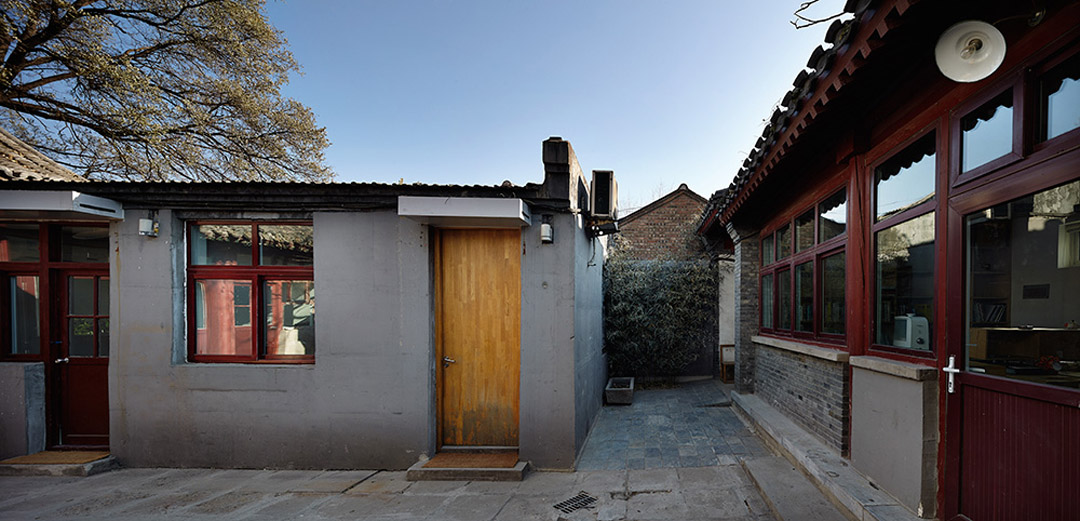
META-工作室位于这条胡同的59号院,经过胡同口有着好吃水煮鱼和麻辣鲶鱼的得仁酒家、新派民族小吃餐厅、胡同的小卖店、自行车维修店、挂在外面懒懒晒着太阳的棉被、还有胡同两边停满的小汽车,来到了一扇朱门的59号院门口。推门进去,就可以进入了META的丰富世界啦,里面到底是怎么样的呢?!
▼东四十一条 Dongsi shiyi tiao
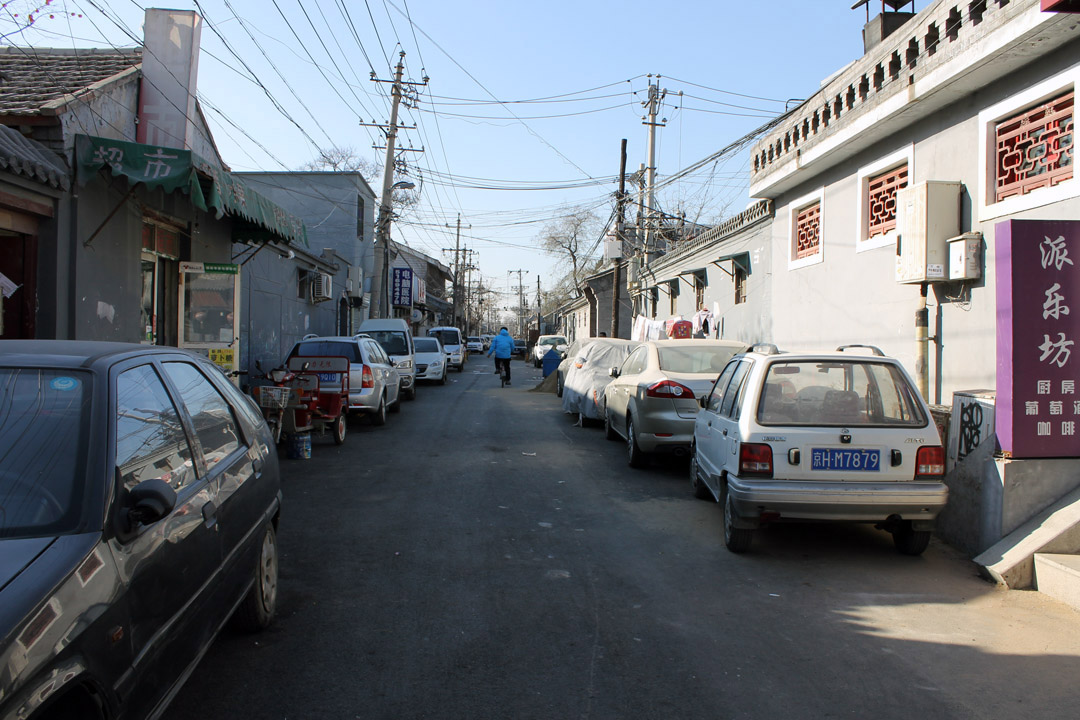
▼59号院大门 Entrance_No.59 Courtyard
为什么选择把办公地点放在北京胡同里?
What was the reason to choose a typical courtyard in hutongs as your office?
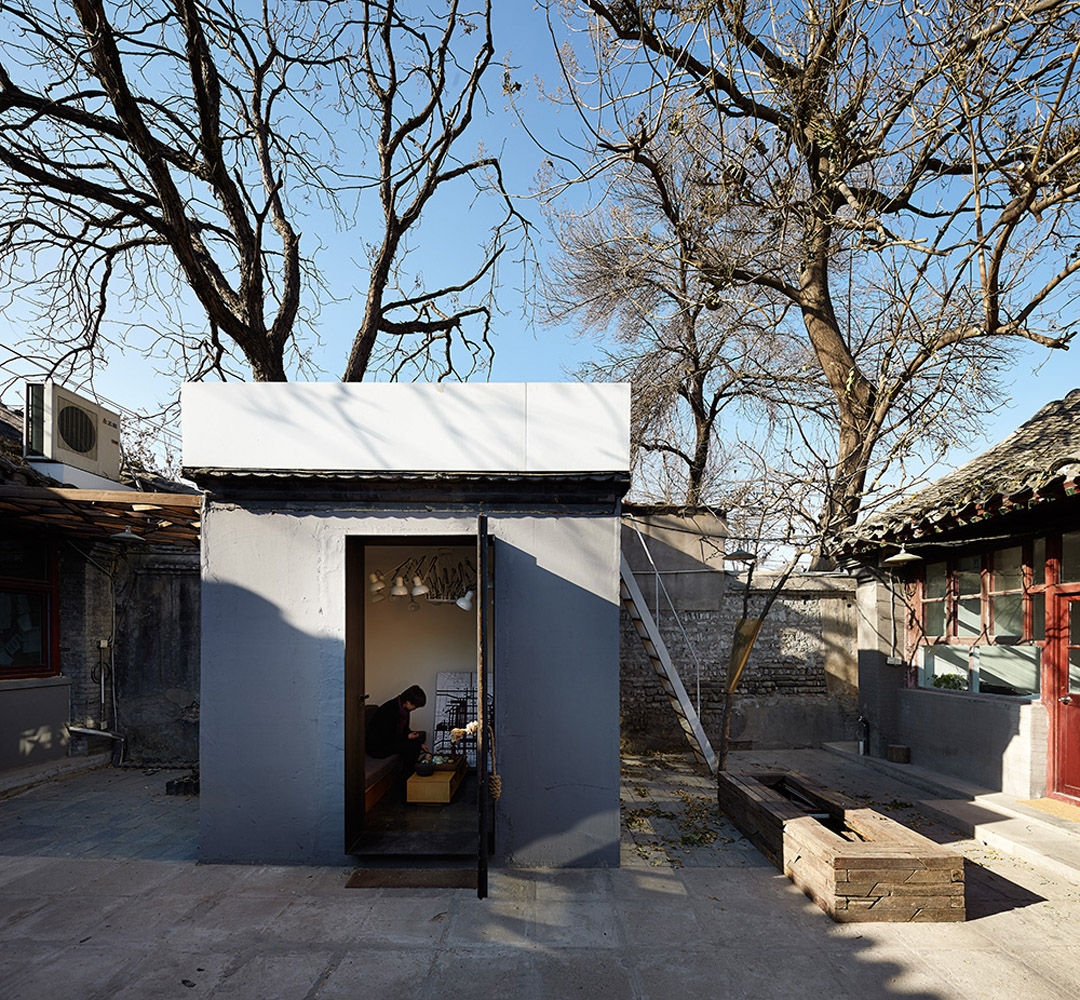
首先是源于我们对于胡同里的各种食铺小店的钟爱,是一种非常个人的感觉。其实当时也考虑过翻新的旧厂区,或者是办公楼,但最后还是选择了胡同。这条位于市中心的胡同每天都在发生着各种各样意想不到的变化,未来还未可知,但我们对这里的日新月异都感到无比兴奋。我们工作室的长期城市研究项目:超胡同 [META:HUTONGS],就是被这种现象所启发。在过去的几年里,胡同的发展超乎我们的想象,我们不断审视这些变化,并做一个忠实的记录者和前瞻的思考者。
The first reason is that we love the local food and tiny shops, especially the food stands scattering in the hutong area. It’s a very personal thing. Actually the decision at the very beginning was not that specific, for we also thought about renovated industrial factory or office building, but we chose the courtyard at last. This hutong is surprising us every day and its future is unpredictable. We are really excited about it. The [META: Hutongs] project, our long-term multi-disciplinary urban research, was also inspired by the vitality of hutong areas. For the past years, we have witnessed, kept observing the changes and try to be a faithful recorder as well as a forward looking thinker.
你在这里碰到什么好玩的事儿或者以前没想到过的事儿给大家分享一下。
Is there any funny stories that never expected before? Can you share with us?
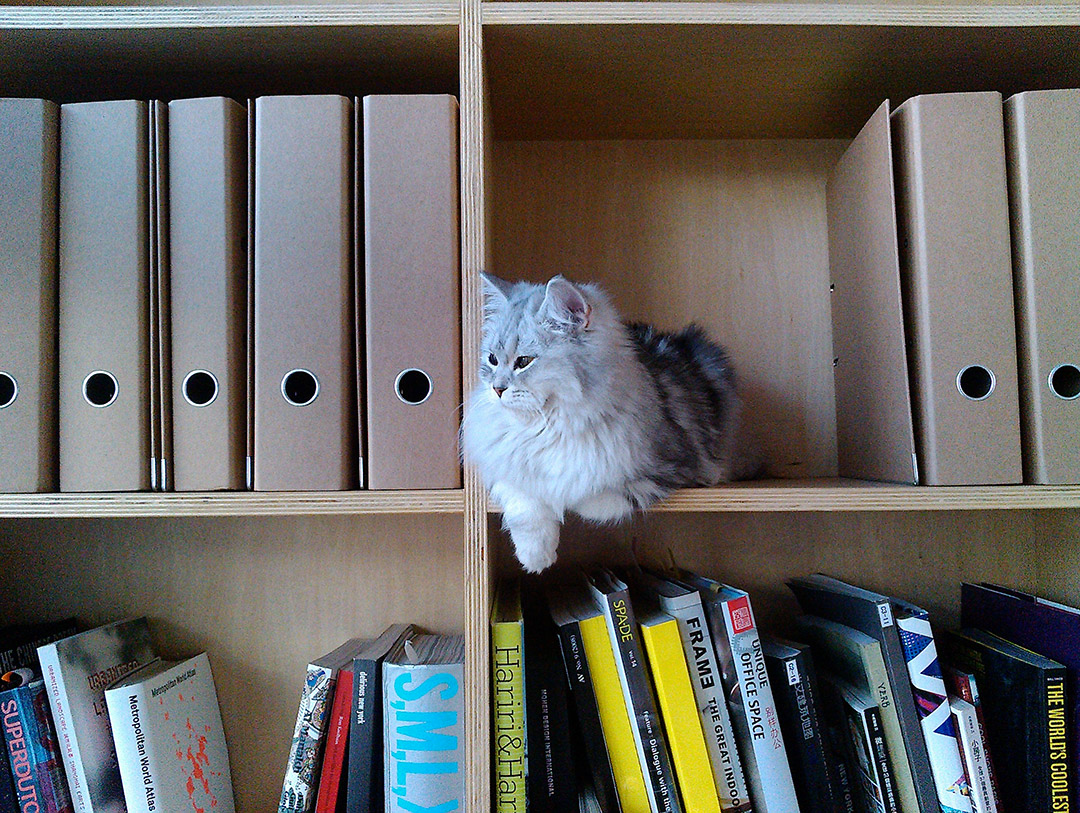
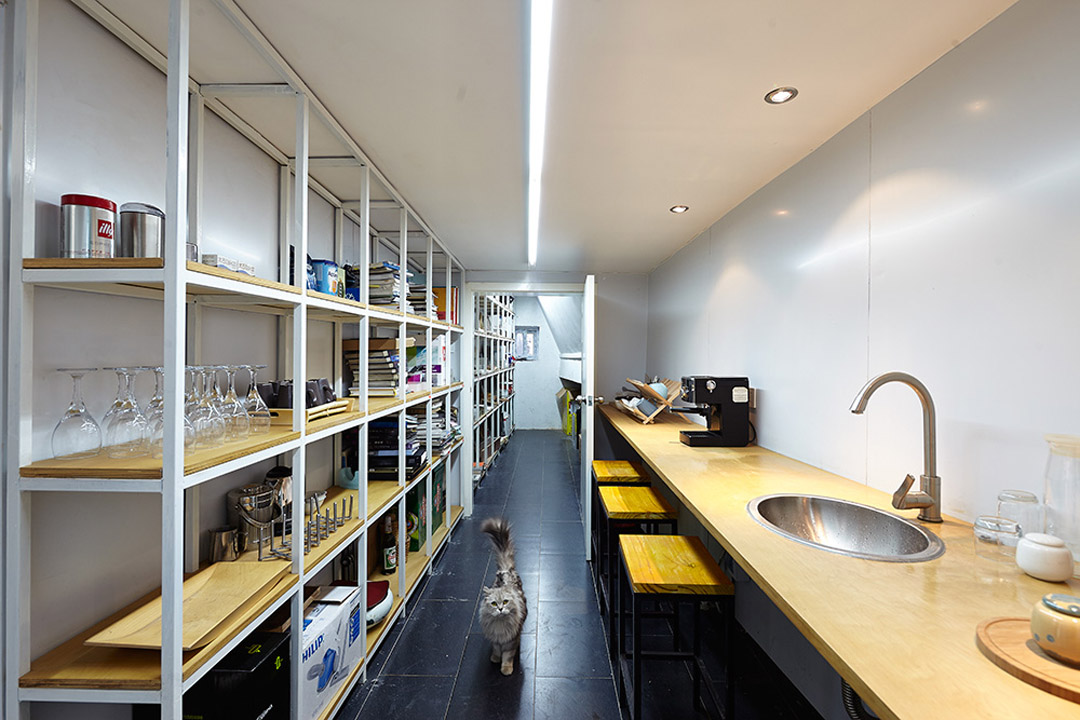
我们院子的整体氛围是很安静的,偶尔传来胡同里的叫卖声或隔壁幼儿园小朋友的笑声闹声,最常来串门的邻居是几只流浪猫,经常在屋顶上悠哉的看着忙忙碌碌的我们,我们自己也养着一只猫,寿司,它是META-工作室的重要成员。
The courtyard in general is very peaceful, vendor’s yelling and kids’ giggling from our neighborhood kindergarten even adding more joy and happiness to the whole atmosphere. Besides, our courtyard is the most-visited place for the homeless cats around. We have been keeping a cat as well, Sushi, which is one of the most important members of the META-Project team.
▼叫寿司的猫 Cat_Sushi
院子里有一棵香椿树,一棵梧桐和一棵枣树。春天大家会一起摘香椿,做成香椿面或拌香椿之类好吃的。一般都是男同事去房顶摘,女同事在院子里收,满院子都是香椿的味道,特别热闹。枣树现在还小,结不了几颗果子,但是特别甜。
天气好的日子里我们还会办烧烤PARTY,邀请很多朋友参加,这时候的小院就很欢乐和热闹了,大家一起在这里分享美食,美酒,音乐。
这些片段总是穿插在繁忙的工作中,每次回忆起来都非常有意思。
In our courtyard, we have a Chinese toon tree, a phoenix tree and a jujube tree. In the spring, we collected the sprouts of Chinese toon to make dishes. The jujube tree has not grown up yet at this moment, so it bears few fruits, which makes precious memories for us.
When the weather is good, we hold Barbeque parties in our yard sometimes. We invite guests and our friends together to share the self-cooked food, music and fun.
Those memories weaved into the everyday working, wake it always fun to recall.
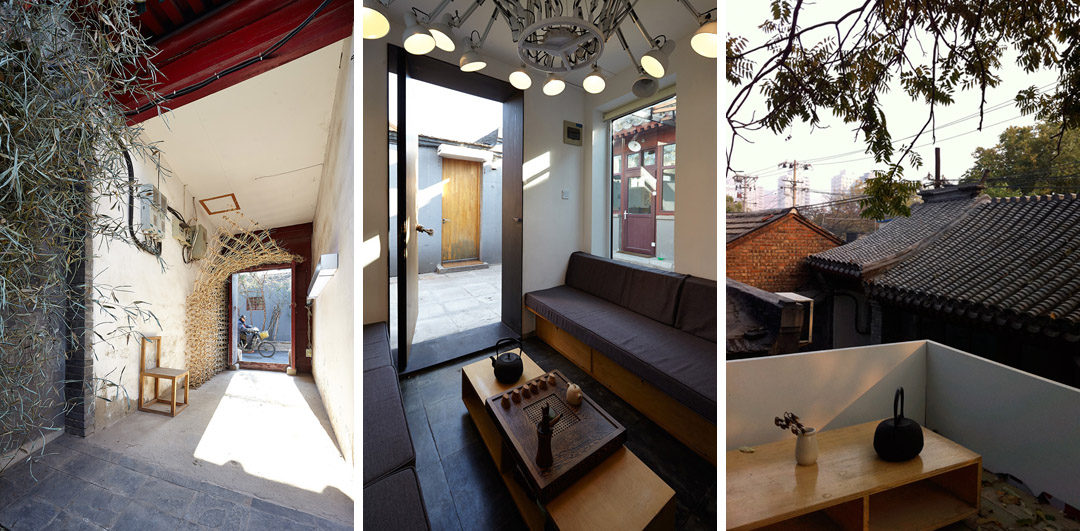
在这种地方办公你觉得对设计有什么影响没有?
Do you think you are influenced by such working environment?
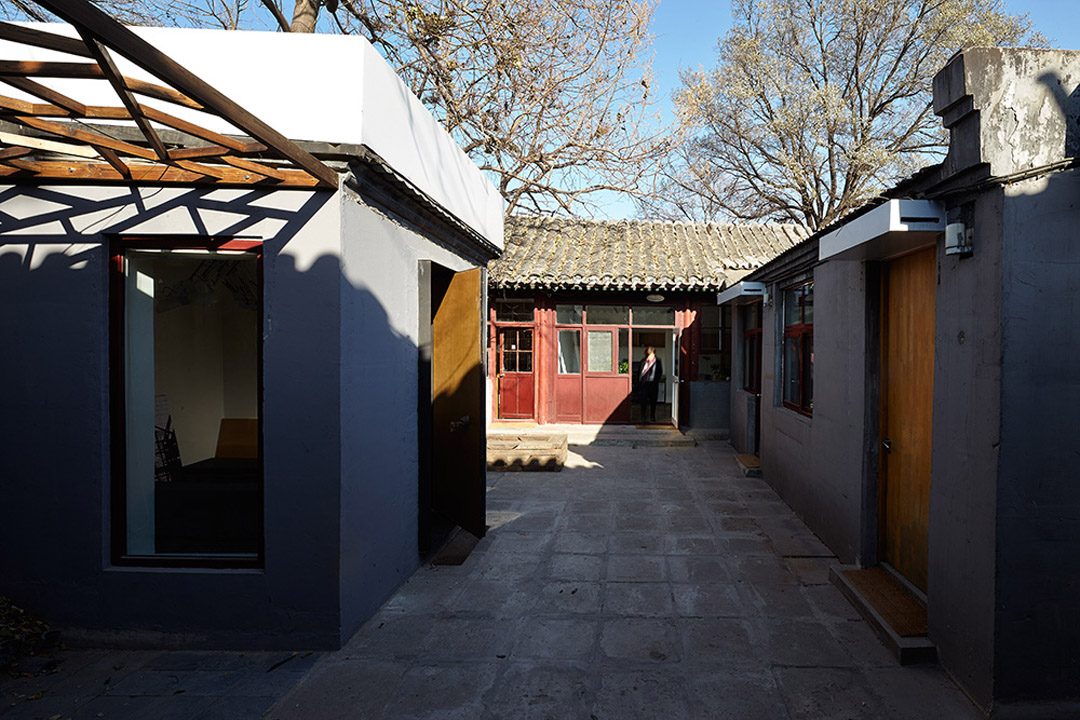
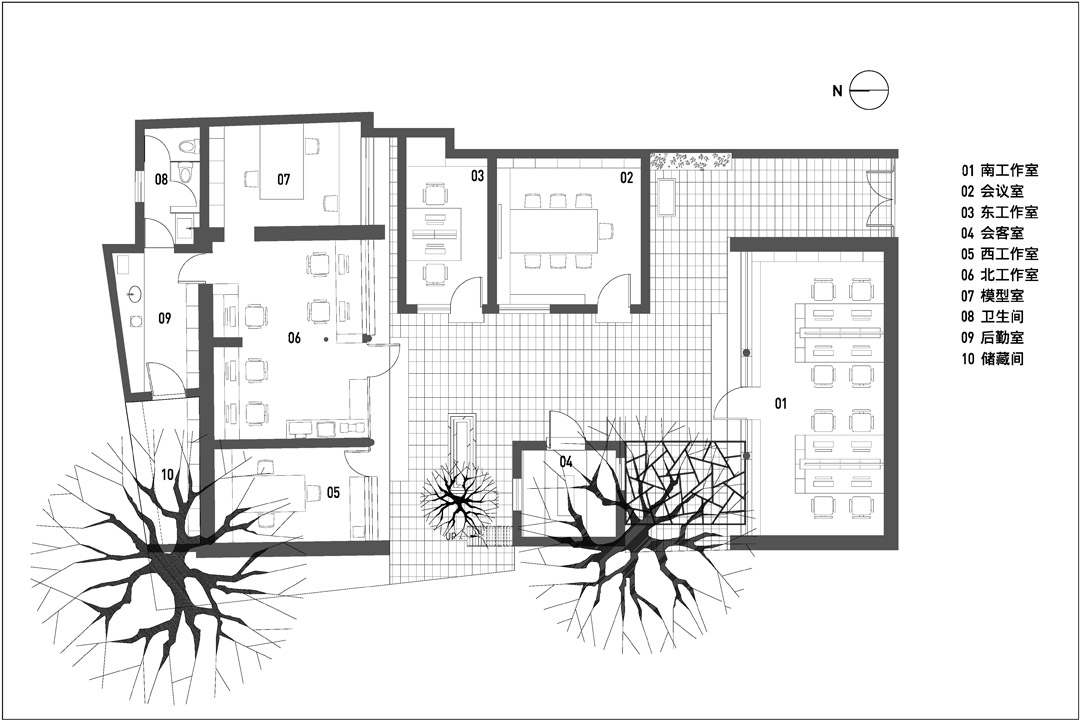
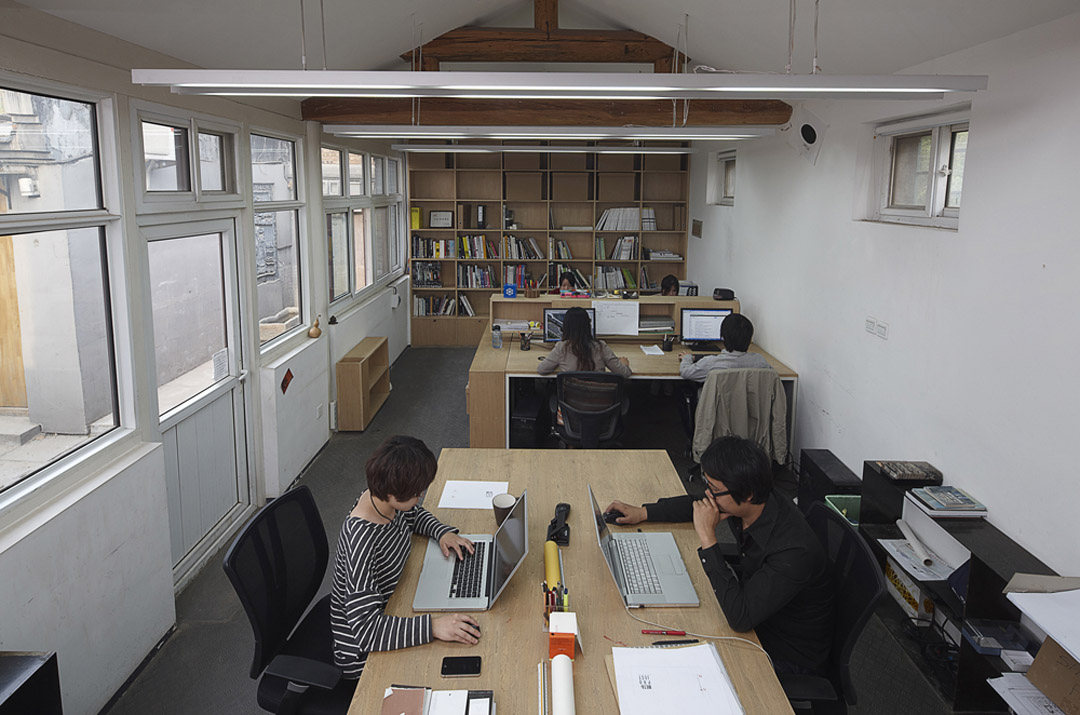
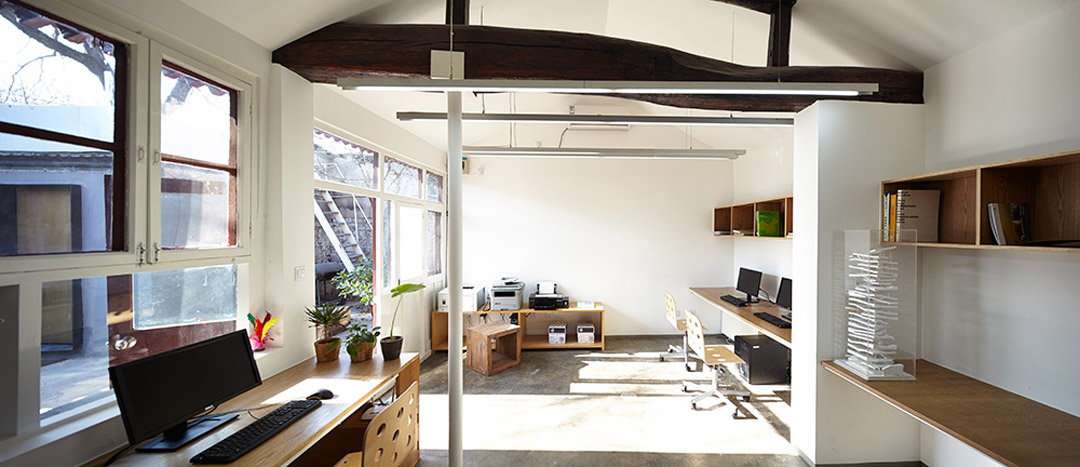
工作时大家会在不同的屋子间走动,随时可以感受到时间、天气与季节的变换,使自己在工作中既放松又能保持敏感,这对设计师的工作是很重要的。工作累了大家会走出来在院子里歇一会儿清醒一下,或者一起踢踢毽子,若赶上好天气刚好下午又不忙,大家会在屋顶的露台上喝茶聊天,远处是城市高低起伏的天际线,有种隐居于闹市中的超然。
院子今年夏天重新装修过,设计和施工大家都有不同程度的参与,花坛就是我们利用装修留下的废料,借了工人的工具搭起来的。而门口放着的那个用6000根筷子搭的空间装置是我们参加北京设计周的展品,设计师们自己也参与制作,展览过后又被安放在这里,成为公司独特的一景。大家在这个过程里更直观的了解材料和工艺,同时也与这个空间有了互动,所以现在办公室对我们来说已经不仅仅是工作的地方了。
Sometimes we walk through the yard, and feel the shifting of seasons and weather. It keeps us relaxed but sensitive, which I think is crucial for an architect. During breaks, we play shuttlecock sometimes. If it happens to be a bright day, we have afternoon tea on the roof patio,while enjoying the beautiful hutong skyline.
Our courtyard was renovated this summer. In this progress, we participated the design and construction ourselves. The gardening bed, made by the leftover wood blocks from the renovation, was also built by ourselves. The installation made of 6000 chopsticks at the front gate was originally made for the Exhibition during the Beijing Design Week. Our team members took part in its making,and learned a lot from it. After the exhibition, it was re-installed to our courtyard and also formed a certain kind of interaction between the working space and everyone here.So the courtyard for us is more than a working space, but a place carried on our stories and memories.
聊天的时候听你提到,META-工作室建立之初就保证用一半的精力进行非盈利性质的城市研究项目,超胡同[META:HUTONGS]就是其中之一,研究的主体是北京老胡同。这让我不禁感觉真是来对了地方,也十分好奇,你们为什么要花如此大精力来做这样的非盈利项目,在超胡同 [META:HUTONGS]研究中哪些点是你们十分关注的。此外这个研究如何具体的实际运用?
During the earlier conversation, I heard that you devote half of your time and energy into non-profit urban research projects, for example, [META:HUTONGS] is one of these, which mainly focuses on Beijing Old Hutong areas; this fact excites me a lot and at the same time makes me feel curious, why do you throw in so much energy to do non-profit, what are some of the key points you are looking into as in [META:HUTONGS] project? And how can this academic research be applied into your practical designs?
我从小生活在北京。从莱斯大学建筑学院毕业后,我曾在纽约工作,随后在OMA的鹿特丹总部及北京办公室参与了多个中东和东南亚的项目。2008年奥运会之前我回到了北京,并开始逐步创建自己的工作室。我所参与的研究项目都通过不同的媒介,例如杂志、出版物、网站内容以及艺术装置的方式发表和呈现。中国当代城市不断加剧的城市动态以及在这一过程中不断涌现的新型集体空间一直都是我很感兴趣的研究课题,我也充分理解积极寻求与本地公众对话的重要性。
META-工作室一直在挑战自己并保持一种平衡,即通过正常的设计项目来支持非盈利的研究项目,我坚信这是一种可以摆脱中国现有建筑市场浮躁文化的策略。尽管同时运行两种类型项目的过程中往往花费大量的时间和精力,但这也是建筑行业的现实和建筑文化的本质。现在,随着格莱汉姆基金会,北京国际设计周以及其他合作者陆续提供赞助和支持,我们期待[超胡同]成为一个非常成功并具有公共性的研究项目。我们由衷的希望国内外设计圈和大众都会对此感兴趣并在其中受到启发。
胡同生活方式的核心价值是什么?除了生态概念上的可持续发展,是否还存在一个社会学概念上的可持续性发展?META-工作室一直以来对北京等亚洲大城市的自我生长方式特别感兴趣,我们认为这种新生的城市现象和背后的运作机制充满了复杂性、多样化、有机性和矛盾性,是已有的建筑学科从来没有讨论过的东西,尤其是它的这种灵活系统、混杂状态,如果能在对它深入研究和跨学科讨论的基础上,发展出一种新的理解和介入“城市”这一复杂有机体的视角和方法,将对很多中国甚至世界上失去活力的城市有很大的指导意义。
我们组织超胡同跨学科研究项目,广邀众多城市规划师,人类学家,历史学家,艺术家,城市开发商和企业家等各行各业人士,通过一个新颖的议程来有效衔接并促成跨学科项目“超胡同”的来由,项目由一系列圆桌讨论、工作坊和公众活动组成,从去年年中开始执行,为期两年,部分的研究成果已在设计周期间在大栅栏茶儿胡同3号我们自己的展厅得以展示。
在实际运用层面,超胡同希望通过与前面提到的参与者持续的讨论与跨学科的合作,解决在区域改造过程中一些公众难题,推进胡同现实生活中各个层面的人:如开发商、当地居民、商家、艺术家、建筑师、共同参与到地区共建中来。当然,这是一个长期的项目,它的目标是为胡同地区提供一种全然一新的理解当前城市条件和现实的见解和方法,并藉此引入了一些潜在的新居民及其互动操作方式。而在下一年的设计周期间,超胡同第三阶段-城市模拟(urban simulation)的成果将会以实际呈现的方式(在地装置、互动展览)或者直接参与到胡同更新实践中来。
Born in Beijing, I have studied at Rice School of Architecture, following graduation, I worked in New York City from 2005 to 2006. I then worked for OMA (Rotterdam and Beijing Offices) on various projects in the Middle-east and South-east Asia. I arrived back in Beijing before the 2008 Olympic Games and gradually established my own practice. One of my main interests in regards to research has been studying the intensification of urban dynamics within contemporary cities of China and the newly formed collective spaces that are becoming increasingly emergent. I have worked on various projects which have been published/showcased through different mediums such as magazine publications, web-site content and art installations. I understand the importance of pro-active dialogue with local public constituents.
META-Project to us is a challenges put in order to keep a certain amount of balance; Backed by paying projects, non-profit based research projects is a strategy that I believe can help us stay lucid in the hectic atmosphere of the architectural market in China. Although doing both types of projects at the same time consumes a lot of time and is very demanding, but this is the reality of architectural practice and its culture itself.
Now will all the support from Graham Foundation and Beijing Design Week, and other co-collaborators, we are expecting it to be a very successful and visible project and we sincerely hope both the design community and the general public could look into and find merits in it.
What is the core value of Hutong living style? Apart from ecological sustainable development, is there any social sustainability evolved?
META-Project has been paying much attention on the self-informed urban growth in BJ and other Asian cities. We think this kind of new born urban phenomenon and its mechanics behind are full of complications, diversities, organics and conflicts, which have been absent from before, especially its flexible system and chaos state. If we can look with depth, work through cross-disciplined basis, and comes out a new set of perspectives and methods understanding and intervening into this complicate organics, the whole endeavor would benefit many cities in China and also other struggling cities.
The symposium will bring together architects/urbanists, media artists, social anthropologists, curators and developers to conduct a series of roundtable discussions and workshops. Through a robust agenda of bridging up cross-disciplinary collaborations and a freshly relaxing new form, the project aims to realize its initials. It was begun in the middle of last year (2012) and will be completed within 2 years. The project includes a series of roundtable discussions, workshops and public activities, with part of the achievement having been showcased in the final exhibition at the ChaEr HUTONG NO.3 during the Beijing Design Week 2013.
In real practice, [META:HUTONGS] hopes to continue the collaboration with the formerly mentioned participants in cross-disciplined areas, trying to conquer some of the obstacles in the process of district regeneration, pushing forward the different levels of society living in the Hutong, including developers, locals, shop owners, artists, architects, and building up the community together. Of course this would be a long term project, with the goal of providing a new way of understanding and coping with the current urban conditions and reality, same time bringing into interactive potentials from the residents themselves. During the next BJDW, [META:HUTONGS] would come to the third phase, which is Urban Simulation, and at that time some achievements would be presented in concrete forms(local installation, interactive exhibition) or embedded into the regeneration plan of the Hutong areas.
关于你们的研究方法,你们是否在探索一套自己的研究方法?还是在面对不同题目时有不同的应对?能否举几个例子。
About researching methods, are you exploring your own way of doing the research, or facing each different topic with different strategies, can you give us some examples?
META的意思是元,something about/beyond something,(比如physics是“物理”,而meta-physics就是形而上了),它指向一种上位的概念,META-工作室相信面对当下新的挑战,建筑必须从一种被不断累积的种种“事物”所模糊了的状态中解脱出来,而达到复杂性和清晰性的新高度。必须通过对现象的上位思考,经由抽象消除事物的混杂,才能够表达一个新的现实:即建筑不再是对社会现状的僵化反射,亦不是对无法维持的乌托邦的幼稚表达,而是对促进当代生活价值提供有针对性的,有效的介入策略。
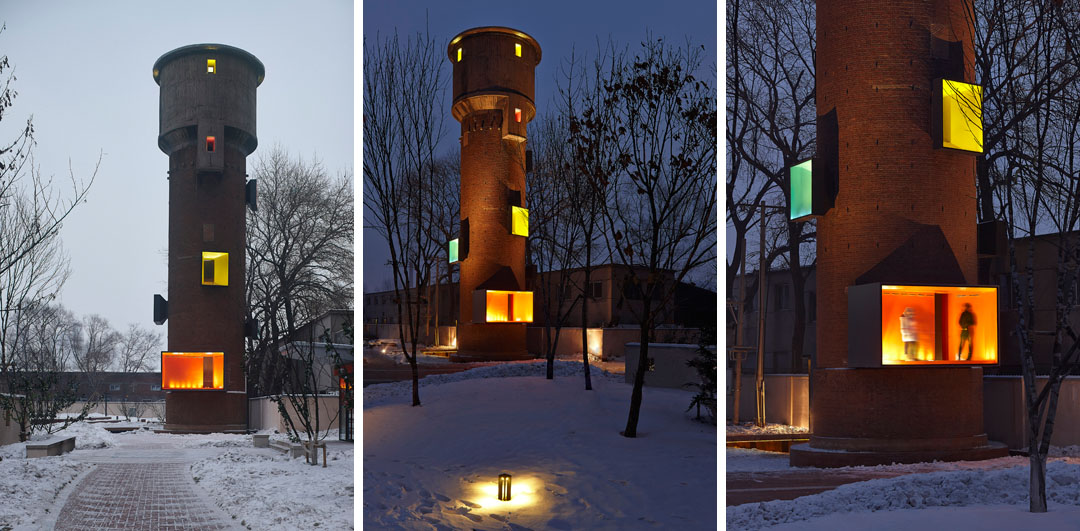
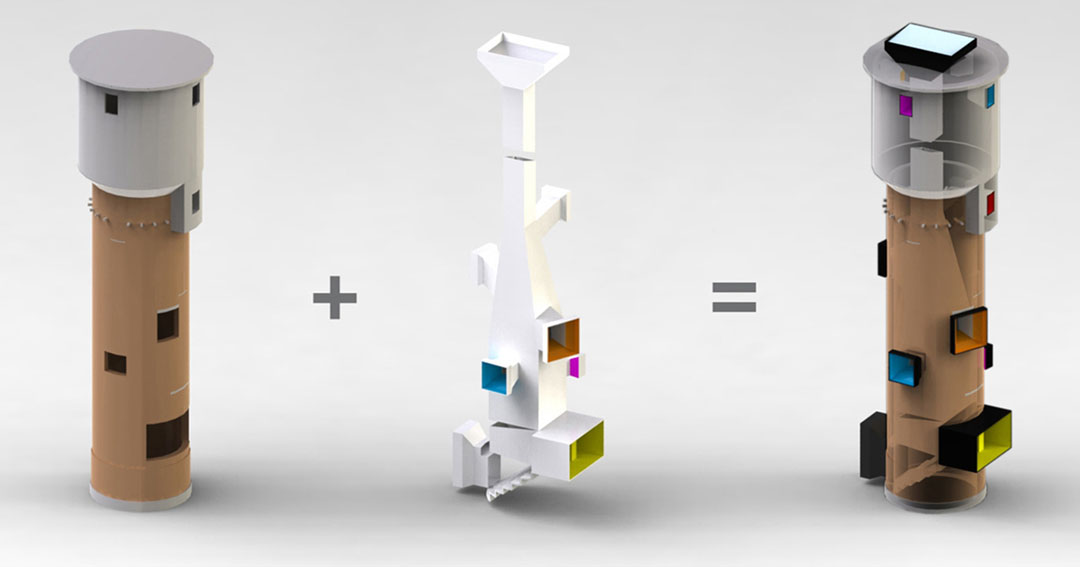
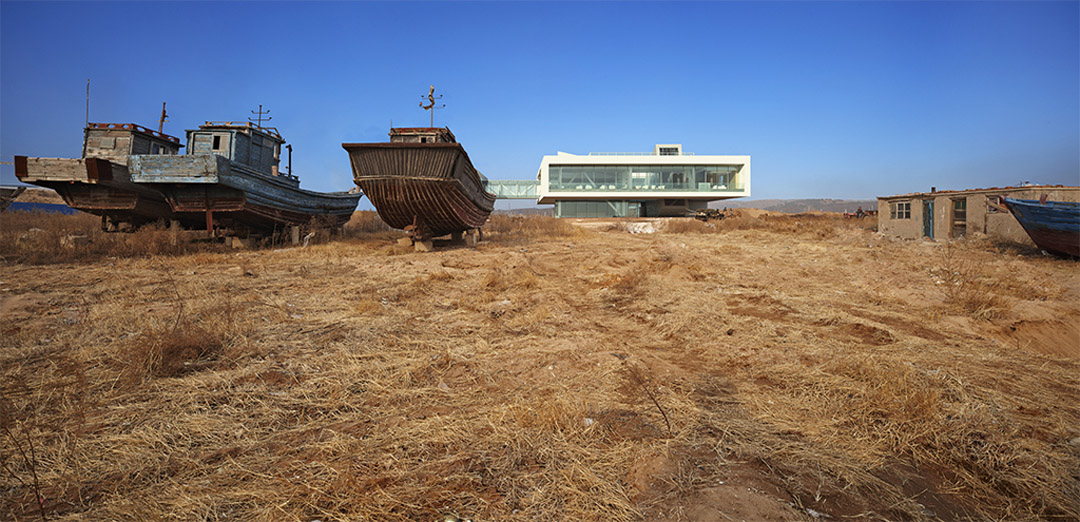
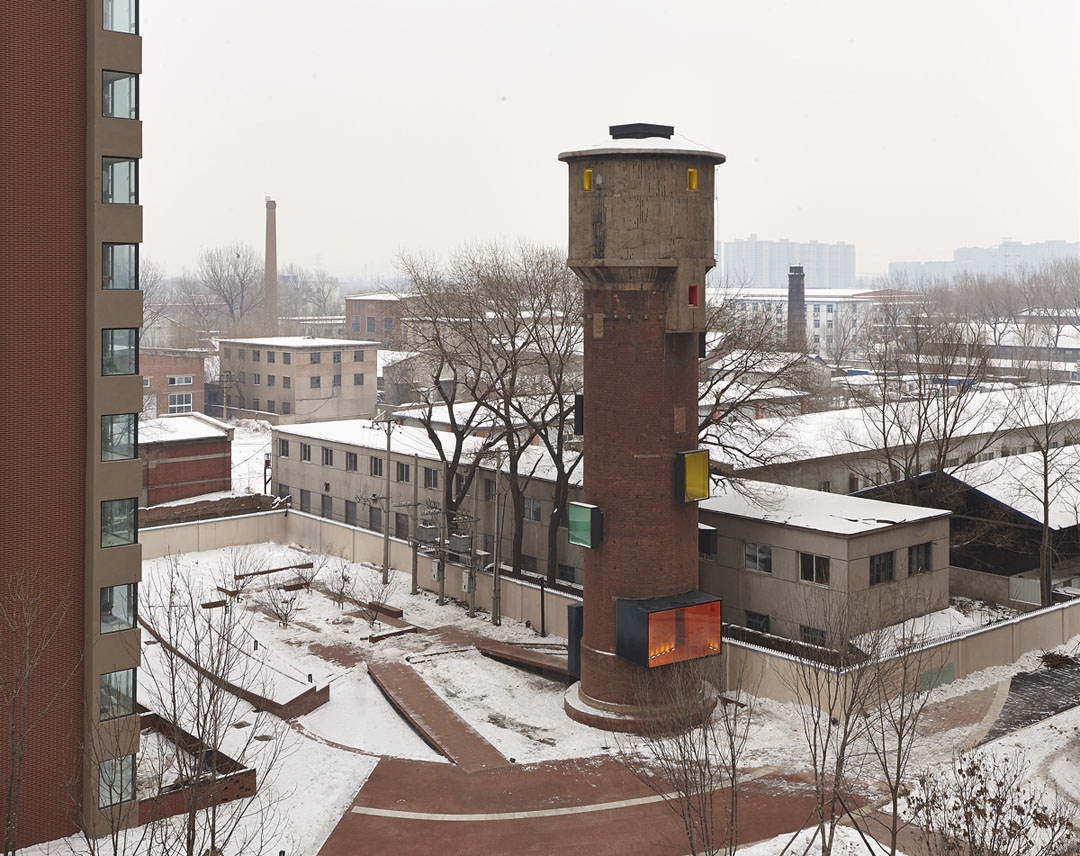
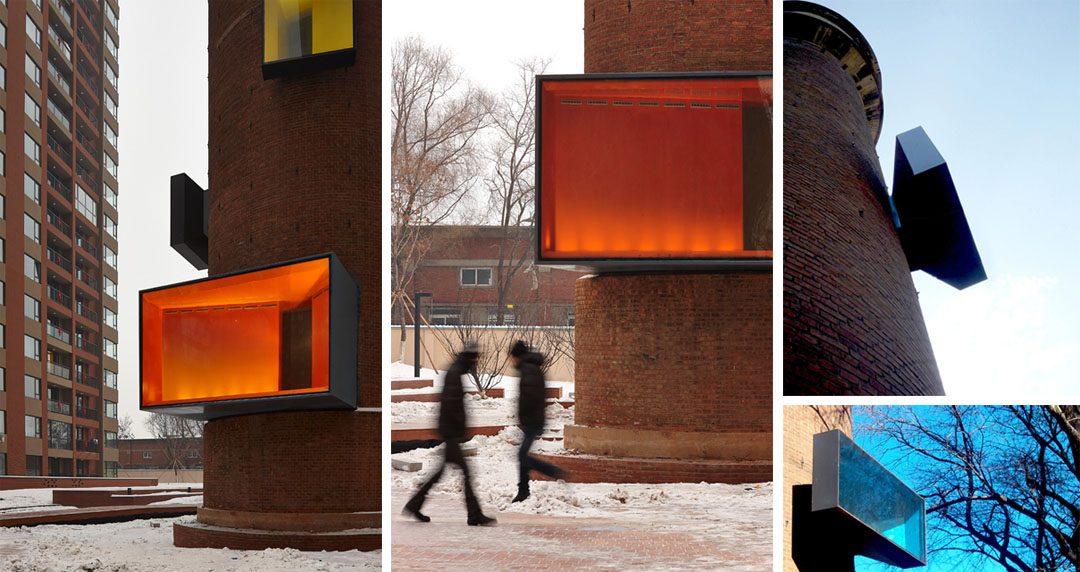
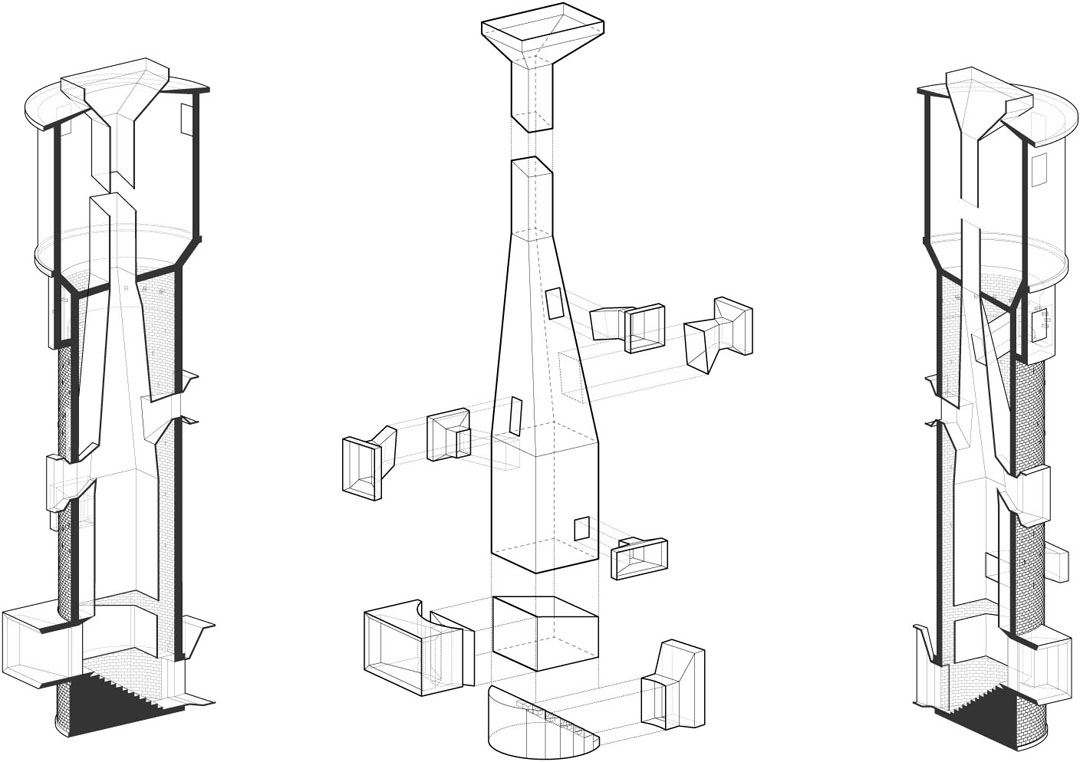
公司在实际项目的设计中总是以研究成果为助推,力图重新建立建筑与其所处社会环境之间的关系。比如我们在沈阳的水塔改造项目,贯穿于设计与实施过程始终的一个问题:如何既不去拆除破坏,也不用封存历史的遗产保护方式,而是通过在历史的片段中植入新现实的方式,让浸满历史的水塔焕发出新的符合当代生活方式的活力。而我们在北京亦庄经济技术开发区的万科品牌中心则是在高科技文明的背景之下,我们的方案更加注重技术和大众自我在当下生活中的需求和表达。我们希望通过对当代空间的深入理解,揭示其作为社会、文化、经济以及日常生活等不同层面叠加并相互关联的产物,对现实空间进行细致的分析,并藉此发现独特的社会/文化潜能。
META means something about/beyond something, (e.g. physics and metaphysics), which abstracts essence from the reality, META-Project believes that facing today’s new challenges, architecture has to evolve from a situation that is obscured by the accumulation of ‘things’ to a new level of complexity and clarity, in which it is decongested and abstracted, so as to show a new reality where architecture is not just rigid reflection of our society, nor naïve expression of unsustainable utopia, but effective intervention that promotes new values of contemporary life.
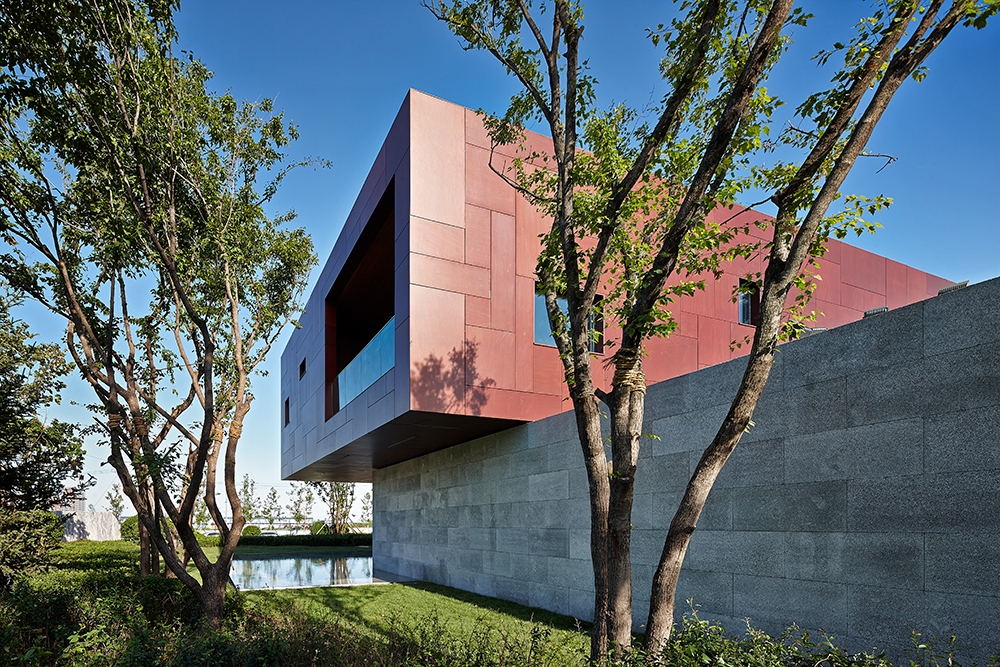
The projects of the office are often fuelled by the outcome of our researches, and aim to establish a new relationship between architecture and its social environment. For example our Shenyang Water Tower renovation project, the problem that has been threading through the design and construction process is: how to avoid demolishing and destructing, avoid putting dead historic mask over the structure, and instead through implanting a new reality method into the history pieces let historic water tower bring out energy while embracing contemporary life. While our Vanke Brand Center project in Beijing Economic-Technological Development Area in Yizhuang sets in a high-tech background, therefore our design strategy pays more attention on the current needs and self-expressions of the technology and the massive individuals. By understanding the contemporary spaces as a production from overlapping layers of social, cultural, economical and everyday-life interrelations, META-Project’s research carefully analyses the spatial reality through a meta-evolutional model that allows discovery of unusual socio/cultural potentials.
Recent Project
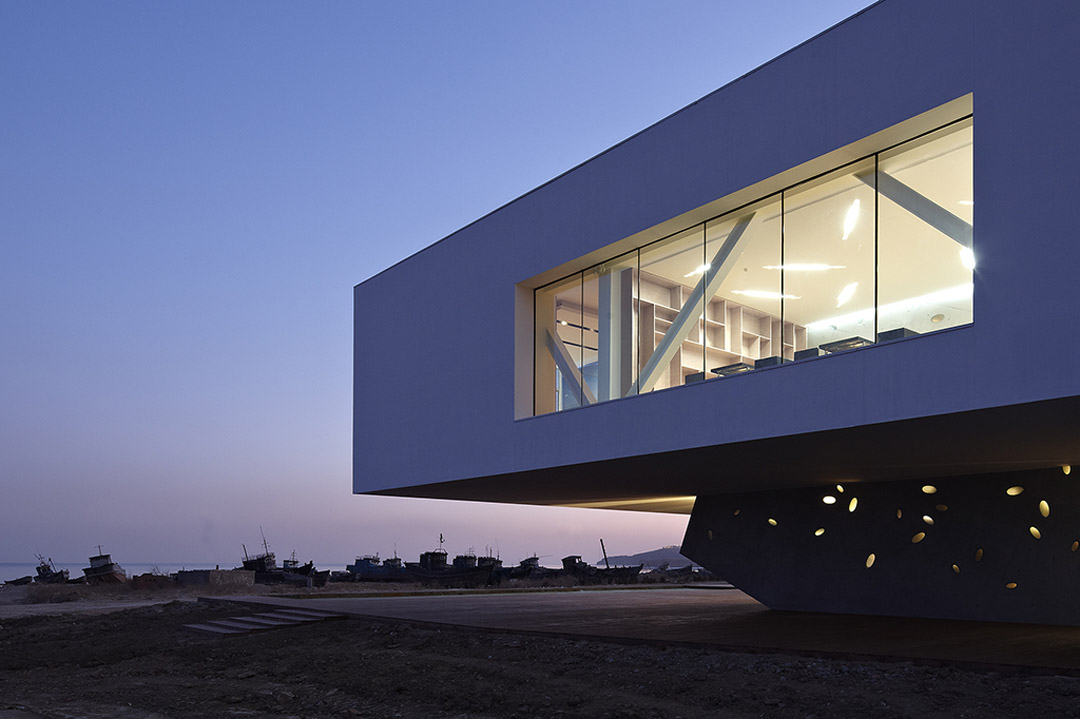
葫芦岛海滨展示中心设计
Huludao Beach Exhibit Center
点击链接看更多 Click Here to More http://www.gooood.hk/_d274363900.htm
水塔展廊(改造)
Water Tower Pavilion (Renovation)
点击链接看更多 Click Here to More http://www.gooood.hk/Water-Tower-Pavilion-META.htm
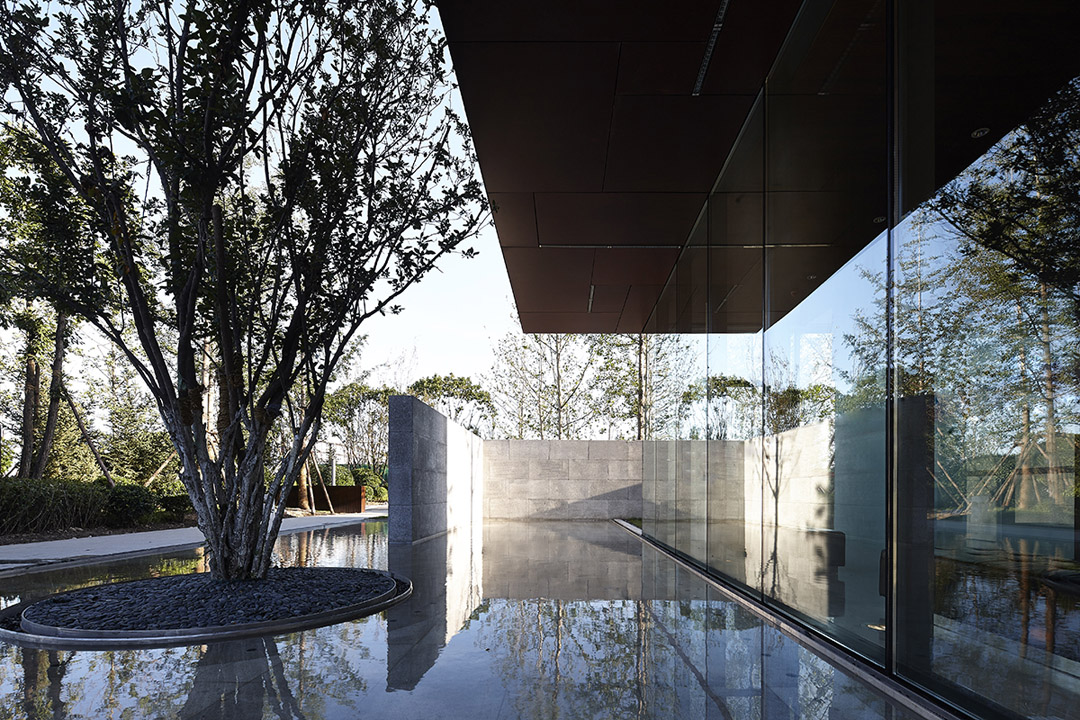
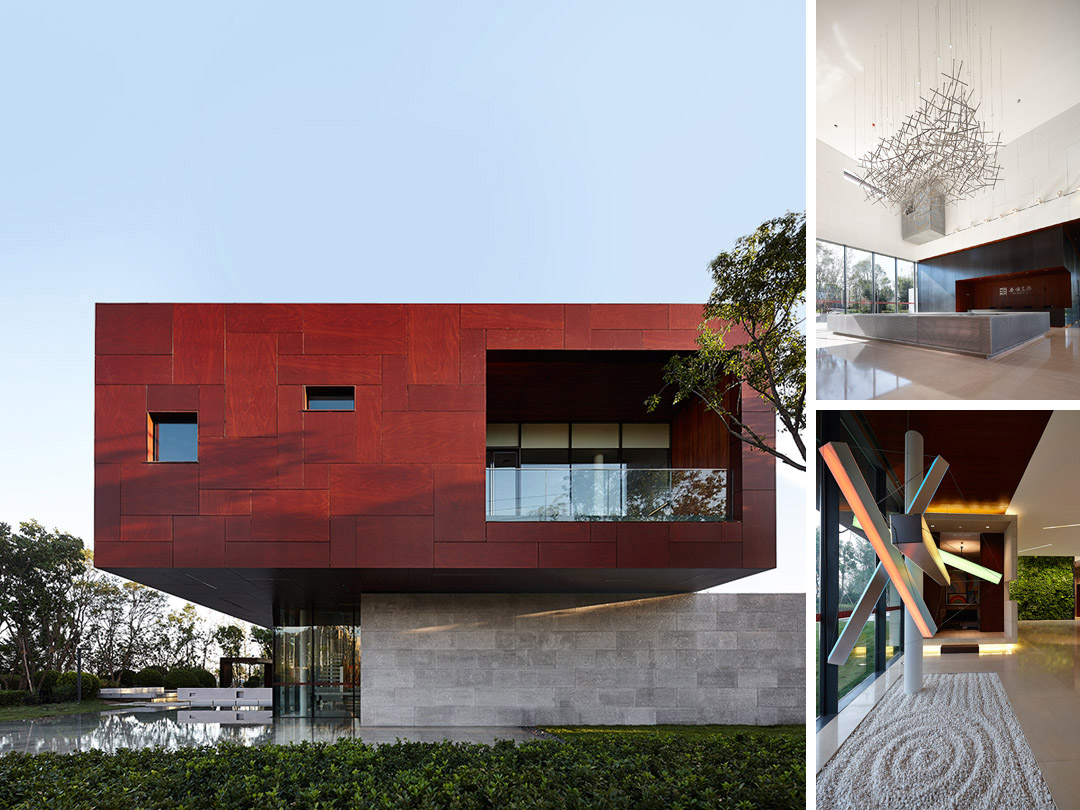
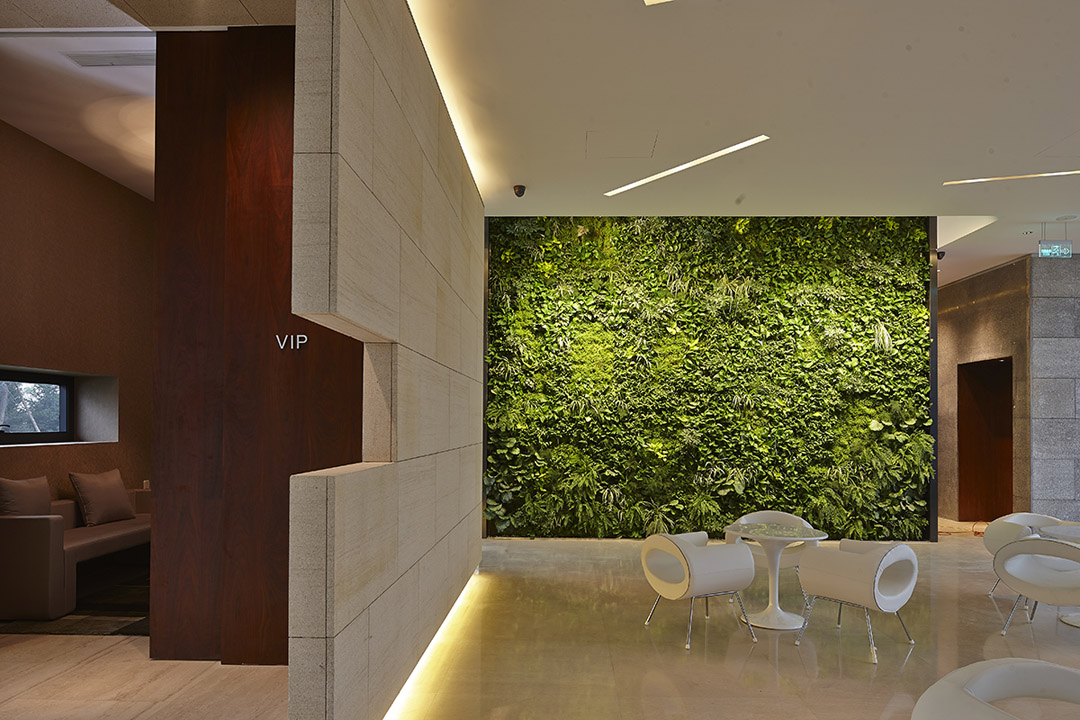
北京亦庄万科品牌中心
Beijing ETown VANKE Brand Center
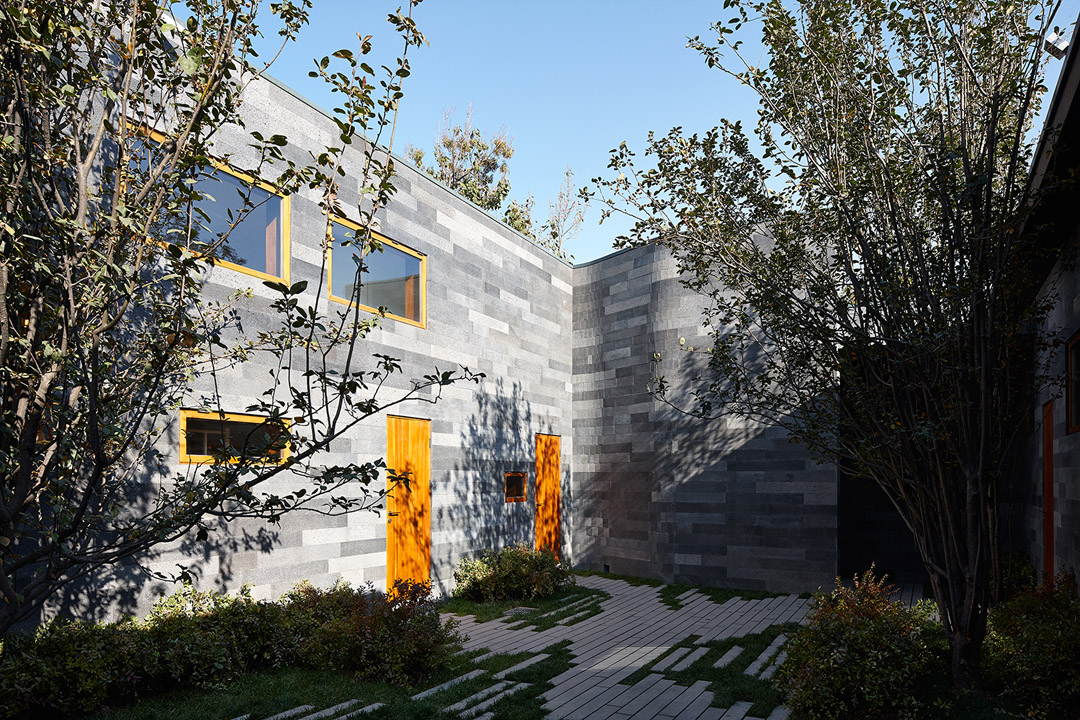
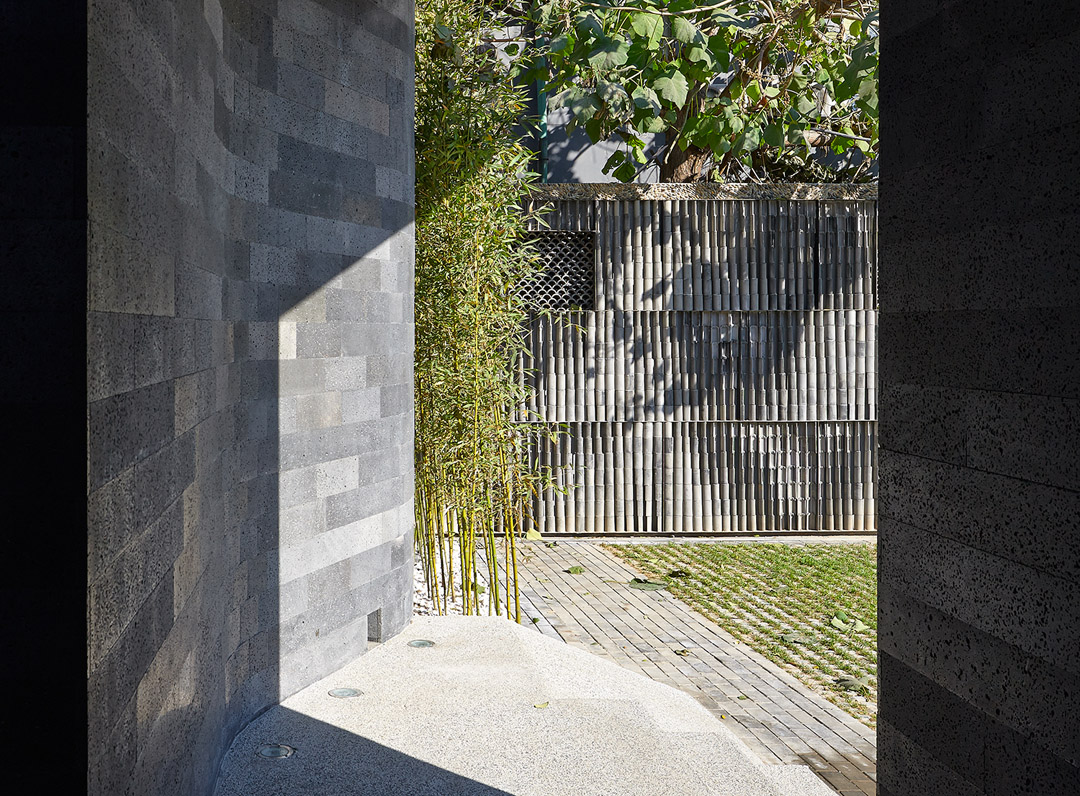
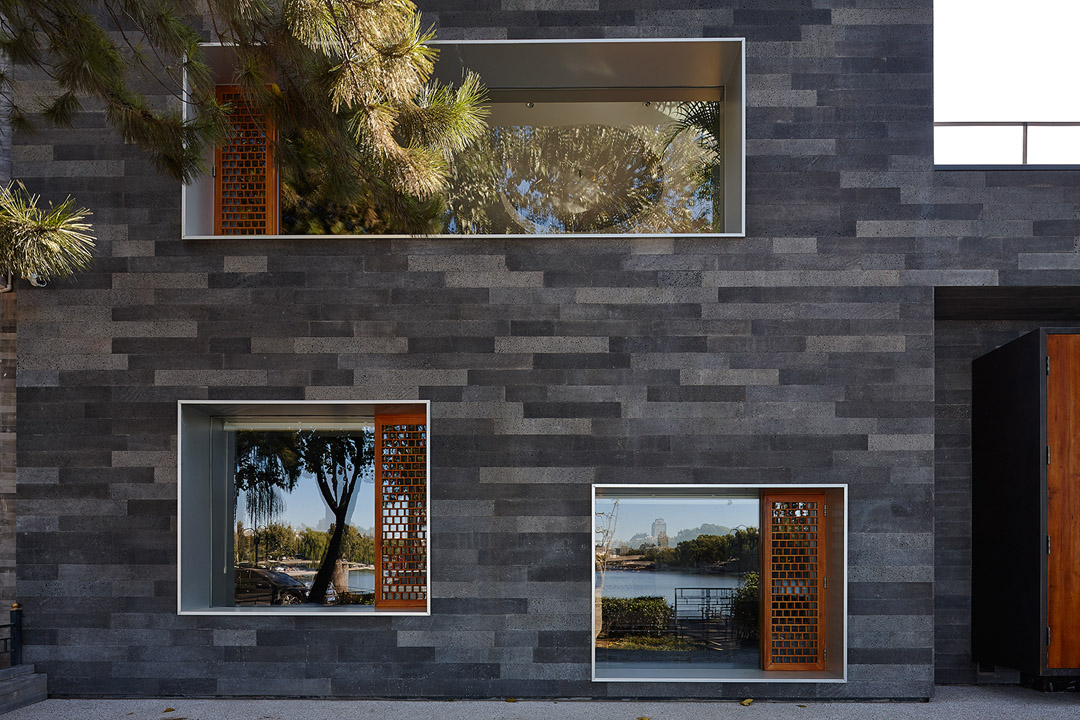
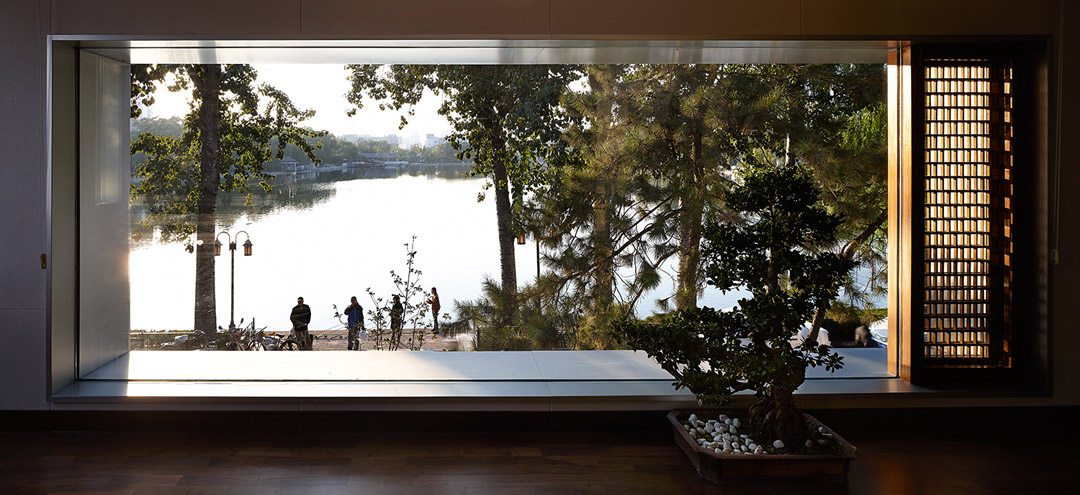
西海边的院子
Xihai Courtyard Renovation
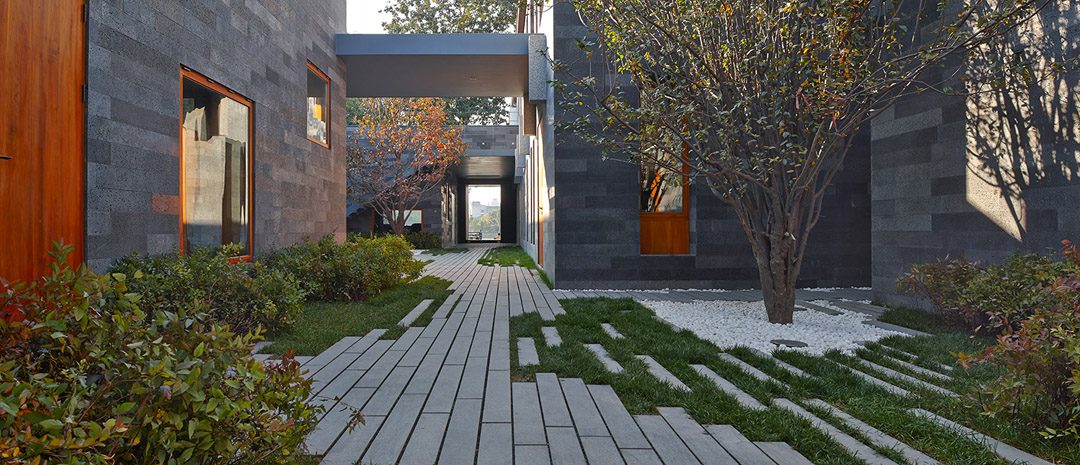
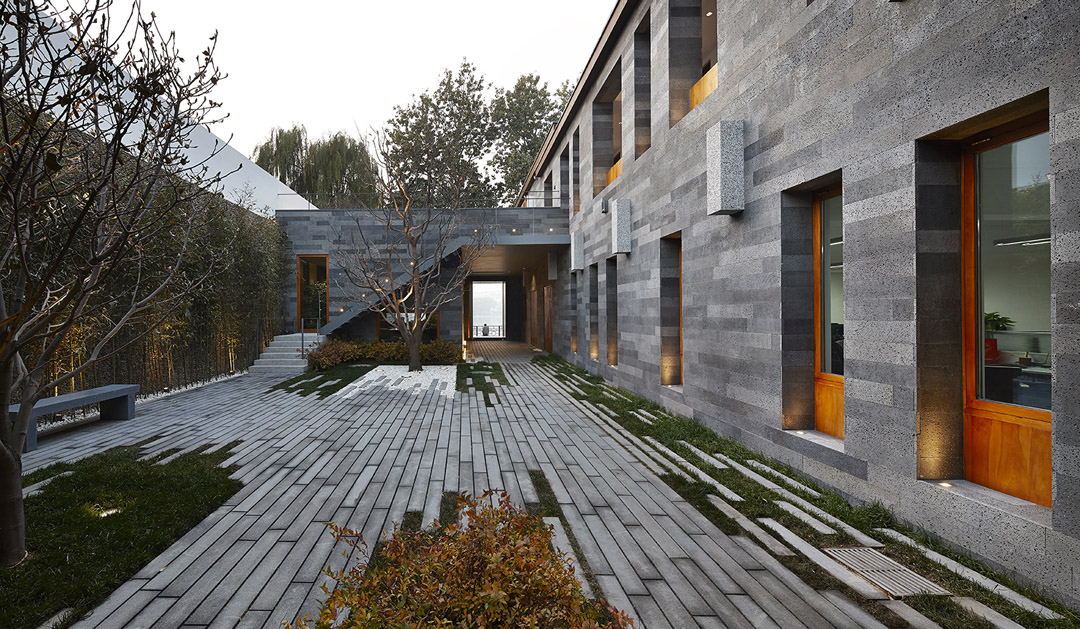
ABOUT META-Project
META-工作室是一个在建筑设计、城市研究、展览策划、及室内设计等领域展开创造的当代实践团队。工作室深切关注在当下城市发展状况日益失控的语境下,如何去定义“当代”生活方式-尤其是在亚洲城市前所未有的城市转变中所涌现出的新型社会/文化现象。同时,作为一个跨越建筑与城市研究的文化平台,META-工作室活跃于世界范围内的跨学科合作,试图建立一套跨越出版,影像,艺术,网络,展览等多种当代媒介的设计策略,以期推进当代城市文化价值。
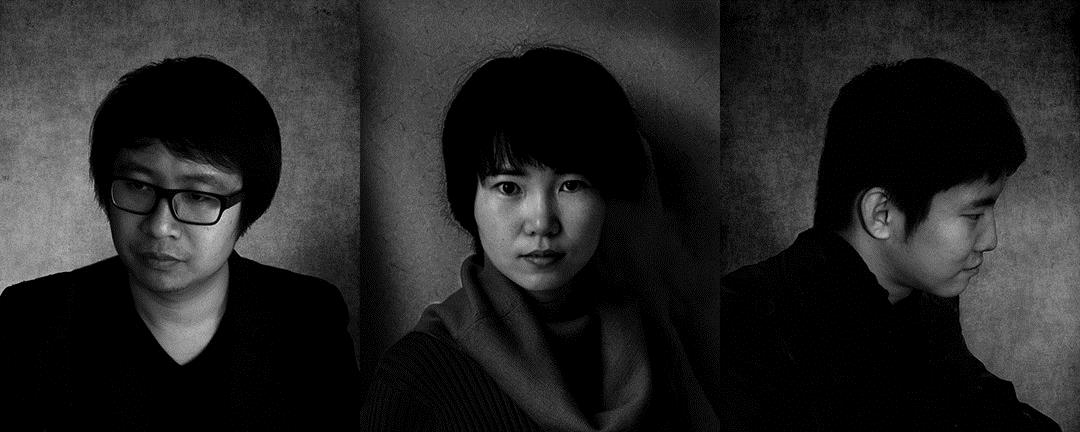
META-工作室由王硕和张婧创立于纽约。在一系列重要项目的基础上,于2009年建立了北京工作室,并增加了商务合伙人。在创立META-工作室之前,各合伙人都在国际知名事务所担任重要职位。王硕在美国莱斯大学取得建筑学硕士学位后,曾在纽约Peter Gluck and Partners及荷兰大都会事务所(OMA)鹿特丹总部任建筑师,随后作为OMA北京公司的项目建筑师,负责曼谷最高楼-MahaNakhon项目。张婧以Award of Excellence荣誉大奖毕业于美国罗德岛设计学院(RISD),曾加入纽约著名建筑事务所Hariri & Hariri Architecture担任室内项目设计师,后加入荷兰大都会建筑事务所(OMA)鹿特丹总部及北京分公司担任建筑师。
META-Project is a contemporary practice operating in the fields of architecture, urbanism research, exhibition and interior design. META-Project is interested in what defines the contemporary way of life in the context of increasingly uncontrolled urban conditions, with specific focus on the emergent socio/cultural phenomenon in Asian cities generated by an unprecedented urban transition. At the same time, as a culture platform that spans between architecture and urbanism research, META-Project is actively engaged in worldwide cross-disciplinary collaboration that involve multiple dimensions of the contemporary medium: publication, video, art, network, exhibition, and to develop design strategies for promoting the culture of contemporary city.
META-Project was founded by Wang Shuo and Zhang Jing in New York City. On the basis of several distinguished projects, it established the Beijing office in 2009, while joining force with its business partner Fu. Before establishing META-Project, all partners worked for internationally renowned offices. After graduating from the Rice University, Wang Shuo worked as architect at Peter Gluck and Partners in New York and Office for Metropolitan Architecture (OMA) in Rotterdam, and as Project Architect for OMA’s Beijing office, he worked on the tallest tower in Bangkok – MahaNakhon. Zhang Jing graduated from Rhode Island School of Design (RISD) with the distinguished “Award of Excellence”, after which she gained experience at the Hariri & Hariri Architecture in New York, as well as OMA’s Rotterdam and Beijing Offices.
MORE: META
[爱心]
赞
!
[爱心]赞
赞
就建筑而言,我对材质的喜爱远大于形体。因为体量,因此对于人而言,如果是远观,将建筑视为一个雕塑,那么形体固然优先,但是如若之身其中生活,还是材质带来的感动多些——好在这二者并不矛盾。而我对于小建筑的喜爱胜于地标性建筑大抵也因为如此。
不错