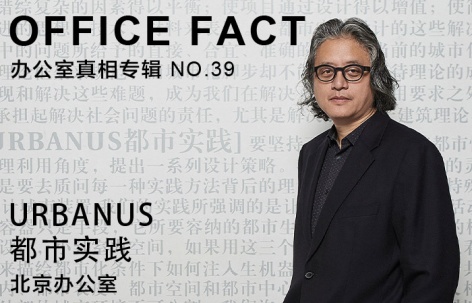
世界上有趣,创新的事务所及工作室在一个怎样的环境中以怎样的模式进行工作?
gooood为您奉上<OFFICE真相>专辑。本期是第三十九期,URBANUS都市实践What do the most interesting and innovative design offices in the world look like?
OFFICE FACT reveals the working method and the environment of them for you. This is the No.39 episode, URBANUS | Wang Hui非常感谢 URBANUS 予gooood分享以下内容。更多请至:URBANUS on gooood
Appreciations towards URBANUS for providing the following description:
出品人:向玲 / Producer: Xiang Ling
编辑:石安,张笑然 / Editor: Shi An, Pang Renfei, Song Linchen, Zhang Xiaoran
_______________
关于都市实践北京办公室
About URBANUS Beijing Office
1.
北京办公室的聚焦是什么?
What is the focus of the Beijing office?
URBANUS都市实践到今年已经是25年了,我负责北京办公室,多年来工作覆盖面在京津冀、东北、江沪一带,以及一部分西南地区,最近也有很多的福建和广东的项目。都市实践项目的基本盘是对社会有普惠价值的公共建筑,从功能性较强的商业、办公建筑,到更有文化属性的各类建筑。我们北京办公室这些年聚焦在城市更新和文化遗产的活化。
都市实践一直致力于介入社会现实和改变社会现实,关注建成空间与社会正义的关系。作为建筑师,我们能够和甲方一起努力,把项目所带来的潜在利益让渡给一个更大的社会群体,尤其是那些弱势群体,并能使这种让渡反过来对项目自身的运营也有利,对建设方有正向的回报。这种共赢是“空间正义”的理想境界。这点我们在近期不少的项目里做得更有意识,我也发表了一些文章进行理论总结。
URBANUS has been established for 25 years now, and my work primarily covers Beijing and its surrounding areas, including the northeastern region, Beijing-Tianjin-Hebei, Shanghai, Jiangsu, and parts of the southwestern region. Our focus is primarily on public buildings that have a wide impact on society, ranging from highly functional commercial and office buildings to various cultural facilities. In recent years, our Beijing office has concentrated on urban regeneration and the revitalization of cultural heritages.
URBANUS is committed to engaging with and improving societal realities. I have long been passionate about solving social justice issues. As architects, we aim to ensure that the benefits of project opportunities extend to a broader societal group, especially benefiting vulnerable communities. This approach not only enhances the operation of the projects themselves but also yields returns for the stakeholders involved, fostering a mutually beneficial outcome.
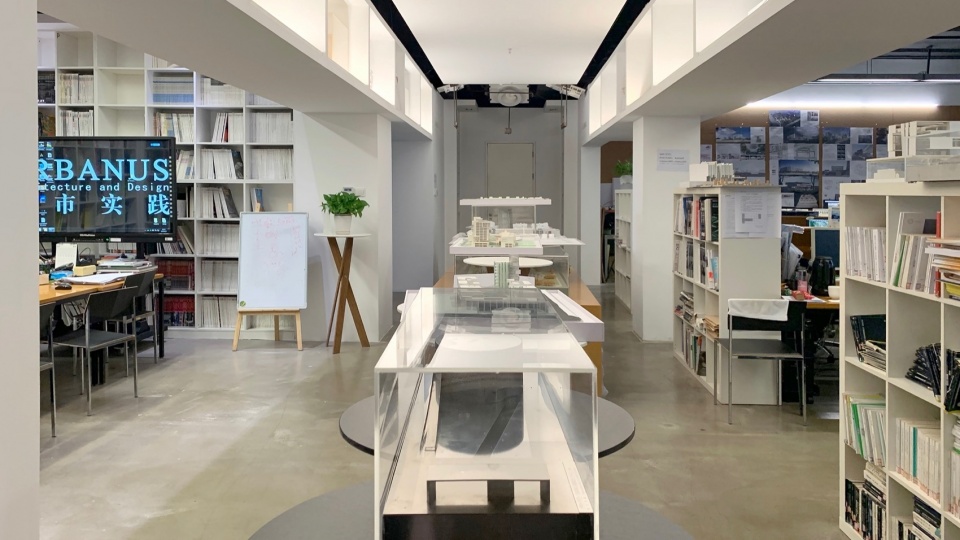
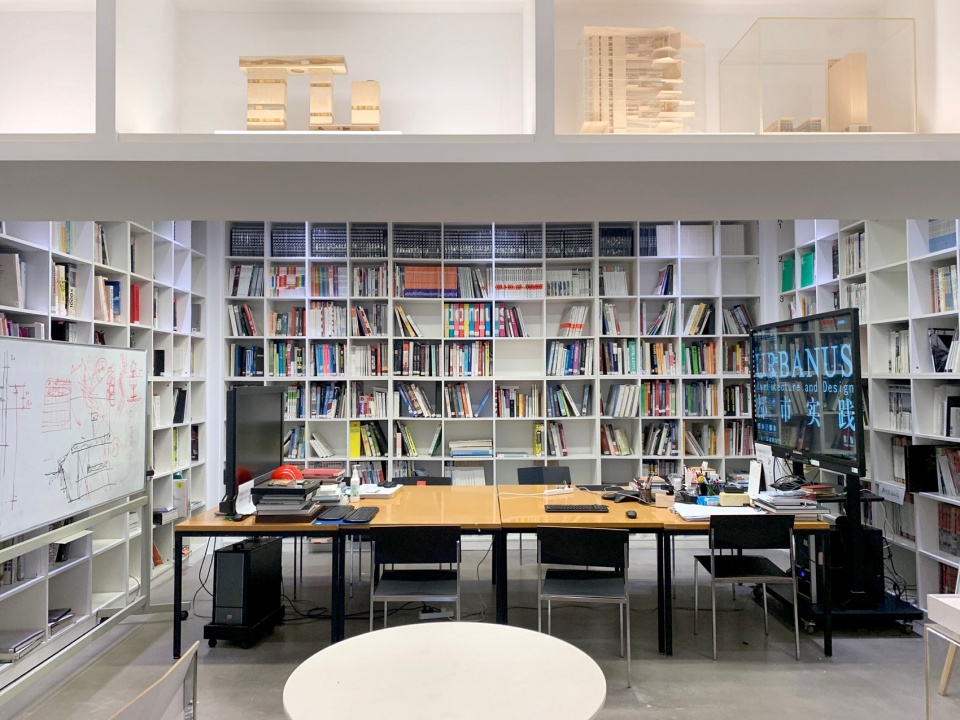
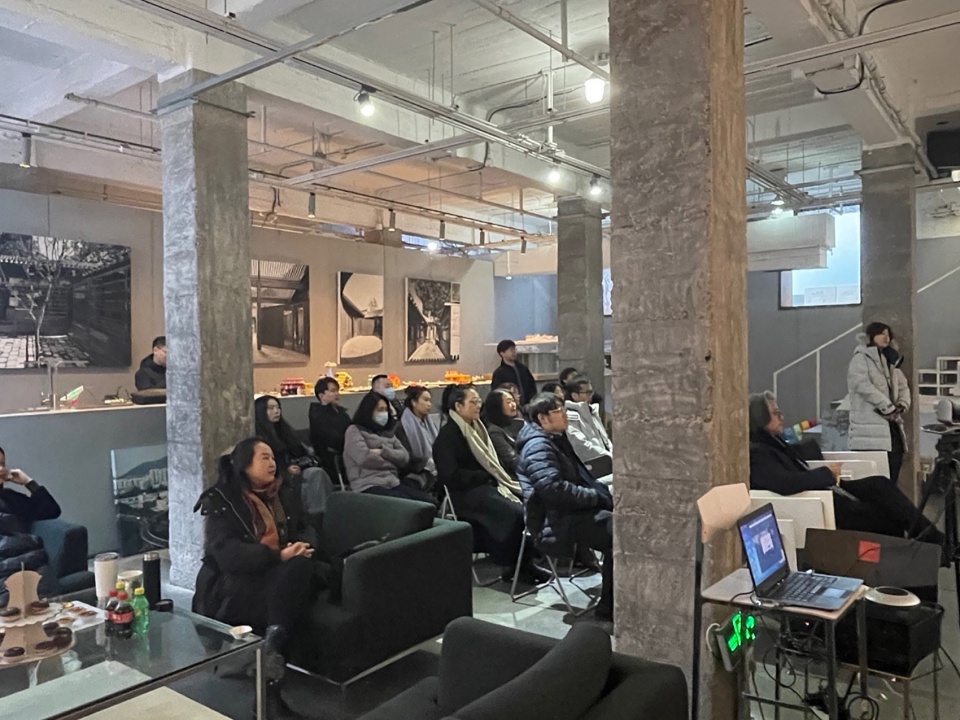
▼都市实践北京工作室办公环境,Office environment of URBANUS Beijing office
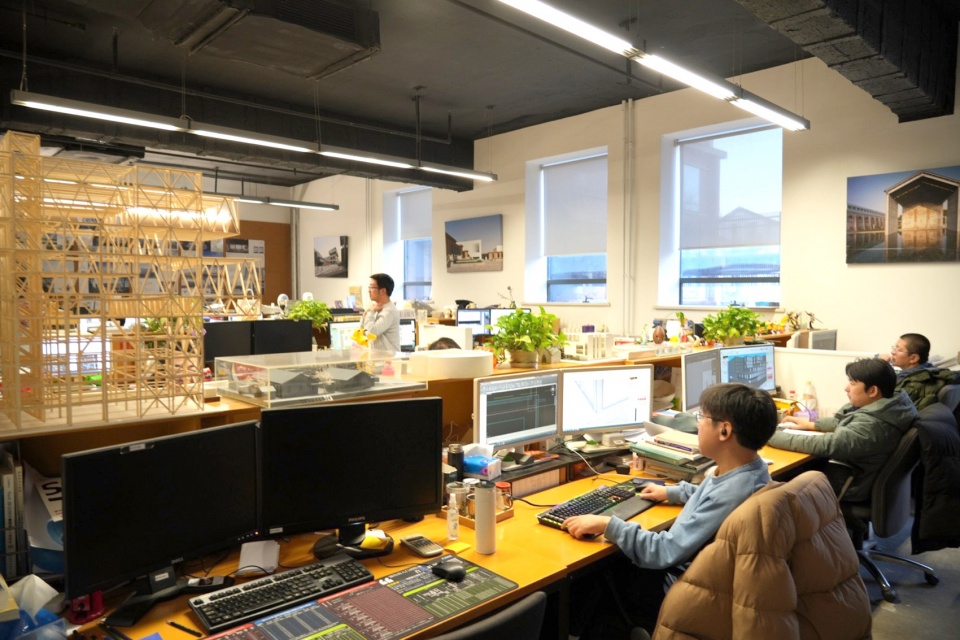
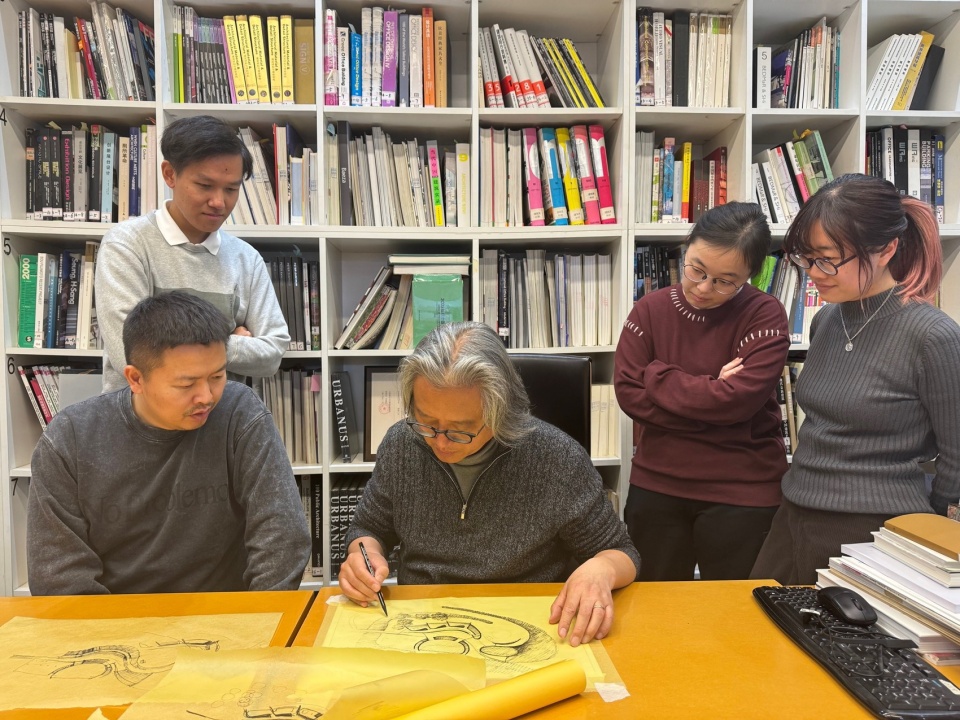
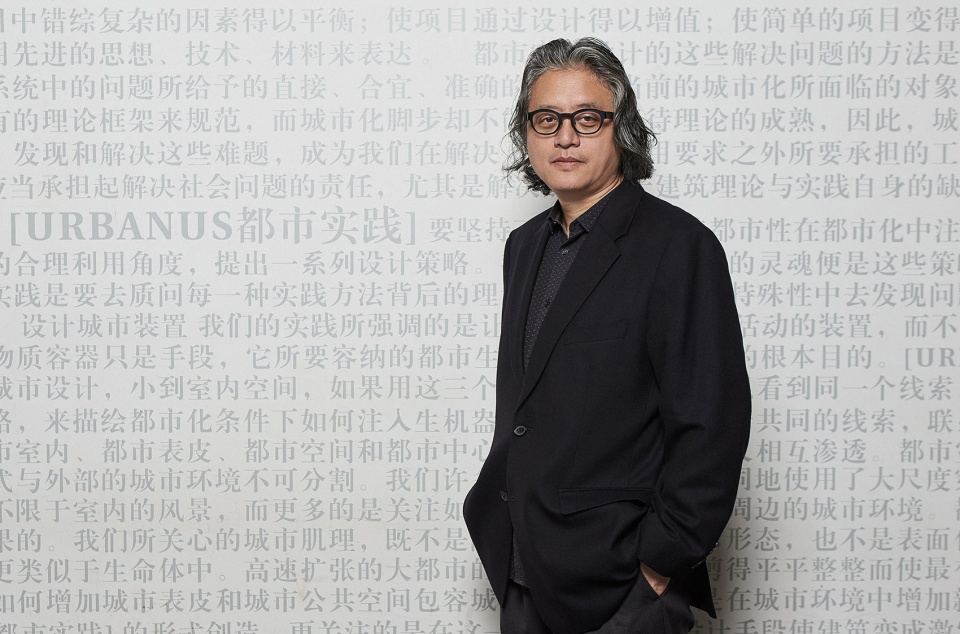
▼王辉在工作中,Wang Hui at work
2.
您是如何挑选项目的?
How do you select projects?
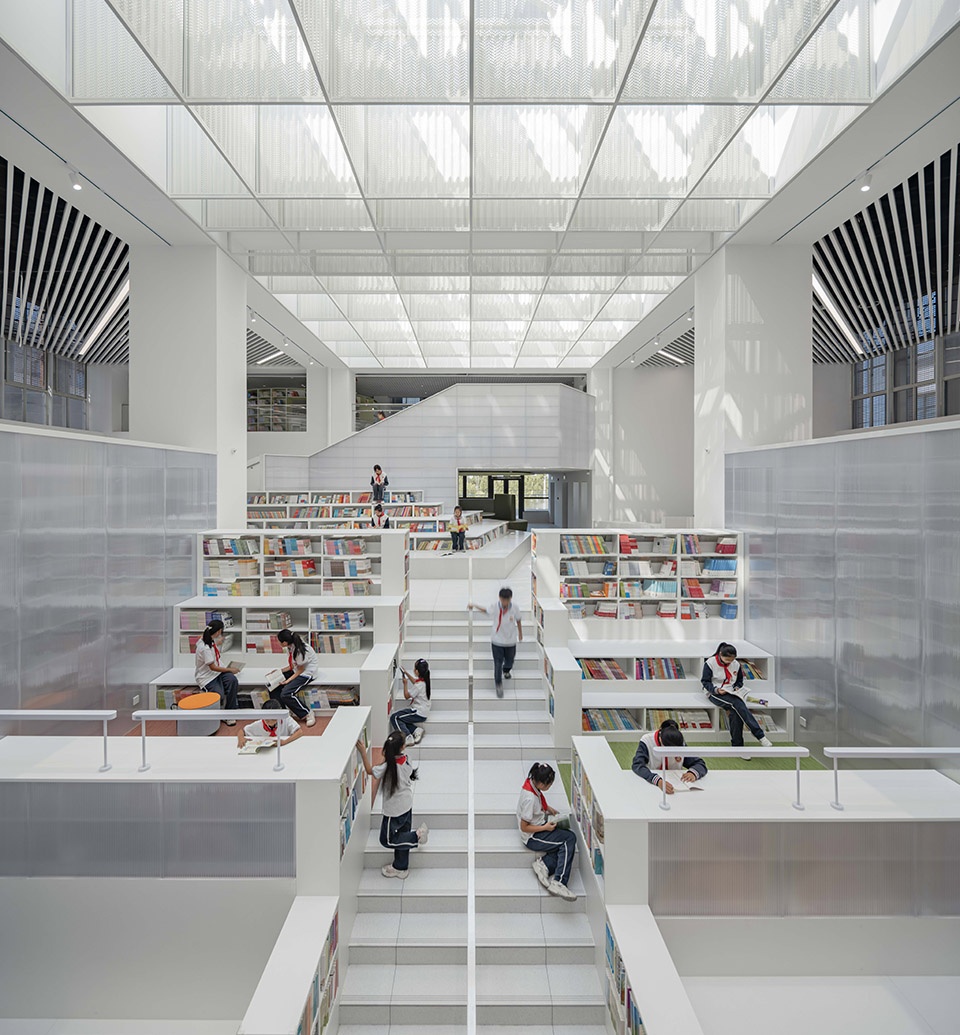
对我们来说项目不分大小,也不分室内室外,关键的是其背后是否有可挖掘和发挥的社会意义。比如上音实验鹤壁分校是在一个四、五线城市,这所学校已经聚集了当地最好的资源,但是由于区域发展滞后,即使有好的投资,能不能做出一流的图书馆设计也是很大挑战。我们聚焦在最基层的地区做出一个世界水平的东西来,因为好的公共图书馆对那里的孩子更有心灵上的打动。如何把社会意识植入到建筑创意中,让有品质的空间更加平权化,让弱势群体能够享受到好的空间,这是空间正义所要追求的。我们一直坚持不懈地在可控的项目里寻找实现空间正义的机会,例如我们做的北京胡同改造项目或多或少与这种理念有关,每个设计都追求可复制的解决问题的模式,而不是玩酷。我们更希望将这种理念拓展到方方面面的设计机会中,全域化地介入到社会生活。
For us, projects are not distinguished by size or indoor/outdoor settings; the key is understanding the underlying social significance of the project. Take for example, the interior design of the library at the Experimental School Hebi Branch, a 4th or 5th-tier city. In such a remote location, it’s already one of the best schools locally, attracting the best resources. However, due to its relative remoteness, even with a good investment, it can hardly achieve a good design quality. We concentrate on delivering world-class solutions at the grassroots level because exceptional public libraries profoundly impact the children in those areas. Integrating social awareness into architectural innovation to make quality spaces more inclusive as well as ensuring that disadvantaged groups can enjoy excellent spaces, embodies the pursuit of spatial justice. We consistently search for opportunities to realize spatial justice in manageable projects. For instance, our Beijing Hutong renovation projects are somehow related to this philosophy. Each design prioritizes replicable problem-solving approaches over mere aesthetics. Our goal is to expand this mindset across various design opportunities, comprehensively engaging with societal life.
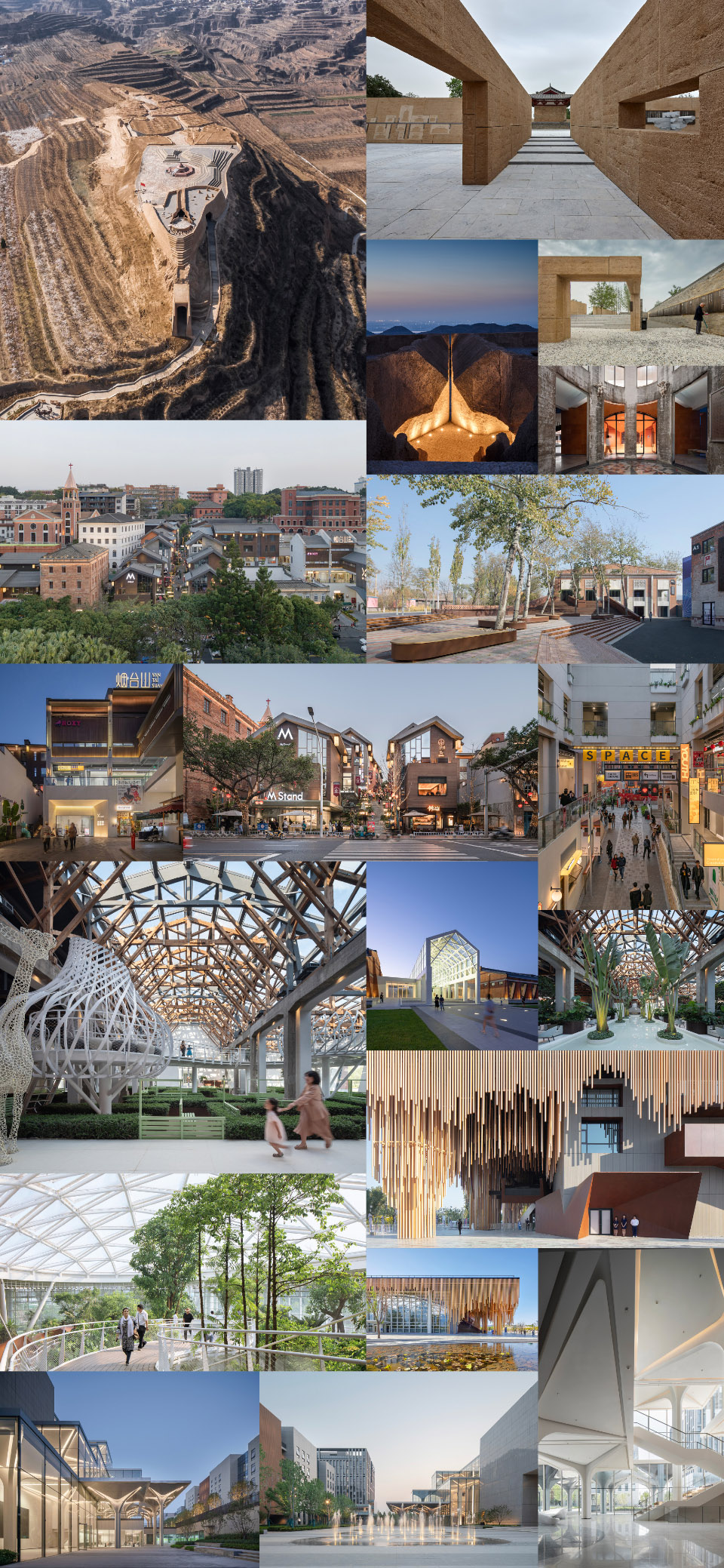
▼都市实践北京事务所团队部分代表作品,Part of the projects by URBANUS Beijing Studio
_________
谁的城市更新
Urban renewal for whom
3.
您如何看待城市更新与改造这类项目?
What do you think of urban regeneration and renovation?
“谁的城市更新”是一个比较敏感的问题,因为城市更新说白了就是城市空间利益的再分配,它总是有针对性的对象,例如:原住民、原来的商户等等,都面临着谁得到、谁失去的问题,其实这是我选择项目时最敏感的一个关注点。
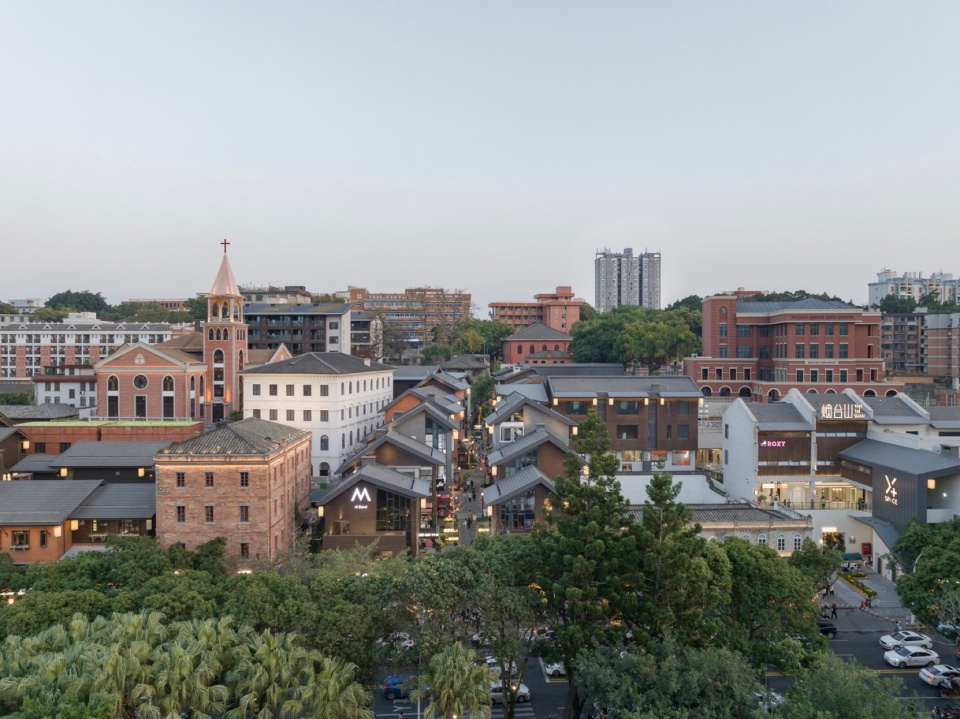
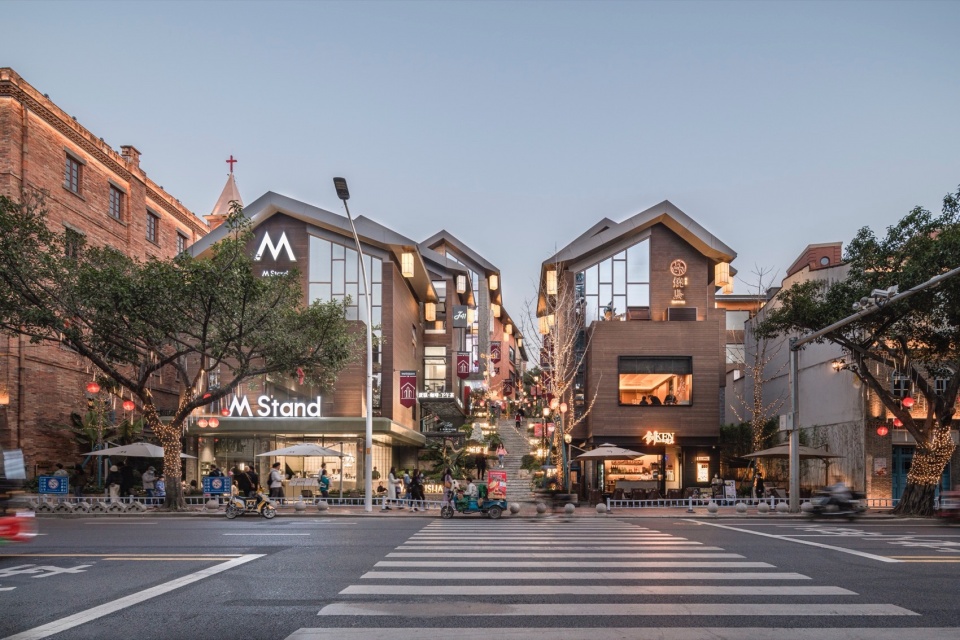
以烟台山、鼓浪屿、东贸库项目为例,首先的问题就是谁的烟台山?谁的鼓浪屿?谁的东贸库?比如烟台山,如果用政治正确的方式来说是为原住民了。但是现在社会发展这么快,有那么固定的原住民吗?所以这个时候,不能只看当地现有的居住人口,而是去想如何在更大尺度上借助这个城市级的项目,把烟台山的辐射力再往前推一步,形成更大的消费客群,带动整个城市的升级转型。
“Urban regeneration for whom” is a sensitive issue as it entails the redistribution of urban space interests, often targeting specific groups like local peoples or original merchants. This raises questions about who gains and who loses, making it a critical consideration for me when choosing projects.
Take the projects in Yantai Hill, Kulangsu, and Shenyang Dongmaoku as examples. The first question is, whose Yantai Hill? Whose Kulangsu? Whose Dongmaoku? For instance, regarding Yantai Hill, if we approach it from a politically correct standpoint, it’s for the indigenous population. However, with rapid societal development, are there still existing original local populations? At this point, we shouldn’t just focus on the current local residents but rather think about how to leverage this city-level project on a larger scale. We should extend the influence of Yantai Hill, attract a broader consumer base, and drive the overall upgrade and transformation of the entire city.
▼福州烟台山城市更新及池后弄地块建筑设计,Urban Renewal of Yantai Hill and Architectural Design of Chihounong Plot, Fuzhou 2023
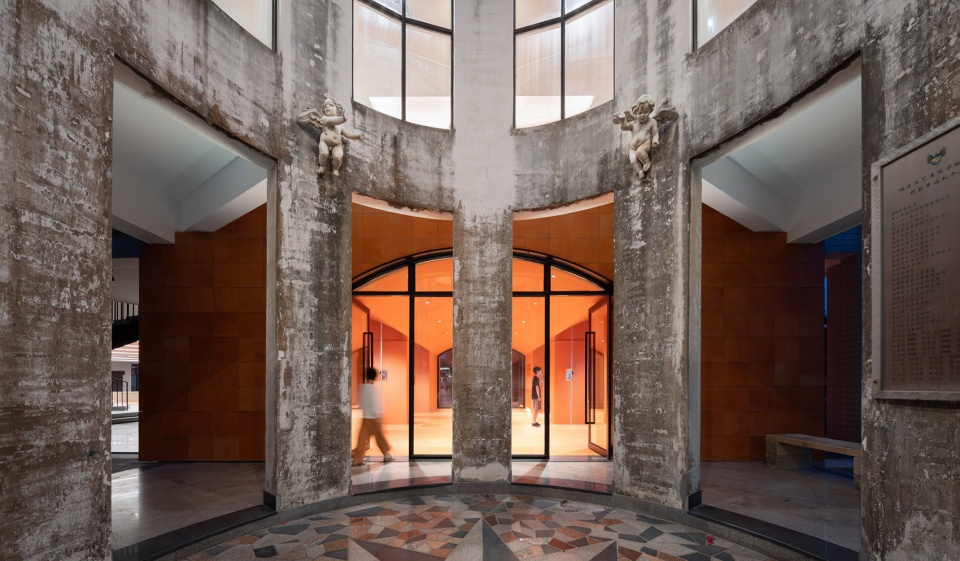
鼓浪屿在申遗以后是不能够再进行大规模的改造和发展的。我们的项目位于鼓浪屿美院,老校区在师生人去楼空后需要被新的主体迭代。有这样一个新机会以后,我们想如何通过活化一个艺术社区,把临近的内厝澳码头也振兴起来,不仅仅是做好校园的内循环,还要疏通周边的外循环。
After Kulangsu being enlisted as a World Heritage Site, large-scale renovations and developments become restricted. Our project happens to be located in the area where the Kulangsu Academy of Arts is situated. With this opportunity, we aim to create an artistic community while revitalizing the waterfront area. Our goal is not only to establish internal circulation within the campus but also to foster external engagement and circulation.
▼鼓浪屿当代艺术中心,Renovation of Kulangsu Center for Contemporary Art
点击这里查看更多,Click HERE for details
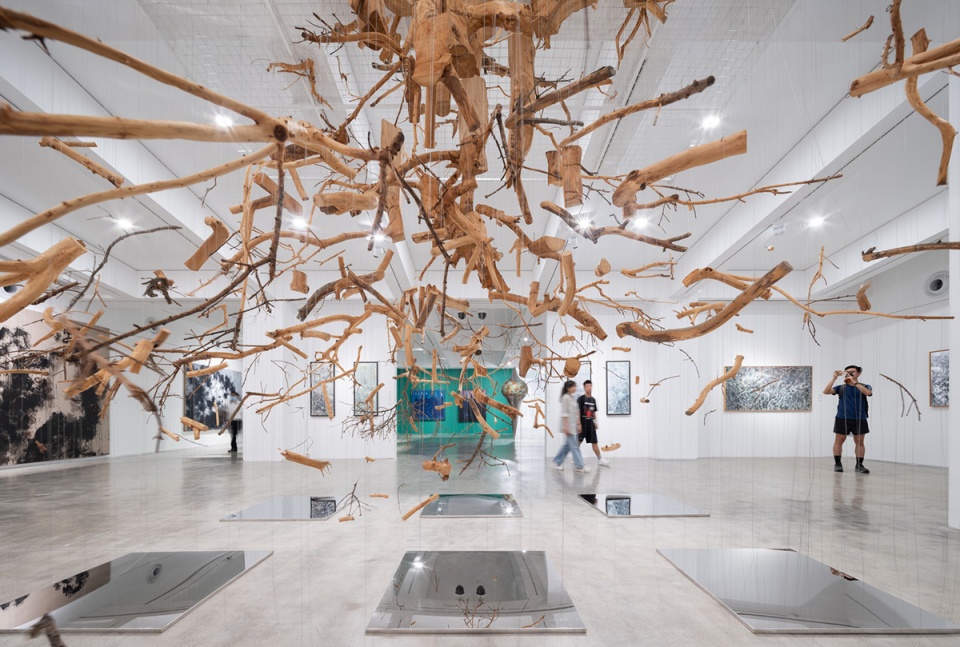
东贸库是另外一个情况,我们去了以后非常敏感地意识到,虽然周边老旧小区再没有本质性地提升其环境空间的机会了,但是如果把这个项目的公共空间开放给周边居民,就等于升级了他们的生活品质。所以我觉得做城市更新的第一件事儿,就应该去想“是谁的城市更新”。
Shenyang Dongmaoku presents a different scenario. Upon visiting, we became acutely aware that the surrounding urban environment cannot undergo further development. But if the public space of this project is opened up to the neighborhood, it will be an upgrade to their quality of life. Therefore, I believe the first thing to consider in urban renewal is to think about “Urban renewal for whom”.
▼沈阳东贸库改造,Revitalization of Shenyang Dongmaoku No.2 Warehouse
点击这里查看更多,Click HERE for details
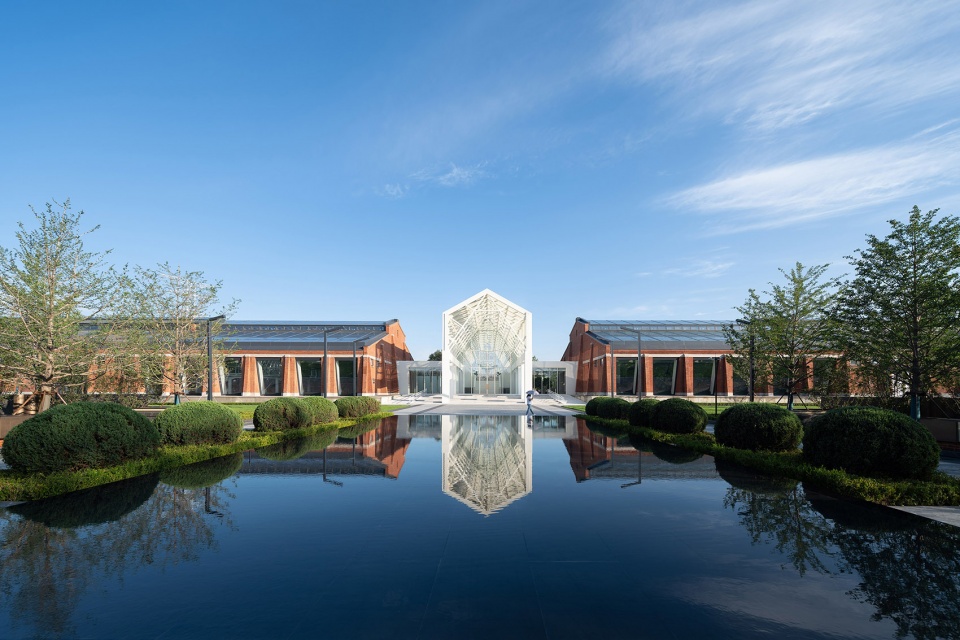
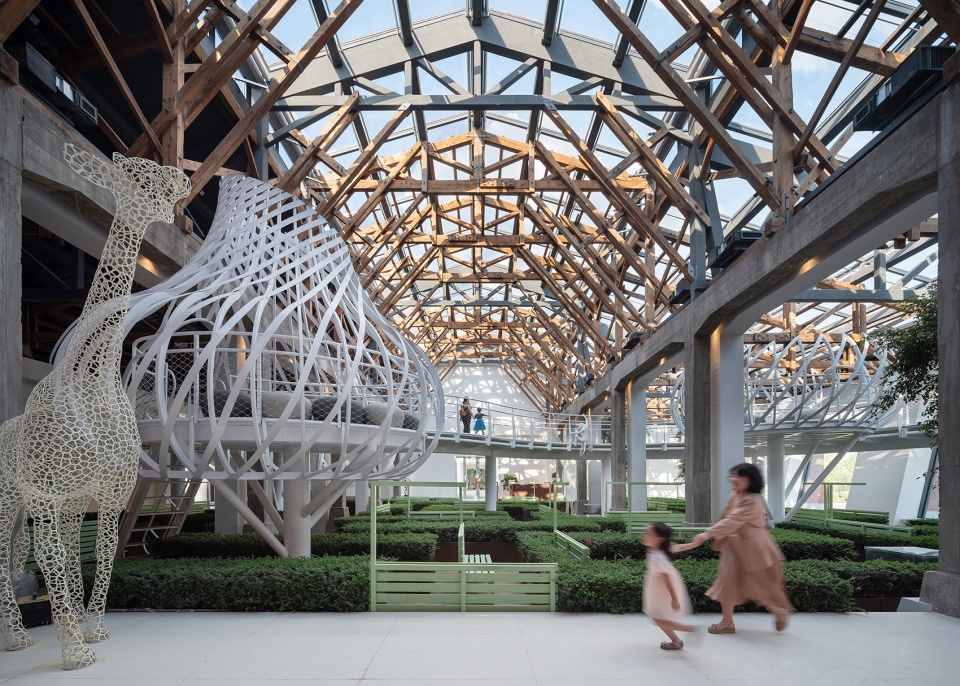
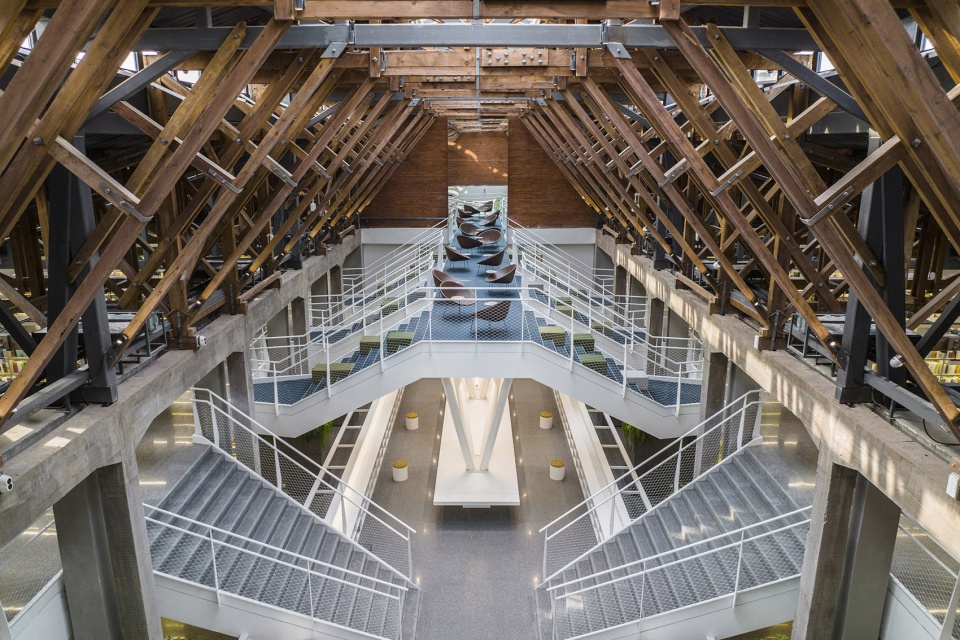
对于文化遗产,保护是第一位的,然后是再利用或者改造。活化要满足当下的使用要求,往往建筑本体条件在现行规范那儿不达标。在东贸库我们做了一个可推广的实验,通过结构置换,不把本体的木结构当作受规范约束的承重构件,这样就可以把本真的结构特点保留下来。我可以大言不惭地说,全世界木结构我保留得最好,因为以同等的规范来要求,要将一个根本不符合结构规范和防火规范的木结构能够保存下来,手段是非常有限的,一般做法是去加大木结构的尺寸,使之变成重木;或者通过碳化提高木构件的防火性能。这种结构改造,也改变了木构的形态。我们是巧妙地将木结构彻底从结构构件变成装饰构件,用新的结构来承重,才能把原建筑本真的东西给保留下来。
Preservation of cultural heritage is our top priority, followed by reuse or renovation. Take Shenyang Dongmaoku as an example, through structural replacement, we were able to retain its original structural characteristics. I can proudly say that we have preserved wooden structures better than anyone else globally. As with standard regulatory requirements, there are limited ways to preserve a wood structure that simply do not comply with structural and fire safety codes, such as increasing the size to heavy timber or enhancing fire resistance through carbonization. Such kind of structural transformation also alters its form. However, we skillfully transformed the wooden structure from a structural member to a decorative one, replacing it with a new structure to preserve its true essence.
▼鼓浪屿当代艺术中心 / 沈阳东贸库细部,Details of Kulangsu and Dongmaoku
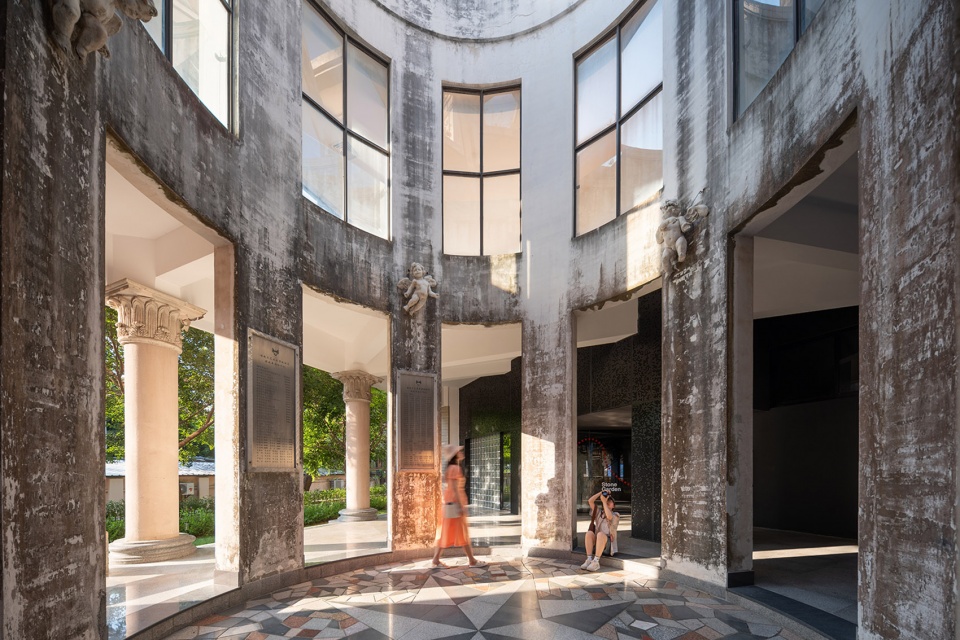
还值得一提的是我们学会了用全生命周期地去理解项目。通过深度参与,了解运营,反过来也理解了该设计什么,不该设计什么。这方面积累的经验,对我们下一个项目是有很大好处的。
总结为三点:第一,从空间设计角度来说,必须明确“谁的城市更新”;第二,要维护原建筑的真实性和完整性;第三:用全生命周期去理解项目。传统的建筑师角色只是为项目开了一个头,如何投入、引入、介入到后期的运营维护中,也是建筑师需要转换的新赛道。
Another significant characteristic is our approach to projects from a full life cycle perspective. Through operational insights, we discern what elements should be included in the design, what should be omitted, and where to create room for flexibility. Our deeper engagement post-construction also grants us valuable knowledge, especially in operations, which significantly benefits our future projects.
In summary, three key points emerge: Firstly, from a spatial design standpoint, it’s crucial to answer “urban regeneration for whom”. Secondly, preserving the authenticity and integrity of the original elements remains paramount. Thirdly, understanding the project comprehensively across its life cycle. The traditional role of an architect is merely to kick off a project. However, how to engage, introduce, and intervene in the later stages of operation and maintenance is also a new track that architects need to be involved in.
▼上海嘉定“现厂”创意园,Jiading “Now Factory” Creative Park
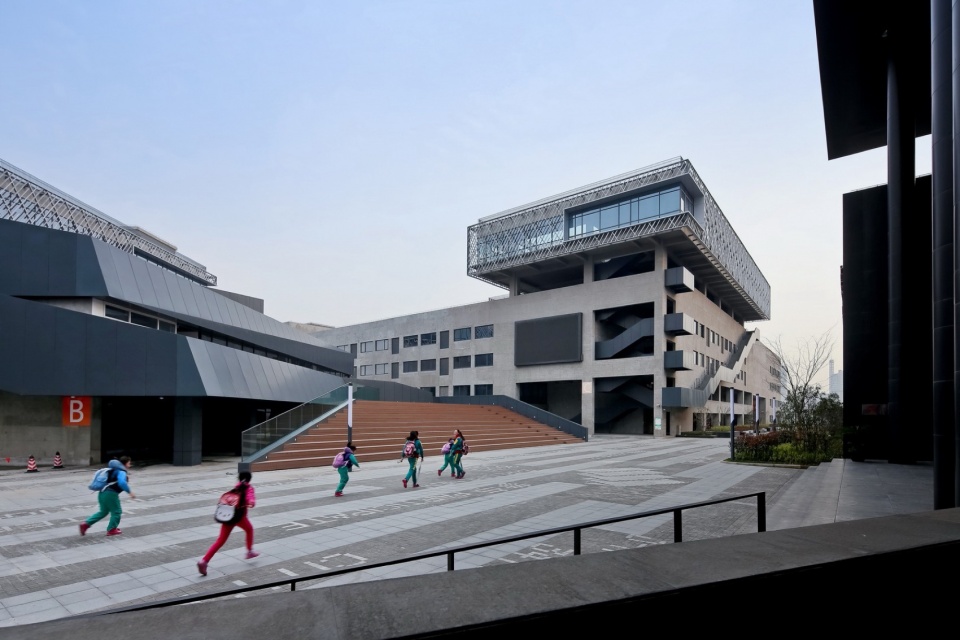
▼成府路150号,No.150 Chengfu Road
点击这里查看更多,Click HERE for details
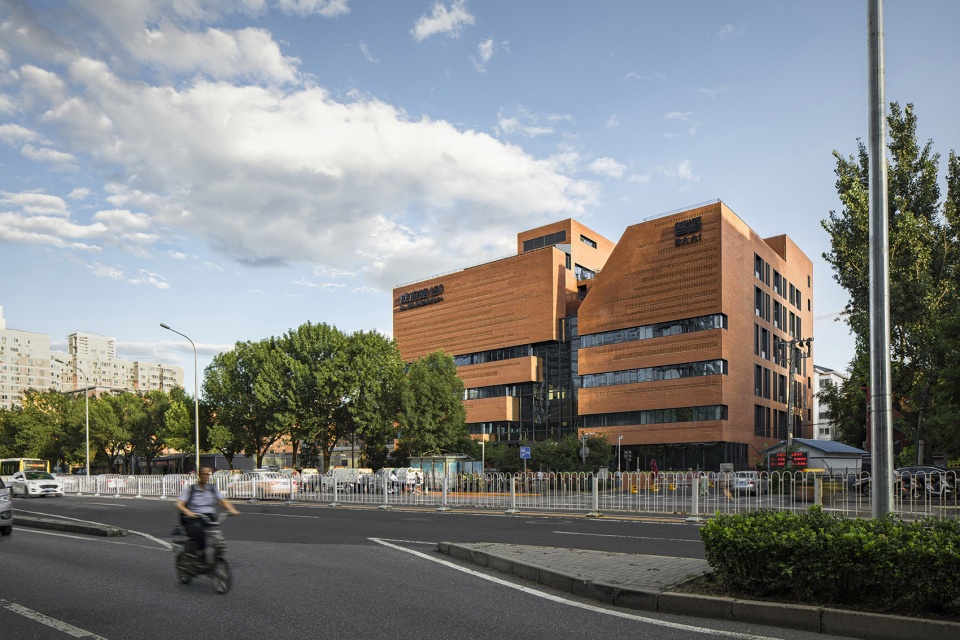
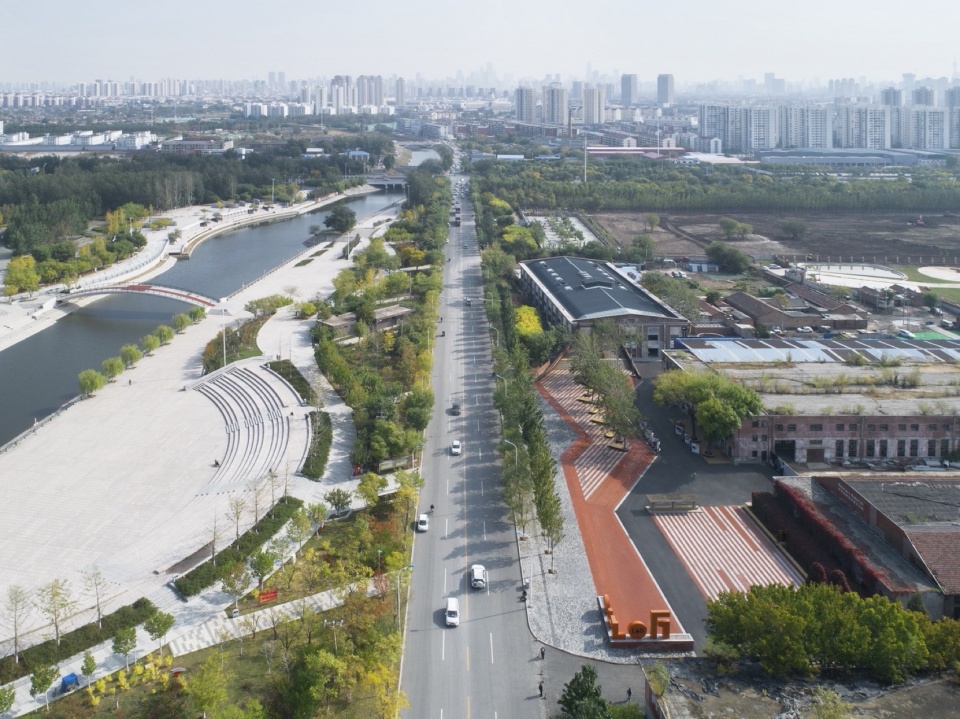
▼天津•京杭大运河创想中心,The Grand Canal Creative Center, Tianjin
4.
您认为在北京胡同更新中有哪些方面是建筑师应当去探索和坚持的?
What aspects do you think architects should explore and insist on in the regeneration of Beijing Hutong?
我们要做的是一种可复制的模式,探索如何把大杂院里的社群关系做好,把邻里矛盾给调和好,让人们生活得体面。这个是很重要的事情。胡同改造是设计热点,不同人会有不同的价值观。我们要坚持自己的底层逻辑,即我们的设计对于胡同中居住者的现实生活有什么实质性的意义,因为让他们能够与时俱进地在胡同里体面、幸福、自主地生活,是胡同能够延生的根本保障。
We aim to establish a replicable model, exploring how to cultivate strong community relationships within Hutongs, mediate neighborhood conflicts, and ensure dignified living for residents. This is paramount. Hutong renovation is a design focal point, with varying values among stakeholders. Our commitment lies in understanding the tangible impact of our designs on residents’ daily lives in the hutongs. We aim to enable them to lead dignified, happy, and self-reliant lives within the hutongs as well as adapt to modern needs as that is fundamental to their sustainable revitalization.
▼雨儿胡同杂院改造,Renovation of No.16, No.18 and No.20 Quads in Yu’er Hutong, Beijing
点击这里查看更多,Click HERE for details
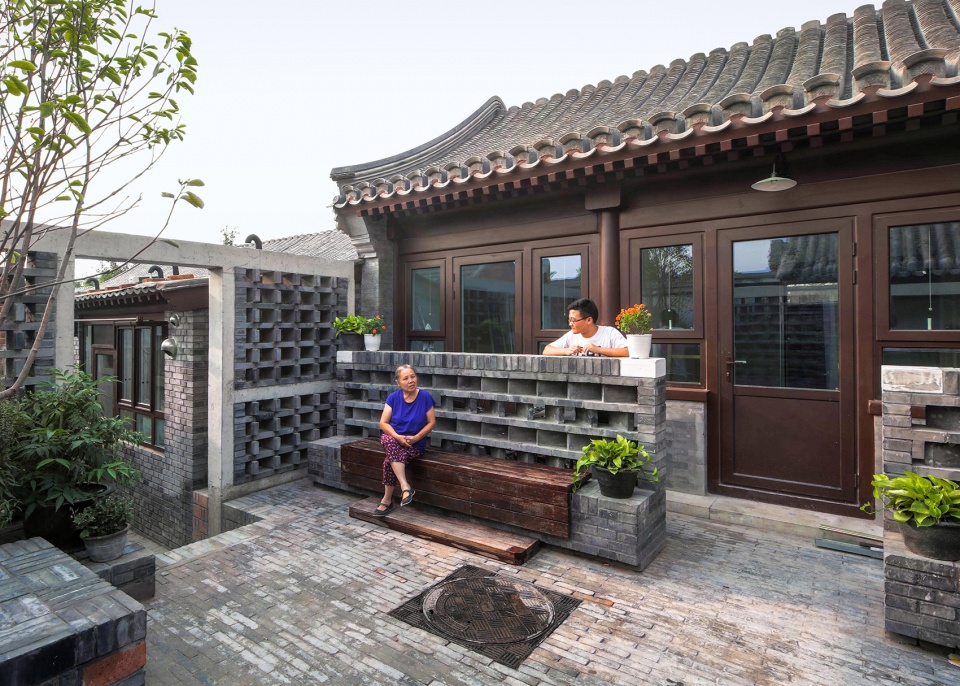
▼二合院,Two-in-one courtyard, Beijing
点击这里查看更多,Click HERE for details
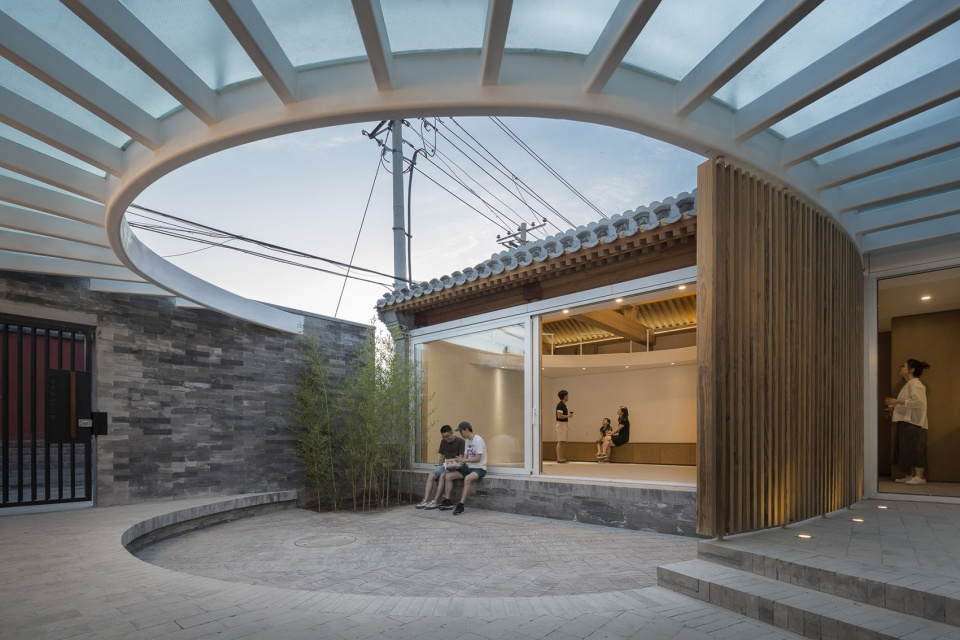
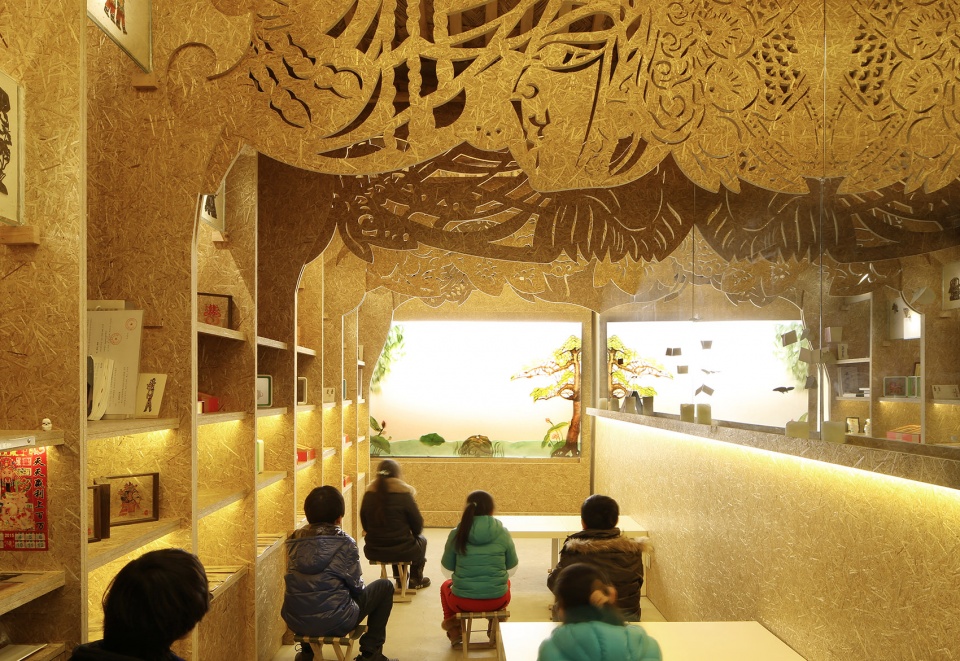
▼小蚂蚁皮影剧团,Little Ant Shadow Play Troupe
点击这里查看更多,Click HERE for details
_________________
活化文物 把历史带到未来
Revitalizing cultural heritage, bringing history into the future
5.
在西侯度项目中您是如何克服多重挑战,并通过大地景观手法创造一个神奇、灵性、哲理的场所,同时在设计中兼顾当代审美和遗址文化价值?
How did you overcome multiple challenges in the Xihoudu project and create a mystical, spiritual and thought-provoking place through a landscape approach, while taking into account contemporary aesthetics and cultural values of the site?
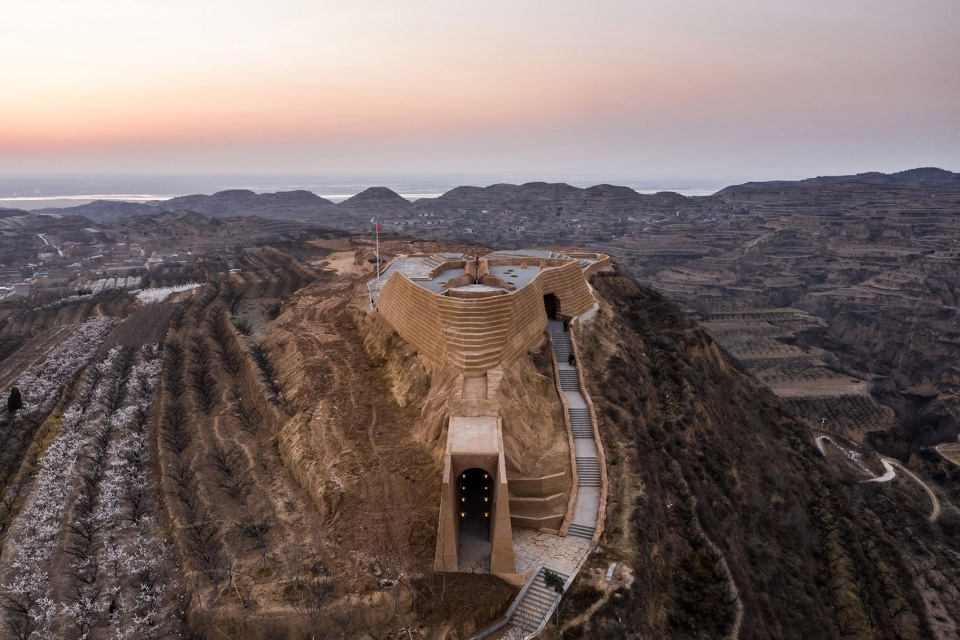
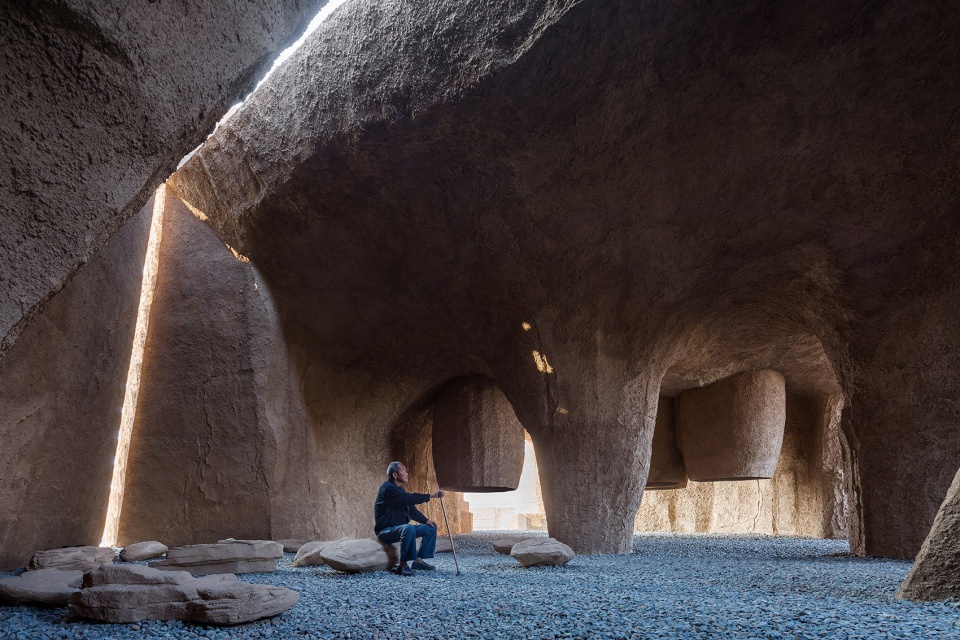
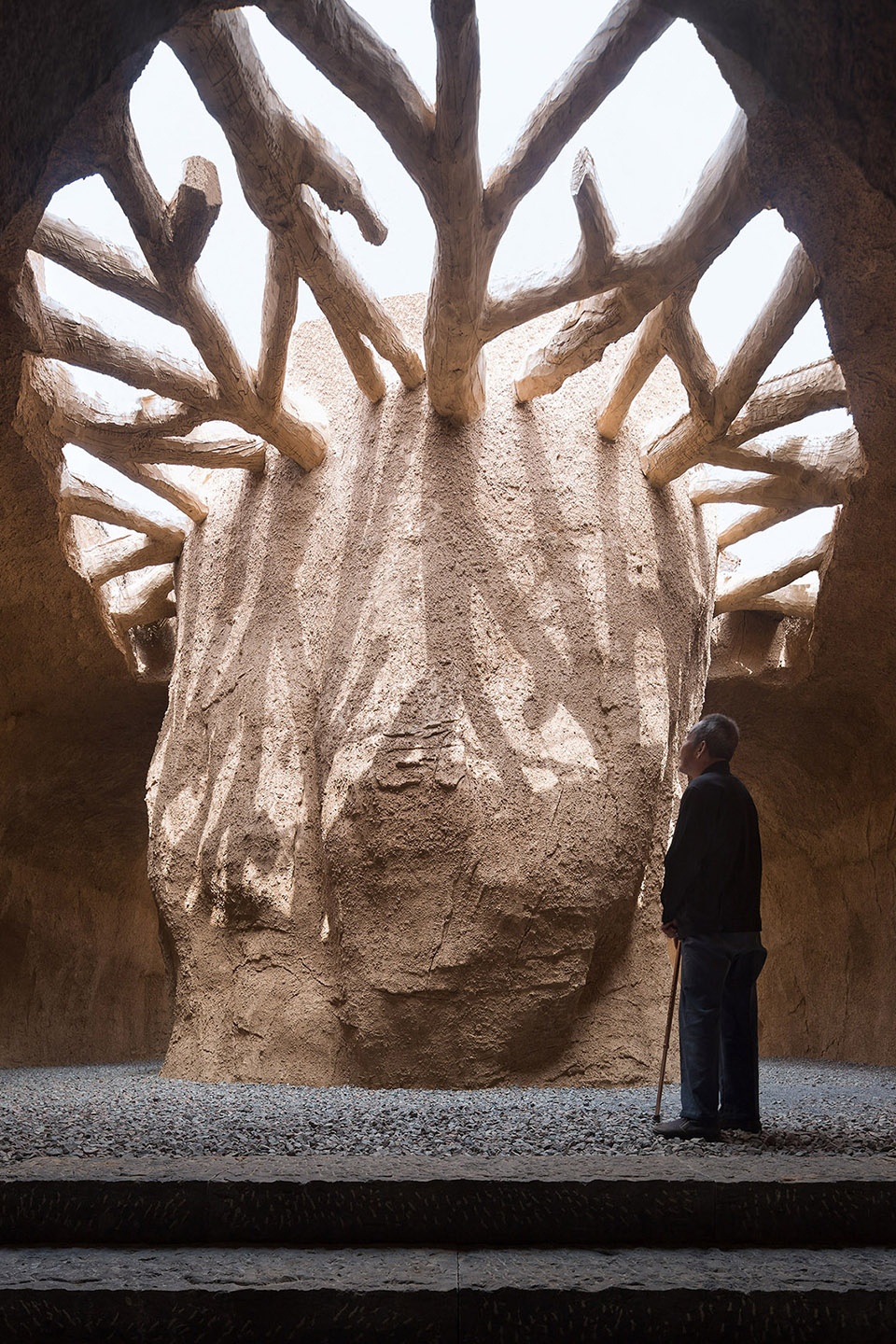
西侯度是全国重点文保单位。我看现场时意识到去整治之前做的广场太难了。但是当看到一个得天独厚的资源白白被浪费的时候,又激发了我作为设计师的责任感。建筑师在这个项目中组织能力是最重要的。同事总结了我平时爱说的金句,其中有一句是“我就不信邪”。我们面临着谁都没做过的工艺,在春节前一个月时,我召集了所有参与的施工分包方,要求必须得把入口那部分做出来,否则谁也过不成节。结果施工队特别争气,真的做成了这事儿。在一个偏僻的村子,用地方队伍达到了世界级的质量水平,还是很增强以后面对困难的自信力的。
Xihoudu itself holds significant importance as a national cultural preservation site. Upon visiting the site, I realized the immense technical challenges of completely revitalizing it. However, witnessing valuable resources go to waste sparked a sense of responsibility in me as a designer. At such moments, organizational skills become paramount. My colleagues distilled one of my most frequently spoken phrases: “I don’t believe in giving up.” A month before the Chinese New Year, I rallied all construction teams to ask them ensure the completion of the entrance area. The workers showed exceptional determination and successfully met all quality standards. In a remote village, using a local team to reach a world-class level of quality is still a great boost to the confidence in the face of difficulties in the future.
▼西侯度遗址圣火公园,Holy Fire Lit Place for the Second China National Youth Games 2019 at Xihoudu Archaeological Site
点击这里查看更多,Click HERE for details
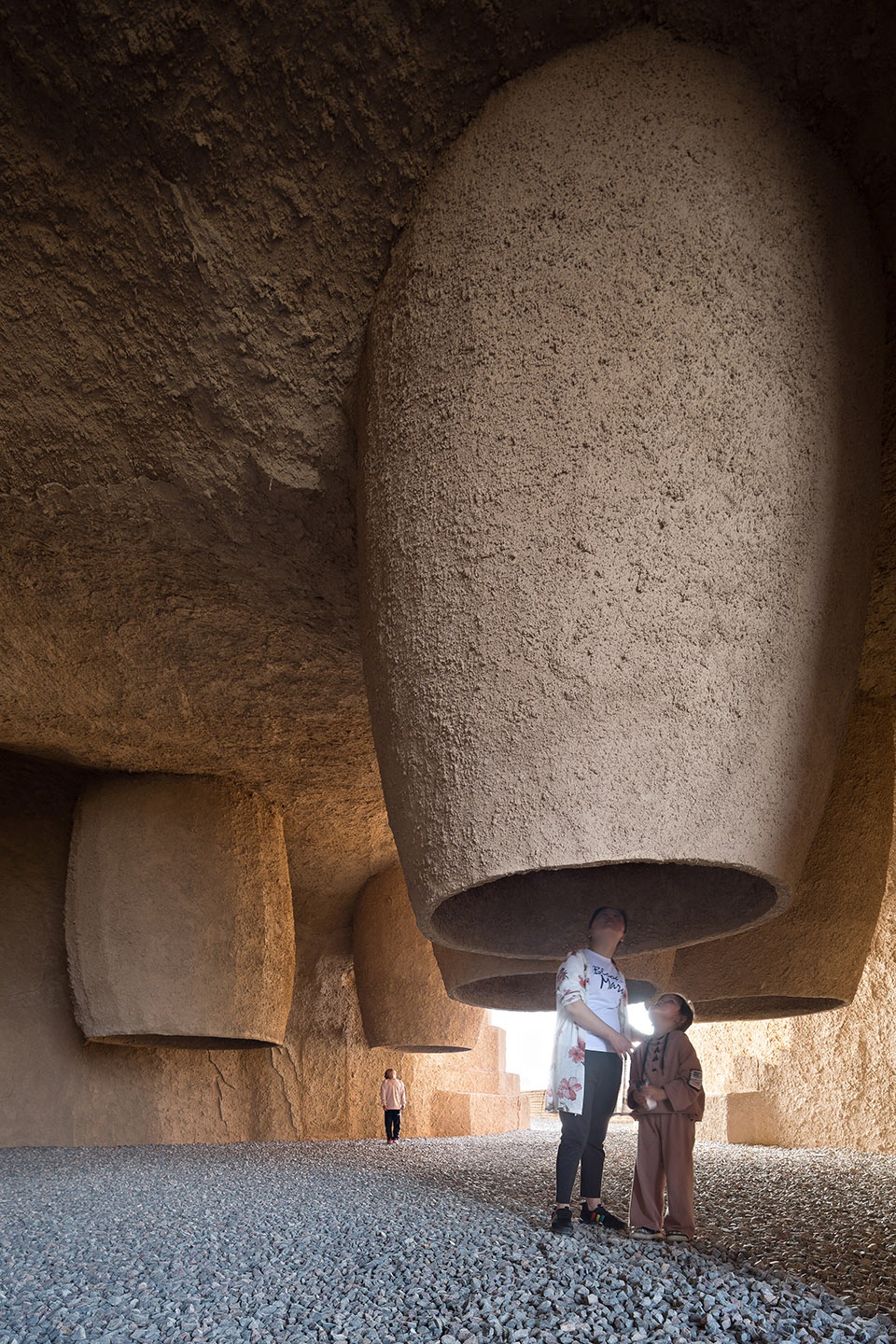
遗产活化要作价值判断,首先是美学价值,然后是社会价值、使用价值、技术价值,等等。所有遗产沉淀到今天,越多的历史信息,越多的冗余,就会让你感觉到有更多的意义厚度。当我们今天在说很多东西的美学价值的时候,不是指其物理的表面,实际上是在说“意义”,是对内涵的勘探。内容为王,假如没有内容,只是一层皮儿则没多大意义。
Heritage revitalization requires value assessment, starting with aesthetic value and then considering social value, utilitarian value, technical value, and so on. As heritage accumulates more historical information and complexities, it gains more depth of meaning. When we talk about the aesthetic value of many things today, we are not referring to their surface value but instead exploring their deeper “meaning,” which is an exploration of their content and essence. Content is king; without it, only a superficial layer with little significance remains.
▼山西运城五龙庙环境整治设计,The Design of the Five-Dragons Temple Environmental Improvement, Shanxi
点击这里查看更多,Click HERE for details
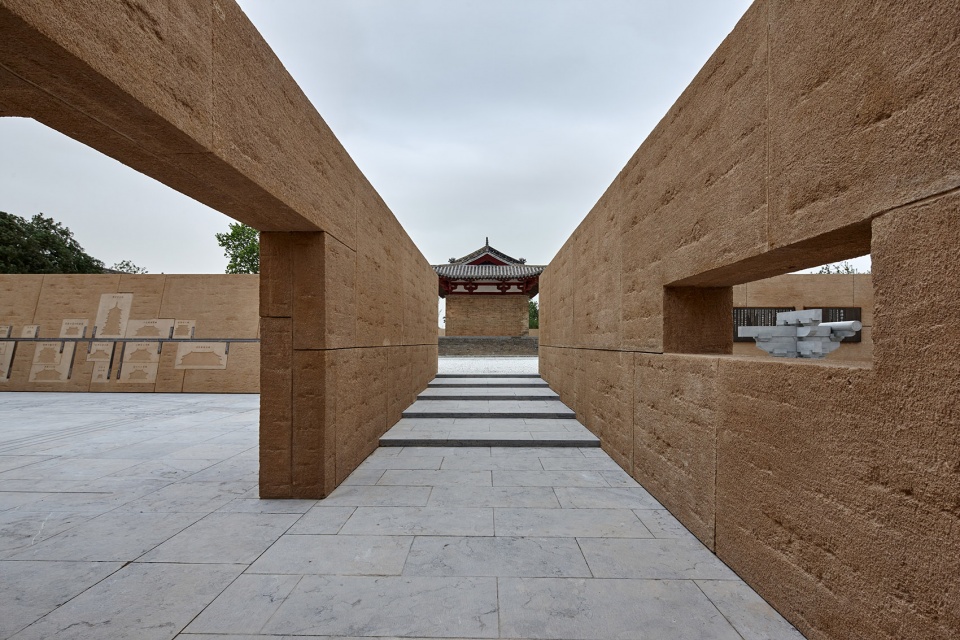
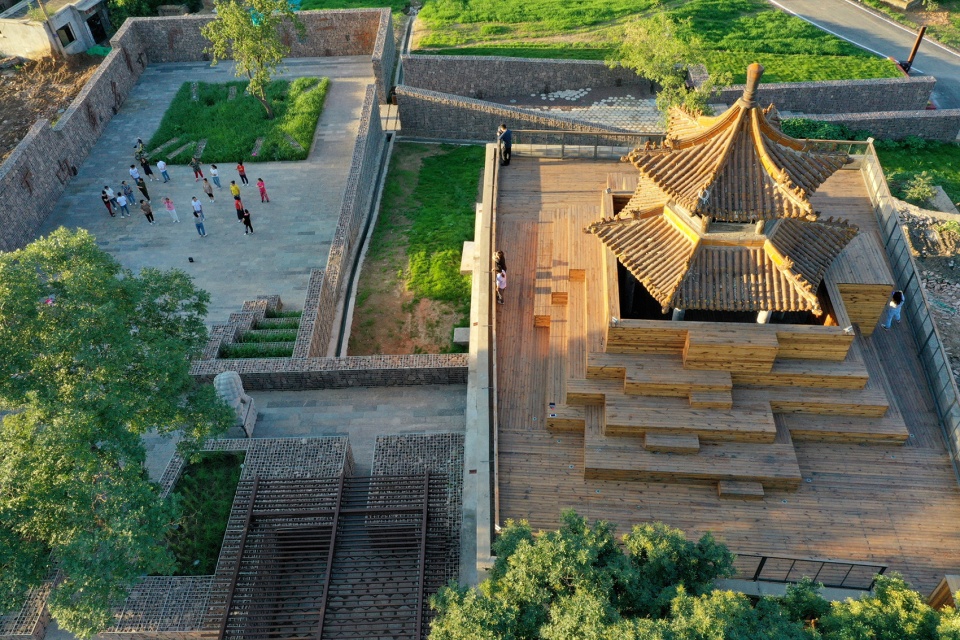
▼广仁寺前区环境整治设计,Environmental Upgrade of the Front Area of Guangren Temple
______
教学
Teaching
6.
您在国内外大学有丰富的任教经历,能否谈谈如今希望带给建筑系学生的知识和当年有哪些不同?作为中国资历深厚的事务所合伙人,在大学教授课程时您希望传达哪些独特的见解?
You have extensive teaching experience at universities both domestically and internationally. Could you discuss the knowledge you hope to impart to architecture students today and how it differs from what you learned in the past? As a seasoned partner in a prominent Chinese firm, what unique insights do you aim to convey when teaching courses at universities?
建筑是一个比较专业化的教育,它不像那些泛泛的通识教育,所以在学校教设计技能是不可或缺的。现在有很多学习条件对传统知识渠道有所弥补,比如学生获得的知识有相当大一部分来自于网络资讯。另外,现在也有更多的实习机会,这是获得专业技能一个很有效的途径。即使教学的条件不一样了,在正常的教育时间里给学生输入最有长期效应的事儿很重要,而不是让学生把主要时间用于自学或到外头去打工学习,这就本末倒置。
Architecture education is quite specialized compared to other general education. Therefore, universities primarily focus on instilling fundamental design perspectives and honing design skills, which are indispensable. There are more methods of learning besides the traditional way today, such as students being able to self-direct learning through online resources. Additionally, there are more internship opportunities available now, providing significant pathways for acquiring professional skills. However, the educational environment has evolved, with varying resources among institutions. I believe that faculty expertise is crucial. What teachers convey to students during regular instructional hours should remain the core focus, rather than students predominantly relying on self-study or external work for learning, which would prioritize the less essential aspects.
▼上音实验鹤壁分校图书馆室内设计,Shanghai Conservatory of Music Experimental School Hebi Branch Library Interior Design
点击这里查看更多,Click HERE for details
我上学期在昆士兰大学教设计课,也去参观了皇家墨尔本、墨尔本大学,不同学校也各有侧重点。比如在墨尔本的两所学校对基础内容的完成度、精细化程度要求还是挺高的。学校首先要培养学生这种扎扎实实能够做进去的本事,没有这本事的话,好多事就做不出来。这个本事十之八九得靠学校培养,学生不可能在一个工作场所里得到全面的教育。
我每两年在清华教一次八周的studio,我觉得再教他们传统基本功,也不需要我来。于是我就设计了特殊的教学法,通过课程设计来教孩子们怎么有意志力,希望这个训练对他们终身有益。到了澳洲,我是用中国的旧改地段,让学生在一个完全陌生的文化环境里去捕捉设计的切入点,这也是一个很重要的本事。
近四年来,我在中国科学院大学建筑研究与设计中心主持现代建筑理论课程,也获得了一个难得的理论研究和梳理机会,每年讲一个专题,从早期现代主义、现代主义盛期的乌托邦时代,到后现代主义,再到目前讲的1990年代如何展望21世纪,既使我个人对现代建筑有了一次更深刻的理解,也是面向爱学习的建筑师的一个系统化的现代建筑科普工作,收到了很好的反响。
Last semester, I taught a design course at the University of Queensland and also visited Royal Melbourne Institute of Technology (RMIT) and the University of Melbourne. Different schools have their own focuses. For instance, both schools in Melbourne place a high emphasis on the completeness and refinement of foundational content. Schools firstly aim to cultivate students’ solid skills that they can truly apply; without these skills, many things cannot be achieved. This skill is largely developed by the school; students cannot receive comprehensive education solely in a workplace.
Every two years, I teach an eight-week studio at Tsinghua University. I feel that teaching them traditional basic skills is unnecessary because they can learn those elsewhere. So, I designed a special teaching method to teach students how to have willpower through course design, hoping that this training will be beneficial to them for life. In Australia, I use old redeveloped areas in China to let students capture design entry points in a completely unfamiliar cultural environment, which is also a very important skill.
In the past four years, I have been leading the course of Modern Architecture Theory at the Center of Architecture Research and Design, University of Chinese Academy of Sciences. This is a rare opportunity for me to conduct a theoretical research. Each year there is a specific topic, ranging from early modernism, the utopian era in the heyday of modernism, to postmodernism, and now on how to look forward to the 21st century in the 1990s. Because of this well received class, not only have I personally developed a deeper understanding of modern architecture, but also have provided a systematic modern architecture syllabus for general public.
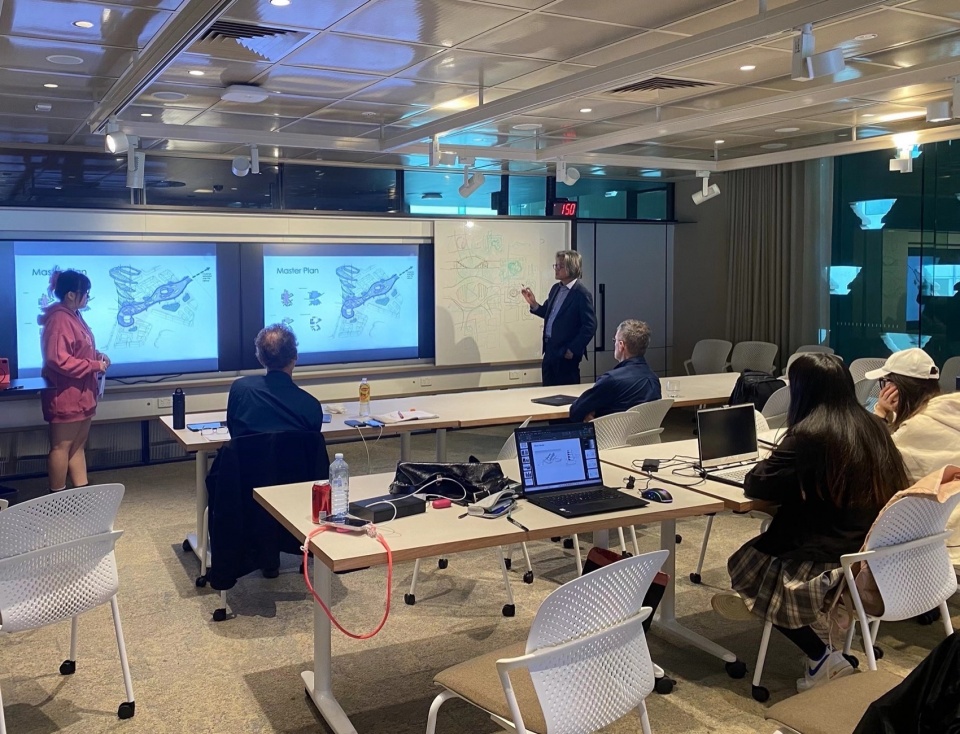
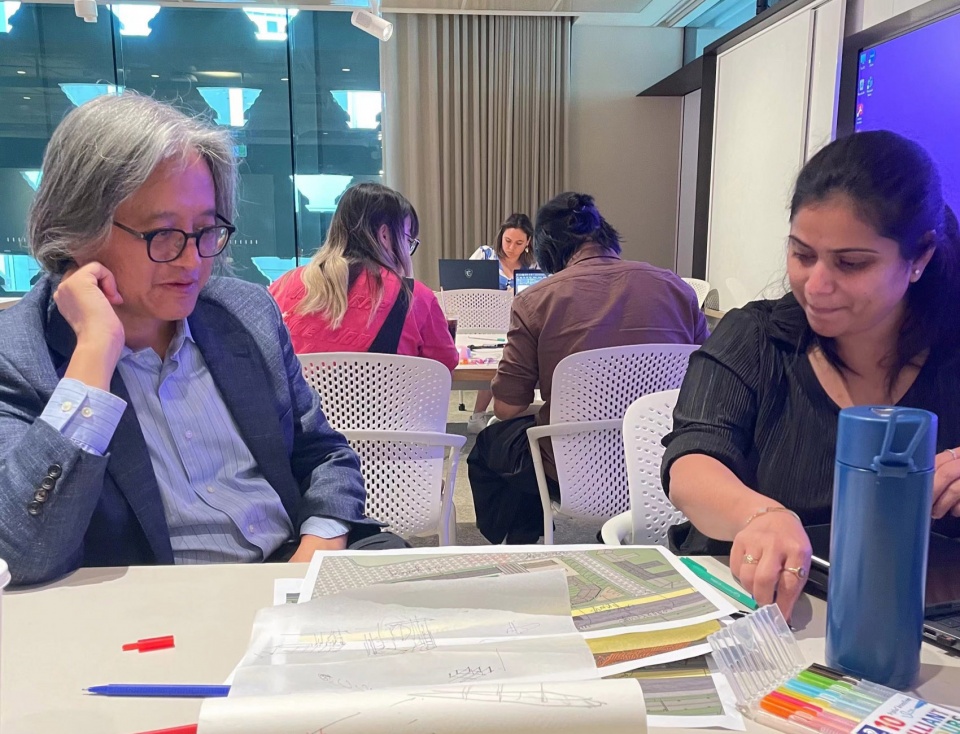
▼王辉在昆士兰大学上课时的照片,Photo of Wang Hui teaching at University of Queensland
7.
在2019年,您与我们的读者分享了十本关于“现代性”和“当下城市”的书单,在您看来“阅读”对建筑师来说意味着什么?您从阅读中获得的启示在实践中有哪些新的延伸?请您向gooood的读者们分享一下您最近阅读的书单。
In 2019, you shared ten books about Modernism and Contemporary City with us. What does “reading” mean for architects in your view? What new insights have you gained from reading that have extended into practice? Could you share with us your recent reading list?
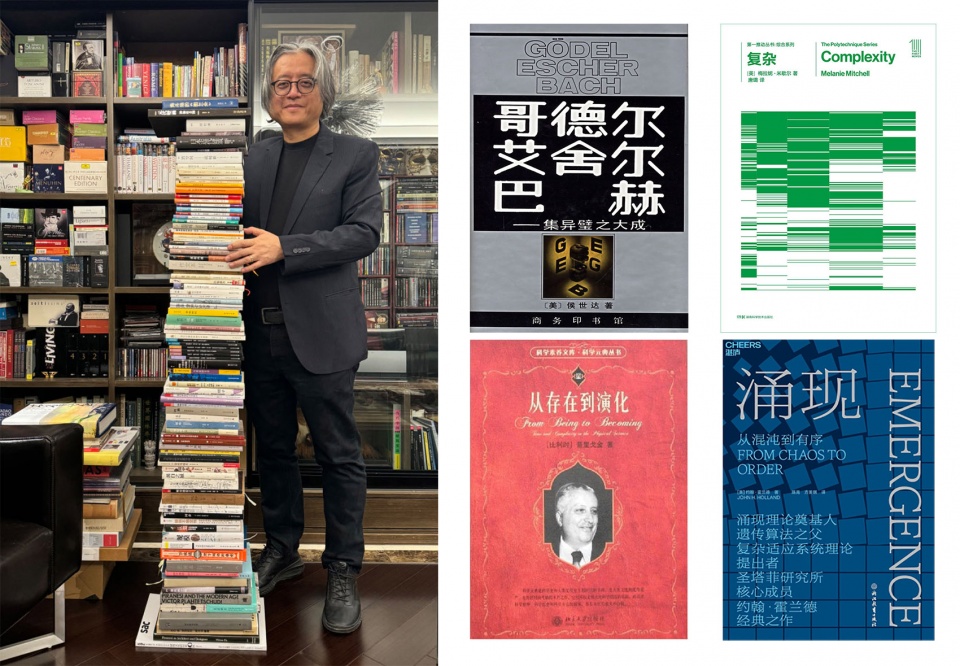
我每年读的东西都不太一样,比如我前两年聚焦在空间正义研究,读了很多跟正义论有关的书。去年我思考的方向是有自主生命力的城市与建筑形态与机制,读了很多跟“复杂系统”有关系的书。 比如:侯世达的《哥德尔、艾舍尔、巴赫——集异璧之大成》,这本书的理论很简单,就是无生命的东西如何变成有生命的东西,要靠一种运算。他讲了三个不同领域的人:数学家哥德尔,画家艾舍尔,和作曲家巴赫,他们的工作是研究如何把某种图式通过无限次的循环,在深度上无限次递归,形成越来越复杂的体系,最终能够把一个无生命的东西变成有生命力。
还有梅拉尼·米歇尔写的《复杂》,是关于复杂系统最科普的读物,讲解如何用复杂系统去理解各种各样的问题,不单是数学问题和科学问题,还包括社会学的一系列问题。这些看似复杂的问题里包含着一些简单规则,却能生成复杂的体系。再比如比利时诺贝尔化学奖得主普里戈金的《从存在到演化》和《从混沌到有序》,提出了“耗散结构”理论,研究系统要想生存下去,就要远离平衡态,与外界进行物质和能量的交换,克服熵增,从混乱转向有序。建筑作为一种复杂系统其实也是这样,它本质上是静态的,但它的使用是动态的,这为系统从一个死的东西变成活的东西创造了条件。
这些书给了我很多启示,我也是带着我手头工作中所遇到的问题去读书。书本中那些死的文字一旦和读者的思考产生共鸣,它们就被激活了。我会在书中找到在设计中直观使用的一些打法的理性解释,这给了我一些理论上的武装。
Each year, my reading focus shifts significantly. For instance, in the past two years, I immersed myself in spatial justice research, reading many books related to theories of justice. Last year, my focus shifted to exploring autonomous urban life, architectural forms, and mechanisms related to complex systems. For example, I delved into Douglas Hofstadter’s “Gödel, Escher, Bach: An Eternal Golden Braid”. This book’s theory is straightforward: it discusses how non-living things can transform into living entities through a form of computation. Hofstadter discusses three individuals from different fields: mathematician Gödel, artist Escher, and composer Bach. Their work involves studying how certain patterns, through infinite loops and infinite recursions in depth, can create increasingly complex systems that ultimately imbue non-living things with vitality.
Another insightful read was Melanie Mitchell’s “Complexity: A Guided Tour”, which delves into how complex systems aid in understanding diverse issues, spanning mathematical, scientific, and sociological domains. Using examples like cities or the human body, Mitchell explains how simple rules within complex systems generate intricate structures. I also explored Nobel laureate Ilya Prigogine’s works “From Being to Becoming” and “Order Out of Chaos” present the “dissipative structures” theory. It explores how systems must move away from equilibrium, exchange matter and energy with the environment, and overcome entropy to survive, transitioning from disorder to order. Architecture, as a complex system, follows a similar principle. While inherently static, its usage is dynamic, creating conditions for the system to transform from something inert to something lively.
These books have given me many insights, and I approach them with the problems I encounter in my daily work. When the seemingly inert words in these books resonate with the reader’s reflections, they come to life. I find rational explanations for intuitive design strategies within the books, which provide me with theoretical support for my work.
▼王辉老师推荐的有关“复杂系统”的书籍,Books on “Complex systems” recommended by Wang Hui
___
展望
Reflection
8.
您对当下行业的思考?
What’s your reflection on current trends of the architectural industry?
这个行业需要进行资源整合。我们从来不以项目类型来定义自己,所以我们也不是某一类型的专业设计师。但我们有更强的综合能力,以及整合资源的能力。比如我们可用的专家资源很多,可以为项目配置更全面的团队。非常遗憾的是我们能控制的设计费并不多,假如有更多的资金资源,我们其实能组成更强大的专家队伍。
这个行业其实是很残酷的,说白了就是非升即走。我们做了25年,既面临着发展、进步的瓶颈,也有自己的优势。最大的优势是过去二十来年在中国城市化风口浪尖上所获得的知识与智识。如何在已有的积累上再上一台阶,在更深层次上有所进步,需要判断如何做最适合自己做的事情。第一,客观上讲,我们可能比年轻事务所有更多的选择,可以说不,不适合我做的就不做了。第二,我们也会去在每个机遇里去认真思考找我们到底要挑战什么。
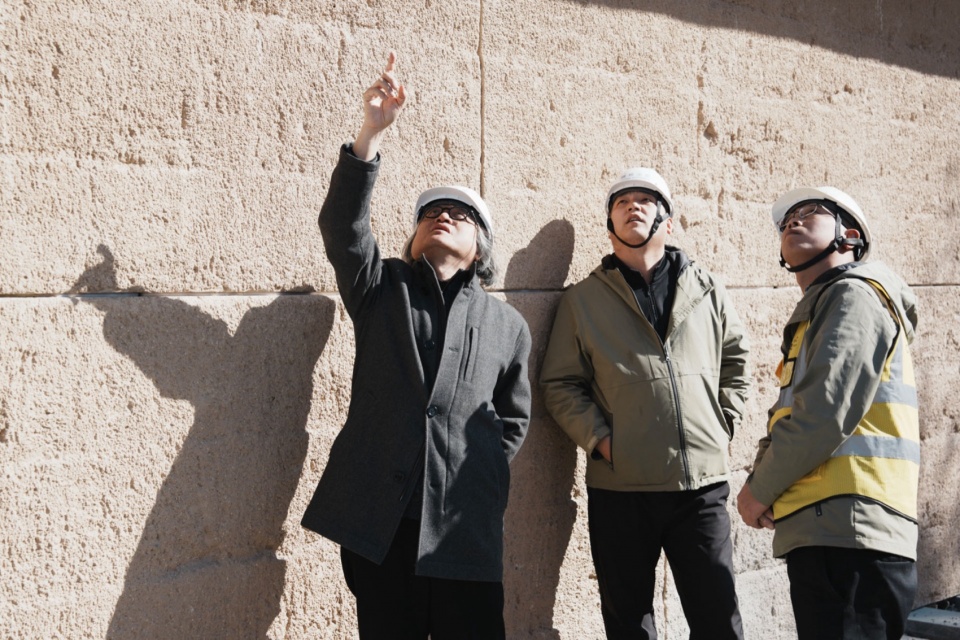
▼王辉工作时照片,Photo of Wang Hui at work
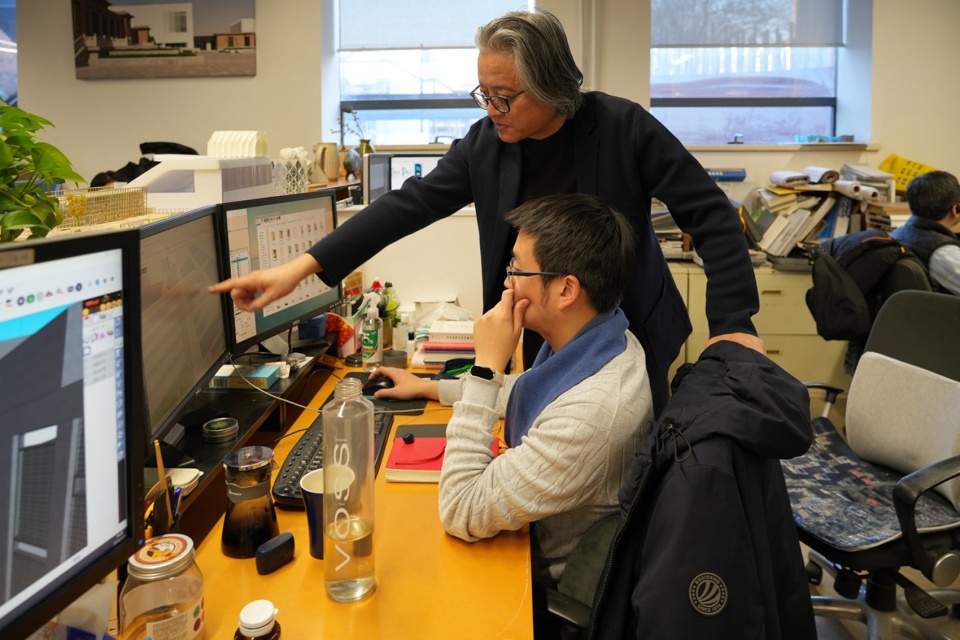
▼王辉于项目现场照片,Photo of Wang Huiyu at the project site
The architectural industry calls for resource integration. We never define ourselves by project types, so we aren’t specialized in any particular design niche. However, we excel in comprehensive capabilities and resource integration. For instance, we have access to a wide range of expert resources, enabling us to assemble highly capable teams for projects. Unfortunately, our control over design fees is limited. Had we had more financial resources, we would have built stronger teams of experts.
This industry can be quite ruthless, to put it frankly—it’s either move forward or move out. With 25 years of experience, we are facing with developmental bottlenecks of our own strengths. Our greatest advantage lies in the knowledge and wisdom gained from being at the frontier of China’s urbanization for the past two decades. To elevate ourselves based on our accumulated expertise and insights, we need to evaluate what projects align best with our capabilities. First and foremost, we may have more choices than younger enterprises; we can reject projects that aren’t suitable for us. We also take each opportunity seriously to carefully consider the challenges we want to pursue.
▼王辉,Wang Hui
More: 都市实践 更多关于他们: URBANUS on gooood
王辉老师还是比较厉害的,曾经2个小时的全英文课硬是安可了1h,到最后学院保安要来关教室了才结束。
展望中还是提到了吃到了行业发展的红利,比较幸运
DK
加油嗷
王辉老师是我见过最温文尔雅的建筑师,设计手法犀利干净,直击主要矛盾。汇报时逻辑清晰,节奏紧凑,有条不紊。而且王老师早已过不惑之年仍然对设计抱有热情,对社会充满了责任感,保持着年轻人一般的家国情怀,不苟且,不妥协,不谄媚。希望以后能够再有机会和北京Urbanus合作。
那不如就转型ESG咨询吧
HH
我建议你早点离开建筑行业