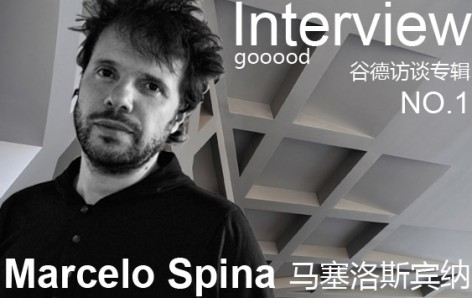
gooood团队采访世界各地的有趣创意人,欢迎您的推荐和建议。
第一期为您奉上的是Marcelo Spina。gooood team interviews creative from all over the world. Your recommendations and suggestions are welcomed!
gooood Interview NO.1 introduces Marcelo Spina.
▼点击下方观看视频,click to watch the video
Interview
gooood x Marcelo Spina
作者:王耀华
Marcelo Spina不是什么大师,没有什么大奖项的光辉头衔,没有国内很多年轻建筑师动则十几个的建成作品,没有成千上万的在商业上的成功和收入,没有几十个员工的规模浩大的事物所,没有建筑上的伟大革命口号,没有镁光灯下的日以继夜的风头。
他所关注的建筑点可能很小,构造,几何,都是一些非常具体的东西。他做的建筑的尺度在我们国内看来也可能很细微,装置,小画廊,在中国的大象级项目前就是只小蚂蚁。可是他所有的就是这份安静和执着。同时,他不孤独。与他一起的是西方一大批这样的默默无名,至少没有很大噱头名气的建筑师,但是非常认真于他们所感兴趣的建筑点,并且在他们感兴趣的建筑点上做的非常独到。他们的集体安静,滋养了西方建筑的金字塔,滋养了金字塔顶端发射光芒的”大师”们。
他们不适应市场,不愿意为了市场放弃自己的建筑追求,四五十岁的他们仍然在苦苦等待着他们的机会。他们是中国这个浮躁的建筑界的反例。他们就像王澍,不同的是西方建筑界有千百个王澍, 中国只有这么一个。西方建筑界对于王澍的陌生,就像中国建筑界对于Marcelo等这些人的陌生。王澍在2012年2月27号这天的咸鱼翻身,让西方发现了他们曾经如此陌生的角色。我们是否也要等待Marcelo这些人都咸鱼翻身后才去发现他们的价值呢?还是从今天开始就去了解这批踏实独特而安静的西方建筑师。希望中国有更多的”王澍”,希望中国今后更多的”王澍”们的建筑追求不同于现在的王澍,希望中国这些不同的“王澍”们也可以用他们的安静和踏实来滋养中国的建筑界。红花只能有几个,绿叶需要很多。
1.
请您向观众朋友们介绍一下您自己和您的事务所好吗
Could you please introduce yourself and your office to our audience?
好的。我叫马塞洛斯宾纳,是事务所的合作人之一,另一位合伙人是乔治娜哈吉。介绍我们事务所的最好方式就是谈一谈我们在做些什么。我认为我们这一代建筑师现在身处数字时代,我想甚至超越了数字,正在向材料形式和材料形式的实现方面进军。即设计包括材料研究、原型、雕刻和安装在内的一切东西,但是最重要的还是建筑。这可能使得我们事务所所在这个数字时代显得相对比较独特。因为我们既能在计算机、电脑编码、数字工具等技术领域内伸缩自如,又能解决建筑形式尺度、城市尺度等方面的问题。所以我觉得我们是在把计算软件、制造工艺和技能等数字技术,与构造学和材料学中长期形成的观念融合在一起,来寻求一种精细的建筑形式。
Okay, so my name is Marcelo Spina and I am one the two principal partners and the other is the best way to introduce our office would be to talk to talk about what we do, I think we belong to a digital generation and I guess from having moved beyond the digital and moving towards material form and the realization of material form ..namely everything that goes from material studies, prototypes, sculpture and installation but most importantly building and this what probably kind of made us relatively unique in that generation in terms of being able to move back and forth between, lets say the world of the computer, computer code, digital tools some techniques all the way to able to address from building form and urbanity, civic scales and so forth. So I guess we are infusing digital technology both computation software but also fabrication tools and techniques which long standing ideas of tectonics and materials and all of it in pursing in kind of refined type architectural form .
2.
我们注意到最近您的事务所做了很多与极小曲面相关的项目,这是为什么呢?
We notice that recently your office did a lot of projects relate to minimal surfaces, why?
最初我们是对曲面感兴趣,而不是极小曲面。从技术上来说,我们并没有真正使用很多的极小曲面。按照我们行内的说法,它更像是马鞍表面。这两者之间由少许的差异,但确实是由差异的。它是从在建筑物内制造我们所说的更多的紧张感这一兴趣扩展而来的。感慨是的时候它更像是既定项目内的一种特殊的过渡时刻,或者是具有更多的紧张感,或者是更多的的拐点;要么有一个内核或者外表面,要么有切入点或者对角连接等等。对你们所说的极小曲面或者马鞍表面的兴趣始于双曲面抛物面,我们在几个项目中曾经使用过这种极小曲面。从根本上说,使用极小曲面是因为这样的表面可以用相对简单的方法,即用直线做成,而且能产生较大程度的扭曲变形,所以是非常经济实惠的。通过使用直线,你可以在建筑物内获得最大数量的变形和倾斜。尤其是更具我们的经验,它们对一些人所经历过的那种不稳定性产生了巨大的影响,这是极小曲面吸引我们的一点。
还有一点就是,我们从垂直转向平行式,重力始终是不变的。然后当我们去体验建筑物时,当这样的事情发生时,分开的部分会给人一种与众不同的感觉,从较大的层面来讲也是一样的。就像是质量漂浮在空中一样,或者像是拥有一根悬臂梁,这实际上会产生更多的可塑性,就仅仅是因为拥有了这样一个曲面。然后在你的建筑物里再加上一些穿孔或者其他东西来形成穿刺,这样就会产生一些其他的维度,例如深度等。我认为绩效曲面的使用暗示着一种对形式与空间的较高程度的意识。希望这会让你们大概了解我们为什么会被这些东西所吸引。
Well we are interested in surfaces first, not really minimal surfaces, technically we don’t really use that many minimal surfaces its more like saddle surfaces that the way we call it .Its a little bit of a geeky difference but still a difference. It spans from the interest in producing what we call moments of more tension within buildings. In the beginning it was more like kind of exceptional moments of either transition or either more tension or more inflection within given projects, either they would an inner core or outer surface, entry points or diagonal connections and so on. Later ,we start to prioritize those things in order to understand volume and mass that are being made with surfaces as well and the interest on what you may call minimal surfaces or saddle surface that started from the hyperbolic paraboloid and that we have used in a few projects and basically stems from the view that these surfaces are made with relatively simple means, meaning with straight lines and they produce a high degree of distortion and so with very economical means lets say straight lines. You can get maximum amount of distortion and deflection within the building and especially and experientially they have a huge amount of effect in terms of the instability that one experiences and one related to them , and that something we are attracted to.
And another idea is that, we go from vertical to horizontal and gravity still doesn’t change and then divided experiences some sort of like, well sort of like a different feeling as one gets to the towards the experience of a building when something like that happens and the same at larger labels and so on, like mass levitates or have a cantilever that is actually even made more plastic but with the presence of one of these surfaces and then add perforation or other things that address some punctures in your building so it produces some other dimension such as depth and so on. I think it implies some kind of higher awareness of form and space. So that probably give you a summary of why we are attracted to these things.
3.
我们还注意到,你们进行了很多的装置项目。你们是否会将这些装置项目看作是一种实验?同时这些试验和你们的建筑项目之间会否有所联系?
We also notice that you did a lot of installations; do you see them as experiments? Is there any connection your installation projects and building projects?
是的。我们所做的每一件事都多多少少会有些关联,因为我们想多多涉猎,就像我身后你们所看到的一样。我们去时有一些这样的东西,这是很重要的,我们既把它看做项目内的部分又把它看做项目来做。当有展览,安装或者雕塑品时它们就会起到作用了。所以我们在尽力从事这个事情,但是他们还有另外一个功能,需要我们用材料来进行试验,而这通过建筑我们极有可能是无法做到的。如果犯了错误我们能承担起后果,我们还能够冒更多的风险,使用更多的材料。但在建筑项目中,我们可能就不太确定材料是否能被使用,能否以这种方式来使用。
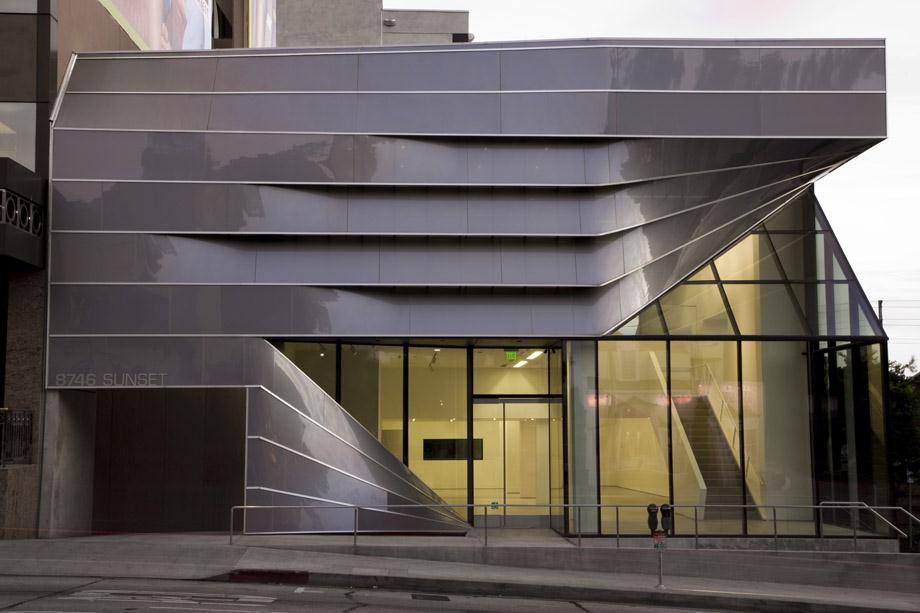
既然安装是一种非常费时间和难以捉摸的事情,所以当我们能够做到的时候,我们就尽力去做并进行投资,因为我们也得到了回报。例如,我们塑料和符合材料的兴趣就始于我和我的合伙人在学校里所教授的课程,我们所从事的安装使用是真实的材料,并对其进行加工。就像我身后的这些项目,他们都是FRP或者强化聚合物,使我们为在纽约的拱形空间中举办的安装个展而做的。多亏了这些,我们才得以继续研究复合材料,不久之后,我们在西好莱坞得到了一个项目,它稍微有点复合型,但实际上最后用的都是塑料。我们成功的用塑料制作了一个墙面,这是当今美国第一批这样的墙面,因此这是一种非常有趣的关系。距离项目开工前三年我们就开始实施了,就像是进行小型的实验一样。所以当时项目到手时,我们就不需要再进行试验了,因为我们已经对材料有了充分的了解。因为我们已经对材料有了充分的了解,在材料方面有经验,我们的制作者在处理相关问题上也有了一定的技术能力,这就是我们为什么喜欢做哪些事情。但是我们并没有把他们当成是进一步的实践,没有把他们当做重点。他们必须像工具一样能做一些直接应用于建筑时比较有风险的事情。
Yes everything we do , I want to say loosely there is a connection because we stuff like what is behind me ( see project) ; we to have this things around , it is important, we take them as both projects in and of themselves, they have functions when they there is exhibition or installation or a piece of sculpture so we try to address that but also they have another function which calls for us to experiment with materials and in a way that we probably could don’t do it through building and we can afford to make mistakes and we can afford to take on more risks and take on more materials that would probably not sure they could be use or the way they could be used in building.
And so when we can, since installations are huge time consuming and elusive business we try and invest in those because we get something back. For instance, our interest in plastic and composite started with classes that my partner and I were teaching at school so the installation we manage to be able to take on real material and do something about it and so these projects behind are FRP (Fibre re-enforced plastics) or fibre re-enforced polymers, that we did for an installation show in a solo show in NY arch space and then thanks to these we continue to research composite and shortly after that we got a project in West Hollywood which was slightly composite e but actually end up being literally plastic and we manage to do a facade out of plastic and so it was of the first facades in the U.S. that has present day composite so it was an interesting relationship that something that began like 3 years before the project started like with small experiments so when the project arrived we were not experimenting but we knew enough of the material because of out experience with the material and our fabricators with some techniques of how to deal with it so that is a little bit of why we like doing those things but we don’t think of them like as more practice you know, we don’t think of them as an end , they must be like vehicles to able to do things that would be risky to put directly in building.
4.
对于形式空间和功能的关系您是怎么看的?
How do you see the relationship between form space and function?
这是一个很大的问题。我觉得如果我们把自己归类,彻底细化我们的兴趣的话,那可能就是形式。然而我猜我们对形式的兴趣要远比很多美国的形式主义广泛的多,像彼得艾森曼和继他之后的其他人的传统观点。因此我们倾向于在一个更加宽广的意义上来思考形式,而不是仅仅把它等同于具体的物体。相比于物体而言更多关注形式,以及物体周围所有的环境包括文化,经济和围绕他而进行的实践活动。我们就像是那些通过特殊的方式把事物、建筑联系起来的人。所以我们往往会把形式看作是日常生活中一些硬核表演、硬核实践中的硬核功能的聚合物,对我们来说它都是一样的。
因此当我们想到这些表面能被利用时,我们实际上是在考虑缺少它们时会有什么样的可能性。例如,你能倾斜考到他上面吗?它会不会促进连续的空间中的一些关系。或者能够用一种更加不透明的方式来吧这些空间分隔呢?于是我们常常想去寻找一种好的形式。在一个更加重要的层次上,我们或许彻底地被一些关于功能的陈旧观念束缚住了手脚。比如说,我们真的对制造能发挥作用的东西感兴趣,他们起作用的方式超越了我们所认为的那样。不像是建筑是集体的经验,也不像是建筑师没有在哪里解释建筑物。这从根本上来说是一个人应该具备的一种集体知识。所以,一扇门必须看上去像一扇门,走廊必须起到走廊的作用,等等。
That is a huge question. I think if we were to pigeon hole our self as in expect to be completely narrow about our interest it would probably come down to form. But our interest in form is far more extensive than I guess many of American formalism , probably the traditional of peter Eisenman and others after him, so we tend to think form in a much more wider sense and not tjust equating to object but more form to object and all the context around an object including culture and economic and also the practices that is around it as well meaning like people who relate to things in particular ways and relate to buildings in particular ways. So we tend to think of form as a conglomerate of some hardcore functionalities in some hardcore performances some hardcore practices of everyday life and so for us is all the same.
So when we think about the surfaces doing something we are literally thinking abot what possibilities that may have beyond just the short of it. for example would you be able to lean towards it, would you be bake to see, would that be able to accelerate some relationship in-between to contiguous spaces or would be able to divide them in a more oblique way. So we tend to find a good form, more of an essential level, we are completely bounded by maybe some old fashion ways of functionality such as we are really interested in making things that work and that they work in a way that go beyond the way we think they should work not like architecture is collective experience and not like architects are not there to explain the buildings. So buildings be able to perform on there own on there own right. So this is basically the type of collective knowledge one needs to have , so a door has to look like a door, corridors should behave like corridors and so on and so forth . So what we do and even we have luck and we build it , many times not. You know it moves in that direction be bale to build something more or less iconic , more or less spatial , but there is also clearly mundane and benign aspect of how people should behave and should engage in the most basic sense , so its not an obstacle in people lives and it actually enhance life . So we see function and form as completely interrelated. We don’t drive form from program that is a slightly different story like music is derive from lyrics I would argue . Sometimes we would tend to illiterate or transform the content , the program, the lyrics you say if we use the musical analogy. Sometimes you get some interesting combinations through words, sounds different such as bands like Radio head or Bjork but you still get the message across, you get a slightly different message, you know the music is different.
5.
您的导师是谁
Who is your mentor?
我有好几个导师,在不同的阶段是不一样的。比如说,在设计智慧上,我有杰西雷泽作为导师。汤姆梅恩也是我的导师。一直以来,他的职业道德、理念、实践、对建筑学和建筑领域的奉献以及他的精力、自我魅力、形式和材料的态度等都是的他在我们看来是一位非常了不起的大人物。还有很多人,他们的工作非常有意义。虽然他们不是我的导师,但是我也想提一提,像伊东丰雄,他的作品具有某种力量。还有一些评论家,他们一直是举足轻重的任务,例如卡普尼兹和尼尔德纳瑞。还有哪些与你有关联的人,哪些认为建筑必须得拥有一定层面的物理学和一定层面的物质的人。而这些都是令我们着迷的东西。
I have a few of those but I think they change. I have like, I think design wise someone like Jesse Reiser unemoto were mentors, Tom Mayne was a mentor, this guy has been just a huge figure for us in terms of the work ethics, the idea, the practice, the commitment , towards the discipline and field in general , the energy and self and attitude towards form and material. Then there is alot of people who’s work is significant who haven’t been mentors but I relate to them like works like Toyo Ito whos’ works has a certain strength or some critics as well who have continue to be essential for example Kipnis or Neil Denari, people who you relate to and people who conceive architecture something that has to have certain layer of physics, a certain layer of substance to it and that is something that we are completely immerse into.
6.
在您所做的项目中有没有您最喜欢的?为什么?
Out of all the projects you have done is there a favorite project and why?
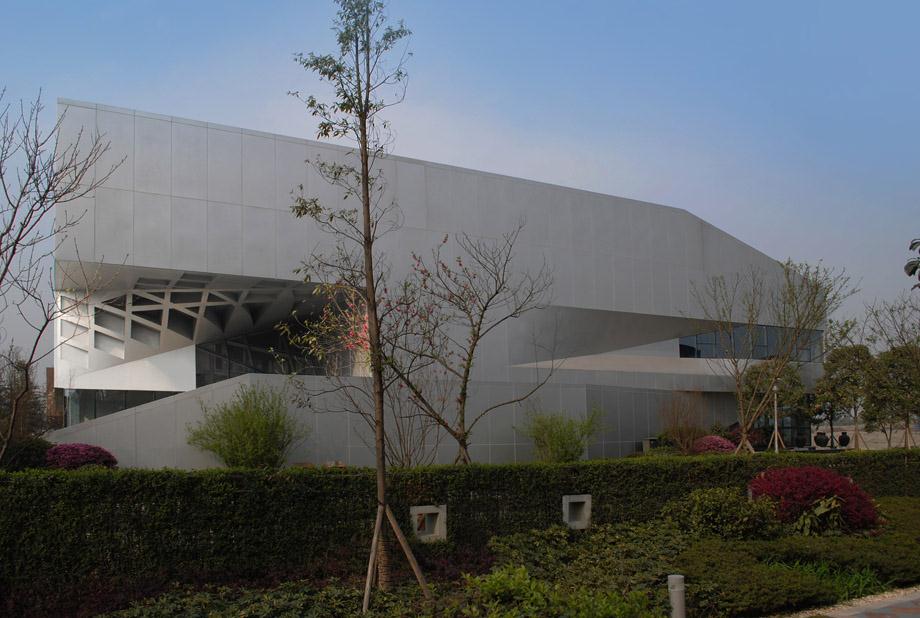
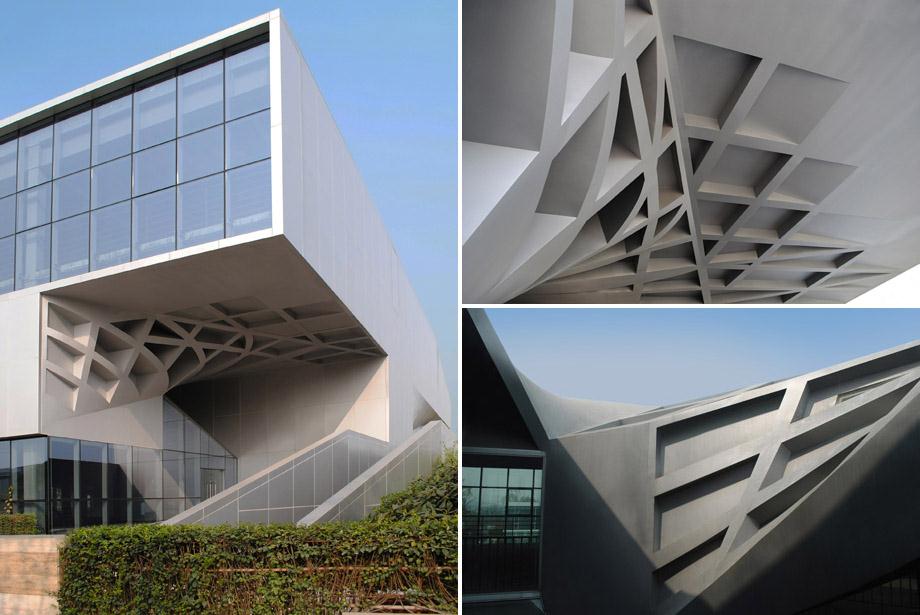
我不知道。我觉得得处于某种原因,我们往往会说很明显建筑师自己的最爱,因为建筑他们花费更多的时间、更多的精力等等。但我觉得有时候这些东西是会变得,我真的没有最喜欢的。我认为安装时我一直以来最喜欢的,我们依然从事某些安装工作,比如那个地砖装置项目。安装实际上是一项非常重要的工程,从材料和形式上的暗示以及它所具有的某种诗情画意来说,我仍然觉得它是一项非常了不起的工程。很早之前它就已经真切的存在了。如果我们不去做的话,我认为他会经历一个阶段,就会在其他工程项目中得以实现。对于目前自中国开展的这个项目,我的感觉很复杂,虽然原因很明显,但是我真的非常喜欢这个项目。不管是周围的环境还是材料上的应用,而且周边的20座建筑物的四周几乎是完全一样的,还有就是它所体现出来的完全的、明显的不同。
你们知道,这就是我们的工作所在,我们的工作对象就是那些需要与众不同,但又不是明显不同的东西。并不会产生一种“震惊然后拒绝”的效果,而是你会看到这个建筑,他会令你流连忘返。我们对此感兴趣,但是在建筑的发现和经验上,我们关注的是一种更加微妙的途经。我的想法很明显不是很客观,因为使我们设计的它,但是看到这一切我很高兴。当我去参观它的时候,它的外表还没弄好,它绝对是一种不同的动物。你知道,在其他建筑物面前,它不会很明确的说出或陈述自己的想法,大部分建筑都是一些空盒子,我们的当然也是。它们由区分度,而且都是被修饰过,在那个校园里没有其他的建筑物拥有这些东西、拥有这样的实现形式。实际上他起的作用非常有意思,因为你无法知道非常平素或者比较普遍的东西在材料上的差别。可能就像是一些铝板与一些玻璃纤维增强水泥之间的区别,会使得项目产生一种更加微妙的感觉。我觉得这种真的是非常优雅。与此同时还制造了非常神奇的东西。所以我想,很可能,既然这是为中国所做的,那么我最最喜欢的项目就是在中国进行的这个。
I don’t know; I think for some reason we tend to be like lets say, for obvious reason buildings are my favorite because they take more time and they take more energy and so on and so forth. I think they change sometimes I don’t really have my favorite , I think my installation was my long time favorite and I still have certain for example the land tile installation actually it was an important project and I still think it was amazing project for the material the formal implications, certain poetics of it that was really right there early on and If we were not pursing and I think it goes through that phase kind of goes through to other projects. The project in China now thats one I have some mix feelings about , for obvious reason but I really like the project and I think its really a unique project for situation where it is, the material usage for certain and for being exactly the same for almost all around twenty buildings in the vicinity of it and for being radically different and overtly different .
You know this is something we work on it for something that is going to be different but its not going to be overtly different. Not like a “shock and no” affect but you will see the building and it will blow you away , no, we are interested in that but we are interested in a more subtle approach in terms of discovery and experience of the building and I think and obviously not objective because we design this but I was happy to see all of this. It wasn’t habited when I visited it, its definitely a different animal , you know its not saying or stating itself in an explicit way in front of the other buildings mostly boxes and ours are within that family but when u get close you begin to see a whole range of other things and that they behave as a divide scale and they are completely tailored and no other building in that campus has that and the way it was materialized it actually worked very interestingly because u cant really tell the material difference between something really banal or more common maybe like some aluminum panel versus some GFRC that produced more subtle moments of the project and I think that was really elegant and made something really amazing at the same time. So I guess that probably, since this is for China my favorite project is the Chinese one
7.
你的事务所最近在做什么项目?
Which project your office doing lately?
目前我们正在做一个 小型的项目,就是一点装修的工作,它花费的时间比我们预期的要长,因为我们正试图几乎不用钱来达到做正确的事情的目的。所以我们有点忙。我们还刚刚完成了一个中等大小的宿舍的天,是在波多黎各进行的一个大概一千万美元的项目,大概有7000平方米。这个项目是很可能被实施的。如果成型的话当然最好了,因为这就意味着我们将在一个完全不同的地区工作,是在中美洲、加勒比海一带,我们是南美人本身就是一件有趣的事。另外我们在阿根廷开始了一个项目,我们一直在那里有项目。这次是建造一座主住宅,基本上快完工了,它们极有可能是最重要的建筑项目之一。因为相对其他建筑而言,这座建筑拥有最多的特性。我想说的是在整个项目过程中,几乎从每个角度、每个细节来看,他的品质都是很高的,我们关注每个细节。想借此边做边学习。以上就是我们正在做的两个项目,我们马上就要完工了。
We are doing right now a little project in our office just a little renovation and it took more time than expected because we a re trying to do the right thing for like barely little to no money . But so that is what keeps us a little bit busy and then we just finish a proposal for a medium size dorm it is around 10 million dollar project in Puerto Rice and its is like 7000 sq m that s the project that has a good chance of happening which would be good which would mean we will be working on a completely different area which is central America the Caribbean part and that we being South Americans is sort of an interesting thing. Then we a starting a project in Argentina where we continue to do work and another housing building which is nearly around there and that is probably that is one of the most important build projects cause it is one that has the most qualities compare to the other ones. I would like to say the qualities is high throughout the project at almost every scale and every detail that is something we are interested in to kind of learn with experience. So those are the two projects we are doing and we are about to start a competition and I think that is about it
Projects
▼Chengdu Fluid Coreyard
▼Prism Gallery
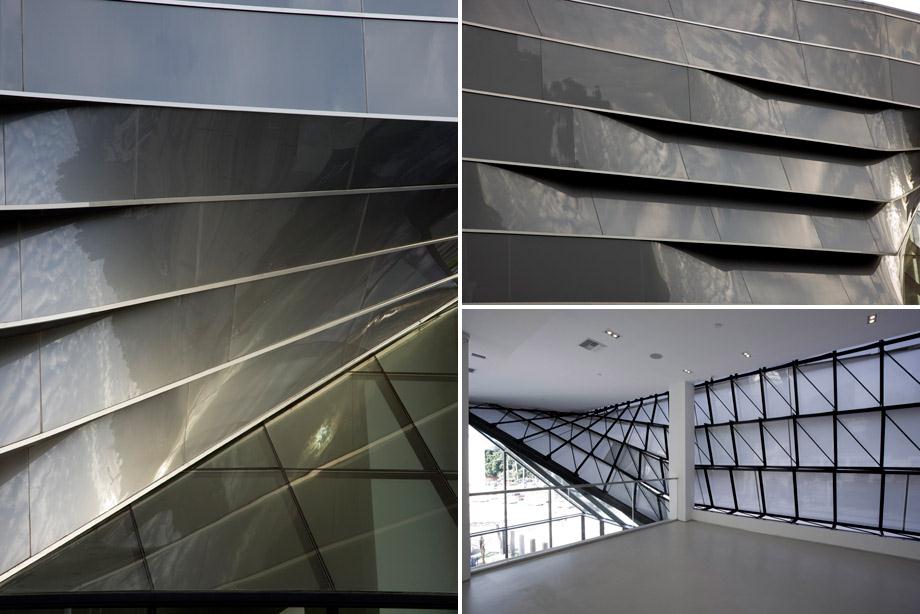
▼Oslo Kulturatrium
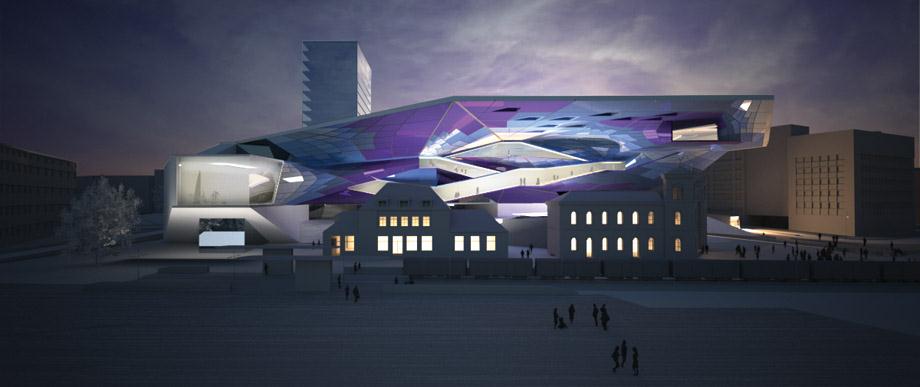
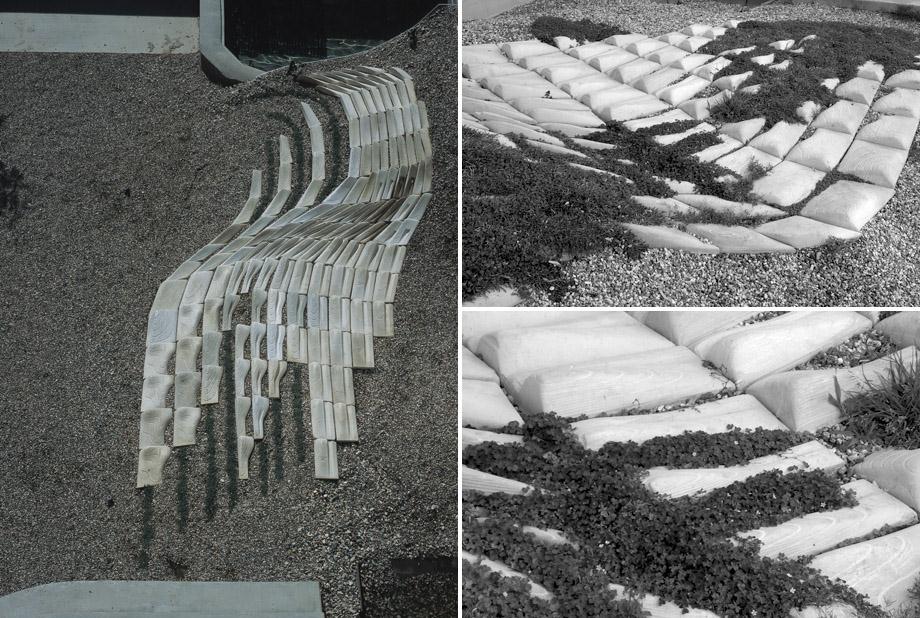
▼Land Tiles
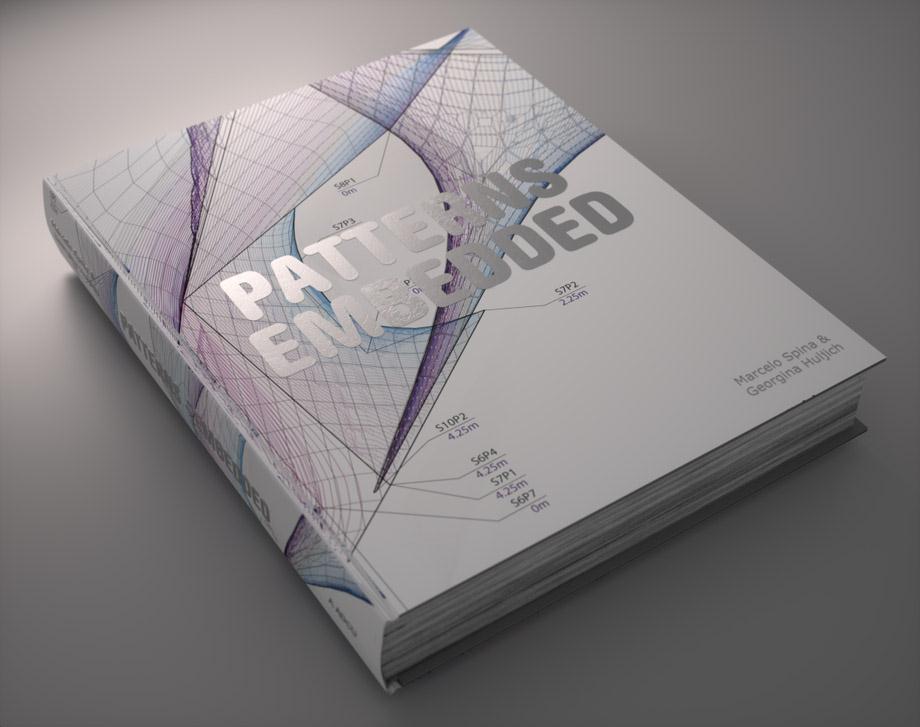
▼Book 书
More: Marcelo Spina
当你在一线城市不考虑钱的问题,只做感兴趣的建筑点,不是富二代怕是很难了,去二三线或许会有机会。
all I can say is good
just so so
哇嗷!原来不出名做建筑也可以这么开心的样子啊!
啊啊哈哈哈哈哈,,这个就是 SPEAKS在港大讲座里提到那个 完全不知道自己在干吗的很酷的建筑师!
竖然起敬!
very good[眨眼]
那个别墅做的不错,当然,很意外,居然在中国成都有建成的项目~~~