感谢 Snøhetta 予gooood分享以下内容。更多关于他们:Snøhetta on gooood
Appreciation towards Snøhetta for providing the following description:
作为世界上使用最广泛的建筑材料,混凝土在建筑业的碳足迹中起着重要作用。据智库查塔姆研究所(Chatham House)的数据表明,混凝土中的关键成分——水泥,是全球约 8% 的二氧化碳排放量来源。 水泥生产过程中所涉及的化学和热燃烧过程,使这种材料的二氧化碳排放量高于航空燃料(2.5%),并紧随农业(12%)其后。为了实现《巴黎协定》的目标,在未来几年内,与混凝土有关的全球二氧化碳年排放量需要大幅下降。作为对此的回应,Snøhetta与挪威初创公司Saferock建立了战略合作伙伴关系,致力于试验并销售更可持续的混凝土产品。
As the most widely used building material in the world, concrete plays a significant role in the carbon footprint of the building and construction industry. Its key component, cement, is the source of about 8 % of the world’s CO2 emissions, according to think tank Chatham House. The chemical and thermal combustion processes involved in the production of cement places the material with CO2 emissions above aviation fuel (2.5 %) and not far behind agriculture (12 %). To reach the goals of the Paris Agreement, annual global CO2 emissions linked to concrete will need to fall by steeply in the next few years. As a response to this, Snøhetta has entered a strategic partnership with Norwegian startup Saferock to pilot and market the production of a more sustainable concrete.
▼地聚合物混凝土项目介绍视频,video of the project © Kjetil Skårdal Andersen & Bjørnar Øvrebø
待开发潜力
Untapped Potential
在全球范围内,工业生产的过程伴随着大量尚未开发的残留物。Saferock的专利技术为这些未被完全利用的副产品赋予了全新的价值。该项目旨在开发低二氧化碳排放的混凝土,作为目前世界上使用最广泛的波特兰混凝土的替代品。这种新式混凝土能够于施工现场生产,大大减低了运输时间与成本,同时也减少了运输过程中产生的碳排放。
Globally industrial processes generate vast amounts of various residues with untapped potential. Saferock’s patented technology gives new value to these unutilized by-products. The idea is to develop low CO2 emission concrete as an alternative to the established Portland-based concrete, which is currently the most widely used building material in the world. This multiplex solution is based on on-site production, eliminating both transport emissions and time.
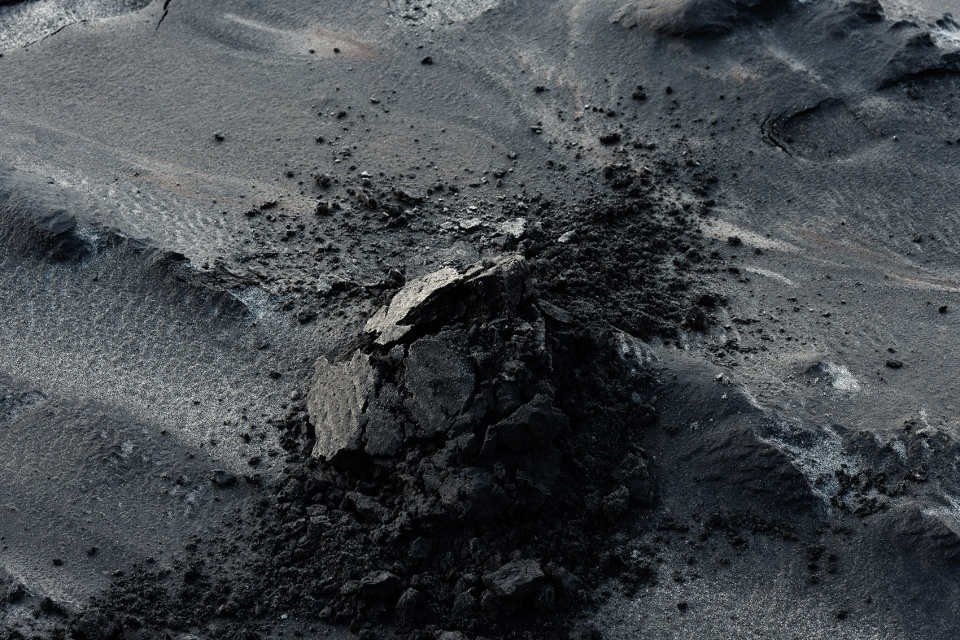
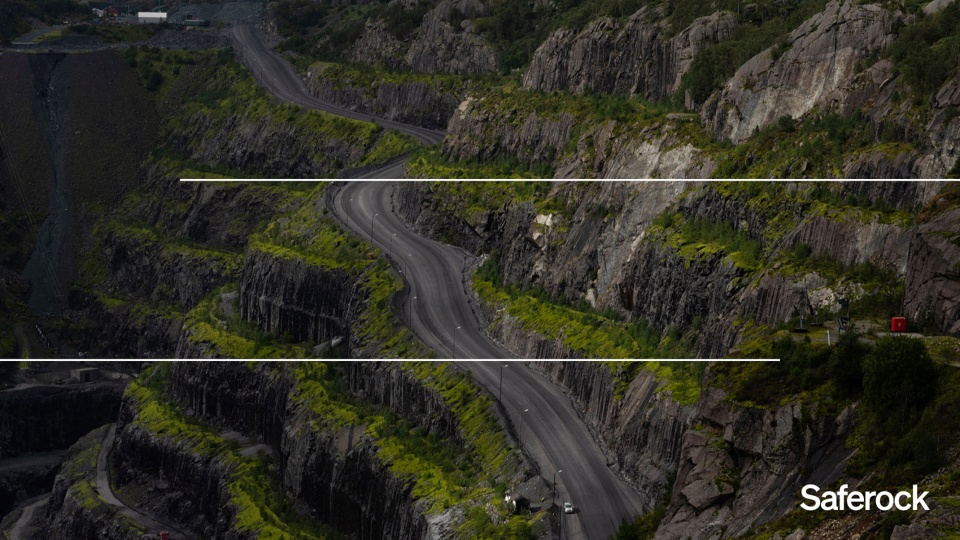
▼采矿地,the mining © Bjørnar Øvrebø
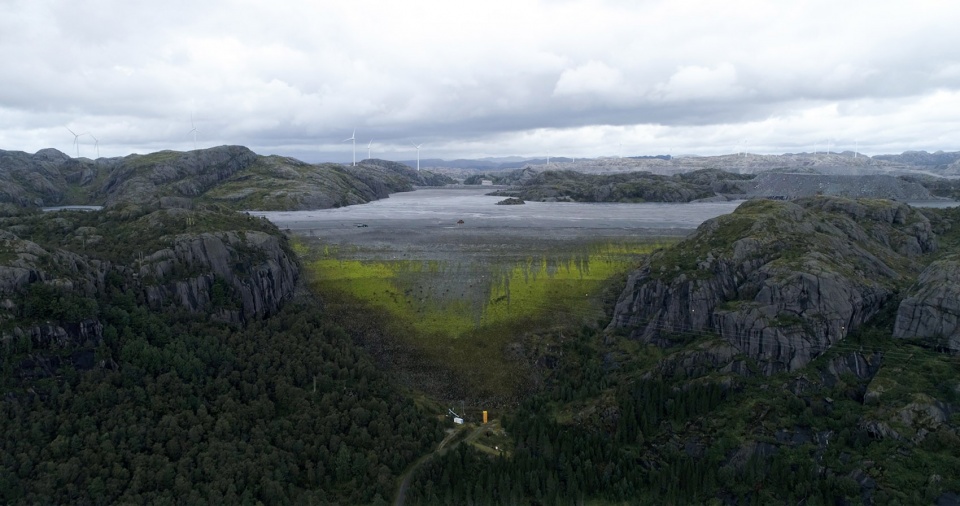
这种将代替波特兰混凝土的材料由地聚合物构成,这是一种由矿物组成的无机聚合物,通常来自采矿工业和发电厂的废物流。这种材料的研发减少了采矿废料对环境的威胁,同时也为采矿地提供了独特的商机。
An alternative to Portland-based concrete is geopolymer concrete – a type of inorganic polymers consisting of minerals, typically stemming from waste streams from mining industries and power plants. This provides a unique opportunity where mining waste has previously posed an environmental threat.
▼新式混凝土为采矿地恢复了环境创造了商机,it provides a unique opportunity where mining waste has previously posed an environmental threat © Bjørnar Øvrebø
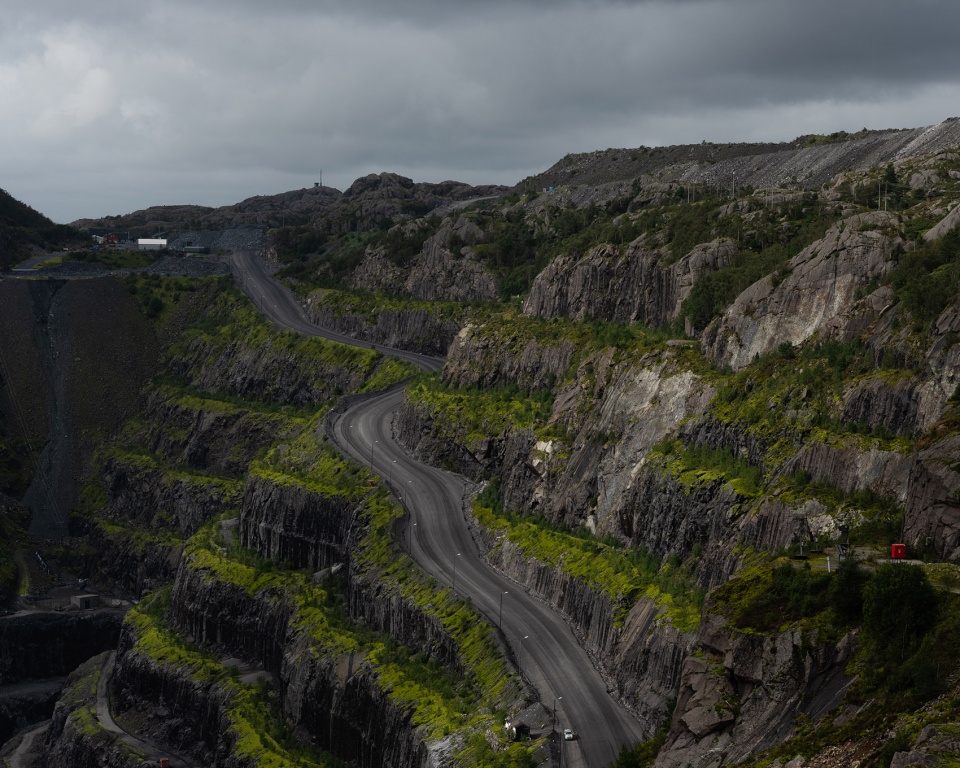
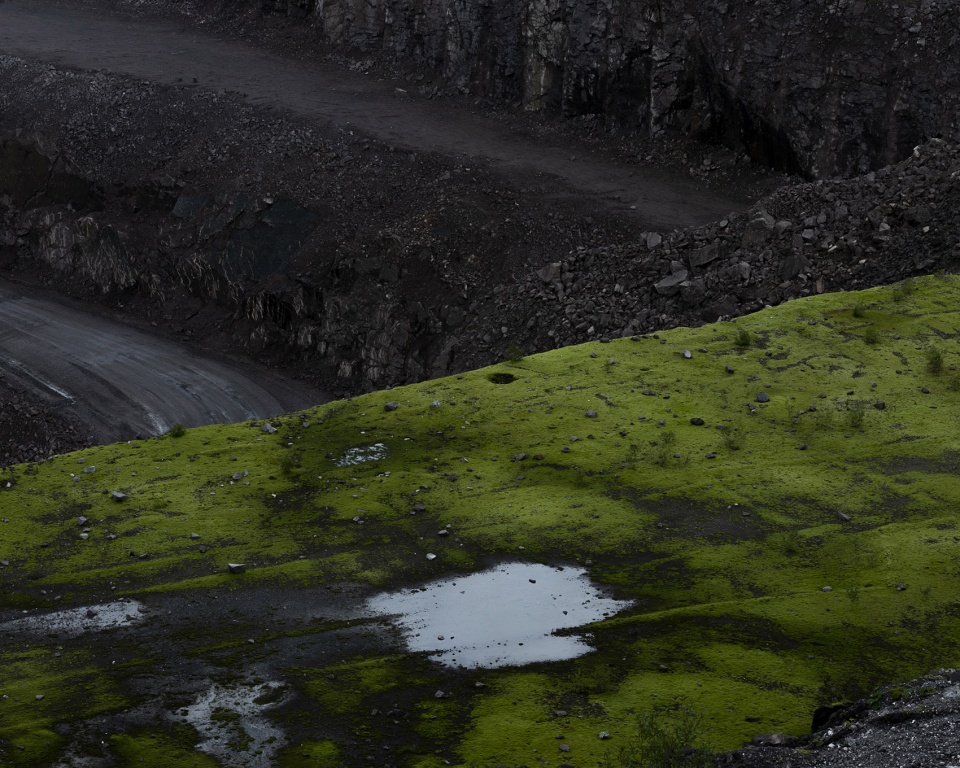
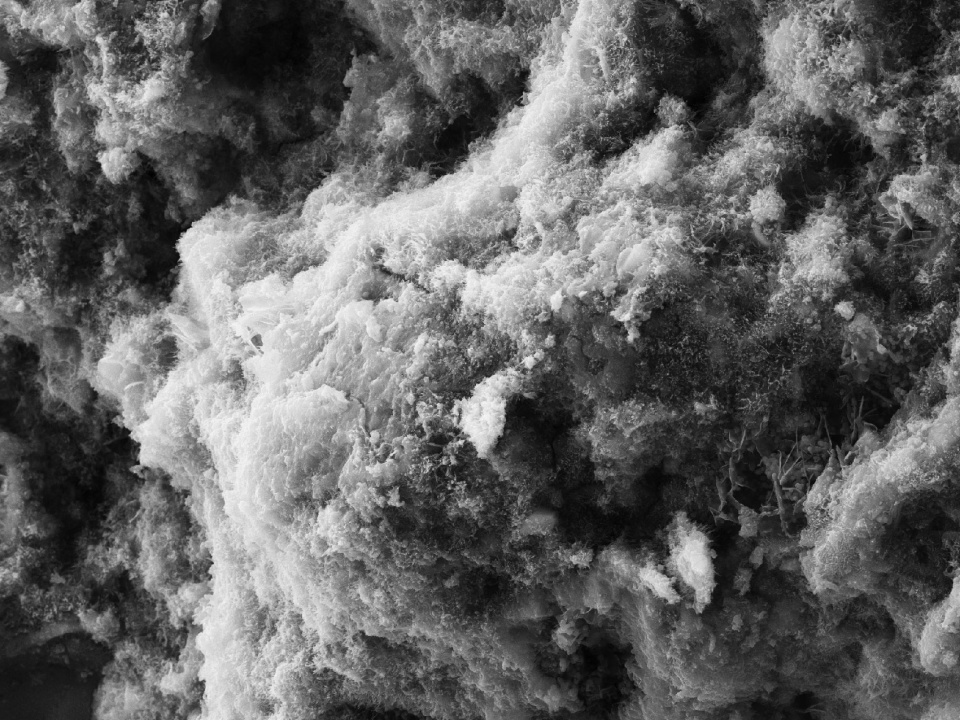
据挪威混凝土协会提供的数据表明,与传统波特兰水泥相比,生产地聚合物混凝土过程中的二氧化碳排放量至少降低了70%。此外,与波特兰水泥(硅酸盐水泥)制成的混凝土相比,地聚合物在某些应用中具有更好的性能,如更高的耐热性与耐化学性,以及显著较低的渗透性。
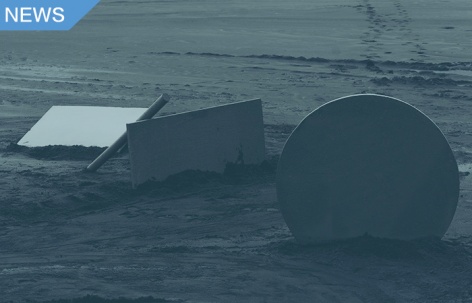
The production of geopolymers has a CO2 footprint that is at least 70 % lower compared to the production of traditional Portland cement (reference values from the Norwegian Concrete Association). In addition, geopolymers have several properties that are favorable compared to concrete based on Portland cement for certain applications, such as higher temperature and chemical resistance and significantly lower permeability.
▼微观下的地聚合物混凝土,geopolymers in micro scale © Bjørnar Øvrebø
未来建筑材料
The Construction Material of Tomorrow
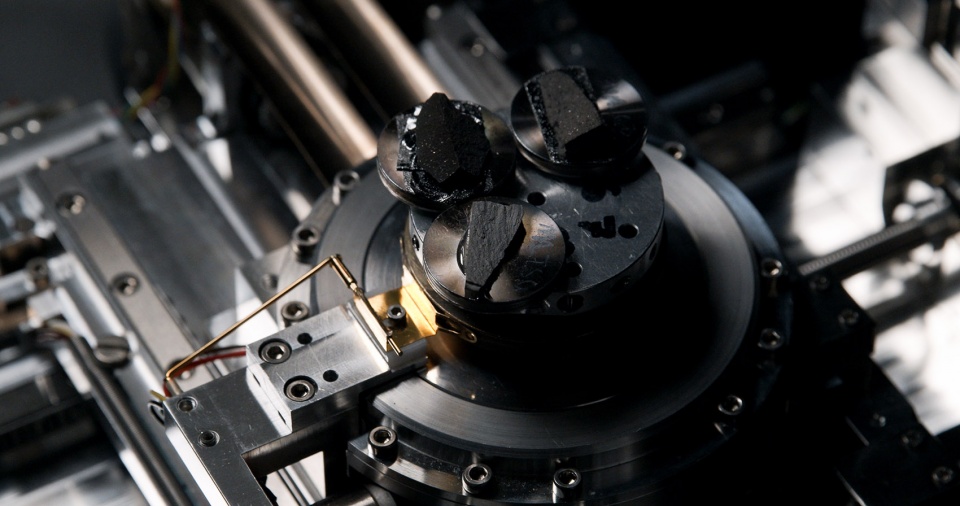
该研究项目的第一步是对低碳混凝土形式的未来建筑材料进行试点和规模化开发。下一步将是确保技术和材料成为生态循环系统中的一部分。该项研究将真正影响整个建筑行业的环境足迹。
The first step of the research project is to pilot and scale up the development of tomorrow’s building materials in the form of low emission concrete. The next step will be to ensure that the technology and materials are a part of a circular ecosystem. This will truly impact the industry’s environmental footprint.
▼研发过程,Research and development process © Bjørnar Øvrebø

据Snøhetta和Saferock的初步估计,通过利用工业副产品生产地聚合物混凝土,将使与混凝土生产相关的碳排放减少70%以上。Snøhetta与Saferoc的目标是于2025年生产出完全零碳化的洁净混凝土。该项目计划与Snøhetta的使命不谋而合,即,减少建筑行业的环境足迹,并加快全世界向可持续建筑材料过渡的进程。
By utilizing industrial by-products to make geopolymer concrete, Snøhetta and Saferock estimates that carbon emissions associated with the production of concrete can be reduced by more than 70 % as a first step. By 2025, the aim is to produce fully CO2 neutral concrete. The project is in line with Snøhetta’s mission to reduce the environmental footprint of the building industry, and to accelerate the world’s transition to sustainable building materials.
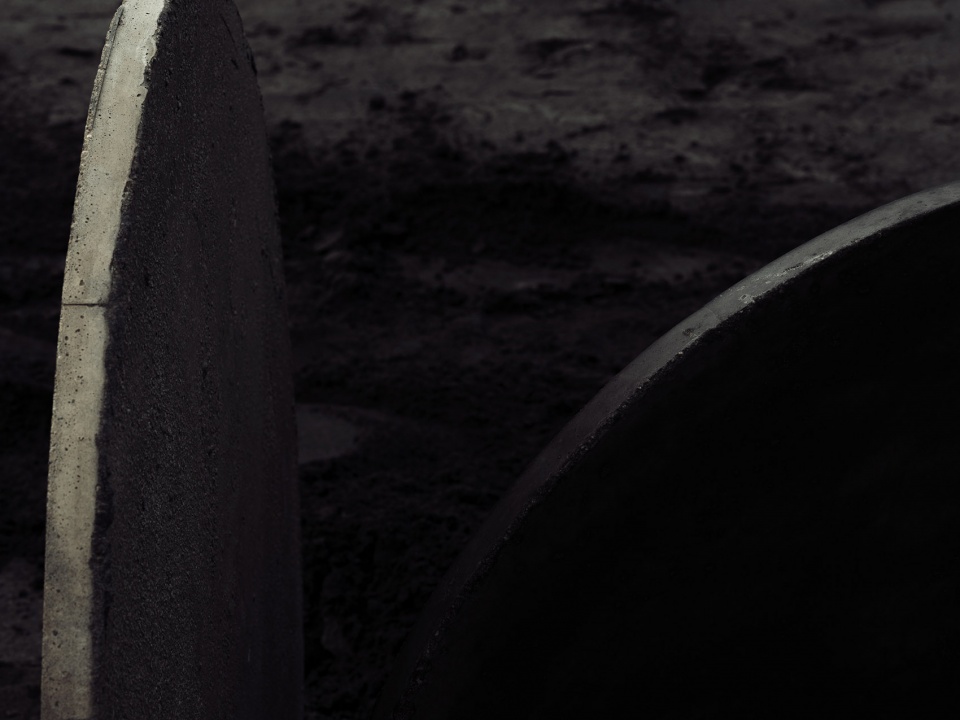
▼成品混凝土,geopolymers © Bjørnar Øvrebø
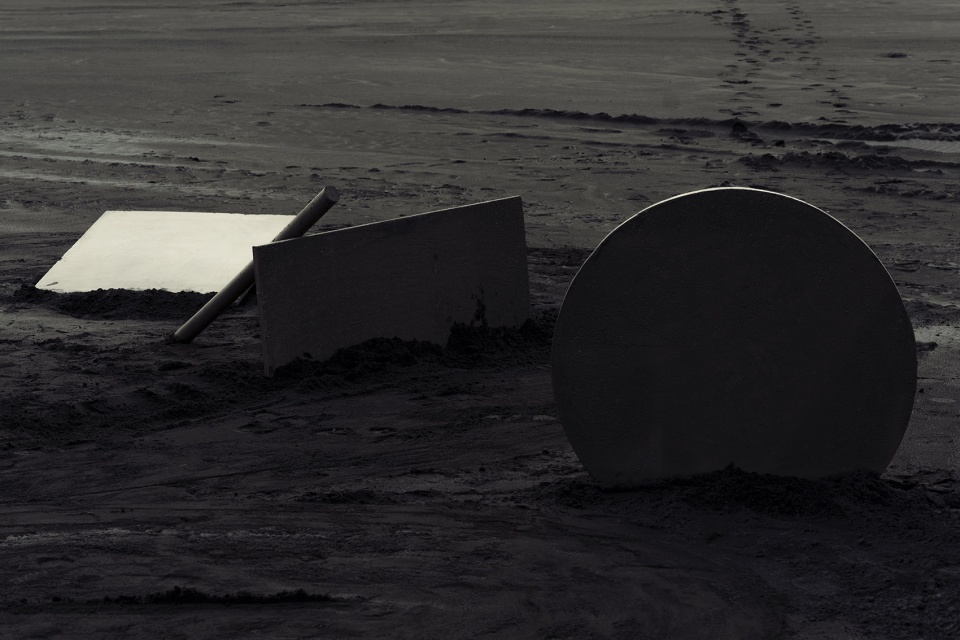
▼成品混凝土细部,detail of the geopolymers © Bjørnar Øvrebø
新领域品牌定位
Brand Positioning in a New Territory
Saferock的品牌形象由Snøhetta事务所全力打造,通过清晰的信息传递、大胆的设计体系和强大的视觉效果,帮助Saferock公司与利益相关者在未知的市场中进行有效沟通。品牌标识的设计基于“冲击力”的核心概念,极简但富有表现力的视觉语言使Saferock品牌形象脱颖而出,同时能够引发顾客的好奇心。
Snøhetta has developed a brand identity for Saferock that will help the firm communicate effectively with its stakeholders in an uncharted market through clear messaging, a bold design system and strong visuals. Based on the concept of impact, the brand identity is characterized by a minimalist yet expressive visual language that stands out in its category and triggers curiosity.
▼品牌与网站设计视频,video of the brand identity for Saferock © Snøhetta
视觉识别和网站采用了自信大胆的设计语言,展现出该新兴行业的独特性,并以强大、富有戏剧性的视觉效果展示出材料与产品。不管是从宏观尺度还是微观尺度上,都将Saferock富有创新精神的地聚合物混凝土材料清晰地展示在大众眼前。
The visual identity and website are designed with a confident and bold visual language driven by a typography that is atypical for the industry, with strong visuals dramatizing the material and product. Saferock’s innovative solutions are communicated through the displaying of both the micro and macro scale of the geopolymer concrete and its components.
▼网页设计,web design © Snøhetta
▼app设计,app design © Snøhetta
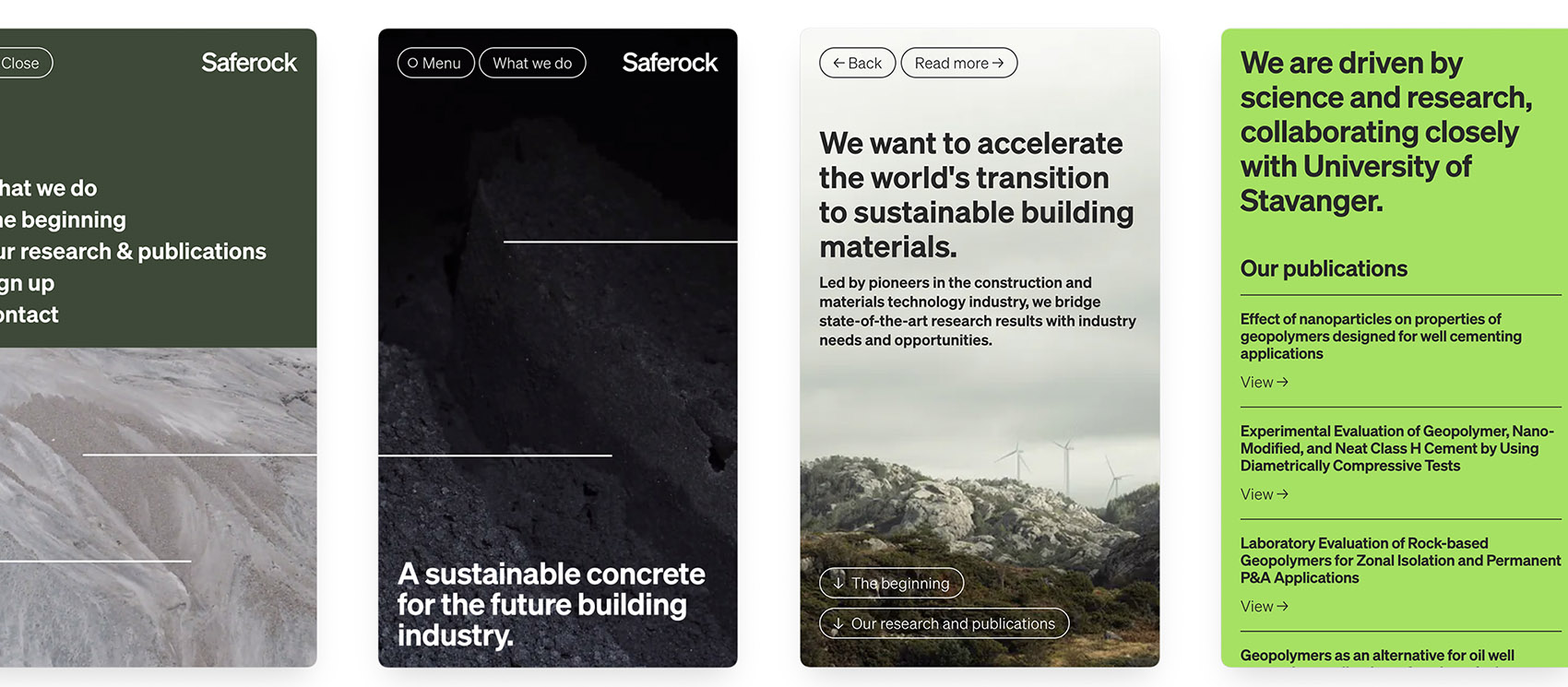
在托管、内容管理和维护方面,Snøhetta事务所也致力于做到最小化网站对环境的影响,例如采用提高运行速度、与用户体验的信息技术,控制网站展示页面大小等措施。此外,Snøhetta还在进一步探索其他措施,以实现网站的零碳排放。
Efforts have been taken to minimize the environmental footprint of the website in terms of hosting, content management and maintenance. This includes employing technologies that improve speed, user experience and page size. Snøhetta is further exploring other initiatives to develop websites with a net zero carbon footprint.
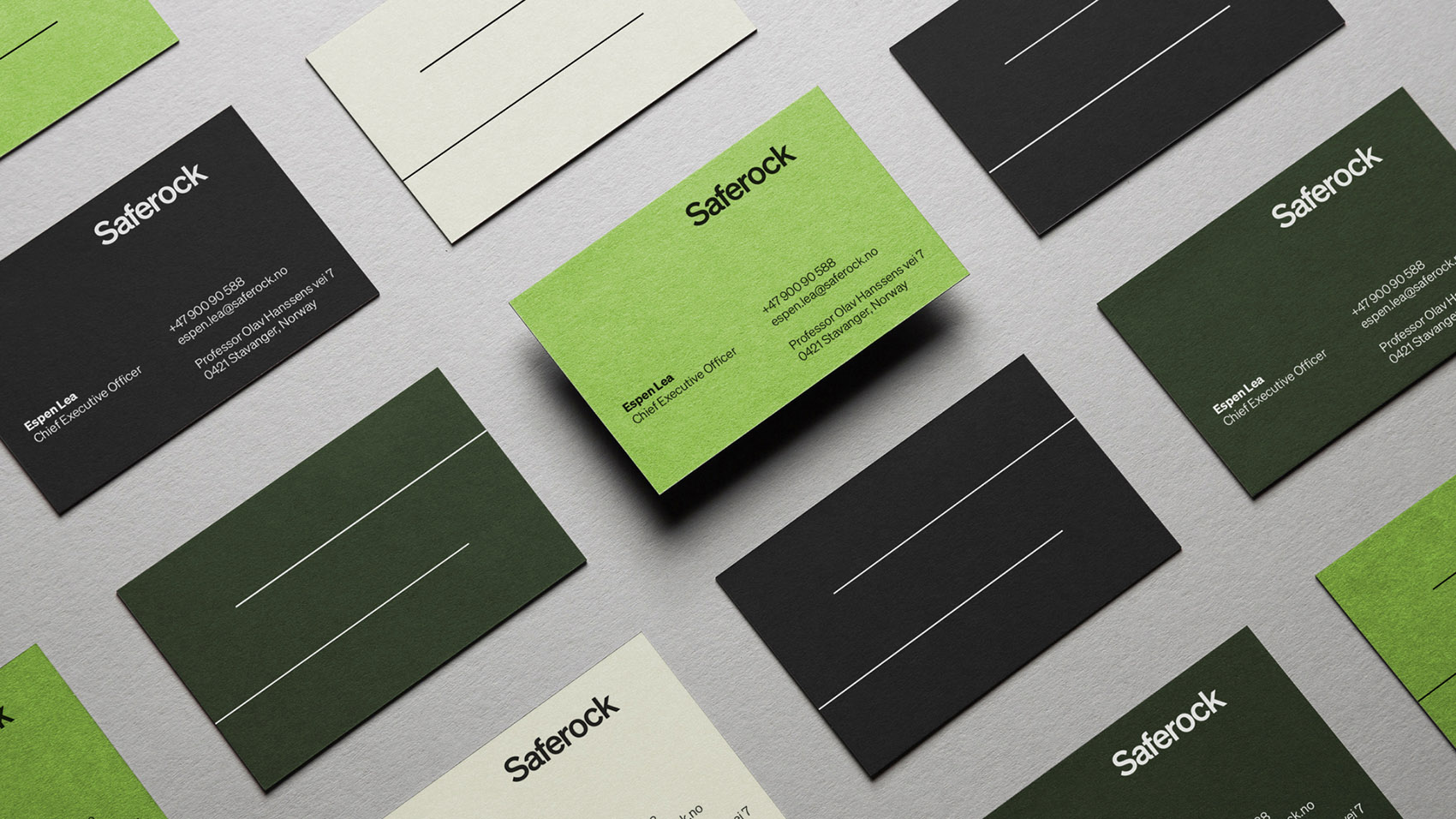
▼其他品牌标识设计,other brand identity for Saferock © Snøhetta
More:Snøhetta。更多关于他们:Snøhetta on gooood


已阅
好事啊
cool