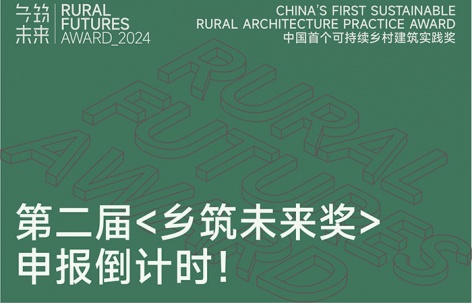
·申报截止日期为北京时间2024年6月30日23:59。
·提问和答疑:所有提问需通过邮件发送至组委会邮箱rural_futures@aptalks.org,邮件主题统一为“乡筑未来奖提问”。
·请将填写完毕的报名信息表与所需材料打包发送至组委会邮箱:rural_futures@aptalks.org,邮件主题统一以“乡筑未来-申报奖项类别-申报人”发送。
·所有提问需通过邮件发送至组委会邮箱rural_futures@aptalks.org,邮件主题统一为“乡筑未来奖提问”。
·访问下方百度网盘链接,获取报名信息表。
网盘链接:https://pan.baidu.com/s/1lbQT6qfvl08El1lLhnCfMQ?pwd=xzwl 提取码: xzwl
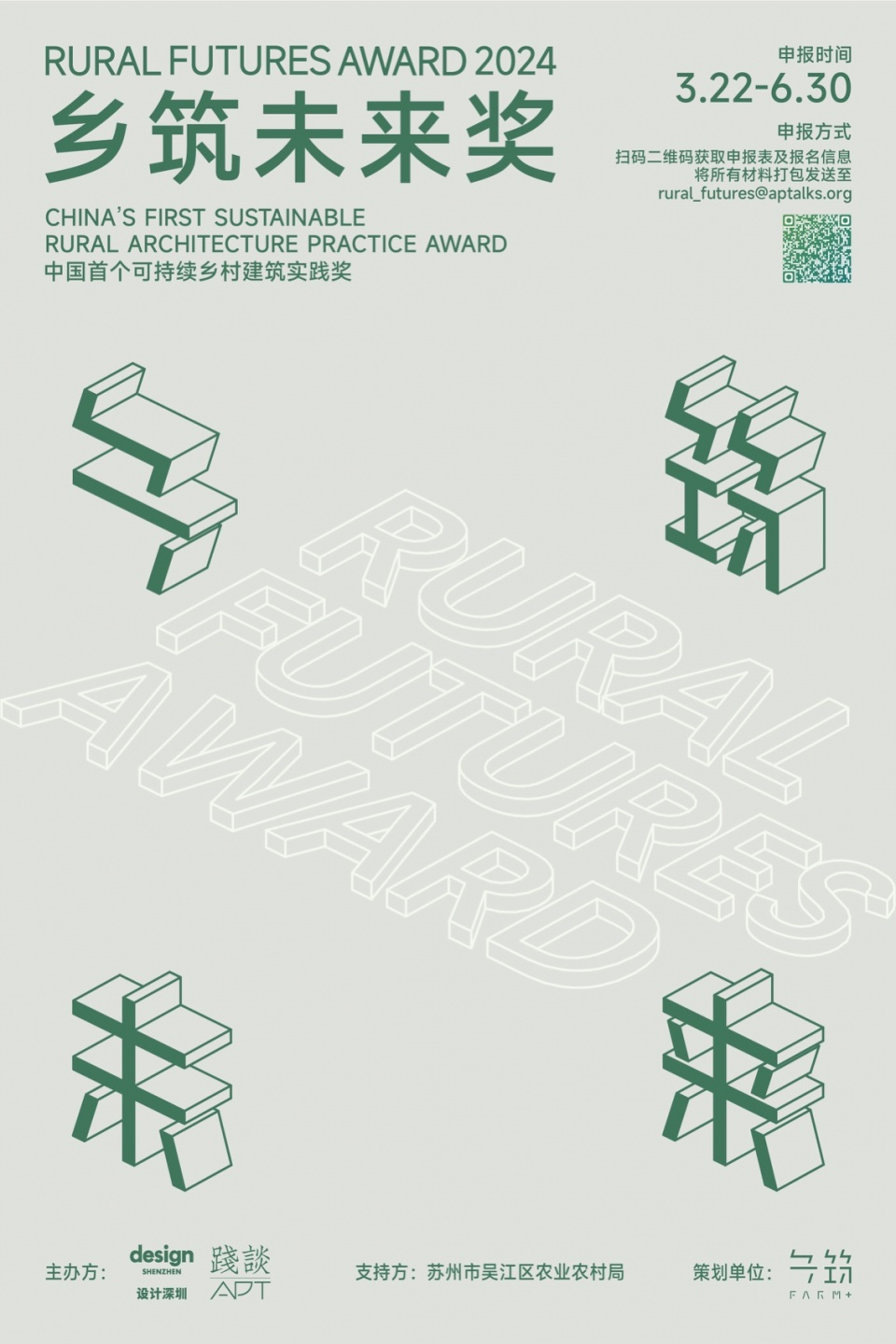
▼第二季“乡筑未来奖”海报,”Rural Futures Award” seond season
01
奖项简介
Award Introduction
二十一世纪进入第3个十年,中国的城市更新愈发成为建设的关键语汇,但与此同时,散步在华夏大地广阔土壤的乡村建设也成为了一条同样重要的平行赛道。2020年初由库哈斯策展的“乡村·未来”主题展在纽约古根海姆博物馆开幕,在一个全球范围的大语境下探讨乡村地区环境、政治与社会经济的变革。正如展览的中心议题所述说的,我们当前的城市生活形式使“乡村”以前所未有的规模进行组织化、抽象化和自动化的变革。
在这样一个“城市包围农村”的乡建浪潮中,中国的乡村建设又以其文化的多样性和地域的复杂性,呈现出千差万别的发展状态,给出的需求命题和建设挑战也是迥异的。2021年中央的一号文件又提出了加快推进农业现代化,以及大力实施乡村建设行动的最高指示,对构建现代乡村产业体系和完善乡村基础设施建设及服务供给,给出了进一步的政策引导和支持。
在一轮接一轮的建设浪潮中,建筑师的身影尤为活跃,大量的建筑师“上山下乡”,带着他们的设计智慧,化身为乡村建设的“智囊团”,成为了当仁不让的弄潮儿。同时我们也看到,这股浪潮里,也有艺术家、手工艺者这样的非专业建筑师的身影,乡村建设体量的小型化,以及造价的约束,使得大量的民间智慧和“野生设计”产生,这也让乡村建筑呈现出一种杂糅的奇观,既有其乡土的在地性,又有外来的空降感。
这种杂糅的奇观,可能是由城市惯性带动乡建的一种必然的初级状态,或者我们可以称之为乡建的一种年轻状态,而年轻又是一种“刺激”的状态,它既有“无知者无畏”的探索欲,也有“眼高手低”的冒进风险,既因为想把城市本领施展在乡村而蠢蠢欲动,又因为怕这些都市经验破坏了乡村生态而蹑手蹑脚。这样一种在混沌中摸索的状态,使得当下的乡建不可能走“干柴烈火”一蹴而就的开发模式,而是“小火慢炖”摸着石头过河的路径。
乡村需要进化,但不需要异化,我们共同打造的,应该是真正属于乡村的乡村,而非城市的乡村。在乡村建设中,摸索一种可持续的工作理念,找到一种长期主义,与乡村发展形成一种健康长效的互动机制,逐渐成为一个关键的议题。如何利用当地的材料和技艺因地制宜,实现乡村环境的可持续?如何以空间为载体为乡村生活创造丰富的使用场景,实现乡村活力的可持续?如何在乡村社会中构建起本地生态与外来模式的平衡,实现乡村进化的可持续?这些问题都成为每一位乡村建设者需要直面的课题。
在这样的背景下,亚洲最具规模和影响力的设计盛会“设计深圳”联合华人青年建筑师社群“践谈APT”,发起国内首个针对可持续乡建的建筑实践奖,旨在表彰乡建领域内富有“可持续”价值探索的建筑实践,并以此为乡村振兴中建筑实践的可持续性形成正向的价值引导。
In the third decade of the 21st century, China’s urban renewal has increasingly become a key vocabulary of construction, but at the same time, the rural construction has also become an equally important parallel track. The “Countryside, The Future” themed exhibition, curated by Rem Koolhaas in early 2020, opened at the Guggenheim Museum in New York, exploring environmental, political and socioeconomic changes in rural areas in a global context. As the central issue of the exhibition says, our current urban lifestyle makes the “countryside” an organized, abstract and automated revolution on an unprecedented scale.
In such a wave of rural construction with “cities surrounding the countryside”, China’s rural construction presents a very different development state with its cultural diversity and regional complexity, and the demand and challenges are also different. In 2021, the No.1 document of the central government also put forward the highest instructions of accelerating agricultural modernization and vigorously implementing rural construction actions, which gave further policy guidance and support for the construction of a modern rural industrial system and the improvement of rural infrastructure construction and service supply.
In the wave of construction, the figure of architects is particularly active. with their design wisdom, a large number of architects “go up to the mountains and down to the countryside”, incarnated as the “think tank” of rural construction movement. In this movement, we also see the active participation of non-archietcts such as artists and craftsmen. Rural construction’s small volume and the cost constraints has generated a lot of folk wisdom and “wild design”, which also makes rural architecture presents a mixture wonder of being both local and foreign.
This mixture wonder maybe is a kind of inevitable primary state, which driven by urban construction inertia imposing on rural areas, or we can call it a young state of rural construction. This young state is an exciting stimulus, it has both “fearless” exploration and high risk. We want to put the “urban ability” in the countryside while at the same time being afraid of that the urban experience would destroy the rural ecology. Such a state of groping in the chaos makes it impossible for the current rural construction to take the high speed development mode, but the “small fire and slow stew” mode, requiring more patience and persistence.
Rural areas need evolvement, but not alienation. What we build together should really belong to the countryside, rather than the “urban countryside”. In the rural construction, it has gradually become a key issue to explore a sustainable working concept, and form a healthy and long-term interaction mechanism with the rural development. How to use local materials and techniques to adapt to local conditions to achieve a sustainable rural environment? How to create rich use scenarios for rural life with space as the carrier, and realize the sustainability of rural vitality? How to build a balance between local ecology and foreign mode in the rural society, and realize the sustainability of rural evolution? These problems have become the subjects that every rural builder needs to face.
Under this background, Design Shenzhen which is one of Asia’s largest and influential design event joint the Chinese young architect community APT (Architecture Practice Talks) , have launched China’s first architectural practice award for sustainable rural construction, designed to recognize the architectural practice in rural construction field with deep exploration of the value of sustainability, and to form a positive value guide for a sustainable rural revitalization.
▼首届“乡筑未来奖”,The first “Rural Futures Award”
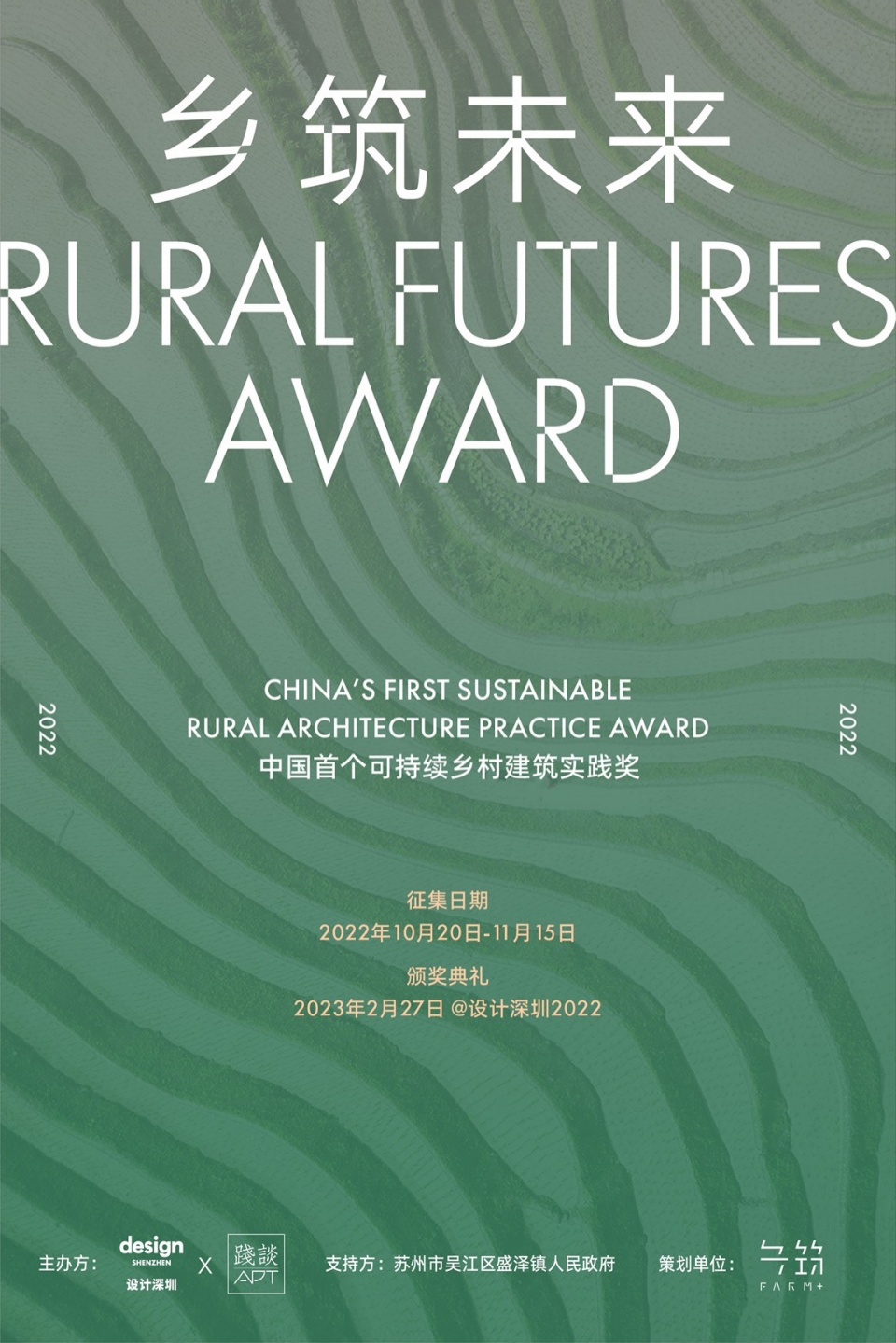
“乡筑未来奖”每两年评选一次,采取提名与自我申报相结合的方式进行奖项申报,在中国两岸三地乡村已建成落地的建筑实践均可参与报名,不限于专业建筑师,奖项更看重实践本身而非专业门槛。首届“乡筑未来奖”于2022年10月正式启动奖项的申报,收到来自全国不同城市上百家设计和运营机构申报的优秀项目共计200余个,并于同年11月完成首轮评审,12月完成次轮评审确定最终入围名单。2023年2月27日,首届“乡筑未来奖”终选分享暨颁奖典礼在设计深圳所在的深圳会展中心隆重举行,通过答辩评审的形式现场评出了乡筑建造奖、乡筑活化奖、乡筑共生奖的最终归属。
Awarded every two years, “Rural Future Award” adopts a combination of nomination and self-submission. Architectural practices that have been completed and implemented in rural areas of China can participate in the registration, which are not limited to professional architects, since the award focuses more on practice itself rather than professional threshold. Officially launched in October 2022, the first “Rural Futures Award” received more than 200 excellent projects from hundreds of design and operation organizations in different cities across China. It completed the first round of evaluation in November of the same year, and the second round of evaluation in December to determine the final list of finalists. On February 27, 2023, the final selection sharing and award ceremony of the first “Rural Futures Award” was held at the Shenzhen Convention and Exhibition Center where Design Shenzhen is located. The final winners of Construction Award, Revitalization Award and Symbiosis Award were evaluated on-site in the form of a defense and assessment.
▼首届“乡筑未来奖”回顾(视频),The first “Rural Futures Award” review
02
奖项理念
Award Concept
“乡筑未来奖”的设立建立在乡村发展的全球语境中,并立足于中国本土的乡村建设,积极响应国家的乡村振兴战略,深入探讨建筑实践如何介入乡村生态,促进乡村的活化发展,以探寻未来中国乡村建筑实践的正向价值引导。
The “Rural Futures Award” is established in the global context of rural development, and based on China’s local rural construction, actively respond to the national rural revitalization strategy, deeply explore how to intervene in rural ecology, promote the activation of rural revitalization, in order to help formulating the positive value guidance for China’s rural construction practice in the future.
奖项的设立着眼于“可持续”,既指从技术层面上鼓励可持续的材料应用以及建造方式,也指从内容场景上表彰为乡村塑造可持续活力的建造项目,更指从模式架构上倡导与乡村发展深度共建的可持续工作模式。“乡筑未来奖”不设专业界限,任何在乡村建筑实践中上下求索的成果和个人都可以被纳入评奖范围,这符合乡建的乡土性、自生性、匿名性,也是值得被鼓励并且放大的共建价值。
The establishment of the award focuses on “sustainability”, which not only refers to encourage sustainable material application and construction methods from the technical level, but also refers to the construction projects that inject the sustainable vitality to the countryside, and also refers to the sustainable work mode that deeply involved in rural development. The “Rural Futures Award” does not set professional boundaries, any individuals in the practice of rural construction can be included in the scope of evaluation. This blurred boundary is in line with the local, spontaneous and anonymous nature of rural construction, and is also the joint construction value worth being encouraged and amplified.
03
奖项设置
Award Catagories
“乡筑未来奖”下设乡筑建造奖、乡筑活化奖、乡筑共生奖3类奖项:
The “Rural Futures Award” consists of three categories: Construction Award, Reactivation Award and Symbiosis Award:
1、乡筑建造奖表彰在乡村建筑实践中,因借体宜,积极采用在地化的方式进行建造,降低由于建设给乡村造成的环境负荷以及资源损耗,并创造性地挖掘、运用和转译当地的材料和营建“基因”,助力乡村营建智慧的传承与保护。
Construction Award recognizes the projects which actively adopt the way of local construction, reduce the environmental load and resource loss caused by rural construction, and creatively excavate, use and translate local materials and construction “gene”, help the inheritance and protection of rural construction wisdom.
最终入围共3名,其中最终获奖者1名,奖金为1万元人民币,入围奖2名,奖金各3000元人民币。
There are a total of 3 finalists, including 1 finalist with a prize of RMB 10,000 and 2 finalists with a prize of RMB 3,000 each.
2、乡筑活化奖表彰在乡村建筑实践中,通过项目的营建创造了被乡村真正需要的功能载体,并在实际运营过程中实现了具备长期活力的使用场景,为乡村的日常生活以及长期发展,提供了具备持续活化能力的催化剂。
Reactivation Award recognizes the projects that create spaces as the functional carrier really needed by the countryside, and realize the long-term vitality in the actual operation process, providing a catalyst for the continuous activation for the rural daily life and long-term development of the countryside.
最终入围共3名,其中最终获奖者1名,奖金为2万元人民币,入围奖2名,奖金各3000元人民币。
There are a total of 3 finalists, including 1 finalist with a prize of RMB 20,000 and 2 finalists with a prize of RMB 3,000 each.
3、乡筑共生奖表彰在乡村建筑实践中具有深入的探索精神,对健康可持续的乡建模式有充分的认知和见解,积极参与搭建长效的运营机制,并且在乡建领域形成持续的工作投入的建筑师或建设者。此奖项旨在鼓励通过更加深入的观察,探究在地化乡村发展的底层逻辑,将自己的建筑实践深入融合进乡村建设,形成一种长期共生的智囊模式和实践机制。
Symbiosis Award recognizes the architects who have in-depth exploration in rural construction practice and insights on a healthy and sustainable rural construction mode, actively participate in the construction of long-term operation mechanism, and devote continuous work to the field of rural development. The award aims to encourage deeper observation to explore the underlying logic of local rural development, deeply integrate their own architectural practices into rural construction, and form a long-term symbiotic think-tank model and practice mechanism.
最终入围共3名,其中最终获奖者1名,奖金为3万元人民币,入围奖2名,奖金各3000元人民币。
There are a total of 3 finalists, including 1 finalist with a prize of RMB 30,000 and 2 finalists with a prize of RMB 3,000 each.
此外,所有提名奖和最终获奖者,均有机会被直接推荐和委托,参与到“乡筑未来奖”支持方苏州市吴江区的相关乡村振兴建设项目。
In addition, all nominated and final winners have the opportunity to be directly recommended and entrusted to participate in the relevant rural revitalization construction projects in Shengze Town, Wujiang, Suzhou, the sponsor of the first “Rural Futures Award”.
04
评委会构成
Jury Composition
特邀顾问:
Invited Advisor:
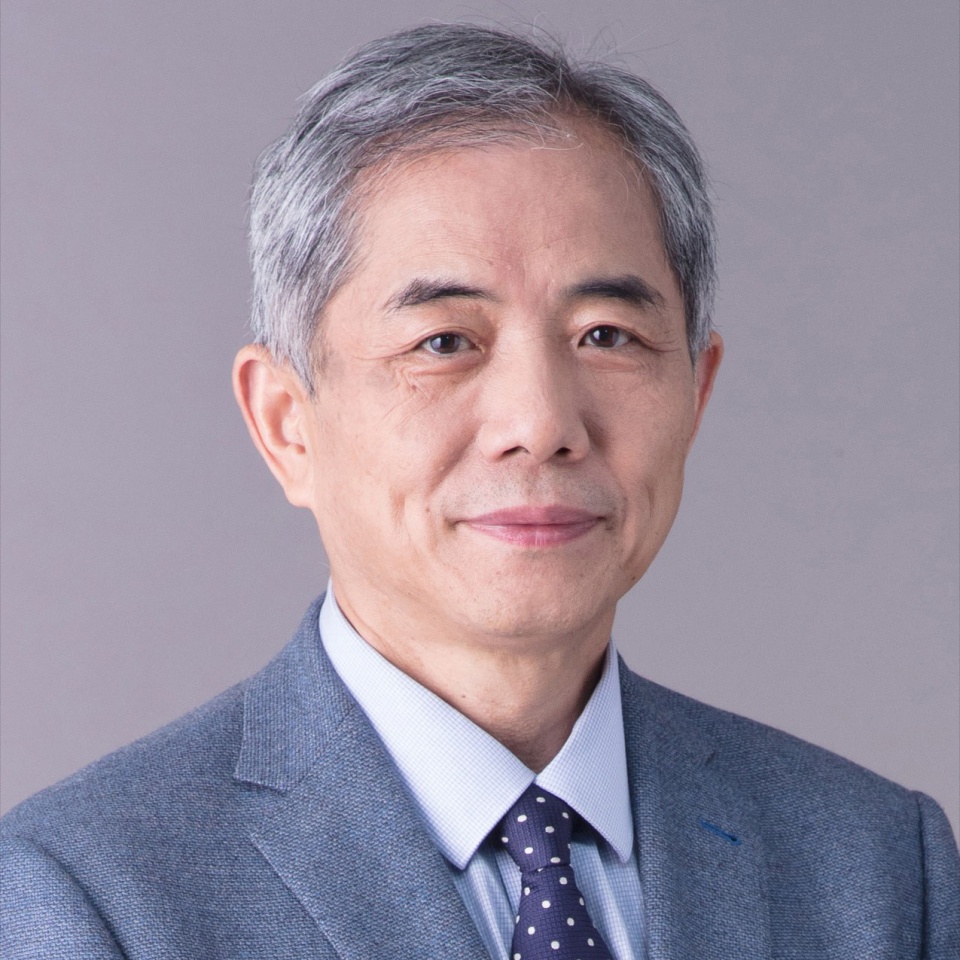
孟建民
Meng Jianmin
中国工程院院士、全国建筑设计大师、教授级高级工程师、深圳市建筑设计研究总院有限公司首席总建筑师
Academician of the Chinese Academy of Engineering
National Architectural Design Master
Professorate Senior Engineer
Chief Architect of Shenzhen Architectural Design & Research Institute Co.
评审专家(按姓氏拼音排序):
Judges (sort by last name):
黄印武
Huang Yinwu
上海交通大学设计学院副教授/建筑系主任、剑川县沙溪源乡村合作中心理事长
Associate Professor/Head of Architecture Department of Shanghai Jiao Tong University School of Design
Director of Jianchuan Shaxi Center for Rural Cooperation
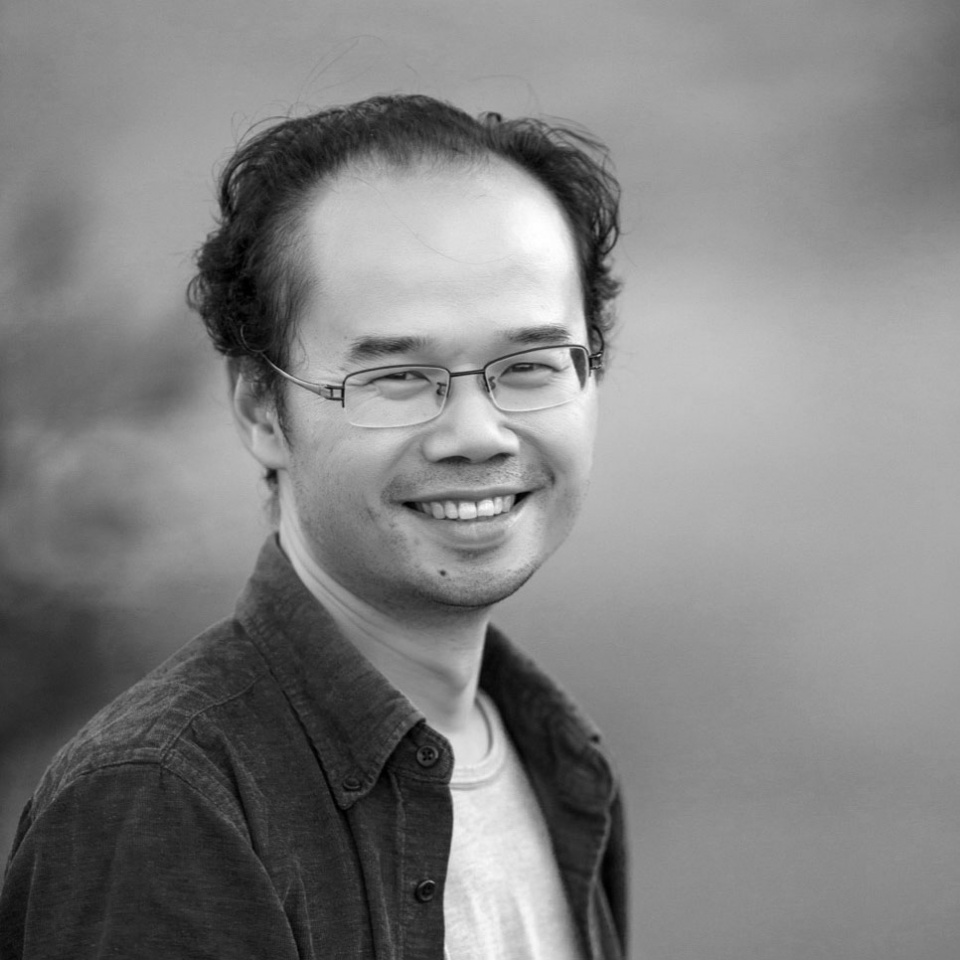
吉晓祥
Ji Xiaoxiang
大乐之野、向野而生创始人/CEO、莫干山民宿学院院长
Founder / CEO of Lost Villa & Lost Lodge
Director of Moganshan B&B Academy
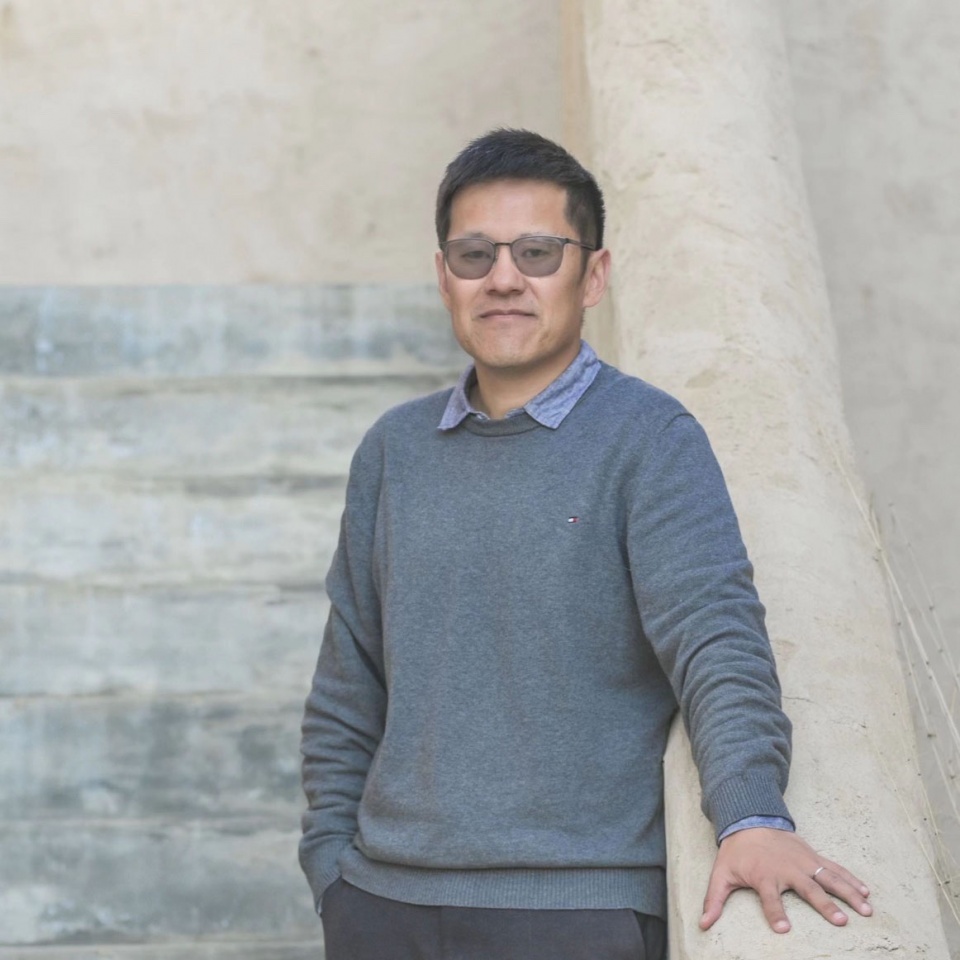
刘宇扬
Liu Yuyang
刘宇扬建筑事务所创始人/主持建筑师
Founder / Principal of Atelier Liu Yuyang Architects
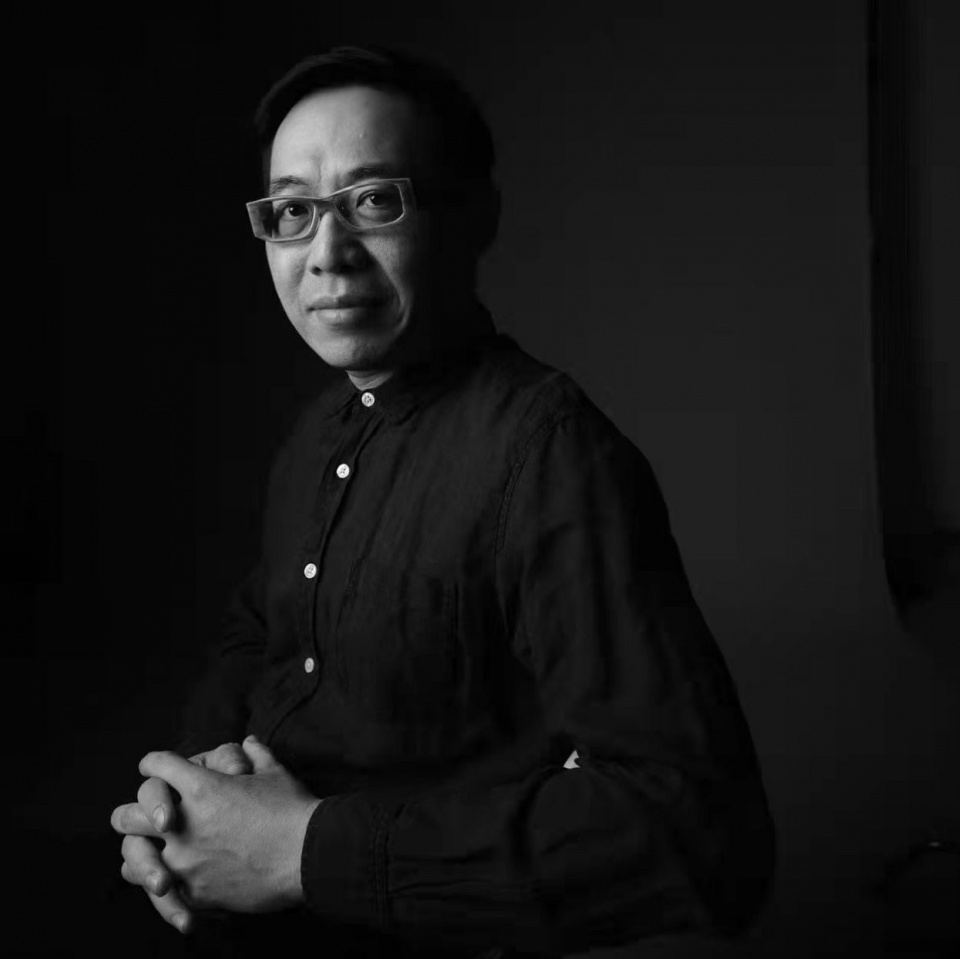
孟凡浩
Meng Fanhao
line+建筑事务所联合创始人/主持建筑师、上海浦东新区“乡村设计师”、山东省乡村振兴研究院战略顾问
Co-Founder / Chief Architect of Line+ Architects
Rural Designer of Shanghai Pudong New Area
Strategic Advisor of Shandong Province Rural Revitalization Research Institute
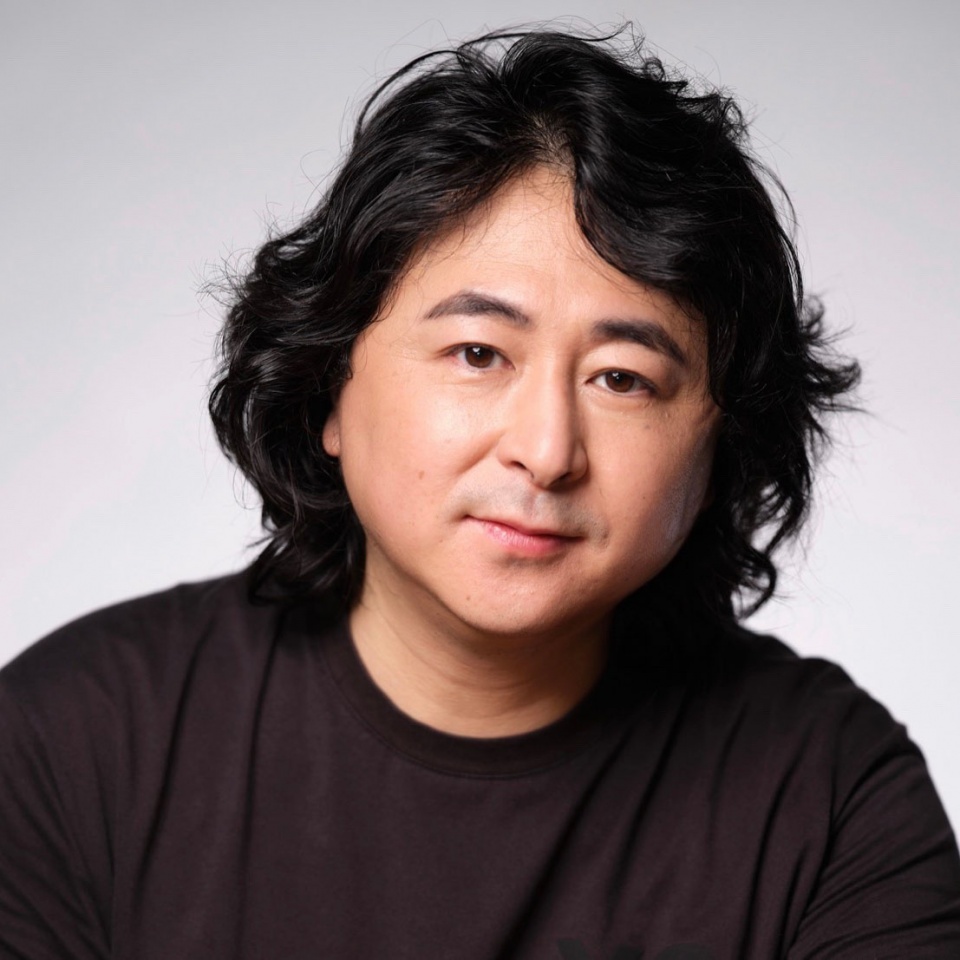
渠 岩
Qu Yan
当代艺术家、策展人、广州美术学院城乡艺术建设研究院院长/教授
Contemporary Artist / Curator
Director of the Institute of Urban and Rural Art Construction, Guangdong University of Technology
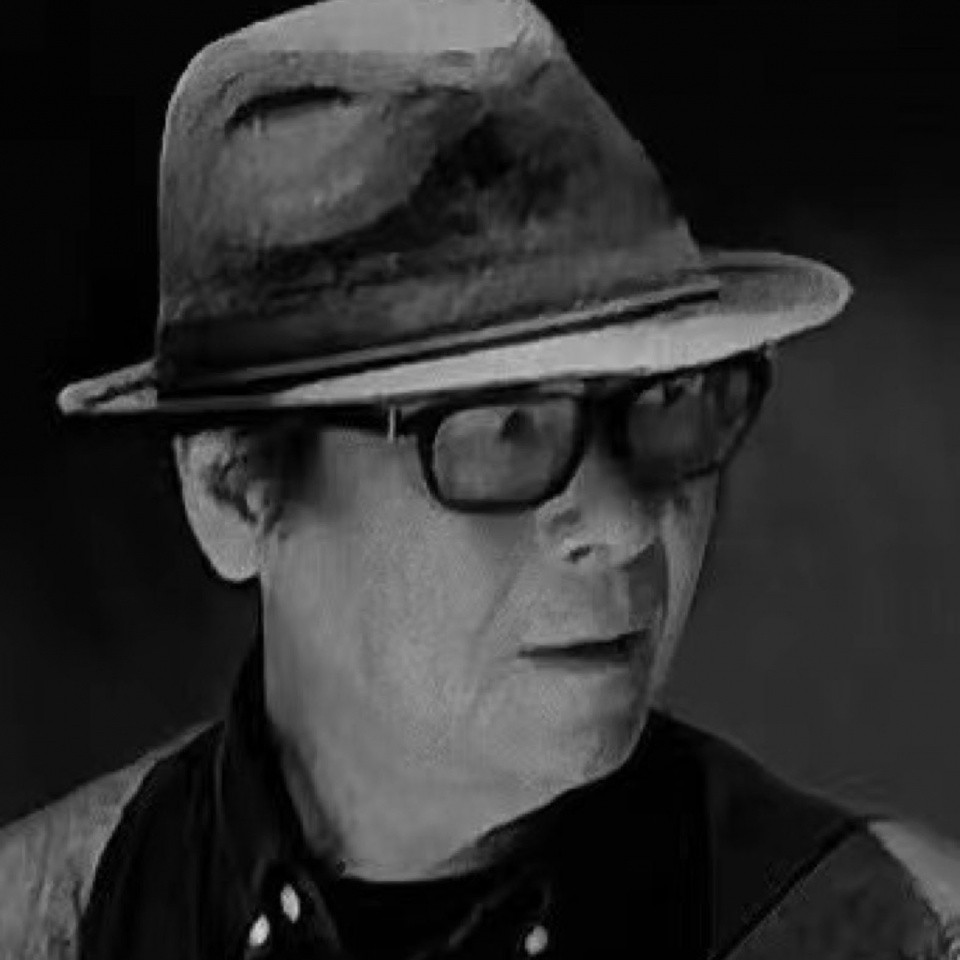
谢英俊
Xie Yingjun
谢英俊建筑师事务所&常民建築主持建筑师、联合国最佳人居案例奖获得者、Curry Stone Design Prize首奖获得者
Xie Yingjun Architects & Changmin Architects
Winner of the United Nations Best Habitat Case Study Award
Winner of the first prize of Curry Stone Design Prize
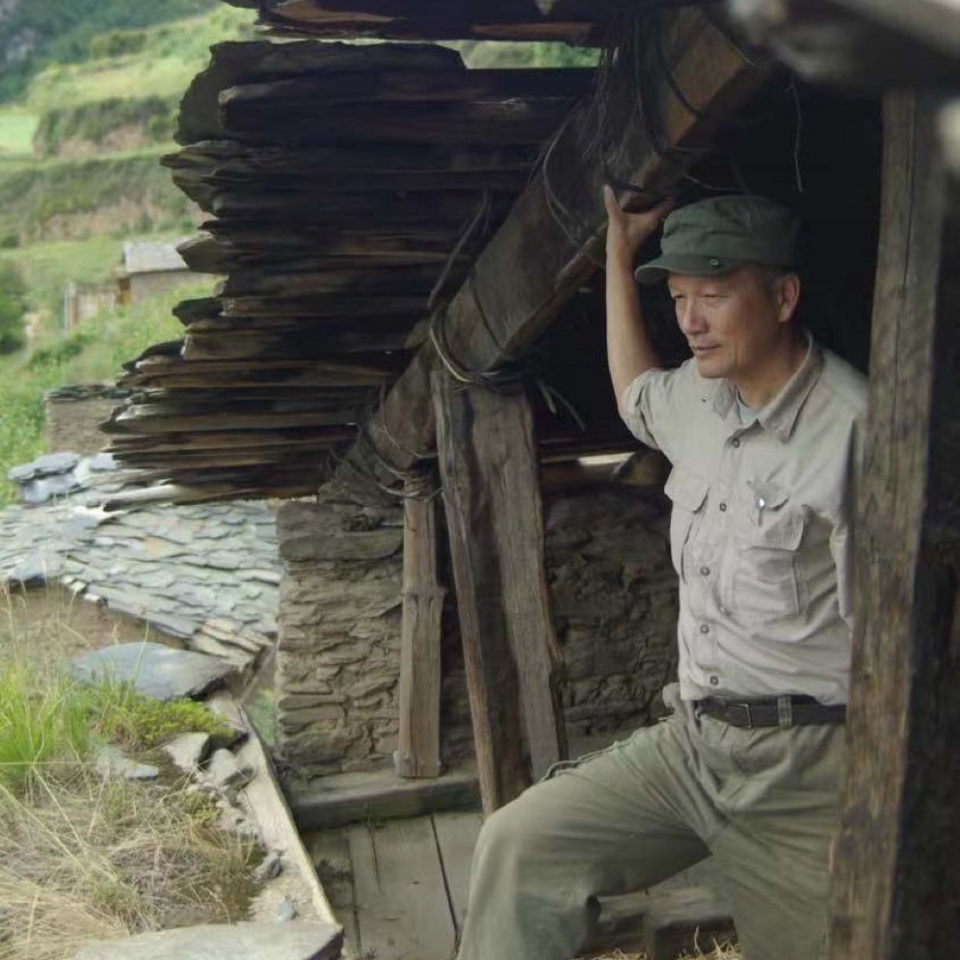
赵 扬
Zhao Yang
赵扬建筑工作室主持建筑师
Founder and Principal of Zhao Yang Architects
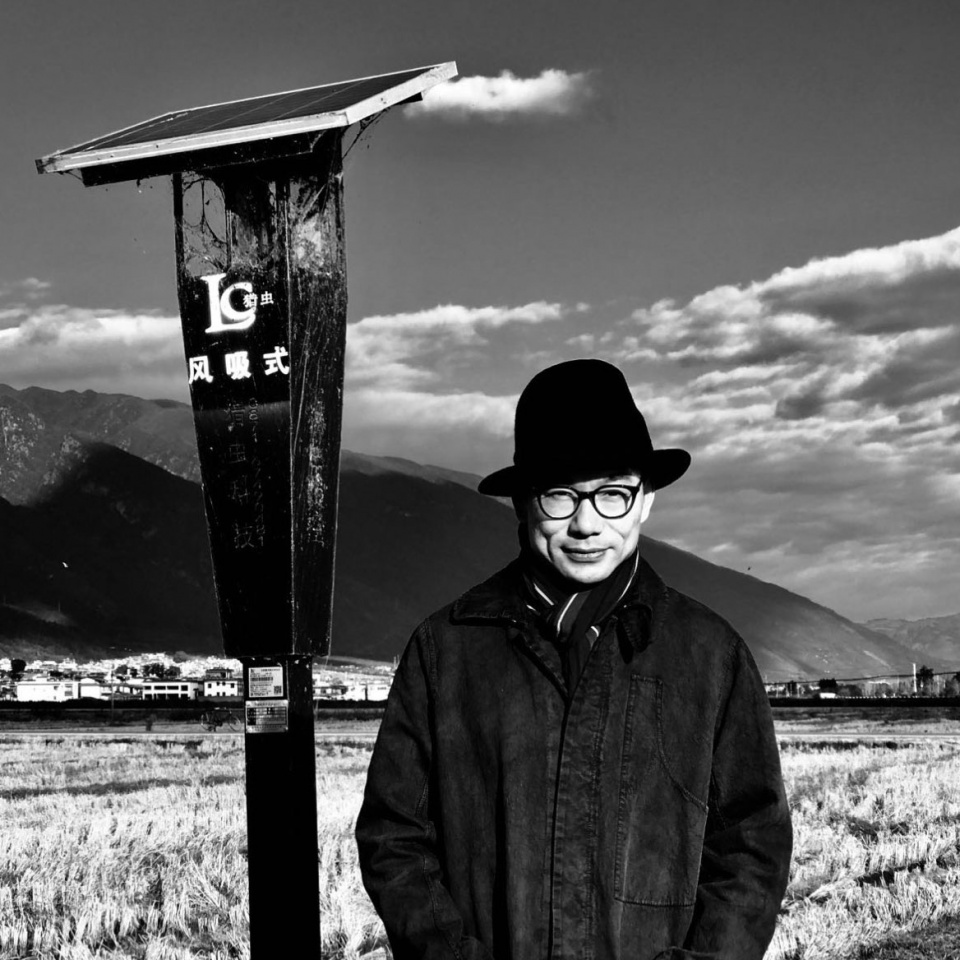
左 靖
Zuo Jing
策展人、城乡工作者、安徽大学副教授
Curator, Rural builder, Chief editor of Bishan Magazine
05
参选资格
Qualification
· 对参选建筑师/事务所的从业资格不设限,非专业建筑师也可参与评奖,并且不限所在地、不限国籍。
· There are no restrictions on the qualification of the participating architects / firms. Non-professional architects can also participate in the award evaluation, and there is no limit to their location or nationality.
· 参选建筑师的作品需落成于中国大陆及港、澳、台地区的乡村。
· The works of the participating architects should be completed in rural areas of China.
备注:“乡村”的界定,依据我国于2021年颁布施行的《中华人民共和国乡村振兴促进法》第二条第二款规定,乡村指城市建成区以外具有自然、社会、经济特征和生产、生活、生态、文化等多重功能的地域综合体,包括乡镇和村庄等。
Note: the definition of “rural area”, according to the article 2, paragraph 2 of《The Promotion Law of the People’s Republic of China on Rural Revitalization》 which implemented in 2021,“rural” refers to the regional complex outside of the urban area including villages and towns, which has the natural, social and economic characteristics and production, living, ecology, culture and other multiple functions.
06
时间节点
Timeline
· 2024年3月22日:奖项启动线上征集。
· 2024年6月30日:奖项申报截止。
· 2024年7月:首轮评审,由专家评委选出30个初选入围名单(每个奖项各10个)。
· 2024年9月:次轮评审,由专家评委和大众评委共同选出9个终选入围名单(每个奖项各3个)。
· 2024年10-11月:项目考察期,组织评委实地探访9个终选入围项目。
· 2024年12月:终选评审暨颁奖典礼,9个入围项目进行现场答辩,决出每个奖项的1个最终奖和2个提名奖,并举行颁奖典礼。
注:评审的具体日期和形式细节待定,届时以公众号或邮件通知为准。
· March 22,2024: Award registration starts.
· June 30,2024: Deadline for entry submission.
· July 2024: First round of judging, 30 preliminary finalists (10 for each award) selected by a panel of expert judges.
· September 2024: Second round of judging, with 9 finalists (3 for each award) selected by a panel of experts and a jury of the general public.
· October-November 2024:Project inspection period, organizing on-site visits to the 9 finalists by the jury.
· December 2024: Final Selection Judging and Award Presentation Ceremony, the 9 finalist projects will conduct on-site defense to determine 1 final award and 2 nomination awards for each award, and the award presentation ceremony will be held.
Note: The exact date and format details of the judging are to be decided, and will be notified by Wechat subscription or email.
07
申报方式
Application
· 扫描下方二维码,或通过访问下方百度网盘链接,获取报名信息表。
· Scan the QR code below or get the registration information sheet by visiting the Baidu.com link below.
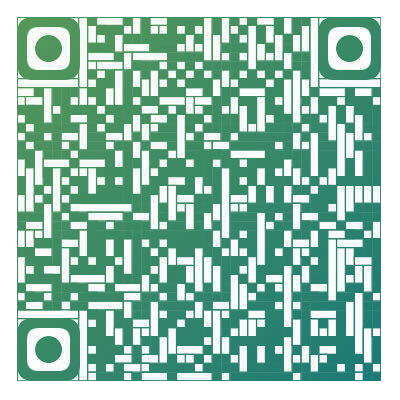
网盘链接:
https://pan.baidu.com/s/1lbQT6qfvl08El1lLhnCfMQ?pwd=xzwl 提取码: xzwl
· 请将填写完毕的报名信息表与所需材料打包发送至组委会邮箱:rural_futures@aptalks.org,邮件主题统一以“乡筑未来-申报奖项类别-申报人”发送。
· Please send the application form and the required materials as a package to the organizing committee at rural_futures@aptalks.org, with the subject line of the email as “Rural Futures Award – Award Category – Applicant”.
· 为了最大程度鼓励和支持更多优秀乡建者的参与,本次奖项采取开放式申报形式,同一申报人或作品可同时申报所有类别奖项,且申报不设置报名费。
· In order to encourage and support the participation of more outstanding rural builders to the greatest extent, this award adopts the form of open application. The same applicant or work can apply for all categories of awards at the same time, and there is no registration fee for the application.
· 申报截止日期为北京时间2024年6月30日23:59,组委会将于随后的每一轮评审结束后,以邮件或电话的方式通知入围下一轮的申报人。
· The deadline for filing is 23:59 GMT on June 30, 2024. The organizing committee will notify the shortlisted filers for the next round by email or phone after each subsequent round of judging.
· 提问和答疑:所有提问需通过邮件发送至组委会邮箱rural_futures@aptalks.org,邮件主题统一为“乡筑未来奖提问”。
· Q & A: All questions need to be sent by email to the designated email address rural_futures@aptalks.org, with the subject of the email being “Rural Futures Question”.

发表评论
你需要先 才能发表评论
社交登录