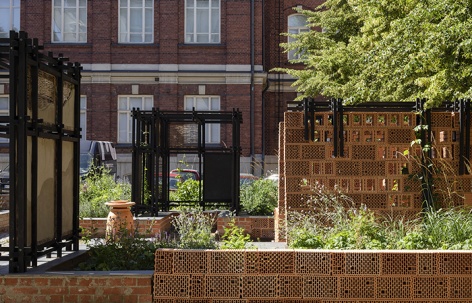
来自 Suomi/Koivisto Architects 对gooood的分享。更多请至:Suomi/Koivisto Architects on gooood
Appreciation towards Suomi/Koivisto Architects for providing the following description:
在2022年6月至2023年10月期间,坐落于赫尔辛基设计博物馆和芬兰建筑博物馆庭院中的Alusta展亭提供了一处多物种共生的空间。这处研究型展亭旨在探索自然与文化的交织,在城市环境中寻找满足生物多样性的方法。建筑师Maiju Suomi和Elina Koivisto领导的多学科团队共同设计建造了这处展亭。
Alusta pavilion located in Helsinki in the courtyard of the Designmuseum and the Museum of Finnish Architecture offers a space for multispecies encounters from June 2022 until October 2023. The research pavilion explores the intertwined quality of nature and culture, and searches for ways to care for biodiversity in urban environments. Alusta is realized by a multidisciplinary group led by architects Maiju Suomi and Elina Koivisto.
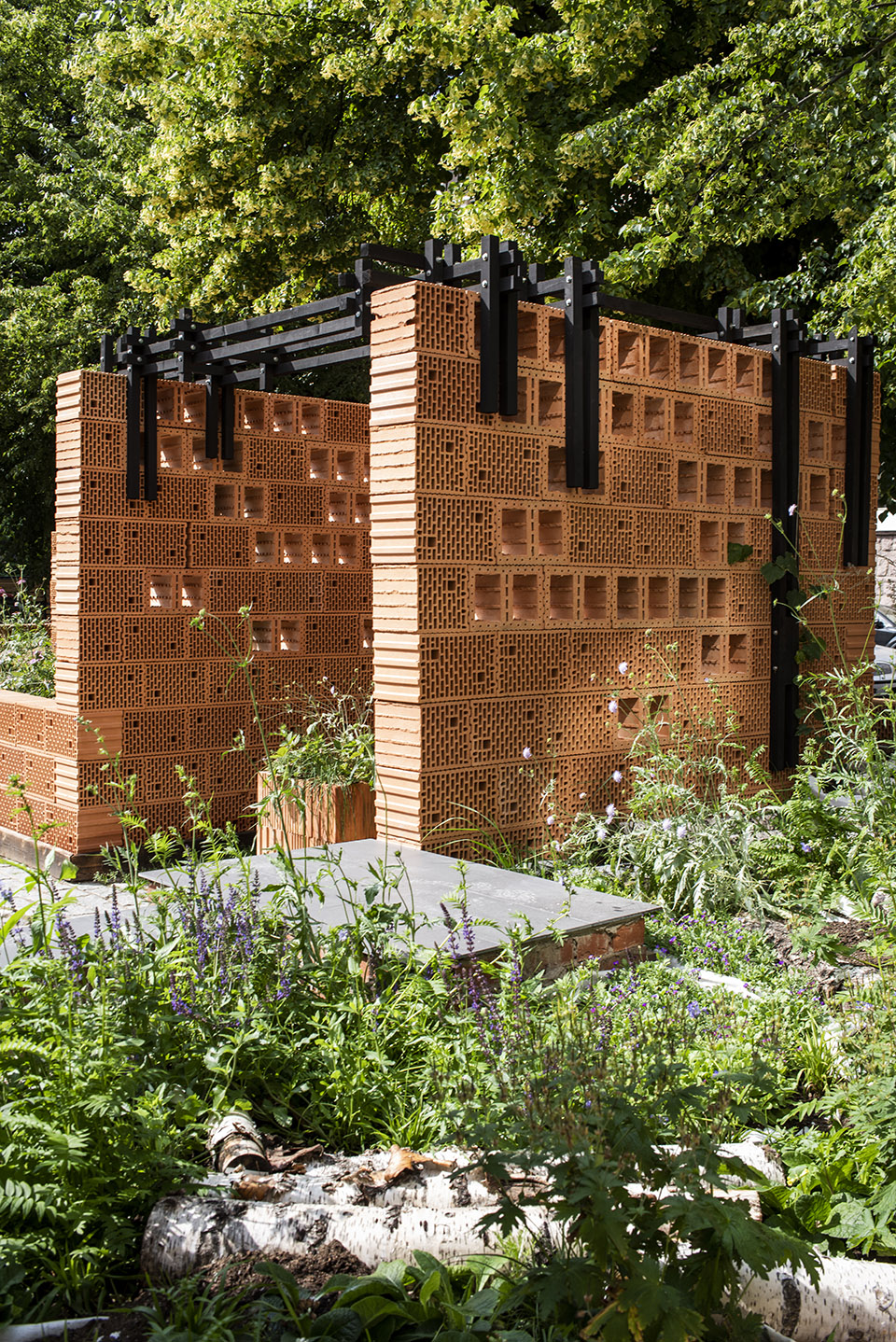
▼项目概览,overview ©Kuva Anne Kinnunen
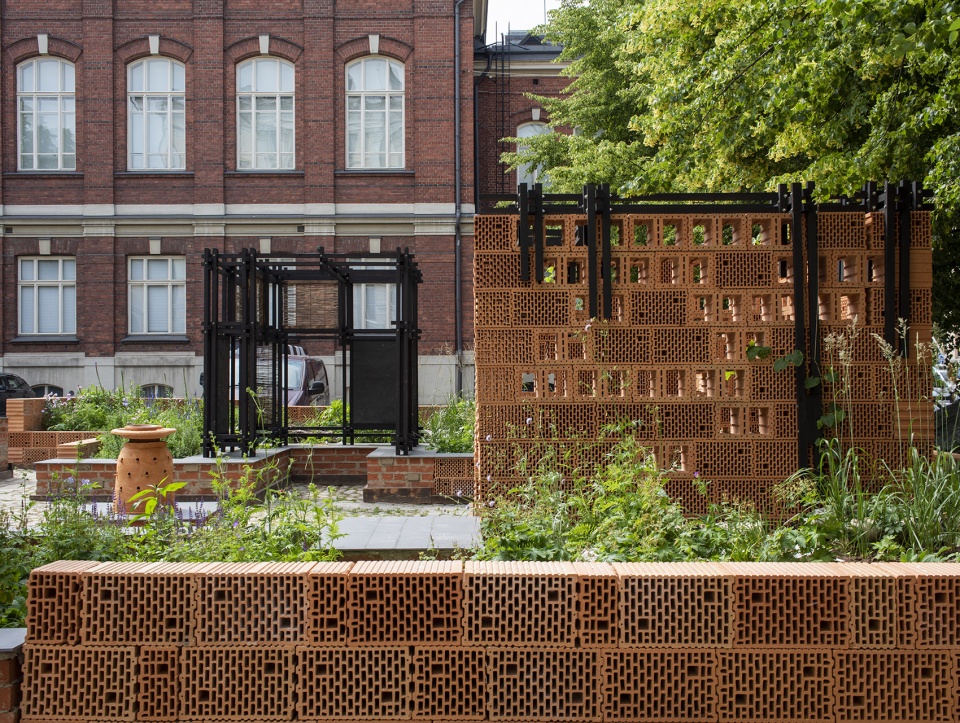
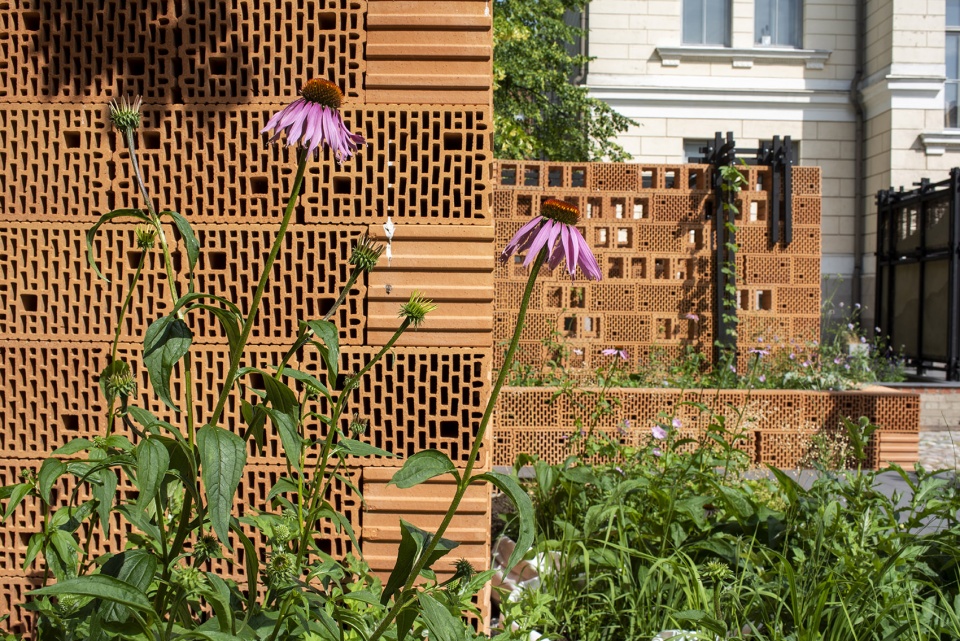
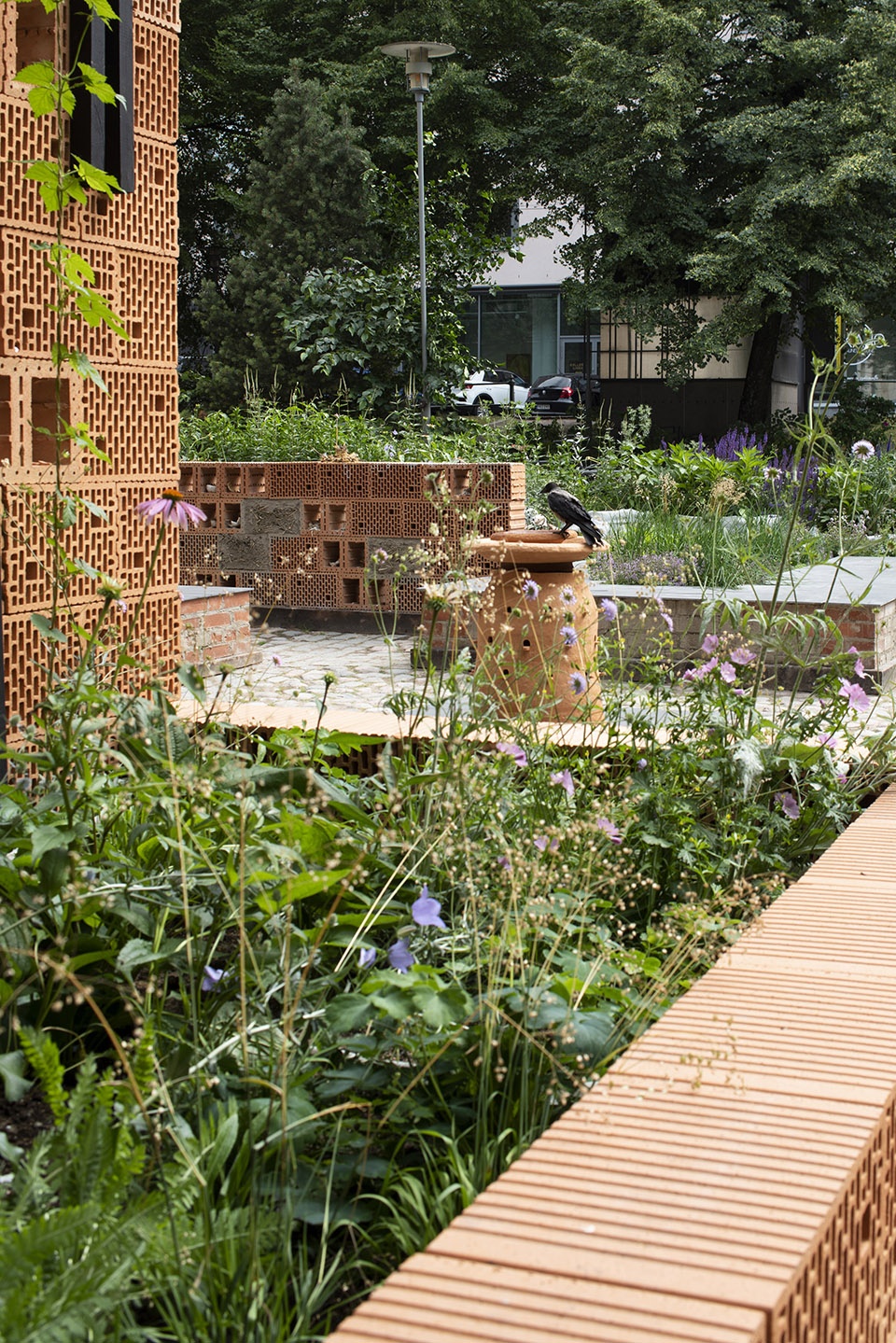
展亭从物质性和多感官体验出发,为不同活动创造了机会,为探讨环境提供了平台。它由利于传粉的草地和不同形式的粘土结构组成,既有未经烧制的、也有烧制后的砖和夯土。
The pavilion functions as a platform for environmental discourse, both on the level of its materiality and multisensory experience, and the different activities which take place there. It comprises a pollinator friendly meadow and structures made with clay in its different forms; unfired and fired brick and rammed earth.
▼外部视角,view from the outside ©Kuva Anne Kinnunen
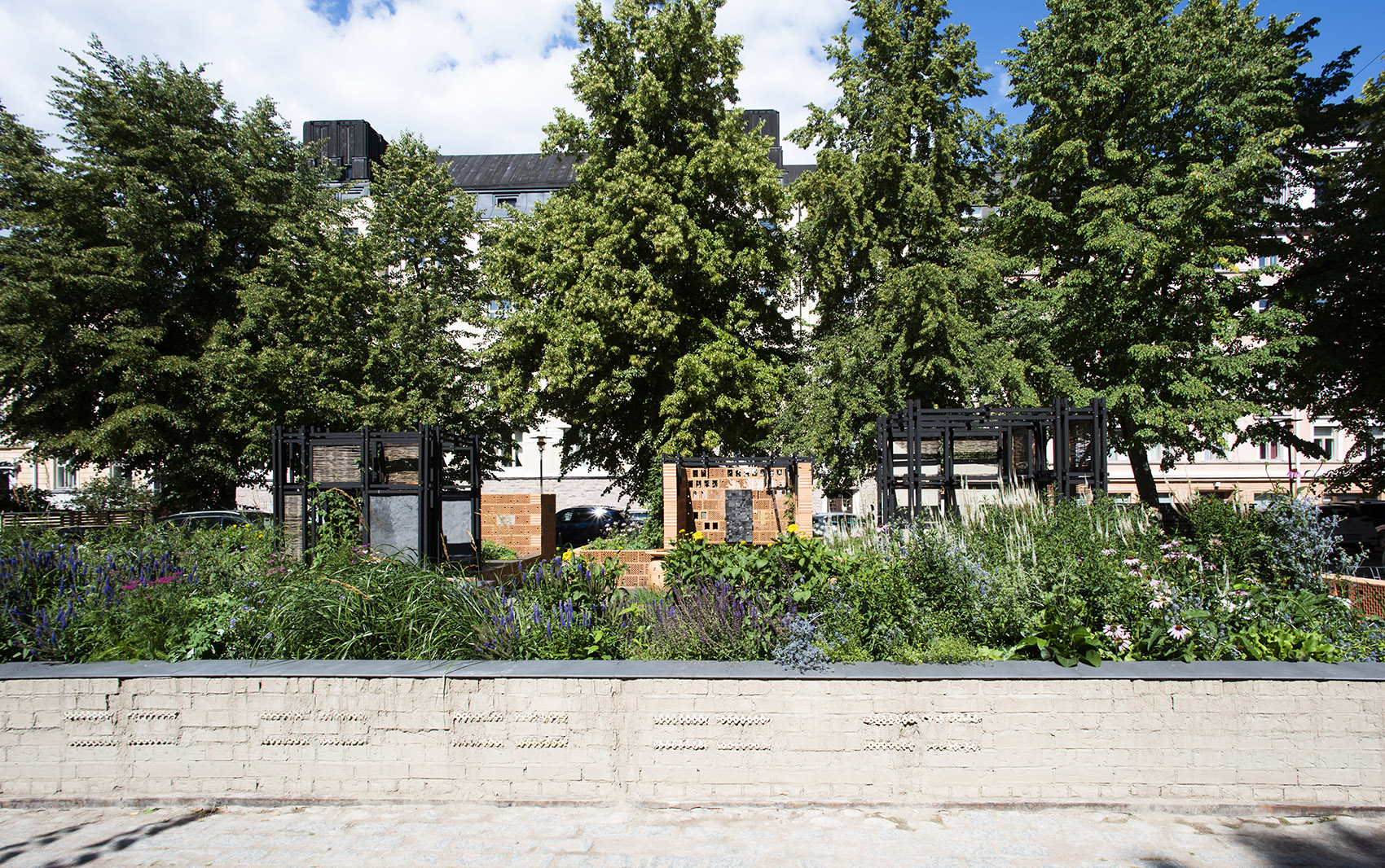
▼庭院中的视角,view from the courtyard ©Kuva Anne Kinnunen
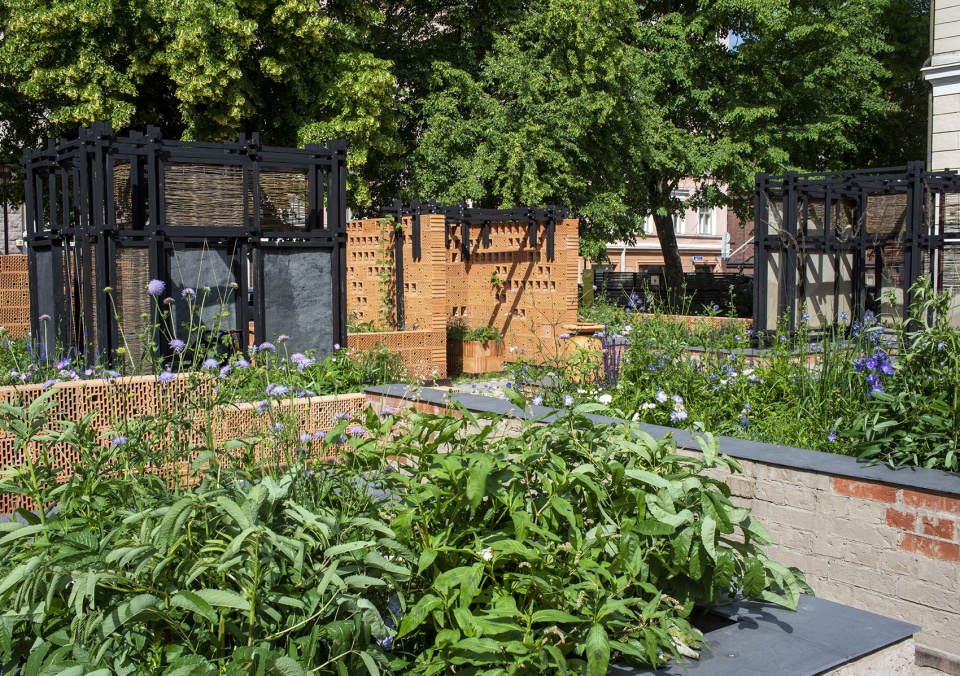
▼休息区,resting area ©kuva Anni Koponen
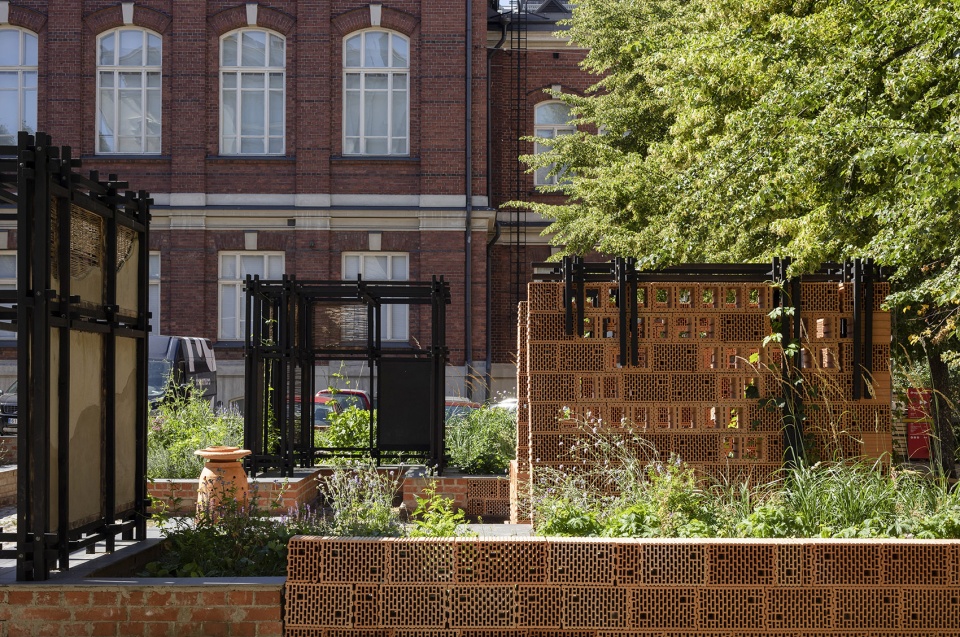
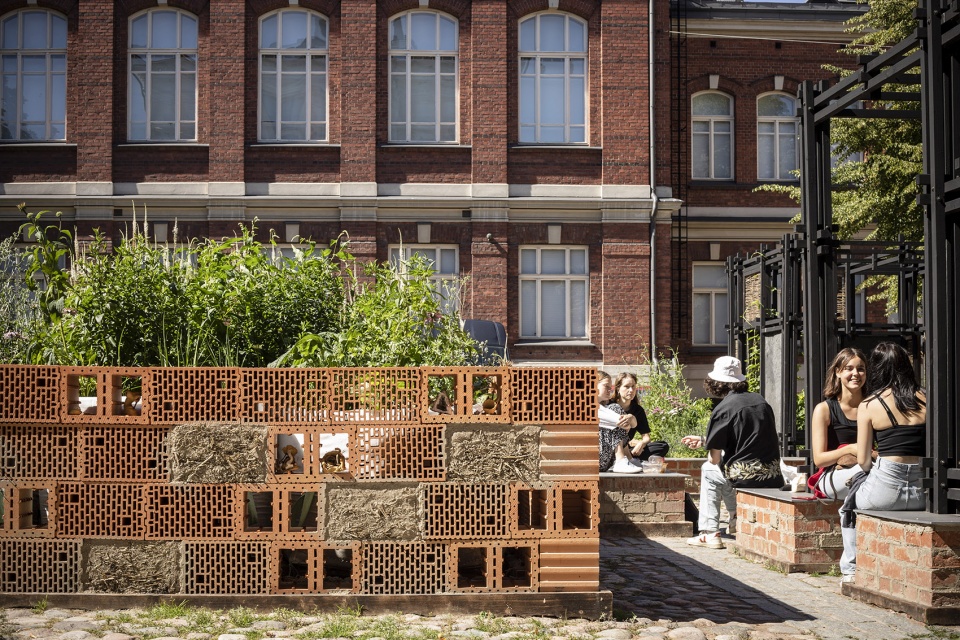
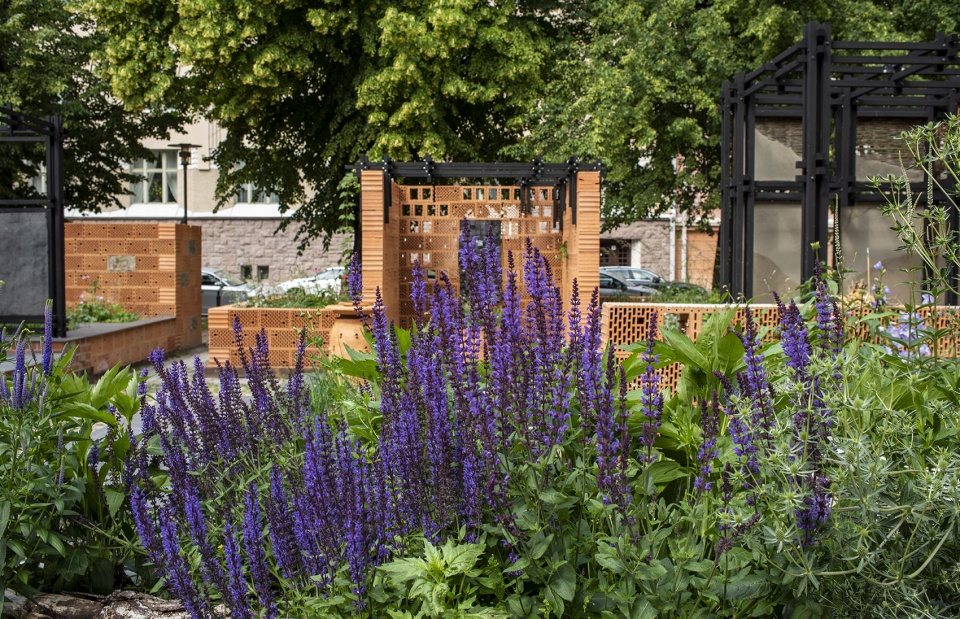
▼花房,flower pavilions ©Kuva Anne Kinnunen
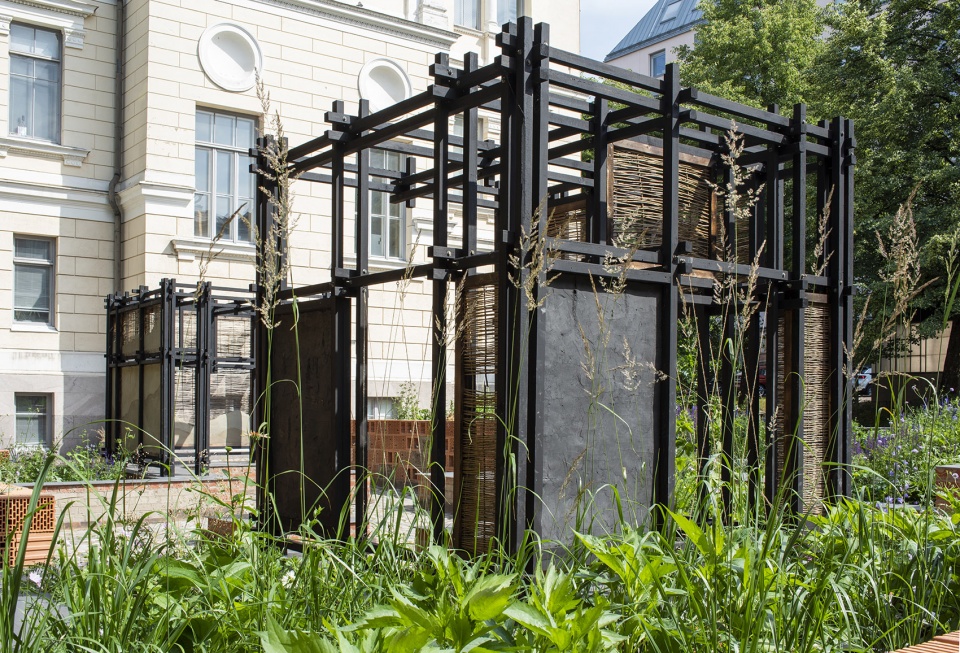
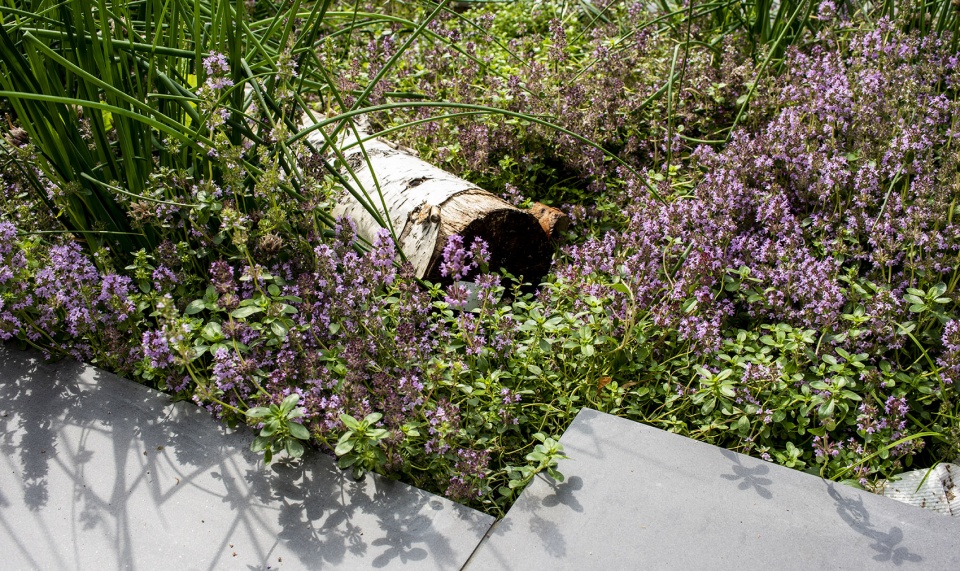
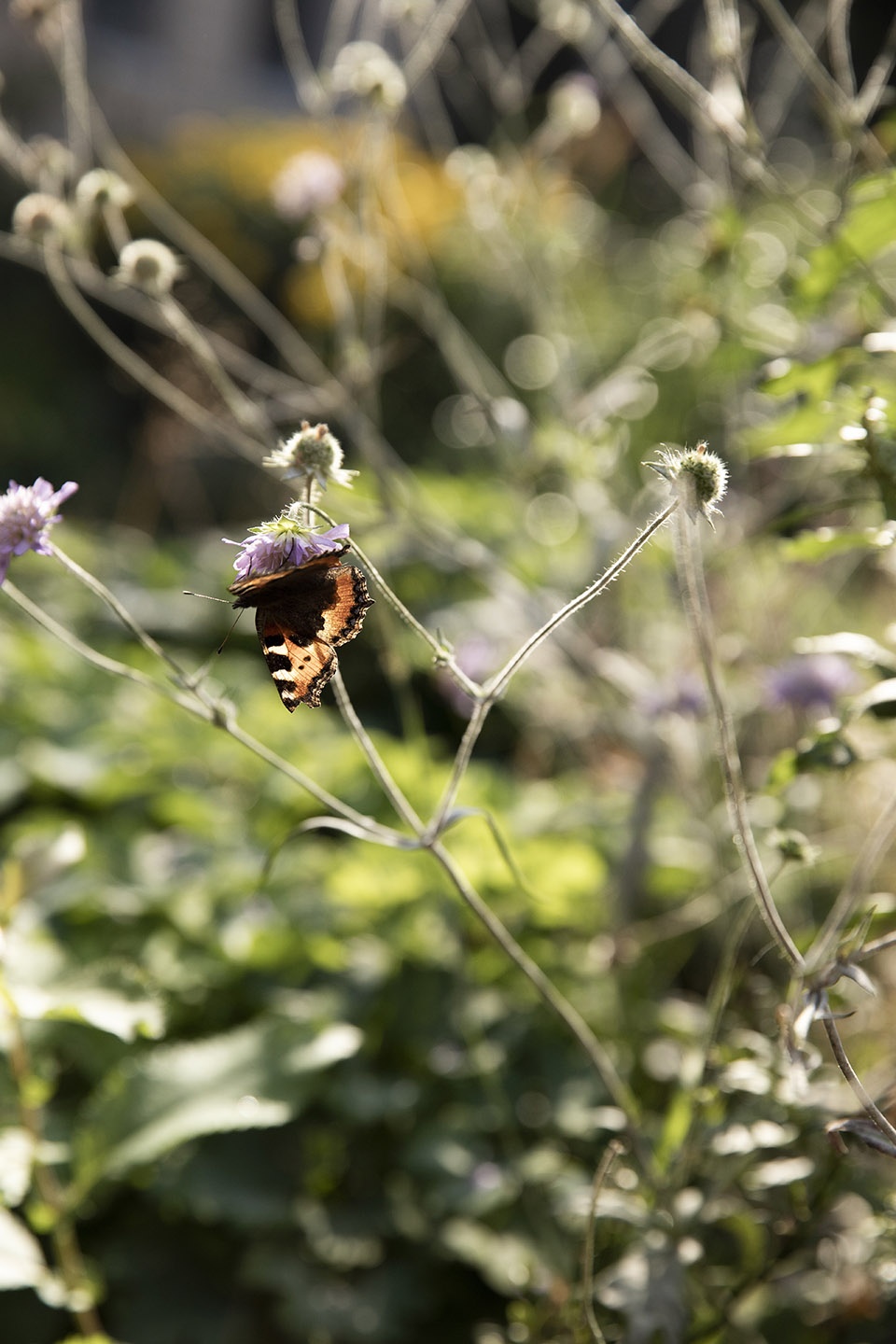
方案邀请生态学者一同确认了对于蜜蜂、黄蜂和蝴蝶等自然“访客”的需求,并通过利于授粉的多年生植物和腐烂的木材为昆虫提供营养和庇护。多孔粘土结构在塑造人类空间的同时,也吸引了自然生物的到访与定居。
The needs of the non-human visitors, different pollinating insects such as bees, bumble-bees and butter- flies, were identified together with ecology researchers. Polinator friendly perennial plants together with decaying wood offer nutrition and shelter for insects. The porous clay structures simultaneously form space for humans and allow non-human animals to enter and to inhabit them as they wish.
▼多孔粘土结构,the porous clay structures ©kuva Anni Koponen
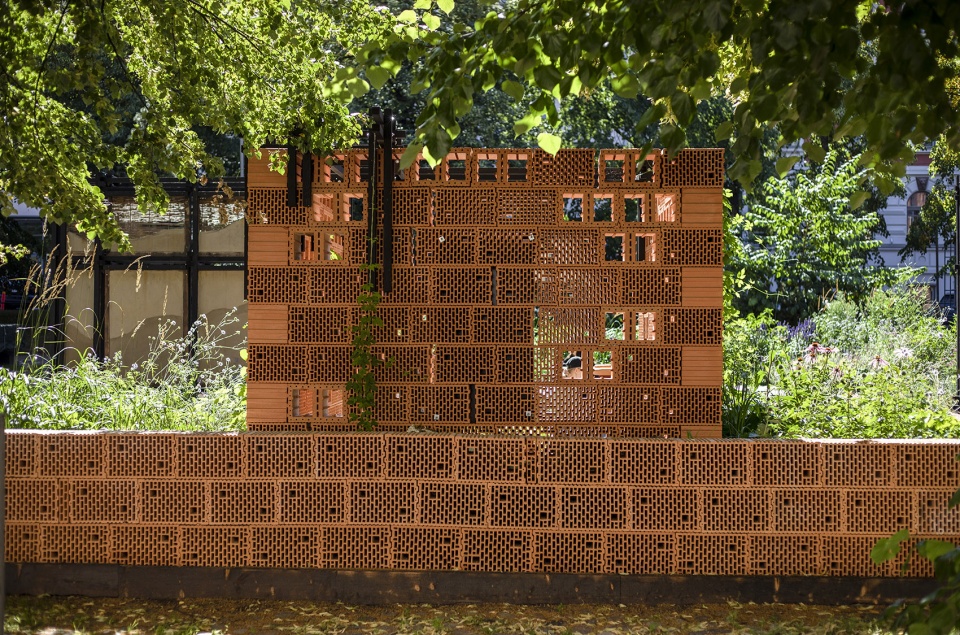
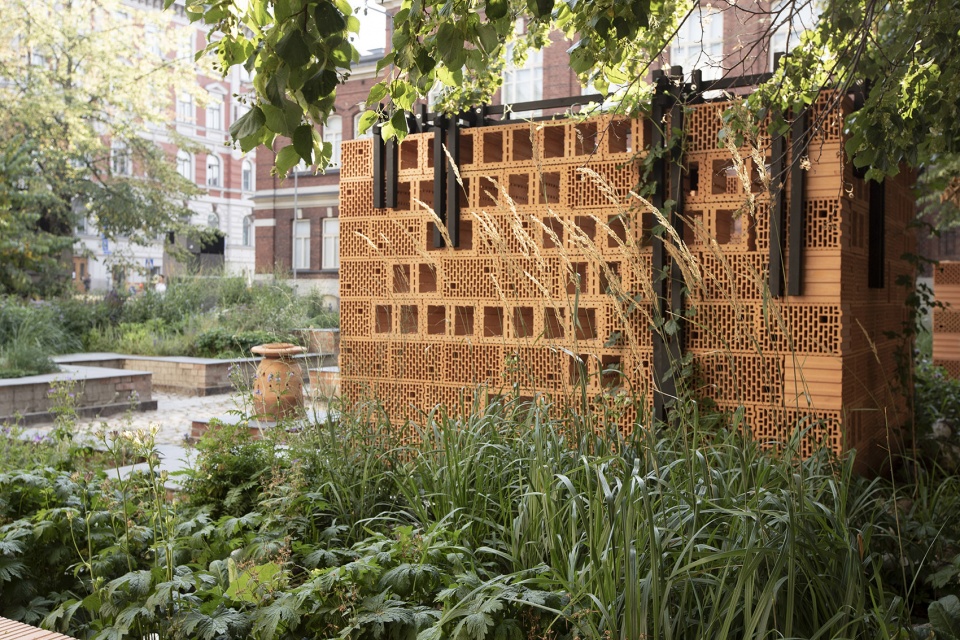
▼自然小路,natural passages ©kuva Anni Koponen
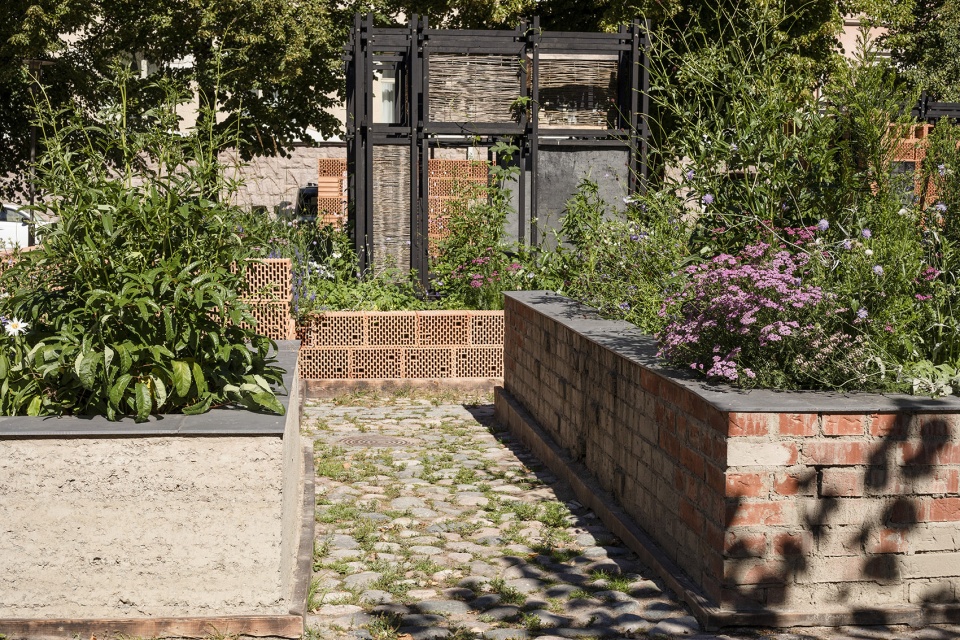
▼为鸟类提供的饮水处,water points for birds ©Kuva Maiju Suomi
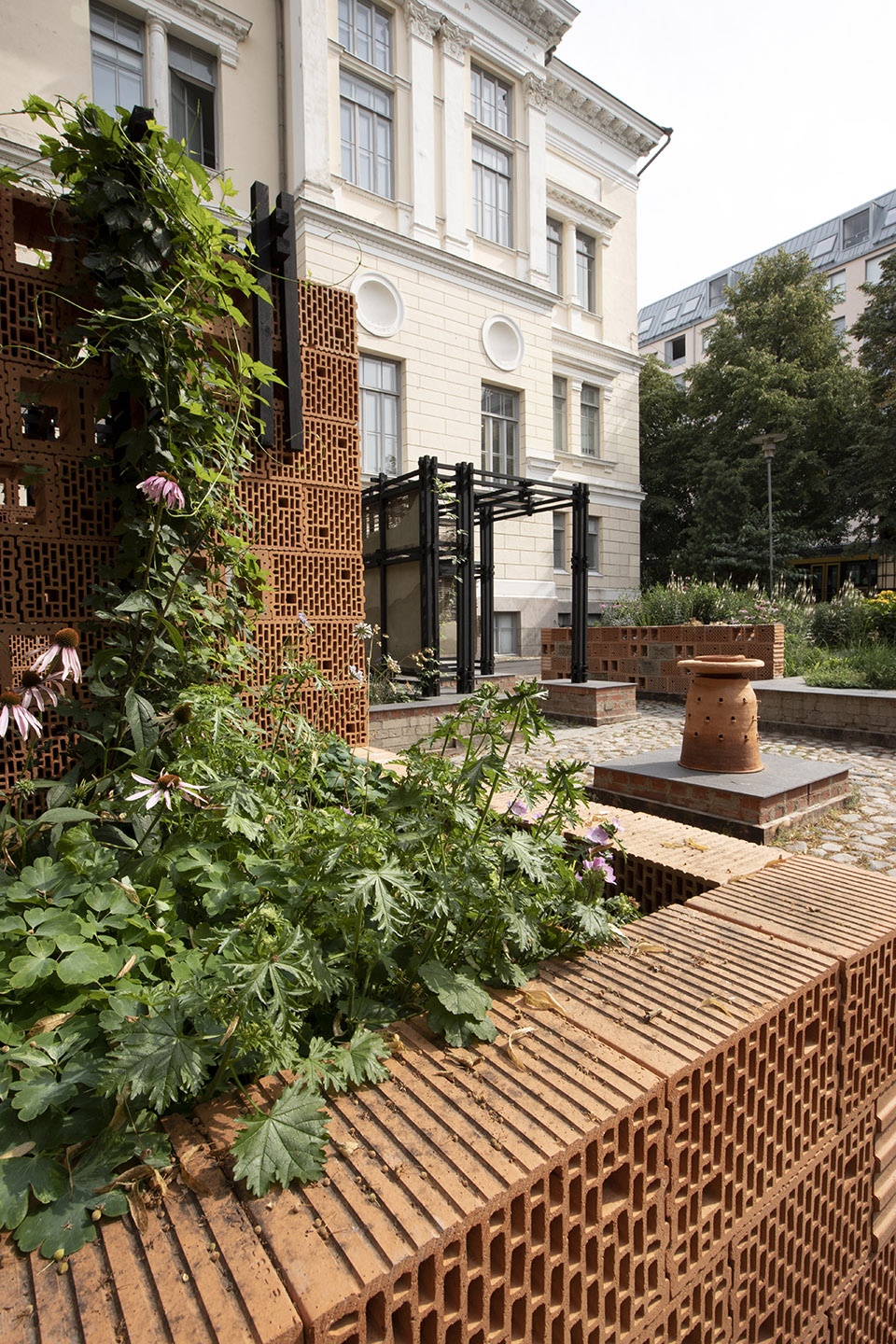
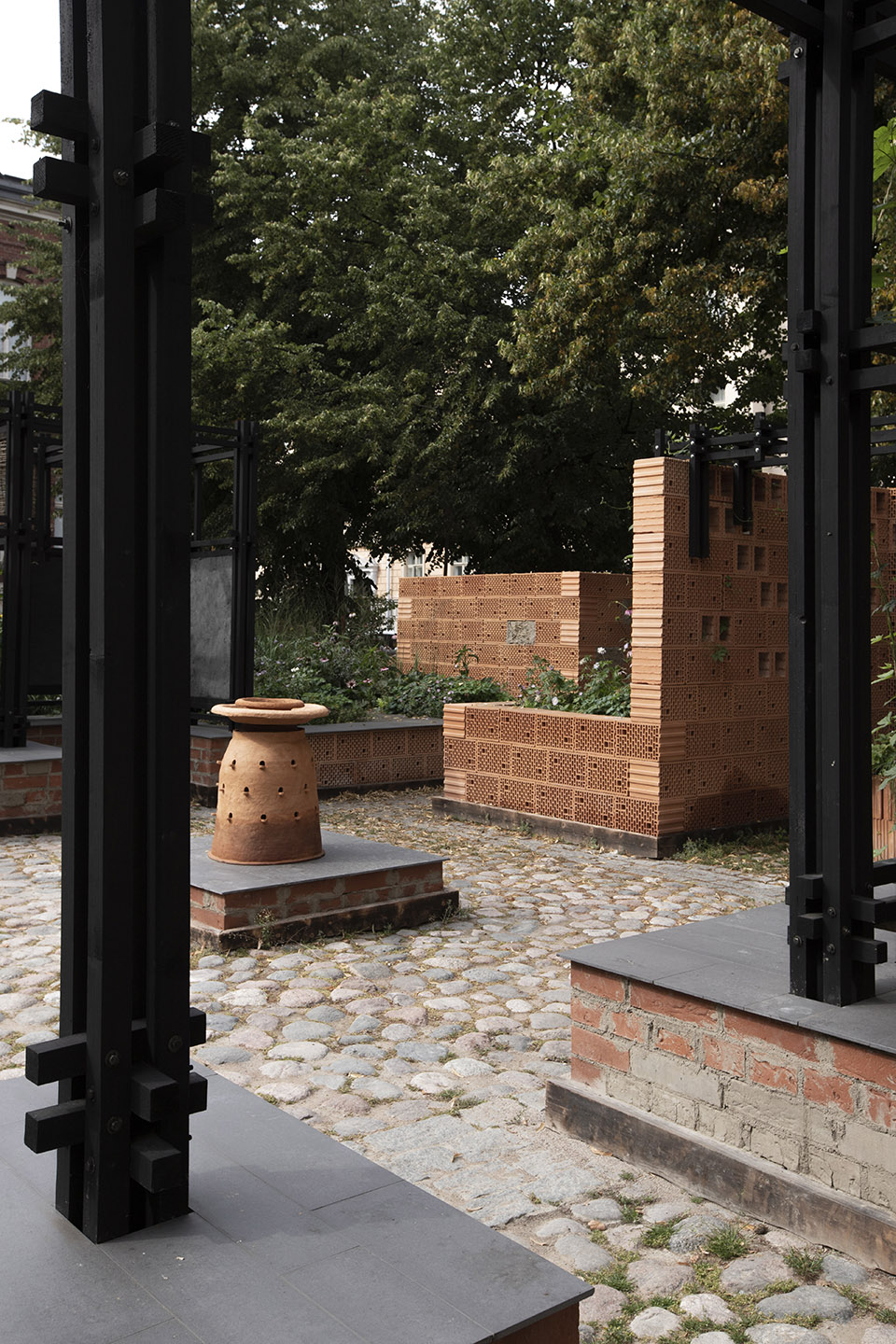
▼展示空间,display area ©Kuva Anne Kinnunen
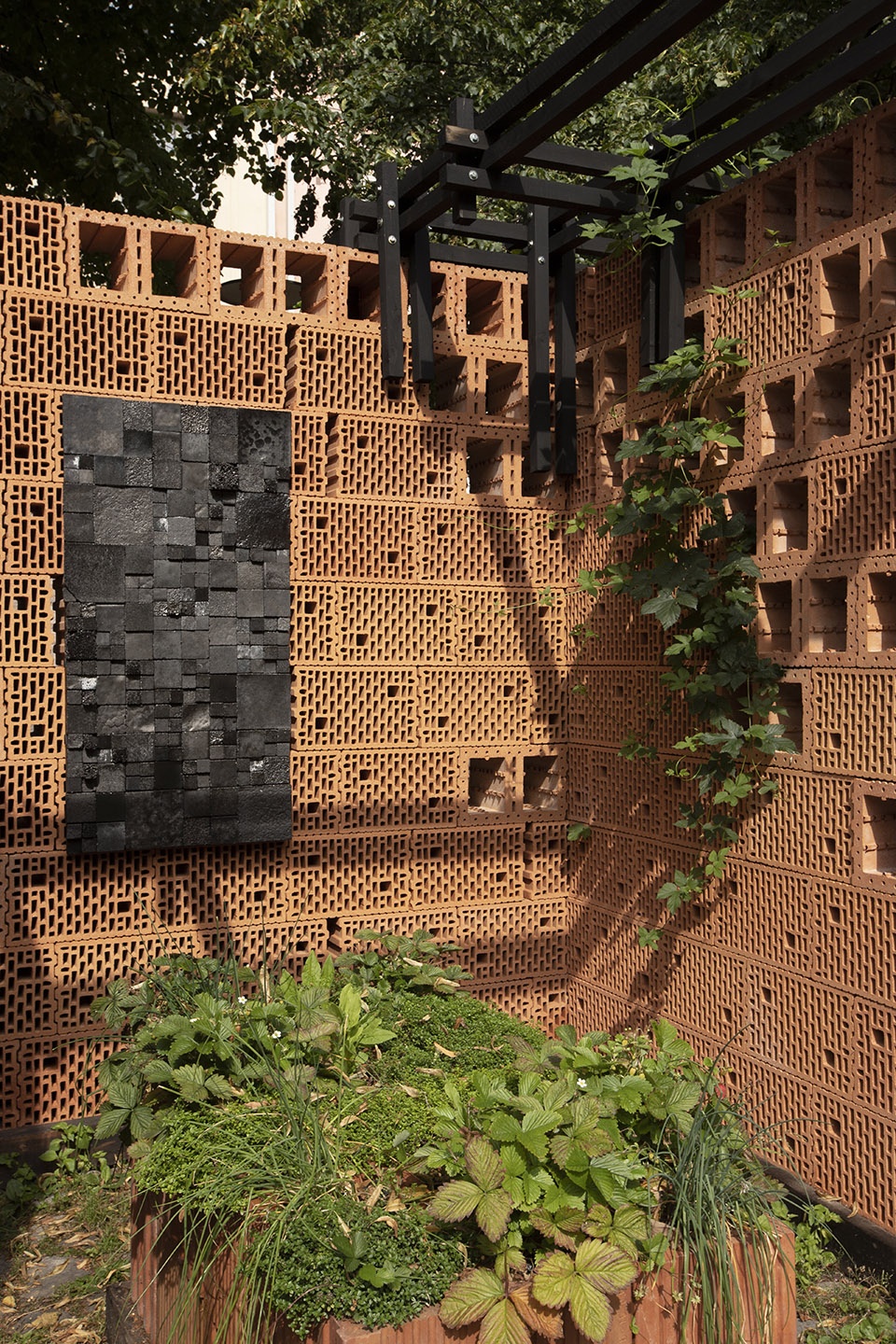
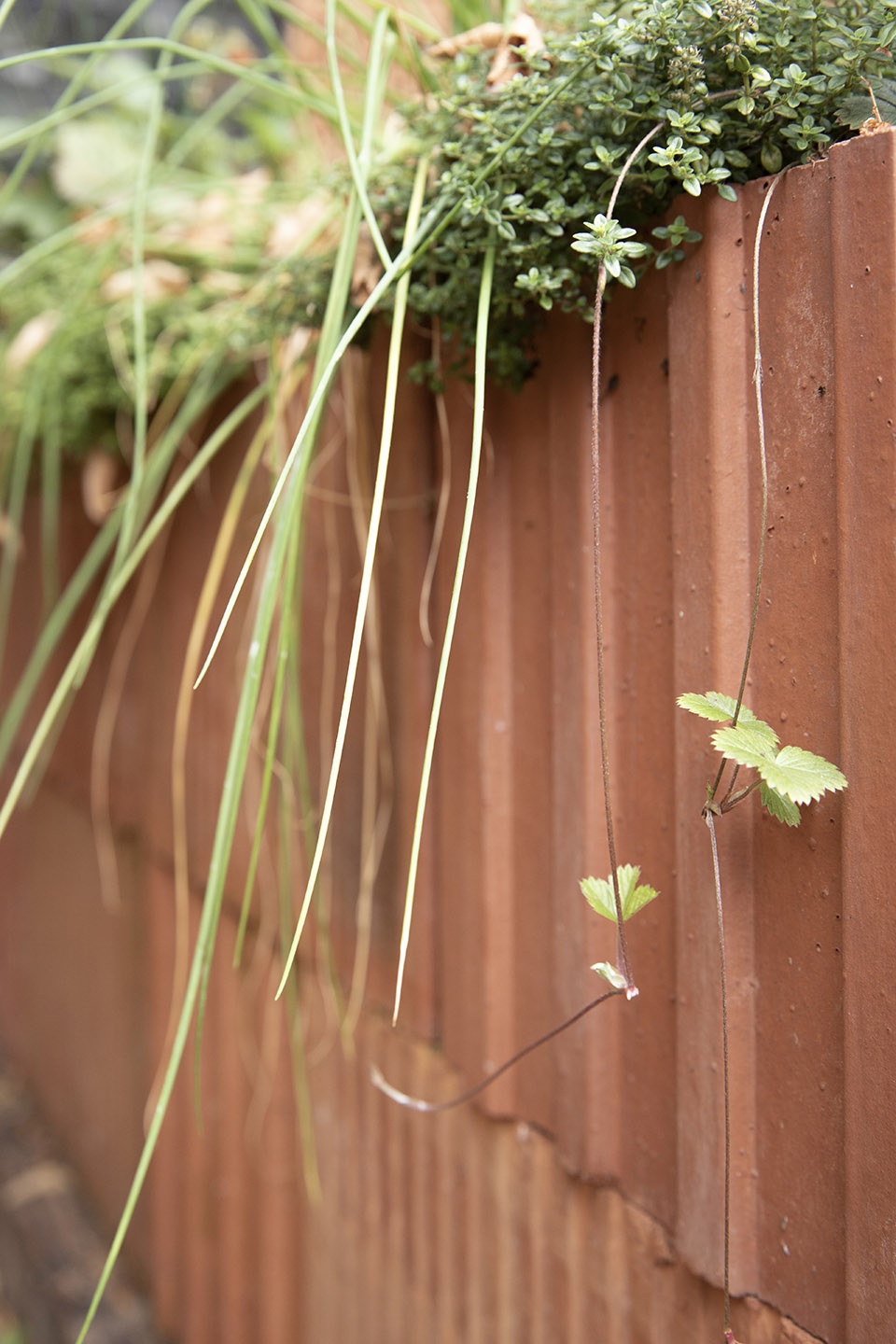
在材料层面,展亭旨在尽可能保持生态。土以土壤和粘土的不同形式存在,烧制和未烧制的粘土旨在探索最节能的建造过程。与生物炭和生物炭元素混合的粘土灰泥拓展了材料研究的可能性,并有利于塑造场所的美学质感。
On the material level the pavilion aims to make space as ecologically as possible. Earth is present as living soil and clay in different forms. Through the use of both unfired and fired clay the possibilities for limiting energy use in construction are explored. Clay plaster mixed with biochar and the biochar elements represent new possibilities in material research and contribute to the aesthetic texture of the place.
▼生态容器,eco-containers ©Kuva Anne Kinnunen
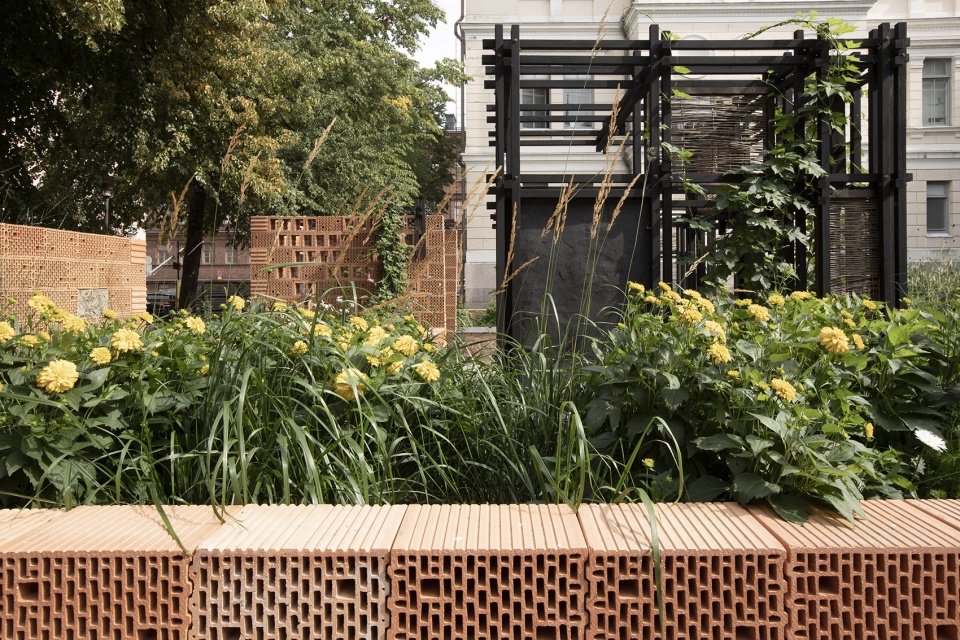
当展馆关闭时,植物将移到其他地方的容器中继续生长。生粘土将返回大地,而烧制的元素将在另一座建筑中重新利用。
When the pavilion closes the plants will move in their planting containers elsewhere to continue their life. Raw clay will return to ground and the fired elements will be reused in another building.
▼植物与材料,plants and materials ©Kuva Anne Kinnunen
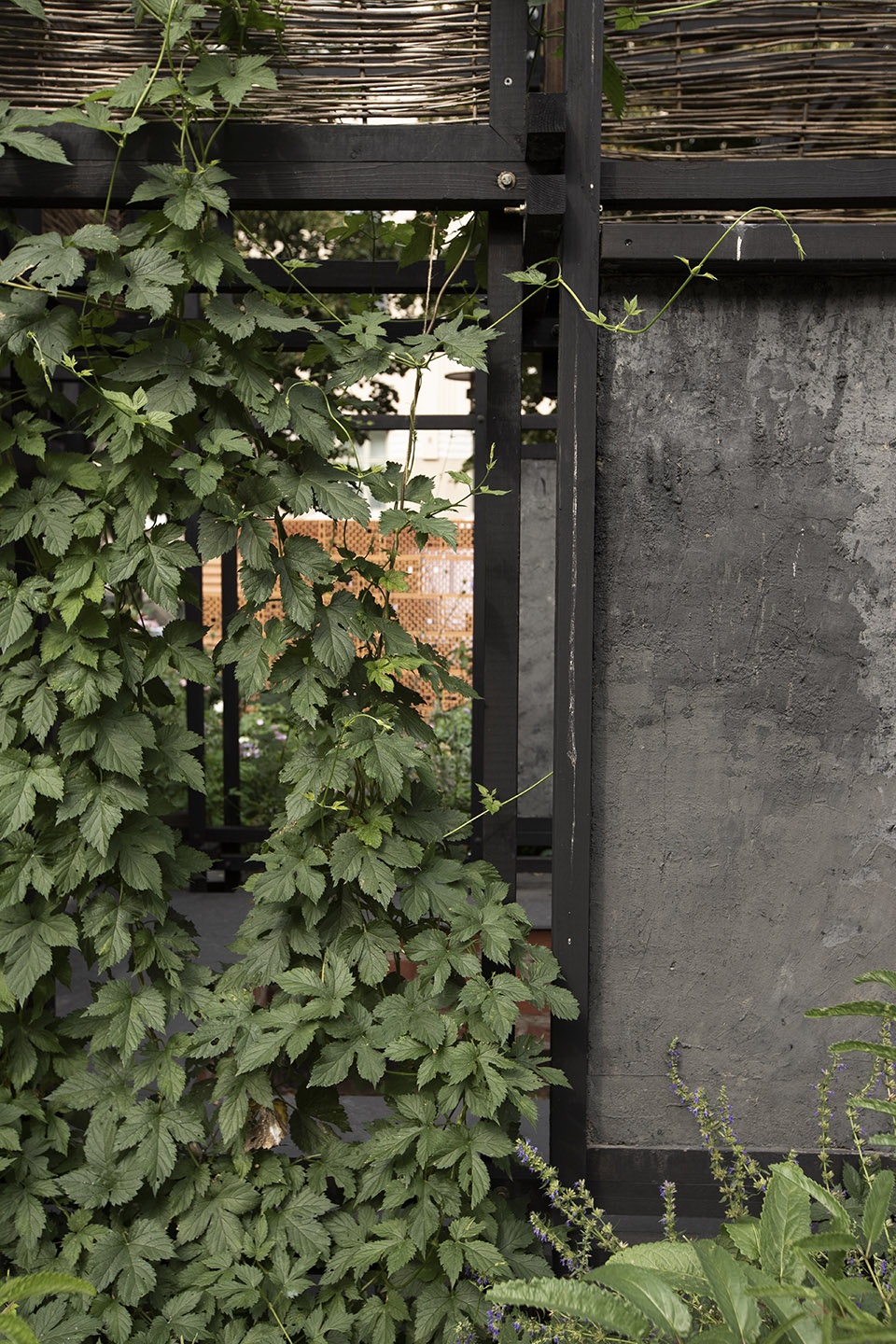
Alusta展亭旨在使人们跨越人类社会的界限,重新审视自己的位置。展亭由植物、人与非人生物、自然过程和时间流逝共同构成,激起了对单一人类个体的反思。材料在空间形成的过程中具有自己的使命,展亭不是一件可以清晰划定时间和空间的物体,而是展现着一个连续的过程和一种发展的状态。随着时间流逝,边界将逐渐模糊变成孔洞,建筑也将逐渐融为一体。
Alusta invites us to reconsider our place in the more than human community. The pavilion takes its shape together with the plants, human and non-human animals, natural processes and passage of time, thus questioning our understanding of singular human authorship. The materials have their own agency in the process of forming the space. The pavilion is not conceived as an object with clear outlines in space and time, but rather as a process in constant state of becoming. Borders fade and become porous, architecture rather binds together than separates.
▼促进自然过程的发生,promoting natural processes ©Kuva Anne Kinnunen
游客可以通过粘土工作坊参与到建造的过程中,共同体验种植和堆肥。在2022年夏天,23种不同的活动将在此举办,有面向家庭和儿童开放的粘土筑巢工作、面向高校生的可持续建筑夏令营、面向专家和学者的讲座和研讨会以及鼓励公众参与的媒体艺术展、诗歌工作坊等。
The human visitors have been able to take part in the construction of the pavilion though clay building workshops, planting and bokashicomposting activities. During the summers 2022 and 23 different kinds of program will take place there; e.g. nest building clay workshops for families with young children, sustainable architecture summer schools for high school students, lecture and discussion program for design professionals and open cultural program such as media-art screenings and poetry workshops.
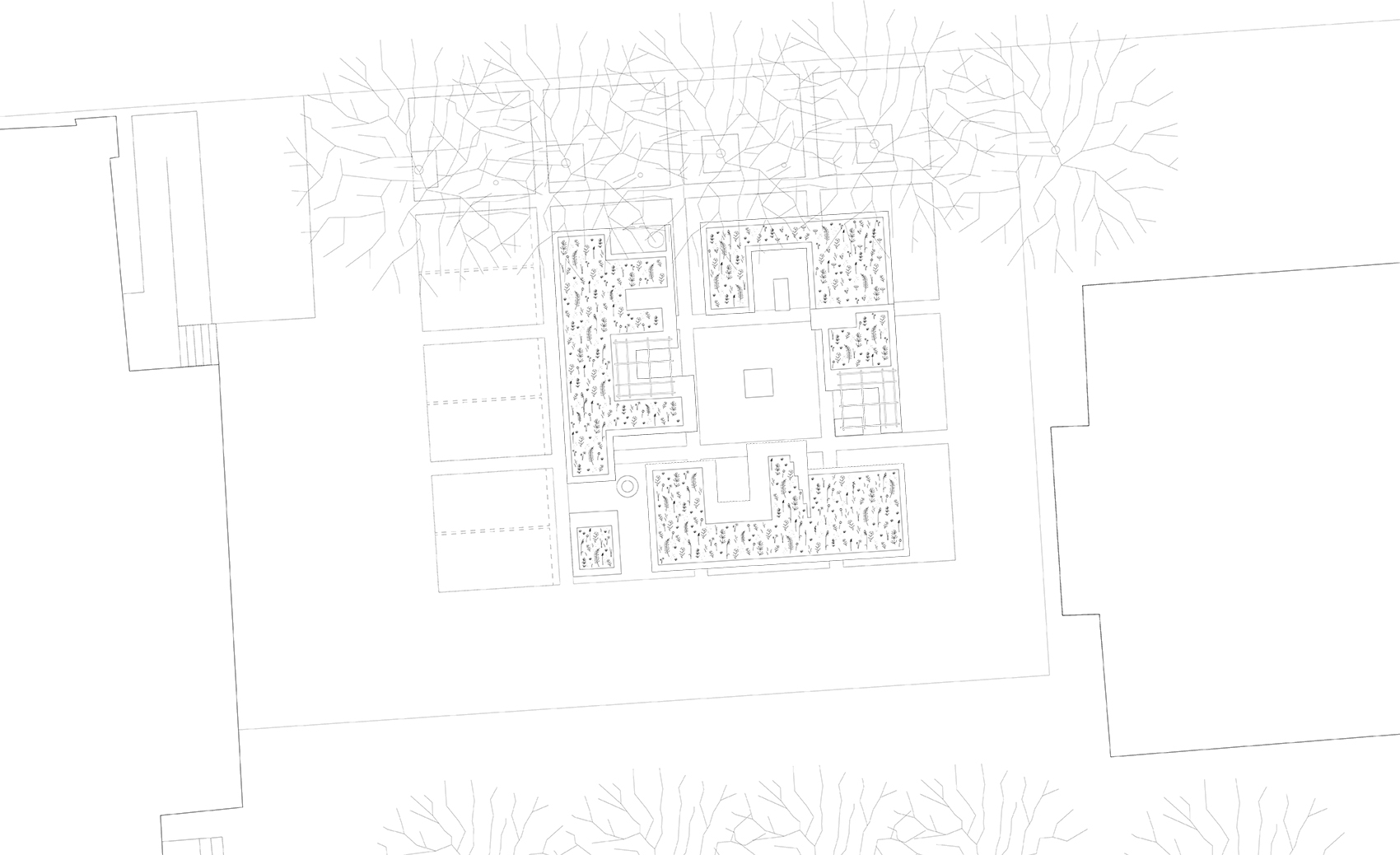
▼总平面图,masterplan ©Suomi/Koivisto Architects
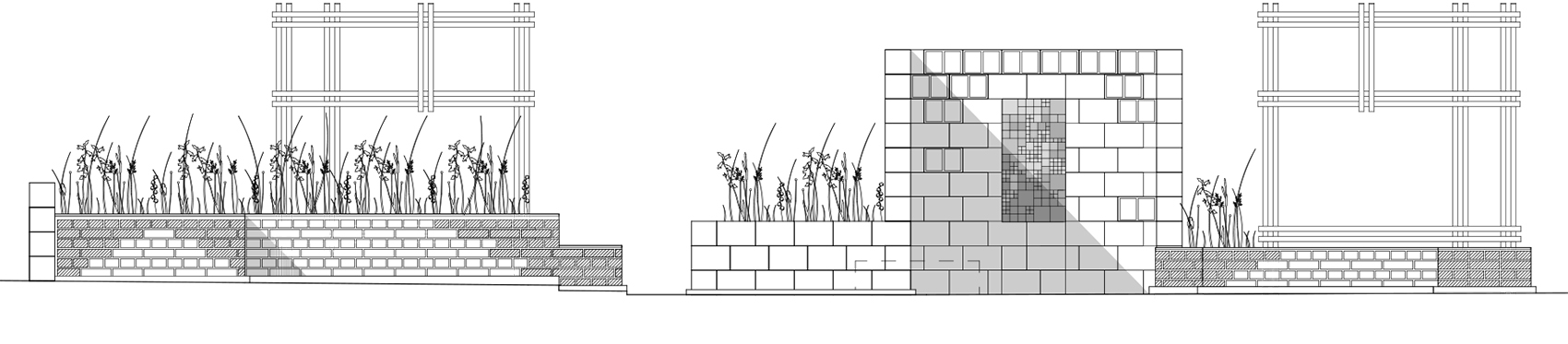
▼立面图,elevations ©Suomi/Koivisto Architects
Makers of Alusta
Concept, design and realization:
Architects Maiju Suomi & Elina Koivisto
The pavilion is part of Maiju Suomi’s practice-led doctoral dissertation at the Department of Design, Aalto University, supervised by prof. Maarit Mäkelä.
Consultation on biodiversity and the needs of the insects:
Johanna Huttunen, Heikki Setälä / Helsinki University
Marja Roslund, Aki Sinkkonen / Natural Resources Institute Finland
Raw clay structures:
Timo Kallio (instruction of students & consultation on structures)
Mari Hermaja (ornamental clay panels, instruction of rammed earth workshop)
Oliver Müller (clay & straw blocks)
Jan Hast (clay & straw bricks)
Pekka Räsänen (biocharclay panels)
/ Clay construction at Raisio Regional Education and Training Consortium
Production of biochar relief:
Tuomo Hilli & Tomi Miikkulainen / Iki Carbon
Ceramic centre piece:
Aarni Tujula / Aalto University
3d printed ceramic erosion break elements:
Axel Lyytikkä / Aalto University
Graphic Design:
Patrik Söderlund
Building site architects & instruction of student workshops:
Elina, Koivisto, Maiju Suomi, Franziska Dalheimer / Aalto University
Students who took part in the construction through clay building workshops:
Aada Kiuru, Aarne Autio, Aarni Tujula, Aaro Lustman, Amanda Puerto-Lichtenberg, Amos Bonsdorff, Anna Ketola, Anne Polvi, Eeva Immonen, Elias Luoto, Elli Asplund, Felix Dingeldein, Hannele Kelavuo- ri, Henry Lång, Hilda Uusitalo, Janina Hedström, Johanna Olfen, Kitty Zheng, Kathleen Dieme, Kristian Jokinen, Lauri Urala, Lea Schuiki, Lumi Alastalo, Maija Kenttämies, Markéta Kašparová, Mia Makkonen, Miiki Peltonen, Monica Seppänen, Moritz Schineis, Niko Toivonen, Nikolai Andreassen Fabricius, Nona Linnanmäki, Olli Erlund, Otso Huhtala, Patrick Bundschuh, Pihla Kangas, Rakel Päivinen, Rémi Jourdan, Shunsuke Koya, Sophie Blochwitz, Tiina Hietanen, Tiphaine Bedel, Veera Annala, Vili Sallinen
/ Aalto University
Aino Silvennoinen, Hannele Karppinen, Iivo Kallaspolik, Iurii Shimin, Jari Hänninen, Jenna Hukkinen, Julia Ritvas, Kaleva Tikkamäki, Mari Erävaara, Saija Mäkinen, Tuula Laakso, Youn Byungmin
/ Clay construction at Raisio Regional Education and Training Consortium





很棒,立足于本土,生态环保
实际效果应该更不错
彳亍