非常感谢 Tom Postma Design 对gooood的分享。更多关于:Tom Postma Design on gooood。
Appreciation towards Tom Postma Design for providing the following description:
普拉达文化艺术基金会(Fondazione Prada)委托Tom Postma Design为他们设计一个以“中国瓷器”为主题的展览空间。本次展览的主旨是向欧洲宫殿和贵族住宅中的古瓷器收藏室致敬。这个临时展览空间位于米兰Torre大楼的四层,不仅是古代瓷器室的现代诠释,还与由雷姆·库哈斯所设计的永久性建筑体量形成了直接的对话。
Fondazione Prada commissioned Tom Postma Design for the design of the exhibition The Porcelain Room – Chinese Export Porcelain, on view on the 4th floor of Torre in Milan. The exhibition is an homage to the ancient porcelain rooms of European palaces and aristocratic houses. The design created by Tom Postma Design represents a contemporary interpretation of the porcelain room. A temporary setting in direct dialogue with the permanent architecture by Rem Koolhaas.
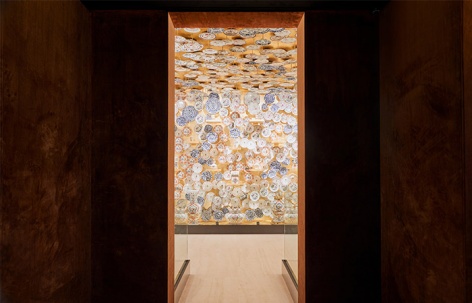
▼展览空间前厅,the antechamber of the exhibition room ©Fondazione Prada. Ph. Mark Niedermann
本次活动的策展任务由来自中国的瓷器专家Jorge Welsh和Luísa Vinhais负责。展览汇集了1,700多件制造于16世纪到19世纪的中国出口瓷器,深入探讨了迄今为止中国瓷器的历史背景、出口范围和对世界的影响。该展览位于米兰的普拉达文化艺术基金会的会址处,已于2020年1月30日正式对外开放,将于9月30日闭幕。
The exhibition brings together more than 1,700 individual Chinese export porcelains made from the 16th to the 19th centuries and is curated by Chinese porcelain experts Jorge Welsh and Luísa Vinhais. It explores the historical context, scope and impact of Chinese exported porcelains up to the present time. The exhibition takes place from 30 January – 30 September 2020 at Fondazione Prada, Milan.
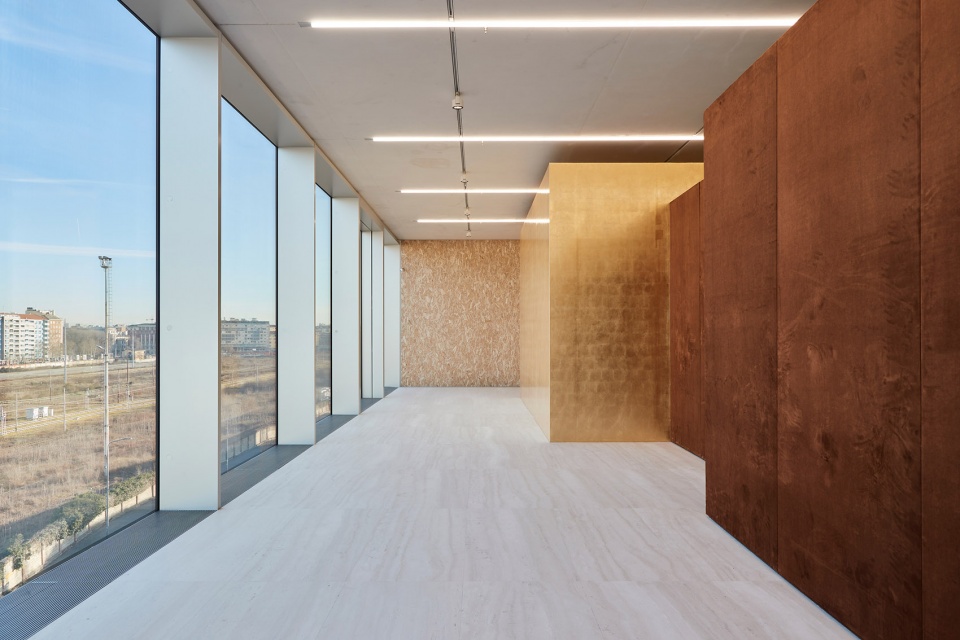
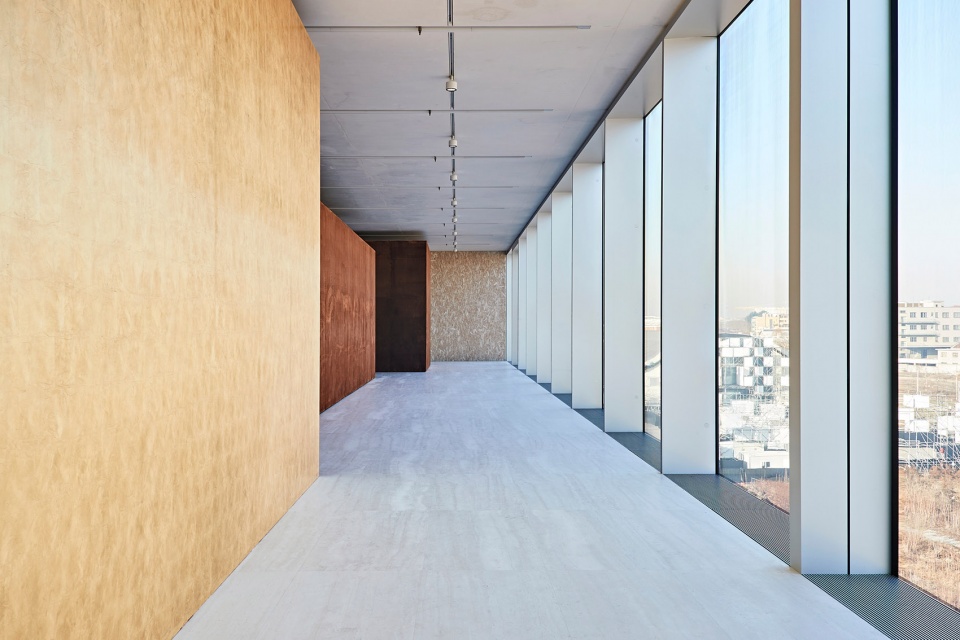
▼展览空间前厅,玻璃外立面提供了外部空间的景观视野,the antechamber of the exhibition room with the glazed facade for exterior landscape views ©Fondazione Prada. Ph. Mark Niedermann
空间设计 | Spatial design
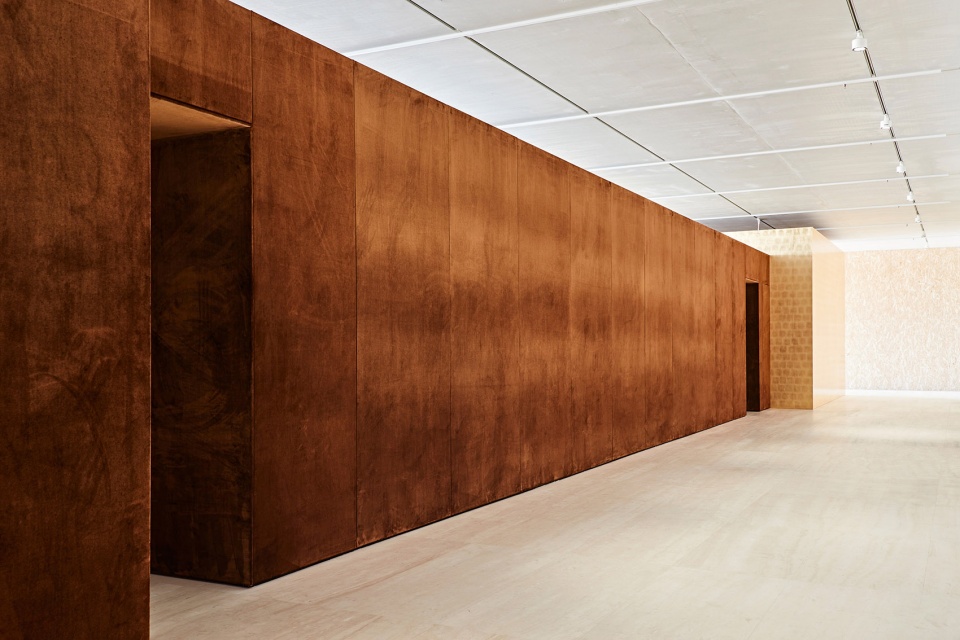
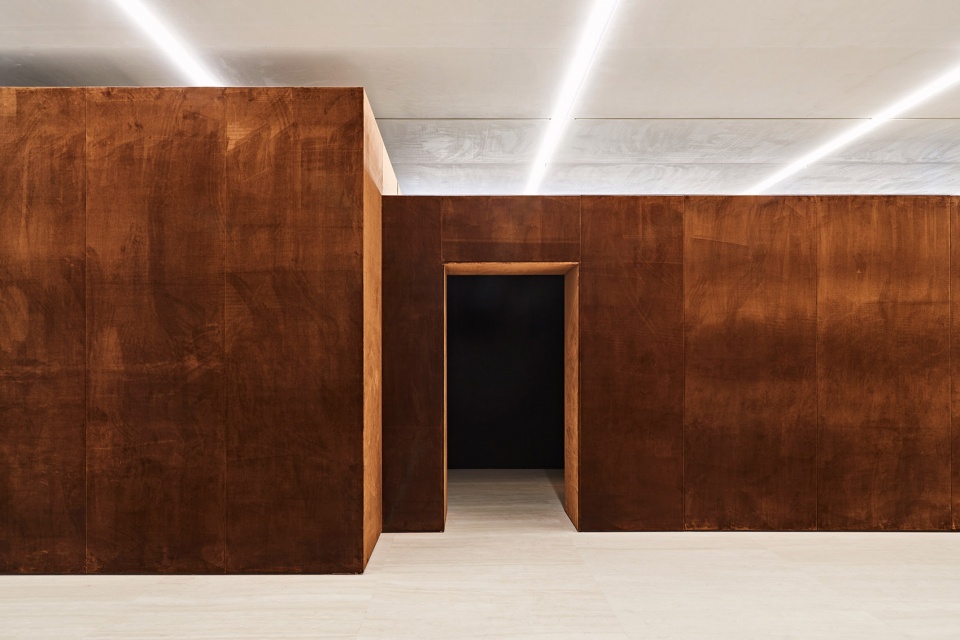
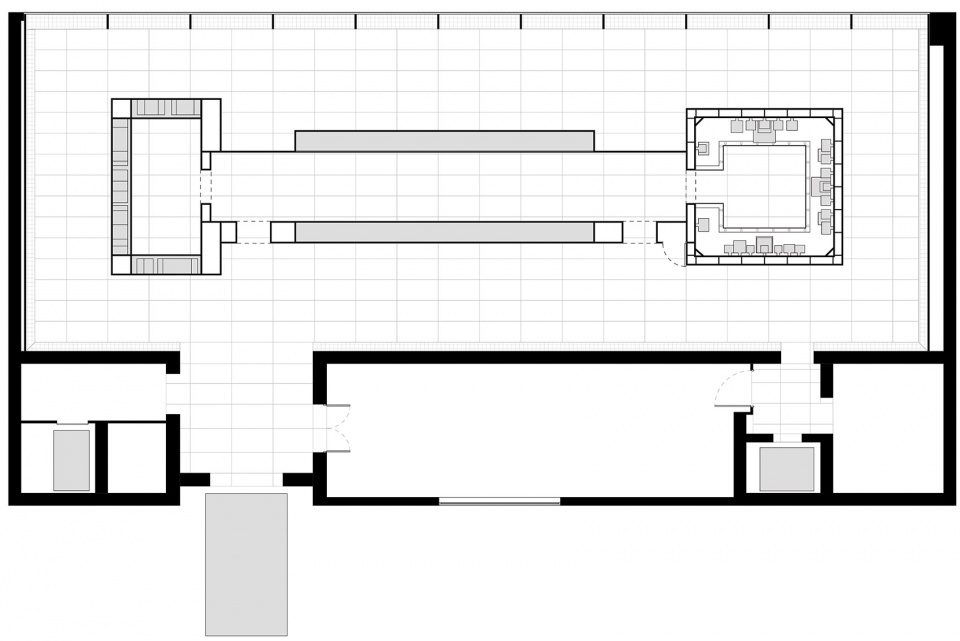
整个瓷器展览空间被划分为了三个展厅,营造出一种“屋中之物”的环境氛围。在这三个展厅中,其中两个的空间表面都覆盖着棕色的天鹅绒,内部设置着数个展示柜台;其余的一个则是以金色为装饰主色调的极具私密感的展厅空间。这三个空间都有着自己独特的氛围,充分表达了主办方和设计团队“再现古瓷器室既别具一格又亲密无间的空间感受”的愿望。
▼空间轴测图,整个展览空间被划分为了三个展厅,
the axon, the spatial design is divided in 3 sections ©Tom Postma Design
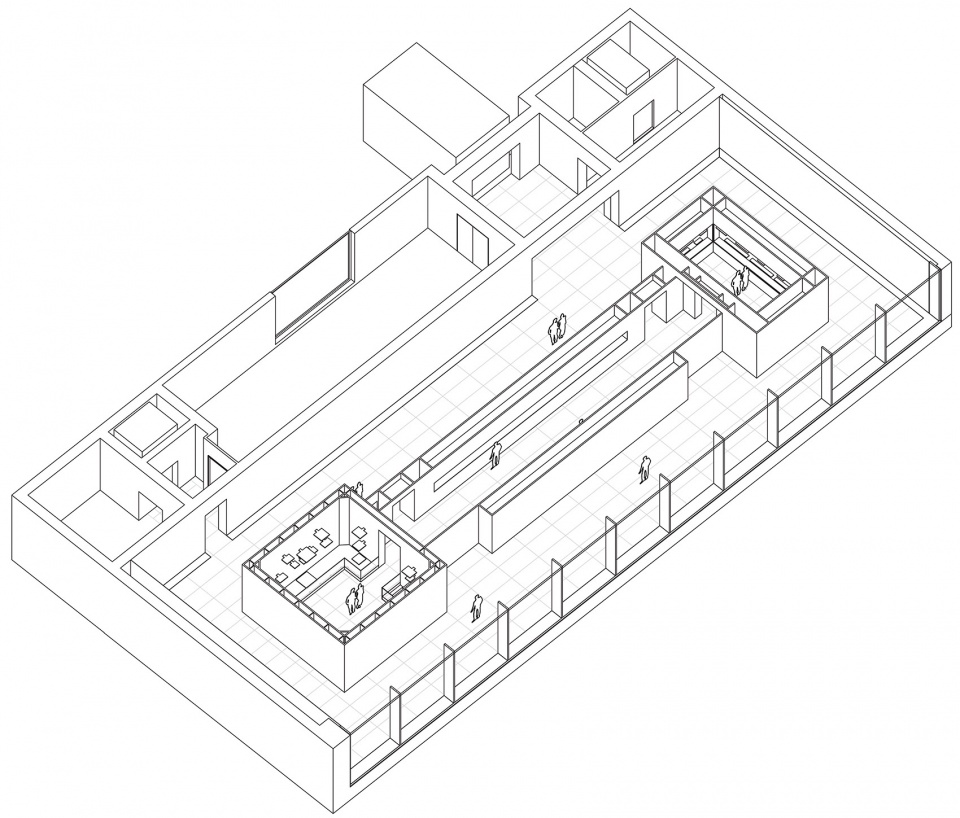
The spatial design we created for The Porcelain Room exhibition is divided in 3 sections and conceived as a room within a room. The design comprises of two environments covered in brown velvet including multiple showcases and an intimate space decorated in gold. The three individual spaces exude their own specific ambiance, arising from the desire to recreate that distinct intimate feeling of a porcelain room.
▼部分展厅表面覆盖着棕色的天鹅绒,部分采用金色色调的外表皮,two sections are covered in brown velvet, while the other one is decorated in gold ©Fondazione Prada. Ph. Mark Niedermann
“这是一个非凡的展览空间设计经历。在项目过程中,我感觉自己并不是在设计一个空间,而是在设计一个装置。这个展览空间既具有创新性,又有很强的实际可行性。在合适材料和绝佳照明环境的配合下,以最完美的方式呈现出这些珍贵而独特的瓷器的美感,”设计师Tom Postma这样说道。
“Designing this exhibition was an exceptional experience. Like designing an installation. The spatial design is innovative and quite physical. Requiring the right materials and optimal lighting to present this precious and extraordinary collection of porcelains in the most perfect way.”- Tom Postma
▼棕色天鹅绒饰面的展厅,the section covered in brown velvet ©Fondazione Prada. Ph. Mark Niedermann
欧洲最早的瓷器 | First orders
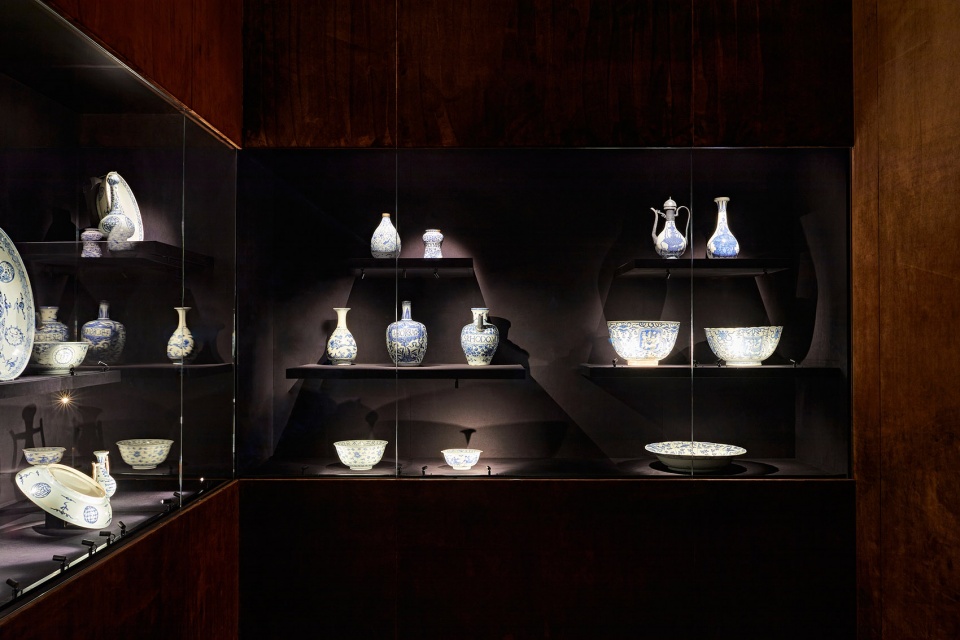
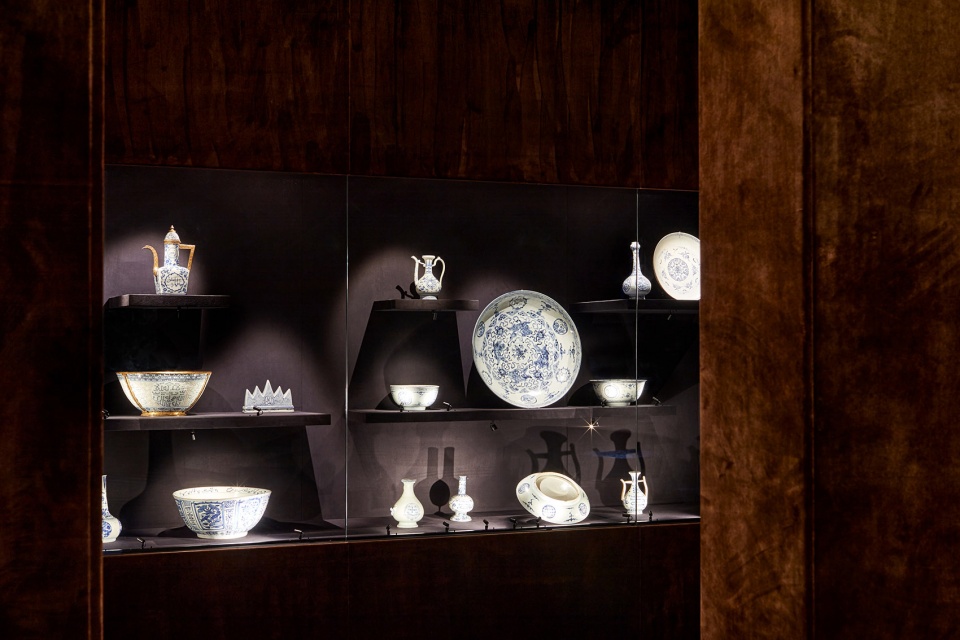
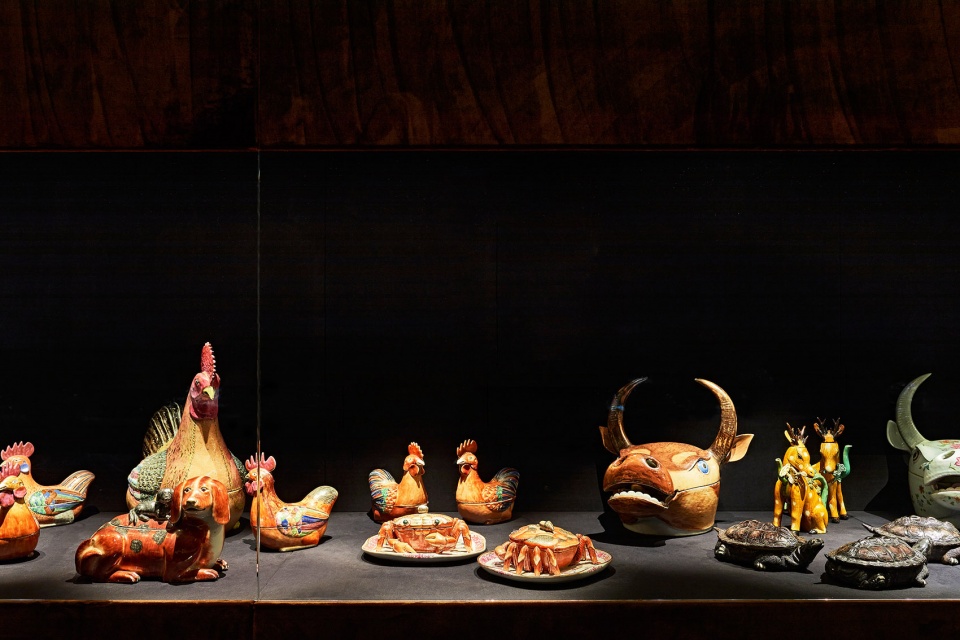
本次展览的展品包括了欧洲客户所收藏的首批中国出口瓷器。这些瓷器都是在葡萄牙人抵达中国后出口至欧洲的。在西方世界中,如此早期的中国瓷器是极为罕见的,至今仅有150件被保存了下来。本次展览展示了超过53件欧洲早期的中国瓷器。这些珍贵的艺术品来自世界各地的公共收藏馆和私人收藏家,被小心翼翼地放置在展示柜台中,不仅从类别、样式和出产时间上展示了首批中国瓷器的全貌,更在完美的灯光下营造出一种漂浮在黑暗中的错觉。
The precious collection shows the very first commissions of Chinese porcelains by European clients after the arrival of the Portuguese in China. Early Western orders are extremely rare, with only around 150 having survived to the present day. Over 53 precious pieces are elegantly lit and displayed as if they are floating through darkness. The selection of unique first orders, on loan from the most relevant public and private collections from all over the world, represents the entire array of first orders in terms of typology, iconography, and period of manufacture.
▼展厅局部,在灯光的配合下,营造出一种瓷器漂浮在黑暗中的错觉,partial view of the exhibition section, the precious pieces are elegantly lit and displayed as if they are floating through darkness ©Fondazione Prada. Ph. Mark Niedermann
▼展厅空间细节,space details ©Fondazione Prada. Ph. Mark Niedermann
金色的瓷器展厅 | Golden porcelain room
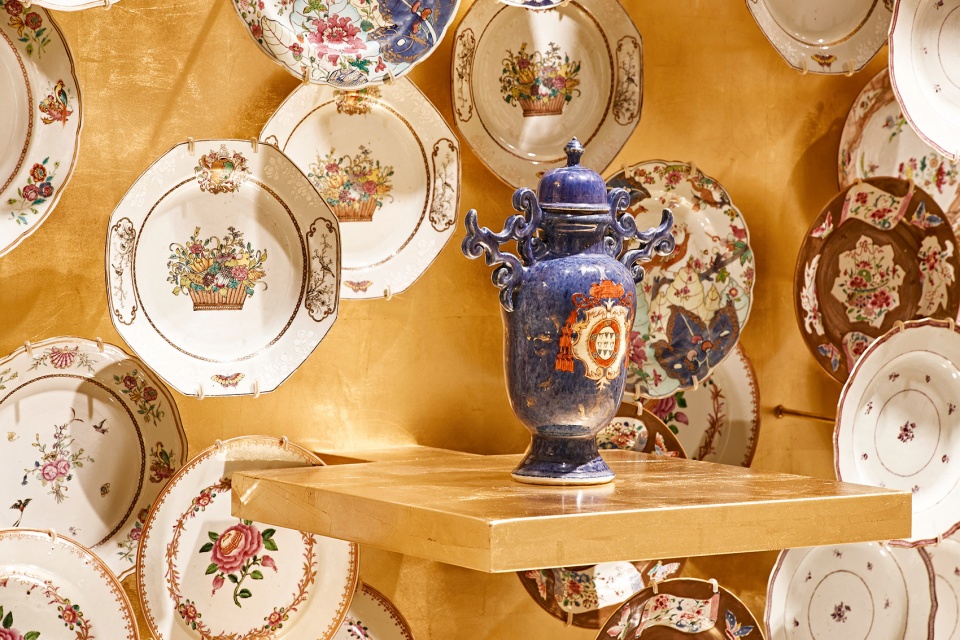
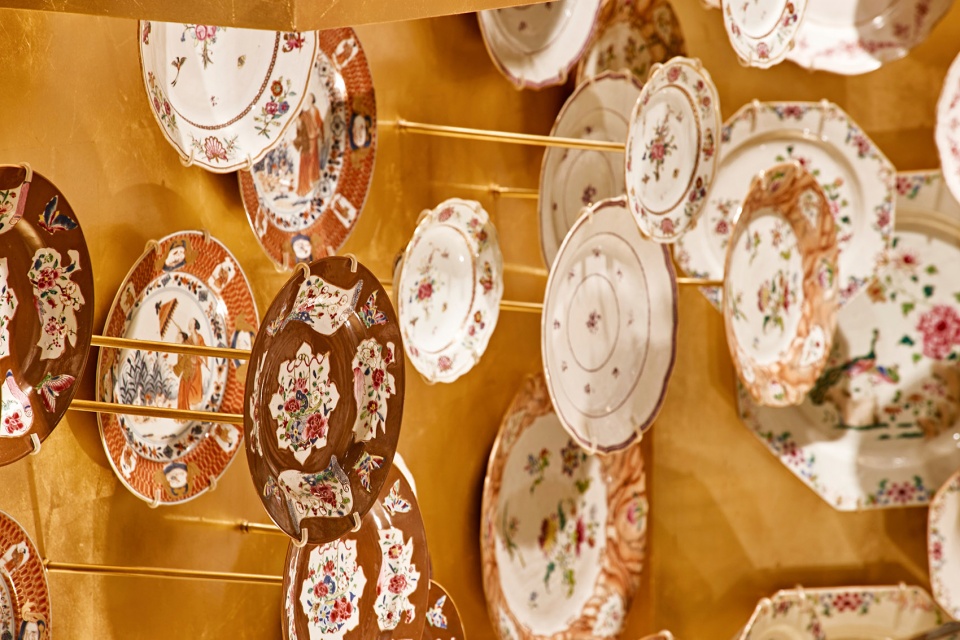
本展览空间项目的亮点之一便是其内的一间金色的房间。这个颇具现代感的展厅是对夏洛滕堡宫(Charlottenburg Palace)和桑托斯宫(Santos Palace)等宫殿中的传统古瓷器室的真正意义上的致敬。展厅的墙体完全由瓷器所覆盖,并装饰着金箔。其中容纳了1,400多件令人叹为观止的瓷盘,在藏品与参观者之间构建起一种亲密的互动关系。艺术家Jorge Welsh在其创作初期也将瓷盘当作了现代绘画创作的一种媒介,用颜色各异的线条、有机且柔和的笔触绘制出了一个个花纹丰富的瓷盘。
▼从展厅入口看展厅内部,viewing the interior exhibition section from its entrance ©Fondazione Prada. Ph. Mark Niedermann
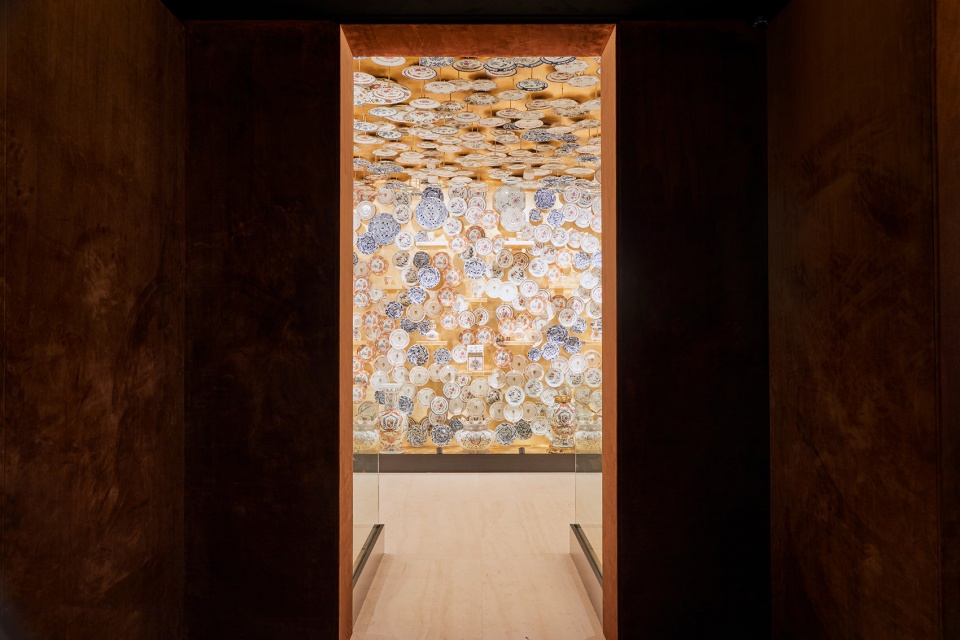
▼金色的展厅,房间的墙体完全由瓷器所覆盖,并装饰着金箔,the golden porcelain room, the walls are totally covered in porcelains and gilded in gold leaves ©Fondazione Prada. Ph. Mark Niedermann
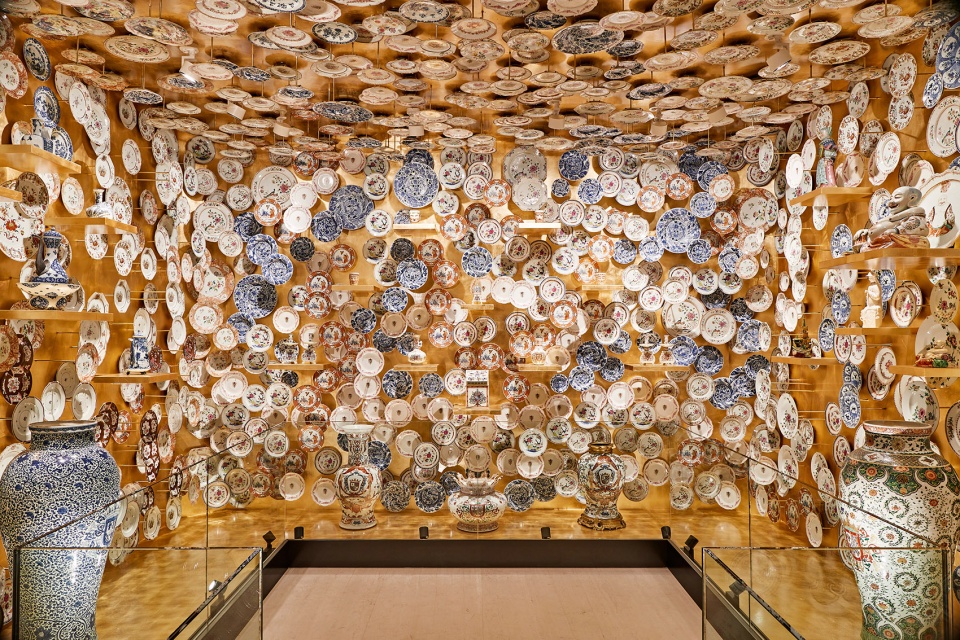
One of the highlights of the exhibition is the golden room, a true contemporary homage to the tradition of porcelain rooms, like the iconic Porcelain Cabinet at the Charlottenburg Palace and Santos Palace. The room walls are totally covered in porcelains and gilded in gold leaves. The room creates an intimate interplay between the visitor and the breath-taking collection of more than 1,400 porcelain plates decorating the entire room. Jorge Welsh – artist in his early years – painted lines of colours, very organic and soft, using the plates as ‘brush strokes’ of a modern painting.
▼展厅墙面局部,partial view of the room walls ©Fondazione Prada. Ph. Mark Niedermann
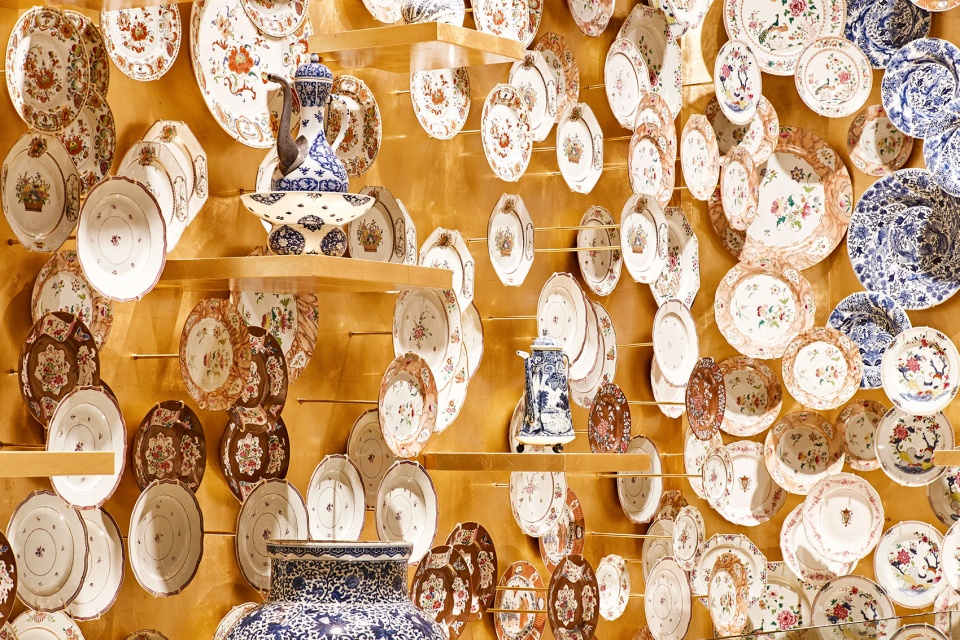
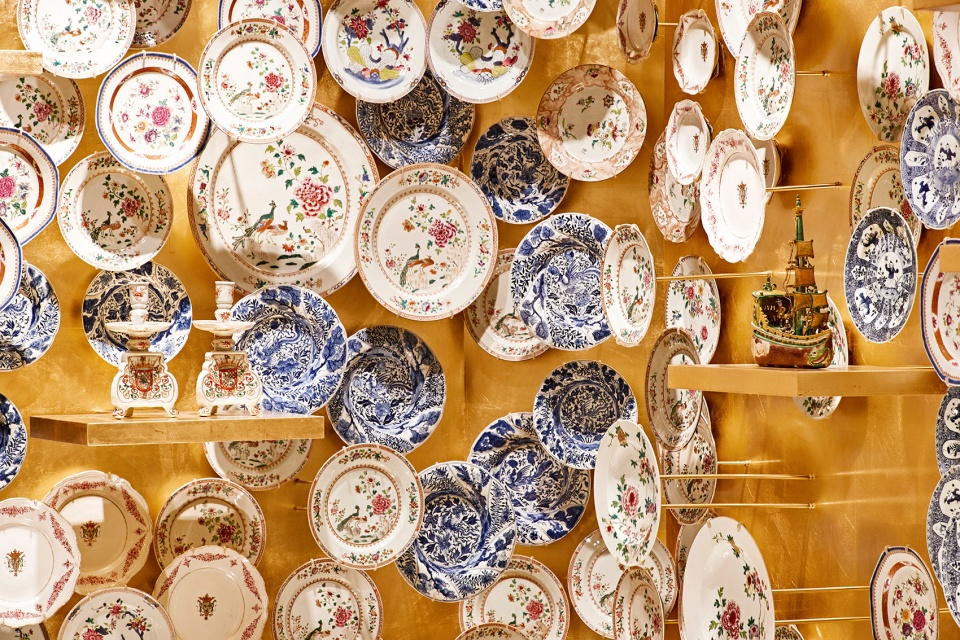
▼展厅墙面细节,details of the room walls ©Fondazione Prada. Ph. Mark Niedermann
餐具展廊 | Corridor with tureens
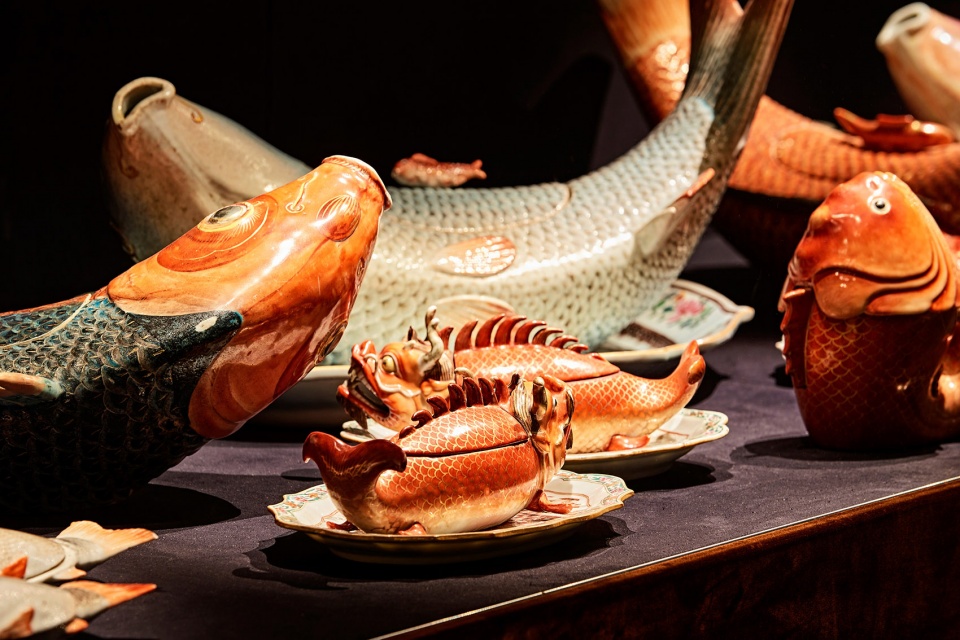
中间部分展厅所展出的瓷器在形式上较为丰富,其造型均取材于自然和日常生活,如动物、植物和水果造型的瓷碗等,以期探索异域风格的中国餐具对西方市场的影响。
The middle section features a wide selection of objects interpreted as natural and surprising forms representing animals, vegetables and fruit tureens, in order to explore the impact and exoticism of Chinese table wares made for Western markets.
▼中间部分的展厅,主要展览动物、植物和水果造型的餐具,the middle exhibition section with forms representing animals, vegetables and fruit tureens ©Fondazione Prada. Ph. Mark Niedermann
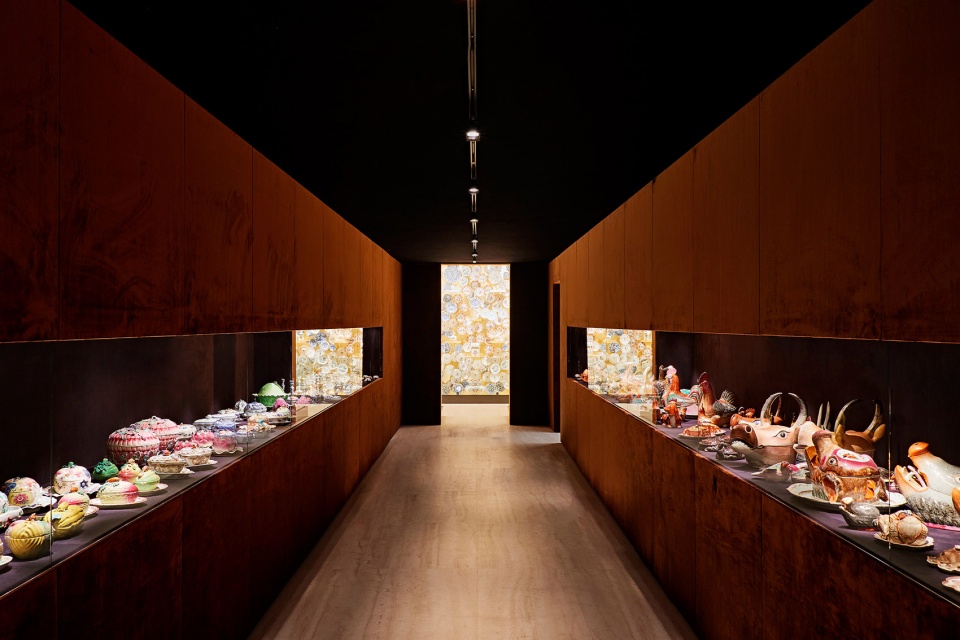
▼中间部分的展厅局部,partial interior view of the middle section ©Fondazione Prada. Ph. Mark Niedermann
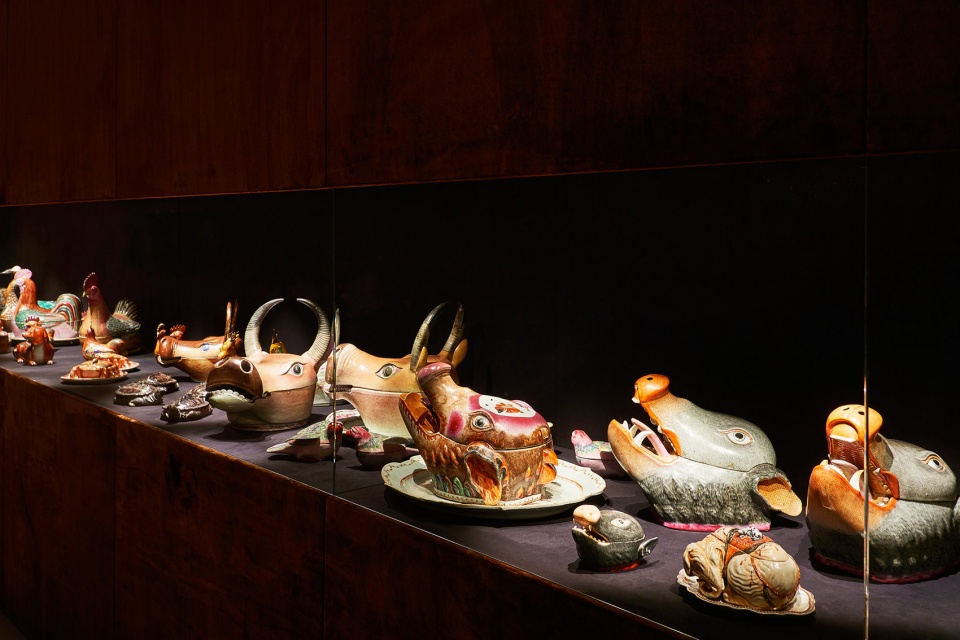
▼中间展厅展品细节,details of the exhibits in the middle section ©Fondazione Prada. Ph. Mark Niedermann
▼展览空间平面图,plan ©Tom Postma Design
▼展览空间剖面图,sections ©Tom Postma Design


Project Name: The Porcelain Room
Architecture Firm: Tom Postma Design
Completion Year: 2020
Gross Built Area: 383 sqm
Project location: Milan, Italy
Lead Architects: Tom Postma, Paride Piccinini
Photo credits: Tom Postma Design. Courtesy Fondazione Prada. Ph. Mark Niedermann
Photographer’s website: www.markniedermann.com
Design Team: Tom Postma, Paride Piccinini, Mátyás Simonyi, Roel Smit
More: Tom Postma Design
更多关于:Tom Postma Design on gooood







墙面用 天鹅绒 做饰面会不会很难打理呀
盘子堆在一起的那边,让我觉得是杂货铺
feel
我找了半天没看到灯装在哪?神奇···
地灯投射
好
“在灯光的配合下,营造出一种瓷器漂浮在黑暗中的错觉”这句话真的很违和