感谢 William Mulvihill 对gooood的分享。更多关于:William Mulvihill on gooood
Appreciation towards William Mulvihill for providing the following description:
美术馆
Art Pavilion
有些建筑由场地且为场地而生。
有些建筑则将场地塑造为自己的一部分,
这座美术馆改造了它所在的小山丘,并使自己与山丘融为一体。
而我们则将自己沉浸在这片美丽的自然与人造景观之中。
There are projects that are born both out of their site and for it.
There are projects that create the site for themselves.
The Art Pavilion modified the hill site and also adapted itself to it.
And we all also, adapted ourselves to the beauty of this project.
▼美术馆鸟瞰,aerial view of the art pavilion © William Mulvihill
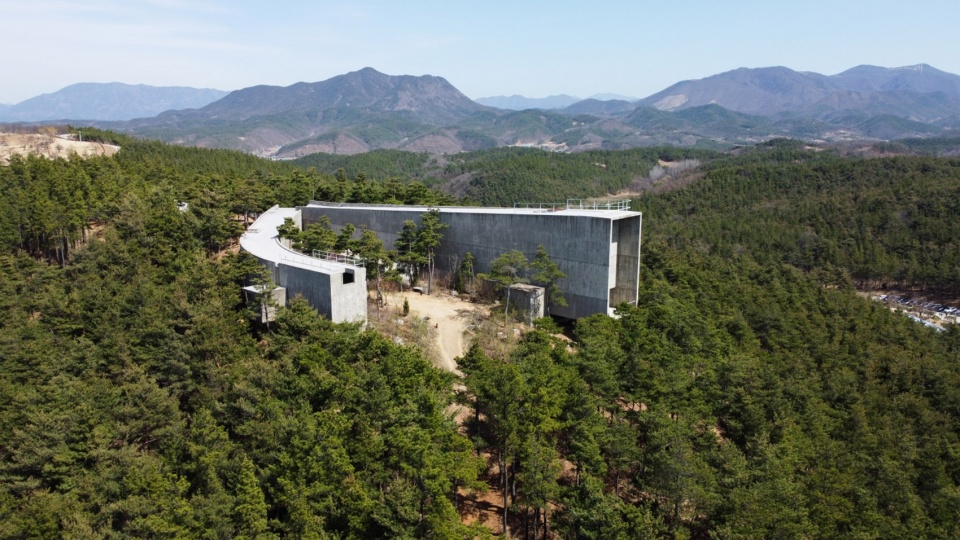
▼建筑远观,viewing the art pavilion at distance © William Mulvihill
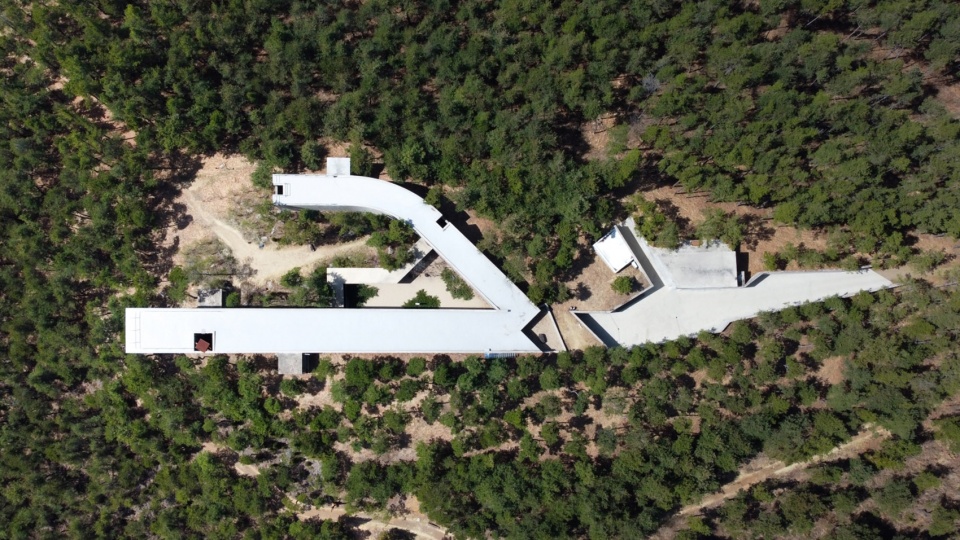
▼美术馆航拍顶视图,top view of the art pavilion © William Mulvihill
强烈的意志在场地上塑造了一座独特的建筑,
所有的挑战都因这种意志而被一一克服。
森林小径在高大的混凝土墙之间蜿蜒而行,
建筑纹理粗糙,但形式优雅。
我们穿过这个孤立的体量
向着知识的海洋 —— 图书馆,进发。
There was a strong will to build this particular idea on that site
and all the challenges were overcome.
The forest pathway makes its way between high concrete walls,
rough in texture, but elegant in form.
We pass an isolated volume,
destined for study and information; the Library.
▼庭院,courtyard © William Mulvihill
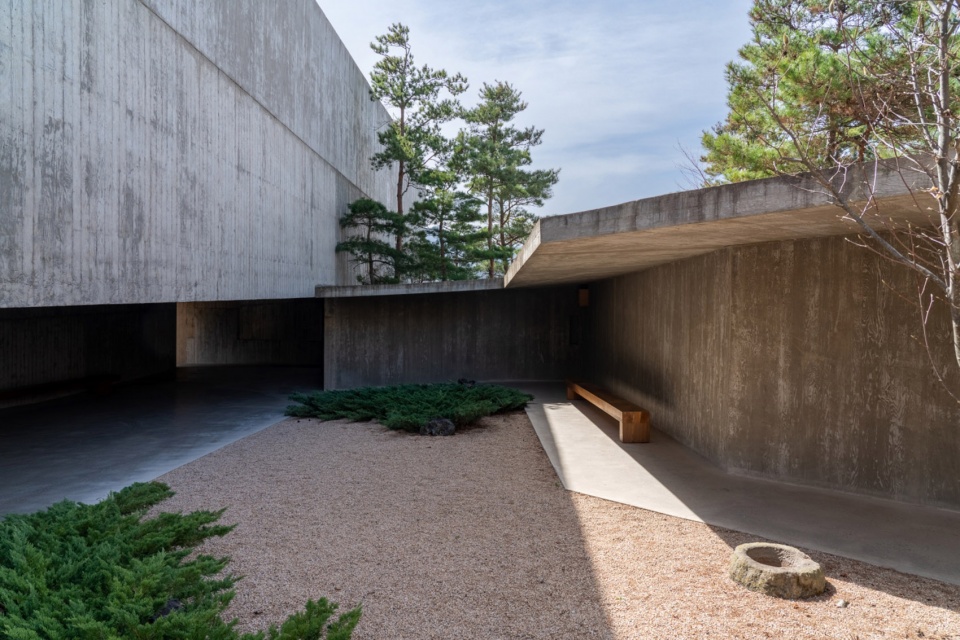
▼由廊下空间看庭院,viewing the courtyard from the space under eaves © William Mulvihill
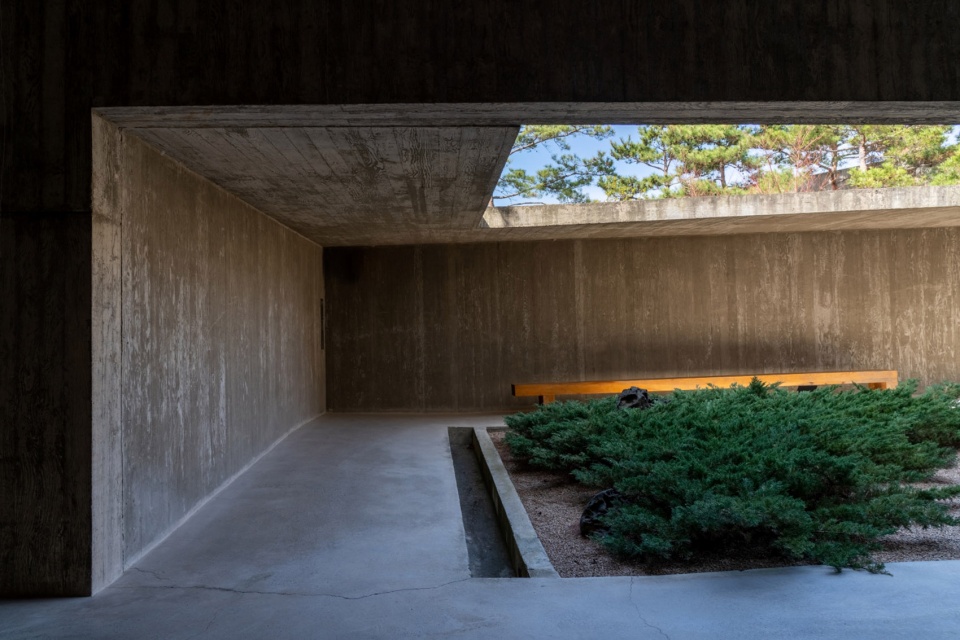
▼庭院与建筑内部空间的相互渗透,project overview © William Mulvihill
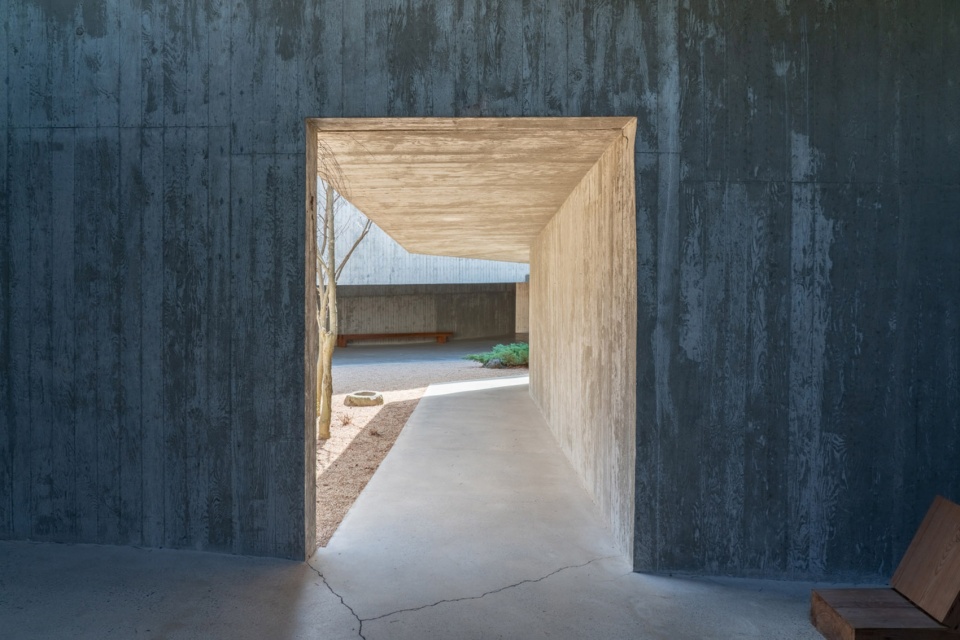
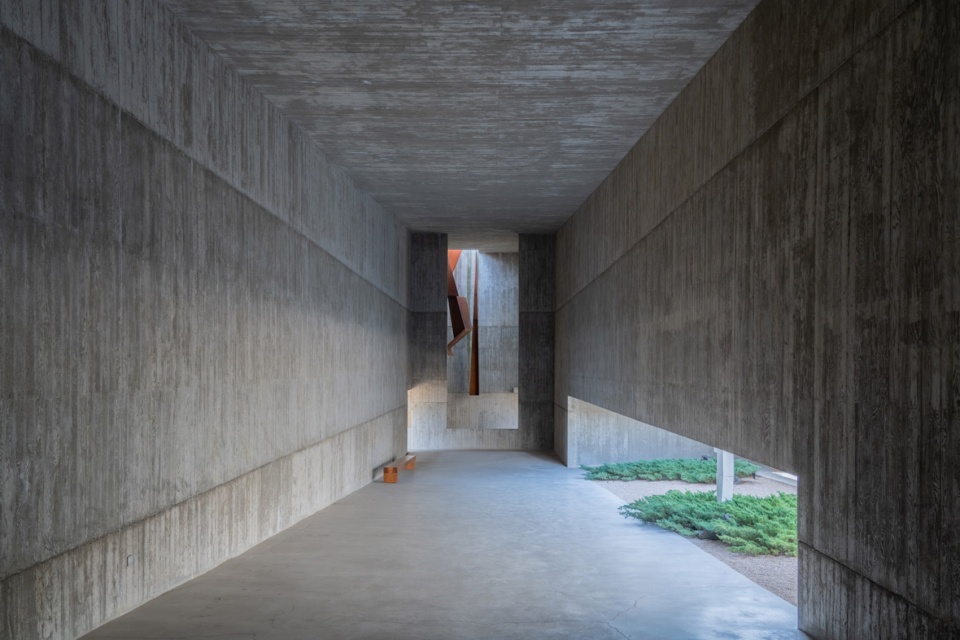
美术馆如同一座完美的雕塑一般吸引着我们进入
让我们感受到空间、光影、时间,
以及曾经的历史与超越了这一切的精神。
道路的尽头,无限的外界景观如画卷在我们眼前展开,
在这个空间里,我们寻找着自己的内在,
感受着自我的无限延伸。
We enter the Art Pavilion as if entering a sculpture that absorbs us
and enables us to feel space, light, shade, time and also,
what is before and what is beyond.
Having come to the end of the route, we are presented with an external view of infinity.
Inside the space, we look for our own internal, personal infinity.
▼混凝土墙壁质地粗糙却形式优雅,the concrete walls are rough in texture, but elegant in form © William Mulvihill
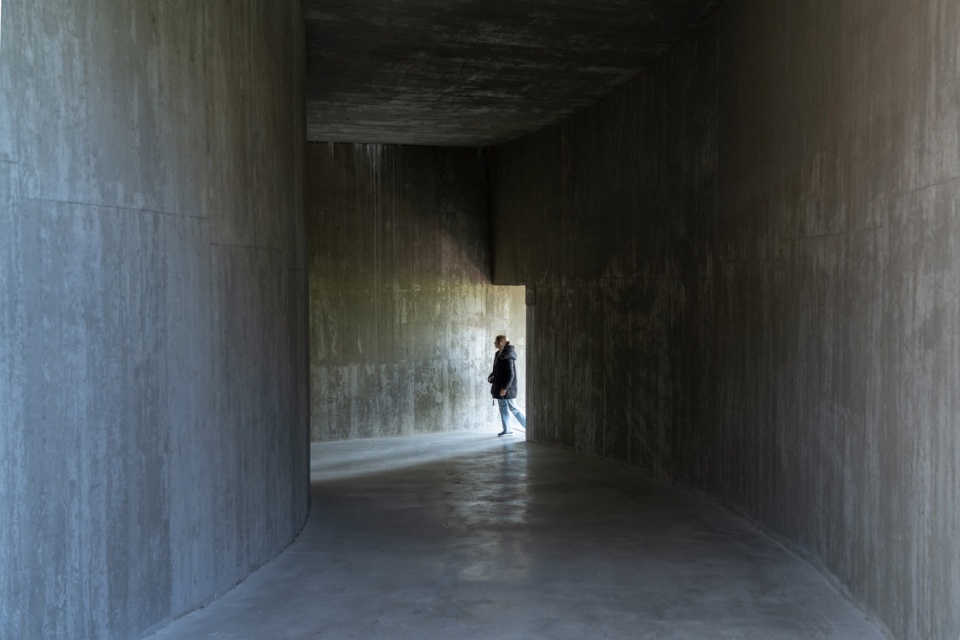
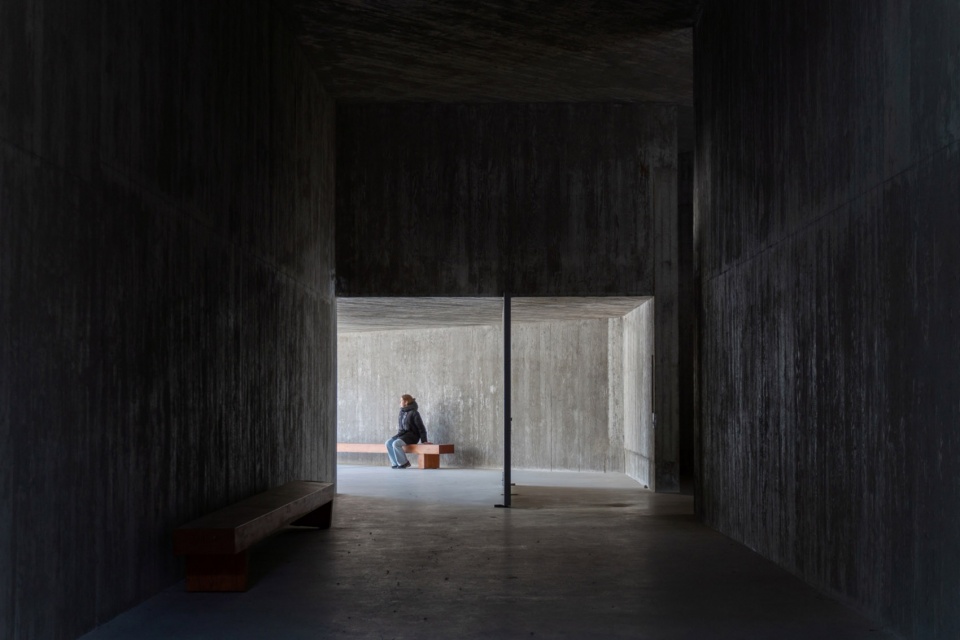
▼空间、光影、时间在建筑中的融合,the fusion of space, light and shadow, and time in architecture © William Mulvihill
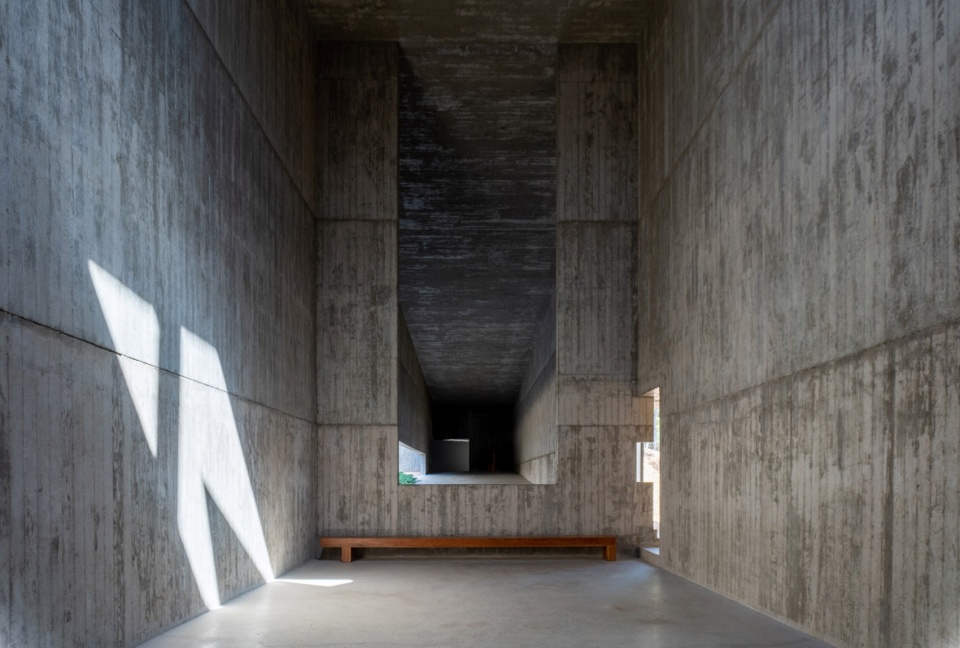
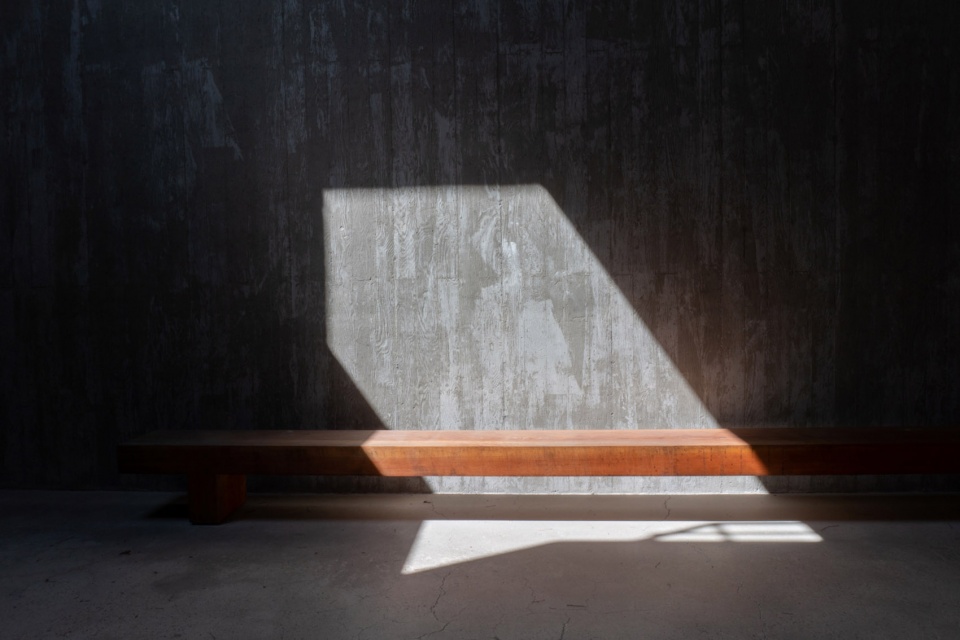
▼充满探索感的空间体验,inside the space, we look for our own internal, personal infinity © William Mulvihill
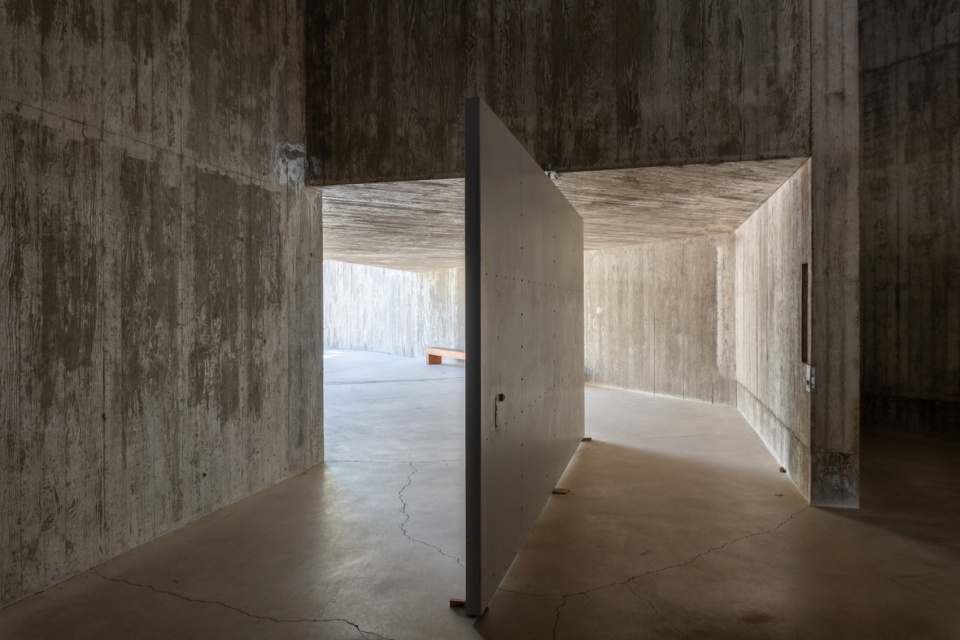
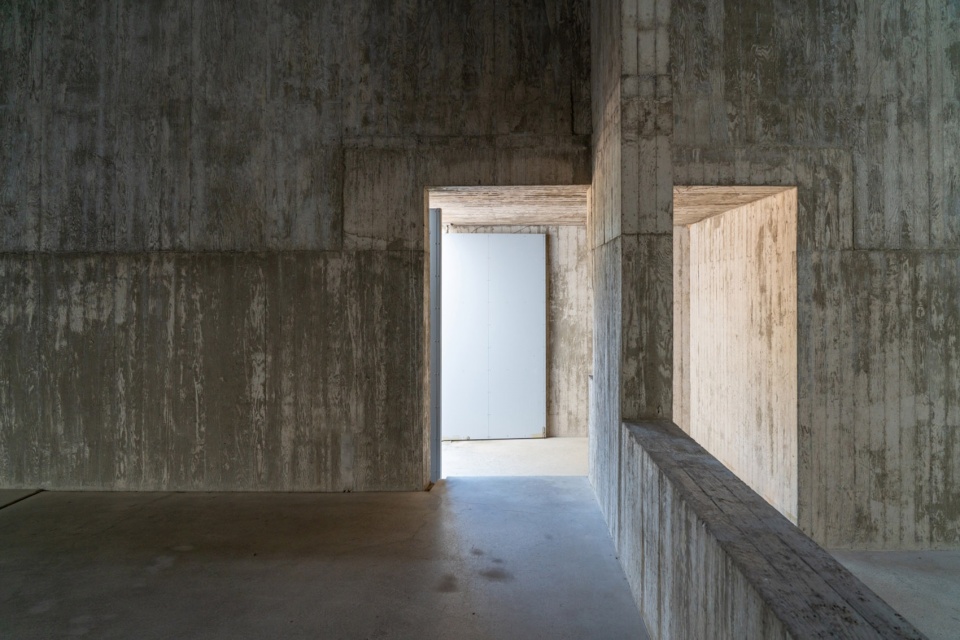
▼天窗采光带来宁静的氛围,the skylight brings a serene atmosphere © William Mulvihill
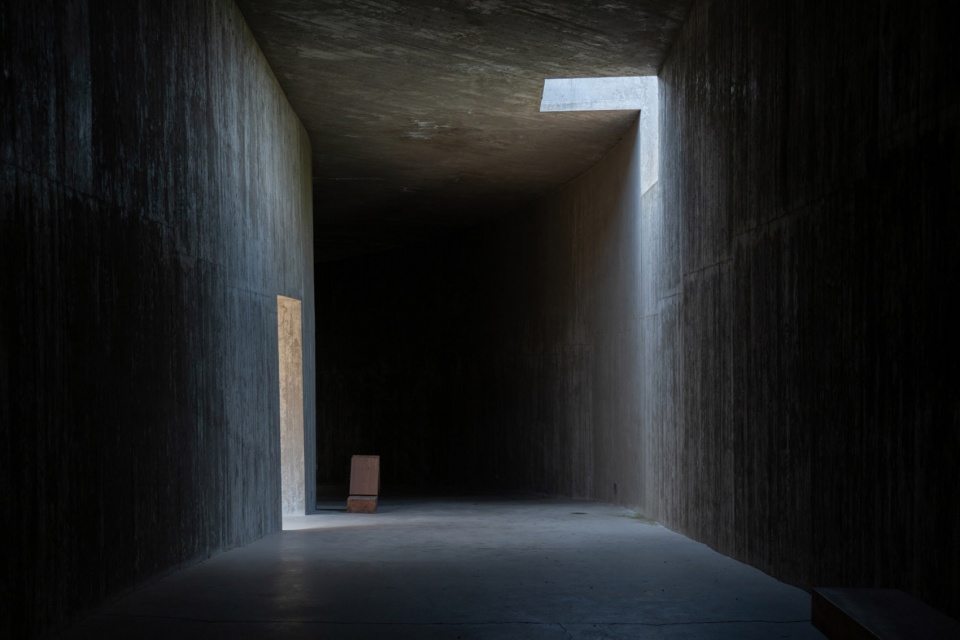
在建筑中,空间承载了时间。
在建筑中,光线塑造了形式。
在建筑中,路线制造出惊喜。
在建筑中,粗糙的材料传达出优雅。
在建筑中,功能定义了存在。
在建筑中,阴影揭示了美。
In architecture space is time.
In architecture light is defines form.
In architecture the route surprises.
In architecture rough materials convey elegance.
In architecture the function is being there.
In architecture the shadow reveals the beauty.
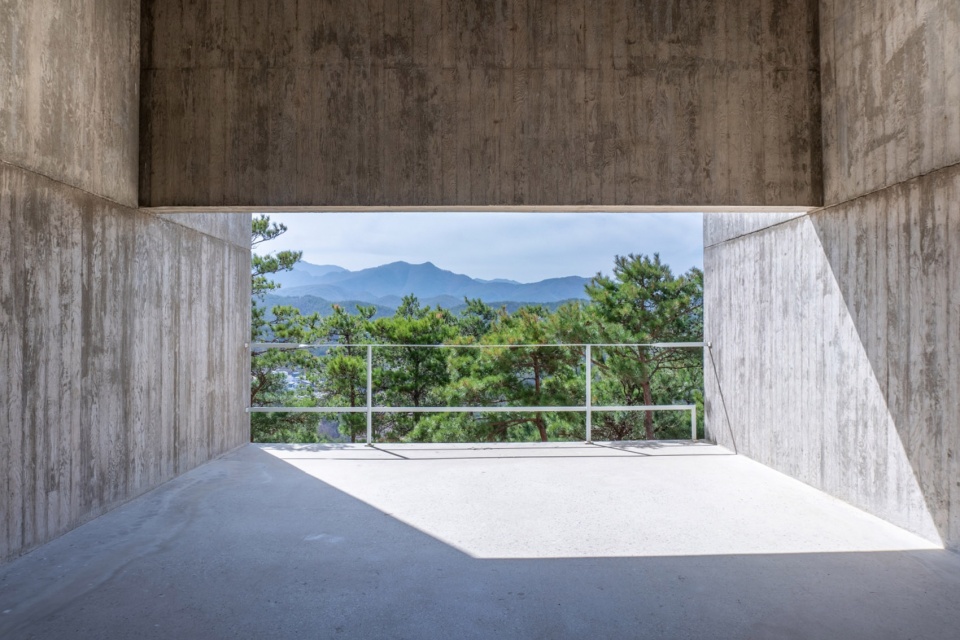
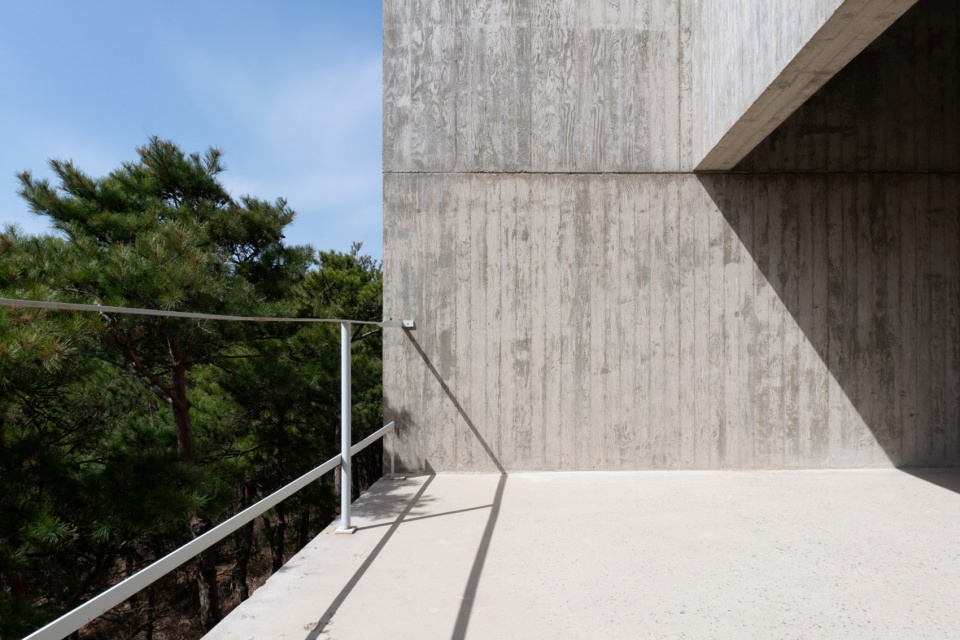
▼观景露台,landscape frame © William Mulvihill
教堂
A Chapel
Saya公园曾缺少一座教堂。
这里有着众多暴露在美丽户外景观之中的
冥想和自省的场所。
但缺少一处宁静的,让人发现内在美的空间。
Saya Park lacked a chapel.
There were plenty of symbols for meditation and introspection,
allowing visitors to experience moments of beauty out in the open.
A space of internal beauty was needed.
▼小教堂鸟瞰,aerial view of the chapel © William Mulvihill
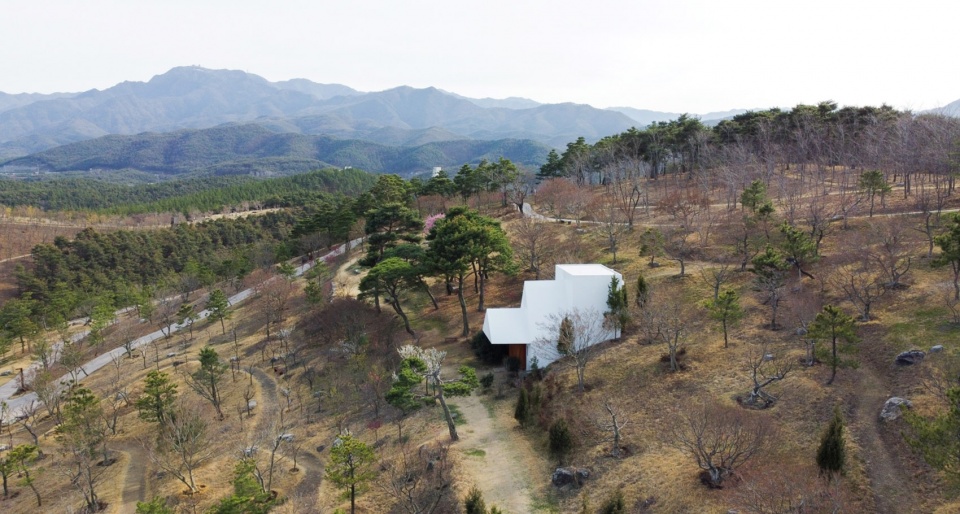
▼教堂顶视图,top view of the chapel © William Mulvihill
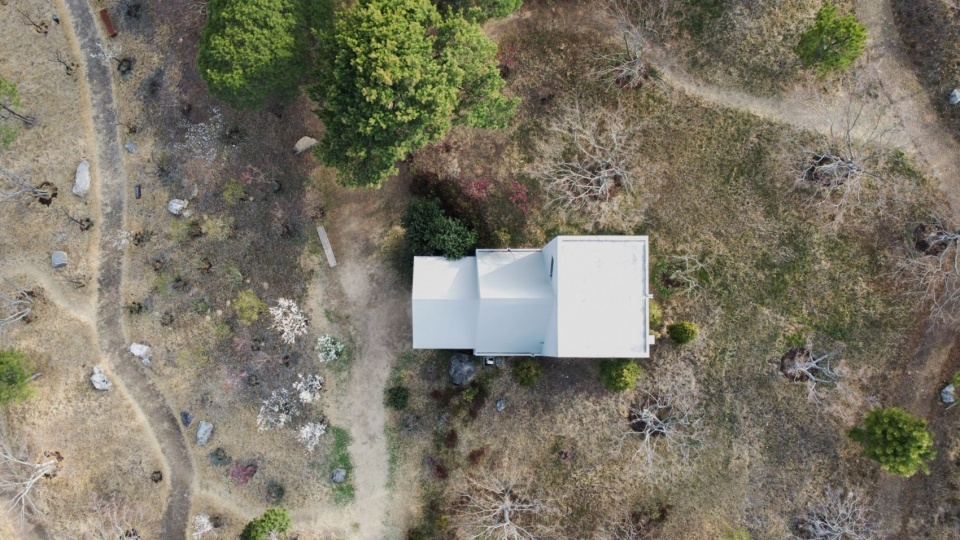
教堂体量隐藏在山坡之上,
向东方开放,迎接每天的朝阳。
它与其他具有象征与情感意义的空间
共享一处场地
纯粹的空间功能,定义出简洁的建筑几何形态。
当我们踏入教堂内,便沐浴在从上方撒下来天光中
天窗开口虽小,
但它带来的空间效果却十分惊人。
The Chapel building tucks into the hillside,
opening up to the East and allowing in the light of the new day.
It shares the location with other spaces of great symbolism
and emotional significance.
Its geometry is pure, because its function is also pure.
As we enter, we are bathed in light from above that penetrates
through a small opening.
But its effect, its greatness, is startling.
▼小教堂外观概览,exterior view of the chapel © William Mulvihill
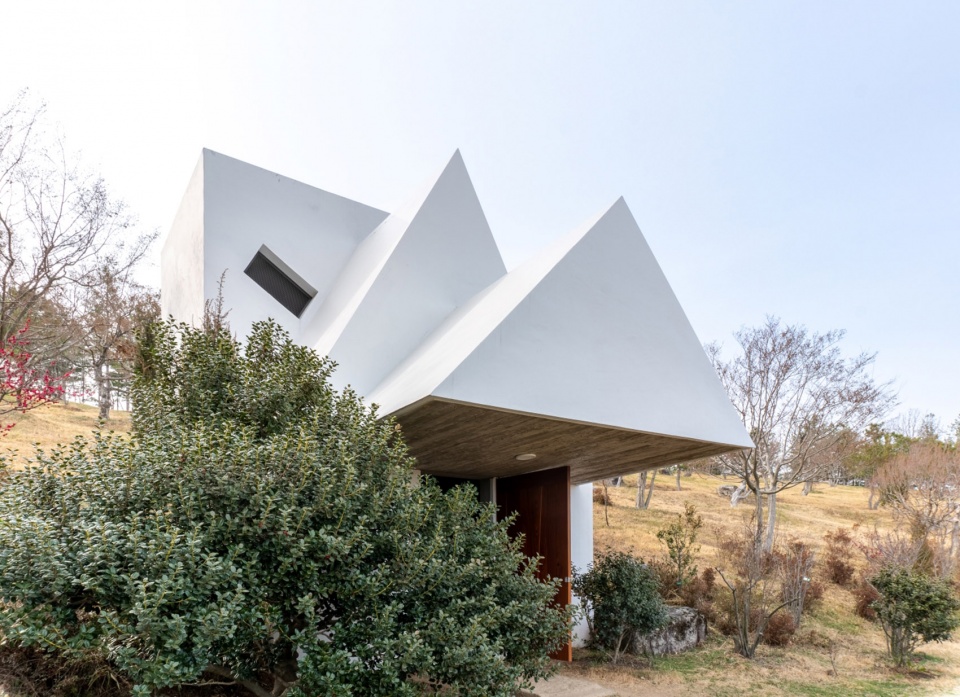
▼教堂入口立面,entrance of the chapel © William Mulvihill
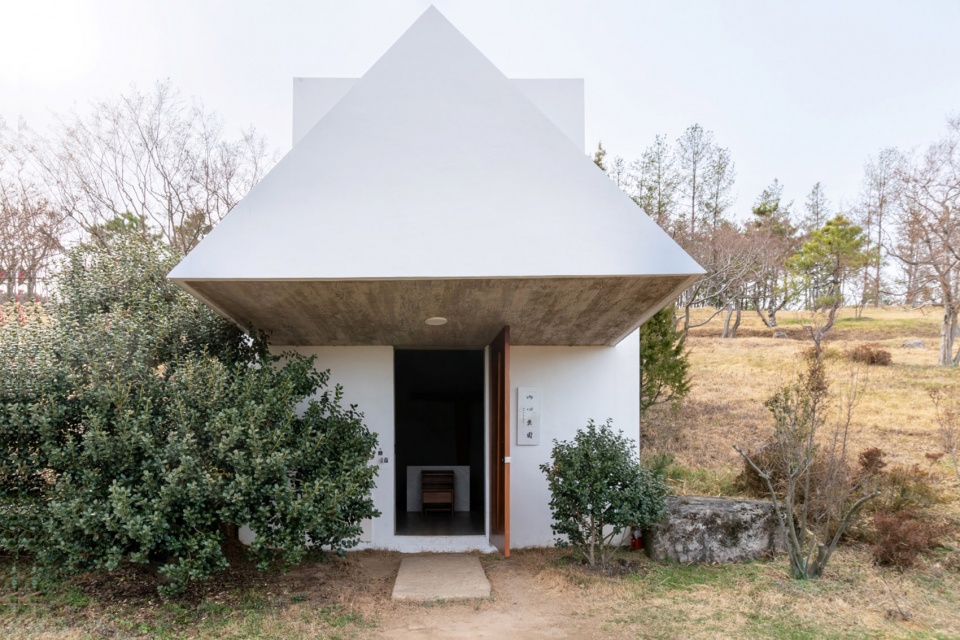
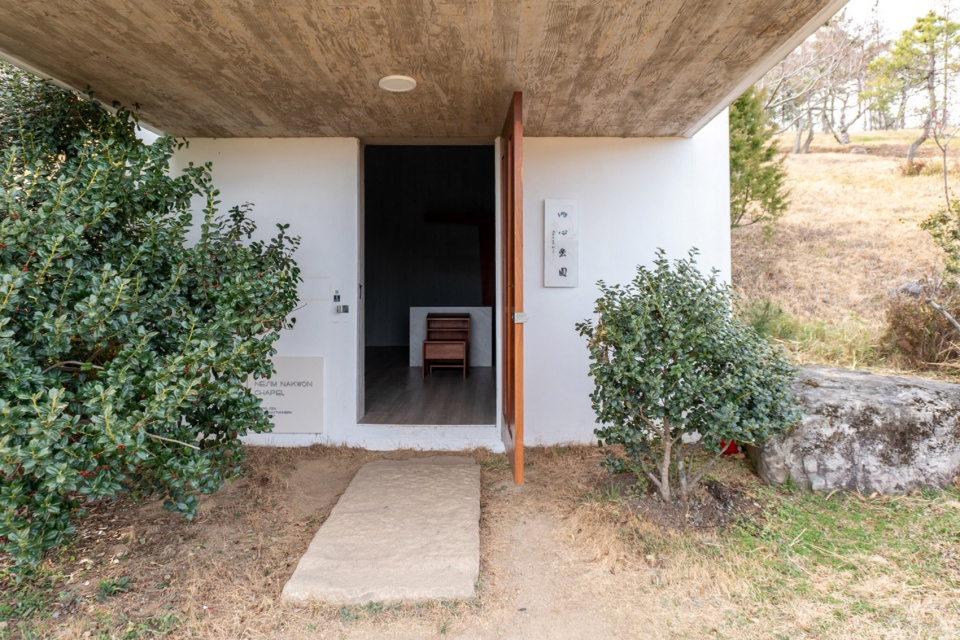
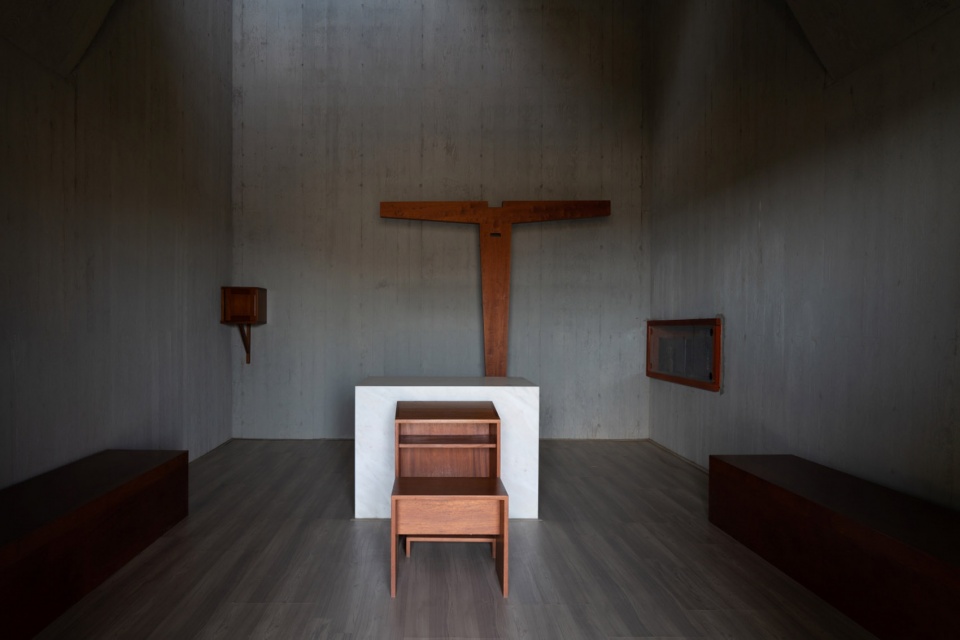
这座小教堂为虔诚的基督教徒而生,
同时也为我们打开了灵性的大门。
空间、时间和冥想为这座小建筑带来了奇迹,
就像它们塑造灵魂的过程一样,
Intended for Christian worship,
it opens us up to spirituality.
Space, time and meditation are great wonders that fit into this little building.
As they do in the Soul.
▼教堂室内空间,interior view of the chapel © William Mulvihill
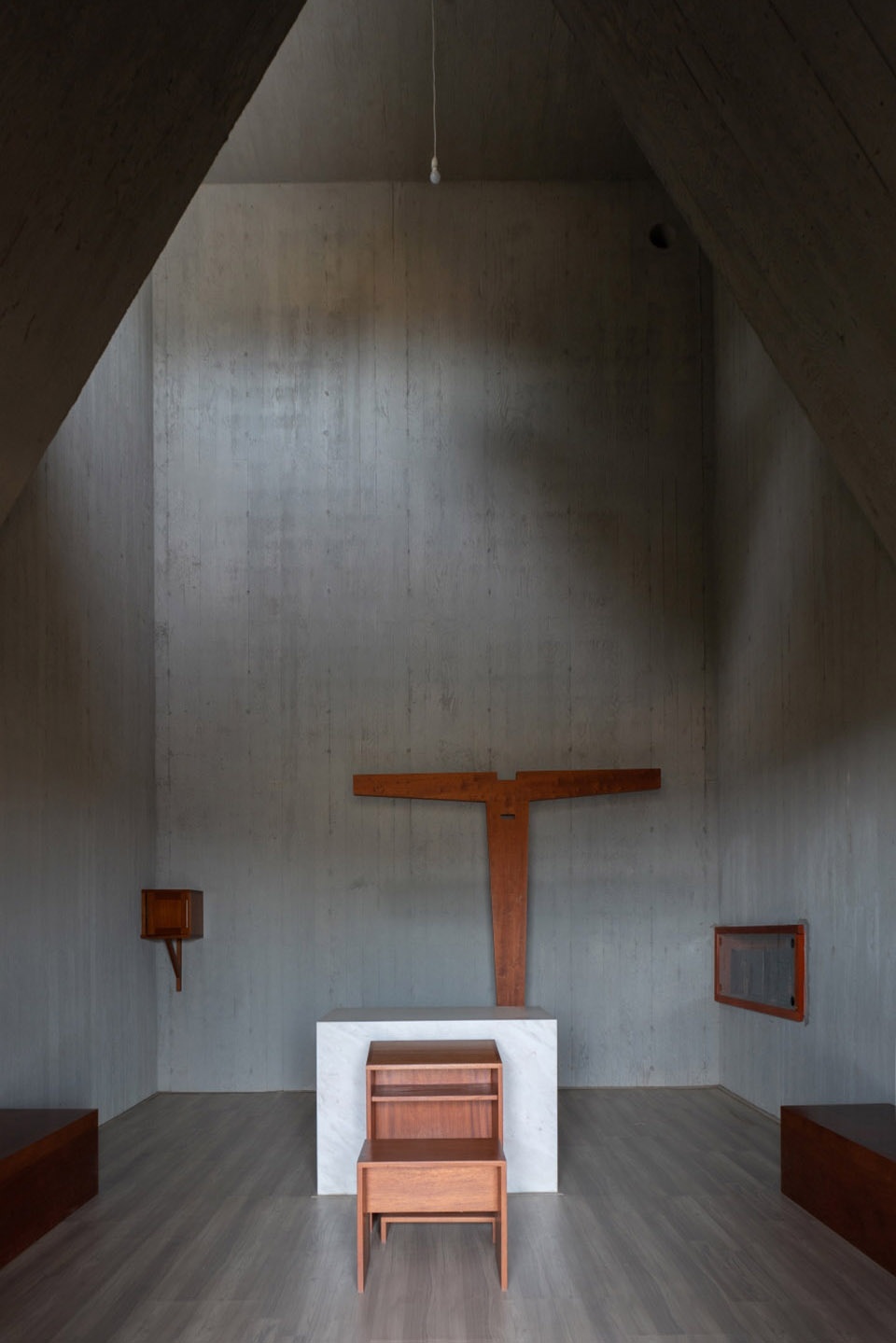
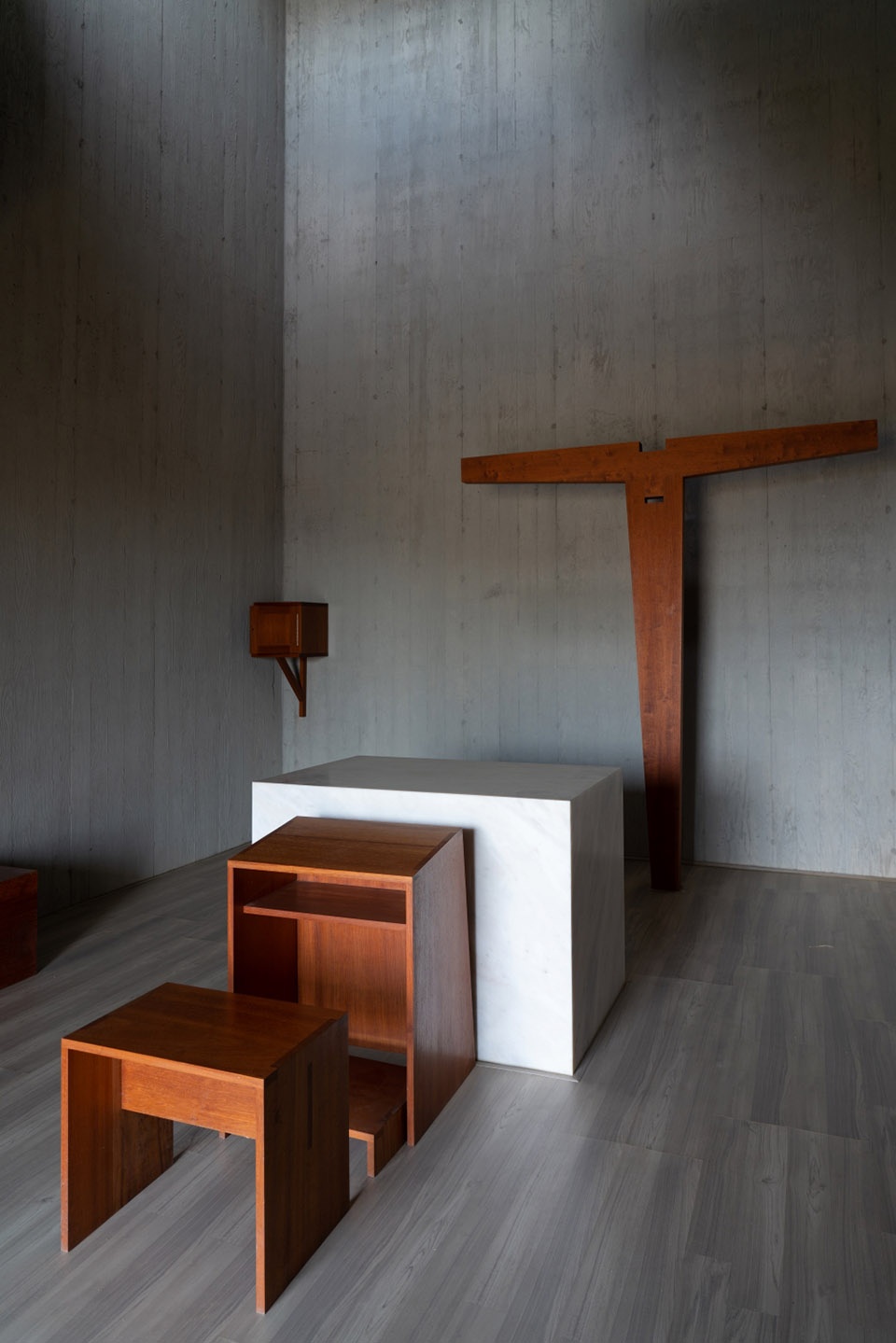
观景台
Observatory
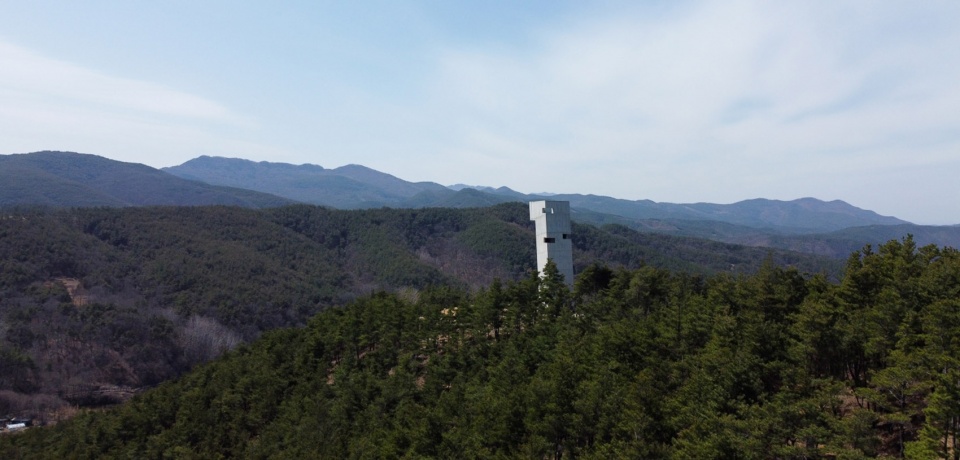
当我们穿过一片松林来到Saya公园,
就立刻被眼前的风景与大自然所吸引。
视野被层层的树枝与低洼中的植被过滤,
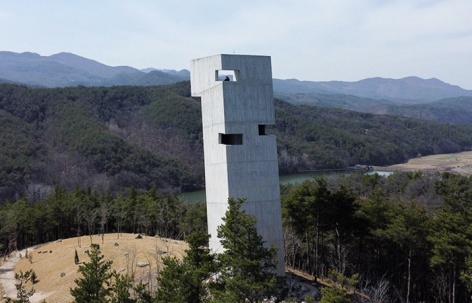
最终落在一座用裸露的混凝土建造的塔上。
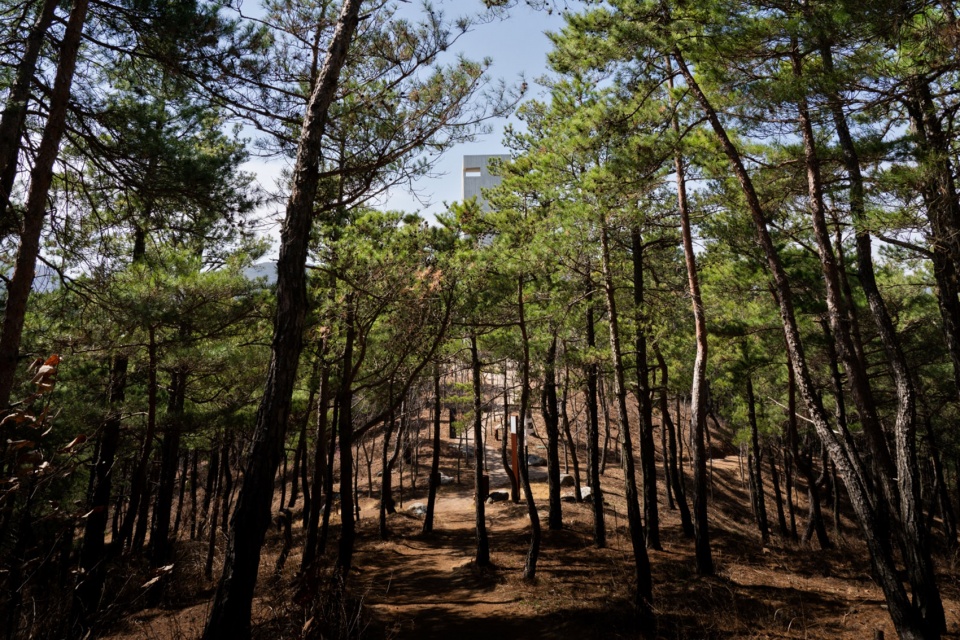
We cross Saya Park through a pine forest.
Taking in the immediate landscape; we are absorbed by Nature.
The views are filtered through gnarled branches and low-lying vegetation.
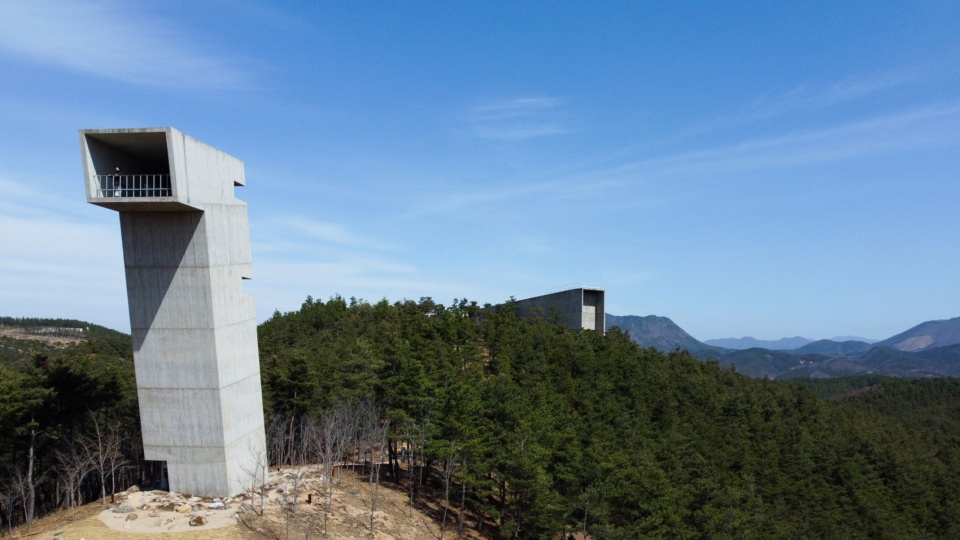
▼观景台与群山,the observatory and the mountains © William Mulvihill
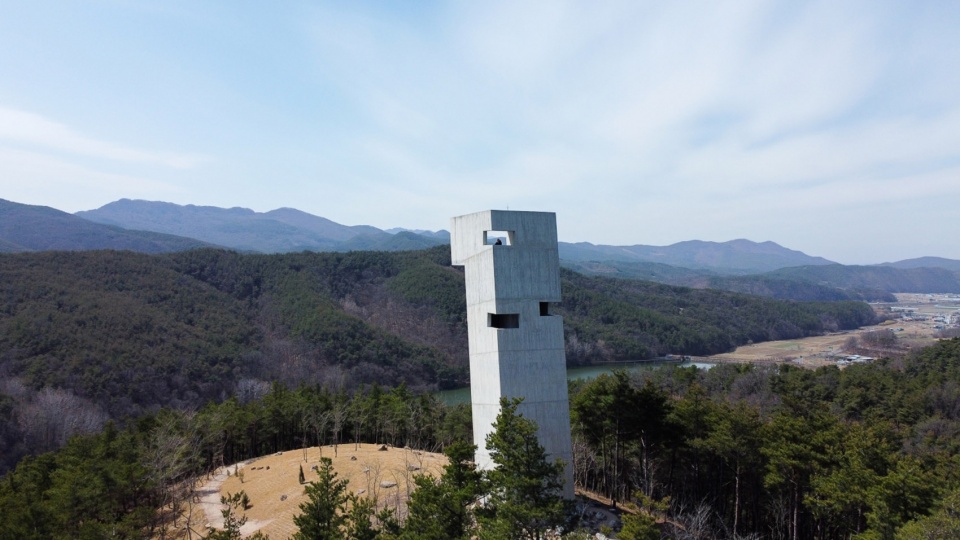
这座建筑坐落在一座小山丘之上,俯瞰着山谷,
想要将山谷的景观全部收入囊中。
好奇心吸引着我们进入这座建筑,并攀登至塔顶。
在向上漫步的过程中,周围的景色透过窗口为我们带来了短暂的一瞥。
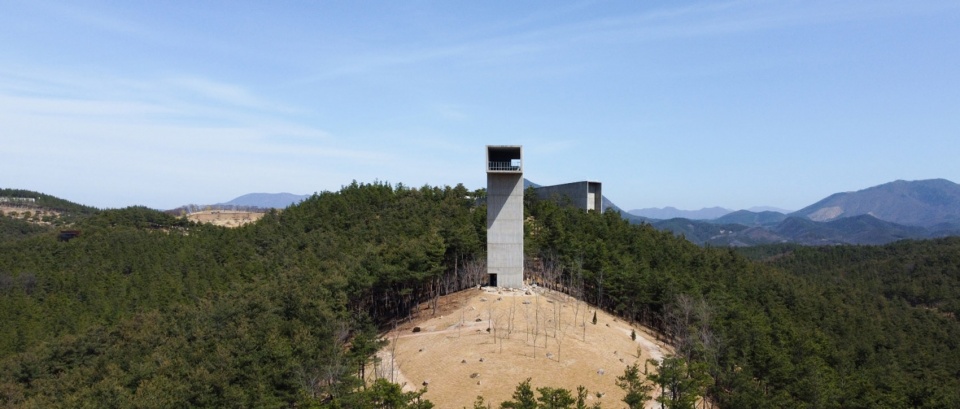
A tower built of exposed concrete sits up on a little hill.
It is sited above the valley, trying to make it narrower.
Curiosity draws us into the tower, to climb and reach the top.
On our way up, we pass windows that give views out; fleeting glimpses.
▼俯瞰着山谷的塔楼,the tower overlooking the valley © William Mulvihill
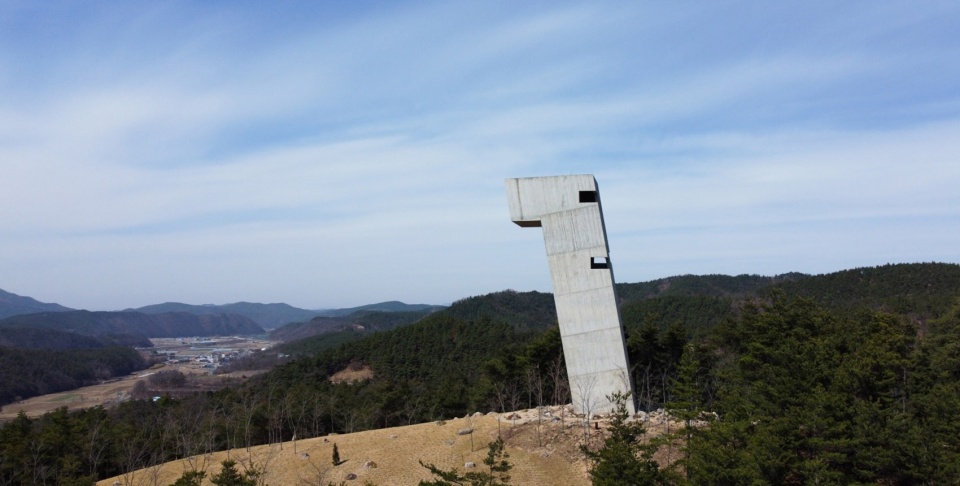
▼观景台顶视图,top view of the observatory © William Mulvihill
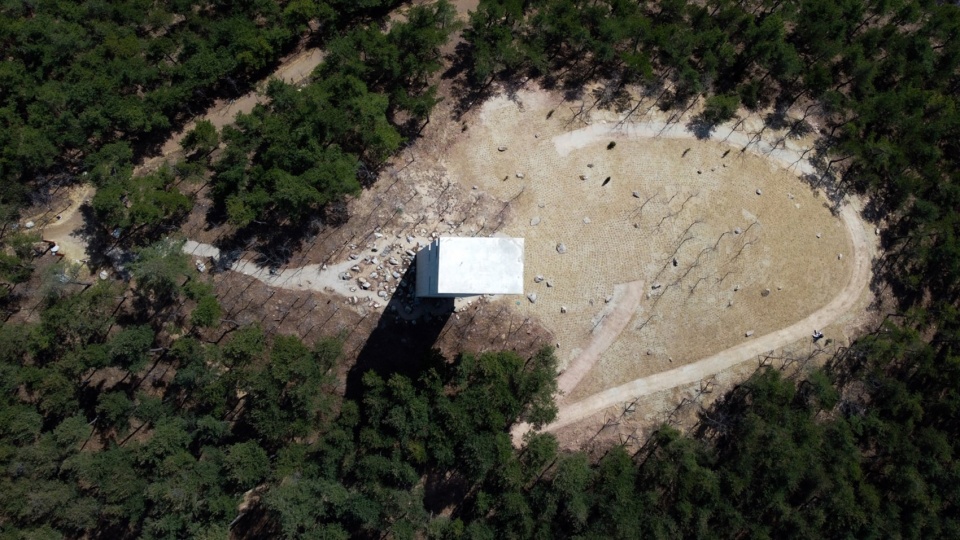
建筑的顶部设有一处向南敞开的阳台。
我们凝视着周围的自然,眼花缭乱,
深谷在山脉的规模和历史下便显得微不足道了。
当我们回到地面时,这种下降的过程引起了我们的反思。
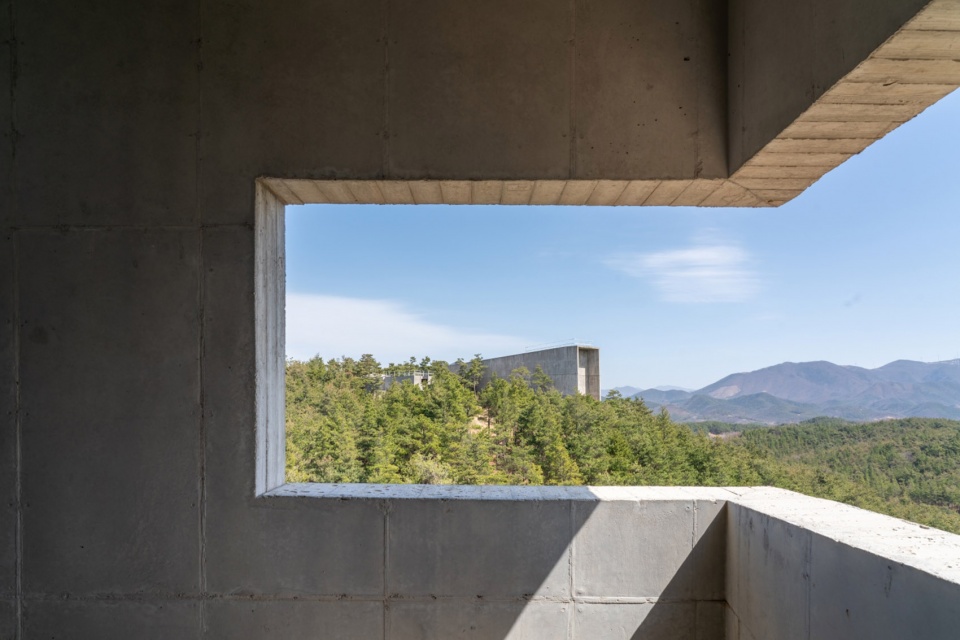
At the top a balcony opens to the South.
We gaze and are dazzled.
The deep valley is crushed by the scale of the mountains and their history.
The descent provokes introspection as we return to earth.
▼向南敞开的阳台,balcony opens to the South © William Mulvihill
原始而裸露的混凝土表面
与纯粹的建筑形式形成了鲜明的对比。
尽管这座建筑的外观十分简单,
但其本质是复杂的,
它的功能揭示出建筑的本质。
The almost raw finish of the exposed concrete
contrasts with the purity of the form.
Despite its simple appearance,
the essence of the tower is complex.
Its function is the essence of Architecture.
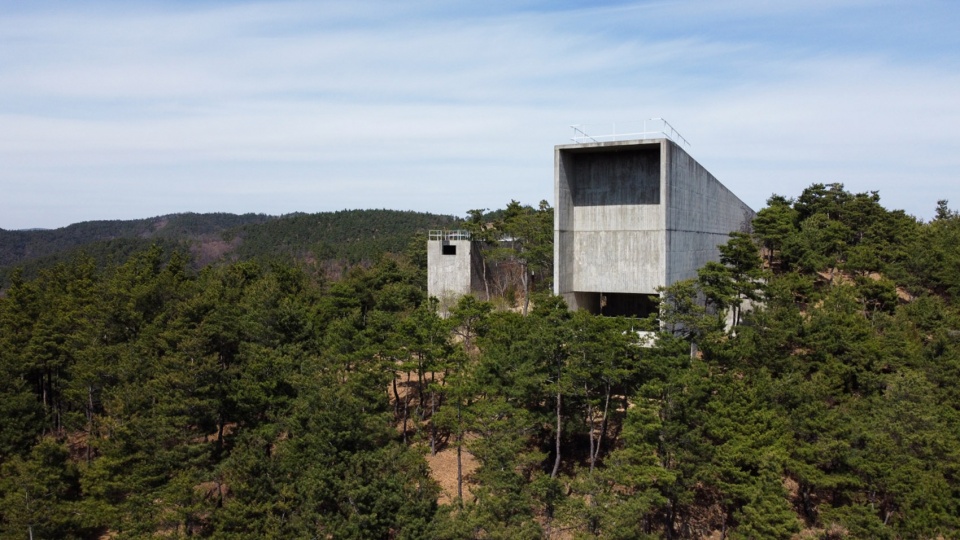
▼由观景台看美术馆,viewing the art pavilion from the observatory © William Mulvihill
▼由松林看观景台,viewing the tower through the pine forest © William Mulvihill
Location: Gyeongsangbuk-do, Republic of Korea
Photography: © William Mulvihill
More:William Mulvihill 。更多关于:William Mulvihill on gooood





清幽
想看看观景台内部
建筑鸟瞰不错,庭院很棒,外环境很好。施工细节有待提高,地面裂缝注意下
为了一首诗,创造了一批建筑的感觉。
这片文章直接阅读英文会更有味道,建筑美感这方面见仁见智,但设计师确实做出了文字中所描绘的那种意境,这是一种目前而言无法用中文表达的意境。
这里并不是说中文没有传达这种感觉的能力,只是国内的建筑行业似乎确实还没有形成围绕自身的独立表达体系,所以我们在阅读简介时经常能看到一些千奇百怪却又相差无几的用语,如“承载”、“定义”、“表达”、“象征”以及“意象”、“纹理”、“知觉”、“美感”等等。设计师们在介绍自己的作品时习惯于使用一些五花八门或者自己生造的句子,用仅仅是看起来高端的词语包装设计过程,以此来显示出自己的与众不同或是理解出色,但究其设计思路可能又大相径庭,最终给人一种招摇撞骗的既视感。我们的母语无法传达外人的意象,甚至于无法准确的表述自身的精神内核,这是一件十分可惜的事。
相当的空虚寂寞,,山也不好看
大师感拉满