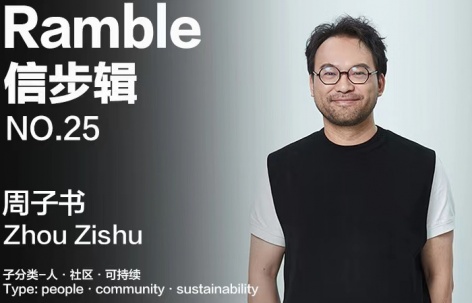
信步辑,闲庭信步看世界。gooood的信步辑拥有许多子分类。这里是“人·社区·可持续”子分类。我们将对话以社区营造和可持续建造为实践重心的专业人士,倾听他们对于社区尺度下的可持续设计的见解。第二期对话地瓜社区创始人、中央美术学院设计学院副教授、周子书。
Rumble, to take a glance at the world by wandering. Ramble is an album including many sub-albums, and this sub-album is about “people · community · sustainability”. Here is the 2nd episode where we have a conversation with ZHOU Zishu, founder of Digua Community, Associate Professor of School of Design, CAFA.
出品人:向玲 / Producer: Xiang Ling
提案策划:杨子遥 / Co-ordination: Yang Ziyao
责任编辑+采访:武晨曦 / Editor in Charge + Interview : Wu Chenxi
大纲制作:武晨曦,杨子遥 ,陈诺嘉,盖世昕,徐瑞彤(实习),史泽怡(实习)/ Interview outline: Chen Nuojia, Gai Shixin, Xu Ruitong (intern) , Shi Zeyi (intern)
gooood x 周子书
01.
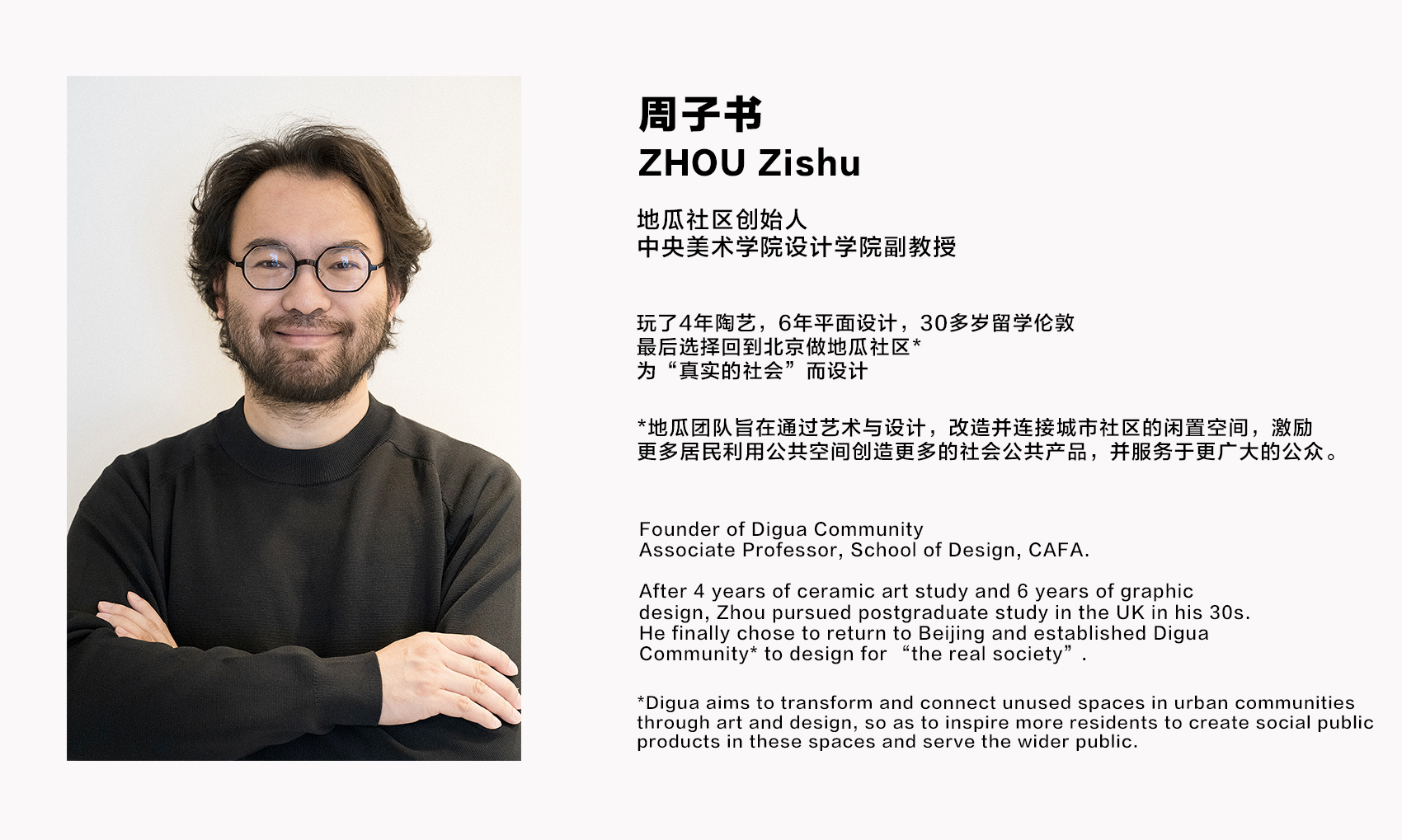
关于周子书
About ZHOU Zishu
31岁重新出发 | A New Start at 31
我最早在南京艺术学院学陶艺,通过挖泥、揉泥,造型,烧制,这一系列的“touch”,用一种完全“触感”的方式去完成自己早先对于形态、对于一个物体生成的全过程的研究,这个对我来说是一个很重要的经历。后来我在中央美术学院学习平面设计,我发现自己的兴趣就是如何把平面和空间进行结合,并且某种程度上避免了让我陷入到抽象概念的讨论,而更加能够去务实地,以可见可触摸的方法去投入创作。美院毕业以后我又去了中国美术馆,跟着范迪安老师在展览部做了五年的展览设计,这段经历让我对一个事情的全面管理以及执行的能力大大提高,知道怎么更高效、更精准地把一件事情做好。
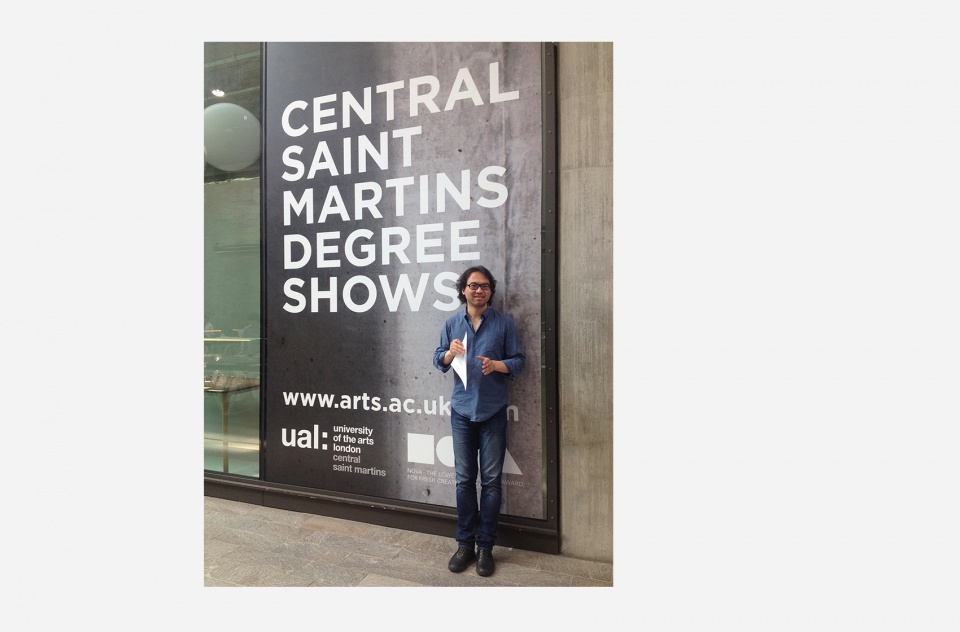
到了31岁,经历了很多反思,我开始不太愿意再为“那些”艺术家服务了。我看到的更多的是普通老百姓和艺术之间的一种巨大的距离,所以我从美术馆“裸辞”,去了英国读书。我选择的专业叫“叙事性空间设计”(narrative environments),听上去蛮酷的。其实当时我也不知道自己要学什么,只是觉得人生应该换一个方向了。我记得有一次在大英图书馆,在那样一种安静、充满知识的空间里面,我的英国老师问我,你30出头来到英国,回去之后能为你的国家带来什么?对我来说,这个问题是有触动到我的内心的。所以在英国的那几年也是让我重新思考了最终要去做什么的问题。
▼周子书在中国美术馆策划的展览,The exhibition curated by Zhou Zishu at Central Academy of Fine Arts
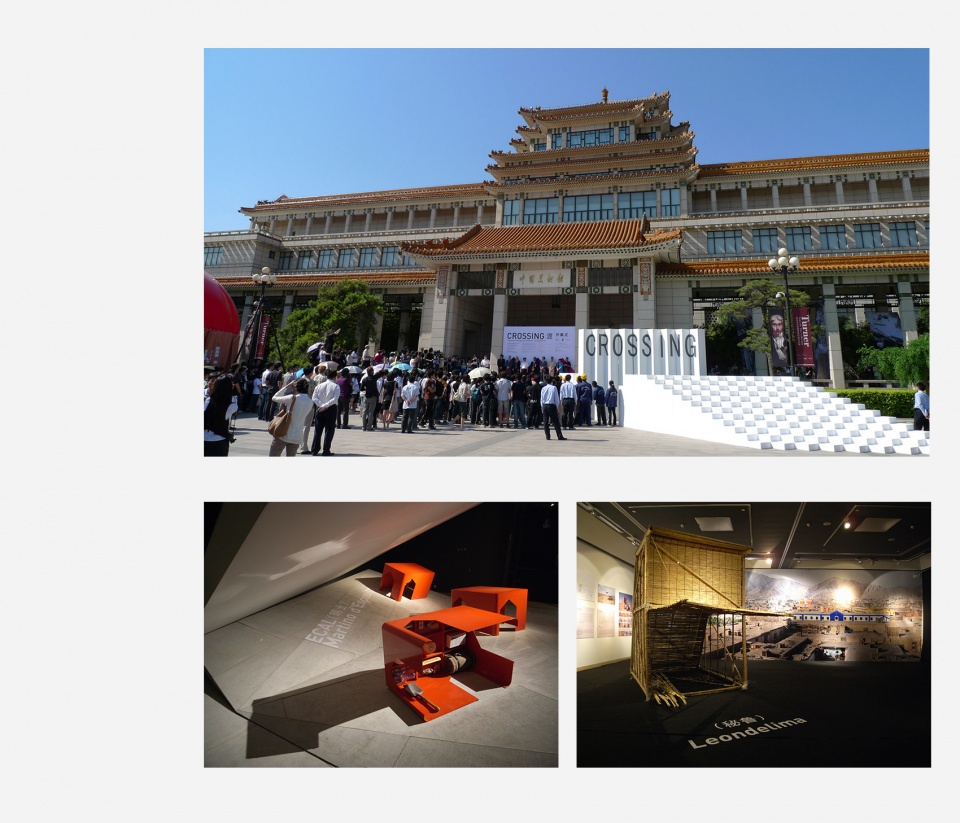
After graduating from the Central Academy of Fine Arts, I went to the National Art Museum of China, followed Mr. Fan Di’an and worked in exhibition design at the exhibition department for 5 years. At the age of 31, after a lot of reflection, I was reluctant to work for “those kinds of” artists. What I saw was a chasm between the ordinary people and the art, that’s why I resigned my job from the gallery and went to studied in the UK. The major I chose was narrative environments, it sounded quit fancy. In fact, I didn’t know what I was going to learn, I just felt that my life should be changed to a different direction. I remember once in the British Library, in such a quiet, knowledge-filled space, my British teacher asked me: “what can you bring to your country after studying in the UK in your early 30s?” For me, it was a question that deeply touched my heart. Those years in the UK also gave me the chance to rethink my career directions.
▼周子书在中央圣马丁学院留学期间
Zhou Zishu at Central Saint Martins College, ual
02.
关于地瓜社区
Digua Community
“我的目标并非是改造一个空间让住在地下室的人们生活得更舒服,而是通过空间的利用去提高他们职业发展的可能性,降低他们了解新专业、新行业的成本,从而早日搬出地下室。”
“My goal was not to transform the basement to make people’s life more comfortable, but to improve the possibility of their career development, reduce the cost of getting to know new professions and industries, and move out of the basement as soon as possible through the usage of space. ”
▼了解地瓜社区的创立初衷,观看视频 – 周子书 为真实的社会而设计
The Creation of Digua Community: Speech by Zhou Zishu, Design for the Real Society
地瓜的雏形 | The Prototype of Digua
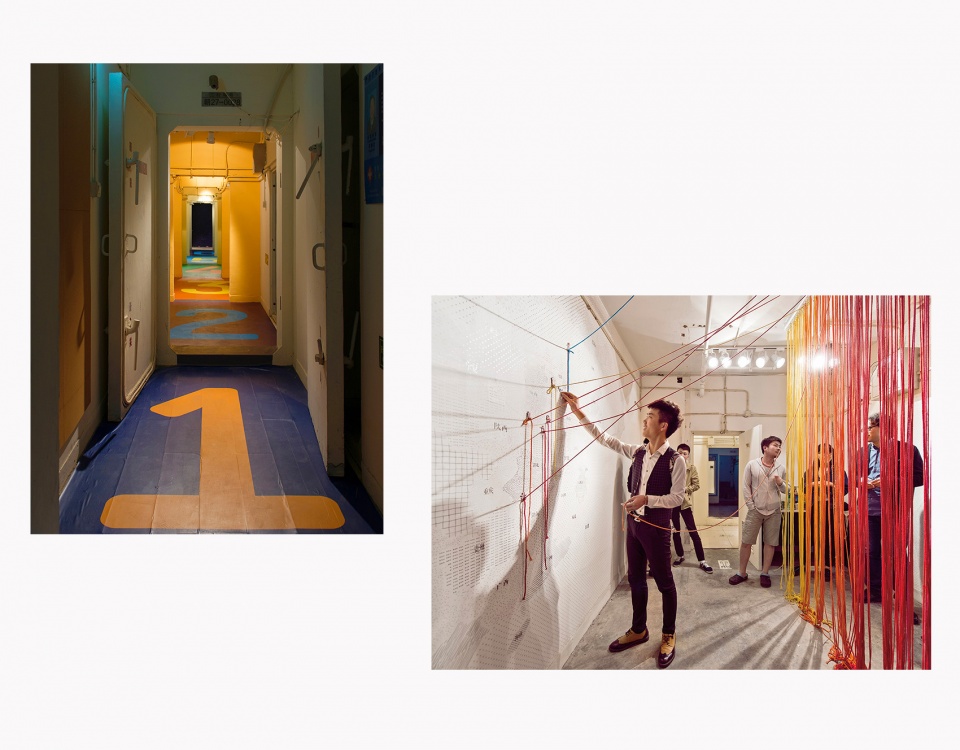
我在中央圣马丁学院读第二个硕士时候的毕业作品(2013年)是 “地瓜社区”的最初原型,作品题目是《重新赋权——北京地下室的转变》,内容是通过技能交换项目帮助居住在北京花家地北里社区地下室的年轻北漂拓展职业发展的可能性。这个项目做完之后,因为一篇公众号文章而在一夜之间“火”了起来,引起了广泛的社会关注和反响。甚至后来有一些媒体文章用了类似“央美设计师爆改地下室,让生者有尊严”这样的题目,但这其实完全把我推向了另一个极端。
我的目标并非是改造一个空间让住在地下室的人们生活得更舒服,而是通过空间的利用去提高他们职业发展的可能性,降低他们了解新专业、新行业的成本,从而早日搬出地下室。我不能和很多媒体一起去消费地下室和“北漂”,我不想让地下北漂被标签化(被媒体称为鼠族),更不能让地下室变成孤岛。一次事件是没有办法真正去改变什么的,只有把“北漂”纳入到更大的社区生态中才能让项目可持续运转。
My graduation project (2013) from my second MA at Central Saint Martins (2013) was the original prototype for Digua Community. The project aimed to help young Beijing Drift who lived in the basement at Huajiadi Beili Community to expend their career development possibilities through skill-exchange programs. Later, some media featured the project using titles like “The designer from CAFA renovated the basement, giving dignity to the living”. To be honest, this actually pushed me to the opposite extreme.
My goal was not to transform the basement to make people’s life more comfortable, but to improve the possibility of their career development, reduce the cost of getting to know new professions and industries, and move out of the basement as soon as possible through the usage of space. I can’t follow the majority of medias to exploit the basement and the Beijing Drift and label them (called the “rat tribe” by certain media). And I definitely can’t isolate the basement and make it a lone island. There is no way to make a real difference through a single event. Only by incorporating them into the larger community system can the project be run sustainably.
▼ “地瓜社区”的最初原型:花家地北里地瓜社区
Huajiadi Beili is the original prototype of Digua Community
启动“地瓜” | Starting the practice
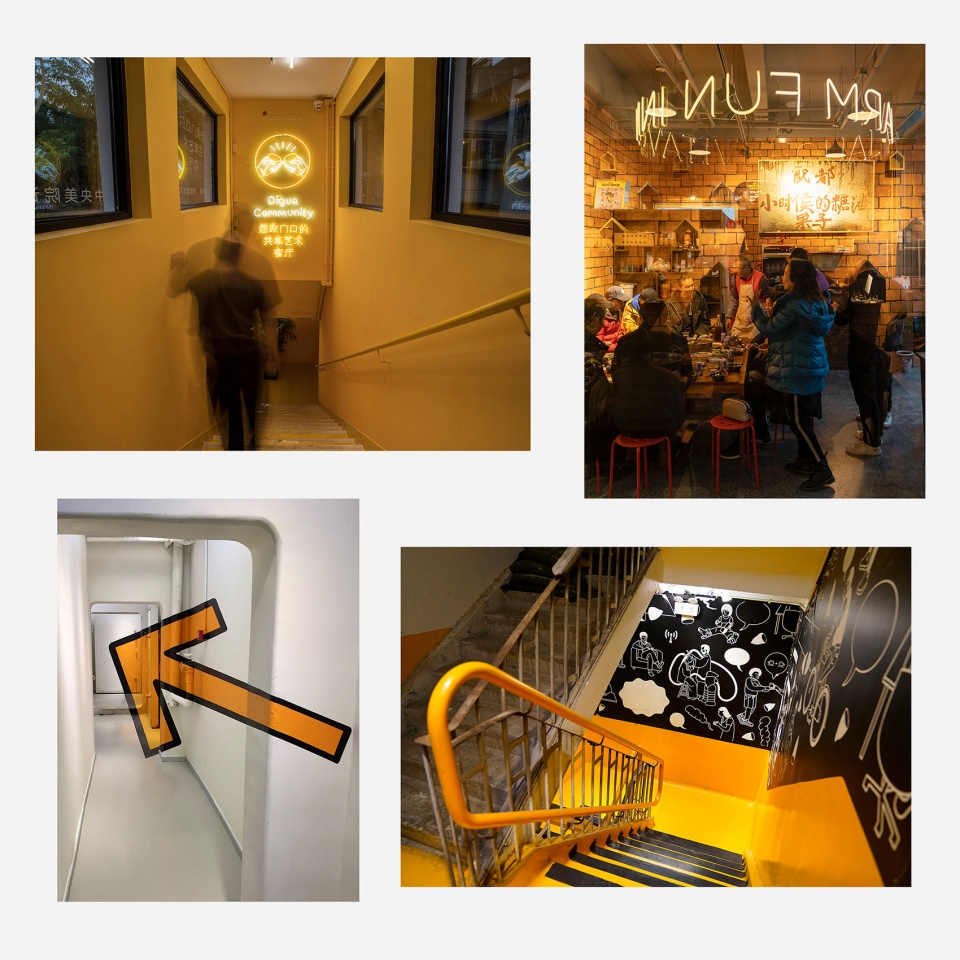
我在2015年初成立了地瓜社区,正式把社区做为方法,展开进一步的社区公共空间的行动研究。“地瓜”通过设计改造,将社区闲置空间转化为新的共用共享空间,帮助居民利用自己的知识和技能在空间内为邻里提供公共服务产品,用“自产自消”的模式达到公益和商业的之间的平衡,激发社区新的邻里关系。
目前,地瓜在北京和成都已经有四个地瓜社区空间,并且正在将更多的社区和人连接在一起,逐渐形成哲学家德勒兹的“块茎系统”(Rhizome),最终实现社会资源的再分配,帮助每一个愿意与他人共创并分享的个体,重建社会资本。
▼“地瓜”通过设计改造,将社区闲置空间转化为新的共用共享空间
Digua transforms the idle space of communities into new shared-spaces
Therefore, I started Digua in early 2015, and formally use communities as a method to carry out further research action on community public space. Through design and transformation, Digua transforms the idle space of communities into new shared-spaces, helps residents use their knowledge and skills to provide public service products for the neighborhood, facilitates the “self-sufficient” model to achieve the balance between public welfare and business, and stimulates new relationships in the community.
At present, Digua has four Digua Community spaces in Beijing and Chengdu, and is connecting more communities and people, gradually forming the philosopher Gilles Deleuze’s “Rhizome”, and finally realizing the redistribution of social resources. We are helping every individual who is willing to co-create and share with others and rebuild social capital.
▼社区居民参与“地瓜”组织的活动
The residents participating the community event
不同的地瓜 | The Digua Communities
“地瓜”不是要把一个空间变成高级会所,也不是要变成一个做宣讲的地方。我们认为“你的未来才是社区的未来”,说得通俗一点,就是让社区的普通居民利用这个空间来创业,同时满足他们物质和精神的双重需要。我们先不要去谈理念,而是先谈这个空间如何让他们使用。如何让他们能够理解这里面的共同底线的规则——共用和共享。
地瓜的核心,绝不只是运营空间,更是通过艺术设计和社会创新的方式“运营”和重构社区里人与人的关系,从而达成人性化的社区治理。城市即人,盘活闲置资产绝不是我们的首要目标,我们首先是要帮助团队成员成为阳光、有目标的人,然后再一起去激活身边一个个有着真实情感的人。人活了,资产才能活,才能真正形成幸福的城市。
Digua is not about turning a space into an exclusive club, or a place for lectures. We believe that “the individuals’ future is the future of the community”. To put it more simply, it is to allow residents of the community to start businesses in this space, fulfilling their material and spiritual needs.
The core concept of Digua is not just operating space, but also “operating” and reconstructing the relationship between people in the community through artistic design and social innovation, so as to achieve humanized community governance. First, we want to help our members to be positive and goal-oriented people, and then we can work together to activate those true individuals around us. Only active people can activate assets, that’s how we build a city with true happiness.
▼北京地瓜社区一号/二号空间,Digua community, Site 1 and Site 2 in Beijing
地瓜社区在成都 | Digua Community in Chengdu
从人口成分复杂、历经棚户区拆迁改造的曹家巷开始,地瓜选择落地于此的原因大致有四个:一是我喜欢挑一个最需要我的地方扎根下去;二是成都人都说北门衰败,乱,但其实“乱”是另一种包容,“乱”才可能容纳“不同”(异质),有“不同”才能促成创新的多元组合。三是曹家巷外来人口不少,这让我想到了在英国读书时,学校周边的King’s Cross area(国王十字地区),情况和曹家巷差不多,当地政府是如何引入艺术(中央圣马丁艺术与设计学院)、科技(谷歌英国总部)和文学(哈利波特的9¾站台),从而在十年间改变了区域的城市品牌。第四是当年曹家巷棚户区拆迁工作是当地居民自发成立“自改委”组织的拆迁,这让我对这片区域的人们产生了浓厚的兴趣。
There are roughly 4 reasons for choosing Caojiaxiang as the stronghold of Digua in Chengdu. Firstly, I like to take root in a place that needs me the most. Secondly, people in Chengdu always say that the North Gate area is decaying and chaotic, but actually “chaotic” is a different kind of inclusive. Only “chaos” can accommodate “differences” (heterogeneity), and only “differences” can lead to diverse combinations of innovations. Thirdly, there are a number of immigrants in Caojiaxiang. And last, the demolition work of the shanty towns in Caojiaxiang was voluntarily carried out by “Self-Reform Commission”, a committee established by local residents, which stirred up my curiosity on the people here.
▼曹家巷环境照片,Context of Caojiaxiang Community
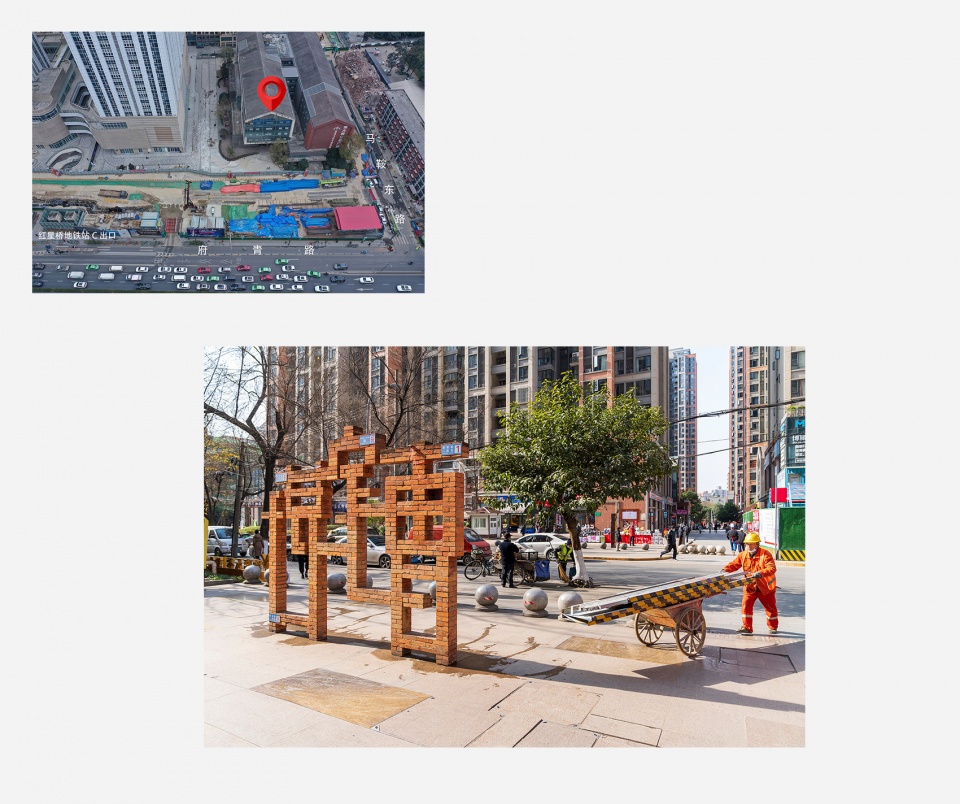
上世纪50、60年代,这里居住的是一批有技术的建筑工人,当时能住在这样的红砖楼房里其实是非常惹人羡慕的。但是随着城市扩张和产业转型,这个地方就渐渐没落了。2018年,成都金牛区的团队专程来北京找我,我毫无保留地分享了地瓜这些年在社区的创意实践中的各种经验、感悟、困难和自我批判,双方当即确定地瓜落地成都市金牛区。2019年,按照约定,原恒大曹家巷广场售楼处的一层和五层将正式移交给曹家巷社区使用。地瓜受邀为曹家巷社区党群服务中心做整体设计,由此建立了成都第一个地瓜社区。
地瓜社区并不能改变整个曹家巷的命运,人们也不会因为地瓜社区而留在曹家巷。随着生活各方面的变动,他们也会逐渐搬离这里。但是对于一个地方(Place),以及它所包含的记忆、情感和人物的长期观察,会逐渐帮助每个人形成对于局部社会的理解,这是我们未来做任何事情都非常需要的东西。
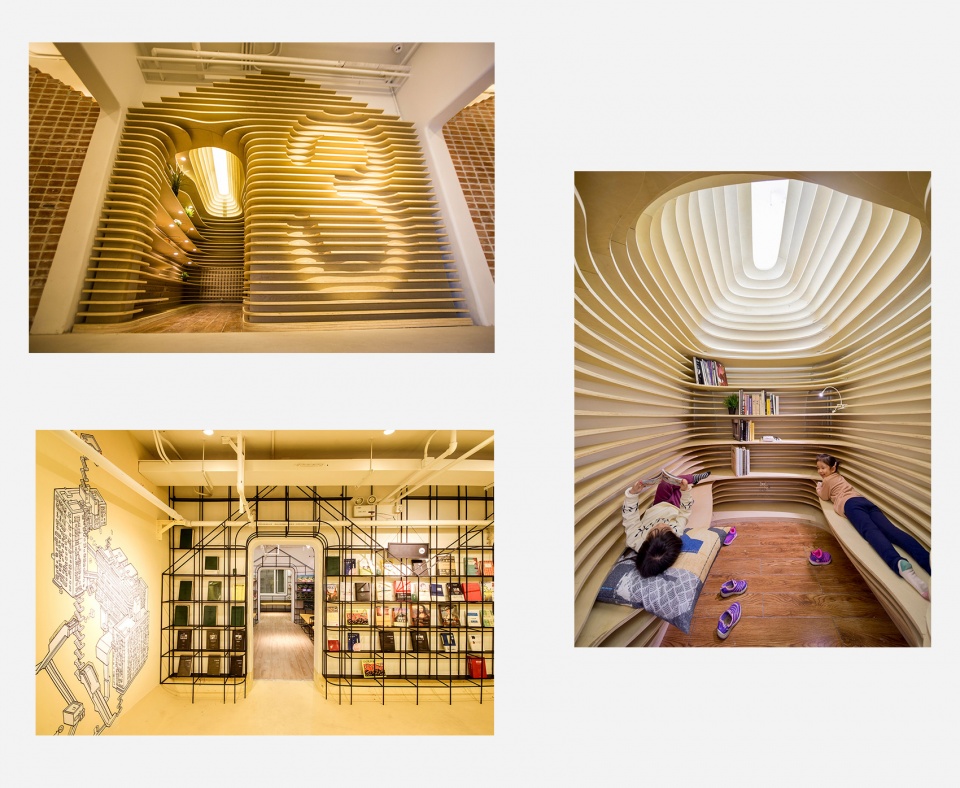
▼曹家巷地瓜社区空间是成都第一个地瓜社区
Caojiaxiang Community is the first Digua project completed in Chengdu
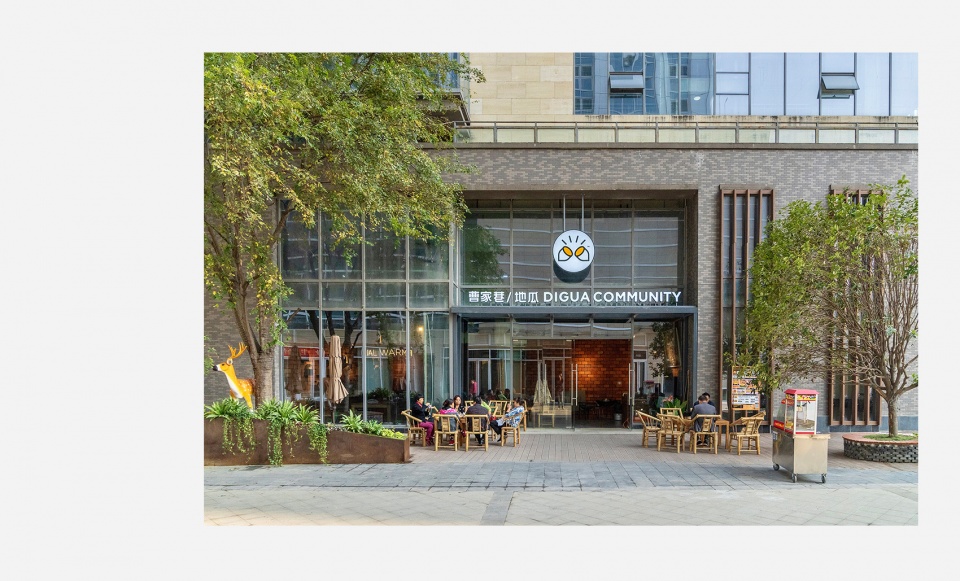
A group of skilled construction workers used to live in Caijiaxiang in the 1950s and 1960s. With urban expansion and industrial transformation, the place was gradually shrinking. In 2018, the new Digua Community officially landed in Jinniu District, Chengdu.
The Digua Community cannot dramatically change the fate of the entire Caojiaxiang, and people will not stay in Caojiaxiang forever because of it. They will gradually move out of here as their life changes. But the first-place people live in, and the memories, emotions and the long-term observation on people that it contains, will gradually shape everyone’s understanding of our society, this is something that we need in every aspects of our future life.
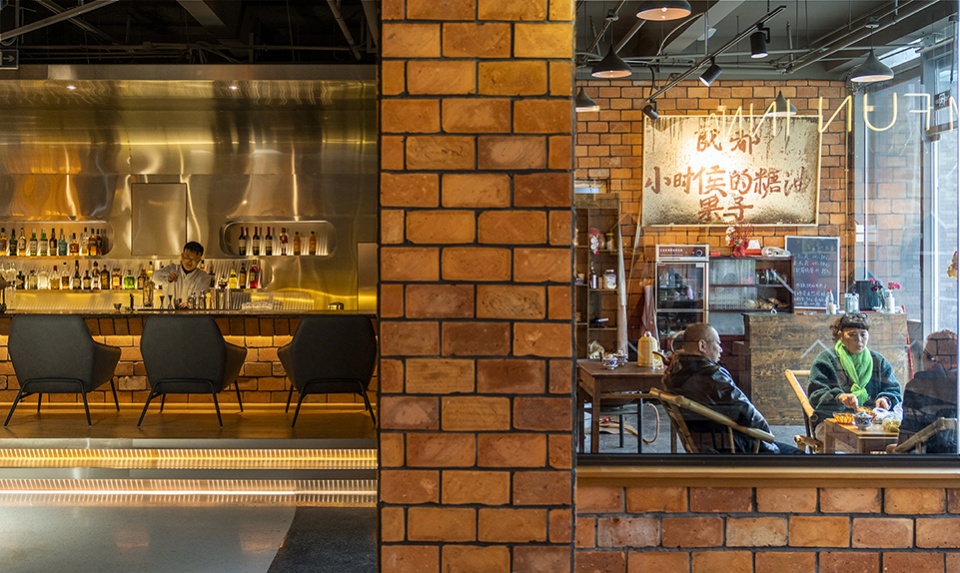
▼曹家巷地瓜社区,有休闲酒吧,也有糖油果子店,Caojiaxiang Digua Community, with a casual bar and a fried dough shop
地瓜社区与地域性 | Digua and its regionality
所谓的“地域”, 在我看来不是地域,不只是这里的山脉、人文和历史如何如何,而是要去看每一个地方的社会系统,它是如何运作的,它背后的社会关系是什么样的,当地人内部的组织结构是什么样的,他们背后存在怎样的社会纠葛,知道了这些你才能理解他们的行为。当你和社区中异质性的人群进行沟通的时候,如何创造一个新的叙事界面和系统,让这个话语体系能够同时被政府和老百姓接受,被艺术家接受,这样它才能够最大限度地让人参与进来。
我一直在思考,地瓜的核心价值根本不在于空间。假如没有空间了,地瓜是什么?它所创造的社会价值到底是什么?我们需要离开建筑和设计行业去理解这个概念。这个东西真的有点像做陶艺,因为陶土也是一个空间,在拉坯成型的塑造过程中,你要用一只手护住它,另一只手指微微调节它的角度,这就和社会设计师做的事情是一样的:一方面是保护,不是大刀阔斧地去“砍”它,而是微微进行调节,要尊重它的“泥性”,这个很重要。
今年曹家巷地瓜团队和社区居委会说要搞一个社区IP,我一开始还觉得可能有点low,结果没想到一下子成了“爆款”,抖音上三四十万的转发,随后成都的很多地方的民众都冒出了很有意思的想法,比如说建设路我们要做一个鹿,双流那边做一个“兔头”什么的。我觉得成都人的这种生活态度也是我喜欢成都的一个原因。
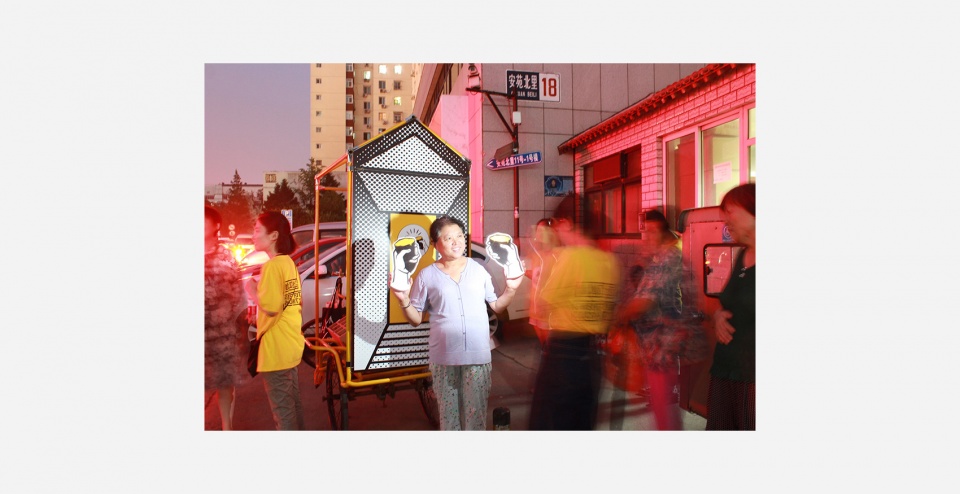
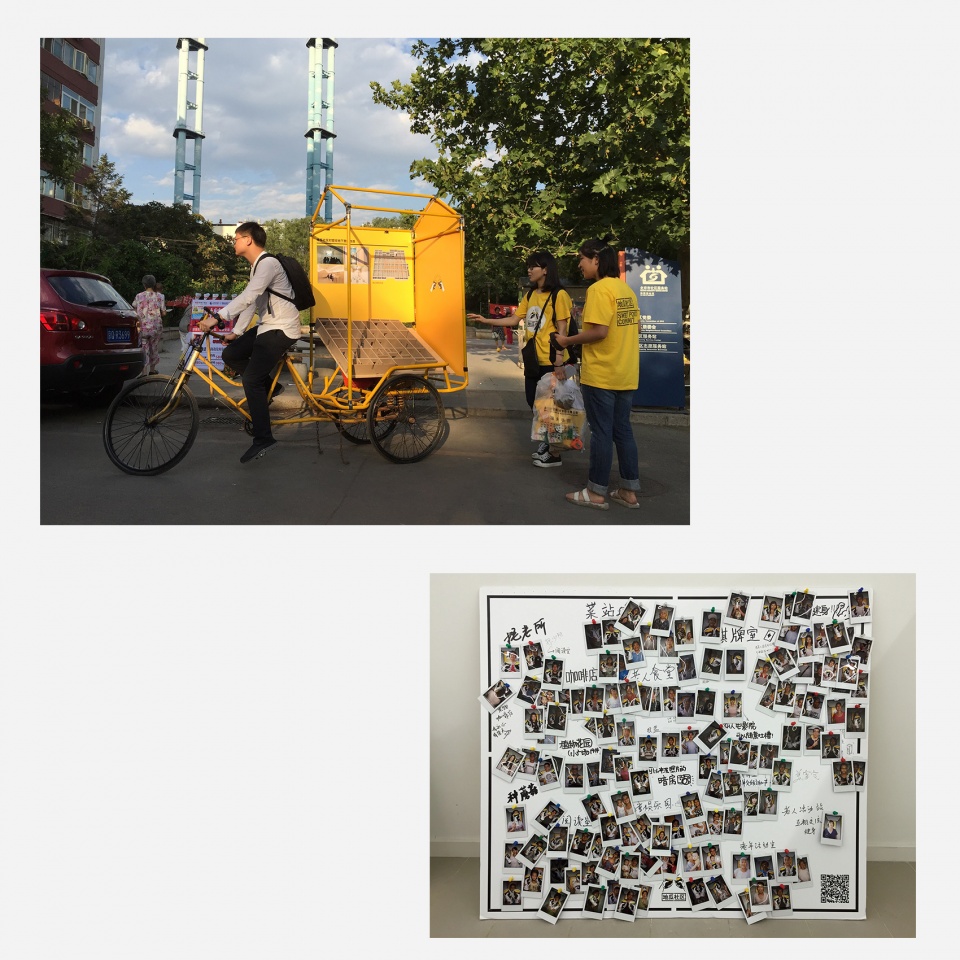
▼上:地瓜社区在北京的“移动”宣传站 ;下:地瓜社区收集的居民“愿望”
Top: preferences and requirements collected from the residents; Bottom: a “mobile” platform for spreading the idea about Digua Community
The so called “region”, to me, is not just the mountains, humanities and histories, but the social systems behind each place. Who does it work? What is the social relation behind it? What is the internal organizational structure of local people, and what kind of social entanglements exist behind them? Only by figuring out these questions can you understand their behavior. When you communicate with the heterogeneous group in the community, consider how to create a new narrative interface and system, so that this discourse system can be accepted by local government, residents and artists at the same time. That’s how it can get people involved to the most extent.
I have been thinking that the core value of Digua does not lie in the space at all. If there is no space, what is Digua? What is the social value it creates? We need to understand this concept without the architecture and design industry. This is quite similar to pottery, because pottery is also a space. During the shaping process, you need to protect it with one hand and adjust its angle with the other finger. This is similar to the job of social designers: on the one hand, you need to protect it. Not “chopping” it aggressively, but to adjust it slightly and respect its “mudiness”.
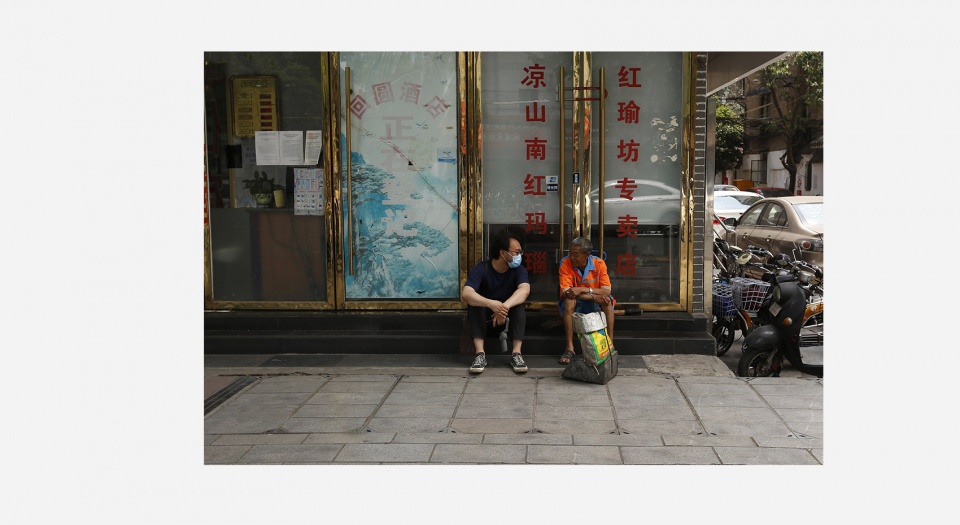
▼周子书在调研期间与当地居民交谈,Zhou Zishu talking with the local resident during the site survey
03.
社会设计
Social Design
价值观 | Values
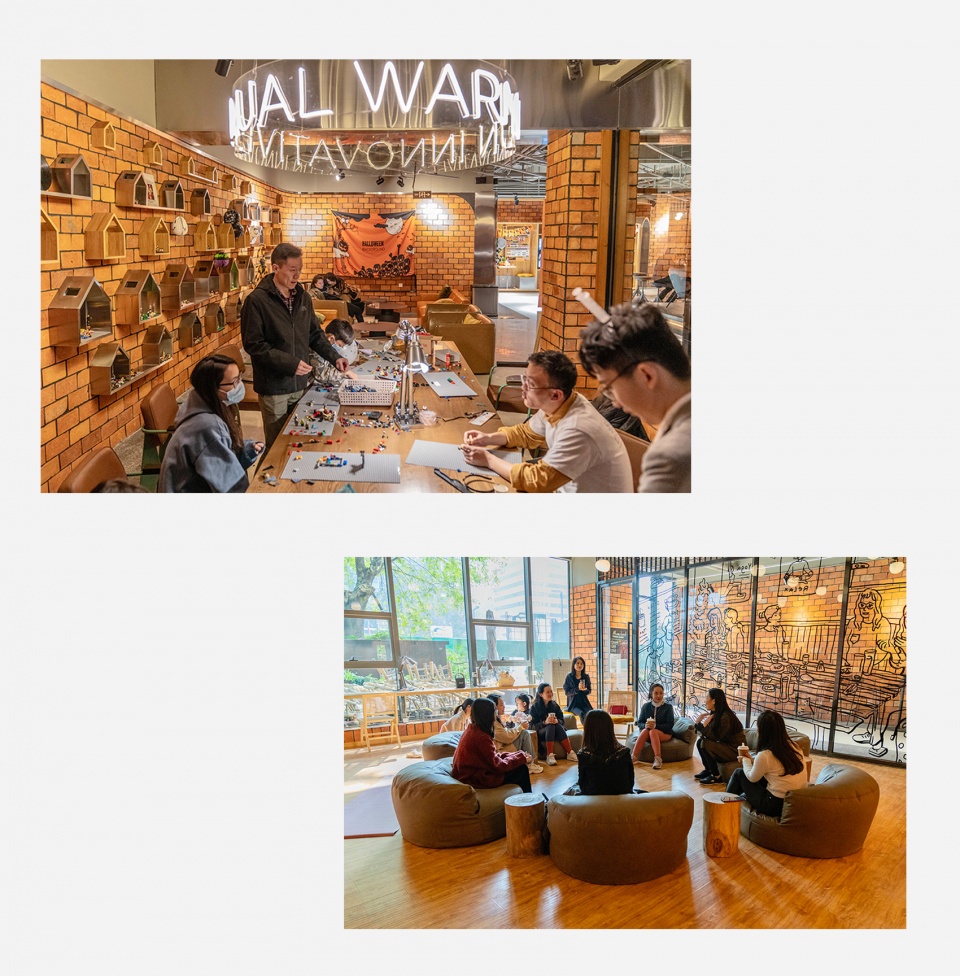
地瓜社区就是我的价值观的“物质再现”。 我们的核心工作是要让社区不同类型的人在这个地方发生碰撞。
对于设计师来说,他的作用只是去搭一个框架,他不能够去填充所有。你需要创造一个公共的美育界面,让不同的人参与进来,在这个过程中,他们之间才会形成交流。公共空间永远充满了利益的争斗,它也是具有制度性的,我们要做的是对背后一些制度进行管理和激励,把每个人做的事情重构成一种新的叙事话语,让更多的人知道,原来还有这样的事,原来还可以这样去做。
地瓜所设计的空间不是它看起来怎么样,而是要看它背后是以何种逻辑在运转?特别是在由效率和流动所导致的异质性社会空间里,社区的公共资源问题总是充满争议,隐藏在这些争议背后的是相互冲突的各种社会利益。地瓜的研究重点不在于单一满足一个阶层的需要,而是要寻求富有创造性的异质链接来实现公共利益的最大化。
▼地瓜改造的不是空间,是社区的异质交互模型
Digua does not transform the space, but the community’s heterogeneous interaction model
Digua Community is a material representation of my values. Our core task is to promote the encounter of different kinds of people in this place.
For a designer, the job is to build a frame, he cannot fill in everything. You need to create a public aesthetic educational space to involve different people. And along with this process, communication will be formed between them. The public space is always full of conflicts of interests, and it is also institutionalized. What we need to do is to restructure some of the management and incentives behind the system, and reconstruct what everyone does into a new narrative discourse, so that more people can aware that such project exists, and it can be done in this way.
The space designed by Digua is not about what it looks like, but the logic running behind it. Especially in a heterogeneous social space caused by efficiency and mobility, where the issue of community public resources is always full of disputes. And behind these disputes are various conflicting social interests. Digua’s research does not focus on meeting the needs of a single social class, but to seek a creative and heterogeneous link to maximize public interests.
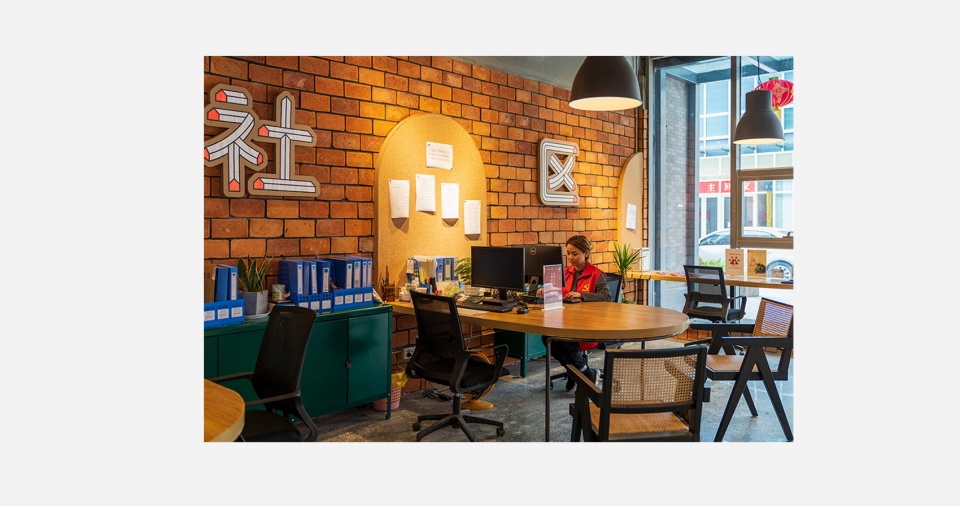
▼曹家巷地瓜社区办公室,Caojiaxiang Digua Community – office
基本工作原理 | Working principle
社会就是没完没了的事儿,所以你得始终站在边缘去看不同的人,要去真正地了解那些人。社会设计的方法通常是从微观的、具体的社会问题切入,再通过长时间的设计介入,逐步在“社会过程”中描绘出背后复杂的系统。注意这里的“方法”和“过程”不能简单等同于“流程”。“流程”很难因地制宜地转化为有效的“方法”,因为它缺乏灵活运用“方法”的“主体性意识”,更无法在长期的“社会过程”中去对流程产生的“结果”加以验证和批判。因此我们必须找到可同时兼容“方法”与“过程”的研究客体,以及能展开持续“过程研究”的实践主体。
某种意义来说,它已经超越了传统设计本身,设计只是其中的一个环节,但这个环节的任务,却是要能激发起系统中各方的参与度,进而揭示出“问题系统”运作的组织方法,这样,我们才能诊断其问题产生的杠杆点,也才有可能去重新设计组织或调整系统的运作逻辑。这就是社会设计的基本工作原理。
Society is formed by continuous events, so you have to observe different groups of people from the edge and really get to know them. The method of social design usually starts from microscopic and specific social problems, through long-term design intervention, gradually depicts the complex system behind it the “social process”. Note that “method” and “process” here cannot be simply equated with “process”. It is difficult for a “process” to be transformed into an effective “method” that suits local conditions, because it lacks the “subjective consciousness” to flexibly apply the “method”. Furthermore, it is impossible to verify and criticize the “result” produced by the process in the long-term “social process”. Therefore, we must find a research object that is compatible with both “method” and “process”, and a practical subject that can carry out continuous “process research”.
In a sense, social design has transcended traditional design, and the design is only one of the links, but the task of this link is to stimulate the participation of all parties in the system, and further reveal the organizational methods of the operation of “problem system”. In this way, we can diagnose the leverage point of the problems, and make it possible to redesign the organization or adjust the operational logic of the system. This is the working principle of social design.
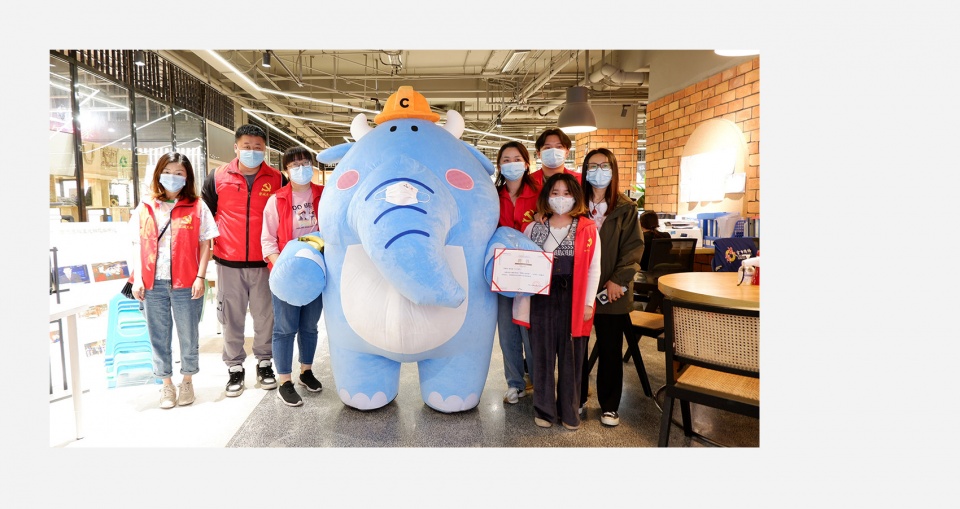
▼地瓜社区“特聘生活委员”合影,Group photo of Digua’s committee members
理想 | Vision
“我们不是要打造public space(公共空间),而是要打造一种互相支持的place(地方)。”
“We are not trying to simply build a “public space”, but a place where all its residents can support each other.”
公共利益永远充满了复杂的纠葛。在我看来,公共利益是极难被调和的,每个人都在伸张自己的权利。一旦回到具体的个人的时候,去掉它的标签的时候,没有人是无辜的。比如这次疫情,小区群里时不时会产生矛盾,当所有人都在谩骂的时候,我唯一做的,就是默默地发一句:“我一点半要去小区门口取快递,如果有人实在有困难,我愿意帮你们取,并且送到家门口。”这句话说完以后,紧接着在未来的几天里,有三四个人都这么说了。这其实是挺有意思的一点,你会发现在一个陌生群体中,第一个发声的意见总是很重要,如果最开始是一个“温情”的声音,那么接下来就容易形成一个友好的氛围。最开始的声音是“温情”还是“暴政”,亦或是选择默不作声,这将直接影响到之后大众对事件的认知以及他们后续的行动。
所以我们需要展开社区美育的长期行动,以美来吸引,以美来培育社区“附近的温情”,地瓜社区正是要把这一点融入到未来生活的态度中去。中国今天缺的是社会的重构,是社会的信心的建立,是社会交往方式的建立。我们不是要打造public space(公共空间),而是要打造一种互相支持的place(地方)。
The public interest is always full of complex entanglements. In my opinion, the public interest is extremely difficult to reconcile, and everyone is asserting their rights. When it comes to a specific occasion, no one is innocent (of the conflict) if you rip the label of “public interest” off. Take this pandemic as an example, there are conflicts in our neighborhood’s group chat at some time of other. When everyone was swearing and venting their anger, the only thing I did was said: “I am going to the gate to pick up a parcel at 1.30. If anyone is really in difficulties, I am glad to pick up your parcel and leave it at your door.” After this, there were several people who said the same thing in the next following days, which is actually quite interesting. You will find that the first voice is very important in a group of strangers. If the first voice is “gentle”, then it is easy to form a friendly atmosphere. Whether the first voice is “tenderness” or “tyranny”, or the group choose to remain silent, will directly affect the public’s perception of the incident and their follow-up actions.
Therefore, we need to carry out a long-term action of aesthetic education, attracting and cultivating the “warmth in the neighborhood” with beauty. What China lacks today is the reconstruction of today’s society, the establishment of social confidence and social communication. We are not trying to simply build a “public space”, but a place where all its residents can support each other.
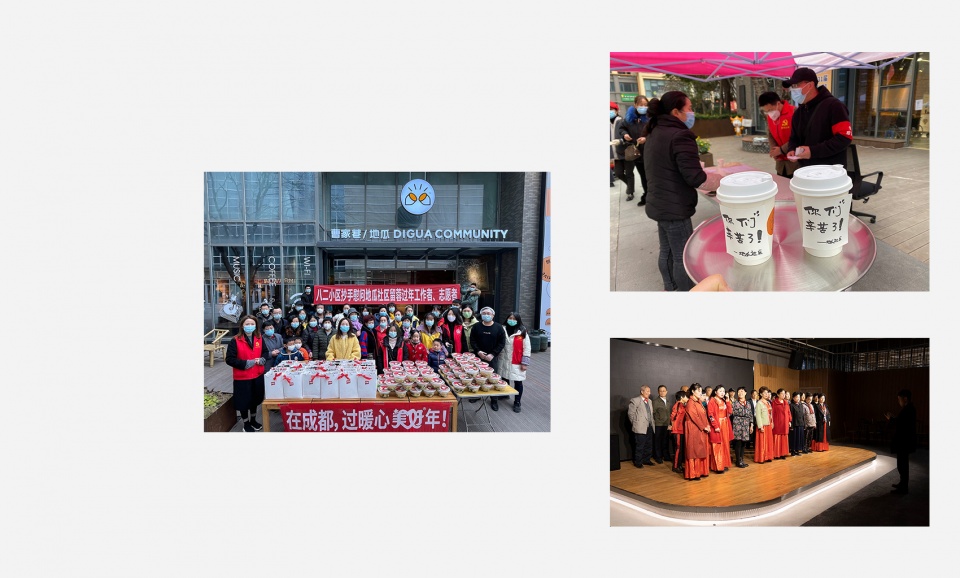
▼培育社区“附近的温情”,打造一种互相支持的“place”
Building a place where all its residents can support each other
04.
社会设计的教学
Teaching Social Design
“在不同专业的边缘,通过一个现象看到问题后的研究议题,从而再来思考不同人生阶段的能力。”
“To stand at the edges of different professions and learn to find the research topic through a phenomenon. This is essential for them to have a reflection on their abilities at different stages of life.”
我现在会有意地给我的学生培养一种认知,就是你不能被某一种专业所束缚,你更应该在不同专业的边缘,通过一个现象看到问题,通过问题看到背后的研究议题,从而你再来思考你在你不同人生阶段的能力,这个能力是非常重要的。你选择了什么样的工具,你能够达到什么样的目标?这里面涉及到个人的专业能力,社交能力,团队协作能力等综合能力,但最主要的还是你的视野和价值观。
你会发现今天的设计行业已经发生了巨大的转变,但是这里面有个很大的问题,就是方法和过程的问题。在我们今天的大学里面,或者说在我们的这个圈里面,大家更加偏向于“方法的设计”——我要怎么做?大家都在讲方法,却没有办法去投入很多的时间去做“过程”,这就是被效率所驱动的现代社会的一大问题。只有方法和过程二者结合,才是解决社会问题的唯一途径。
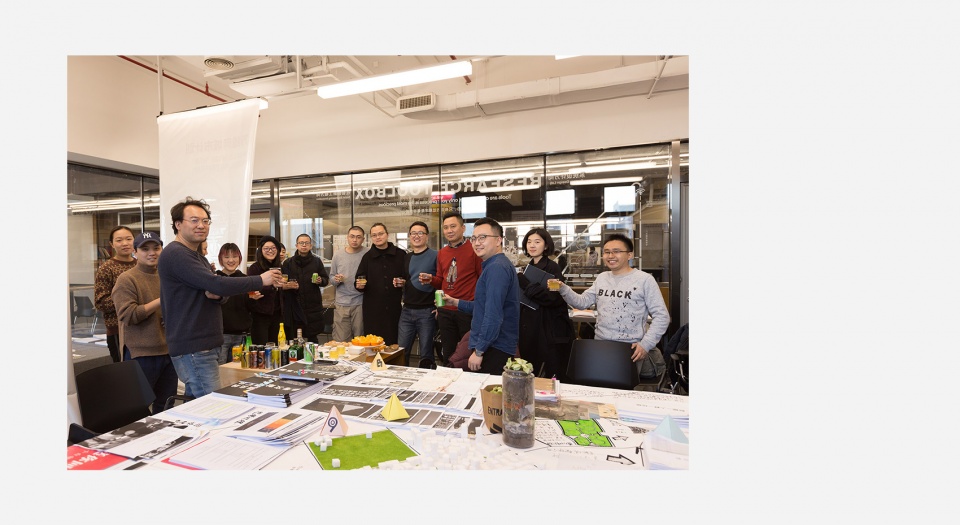
▼周子书与央美学生在一起,Zhou Zishu and his students in CAFA
I’m intentionally developing a perception for my students to avoid being limited by a certain specialization. They are supposed to stand at the edges of different professions and learn to find the research topic through a phenomenon. This is essential for them to have a reflection on their abilities at different stages of life. The tools you choose and the goals you can achieve all rely on your comprehensive abilities, including your knowledge, your social skill as well as your teamwork skill, but what matters most is your vision and values.
It can be found that the design industry today has undergone tremendous changes, and there is a big problem here, which is about method and process. People are more inclined to talk about “the method of design” instead of “the process of design”. Everyone is considering about “how should I make it work”, but rarely makes efforts to actually engage with the process. This is a major problem of the modern society that is driven by efficiency. Making method integrated to process is the only way to solve the social-related problems.
▼视频:由中央美术学院设计学院发起并主持的“社会设计在中国”跨学科系列公开课,Video: The interdisciplinary public course series “”Social Design in China” initiated and convened by CAFA
点击查看完整视频合集(共18讲) Link to the full video series (including 18 lectures)
05.
关于未来
Plan for the future
“这辈子我就把地瓜社区做好,不要为了成功而成功,自己觉得开心,有收获就好。”
“The practice of Digua may be the only thing that I expect to do well in my life. I never treat success as a goal. The most important thing is to make yourself happy and rewarded.”
我的未来计划就是我在我最新的一篇论文里写的,“用社会设计构建城乡融合协作平台”。未来我想把不同地域,比如北京的、成都的,还有现在南宁的地瓜社区连接起来,和乡村发生关系,包括它背后的一套操作系统。事实上这些事情我已经在做了。一方面我要找到志同道合的合作伙伴。另一方面我自己也要去学习像区块链这些技术层面的东西。另外就是我要保持和村民沟通,和社会工作专业的老师合作,一起来探讨我们学科之间融合的问题是什么?
齐格蒙特·鲍曼说,美可以支撑,却永远不会直接提供希望。所以我们的工作不是去粉饰太平,不是光顾着去描绘美好未来。我反倒觉得首先要看到它不美好的一面,人性的一面,真实的一面。但说句心里话,也别觉得我们真的能了解真实。哪有真实的事实?不过都是经过选择之后的叙事。所以我只能说我们是在一个很渺小的、局部的历史瞬间,捕获到了一些我们所看到的,或者说我们愿意看到的一些事实,然后对它做了一些改变,从而塑造了一些新的叙事。我们希望通过新的叙事,以日常生活作为界面,来对大众产生一种讨论。我想说的是,不要去夸大设计的力量,当然,也不要忽视设计的力量。没有任何事情比你现在“正在做”的过程更加重要。
地瓜社区到现在已经8年了。这辈子我就把这一件事情干好,不要为了成功而成功,自己觉得开心,有收获就好。
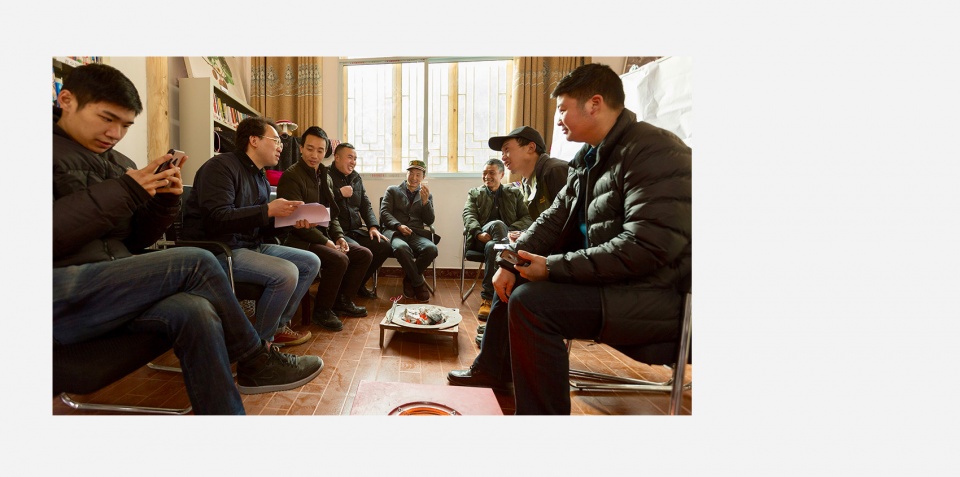
▼周子书和平武县关坝村居民讨论乡村生态资源品牌化的可能
Zhou Zishu and residents of Guanba Village in Pingwu County are discussing on the possibility of rural ecological branding
My plan has been stated in my latest paper, of which the theme is “establishing a collaborative platform for urban-rural integration using social design”. In the future I’m trying to connect all Digua communities together, including those in Beijing, Chengdu and Nanning, and ultimately to introduce its ecology to the rural areas, including a set of operating systems behind it. Actually I’m already working on it. On the one hand, I have to find like-minded partners. On the other hand, I myself need to learn about the technical aspects, for example, the blockchain. In addition, I have to keep in touch with the villagers and work with social educators to discuss and find what is the problem of integration between our disciplines.
Zygmunt Bauman says that beauty can sustain, but never directly provide hope. It is not our job to envisage an ideal blueprint, pretending that we are going to have a bright future. Instead, the first thing I think we should do is to see the not-so-beautiful side, the true and brutally honest picture of the future.However,I don’t think it is easy to see the truth, because there will never be real facts but narratives that have been selected.We are just standing in a fleeting, fragmented moment of history, attempting to capture a small part of the facts that we have seen, or that we would like to see, to shape some new narratives by making some changes.Through these new narratives, we want to generate a sort of discussion with the public using everyday life as an interface. I’m trying to say is that the power of design is not supposed to be exaggerated.There is nothing more important than the process of ‘what you are doing right now’.
The practice of Digua has now last for 8 years, and it may be the only thing that I expect to do well in my life. I never treat success as a goal. The most important thing is to make yourself happy and rewarded.
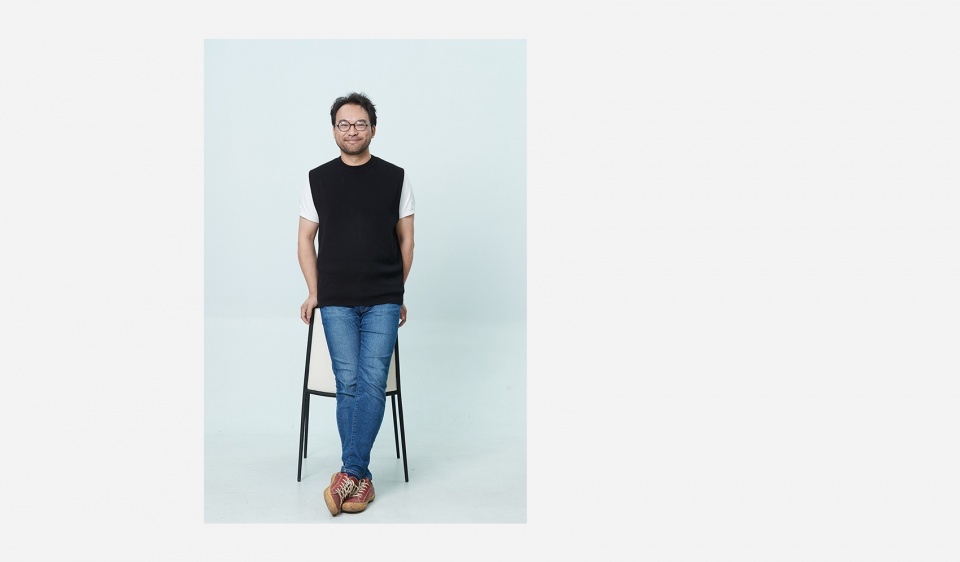
▼周子书,Zhou Zishu
*本文所有照片由周子书提供,All photos courtesy of Zhou Zishu
了解更多信息,请访问公众号 “子书老师的社会设计”(SocialDesignCAFA)
地瓜社区官网:http://www.diguashequ.com/

好棒!
都太小气了
你的思想太小气了
我有一个学长 在这里工作 真的一件很有意思 且有意义的事情 为地瓜社区点赞
想的挺好的~~
长得像板茂,做的事情也像板茂,加油!
务实接地气,有理想,能落地。补充一点,不是二代的学生看看就好,不要学。
接地气
头像不错,摄影师加鸡腿
优秀得接着地气
留胡子好看
为接地气的艺术家鼓掌!