非常感谢 可持续设计(材料)博物馆 对gooood的分享。更多关于他们:Sustainable Design (Materials) Museum on gooood.
Appreciation towards Sustainable Design (Materials) Museum for providing the following description:
项目背景
Background
英国植物学家Anna Atkins的蓝晒书籍Photographs of British Alga: Cyanotype Impressions,记录了19世纪英国海洋中的海藻肌理图案。21世纪,塑料废弃物逐渐塑造了一个全新的人为海洋肌理。受Anna Atkins作品的启发,SDMM团队同样运用蓝晒技术将海洋废弃物制成图像,展现出新时代的海洋肌理。
The cyanotype book “Photographs of British Alga: Cyanotype Impressions” by British botanist Anna Atkins recorded the seaweed textures of 19th-century British seas. In the 21st century, plastic waste has gradually created a new, artificial marine texture. Inspired by Atkins’ work, the SDMM team has also used cyanotype techniques to transform marine waste into images, showcasing the marine textures of the new era.
▼封面,Book Cover of the project © SDMM, all rights reserved.
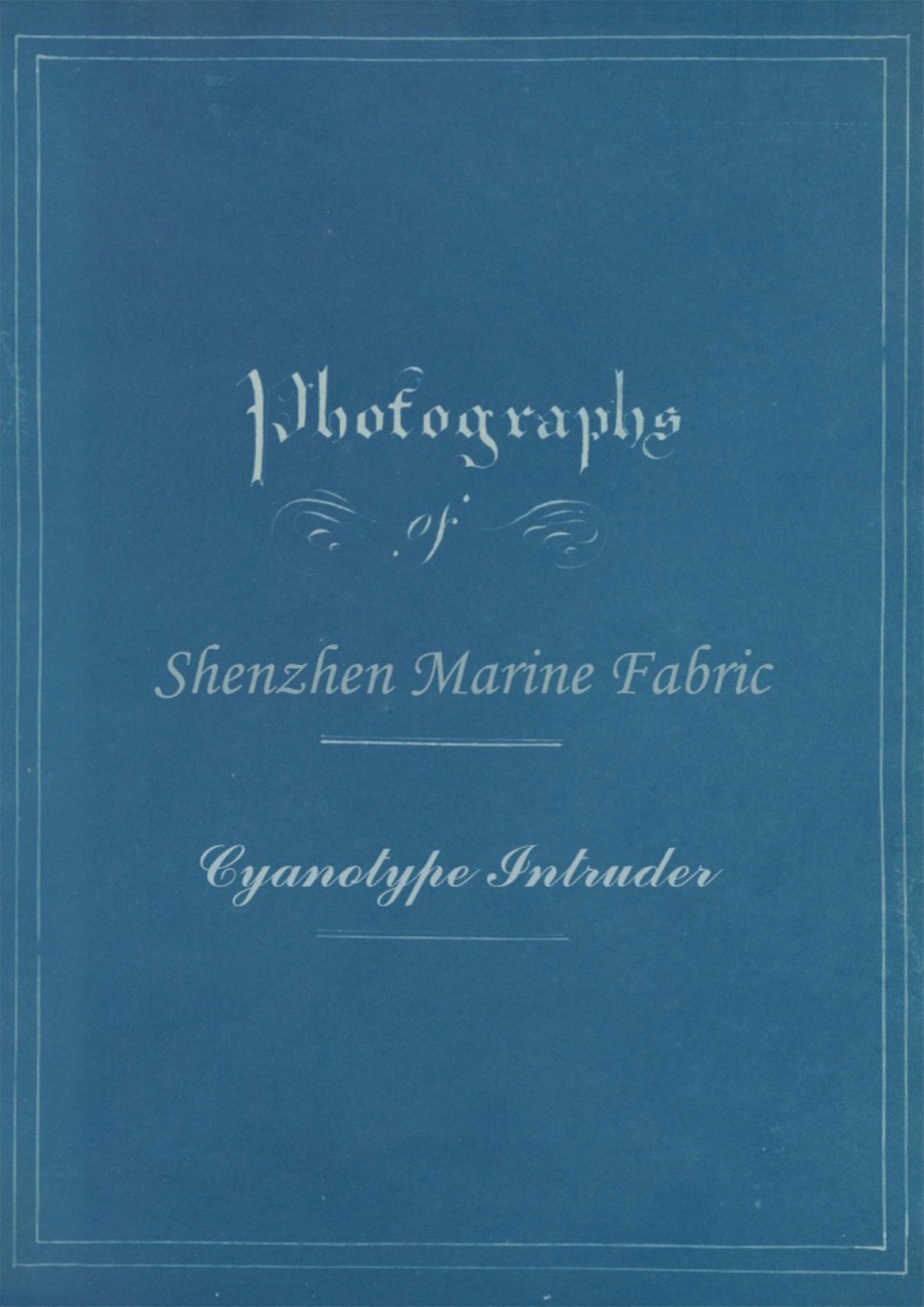
1843-1853年,英国植物学家Anna Atkins发表了蓝晒书籍Photographs of British Alga: Cyanotype Impressions,记录了19世纪英国海洋中的海藻肌理图案。这些蓝晒图像向我们展现了海洋植物的自然美感。
进入21世纪,随着工业化和消费主义的扩张,塑料和其他废弃物逐渐成为海洋中的新兴物质,改变了海洋生态的原始面貌,人类生活的痕迹留在了海洋上,塑造了一个全新的、令人警醒的“人为海洋肌理”。这种肌理不仅是塑料微粒和垃圾的集合,也是人类活动对海洋系统深远影响的见证。
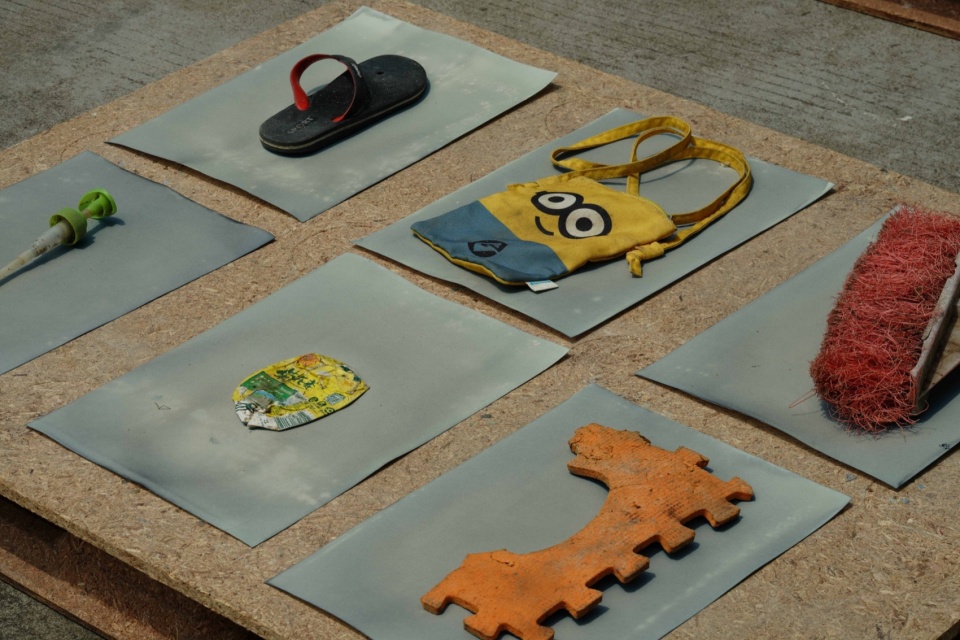
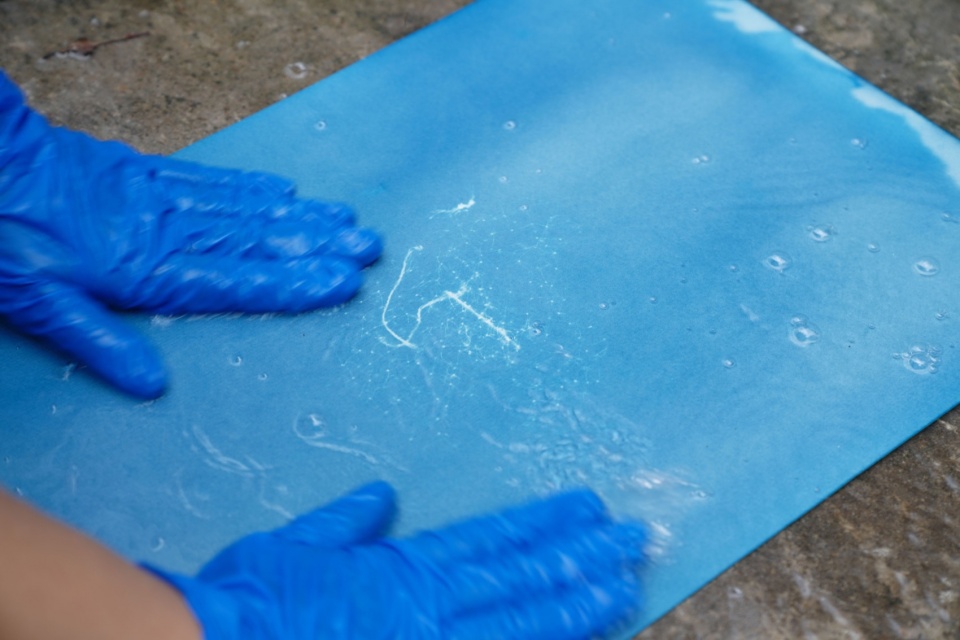
受Anna Atkins的启发,SDMM团队成员在深圳海岸线上收集了被海水冲刷上岸的废弃物,并采用相同的蓝晒法,将这些海洋废弃物转化为艺术的载体。
From 1843 to 1853, British botanist Anna Atkins published the cyanotype book Photographs of British Alga: Cyanotype Impressions, which recorded the seaweed textures of 19th-century British seas. These cyanotype images showcase the natural beauty of marine plants.
As we entered the 21st century, the expansion of industrialization and consumerism led to plastic and other waste becoming prominent in the oceans, altering the original marine ecology. Human traces have been left on the ocean, creating a new, alarming “artificial marine texture.” This texture is not only a collection of plastic particles and trash but also a testament to the profound impact of human activity on marine systems.
Inspired by Anna Atkins, the SDMM team collected waste washed ashore along the coastline of Shenzhen and used the same cyanotype method to transform this marine waste into artistic works.
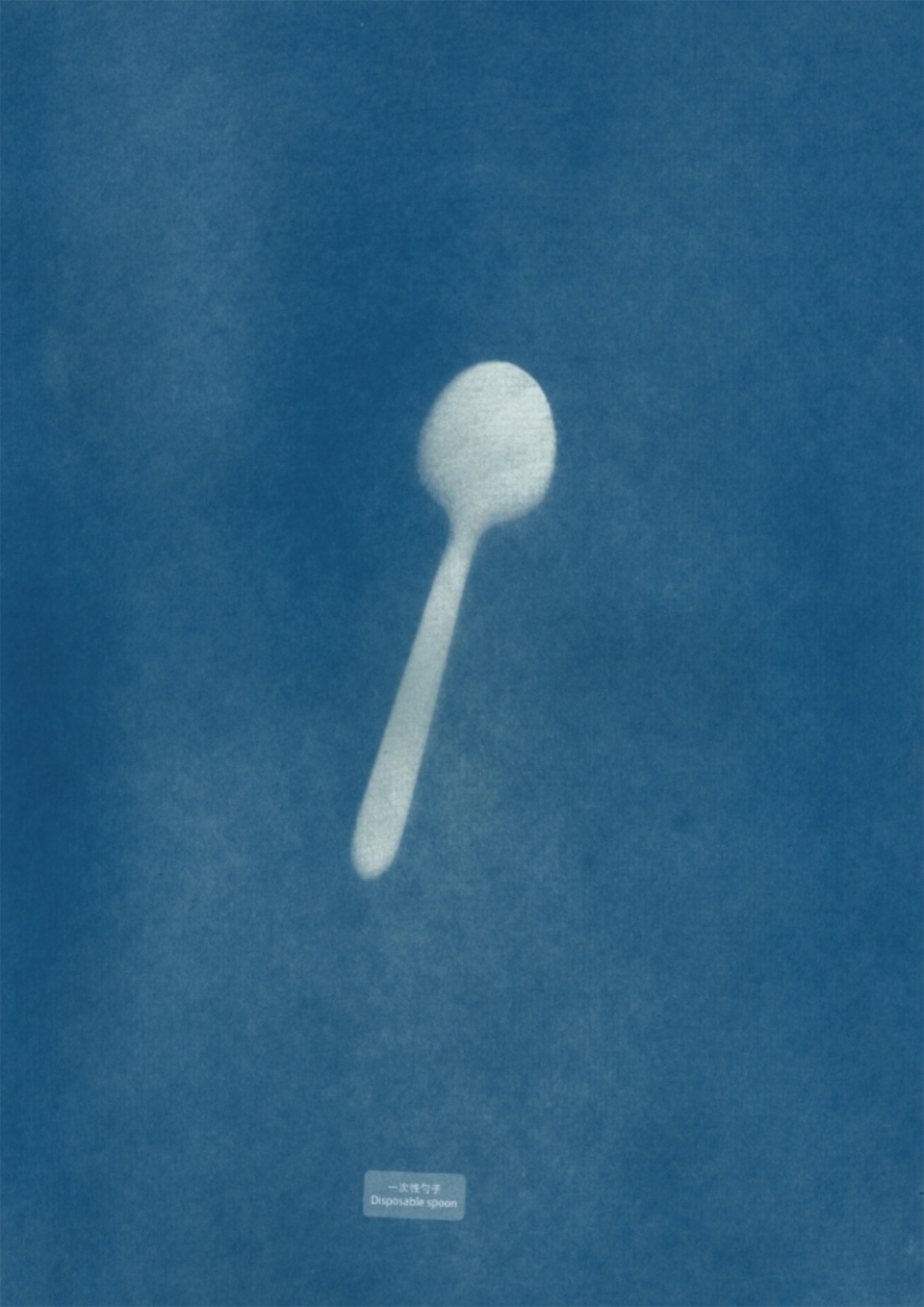
▼一次性勺子,disposable plastic spoon © SDMM, all rights reserved.
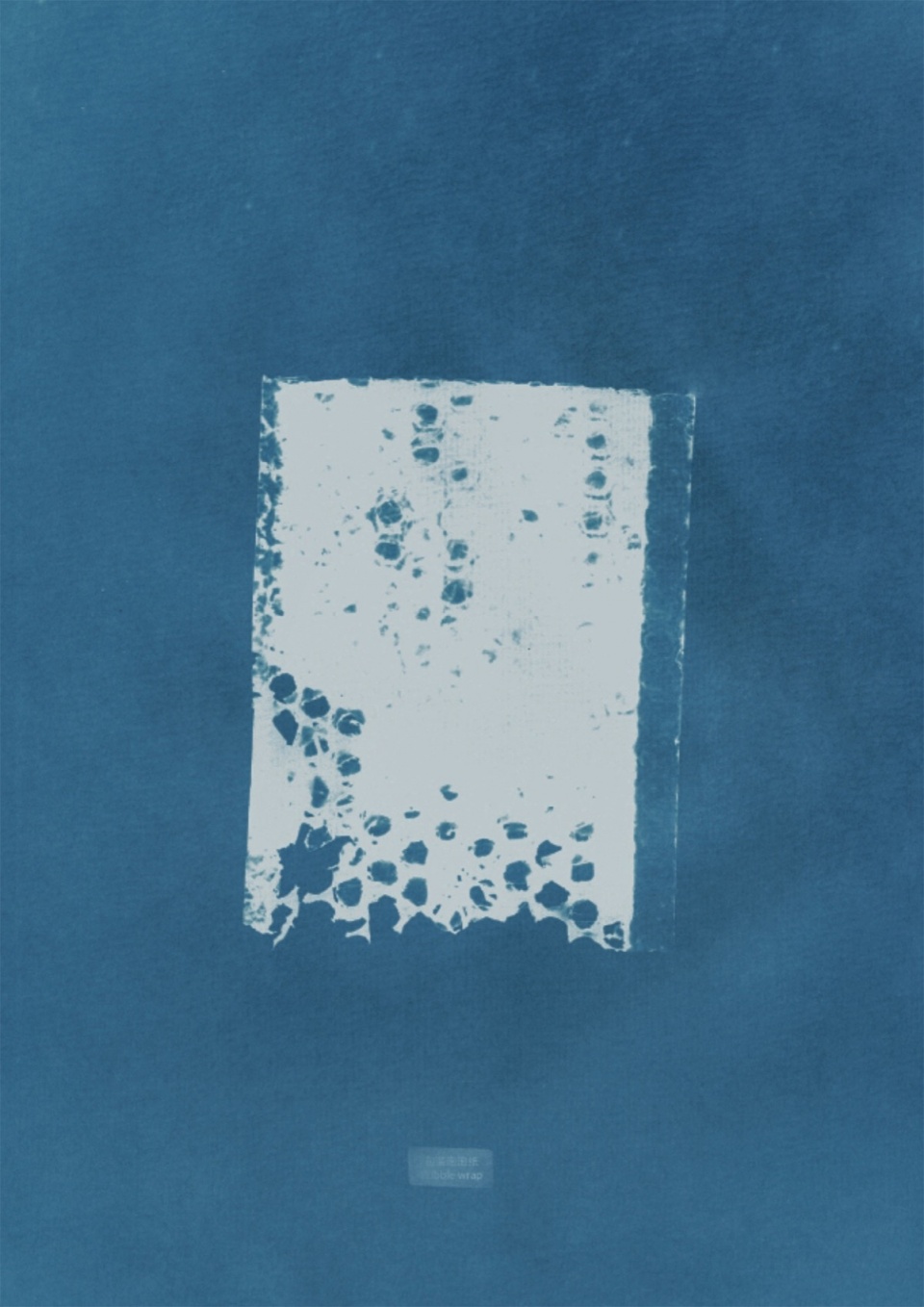
▼包装泡泡纸,Packaging Bubble Wrap © SDMM, all rights reserved.
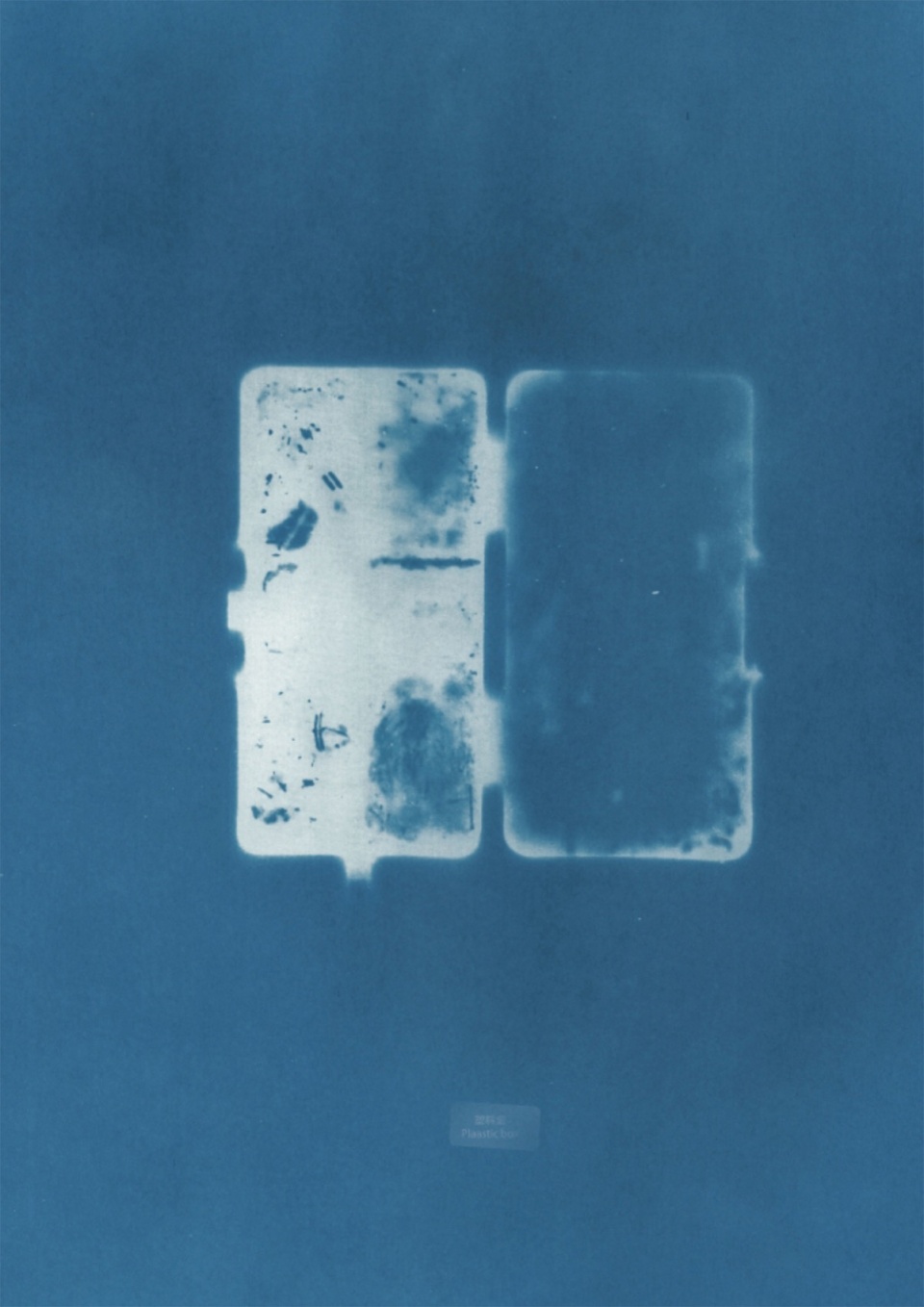
▼塑料盒,plastic box © SDMM, all rights reserved.
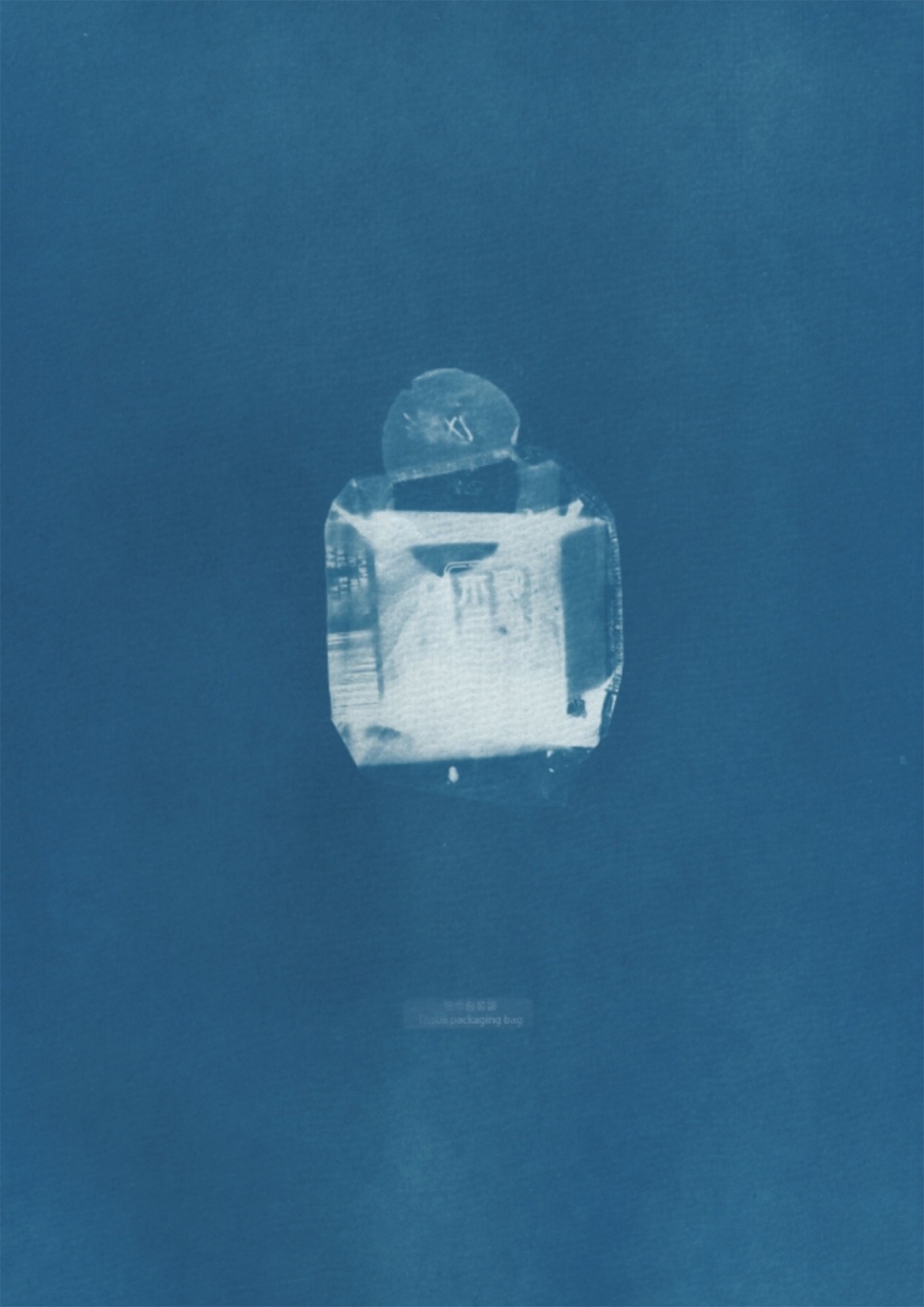
▼纸巾包装袋,tissue packing bag © SDMM, all rights reserved.
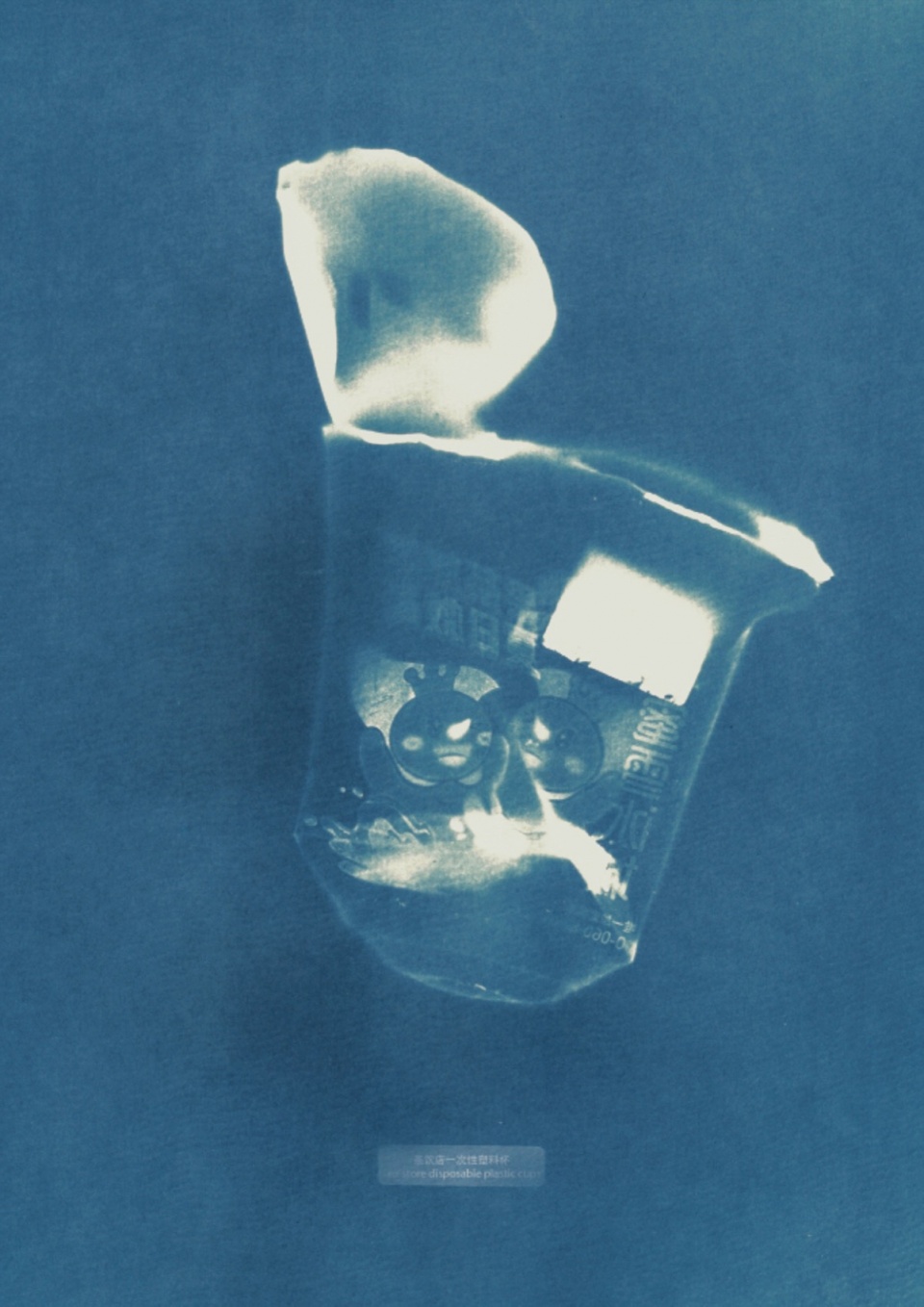
▼茶饮店一次性塑料杯,
Tea Shop Disposable Plastic Cup © SDMM, all rights reserved.
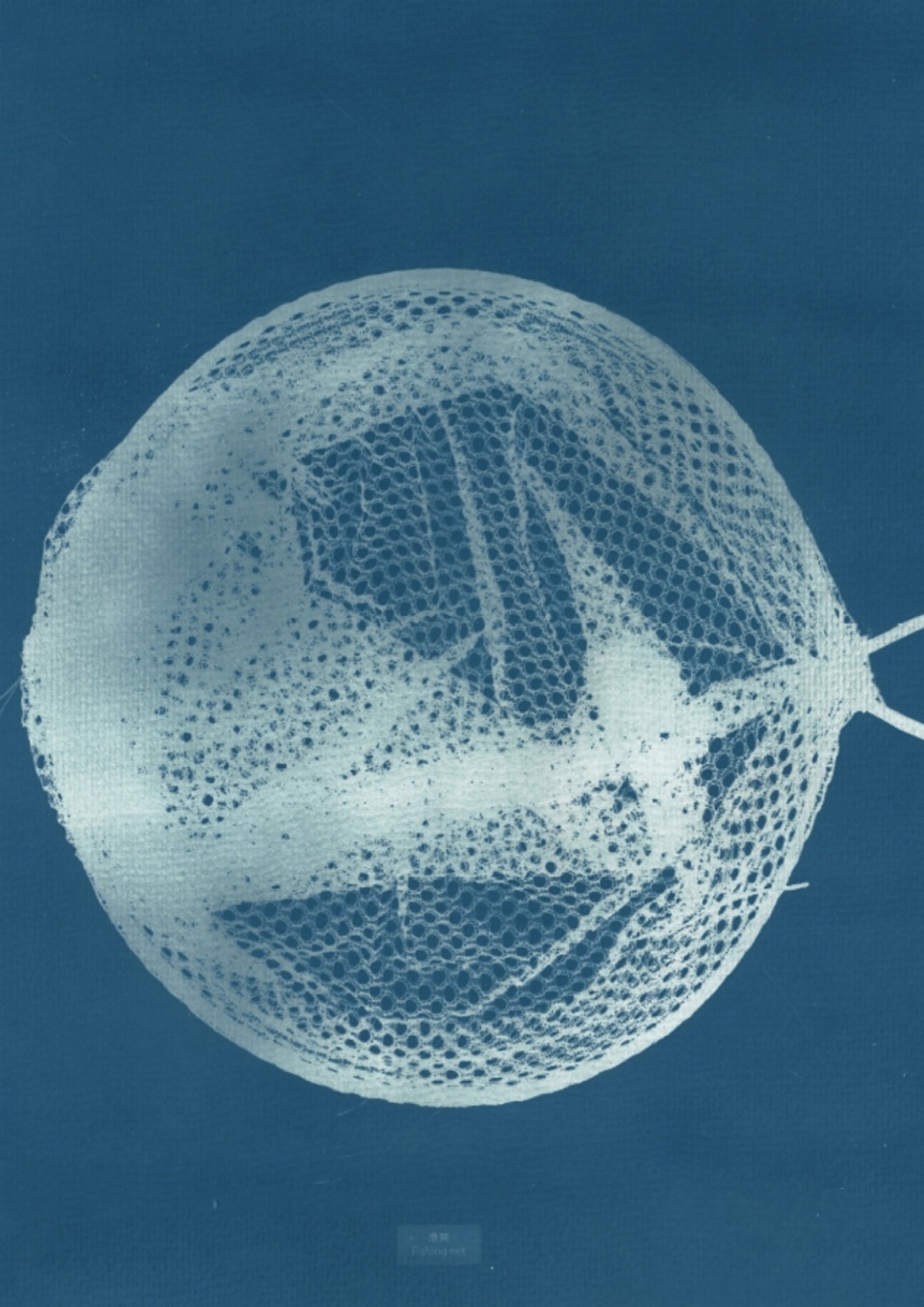
▼渔网,fishing net © SDMM, all rights reserved.
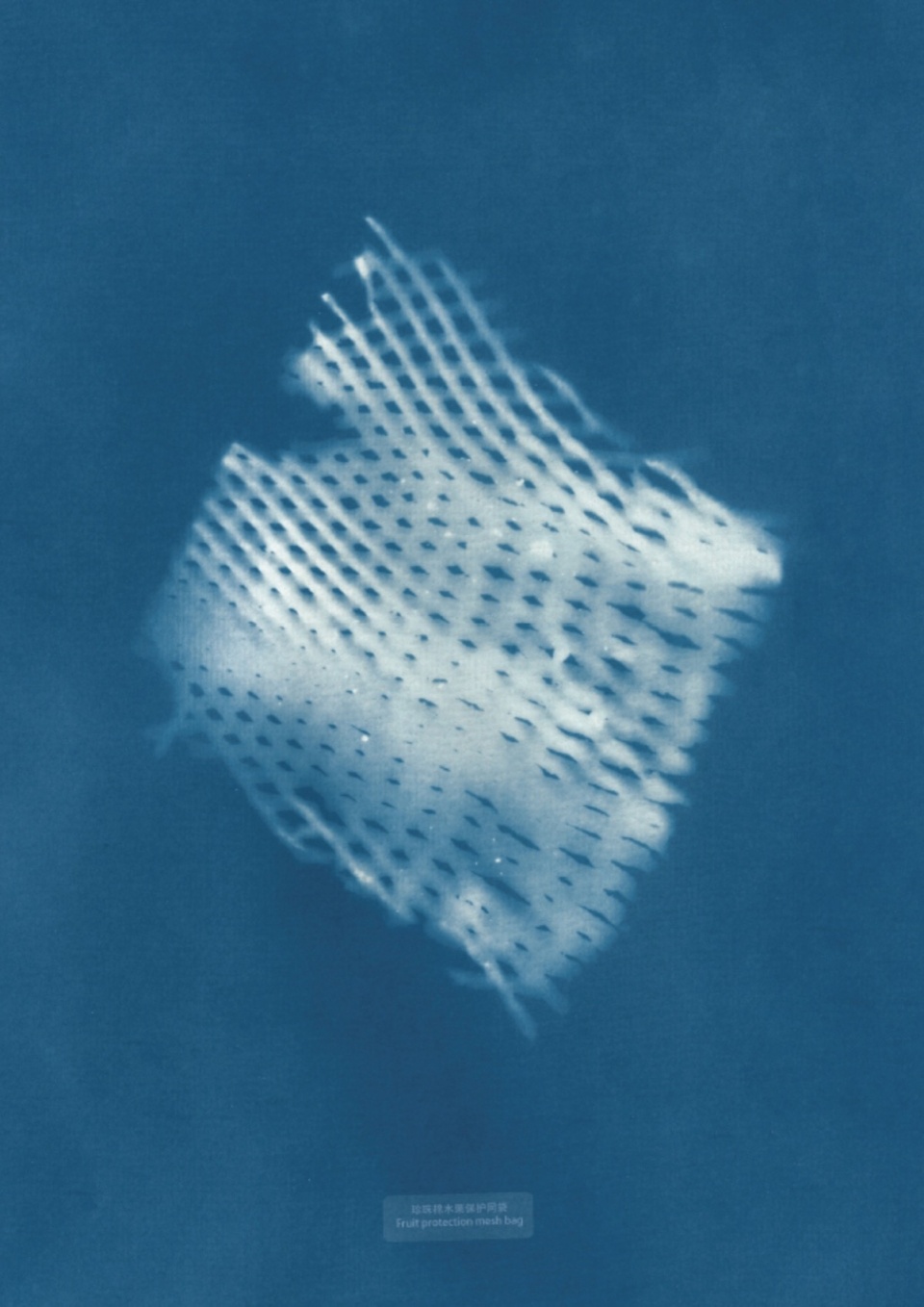
▼珍珠棉水果保护网袋,
Fruit protective mesh bag © SDMM, all rights reserved.
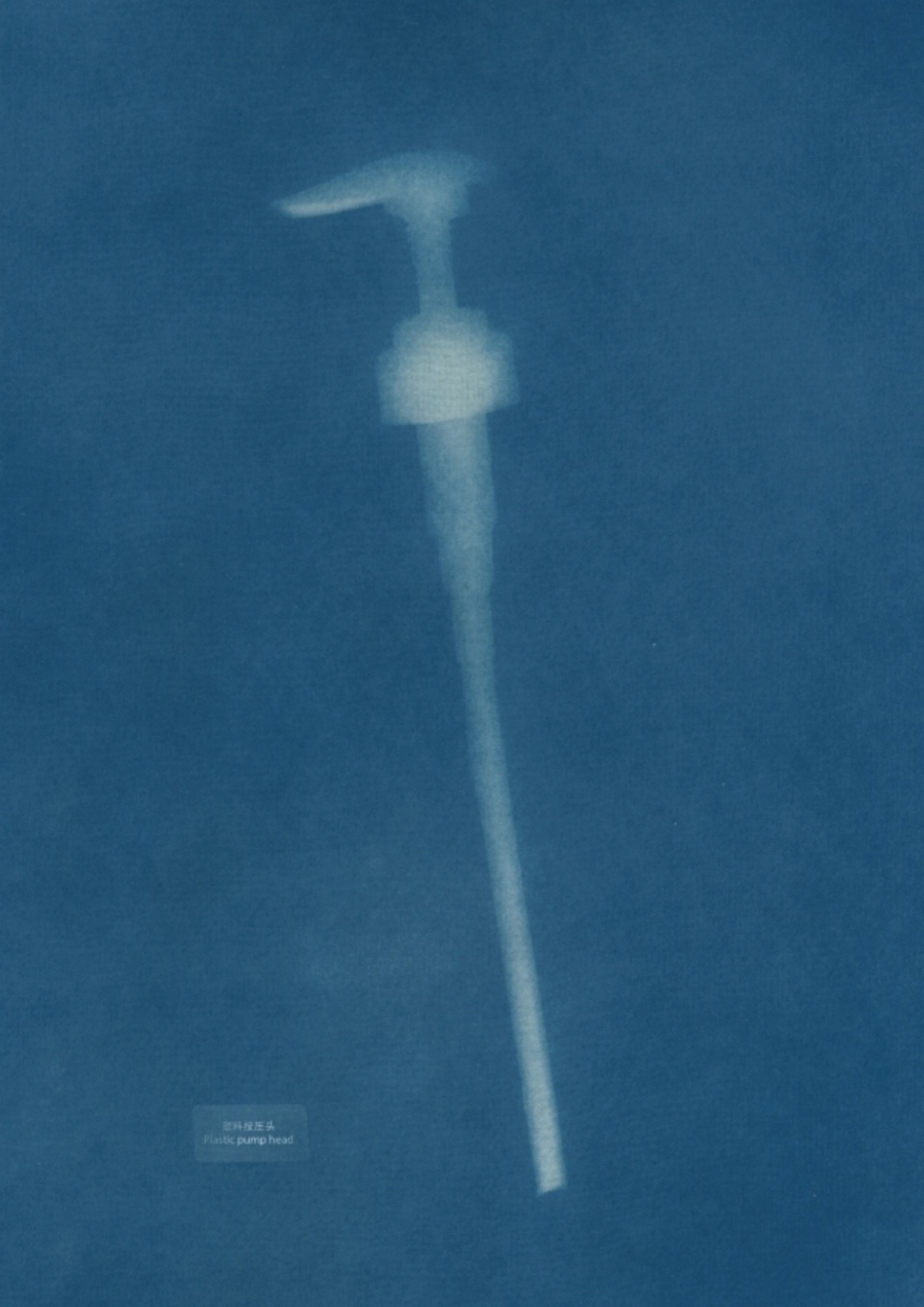
▼塑料按压头,
Pump head for plastic bottles © SDMM, all rights reserved.
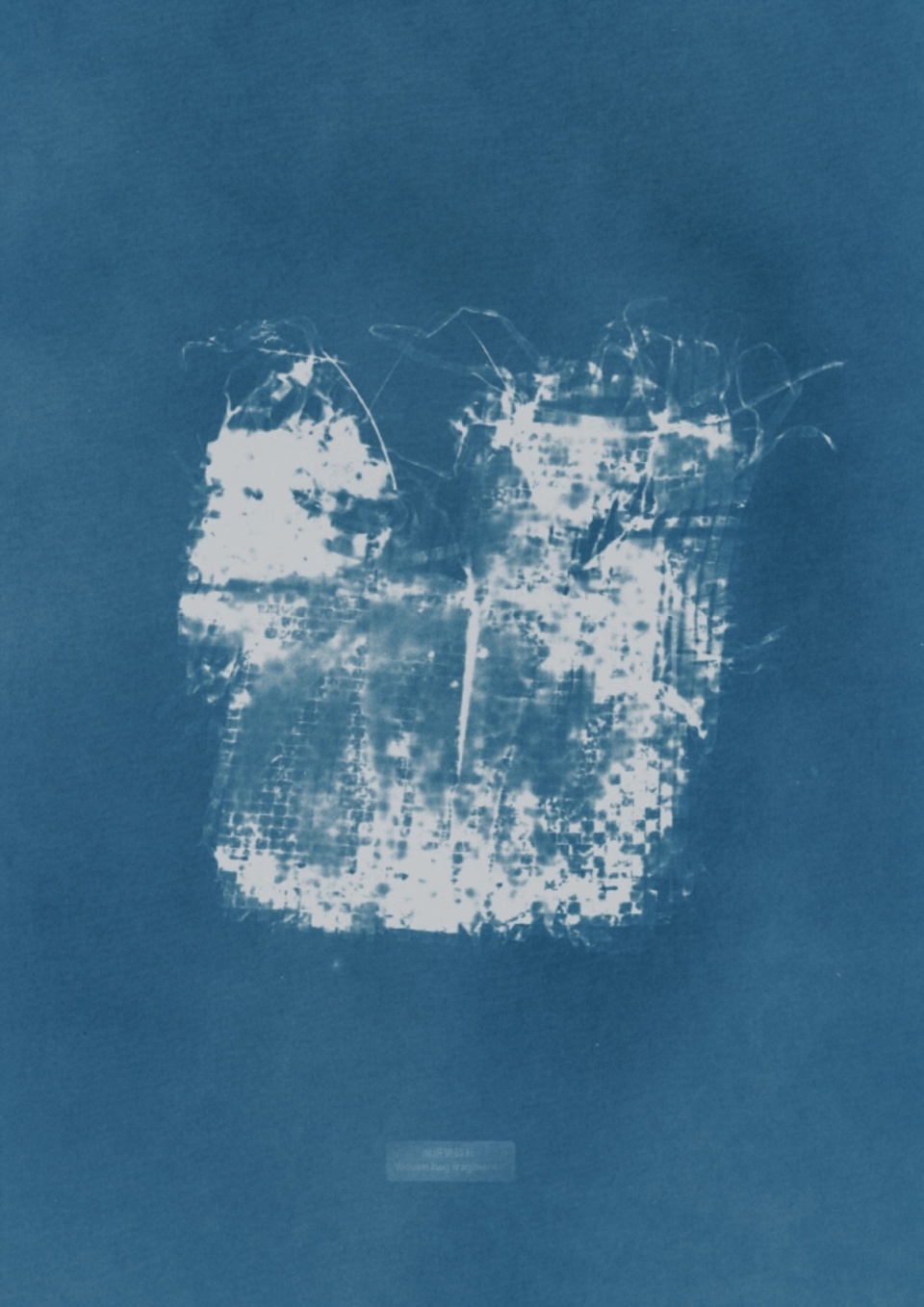
▼编制塑料袋,Plastic woven bag © SDMM, all rights reserved.
项目介绍
Description
废弃物的创新性表达:以蓝晒技艺呈现海洋废弃物,用独特视觉语言吸引读者关注海洋生态。
Innovative Expression of Waste: The project uses cyanotype techniques to present marine waste, employing a unique visual language to draw attention to ocean ecology.
项目通过传统的蓝晒技术来呈现现代海洋的垃圾漂浮物,新的视觉语言将历史技艺与当代可持续问题相结合。通过这种形式的视觉重构,团队试图让观众直观感受到现代海洋中自然与人造元素的交织,并引发关于海洋环境保护的思考。这些作品不仅传承了蓝晒这一历史悠久的艺术形式,还通过视觉语言展示了人类对海洋环境的深刻干预,呼吁人们重新审视我们的生活方式与环境的关系。
By applying traditional cyanotype methods to depict modern marine debris, it merges historical techniques with contemporary sustainability issues. This visual reconstruction aims to provide viewers with a direct sense of the interplay between natural and man-made elements in today’s oceans and provoke reflection on marine environmental protection. The works not only preserve the time-honored art form of cyanotype but also use visual language to illustrate the profound impact of human activities on the marine environment, urging a re-examination of our lifestyle and its relationship with the environment.
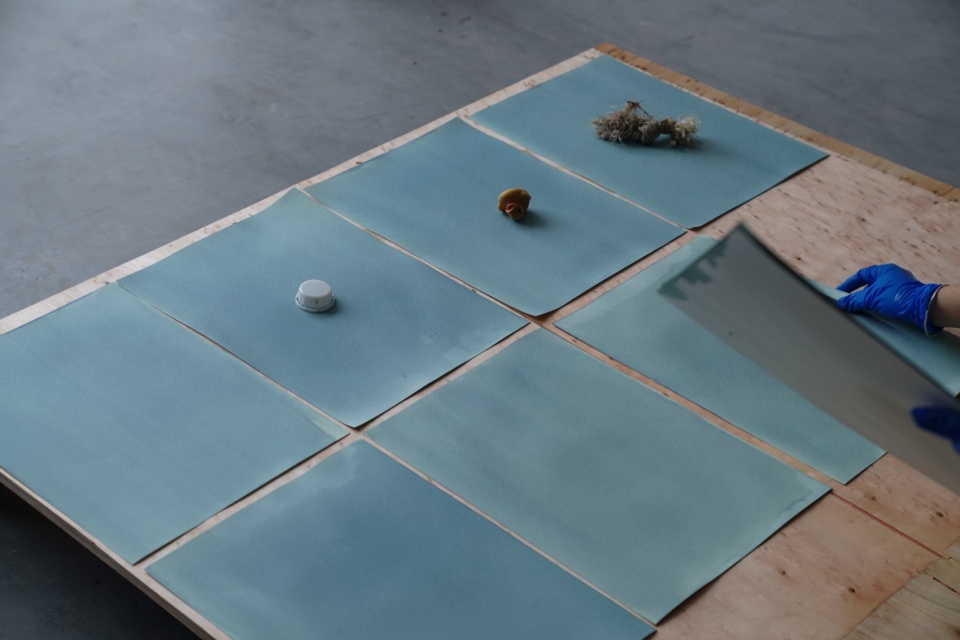
▼蓝晒图像制作过程,process of cyanotype © SDMM, all rights reserved.
海洋肌理的时空对比:19世纪英国与21世纪深圳海洋肌理的对比,揭示了人类活动对海洋生态的深刻影响。
Temporal and Spatial Contrast of Marine Textures: The project contrasts the marine textures of 19th-century Britain with those of 21st-century Shenzhen, revealing the profound impact of human activities on marine ecology.
项目以19世纪Anna Atkins使用蓝晒技术记录的自然海藻肌理为启发,从而记录21世纪海洋中塑料垃圾形成的人造肌理,揭示了海洋生态的历史变迁与现代困境。在19世纪,海洋肌理主要由自然海藻的形态和纹理构成,展现了海洋生物的自然美。然而,进入21世纪,随着塑料污染的加剧,海洋肌理被各种废弃物所取代,塑料垃圾的积累成为新的视觉焦点。这种时空对比不仅突显了人类活动对海洋环境的深刻影响,也为观众提供了一个历史与现代交织的视角,促使人们反思过去与现在的环境变化。这个对比不仅反映了生态的演变,也在艺术层面上展示了自然与人为因素如何共同塑造我们周围的环境。
Inspired by Anna Atkins’ use of cyanotype to record natural seaweed textures in the 19th century, the project documents the artificial textures created by plastic waste in the 21st-century ocean. In the 19th century, marine textures were predominantly defined by the forms and patterns of natural seaweed, showcasing the inherent beauty of marine life. However, by the 21st century, increasing plastic pollution has replaced these natural textures with a new focus on accumulated waste. This temporal and spatial contrast not only highlights the significant effects of human activities on marine environments but also provides viewers with a perspective that intertwines history and modernity, prompting reflection on environmental changes over time. The comparison not only illustrates ecological evolution but also artistically displays how natural and human-made factors collectively shape our surroundings.
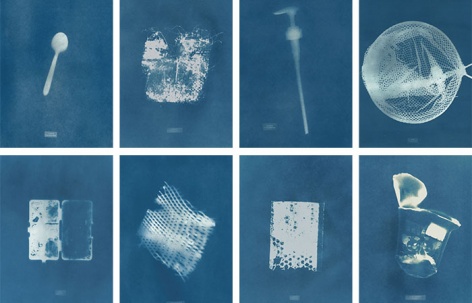
▼深圳湾收集的垃圾汇总,Waste collected at the Shenzhen coast © SDMM, all rights reserved.
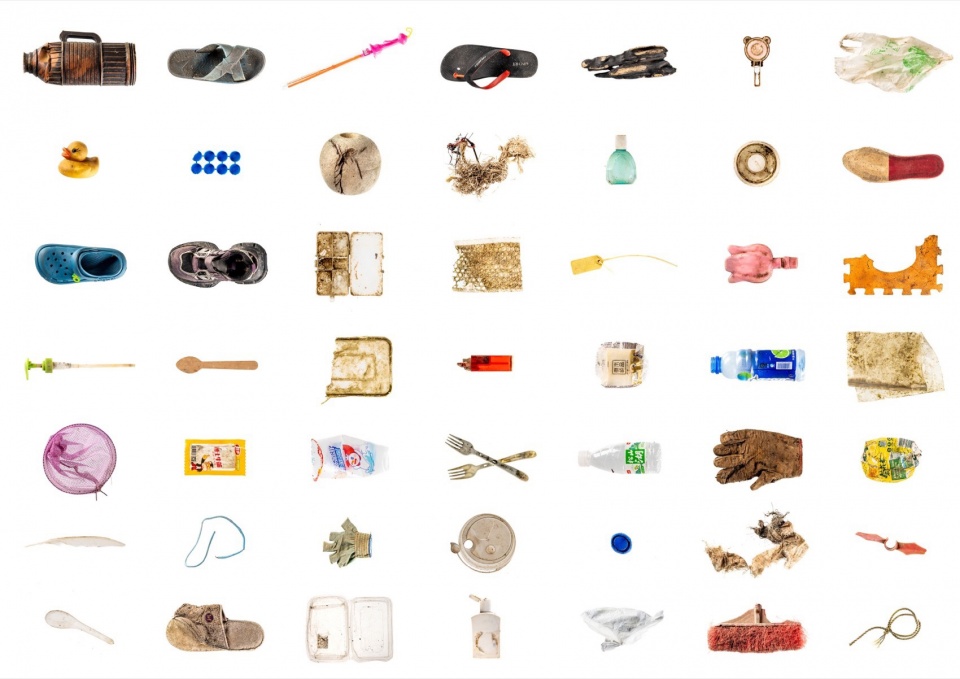
区域性与全球化视角:扎根深圳海域,映射全球化海洋污染。
Regional and Global Perspectives: Rooted in the Shenzhen coastline, the project reflects the global issue of ocean pollution.
项目扎根于深圳海域,但是项目所揭示的海洋垃圾问题具有全球性的意义。地方性的海岸垃圾与全球环境问题的结合,使项目既具备在地性,又反映全球化背景下海洋污染的严峻形势。
While the project focuses on local coastal waste in Shenzhen, the marine debris it highlights has global significance. By combining regional waste with broader environmental concerns, the project offers a local perspective that simultaneously addresses the severe reality of ocean pollution in the context of globalization. This approach underscores the interconnectedness of local and global environmental issues, emphasizing the universal challenge of marine pollution and the need for comprehensive solutions.
▼深圳湾收集的垃圾,Waste collected at the Shenzhen coast © SDMM, all rights reserved.
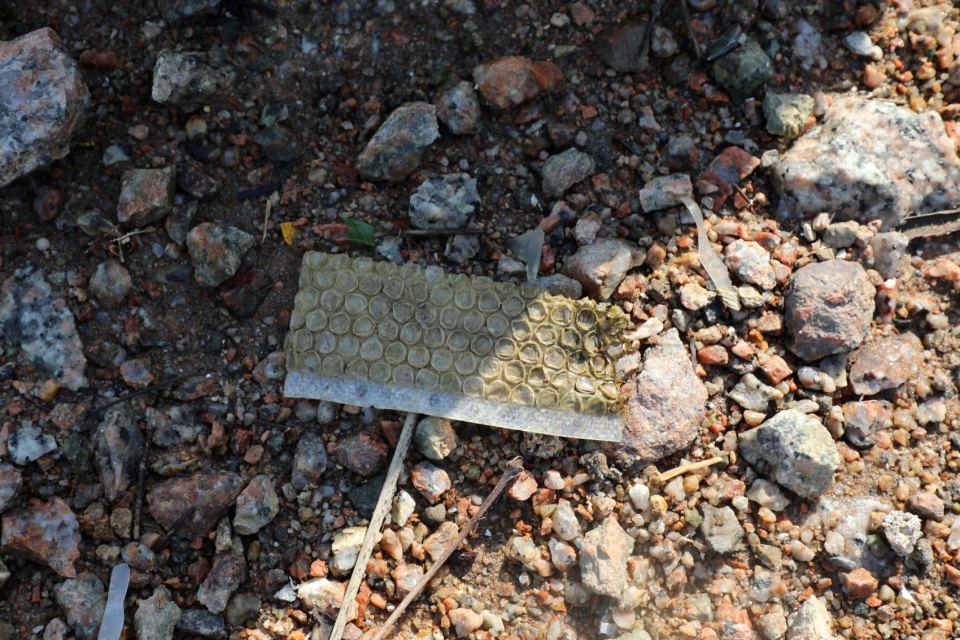
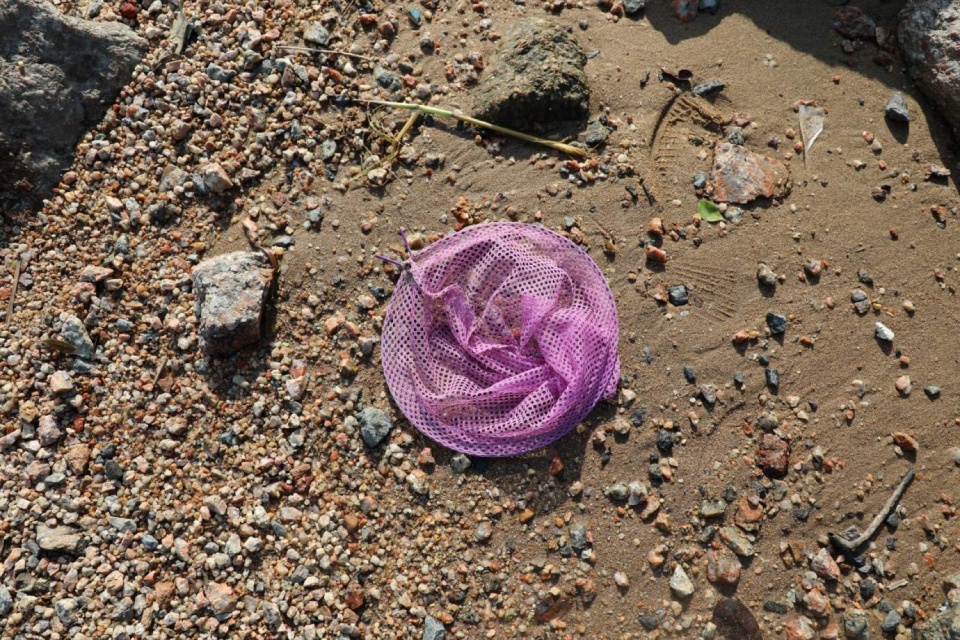
项目意义:通过废弃物艺术化的表达,呼吁人类重新审视与海洋的关系。
Project Significance: Through the artistic expression of waste, this project calls for a reassessment of our relationship with the ocean.
每一件作品不仅记录了海洋中的塑料垃圾,仿佛是对罪案现场证物的见证,也是对人类对海洋冒犯的直接反映。项目揭示了环境变化的历史深度,并突出人类活动对海洋的巨大影响。每一件艺术作品都是对“共同的未来”的提问:我们所追求的究竟是什么?是继续无意识地消费与丢弃,还是开始反思与改变,寻求与海洋和谐共存的可能性?项目不仅保留了历史技艺,还在当代环境保护的语境中找到了新的意义,呼吁我们重新审视与海洋的关系,为未来的海洋生态保护提供了重要的视觉和思想启示。
Each piece not only documents plastic waste in the marine environment, akin to evidence from a crime scene, but also directly reflects humanity’s offense against the sea. The project reveals the historical depth of environmental changes and highlights the significant impact of human activities on the ocean.Each artwork serves as a question about our “shared future”: What are we truly striving for? Is it to continue mindlessly consuming and discarding, or to begin reflecting and changing, seeking a harmonious coexistence with the ocean? By preserving traditional techniques while finding new meaning within contemporary environmental protection, the project urges us to reevaluate our connection with the ocean, offering important visual and intellectual insights for the future of marine ecological conservation.
▼深圳湾收集的垃圾,Waste collected at the Shenzhen coast © SDMM, all rights reserved.
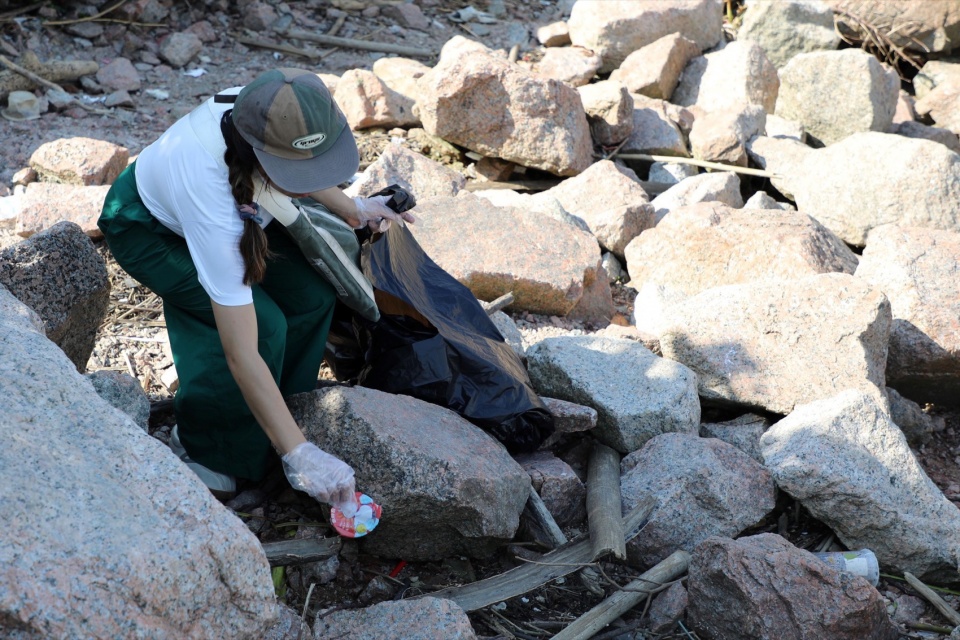
项目名称:深圳海洋肌理:人类行为的证物
项目描述:收集深圳海岸边的废弃垃圾制作的蓝晒图集。
作者:可持续设计(材料)博物馆:谭雅图、何紫欣
废弃物收集者:谭雅图、宋民国、曹浩昌
Photographs of Shenzhen Marine Fabric: Cyanotype Intruder
Description: Collection of discarded garbage along the coast of Shenzhen to make a cyanotype atlas.
Author: Sustainable Design (Matetials) Museum: Yatu Tan / Zixin He
Waste Collectors: Yatu Tan / Minguo Song / Haochang Cao
WEBSITE: https://www.sustainabledesignmuseum.com/
E-MAIL: sustainabledesignmuseum@outlook.com
PICTURES:
Copyright: © SDMM, all rights reserved.
Photographer: Tianwen Liu / Haochang Cao
保护
DK
雪王瞩目