
感谢 nendo 予gooood的分享。更多关于他们:nendo on gooood。
Appreciation towards nendo for providing the following description:
▼视频,video ©Takumi Ota
京都的清水寺已有超过1200年的历史。寺的西门靠近入口,但略微有些难以到达,提醒游客这里本是祈祷的地方,并非入口通道。实际上,由于黄昏时从西门望去的京都过于美丽,令人联想到佛教净土,该空间曾被用作“日想观(Nissoukan)”,一种佛教冥想方式。日想观不仅流行于僧侣之间,也受到普通大众的欢迎。通过以平静之心注视夕阳西落,人们得以直面自己的内在,从而获得启发。然而,现在的游客大多爬到阶梯中段便停下脚步,不再进入这座大门。
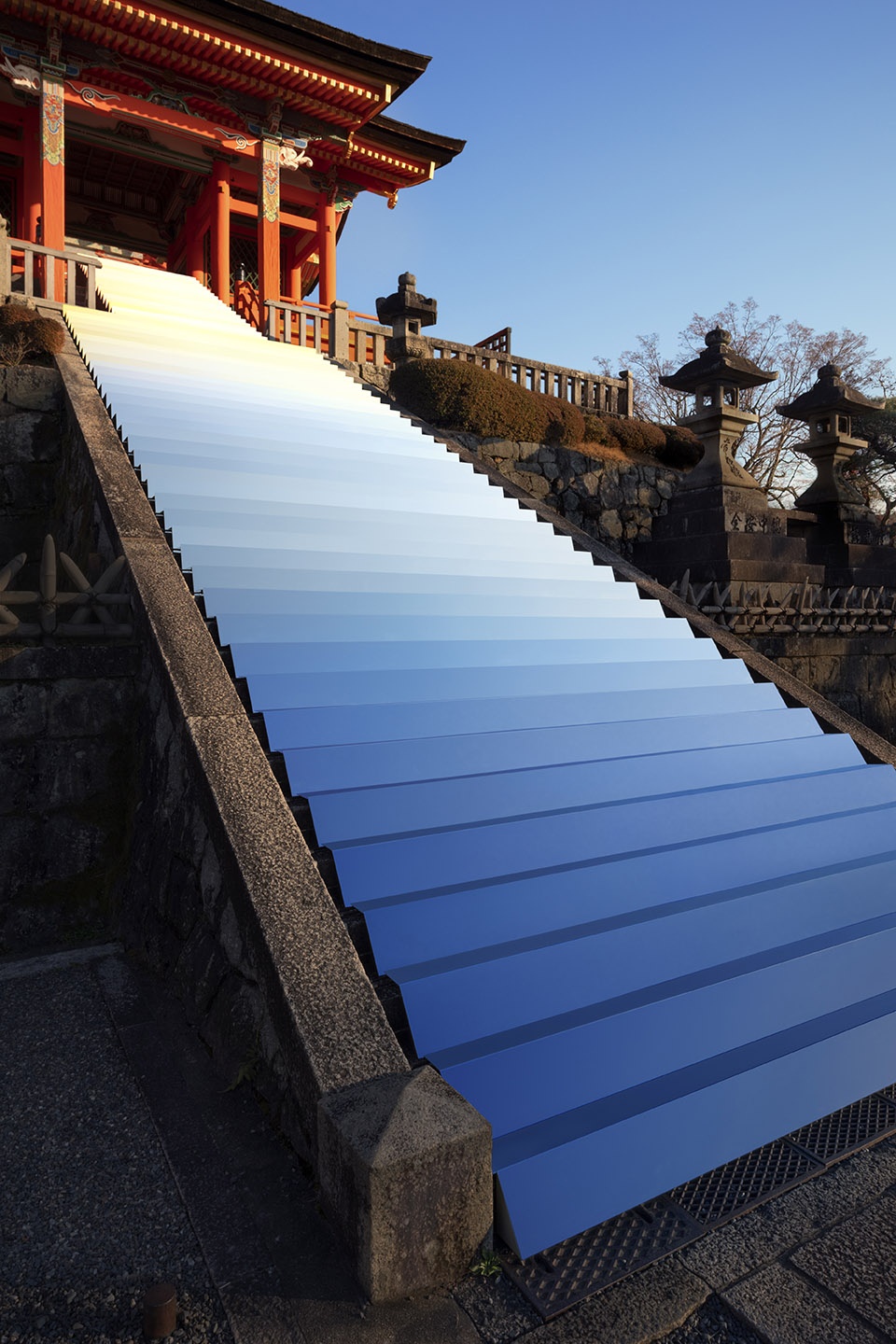
▼装置外观,external view of the installation ©Takumi Ota
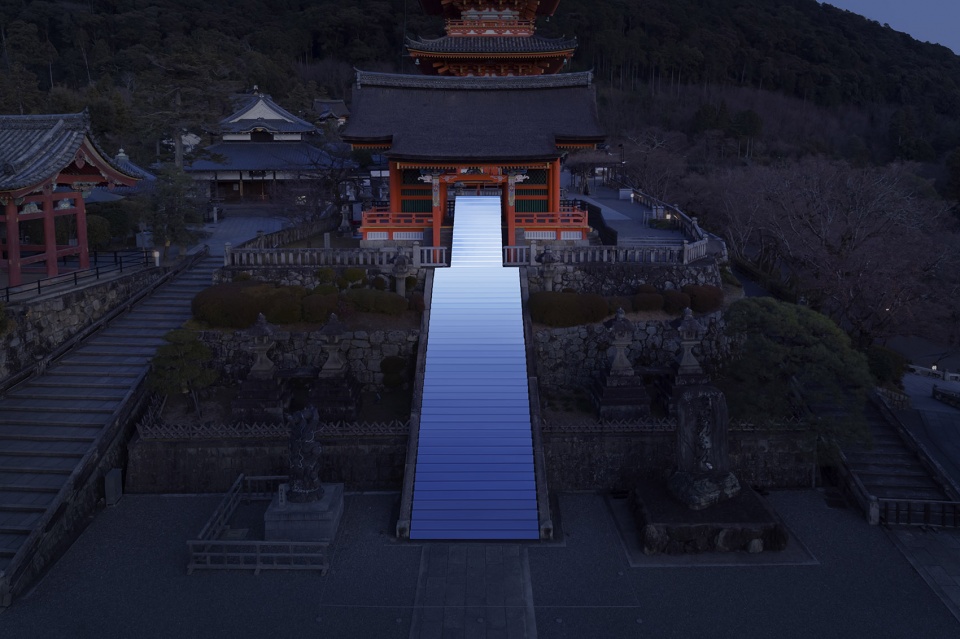
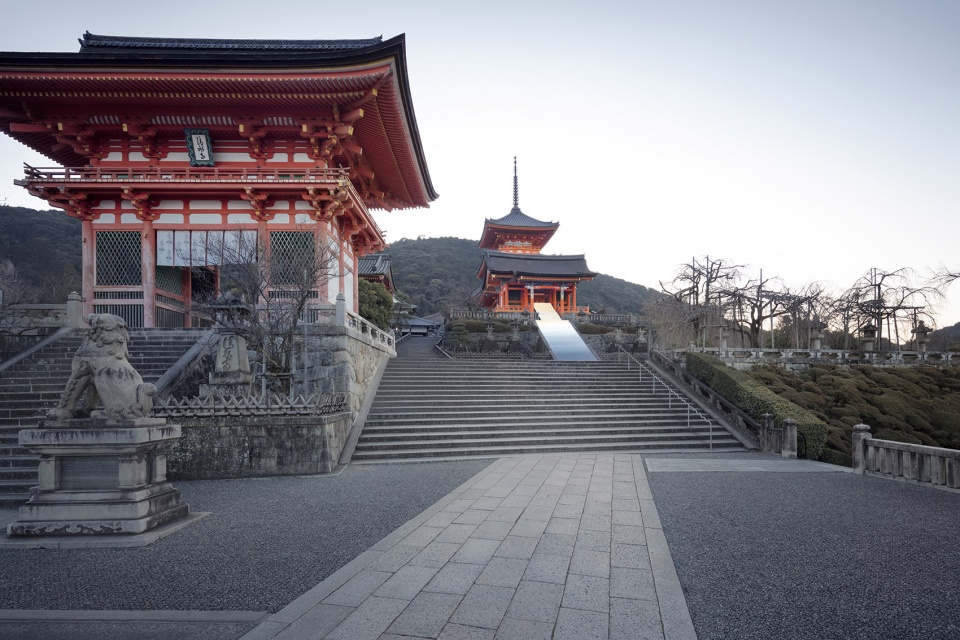
▼从广场仰望装置和西门,look up at the installation and the west gate ©Takumi Ota
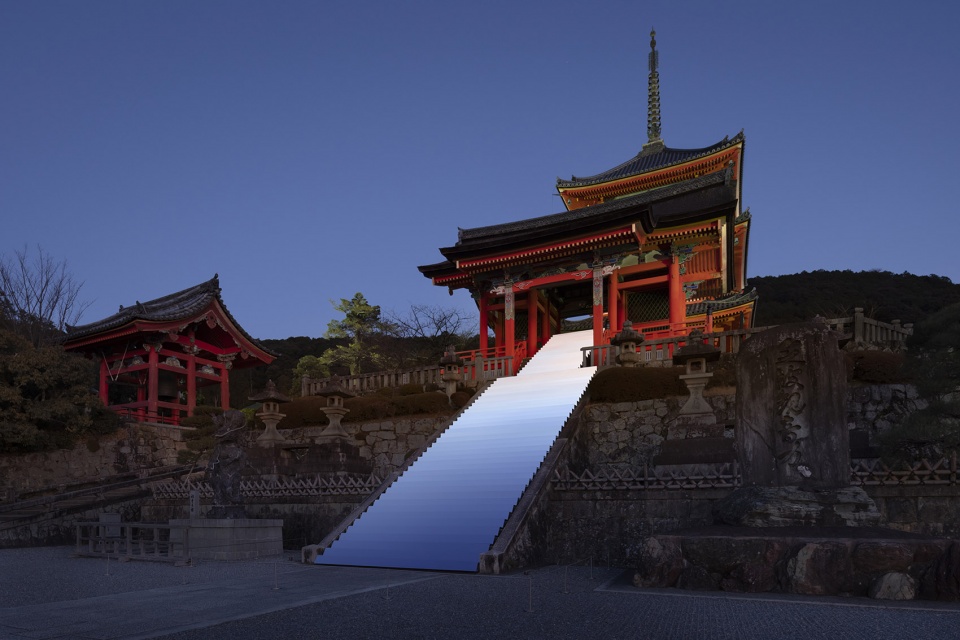
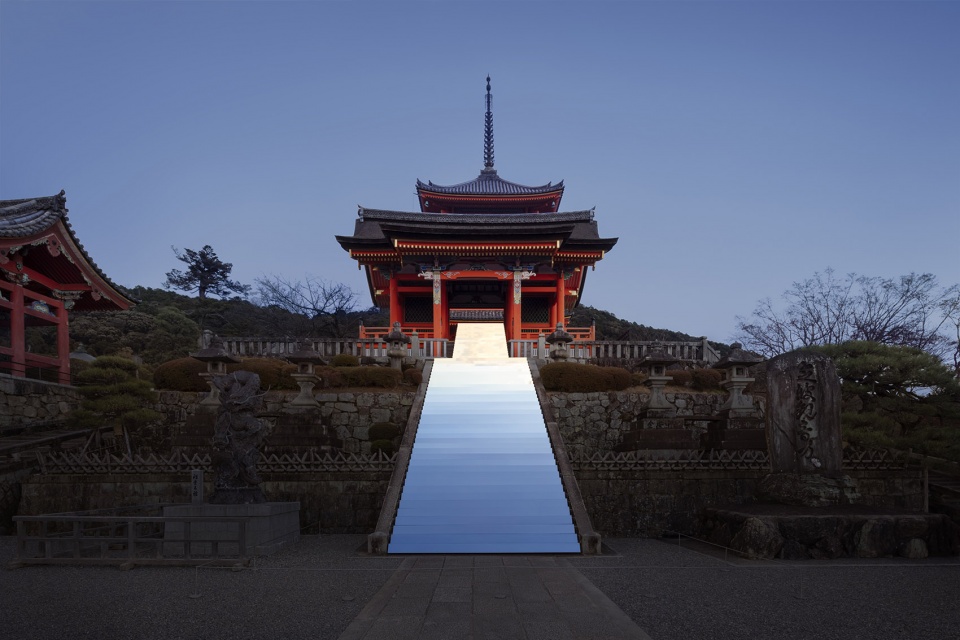
The founding and history of Kyoto’s Kiyomizu-dera Temple stretch back over 1,200 years. Its sai-mon (west gate) stands near the entrance to the temple grounds but slightly off the approach, a fact that reminds visitors of its original intention as less a gated path than a prayer space. In fact, it is said the space was used for practicing Nissoukan (a Buddhist method of meditation) because the view of Kyoto at dusk from the west gate was so beautiful as to remind people of the Buddhist Paradise of the Pure Land. As a method of attaining enlightenment by confronting one’s inner self by gazing at the setting sun with a still mind, Nissoukan spread not only among monks but also among the general public. These days, however, visitors may no longer enter this gate and climb only as far as the middle of the stairs.
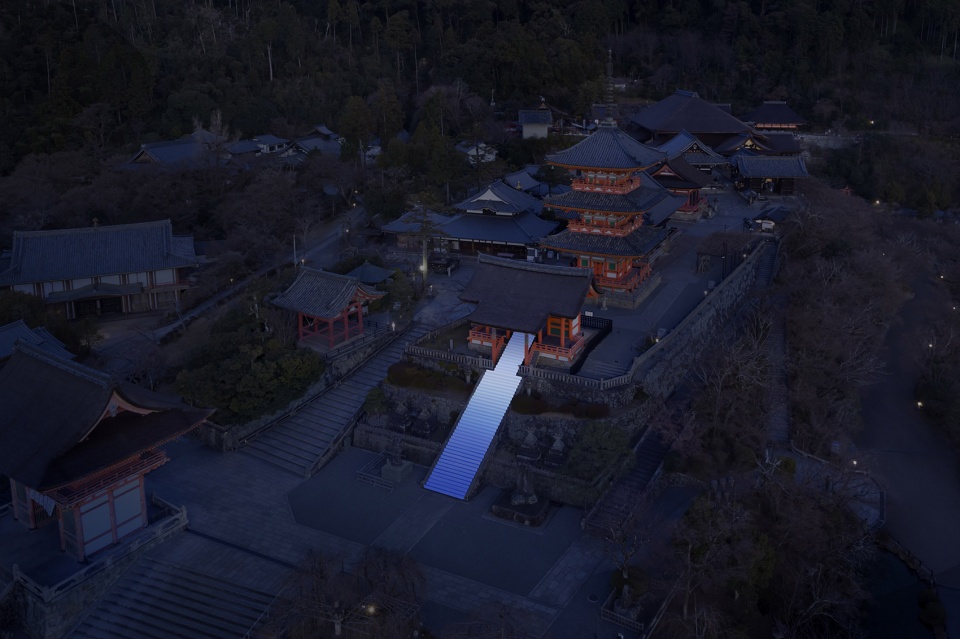
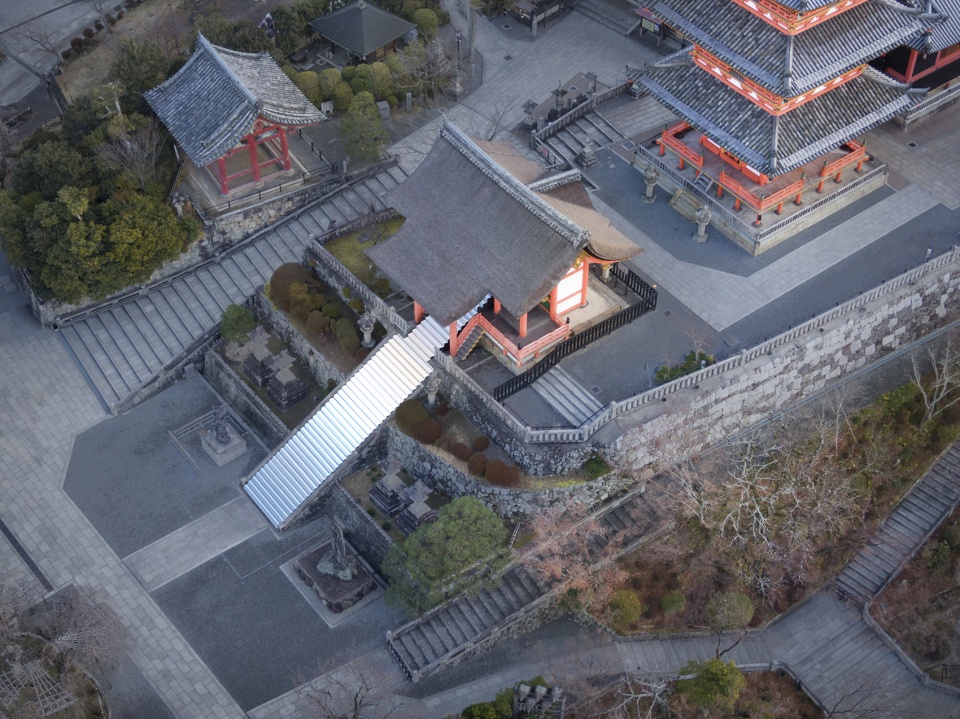
▼远景鸟瞰,distanced aerial view ©Takumi Ota
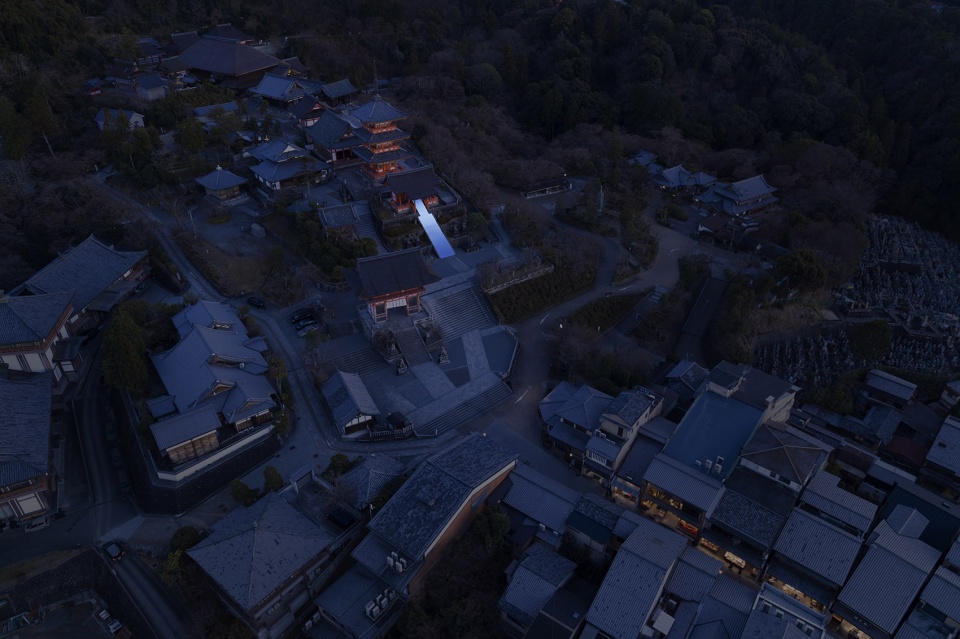
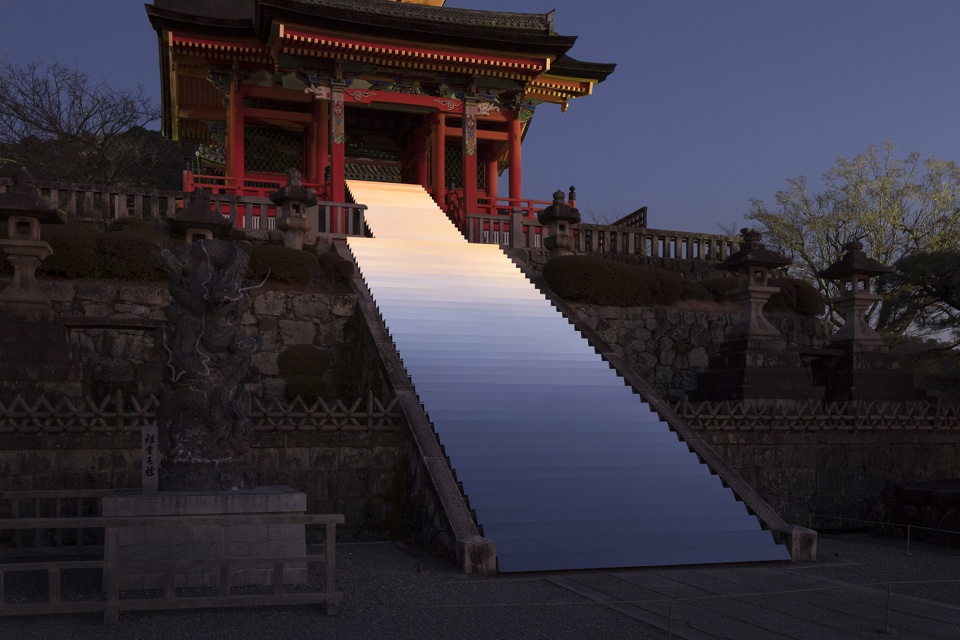
▼夕阳映射在阶梯上,setting sun reflected on the stairs ©Takumi Ota
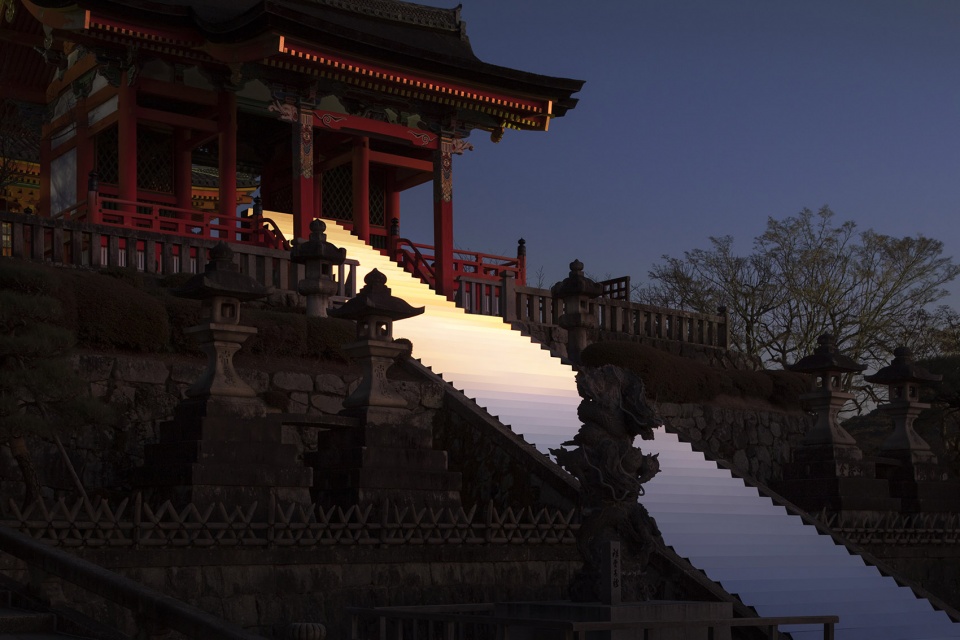
▼引人冥想的景象,a view encourage visitors to think ©Takumi Ota
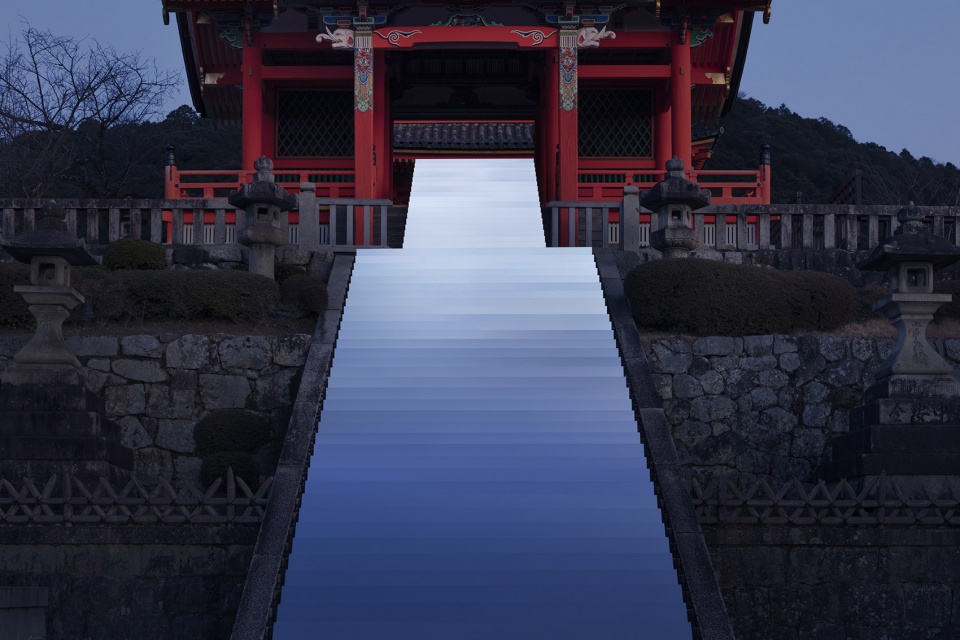
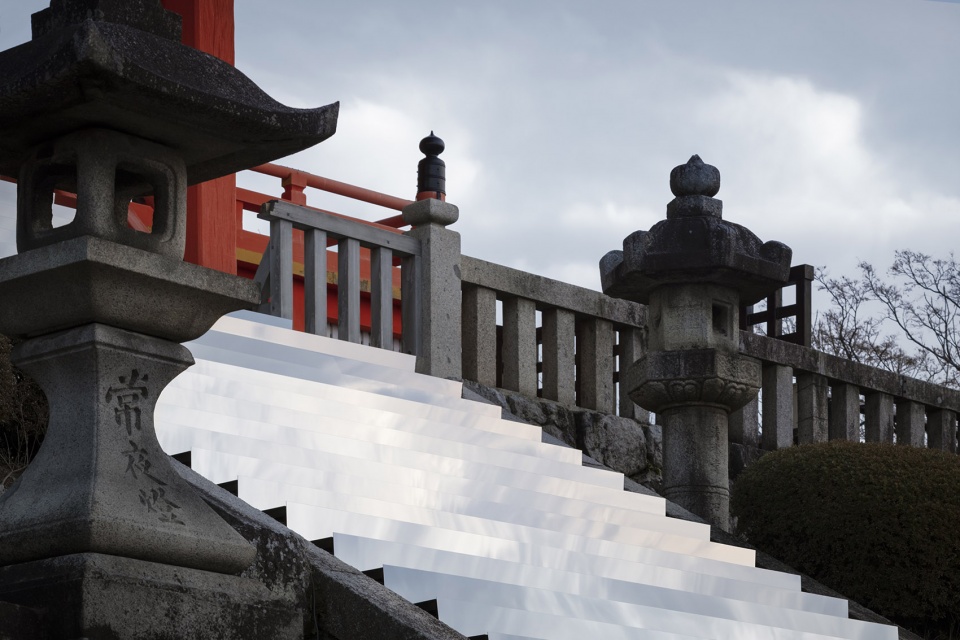
因此,nendo想到要设计一个装置,让游客体会西门原始的意义。装置在38级台阶的每一级上覆盖镜面,镜面的角度通过反复数码模拟确定,并在现场做了实地演示。通过内部的合作机制,装置安装时可以进行精细的角度调整,使得只有天空被反射在阶梯上,不受游客自身的想象和周边建筑的影响。
▼概念草图,conceptual sketch ©nendo
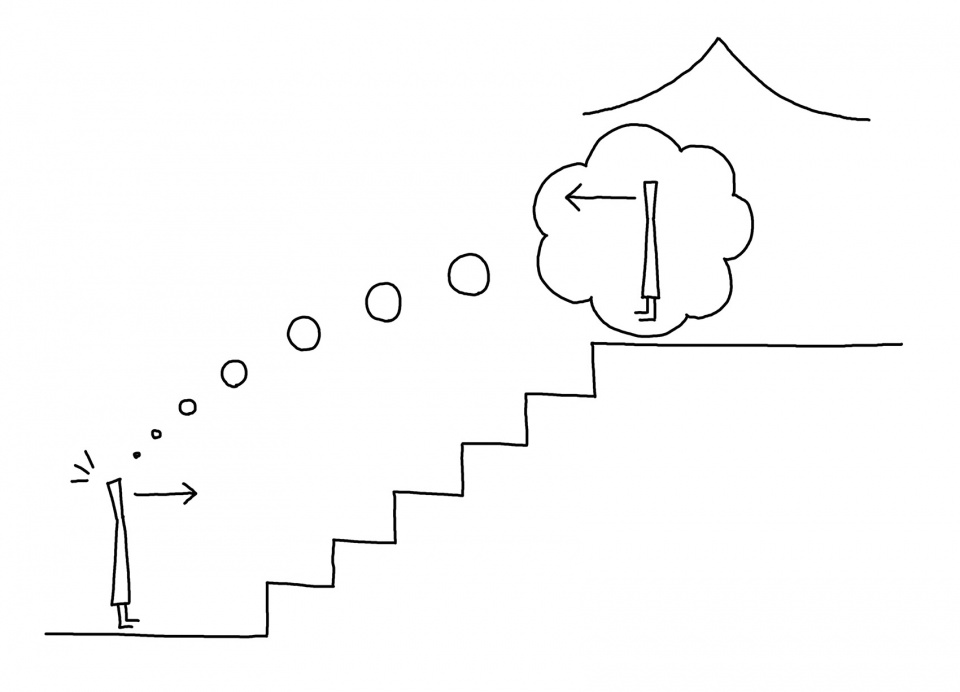
The idea arose, therefore, to design an installation that would give visitors a sense of the original intention of the west gate, and each of the 38 stairs were covered with a mirror. The angle of the mirror on each step was determined through repeated digital simulations and on-site demonstrations. Due to the incorporation of an internal mechanism to allow fine adjustments to each mirror’ s angle during installation, the effect is that only the sky is reflected on the stairs with little interference from the visitor’ s own image or that of surrounding buildings.
▼日景鸟瞰,通向寺庙的阶梯,aerial view in the day, stairs towards the temple ©Takumi Ota
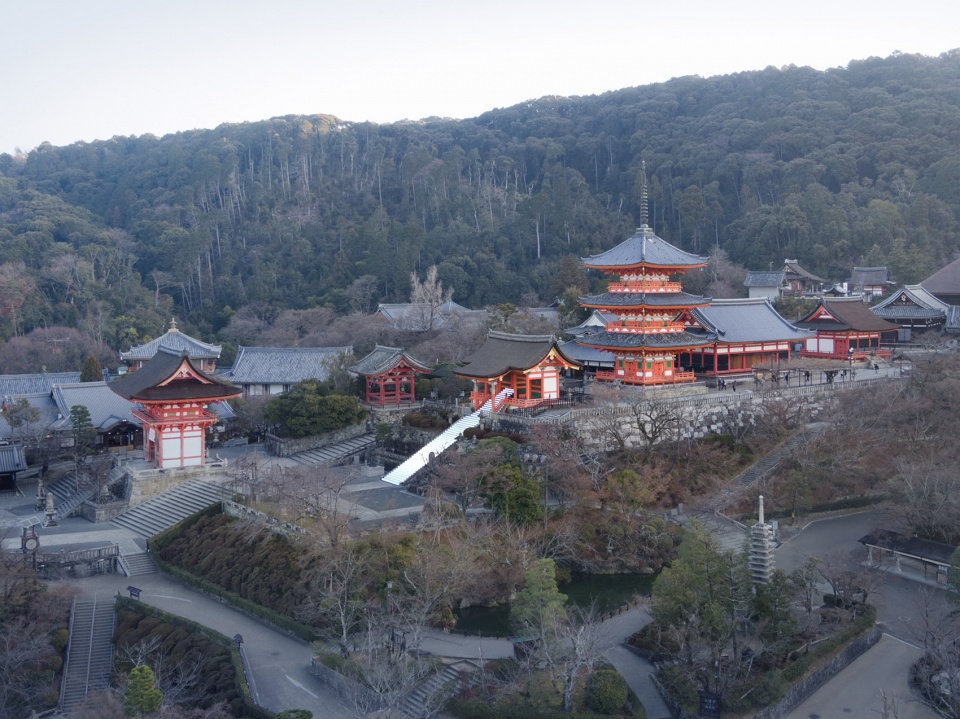
▼阶梯上的镜面反射天空,sky reflected on the mirrors covering the stairs ©Takumi Ota
▼从广场看向装置,view to the installation from the plaza ©Takumi Ota
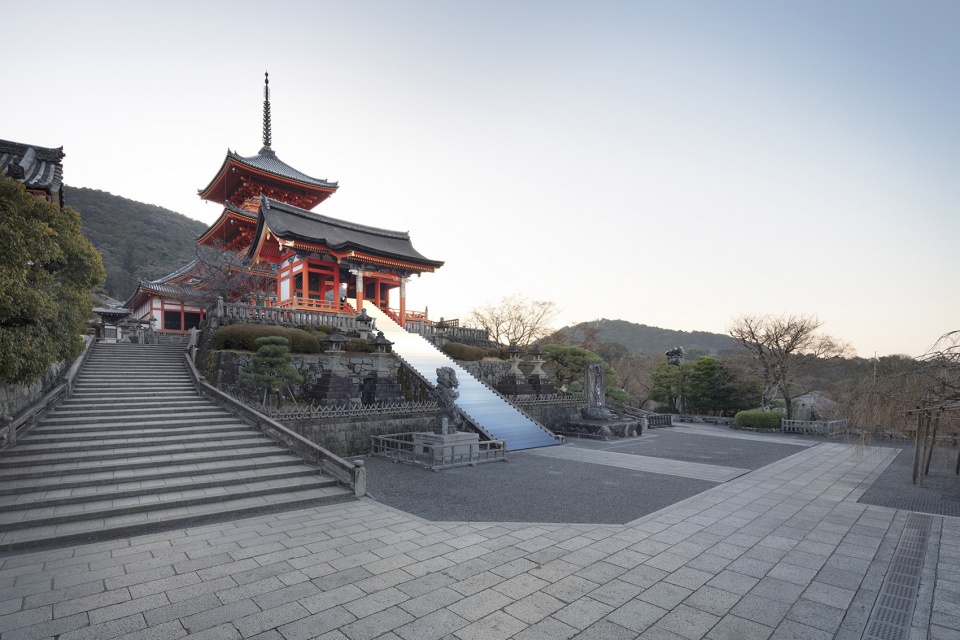
▼近景,镜面仅反射了天空,closer view, only sky is reflected by the mirrors ©Takumi Ota
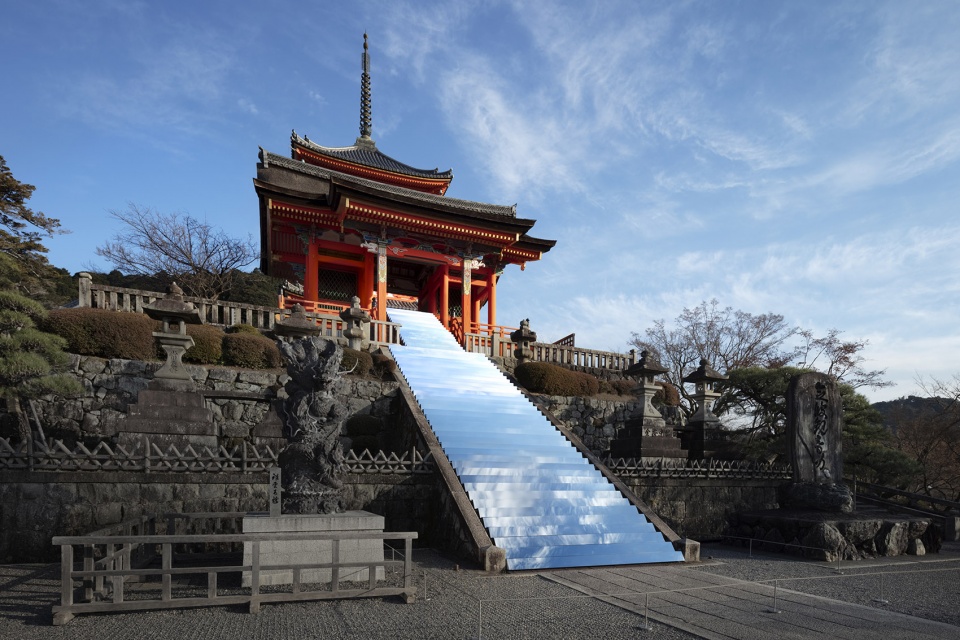
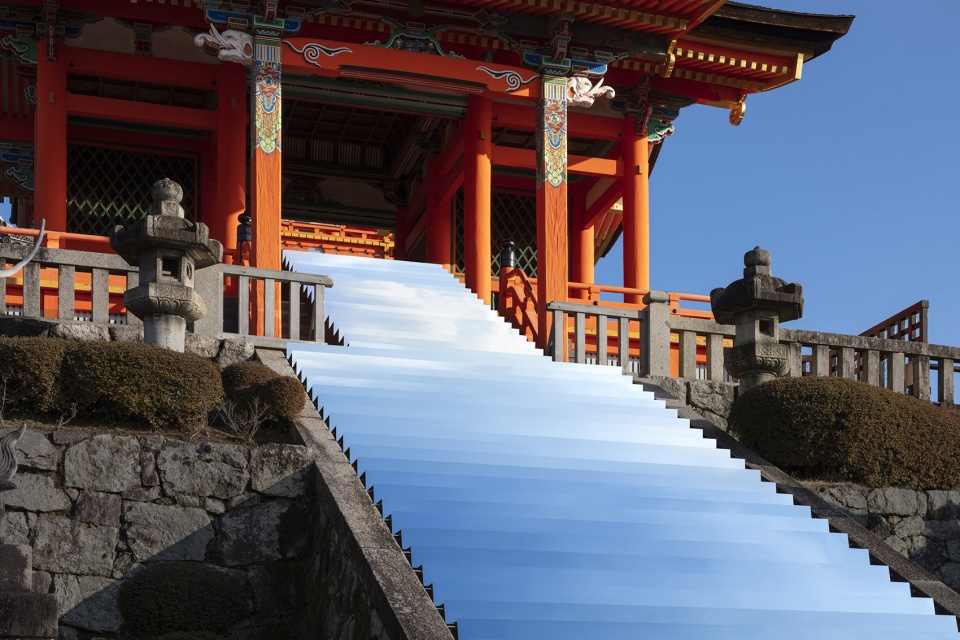
▼反射不受周边环境的影响
the reflected would not be effected by the surroundings ©Takumi Ota
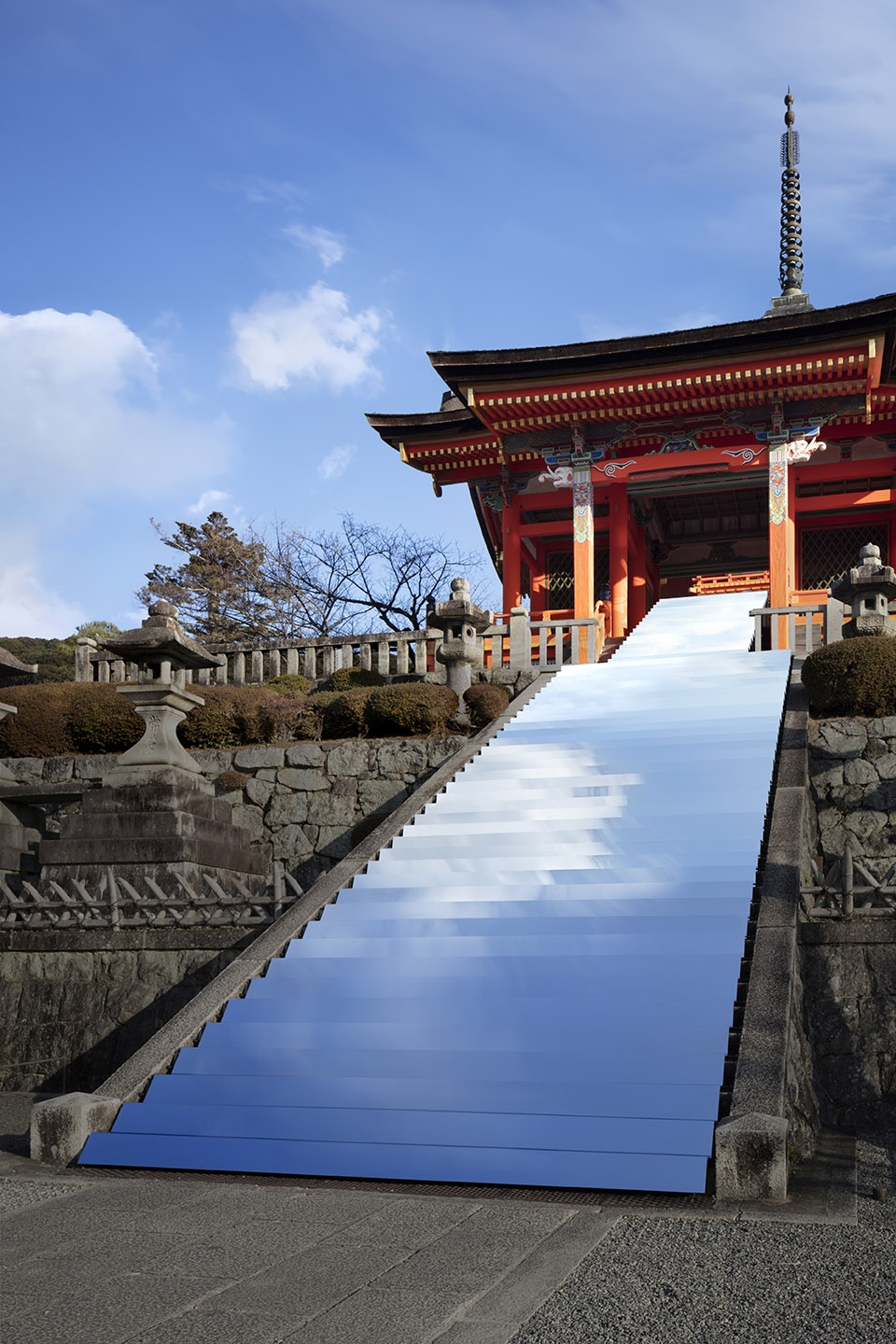
▼细部,details ©Takumi Ota
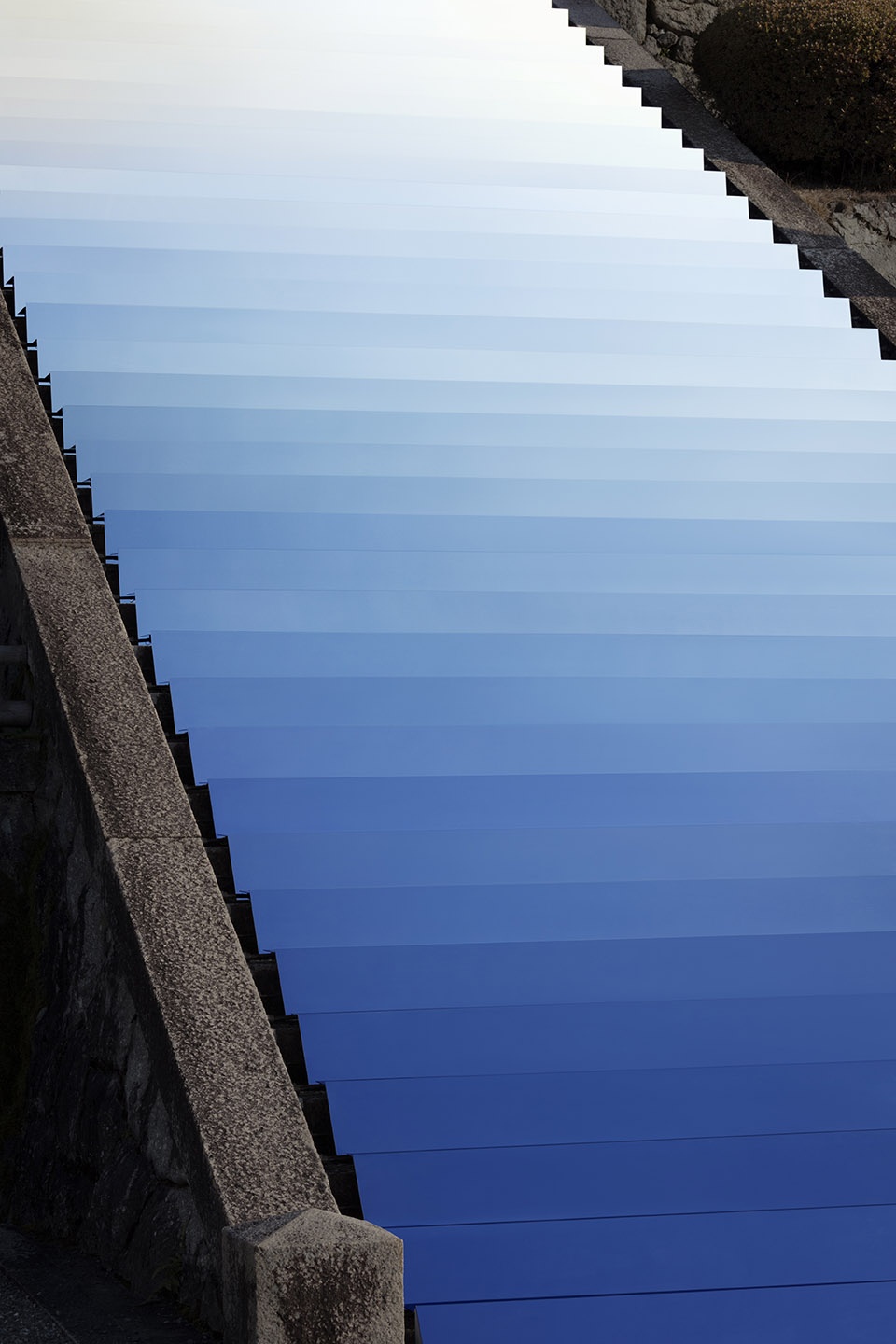
▼镜面角度经过精细调整,全部反射天空,fine adjusted mirrors all reflecting the sky ©Takumi Ota
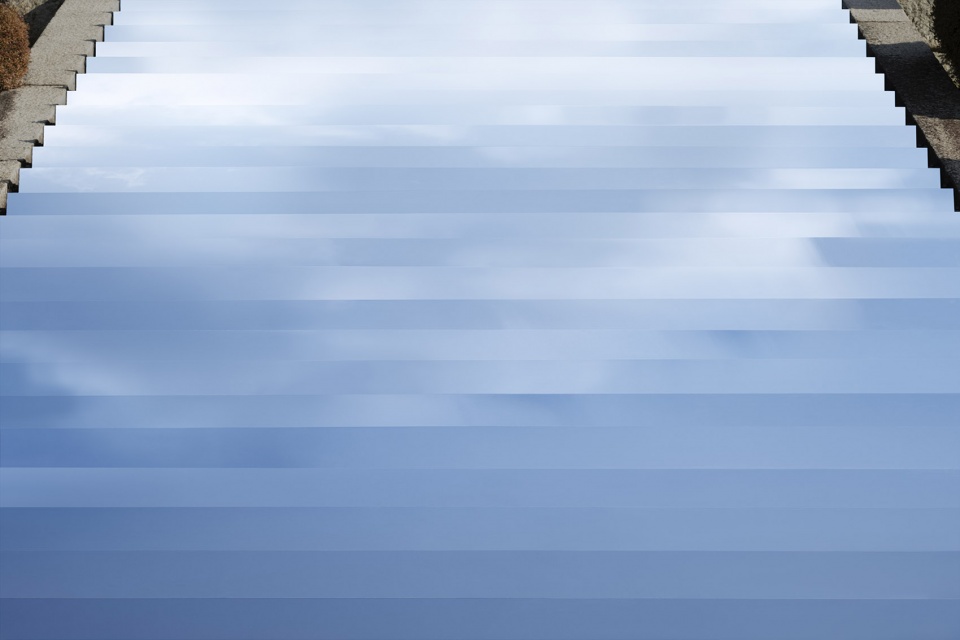
尽管西门依旧不对公众开放,它依然实现了其原本的目的,在台阶底部展现了只有从大门处才能看到的景色。阶梯的名字日想段取自它所反射的景象,其中的“段”即是日语里的台阶。
Despite being still inaccessible to the public, the west gate now conversely fulfills its original intention and reveals from the bottom of the stairs the view heretofore only visible from the gate. The stairs are named after that which they reflect: Nissoudan. (For the curious soul: steps are called dan in Japanese.)
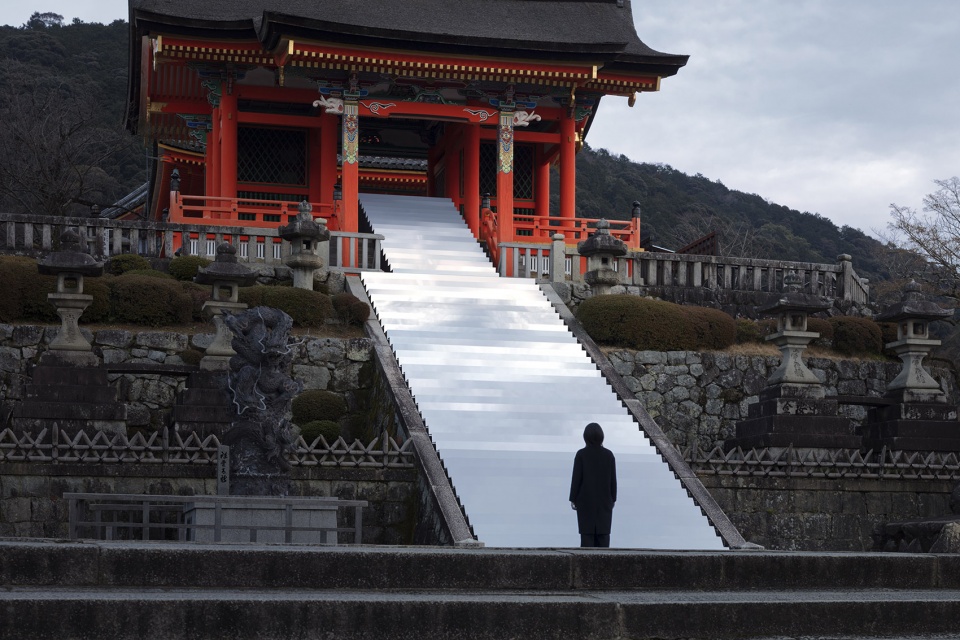
▼注视台阶上的景象,stare at the view on the stairs ©Takumi Ota
Collaborator: Mizuki Kasai, Daisuke Maeda
Photographer: Takumi Ota
More: nendo。更多关于他们:nendo on gooood




寺庙景观很美
我感觉还挺好看的
不用来走人还是可以的,从艺术的角度
艳阳天不慌眼睛咩
这个装置比凯旋门裹的布优雅多了
这个是镜子还是屏幕 还是概念图 ?反射也不太对
可以走人吗
把楼梯用作镜子并提供标识作用,显然不属于建筑范畴,是一种负建筑作用,没有拆除建筑,但达到同样目的。
这设计不能只看图。
前面的视频很重要。
日想段这个名字也很重要。
楼梯不再具有交通(物理)的功能,而是沟通天空与两脚兽的装置。
考虑到夜间也有非常好的观感,应该叫日思夜想段。
在外网有很多争议
太阳大的时候会不会有光污染
凯旋门裹布,寺庙阶梯贴膜,嗯……
nendo YYDS
天路
下面的人说什么走不走,有没有用???文章里说明了这里并非入口通达,是祈祷的地方
视频里面的一段反射山川的段落惊艳到了,大气
竟然是在清水寺搞现代装置,太敢了~~棒!!
感觉像P的效果图
下雨天会滑嘛
这种抽离现实的感觉太美了
还蛮好看光影效果
大费周章搞了一个跟原建筑格格不入的装置,又不投入使用,真是愚蠢的设计。
键盘。。
言行谨慎 不然暴露IQ
键盘侠?
维护起来不容易,不过是真的好看
想登天了。。。。