非常感谢MD Landschapsarchitecten将以下授权gooood发行。更多请至:MD Landschapsarchitecten on gooood
Appreciation towards MD Landschapsarchitecten for providing the following description:
欧洲某些国家人口密度和中国完全不在一个量级,这个差别原因是他们郊外景观与中国旅游区景观处理方式有所不同的其中一个因素。
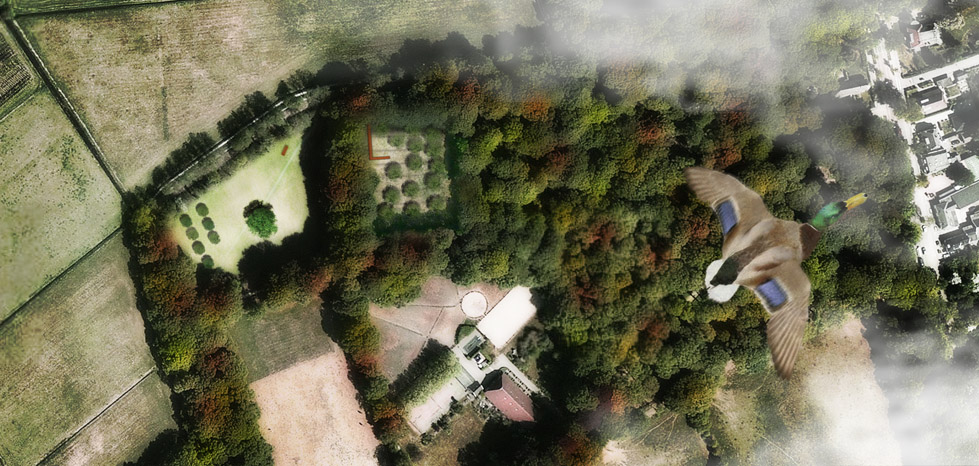
该景观项目的场地位于荷兰Glimmen,历史可以追溯到17世纪初,当时一个庄园在这里拔地而起,直至今日,曾经的小树林逐渐浓密,庄园也早已成为公众休息和休闲的地方,生态日趋薄弱,而原来栖息在这里的野鸭也一去不返。
这个项目旨在吸引野鸭们重返并重新管理场地,以最少的资源更新保护区,可视化景观历史,恢复生态,在增加娱乐面积的情况下保持生态平衡,增加游客数量。
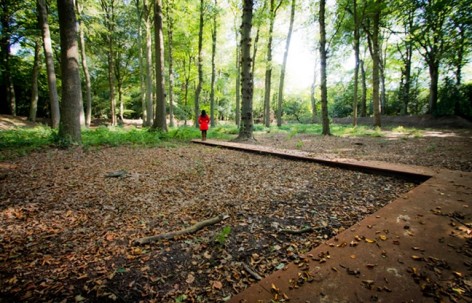
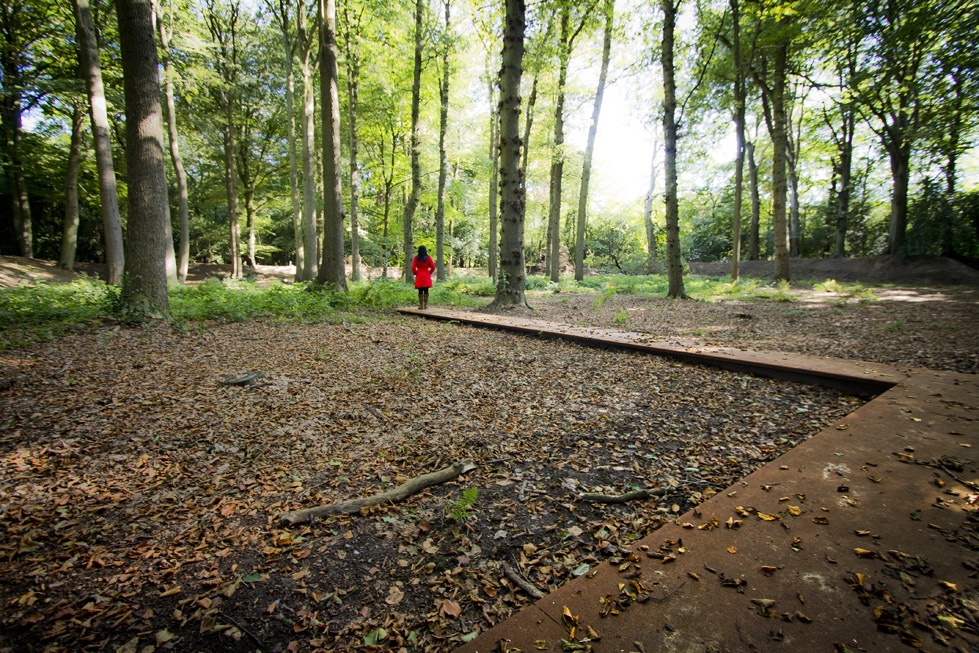
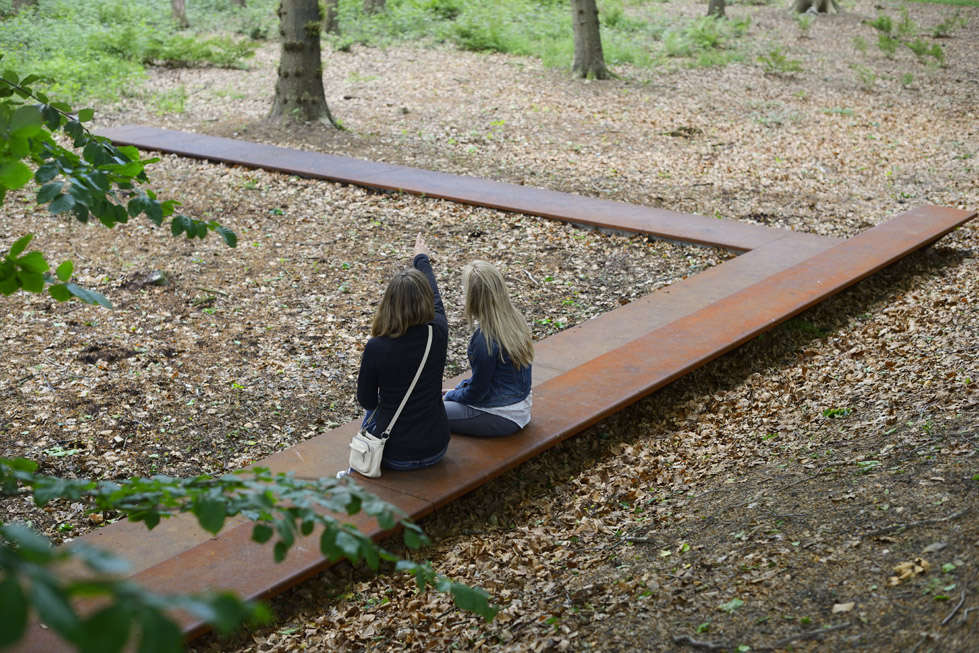
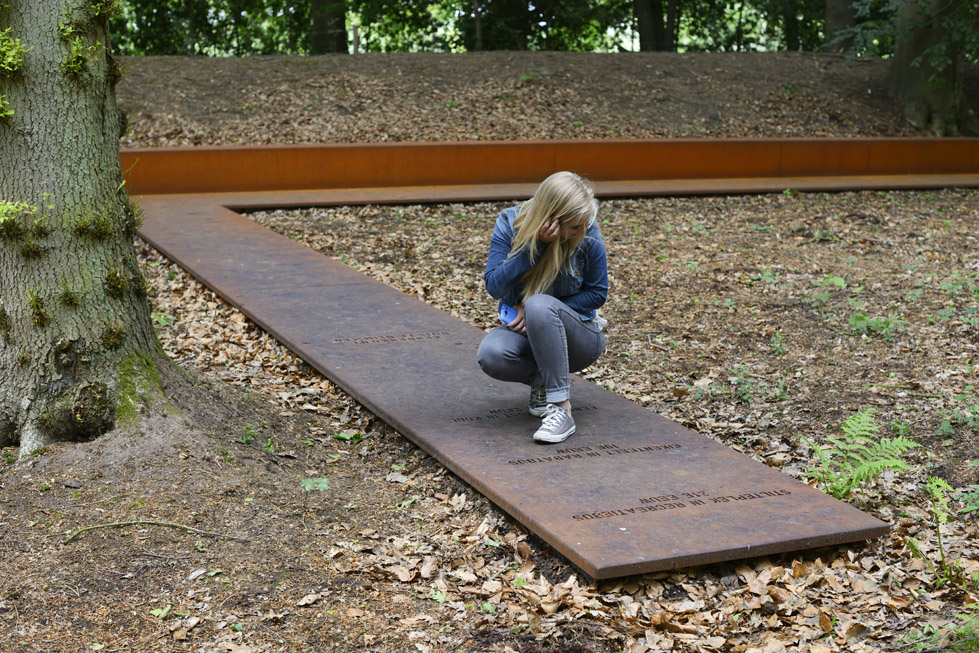
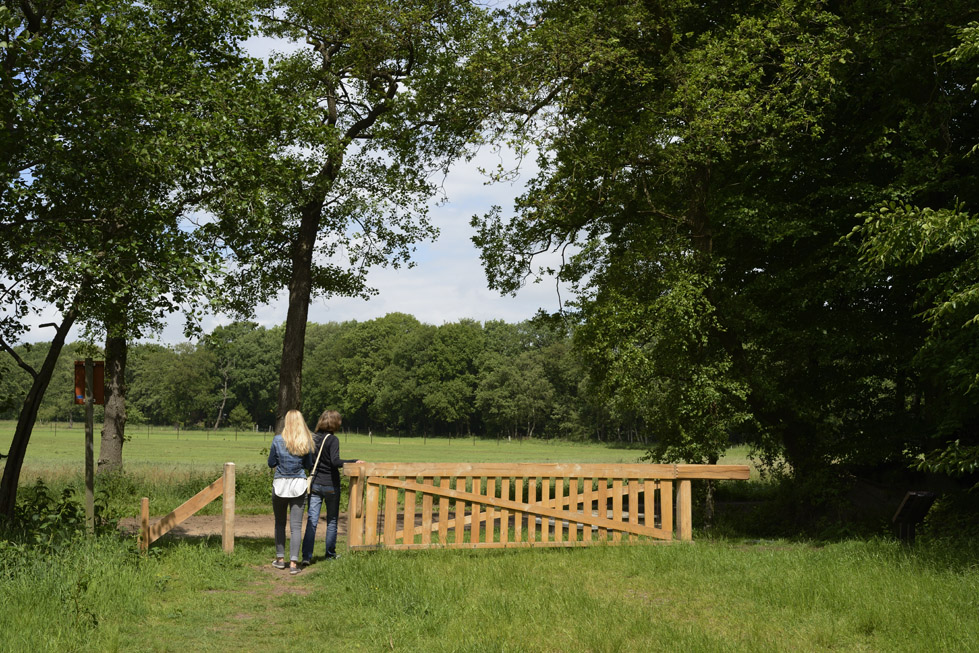
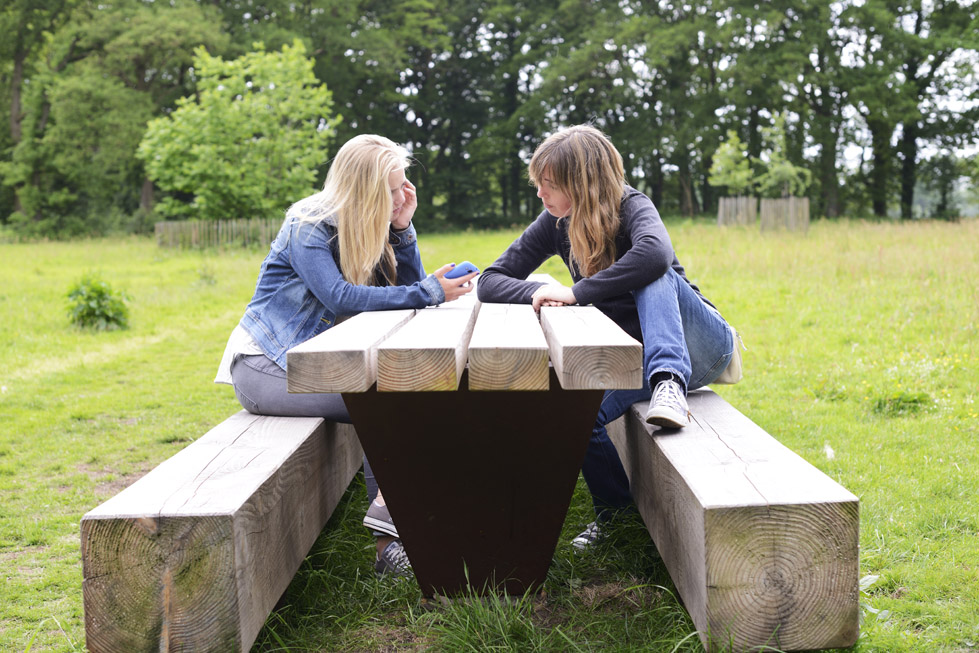
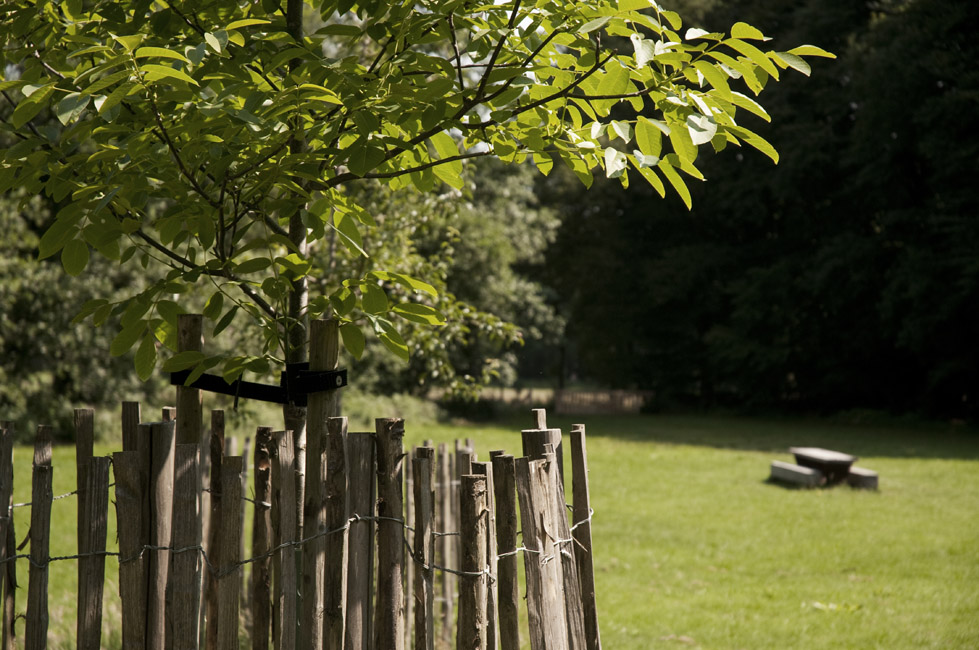
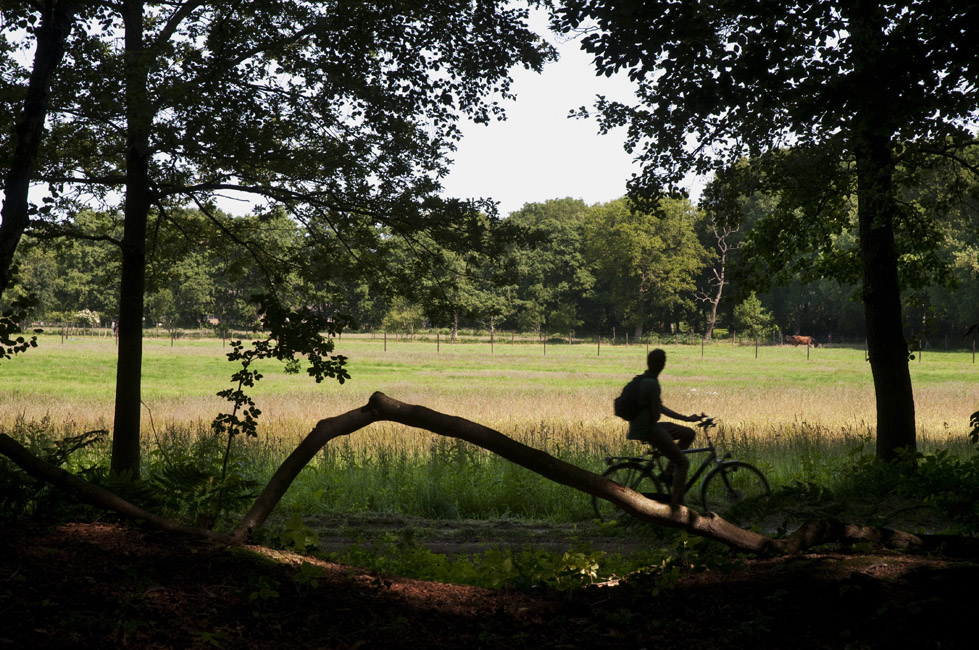
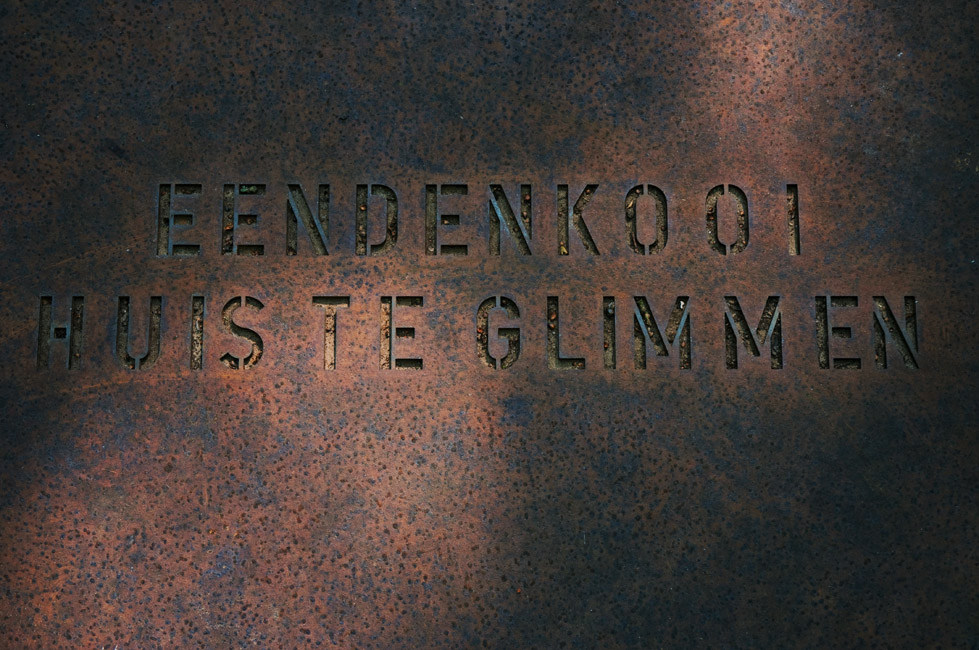
硬质景观的介入可以说是相当悄然无息,没有浓重的人工痕迹。所有的围栏几乎都被取消,植被在精心维护下茁壮成长。一处极力希望人们停留的地方,用锈蚀钢板轻轻的修成一道折线痕迹,人们的行走和休憩便集中在这里。另外一个在林间开阔的场地中安放了一张野餐桌,人们在这里野餐和观赏野鸭,而野鸭在不远看观察人类。
人与自然的绝妙平衡。
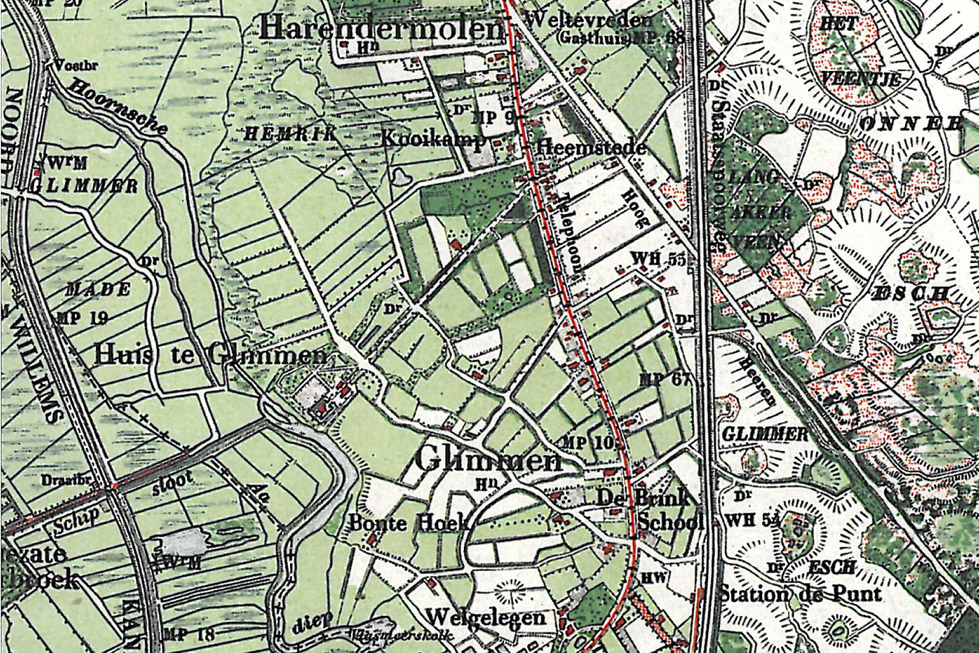
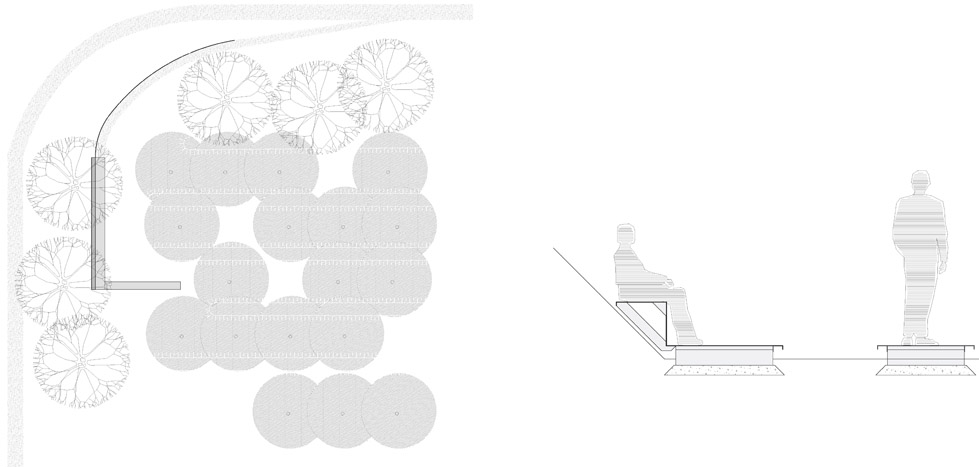
(form the landscape architects)
Homage to a duck decoy
MDL’s plan for the revised layout and restoration of a duck decoy visualizes various historical layers in the landscape. The duck decoy
(a piece of land that was structured with the aim of catching waterfowl, with a pond and often surrounded by woods) is part of the
monumental Huis te Glimmen estate in Glimmen, a village in the north of the Netherlands. Due to various landscape alterations down
through the years, the duck decoy had become scarcely recognizable as having once had this function. In a process of intensive
collaboration with neighbours and users, the decision was taken to make new use of the duck decoy as a place of tranquillity for
recreational purposes.
In the new configuration, sustainable management and frequent use go hand in hand. As a result of a number of subtle interventions,
visitors are encouraged to treat the monument with the utmost respect. The renewed duck decoy attracts more visitors than ever, but
the vulnerable sections remain out of bounds.
History
The duck decoy was constructed as a part of the Huis te Glimmen estate in the early 17th century. The decoy was built on the flank of
the extensive sandy ridge called the Hondsrug, which stretches from the Province of Drenthe to well into the Province of Groningen.
This was a logical choice: sandy soil is not suitable for agriculture, and the placement of the necessary pond with surrounding banks
could easily be realized. The duck decoy fell into disuse after 1819. To make the decoy terrain profitable, the decoy pond was converted
into a ridge-plant wood for the harvest of acorns. The ridges enabled better drainage for the plants in the wet ground. The impoldering
and construction of the Noord-Willemskanaal (canal) in 1857 ensured progressive drying of the local ground, although this made the
former duck decoy even less recognizable in the landscape. In the twentieth century, the estate gradually became a public walking and
recreation area. The nature-oriented management of the estate brought about a densification of tree and plant growth on the decoy
terrain. In 2004, the entire estate was assigned the status of Listed Conservation Area and the various components were restored or
renovated one by one. This was the impulse to expose and restore the historical stratification of the former duck decoy.
Process
The restorative interventions and layout of the duck decoy were formulated in intensive collaboration with the neighbours and users.
Complete restoration of the duck decoy soon turned out to be impossible: the current situation with regard to water management made
the construction of a new pond impractical. The ground had been primarily used for recreation in the recent past, so that the remains of
the decoy had also incurred much damage. This kind of usage had to be discouraged, but preferably without the application of
‘prohibited’ signs or fences.
In consultation with the owner, users and neighbours, the decision was taken to implement partial restoration in combination with new
usage that would contribute to the other qualities of the estate. Thus, the decoy should not only become recognizable and, if possible,
enterable, but also invite people to use it as a place of rest and contemplation. This function actually harmonizes well with its former
use as instrument of confinement: in bygone days it was forbidden to make any noise in a wide area around operating decoys.
Interventions
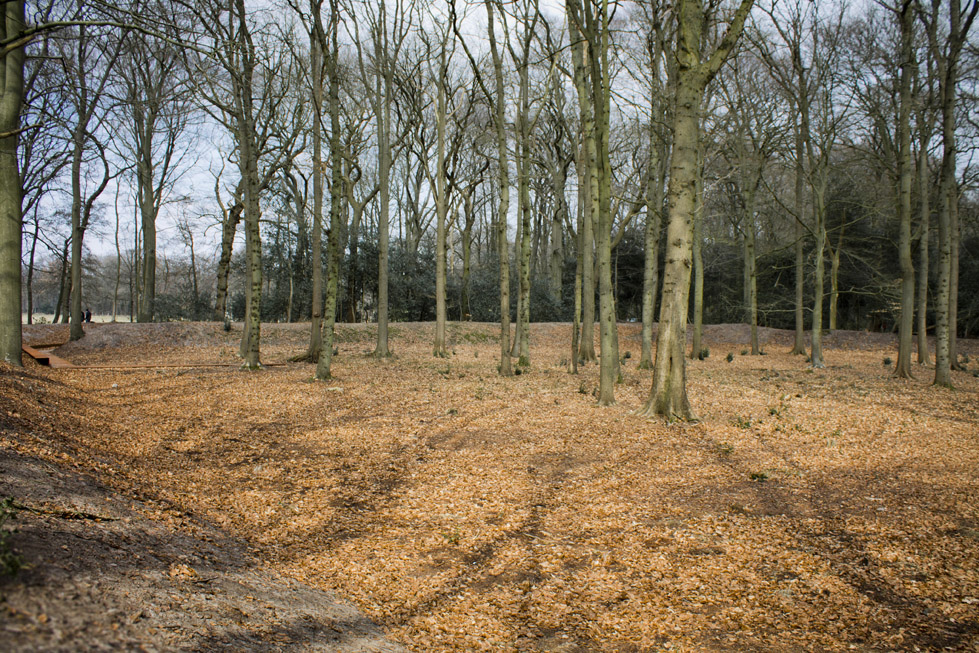
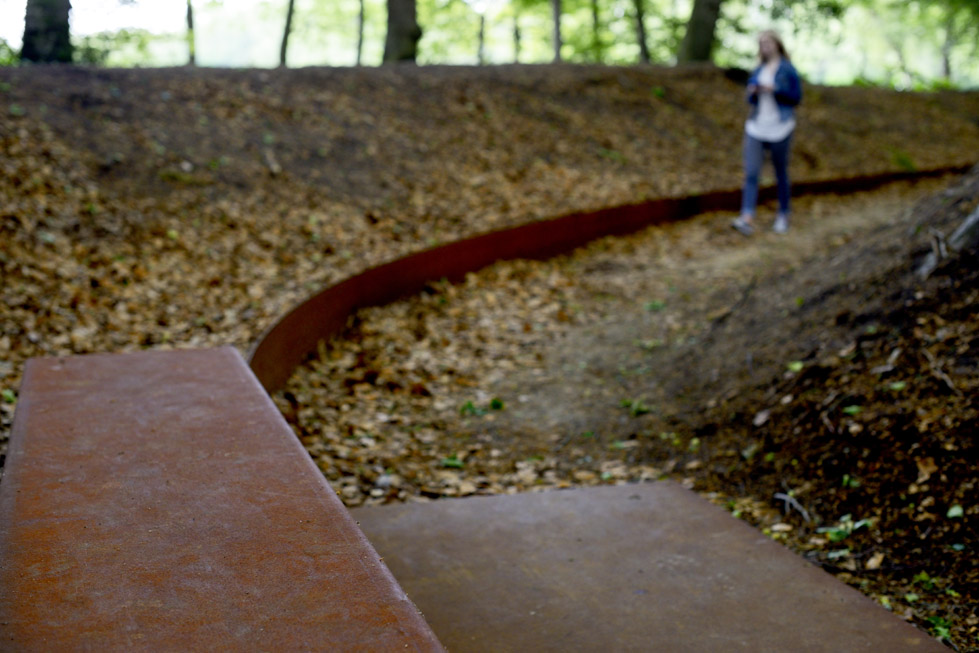
With the restoration of the surrounding earthen walls, the decoy is now closed off, but has been made accessible by means of a CorTen
steel path in one of the former decoy pipes that enticed the ducks inward and now ends in a sitting element. The CorTen steel element
is inviting yet simultaneously generates distance, in combination with the strategically planted holly bushes. Visitors feel welcome as
they enter the decoy, but feel instinctively just how far they can go.
Not only have the various sections of the decoy been restored, the later use of the terrain as ridge-plant wooded zone has also been
visualized. The sitting element has been positioned in such a way that the ridges and decoy walls are easily recognizable. The steel of
the sitting element provides a brief description of the various historical and current uses of the zone.
The aforementioned recent, more active recreational function of the decoy has been made possible on an adjoining open piece of
ground. This neglected area has been transformed into playing field with fruit trees and a robust, long picnic table. A number of cleverly
sited transitions have been created between the decoy and the playing field. As a consequence, visitors who wish to use their leisure
time actively opt for the playing field. The functions reinforce one another: recreational visitors also take a look in the duck decoy and
vice versa.
In this way, several aims can be realized at once with minimum resources: renovation of the conservation area, the visualization of the
history of the landscape, continuing recreational use of the area and an increase in the number of visitors.
Project data
Location: Glimmen, The Netherlands, 53° 8’40.59″N – 6°37’16.28″E
Client: Staatsbosbeheer
Area: 2ha
Year of design: 2010-2011
Year of implementation: 2012-2013
Design team: Mathijs Dijkstra, Melle van Dijk
Historical research: Anne Wolff
Photography: Robert van der Molen, Melle van Dijk
MORE: MD Landschapsarchitecten,更多请至:MD Landschapsarchitecten on gooood







欧洲某些国家人口密度和中国完全不在一个量级,这个差别原因是他们郊外景观与中国旅游区景观处理方式有所不同的其中一个因素。
这话要记下来。
锈蚀的钢板在这个地方看起来真的和自然浑然天真呀
那2妹子是模特么
很简洁的设计!用两道钢板便自然而然的界定出树林里的休息空间
弱弱问一下,钢板的锈蚀碎末,不会粘在衣服上么?[调皮]
这玩意放在中国甲方扔下图纸跟你打一架= =
哈哈哈哈,设计真的区分国界。这东西放在中国,不说还有没有鸭子,这么偏的地方,几天这钢板就得被撬走卖钱。
耐候钢板,在国外的后现代建筑里应用很广泛。
很棒!