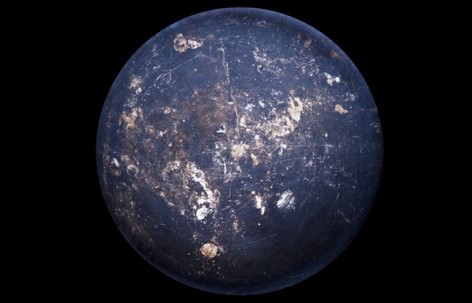
非常感谢Christopher Jonassen将以下内容授权gooood发行。更多请至:Christopher Jonassen on gooood
Appreciation towards Christopher Jonassen for providing the following description:
一花一世界,一沙一天堂,从锅底,诞生了星球~~~
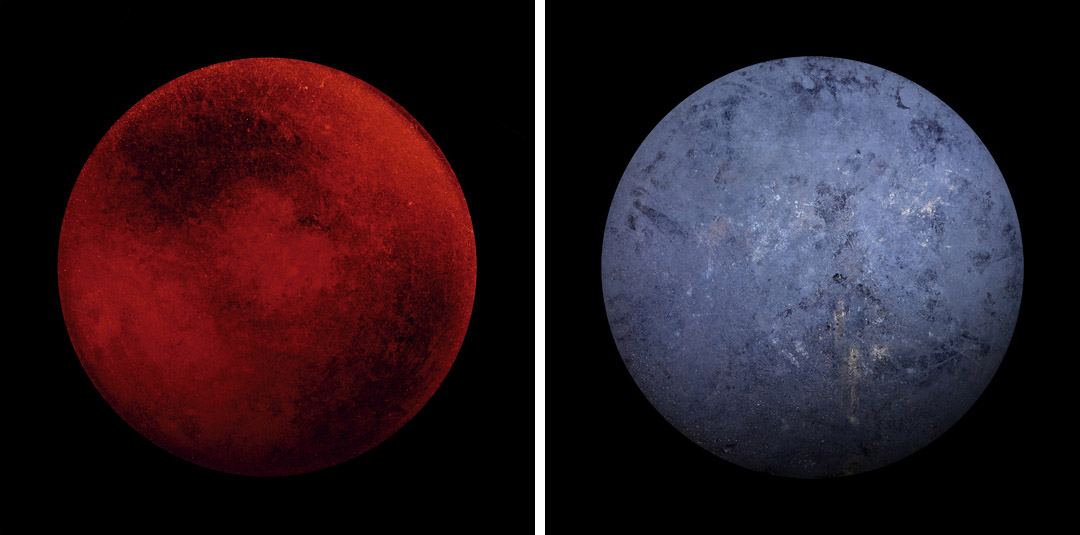
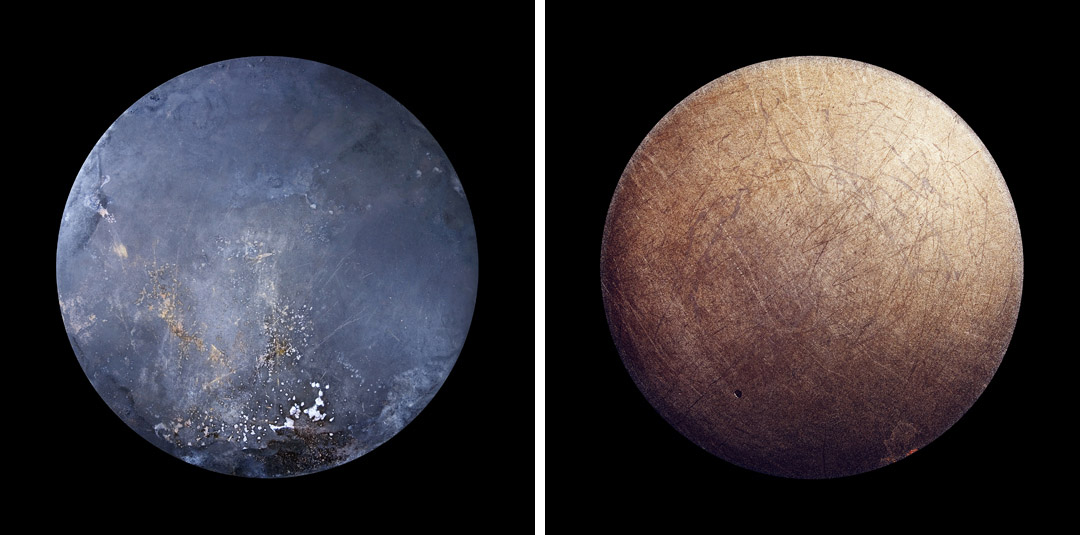
挪威摄影师克里斯托弗·乔纳森的”Devour吞噬”系列主要拍摄对象是平底锅底。他对凡尘厨具的探索始于2003年,10年过去了,他的作品越发深刻,司空见惯的材质焕发出不同凡响的魅力。克里斯托弗·乔纳森在澳大利亚留学时,一天便宜合租公寓里面的锅坏了,然后他和其它房客在童子军队伍营里面找到一口黑色的重型铁锅。他非常喜欢这口铁锅,铁锅也给了他启示,从此他拍摄锅底的旅途便拉开序幕,直到今天,他仍在继续。他能娴熟的给锅底上油或者利用灯光以及后期处理达到自己想要的结果。
de⋅vour (d`-vour)
to eat up greedily.
to destroy,consume, or waste.
to take in eagerly.
to prey upon voraciously.
“To eat is to appropriate by destruction”. – Jean-Paul Sartre (French existentialist and writer, 1905-1980).
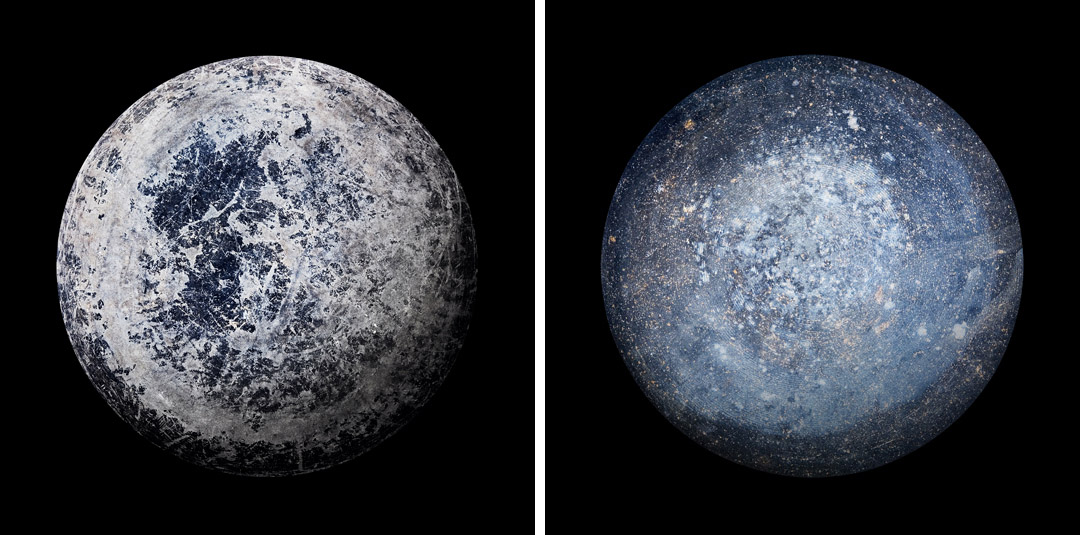
日常事物所具备的的美被忽视是相当可惜的。摄影师通过实际创作将这种信念生动的表达出来。
花草与星辰同等,渺小能创造伟大。
至于为什么这个系列要叫做吞噬?克里斯托弗·乔纳森认为锅底的痕迹是由每天的烹饪行为累计而成,而人们对待地球的方式,也最终会被地球呈现出来。吞噬,意味着贪婪的人类不节制的消费。克里斯托弗·乔纳森希望用锅底的破坏和退化,联系到我们地球的命运,让人们意识到我们与地球的关联。
锅底星球或许没“一花一世界,一沙一天堂”的词句那样浪漫,但是这系列作品仍然从诗意的角度为大家展示了一幅幅具有冲击力和意义的画面。
TIME MAGAZINE.
Front page of TIME’s Lightbox.
“Devour: Christopher Jonassen’s Remarkable Frying-Pan Still Lifes” By Myles Little.
What began in 2003 as an exploration of the mundane world of kitchenware has morphed over the past decade into something much more profound for Norwegian photographer Christopher Jonassen.
Devour is Jonassen’s series of still lifes of the bottoms of old frying pans — a series that, despite its quotidian subject matter, manages to touch upon (quite literally) universal concerns.
“When I was studying abroad in Australia,” Jonassen recalls, “I lived in a cheap share house with some friends, and the cooking utensils were banged up in a pretty bad way.” He began photographing the pans as a way to reflect on “the repetitive and mundane actions we do every day.” Jonassen dug through the cellars and attics of friends and family members, looking for likely candidates. But his favorite pans were those used by the local boy scout troop.
“They bring out big iron pans and put them directly into an open fire out in the woods,” Jonassen says. “Heavy iron pans, burnt black and scraped with knives.”
He shot hundreds of pans over the course of several years, all the while refining the vision, and is still working on the project today. While most of the pans look similar to the way they did when he first found them, Jonassen rubbed oil on a few to enhance their texture, and relied on lighting techniques and basic Photoshop to achieve his results.
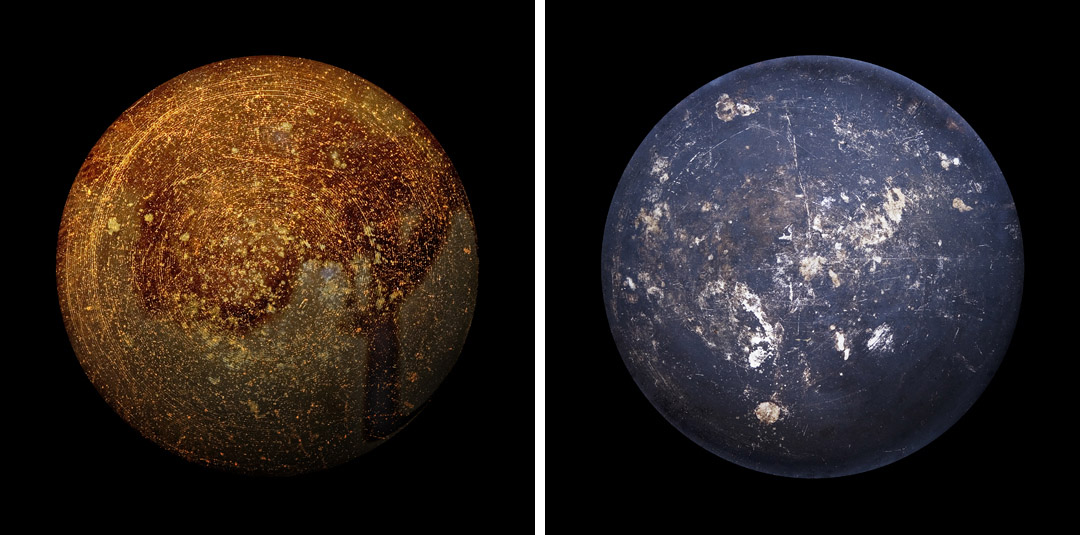
“I think it’s important to notice the beauty in the small things we surround ourselves with everyday,” Jonassen says, and Devour is, in part, his own vivid testament to that belief. Note the rich, molten red of Slide #1 and the gorgeous cerulean blues in Slide # 6. The poet Walt Whitman voiced a similar tenet — a faith in the profound significance of the littlest things — in his 1855 masterpiece, “Song of Myself”:
I believe a leaf of grass is no less than the journey-work of the stars…And the narrowest hinge in my hand puts to scorn all machinery…
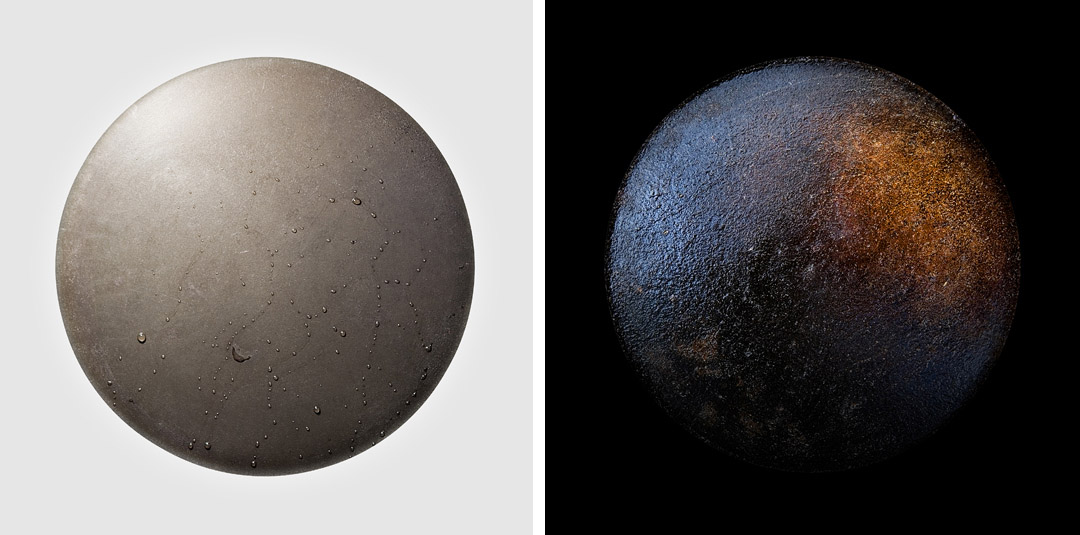
Perhaps the most striking thing about the pictures is how closely, and how eerily, these ordinary kitchen pans resemble planets and moons — an effect that Jonassen says was intentional. “I found that each pan more or less had a planet hidden inside it,” Jonassen says, “and it was up to me to discover it.” Slide #3 resembles Mars, even down to the planet’s polar ice caps of solid carbon dioxide. Slide #8 brings to mind Neptune, whose tranquil blue appearance belies winds that reach 1,300 miles per hour.
There’s something thrilling about how the project threads this needle — from a kitchen cabinet, across the reaches of space, to alien worlds. Thus, Jonassen seems to heed the words of the poet William Blake, who in 1803 asked his readers to “see a world in a grain of sand, / And a heaven in a wild flower.”
Jonassen began the project interested in the cooking pan as an emblem of the ordinary, but he soon became fascinated by “how everyday life was wearing out the metal of the pans, one tiny scratch at a time.” He says he wants to create “a link between the small traces we leave behind every day, [and] the enormous impact this adds up to over time. I am very concerned about the way we are treating this planet. The title also reflects this. ‘Devour’ means to eat up greedily; to destroy, consume and waste; to prey upon voraciously.” Thus, Jonassen draws a subtle, visually compelling link between the destruction of a banged-up pan and the degradation of our blue planet.
To see a world in a grain of sand … and the cosmos in a frying pan. It’s not quite Blake, perhaps, but for photography fans, Devour offers a rare, unexpected form of poetry for the eye.
MORE: Christopher Jonassen,更多请至:Christopher Jonassen on gooood






厉害
不错的艺术 令人反思
谁说这些星球不就是平底锅呢,相似的物理现象留下相似的痕迹。
确实新颖 让人眼前一亮,思维顿开
喜欢
所以那些锅 还能用不
第一眼看到还以为是星际照片,很有创意!!
应了那句话 生活中不缺乏美 缺乏发现美的眼睛
[爱心]
nice