随着人工智能工具加速渗透各类创意行业,建筑领域也来到了关键拐点:如何在不削弱作者性与专业技艺的前提下,引入真正能够增强设计思考的系统。为了解行业的真实反馈,AIRIlab 采访了 LWK+P、MVRDV、Gensler、Buro Ole Scheeren、CUBE、华艺、筑博等多家事务所的设计师与管理者。他们普遍展现出一种细腻而务实的态度——AI 应作为设计协作者,而非替代者。
As AI tools accelerate across creative industries, architecture has reached a pivotal moment: how can firms integrate systems that genuinely enhance design thinking without compromising authorship and professional craft. To understand the industry’s real sentiment, AIRIlab interviewed designers and leaders from LWK+P, MVRDV, Gensler, Buro Ole Scheeren, CUBE, Huayi, Zhubo Design, and others.
Across these conversations, one message surfaced clearly: AI should function as a collaborator, not a replacement.
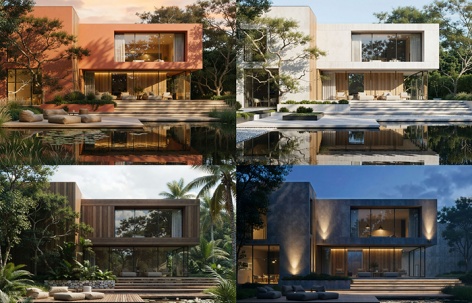
▼AIRIlab V2带来项目全视觉成果输出 © AIRIlab
AI 的即时价值:加速流程与扩展选项空间
The Immediate Value of AI: Speed, Exploration, and Expanded Option Space
受访者一致认为,AI 最突出的价值首先体现在设计流程的加速,以及快速产出多样化选项的能力。
Alexandre Perrossier(LWK+P)从战略角度总结道:“建筑现在需要 AI 来应对越来越高的复杂度,加速决策,并探索超越人类极限的设计可能。”
Gensler 的张逸进一步强调了迭代效率:“AI 加速了认知循环,让我们在同样的时间里探索更多可能,并将重复性工作转移到高价值决策上。”
这并非只是为了“做出更好看的效果图”。对许多事务所而言,AI 的真正价值在于缩短前期探索的周期,使客户能够更早参与并达成设计共识。
华艺的胡斐对这种工作流变化给出了最直接的描述:通过“输入提示词或参考图,我们可以瞬间生成多个设计方案”,更关键的是,“在方向确认后,我们可以基于生成图进行反向推敲,深化设计逻辑”。
Interviewees unanimously agreed that AI’s most immediate value lies in accelerating workflows and expanding the range of options available in early design.
Alexandre Perrossier (LWK+P) summarized from a strategic perspective:
“Architecture needs Al now to manage increasing complexity, accelerate decision making, and explore design possibilities beyond human limits.”Zhang Yi (Gensler) emphasized iteration speed:
‘AI accelerates the cognitive loop, enabling us to explore more within the same time and shift repetitive work toward high value decision making.’
For many firms, this shift is not about “making images look better” but about shortening conceptual cycles so clients can participate earlier and align more efficiently.
HUAYI’s Hu Fei described this workflow change very directly: Designers can instantly generate multiple design options and reverse engineer the design from the generated image once a direction is approved.
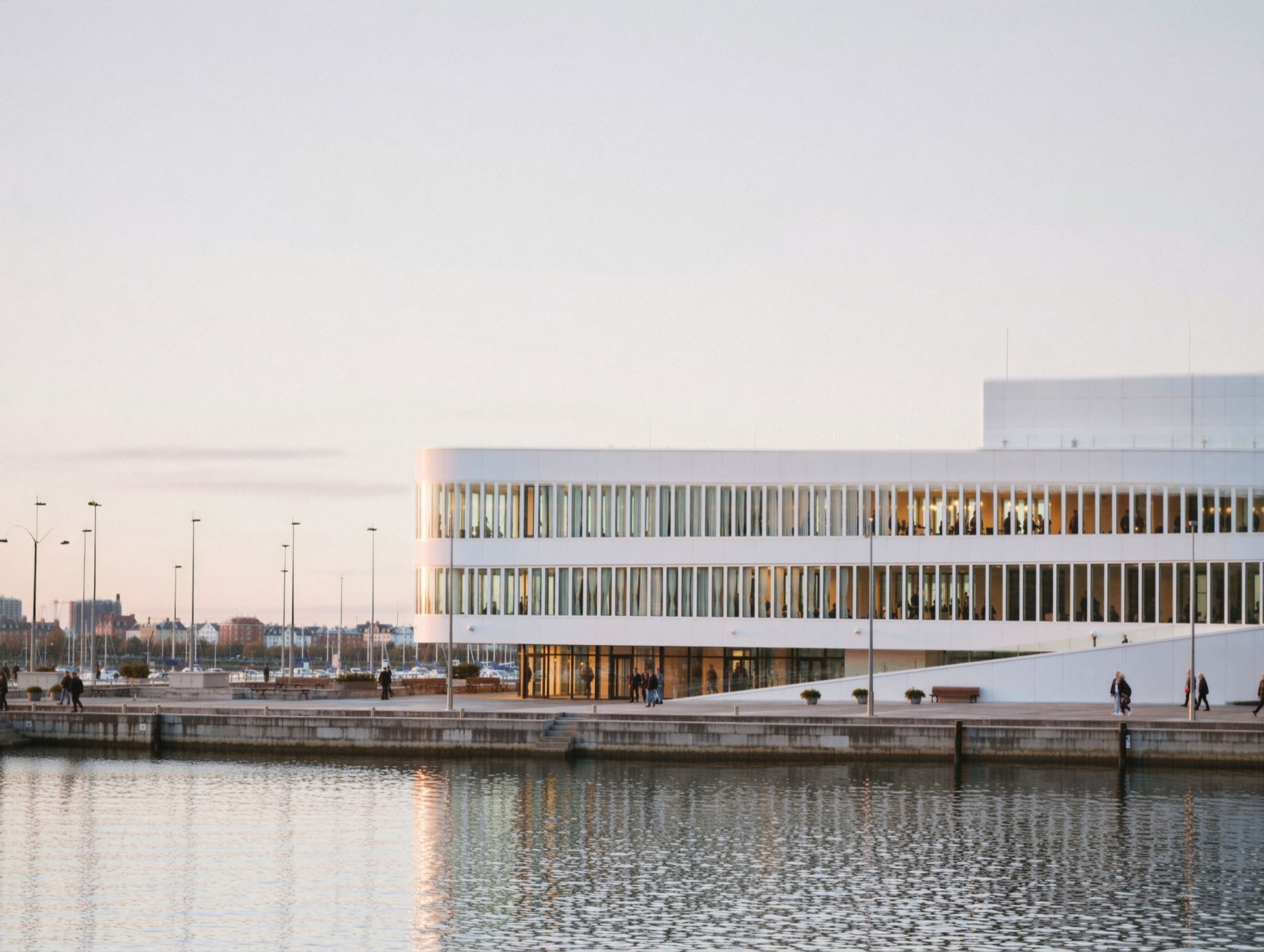
▼AI建筑设计概念图视觉效果 © AIRIlab
笔仍由设计师握着
The Pen Still Belongs to the Designer
速度固然重要,但作者性始终是核心。多位受访者指出,尽管 AI 能以极高效率重组既有模式,但它仍无法具备人类创意所依托的深层意图。
MVRDV 的 Fredy Fortich 直言:“AI 是强力工具,但不是魔法棒。”
Gensler 的张逸提出了更具建设性的结构:作者性源于“意图、定义与叙事”,这些元素即使在 AI 参与流程中也依然可被识别。
在实际工作中,团队需要扮演更专业的“策展人”角色:既要能够编写精准提示词,又要具备批判性编辑能力,并能将 AI 的产出转化为可落地的设计方案,成为真正意义上的“翻译者”。
筑博的杨丹荔提醒,AI 图像常常会误读材料与逻辑,因此设计师必须以技术与美学判断进行干预。
Speed matters, but authorship remains central. Many designers pointed out that while AI can reorganize existing patterns quickly, it lacks the deep intention that drives human creativity.
Fredy Fortich (MVRDV) put it bluntly:“AI is a power tool rather than a magic wand.”
Zhang Yi (Gensler) articulated a more structured interpretation: authorship arises from “intention, definition, and narration” , elements that remain identifiable even with AI in the loop.
In practice, teams now need to act as expert curators:writing precise prompts, editing critically, and translating AI outputs into buildable architectural proposals.
Yang Danli (Zhubo Design) further warned that generated imagery can misinterpret materials and logic, requiring designers to intervene with technical and aesthetic judgment.
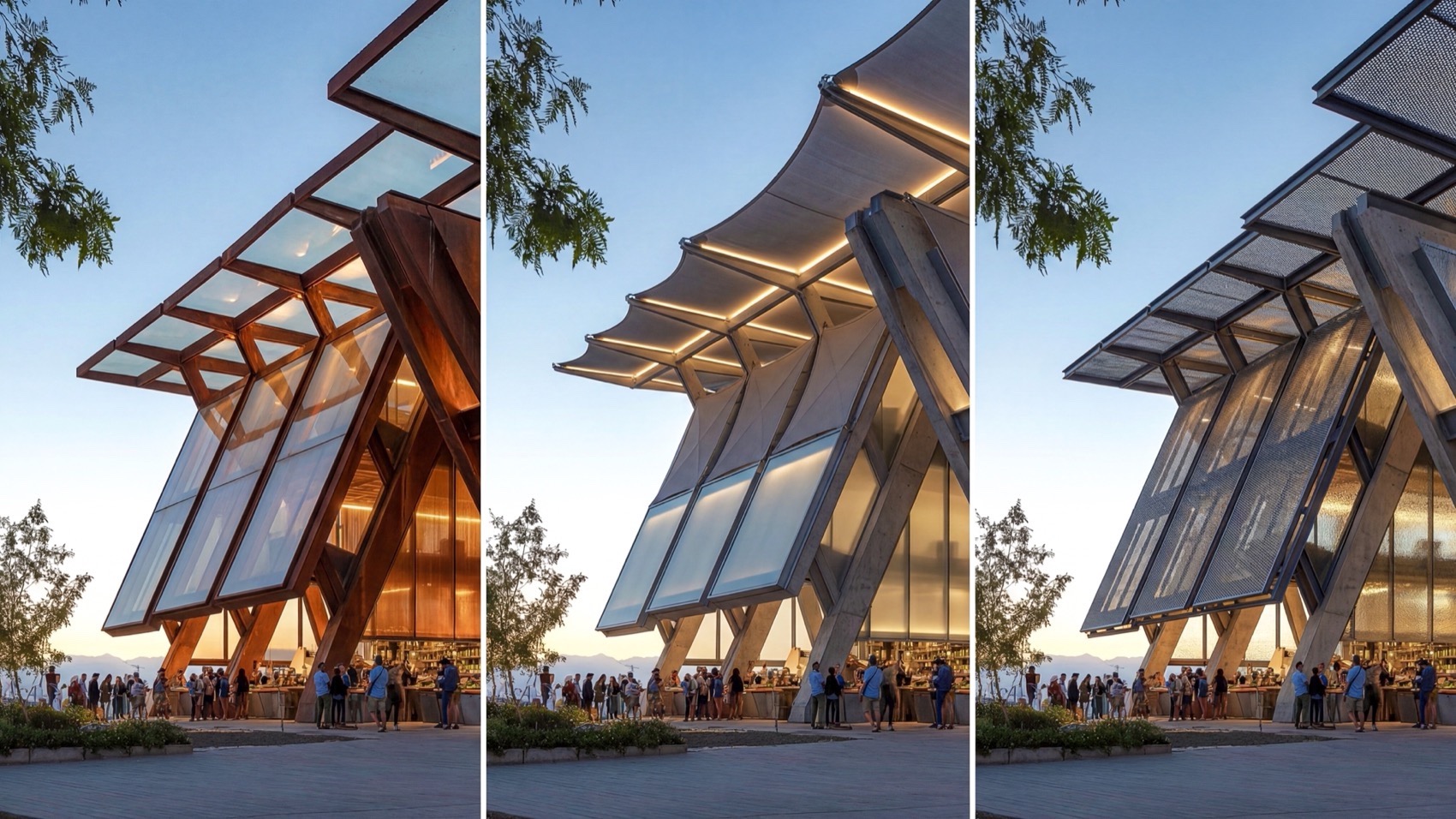
▼AI帮助设计师快速探索不同风格与建筑主体的适配性 © AIRIlab
质量、风格识别与同质化风险
Quality, Style Recognition, and the Risk of Homogenization
在受访者的回答中,同质化的担忧始终贯穿其间。多人特别指出,AI 可能带来“算法式统一”的潜在风险。
Buro Ole Scheeren 的 张启民 指出,设计团队必须在“美学层面与流程层面”都保持敏感度和批判性。
应对策略并不陌生:建立私人模型、精细化内部工作流、强化数据与伦理治理。
Perrossier(LWK+P)呼吁事务所建立能保护创意 DNA 的内部系统;
张逸(Gensler)建议以私有化部署与最少数据留存来保护知识资产。
Concerns about sameness appeared frequently throughout the interviews. Many noted that AI may introduce an “algorithmic uniformity” if used carelessly.
Dan Cheong (Buro Ole Scheeren) stressed the sensitivity is required at both “aesthetic and procedural” levels.
Strategies to counter this are familiar:building private models, refining internal workflows, and strengthening data ethics and governance.
Perrossier (LWK+P) advocated for internal systems that protect a firm’s creative DNA.
Zhang Yi (Gensler) recommended private deployment and minimal data retention to safeguard proprietary knowledge.
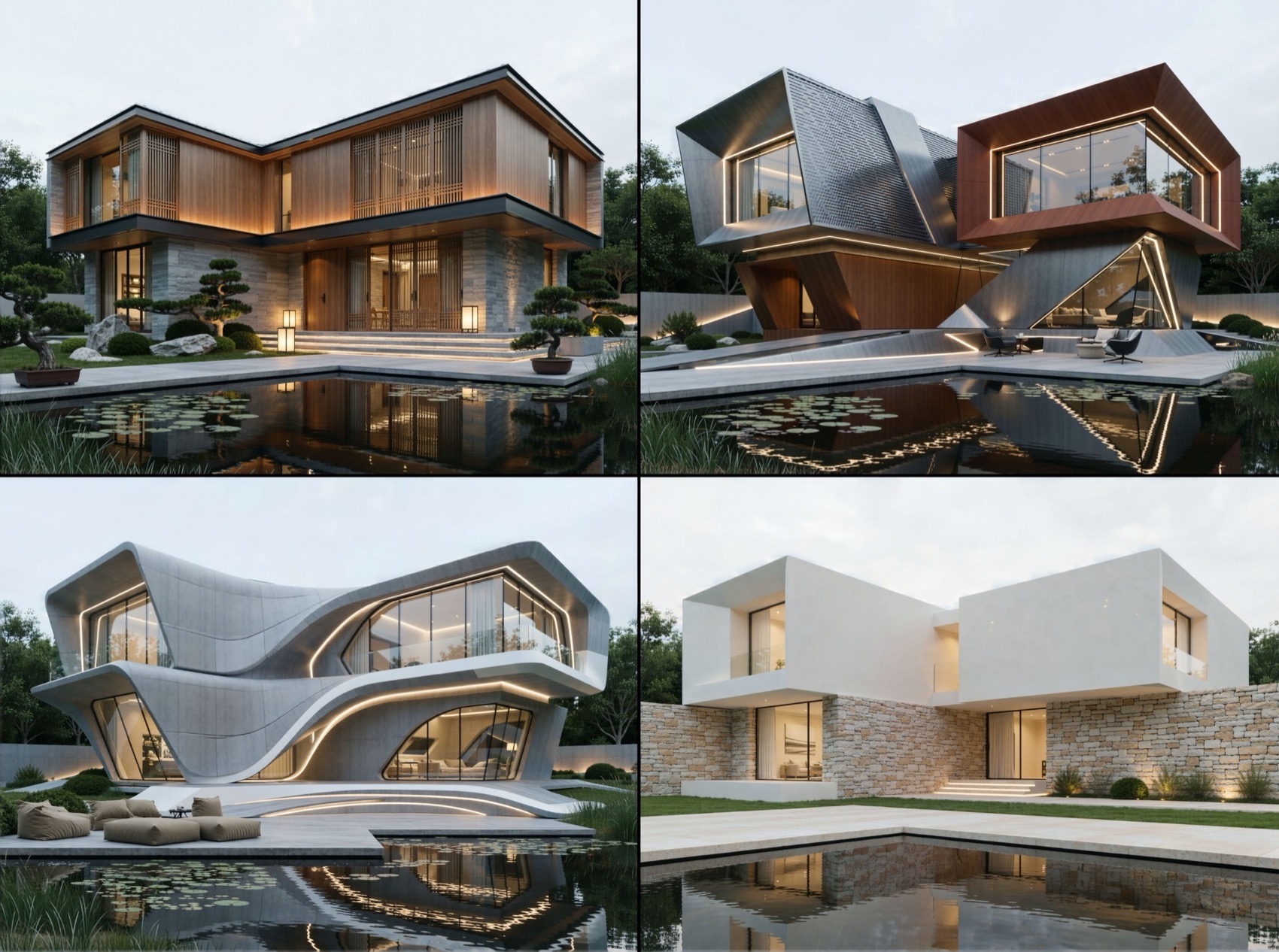
▼AI帮助设计师快速验证不同设计风格与体量体块的适配性 © AIRIlab
AI 在建筑全生命周期中的角色定位
AI Across the Architectural Lifecycle
受访者普遍认为,AI 并非在某个单一阶段带来“魔法时刻”,而是作为一组能够贯穿不同环节的工具体系发挥作用:
• 概念与初期设计:用于扩展灵感、即时生成视觉选项,并帮助更早实现客户对齐(影响最高)
• 方案与深化阶段:支持渲染、快速比选与方向验证(影响中等)
• 施工与落地阶段:在重复制图、BIM 协作与质量审查中逐步展现价值(影响持续提升)
AI 帮助设计师从体量到最终形态可视化一栋现代混凝土住宅,并通过平面、立面与剖面清晰展示其空间逻辑。
深圳笛东的 马恺 给出了逐阶段的精细框架:在创意空间更大的地方使用 AI,在需要极高技术严谨度的环节保留人工监管。
Interviewees generally agreed that AI does not create a single “magic moment” in one phase but instead functions as a suite of tools across the entire process:
• Concept and early design: Expanding inspiration, generating instant visual options, accelerating client alignment (highest impact)
• Design development: Supporting rendering, rapid comparison, and direction validation (moderate impact)
• Construction and delivery: Emerging value in repetitive drafting, BIM collaboration, and quality review (growing impact)
AI helps designers visualize a modern concrete residence from massing to final form, using plans, elevations, and sections to clarify its spatial logic.
Michael (SZ DDON) outlined a staged framework:use AI where precision is lower and creative bandwidth benefits most, and retain expert oversight where technical rigor is required.
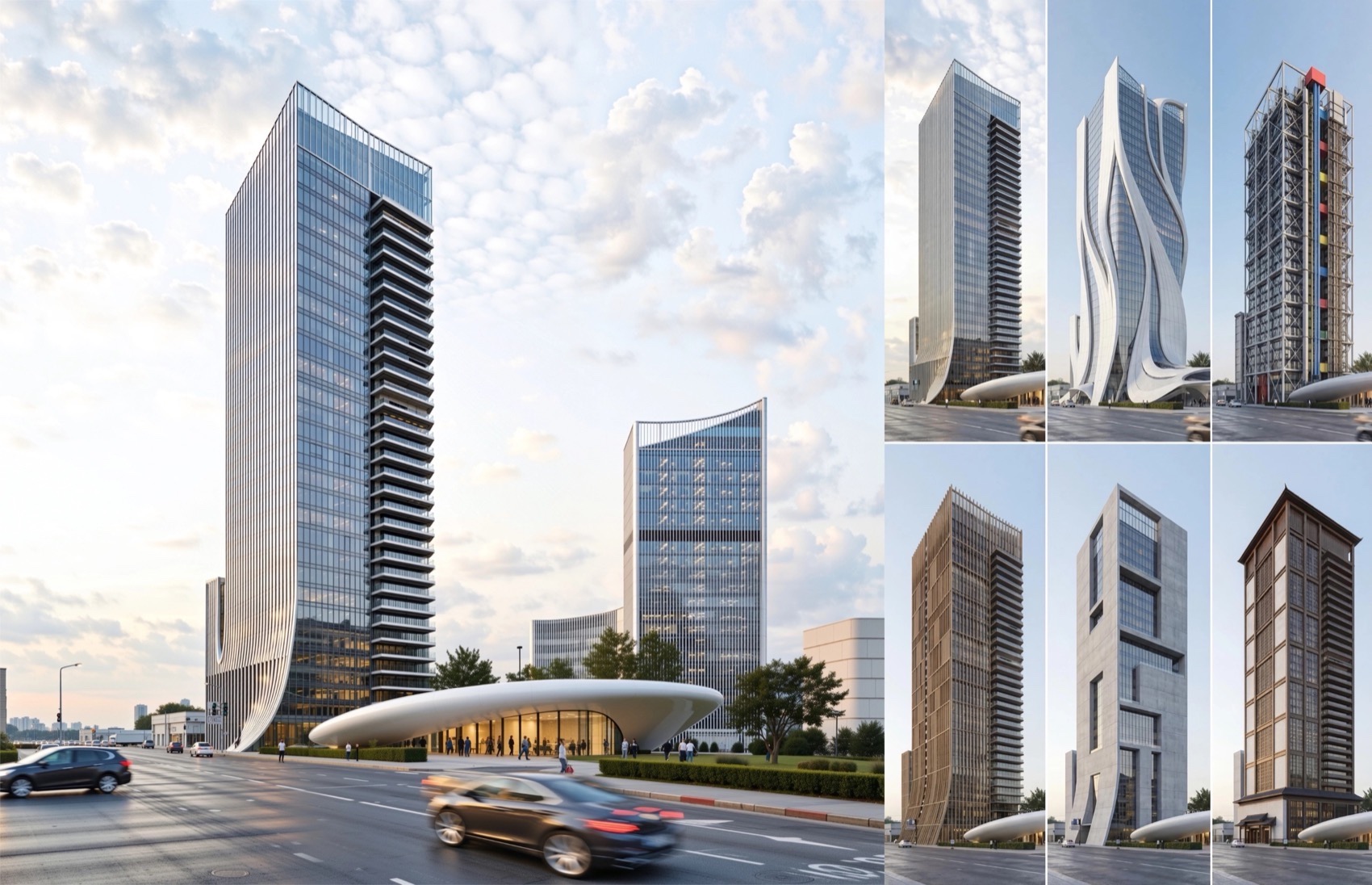
▼AI帮助设计师快速对比并筛选不同材质的立面方案 © AIRIlab
团队不会消失,而是重组
Teams Will Not Disappear ,They Will Reorganize
AI 改变的不是岗位本身,而是团队的组织方式。多位行业负责人预期,未来的团队将由创意主导者、计算设计师与数据专家共同组成,更加混合式、协同式的结构。
Perrossier 指出:“混合式协作即数据专家、计算设计师与创意负责人之间的共生工作关系。”
Buro Ole Scheeren 的 张启民 强调,未来的建筑师将因整合性推理与人与人间的协作能力而更具价值。
AI is reshaping team structure rather than replacing roles. Many leaders foresee studios composed of creative leads, computational designers, and data specialists — more hybrid, more collaborative.
Perrossier described this as “Hybrid collaboration — data specialists, computational designers, and creative leads working symbiotically.”
Dan Cheong (Buro Ole Scheeren) noted that future architects will be valued for their integrated reasoning and human collaboration.
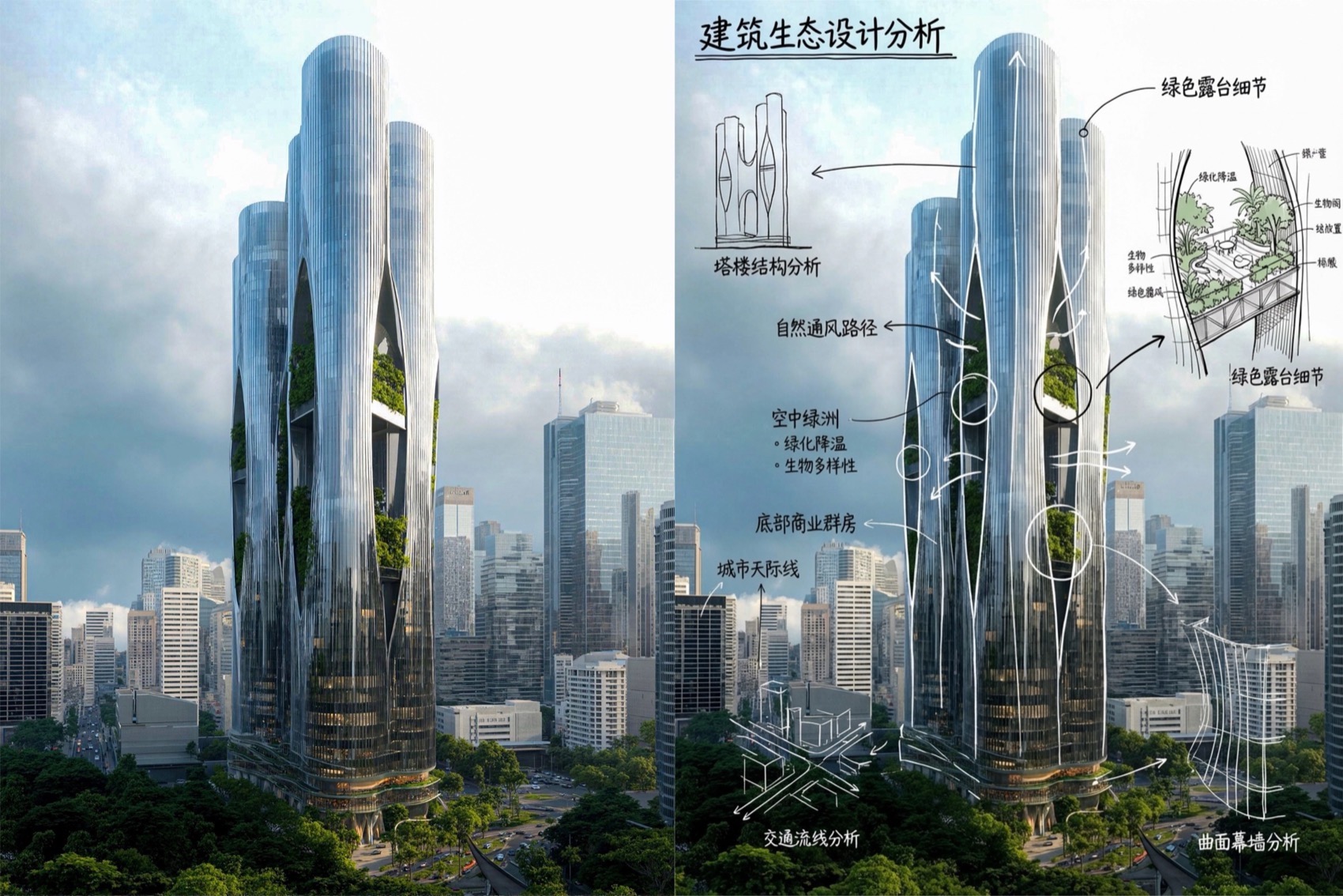
▼AI帮助设计师快速进行建筑分析呈现 © AIRIlab
实践挑战与所需心态
Practical Barriers and Required Mindsets
AI 落地面临的阻碍十分现实,包括数据准备的工作量、工具本身的投入成本,以及组织内部对新技术的文化抵触。
CUBE 的 王博 提到市场焦虑——经济下行让事务所在尝试新工具时更谨慎,但 AI 同时也为小尺度改造、个性化街铺等快速项目创造了新机会。
华艺设计的胡斐提醒不要迷信 AI 图像质量:“AI 图像是决策加速器,而不是最终施工图。”
所有受访者都强调:心态比模型更重要。好奇心、谦逊与实验性学习的文化是关键。
来自 CPG(新加坡)的 吴昊霖 总结道:“新技术不一定永远是颠覆性的,但没有它,就永远不会有真正的创新。”
Challenges to AI adoption remain highly practical:data preparation, tool investments, and internal cultural resistance.
Bob from CUBE highlighted market anxiety, a downturn can make firms risk averse, but also pointed to new opportunities unlocked by AI, such as rapid small scale renovations and personalized storefronts.
Hu Fei (Huayi) cautioned against overestimating AI visuals:“AI images should be treated as decision accelerators, not final construction visuals.”
All interviewees stressed the importance of mindset: curiosity, humility, and a culture of experimentation.
Wu Haolin from CPG (Singapore) summarized:“new technologies may not always be disruptive, but without them, true innovation will never happen.”
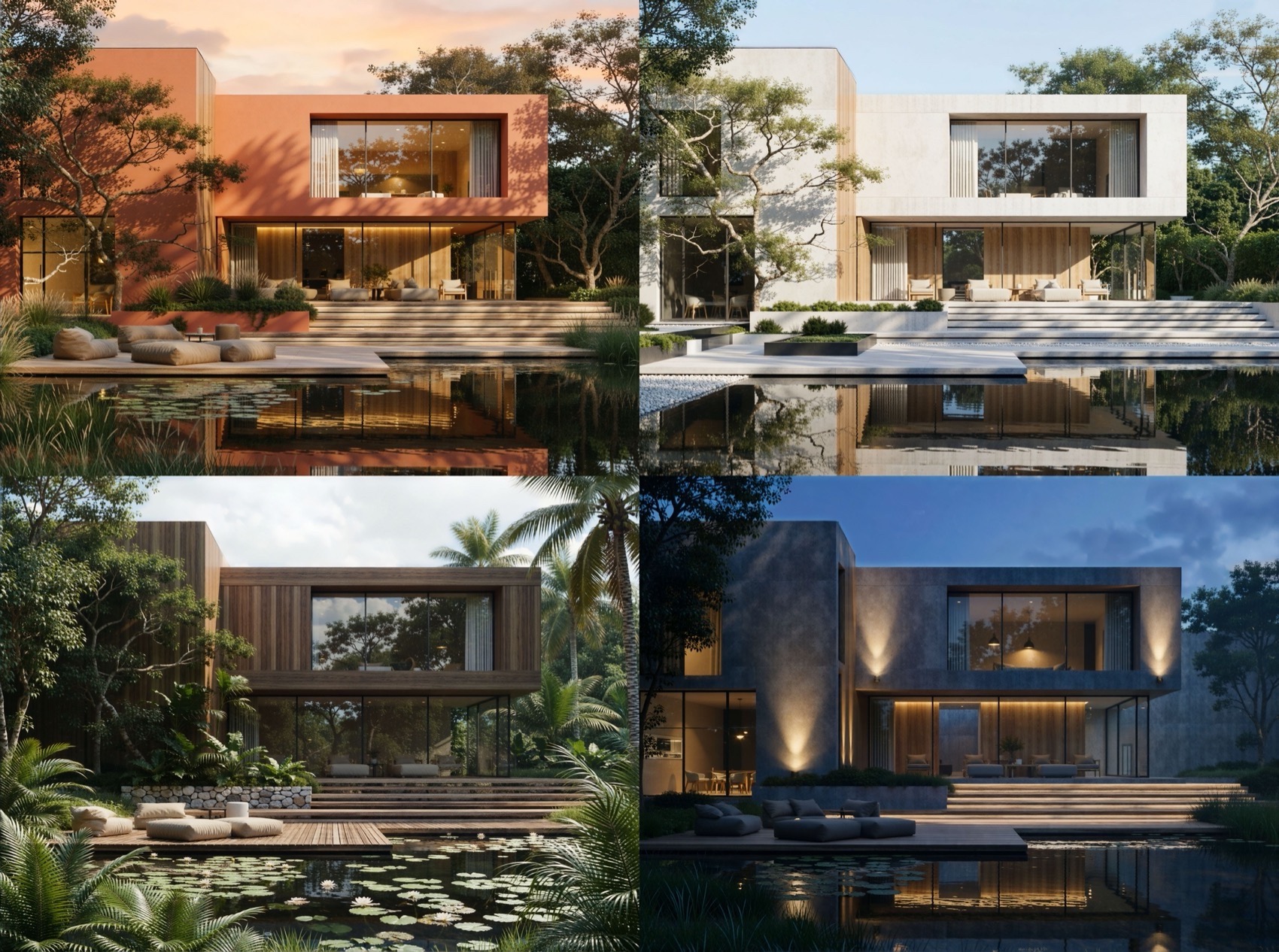
▼AI 帮助设计师评估不同颜色和材料在同一建筑上的适配效果 © AIRIlab
下一个十年会是什么样
Looking Ahead: The Next Decade
受访者期待的最具变革性能力,并不仅仅是图像生成。
马恺(笛东)设想了一种“具备推理能力、性能预测与对话能力的生成式设计伙伴”——一个能讨论取舍,而不仅是生成图像的系统。
MVRDV 的 Fortich 期待未来的 AI 能生成代码自动化重复任务,为参数化优化打开大门,并创造在舒适度与采光上更具优越性的建筑。
The most promising future capabilities, according to the interviewees, go far beyond image generation.
Michael (SZ DDON) imagined a “generative design partner with reasoning, performance prediction, and conversational abilities”, a system that discusses trade offs, not just outputs images.
Fortich (MVRDV) anticipated AI that generating code to automate repetitive tasks, open the door to parametric optimization, and create buildings that offer greater comfort and better daylight for their users.
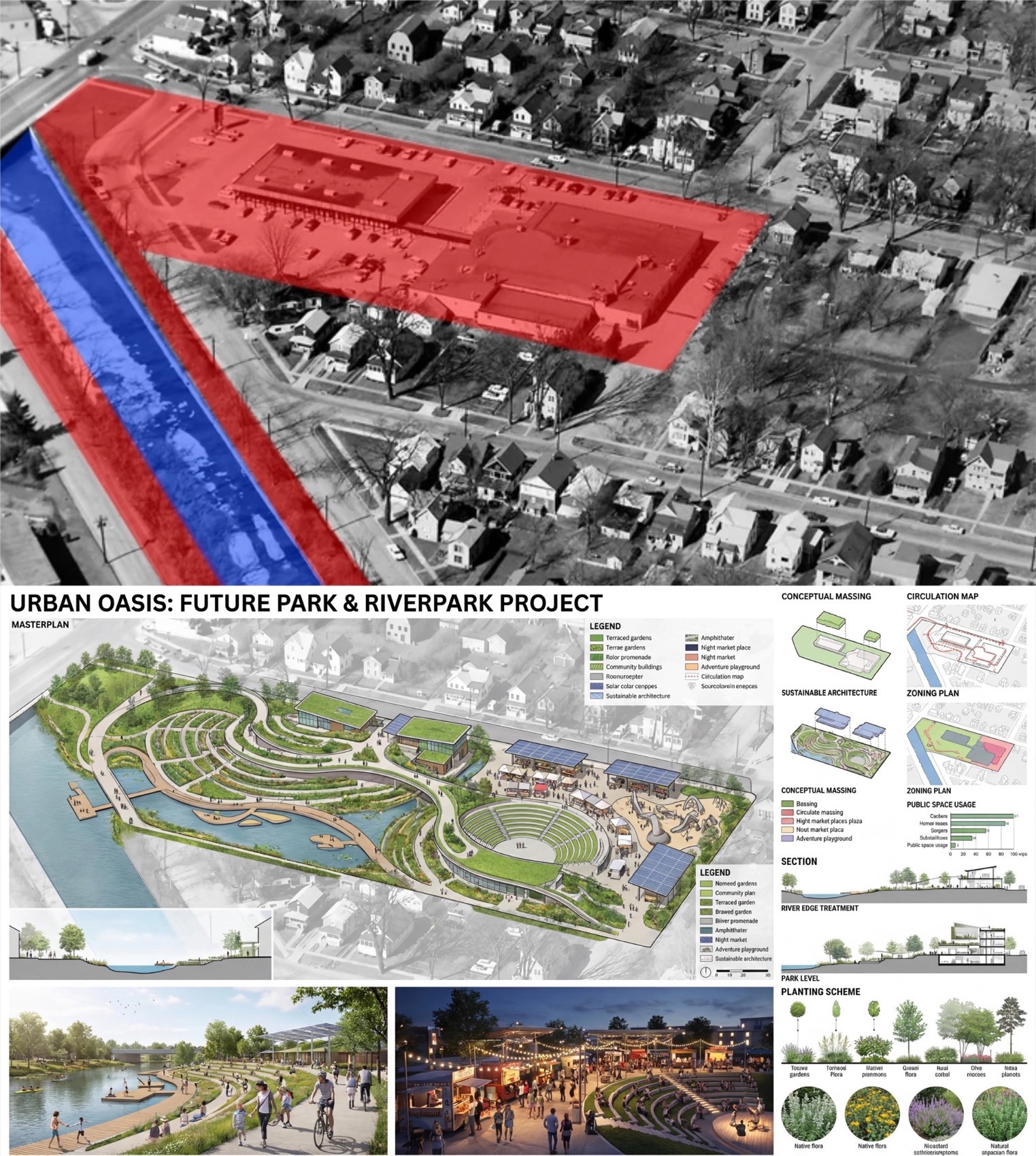
▼AI在真实场地的基础上,协助设计师进行整体方案的推演与研究 © AIRIlab
AIRIlab:连接建筑师与 AI 的关键纽带
AIRIlab: A Key Bridge Between Architects and AI
调研结果同样呼应了 AIRIlab 的核心理念。AIRIlab 由建筑师发起,专为建筑行业打造产品与服务,目标是加速 AI 在建筑工作流中的深度融合。

对 AIRIlab 而言,AI 的价值并不在于取代设计师,而在于提升创造力、精度与整体效率。其核心平台 airilab.com 是一个专业的建筑类 AIGC 系统,能够依据建筑逻辑生成与迭代设计概念,使设计探索更快、表达更精准。除了平台本身,AIRIlab 还与领先事务所合作,为其构建定制化数据集、模型微调方案与专属 AI 工作流,使团队在保持自身设计语言的前提下,最大化发挥 AI 的能力。AIRIlab 的愿景不仅限于提供工具,更在于搭建建筑文化与新兴 AI 技术之间的桥梁。团队与亚洲及全球合作伙伴持续实验 AI 如何塑造前期设计、提升可视化生产力,并激发新的建筑思维模式。
在 AIRIlab 的视角中,AI 在建筑中的角色不是自动化承诺,而是技术与设计之间不断深化的对话,并将通过真实项目与长期合作持续演进。
The findings closely reflect AIRIlab’s core mission. Founded by architects for architects, AIRIlab builds tools and services to accelerate deep AI integration in practice.
The value of AI, from AIRIlab’s perspective, lies not in replacing designers but in expanding creativity, precision, and overall efficiency.The core platform, airilab.com, is a professional AIGC system centered on architectural logic, enabling rapid conceptual generation and iteration.Beyond the platform, AIRIlab collaborates with leading firms to build custom datasets, fine tuned models, and proprietary AI workflows — ensuring teams maintain their unique design language while maximizing AI’s capabilities.AIRIlab aims not just to provide tools but to bridge architectural culture with emerging AI technologies, continuously exploring how AI reshapes early stage design, enhances visualization productivity, and inspires new modes of architectural thinking.
In AIRIlab’s view, AI is not a promise of automation but an ongoing dialogue between technology and design — one that will evolve through real projects and long term partnerships.
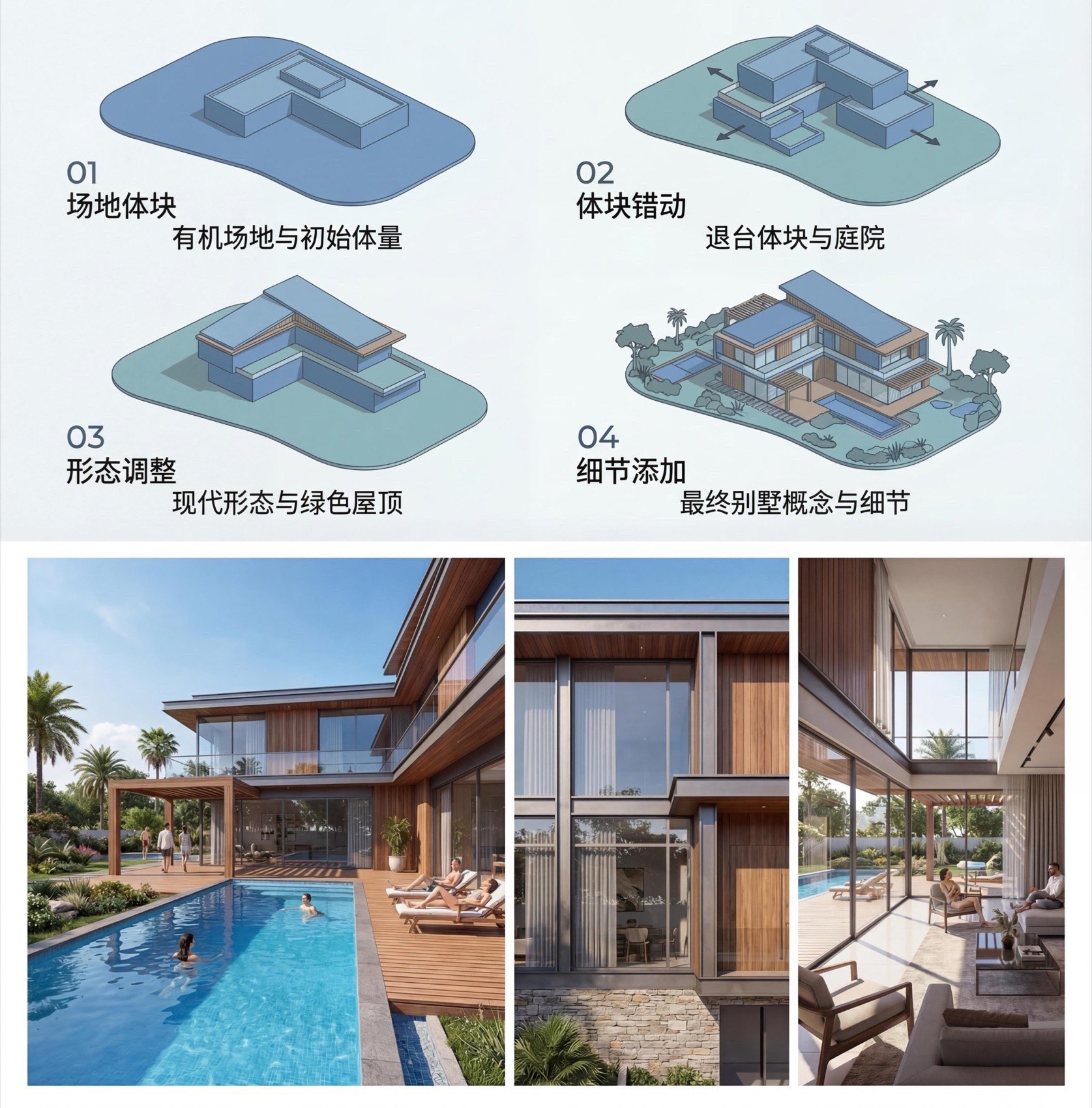
▼AI快速协助设计师从体块推演到细部完善,展现室内外一致的空间体验 © AIRIlab
结语:校准,而非炒作
Calibration, Not Hype
调研结果表明,建筑行业已具备拥抱 AI 的准备,但态度依然谨慎。事务所真正需要的并非盲目跟风,而是以自身节奏逐步整合 AI,通过完善治理体系、打造内部工具与培育组织文化,确保创造力与专业技艺不被削弱。
AIRIlab 的使命,正是协助设计师提升探索与决策能力,同时确保作者性与设计主导权始终牢牢掌握在人类手中。
The architectural industry is ready to embrace AI but remains cautious. Firms do not need blind adoption; they need calibrated integration , building governance, internal tools, and cultural foundations that protect creativity and professional skill.
AIRIlab’s mission is to help designers enhance exploration and decision making while ensuring authorship and design leadership remain firmly in human hands.
受访人:
·马恺(深圳笛东景观 副总裁)
·张逸(Gensler 建筑师)
·Alexandre Perrossier(LWK+P 建筑事务所 KSA 总监)
·张启民(Buro Ole Scheeren 合伙人)
·Fredy Fortich(MVRDV 建筑师)
·吴昊霖(新加坡 CPG Consultants 首席建筑副主任)
·杨丹荔(筑博设计 主任建筑师)
·胡斐(华艺设计 高级研究员)
·王博(立方建筑设计 设计总监)
Interviewee:
·Michael (Landscape Vice President,SZ DDON)
·Zhang Yi (Architect, Gensler)
·Alexandre Perrossier (KSA Director, LWK+PArchitects)
·Dan Cheong (Partner, Buro Ole Scheeren)
·Fredy Fortich (Architect, MVRDV)
·Wu Haolin (Principal Architectural Associate, CPG Consultants, Singapore)
·Yang Danli (Chief Architect at Zhubo Design)
·Hu Fei (Senior Researcher, HUAYI Design)
·Bob (Design Director, Cube Architecture Design)
更多内容请点击airilab.com
AI 落地面临的阻碍十分现实,包括数据准备的工作量、工具本身的投入成本,以及组织内部对新技术的文化抵触
DK