来自Matti Klenell对gooood的分享。更多请至:Matti Klenell on gooood
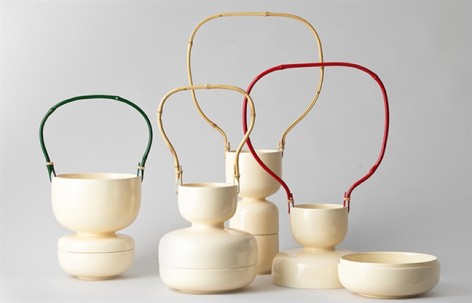
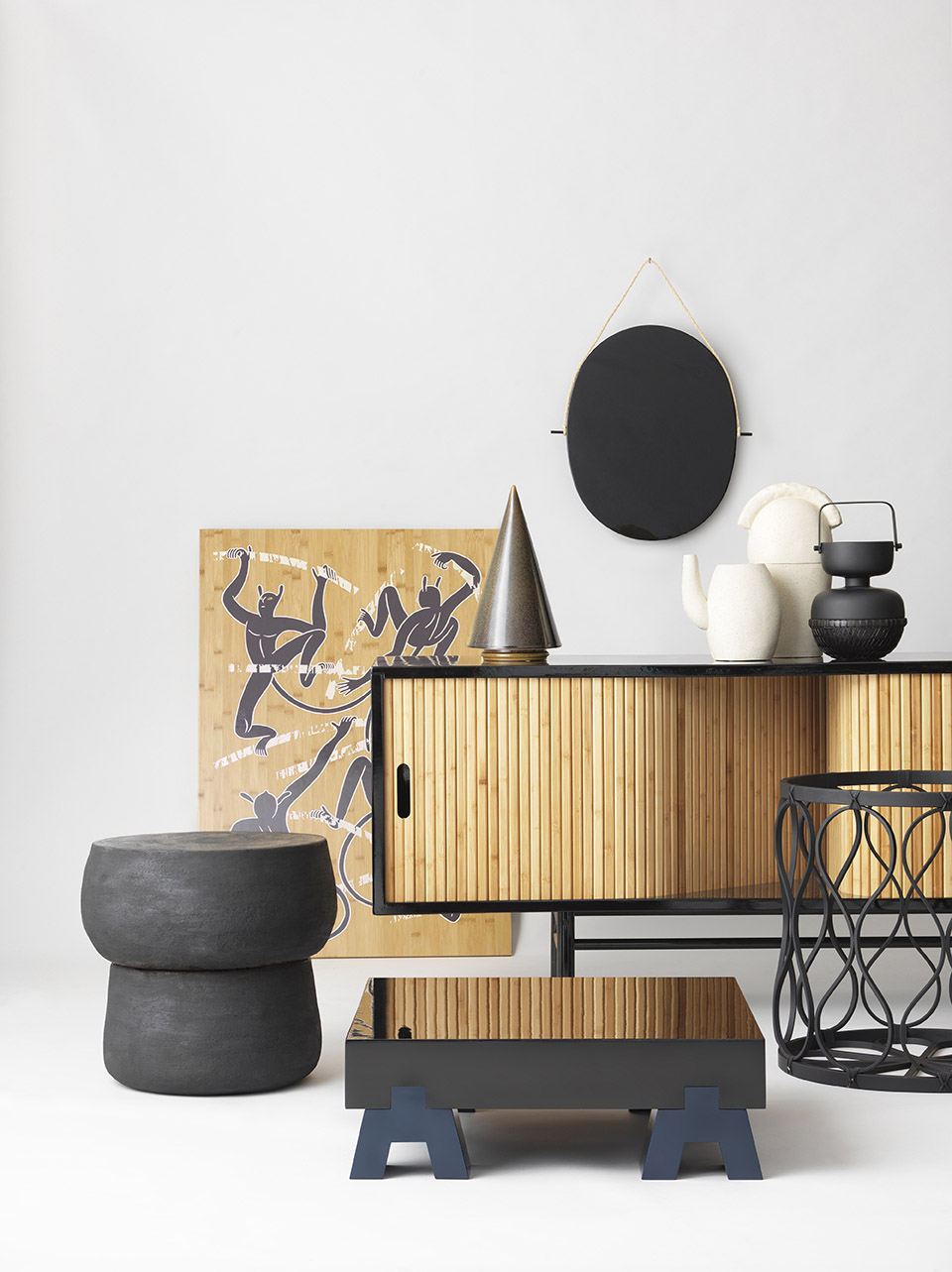
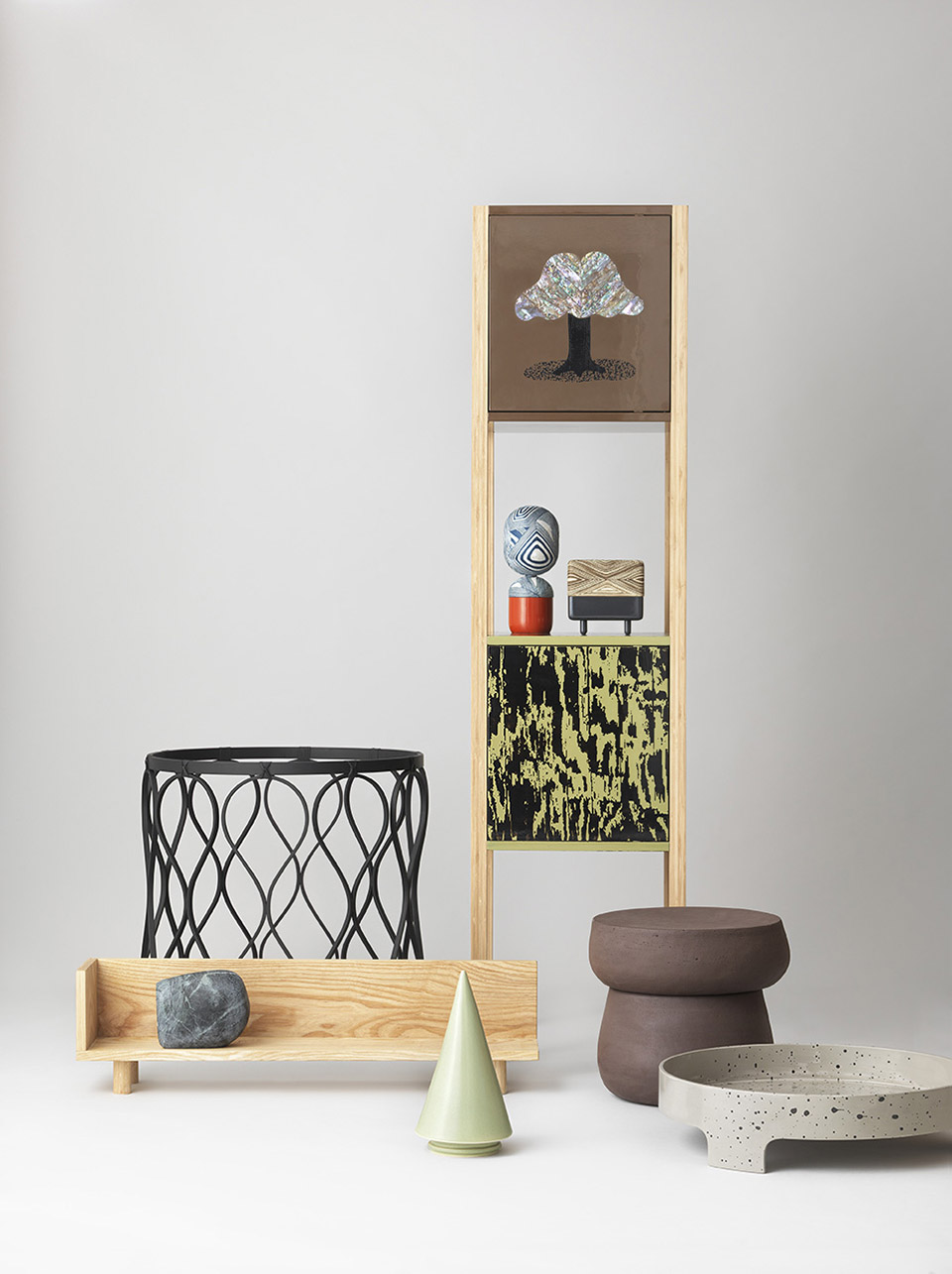
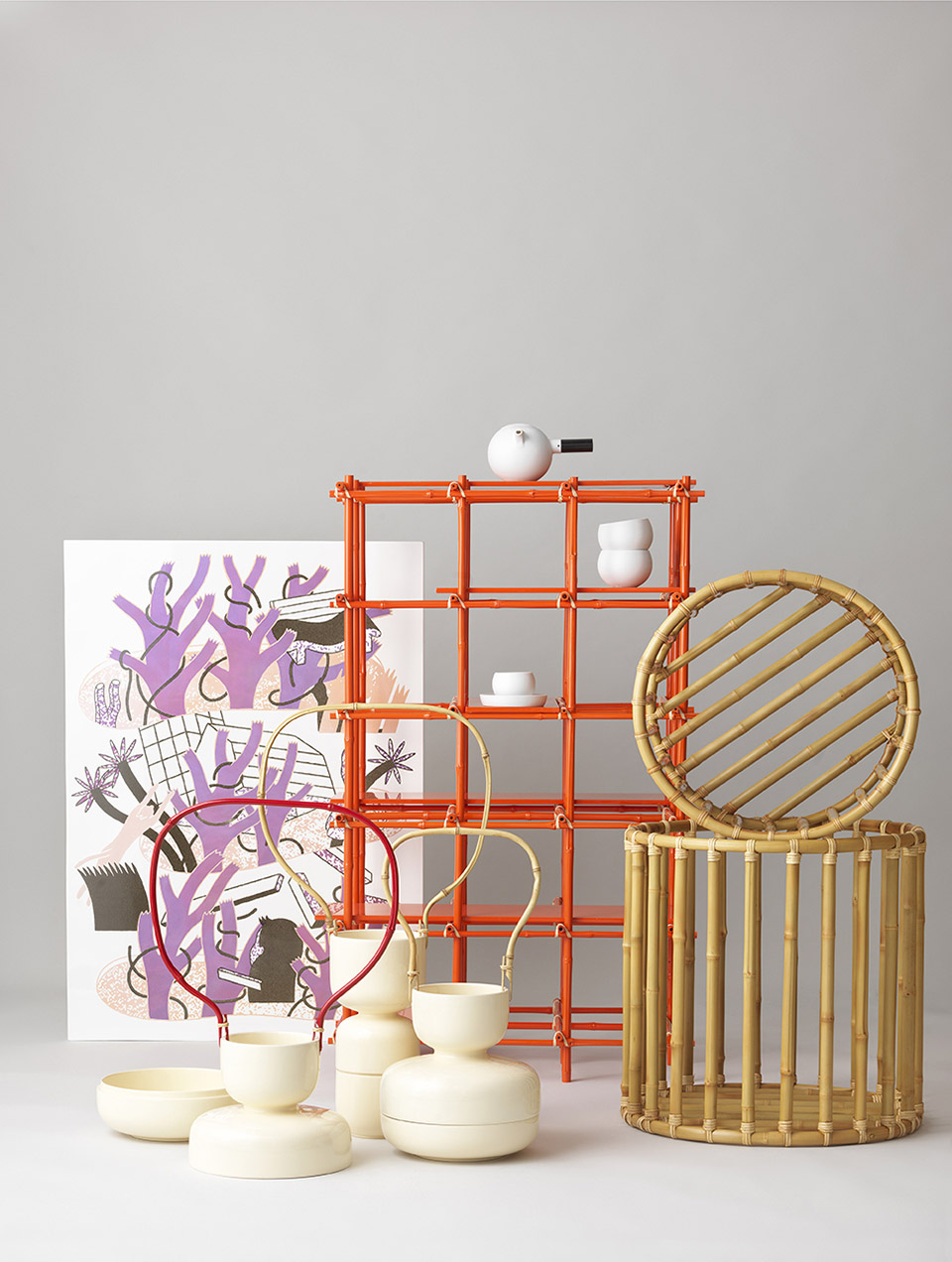
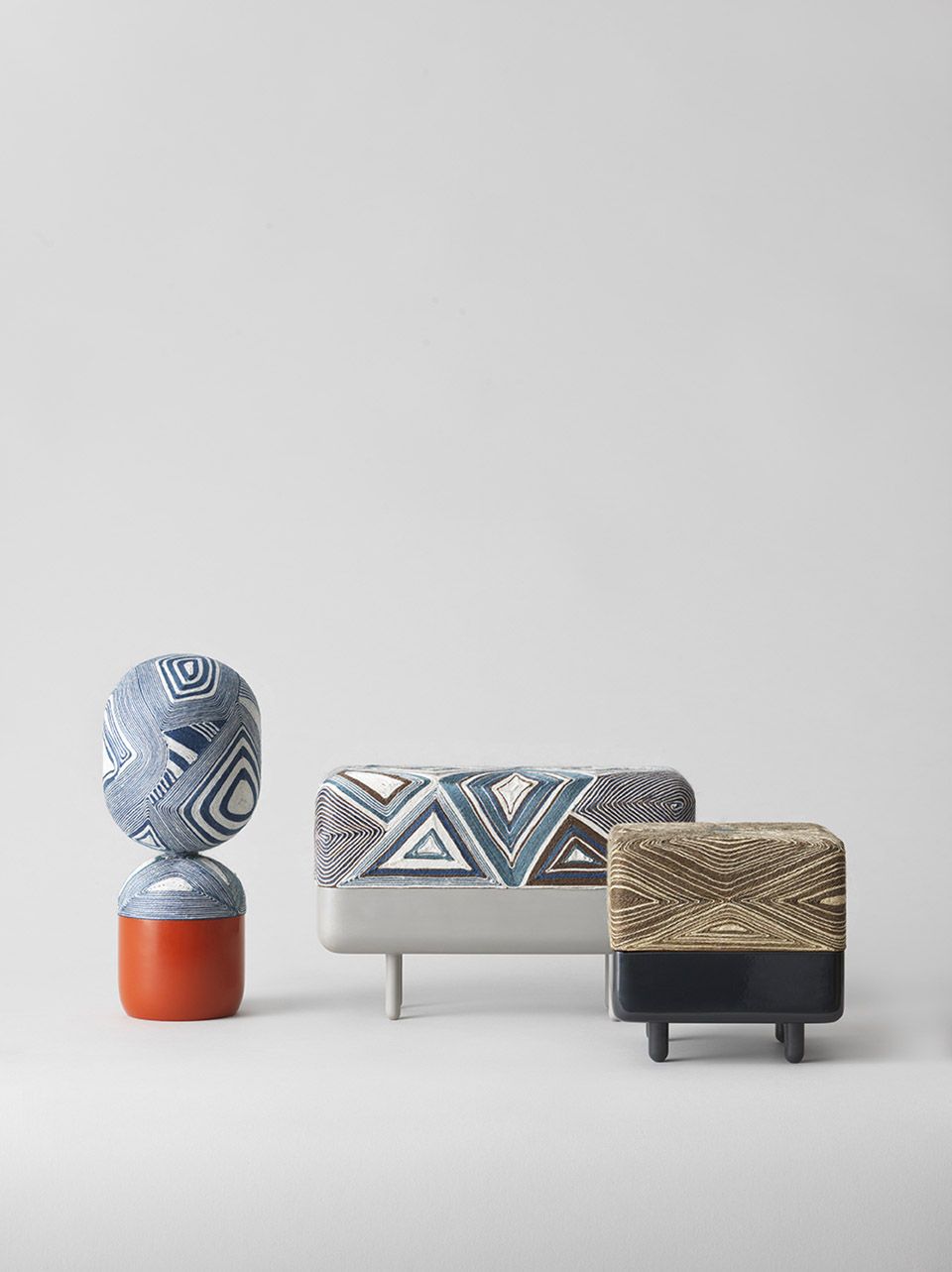
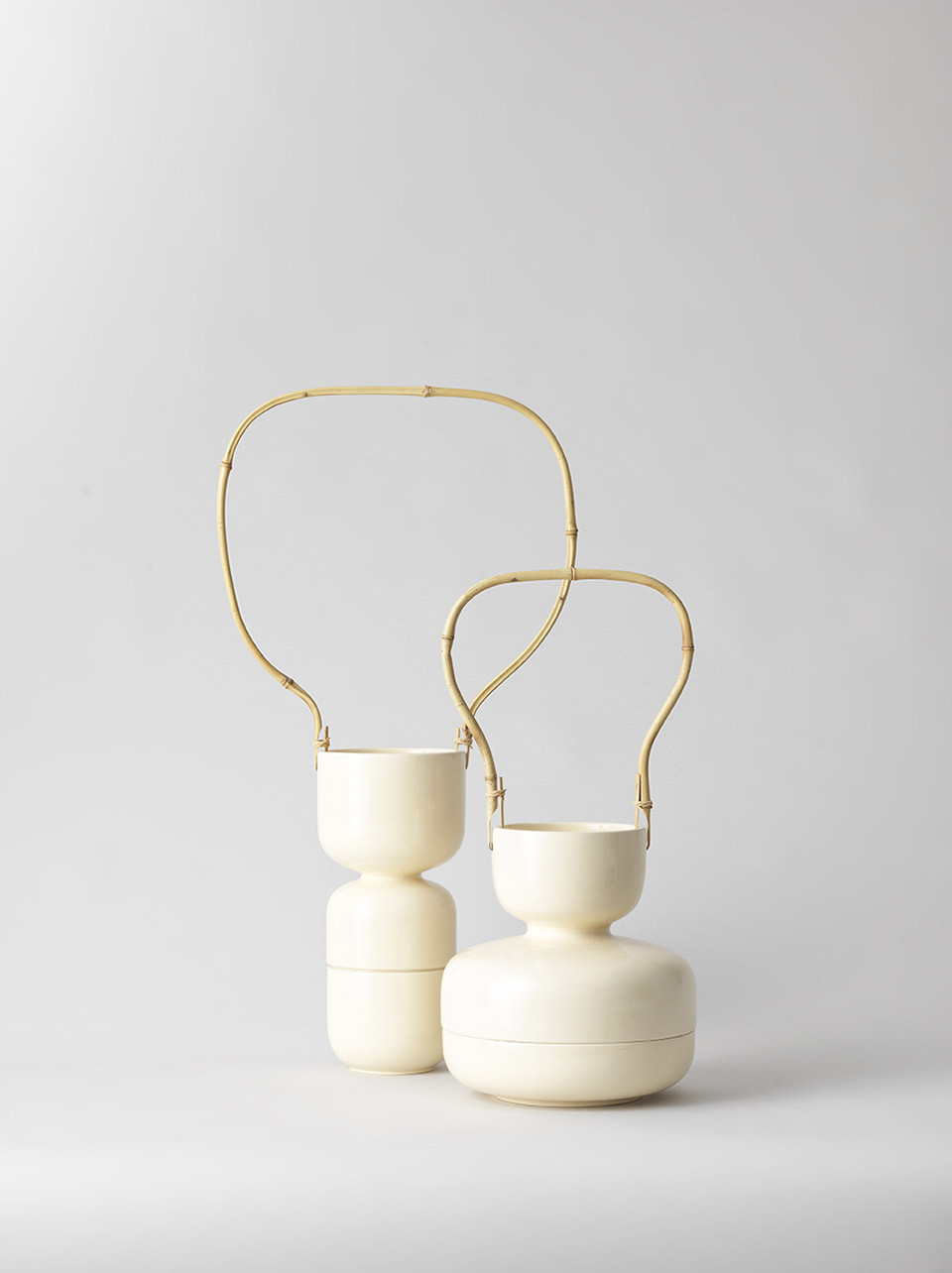
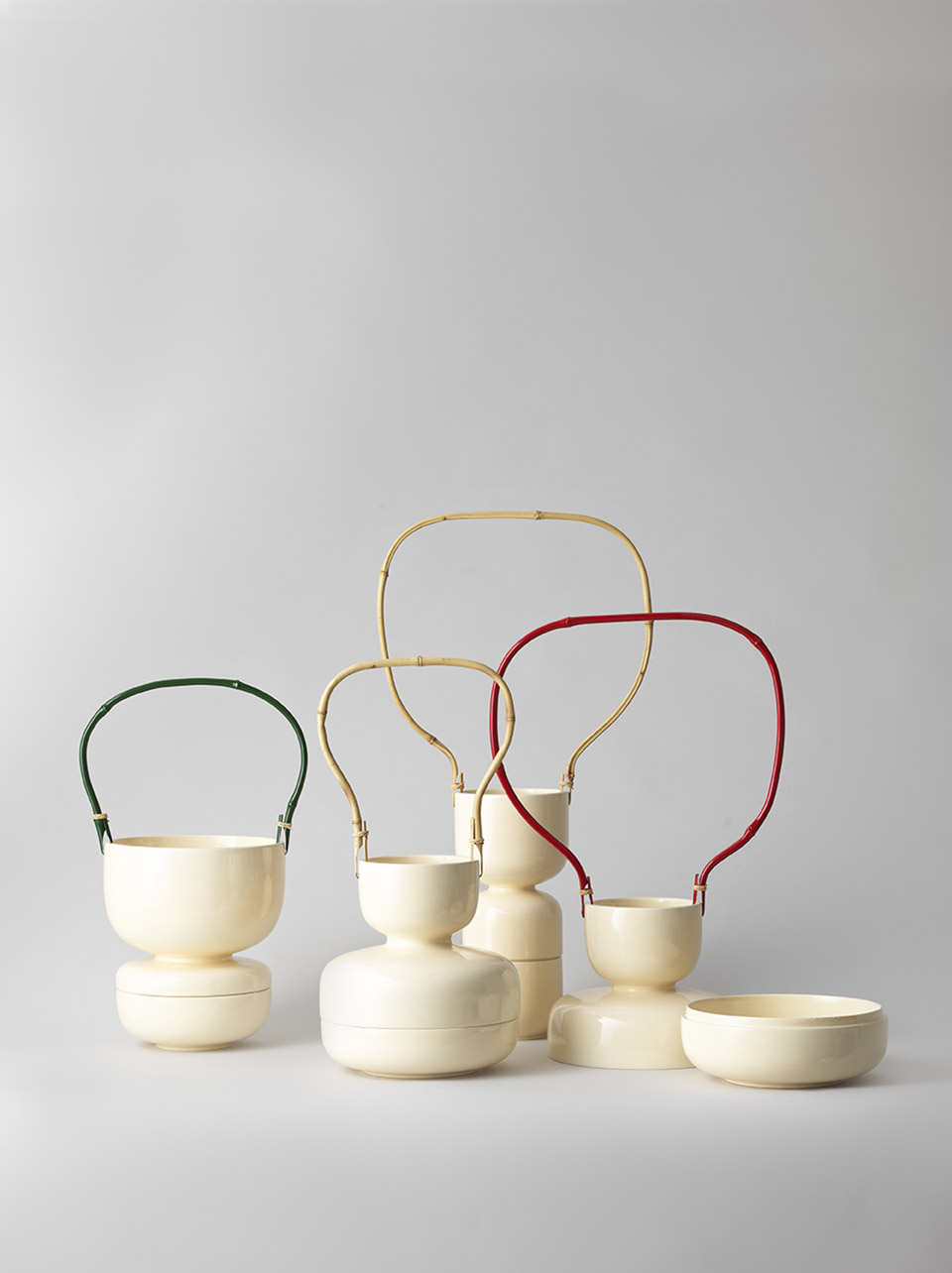
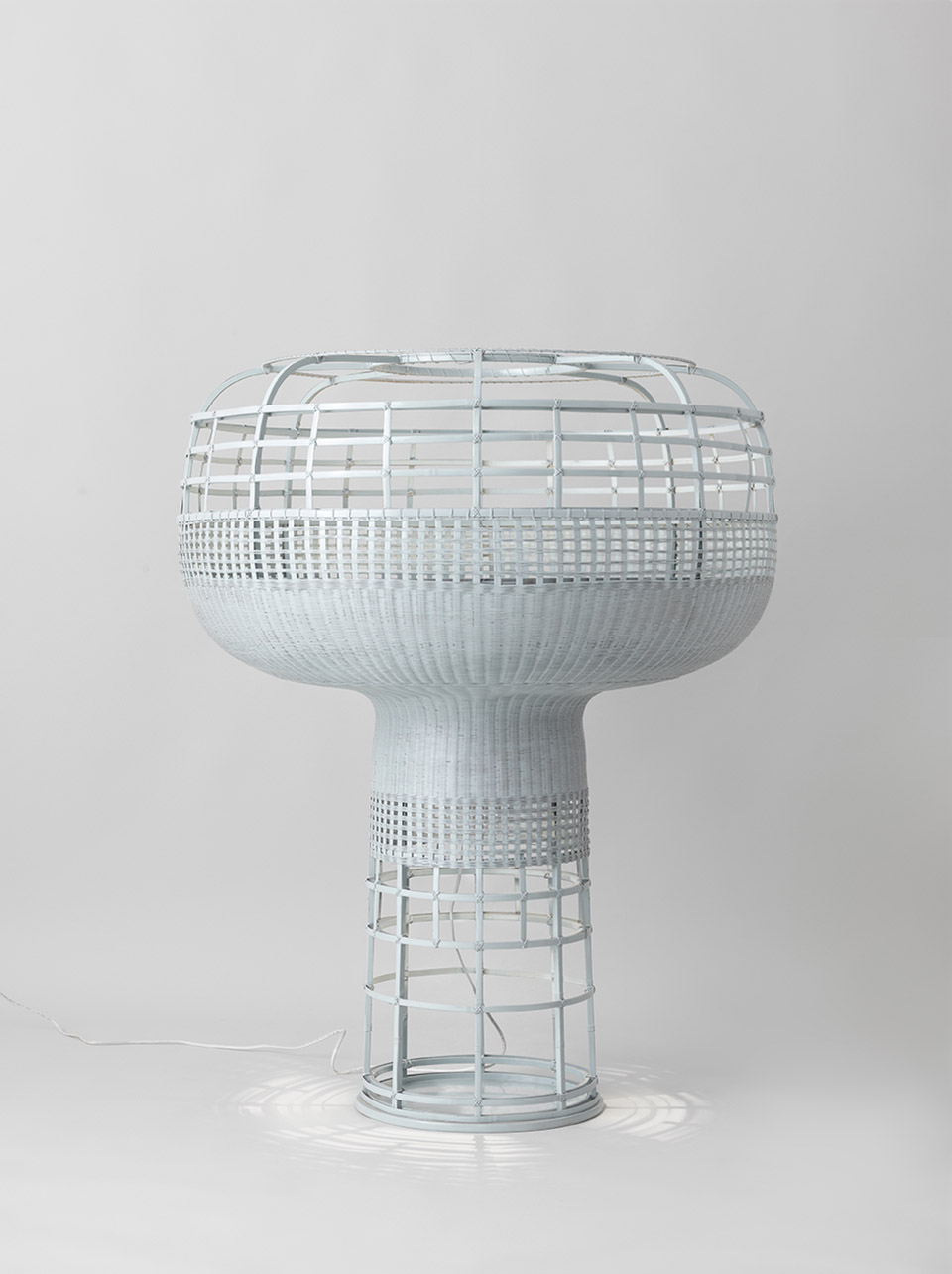
四个瑞典设计师通过台湾工艺研究发展研究所的帮助,研究东亚千年漆文化,并将其与瑞典设计结合,成就传统却现代的醒目作品,这些设计师跟随台湾工匠学习,在台湾历经20多次考察,对陶瓷,木材,金属,柳布条,布,珍珠石等漆器常用材料进行掌握,创作出了35个日常宝贵项目。最后作品在斯德哥尔摩的远东博物馆举行了名为“新层次”的展览,将传统与当今的美学融合并贯通至我们现代社会的发展中,同时振兴了东西方的传统文化发展。
A New Layer was initiated by National Taiwan Craft Research and Development Institute in Nantau, Taiwan. It is a collaboration project between Carina Seth Andersson, TAF, Stina Löfgren and Matti Klenell to put the ancient lacquer artform in a new and contemporary context.
「新层次」身后的古代基础:中国和日本的漆器工艺
东亚地区几千年来所建立,如何使用漆的特性进行创作的知识积累,再结合上当代的瑞典设计,便成为了此次「新层次」特展中的漆器。这些作品透过瑞典设计师:斯蒂娜·洛夫格伦(Stina Löfgren, TAF)、卡莉娜· 塞特· 安德森(Carina SethAndersson)与马帝·克立奈勒(MattiKlenell)以及「台湾国家工艺发展研究所」(National Craft DevelopmentInstitute of Taiwan)的漆器工艺师们的合作创作而成。而所得到的成果是:既传统,又在其设计中具有惊人现代感的物件。一直以来,中国和日本是历史上漆器工艺最精緻且创新的主要地区。他们的工艺师不仅掌握了製作漆器的技术,还发明了琳琅满目,使漆成为既具有功能性,又具有装饰性原料的方法。我们将会讨论到上漆的主要技术,但是,其实还存在著更多製作漆器的技术。而更了解漆器的发展,不但能够将本次特展的漆器与七千年前开始的历史加以连结,同时也会使为什麽这些作品在今天是如此地独特且重要更加地显而易见。
The ancient foundations behind A New Layer:lacquer technology in China and Japan
The lacquerwares in the exhibition A New Layer is the result of the accumulated knowledge of how to work with the properties of lacquer,built up over thousands of years in East Asia, in combination with contemporary Swedish design. The works have been created through a cooperation between the Swedish designers Stina Löfgren, TAF, Carina Seth Andersson, and Matti Klenell and lacquer craftspeople from the National Taiwan Craft Research and Development Institute.
As a result, the objects are at once traditional, yet strikingly modern in their design. China and Japan are the key places where lacquer technology has historically been most refined and innovative.
Their craftspeople have not only mastered lacquer techniques,but also invented a dazzling array of methods in which lacquer can be used as a functional as well as decorative material. The main techniques of lacquering will be discussed, but there exist even more techniques in which lacquer can be worked. By having a better understanding of the development of lacquer, it at once secures the lacquerwares in this exhibition into a history that started over seven thousand years ago, and also makes it more apparent why these works today are unique and important.
漆– 原料
「漆」的定义一直在不断地扩展,尤其是在过去的一百年之间;而现在也涵括快乾性溶剂系以及合成丙烯酸漆。但是,这个特展则著重于有些时候被称作「真漆」的漆:它们通常由汁液中包含漆酚(漆的活性成分)的各种树木的树脂所製成。「漆」 这个字,最初来自原产于印度和东南亚的胶虫。它们吸食树木的汁液,收成加工后就可以製成一种可用于染丝、製作化妆品、黏合固定珠宝或者作为涂绘表层的树脂。它也可以用来保护木材、金属、皮革与其他材料。这种类型的漆有时候被称为「树脂漆」。最「真」的漆器,尤其是那些在东亚地区所製作的,就是用俗称漆树(Toxicodendronvernicifluum)的汁液所製作。而漆,也可以来自含有类似漆酚,称为「紫胶醇」(laccol)或者「缅漆酚」(thitsiol)物质的树木。这一类型的漆则来自于东南亚大陆以及台湾。
漆树至少要有十岁的树龄才能开始收获树汁,採收方式则大多与从橡胶树导流胶乳相同。从树的树皮切口,树液从切口流出,再慢慢由放置于切口下方的小容器加以收集。然后黏性液体会加以过滤以除去杂质。纯漆会被保留,用来製作最高级的物品。也可以掺入不同类型的油料与树汁以提高原料的量,但是,一般而言,掺杂过的漆,品质就不如纯漆一样好,只会用于较为商业的产品。但是,也会依照特定的物品类型、装饰技术或者颜色需求来加入不同的成分,以便提供给漆一定的特性。
漆之所以珍贵,不仅仅在于它的装饰潜力,它也抗水、酸以及来自食物的温度。在本质上,它可以被视作全球的首款塑胶。在考古发掘的工作中,曾经上漆的主体材料常常随著时间的推移而崩坏,却遗留下了漆壳的碎片。漆,对于创作而言,是一种複杂且耗时的原料。它需要花费很长的时间,藉由氧化和聚合反应(非仅仅依靠蒸发)来加以乾燥、凝结。如果要让漆能够妥当地凝结,温暖和湿度是必须的。漆可以适用于各种材料的主体,包括:木材、纺织品以及金属。而漆厚度的累积则十分缓慢,因为每一层都可能需要大约三天或者更多天来加以风乾。如果漆层上得太厚,这种原料便不会凝结、硬化。在中国明朝期间( 公元一三六八 -一六四四年),测量出一个漆层可能在〇·〇三至〇·〇五毫米厚,或者更薄,而总层数则可多达一至二百层。
产漆树的树液具有强烈的毒性,这些树与例如:毒藤(poison ivy)和毒橡树(poisonoak)等植物有亲戚关系,可能会引起皮疹和水疱。因此,使用生漆不当就会危害到健康。在中国,贝类则已被证明为与生漆接触而导致之皮肤病的传统治疗法。
中国的漆器
在东亚,从至晚新石器时代起,就已经开始使用漆器。然而,最早的漆可能是用作为一种像是黏合剂的实用性原料,以使物品防水且更为耐用、抗磨损和撕扯 。而漆器最早成为一种艺术形式,最有可能就是在中国。由商代(约公元前一六〇〇 – 一〇四六年)出土的文物,已经发现原本上漆的双轮战车以及具有手绘漆装饰的器皿。绿松石则已被发现用于漆器镶嵌。大量更完整、使用更複杂且更劳力密集技术的材质,已经从追溯至战国时期(公元前四七五 – 二二一年)的陵墓出土,其中包括了涂漆的剑配件、盾牌、箱匣、乐器与其立架,甚至整具棺柩。其被妥善保存的原因之一则是墓室建筑在这个时期变得更为精巧,并且更能够妥善地保护其内容物。书面资料证明了漆器从至晚公元前三世纪起,就已被视为一种奢侈的质材。来自《韩非子》的一个故事传述了传说中的舜帝,大禹(据推测,其创立了中国第一个朝代)前任的皇帝,便使用外观漆成黑色而内部被漆为红色的漆器器皿。 而他的大臣们则规劝他停止使用这些器皿,因为它们被人们认为过于奢华。我们也可以从书面资料中得到一种对早期漆器相对价值的概念。《盐铁论》记载了公元前八十一年在朝廷上的辩论,该辩论于之后不久被整理彙编。上流及中产阶级使用漆器的奢靡招致责难。「一文杯得铜杯十」(漆器花费是铜器的十倍之多)。同样的文本还指出「一杯桊用百人之力,一屏风就万人之功」(漆杯和碗需要百人的努力,而一张屏风则需要费万人之功)。虽然作者可能并没有真正地採证参与製作一件漆器的人数,但是这仍然提供了一种到底多少劳力才能创作出漆器产品的感觉。
在汉朝(公元前二〇六年 – 公元二二〇年)时,漆器达到了一个巅峰。在全球的公共与私人收藏领域,这一时期的彩绘漆器都要比更早期的漆器更具有代表性。器皿以及各种不同的容器皆为了上流人士而广泛製作。其中最常遇到的汉代漆器之一便是用于饮用,被称作「耳杯」的彩绘漆器皿(图B)。它们之所以被如此称呼,是因为椭圆形的杯子在侧边具有扁平的手把,以助于端起杯子。贵金属的镶嵌(「平脱工艺」)、金箔的使用以及新的涂漆风格也都出现在汉代的漆器上。阴刻装饰也在这个时期开始。精緻的雕刻藉由刚刚好切入漆层的下方,或者以对比鲜明的颜料填入线条来加以强调。而漆器的生产自汉代以后,便似乎已经开始放慢,原因则大概是因为它们受欢迎的程度下降。
唐朝(西元六一六 – 九〇七年)是中国历史上著名的黄金时代之一。在王朝的前三分之一,帝国无论在经济和军事上都特别地繁荣昌盛。中国的主要城市成了当时世界上最国际化的城市,而中国也就成为其邻国以及更远地方的灵感与模拟来源 。上流人士们亦十分欢迎充满异国情调的东西,而且几乎所有的工艺形式都经常结合来自萨珊帝国的设计与装饰图案。唐朝也是一个漆器生产重获重要性的时期。在之前使用贵金属镶嵌物的平脱镶嵌技术,则被更进一步发展,增添了珍珠母为使用该技术的额外材料。「脱活乾漆」,开始于汉代,在唐朝时期更臻于完美,并且经常使用于宗教雕塑。在这项技法中,先将粘土芯雕刻成最终形式的近似形状,用漆浸渍的织物加以覆盖物件;再涂上额外的漆层。而补土,一般是由漆与细木屑混合製成,用来塑造细节。一旦漆已经凝固,便将粘土芯加以移除,并在表面增添上最后的润色。这使得物品既耐用且轻便。从唐代保存至今的漆器相对较少。而「正仓院」(Shoso-in),「日本东大寺」(Todai-ji Buddhist temple) 寺院的宝库,在各项珍宝当中,也收藏有中国唐代出色的漆器以及其它物件。
也许当今最知名的漆器类型之一就是「雕漆」。最早存在于盔甲鳞片上的漆器雕刻可以追溯到唐代。简单的圆形和S形雕刻入漆,露出底下不同颜色的漆层。不过,中国完整的浮雕雕刻只在约莫南宋(西元一一二七 – 一二七九年)时期有所发展。之所以完整雕刻的漆器出现较晚,有可能是由于种种的複杂困难:要累积足够厚度的漆层以进行雕刻、确保漆具有正确的稠度以使其能够成为进行雕刻的适当介质。雕漆在明朝初年(西元一三六八- 一六四四年)出类拔萃,尤其是在十五世纪。漆的层次足够厚到进行深层、立体的雕刻,而且边缘也被精緻地平滑化,使物体具有柔和的外观。乾隆皇帝(Qianlong Emperor)的统治(西元一七三五 – 一七九六年)则是另一个雕漆的高点。雕刻变得异常複杂,漆的层次可能涵括红色、浅绿色、深绿色、黄色以及棕色。然而,它们并不如那些我们在十五世纪所看到的漆器来的精緻。中国的漆器工艺在西元十世纪之后继续不断地发展,特别是在发明了新技术的元朝(西元一二七一 – 一三六八年 )。在这些新类型的漆器装饰技术中有一种称为「戗金」(「沉金」),这种装饰以细线条刻入漆器。然后再用金色填入刻痕(图G)。而通常与戗金技术一起使用的雕漆或填漆技术则是发明于西元十五世纪时。在该方法中,设计的方法是首先切去漆的部分,而后再以不同颜色的漆填涂于装饰的部分。填漆的盛世发生于西元十五世纪。乾隆皇帝年间(西元一七三五 – 一七九六年),中国则为法庭製作了数量庞大的高品质填漆製品
在中国, 最后发明的漆器技术就是在十七世纪时,西方知名的「科罗曼德」(Coromandel) 漆器( 图I)。它们之所以被称作「科罗曼德」,是因为很多都经过印度东南方的科罗曼德海岸而出口到欧洲。该技术结合了雕刻、上漆与彩色绘画。科罗曼德漆器的主体是使用木板。首先,先在表面准备白色、测量起来大约一厘米厚,类似石膏的基底。然后将其磨光,并覆上黑色或棕色的漆层。将浅的表面装饰刻入漆器,之后再将颜料涂佈至上述凹陷的部分,以显现出设计。
日本的漆器
在日本,最早开始的漆器使用是在史前时期,而学者于传统上则鑑定第一个在那裡製作的装饰漆器来自于「奈良时代」(西元六四五 – 七四九年)。但是,新的证据正将此日期愈推愈早。不管日本的首件漆器装饰到底从何时开始, 它都似乎受到西元七世纪时唐代中国很大的启发,并且从该时期起接收了漆器工艺。 有一些首批从唐朝抵达日本的漆器目前正收藏于日本的正仓院。日本的工匠们在日本开始从中国接收到漆器之后,很快就精通了这项工艺,且将技术加以发展,并掌握了这些日后成为日本独有的技术。
在奈良时代,漆器镶嵌有金银箔,且有可能是由中国或韩国的工匠所製作。 这种技术最终在西元十世纪时消失在中国,但,却继续在日本发展, 并且在用来装饰漆器的金属镶嵌类型中加入了锡、铅和白鑞(铅锡合金)。而使用金色或银色粉末作为装饰的「莳绘」(Maki-e),也许是日本最著名的漆器类型 。这项技术是在「平安时代」(西元七九四- 一一八五年)所开发,并在「江户时代」(西元一六〇三 – 一八六八年)达到了顶峰。有三种不同类型的莳绘漆器。「研出莳绘」(Togidashi)(以摩擦方式呈现)需要洒金银粉在湿漆上, 然后在金或银粉装饰的上方层叠上额外的黑漆。一旦该漆硬化,便进行表面抛光,直至金或银粉出现,露出装饰。这种手法会产出一种平坦的表面,并透过色调给人一种深厚的感觉。「平莳绘」(Hiramaki-e)(平洒图像)的技法是以相同于研出莳绘的方式开始。金属粉末撒在湿漆上,然后,透明漆层叠于其上。硬化时,便进行抛光,但装饰仍略微凸起。「高莳绘」(Takamaki-e)(高散射图像)是莳绘技法中最后发明的一种类型。它类似于平莳绘,但它使用木炭粉与漆混合建立起留在浮雕上的装饰,这便带给装饰一种更为立体的效果。而製作绘漆器的工艺师们则会依照所需要的结果,使用不同等级与特性的金属粉末。
在日本开发的其他漆器技术还包括了「津轻涂」(Tsugaru),其将不同颜色的漆涂佈在不平的底材上。一旦抛光整平,便带给作品斑驳的外观。研出莳绘的「墨绘」(Sumi-e Togidashi)则类似于莳绘漆器,但其使用山茶花木炭粉取代金属粉末,因此便给予作品水墨画的外观。无论是津轻涂或是研出莳绘的墨绘技法,都是在「江户时代」(西元一六一五 – 一八六八年)开始使用的。
「新层次」
本次特展中的当代漆器作品都延续七千年前即开始在东亚地区的传统。但是,这些作品却不受传统的约束。也没有枯竭的漆器技术。例如,一些在本次特展中的作品具有丝印设计。当代的丝网印刷技法是于一九八〇年代在台湾,配合腰果漆一起使用的,但后来遭到了废弃。本次特展中的一位瑞典设计师协助恢复了这项技法,并将其与莳绘加以结合。结果,瑞典设计师与台湾工艺师之间的合作便更向前发展出了一种装饰漆器的新方式,并使得已经拥有大量作品的漆器工艺更加蓬勃。
「东亚博物馆」(The Museum of FarEastern Antiquities)很荣幸能够举办「新层次」这个展览。它是一个如何将古老技术採纳运用到新的水准,并且持续发展以便符合今天的需要与审美,且使其保持与我们社会之间相关性的例子。我们希望像这样的合作项目将会有助于维护、鼓励并发展东方和西方的传统。
台湾漆器的故事
台湾本身并不生产漆树,1921 年随著日本人引进越南安南种漆树的种植, 并在不同的地区试种, 最后让漆树落脚的地方, 是在台湾的中心位置- 南投县的 埔里, 因为这边的海拔与气候有利于漆树的生长, 且较不受颱风影响。漆农需于凌晨起来採漆, 虽然辛苦,但收入不错, 因此成为很多农民的主业, 有了稳 定的材料来源后, 也开始了漆器的製造。
1928 年日本人山中公开设的「山中工艺美术漆器製造所」, 生产以台湾热带水果、风土民情及原住民为图像的「蓬莱涂漆器」,「蓬莱」沿用古意, 意指 台湾是一座仙境之岛,「涂」为漆艺的指称, 为当时日人来台的观光纪念品, 也在日本销售。由于「蓬莱涂」大受欢迎, 也因此日本在台湾台中的地方政府, 特别将製作漆器的工坊,改建成漆艺学校, 开始了有计画的漆工艺人才培育, 积极训练学员生产製作「蓬莱涂」,让学员在受训完后, 能投入生产以发展经济。而这些人才的散发, 也奠定了台湾后来漆艺产业的重要基础。
1971 年起新竹地区以生漆擦漆的方式, 在家具上涂装, 然后外销到日本, 也让生漆内需产量逐年增加, 在 1980 年代前半期,台湾漆器外销达到全盛时期, 尤其以丰原地区佔 90% 以上。但随著工业文明推展, 塑胶原料及化学漆料的出现, 加上韦恩颱风重创漆树产地, 导致漆器产业开始衰退, 也不再採漆进行漆树的种植与採收。
最后台湾漆器产业演变成个人漆艺创作或以小型工坊的方式作经营, 其中的漆艺装饰技法, 虽有部分沿袭自日本, 但在台湾在地化后, 从不同的匠师手中发展出不同的特色,其中较著名的有: 王清霜及其子王贤民、王贤志的莳绘, 赖高山的脱胎製作, 赖作明的变涂, 陈振芳的贝壳镶嵌及江添昌的蛋壳贴附等漆艺技法, 而这些技艺也透过工艺中心的培育计画, 传授给对漆艺有兴趣的人, 让漆艺能在台湾这块土地上继续开花结果。现代产业的趋势, 渐渐喜欢使用天然材料和传统工艺技术, 让兼具自然环保 与美学的漆艺, 也因此有了新的机会, 加上近年来工艺中心有计画的结合国、内外设计师的设计与台湾工匠的精湛手艺共同研发新产品, 也开创出属于台湾漆器 的当代风貌, 让漆器产业再度受到重视与肯定。
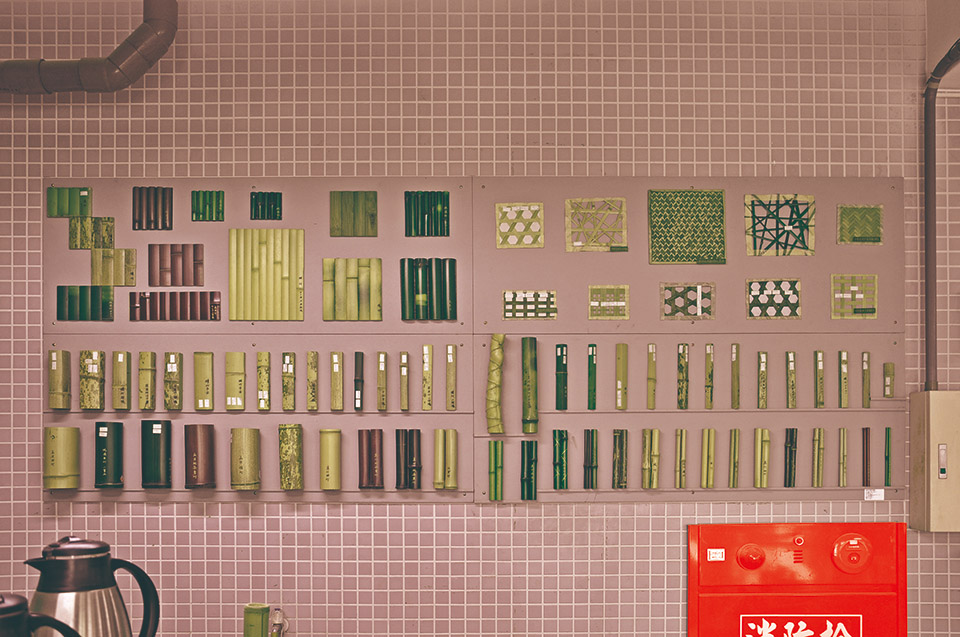
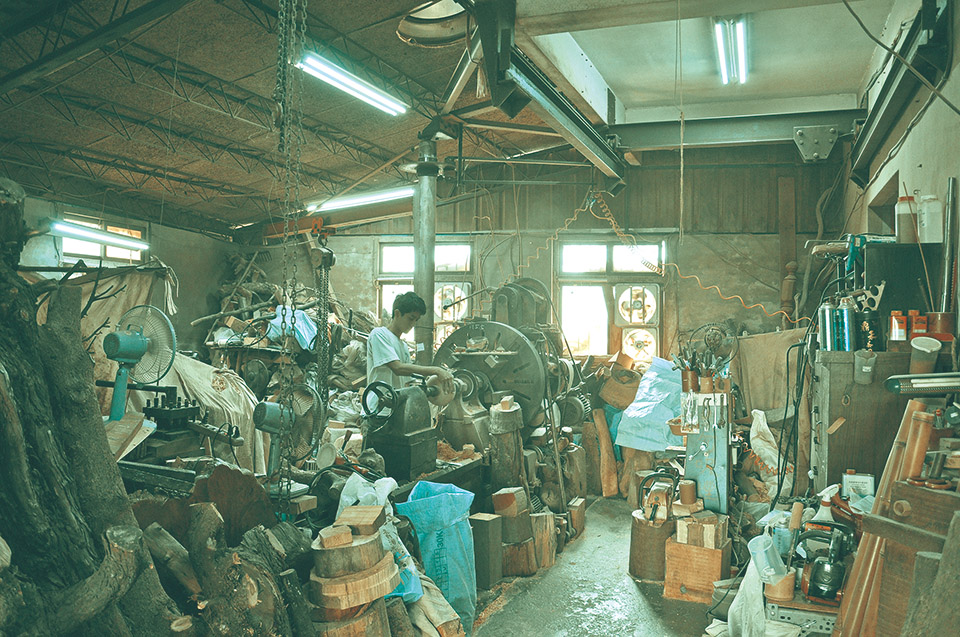
亚洲建造
我们之前曾经前往亚洲,并对亚洲的文化留下深刻的印象而且深受启发。传统、艺术和手工艺到底是如何以一种非常直接但是又柔软、细腻的方式平衡著世界上最高科技的建筑物、车辆以及产品。而这,在台湾尤其如此。我们在进入这个计画时,便一直尝试著管理与解读我们认为我们所看到的开拓精神。有一个可以说明此事的例子:世界上高度最高、最先进摩天大楼的建筑工程侧边上并排的神奇竹製鹰架结构。在台湾,我们深化并经历了很多有趣的情况、邂逅了许多人。我们学习了对我们而言,新的工艺技术与材料。尤其是,著名的漆器工艺。透过使用我们务实的态度和方法论来设计,并将之与台湾传统工艺加以结合,因此我们与我们合作的工艺师一起,创作了在其类型中独一无二的作品。
在计画的过程中,我们试图深化我们自己;确认各种活动;翻译不同的语言;在我们设计师之间沟通讨论;嘲笑不幸的失误…等等,等等。毫无疑问地,在我们设计师之间,与我们一直有联繫的工艺师之间,甚至计画经理人、翻译人员以及所有我们曾遇到的有趣的人之间,都曾发生过有趣又特别的事。有时候,这些没有按照计画进行的事反而被证明是一种资产,给我们带来了新的想法和点子。
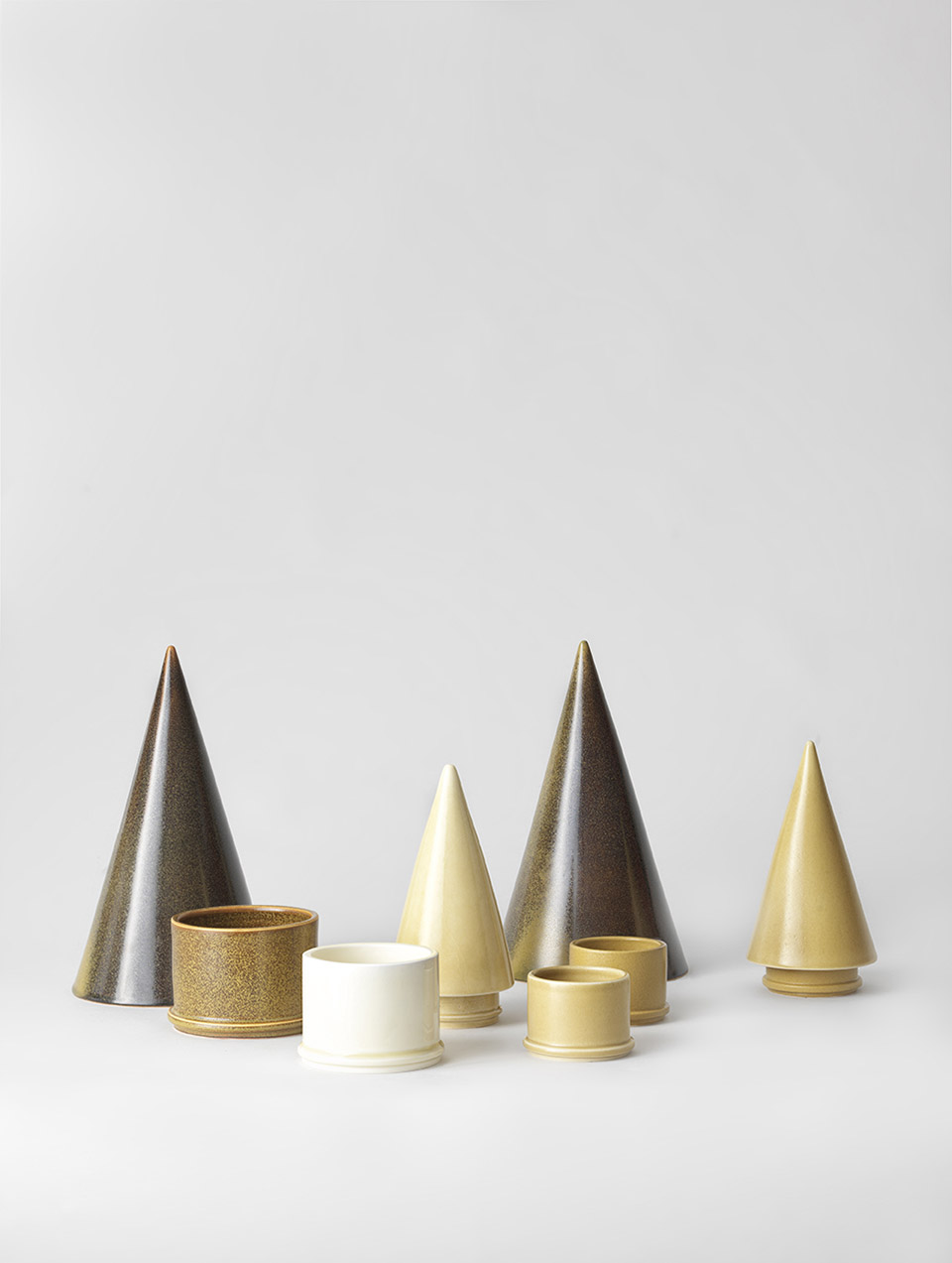
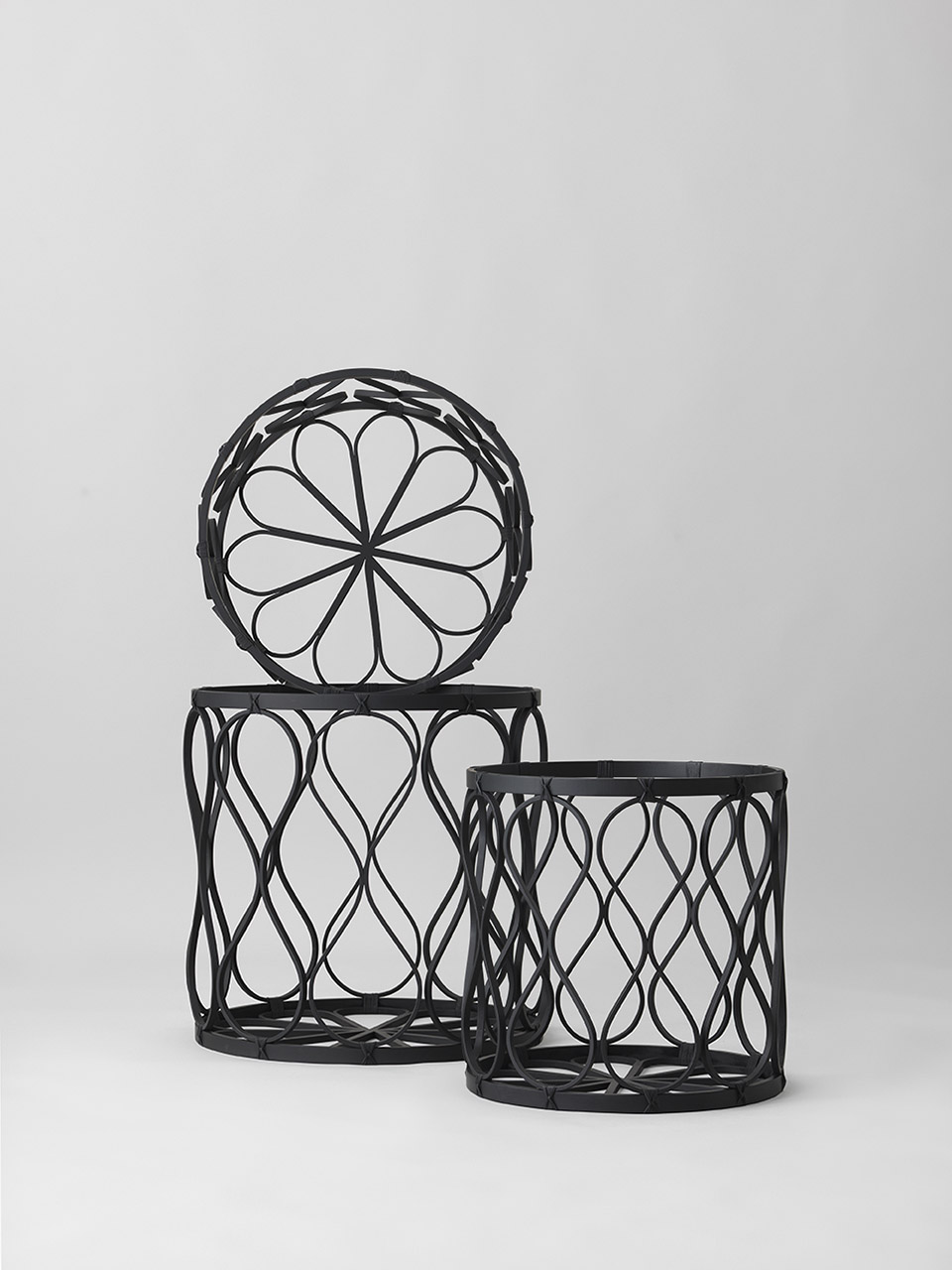
马帝.克立奈勒
「基本上,你可以做任何你想要做的,他们会帮你找到适合一起创作的师傅。」
很少有机会会收到一封以此为结尾的的电子邮件吧! ? 二〇一二年的一月,我的电子邮件信箱裡,收到了这样一封从住在斯德哥尔摩的台湾设计师陈宏铭寄来的邮件。在他的信裡,他邀请我去台湾并且设计之后可能会由台湾工艺师傅生产的产品。而这个任务希望我可以专注于一些物件,在这些物件的表面处理可以用上不同形式的漆,而其他的部分则都可以自由创作。这整个计画听起来都好的不像是真的,但是,它是认真的。而且就在几个星期之后,我便和插画家斯蒂娜·洛夫格伦(Stina Löfgren)第一次到了台湾。当我们迷迷糊糊跌跌撞撞地走出在台北桃园中正国际机场的迎宾大厅,我们见到了来接我们的宏铭以及一台迷你小巴士。对我而言,这辆车早已经成为一种象徵,也是这个合作案的标记,它于接下来的十天,带著我们在蜿蜒的石子路与笔直的公路上,到山村、港市、工业城、水稻田、造纸厂以及艺廊。就在我们于这个国家综横交错的公路旅程中,我们有机会看到了一个拥有如其令人目眩景色一般大规模产製国家的最美丽的美丽事物,以及其最枯燥无聊的东西。
在这样的情况下著陆,并且试著了解我自己在这个合作计画中的角色当然是既令人十分地不知所措,但是却又充满了啓发性的。在车上时,我试著蒐集各种印象,并且将之转化为某种具体的东西。在这次旅行之前,我已经试著画下一些我想要做的东西,但是一到了当地,想当然尔的,预先的设想便都改变了,而新的点子成型了。那台小巴士就成了一间新的草图和想法开始成形,而既有想法被修正的工作室。
我留意到过程与自发性愈来愈佔上风,而我获得的印象与画面开始控制我作品的表达。对于表现以及材料限制测试的种种好处在我正常的思维中已经愈来愈小。同时,所有的事情都必须快速进展,因此,每一个计画都只有轻轻接触,而所有的决定就这样凭空做出。在有自由可以直接处理浮现在脑海裡的点子而不用批判与质疑它们的情况下,我非常惊讶于自己的产能。
因此最后的结果就是:一个就我所面对的製造工艺以及我所遇见的人的摘要样本,或者说一个回忆。我试著抓住我所细察的品质,然后给予一起合作的师傅空间来加以发挥。有时候要沟通一个想法概念真的非常困难,但是,更为经常的结果反而是,比一切都我自己做要来的更为强而有力。直到这个计画的尾声,我才大概对漆是什麽样的材料以及其性质如何有了一些了解。而这麽不同的创作流程也导致了一种系列作品无意识的一致性。除了不同的物件都因表面上漆处理而有连贯性之外,它们也因为我在旅程中所得到的印象而串连在一起。它们每一件可能都是如此地独特,因此要个别解释其每一件都非常地困难。
从第一次旅程算起,我已经在超过两年的时间裡回去过台湾五次。这些旅程意味著在路上的时间愈来愈少,而在工作坊与工作室的时间愈来愈多。事实上,每一个旅程之间,并没有发生太多事情,每一次的再度拜访都更像是一场对成熟度的调查,我看见我最初自然本能的想法逐渐成型、修整。
所以系列作品当中的大多数大概都是从那行程紧凑的第一週,在小巴士裡,在草屯与台北之间的某个所在,伴随著车窗外无止尽的山峦或者工业城而获得其形态的。
”Basically, you can do whatever you like, they will find right craftsman for you to work with.”
by Matti Klenell
It isn’t every day you get an e-mail with that kind of punchline. The message landed in my mailbox in January 2012 and came from Hung Ming Chen, a Taiwanese designer living in Stockholm. In it he invited me to go to Taiwan and design products which would then be produced by Taiwanese craftspeople. The commission included a desire to focus on objects with a lacquer finish of one kind or another, but otherwise the field was clear. Of course, it all seemed too good to be true, but true it was, and a few weeks later I paid my first visit to the island, together with illustrator Stina Löfgren.
As we staggered drowsily into the arrivals hall of Taoyuan Airport in Taipei, Hung Ming was there to meet us with a minibus. To me, that vehicle has come to epitomise the project, and for the next ten days we drove along winding gravel paths and dead-straight motorways to hilltop villages, seaport towns, industrial estates, paddy fields, paper mills and art galleries. This road trip through the length and breadth of the country showed us the loveliest of loveliness but also the drabbest, most dismal aspects of a country possessing both large-scale mass production and breathtakingly beautiful scenery.
Landing in the middle of all this and trying to fathom my place in the project was of course hugely perplexing, but at the same time hugely inspiring.
During the hours spent in our minibus I tried to gather my impressions and turn them into something concrete.
Before setting out I had tried to sketch some of what I wanted to do, but once there, needless to say, all the goalposts were moved and new ideas took shape. The minibus became a drawing office in which new sketches and trains of thought emerged and pre-existing thoughts were revised.
I noticed the process and spontaneity gaining the upper hand more and more, and the images and impressions.
I acquired came to govern the expression of my work. My normal functional thinking ceded more and more scope to the testing of idioms and materials. At the same time, everything had to go quickly, so each project was done at the flick of a wrist, catching decisions on the wing. I was amazed at my own productivity now that I was free to work through the ideas that came to me instead of criticising and querying them.
The end result, accordingly, is an abstract sampler or memorial of the production techniques I stumbled on and the people I met. I have tried to pin down the qualities I studied and to make room for the vocabularies of the craftspeople I worked with. Sometimes an idea of this kind has been hard to communicate, but often the result has turned out stronger than I could have achieved on my own. Understanding what kind of material lacquer is and what qualities it possesses is, I think, something I did not begin to approach until the project was nearing its end. This different way of doing things has also resulted in an unconsciously unified collection. Aside from the different items being linked together by all having been given a lacquer finish, they are also interlinked by the new impressions I gained on my journey. No matter how exclusive and unique they may be taken singly, they will always be hard to explain taken singly.
Since that first visit I have returned to Taiwan five times in two years. These journeys have involved progressively fewer hours on the road and more time in workshops and studios. Not very much has really happened in between visits, and the return visits have if anything resembled a study in maturity, in which I have seen a gradual evolution and refinement of my spontaneous first thoughts. Most of this collection, then, can be said to have taken shape during that first intensive week in the minibus somewhere between Caotun and Taipei, with an endless mountain range or an endless industrial zone outside the windscreen.
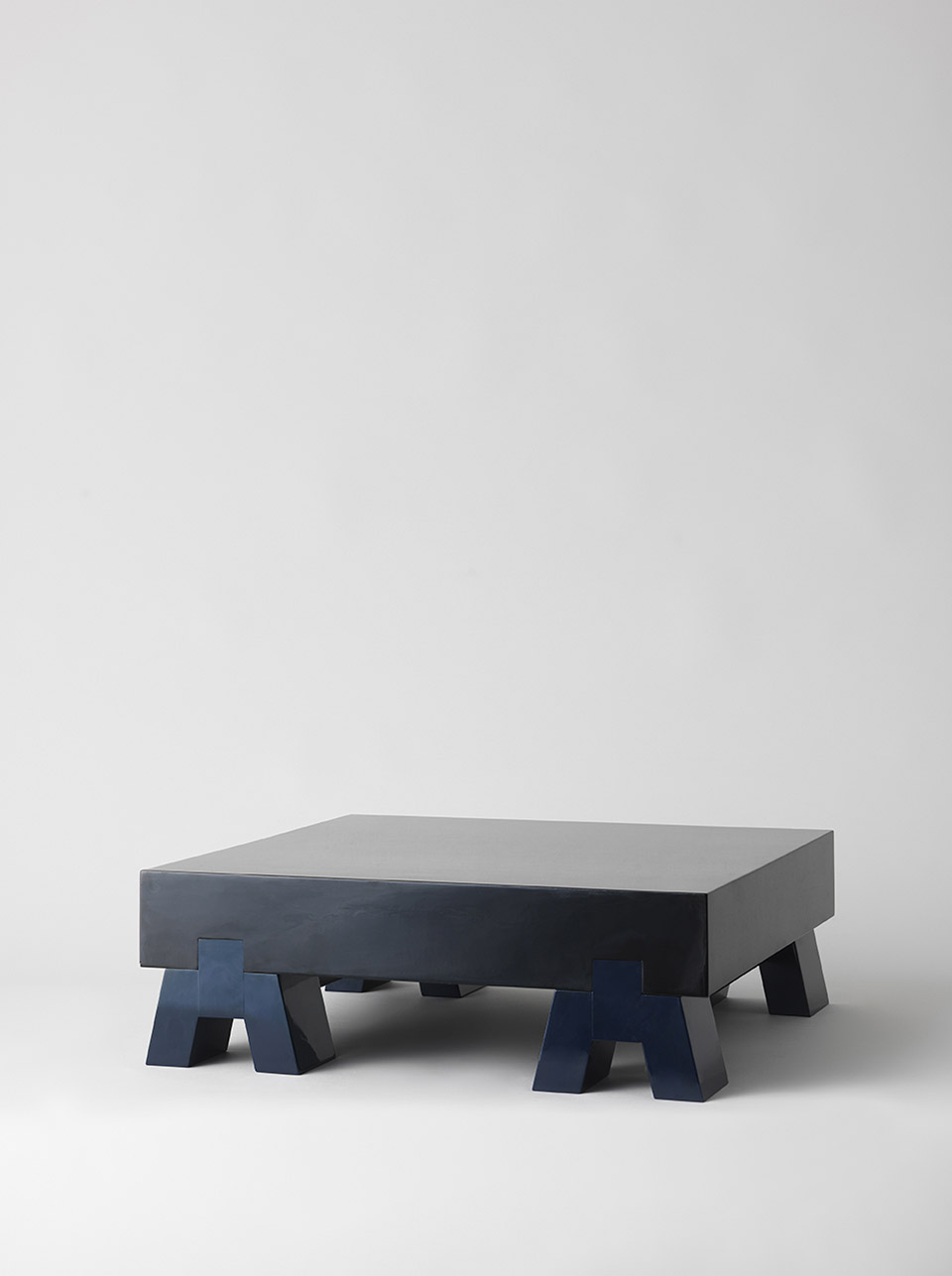
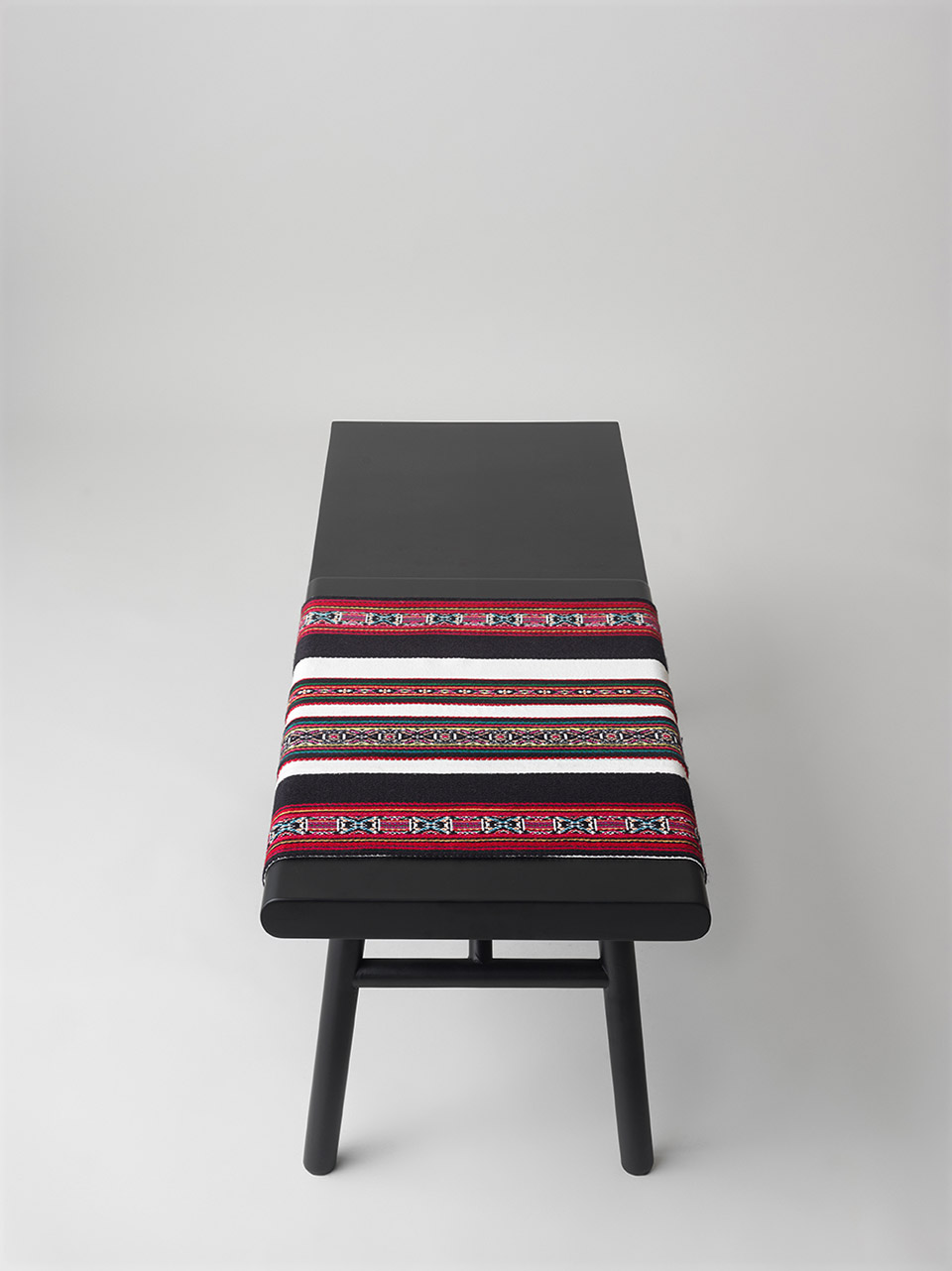
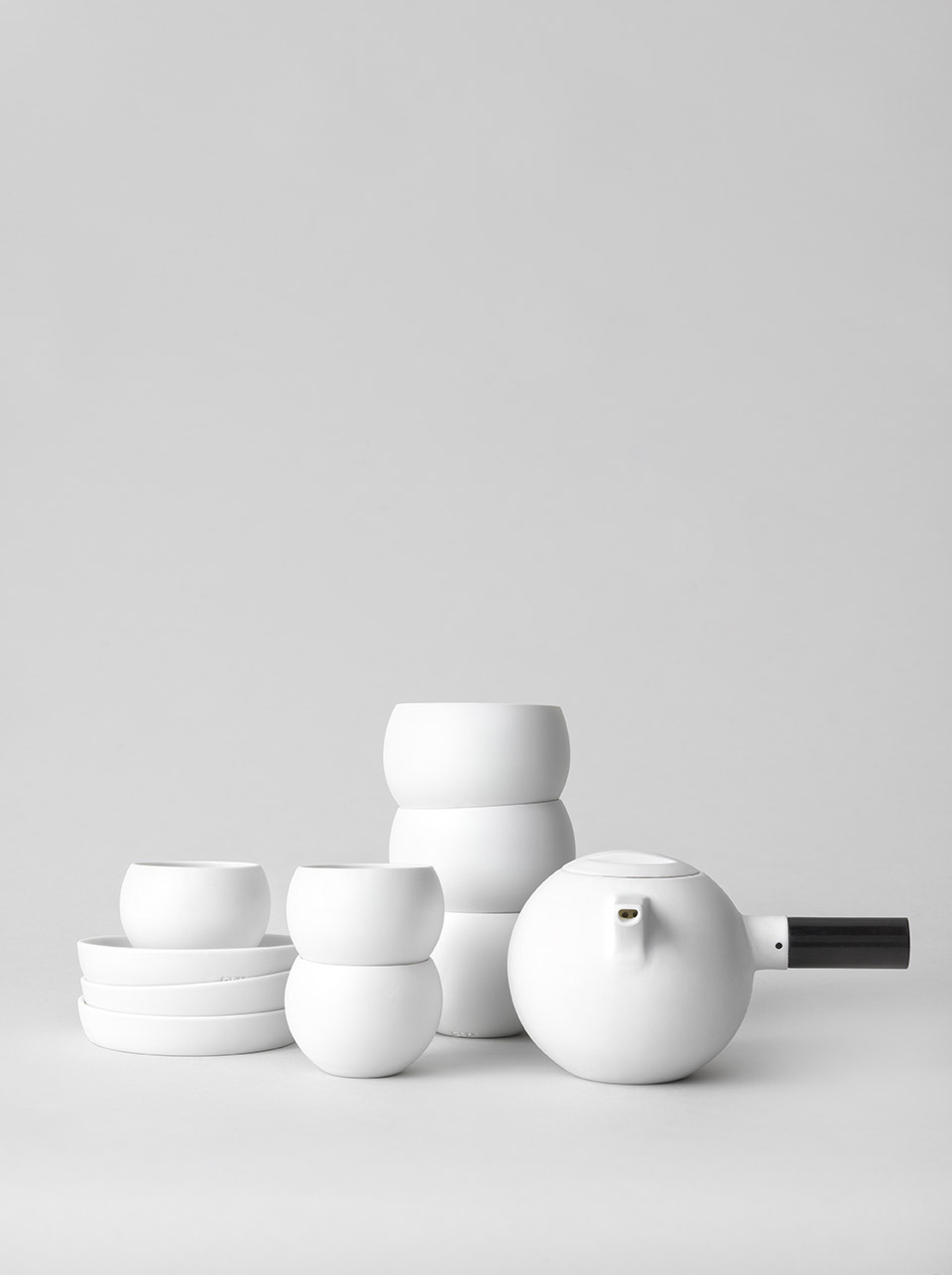
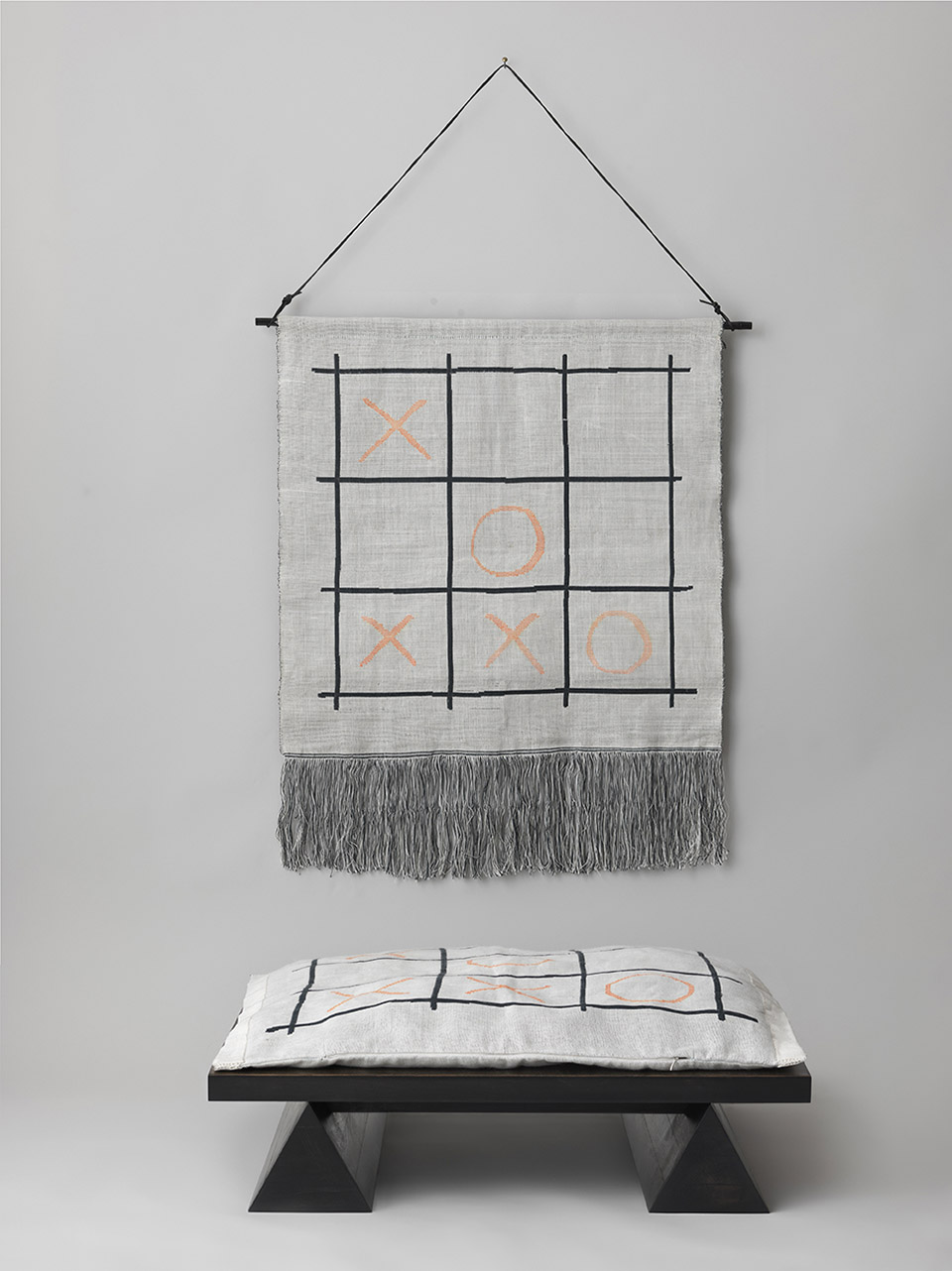
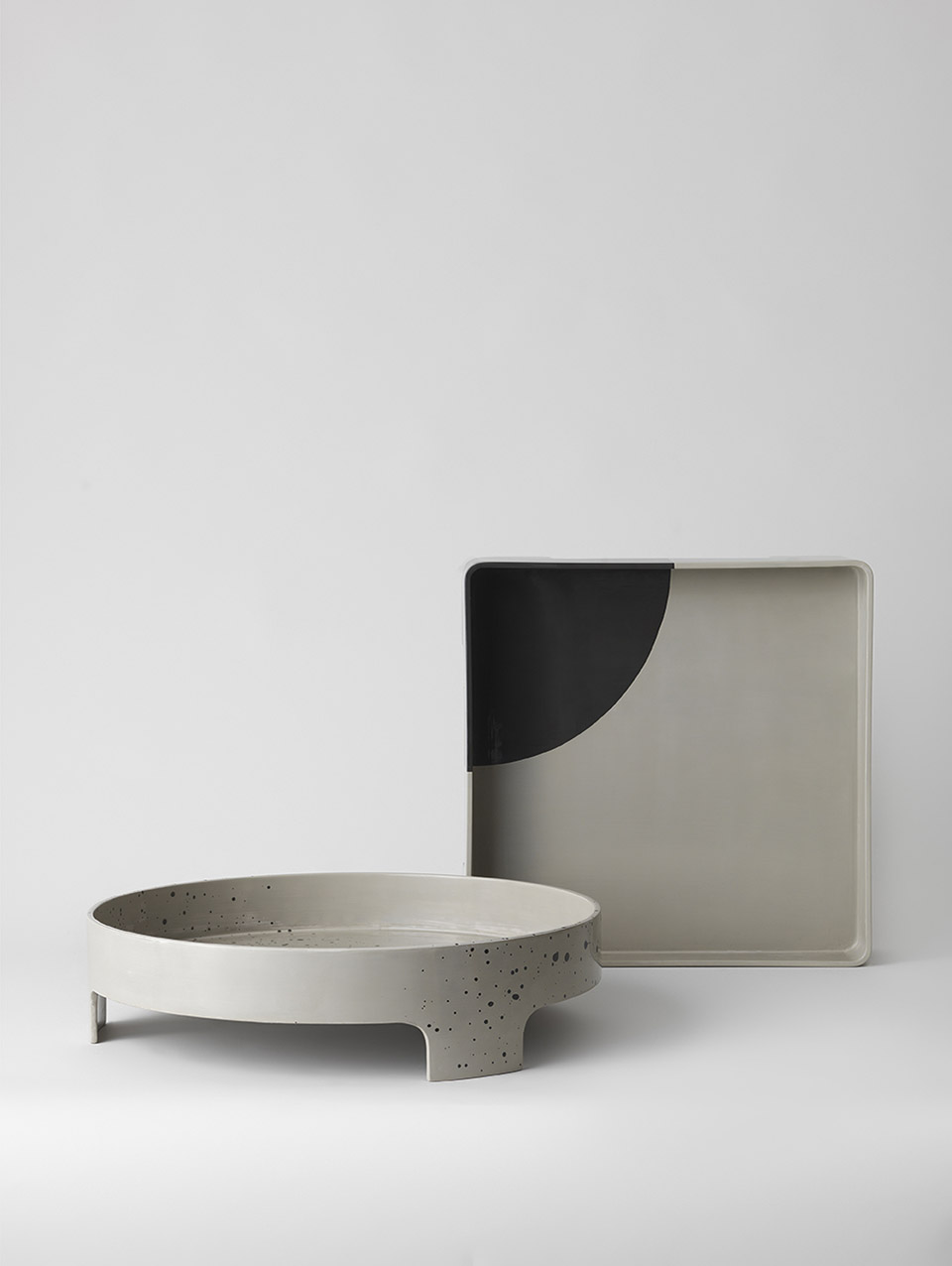
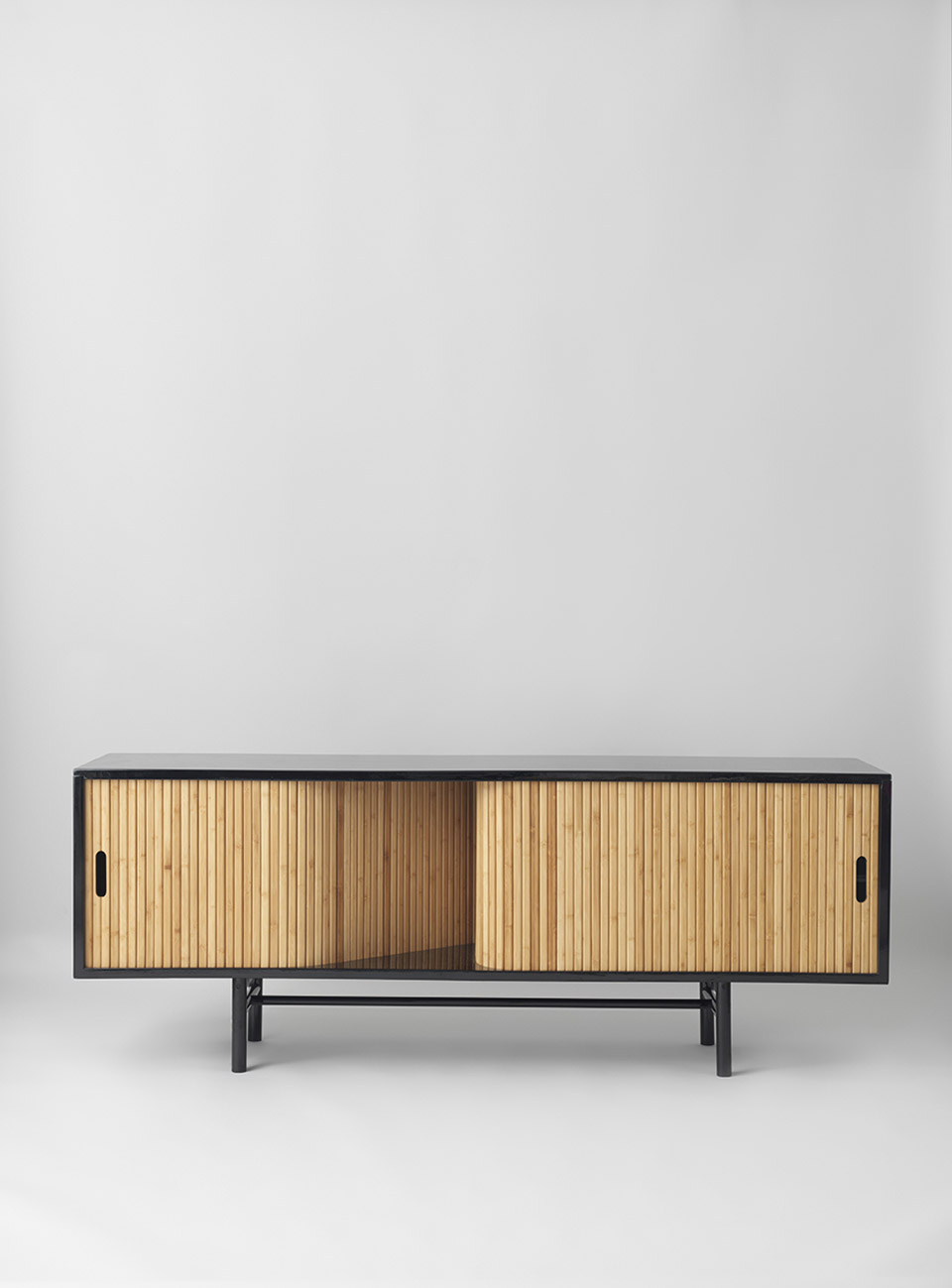
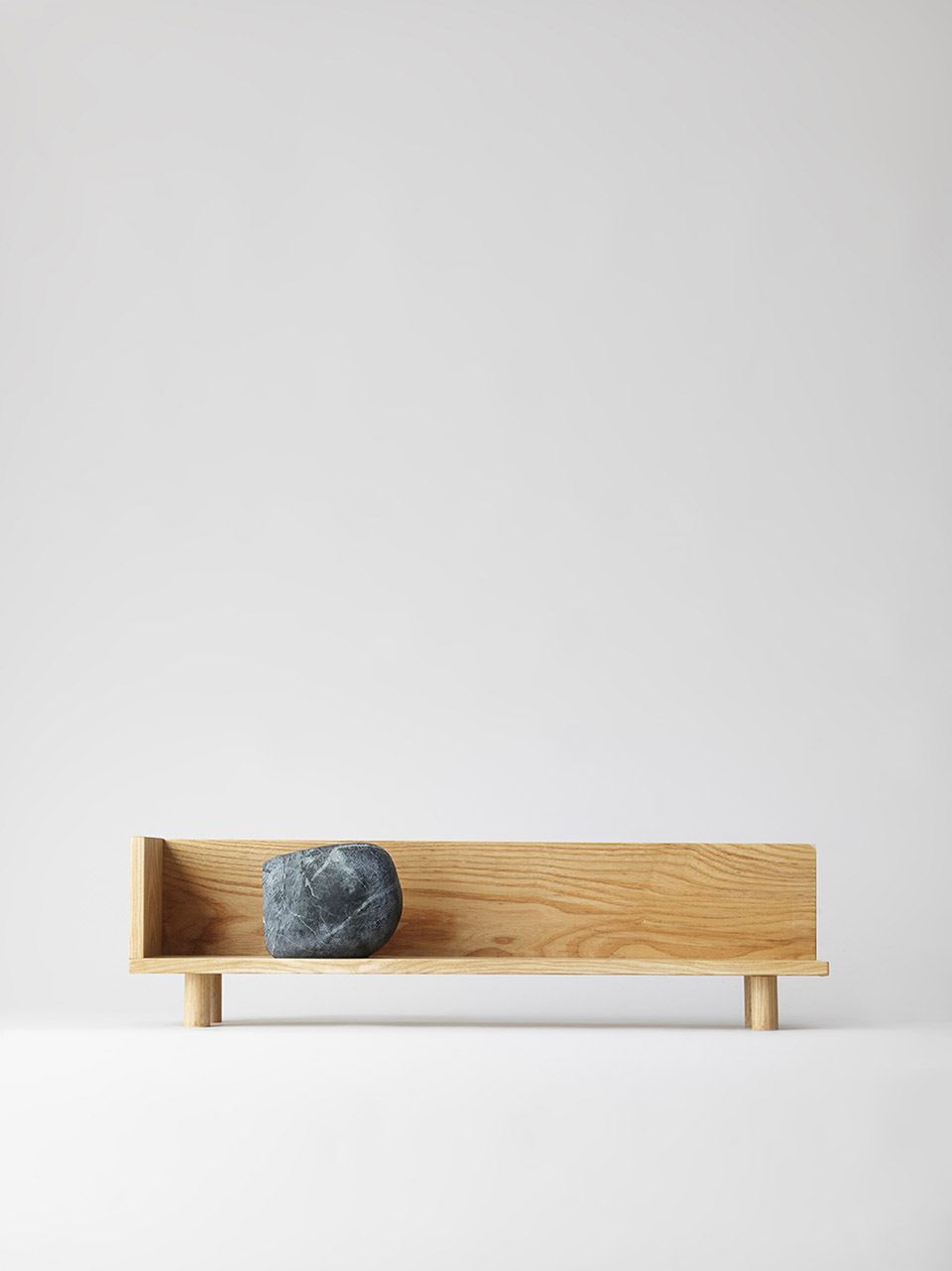
漆、工作坊与交流
他们一直以来都以玻璃、木材、金属、织品、陶土、纸张创作,他们设计过房子、家具以及展览,但是当这五位瑞典设计师在「新层次」(A New Layer)计画中遇见漆器的概念时,却都竖起了眉毛。设计师是被训练来处理不同的材料,并解决有关功能、表面、内涵等等问题的,但也有时候会有一些意想不到的状况忽然出现,那就需要经验来加以挥洒了。
当瑞典设计师们带著时差与兴奋来到台湾,迎接他们的却是这样的一个惊喜:他们将要以漆艺创作。任务读起来像是这样:NTCRI,「国立台湾工艺研究所」,邀请了瑞典设计师与当地工艺师以及艺术产业一起合作。瑞典和台湾之间的接触,透过在斯德哥尔摩经营设计公司「Afteroom」的台湾设计师陈宏铭而出现。他邀请了马帝.克立奈勒(Matti Klenell)以及斯蒂娜.洛夫格伦(Stina Löfgren)进入该项计画。很快地,在台湾,有人问了这个问题:「你们还认识其他艺术家吗?」就这样,卡莉娜.塞特.安德森(Carina Seth Andersson)与 TAF 的加布莉埃拉.古斯塔夫森(Gabriella Gustafson)和马提亚斯.思拓勒布(Mattias Ståhlbom)也加入了。用来创作的材料可以选择,但是条件是:漆艺必须涵盖在其中。
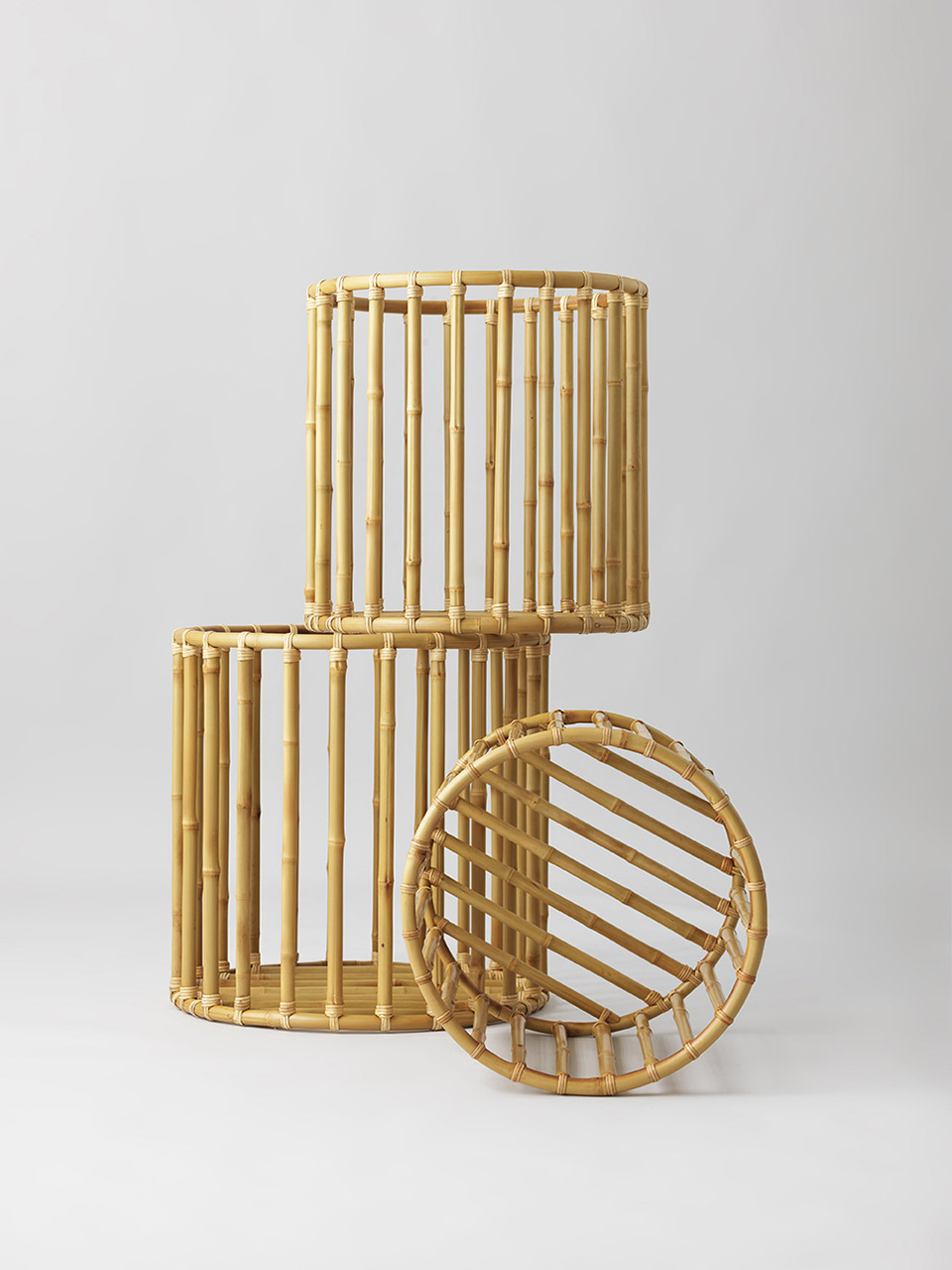
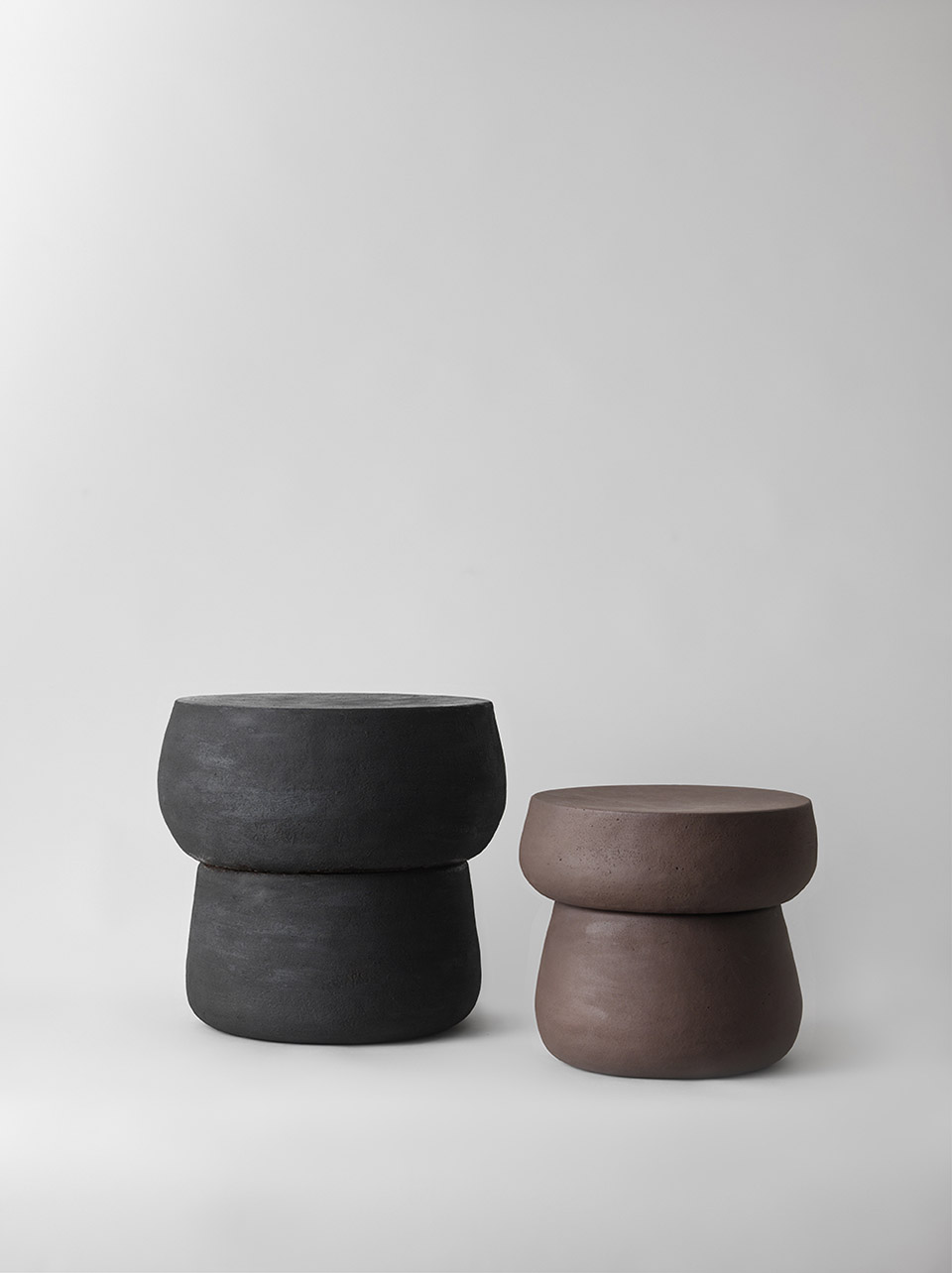
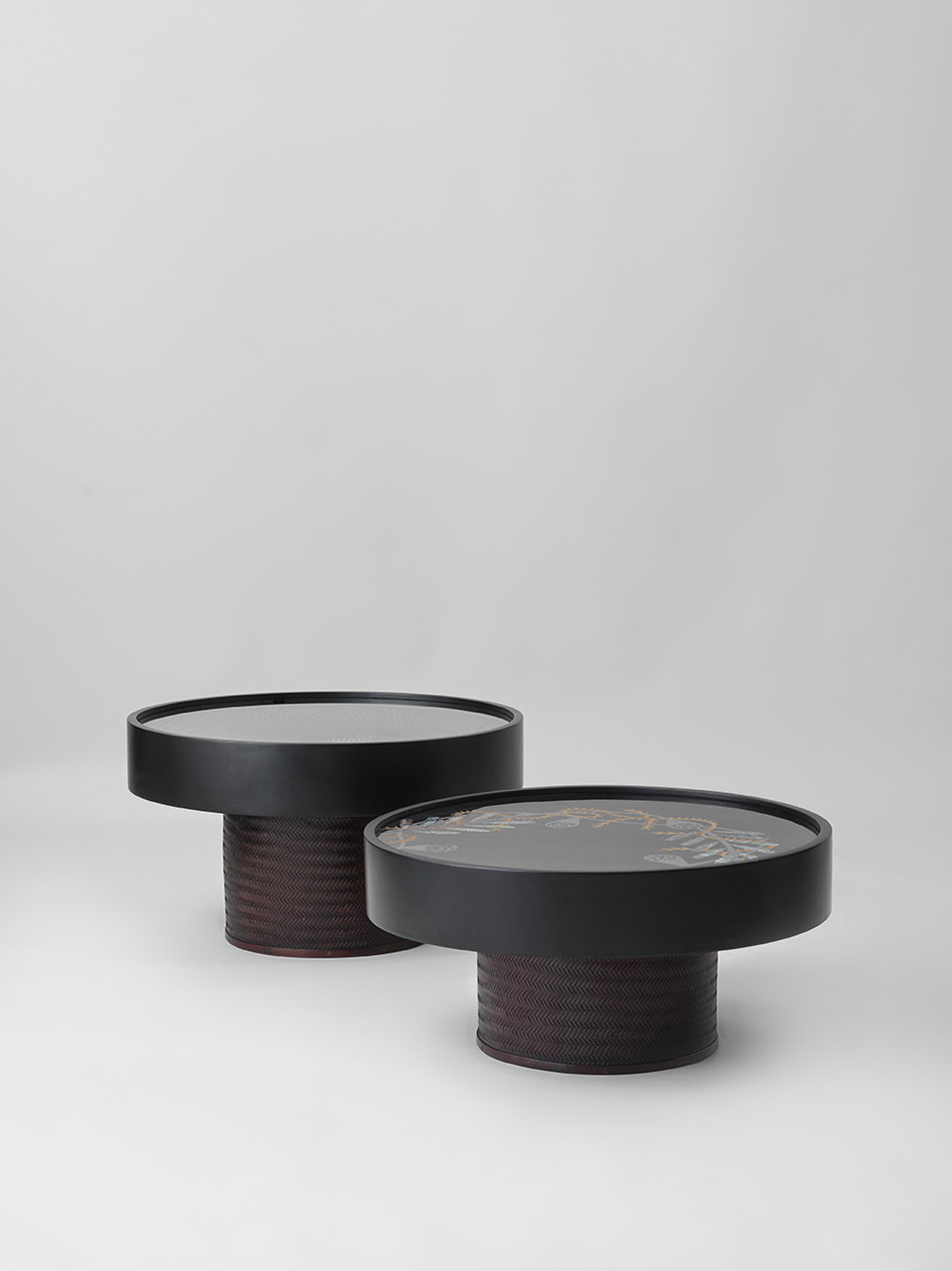
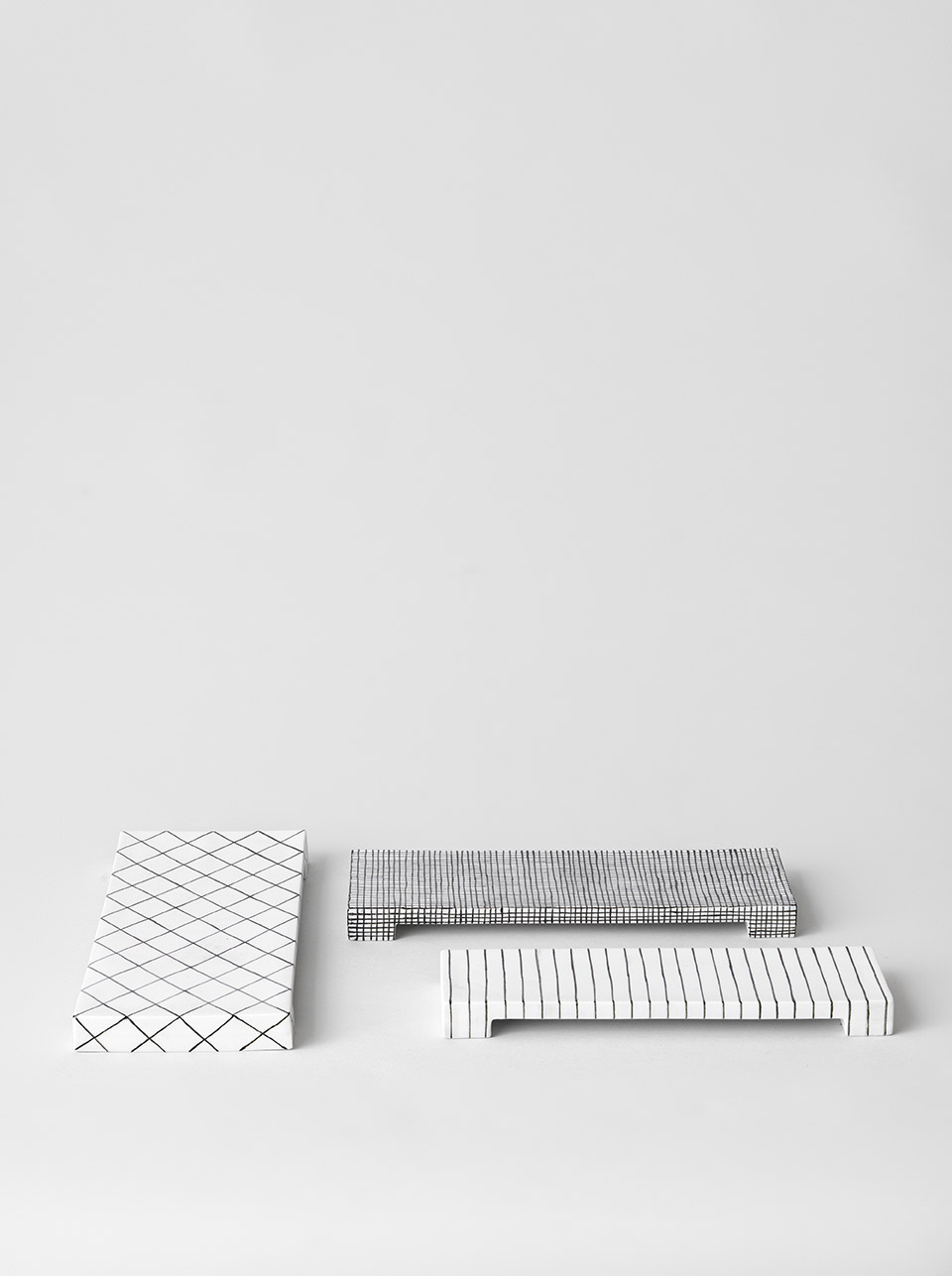
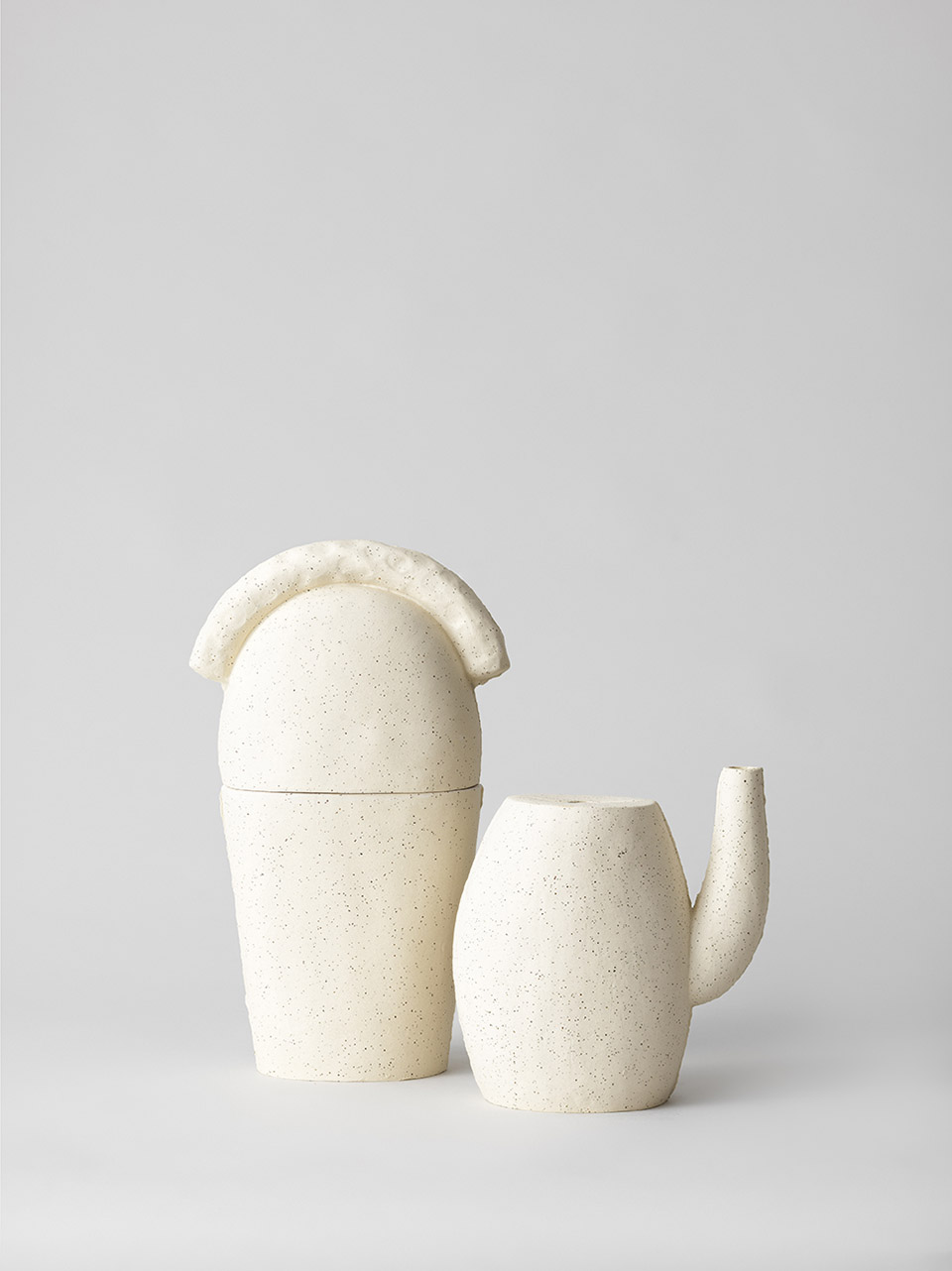
到现在,在经过了两、三年与多趟充满煤油味的空中旅行之后,这五位设计师聚集在斯德哥尔摩,坐著回想这项计画。他们让我想起了刚刚从巡迴演出回到家的流行音乐乐团,满载了故事并惊奇于所发生的一切。本次特展「新层次」是非常确定的,然而那约莫三十五件即将展出的品项则还搭著飞机,在从台湾到斯德哥尔摩的空中。我们有品项的照片,但不确定感却因此更为明显,那是一种在胃裡的刺激,就好像是在生日前夕。也许这是一个终点,但是也有可能是一个起点。而最大的不确定是其状态。看起来究竟怎麽样?品项能否禁得起航运过程还保持完整?就其核心而言,将展示的品项都是最常使用的东西:漆绘泥塑的桌子;竹製的灯具、篮子以及陈列架;一组漆柄瓷餐具;一件装饰桌面;磨製的碗;罐子;托盘;布料;餐具柜;条凳;齿梳和画作。漆器工艺与现代设计之间的互动是其重点,也是台湾政府进行此系列的根本目的。
这整件事情就是一个实验。设计师们并不很了解漆器工艺。「漆」这个字自然而然会令人想起奢华、精緻、完美、性别与权力的画面。我们想起了中国木盒和黑橱柜、指甲油与油亮的车、漆器艺术的工业仿冒品闪闪发亮,以及其作为强化价值与标记地位的功能。该计画就在当地引以为傲的传统与空运而来的设计师好奇心之间的十字路口正式开工。
「当我们获得说明解释时,我们是被那样传统的、浪漫的、近乎神秘的方式以及散发尊贵光芒的漆器工艺品所环绕。我们听到有人在说,传统硬底子的工艺师都前往海边才能在完全无尘的环境裡为作品上漆,」斯蒂娜.洛夫格伦说。
「我在这裡做什麽?」是旅游作家布鲁斯.查特文(Bruce Chatwin)有名的问题,也是设计师们需要问问自己的。我要怎麽做出这样的东西?其实这大概是他们每天工作时都被迫问自己的问题。我在做什麽?我为什麽这麽做?我该怎麽运用?「新层次」计画中很大的一个价值是,它打开了意想不到的门。马帝.克立奈勒找到了两个字来描述第一个感觉:「困惑」与「灵感」。我在做什麽?下一个问题造成行动:我现在应该做什麽?就是在那个当下它发生了,然后我们就开始採取行动、处理、互动,就像是陷入恋情一样。
「我们大家都以一种有趣的方式进行一种天真的做法。我们开始漆器的创作并不像他们在台湾所习惯的那种虔诚。通常是,当你以全新的眼光著迷时,你就可以撷取到一个计画最大的部分,而且好像一切都没有问题,」加布莉埃拉.古斯塔夫森说。「一种特殊的能量,」马帝.克立奈勒补充说。「初学者的好运,」马提亚斯打趣道,并介绍了一张以抽象漆艺装饰的桌子。「我们在想我们的图案可以是其他人以漆创作的轨迹,但是这个想法实在太难以传达给工艺师傅了。」在西方很自然的想法却在东方被视为难以理解,反之亦然。在传统中,漆器作品的尺寸较小,却来了这些带著椅子、书桌、餐具柜和陈架草图的北欧人,这在一开始可能先吓到了工艺师们。在那裡,我们的计画中有一项意义:不同文化之间的相会,在这样一个国际的任务裡,只要再走几步就可以让我们熟悉彼此。交流与工艺过程均是重点。从台湾的角度来看,其目的是在增加国内漆器工艺的兴趣,并且研究当我们将漆器与北欧设计加以配对,究竟会发生什麽事。台湾的许多製造商都十分好奇「宜家」(IKEA)、「Muuto」以及「Hay」的产品,还有整个斯堪的纳维亚(Scandinavia)的成功故事。「有很多关于这样的问题。我们如何才能学习设计,我们怎样才能够创业?但是他们觉得我们北欧人动作很慢。亚洲设计师比我们更能提供多而且快的概念与想法」,马帝.克立奈勒告诉我们。
这个计画首先包括了一个在台湾手工艺产业的短期课程。这些年来的旅程已经像是开始上学,令人兴奋,但也让人晕头转向。「我们四处极大量地旅行,感觉就像是坐在小巴士裡几个星期。我们见过了陶艺师、木工师傅,参观了陶艺工厂、木工作坊以及造纸产业」,卡莉娜.塞特.安德森说。最后,小组到了一个製作塑胶椅子的工厂,在那里,他们见到了漆艺大师,并拜访了一个当地製作纺织品的「缝纫集团」。到处都是令人印象深刻的工艺。马帝.克立奈勒告诉了我们一个製伞工坊,他说他最后离开那里的时候,觉得他没办法真的完成些什麽。而其他没去的人则高声欢呼:「雨伞耶,超级讚!」
「最棒的是,任何材料都可以上漆。通常,只有大型的漆瓮是仅由一层层的漆所製成。工艺变化成千上万」,卡莉娜.塞特.安德森说。开始设计与生产作品时会使用两种漆,一种是原来产自漆树的漆;一种是从腰果提炼的漆,具有较为塑胶感的光泽度。树漆较有弹性,可以抛光使其表面具有一层油光有如光滑镜面,让人联想到一些陶瓷釉料。「一种令人难以置信的触感,它几乎会吸住你的手」,马帝.克立奈勒说,并继续道:「当你上漆的时候,会有一种很奇特的感觉。对于我们来自西方的人而言,它有点东方情调,像是现代款的「中国宫」(Chinese Pavilion)。」(「中国宫」:一七五〇年代,当中国充满异国风情的梦幻在欧洲鼎盛时,在斯德哥尔摩的「皇后岛公园」〔Drottningsholmsparken〕以中国风格打造的著名行宫。)
这个计画是有关于沟通,关于有能力解释一个概念,而同时又了解另一种思考方式、决策过程以及国外的层级结构。那些我们认为理所当然的:有型的、丑的、现代化的、老派的,在与台湾的工艺师开会时都失去了其意义。那些以瑞典人明显的「北欧风格」画出来的物件,通常面对的是惊讶和质疑。「你为什麽要在你的齿梳上做一条直线呢?曲线漂亮得多」,师傅对我说。然后,变成了一场对于品味以及美感的讨论。
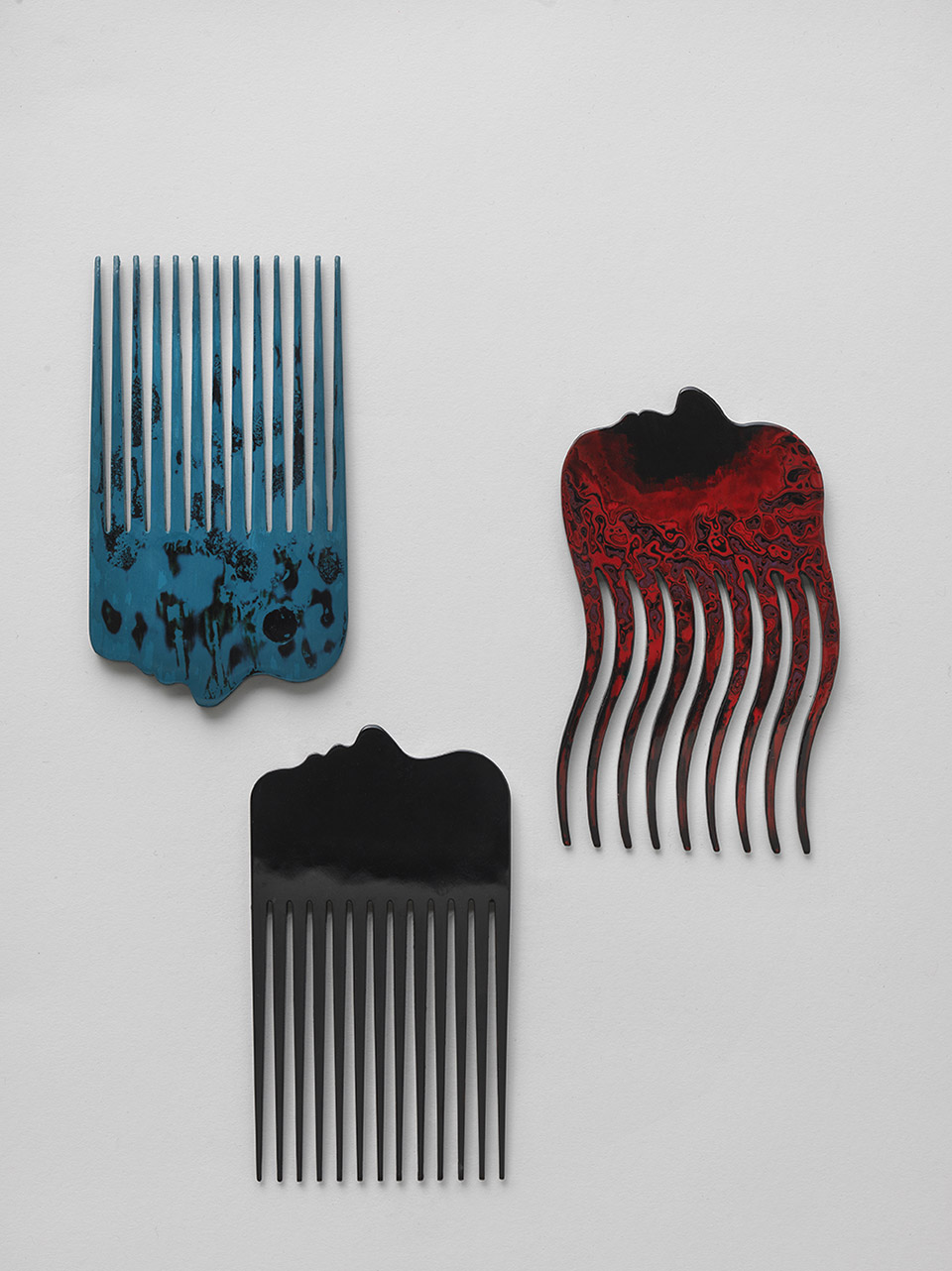
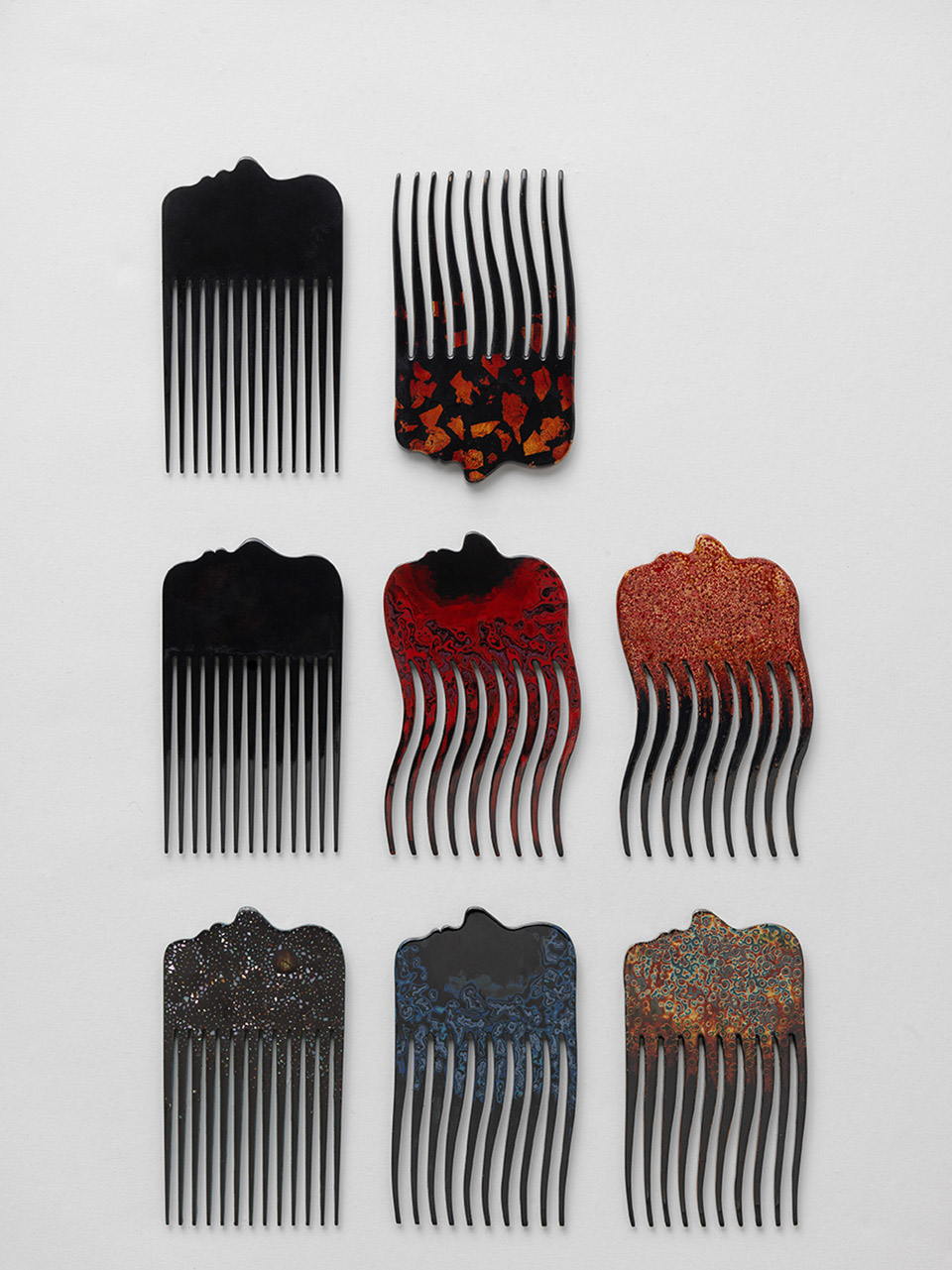
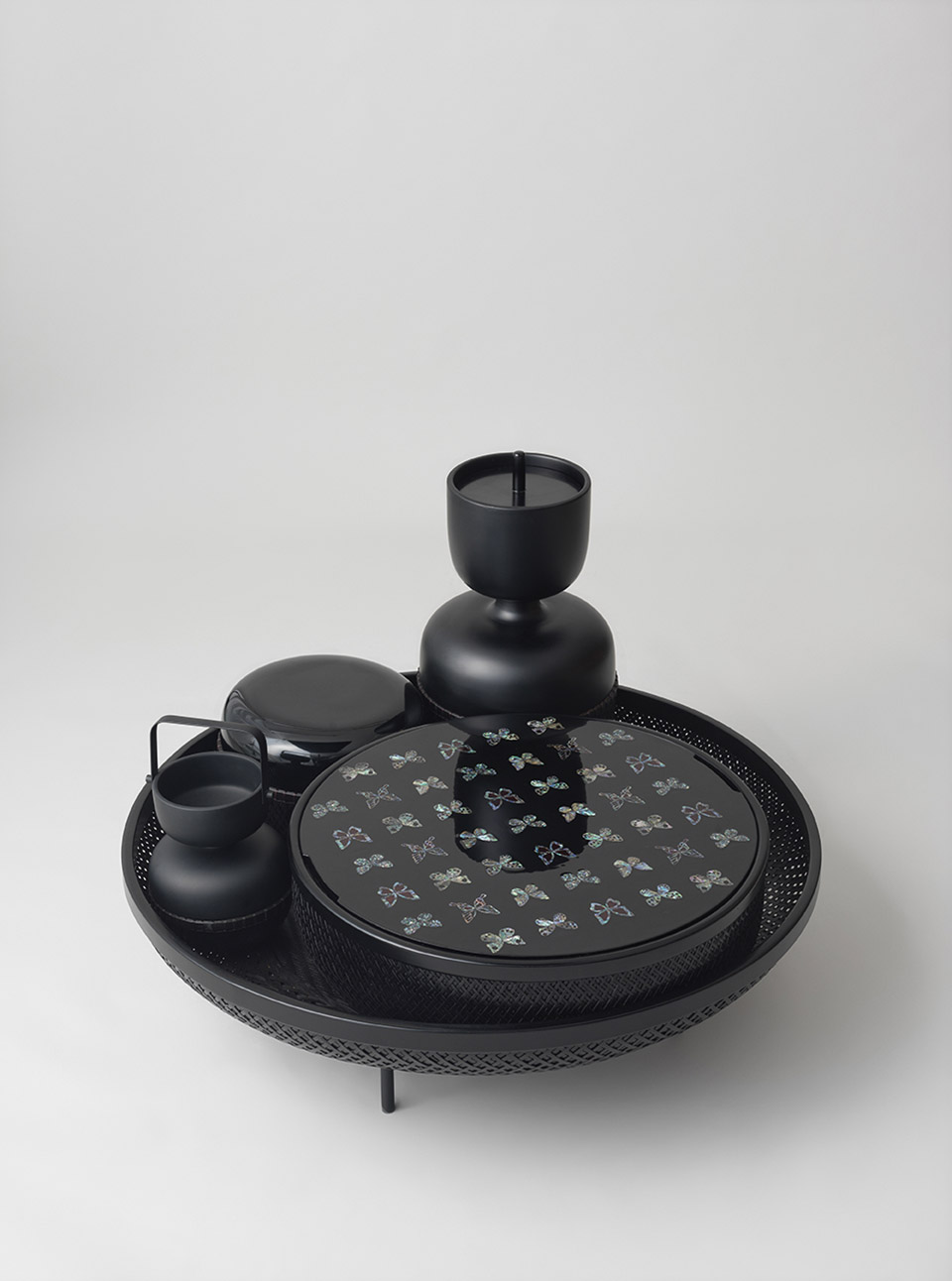
「对我们和他们而言,什麽是美?什麽适合使用漆艺,什麽又不适合?」斯蒂娜.洛夫格伦说,她在台湾东海岸的漆器作坊工作了三个星期,在那裡她的梳子製作完成。江师父著名于创作蛋壳漆艺。 「我们坐下来,打开 Google 翻译与扩音功能,并试著了解彼此。过程进行得异常之好,只是也有很多好笑的语言错误。」她之前曾经要求工艺师根据她简单的基本形状塑形,但可以进行任何表面处理,只要它们是抽象的 。 「当我拿到照片,所有的梳子都装饰著蝴蝶。我坐在那里,脸上挂著一个很大的微笑,但是我的胃却在翻搅,」她笑著说。
漆器工艺的 历史可以追溯到几千年前,该项传统的名声几乎震耳欲聋。如果你为电脑或者流行音乐工作,大概至多与这几十年来有关,但是漆器的文化却与陶瓷和玻璃一样古老。最早发现的漆器物件是一件来自中国的根状小碗,已经有七千年之久。我们无法理解时间的长度,但我们可以了解漆器工艺功能性的基础。在某个时间点,有人发现了直接从树木流出的物质,但是,当它最后在物体的表面上时却是硬的。想当然尔,人们就使用起这项神奇的物质。漆抗腐烂、防水、防热,而且又耐撞击、防腐。但是人类也需要美观,因此漆器的功能很快就加上了装饰。在几千年的时间裡,工艺逐渐扩大成了庞大的漆器交响乐,从简单的日常用品到艺术品,雕刻、饰以珠母贝、黄金、贝壳、银,目标则为帝王以及最富有的富豪。「该计画的一部份目的在于重新发现漆是非常好用的材料,并尝试将其使用在未来的日常设计之中。漆是一种可以替代塑胶的有机物质」,卡莉娜.塞特.安德森说。现在在艺术学校又开始讲回到材料,当可持续、可替代的方式被更进一步需求时,艺术与工艺就会带动。手工艺的缓慢解脱了思路和做事的方式,成为消费主义恶劣环境步伐的替代品。而这种发展现在也提高了对漆材的兴趣。马提亚斯.思拓勒布甚至视漆器创作为一种建立排他性的契机。 「当这种漆与表面一旦相遇,就会有很大的差别 。人们应该可以把漆用在有空间给更多奢华元素的设计上,可以用在餐具或者照明工程上。」马帝.克立奈勒和斯蒂娜.洛夫格伦获得了以珍贵珠母贝镶嵌进行创作的机会。 「我们在想,这大概永远也不会再发生在我们身上了。」豪华漆器最后成为装饰艺术时期最现代也最独特的奢侈品,当时豪华以及充满异国风情的材质受到极度的欢迎。一位显赫的人物就是是设计师艾琳.葛雷(西元一八七八 – 一九七六年),她学会这项工艺,并从一九〇七年起在巴黎开了工作坊,并在那裡以一种实验性且愈来愈抽象的风格从事漆艺创作直至一九二〇年代:家具、餐具柜以及令人惊叹的家饰配件。黑漆金箔的独立屏风成了葛雷的特色。在斯德哥尔摩的「Svenskt Tenn」也可以在设计师乌诺.欧然(UnoÅhrén)和比约恩.崔戈尔德(Björn Trägårdh)所设计的黑色家具,一种对相同功能主义和东方情怀元素的时尚质朴变体上找到漆器工艺的影响。从瑞典设计史的角度来看,「新层次」的计画也是一种对旧有努力的有趣反馈。这个跨越传统,现今要找到路继续前进的想法在约莫一百年前曾经出现在瑞典,当时的艺术产业已经到了过度成熟的新艺术风格的死胡同 。为了让产业得到新生命,有高声的呼喊:「艺术家下产业」。「瑞典手工艺协会」(SvenskaSlöjdföreningen)便以德国的想法为基础,发展出了一个将设计师和艺术家送到陶瓷工厂、玻璃工厂以及纺织品和家具产业的制度。而这些早期的突破,已经成为一个现在早已失去的黄金年代有如神话般的设计传说。当时的工厂位在斯莫兰(Småland)的森林与瑞典的城市。今天,对瑞典来说,工厂在地球的另一边,而艺术家们自己找到那裡去。设计的工作必须远程透过电子邮件、照片与一连串原型的邮件包裹来加以完成。密切监控的可能性以及从想法到成品之间的调整过程都十分有限。「新层次」计画的物理距离需要设计师们能够放下控制。完全无法监控製作生产、掌握最终结果。在过程中,由于技术与语言的误解,很多东西都已经重新做过。「这些想法都已经经历很多阶段的旅行,经过电子邮件到某人键入 Google 翻译,然后又经常将错译的邮件传达给用了可能尚未共同决定的色卡、把草图列印出百分之九十的工匠 。有多到你不能想像的的电脑语言与猜谜游戏。」
直到整个期间的尾声,事情才开始如其所应该地那样运作。「那时候工艺师傅打电话给我们,想知道一个木边是不是两毫米厚…等等一些类似的细节问题。从那时起我们才回到了我们所习惯的工作方法」,加布莉埃拉.古斯塔夫森说。在很多工场工作时,这个计画可能看起来像是一个对最终成品不是很谨慎的研讨会。但是,当设计者设法减慢交流速度、重新绘製并加工过想法以及原型之后,结果是成功的。现在,在最后的沉思阶段,五位设计师都开始了解自己在漆器世界裡的机会。「对于在脆弱的基础上做决定,这个计画很有意义;快节奏;漫长的等待;每个分配出去的结果都有很多很多的沟通;很多不同的所在、脸孔以及环境。简单地说,就是相当的混乱,但同时也有很多的经验」,斯蒂娜.洛夫格伦说。「如果可以回到自己住的地方一定很有趣。现在,我们已经学会了很多台湾人的沟通方式以及这个国家的地理路线」,卡莉娜.塞特.安德森说。有时候,真的很难将完成的结果与之互作连结。如果台湾工艺师自行斟酌决定装饰蝴蝶,那麽它就是蝴蝶,这毕竟是合作,在其中,一个很重要的内容就是放下通常有的控制。「要放手真的超可怕,但是很有教育意义」,马帝.克立奈勒说。这次「新层次」的特展以及现在的目录都是一种描述这个计画的方法,而且也因此获得一种概述,并且重新拿回控制权。现在是时候来总结一些可能只是一个开始,但也正是漆器冒险最让人眩晕的东西了。
Lacquer, workshops and communication
By Petter Eklund
They have worked with glass, wood, metal, textiles, clay and paper, they have designed buildings, furniture and exhibitions, but when the five Swedish designers in the project codenamed A New Layer came up against the concept of lacquer, eyebrows were raised.
A designer is trained to approach different materials and resolves matters of function, surface and content, but sometimes experience is knocked sideways by the unexpected.
When the Swedish designers arrived in Taiwan, jetlagged and expectant, this was exactly the surprise in store for them: they were to work with lacquer technique. This was the assignment. The National Taiwan Craft and Research Institute (NCTRI) invited Swedish designers to collaborate with the local artist craftspeople and art industries.
This contact between Sweden and Taiwan was mediated by the Taiwanese designer Hung-Ming Chen, who runs the Afteroom design agency in Stockholm. He invited Matti Klenell and Stina Löfgren to join the project. Before long Taiwan was asking,‘Do you know any more?’, and so Carina Seth Andersson and TAF’s Gabriella Gustafson and Mattias Ståhlbom also came on board.
The five had a free choice of materials, the only stipulation being that lacquer must be one of them.
Now, two or three years and many aviation fuel-fragrant air journeys later, the quintethas gathered in Stockholm, pondering the project. They are like a pop group fresh back from a tour, full of stories andwonderment over what has transpired.
The exhibition A New Layer is a fixture, but the 35 or so exhibits are still in mid-air, enroute from Taiwan to Stockholm. There are pictures of them, but uncertainty prevails, palpably so, like having butterflies in one’s tummy, a kind of pre-birthday expectancy.Perhaps this will mark a conclusion, or else a starting point. The state of the exhibits is the point of greatest uncertainty. What will the workmanship be like? Will the exhibits make it here in one piece? Most of them are essentially everyday articles: tables of lacquered earthenware, bamboo baskets and shelving, a porcelain servicewith lacquered handles, a decorated table top, turned bowls, jars, trays, fabrics, sideboards, benches, combs and pictures.
The interaction between lacquer craft and modern design is the focal point and thewhole purpose of the collection, which is the property of the Taiwanese government. It was all an experiment. The designers didn’t know much about lacquer craft.
The very word ‘lacquer’ has connotationsof luxury, refinement, perfection, gender, power. We think of Chinese wooden boxes and black cabinets, of nail varnish and shiny cars, industrial apings of the lustre of lacquer technique and its function as value additive and status symbol. It was at this point of intersection between a proud local tradition and the curiosity of the flown-in designers that the project got underway.
‘The way lacquer craft was described to us,’ Stina Löfgren recalls, ‘it was surrounded by a venerable glow, the traditional, romantic almost mystical procedure. We heard tell of hard-core craftspersons who put out to sea in search of a totally dust-free environment where they could lacquer things.’
The designers needed to ask themselves travel writer Bruce Chatwin’s famousquestion: ‘What am I doing here?’ How can I make something of this? Which is really the same question they are forced to ask themselves in their daily work. What am I doing, wy am I doing it, how can I be of use?
One of the great merits of the project A New Layer was its unexpected door openings. Matti Klenell hit on two words to describe the first feeling: ‘confusion’ and‘inspiration’. The next question leads to action: What shall I do now? That’s when it happens, when we start to act, handle, interact, as in a love affair.
‘We had a naive approach all round, in a fun sort of way’, says Gabriella Gustafson. ‘Our way into working with lacquer was less reverent than is customary in Taiwan. Often that’s when you can get the most out of a project ━ when, fascinated, you see things with completely new eyes and there are, as it were, no problems.’ Matti Klenell chips in with ‘A special kind of energy’. Mattias, with a joking reference to beginner’s luck, describes a table with an abstract décor done in lacquer technique: ‘We thought our pattern could be like traces of other people’s lacquer work, but that idea proved too difficult to communicate to the craftspeople’. Ideas which are self-evident in the West were found incomprehensible in the Easy, and vice versa. Then again, lacquered objects are traditionally small,and now the Scandinavians were coming along with drawings of chairs, benches, sideboards and shelving systems, which must have taken the craftspeople quite by surprise to begin with. There we have one of the significant points of the project: an encounter between cultures, a few steps further in the global task of getting to know each other. Exchanges and processes were at the centre of things. From Taiwan’s point of view it was a matter of boosting interest in native lacquer craft and investigating the effects of combining lacquer work with Scandinavian design.
Many producers in Taiwan are curious about the performance of IKEA, Muuto and Hay ━ the entire Scandinavian success story.
‘A lot of questions have been asked about that kind of thing’, says Matti Klenell. ‘How can we learn about design, how can we start up businesses? But they think we Scandinavians are slow off the mark. Asian designers deliver faster concepts and ideas, and many more of them, than we do’.
The project began with a crash course in Taiwanese craft industry. Journeys over the years have been like starting school ━ exciting but also perplexing. ‘We travelled round an awful lot,’ Carina Seth Andersson recalls, ‘it felt as if we’d been sitting in the minibus for weeks on end. We met potters and woodworkers, and visited porcelain factories, joinery workshops and paper mills.’ The group found themselves in a factory making plastic chairs, they met lacquer masters, and they called on a local ‘sewing club’ working with textile material.
Everywhere they went, they were impressed by the craftsmanship they saw. Matti Klenell describes an umbrella workshop which left him with a feeling of not really being able to accomplish anything. The others, who didn’t go there, are delighted. ‘Umbrellas, wonderful!’
The fantastic thing, Carina Seth Andersson continues, is that lacquer can be applied to practically any material you care to mention. ‘Big lacquer urns are often made entirely of lacquer, layer upon layer. The craft has thousands of variants.’ When thetime came for designing and fabricating things, two kinds of lacquer were used ━ the original kind from the lacquer ware tree, and a lacquer derived from cashew nuts, which has a more plastic-like sheen.
Tree lacquer is more elastic and can be polished to a mirror-like sheen with a greasy surface, reminiscent of certain ceramic glazes. ‘Incredibly tactile, it almost sucks onto your hand,’ says Matti Klenell. ‘Applying lacquer,’ he continues, ‘gives you a strange feeling. For us westerners, there’s a touch of chinoiserie about it, like a modern variant of the Chinese Pavilion.’ He is referring here to the famous summer house in the grounds of Drottningholm Palace, Stockholm, built in Chinese style during the 1759s, when Chinese exoticism was all the rage in Europe.
This project has been about communication, the ability to explain an idea and at the same time understand a different mindset, different decision-making processes and alien hierarchies. ‘Things we take for granted ━ stylish, ugly, modern, old ━ lost their meaning in the encounter with the Taiwanese craftspeople. Objects designed in a ‘Scandinavian style’ that is self-evident to Swedes were not infrequently viewed with astonishment and wonderment. ‘Why do you want your comb to have a straight line? A curved line is far more beautiful,’ the craftspeople said to me. There were discussions about taste and beauty. What is beautiful? What is lacquer suitable for and unsuitable for?’ says Stina Löfgren, who spent one week in the lacquer workshop on the east coast of Taiwan where her combs were fabricated. The master, Mr Jiang, is known for working with egg shell lacquer. ‘We sat there with Google Translate on the loudspeaker function, trying to understand each other. It worked amazingly well, with lots of amusing snags of language.’ Earlier she had asked the craftspeople, using her simple basic design, to apply whatever surface finishes they liked, as long as they were abstract. ‘When I got the pictures back, the combs were covered in decorative butterflies. I sat there with a great big smile on my face and a lump in my throat,’ she laughs.
The history of lacquer work goes back thousands of years in time, the tradition is almost deafening. Working with computers or pop, one has, at most, a few decades to relate to, whereas lacquer ware culture is as ancient as pottery and glass. The oldest lacquer object found, a root-like bowl from China, is 7,000 years old. The time span beggars comprehension, but not so the functional basics of lacquer technique. Sometime or other, a substance was found which flowed straight out of the trees but hardened on coming into contact with surfaces. Obviously, man made use of this wondrous agent. Lacquer is resistant to rot, water, heat and impacts and is also antiseptic. But man wants beauty as well, and before long the function of lacquer objects became charged with decorations.
As the millennia passed, the craft expanded into one huge symphony of lacquer, ranging from the plainest everyday objects to works of art, carved, decorated with mother-of-pearl, gold, eggshell and silver, and destined for emperors and the richest of the rich.
‘Part of the project,’ says Carina Seth Andersson, ‘is concerned with rediscovering lacquer as a good utility material and trying to use it in future design for everyday living. Lacquer is an ecological alternative to plastic’. Materials have once again become a topic of discussion in schools of decorative art, and home crafts and other handicraft are pushing for sustainable ways ahead. The slowness of craftsmanship impels thoughts and attitudes which are an alternative to the anti-environmental tempo of the consumer society. Interest in lacquer as a material is now awakening as part of this development.
Mattias Ståhlbom also sees lacquer work as a means to exclusiveness. ‘When the lacquer encounters a surface it make a fantastic difference. Lacquer could be used in design where there is scope for more opulent touches, in a dinner service or a lighting project.’ Matti Klenell and Stina Löfgren were given the opportunity of working with intarsia, using costly mother-of-pearl. ‘We thought to ourselves, this is never going to happen to us again.’
Luxurious lacquer work came to the forefront of all that was most modern and exclusive during the Art Déco period, when conspicuous consumption and exotic materials were highly esteemed. The designer Eileen Gray (1878━1976) is a foreground figure. She learned the craft and opened a workshop in Paris already in 1907. There until the end of the 1920s, she made objects in an experimental and increasingly abstract lacquer technique: furniture, sideboards and fantastic interiors. The freestanding lacquered screen, with its gold leaf and black, became a speciality of hers. The influences of lacquer technique were also in evidence at Svenskt Tenn in Stockholm, with black furniture created by designers Uno Åhrén and Björn Trägårdh ━ a trendy provincial variant comprising equal parts of Swedish Functionalism and chinoiserie.Viewed in the light of Swedish design history, the project A New Layer is also an interesting throwback to more ancient endeavours. The
idea of crossing tradition and present in search of ways ahead cropped up in Sweden about a hundred years ago, when art industry found itself in a cul-de-sac of overripe Art Nouveau.
‘Artists to industry!’ became the battle cry for putting new life into production. The Swedish Society of Crafts and Design developed a system, based on German ideas, for channelling designers and artists into china factories, glassworks and the textile and furniture industries. These early breakthroughs have become mythical sagas of form from what is now a lost golden age.
The factories in those days were located in the forests of Småland and in Swedish towns. Today they are on the other side of the globe in relation to Sweden, and artists make their way there. Design work has to be done remotely, through email, images and a flow of prototype packages. The possibilities of observing and adjusting developments from idea to finished product at close quarters are limited. The physical distance involved in the New Layer project forced the designers to relinquish control. Production could not be monitored and the end result completely controlled.
Many things had to be reworked during the processes, because of technical and linguistic misunderstandings. ‘The ideas travelled through many stages, by email to someone running them through Google Translate, which then communicates the mail ━ often incorrectly translated ━ to a craftsperson who prints out a 90 per cent scale drawing, using colour charts which perhaps do not tally. The number of ones and zeros and guessing games was quite incredible.’
It was not until almost the end of the period that things began working as they should. ‘Then craftspeople phoned us up and wondered if a wooden edge should be 2 mm thick, and detailed points like that. Then we were back to the working methods we’re familiar with,’ says Gabriella Gustafson. In the workshops the project was presumably viewed as a ‘workshop’ in which the end products did not matter all that much. But when the designers managed to slow down the interchange, redrawing and processing ideas and prototypes, success ensued. Now, in the pensive last phase, the five designers are beginning to comprehend their own possibilities in the world of lacquer. ‘The project,’ says Stina Löfgren, ‘has meant a lot of decisions having to be made on shifting sands, as well as a high tempo, long waits, lots of communication for every result achieved, many faces and places and environments. In short, a great deal of chaos, but also experience. ‘It would be fun to go back on one’s own terms. We have now learned a great deal about Taiwanese paths of communication and the country’s physical roads,’ says Carina Seth Andersson. Sometimes the end result was hard to relate to. If Taiwanese craftspeople applied butterfly decorations on their own initiative, then butterflies it had to be. This was, after all, a partnership, and relinquishing the usual control was a vital component. ‘Letting go was hairy but instructive,’ says Matti Klenell. The exhibition A New Layer and the accompanying catalogue come now as a new way of describing the project, but also of taking in the big picture and resuming control. It is time now to sum up what may perhaps be just a beginning, but that is where we find the lacquer adventure at its most mind-blowing.
MORE: Carina Seth Andersson, TAF, Stina Löfgren , Matti Klenell,更多请至:Matti Klenell on gooood




语言是个好东西 真想出去走走
瑞典眼中的台湾漆艺 Taiwanese Lacquer art seen through Swedish eyes
真实又美好的过程。佩服手工师傅……
东西很美,但还是要吐槽下台湾不是国家
····T T