非常感谢 Olafur Eliasson 予gooood分享以下内容 。更多关于他们:Olafur Eliasson on gooood
Appreciation towards Olafur Eliasson for providing the following description:
在继为伦敦带来太阳 (The weather project, 2003),纽约带来瀑布 (The New York City Waterfalls, 2008),斯德哥尔摩带来星星 (Your Star, 2015)后,来自丹麦的艺术家 Olafur Eliasson又来到了凡尔赛宫,将这座举世闻名的宫殿转化为了一个大型的体验场地。他的装置艺术一如既往地与场地和环境紧密结合,极富参与性的设计趣味性十足,吸引着参观着前往互动、感受。
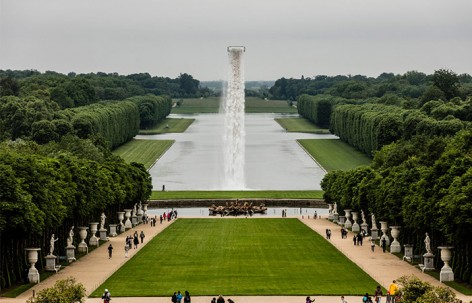
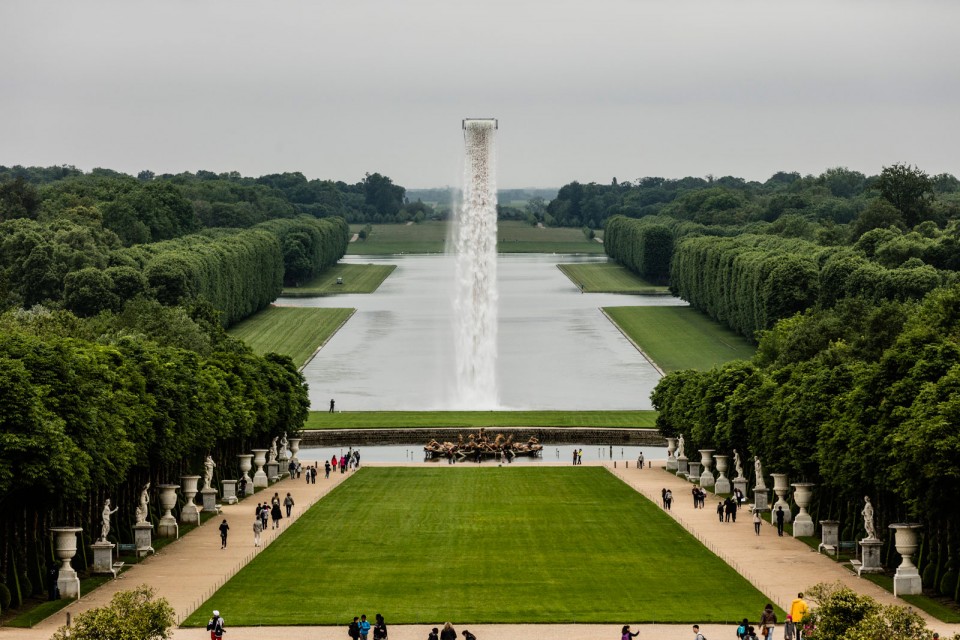
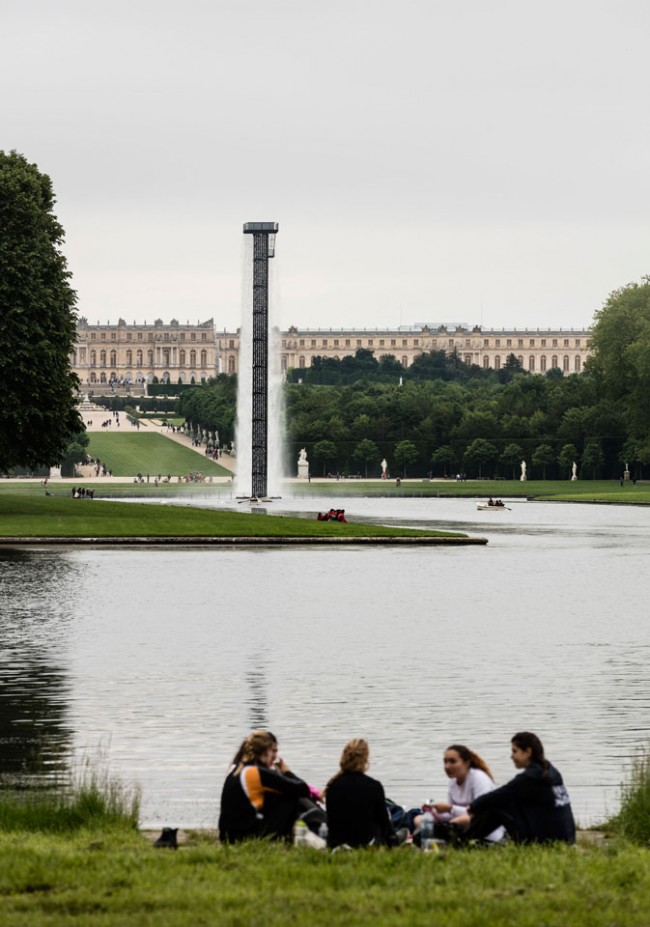
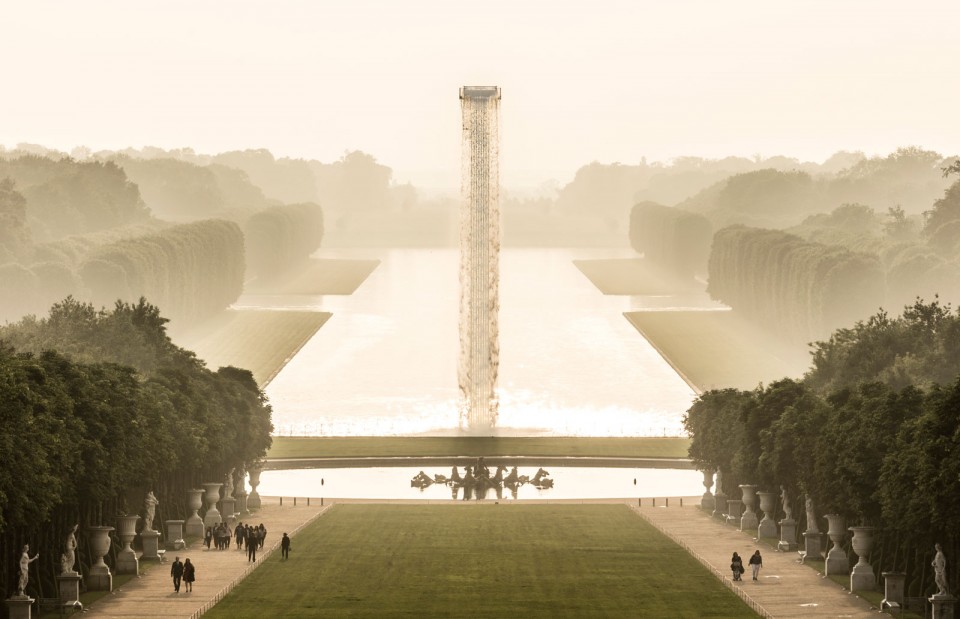
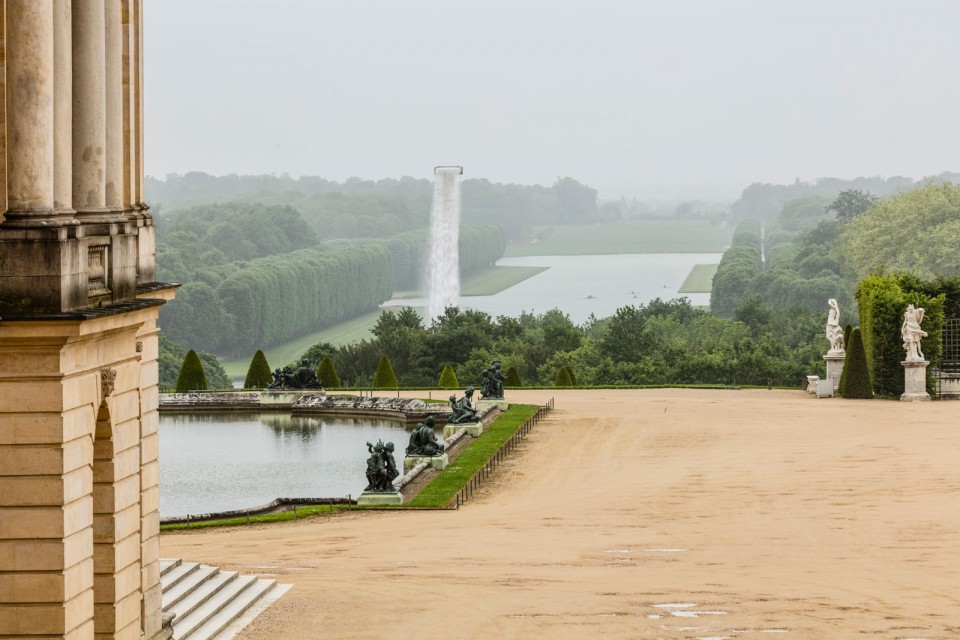
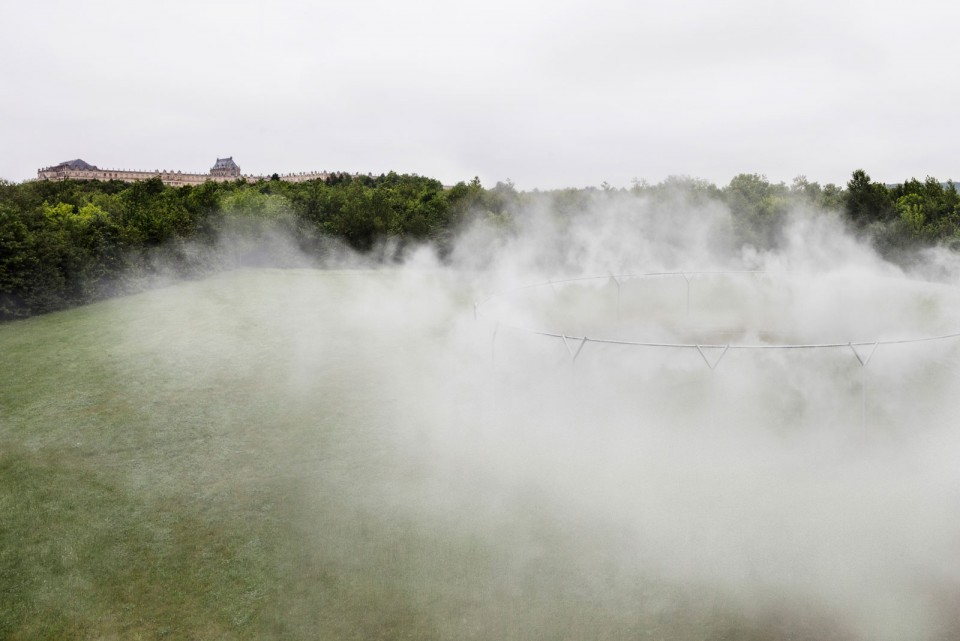
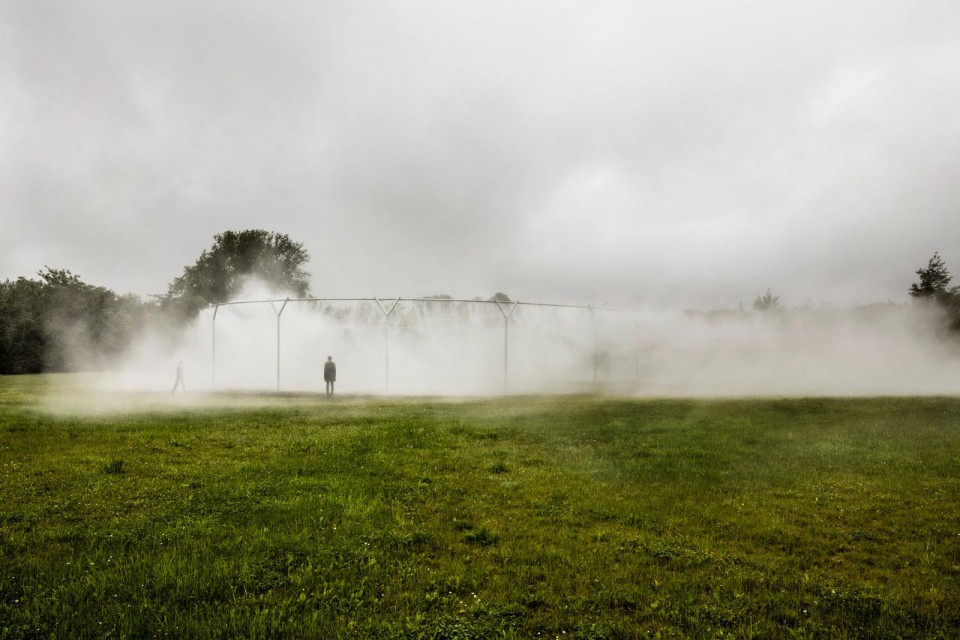
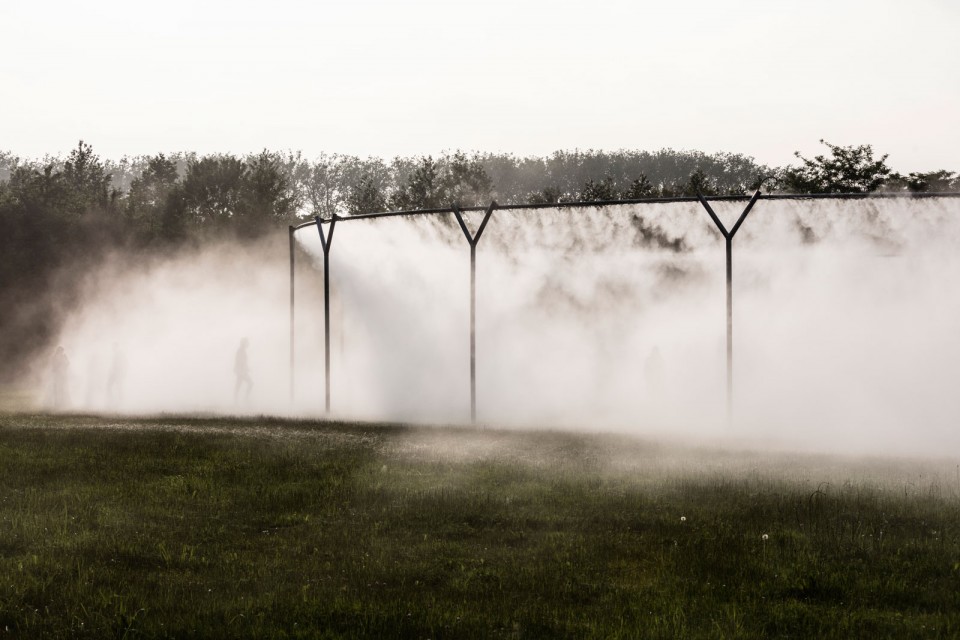
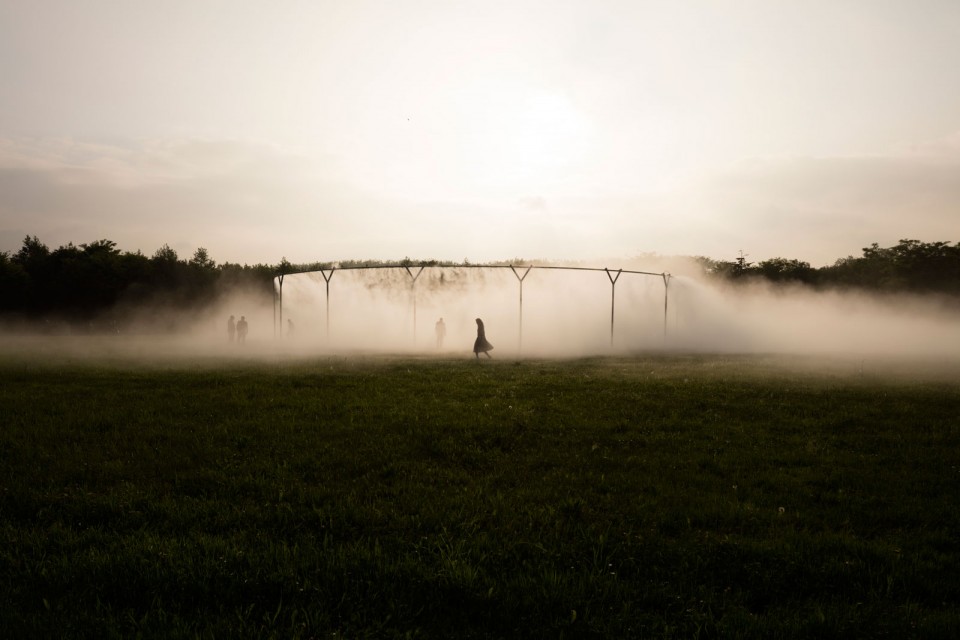
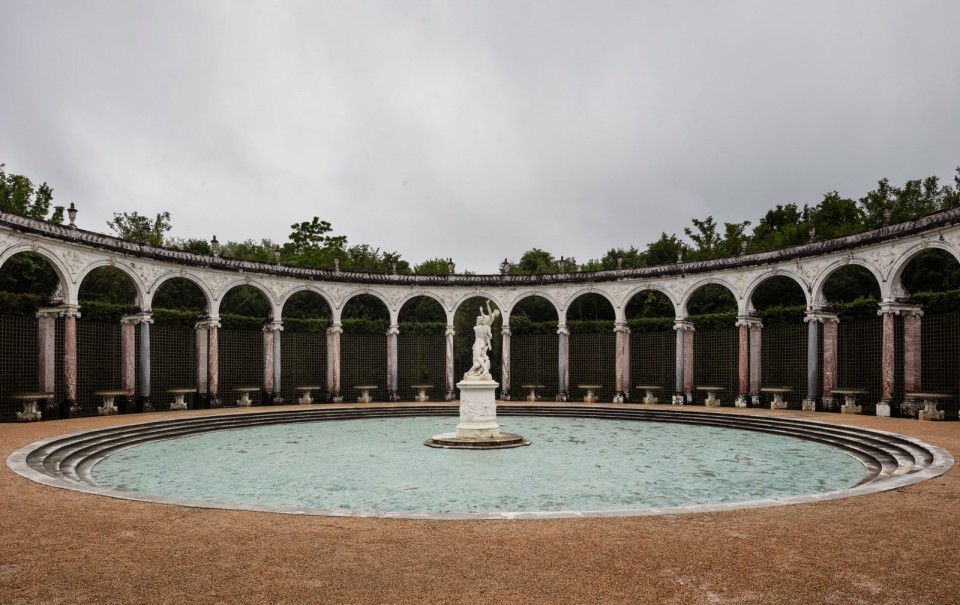
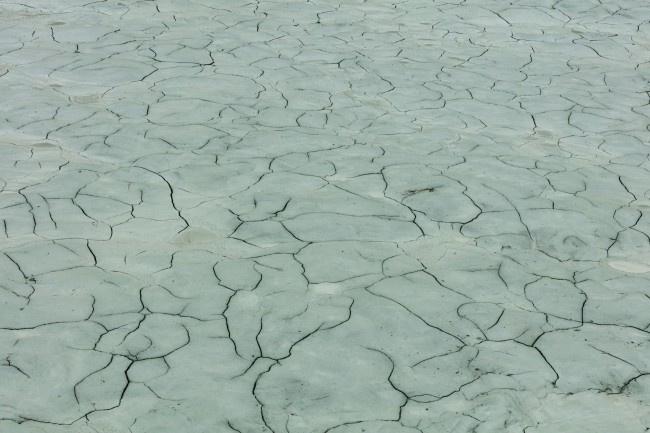
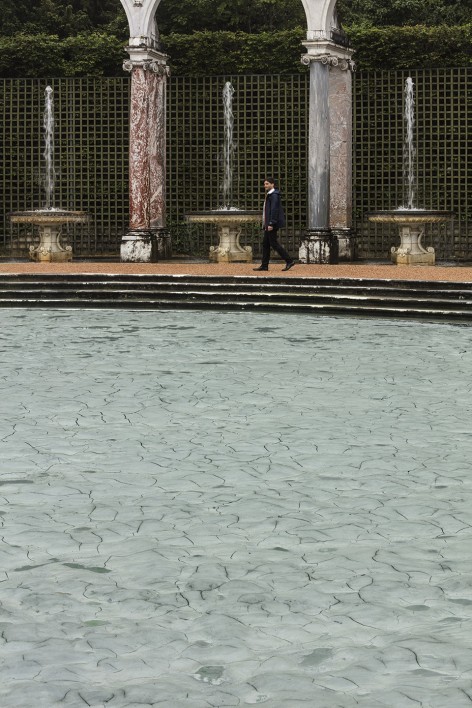
这次的展览分为室外和室内两组。室外部分以庭院设计必不可少的“水”为主题: 巨大的瀑布耸立在花园中轴上的大运河之内,而草地之上的环形装置不断喷洒着雾气,烟雾缭绕恍如仙境,而在喷泉池中的龟裂岩层则是由冰河时代岩石研磨后的粉末制成。
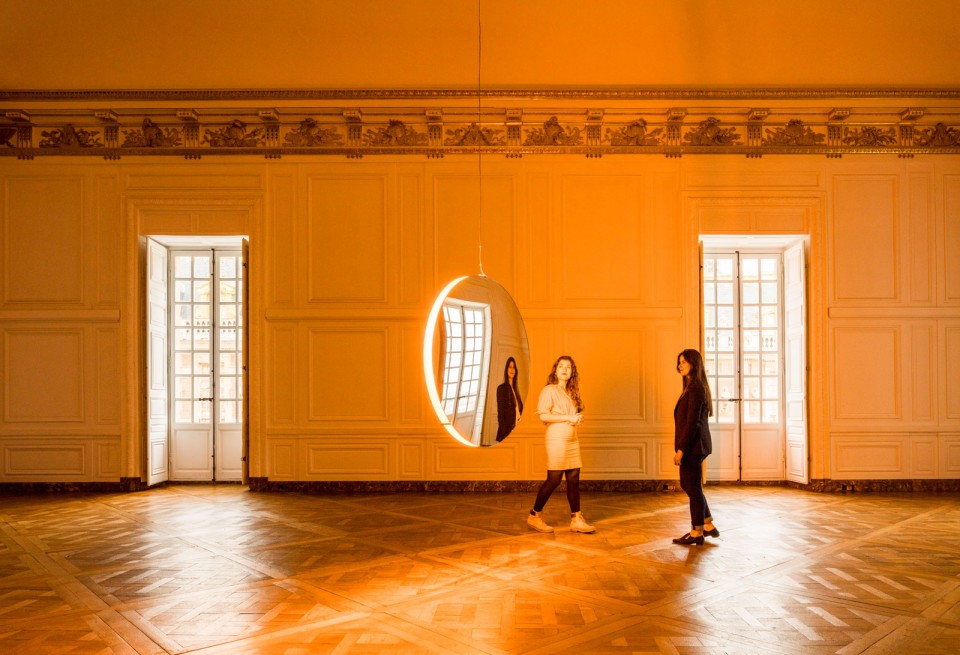
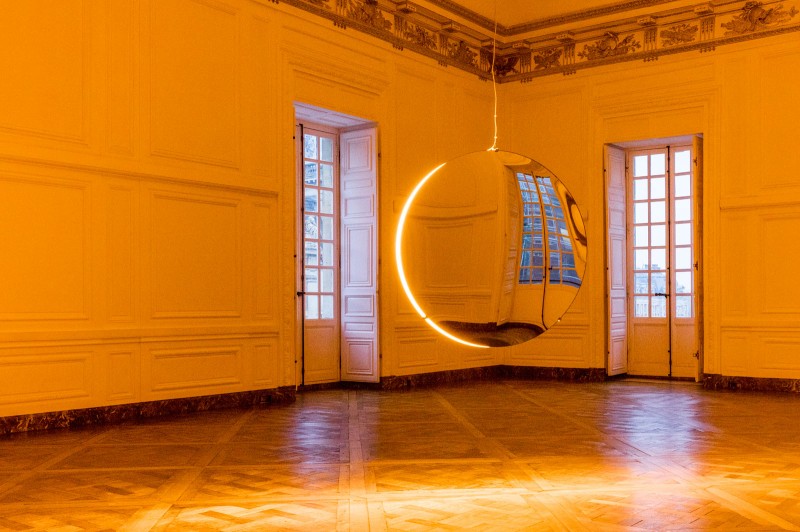
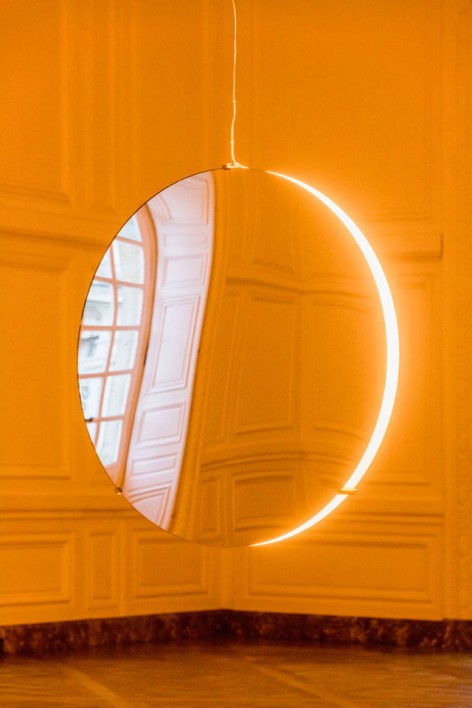
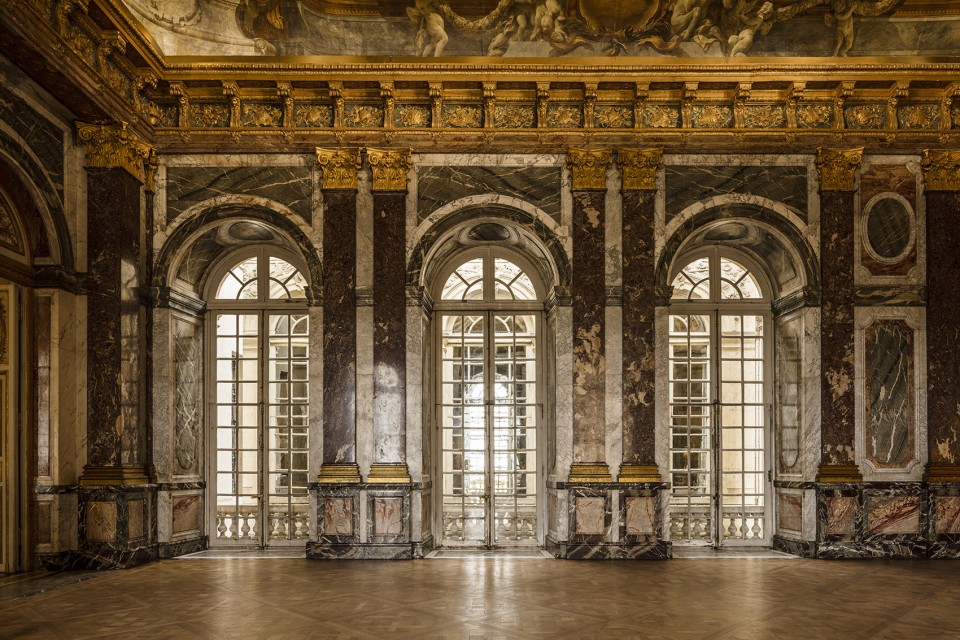
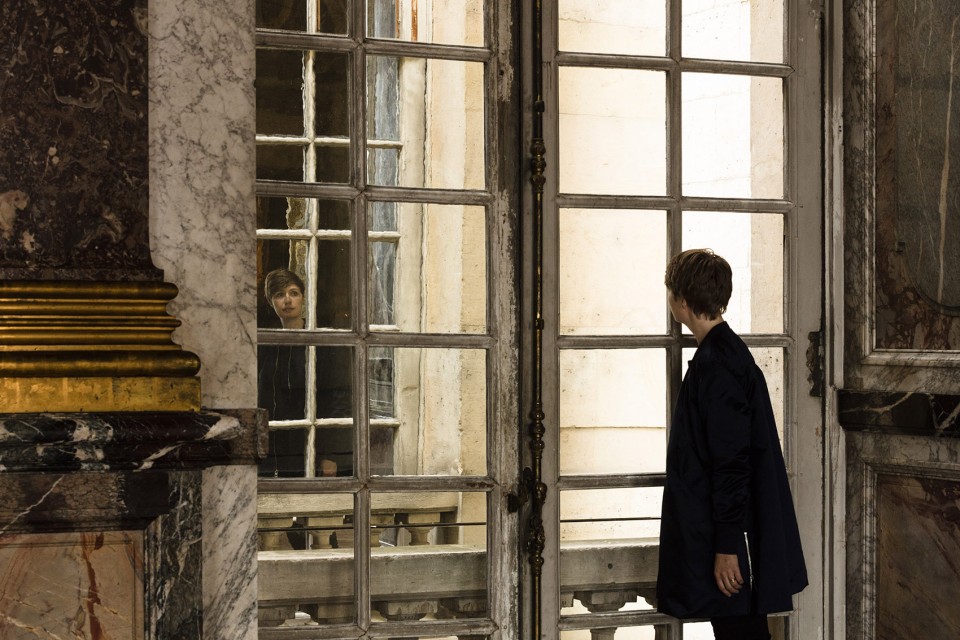
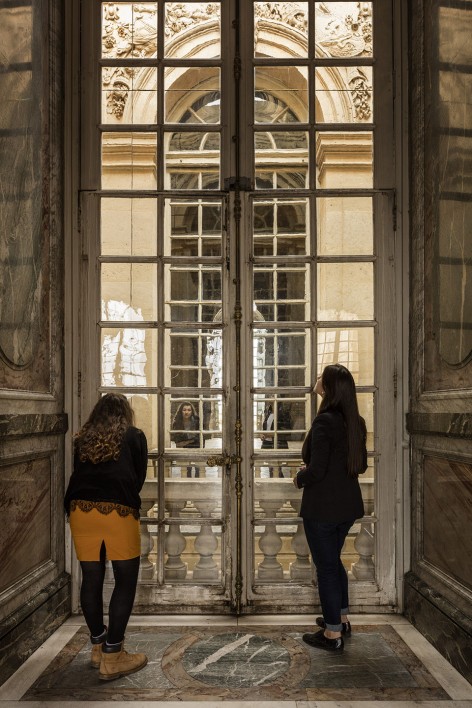
在宫殿内部,镜子成为了主角,创造出一重重的迷幻空间,让未曾更改的空间格局在不断的反射和折射中被拆解、重置,变化无穷。而不时出现的倒影给参观者带来意外的惊喜,走动的人群仿佛也成为了华美宫殿的一部分。
展览将从6月7日持续到10月30日。
瀑布 Waterfall
Over the course of the past 25 years, Olafur Eliasson has created a body of sculptural and photographic work in which questions of perception, movement, and the depiction of reality through optical devices intersect with a sensitive, ecological approach to nature and the great debates currently facing our industrial society. Born in Denmark, he spent part of his childhood in Iceland, where he was marked by this volcanic land full of vast virgin spaces and ancestral glaciers. His work has been exhibited in numerous museums, but he is also active in all kinds of public contexts, extending his work into urban and natural spaces with the aim of sharing multi-sensory experiences with the public. At the recent COP21, he installed a set of blocks of ice, arranged in the form of an enormous clock, in front of the Pantheon ; the purpose was to give concrete, tangible form to the serious climate challenges of our age (Ice Watch, 2015).
Eliasson transports fragments of nature – volcanic earth or a riverbed, for example – into museums. He uses technology to recreate natural phenomena, like a waterfall. He challenges our vision of the world through his installations, which make use of projected light, kaleidoscopic views, mirrors and complex geometric structures. He also develops architectural projects and proposals that seek to add a social perspective to art, like Little Sun, a lamp powered by solar energy, designed for countries where access to electricity is limited, as well as raising the issue of sustainable energy sources. As the artist himself writes, “Art has the capacity to transform our perceptions and perspectives of the world”.
Versailles is simultaneously a historical site with tremendous patrimonial value and a microcosm where people of diverse origins and cultures brie y cross paths. A museum and public space, it cannot help but whet the appetite of an artist whose particular interest is in seeking out both natural spaces and those forged by cultural history, upon which he also bestows a social role. At Versailles these two elements are intermingled, with the concept of a garden based on a geometric design and lines of perspective; and the powerful architecture that pays testament to the glory of the monarchs who brought this château into being.
雾气 Fog Assembly
冰岩花园 Glacial Rock Flour Garden
Eliasson approaches the château and gardens of Versailles as a site for experimentation. He doesn’t install objects, but rather devises apparatuses that engage the visitor in an active relationship. All of the pieces exhibited here were conceived for the particular space in which they are now positioned. They can be subdivided into two groups.
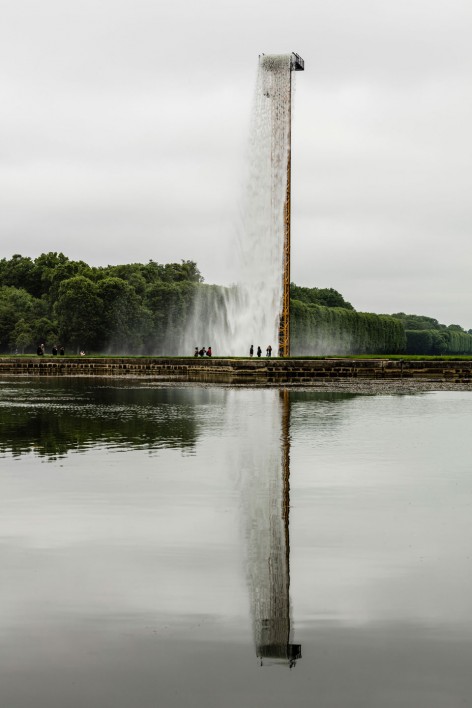
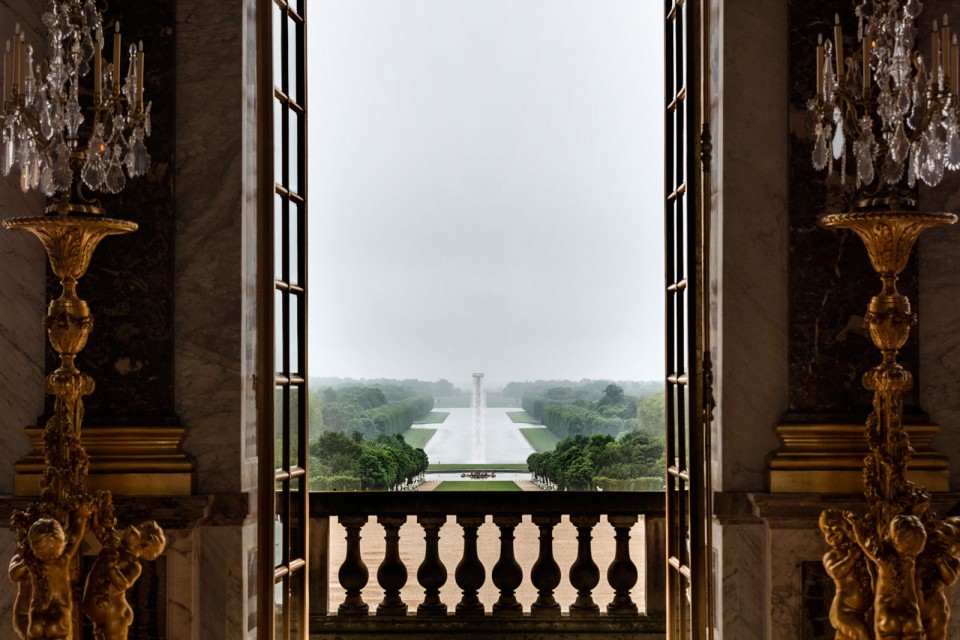
The outdoor installations form a triptych on the theme of water, whose presence dominates, as we know, classical gardens of this type. The waterfall erected in the Grand Canal is positioned on the central axis of the garden, whilst the two bosquets or groves (l’Etoile [the Star] and la Colonnade) reaffirm their role as open air salons, with one housing a circular veil of fine fog, the other a carpet of glacial residue. These three pieces thus share a common theme, tracing a continuous link and engaging the senses.
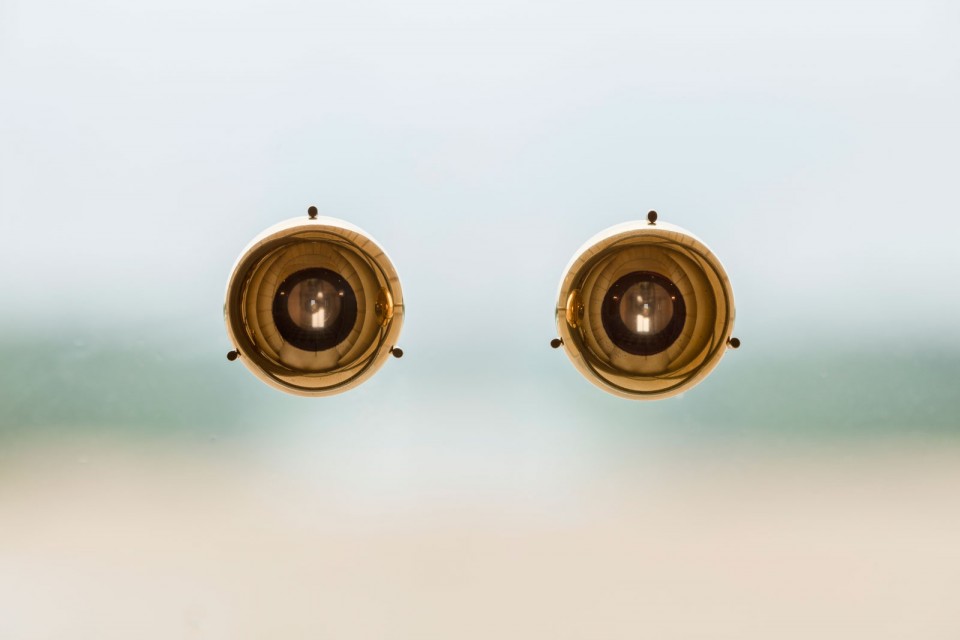
Inside the château it is the gaze that becomes the centre of attention, through a set of successive mirrors and mises en abyme. The furnishings of the rooms have not changed, but are amplified through this multiplication of points of view. Visitors are surprised to discover their own releections in unexpected locations, the rooms seem larger, transformed, revealing their hidden secrets. The artist glories in the fuidity of the baroque surroundings, which allow him to construct another reality. Displacements and destabilisation modify our perception of the rooms, inviting visitors to become active participants in the reality that surrounds them.
Eliasson excels in the creation of visual phenomena that establish a new perspective on space. After having reinvented the setting sun in the immense Turbine Hall of the Tate Modern (The weather project, 2003), installed gigantic waterfalls in New York City (The New York City Waterfalls, 2008) and added a new star to the Stockholm sky (Your Star, 2015), he brings his vision here in reinterpreting Versailles.
Alfred Pacquement
Exhibition Curato
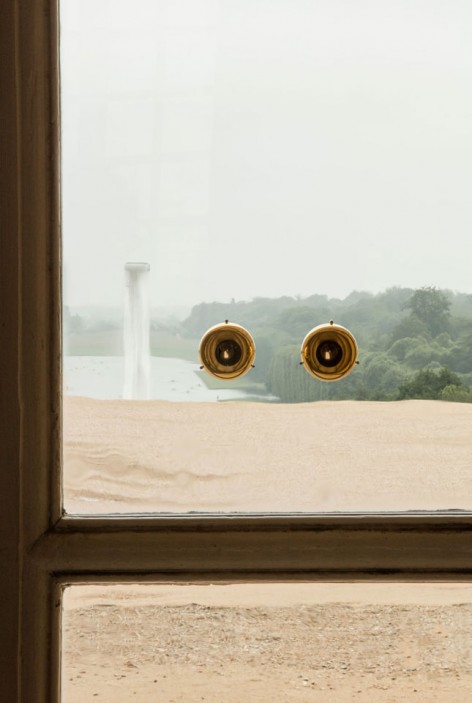
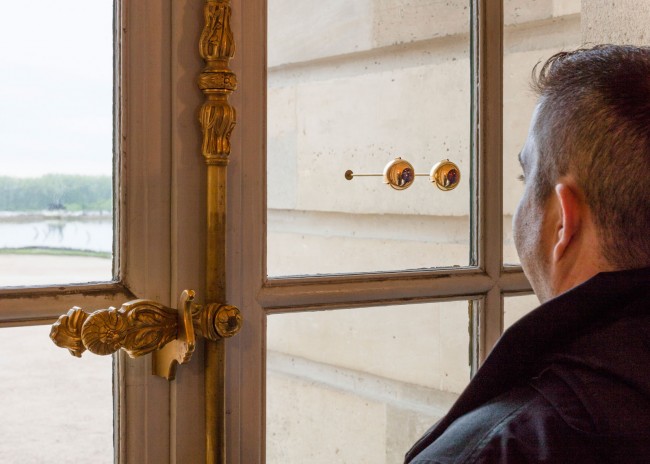
凡尔赛之眼 The gaze of Versailles
Your sense of unity
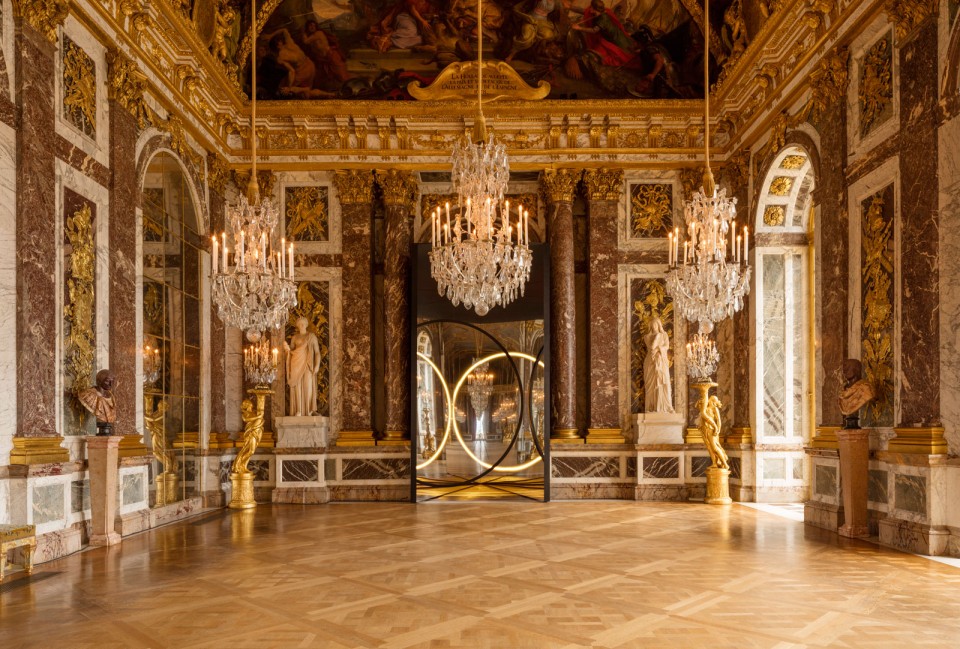
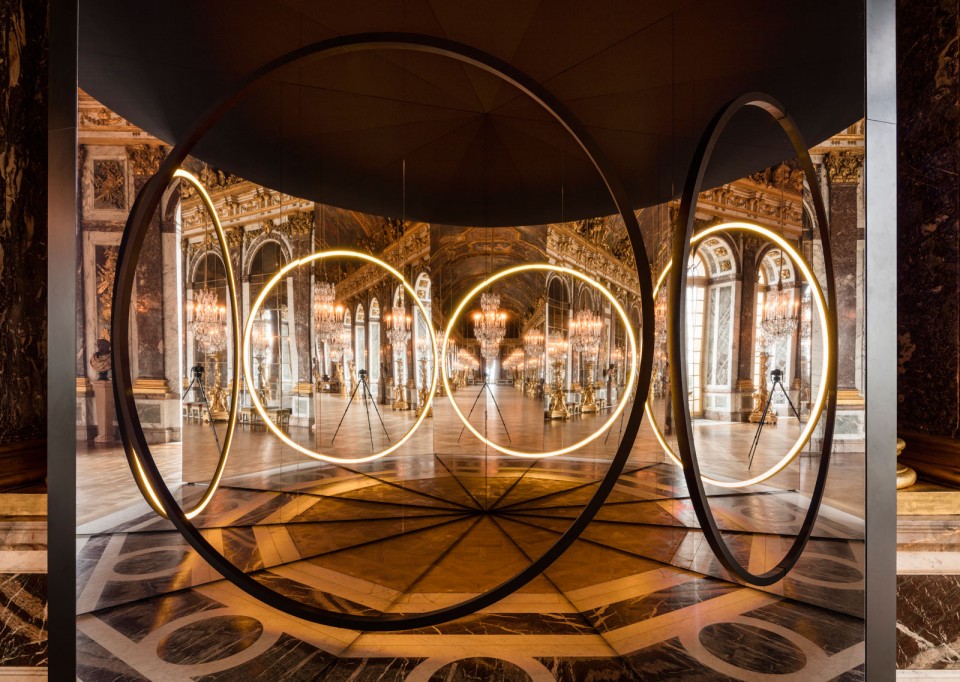
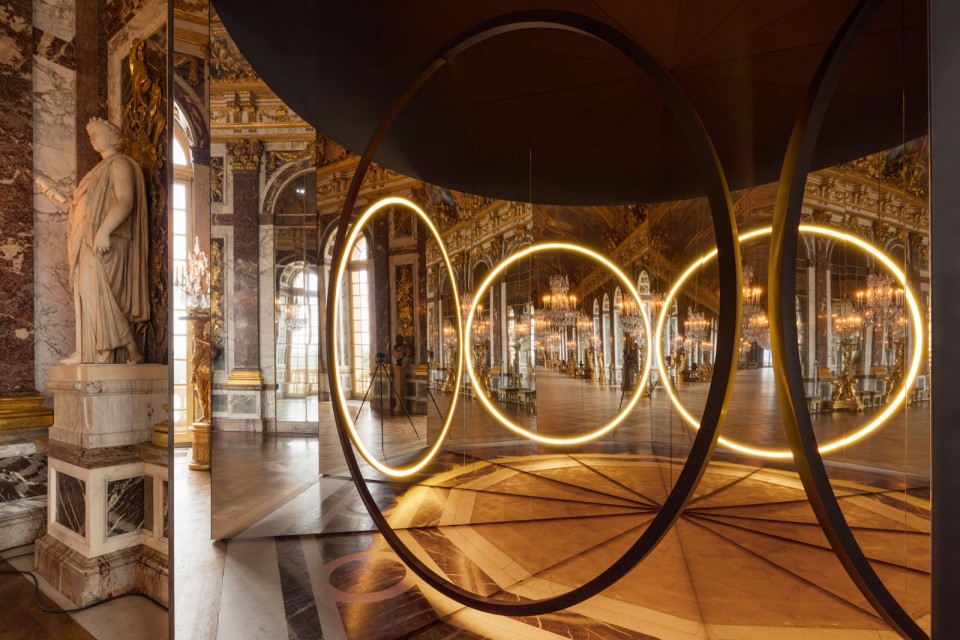
深镜 Deep mirror
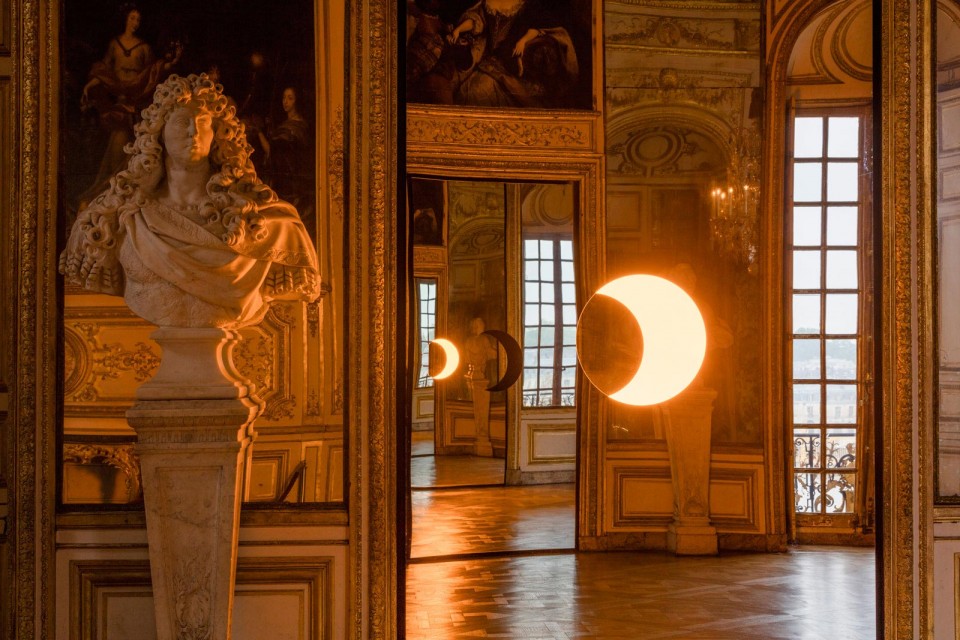
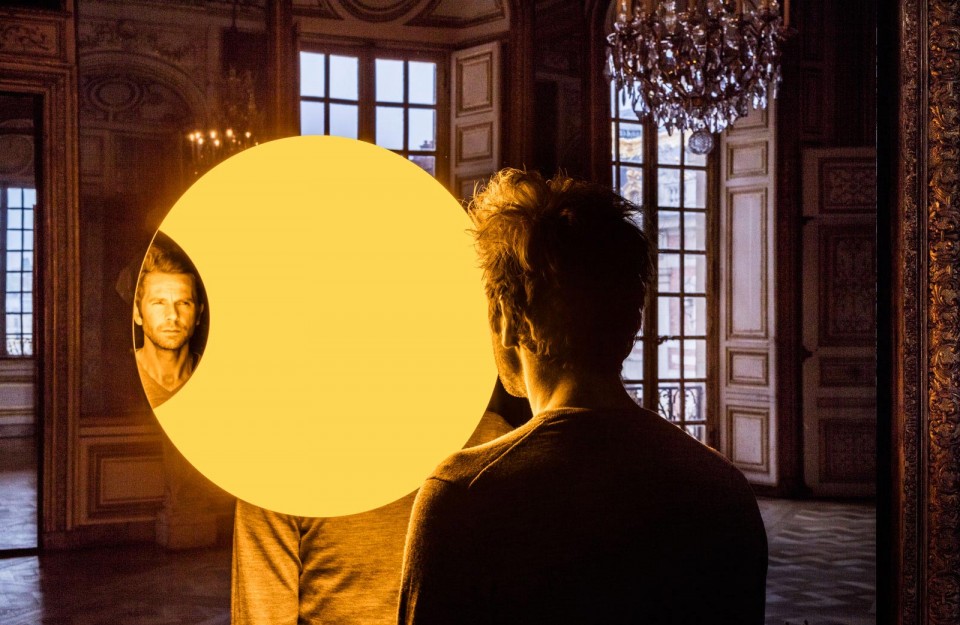
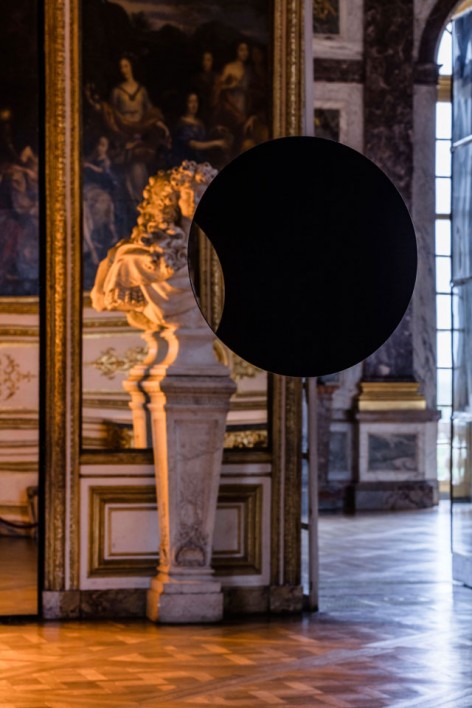
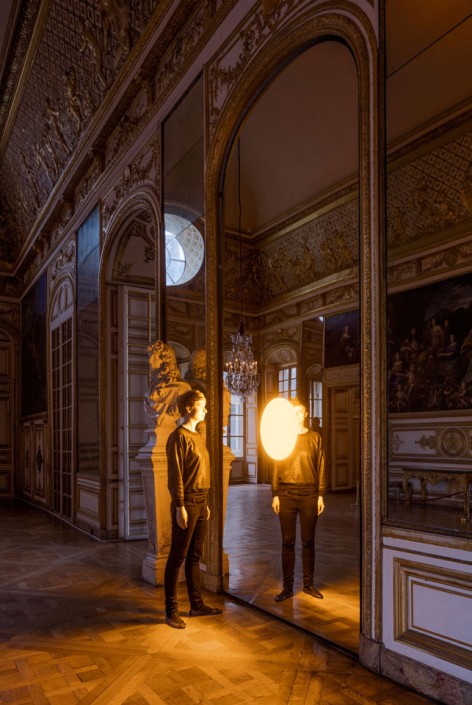
Historically, the royal court at Versailles was a place of constant observation – of oneself and of others; the strict social norms of the time were enforced through a web of gazes. The Baroque architecture of the palace served to heighten visibility, becoming a stunning instrument of power held exclusively by the king. Today, however, we look at Versailles differently, and when I visit the site, I ask myself: how do you, the visitor, view this iconic site? What does it do to you? Have we all become king?
The Versailles that I have been dreaming up is a place that empowers everyone. It invites visitors to take control of the authorship of their experience instead of simply consuming and being dazzled by the grandeur. It asks them to exercise their senses, to embrace the unexpected, to drift through the gardens, and to feel the landscape take shape through their movement.
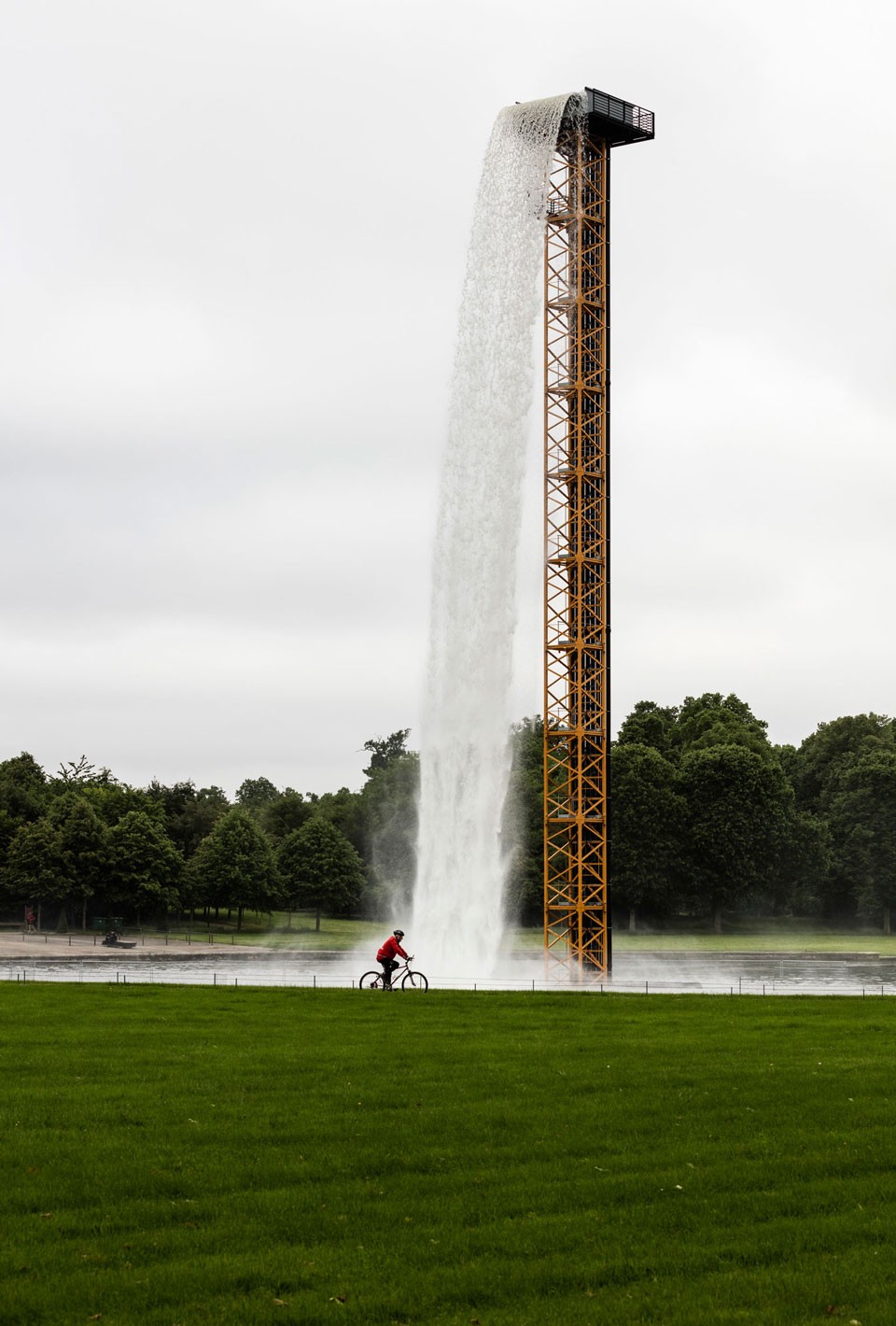
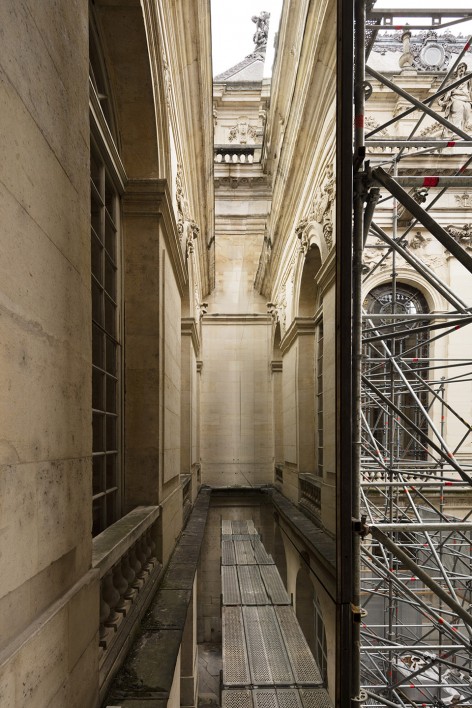
For my exhibition this summer, I am doing a series of subtle spatial interventions inside the palace deploying mirrors and light, and in the gardens, I use fog and water to amplify the feelings of impermanence and transformation. The artworks liquefy the formal design of the gardens while reviving one of landscape architect André Le Nôtre’s original, unrealised visions: the placement of a waterfall along the axis of the Grand Canal. This waterfall reinvigorates the engineering ingenuity of the past. It is as constructed as the court was, and I’ve left the construction open for all to see – a seemingly foreign element that expands the scope of human imagination.
Olafur Eliasson
日光压缩 Solar Compression
奇妙博物馆 The Curious Museum
MORE: Olafur Eliasson ,更多关于他们:Olafur Eliasson on gooood

有一张好像贝克汉姆。。。
六月末去的法国 刚好见到了
室内系列改成黑光,晚上去肯定特别刺激
用镜子装置,很好的营造出超现实主义的感受。与凡尔赛宫镜厅形成新与旧的对话。
可惜那个瀑布只有在正对它的时候,才有悬空的瀑布的错觉,在走进了转个角度就可以看到那些突兀的支架。如果瀑布的倾泻口不止那一面,做个环形360度的,那么倾泻而下的瀑布就自然而然遮挡住了后面的支架,从每个角度看过去都像是悬空的感觉。
360°就不是瀑布了
怎么我们想法不谋而合,可以肯定原来设计师也有过这样的想法,但是为什么没有这样做?再想象一下360°后那种造型感吧,
这个想法真不错啊
高高的趵突泉~~~
感觉会成为一个悬空喷泉
趵突泉。。。哈哈哈哈哈哈
凡尔赛宫就该拥有这样的设计,给旅客朋友带来一些乐趣。