感谢来自 易禾上品(邮箱:yidchengdu@qq.com) 对gooood的分享。更多请至:YID on gooood
Appreciation towards YID(mail:yidchengdu@qq.com) for providing the following description:
太湖西望,有一座藏匿于竹海山岚的小城,名为宜兴,兼具江南的温婉与皖南的风骨。宜兴,旧称阳羡,茶圣陆羽在此考察茶事,盛赞阳羡茶“芳香冠世”;又得益于丁蜀镇优质的紫砂陶土,宜兴更是以紫砂茶具闻名于世。
Looking westward from Taihu Lake, there is a small city hidden among bamboo forests and misty mountains, called Yixing. It combines the gentleness of southern China with the spirit of western Anhui. Yixing, historically known as Yangxian, is renowned as the place where tea connoisseur Lu Yu studied on tea there.He described Yangxian tea as “the most fragrant tea in the world.” Additionally, Yixing’s reputation is bolstered by the high-quality purple clay found in Dingshu Town, making it famous for its exquisite purple sand teapots.
▼项目外观,Exterior view © 梁嘉健 刘凯
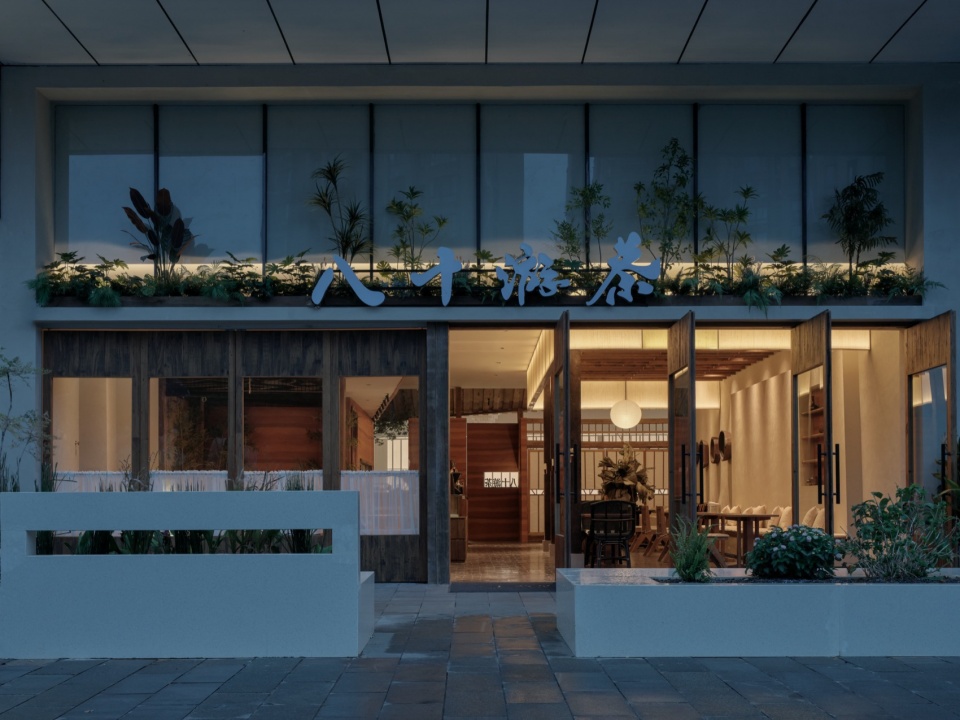
「八十游茶」的故事,始于丁蜀古镇。当主理人决定从景区走向商区,设计就是亟待解决的问题,此时,由易禾上品设计的「沏茶师·遊园」走进了她的视野。远赴千里之外的成都实地体验后,她敏锐地感受到易禾上品所崇尚的松弛自然与「八十游茶」是相契合的,于是将项目交给了设计师易平。
秋风起,八十游茶,如约而至。
The story of “Eighty Tours Tea” began in Dingshu Town. When the originator decided to move from a tourist attraction to a commercial district, design was an urgent problem to be solved. At this time, the “Chichas·Strolling The Garden” designed by YID walked into her vision. After experiencing it practically in Chengdu away thousand miles,she keenly felt that the relaxation and natural style advocated by YID was well matched with “Eighty Tours Tea”, and she entrusted the project to designer Yi Ping.
Autumn wind blows, Eighty Tours Tea arrives as scheduled.
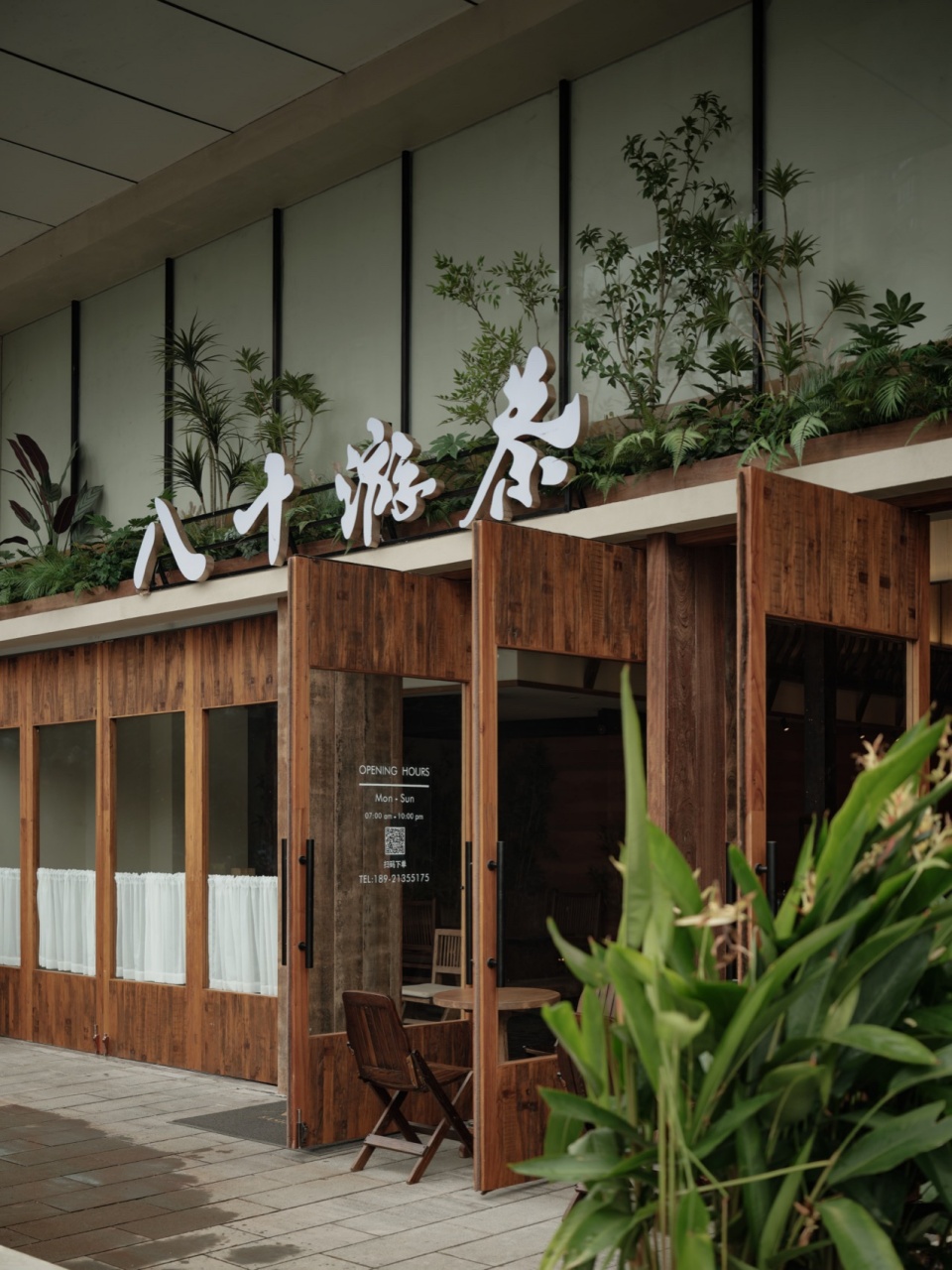
▼门店入口,entrance © 梁嘉健 刘凯
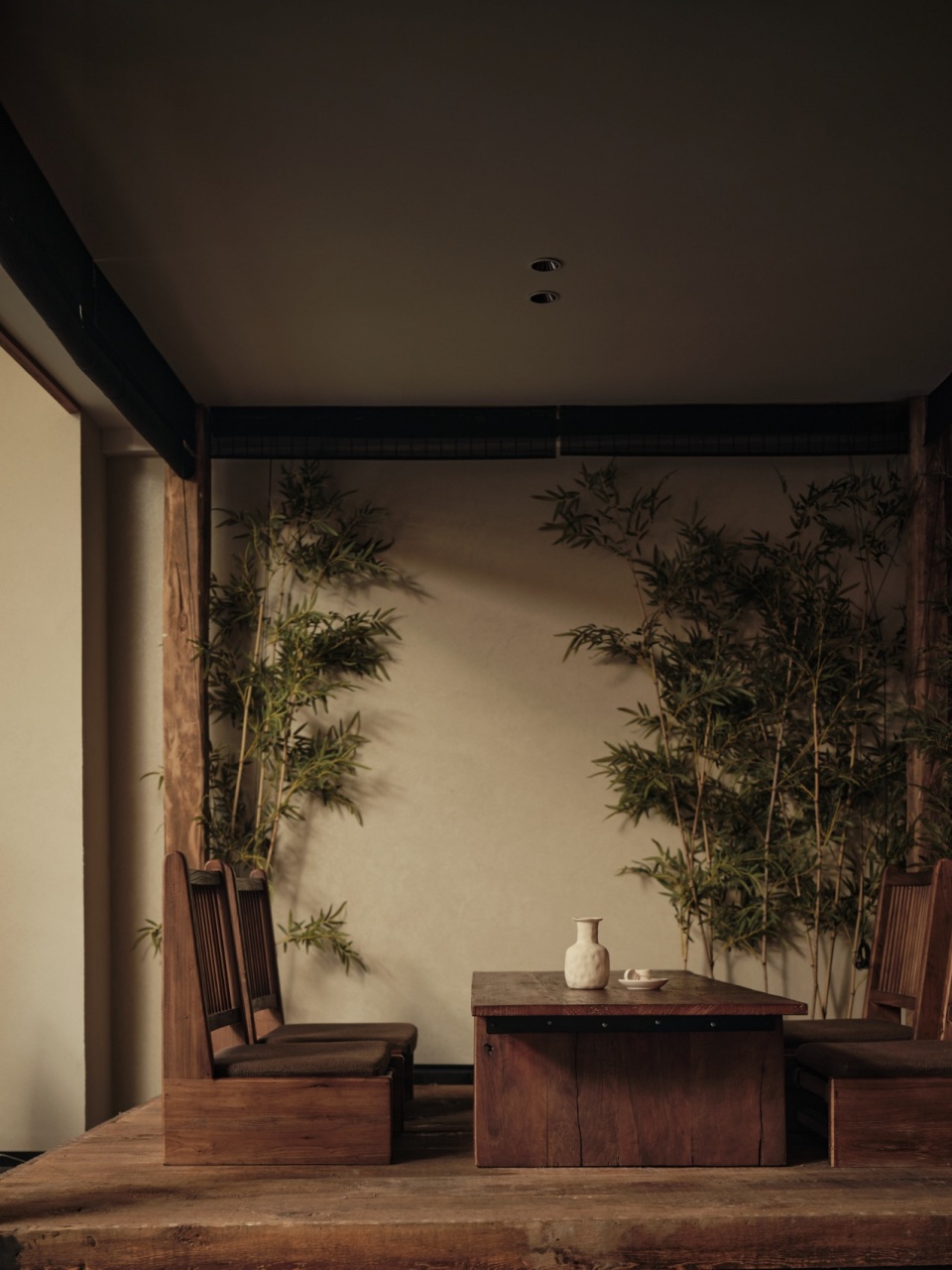
▼茶室氛围,ambiance of interior © 梁嘉健 刘凯
01
项目位于宜兴东氿商圈核心地带的八佰伴商场,往来游人如织,是一座充满年轻活力的大型商场,在这样的外部环境下,设计师期望以现代化的表达来创造一个具有东方气韵的综合性茶饮空间。
借用中国园林中的“进退”概念,去除形式上的正门,转而利用门窗、墙面造成的遮蔽,创造出丰富的转折与抑景,通过古典意象含蓄地表现向内的姿态,人们偶然瞥见这样一处所在,顺理成章地产生眼前一亮却不突兀的观感,怀着好奇与欣赏,踏进这片可供游览、赏玩、休憩的场所。
The project is located in the core area of Dongjiu Commercial Circle in Yixing, where pedestrians come and go in droves. It is a large modern shopping mall full of youthful vitality. In such an external environment, the designer hopes to create a comprehensive tea-drinking space with oriental charm through modern expression.
Drawing on the concept of “progression and retreat” in Chinese Landscape Architecture, the designer removed the formal entrance and instead used windows, walls, and other elements to create abundant turns and screening effects, expressing the inward gesture of the Eighty Tours Tea subtly through classical imagery. When people happen upon this place, it is natural for them to feel a sense of delight without any sense of abruptness. With curiosity and appreciation, they step into this place for leisure, sightseeing, and relaxation.
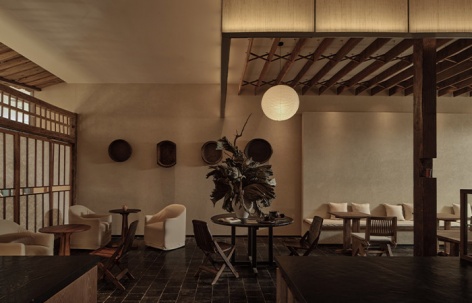
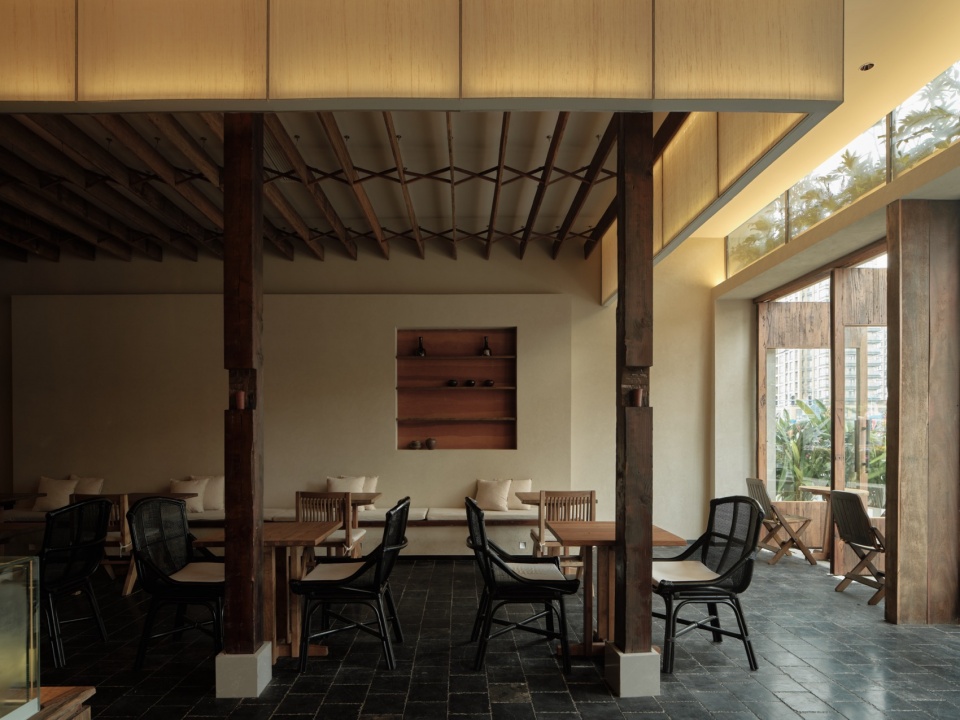
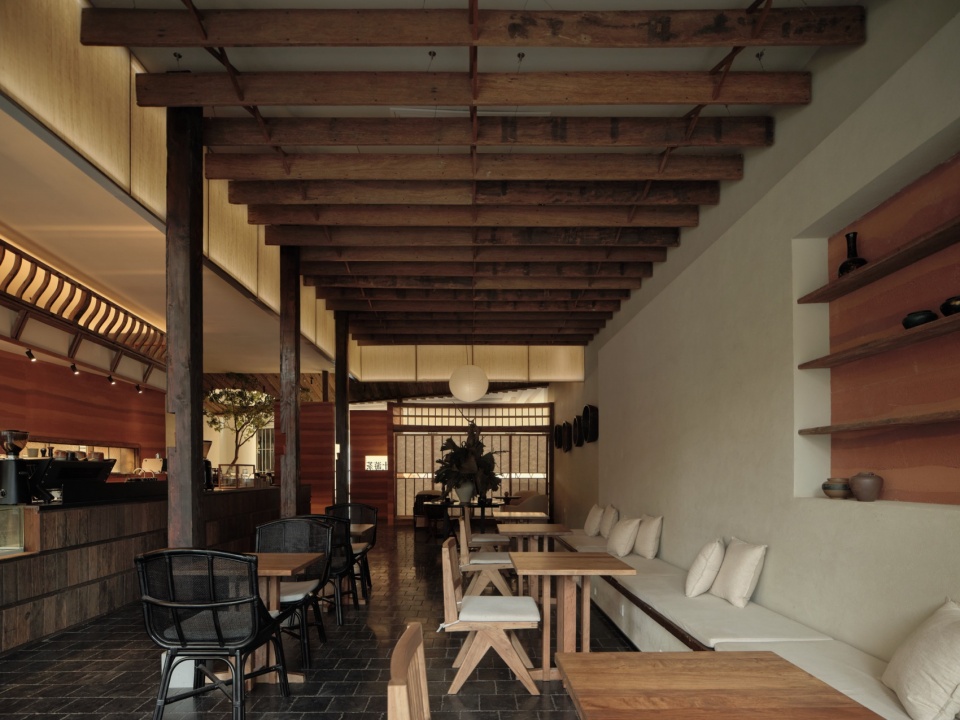
▼室内空间概览,overall of interior © 梁嘉健 刘凯
▼吧台与座位区,bar counter and seating area © 梁嘉健 刘凯
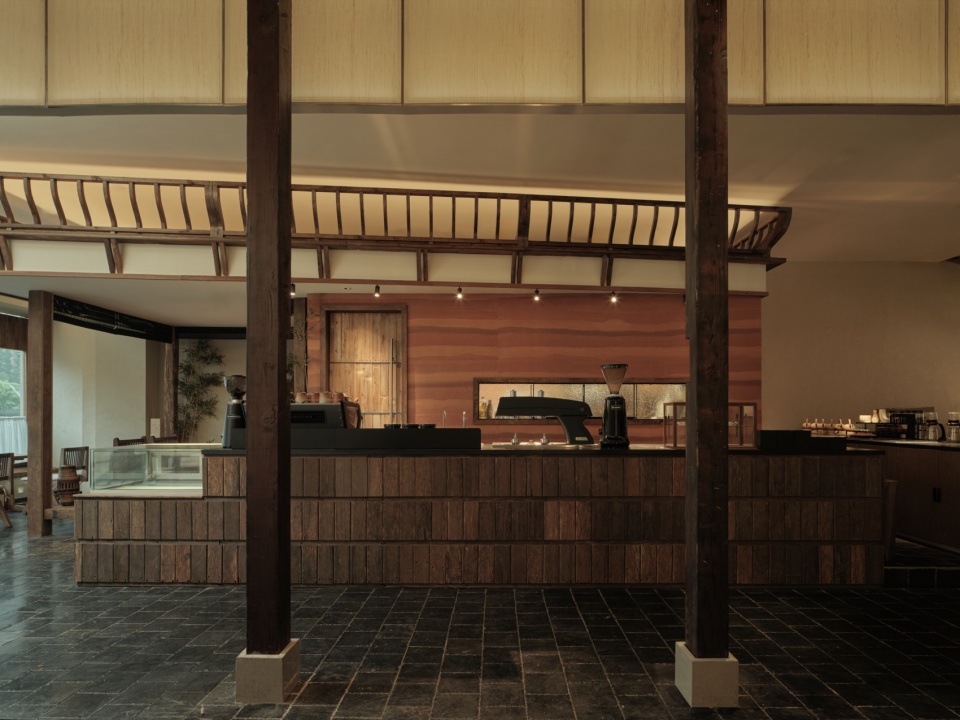
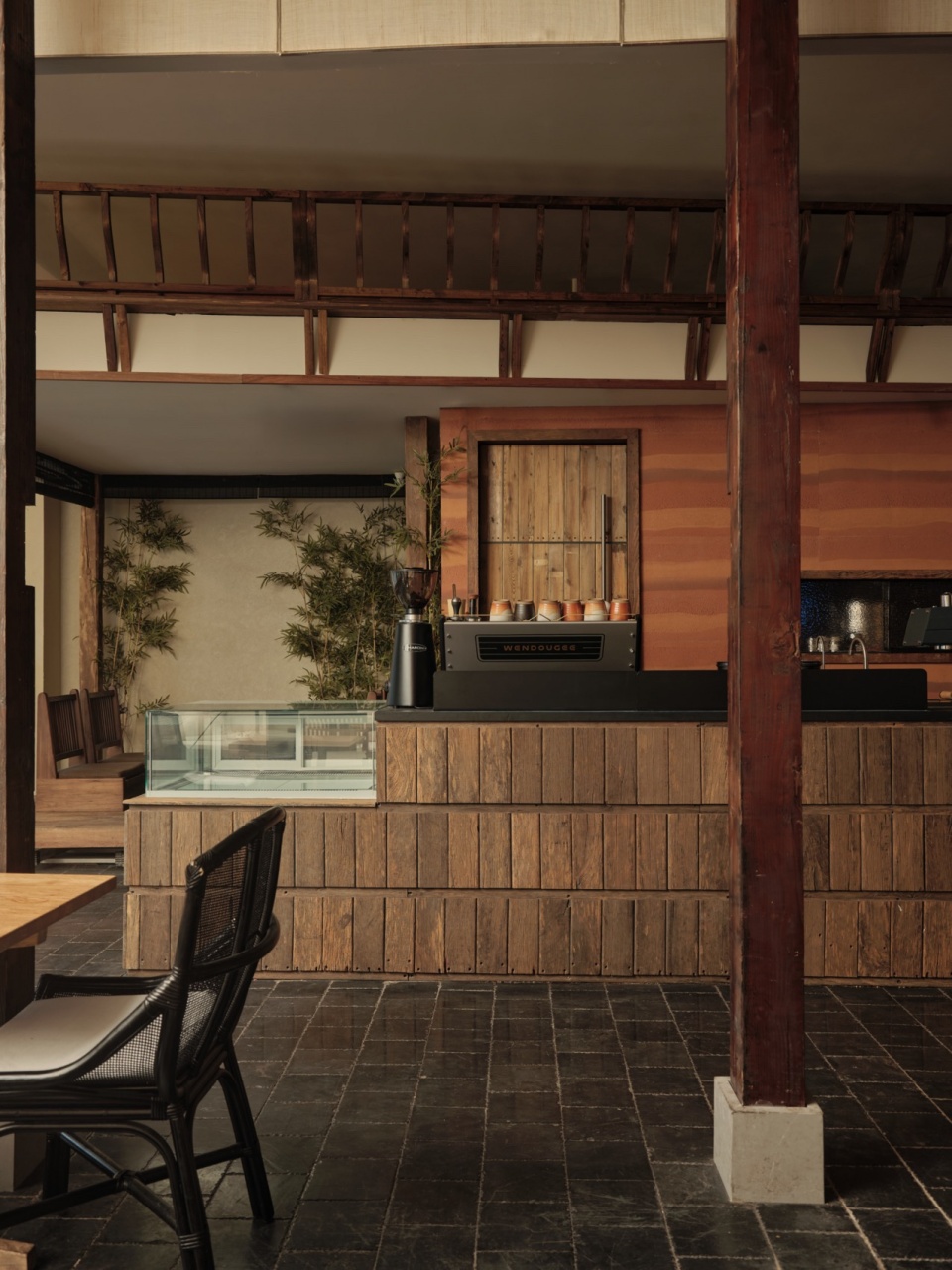
▼吧台细部,details of the bar © 梁嘉健 刘凯
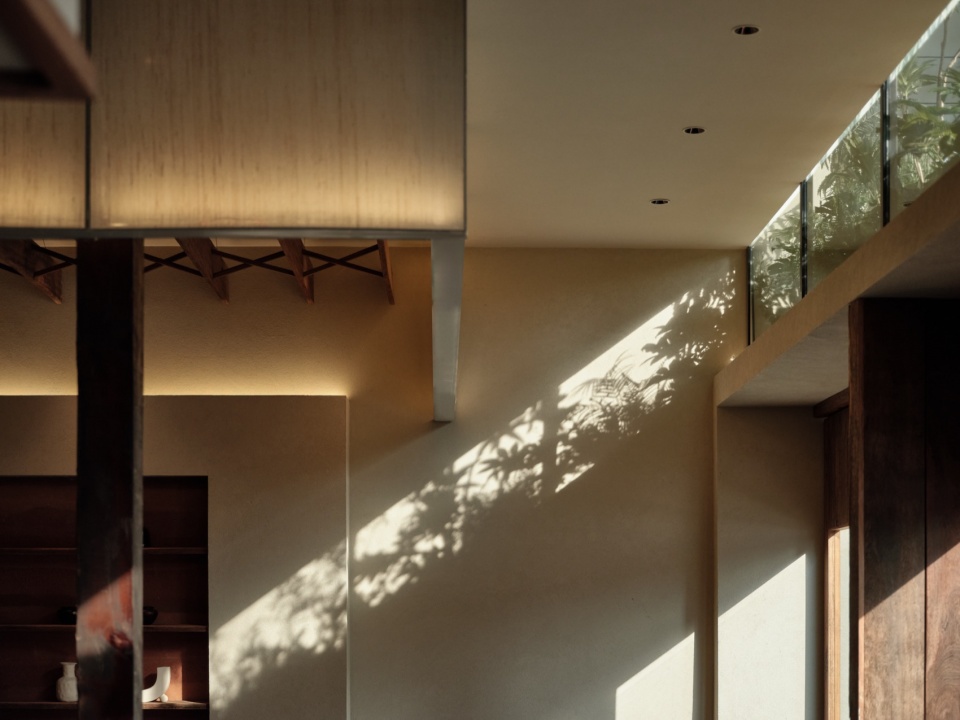
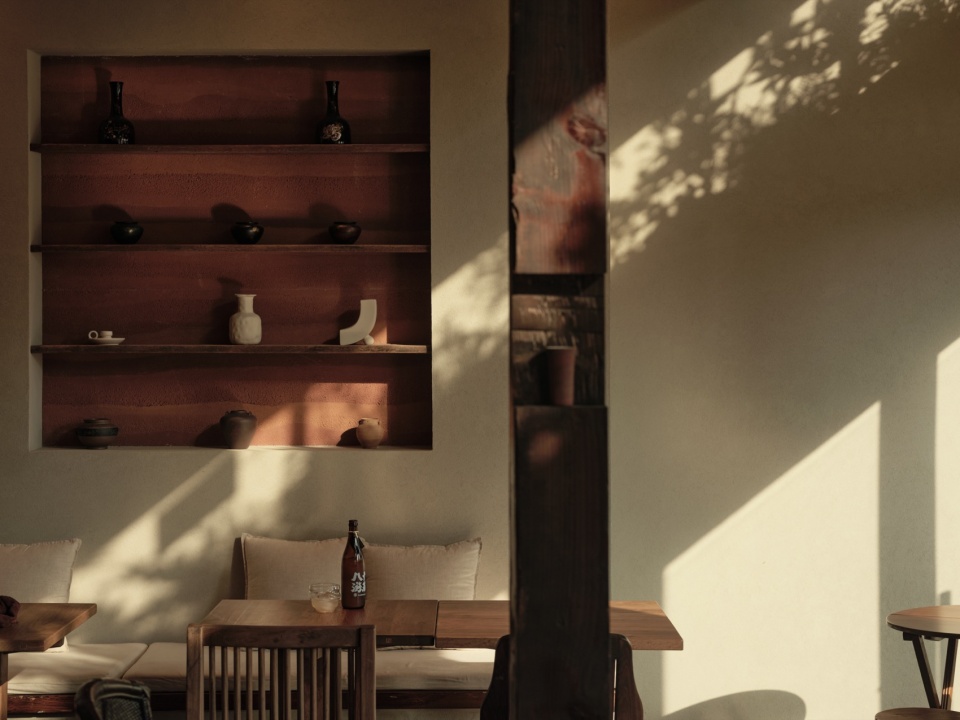
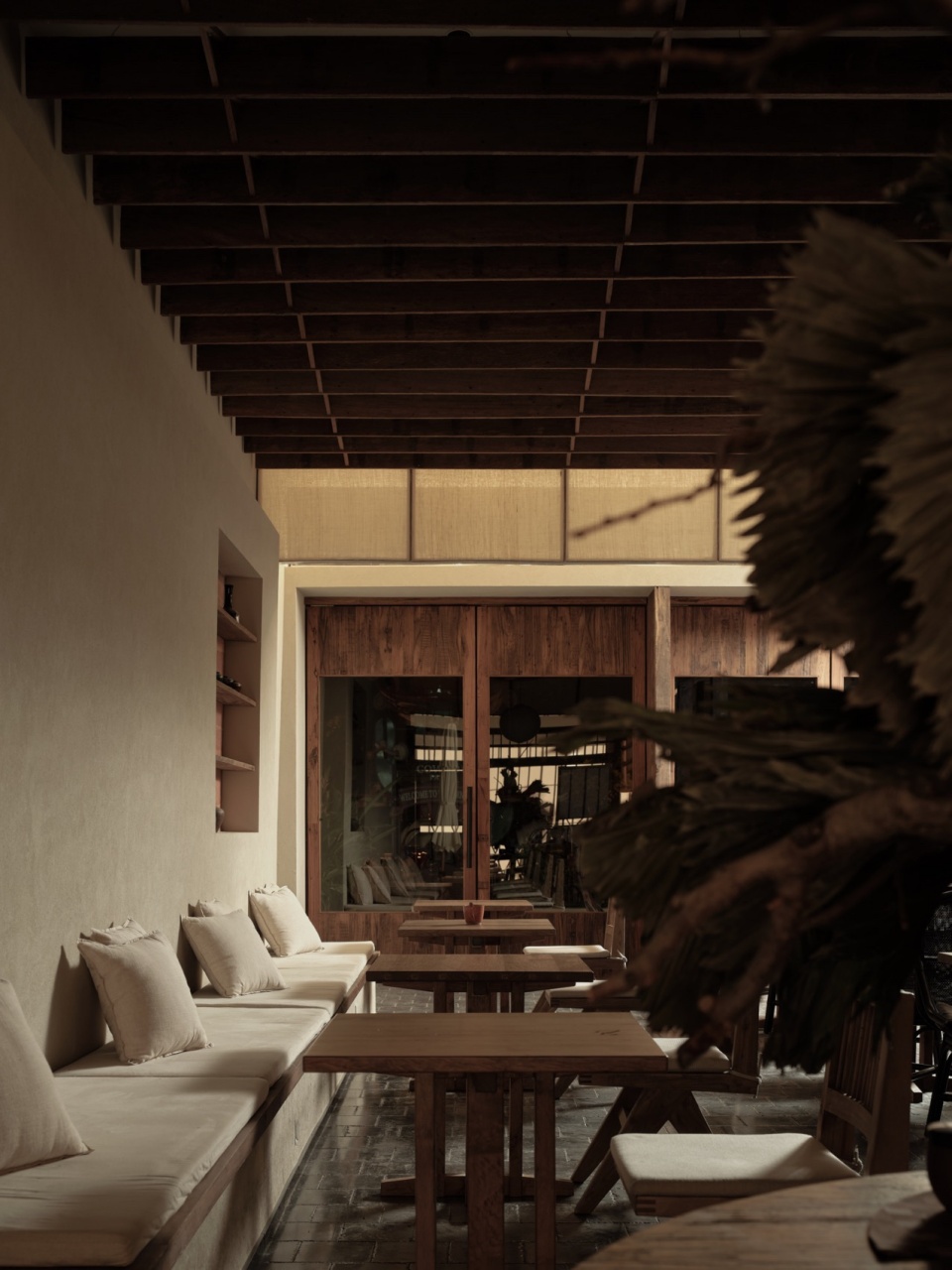
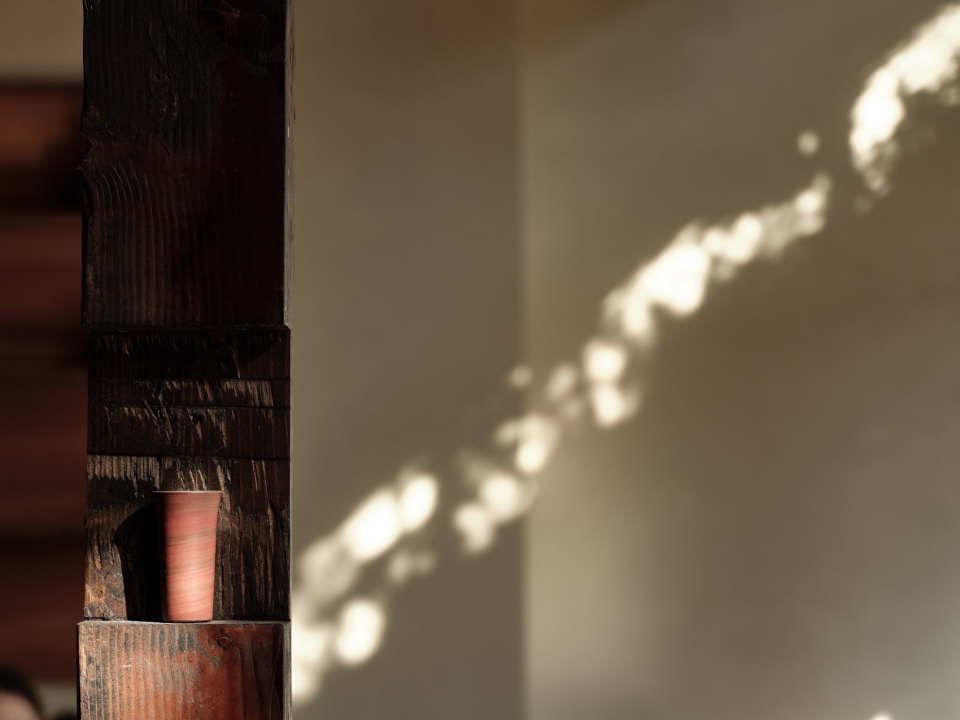
另一侧入口通向广场,展现的是八十游茶向外的姿态,在这里,设计师做了折中的处理,选择可开闭的隔断,保留空间的通透感,将广场的景观引入室内。天气晴好,便展开隔断,将桌椅置于其间,消弭室内与室外的界限,自在而松弛。当阳光穿过天窗,将摇晃的树影投射在壁龛之间,室内静物的滞拙之气也得到了调谐。
The other entrance leads to the square, showcasing the outward gesture of the Eighty Tours Tea. Here, the designer took a moderate approach, choosing movable partitions that can be opened or closed to retain the sense of openness and bringing the views of the square into the space. On sunny days, the partitions are opened, and tables and chairs are placed in the space, blurring the boundaries between indoors and outdoors and creating a relaxed and carefree atmosphere. When the sunlight passes through the skylight and casts dancing tree shadows between the niches, the static and clumsy atmosphere of the indoor objects is also harmonized.
▼通向广场的入口,entrance to the square © 梁嘉健 刘凯
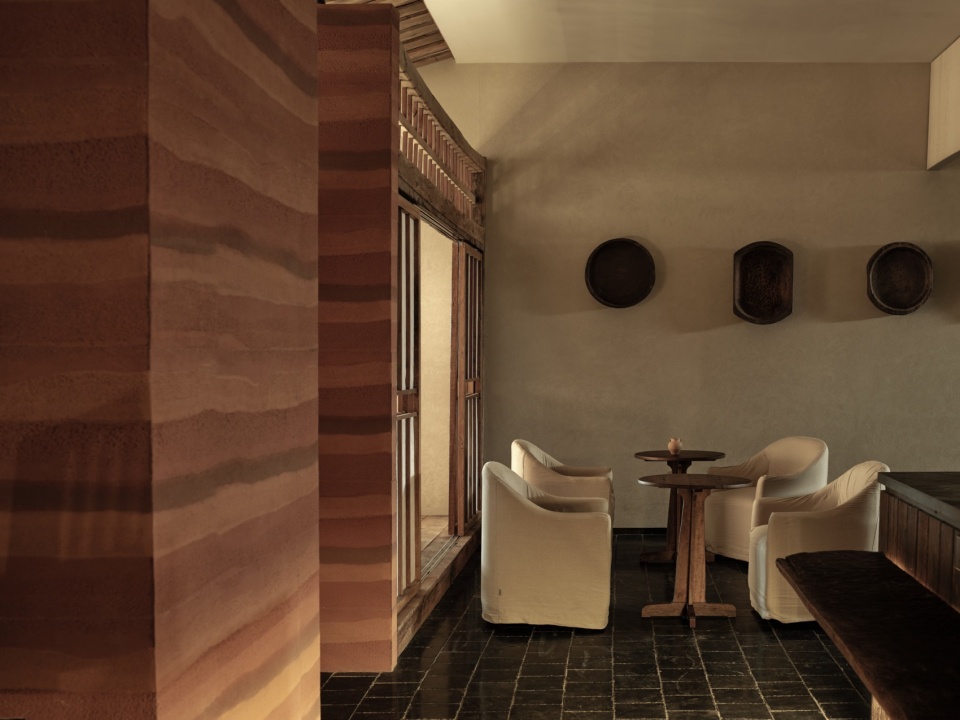
▼可开阖隔断屏风,movable partitions © 梁嘉健 刘凯
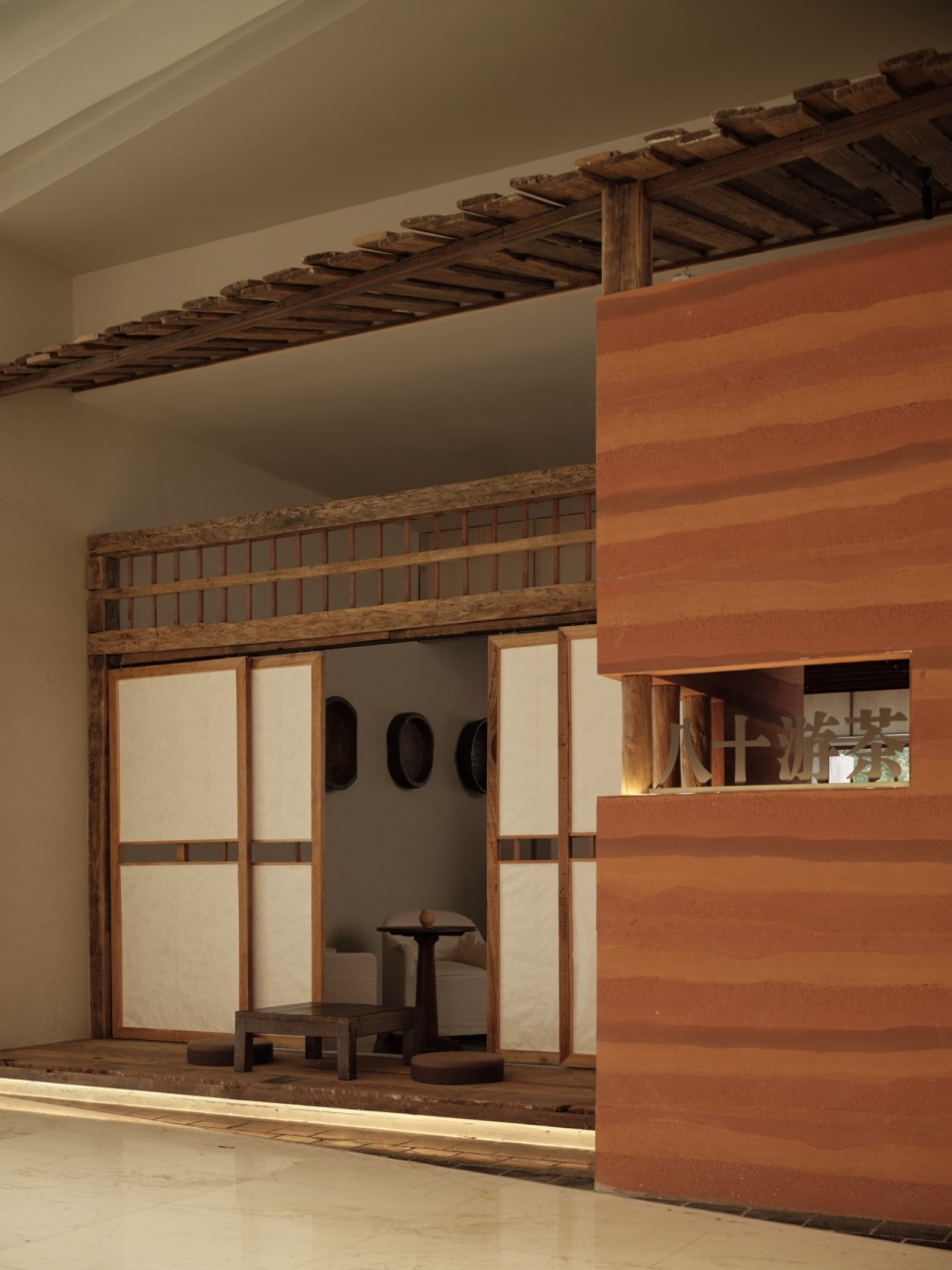
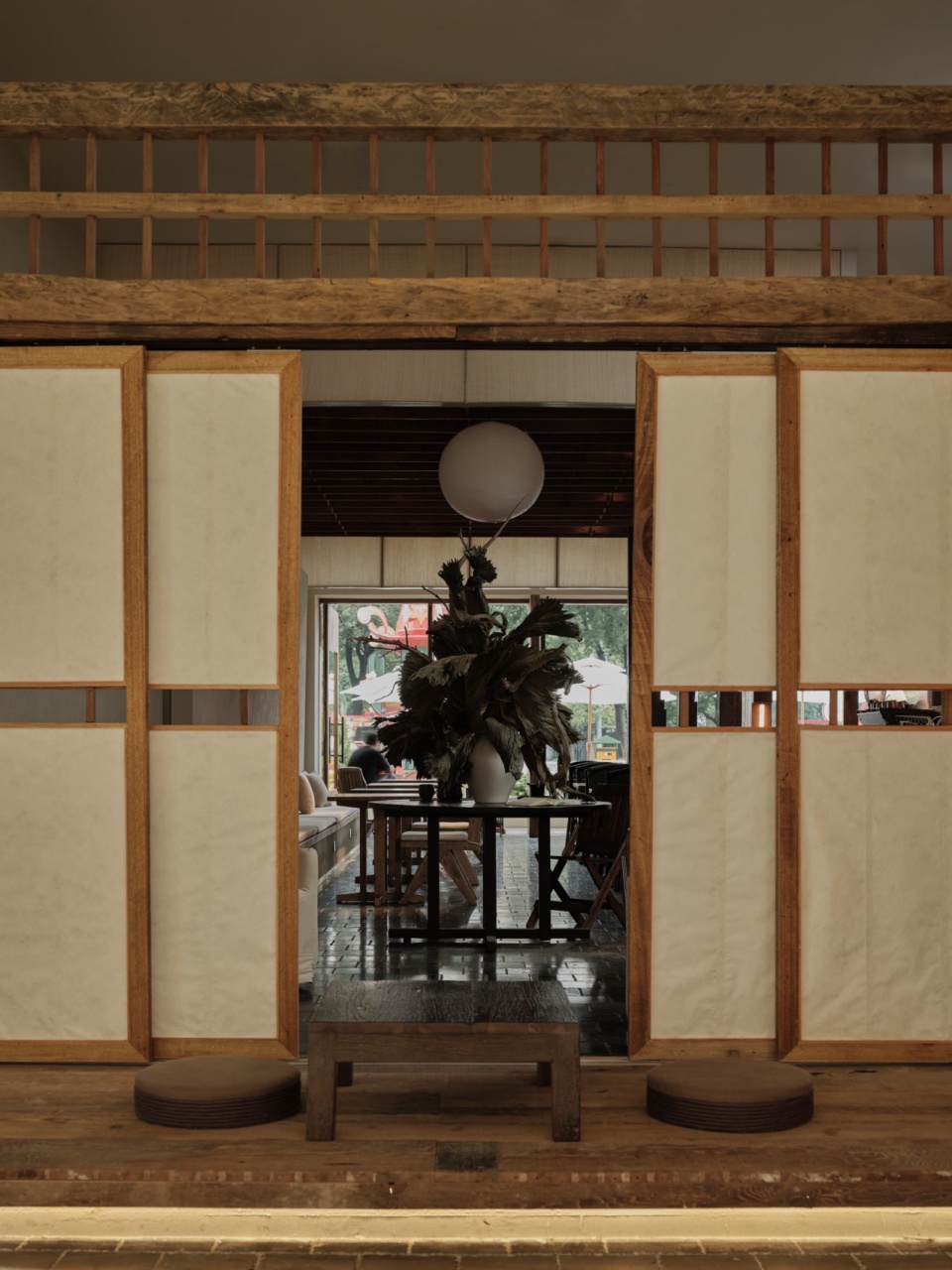
▼细部,details © 梁嘉健 刘凯
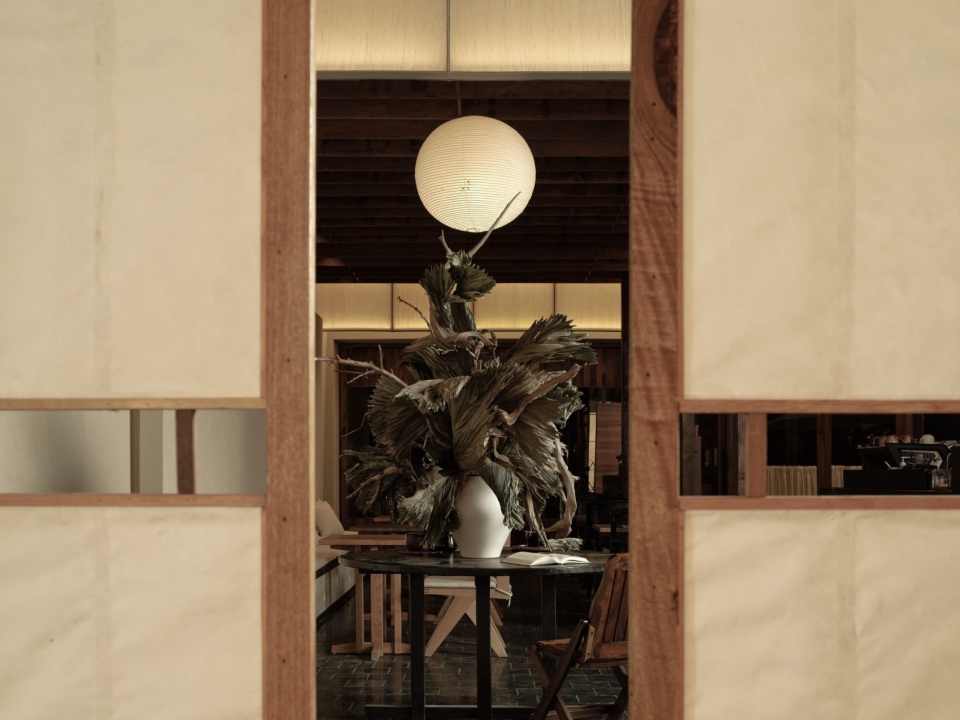
▼光影,light and shadow © 梁嘉健 刘凯
02
对于茶饮空间而言,场域氛围极为重要,是爱茶人追求的“境”。设计师引苏州园林的元素入境,唤醒江南茶客对东方气韵与生俱来的亲近。
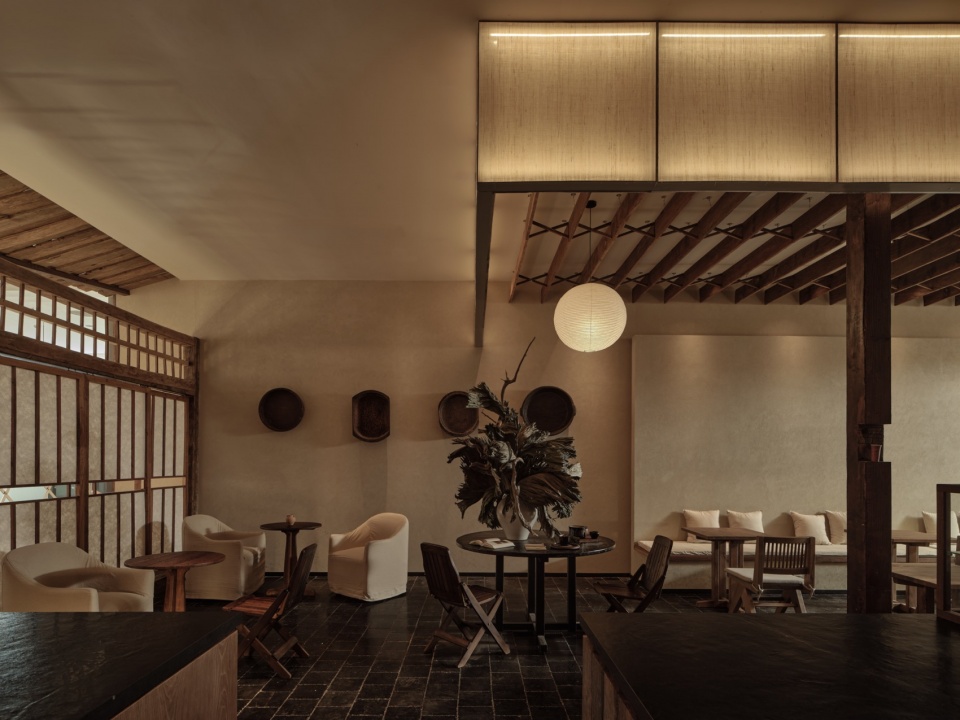
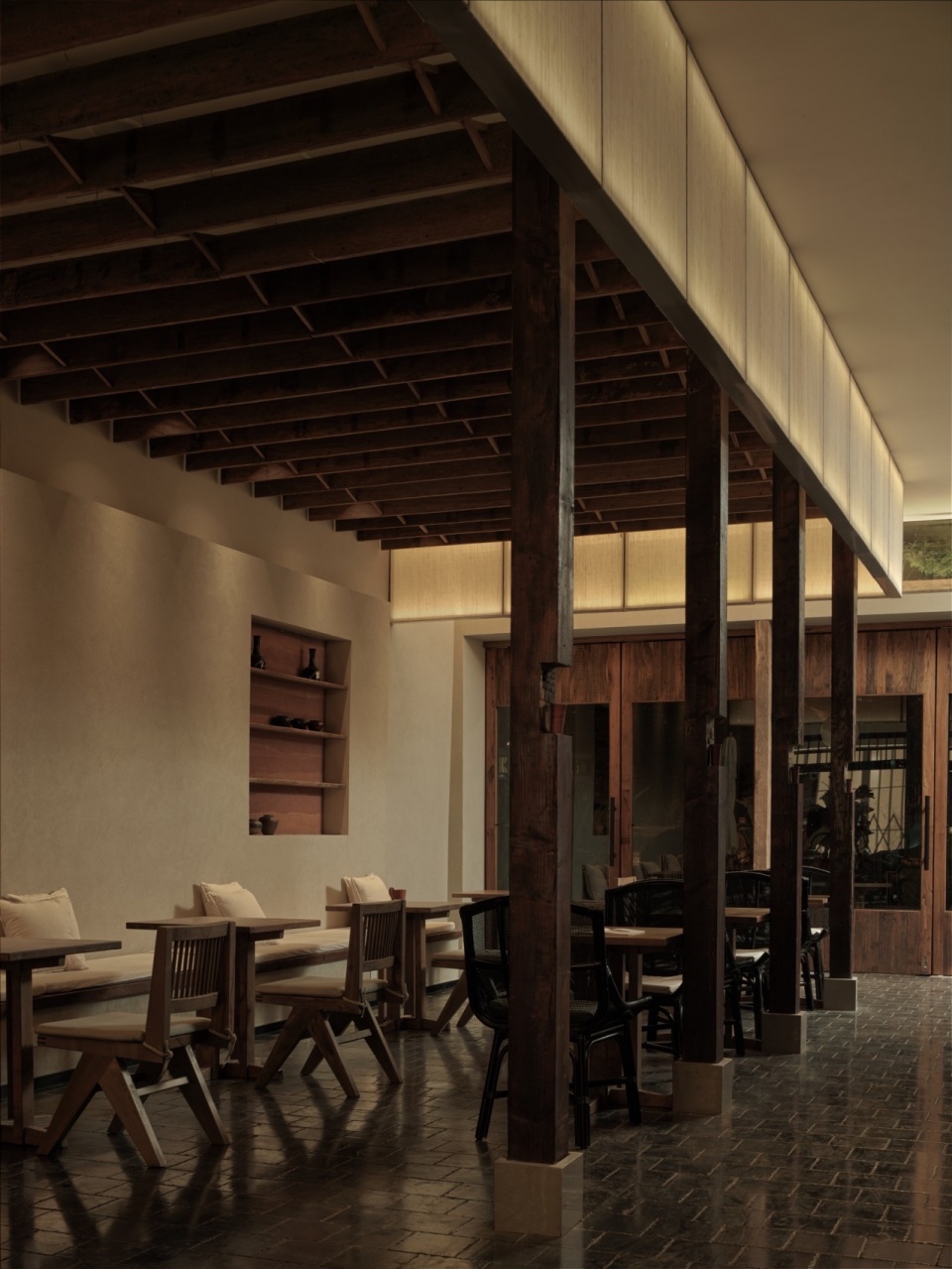
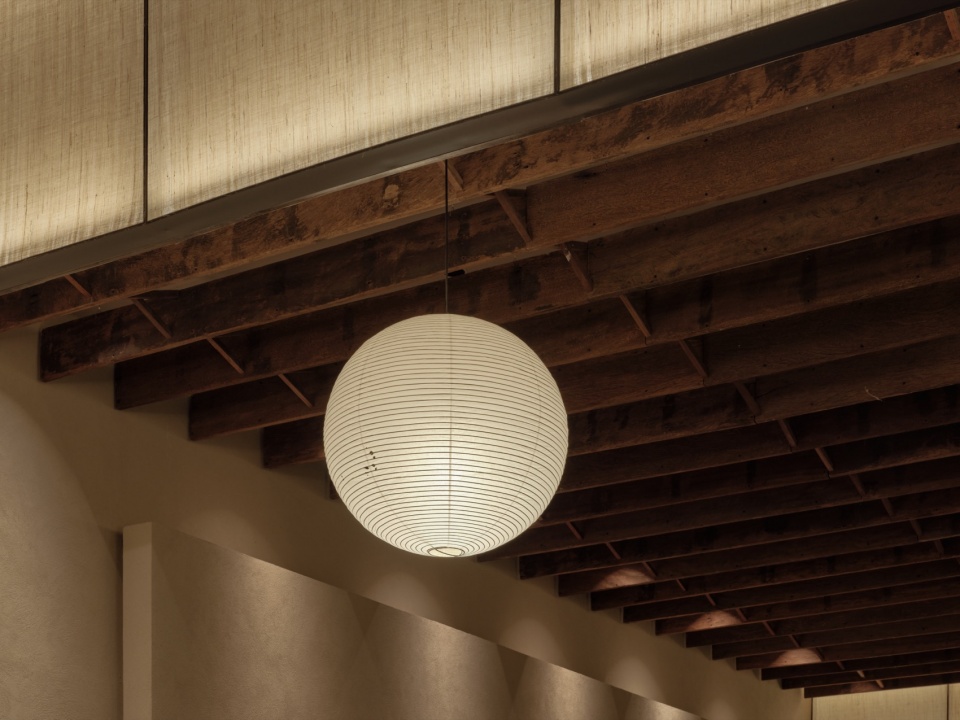
屋檐如栈道般整饬排列,陈旧的木头散发出一派古朴的韵味,凿户牖以为室,琥珀色的光芒幽幽地透出来,勾勒出和纸细微的皱褶与木材温郁的纹理。斜向伸展的树杈,正是这幅写意画的一角,道不尽其间无穷意趣。
As for tea-drinking spaces, the atmosphere of the venue is extremely important, which is what tea lovers pursue as “the realm”. The designer incorporates elements of Suzhou Landscape Architecture into the space to awaken the inherent closeness of Jiangnan tea drinkers to the Eastern charm.
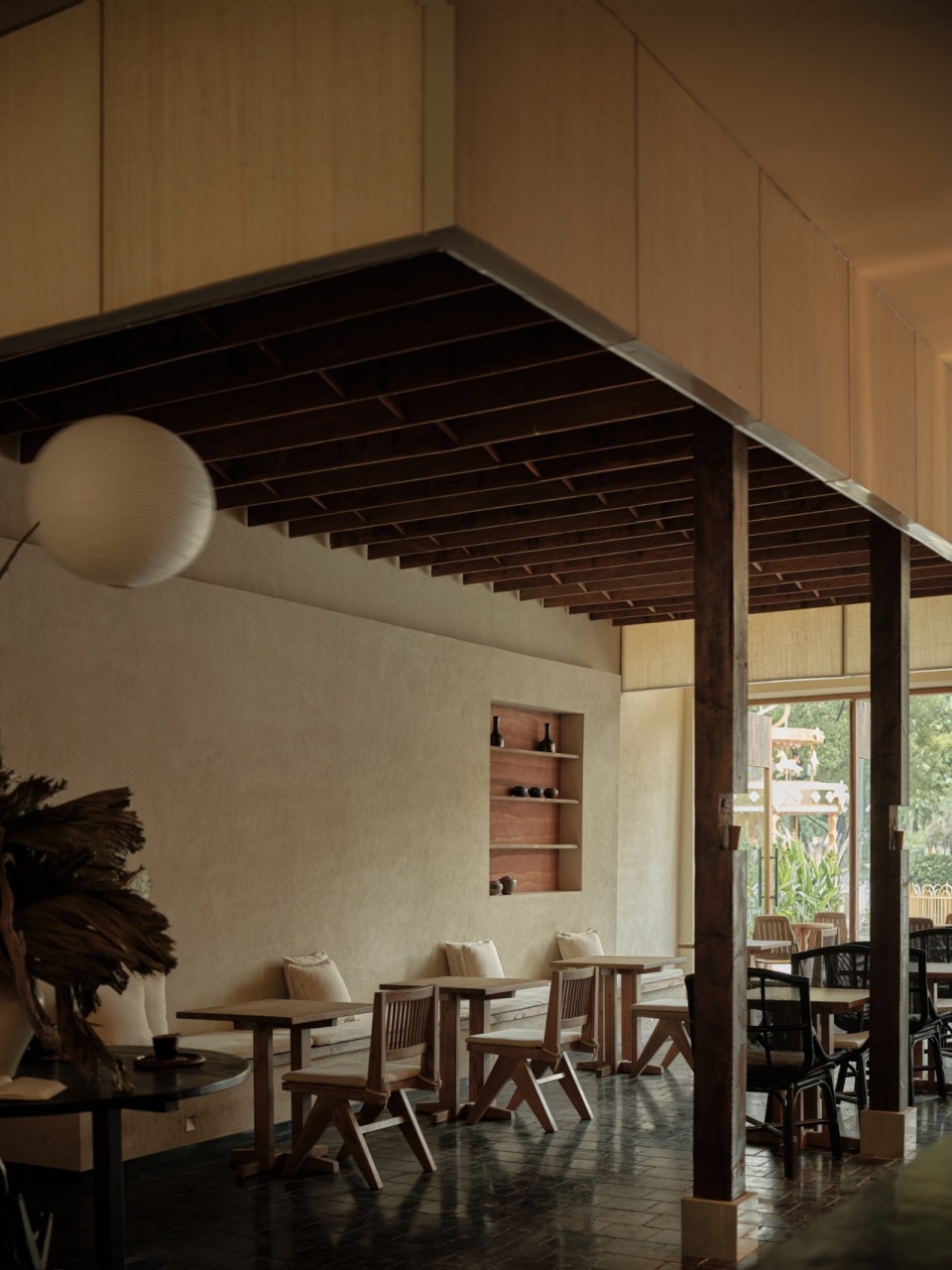
The eaves are arranged in a neat row like a boardwalk, and the old wood exudes a rustic charm. Holes are drilled into the walls to create rooms, and amber-colored light filters through, delicately outlining the fine creases of washi paper and the warm grain patterns of the wood. The slanting branches are a corner of this ink-and-wash painting, conveying endless interest.
▼屋檐如栈道般整饬排列,the eaves are arranged in a neat row like a boardwalk © 梁嘉健 刘凯
▼陈旧的木头散发出一派古朴的韵味,
the old wood exudes a rustic charm © 梁嘉健 刘凯
▼细部,details © 梁嘉健 刘凯
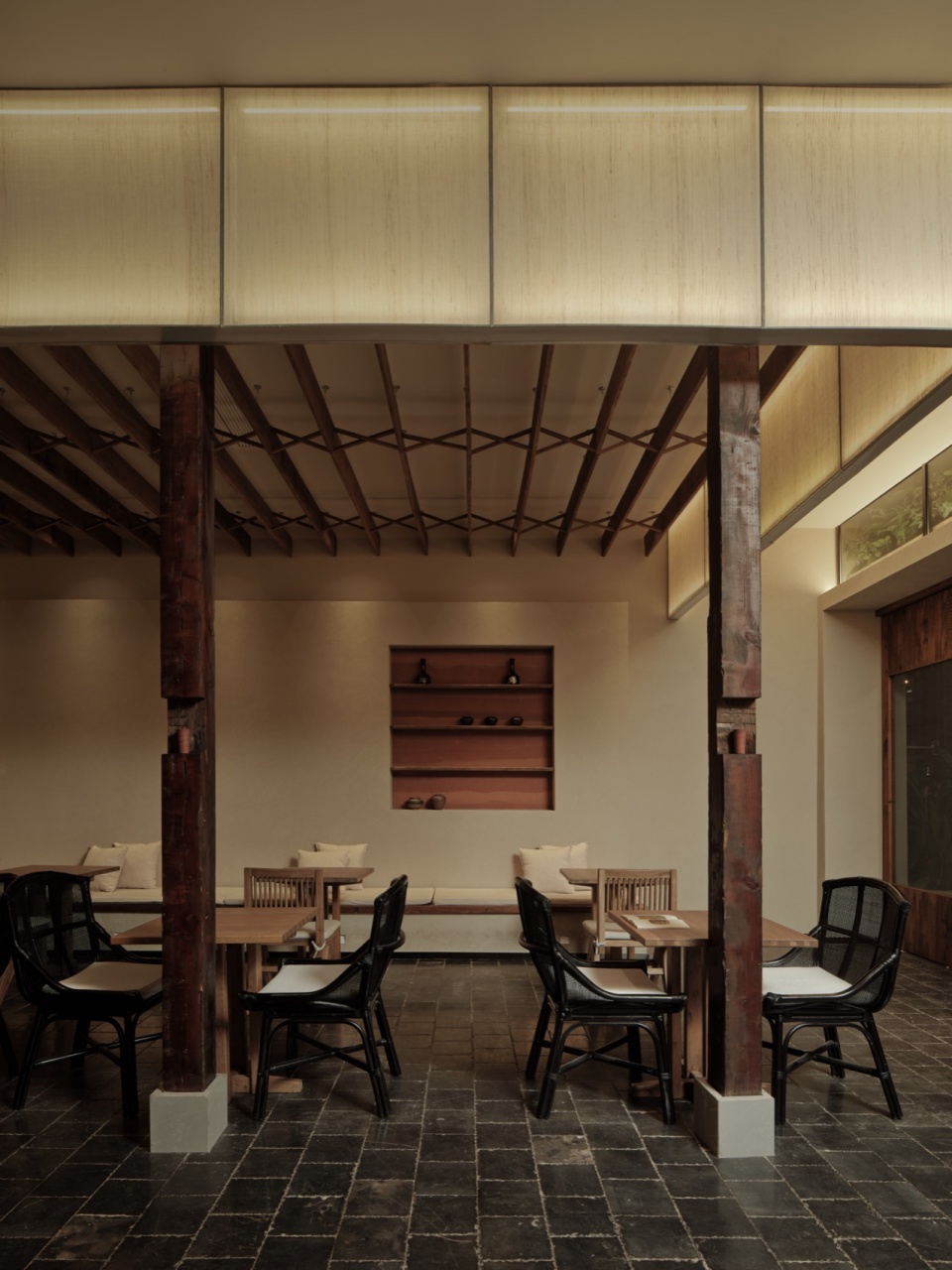
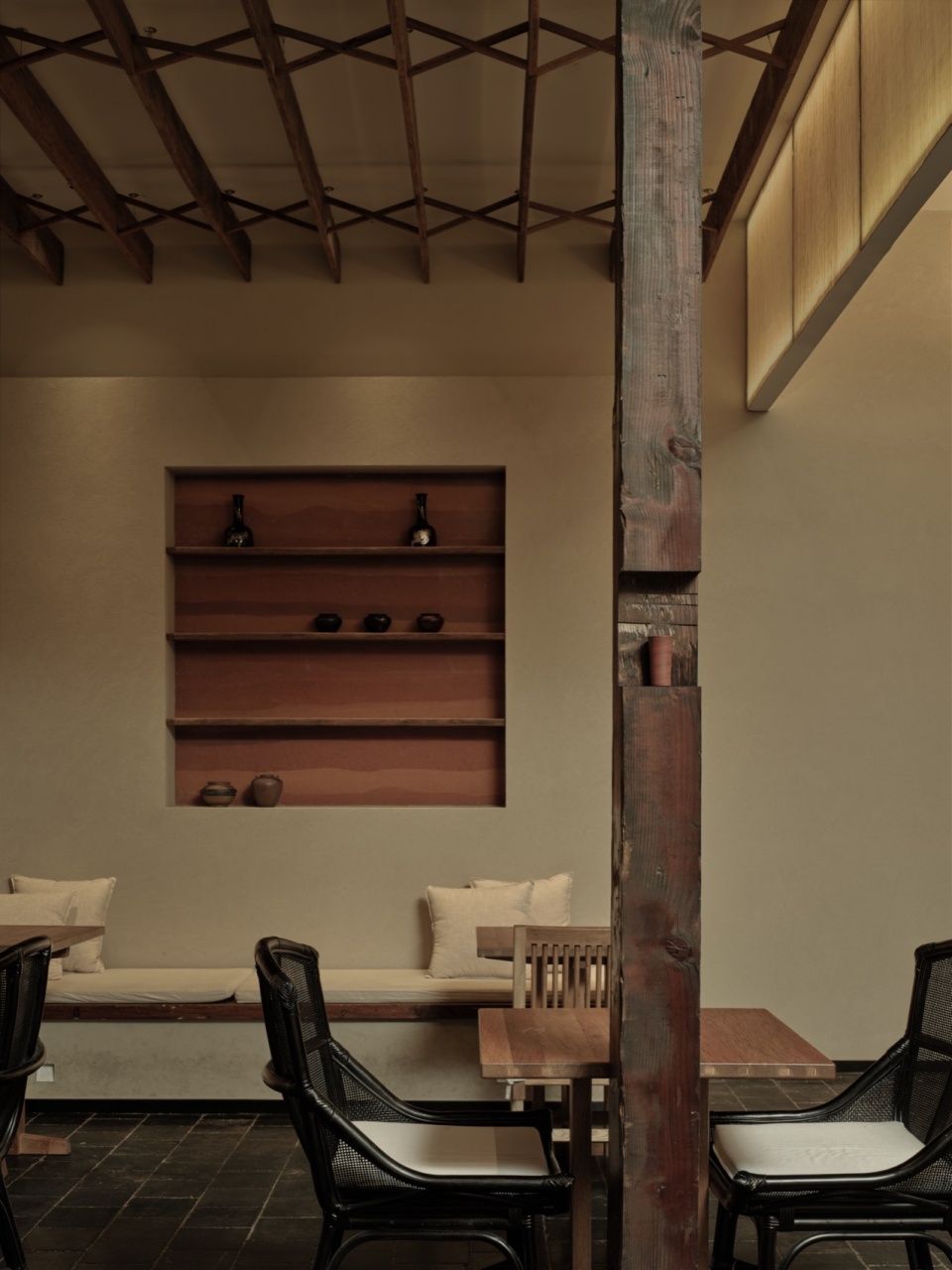
步入曲径,则由晦暗转至空明,一盏灯笼宛若明月,透出器物之形。埏埴以为器,枝叶捭阖之间,诉说着古老的禅意。斑驳的墙面,叶影交横,恍恍惚惚,见木造的圆盘模拟月相的变化,便真以为已入画境,闲适漫游,仿佛穿越千年感受宋时的月光。
As one enters the winding path, the space transitions from dim to bright, with a lantern resembling a full moon casting a shadow of an object. Clay is skillfully molded into vessels, while branches and leaves gently open and close, narrating an ancient tale of Zen. The mottled walls are dappled with leaves, creating a hazy, dreamlike atmosphere. Upon encountering a wooden plate that mimics the changing phases of the moon, one may truly feel as though they have stepped into a painting—leisurely exploring as if traversing through time to experience the moonlight of the Song Dynasty.
▼古老的禅意,an ancient tale of Zen © 梁嘉健 刘凯
▼一盏灯笼宛若明月,a lantern resembling a full moon © 梁嘉健 刘凯
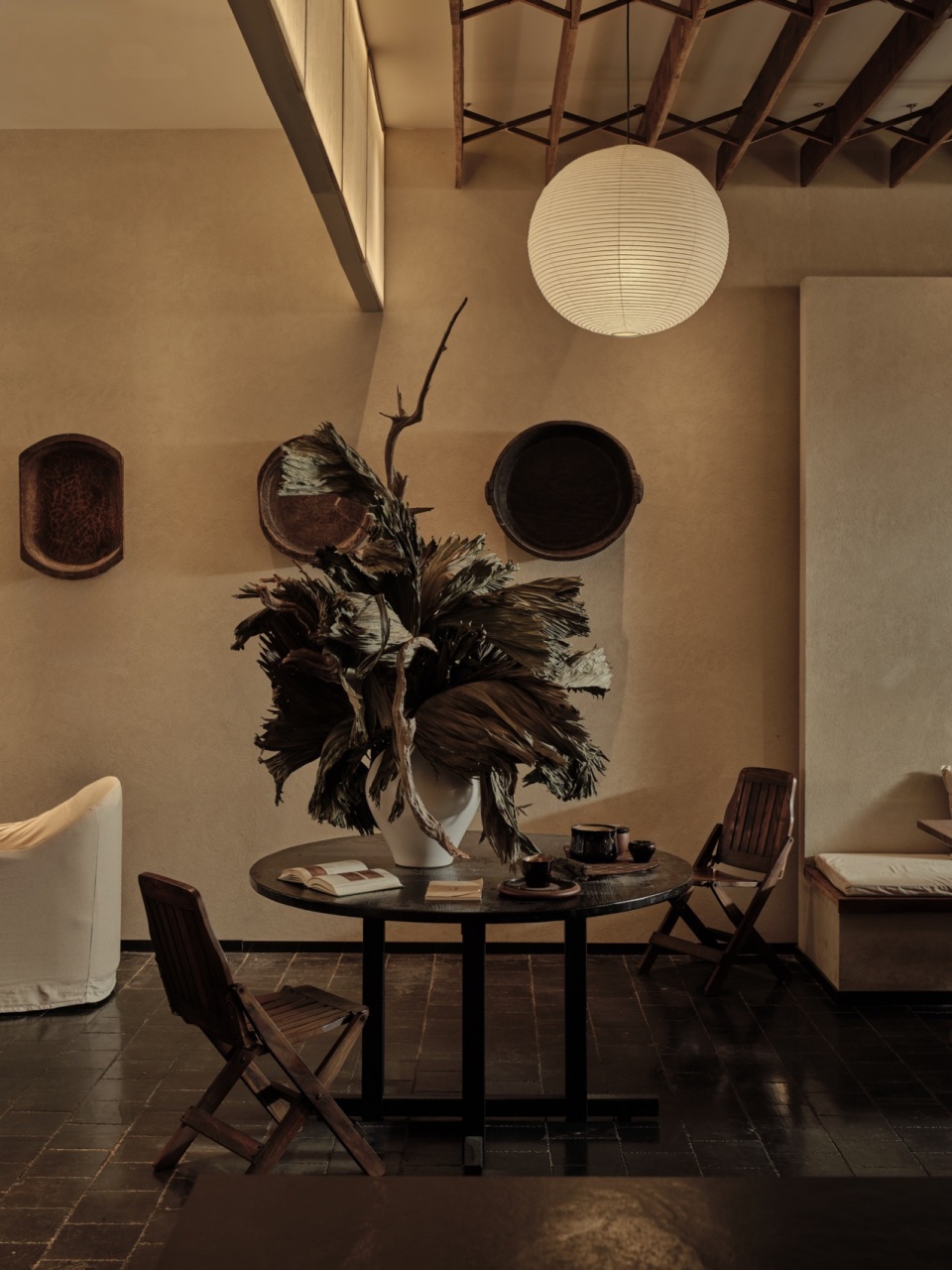
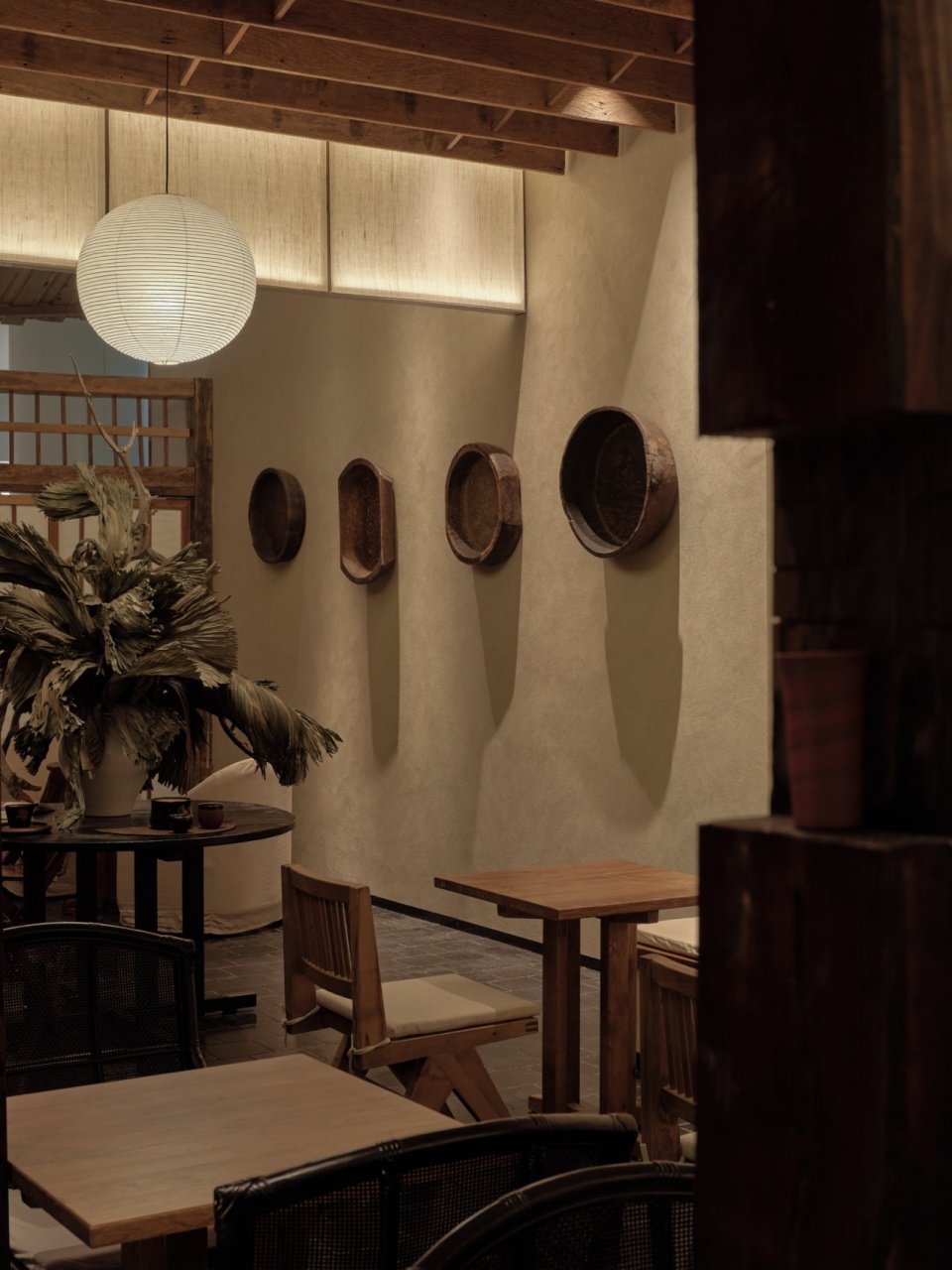
▼斑驳的墙面,叶影交横,the mottled walls are dappled with leaves © 梁嘉健 刘凯
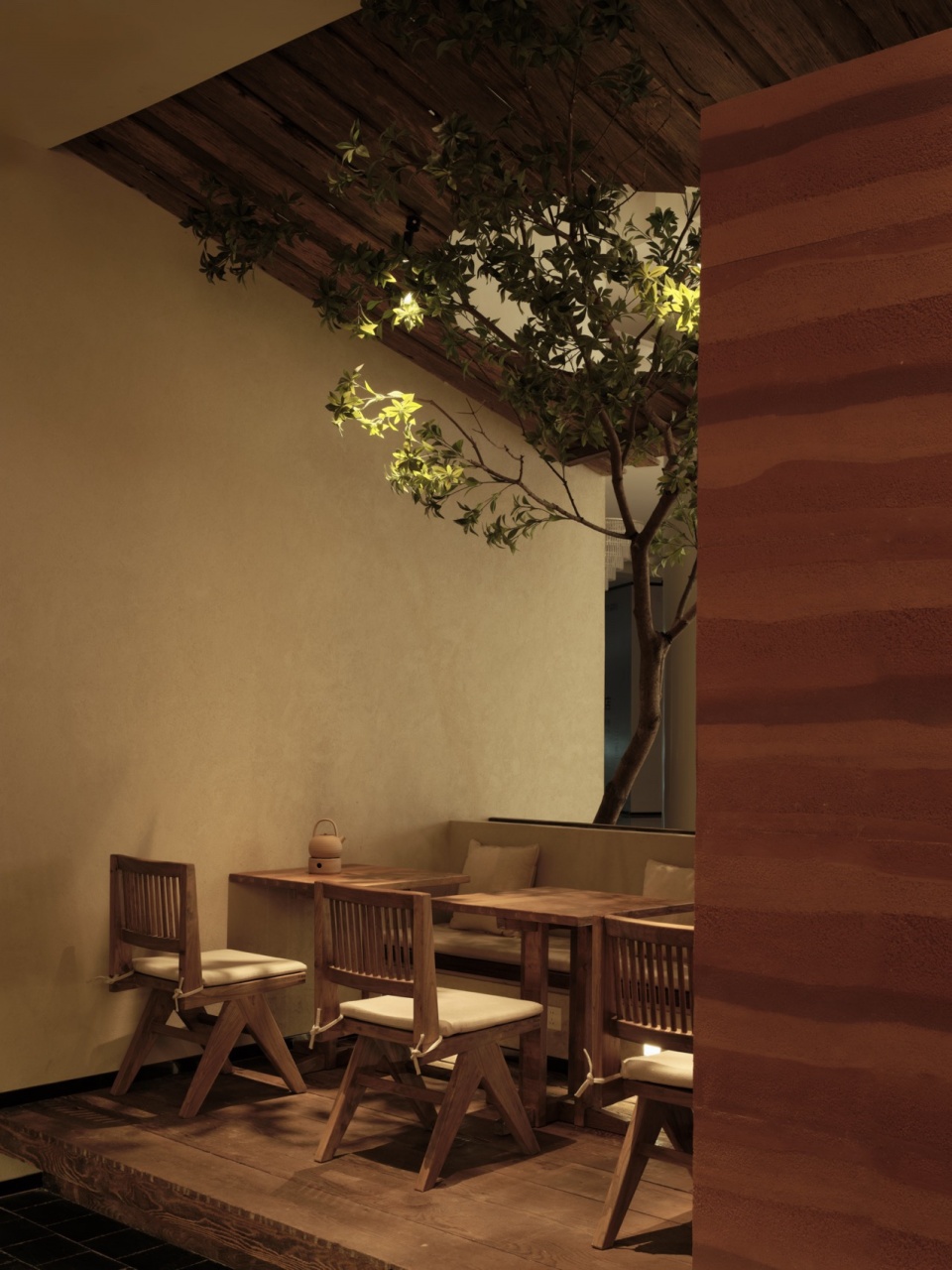
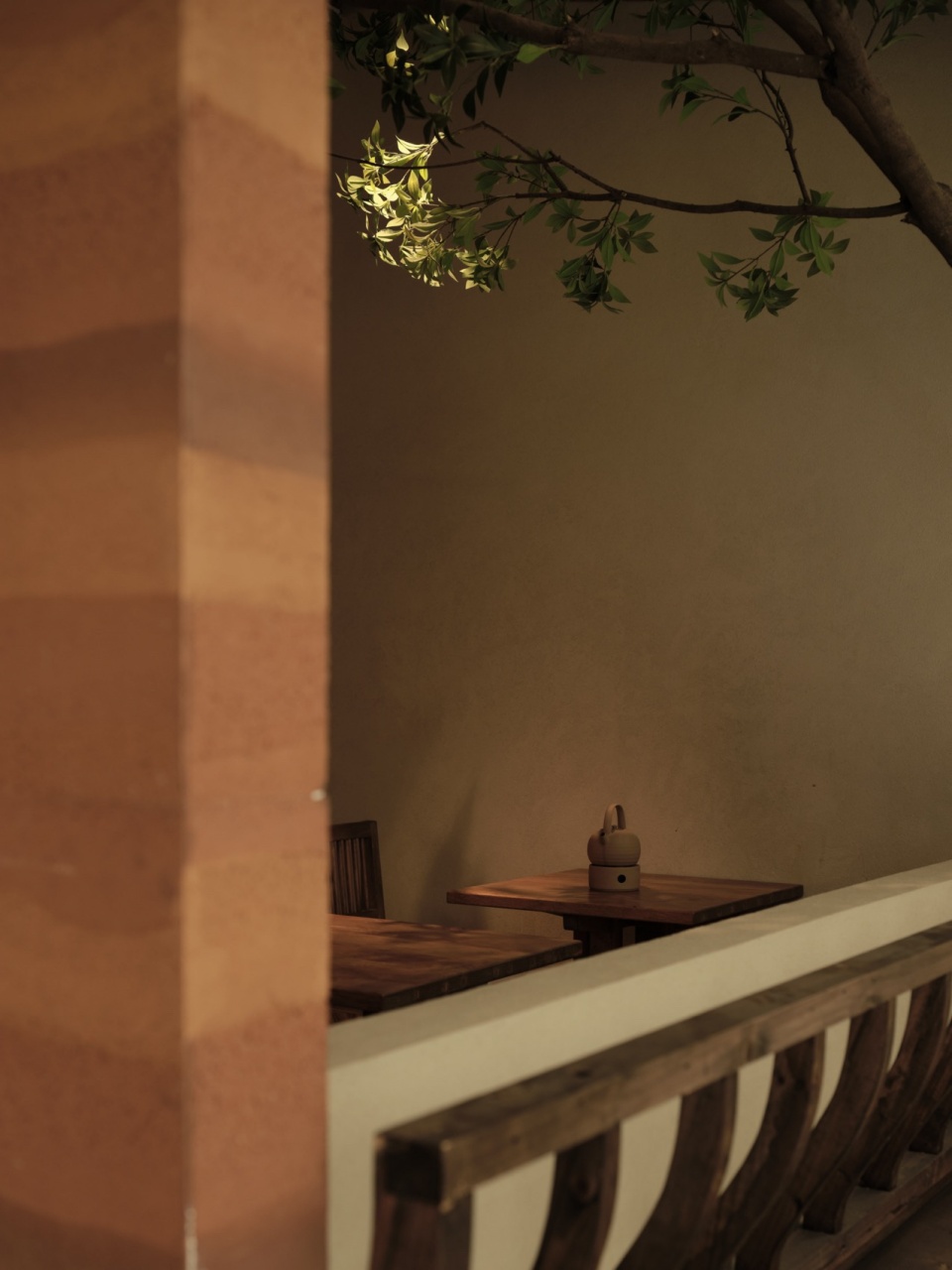
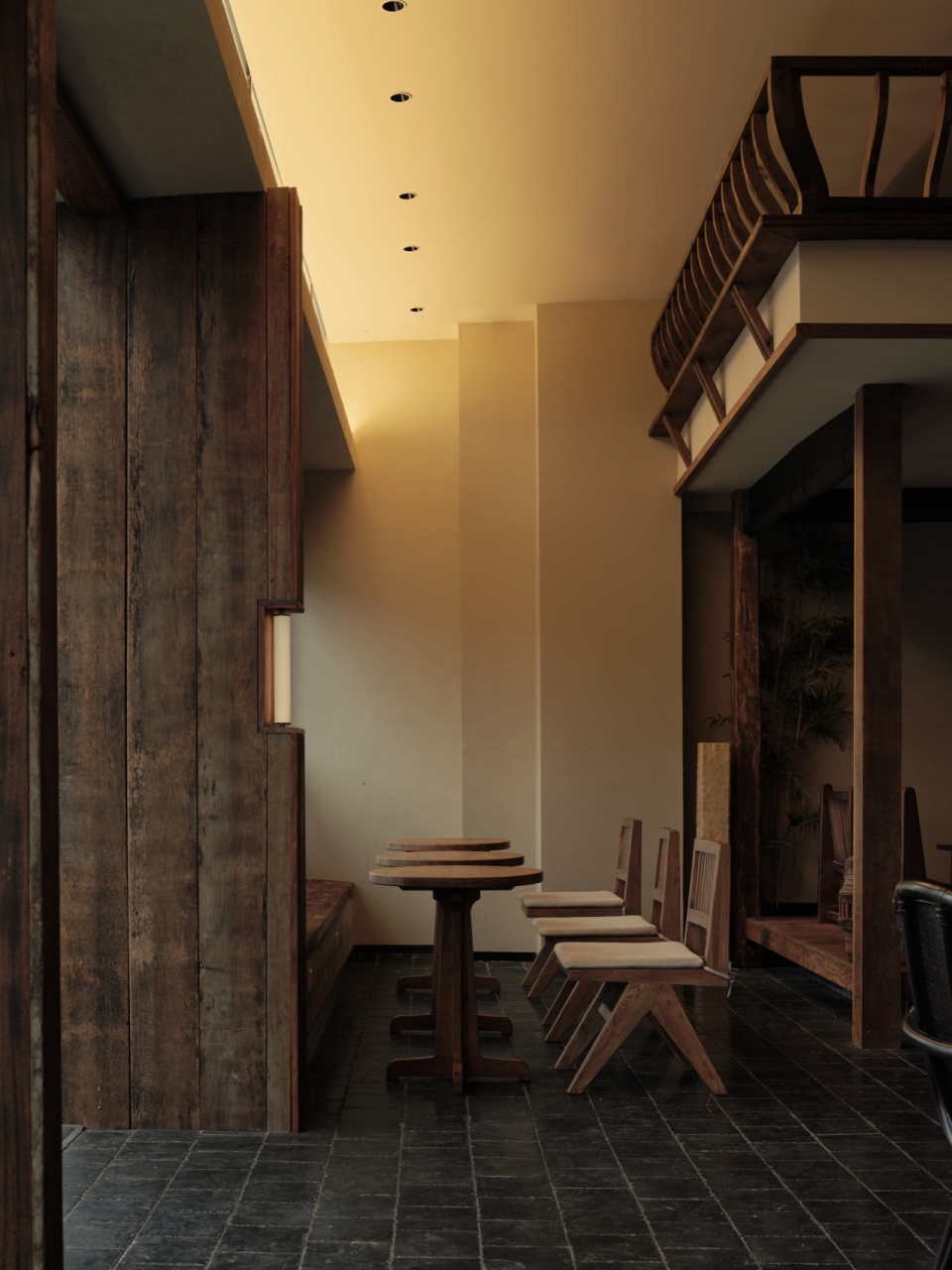
“朱栏倚遍黄昏后,廊上月华如昼”,提取园林中“美人靠”的造型,在有限的空间里,造一座微型园林,以无限的想象回应茶客对“境”的追寻。
“After leaning on the vermilion railings at dusk, the moonlight on the veranda is as bright as day”, taking the shape of a “beauty’s rest” from Landscape Architecture, a miniature garden is created in a limited space to respond to tea drinkers’ pursuit of “the realm”.
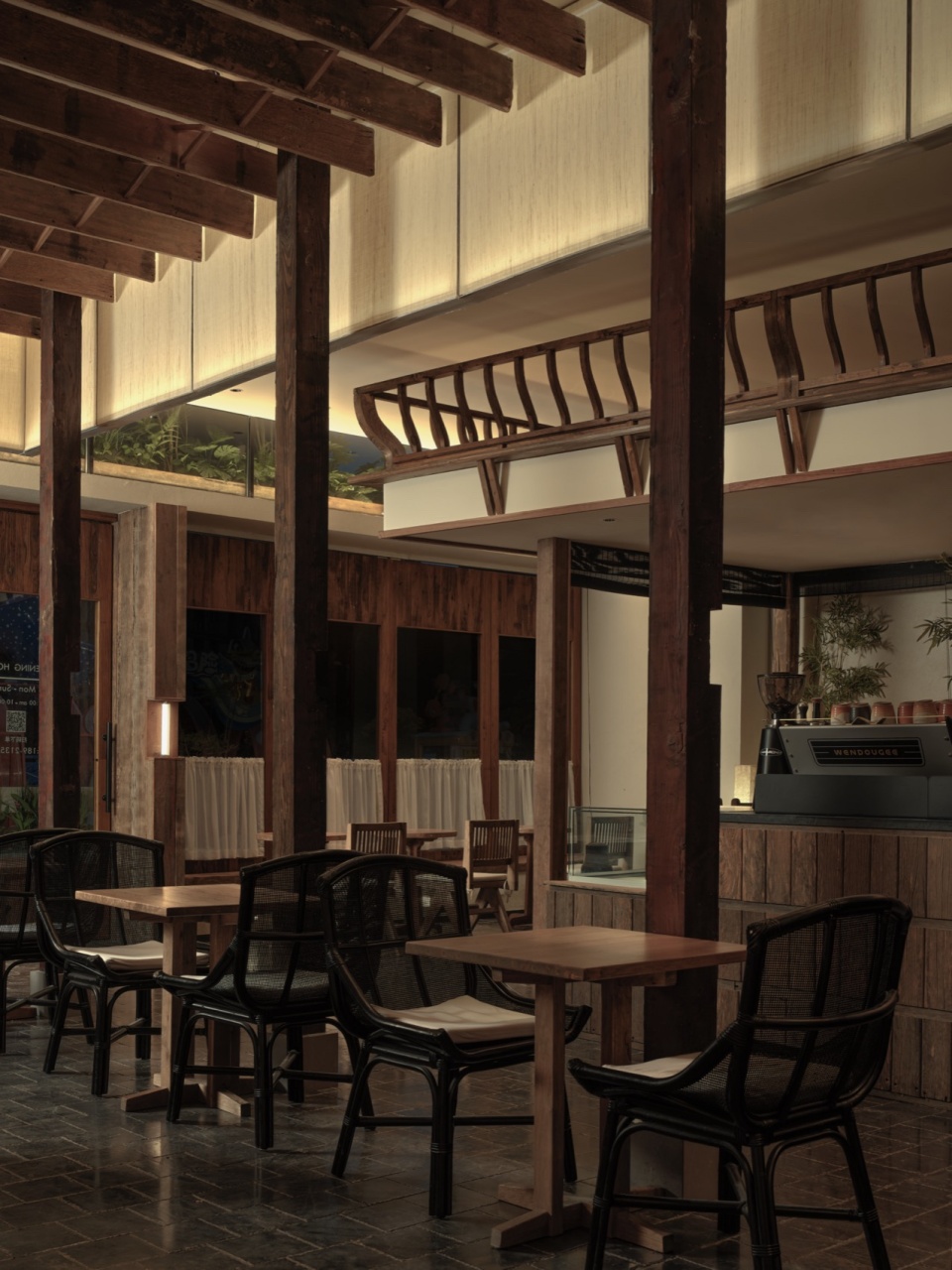
▼入口夜景,night view of entrance area © 梁嘉健 刘凯
▼室内夜景,night view of interior © 梁嘉健 刘凯
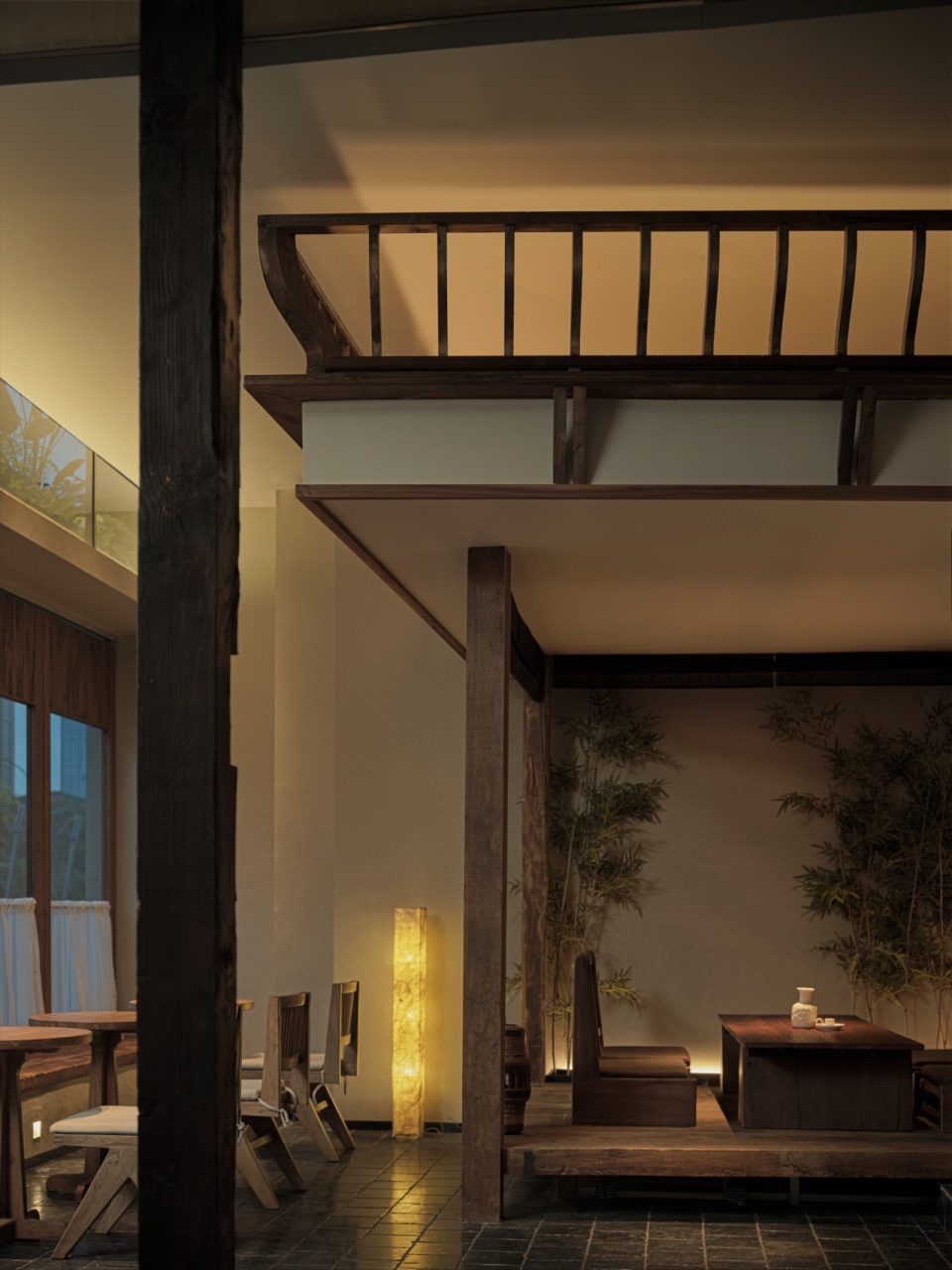
▼由室内看室外,viewing exterior from inside © 梁嘉健 刘凯
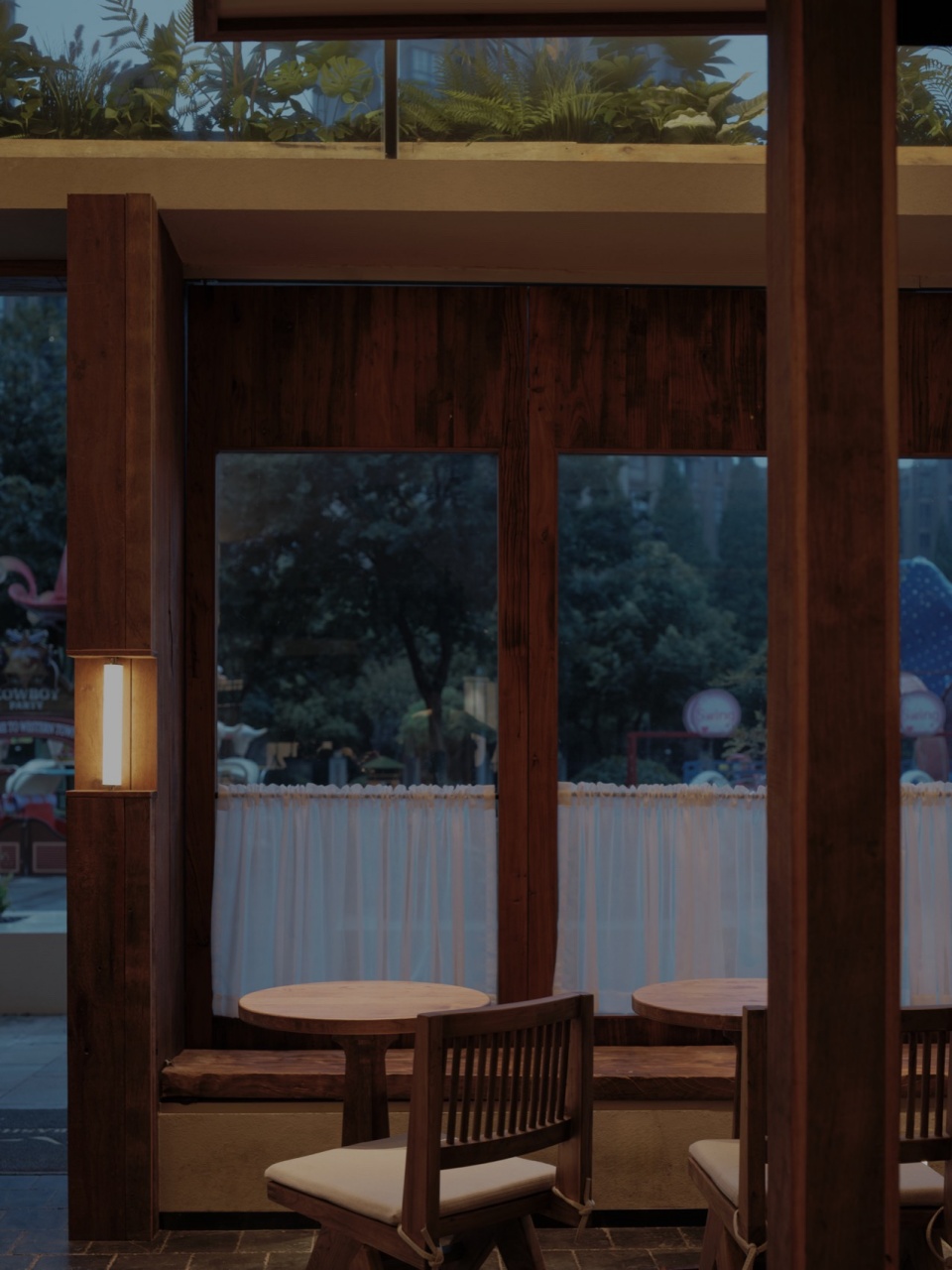
在成都话当中,有个词叫“松活”,意味着松弛感的生活,正是易平这位来自成都的设计师最朴素的设计表达,他所想要的,正是为江南的精致增添少许的松弛感。于是,承袭易禾上品独树一帜的美学风格,以自然主义的观照,串联起人们对过去和现在的感知,于幽室之中,窥见东方茶生活的一隅。
In Chengdu dialect, there is a term called “songhuo,” which means a relaxed lifestyle. This is the most basic design expression of Yi Ping, a designer from Chengdu, who wants to add a touch of relaxation to the refined life of the Jiangnan region. Thus, following the unique aesthetic style of YID, Yi Ping uses a naturalist perspective to link people’s perceptions of the past and present, allowing them to glimpse a corner of Eastern tea life in a quiet room.
▼细部,details © 梁嘉健 刘凯
项目名称:八十游茶
项目地点:江苏宜兴
建筑面积:140㎡
设计公司:成都易禾上品室内设计有限公司
设计总监:易平
设计范围:室内&陈设
空间摄影:梁嘉健,刘凯
Project Name: Eighty Tours Tea
Project Location: Yixing, Jiangsu Province
Area: 140㎡
Design Company: YID Studio
Design Director: Yi Ping
Design Scope: Interior & Furnishings
Photography: Liang Jiajian, Liu Kai
More: 易禾上品(邮箱:yidchengdu@qq.com) 更多关于:YID on gooood



泛黄的调调
DK
这个吧台吊顶侧围造型的美人榻是参考了蜂鸟设计的一个餐厅了吧
软装有意思,氛围感不错