非常感谢 北京正和恒基滨水生态环境治理股份有限公司 将以下内容授权gooood发行。 更多关于他们:Beijing ZEHO Waterfront Ecological Environment Treatment Co. on gooood.
Appreciation towards Beijing ZEHO Waterfront Ecological Environment Treatment Co. for providing the following description:
项目概况
Project overview
湖滨缓冲带生态修复的示范段项目位于云南省大理市下关镇洱滨村段,是整个环洱海湖滨缓冲带项目的起点区域。示范段面积为16.64公顷,设计以“基于自然的解决方案(NbS)”为理念,以生态重建、辅助再生、自然恢复、保护保育等措施将一个被农田、客栈侵占的湖滨岸线修复为一个为水体净化和生态复苏的自然湖滨岸带,为整个环洱海湖滨带的生态修复提供技术样板。
The Ecological Restoration Design of Erhai Lake Riparian Buffer Zone Demonstration Section is in Erbin Village, Xiaguan Town, Dali City, Yunnan Province. It is the pilot project of the Erhai Lake waterfront restoration. The demonstration section with a total area of 16.64 hectares is defined as the technical model for ecological restoration of the entire Erhai Lake Riparian Buffer. Taking Nature-Based Solutions (NbS) as the most important guidelines, the design team used natural protection programs including ecological reconstruction, auxiliary regeneration, natural restoration, conservation, to restore the shoreline encroached upon by farmlands and hotel structures to a sustainable buffer zone for water purification and ecological restoration.
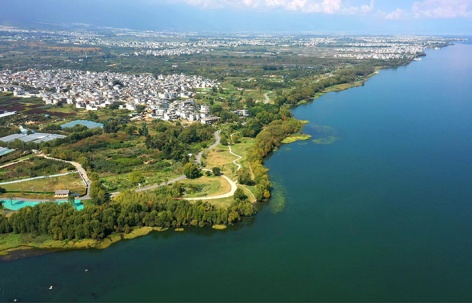
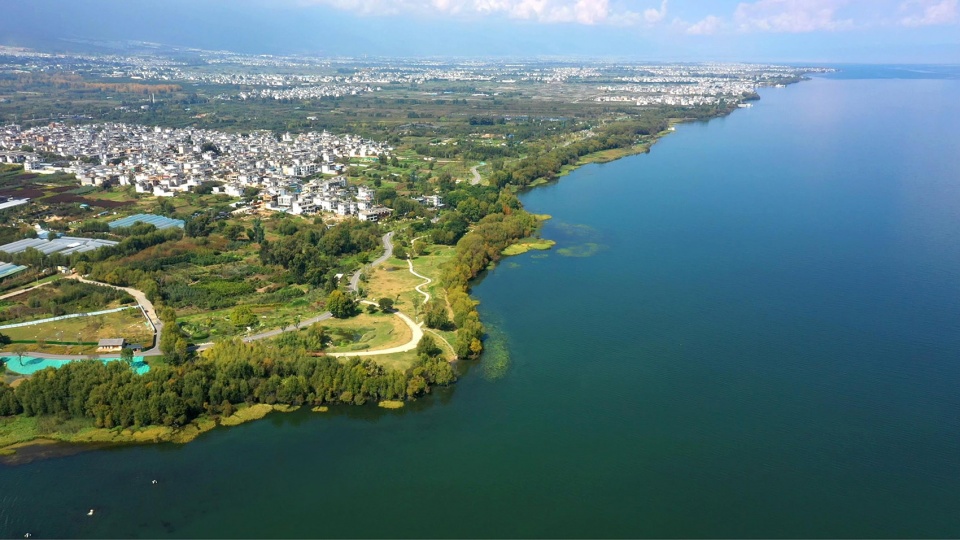
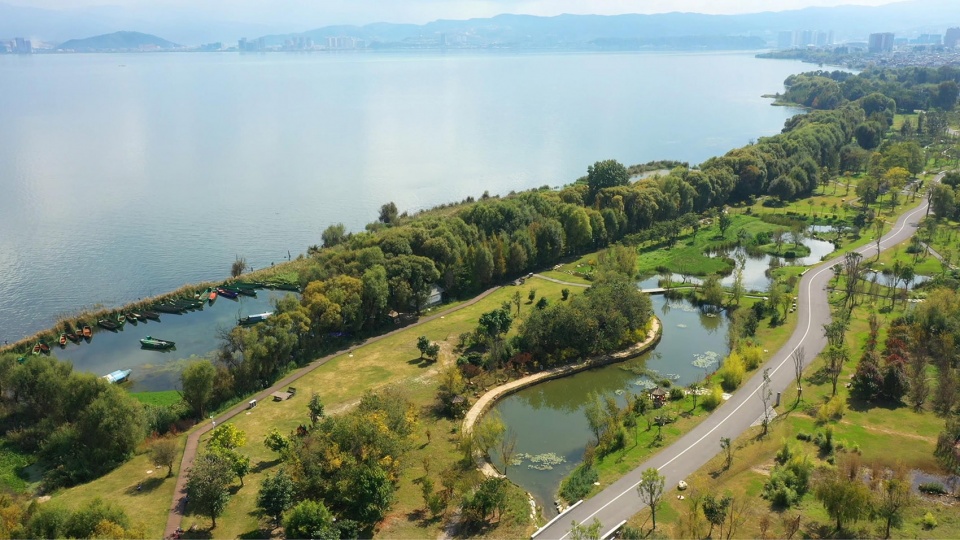
▼项目鸟瞰,aerial view of the project ©ZEHO
背景
Background
该项目位于大理市下关镇洱滨村段,南起黑龙沟、北至崇邑村7号沟,遵循大理市洱海生态环境保护“三线”管理规定,蓝线即洱海湖区界线,以“2007年环洱海数字化修测地形图”和2014年勘定的1966米高程湖区范围界线划定,绿线是洱海湖滨带保护界线,红线是洱海水生态保护区核心区界线。示范段面积为16.64公顷,是整个环洱海湖滨缓冲带项目的起点区域。
项目建设前,农田、房屋已延伸至洱海湖区边界。设计团队从“基于自然的解决方案(NbS)”理念出发,充分考虑了维护场地生物多样性、削减场地面源污染等生态系统服务功能,并且邀请国内外业内专家、政府工作者、当地居民等多方利益相关者从生态空间格局、生态系统质量、生态胁迫和社会参与等四大项18个指标对场地进行评估与诊断,其中面源污染、生境破碎及公众参与性低是场地需要重点解决的问题。设计团队基于问题导向,采取生态重建、辅助再生、自然恢复、保护保育等措施打造一个为水体净化和生态复苏的自然、健康的可持续湖滨缓冲带,为整个环洱海湖滨带的生态修复提供技术样板。
The project is in Erbin Village, Dali City, starts from HeilongDitch in the South and ends at No.7 Ditch in Chongyi Village in the north. According to the regulations of “Three Lines” ecological environment protection management of Erhai Lake, the blue line represents the boundary of Erhai Lake, which is defined by the Digital Topographic Map Surround Erhai Lake in 2007 and the Lake Boundary of 1966-Meter-Elevation surveyed in 2014. The green line outlines the preservation area of Erhai Lake, and the red line illustrates the core area of Erhai Lake water ecological protection.
Prior to redevelopment, farmlands and structures had invaded Erhai Lake. Designed based on the NbS concept, the project team took the ecosystematic values of the site into consideration such as protecting the biodiversity and controlling the non-point source pollution. They invited domestic and international stakeholders including professional experts, government, and residents to assess and diagnose the condition from the following 4 aspects and 18 indicators: ecological spatial pattern, ecosystem quality, ecological vulnerability and social participation. Non-point source pollution, habitat fragmentation and low public participation were the key problems. For site issues, the designers used natural protection programs including ecological reconstruction, auxiliary regeneration, natural restoration, conservation, and created a natural, healthy and sustainable riparian buffer zone for water purification and ecological restoration, providing a new technical model for the ecological restoration of the entire Erhai Lake Riparian Buffer.
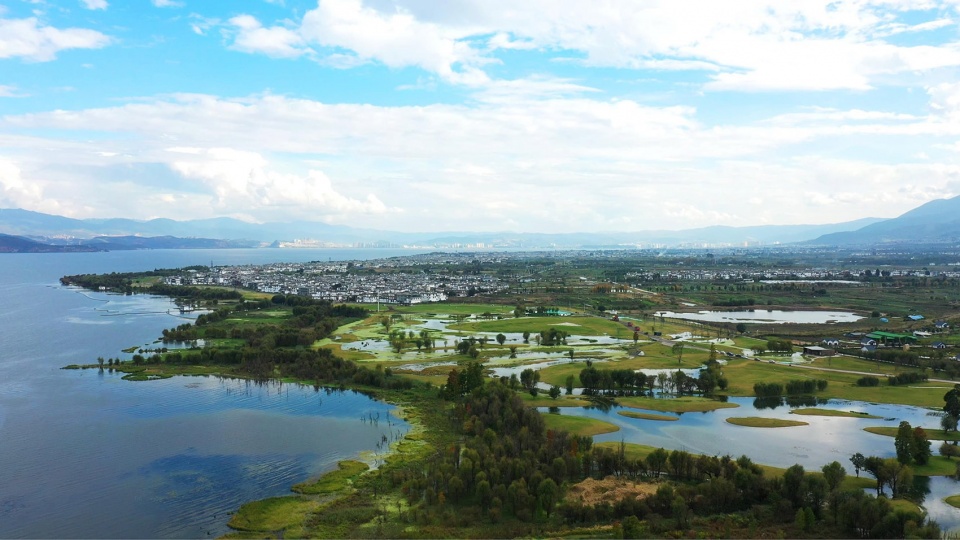
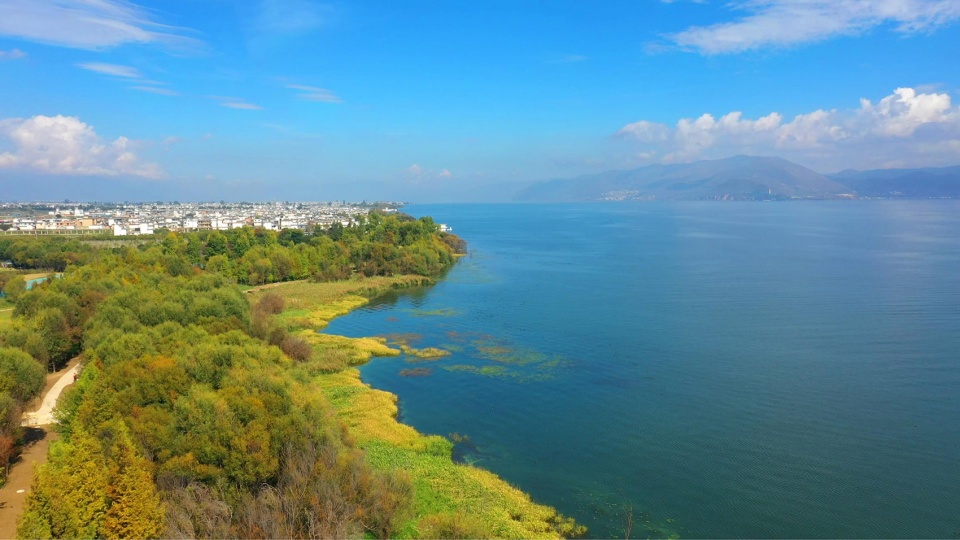
▼ 项目的实施为整个洱海湖滨缓冲带的设计提供了技术样板。The implementation of the project provides a technical model for the design of the entire Erhai Lake shore buffer zone. ©ZEHO
目的:水体净化与湖岸生态复苏
Objective: Water purification and ecological restoration of the lake edges
经过修复的湖滨缓冲带,是洱海的最后一道生态安全屏障,净化了上游的低污染地表水,恢复了自然栖息地,使其物种更为丰富,激活整个洱海流域的可持续循环发展模式,成为大理可持续发展的生态宝藏。
The restored riparian buffer zone is the last ecological safety buffer to the Erhai Lake. By purifying the upstream low-polluting surface water, the buffer has revitalized the natural habitats, enriched the species inhabited, and activated the sustainable circular development model of the entire Erhai Lake Basin. The buffer has became the ecological treasure of Dali’s sustainable development.
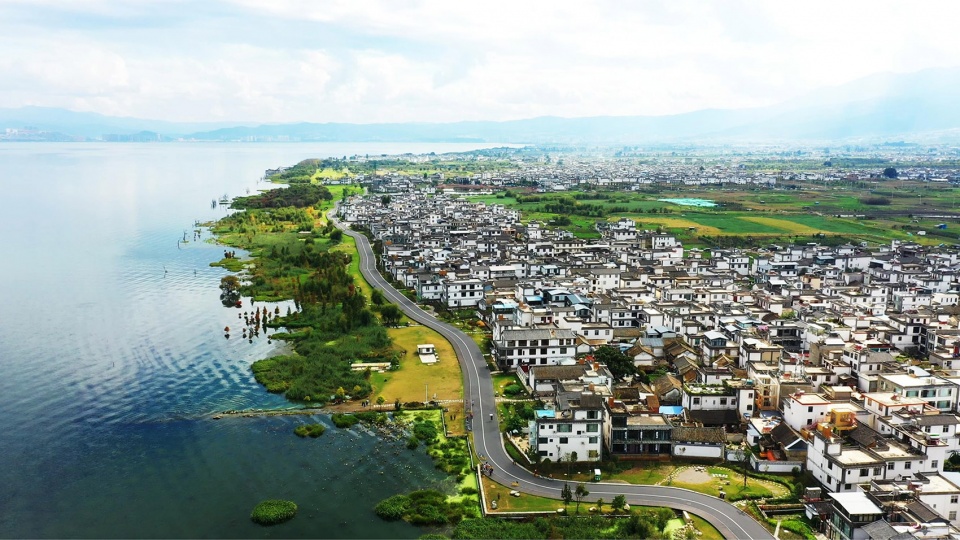
▼丰富的湿地水系统作为最后一道屏障净化上游来水,The abundant wetland water system acts as a final barrier to purify upstream water ©ZEHO
设计方法
Design Approach
重塑自然空间:
长期的无序发展使得洱海湖滨带被农田、房屋所侵占,对生态环境产生一定的影响。典型自然湖滨湿地生态系统中蓝绿比以及绿地中旱地与湿地的比例失调。通过调研同纬度其他高原湖泊湿地生态系统与洱海历史生态系统特征,重塑3:7的蓝绿比以及绿地中6:4的干湿比,并在植物覆盖度、生境破碎度方面尽可能的接近未受干扰的状态。
Renaturation:
The long-term disordered development had made the Erhai Lake riparian buffer zone invaded by farmlands and structures. A negative feedback exacerbated the ecological environment. The proportion of blue – green in typical natural lakeside wetland ecosystem and the proportion of dry land and wetland in greenspace were unbalanced. By investigating the wetland ecosystems of other highland lakes at the same latitude and the historical ecosystem characteristics of the Erhai, the blue-green ratio of 3:7 and the dry-wet ratio of 6:4 in greenspace were reconstructed, and the plant coverage and habitat fragmentation were designed in conditions which approximated the wild as closely as possible.
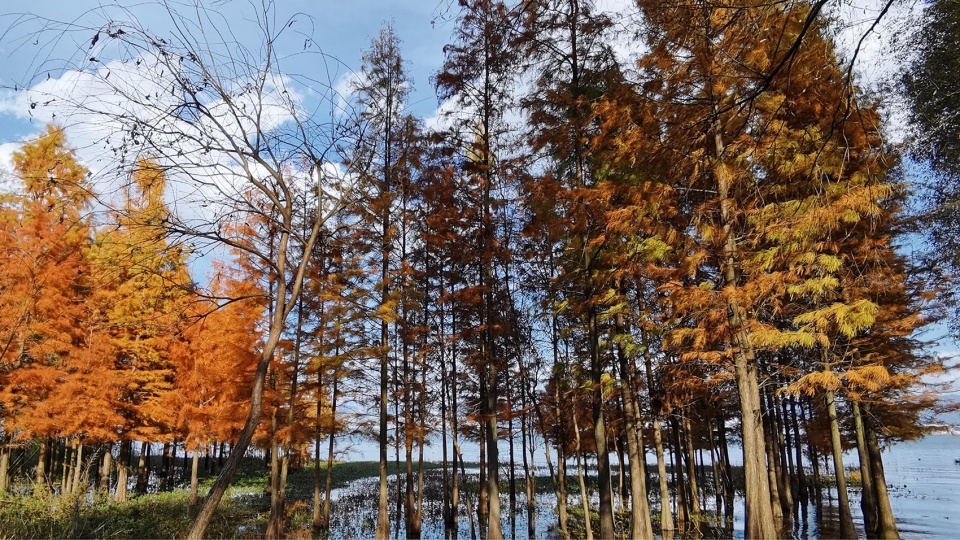
▼ 保育原生湖滨滩地及林地,本地植物云南柳,又名滇大叶柳,生于洱海湖滨、林缘等湿润处,间或与水杉群落混交。此类群落与洱海的水位变化已形成了较好的环境响应机制,适应性强,具有较高的保护价值。此处将现状植物全部保留,且不宜引入普通垂柳等品种,避免引发对本地群落不确定性的损害。Salix cavaleriei, also knowms as Pleiarina cavalerie, is born in humid places such as lake Erhai lake and forest margin, and sometimes mixed with Metasequoia glyptostroboides. This kind of community has formed a good environmental response mechanism with strong adaptability and has high protection value. All the existing plants are retained here, and it is not suitable to introduce common varieties such as weeping willow, so as to avoid causing damage to the uncertainty of the local community. ©ZEHO
维持健康湖泊生态体系:
设计团队对场地中植物、动物的种类、数量、分布模式、生态习性、季相特征、栖息喜好等进行了研究,通过丰富场地水系统类型,强化自然平衡和净化功能,为生物提供丰富类型的栖息地,对本地具有代表性的群落进行充分保育,对入侵物种进行清除,并谨慎引入了适宜的本地物种,以保证生态系统的多样性和完整性,从而维持健康的湖泊生态体系。
Lake Ecosystem Health:
The design team studied species, quantities, distribution patterns, ecological habits, seasonal characteristics and habitat preferences of plants and animals. By diversifying the water system, the natural balance and purification functions were strengthened in the site, which provided varying habitats for wildlife. The design also conserved local biotopes, removed invasive species, and introduced appropriate native species to ensure the diversity and integrity of the ecosystem, to maintain a healthy lake ecosystem.
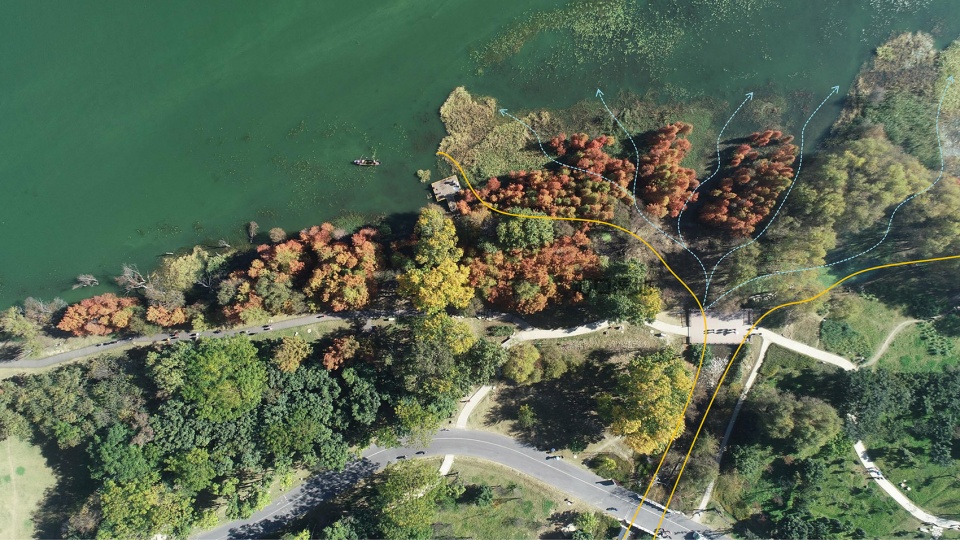
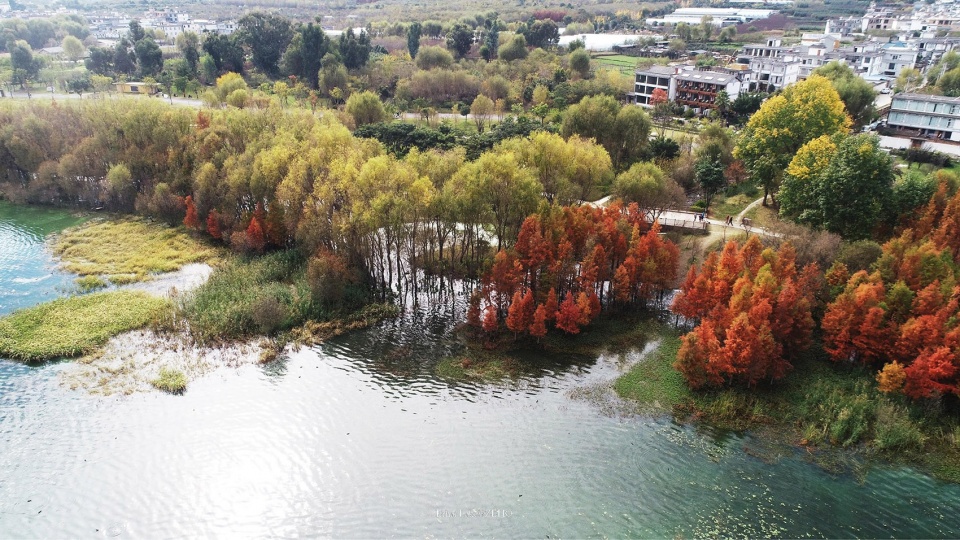
▼ 自然恢复河口湿地,河口湿地现状基底较好,仅河口处水流路径畅通性不足,加之上游溪流中污染物汇入,造成河口湿地出现富营养化现象。保留现状全部乔灌木群落,清除外来入侵种紫荆泽兰,人工疏通水流路径,让自然做功恢复生态系统功能。The current base of estuarine wetland is good, but the flow path in the estuarine is not smooth enough, and the pollutants from the upstream stream come into the estuarine wetland, causing the eutrophication. Retain all the current tree and shrub communities, clear the invasive species of Eupatorium adenophora, artificial dredge water path. And leave the rest to nature. ©ZEHO
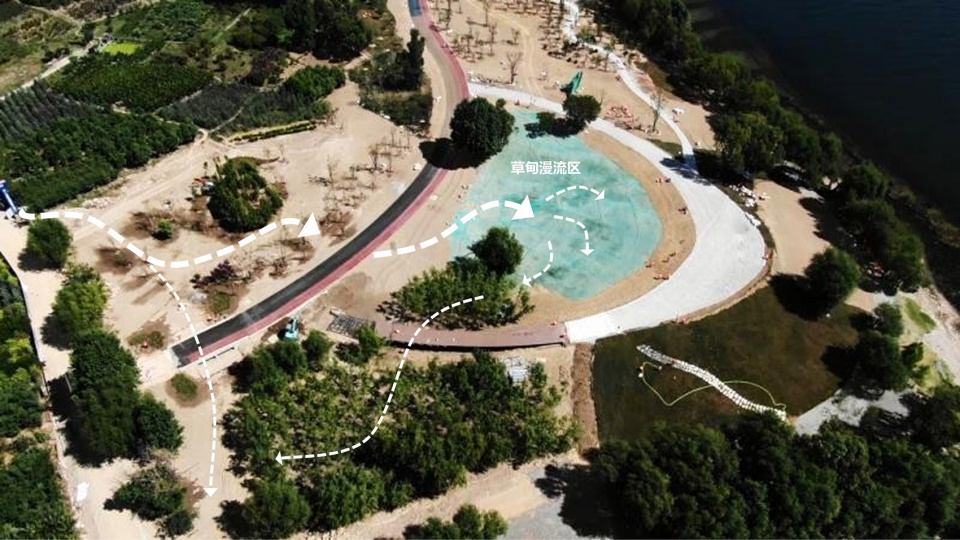
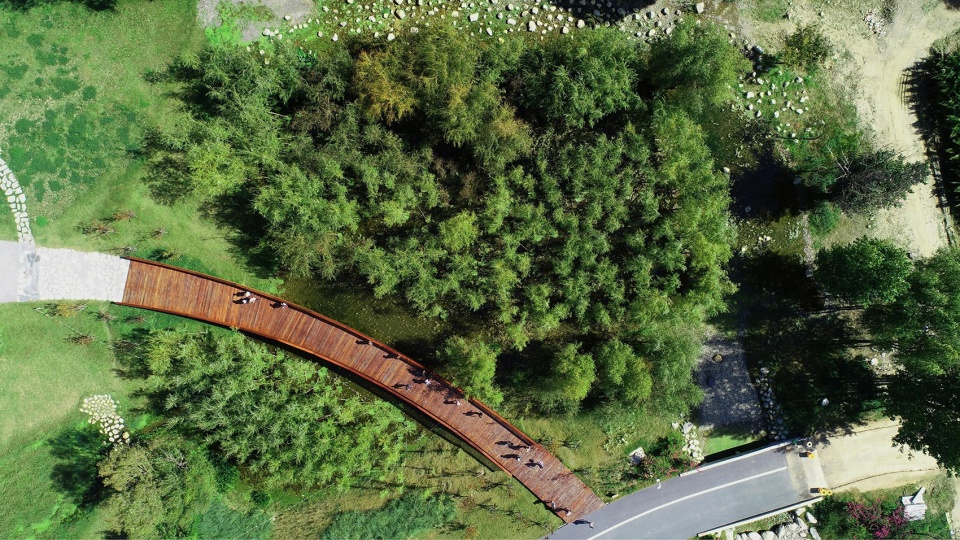
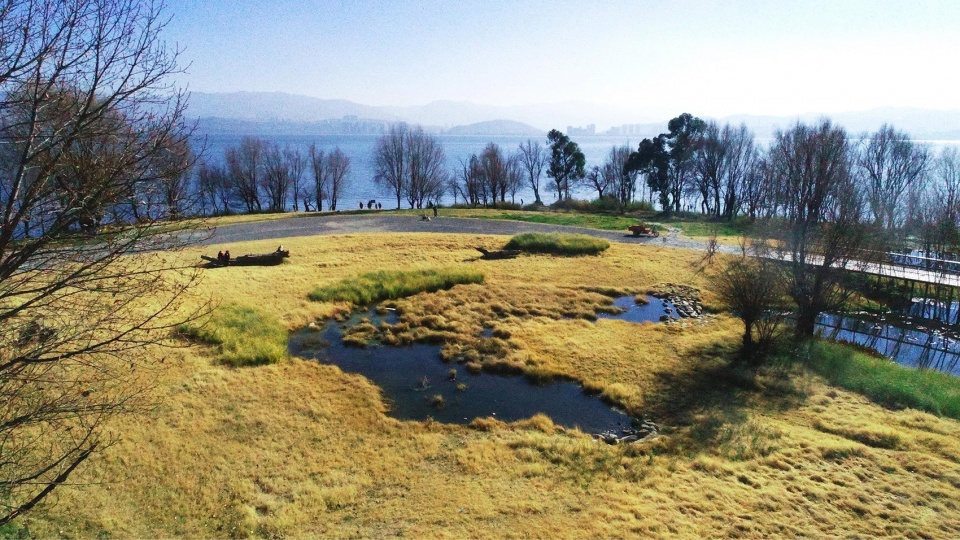
▼ 辅助再生林下湿地,通过计算场地的处理水量,设立适宜的净化目标,采取局部重塑地形,将原有的沟渠来水引入下凹的草甸湿地和现状密林中,辅以生态砾石床与自然式表流湿地的组合净化工艺,依次脱除上游来水中SS、TN、TP和COD四项目标污染物,使设计语言为水体净化功能服务。In order to mitigate the non-point source pollution, the treatment water volume of the site was calculated, and the purification target was set up. The ditch water was introduced into the concave meadow wetland and the current intense forest, supplemented by the combined purification process of ecological gravel bed and natural surface flow wetland to remove SS, TN, TP and COD,making the design from follow the water purification function. ©ZEHO
形成可持续的自管理体系:
所有的设计及施工时序都考虑了湿地演替的自然规律,在第一年建设时通过地形重建,引入先锋植物群落,营造不同类型的生物生境来搭建生态系统基底,在接下来的两年内,先期引入的物种促使有机物自然形成,草、野花和其他植物丰富度逐渐提高,从而为动物提供多样的栖息环境。经过群落的自然演替,物种间的竞争使得生态系统趋于稳定,逐渐形成能够自我维护、抗干扰强、动态平衡的自管理生态系统。
Sustainable Future Management:
The natural succession was considered in all design and construction sequence. In the first year of construction, pioneer plant communities were introduced through terrain reconstruction, and different biological habitats built the ecosystem basis. In the next two years, the early introduction of species promoted the natural accumulation of organic matters, and slowly increased the botanical diverseness, including grasses and wildflowers, thus providing a variety of habitats for animals. After the natural succession of the community, the competition among species made the ecosystem became stable, and formed a self-management ecosystem with self-maintenance, robust anti-interference and dynamic balance.
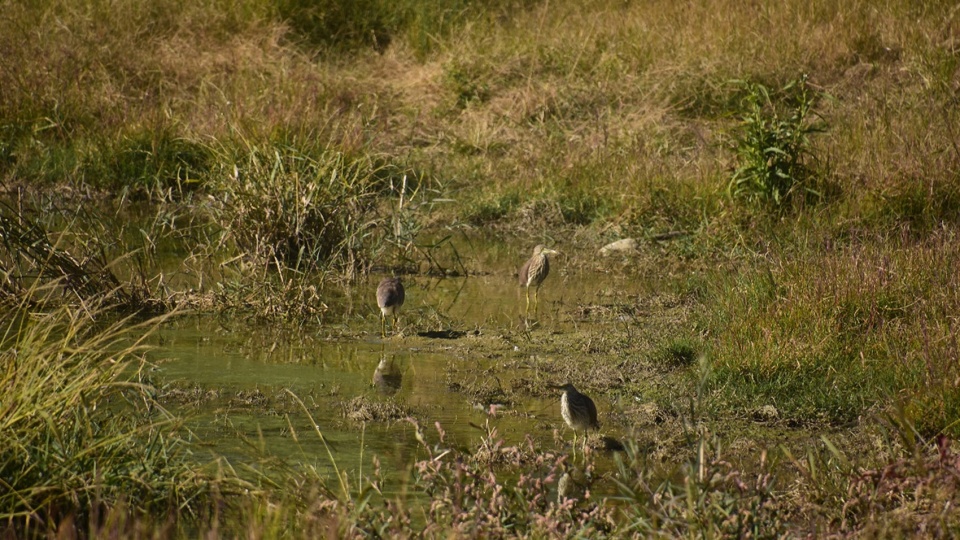
▼ 辅助再生鸟类栖息地,将原有的林地、荒地根据森林的演替规律而进行的近自然经营,伐除过密和干型扭曲、病害及枯死的林木,形成结构合理的群落空间,局部适当引入本地物种,营建为生态密林、疏林草地、草甸湿地等生物喜栖的基底类型,为白鹭、池鹭等本地鸟类提供筑巢、觅食的栖息环境,以少量的人工辅助促进自然生态系统的修复。Removing trees that are too dense and dry, distorted, diseased and dead according the law of forest succession ,to form a community space with reasonable structure.The restoration plan was proposed based on biological habitat protection, including ecological dense forest, sparse wood grassland, meadow wetland, and forest wetland. The plan provided nesting and foraging habitat for local birds such as Egret, Pond Heron etc. Minimal human intervention promoted natural ecosystems restoration. ©ZEHO
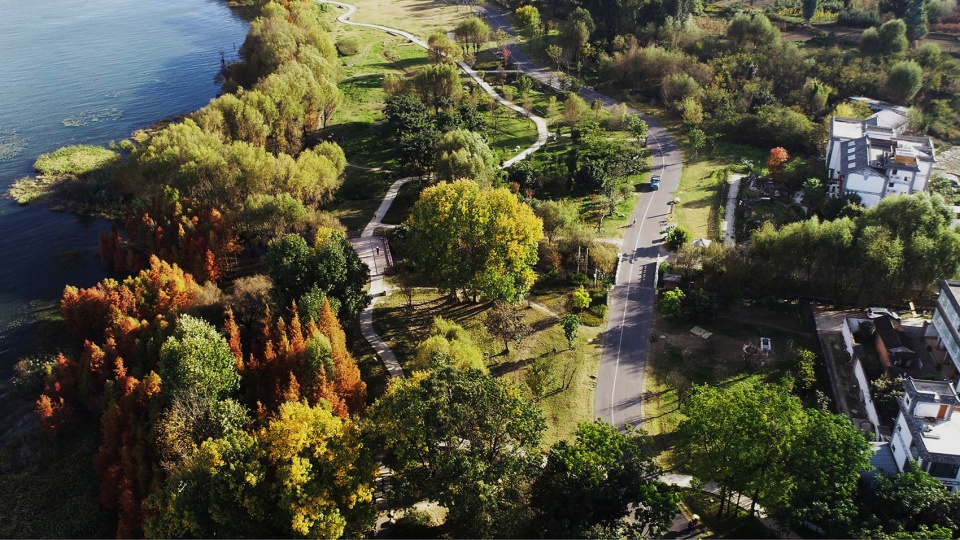
▼ 以巢树为中心,形成3000-5000㎡的营巢林。Forming a 3000-5000㎡nest forest for local birds centered on the nest tree. ©ZEHO
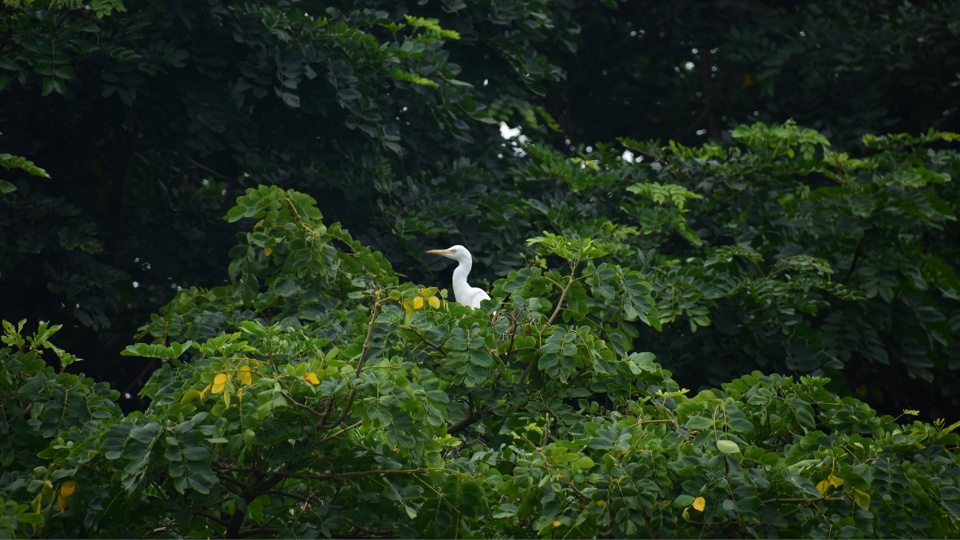
▼ 根据鹭类的栖息偏好,营建水深0-30cm,植被覆盖度在75%的草甸湿地环境。Establishing the meadow wetland with 0-30cm water depth and 75% vegetation coverage according the habitat preference of herons. ©ZEHO
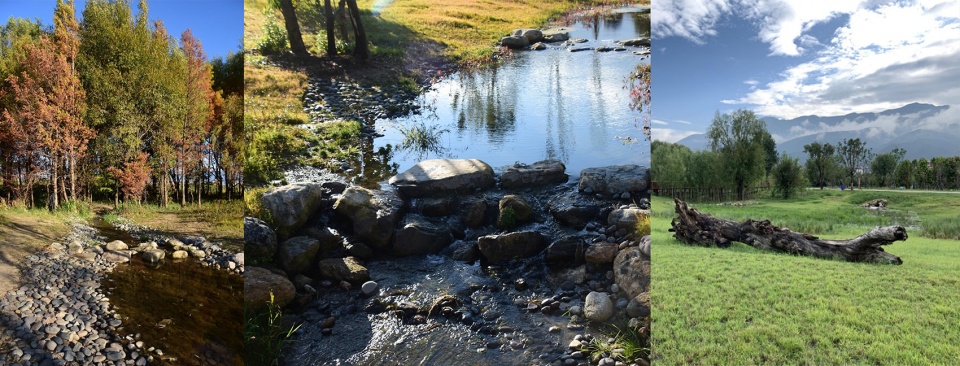
▼ 在湿地常水位以上0.0-0.3m处摆放枯木、石块,维持湿度及温度相对稳定的微栖息地,为昆虫提供生存空间,同时为鸟类提供食物。Providing living space for insects,as well as providing food for birds,in the way of laying out dead wood and stones at 0-0.3m above the normal water level of wetland. ©ZEHO
增设低干扰服务系统:
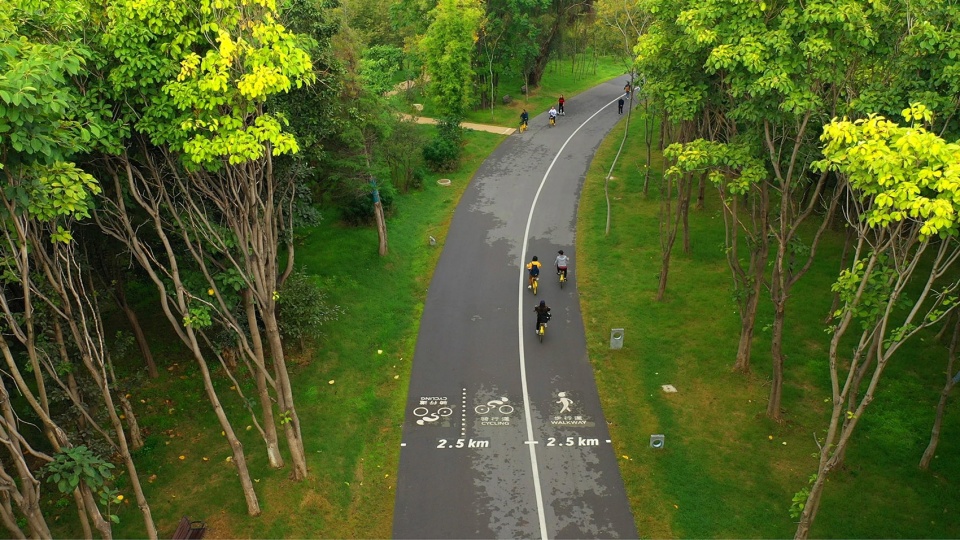
围绕自然的生态基底,仅在湖滨带内设置一条供骑行、步行的生态通行廊道,以降低对动植物栖息地的干扰。同时提供低干扰的基础服务设施,如生态驿站、清洁能源的观光游览车、共享单车等,满足周边村落人群及游客的基本需求。
Add low-jamming service system:
Only one cycling and walking path designed under the site condition along the lake edge acts as an ecological corridor, reducing the disturbance to the biological habitats. Low-interference infrastructures, including ecological post stations, clean energy sightseeing buses and shared bicycles, met the basic requirements of the surrounding villages and tourists.
▼ 重建低干扰生态通行廊道——洱海生态通行廊道中仅允许步行及骑行的低干扰游览方式,考虑到减小人类活动对自然生态干扰的同时提供更为有益的亲近自然的方式。In the ecological corridor of Erhai Lake, only walking and cycling are allowed for low-disturbance tour, which is considered to reduce the disturbance of human activities on natural ecology and provide a more beneficial way to get close to nature. ©ZEHO
保护洱海自然神圣遗产:
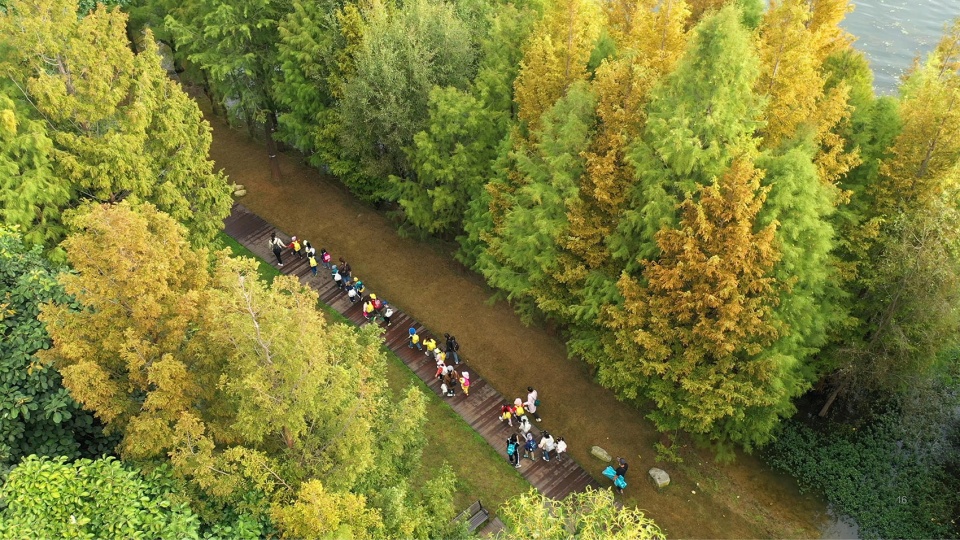
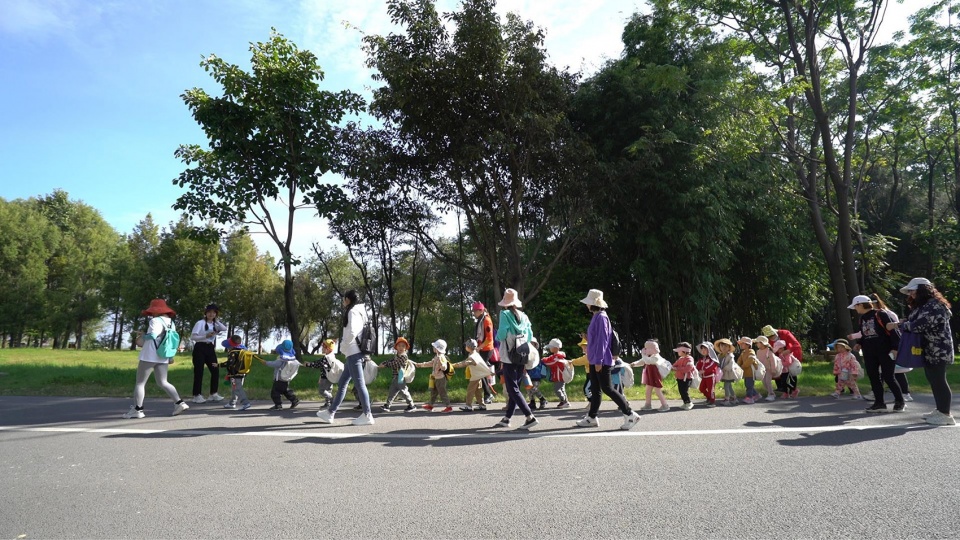
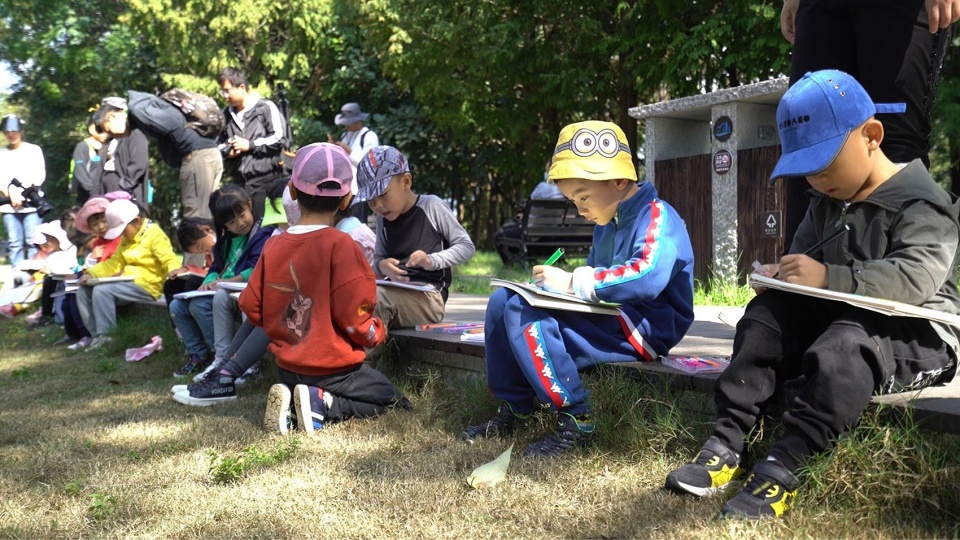
项目的根本初衷,是要在洱海保护与发展之间寻求行之有效的以自然为本的解决方案。自项目建成以来,洱海湖滨带的生态环境得到了改善,同时更多有益与丰富的活动也开展起来。除了以往的观光旅游,这里还开展了不同年龄段的自然教育课堂,以科普教育为抓手,最终实现保护洱海自然神圣遗产的可持续性发展。
Protect Erhai Natural and Sacred Heritage:
The initial purpose of the project is to propose effective nature-based solutions between Erhai conservation and development. The presence of the naturalized lake edges has seen the quality of environment promoted and the beneficial activities increased. Besides sightseeing, there are also nature education classes for different ages. With scientific education as the starting point, the project will serve the Erhai Lake’s natural sacred heritage for protection and sustainable development to come.
▼ 与义务教育学校及专业自然教育机构联合开展自然教育课堂,用“自然为师”的方式,通过科学系统的方法,使儿童融入大自然,实现对儿童的自然基础教育,将生态文明的理念从教育抓起从而对社会的未来产生有益的影响。It carries out nature education classes jointly with compulsory education schools and professional nature education institutions to integrate children into nature and realize the basic natural education for children in the way of “nature as teacher”, thus exerting a beneficial impact on the future of society by starting the concept of ecological civilization from education. ©ZEHO
结论
Conclusion
本项目的设计通过连接当地政府、多领域专家、当地居民等多方利益参与者,充分讨论场地问题,通过基于自然的解决方案,将湖滨缓冲带恢复到天然状态,湖滩、湿地等栖息空间“失而复得”,不仅削减入湖污染负荷,也提升了洱海“颜值”,同时唤起人们对生态环境的珍惜与爱护,逐步形成了健康良好的社会-经济-自然复合生态系统。
项目建成一年后,湿地的出水水质指标稳定,湖滨带的植物群落更为丰富,在此栖息的鸟类物种种类及规模都在扩大,作为水陆交错带的栖息地,其更丰富的物种多度,补偿了人进湖退造成的自然滩地的损失。基于自然的解决方案在这里由理念向实践迈出了重要的一步,湖滨带由“人进湖退”的侵占模式转变为“人退湖进”的人湖共生模式。
By connecting stakeholders, including local government, multi-disciplinary experts and residents, the project addressed comprehensive problems for discussion. The buffer zone was re-naturalized with the Nature-based Solutions, and the lake beaches, wetlands, and other habitats were restored. It not only reduced the pollution into the lake but also improved the aesthetic of Erhai Lake, and captured people’s attention for ecological environment. Healthy and positive social-economic-natural complex ecosystem has been gradually built.
One year after the construction, the effluent water quality from wetlands kept gratifying. The lake edges were richer in plant communities, and the amount of bird species that inhabit was growing. The increased habitats and biodiversity at the water-land ecotone compensated for losing the lakeshore caused by human invasion. At Erhai Lake, NbS took an important step from concept to actual practice. The human-lake symbiosis model of Restoring Human Residence to Lake was achieved.
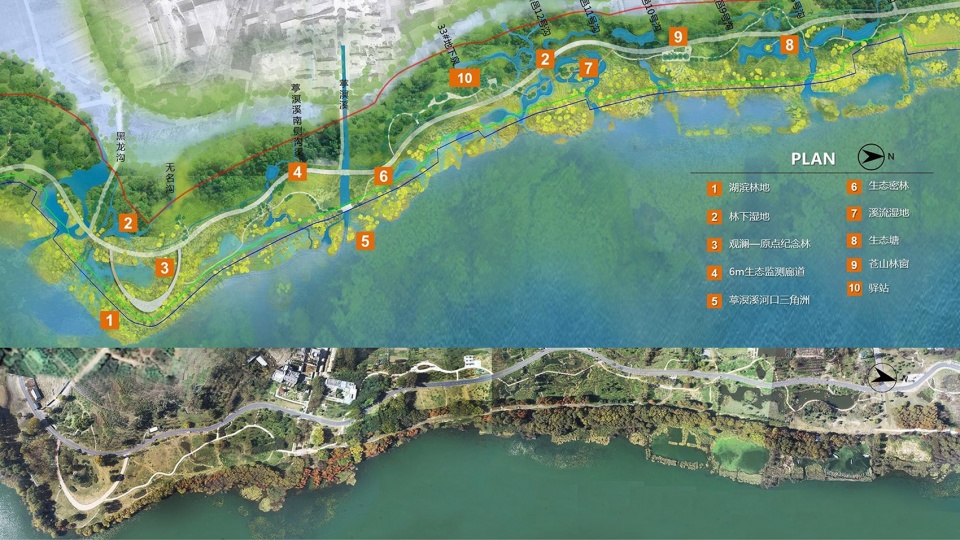
▼ 总平面图,Master plan ©ZEHO
项目名称:环洱海湖滨缓冲带生态修复示范段设计
设计方:北京正和恒基滨水生态环境治理股份有限公司
项目设计&完成年份:2019 & 2020
项目负责人:邢磊
总控团队:邢磊、李杰、卢云飞、苗飞虎、马腾、巩曙亮
方案设计团队:邢磊、马腾、陈广琳、李小艳、张雄、孔令华、张田、李阳、苗飞虎、鞠红秀、王洪达、崔维强、魏筱彬、董丹丹、穆莹、张翼鸣、陈传禄、郭媛、刘丹、周彬、查切尼、刘璇、高媛媛等
施工图设计团队:苗飞虎、巩曙亮、朱梦南、蔡晓昂、齐鸣、田琛瑶、韩磊、白家聿、宇新、王会林、曾红舟、周颖君、王琪、袁帅、刘绍龙、王萌等
现场设计团队:苗飞虎、马腾、巩曙亮、朱梦南、蔡晓昂、崔维强、魏筱彬、董丹丹、田琛瑶、齐鸣、韩磊、白家聿等
项目地址:云南省大理市洱滨村
施工单位:云南省建设投资控股集团有限公司
建设单位:大理市洱海生态环境保护“三线”划定项目工程指挥部
Project Name: The demonstration design of ecological restoration of Erhai Lake Riparian Buffer Zone, Dali City
Designer: Beijing ZEHO Waterfront Ecological Environment Treatment Co.
Design year & Completion Year:2019&2020
Project leader:Xing Lei
General control team: Xing Lei, Li Jie, Lu Yunfei, Miao Feihu, Ma Teng, Gong Shuliang.
Scheme design team: Xing Lei, Ma Teng,Chen Guanglin,Li Xiaoyan, Zhang Xiong, Kong Linghua, Zhang Tian, Li yang, Miao Feihu, Ju Hongxiu, Wang Hongda, Cui Weiqiang, Wei Xiaobin, Dong Dandan, Mu Ying, Zhang Yiming, Chen Chuanlu, Guo Yuan, Liu Dan,Zhou Bin,Zha Qieni, Liu Xuan, Gao Yuanyuan, etc.
Construction drawing design team: Miao Feihu, Gong Shuliang, Zhu Mengnan, Cai Xiaoang, Qi Ming, Tian Chenyao, Han Lei, Bai Jiayu, Yu Xin, Wang Huilin, Zeng Hongzhou, Zhou Yinjun, Wang Qi, Yuan Shuai, Liu Shaolong, Wang Meng, etc.
On-site design team: Miao Feihu, Ma Teng, Gong Shuliang, Zhu Mengnan, Cai Xiaoang, Cui Weiqiang, Wei Qiaobin, Dong Dandan, Tian Chenyao, Qi Ming, Han Lei,Bai Jiayu, etc.
Project Location: ErBin Village,Dali City,Yunnan Province
Construction unit: Yunnan Constrction and Investment Holding Group CO.,LTD.
Construction unit: Dali Erhai Ecological and environmental protection “Three Line” Project Engineering Headquarters
More: Beijing ZEHO Waterfront Ecological Environment Treatment Co. 。 更多关于他们:Beijing ZEHO Waterfront Ecological Environment Treatment Co. on gooood.



这个项目原来上了谷德啊 身临其境真的很不错
真美。
真的做到了设计结合自然
科学自然的设计,美丽的大理又回来啦
这样级别的自然风景,怎么设计都差不了~
很棒的修护案子
feel
feel